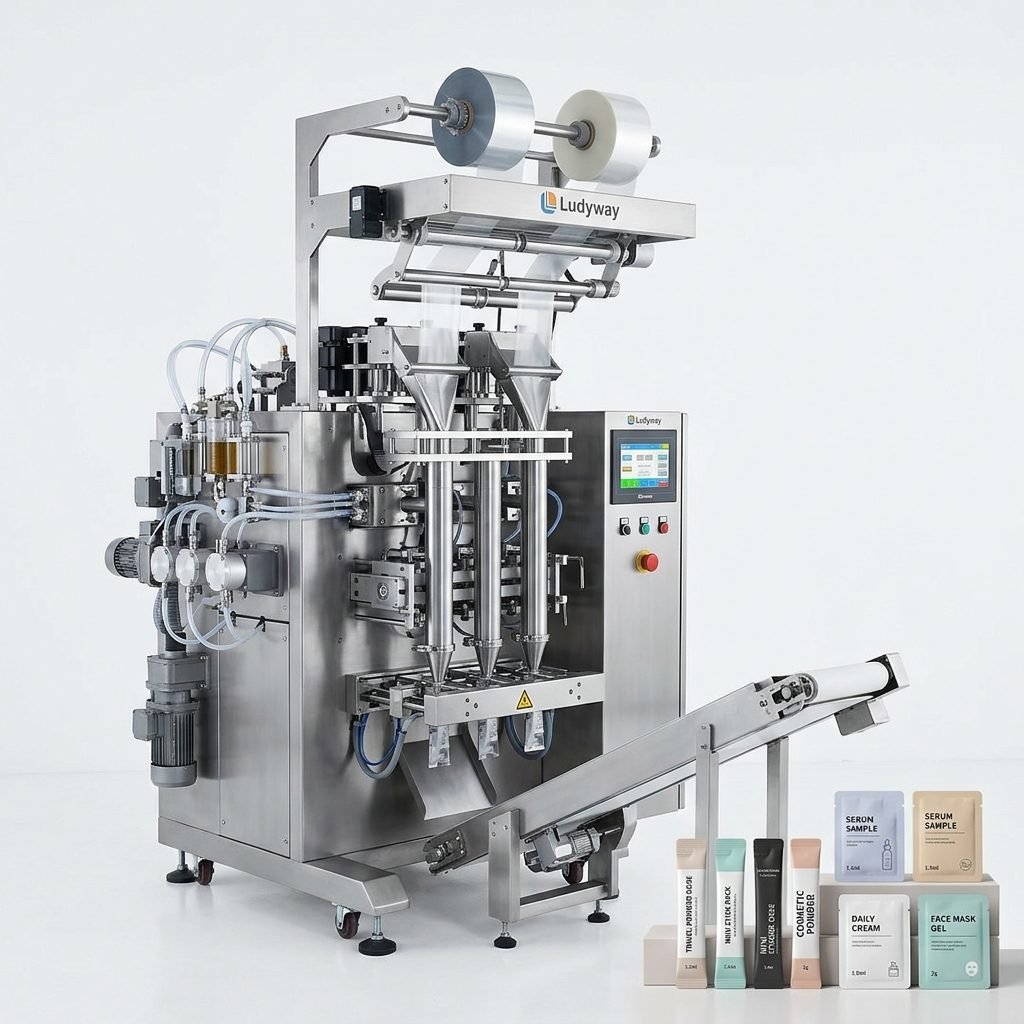
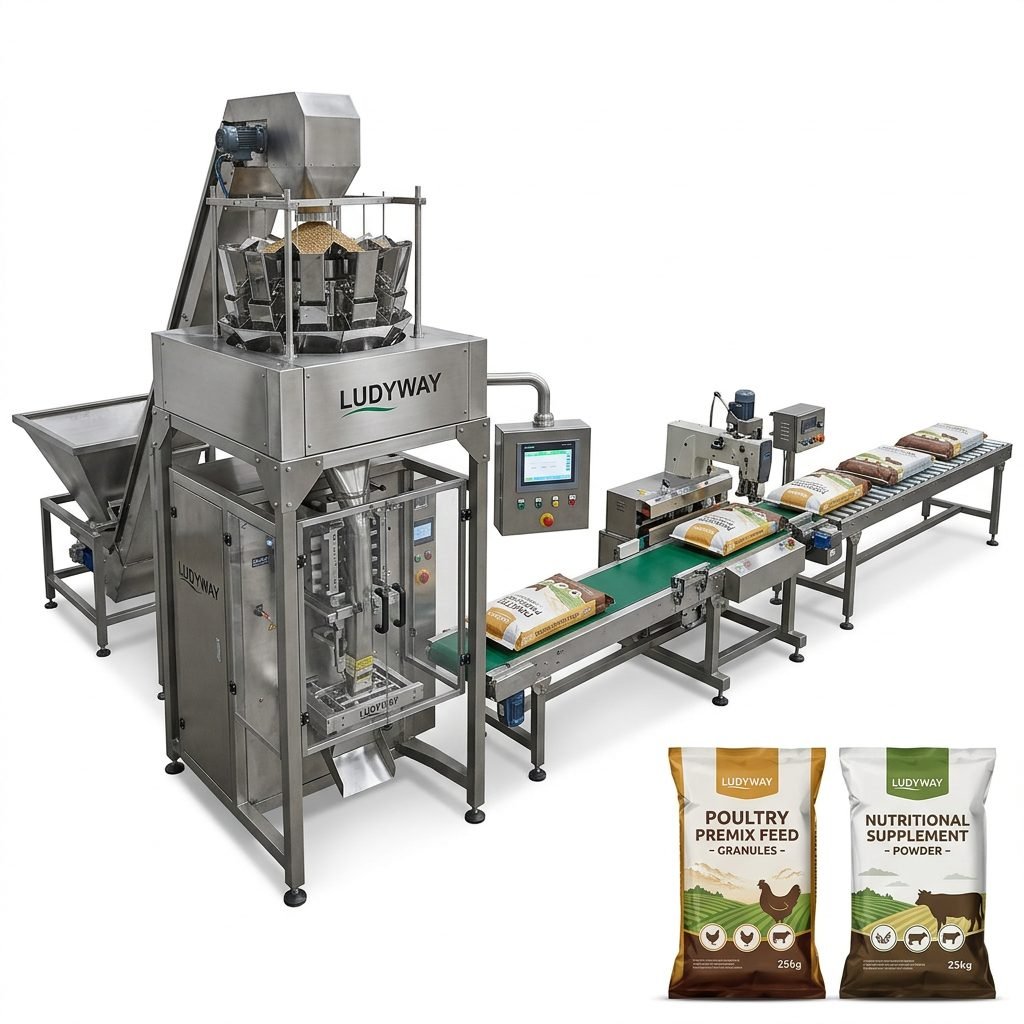
The edible oil market in Southeast Asia is experiencing rapid growth, driven by rising populations, urbanization, and increasing demand for packaged cooking oils. Countries like Indonesia, Thailand, Vietnam, and the Philippines represent some of the fastest-growing markets for edible oils globally. Setting up a cooking oil packaging line in this region requires careful planning, the right equipment, and a clear understanding of local regulations and market dynamics.
Understanding the Southeast Asian Edible Oil Market
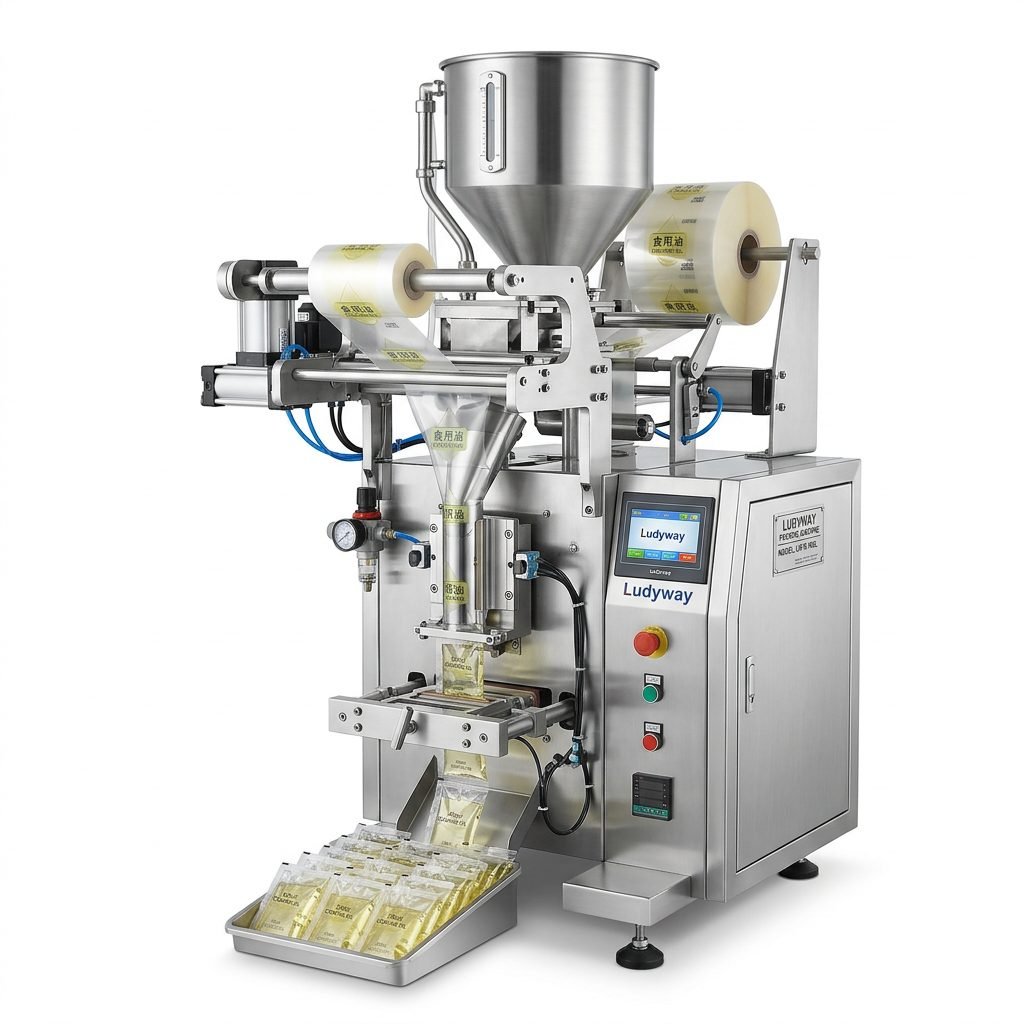
Southeast Asia is not only a major producer of palm oil but also a massive consumer market for cooking oils. The region’s diverse culinary culture creates demand for various packaging formats, from bulk containers for food service to convenient sachets and pouches for retail consumers. The sachet economy, particularly prominent in countries like Indonesia and the Philippines, has made single-use and small-format packaging a dominant trend in the edible oil sector.
According to PMMI’s business intelligence reports, the packaging machinery market in Asia-Pacific continues to outpace other regions, with food packaging being a primary driver. Understanding local consumption patterns is crucial before investing in a packaging line.
Key Equipment for a Cooking Oil Packaging Line
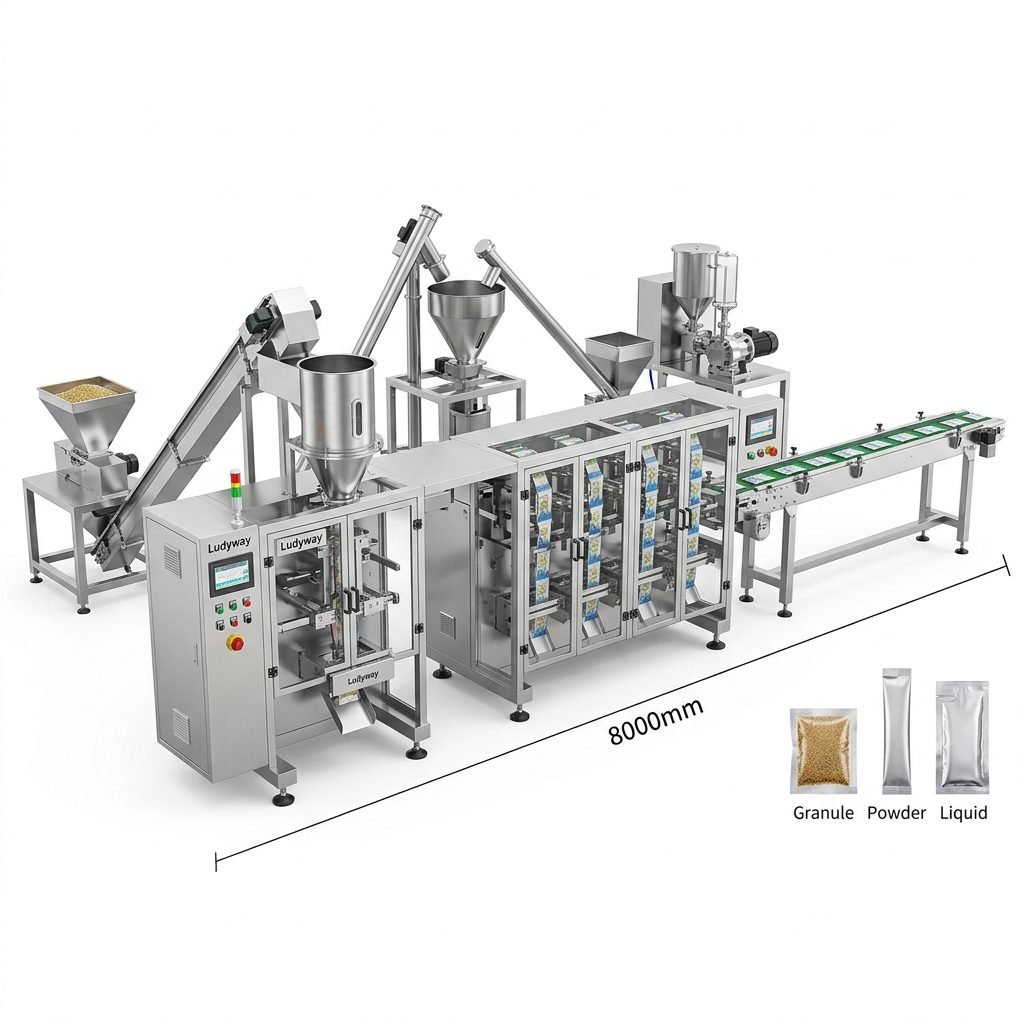
A complete cooking oil packaging line typically consists of several integrated machines working in harmony. The exact configuration depends on your target packaging format, production capacity, and automation level.
1. Filling Machines
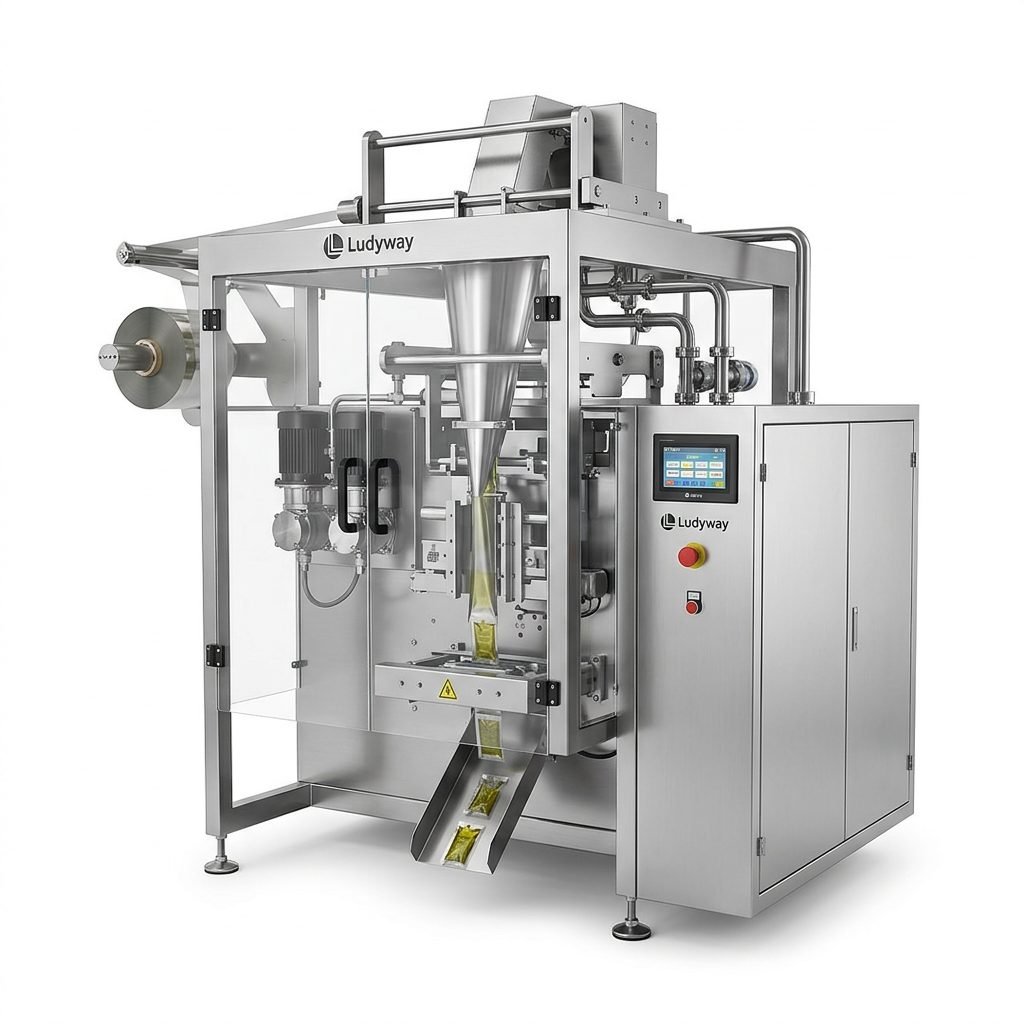
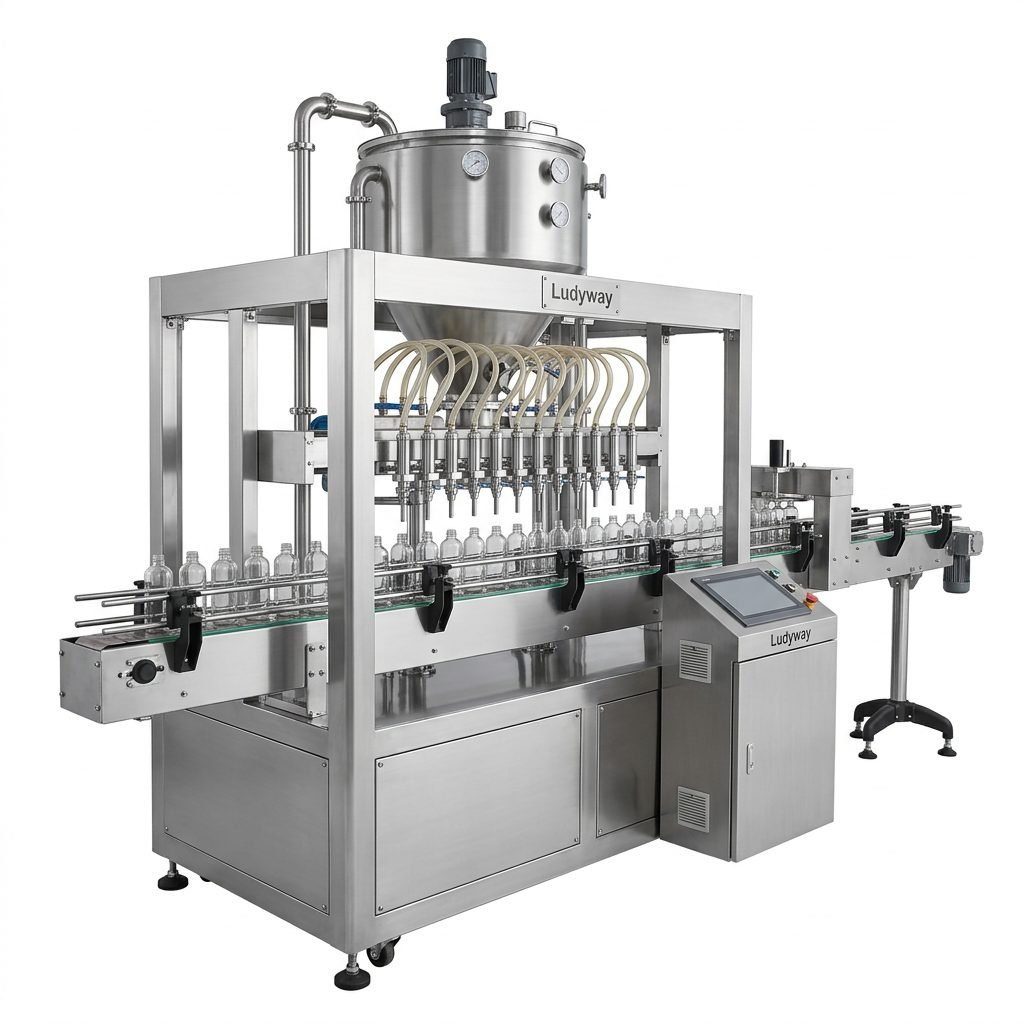
The filling machine is the core component of any cooking oil packaging line. Depending on your packaging format, you may need:
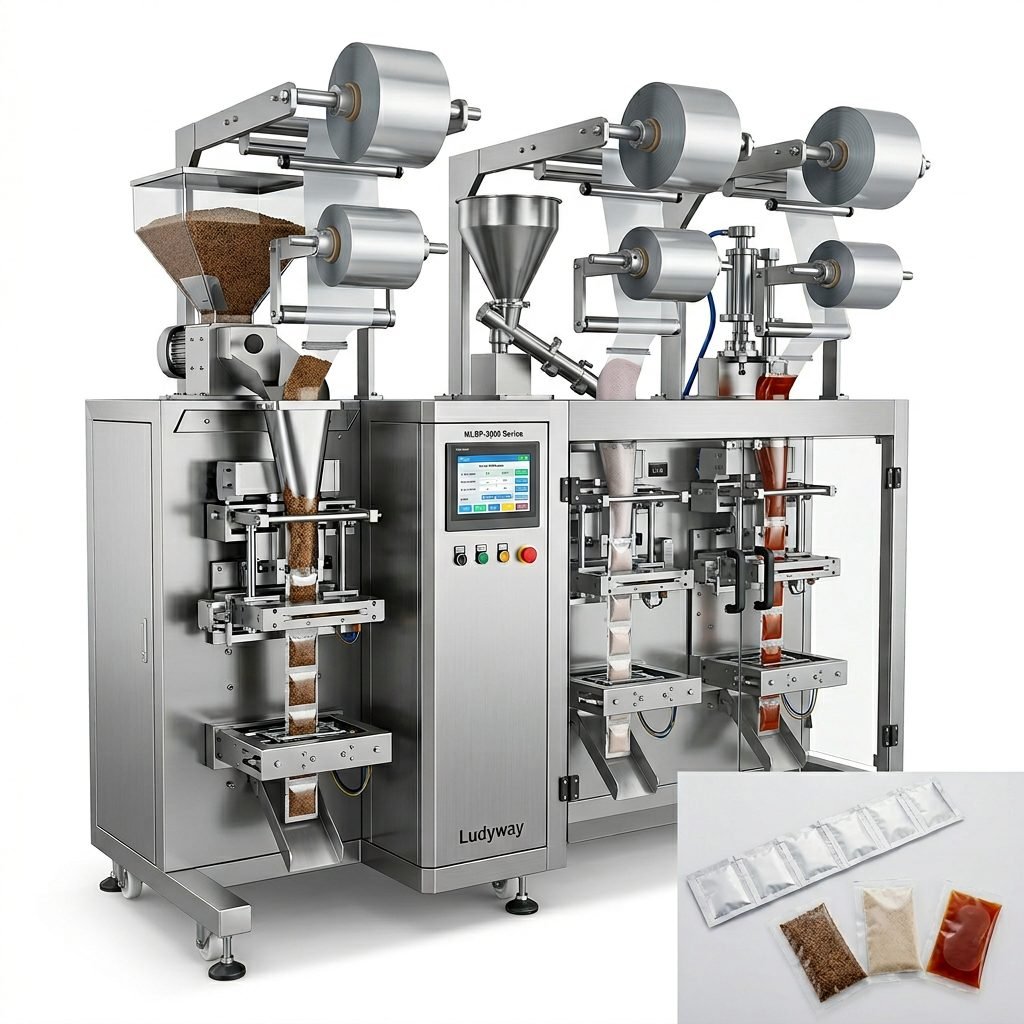
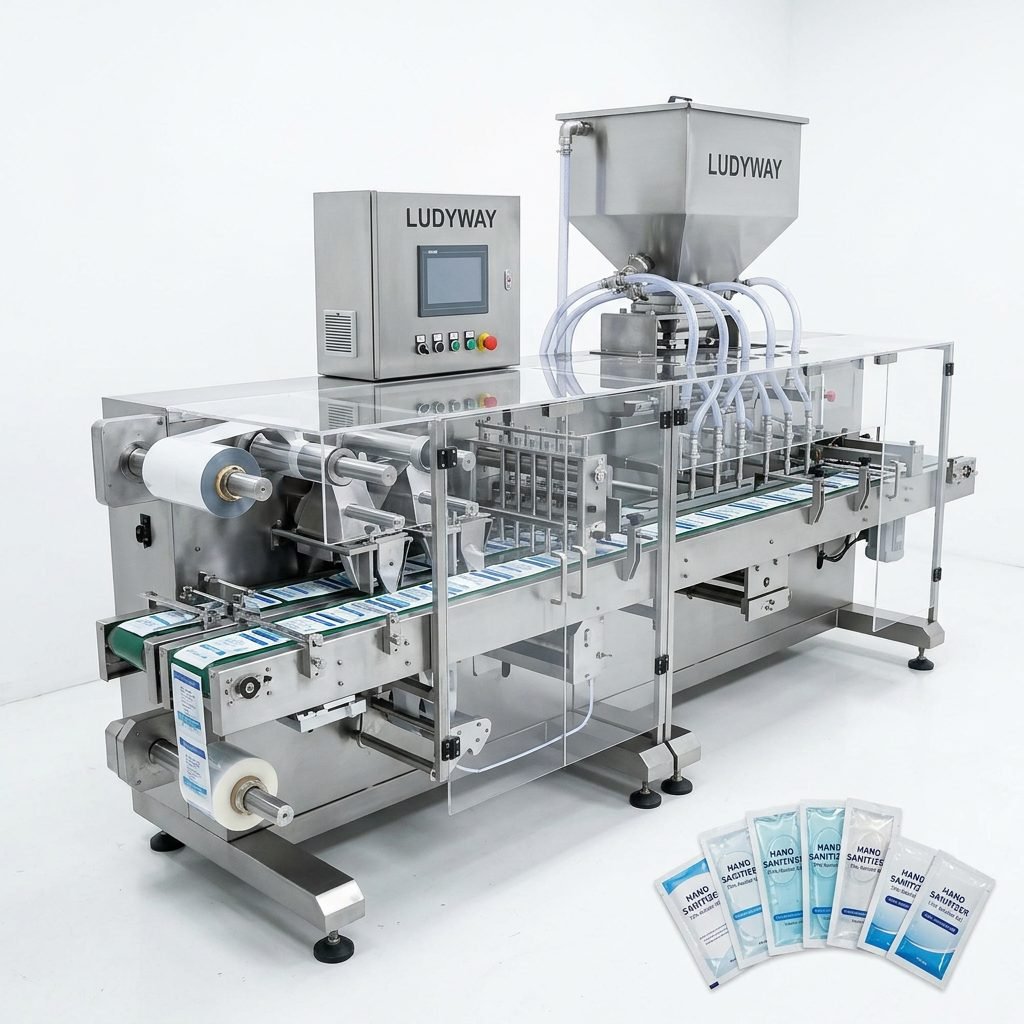
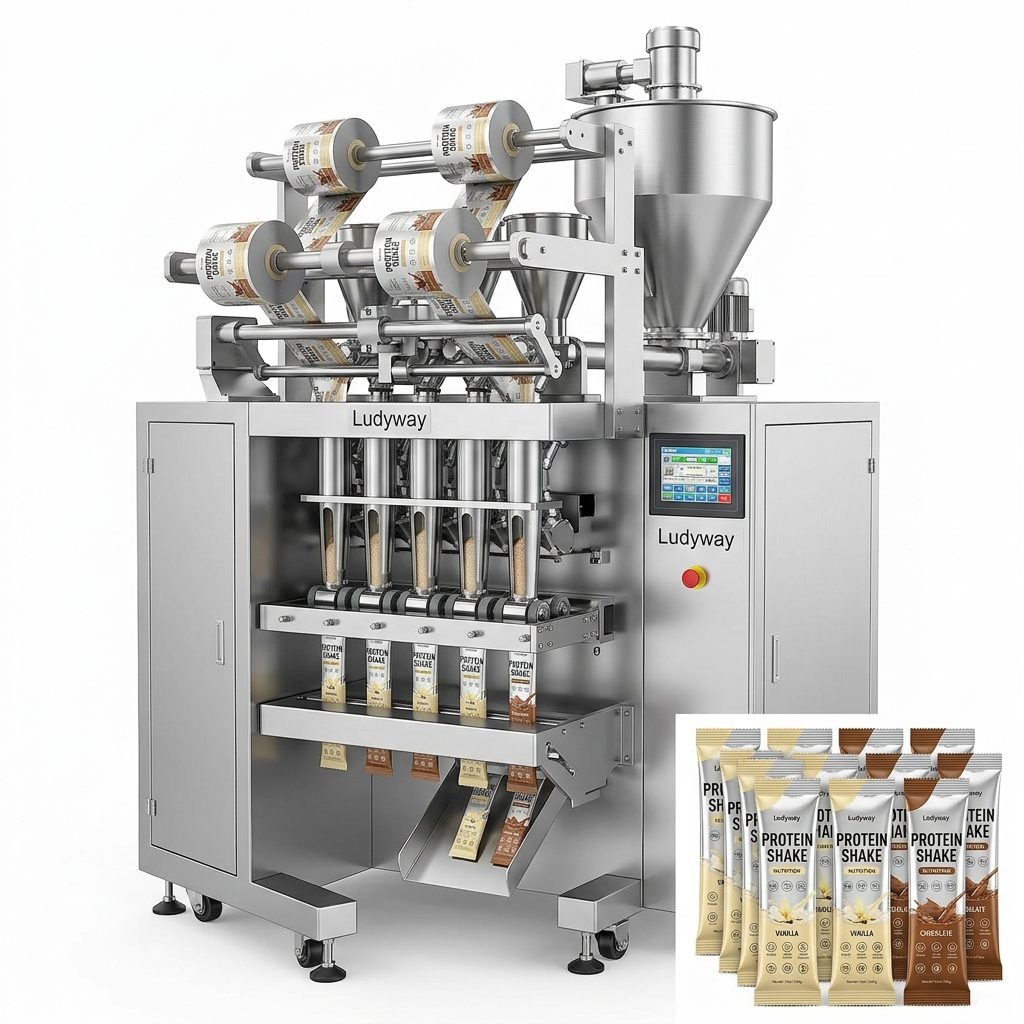
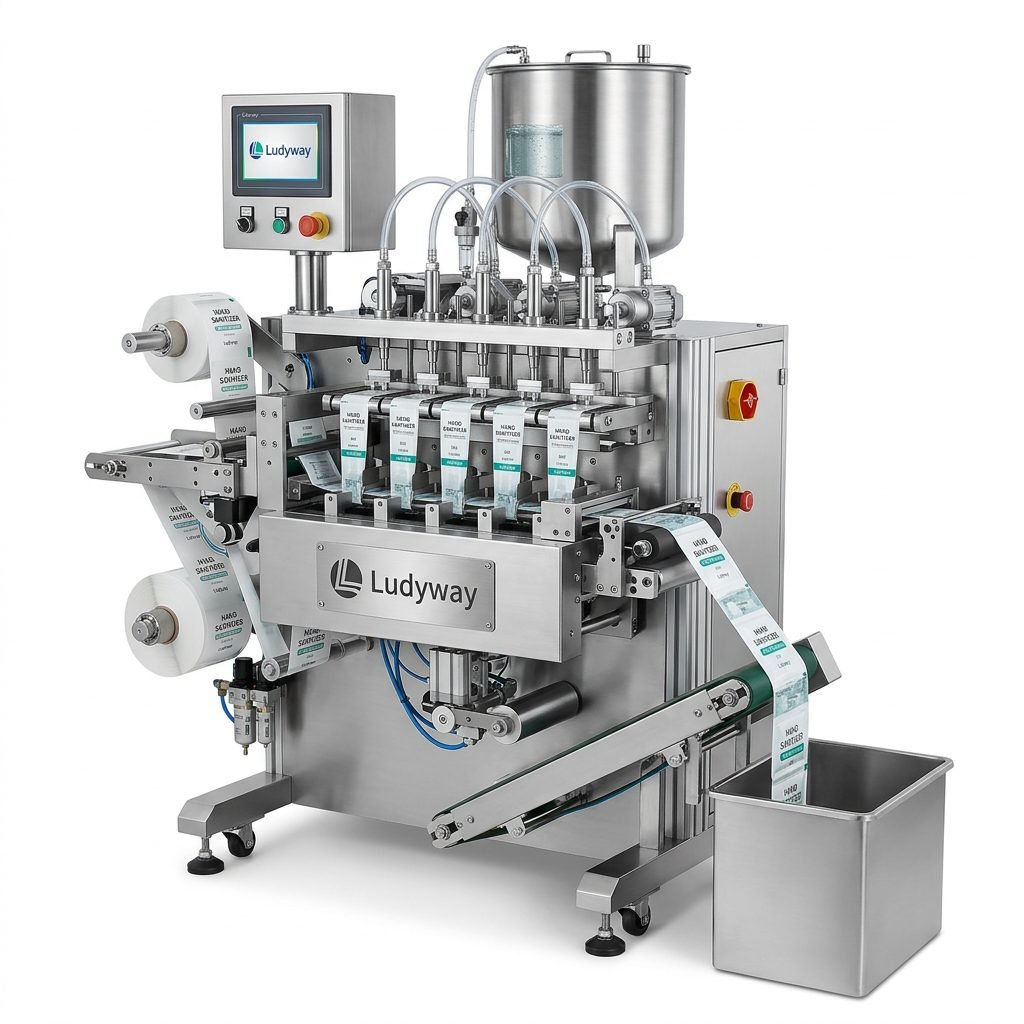
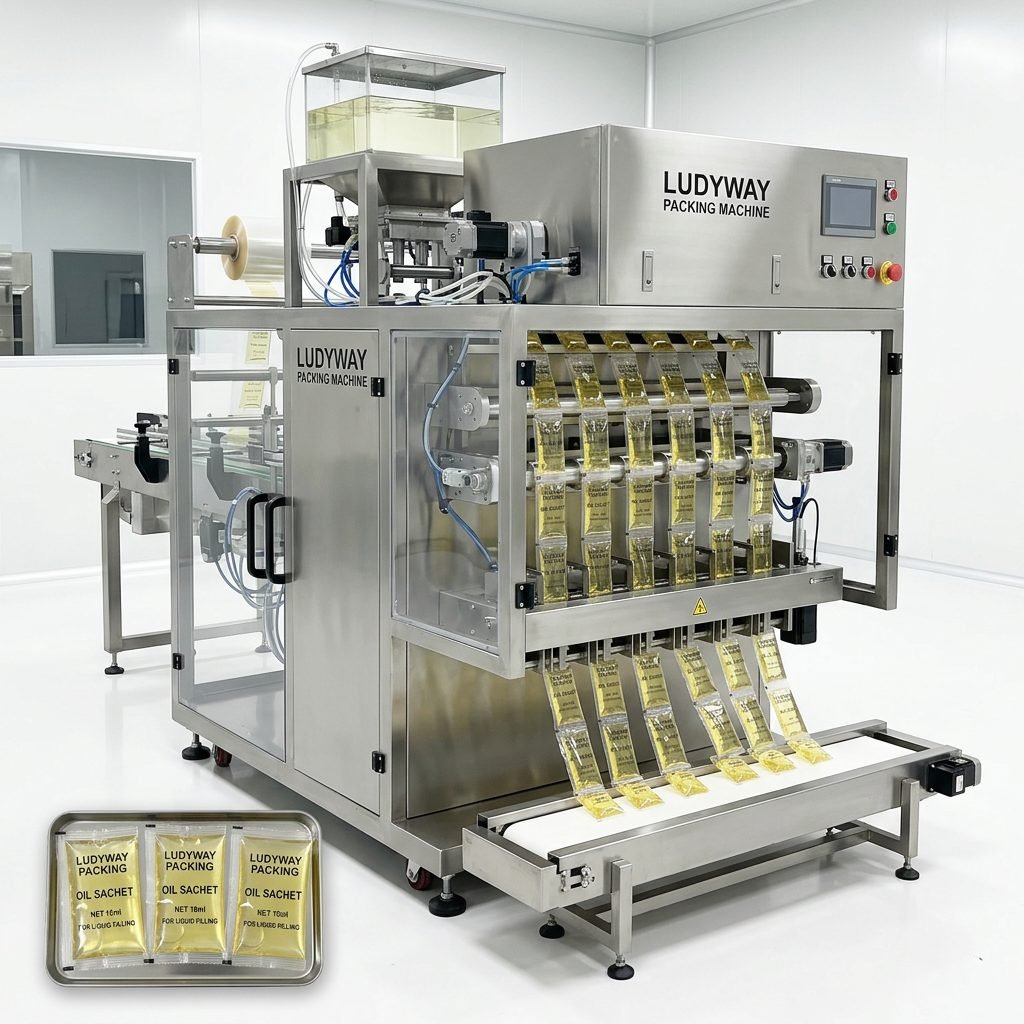
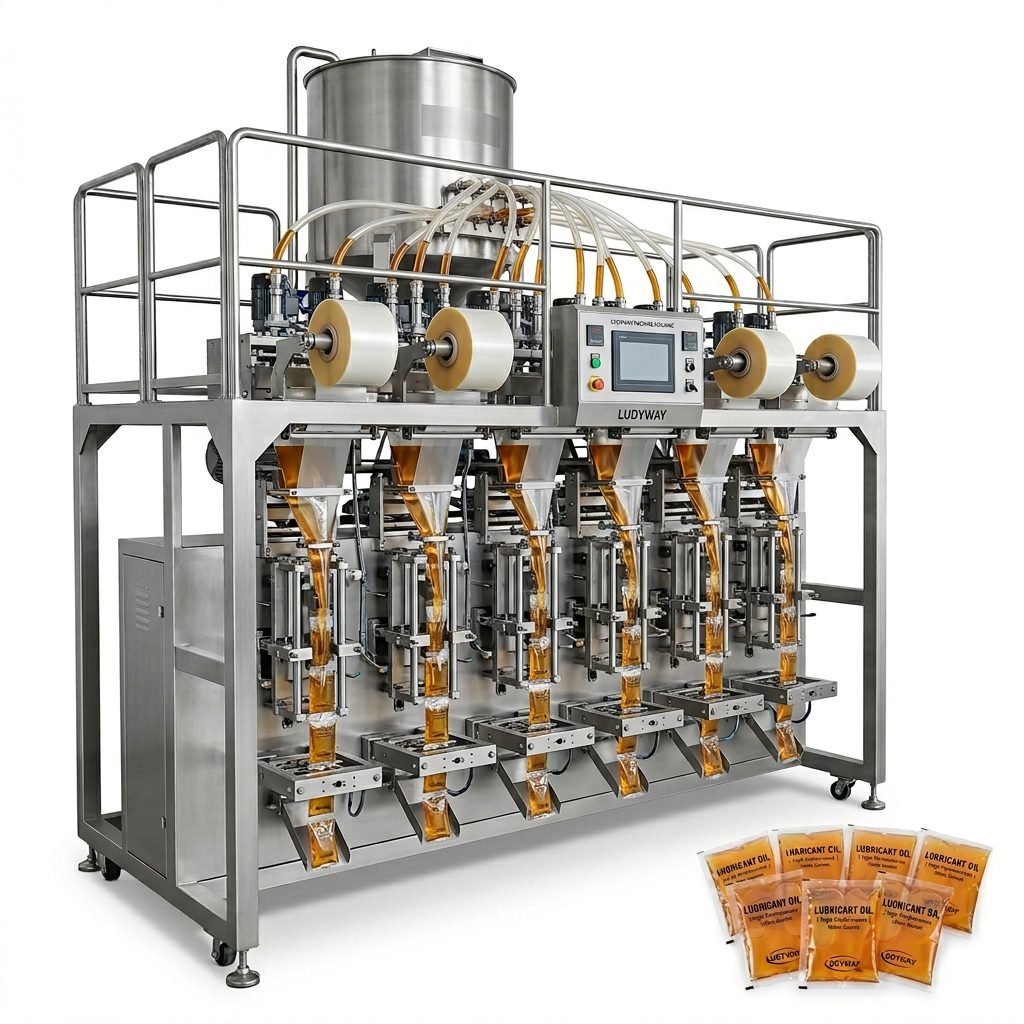
- Liquid sachet filling machines – for small single-use pouches, common in Southeast Asian markets
- Bottle filling machines – for PET or glass bottles ranging from 250ml to 5 liters
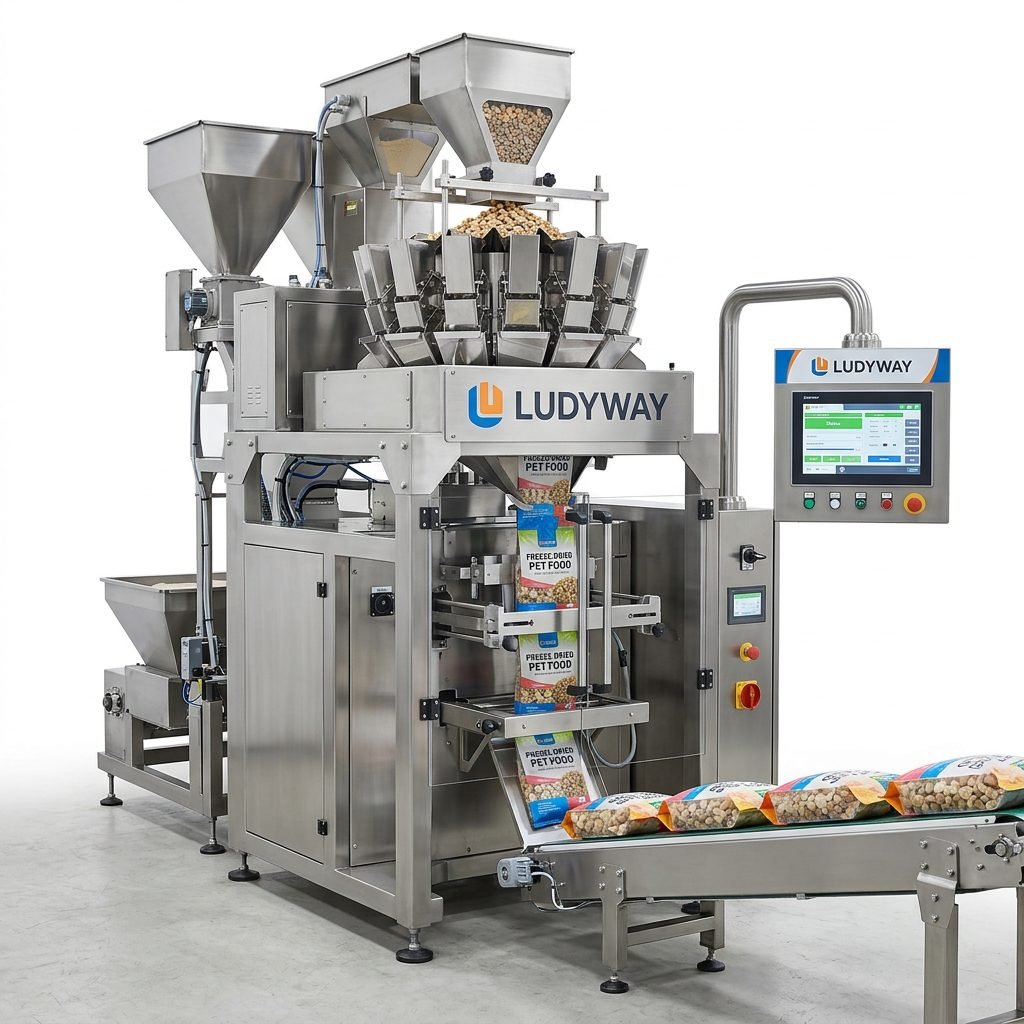
- Pouch filling systems – for stand-up pouches and pillow bags, increasingly popular for premium oils
- Jerry can and drum fillers – for bulk packaging targeting food service and industrial buyers
2. Capping and Sealing Equipment
After filling, containers must be properly sealed to prevent leakage and contamination. Capping machines handle screw caps, press-on lids, and tamper-evident seals. For sachets and pouches, heat sealing systems ensure airtight closures that maintain product freshness throughout shelf life.
3. Labeling and Coding Systems
Compliance with local labeling regulations is mandatory across Southeast Asia. Automated labeling machines apply product labels, batch numbers, expiration dates, and barcodes. Inkjet coding systems and thermal transfer printers add variable data such as production dates and traceability codes, which are increasingly required by ASEAN food safety standards.
4. Cartoning and Case Packing Machines
For retail distribution, sachets and pouches are typically packed into cartons or display boxes. Automatic cartoning machines streamline this process, significantly reducing manual labor while improving throughput. Case packing systems then prepare finished cartons for palletizing and shipment.
5. Palletizing Systems
For higher-volume operations, automated palletizing systems stack packaged products onto pallets efficiently. Robotic palletizers are increasingly adopted across Southeast Asia for their flexibility and reduced labor dependency.
Step-by-Step Guide to Setting Up Your Packaging Line
Setting up a cooking oil packaging facility in Southeast Asia involves several distinct phases. Following a structured approach minimizes risks and helps ensure a smooth launch.
Step 1: Market Research and Product Definition
Before purchasing any equipment, define your target market and product specifications. Determine the packaging formats, sizes, and materials that align with consumer preferences in your target country. For example, sachets of 20ml-100ml dominate the value segment, while 500ml-2L bottles target middle-income households.
Step 2: Regulatory Compliance and Certification
Each ASEAN country has specific food packaging regulations. Key considerations include:
- Food contact material compliance – packaging materials must meet safety standards
- Halal certification requirements – critical for markets like Indonesia and Malaysia
- Labeling and language requirements – local language labels are often mandatory
- Import duties on equipment – vary by country and trade agreements
The FDA’s guidance on food packaging and food contact substances provides useful reference points, though local ASEAN regulations will apply directly.
Step 3: Facility Planning and Layout Design
Your facility layout must accommodate the packaging line, raw material storage, finished goods warehousing, and quality control laboratories. Critical factors include floor space, utilities (electricity, compressed air, water), hygiene zones, and material flow. In tropical Southeast Asian climates, temperature and humidity control are particularly important for edible oil processing.
Step 4: Equipment Selection and Procurement
Select equipment that matches your production volume goals, packaging formats, and budget. Consider factors such as:
- Production speed (units per minute)
- Changeover flexibility between different package sizes
- Automation level and labor requirements
- Availability of after-sales support and spare parts in Southeast Asia
- Machine compatibility with local electrical standards and utilities
Step 5: Installation, Commissioning, and Training
Professional installation and commissioning are essential for optimal line performance. Ensure that your equipment supplier provides comprehensive operator training and technical documentation. This phase typically includes dry runs, product trials, and fine-tuning of filling accuracy and sealing parameters.
Step 6: Quality Control and Production Ramp-Up
Implement robust quality control procedures from day one. Key checkpoints include fill weight accuracy, seal integrity, label placement, and coding legibility. Gradual production ramp-up allows operators to gain experience while maintaining quality standards.
Cost Considerations for a Cooking Oil Packaging Line
The total investment for a cooking oil packaging line in Southeast Asia varies significantly based on automation level, production capacity, and packaging formats. Below is an indicative breakdown of cost factors to consider during budgeting.
| Cost Category | Typical Range (USD) | Remarks |
|---|---|---|
| Filling Machine (entry-level) | $15,000 – $50,000 | Semi-automatic, lower throughput |
| Filling Machine (fully automatic) | $60,000 – $250,000+ | Multi-lane, high-speed systems |
| Capping and Sealing Module | $10,000 – $80,000 | Depends on cap type and speed |
| Labeling and Coding Systems | $8,000 – $40,000 | Including thermal transfer or inkjet |
| Conveying and Handling Systems | $15,000 – $70,000 | Customized to facility layout |
| Cartoning and Case Packing | $25,000 – $120,000 | Optional depending on format |
| Palletizing System | $40,000 – $150,000+ | Robotic systems on higher end |
| Installation and Commissioning | 10% – 15% of equipment cost | Varies by supplier and location |
| Shipping and Logistics | $5,000 – $30,000 | Depends on origin and destination |
Note: These figures are indicative estimates. Actual costs depend on configuration, brand, and regional factors. Always request detailed quotations from multiple suppliers.
Choosing the Right Packaging Supplier
Selecting a reliable equipment supplier is one of the most critical decisions in setting up your packaging line. Look for manufacturers with proven experience in liquid and oil packaging, strong references from Southeast Asian clients, and comprehensive after-sales support. Key evaluation criteria include:
- Industry experience and technical expertise in edible oil applications
- Availability of spare parts and local service support in Southeast Asia
- Turnkey project capabilities covering design, manufacturing, installation, and training
- Compliance with international quality and safety standards
- Flexibility to customize equipment for your specific packaging formats
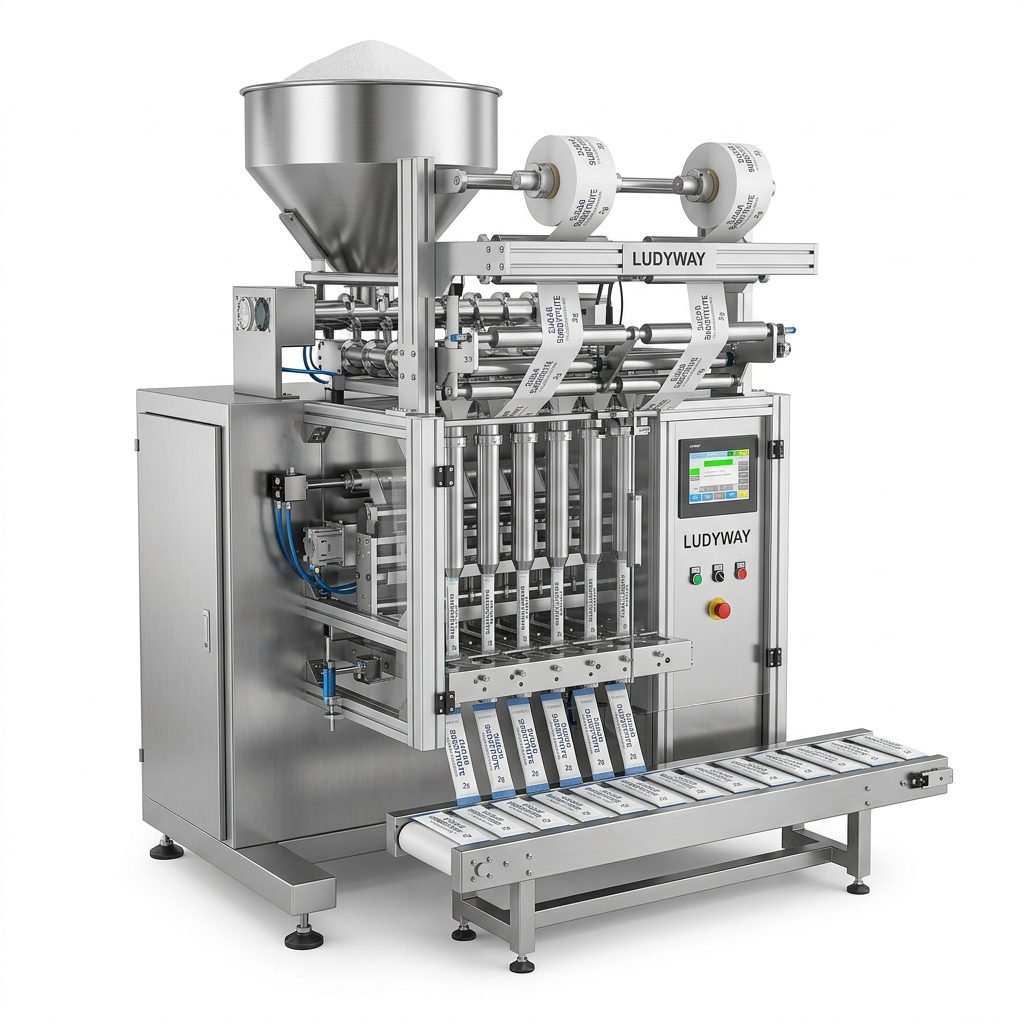
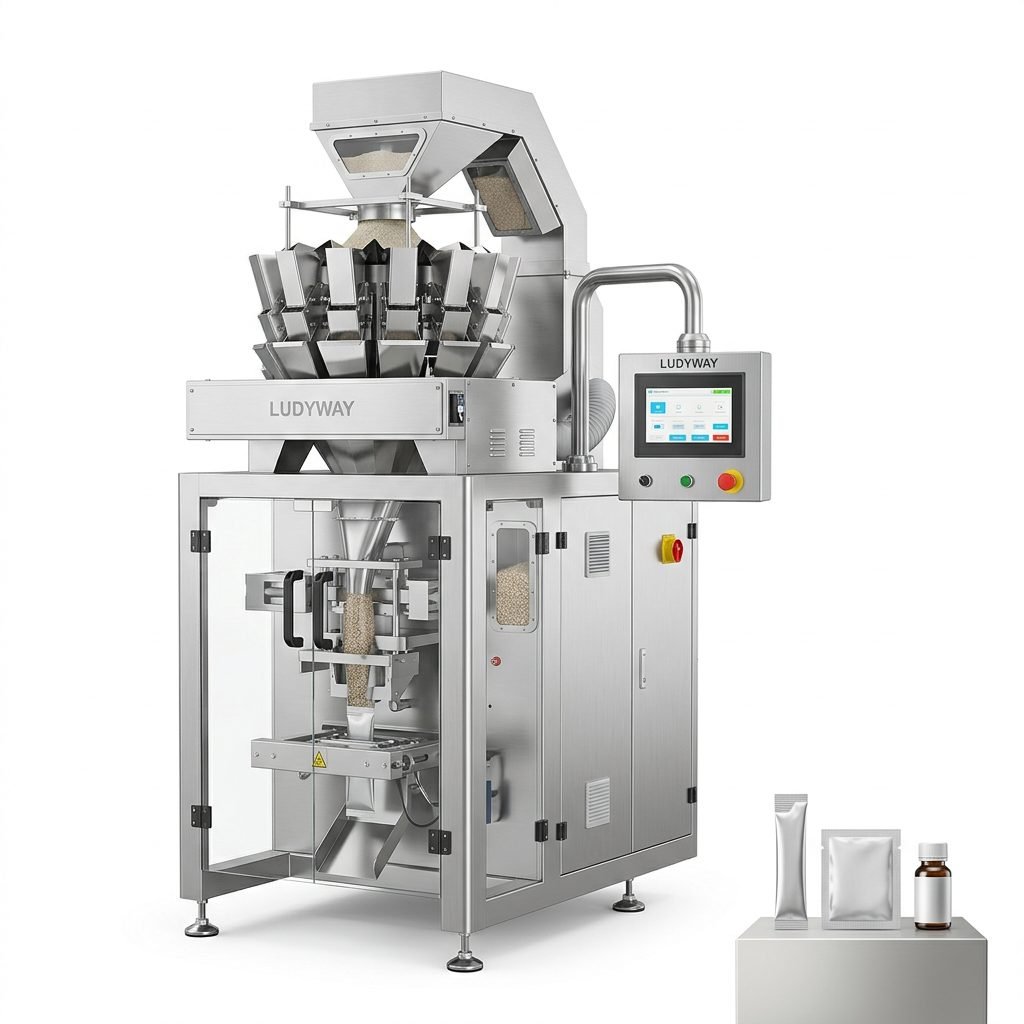
As one of the largest packaging machine manufacturers in China, Ludyway specializes in advanced packaging equipment and turnkey production solutions for the food, pharmaceutical, and health industries. With over 30 years of industry expertise and a modern 20,000㎡ manufacturing facility, Ludyway offers reliable and efficient packaging solutions for granule, powder, liquid, and pouch packaging applications, serving customers in over 100 countries and regions including many across Southeast Asia.
For additional industry guidance, refer to resources from the Flexible Packaging Association and PMMI packaging industry resources, both of which provide valuable data on packaging trends and machinery standards relevant to edible oil applications.
Regulatory and Quality Standards in ASEAN
Each Southeast Asian country maintains its own food safety and packaging regulations. However, there is growing harmonization through ASEAN frameworks. Key regulatory bodies include BPOM in Indonesia, FDA in Thailand and the Philippines, and MOH in Vietnam. Edible oil packaging must comply with standards covering:
- Food-grade packaging materials and migration limits
- Accurate net content declarations
- Nutritional labeling and health claims
- Halal certification for Muslim-majority markets
- Shelf-life testing and expiration date labeling
The ISO packaging standards (ICS 55) provide internationally recognized frameworks that can help ensure your packaging operations meet global quality benchmarks while adapting to local ASEAN requirements.
Operational Tips for Running a Cooking Oil Packaging Line
Once your line is operational, focus on these areas to maximize efficiency and product quality:
- Preventive maintenance: Schedule regular inspections of filling nozzles, sealing jaws, and conveyor systems to minimize unplanned downtime.
- Operator training: Well-trained operators significantly reduce errors and improve overall equipment effectiveness (OEE).
- Inventory management: Maintain adequate stocks of packaging materials, spare parts, and consumables to avoid production interruptions.
- Quality monitoring: Implement in-line checkweighing and seal integrity testing to catch defects early.
- Continuous improvement: Regularly review line performance data to identify bottlenecks and optimization opportunities.
Future Trends in Southeast Asian Cooking Oil Packaging
The edible oil packaging landscape in Southeast Asia is evolving rapidly. Several trends are shaping investment decisions for new packaging lines:
- Growth of sachet and stick pack formats – driven by affordability and convenience for lower-income consumers
- Premiumization – rising middle-class demand for branded oils in attractive pouches and bottles
- Sustainability – increasing pressure for recyclable and reduced-plastic packaging solutions
- Smart packaging – QR codes and traceability features becoming more common
- Automation and labor optimization – manufacturers reducing reliance on manual labor through automated systems
By investing in a flexible, scalable packaging line today, cooking oil producers in Southeast Asia can position themselves to capture growth across multiple market segments while adapting to evolving consumer and regulatory demands. For detailed market data, the 2025 State of the Industry report from PMMI offers valuable insights into packaging machinery trends affecting the food sector.
Ready to explore cooking oil packaging solutions for your Southeast Asian operation? Contact industry experts for a customized consultation and equipment proposal tailored to your production requirements.