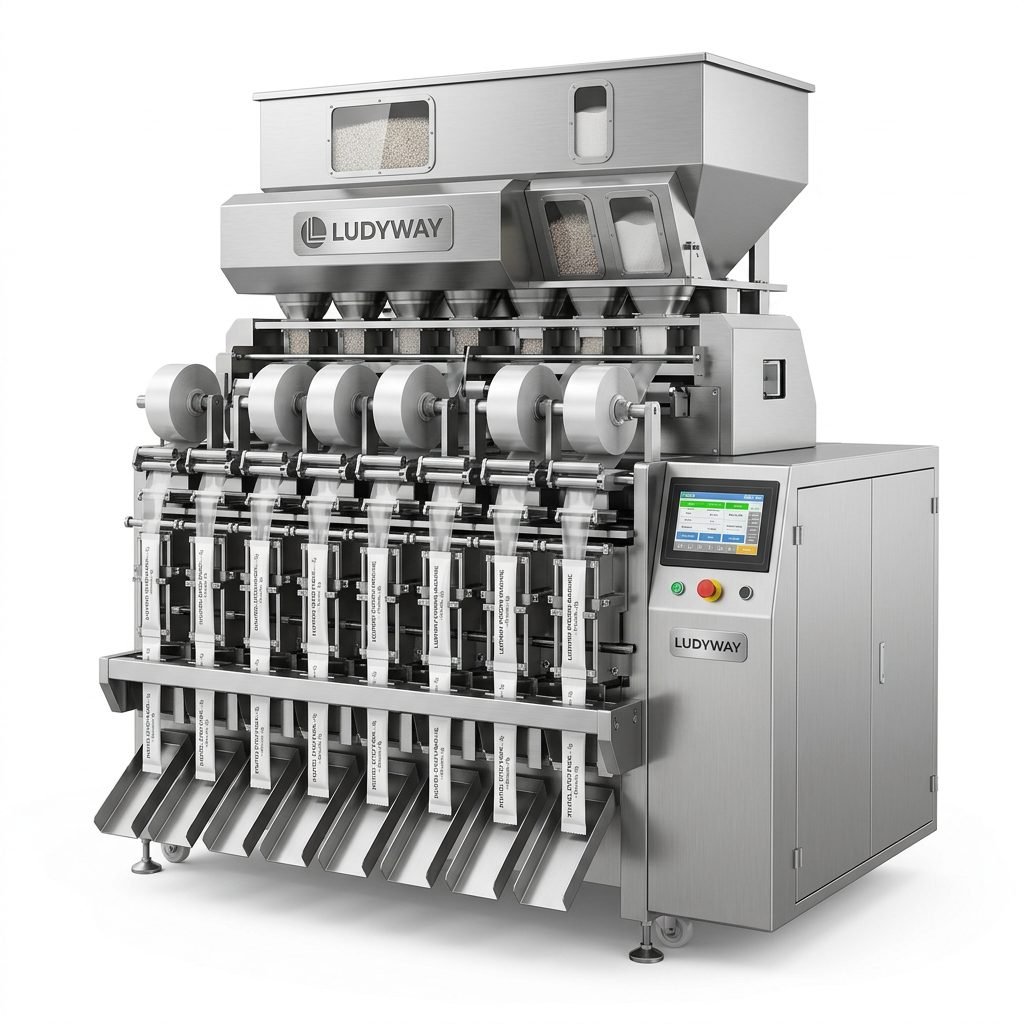
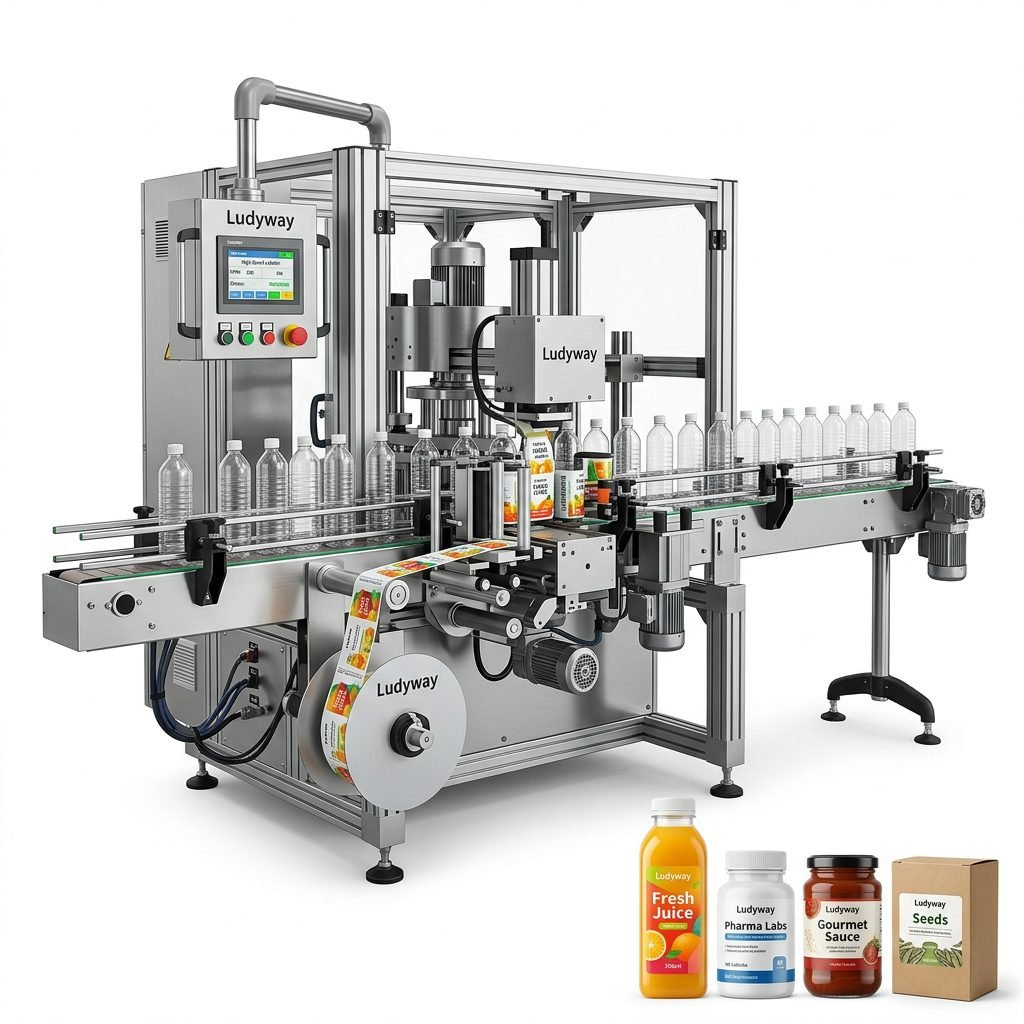
Germany is Europe’s largest chocolate market, with per capita consumption exceeding 9 kg annually. Establishing a chocolate bar packaging line here requires navigating strict EU regulations, understanding local equipment standards, and optimizing for efficiency. Whether you are a craft chocolatier scaling up or an industrial producer entering the German market, setting up a packaging line involves careful coordination of machinery, facility layout, and compliance documentation.
Understanding German Chocolate Packaging Demands
The German chocolate sector values precision engineering and sustainable packaging. Consumer trends increasingly favor portion-controlled formats like mini bars and stick packs, which require flexible, multi-lane packaging systems. Additionally, Germany’s packaging laws (VerpackG) mandate recyclability and registration with the European Commission Packaging and Packaging Waste regulations, making material selection critical from the outset.
Key Market Drivers in Germany
- High demand for organic and fair-trade chocolate requiring clean-label packaging
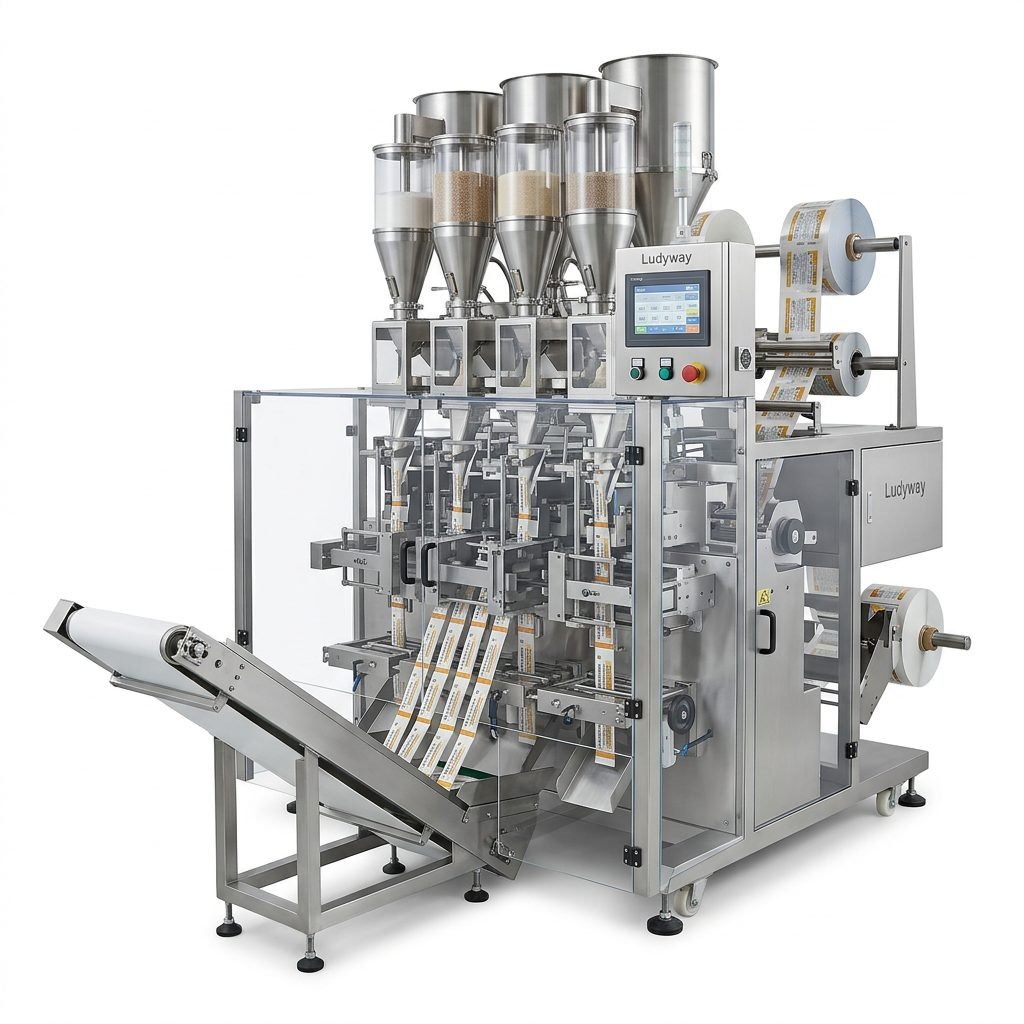
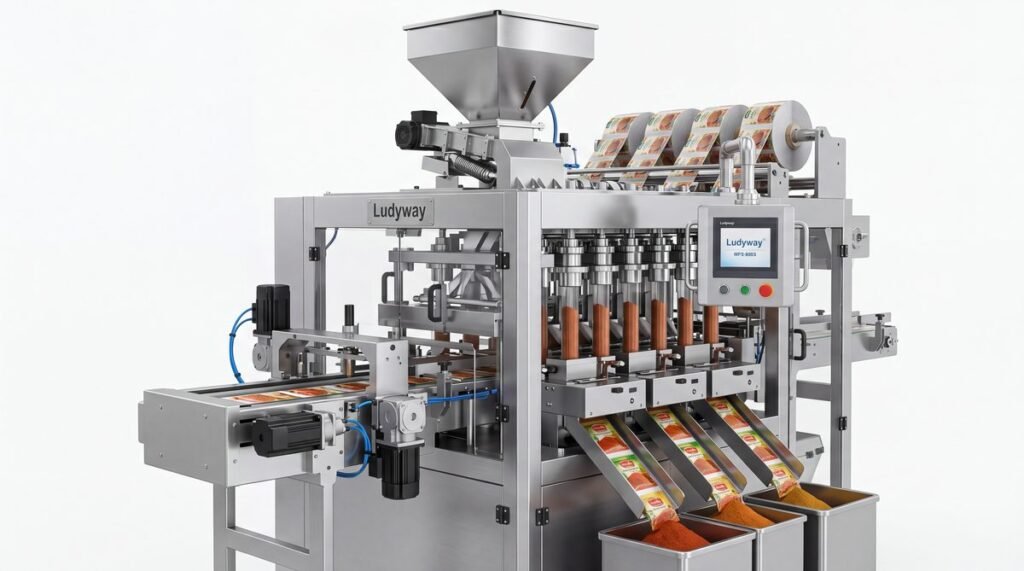
- Rising popularity of single-serve and on-the-go formats demanding multi-lane stick pack technology
- Strict recycling quotas under German Packaging Act influencing film choices
Step 1: Facility Preparation and Layout Planning
Before ordering equipment, your production floor must meet German standards for food safety, electrical safety (VDE regulations), and FDA-compatible food contact surface requirements. Chocolate processing requires temperature-controlled zones (typically 18-22°C) to prevent bloom and ensure clean sealing.
| Facility Parameter | Requirement | Notes |
|---|---|---|
| Ambient Temperature | 18-22°C | Critical for chocolate handling |
| Relative Humidity | Below 50% | Prevents sugar bloom |
| Floor Load Capacity | Minimum 15 kN/m² | For multi-lane machinery weight |
Step 2: Selecting the Right Packaging Equipment
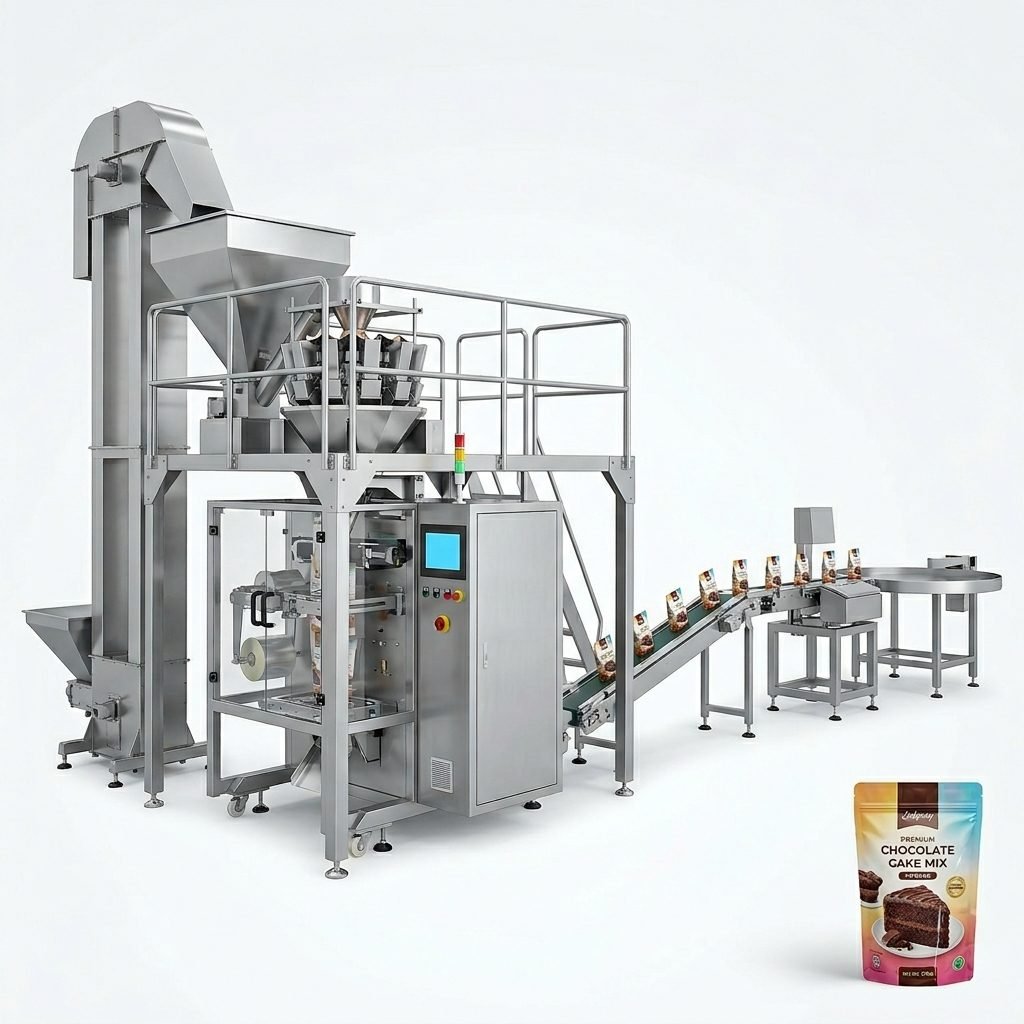
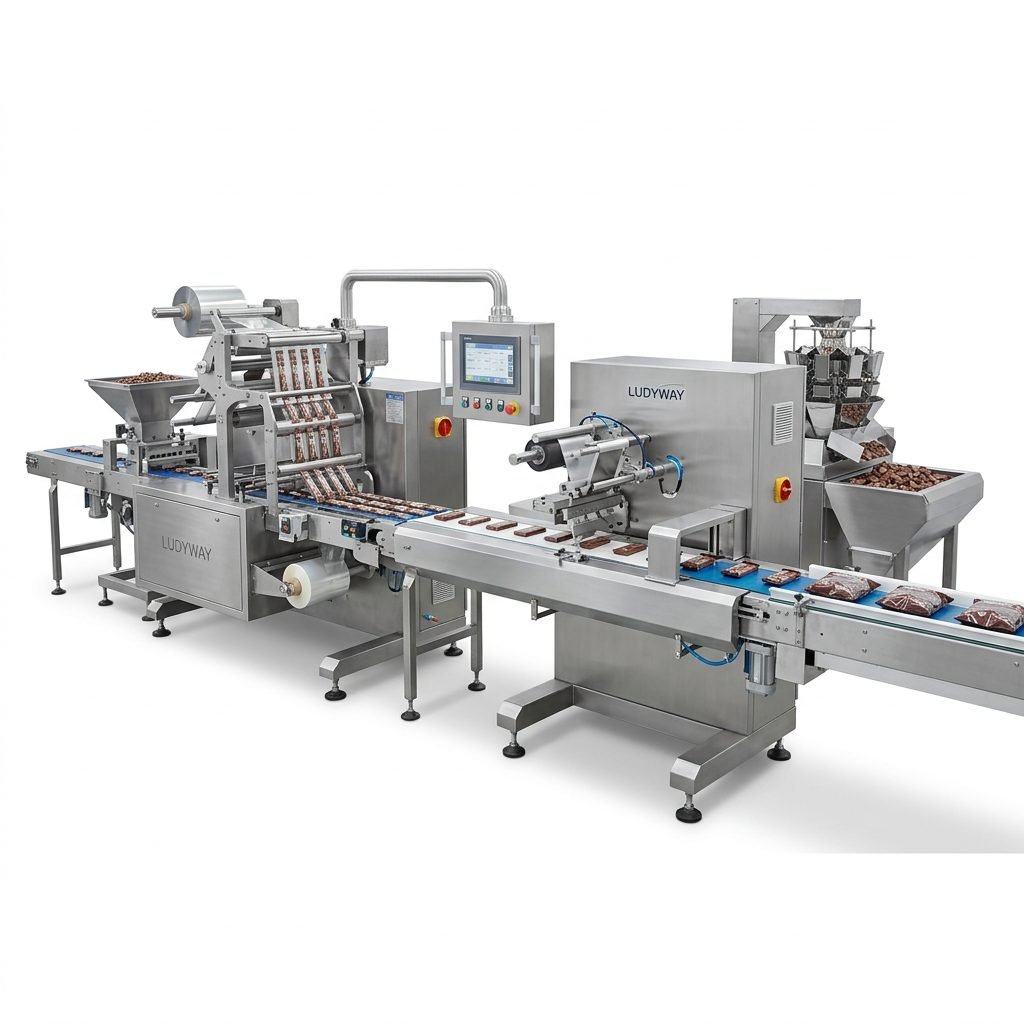
For chocolate bars, the typical line includes a flow wrapping machine, automated cartoning system, and case packing equipment. German manufacturers often prefer servo-driven systems with minimal changeover times for seasonal variations in bar sizes. Equipment must conform to EU Machinery Directive 2006/42/EC and carry CE marking.
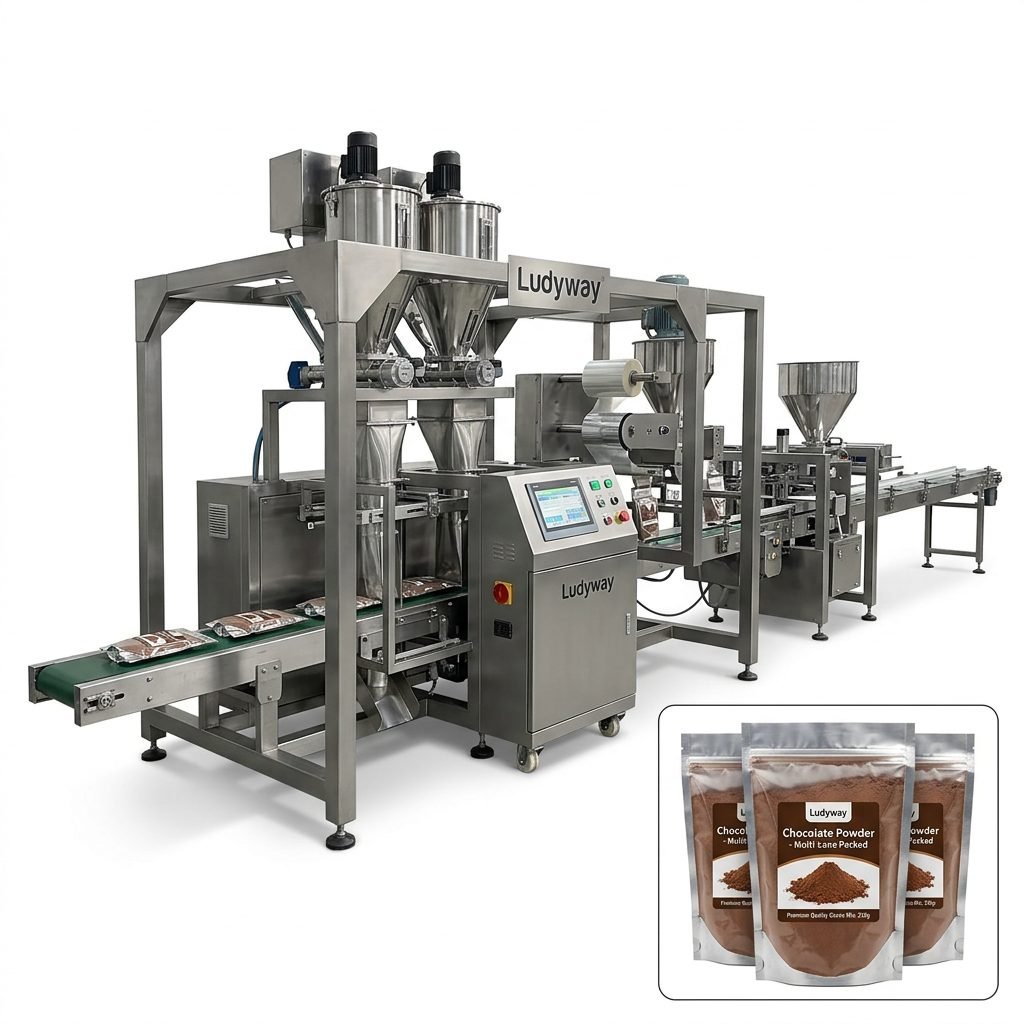
Core Machines for a Chocolate Bar Line
- Flow Wrapper: Horizontal form-fill-seal (HFFS) with gas flushing for shelf-life extension
- Cartoner: Automated side-load or top-load cartoning machine
- Case Packer: Wrap-around or pick-and-place case packing
- Checkweigher: Dynamic weight verification to meet German prepackaged goods regulations
- Metal Detector: Ferrous and non-ferrous detection with automatic reject
Cost Breakdown for a German Chocolate Packaging Line
Investment costs vary significantly based on speed, automation level, and whether you choose German-made or international equipment. Below is an estimated range for a mid-speed line producing 150-200 bars per minute.
| Component | Estimated Cost (EUR) | Key Considerations |
|---|---|---|
| Flow Wrapping Machine | €80,000 – €150,000 | Servo-driven, multi-language HMI |
| Cartoning System | €60,000 – €120,000 | Size change flexibility |
| Case Packing | €50,000 – €100,000 | Integration with existing conveyors |
| Inspection Systems | €20,000 – €40,000 | Checkweigher, metal detector, vision |
| Installation & Commissioning | €25,000 – €50,000 | Civil works, electrical, training |
Navigating German Regulatory Requirements
Germany enforces standards through multiple bodies. Your packaging line must comply with LFGB (Lebensmittel- und Futtermittelgesetzbuch) for food contact materials, Betriebssicherheitsverordnung for operational safety, and VerpackG for recycling obligations. Machines should be documented per ISO 11607 standards for packaging where applicable, particularly if secondary packaging involves medical-grade sealing principles.
Essential Compliance Documentation
- Declaration of Conformity per EU Machinery Directive
- Risk Assessment per EN ISO 12100
- Hygienic Design Certificate from accredited German lab
- Film Migration Testing for chocolate contact layers
Step 3: Installation and Operator Training
German installation requires certified electricians for three-phase 400V connections typical in industrial settings. Commissioning should include Site Acceptance Testing (SAT) with documented performance runs. Operators benefit from structured training programs covering HMI navigation, format changeover, and basic troubleshooting.
Training Checklist for German Operations Teams
- Safety protocols and emergency stops per German DGUV regulations
- Film splicing and tension adjustment for mono-material recyclable films
- Product feed alignment to prevent bar breakage
- Seal temperature optimization for cold-seal and heat-seal films
- Daily cleaning procedures for chocolate residue removal
Sourcing Packaging Materials in Germany
German packaging law incentivizes recyclable structures. Many chocolate manufacturers now use mono-PP or mono-PE films with functional barriers instead of traditional multi-layer laminates. Suppliers like Südpack, Wipak, and others offer certified recyclable solutions that run efficiently on modern flow wrappers. Validate film performance during commissioning to avoid sealing issues.
Maintenance and After-Sales Support
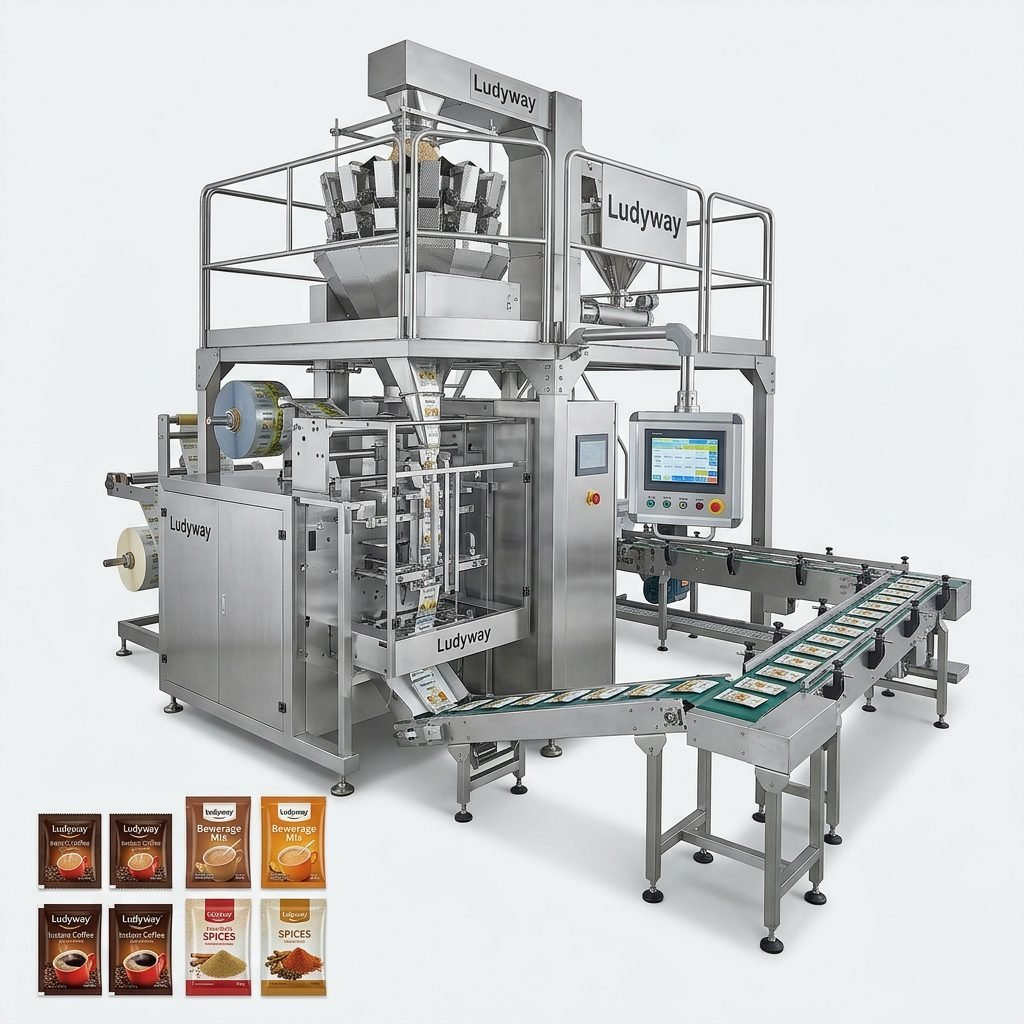
Preventive maintenance is critical for chocolate lines due to product dust and sugar residue. Establish a spare parts inventory for wear components like sealing jaws, belts, and sensors. Many international suppliers, including Ludyway, offer remote diagnostic support and local service partnerships across Europe, which can significantly reduce downtime for German operations. Regular service intervals aligned with PMMI industry standards help maintain optimal performance.
Future-Proofing Your Investment
Consider digital integration capabilities when selecting equipment. Packaging lines with OPC-UA communication protocols allow seamless connection to German-style MES and ERP systems. Data logging for traceability, remote access for diagnostics, and flexible format changeovers ensure your chocolate bar packaging line adapts to evolving market demands in Germany and beyond.
For further guidance on packaging regulations and industry trends, consult resources from the Flexible Packaging Association and review PMMI’s annual State of the Industry report.