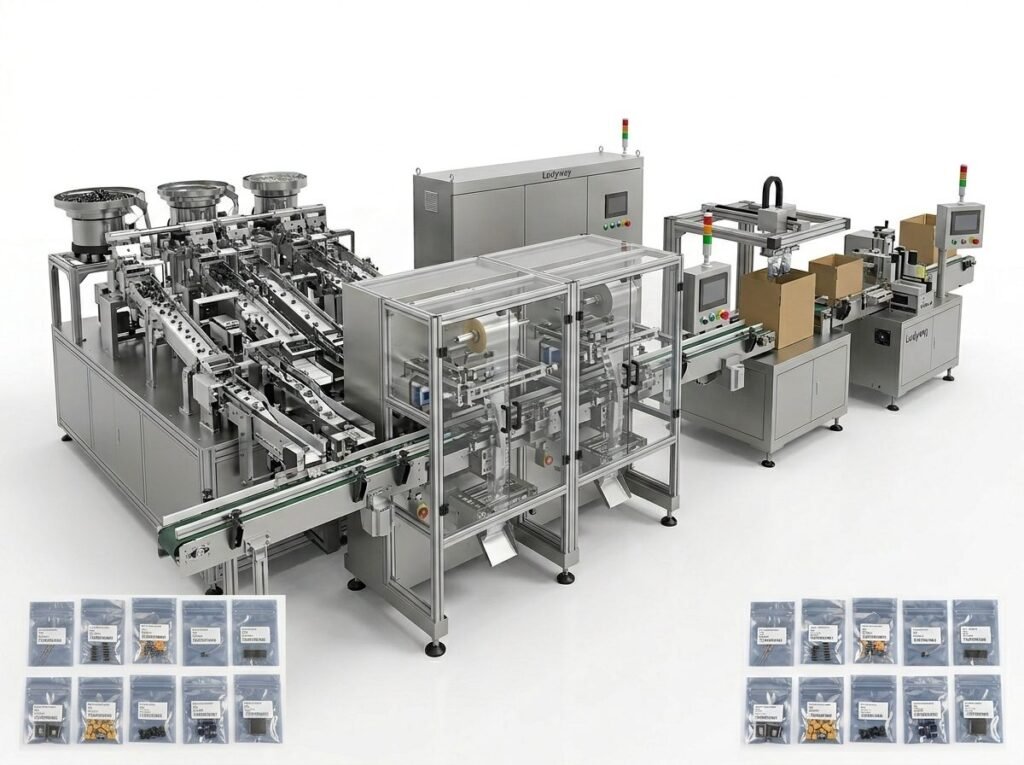
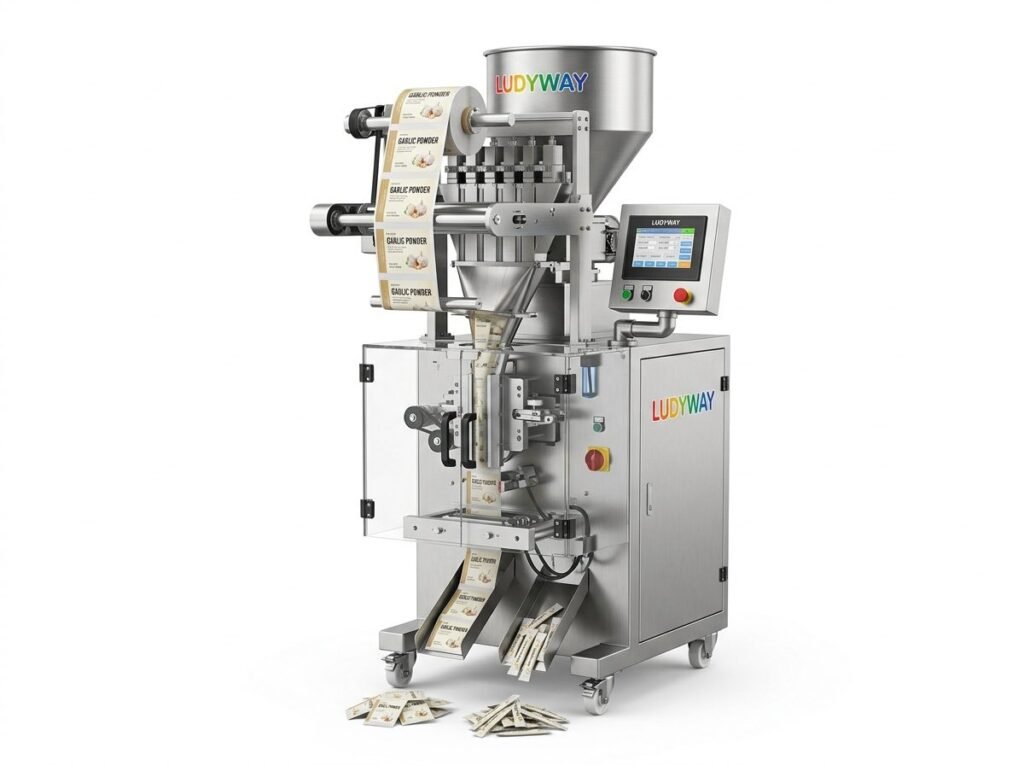
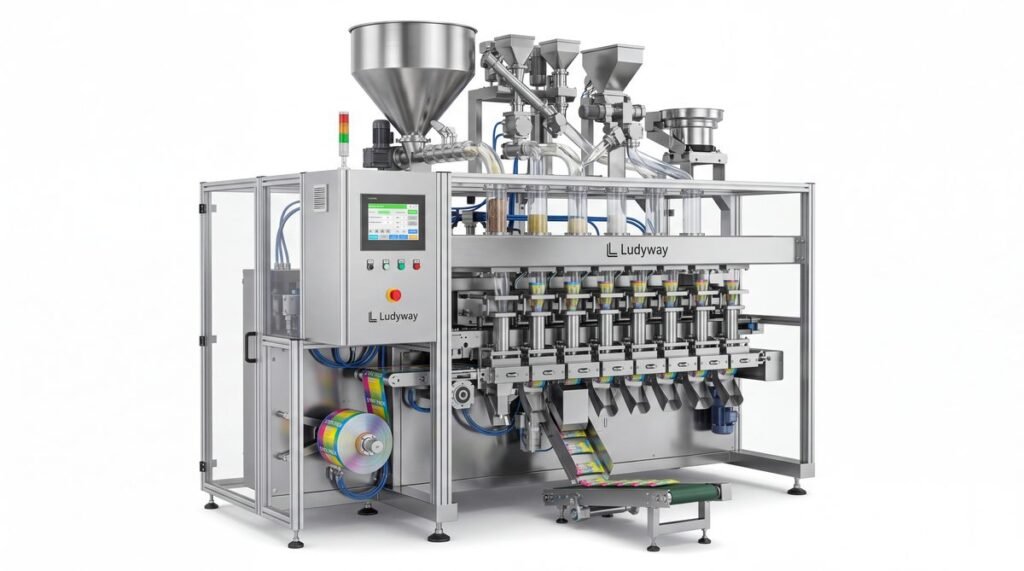
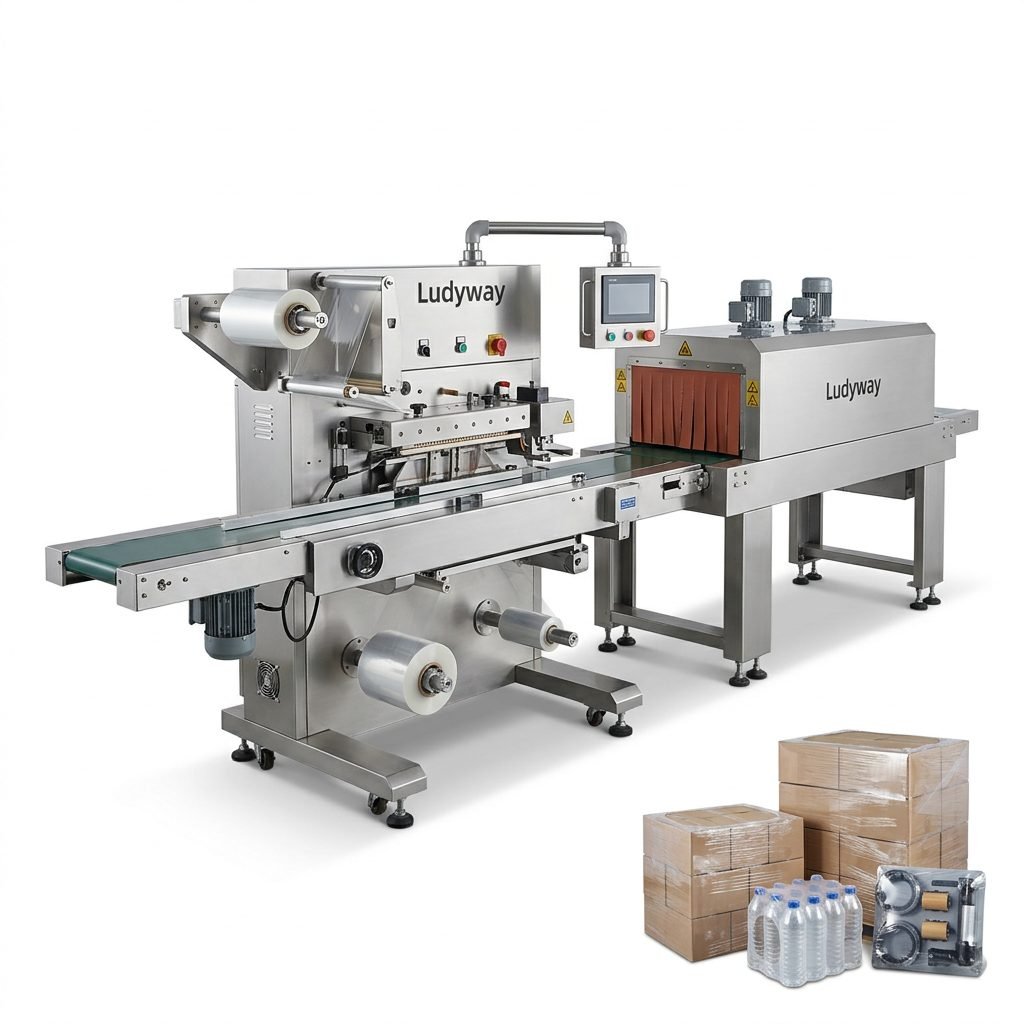
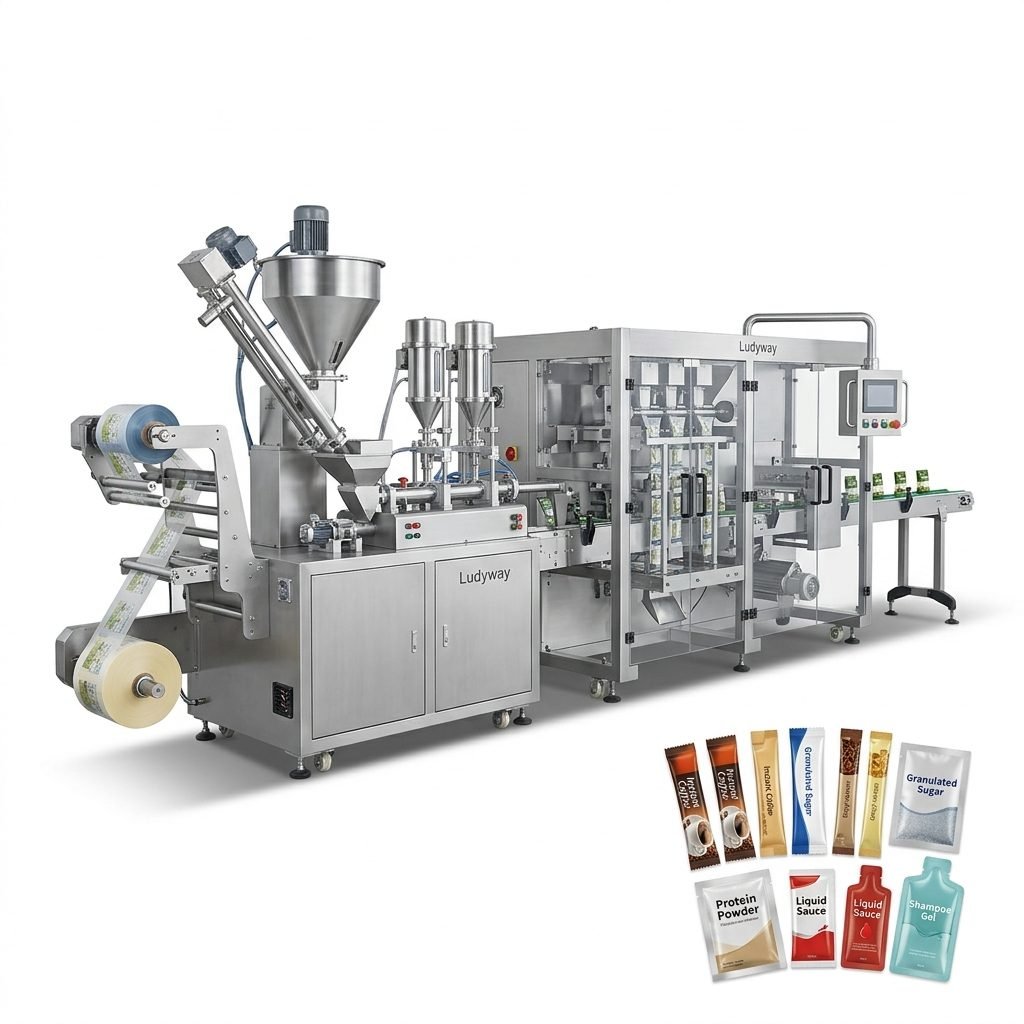
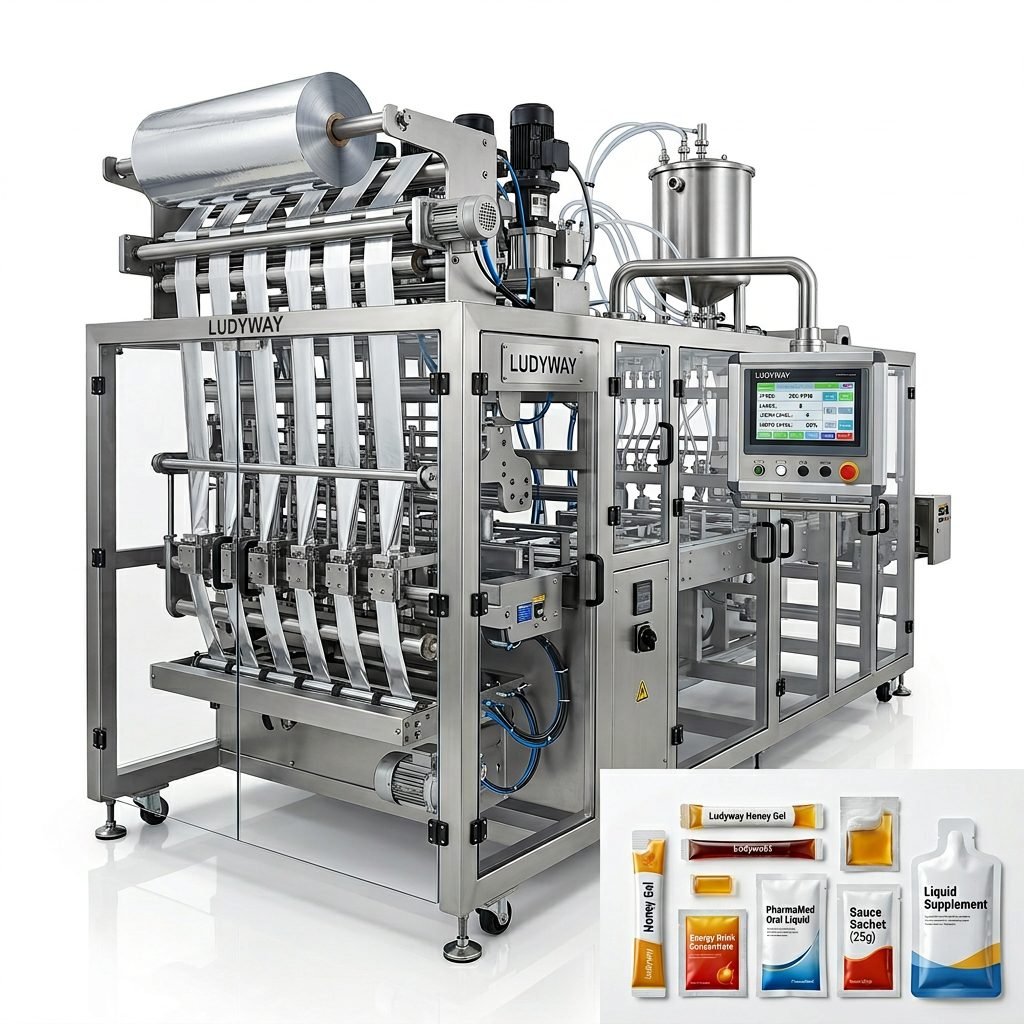
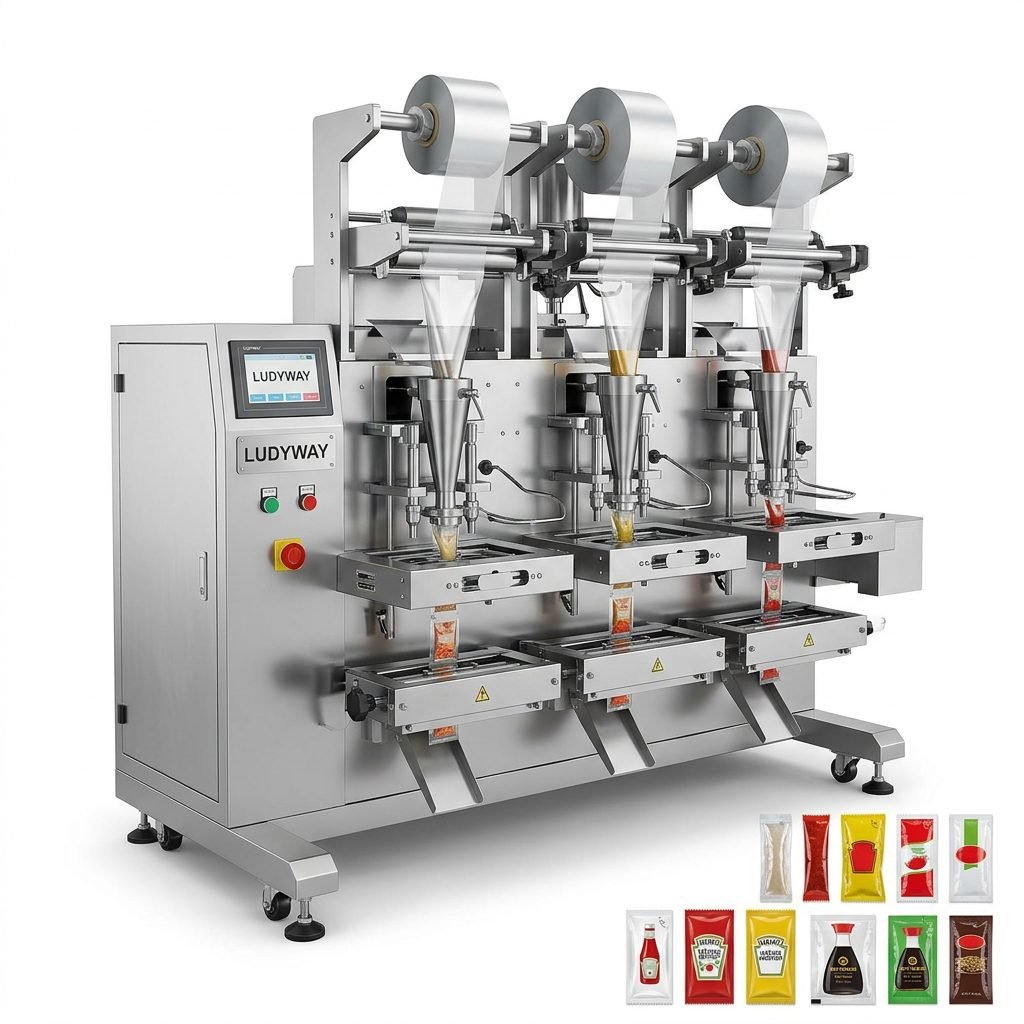
Setting up a small coffee packaging machine production line in China can be a strategic move for businesses looking to scale operations while managing costs. China’s robust manufacturing infrastructure, competitive pricing, and advanced packaging technology make it an attractive destination for coffee producers worldwide. Whether you are packaging ground coffee, instant coffee powder, or coffee beans, a well-planned production line ensures efficiency, consistency, and product quality.
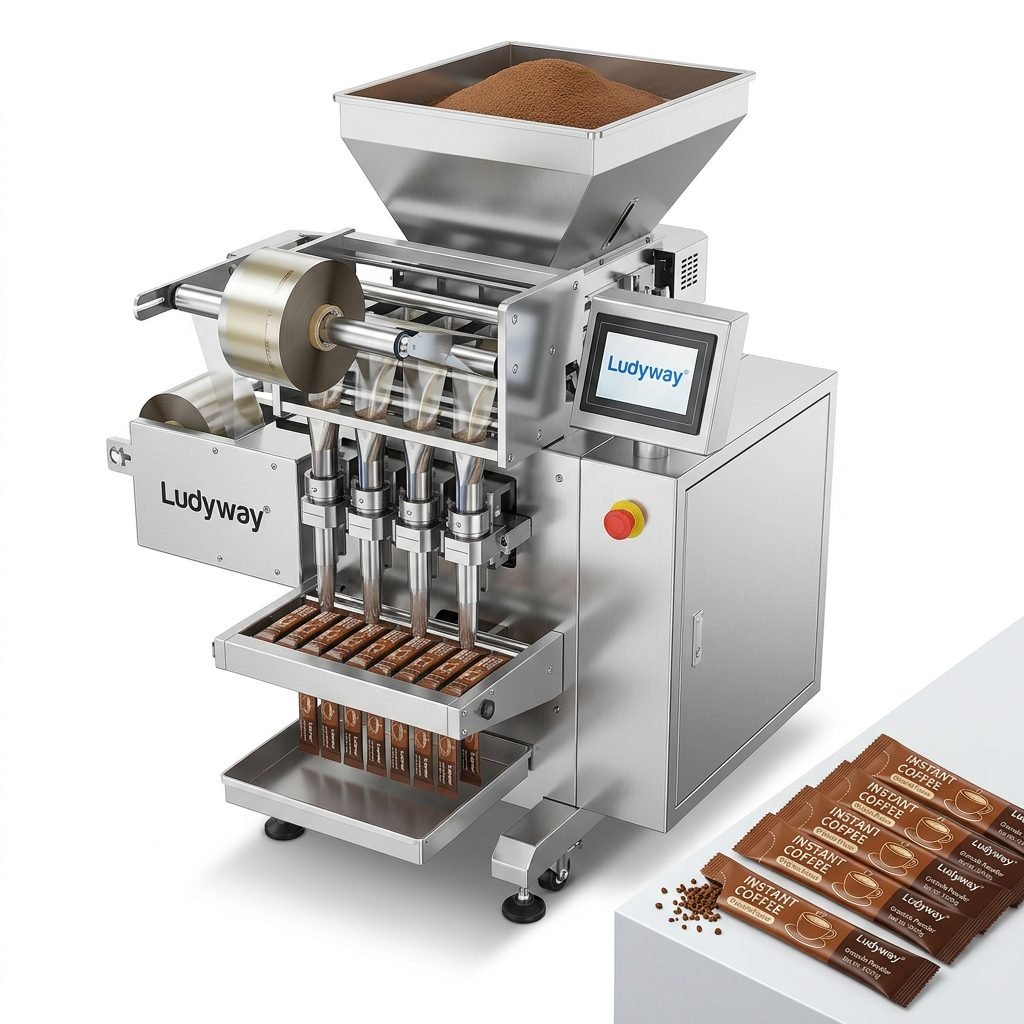
Understanding Small Coffee Packaging Machines
Before investing in equipment, it is essential to understand the types of small coffee packaging machines available and their specific applications. The choice of machine depends on your product format, production volume, and packaging style.
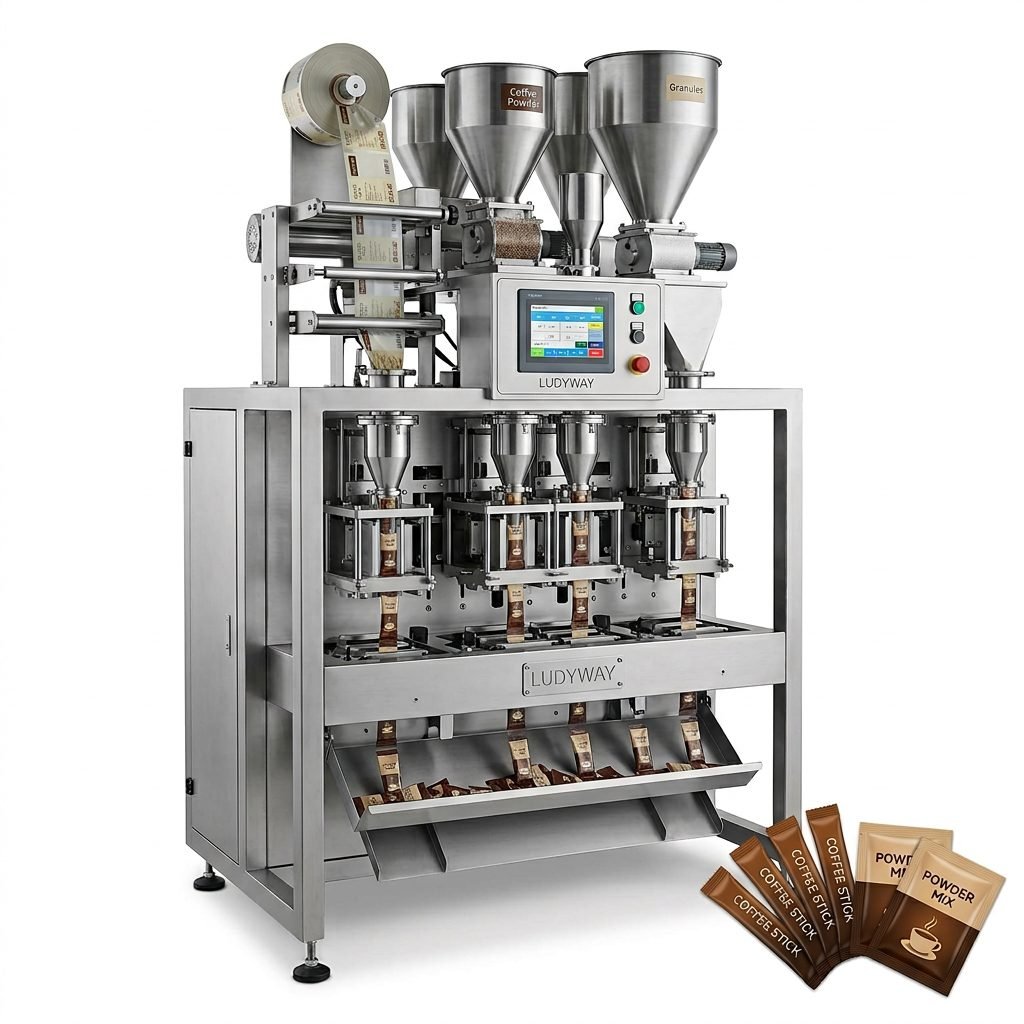
- Stick Pack Machines: Ideal for single-serve instant coffee powder. These machines create narrow, elongated sachets perfect for portion control.
- Sachet Packaging Machines: Suitable for ground coffee and larger servings. They produce flat, rectangular pouches with excellent shelf appeal.
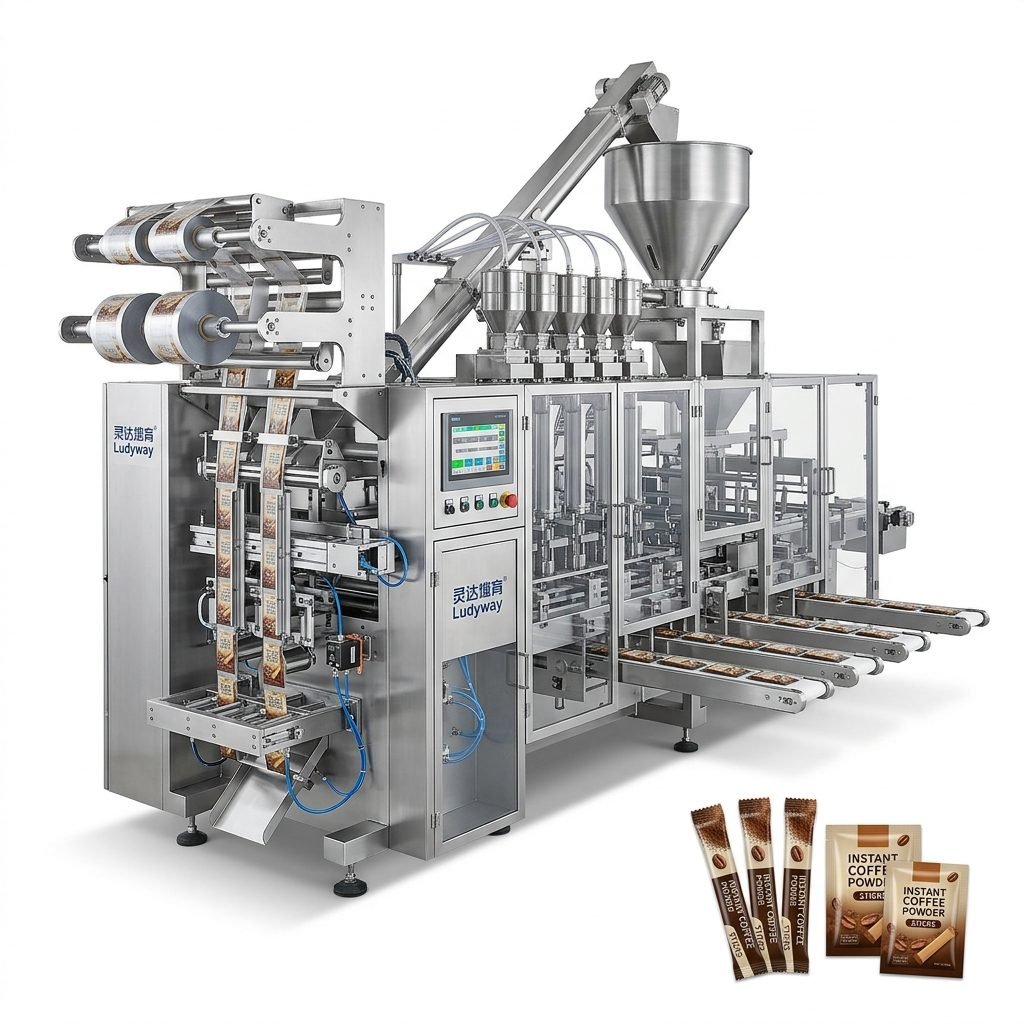
- Multi-Lane Packaging Systems: Designed for high-volume production, these machines run multiple lanes simultaneously, dramatically increasing output.
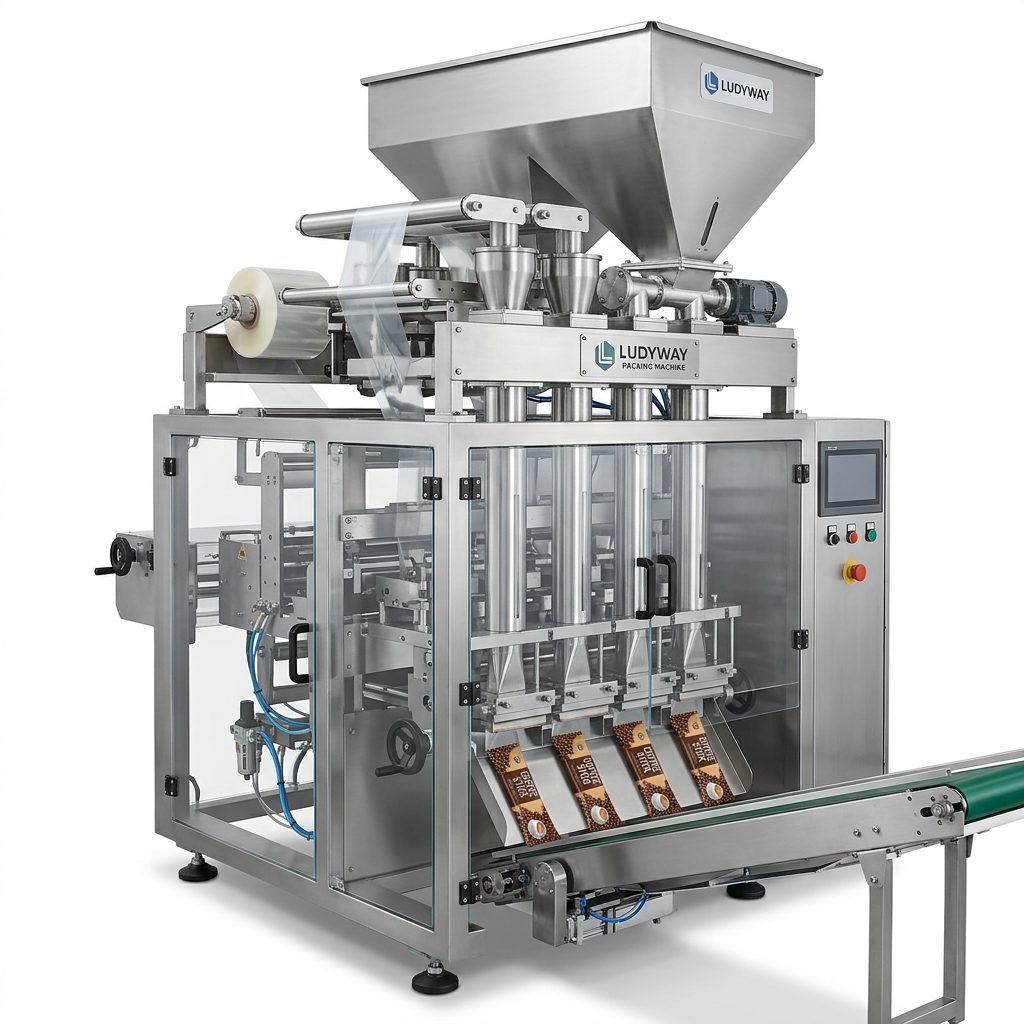
- Vertical Form Fill Seal (VFFS) Machines: Versatile equipment that forms bags from roll stock, fills coffee, and seals them in one continuous process.
- Premade Pouch Filling Machines: Handle pre-formed pouches for premium coffee products requiring stand-up or zipper-lock packaging.
| Machine Type | Best For | Typical Output | Packaging Style |
|---|---|---|---|
| Stick Pack Machine | Instant coffee powder, single-serve | 50-400 packs/min per lane | Narrow stick sachets |
| Sachet Machine | Ground coffee, larger portions | 30-200 packs/min per lane | Flat rectangular pouches |
| Multi-Lane System | High-volume production | Up to 1,600+ packs/min | Multiple stick or sachet lanes |
| Premade Pouch Filler | Premium coffee, stand-up pouches | 20-80 packs/min | Stand-up, zipper, gusseted pouches |
Key Components of a Coffee Packaging Production Line
A complete coffee packaging production line consists of several interconnected components. Each plays a critical role in ensuring smooth operation and product integrity. Understanding these components helps you plan an efficient setup.
Feeding and Conveying Systems
The feeding system transports coffee granules or powder from bulk storage to the packaging machine. Options include vibratory feeders, screw conveyors, and bucket elevators. For coffee powder, a dust-free enclosed conveyor is recommended to maintain cleanliness. According to PMMI packaging industry standards, proper feeding systems are essential for consistent fill accuracy.
Weighing and Filling Mechanisms
Accurate weighing is crucial for compliance and customer satisfaction. Multi-head weighers are commonly used for coffee granules, while auger fillers work best for fine powders. The fill weight tolerance should typically be within ±0.5% to ±1% of the target weight.
Sealing and Coding Equipment
After filling, the packaging must be properly sealed to preserve freshness. Heat sealing, ultrasonic sealing, and nitrogen flushing are common methods for coffee packaging. An integrated date coding machine prints expiration dates and batch numbers. For regulatory guidance, refer to FDA food packaging regulations on labeling requirements.
Steps to Set Up Your Production Line in China
Setting up a small coffee packaging production line in China requires careful planning and coordination. Follow these steps to ensure a successful implementation.
- Define Production Requirements: Determine your target output volume, packaging formats, and product specifications. This will guide all subsequent decisions on equipment selection and layout.
- Select a Suitable Facility: Choose a production space with adequate floor area, appropriate ceiling height, and proper utilities including electricity, compressed air, and ventilation. A clean, temperature-controlled environment is ideal for coffee packaging.
- Choose Equipment Suppliers: Research and evaluate packaging machine manufacturers in China. Look for suppliers with proven experience in coffee packaging applications and international certifications. For instance, Ludyway is one of the largest packaging machine manufacturers in China, offering over 50 intelligent packaging machine models for granule, powder, and liquid applications.
- Plan the Line Layout: Design an efficient floor plan that optimizes material flow from raw coffee storage to finished product palletizing. Consider operator access, maintenance space, and future expansion possibilities.
- Coordinate Installation and Commissioning: Work with your supplier to schedule equipment delivery, installation, and commissioning. Ensure all machines are properly calibrated and tested before full production begins.
- Train Your Operators: Comprehensive training on machine operation, cleaning, and basic troubleshooting is essential for long-term productivity. Most reputable suppliers offer on-site or remote training support.
- Implement Quality Control Protocols: Establish standard operating procedures for weight checks, seal integrity testing, and visual inspections throughout the production process.
Cost Considerations and Budget Planning
Budgeting for a small coffee packaging machine production line involves several cost categories. Understanding these upfront helps avoid unexpected expenses and ensures a realistic financial plan.
| Cost Category | Estimated Range (USD) | Key Factors |
|---|---|---|
| Primary Packaging Machine | $15,000 – $80,000 | Number of lanes, automation level, brand |
| Auxiliary Equipment | $5,000 – $30,000 | Feeders, conveyors, checkweighers, coders |
| Installation and Commissioning | $3,000 – $15,000 | Location, complexity, supplier support |
| Packaging Materials | $0.01 – $0.08 per unit | Film type, printing, barrier properties |
| Maintenance and Spare Parts | $2,000 – $8,000 annually | Machine complexity, usage intensity |
| Operator Training | $1,000 – $5,000 | Number of operators, training depth |
Quality Control and Compliance
Maintaining consistent coffee quality and meeting international packaging standards are critical for market success. Your production line should incorporate quality control measures at every stage.
- Weight Verification: Integrate a high-precision checkweigher to verify fill weights and reject out-of-specification packs automatically.
- Seal Integrity Testing: Perform regular burst tests, vacuum leak tests, and visual inspections to ensure proper sealing and product protection.
- Metal Detection: Install metal detectors to identify and remove any metallic contaminants from the coffee before packaging.
- Environmental Control: Monitor temperature and humidity in the packaging area, as coffee is hygroscopic and sensitive to moisture. Follow ISO packaging standards for best practices.
- Documentation: Maintain detailed batch records, quality control logs, and equipment calibration certificates for traceability.

Maintenance and Troubleshooting
Regular maintenance is essential for keeping your coffee packaging production line running efficiently and minimizing downtime. Establish a proactive maintenance schedule based on manufacturer recommendations.
Preventive Maintenance Checklist
- Daily: Clean all product contact surfaces, inspect sealing jaws for wear, check lubricant levels, and verify temperature settings on sealing equipment.
- Weekly: Calibrate weighing systems, inspect belts and chains for tension and wear, clean filters on pneumatic systems, and test safety interlocks.
- Monthly: Inspect electrical connections, lubricate bearings and moving parts, check gearbox oil levels, and verify alignment of filling stations.
- Quarterly: Replace worn sealing components, perform comprehensive sensor calibration, review machine performance data, and update software or firmware if applicable.
- Annually: Complete overhaul of major components, replace timing belts, conduct full electrical safety inspections, and refresh operator training.
Common Issues and Solutions
| Issue | Possible Cause | Solution |
|---|---|---|
| Inconsistent fill weight | Worn auger or improper calibration | Recalibrate weighing system, replace worn components |
| Poor seal quality | Incorrect temperature or pressure, dirty sealing jaws | Adjust settings, clean or replace sealing jaws |
| Film tracking issues | Misaligned rollers or improper tension | Realign rollers, adjust tension settings |
| Excessive product dust | Static buildup or inadequate dust collection | Install anti-static bars, upgrade dust extraction |
| Machine jam-ups | Product bridging or foreign objects | Clean hoppers, inspect for debris, use agitators |
Packaging Material Selection for Coffee
Choosing the right packaging materials is as important as selecting the machine itself. Coffee requires high-barrier packaging to protect against oxygen, moisture, and light. The Flexible Packaging Association provides extensive resources on material selection. Common laminate structures include PET/AL/PE, PET/MPET/PE, and biodegradable options for eco-conscious brands.
Future-Proofing Your Production Line
As your coffee business grows, your packaging line should be able to scale. Consider modular equipment designs that allow for easy expansion by adding more lanes, upgrading automation features, or integrating downstream equipment such as cartoning and palletizing systems. Investing in a flexible production line today ensures you can meet future market demands without a complete overhaul.
Conclusion
Setting up a small coffee packaging machine production line in China is a strategic investment that requires thorough planning, the right equipment, and reliable supplier partnerships. By understanding your production needs, selecting appropriate machinery, implementing robust quality control, and maintaining your equipment properly, you can build a line that delivers consistent, high-quality coffee packaging for years to come. With China’s advanced manufacturing capabilities and competitive costs, now is an excellent time to establish or expand your coffee packaging operations.
Further Reading and Resources
- PMMI State of the Industry Reports – Annual packaging industry data and trends
- Flexible Packaging Association Industry Resources – Technical guides and market insights
- FDA Packaging and Food Contact Substances – Regulatory compliance information
- ISO Packaging Standards – International packaging and distribution standards
- European Commission Packaging and Packaging Waste – EU packaging regulations and sustainability guidelines