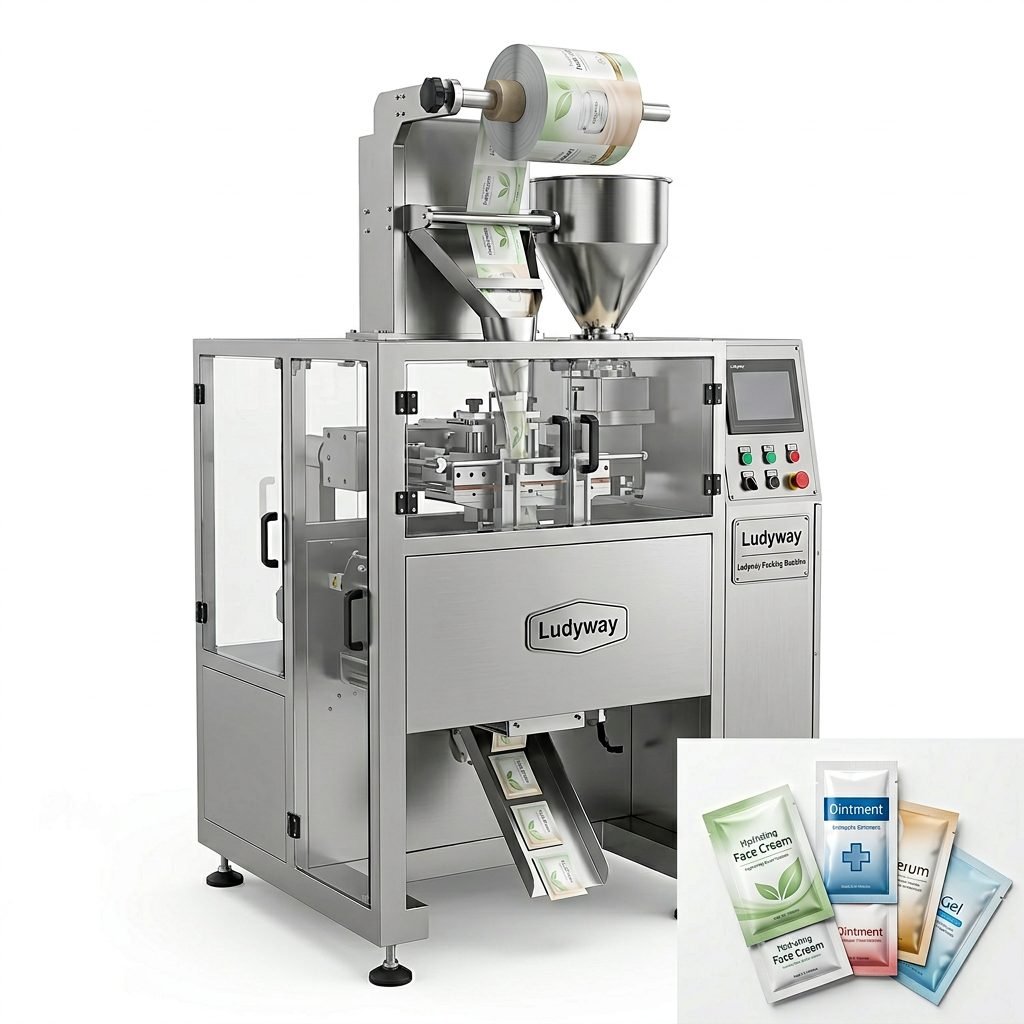
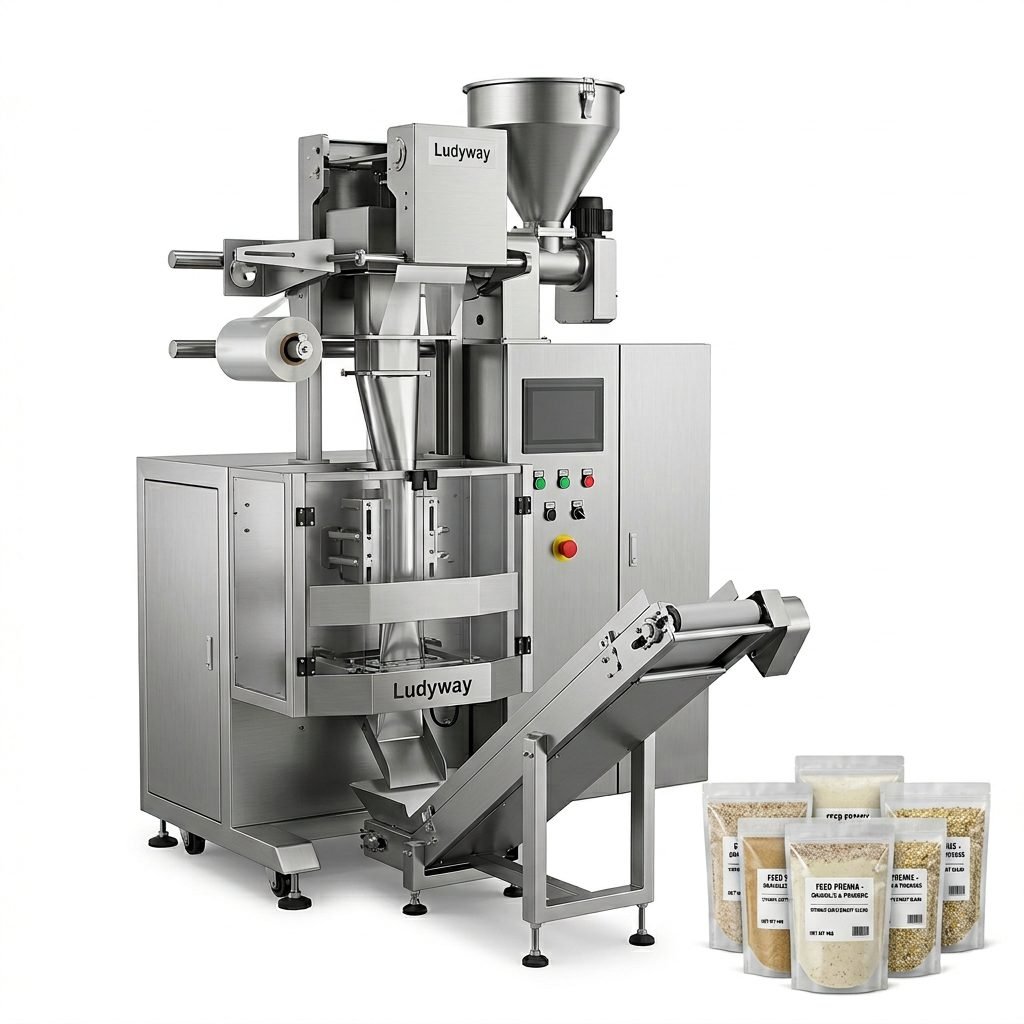
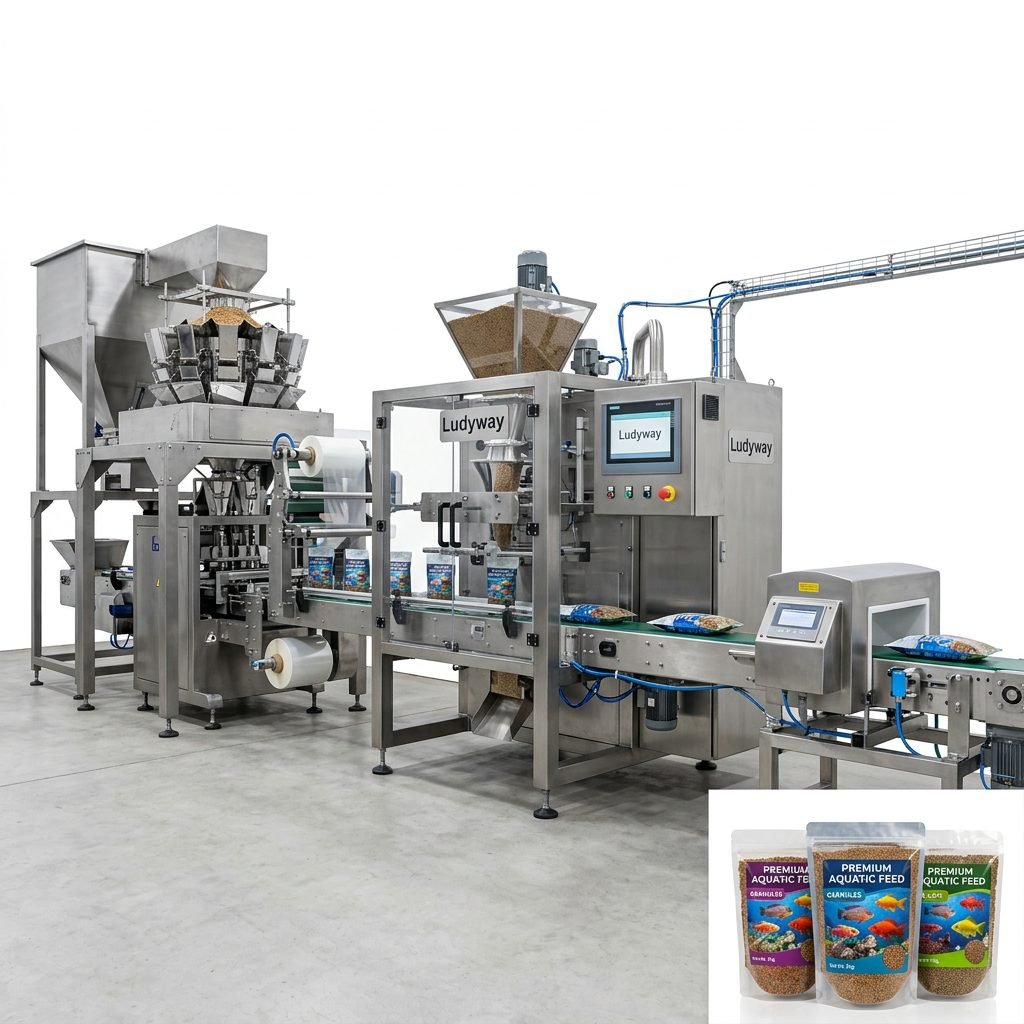
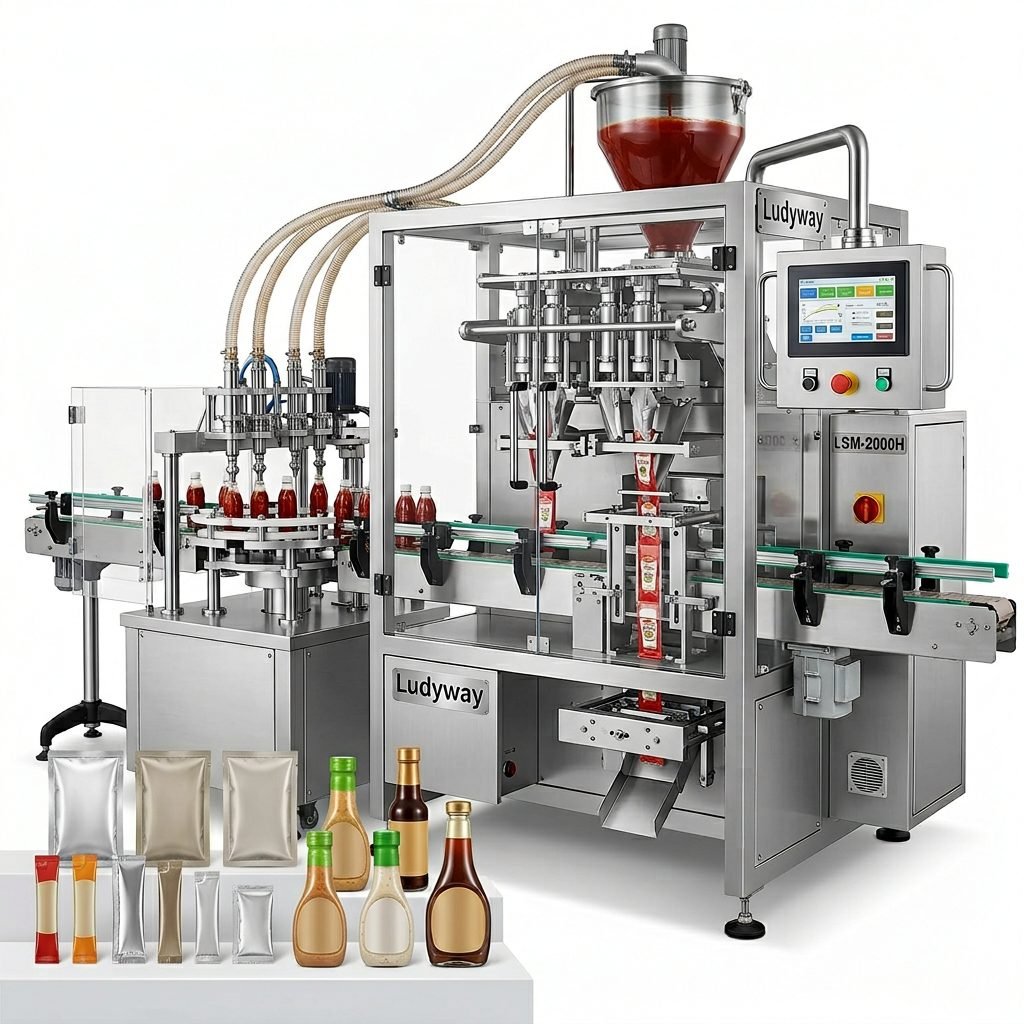
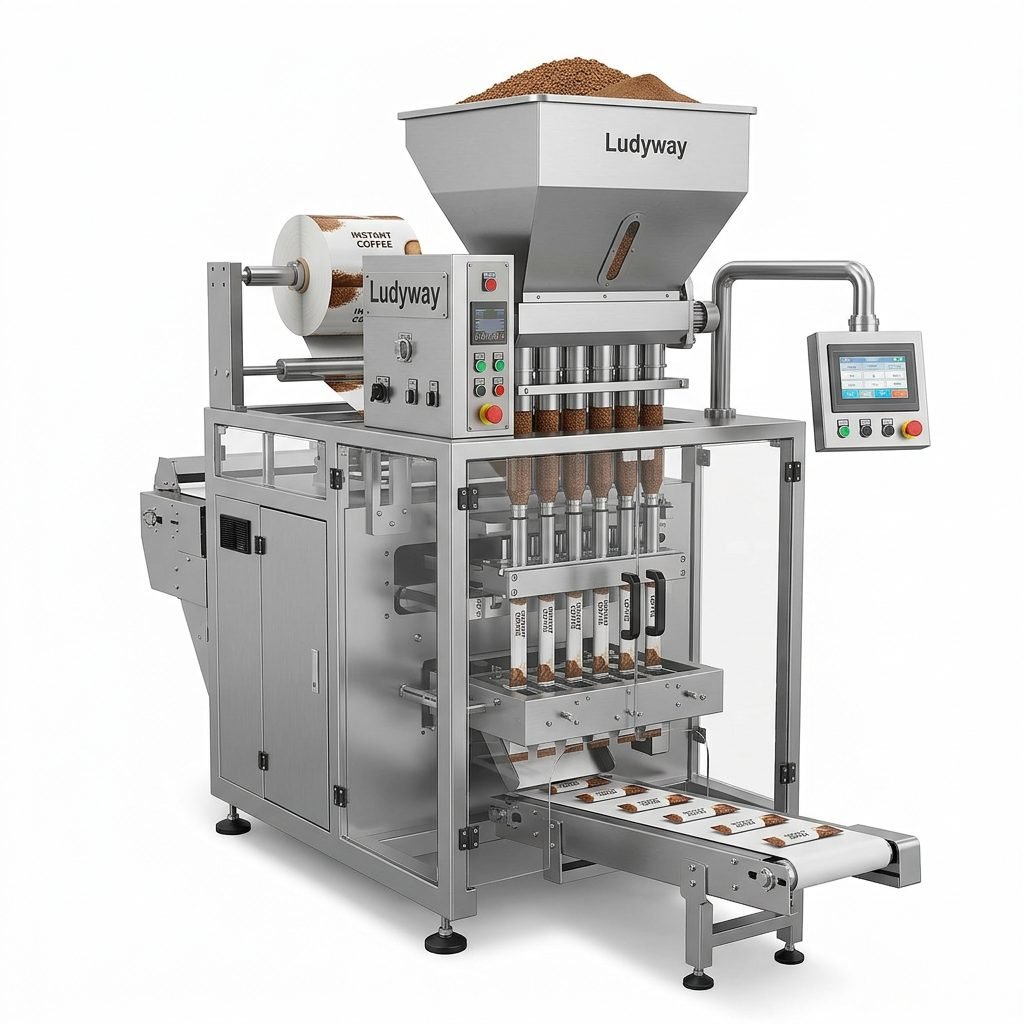
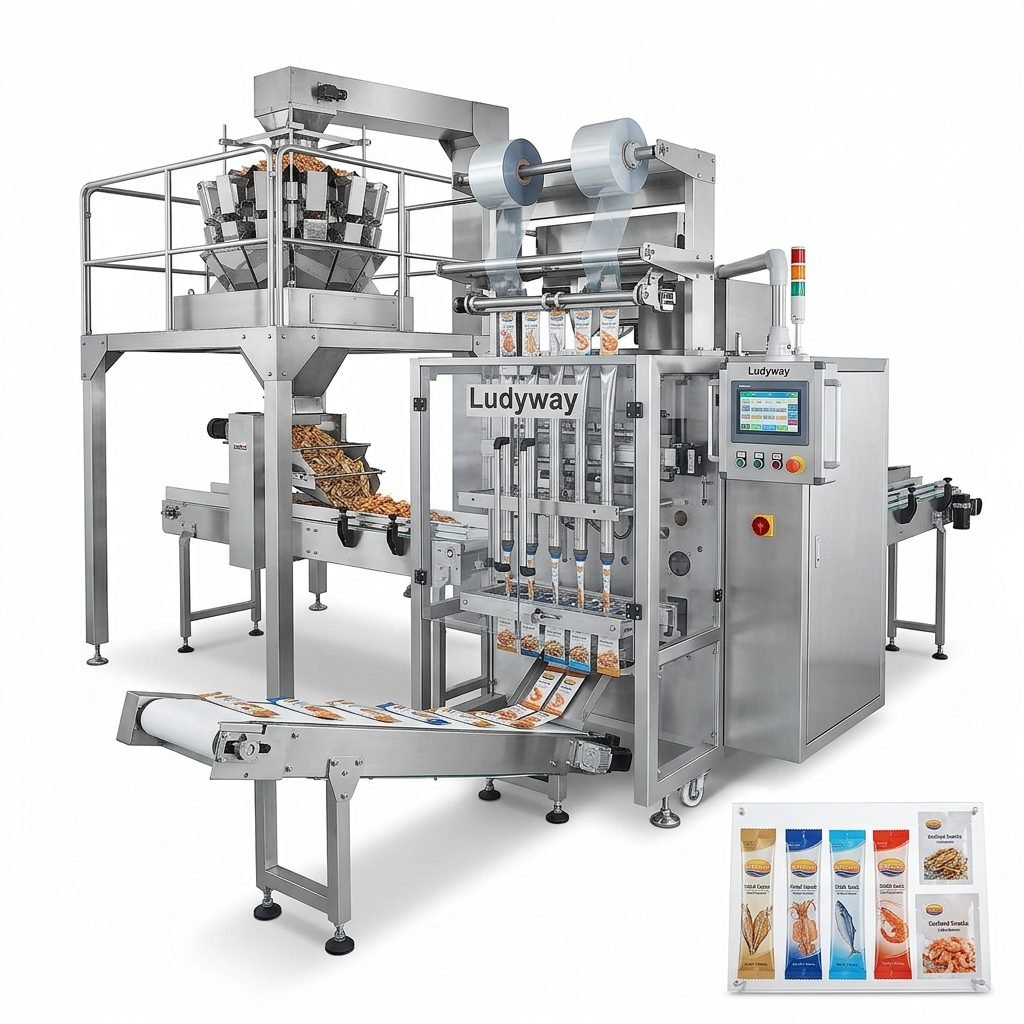
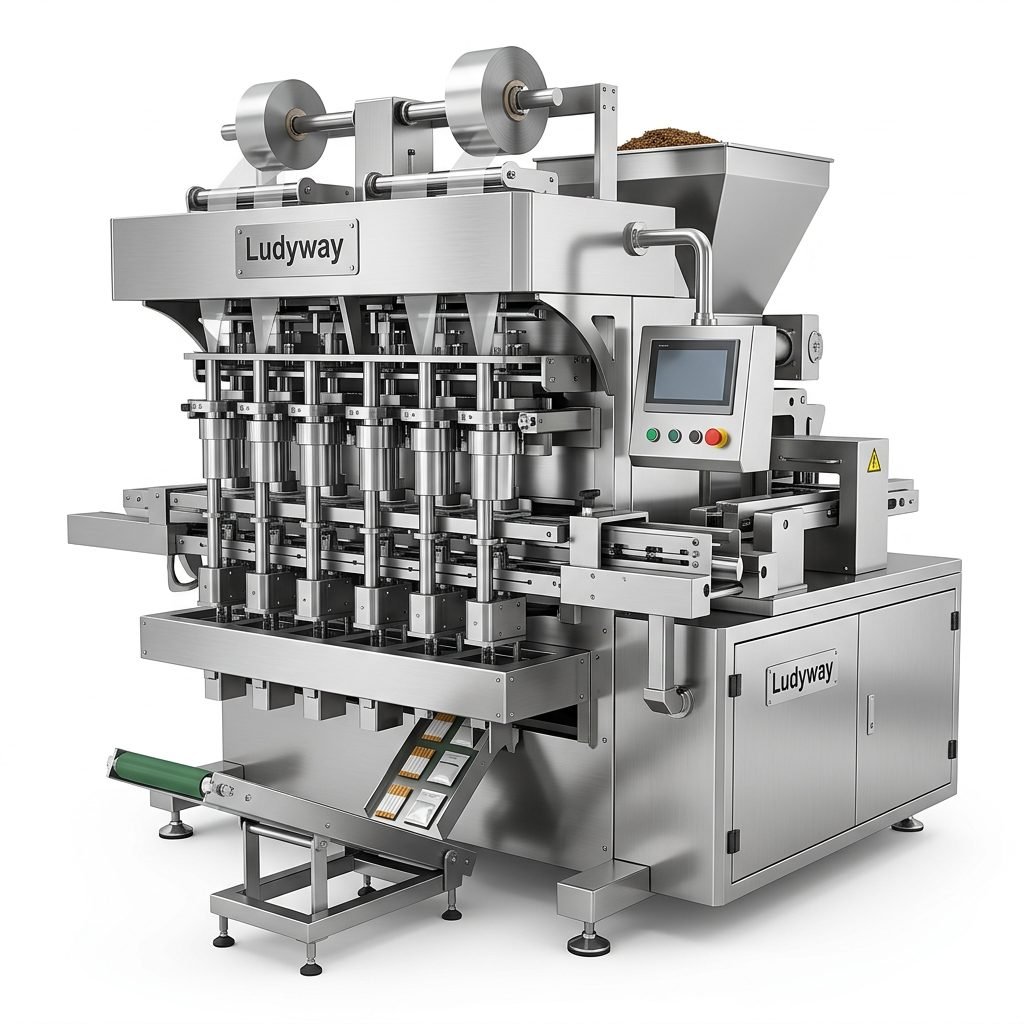
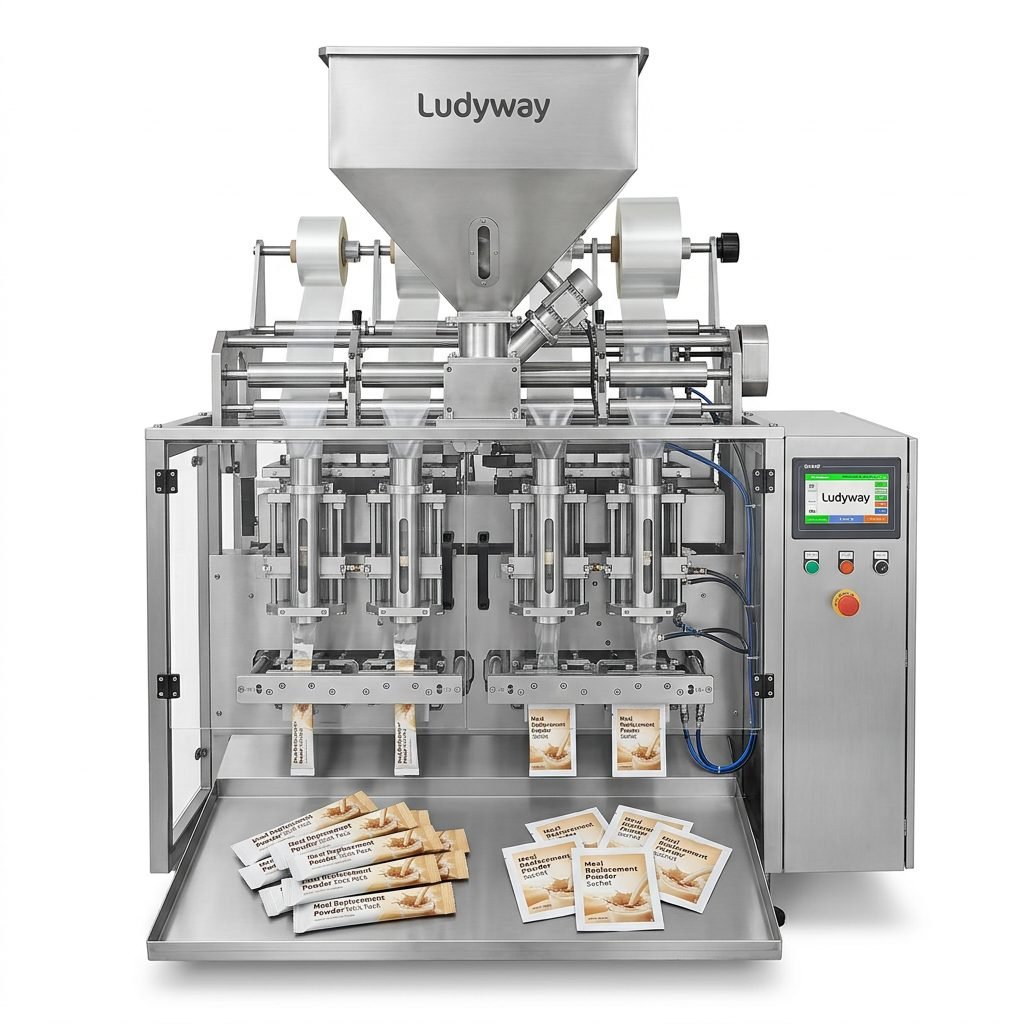
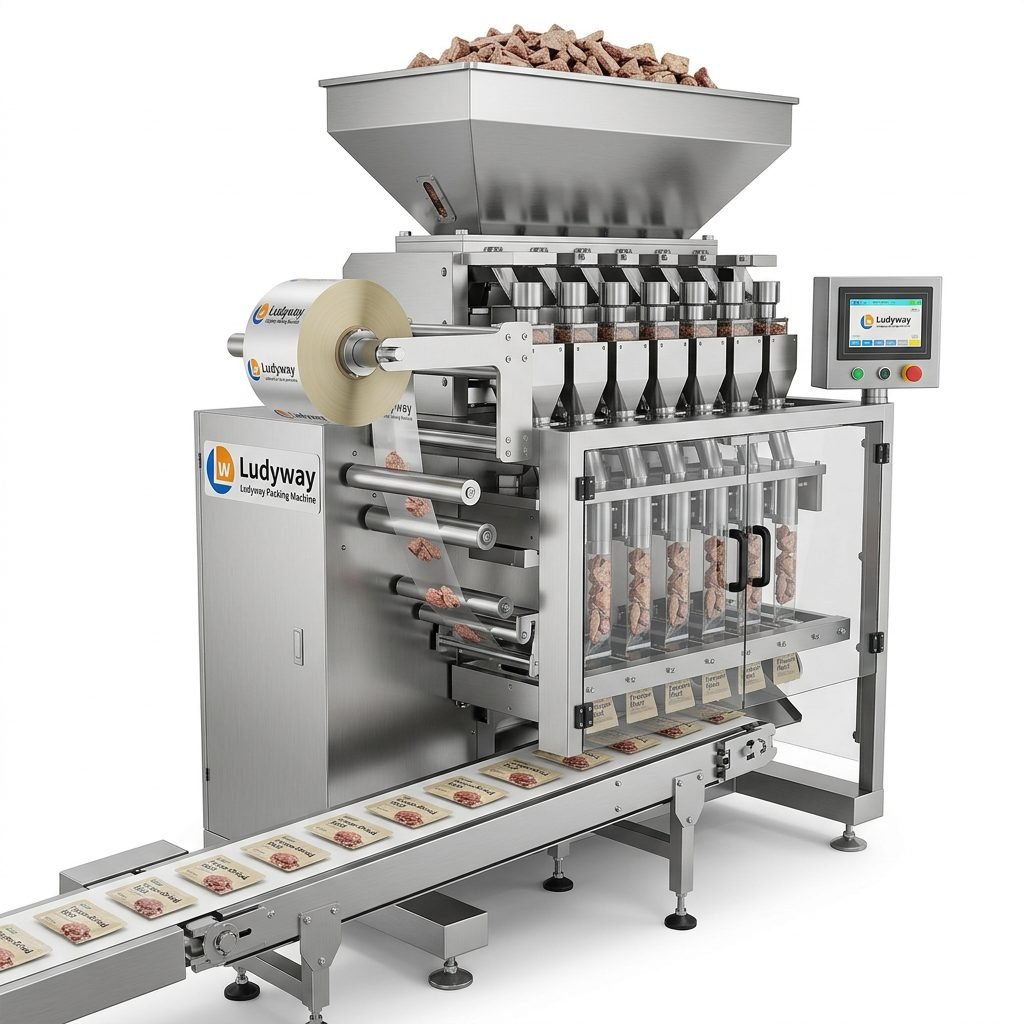
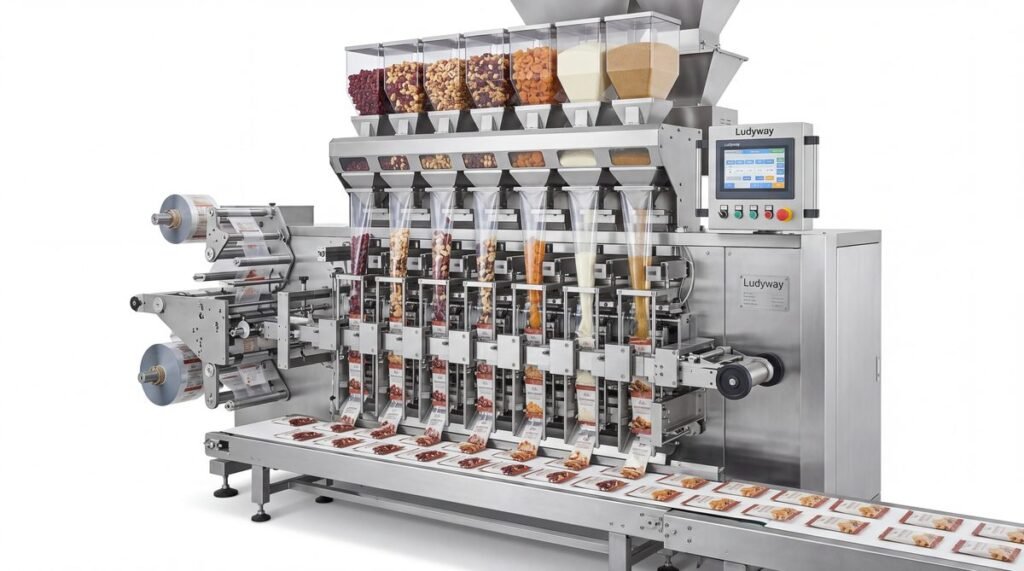
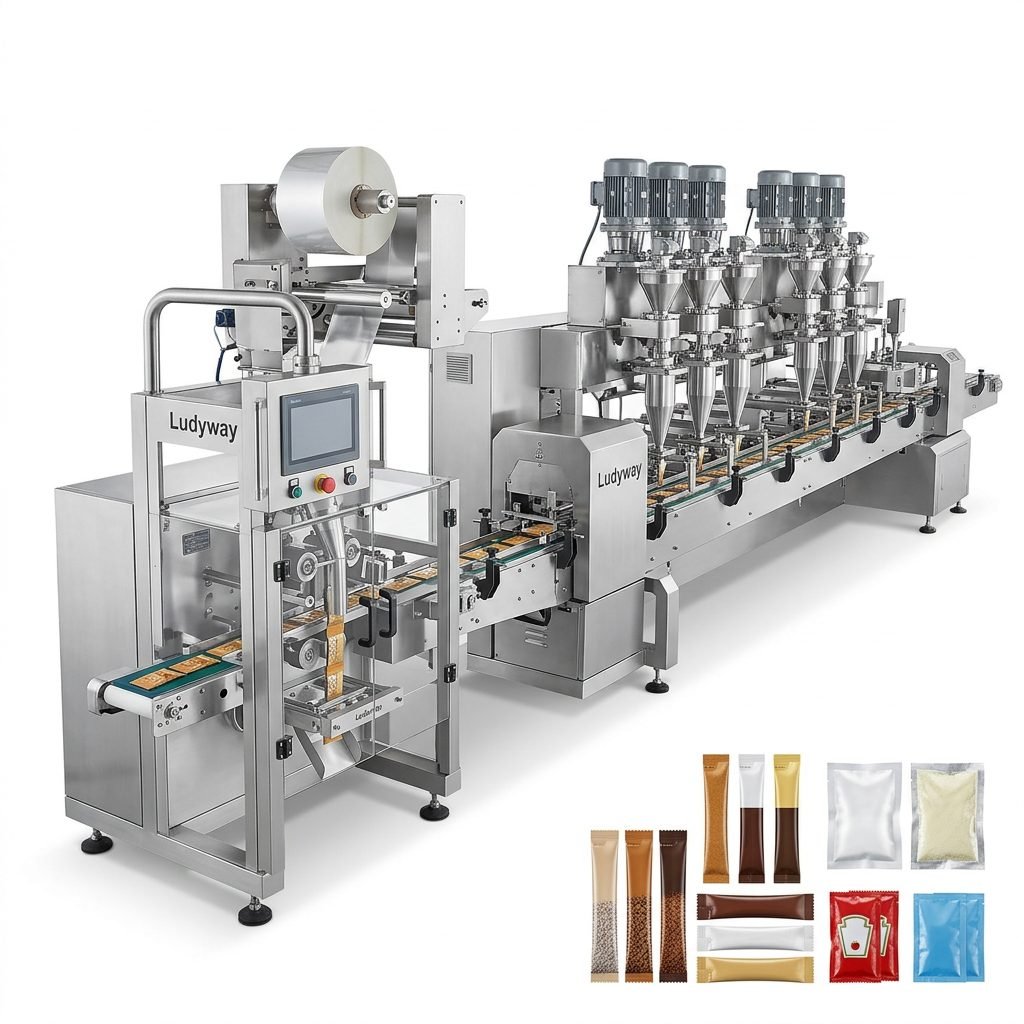
Effective maintenance of a SAMA packing machine is the cornerstone of reliable production. Whether you are running a multi-lane stick pack line or a high-speed sachet machine, a proactive approach to upkeep prevents costly downtime. Here are the essential maintenance tips and best practices to keep your equipment performing at its peak.
Daily Visual Inspections
Start every shift with a thorough visual check. Look for loose fasteners, worn timing belts, and any signs of product residue buildup. A clean machine not only looks professional but also minimizes the risk of contamination and overheating. Pay close attention to the film tracking system and cutting blades, as even minor misalignment can cause deflection in bag length.
Structured Lubrication Guidelines
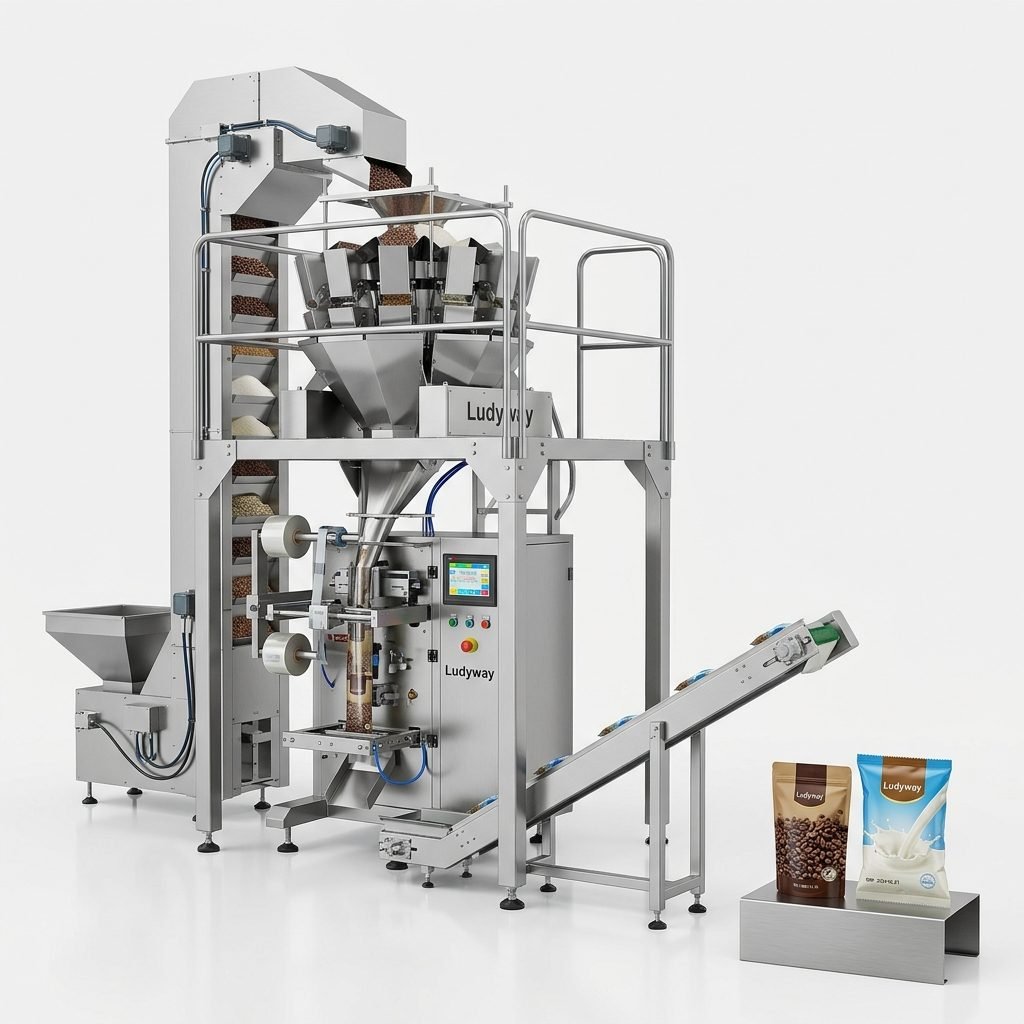
Proper lubrication is vital for the mechanical integrity of your packaging machinery. Always use food-grade lubricants approved for your specific application to ensure safety and compliance. Refer to the standard lubrication table below for a common multi-lane SAMA system:
| Component | Recommended Frequency | Lubricant Type |
|---|---|---|
| Sealing Jaw Hinges | Weekly | Food-Grade Silicone |
| Drive Chains | Monthly | ISO VG 68 Oil |
| Linear Guide Rails | Bi-Monthly | Lithium Grease |
| Pneumatic Cylinders | Quarterly | Turbine Oil (ISO VG 32) |
Sealing Jaws and Cutting Knives Upkeep
The sealing jaws and cutting knives are high-wear consumables. To ensure airtight seals, inspect them for scratches, Teflon coating peeling, or residue accumulation. A dull knife will result in jagged edges or tearing instead of a clean cut. It is best practice to keep a spare set of jaws and knives on-site to facilitate a quick changeover during production runs.
- Inspect Teflon surfaces: Replace if scratched or blistered to prevent film sticking.
- Check knife sharpness: A dull blade increases film dust, which can contaminate sensitive products.
- Clean thermocouples: Ensure temperature sensors are free of debris for accurate heat sealing.
Electrical and Sensor Safety
Before opening any electrical panel, always lock out and tag out the machine. Check all photoelectric sensors and proximity switches for alignment. Dust buildup on sensor lenses is a common cause of “Film Out” or “No Pouch” errors. Proper grounding and cable management also contribute significantly to the safety of the operator and longevity of the packaging equipment.
Preventive Maintenance Planning
Reactive repairs cost significantly more than scheduled shutdowns. Implement a preventive maintenance protocol based on machine cycle counts. Key focus areas include belt tensioning, motor drive alignment, and filling unit calibration. Industry resources, such as standards from PMMI, provide excellent frameworks for planning maintenance on fully automated systems.
Optimize Your Packaging Materials
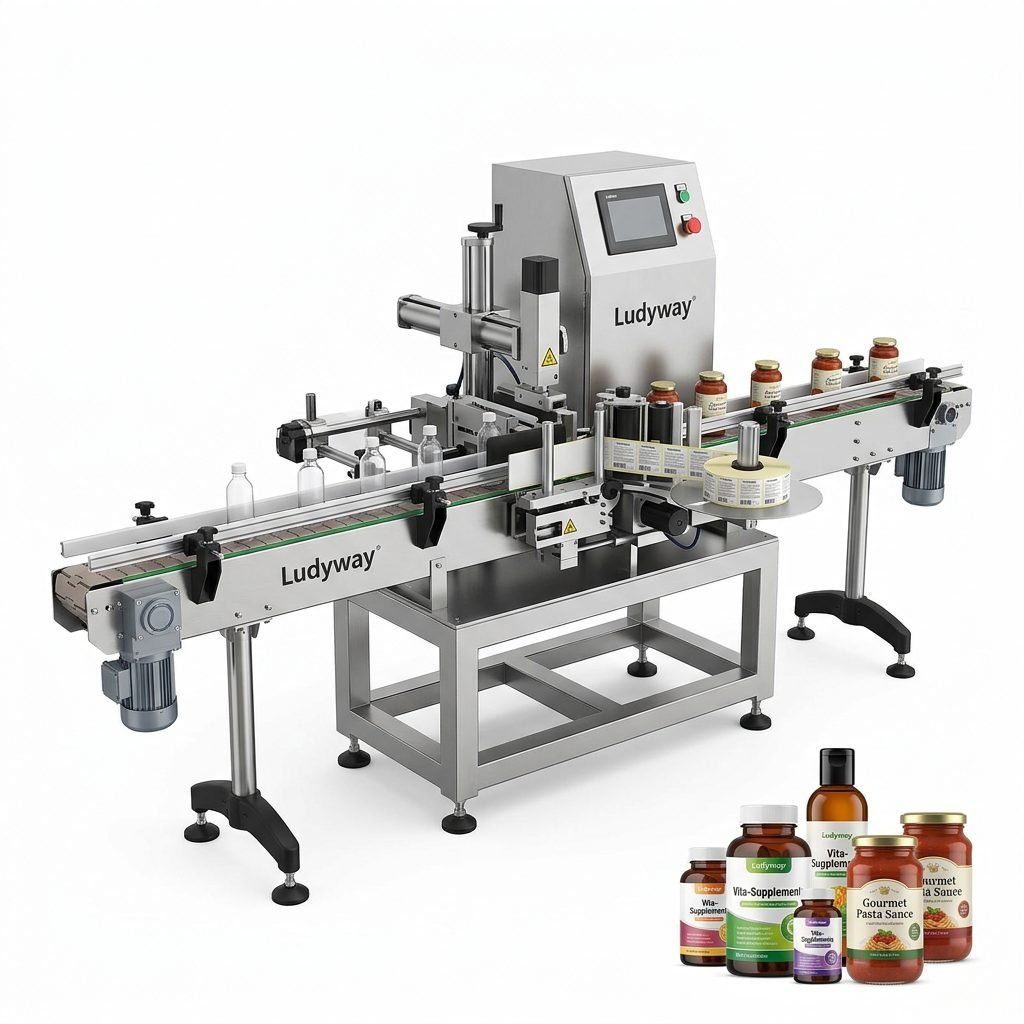
Machine performance is directly linked to the quality of the packaging film. Poor-quality PE, AL, or PET laminates leave residue on formers and sealing jaws, forcing the machine to compensate with higher heat or pressure. Ensure your film reels are stored in a climate-controlled area to prevent static build-up and brittleness, which directly affect the efficiency of a flexible packaging line.
Operator Training and Best Practices
No maintenance program succeeds without well-trained staff. Operators must be trained not just to run the machine, but to identify early warning signs like unusual vibrations or intermittent faults. For companies running complex turnkey lines, expert guidance on setup can drastically reduce waste. Ludyway provides comprehensive training modules for their advanced packaging solutions to ensure your team maximizes operational efficiency.
Troubleshooting Common SAMA Machine Faults
If your machine exhibits erratic filling weights, check for air in the pump or a worn dosing piston. For wrinkled seals, verify the temperature controller PID settings and cooling bar alignment. Always refer back to the PLC diagnostic menu; modern smart packaging machines log errors that pinpoint the root cause without guesswork.
End-of-Shift Cleaning Protocols
A comprehensive clean-down at the end of each shift prevents cross-contamination and extends machine life. Use compressed air to blow out powder from hard-to-reach areas and wipe down chains with a light solvent. Keeping a detailed shift log allows maintenance technicians to track recurring issues and plan the next scheduled overhaul effectively.
By adhering to these maintenance guidelines, you ensure that your vertical form fill seal machine operates at peak efficiency, safeguarding both product quality and your bottom line. For further technical specifications and support, explore our comprehensive resources on integrated packaging equipment systems.