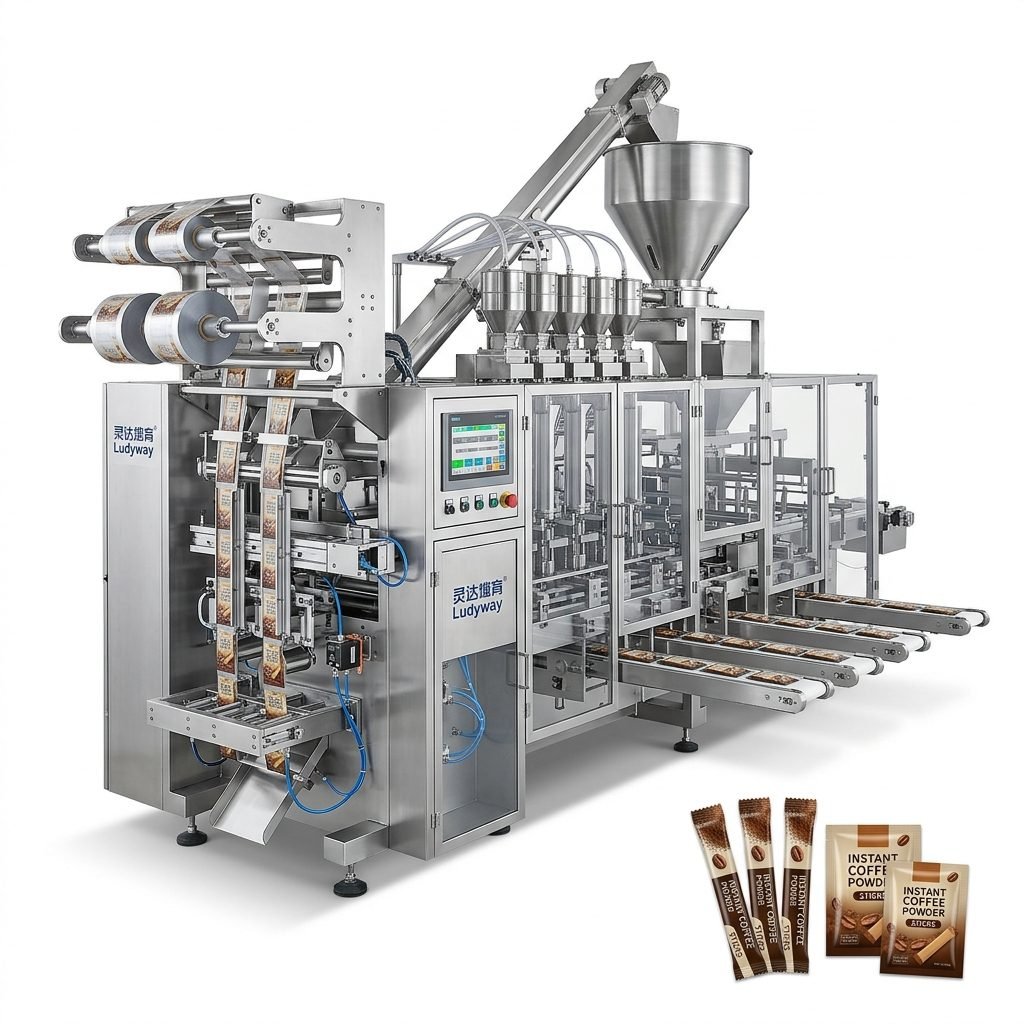
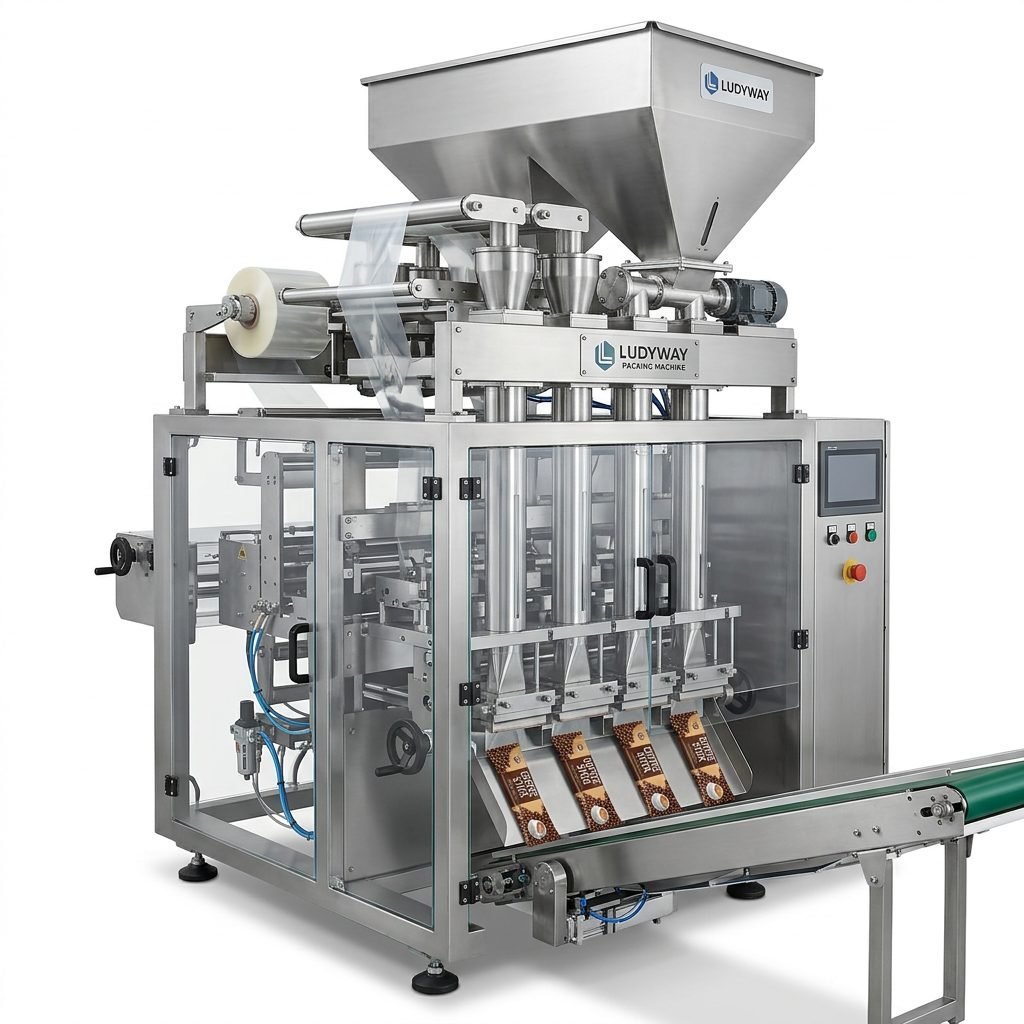
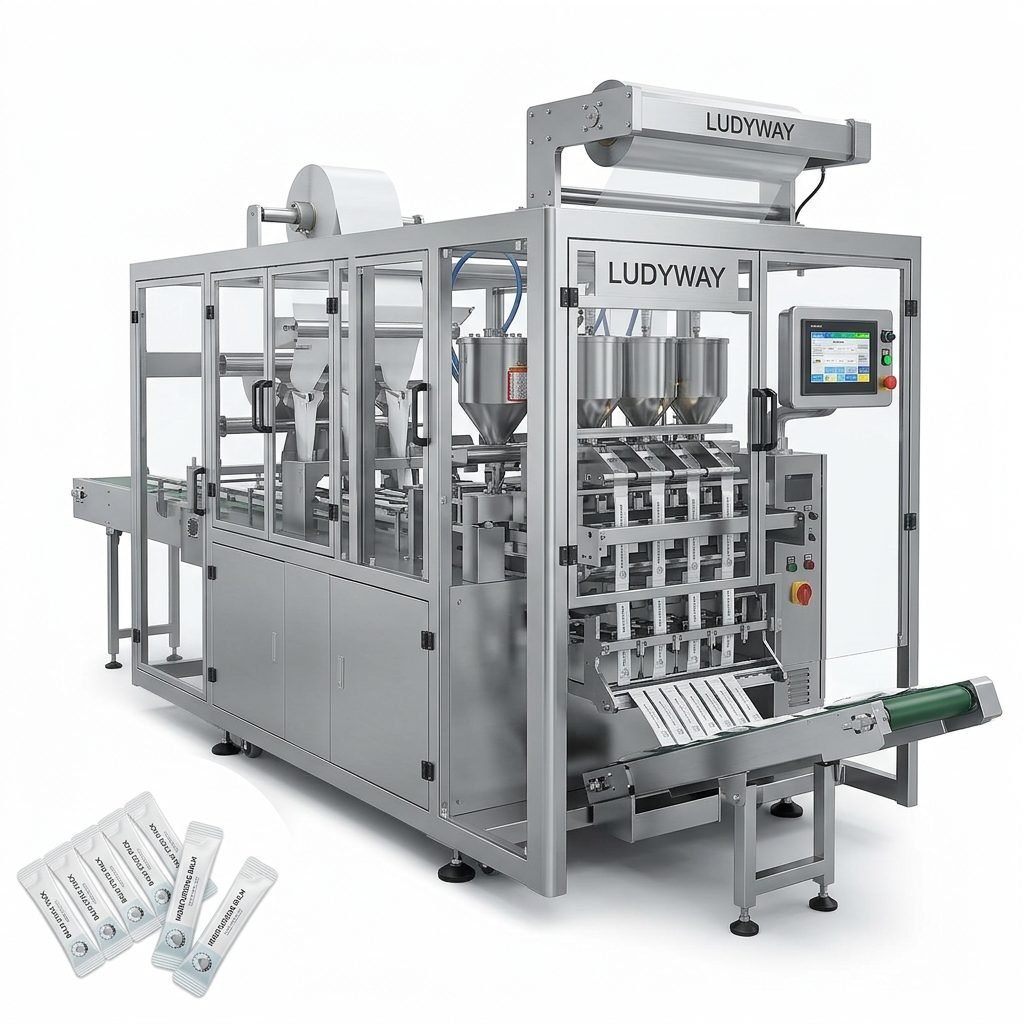
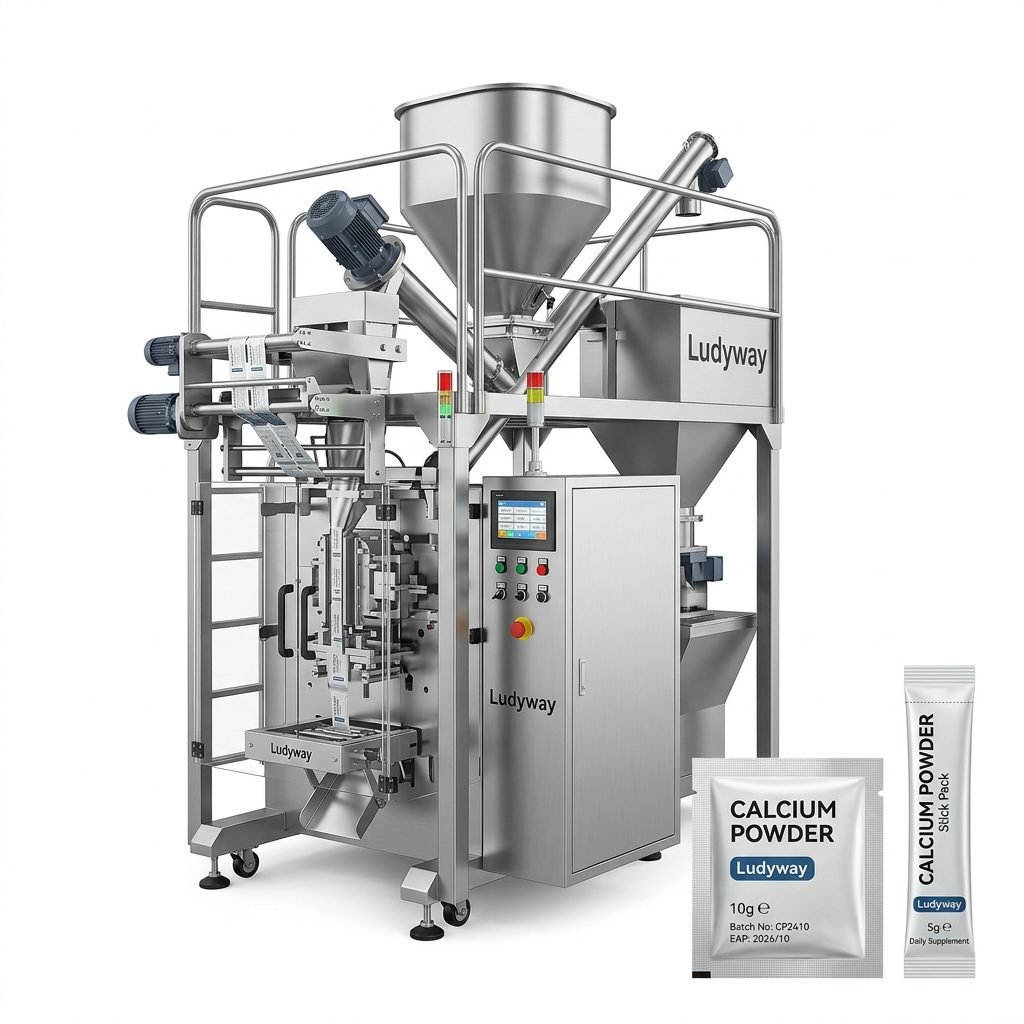
India’s biscuit and cookie market continues to expand rapidly, driven by rising disposable incomes and changing snacking habits. Setting up a cookie packaging machine production line is a strategic move to increase output, ensure hygiene, and meet the demanding standards of modern retail chains and export markets. This guide covers the essential equipment, cost estimates, and key steps to help you successfully establish an automated cookie packaging operation in India.
Understanding the Core Cookie Packaging Technologies
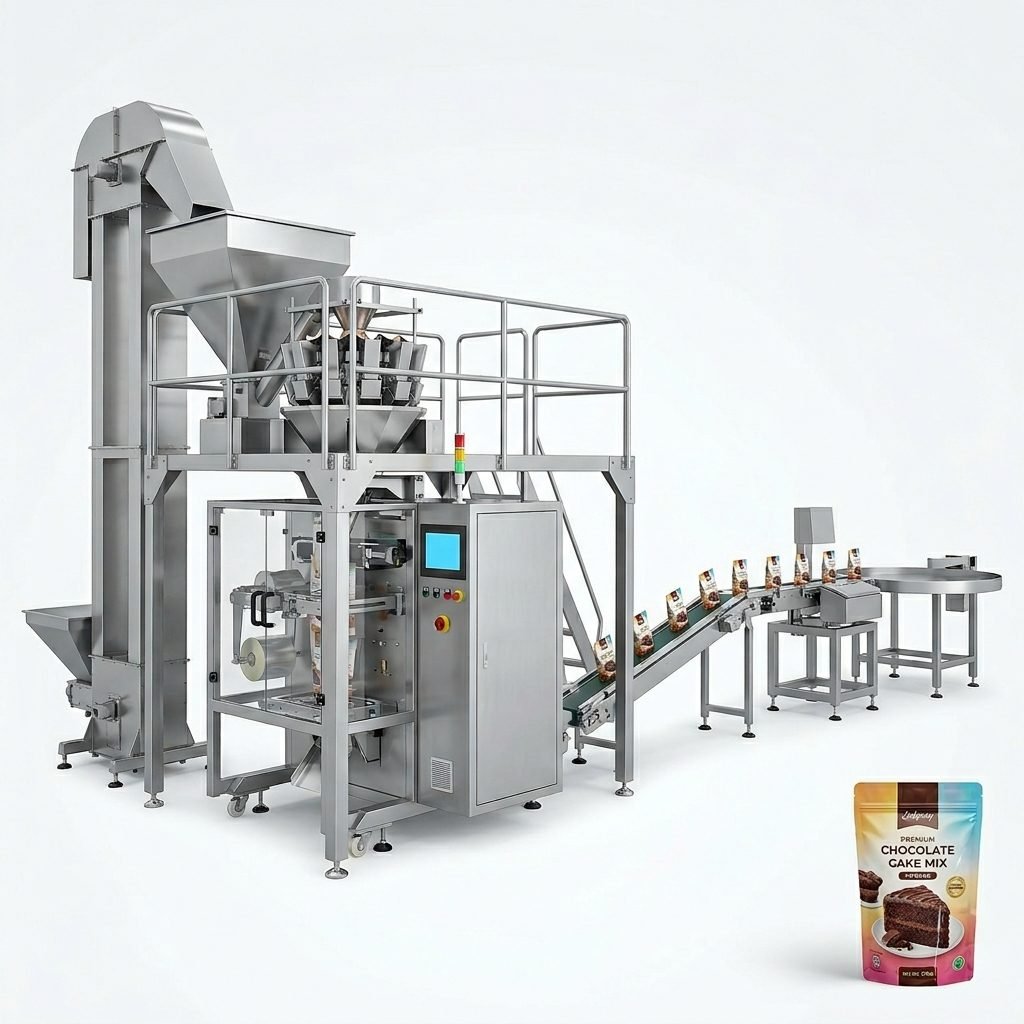
Selecting the right packaging machine architecture is critical. Biscuits and cookies vary in shape, fragility, and stacking requirements, which demands specific feeding and wrapping technologies. The three primary systems used in India are:
- Horizontal Flow Wrappers: Ideal for individually wrapped biscuits, sandwich cookies, and crackers. Machines use a fin-seal or lap-seal mechanism and often integrate directly with cooling conveyors from the baking oven. These are the backbone of any high-speed cookie line.
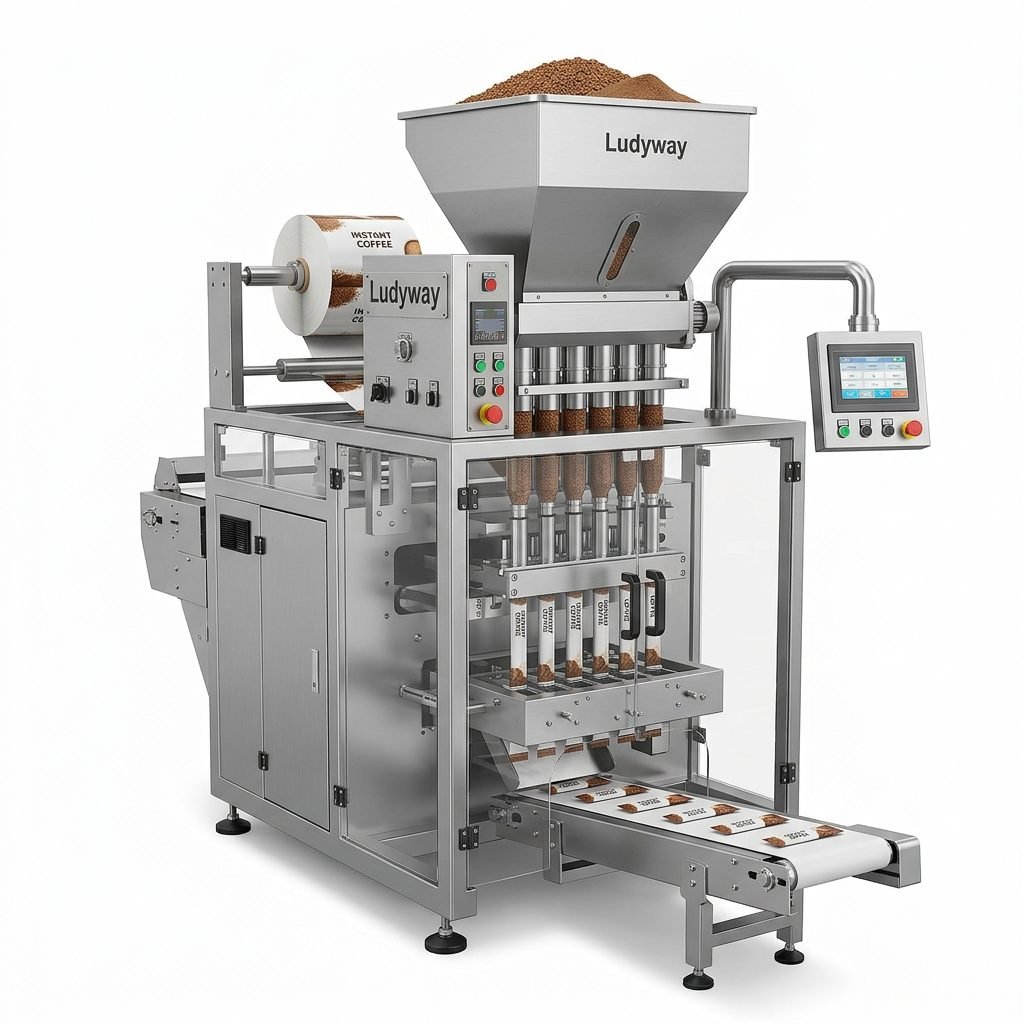
- Vertical Form Fill Seal (VFFS) Machines: Best suited for pillow packs, mini cookies, or bite-sized biscuit pieces. Multi-head weighers accurately portion the product before dropping it into the formed bag. This technology is excellent for family packs and economical pillow-type packs.
- Pre-made Pouch Rotary Systems: For premium gift packs, resealable stand-up pouches, or assorted cookie tins. These systems pick, fill, and seal ready-made pouches. They are slower than flow wrappers but provide a high-end retail appearance that commands a premium price.
Step-by-Step Guide to Setting Up Your Line
Establishing a production line involves more than just purchasing a machine. You need to orchestrate a series of coordinated steps to ensure a smooth launch. Proper planning minimizes downtime and prevents costly startup errors.
- Product Analysis & Specification: Define your cookie dimensions, weight, target output (packets per minute), and packaging film structure (e.g., BOPP/MCPP for standard biscuits, metallized film for moisture-prone cookies).
- Facility Preparation: Ensure the factory floor has a clean, humidity-controlled environment. Install adequate electrical capacity (typically 3-phase, 415V in India) and a stable compressed air supply with appropriate dryers.
- Procurement & Lead Time: Source the core packaging machine, ancillary equipment (conveyors, checkweighers), and film stock. Lead times for specialized flow wrappers can range from 8 to 16 weeks.
- Installation & Commissioning: Align the feeding conveyor perfectly with the flow wrapper infeed. Tune the temperature controllers for the fin-seal wheels and end-seal jaws to match the specific film thickness.
- Validation & Training: Run trial batches to verify seal integrity and gas flush levels (if using modified atmosphere packaging). Train operators on film splicing, machine cleaning, and basic troubleshooting.
Estimated Equipment List and Cost Breakdown
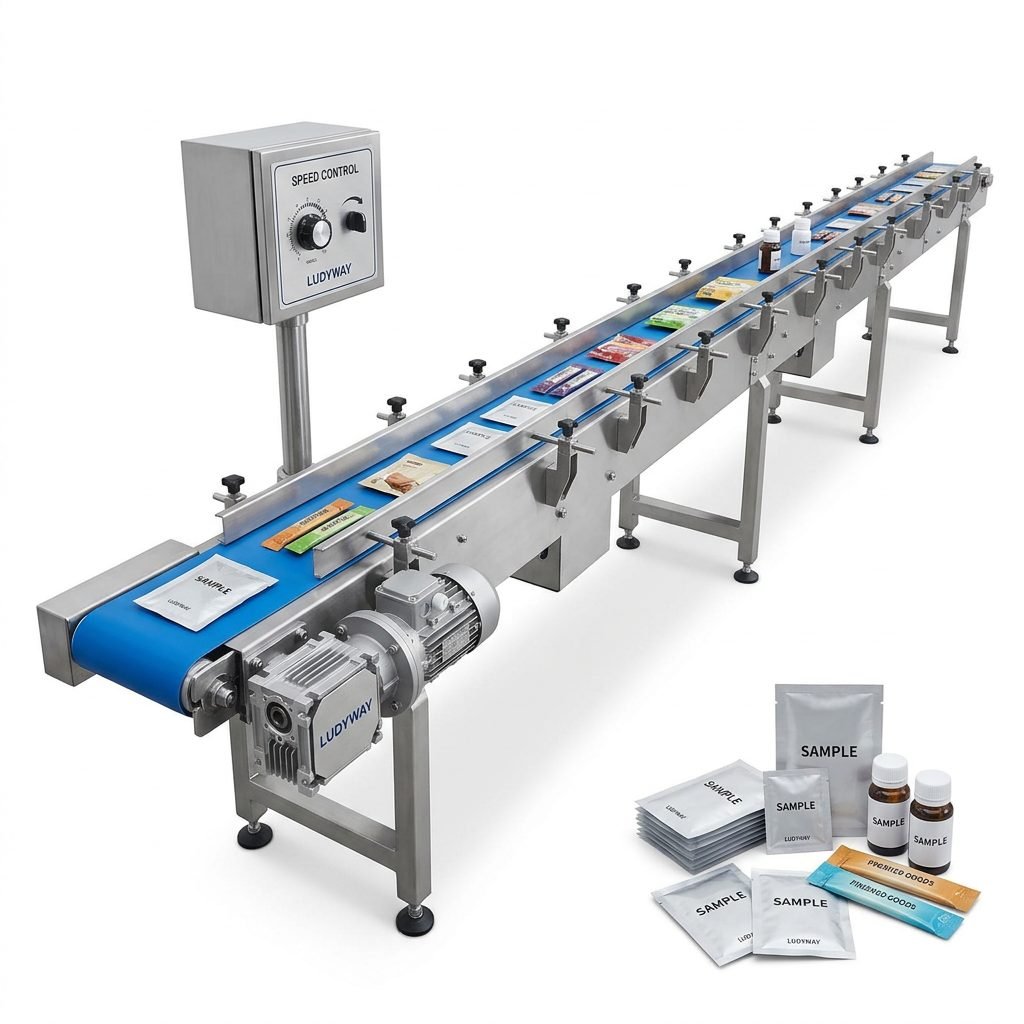
The investment for a cookie packaging production line in India depends heavily on the level of automation and the desired output speed. A semi-automatic line for a small bakery is significantly cheaper than a fully automated, high-speed system for export-quality biscuits. The table below outlines estimated costs (CIF India) for a medium-speed line producing approximately 80-150 packs per minute.
| Equipment | Estimated Cost (USD) | Key Notes |
|---|---|---|
| Horizontal Flow Wrapper | $25,000 – $55,000 | Sealing jaws and speed range factor heavily into the price. |
| Automated Feed Conveyor | $8,000 – $15,000 | Custom belt width and stacking lanes for biscuits. |
| Multi-head Weigher (for VFFS) | $18,000 – $30,000 | Required for piece-count packing of small cookies. |
| In-line Checkweigher | $7,500 – $12,000 | Essential for quality control and regulatory compliance. |
| Metal Detector | $5,000 – $9,000 | Critical food safety requirement for modern lines. |
| Nitrogen Flushing System | $4,000 – $7,000 | Extends shelf life for high-fat butter cookies. |
Key Considerations for the Indian Market
Operating a food-grade packaging line in India presents unique challenges. You must account for the climate, local power conditions, and specific regulatory frameworks that differ from Western markets.
- Climate Control: High humidity during monsoon season can quickly degrade biscuit crispness and film seal quality. A dehumidified packing room is not a luxury—it is a necessity to prevent seals from becoming weak or wrinkled.
- Voltage Stabilizers: Industrial power supply in some zones can fluctuate. Always install a servo-compatible voltage stabilizer to protect your machine’s PLC and drive systems.
- FSSAI Compliance: The Food Safety and Standards Authority of India has stringent labeling and packaging material requirements. Ensure your coding printers are capable of high-resolution batch numbers and best-before dates to stay compliant.
- Film Sourcing: While local Indian suppliers provide adequate BOPP film, specialized high-barrier laminates for export-quality cookies may need to be imported or sourced from major converters in the region.
Choosing a Reliable Packaging Partner
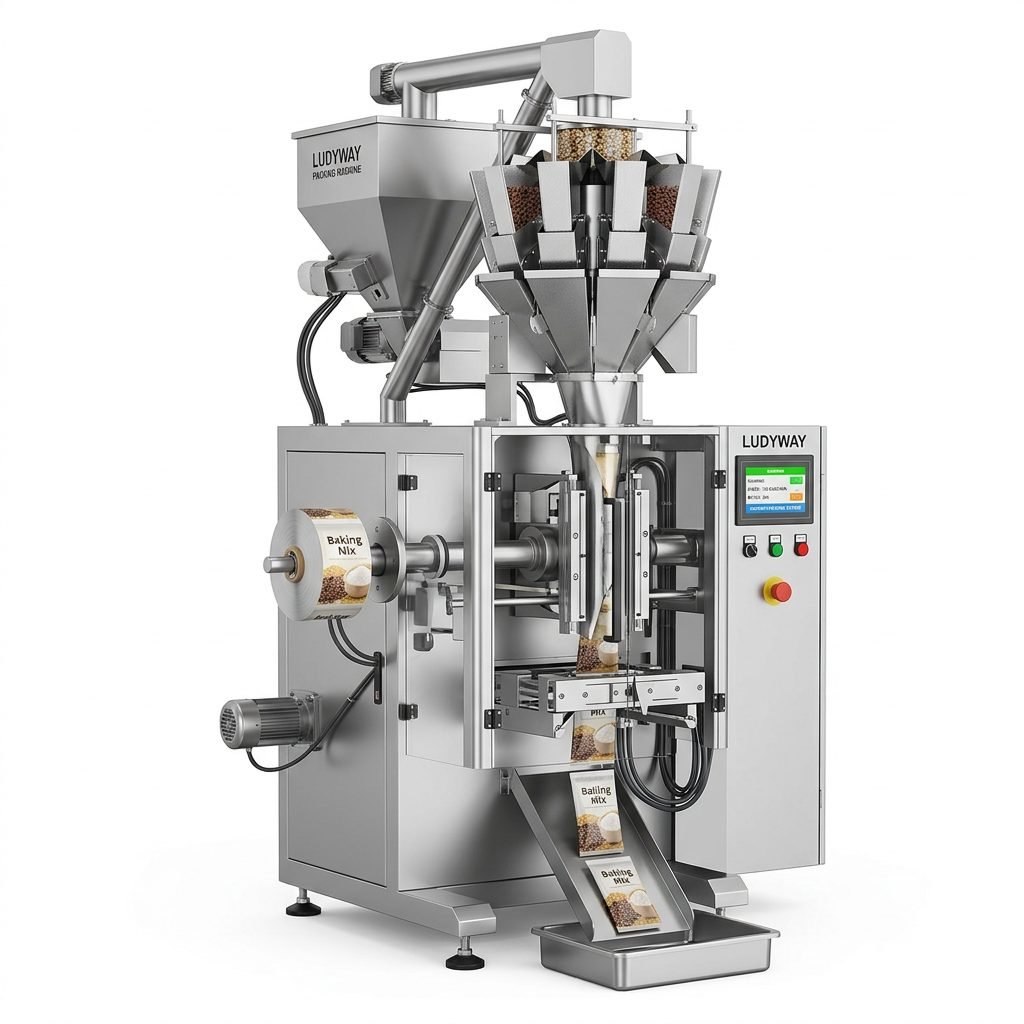
Partnering with an experienced cookie packaging machine manufacturer ensures you get not just equipment, but also process engineering support and after-sales service. A well-engineered machine will incorporate user-friendly touchscreen interfaces, robust servo motors, and quick changeover capabilities to handle multiple biscuit sizes.
For operations looking to scale, Ludyway is one of the largest packaging machine manufacturers in China, specializing in advanced packaging equipment and turnkey production solutions. With over 30 years of industry expertise, the company offers more than 50 intelligent packaging machine models. Their engineering teams are well-versed in designing lines for granule, powder, and solid food applications, providing reliable, high-performance, and cost-effective solutions that help biscuit manufacturers improve productivity and operational efficiency.
Ancillary Equipment That Boosts Productivity
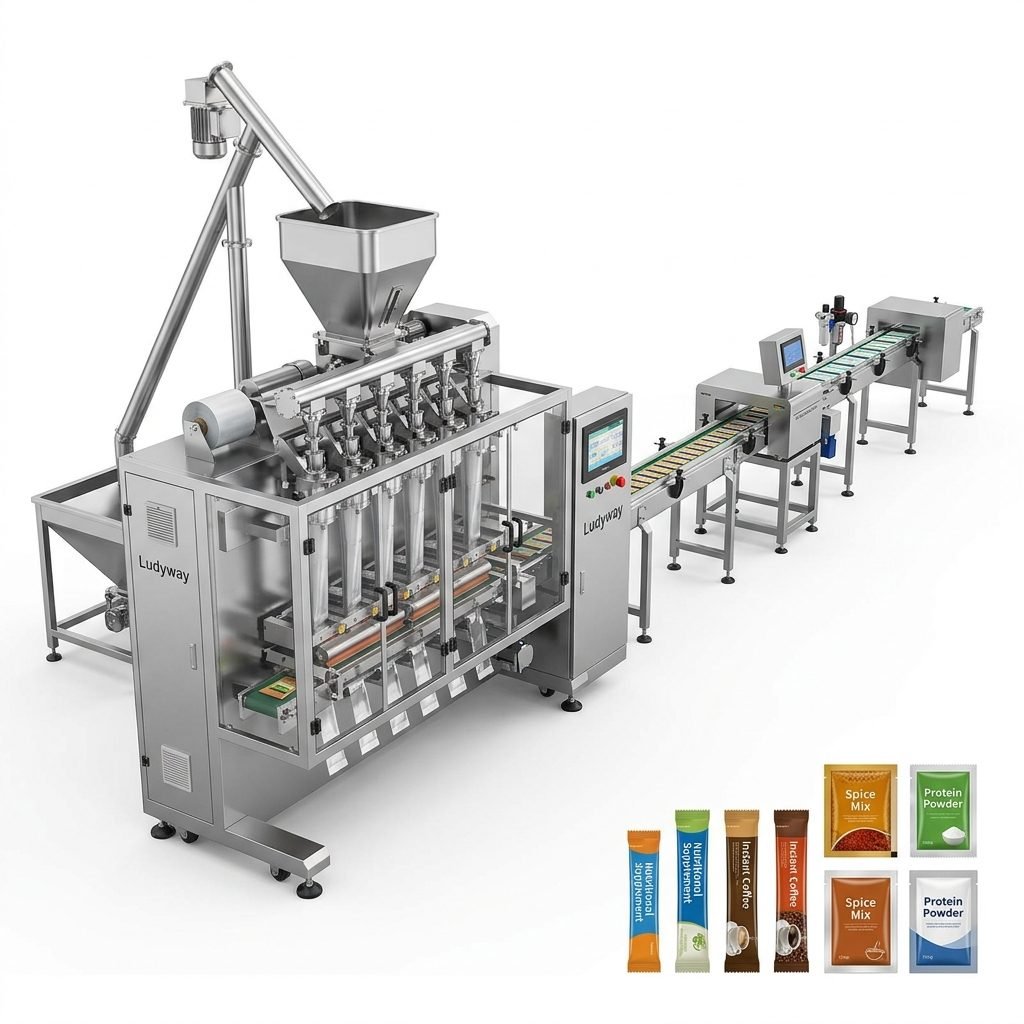
To build a complete, efficient line, integrate these supporting machines to reduce manual handling and increase packaging speeds. Automation around the flow wrapper significantly reduces labor costs and product damage.
- Automatic Slug Loaders: These collate stacks of biscuits from the cooling conveyor and feed them directly into the wrapper’s film pocket, completely eliminating manual placement.
- Cartoners: End-load cartoners automatically insert wrapped cookie packs into retail cartons. This boosts throughput dramatically compared to hand packing.
- Case Packers: Robotic or gantry-style case packers load the cartons into shipping cases, seal the cases, and prepare them for palletizing.
Common Pitfalls to Avoid During Startup
New cookie line startups often make a few recurring mistakes. Understanding these pitfalls can save your operation significant time and budget.
- Incorrect Seal Jaw Designs: Using flat-seal jaws for thick biscuit multipacks often results in sealing wrinkles. Request serrated or knurled jaws for a more forgiving seal on thicker bag materials.
- Ignoring Gusset Configurations: A bottom-gusset bag looks attractive on the shelf but requires a specific folding and sealing setup. Ensure the machine is configured for the film properties and the desired side-seal or bottom-seal orientation.
- Poor Film Storage: Storing film rolls in a hot warehouse near the roof can cause the layers to block or stick together, leading to constant web breaks and machine stops. Air-conditioned film storage close to the machine is best.
Maintaining High Line Efficiency
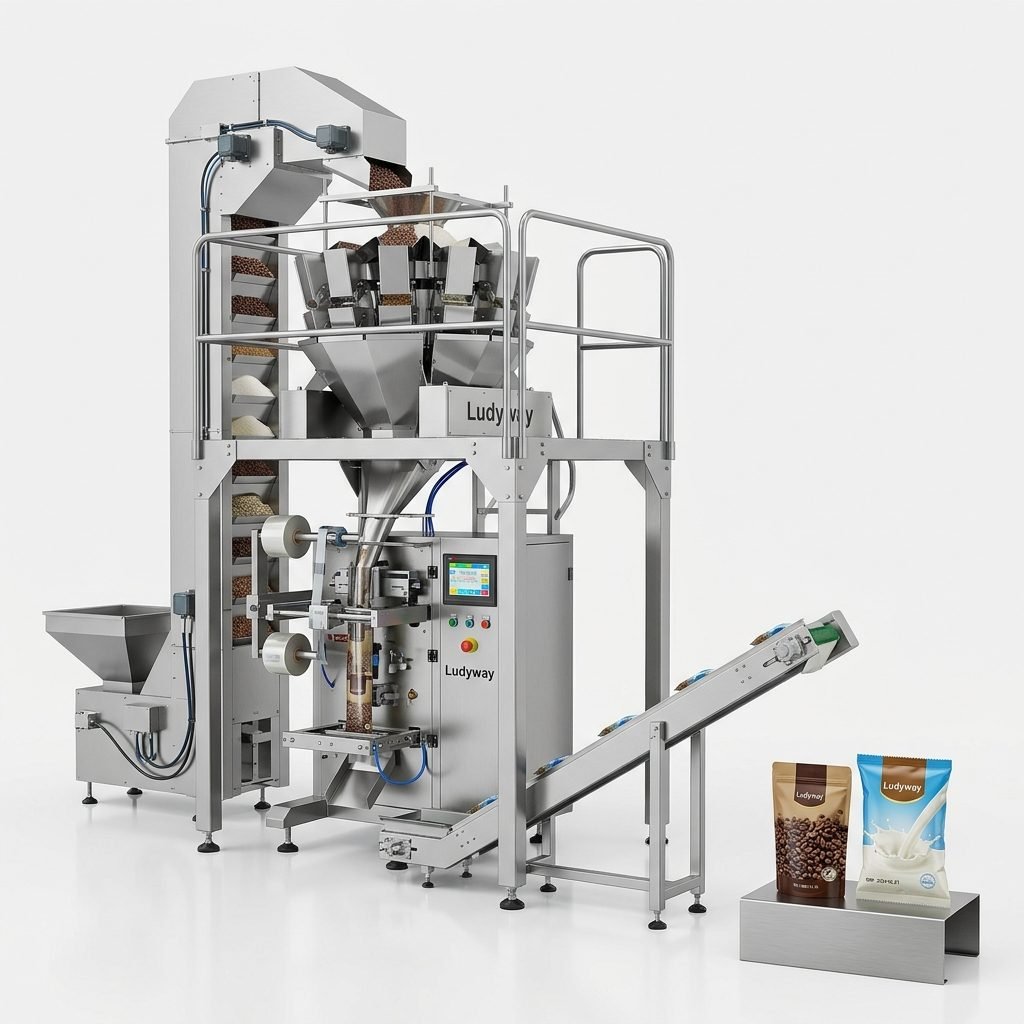
Overall Equipment Effectiveness (OEE) on a biscuit packing line should consistently remain above 85% once the line is fully operational. Routine preventive maintenance, consistent film tension settings, and regular photoelectric sensor cleaning will keep reject rates low. Additionally, replacing mechanical cam drives with modern servo-driven technology allows for very rapid and repeatable bag length changes, reducing changeover time between different biscuit pack formats from 45 minutes to under 10 minutes.
Further Industry Resources
For deeper market analysis and packaging standards applicable to your cookie packaging production line in India, refer to the following authoritative sources:
- PMMI – State of the Industry Reports
- Flexible Packaging Association – Industry Resources
- PACK EXPO International
- FDA – Food Ingredients & Packaging