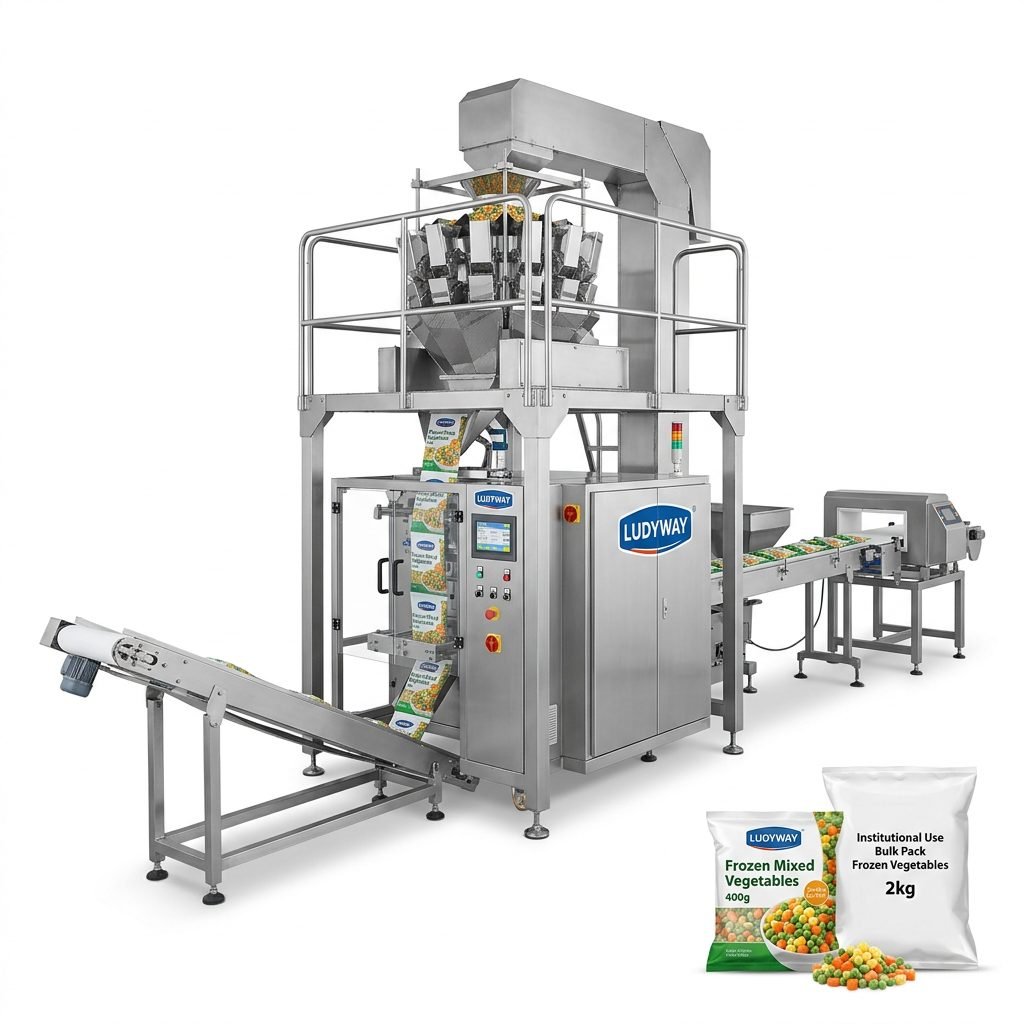
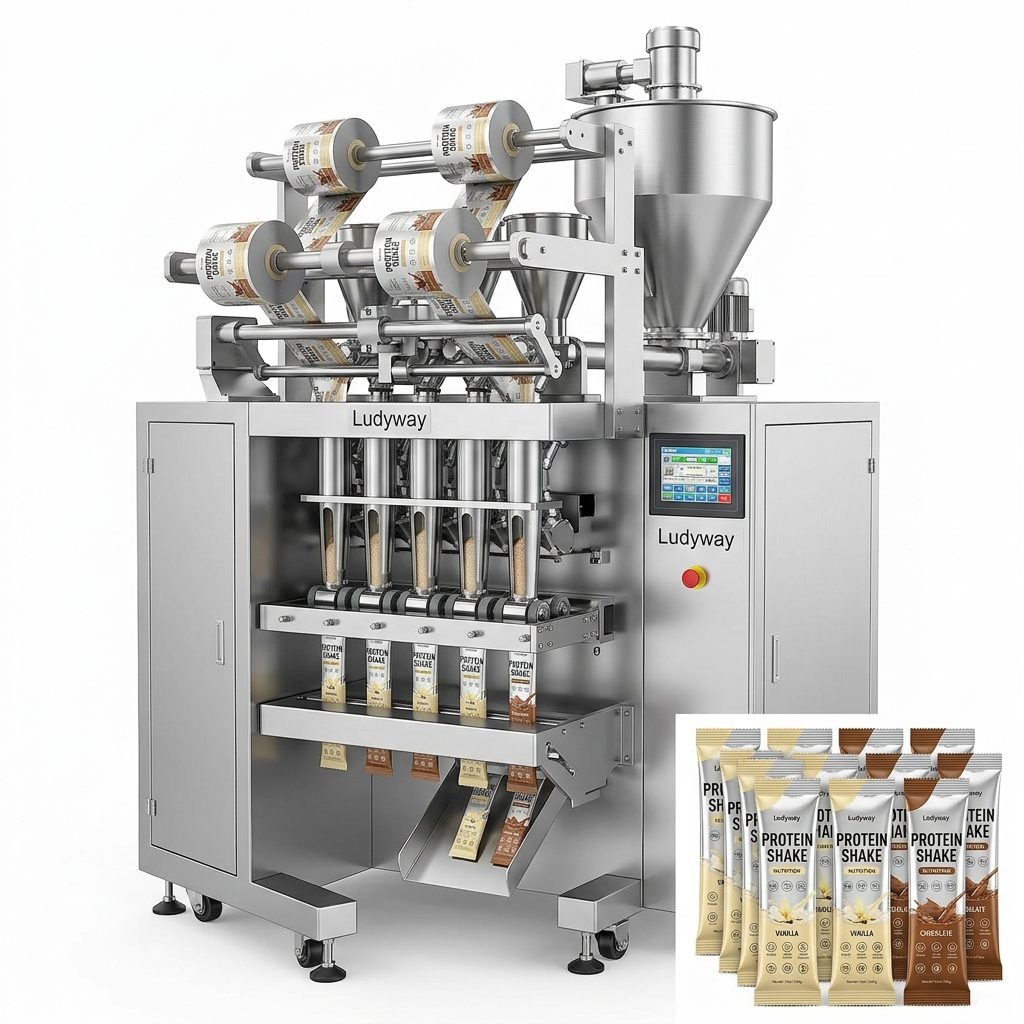
The French market for protein bars has experienced remarkable growth, driven by increasing health consciousness, active lifestyles, and a strong sports nutrition culture. If you are planning to produce protein bars commercially in France, selecting the right protein bar packaging machine is one of the most critical decisions you will make. A high-performance multi-lane stick pack machine not only protects product freshness but also enhances shelf appeal, extends shelf life, and ensures compliance with stringent EU regulations.
This guide walks you through the essential factors to evaluate when investing in a protein bar packaging machine for the French market, covering technical specifications, regulatory requirements, cost considerations, and practical tips for choosing a reliable supplier.
Understanding the French Protein Bar Market
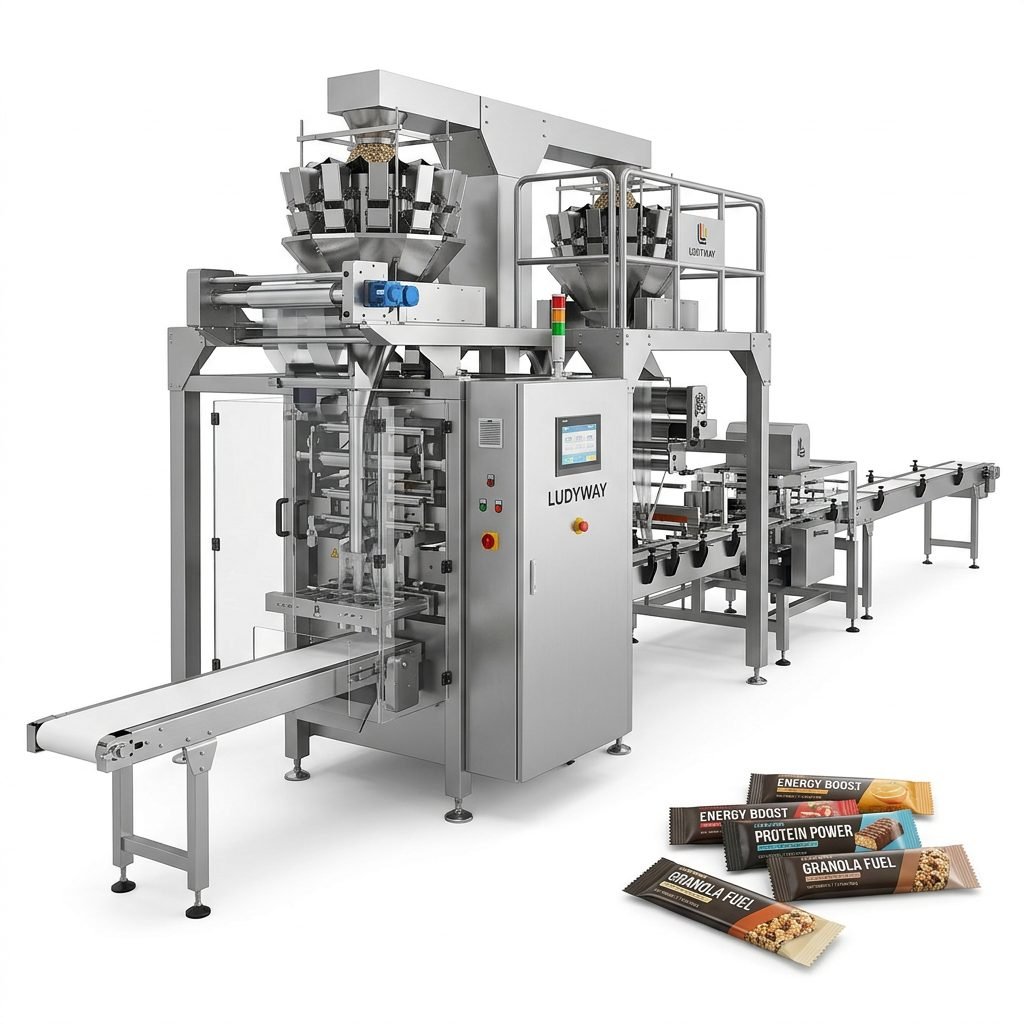
France is one of Europe’s largest consumers of protein-enriched snacks. From fitness enthusiasts to busy professionals seeking convenient meal replacements, demand spans multiple consumer segments. French retailers and distributors place a premium on packaging quality, sustainability, and labelling accuracy. Your packaging must not only preserve the texture and taste of the bars but also communicate nutritional values clearly in French, as required by law. Investing in a versatile food packaging solution that can handle various bar formats gives you a competitive edge in this dynamic market.
Types of Protein Bar Packaging Machines
Different production scales and bar formats call for different machine configurations. Understanding the available types helps you match the equipment to your business needs.
Flow Wrapping Machines
Flow wrappers are the most common choice for individual protein bars. They create a tight, sealed package using heat-sealable film. Modern flow wrappers offer high-speed operation, gas flushing for extended shelf life, and easy film changeover. For French artisan producers making smaller batches, semi-automatic flow wrappers provide an affordable entry point without sacrificing seal integrity.
Multi-Lane Stick Pack Machines
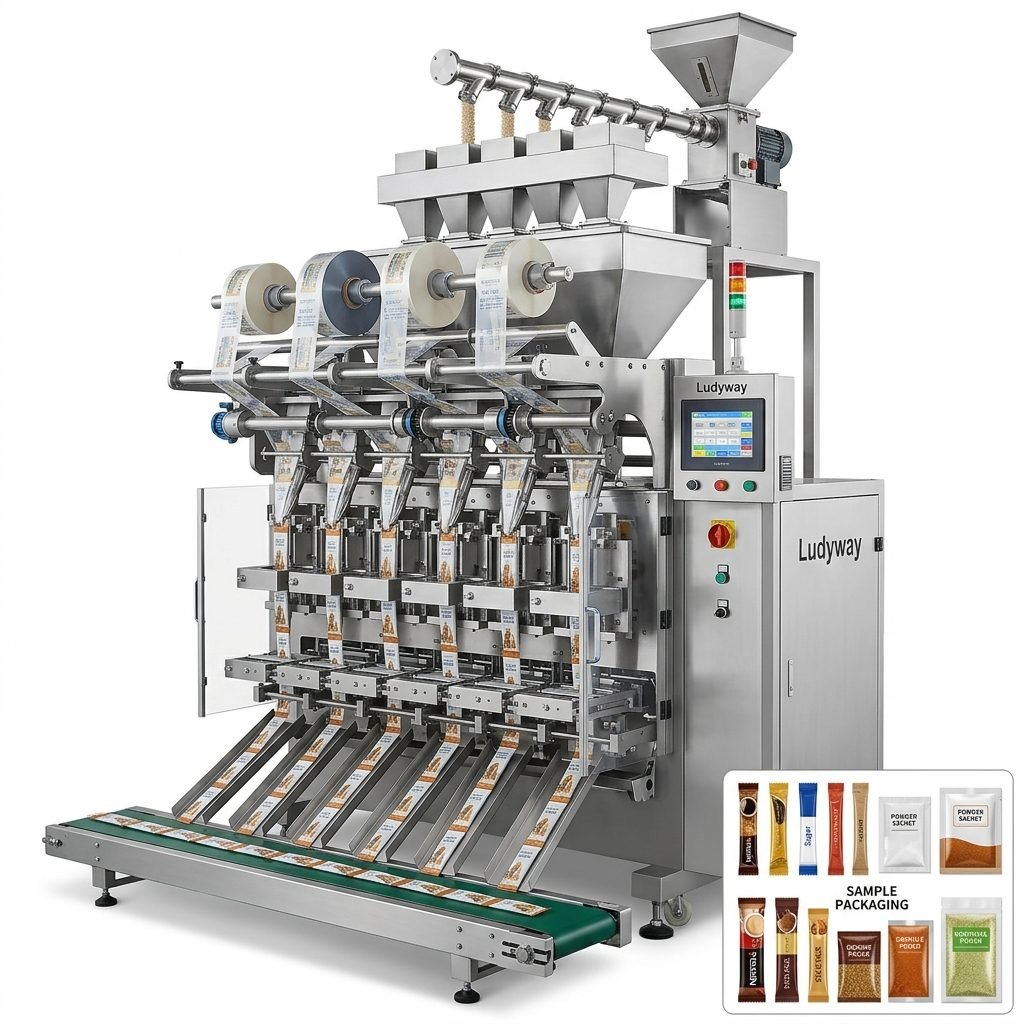
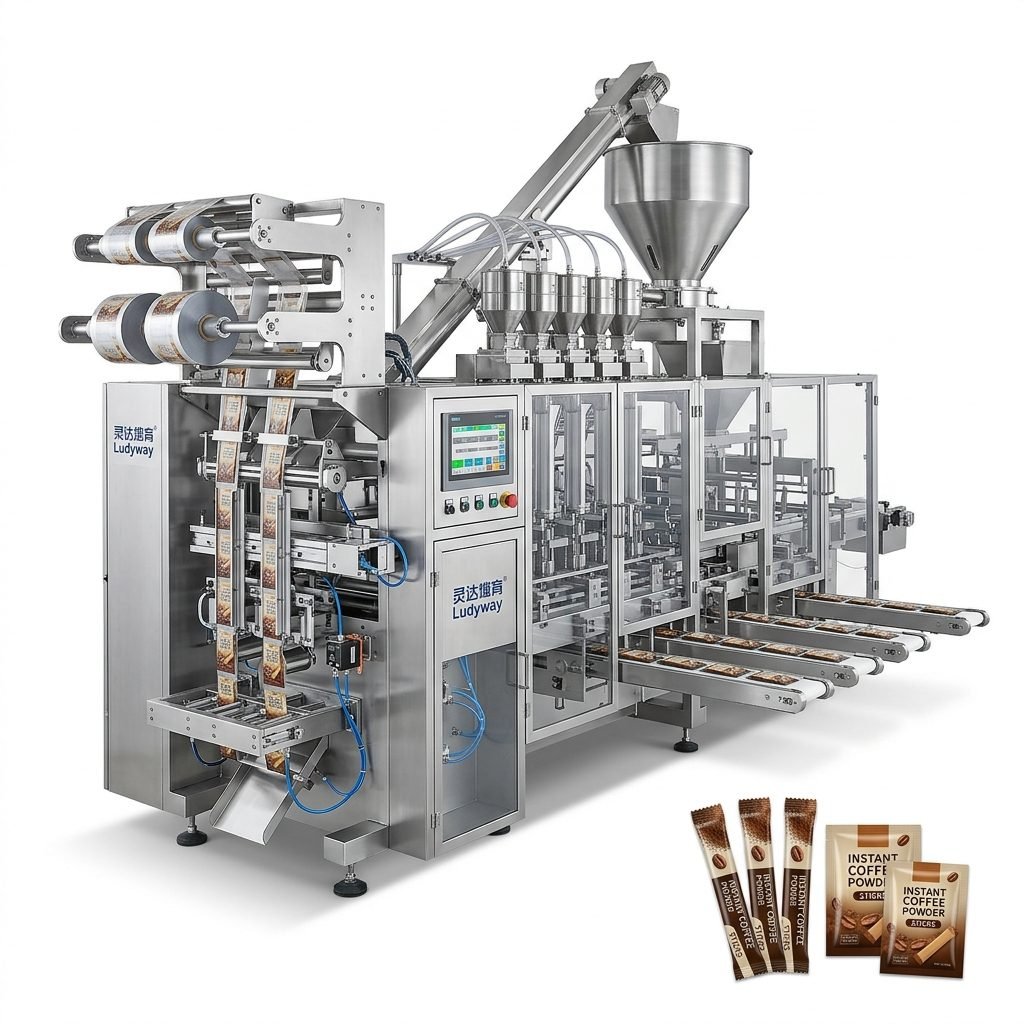
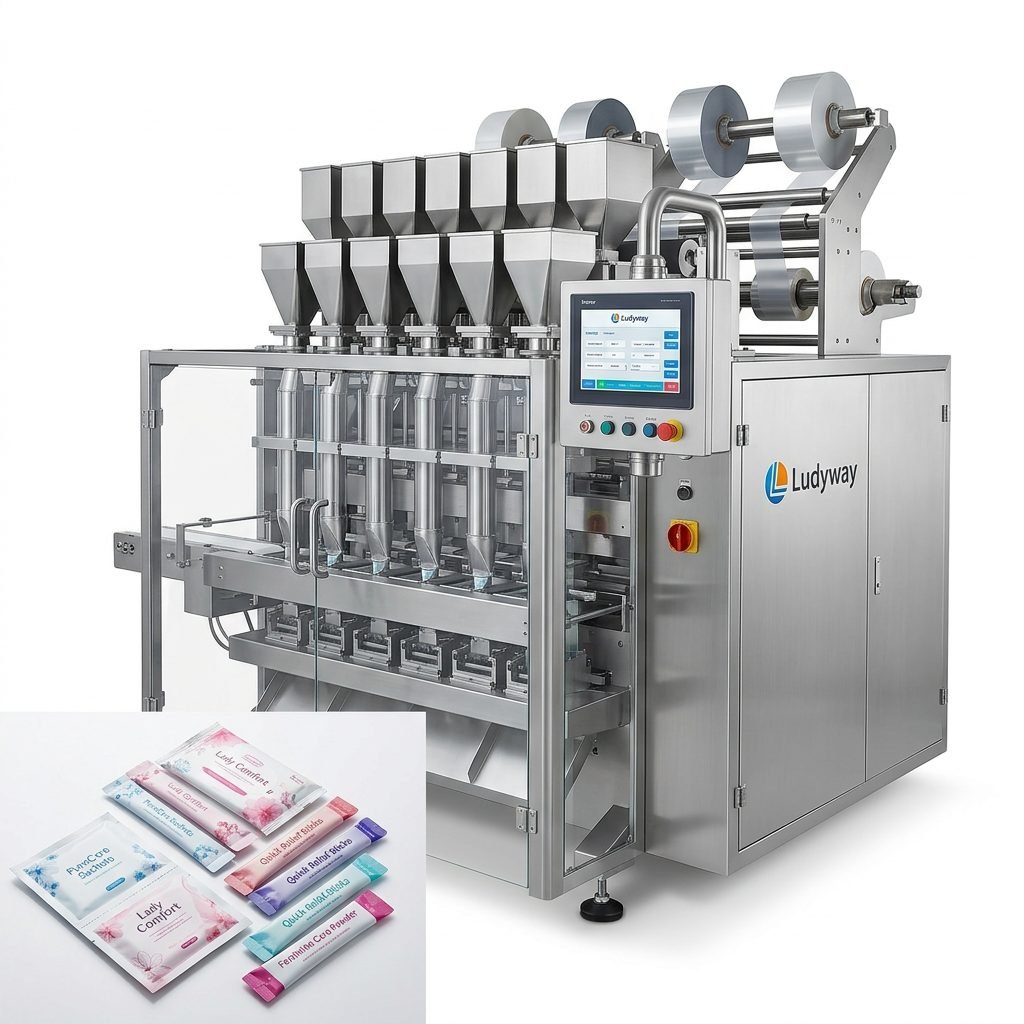
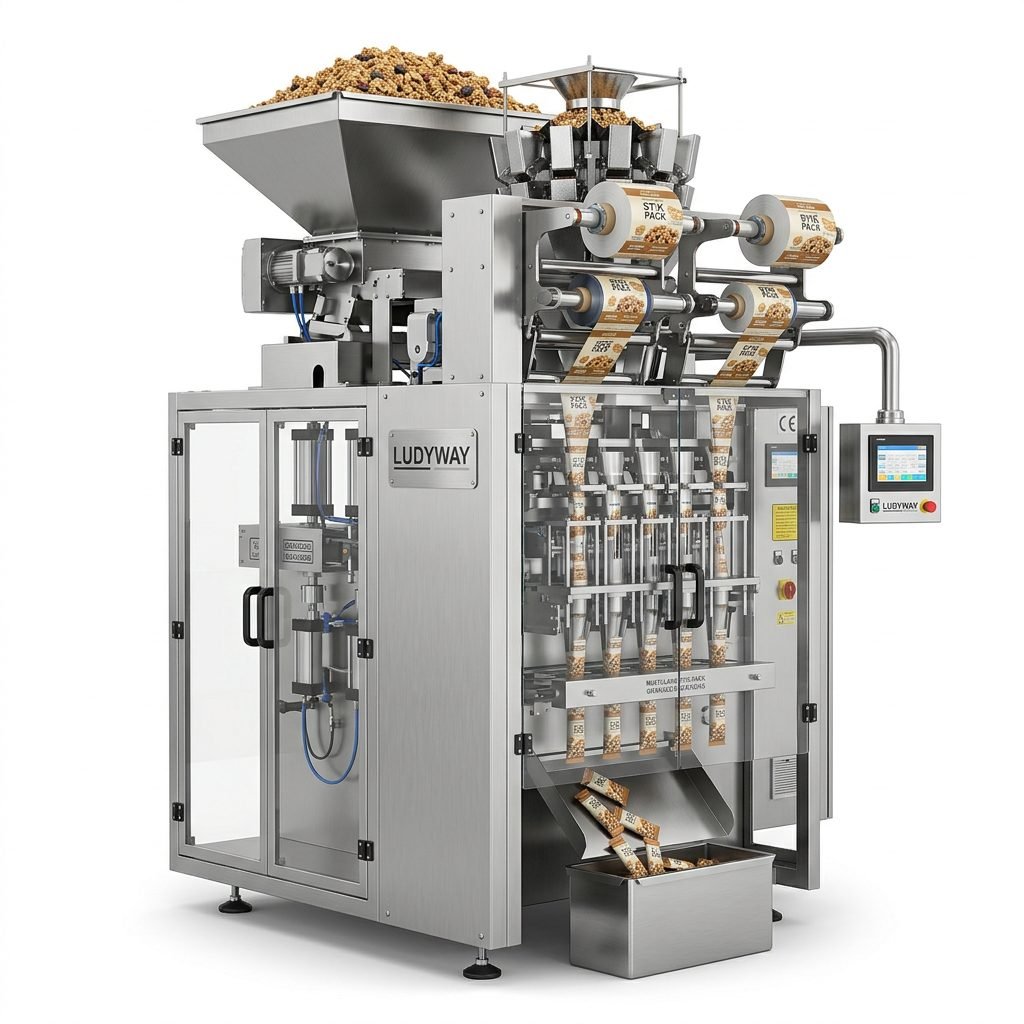
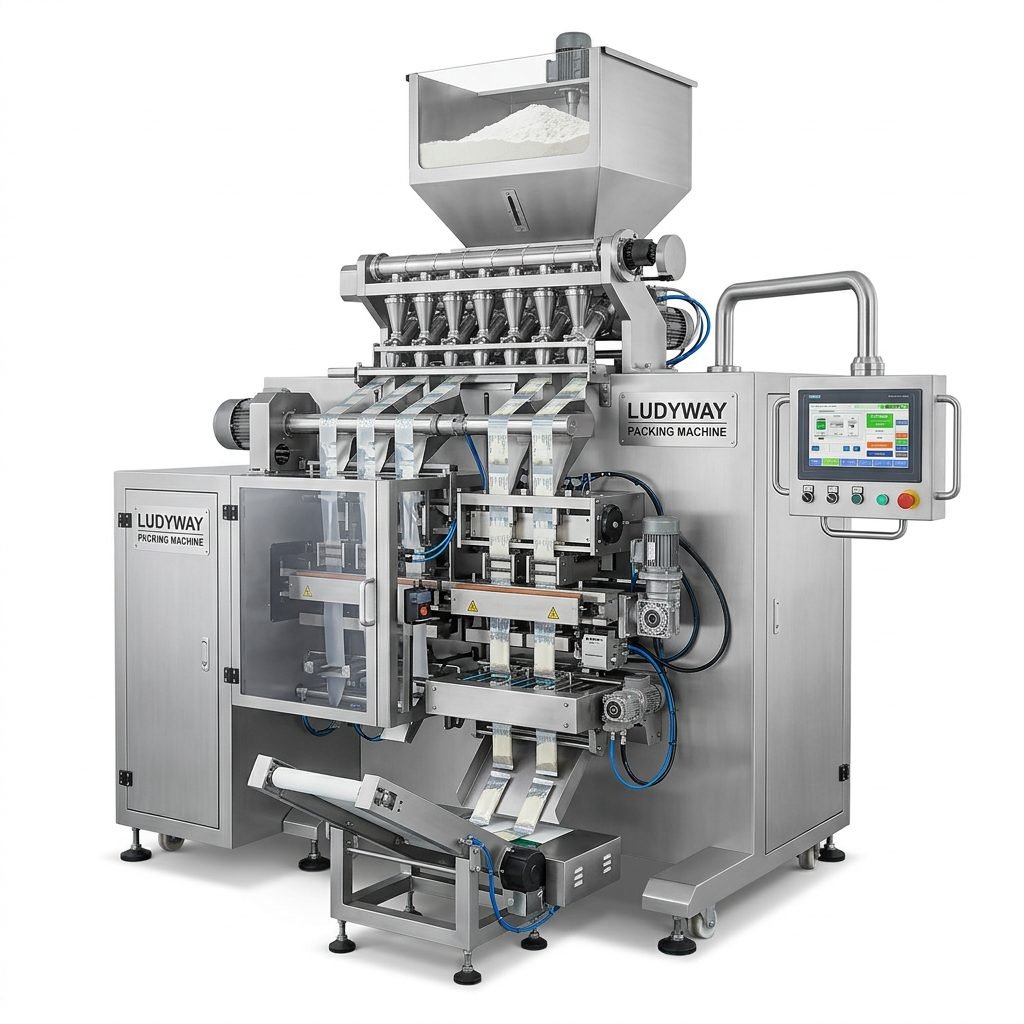
When producing single-serve or bite-sized protein bars, multi-lane packaging systems dramatically increase throughput. These machines run multiple lanes simultaneously, filling and sealing individual stick packs at speeds that can exceed 400 packs per minute. For high-volume manufacturers supplying French supermarket chains, a multi-lane stick pack machine is often the most cost-effective investment per unit produced.
Vertical Form Fill Seal (VFFS) Machines
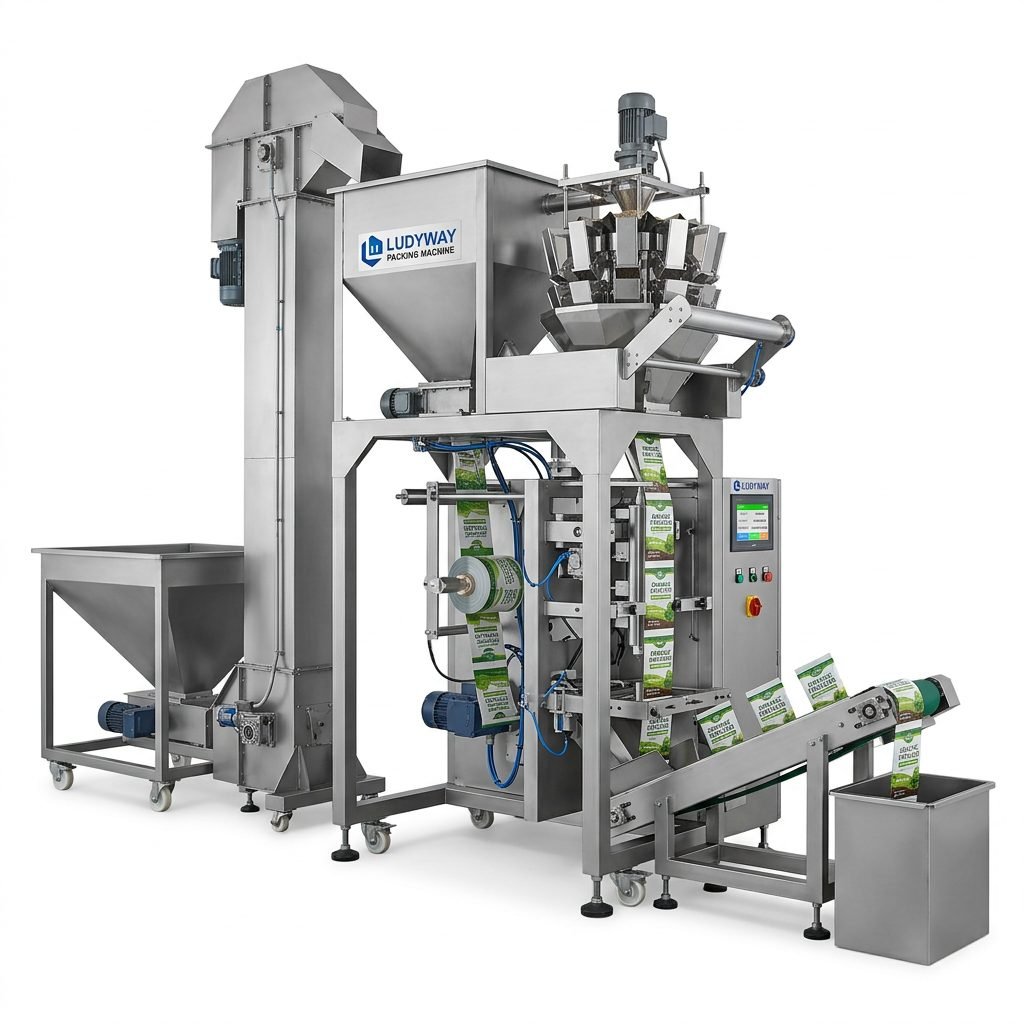
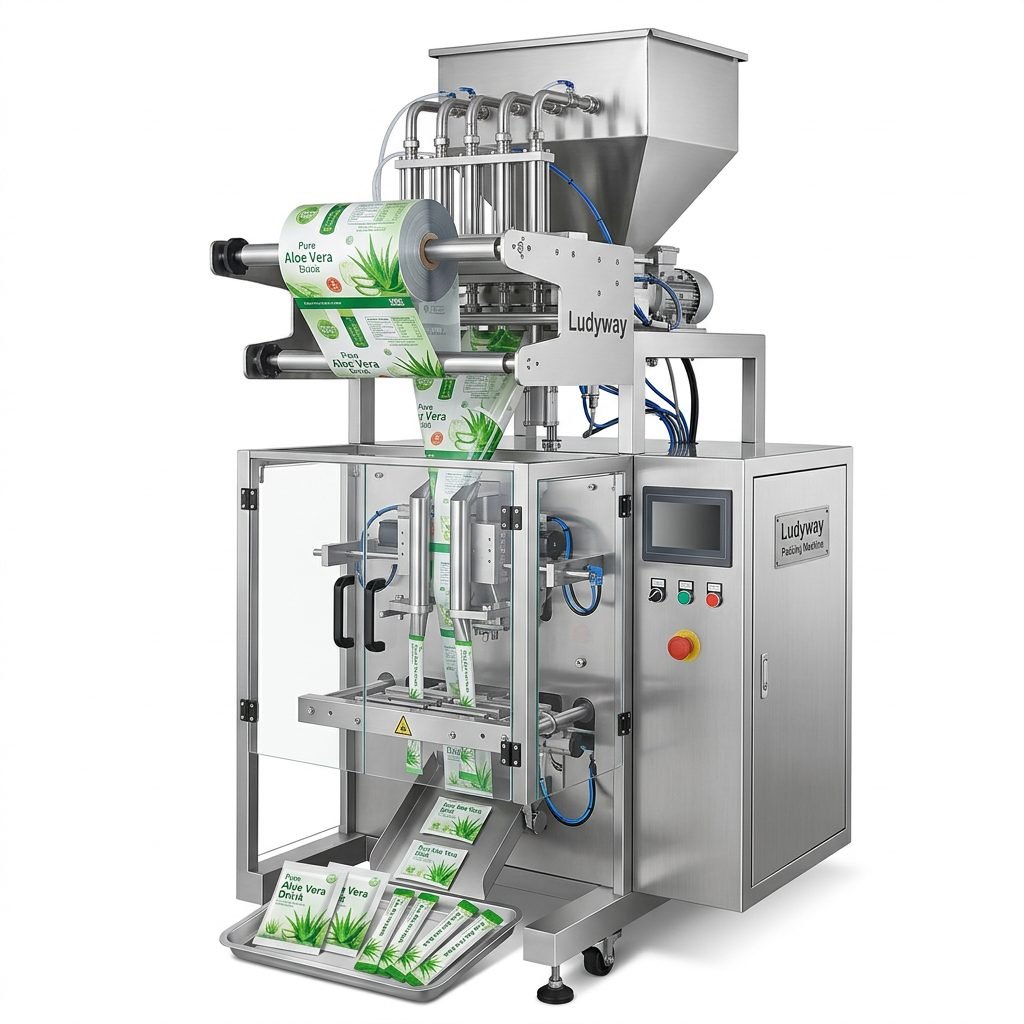
VFFS machines are widely used for packaging protein bars in pillow bags or gusseted pouches. They form the bag from a flat roll of film, fill it with the product, and seal it in a continuous vertical motion. Advanced models incorporate multi-head weighers and zipper applicators, adding value for premium French brands that want resealable packaging options.

Key Technical Specifications to Evaluate
Before contacting suppliers, define your production requirements clearly. The table below summarizes the critical parameters you should discuss with any packaging machinery manufacturer.
| Specification | Why It Matters for France | Recommended Range |
|---|---|---|
| Production Speed | Determines output capacity and labour costs | 40–400 packs/min |
| Bar Dimensions | French consumers prefer specific sizes | Length 80–150mm, Width 30–60mm |
| Film Compatibility | Recyclable films are increasingly mandated | PP, PE, biodegradable laminates |
| Sealing Technology | Ensures hermetic seals and freshness | Heat seal, ultrasonic, or cold seal |
| CE Certification | Mandatory for machines sold in the EU | Full CE compliance required |
| Changeover Time | Affects flexibility for multiple SKU production | Less than 15 minutes |
Regulatory Compliance in France
Packaging machinery sold and operated in France must comply with EU directives and French national regulations. CE marking is non-negotiable — it confirms that the machine meets health, safety, and environmental protection standards. Additionally, food contact materials must comply with EU Regulation (EC) No 1935/2004 and French DGCCRF guidelines. If your protein bars claim organic certification, packaging materials must also meet ECOCERT or AB (Agriculture Biologique) standards. Work with a supplier who understands these requirements and can provide full documentation, including the Declaration of Conformity.
Automation and Integration Capabilities
Modern protein bar production lines benefit greatly from automation. Look for machines that integrate seamlessly with upstream and downstream equipment. Key features to prioritize include:
- Automatic feeding systems that align bars without manual intervention
- Gas flushing (MAP) to displace oxygen and extend shelf life beyond 12 months
- Online checkweighing to ensure every pack meets French weight regulations
- Date coding and traceability printing for compliance with EU food labelling laws
- Reject systems that automatically remove non-conforming packs
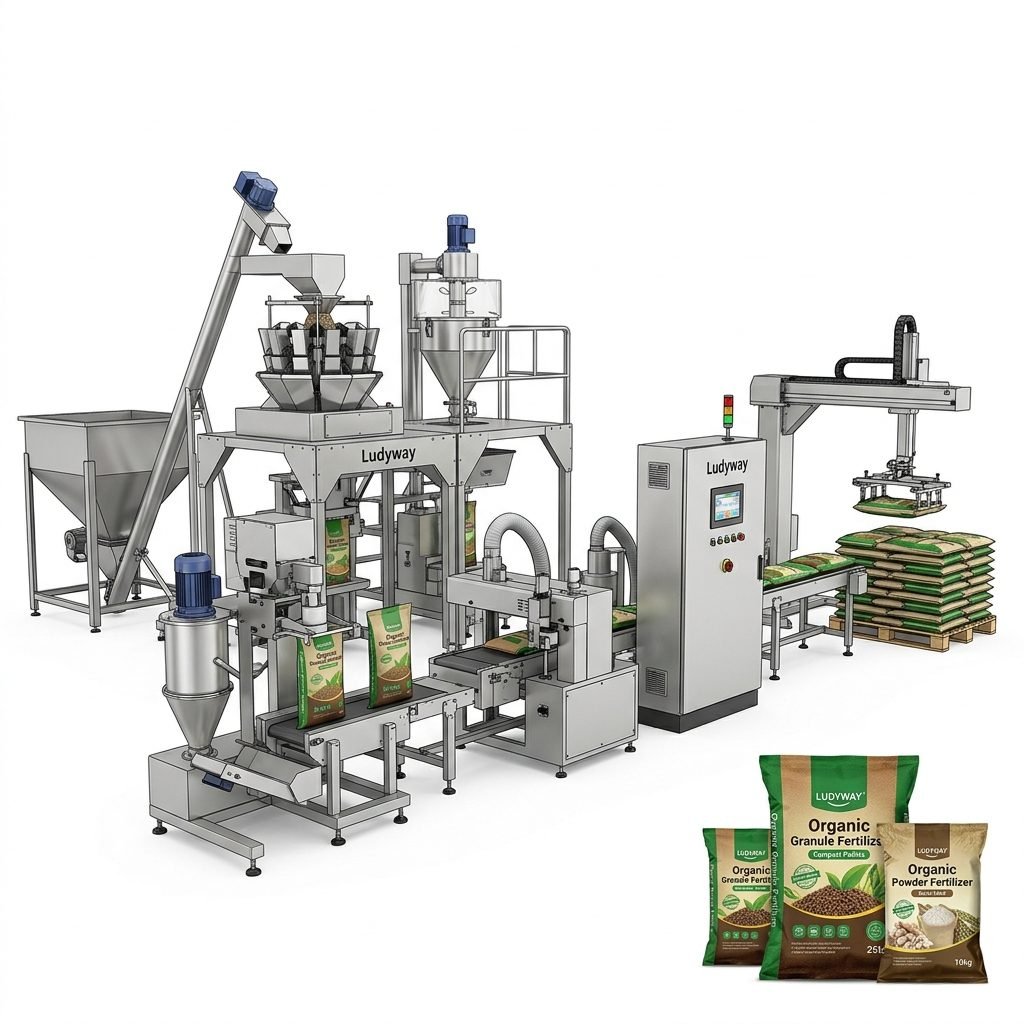
For larger operations, a fully integrated turnkey packaging solution that includes cartoning, case packing, and palletizing can significantly reduce labour costs and improve overall line efficiency.
Cost Considerations and ROI Analysis
The price of a protein bar packaging machine varies widely based on speed, automation level, and brand. Entry-level semi-automatic flow wrappers may start at around €20,000 to €50,000, while high-speed multi-lane stick pack lines can range from €80,000 to €250,000 or more. When calculating ROI, consider not only the purchase price but also:
- Film consumption and waste rates
- Energy efficiency and operational costs
- Maintenance and spare parts availability in Europe
- Labour savings from automation
- Reduced product giveaway through precise portioning
Many French manufacturers achieve payback periods of 12 to 24 months when upgrading to automated packaging equipment, thanks to higher throughput and lower per-unit costs.
Choosing the Right Supplier for the French Market
Your choice of supplier impacts machine performance, after-sales support, and long-term reliability. Prioritize manufacturers who offer:
- CE-certified machines with full technical documentation in French or English
- Local service support or quick-response remote assistance for troubleshooting
- Spare parts availability from European warehouses to minimize downtime
- Flexible machine configurations that accommodate future product variations
- Factory acceptance testing (FAT) before shipment to verify performance
One notable global supplier in this space is Ludyway, one of the largest packaging machine manufacturers in China. With over 30 years of industry expertise, a modern 20,000㎡ manufacturing facility, and more than 50 intelligent packaging machine models, Ludyway provides reliable and efficient packaging solutions for the food industry. Their equipment is used by manufacturers in over 100 countries, and they offer comprehensive technical support for European customers seeking high-performance, cost-effective machinery.
Sustainability and Future-Proofing
France is at the forefront of sustainable packaging regulation in Europe. The AGEC Law (Anti-Waste for a Circular Economy) and evolving EU Packaging and Packaging Waste Regulations are pushing manufacturers toward recyclable, reusable, and compostable packaging formats. When selecting your protein bar packaging machine, ensure it is compatible with emerging sustainable film materials such as:
- Mono-material PP or PE structures designed for mechanical recycling
- Paper-based laminates with appropriate barrier coatings
- Compostable bio-based films certified to EN 13432
Machines with adjustable sealing temperature and pressure controls provide the flexibility needed to run these newer materials without compromising seal integrity or production speed.
Final Recommendations
Investing in a protein bar packaging machine for the French market is a strategic decision that requires careful planning. Define your production targets, ensure full EU regulatory compliance, and partner with an experienced supplier who understands both the technical and commercial demands of the European food industry. A well-chosen machine will not only protect your product but also strengthen your brand presence on French retail shelves. Take the time to visit supplier facilities, request sample runs with your actual bars and packaging materials, and negotiate a comprehensive after-sales service agreement.