Investing in the right animal feed packaging machine is one of the most critical decisions for feed manufacturers, agricultural suppliers, and pet food producers. Whether you are packaging poultry feed, cattle pellets, fish feed, or specialty feed additive packaging products, the efficiency, accuracy, and reliability of your packaging line directly impact product quality, shelf life, and operational profitability. With a wide range of equipment options available—from semi-automatic bagging systems to fully automated multi-lane stick pack machines—understanding your production requirements is essential before making a purchase.
Understanding Different Types of Animal Feed Packaging Machines
Animal feed comes in various forms—pellets, granules, powders, crumbles, and liquid supplements—and each requires specific packaging technology. Selecting the correct machine type is the foundation of an efficient packaging operation. Below are the most common machine categories used in the feed industry:
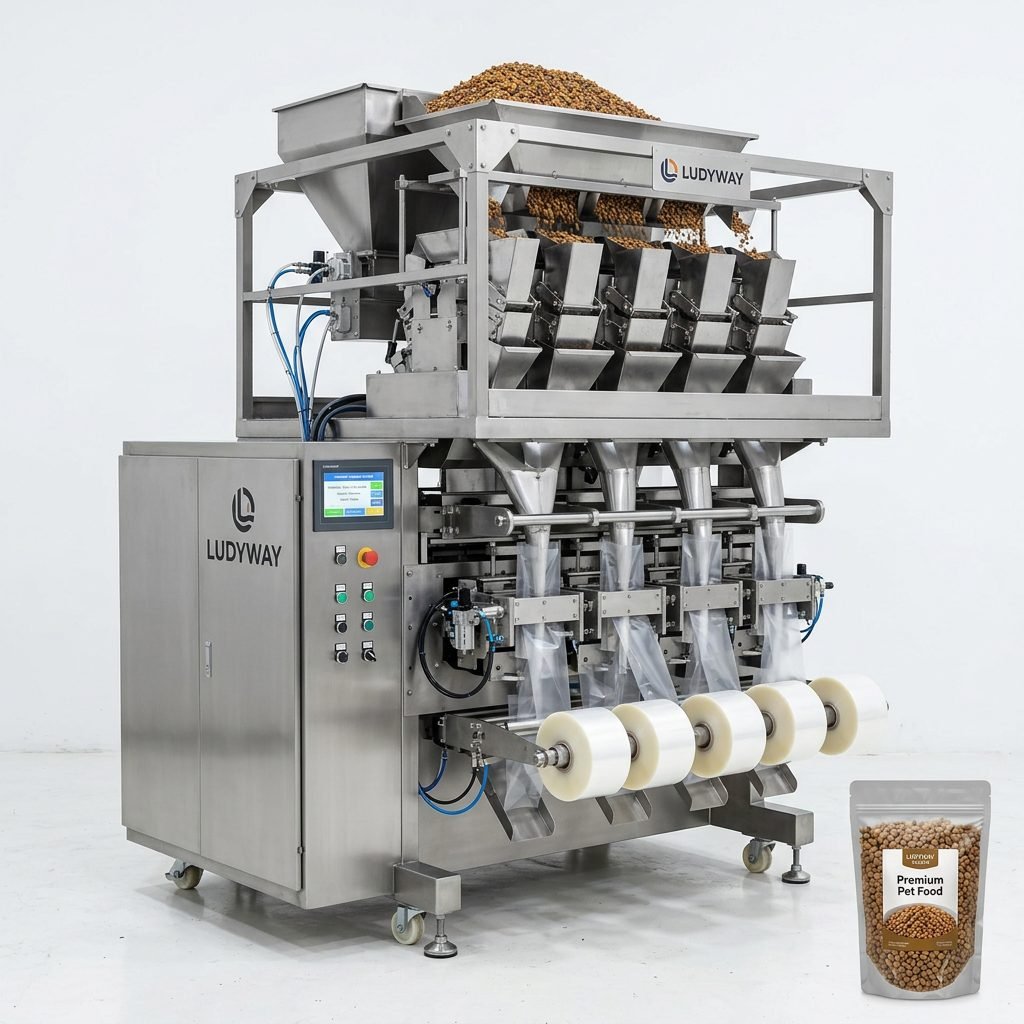
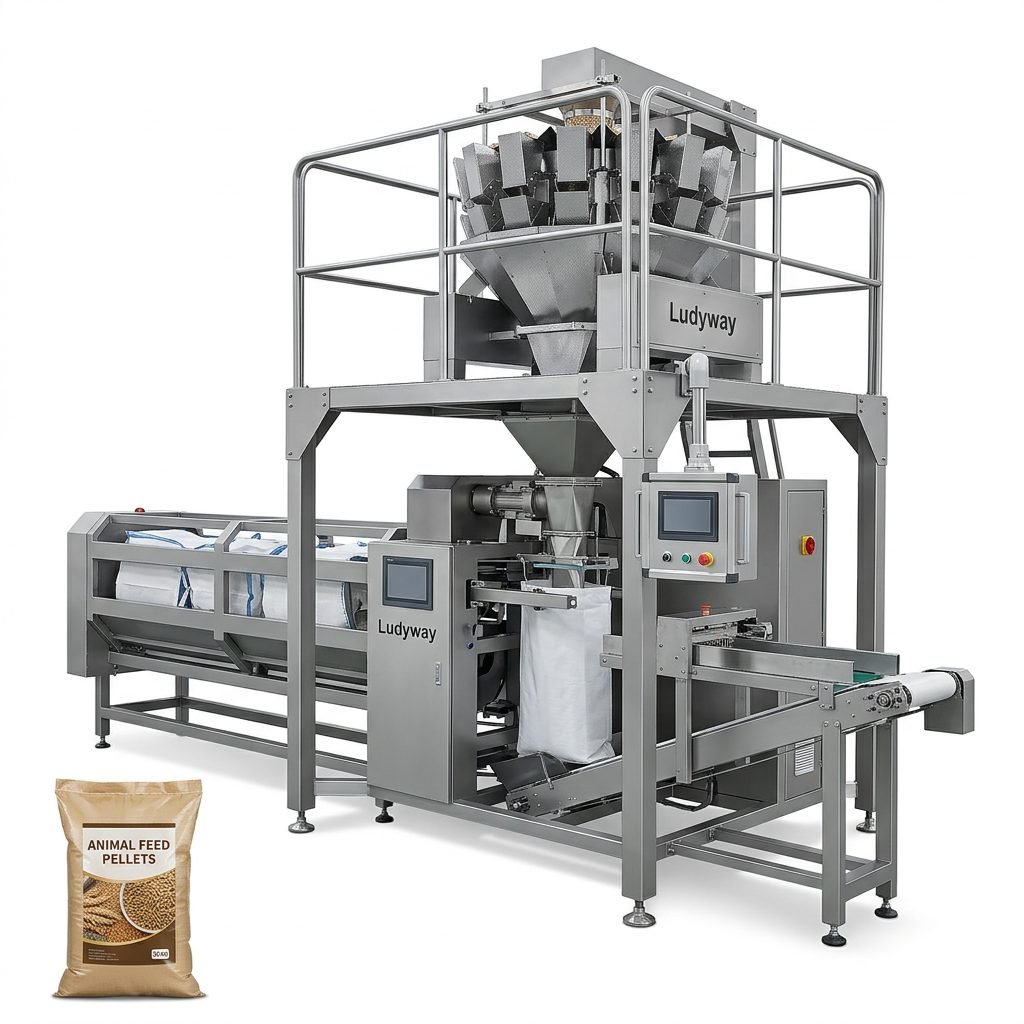
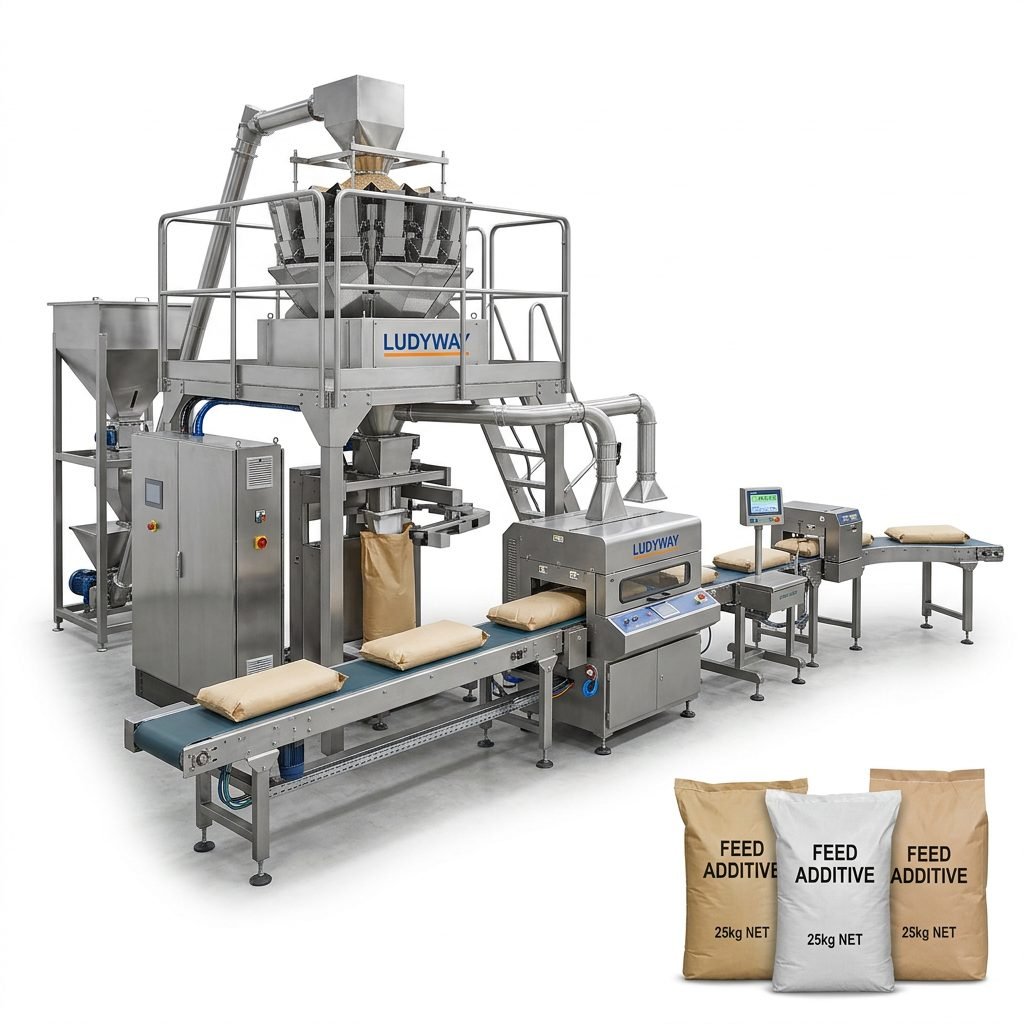
- Bulk Bag Filling Machines: Designed for high-volume feed packaging into 10kg, 20kg, 25kg, and 50kg bags. These systems typically include automatic weighing, filling, and sealing stations suitable for livestock feed packaging systems.
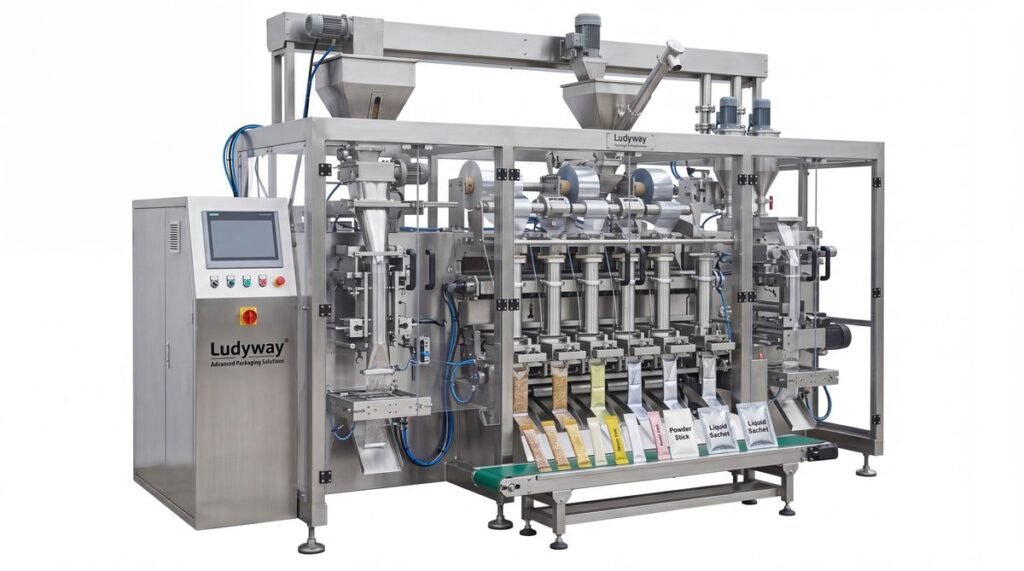
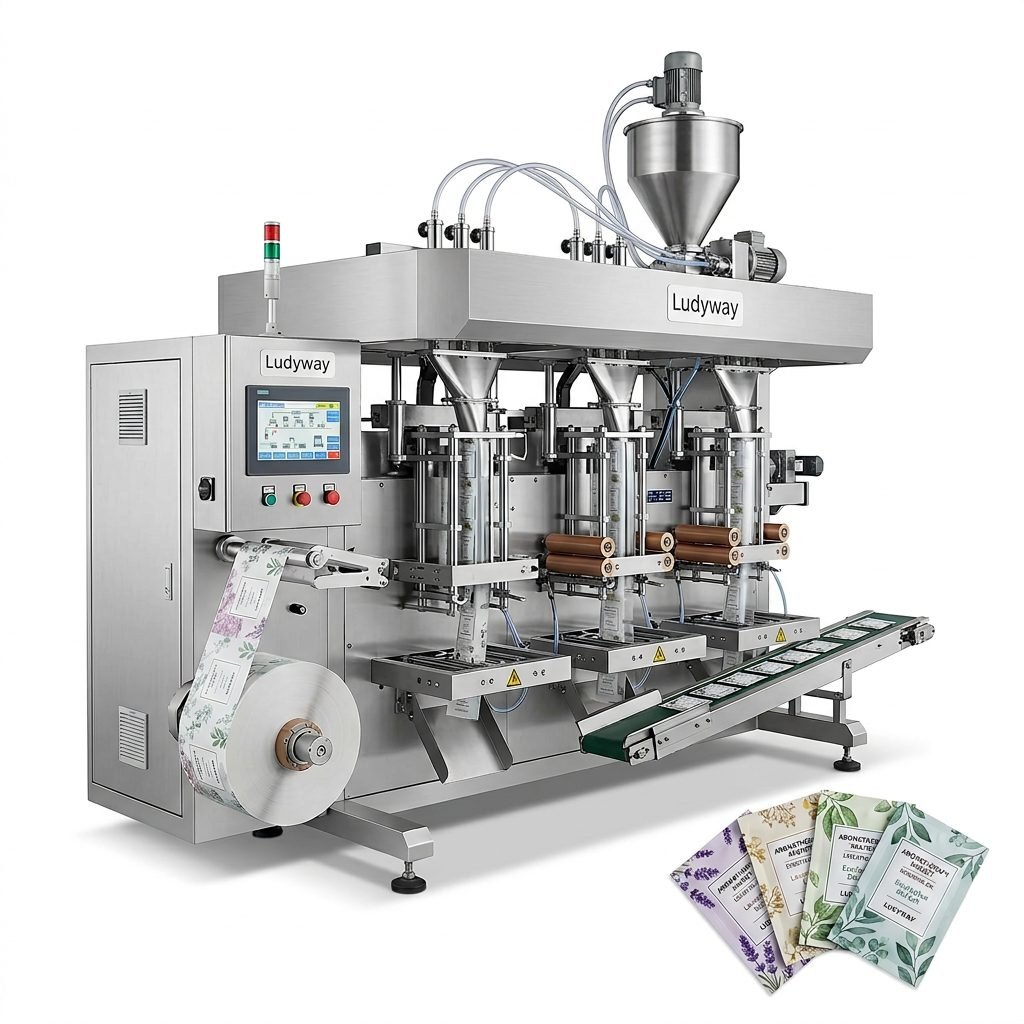
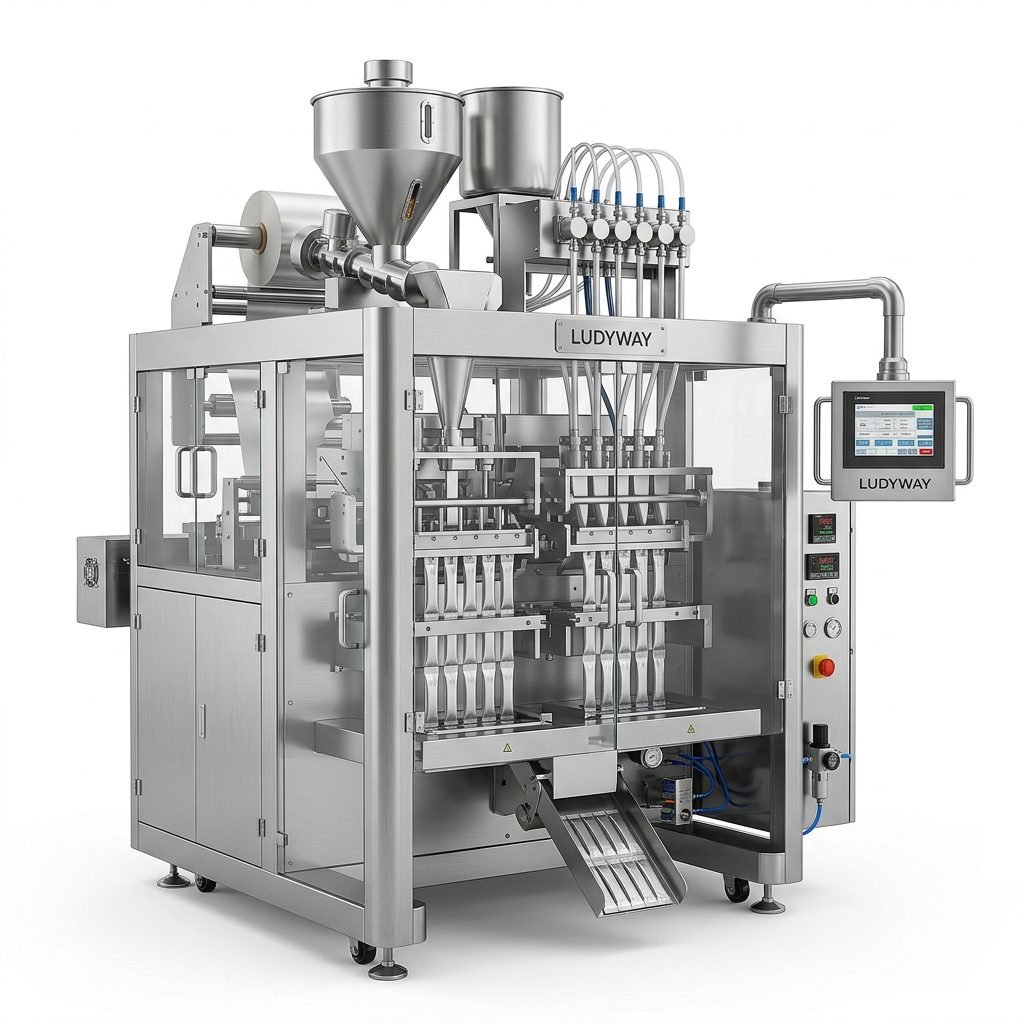
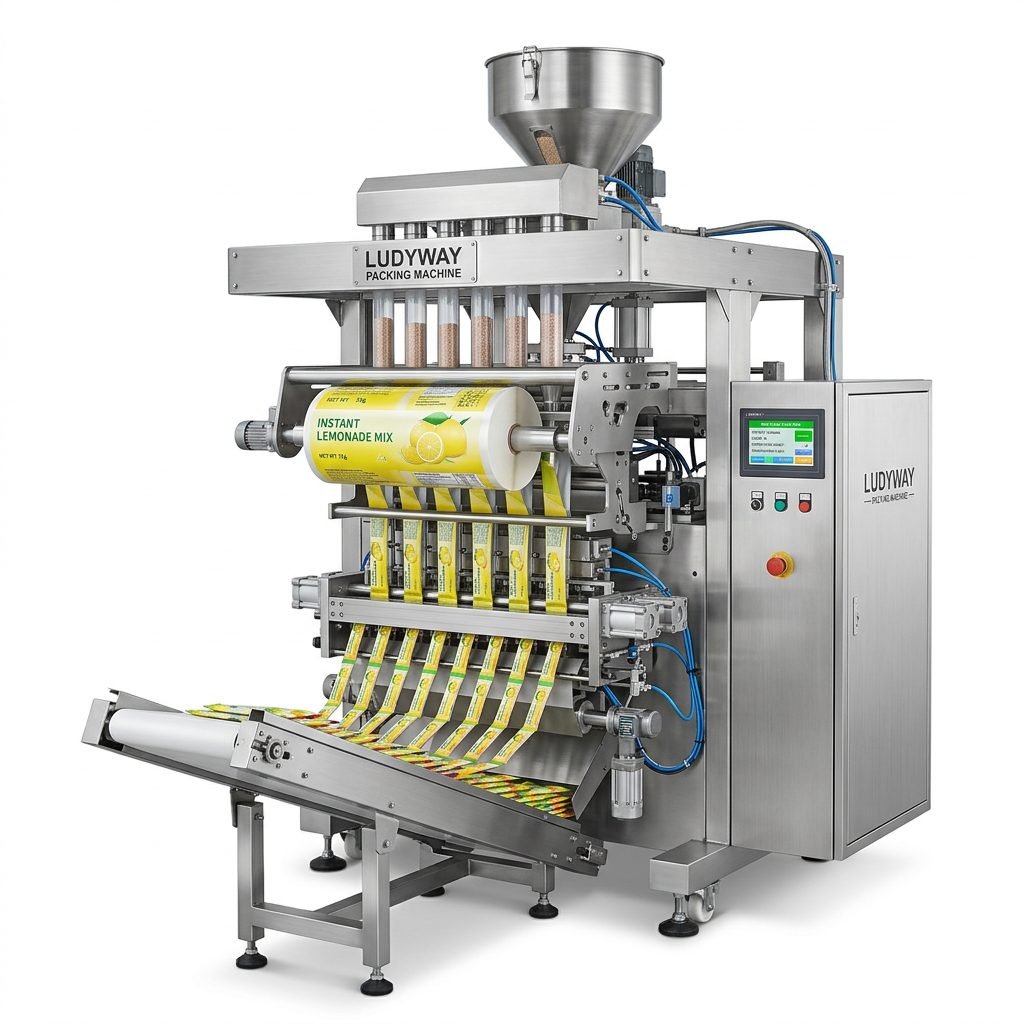
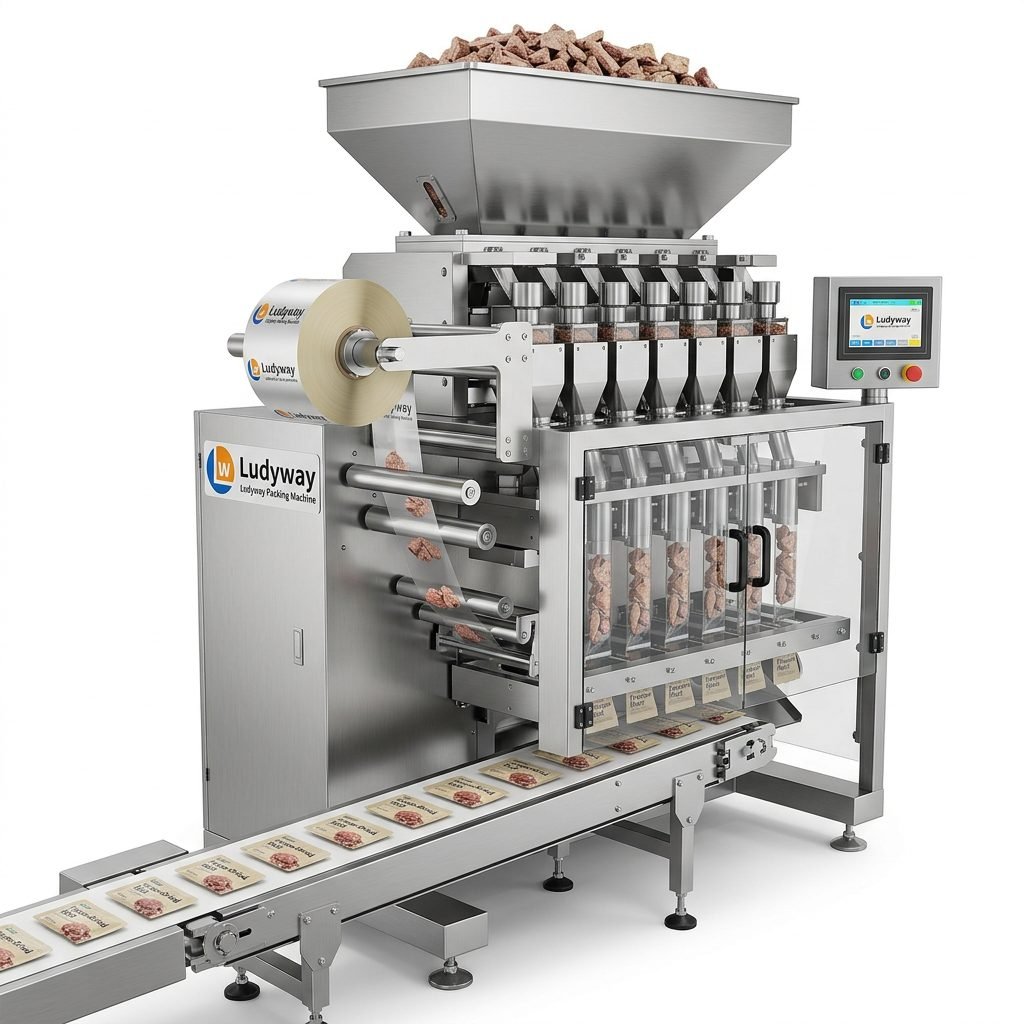
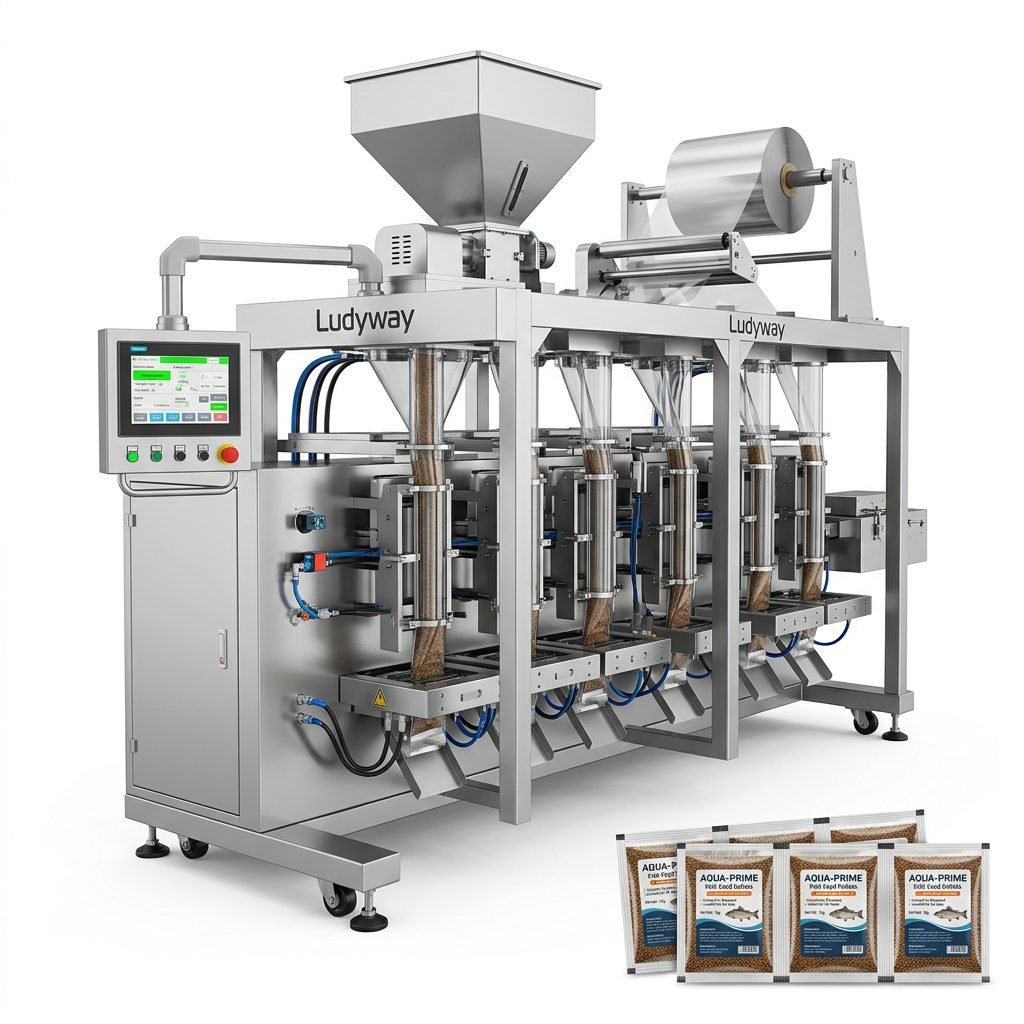
- Multi-Lane Stick Pack Machines: Ideal for small-portion feed supplements, vitamin powders, and mineral additives. These high-speed systems can produce multiple sachets simultaneously, making them perfect for single-serving feed premix packaging applications.
- Sachet and Pouch Packaging Machines: Versatile equipment for packaging feed additives, probiotics, and specialty animal nutrition products in flexible pouches ranging from 1g to 500g.
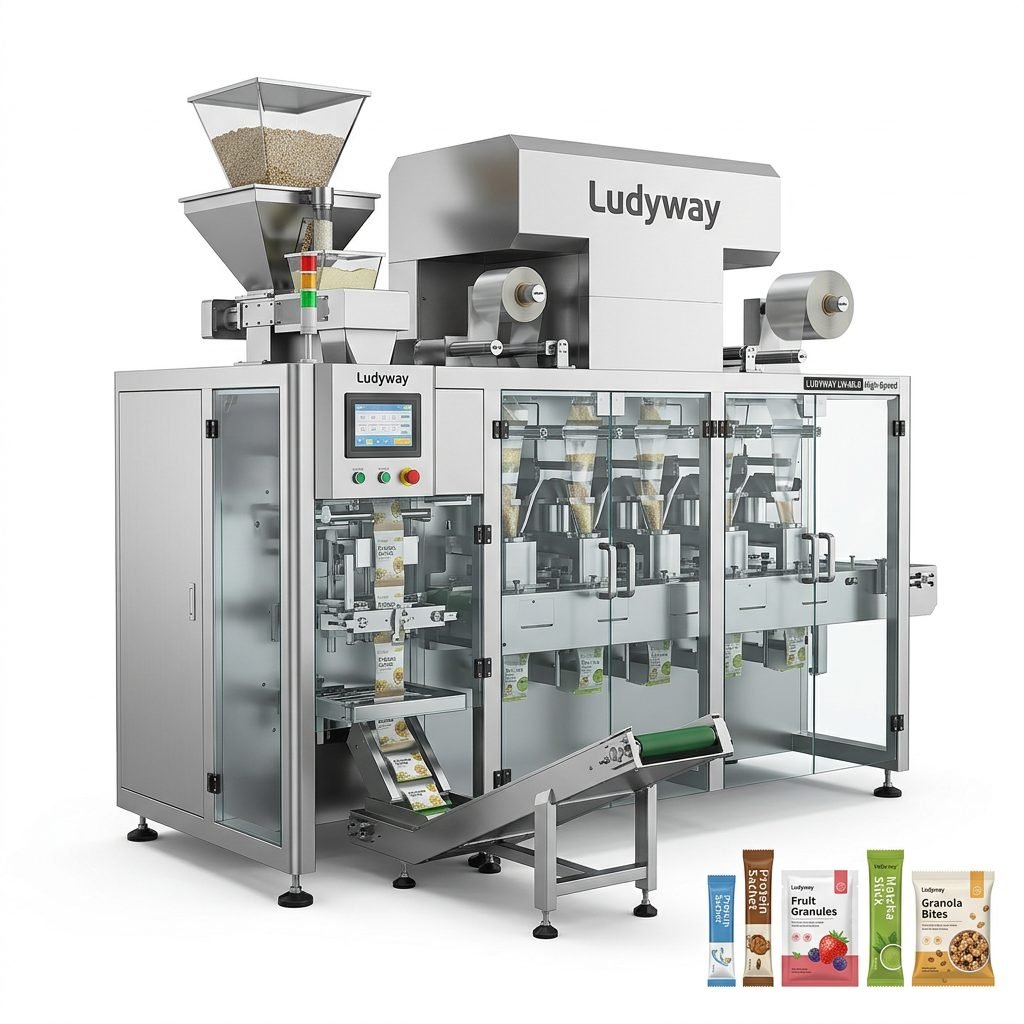
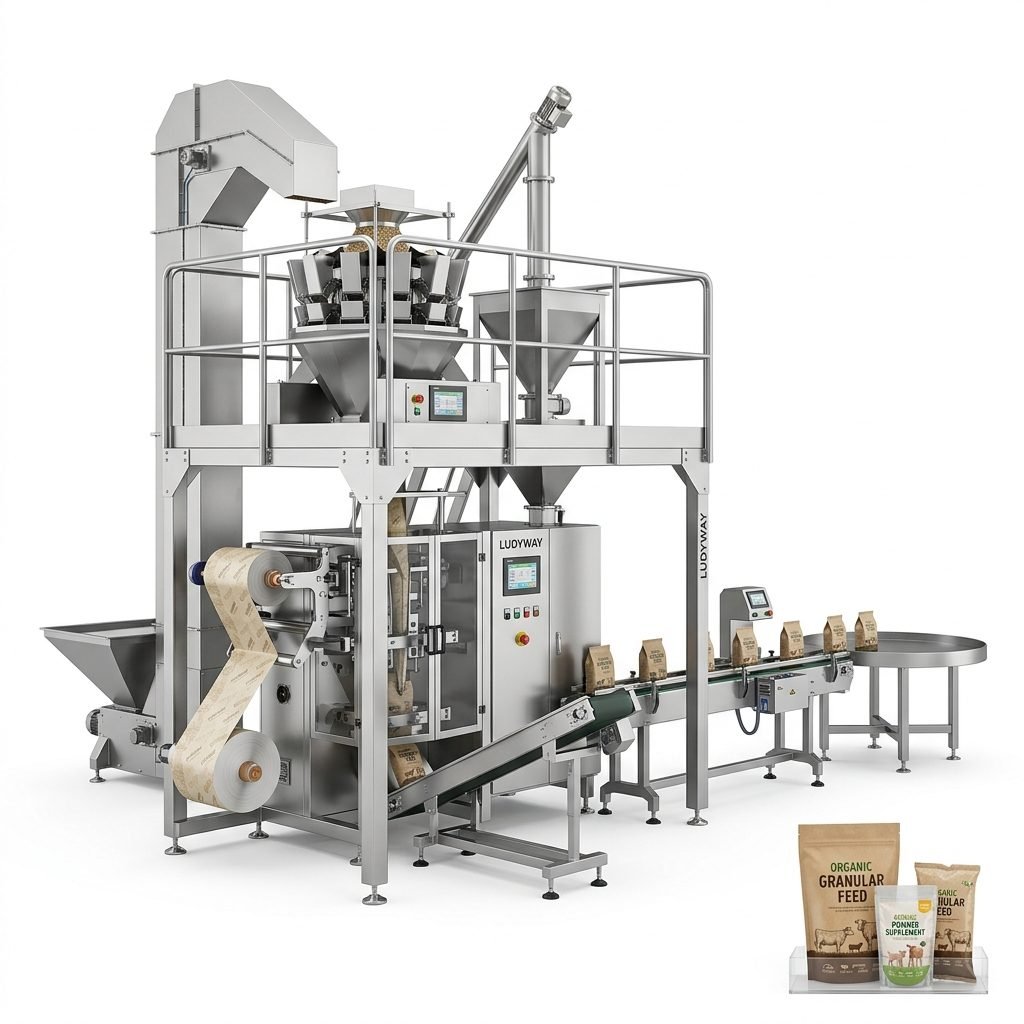
- Premade Pouch Fillers: Rotary or inline systems that fill pre-formed bags with granular or powdered feed products, offering flexibility in bag styles and sizes.
- Vacuum Packaging Systems: Essential for preserving freshness in freeze-dried pet food, high-value fish feed, and moisture-sensitive feed ingredients.
Key Factors to Consider When Choosing Feed Packaging Equipment
Making the right equipment choice requires evaluating several critical factors that affect both short-term performance and long-term return on investment. Here are the most important considerations:
1. Product Characteristics and Flow Properties
The physical properties of your feed product—granule size, density, moisture content, and flowability—determine the type of feeding system, weighing mechanism, and sealing technology required. For example, sticky or high-fat feed formulations may need special auger fillers, while free-flowing pellets work well with volumetric cup fillers. Understanding your product’s behavior is essential when evaluating any granule packaging machine.
2. Production Speed and Output Requirements
Calculate your daily or hourly packaging targets carefully. A small farm operation may only need a semi-automatic system producing 5-10 bags per minute, while a commercial feed mill might require fully automated lines capable of 30-60 bags per minute. For single-serve feed supplements, multi-lane stick pack machines can reach speeds of 400-600 packs per minute across multiple lanes.
3. Bag Style and Packaging Format
Consider the type of packaging your customers prefer. Options include:
- Open-mouth woven bags for bulk feed
- Gusseted bags for retail shelf display
- Stick packs for single-dose supplements
- Stand-up pouches with zipper closures
- Valve bags for automated palletizing
4. Automation Level and Integration
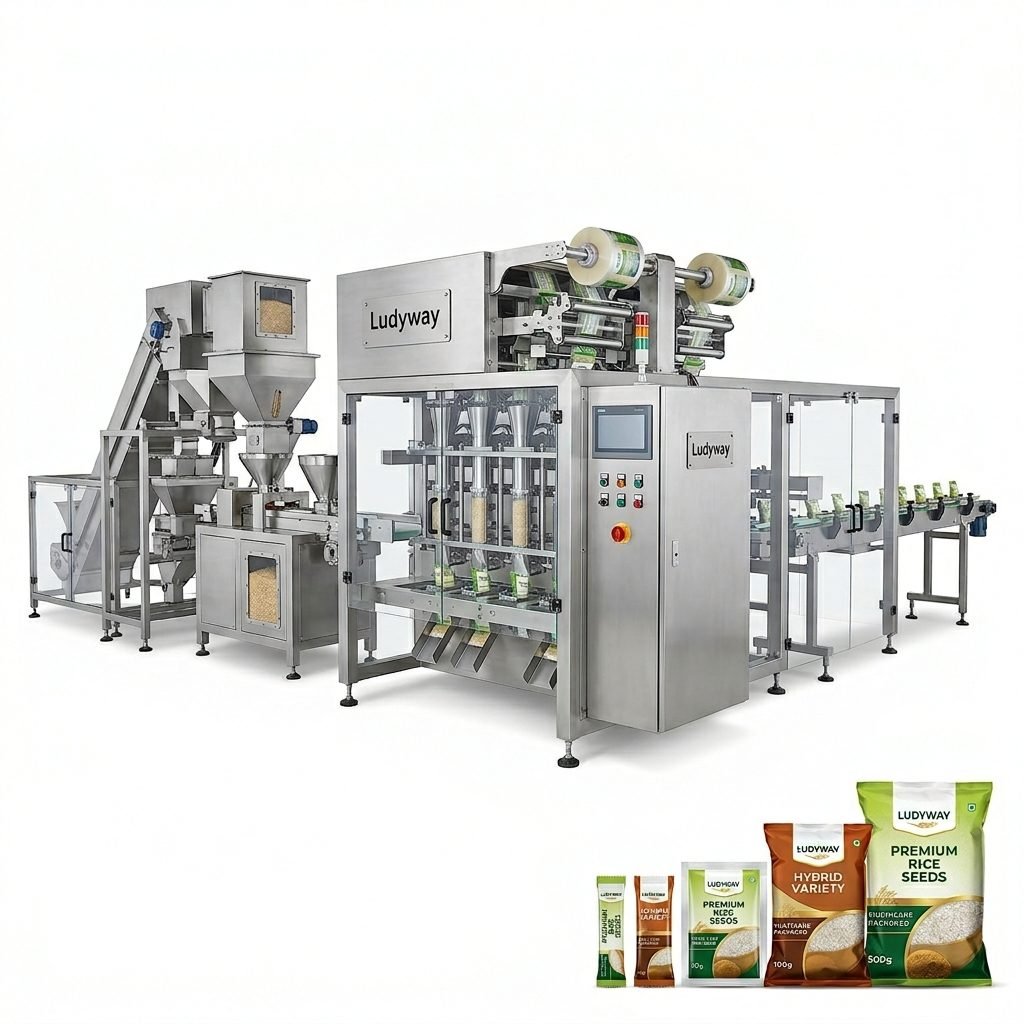
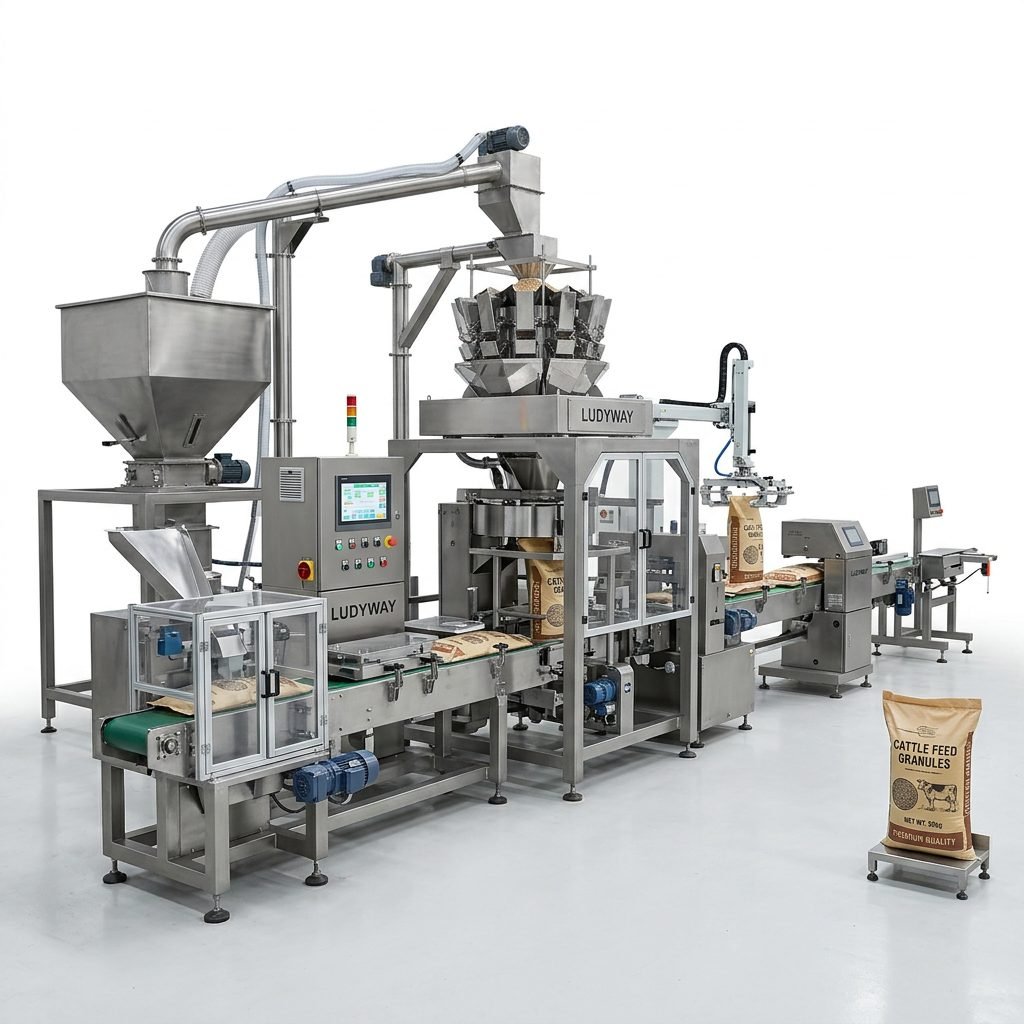
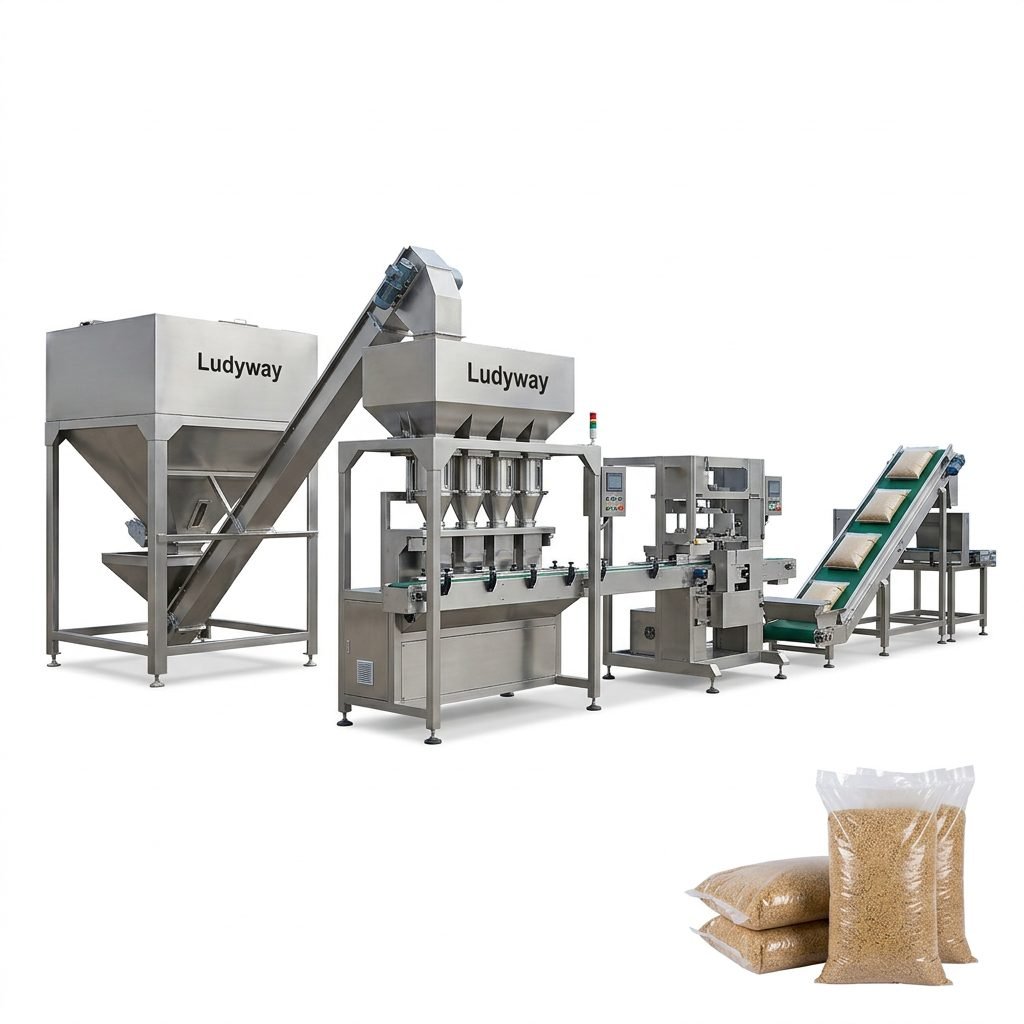
Modern automated feed pellet packaging lines can integrate multiple functions—weighing, filling, sealing, labeling, coding, and palletizing—into a single streamlined system. Higher automation reduces labor costs and improves consistency but requires a larger initial investment. Assess your workforce availability and long-term labor cost trends before deciding.
5. Material Compatibility and Durability
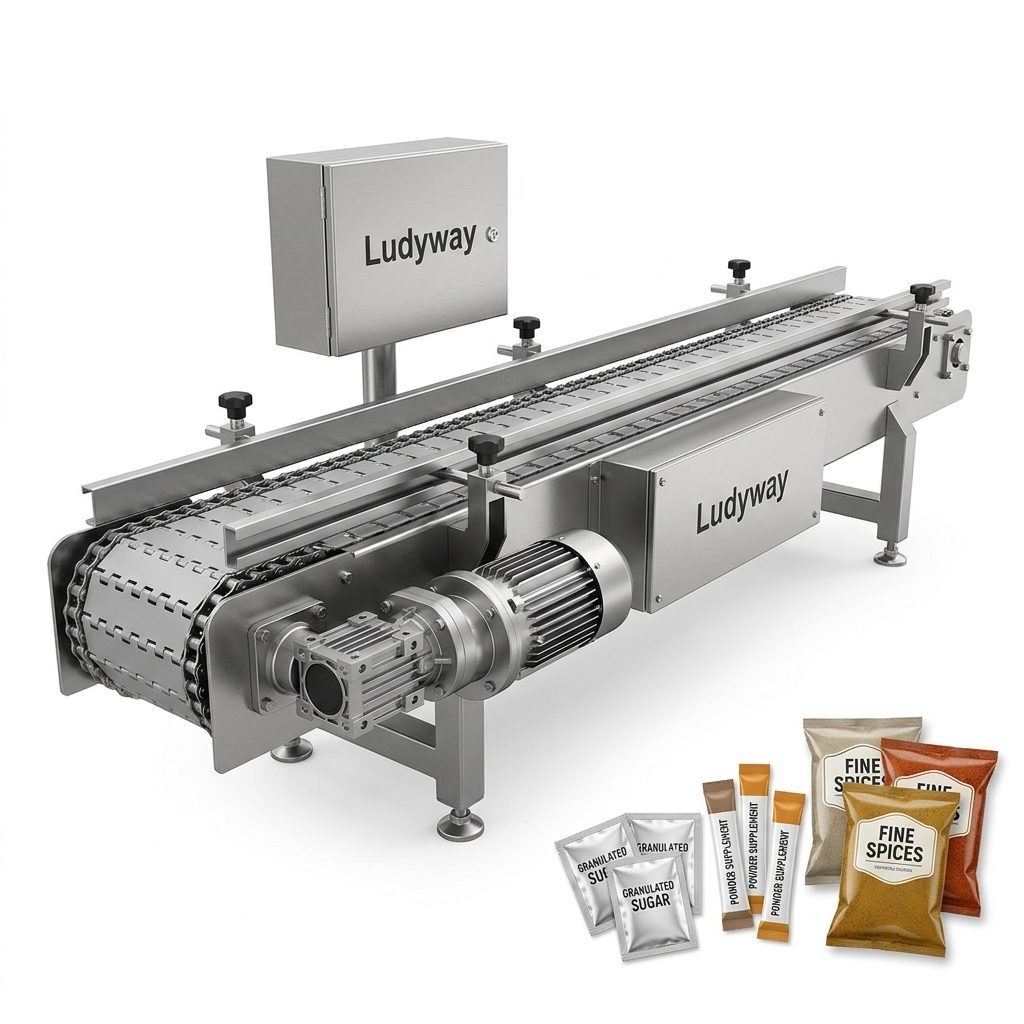
Feed products can be abrasive, corrosive, or hygroscopic. Ensure the machine’s contact parts are made from food-grade stainless steel (304 or 316L) with appropriate surface treatments. This is particularly important for feed containing salt, minerals, or acidic additives that can accelerate wear and cause contamination risks.
Comparing Feed Packaging Machine Types
The table below provides a quick comparison of common animal feed packaging equipment types to help you narrow down your options based on your specific application:
| Machine Type | Best For | Speed Range | Automation Level |
|---|---|---|---|
| Bulk Bag Filler | Pellets, grains, bulk feed | 5-15 bags/min | Semi to Full |
| Multi-Lane Stick Pack | Powders, supplements, premixes | 200-600 packs/min | Full Automatic |
| Sachet Pouch Machine | Additives, minerals, probiotics | 40-120 pouches/min | Full Automatic |
| Premade Pouch Filler | Specialty feed, pet treats | 20-60 pouches/min | Semi to Full |
| Vacuum Packaging System | Freeze-dried, high-value feed | 10-30 packs/min | Full Automatic |
Essential Features to Look For in Modern Feed Packaging Equipment
When comparing different machines and manufacturers, focus on these must-have features that separate high-performance equipment from basic models:
Precision Weighing and Dosing
Accurate filling is non-negotiable in feed packaging. Look for machines equipped with high-precision load cells or multi-head weighers that deliver consistent fill weights with minimal giveaway. Advanced systems offer accuracy within ±0.5-1g for small sachets and ±0.1-0.2% for bulk bags, which can translate to substantial cost savings over time.
Dust Control and Clean Design
Feed packaging generates significant dust, which can affect machine performance and worker safety. Choose equipment with enclosed filling zones, dust extraction ports, and easy-clean surfaces. Machines designed with minimal crevices and tool-free disassembly reduce cross-contamination risks when switching between different feed formulations.
Sealing Integrity and Shelf Life
The quality of the seal directly affects product freshness and shelf life. For aquaculture feed packaging and other moisture-sensitive products, look for machines with adjustable temperature control, dwell time settings, and gas flushing capability. Nitrogen flushing can extend shelf life significantly for high-fat or vitamin-enriched feeds.
User Interface and Changeover Efficiency
A modern animal feed packaging machine should feature an intuitive HMI touchscreen with recipe storage, production data logging, and diagnostic capabilities. Quick-changeover features—such as adjustable forming tubes, modular filling stations, and tool-less adjustments—allow operators to switch between different bag sizes and feed types in minutes rather than hours.
Budgeting and Return on Investment
The cost of feed packaging equipment varies widely depending on capacity, automation level, and configuration. Entry-level semi-automatic bagging systems may start around $15,000-$30,000, while fully automated turnkey packaging lines with multiple integrated stations can range from $80,000 to over $300,000. When calculating ROI, factor in not just the purchase price but also:
- Labor savings: Automated systems can reduce operator requirements by 50-70%
- Reduced product giveaway: Precision weighing saves thousands in product costs annually
- Increased throughput: Higher speeds mean more production capacity without adding shifts
- Maintenance and spare parts: Quality machines have lower long-term service costs
- Energy efficiency: Modern servo-driven systems consume less power than pneumatic alternatives
Regulatory Compliance and Food Safety Standards
Feed packaging equipment must comply with relevant regulations in your target markets. For international sales, ensure the machine meets CE, FDA, or GMP standards as applicable. Key compliance areas include food-contact material certifications, dust explosion prevention (ATEX for certain feed types), and traceability features such as batch coding and serialization. Working with an experienced manufacturer who understands global compliance requirements can save significant time and reduce market entry barriers.
After-Sales Support and Service Considerations
Equipment reliability is paramount, but even the best machines require periodic maintenance and occasional troubleshooting. Before purchasing, evaluate the manufacturer’s technical support availability, spare parts supply chain, and warranty terms. Key questions to ask include:
- Is remote diagnostic support available?
- What is the typical lead time for critical spare parts?
- Does the supplier offer installation and operator training?
- Are service technicians available in your region?
- What is the standard warranty period and what does it cover?
Future-Proofing Your Investment
As your business grows, your packaging needs may evolve. Choose equipment with modular design that allows for future upgrades—such as adding more filling lanes, integrating automated cartoning, or connecting to Industry 4.0 data systems. A professional packaging machine manufacturer like Ludyway offers scalable solutions that can grow with your production requirements, from standalone machines to complete turnkey packaging lines for the animal feed industry.
Making the Final Decision: Checklist for Buyers
Use this quick checklist to ensure you have covered all critical aspects before finalizing your purchase of an animal feed packaging machine:
| Evaluation Criteria | Key Questions to Ask | Priority Level |
|---|---|---|
| Product Compatibility | Has the machine been tested with your specific feed formulation? | Critical |
| Speed and Capacity | Can it meet peak season production demands with room to spare? | Critical |
| Build Quality | Are critical components made from durable, food-grade materials? | High |
| Ease of Operation | How long does operator training take? Is the interface intuitive? | High |
| Service and Support | What is the response time for technical support and spare parts? | High |
| Total Cost of Ownership | Have you factored in energy, maintenance, and consumable costs? | Medium |
Choosing the right animal feed packaging machine is a strategic decision that affects your operational efficiency, product quality, and market competitiveness. By carefully evaluating your product characteristics, production targets, automation needs, and long-term business goals, you can select equipment that delivers reliable performance and strong returns for years to come. Take the time to compare specifications, request product demonstrations, and consult with experienced manufacturers who understand the unique demands of feed industry packaging.