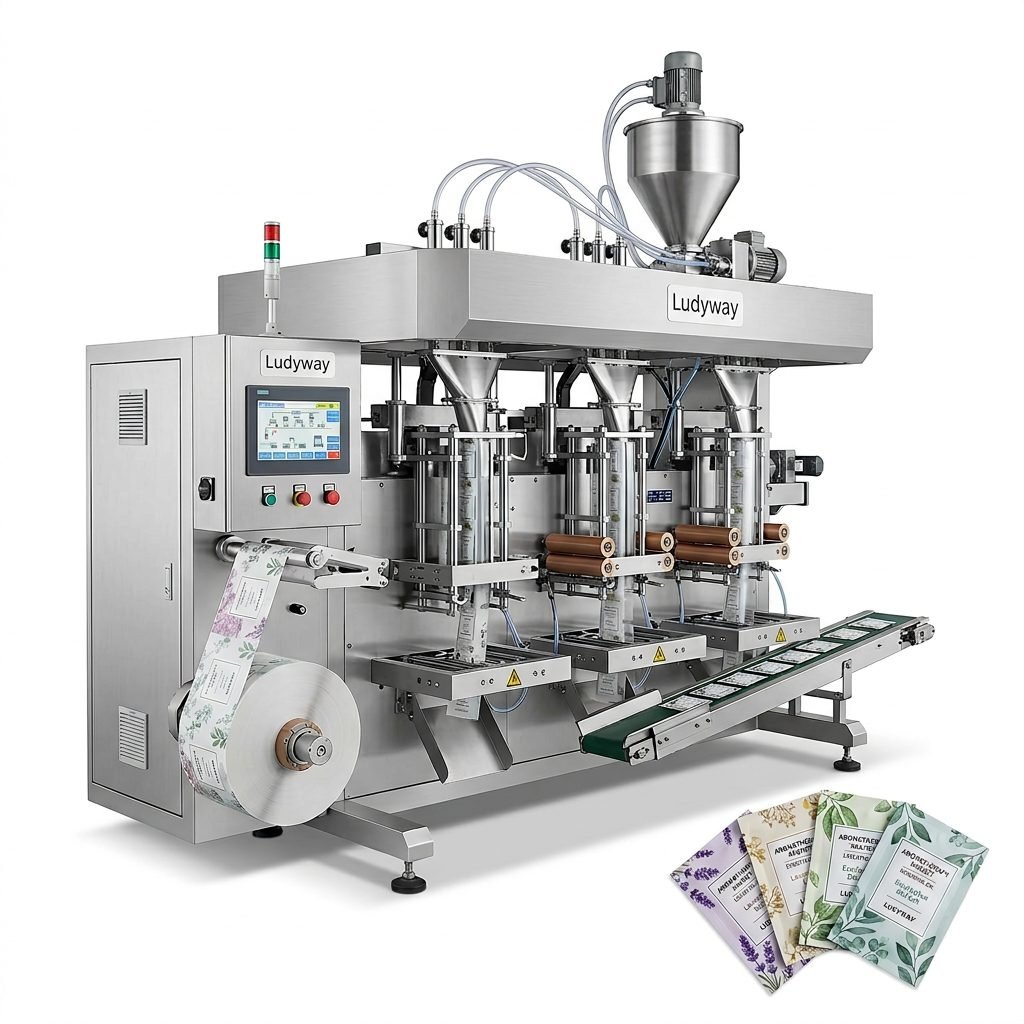
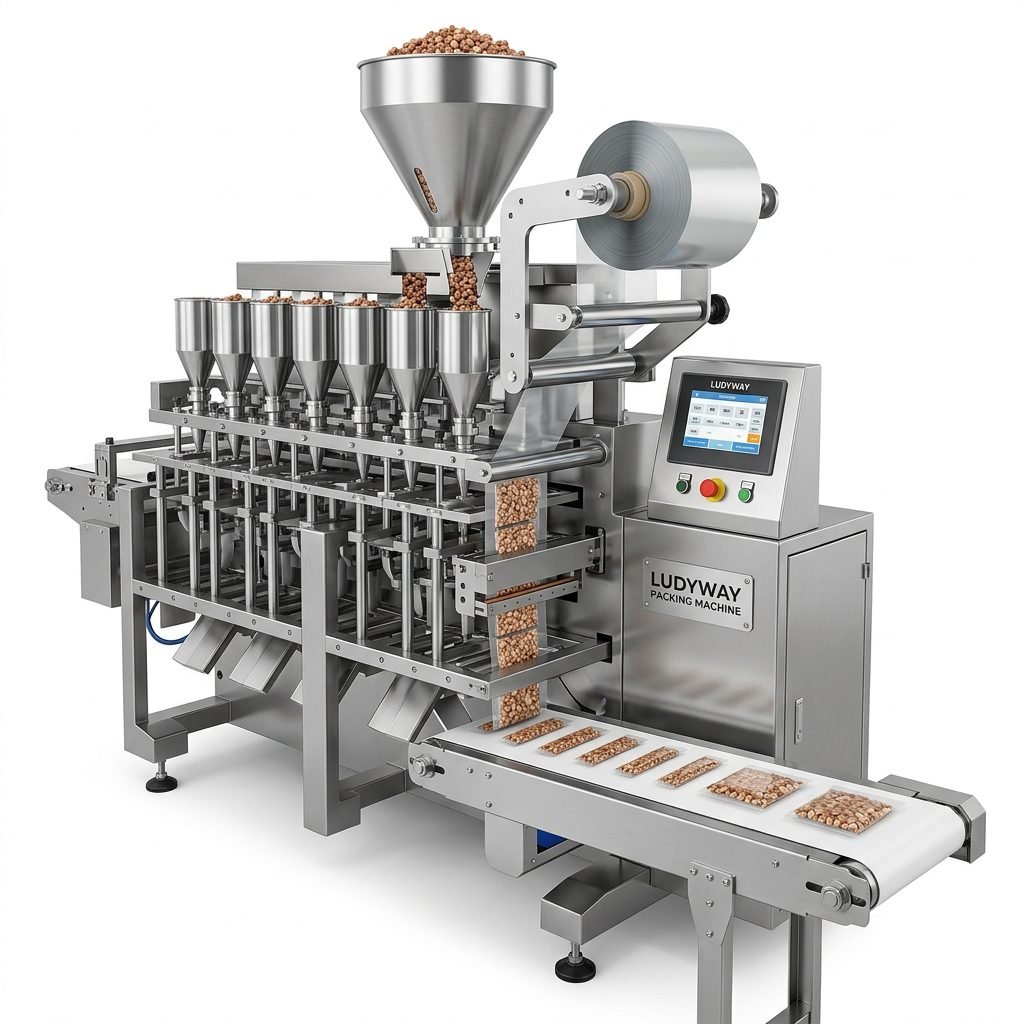
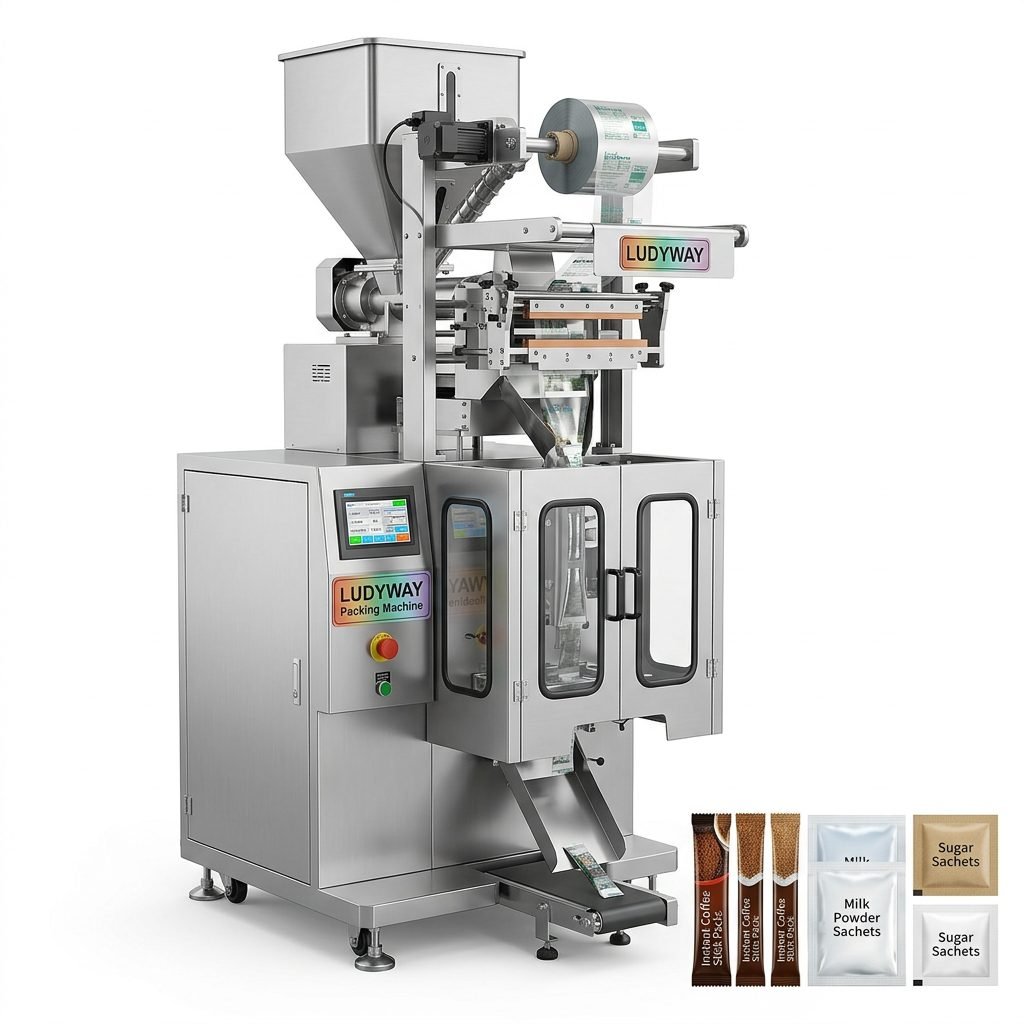
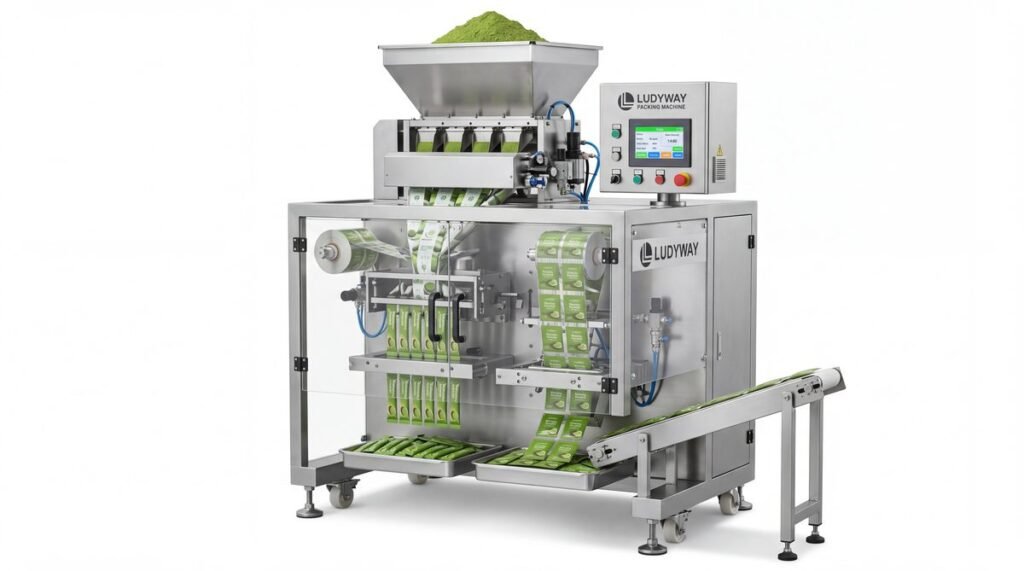
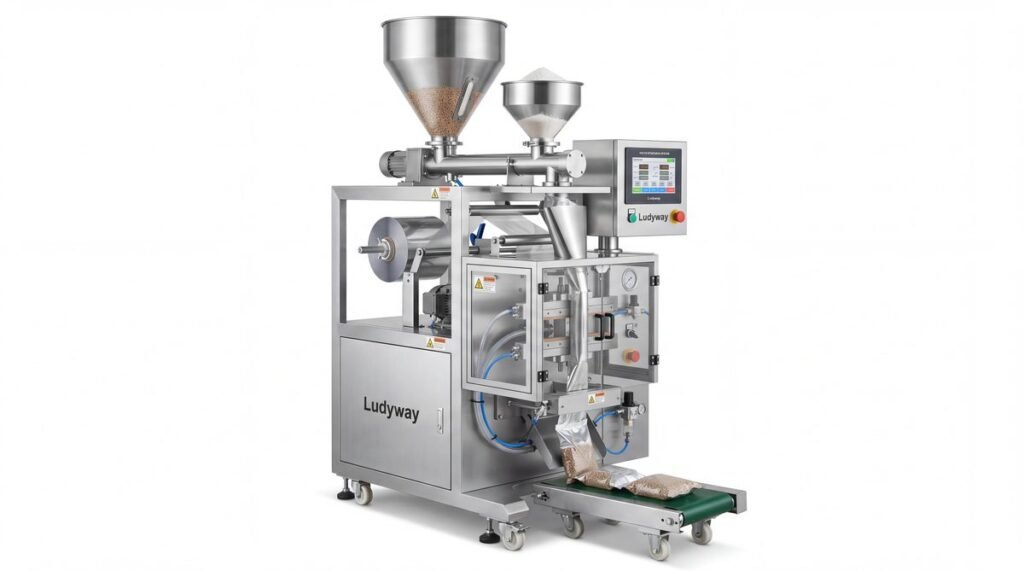
The meal kit industry in South America is experiencing unprecedented growth. As consumers increasingly demand convenience without compromising on freshness, manufacturers are racing to scale up production. Central to this scaling process is the meal kit packaging machine, a sophisticated piece of equipment that can make or break your operational efficiency. Whether you are packaging pre-portioned ingredients, ready-to-cook meals, or complete dinner kits, selecting the right automated system is a critical investment.

Understanding the South American Meal Kit Landscape
The dynamics of the food industry in countries like Brazil, Argentina, Colombia, and Chile are unique. The climate, logistics infrastructure, and consumer preferences dictate specific requirements for packaging machinery. Unlike standard dry goods, meal kits often contain a mix of moisture levels, ingredients, and textures—from dry rice and spice sachets to sealed liquid sauces and fresh vegetables. Therefore, a multi-format packaging machine is often non-negotiable. The demand extends beyond just sealing a bag; it includes modified atmosphere packaging (MAP) to extend shelf life without heavy preservatives, a key selling point in the health-conscious South American market.
Types of Packaging Machines for Meal Kits
Selecting the wrong configuration can lead to bottlenecks and waste. Below is a comparison of the most common machine types utilized in the meal kit sector:
| Machine Type | Best For | Key Advantage in Meal Kit Production |
|---|---|---|
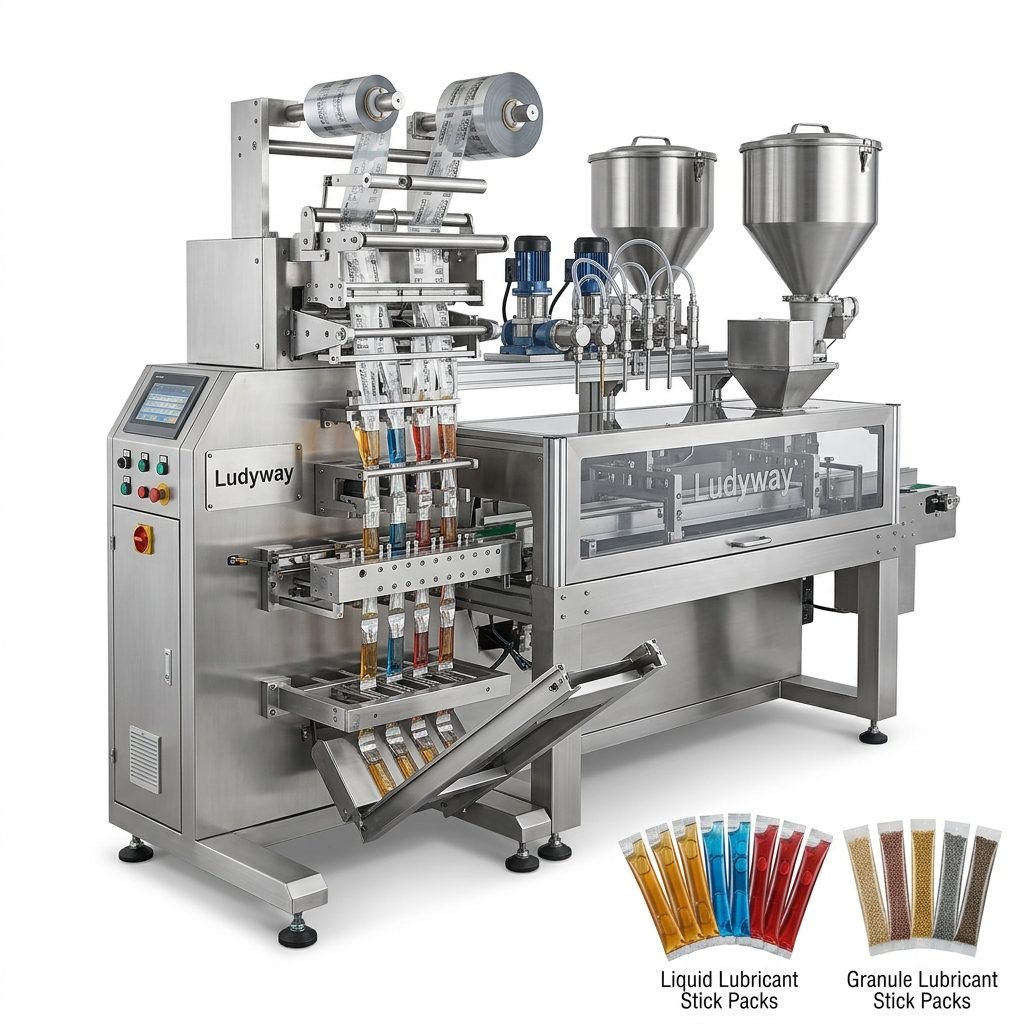
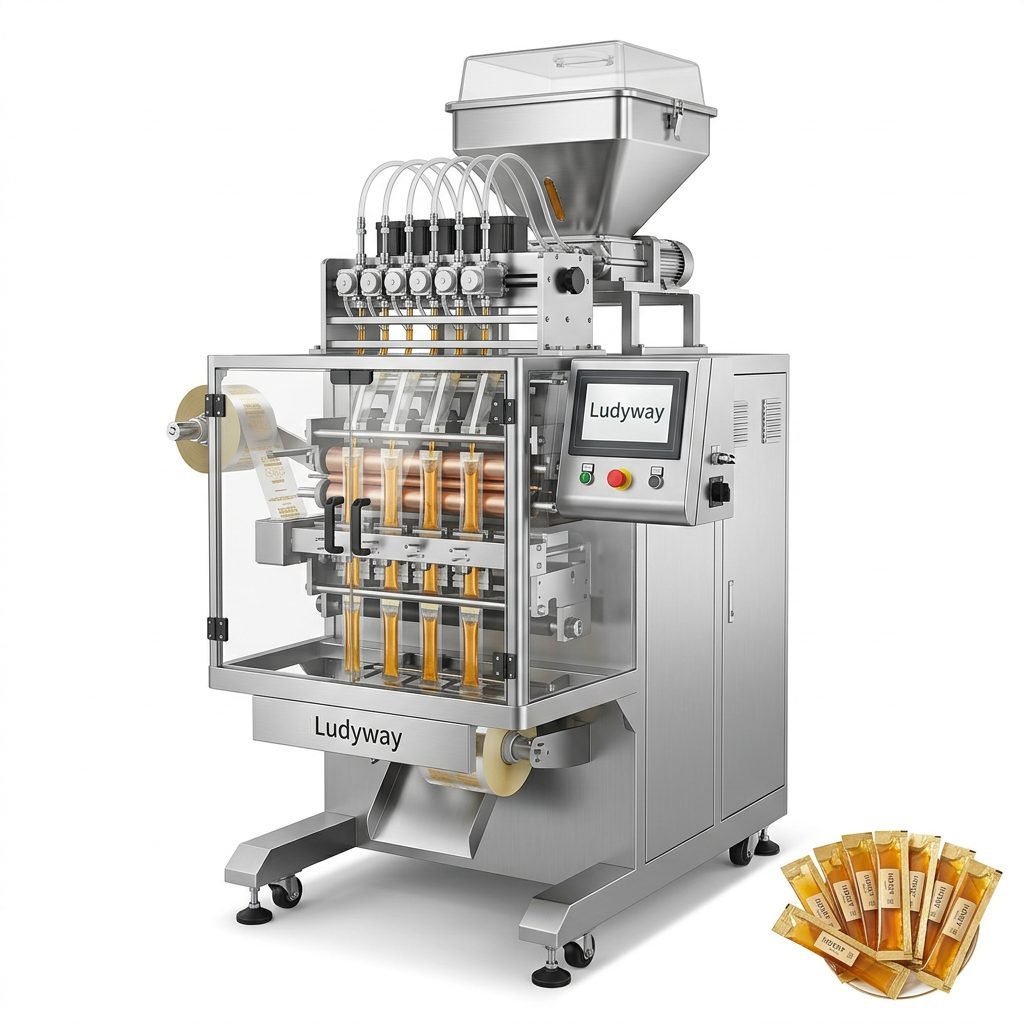
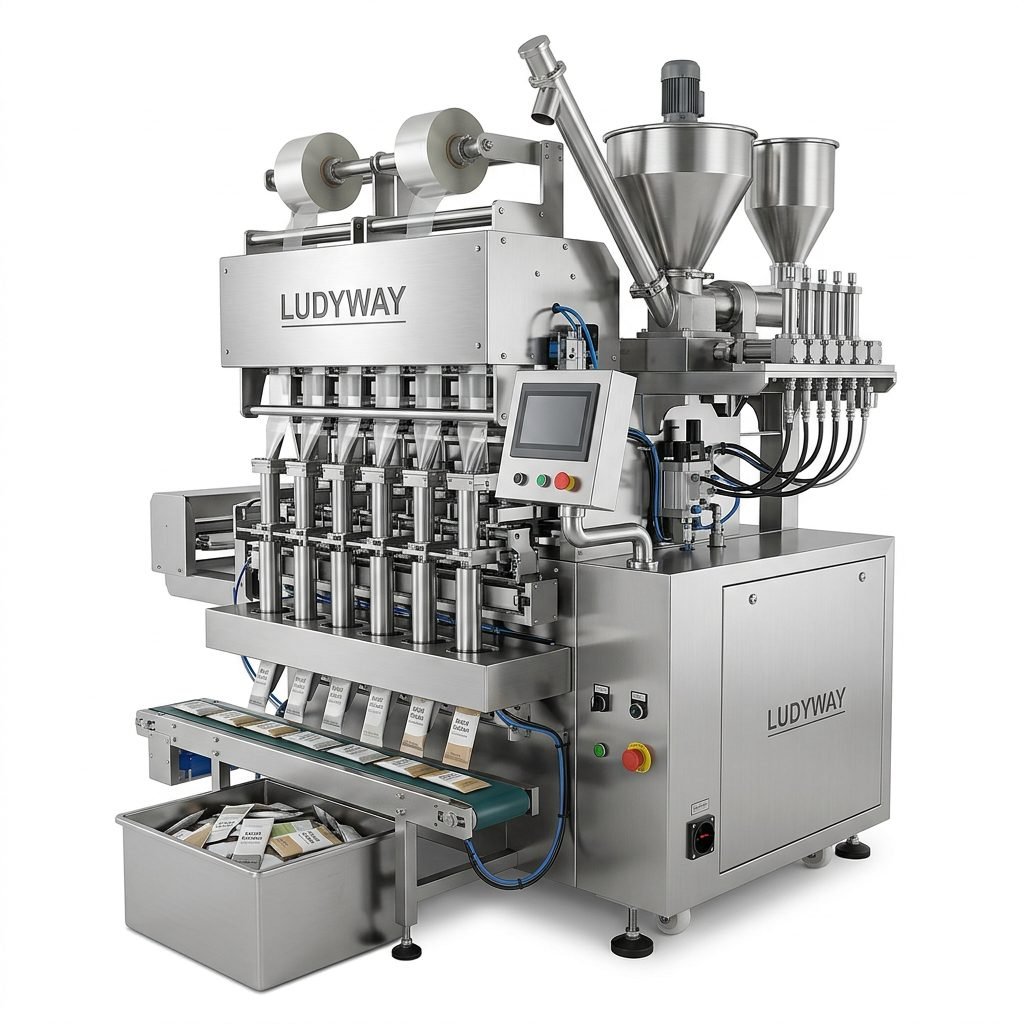
| Multi-Lane Stick Pack Machines | Individual spice, sauce, or seasoning packets | High-speed portion control; minimizes product giveaway. |
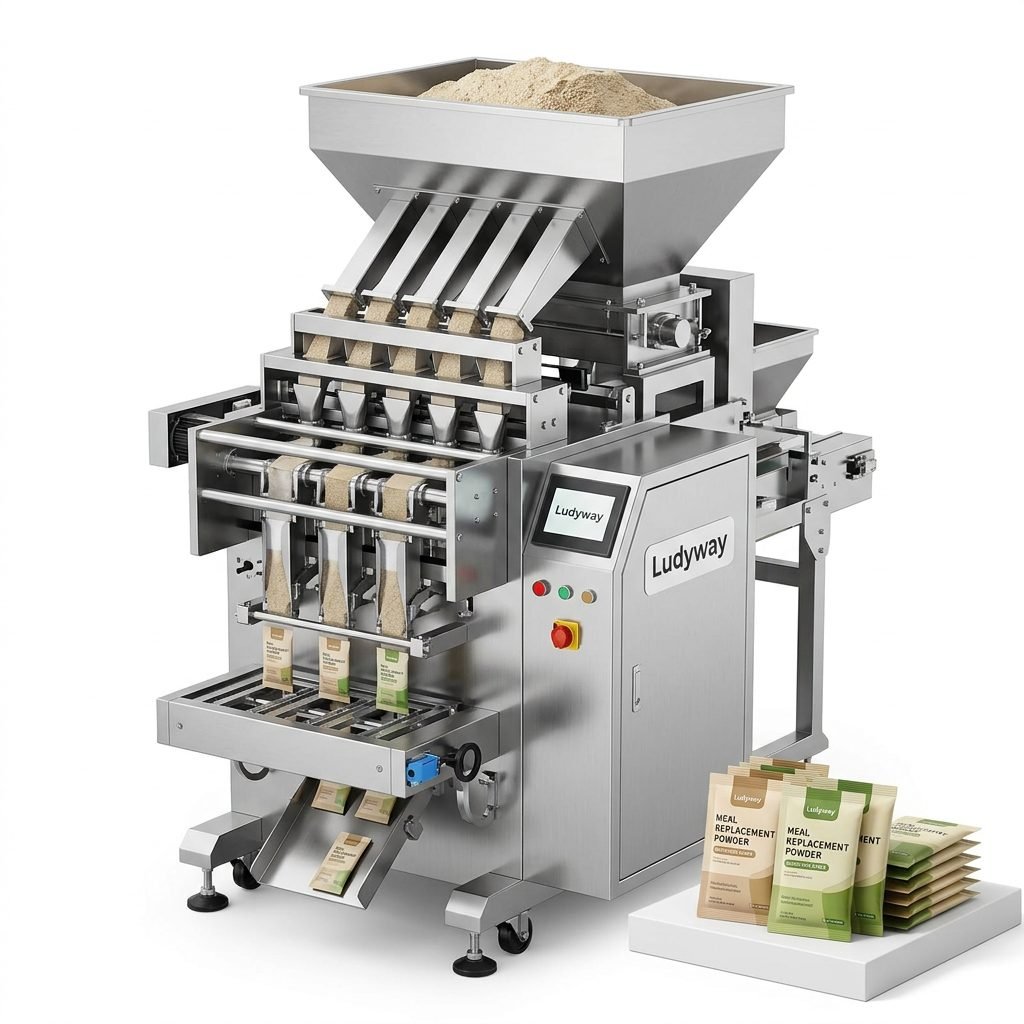
| Multi-Lane Sachet Machines | Liquids (oils, dressings) and wet ingredients | Superior seal integrity for leak-proof transport. |
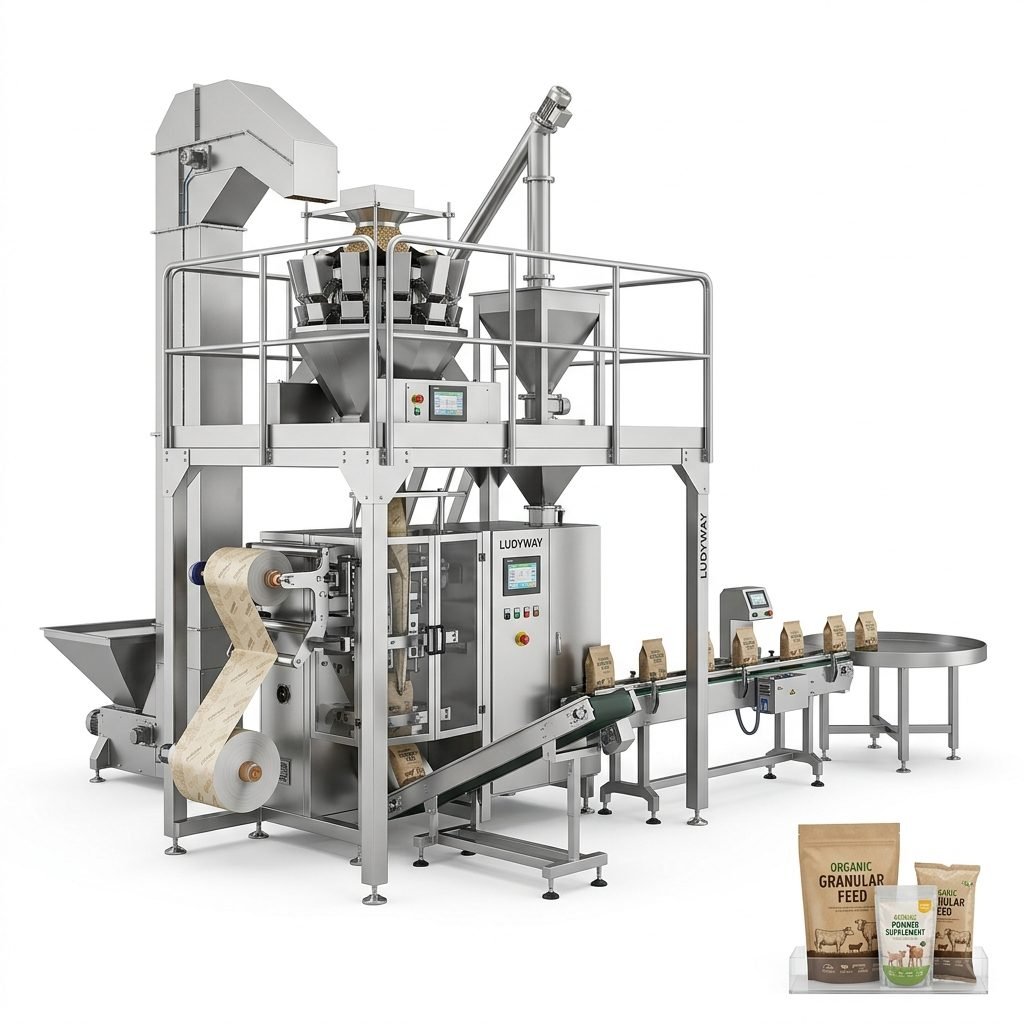
| Automated Pouch Packaging Lines | Large-format bags holding multiple meal components | Versatile; handles complex filling sequences (solids + liquids). |
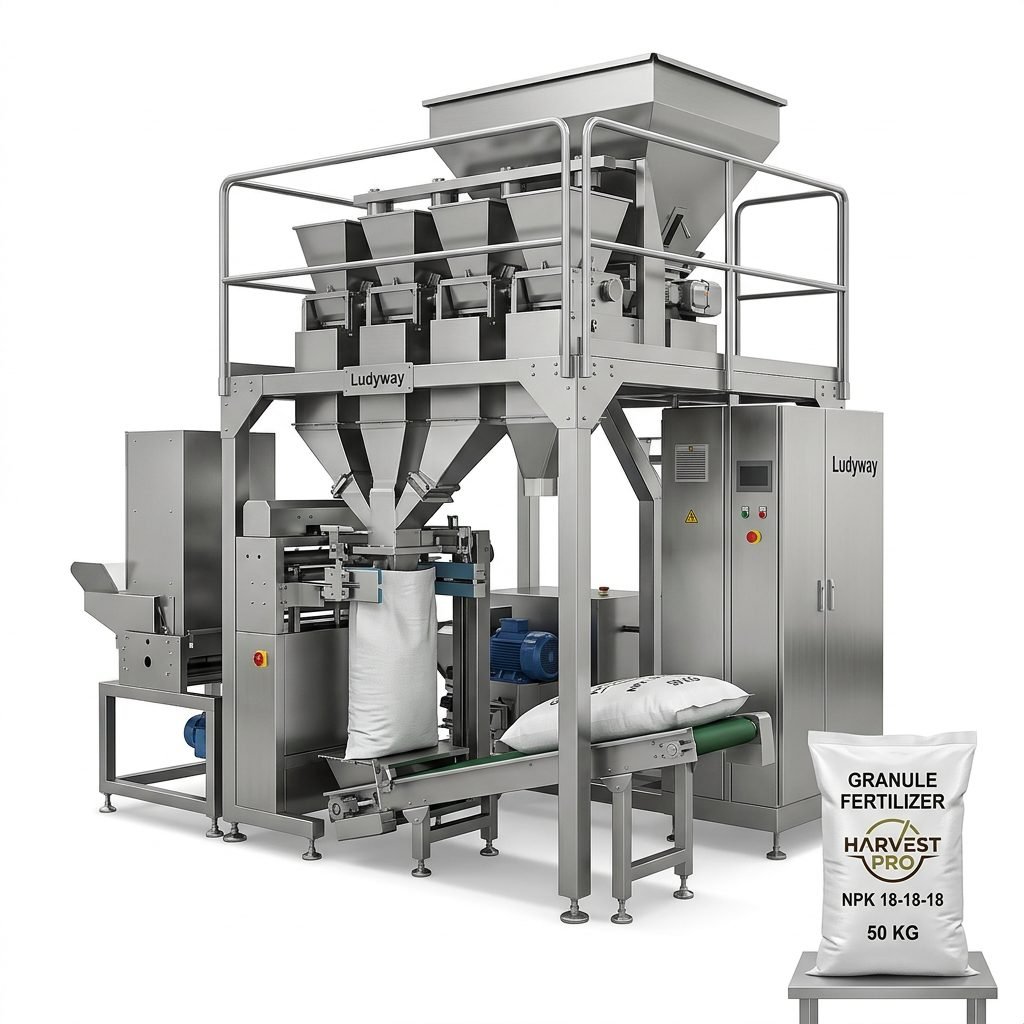
| Turnkey Automated Systems | End-to-end production from weighing to cartoning | Reduces manual labor dependency; fully integrated. |
Key Considerations Before Purchasing in South America
Importing heavy machinery into South America requires thorough due diligence. Here are the critical factors to analyze:
1. Material Compatibility and Seal Integrity
South America’s diverse geography includes humid coastal regions and high-altitude areas. Your packaging must withstand pressure changes and temperature shifts. Look for machines offering precision temperature control and consistent seal pressure to prevent leaks, especially for liquid and semi-liquid kit components like olive oil sachets or fresh pesto.
2. Flexibility and Changeover Time
Consumer tastes in urban centers like São Paulo and Buenos Aires change rapidly. Your meal kit packaging machine should offer tool-less changeovers. If you are producing a vegetarian kit in the morning and a protein-heavy kit in the afternoon, the transition must happen in minutes, not hours.
3. Integration with Existing Logistics
- Upstream Compatibility: Ensure the machine interfaces smoothly with your multi-head weighers for dry goods and liquid fillers for sauces.
- Downstream Handling: Check compatibility with checkweighers, X-ray inspection machines, and robotic cartoning systems to ensure a seamless line.
- Data Integration: Modern lines require digital connectivity for tracking Overall Equipment Effectiveness (OEE).
4. Local Service and Technical Support
This is arguably the most crucial factor. When a machine goes down, every hour of downtime directly impacts perishable goods. A supplier with a strong after-sales presence or local partners in the region can be the difference between a minor hiccup and a catastrophic inventory loss. You need access to preventative maintenance plans and genuine spare parts without excessive lead times.
Navigating Import Regulations and Standards
The South American market has strict regulations regarding food contact materials. The packaging materials processed by your machine must comply with Mercosur regulations (GMC Resolutions) and local frameworks like ANVISA in Brazil. Ensure your packaging equipment is constructed with high-grade stainless steel and designed for easy sanitation, ideally supporting CIP (Clean-in-Place) protocols to meet food safety standards.
Why a Strong Manufacturing Partner Matters
Given the complexity of automating a meal kit facility, the manufacturer’s pedigree is paramount. Companies with deep experience in the packaging sector, such as Ludyway, offer valuable insights. As a major packaging machine manufacturer in China with over 30 years of industry expertise, Ludyway specializes in turnkey production solutions across the food and pharmaceutical industries. Their approach to offering more than 50 intelligent packaging machine models—including multi-lane stick pack, sachet, and fully automated systems—highlights the importance of partnering with a supplier that understands the nuances of granule, powder, and liquid packaging applications.
Maximizing ROI on Your Investment
To ensure a rapid return on your investment in packaging machinery, look beyond the initial purchase price. Focus on Total Cost of Ownership (TCO):
- Energy Efficiency: Modern servo-driven systems consume significantly less power.
- Film Waste Reduction: High-accuracy registration and tension control minimize wasted packaging film.
- Labor Optimization: Automated material handling and robotic palletizing components reduce reliance on manual staffing.
Conclusion and Next Steps
Purchasing a meal kit packaging machine for the South American market requires a balance of technological capability, regulatory knowledge, and logistical planning. By focusing on flexible, robust equipment designed for multi-component products and backed by reliable support, you position your brand to capture the growing demand for convenient, fresh meal solutions. Evaluate your specific product mix, consult with engineering teams, and prioritize long-term reliability over short-term cost savings.
For further reading on industry trends and machinery standards, here are some valuable resources: