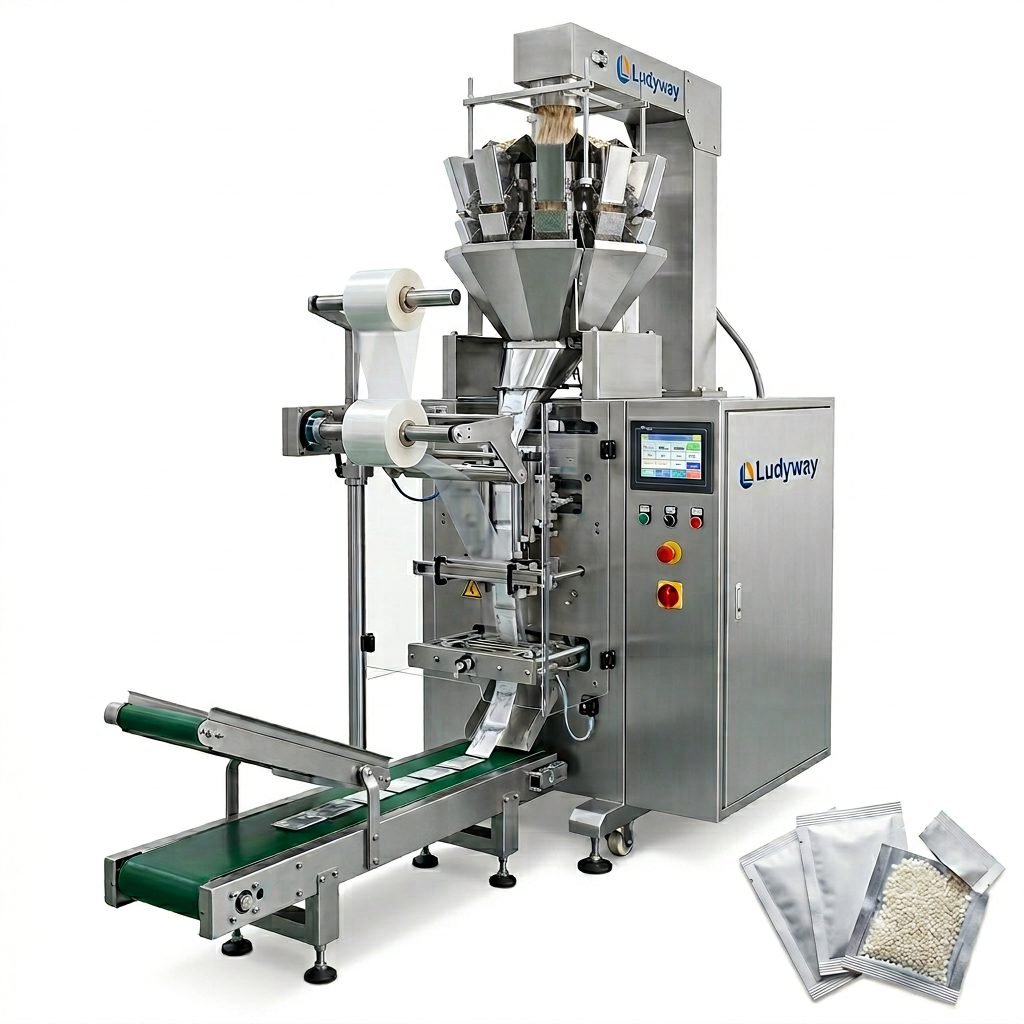
The South American food processing sector continues to expand rapidly, driven by growing consumer demand for packaged meals, ready-to-eat products, and convenience foods. Selecting the right meal packaging machines is essential for manufacturers aiming to scale production while maintaining product quality. This comprehensive guide covers everything from market insights to technical specifications, helping you make informed purchasing decisions for your operations in Brazil, Argentina, Chile, Colombia, and beyond.
Understanding the South American Meal Packaging Landscape
The meal packaging industry in South America has witnessed significant growth over the past decade, with the packaged food market projected to expand at a CAGR of over 6% through 2030. Countries such as Brazil, Argentina, Chile, Peru, and Colombia are leading this transformation, fueled by urbanization, changing dietary habits, and increasing disposable incomes. Manufacturers are investing in multi-lane packaging systems to meet rising domestic and export demands.
Regulatory frameworks in the region, including Mercosur food packaging standards and individual national requirements from ANVISA in Brazil and SENASA in Argentina, play a critical role in shaping equipment specifications. Understanding these compliance requirements is vital when sourcing sachet packaging machines or turnkey packaging lines for the South American market.
Key Factors When Choosing Meal Packaging Machines
Selecting the optimal meal packaging equipment requires evaluating several interconnected criteria. A systematic approach ensures your investment aligns with both current production needs and future growth plans.
Packaging Format: Stick Pack, Sachet, or Pouch
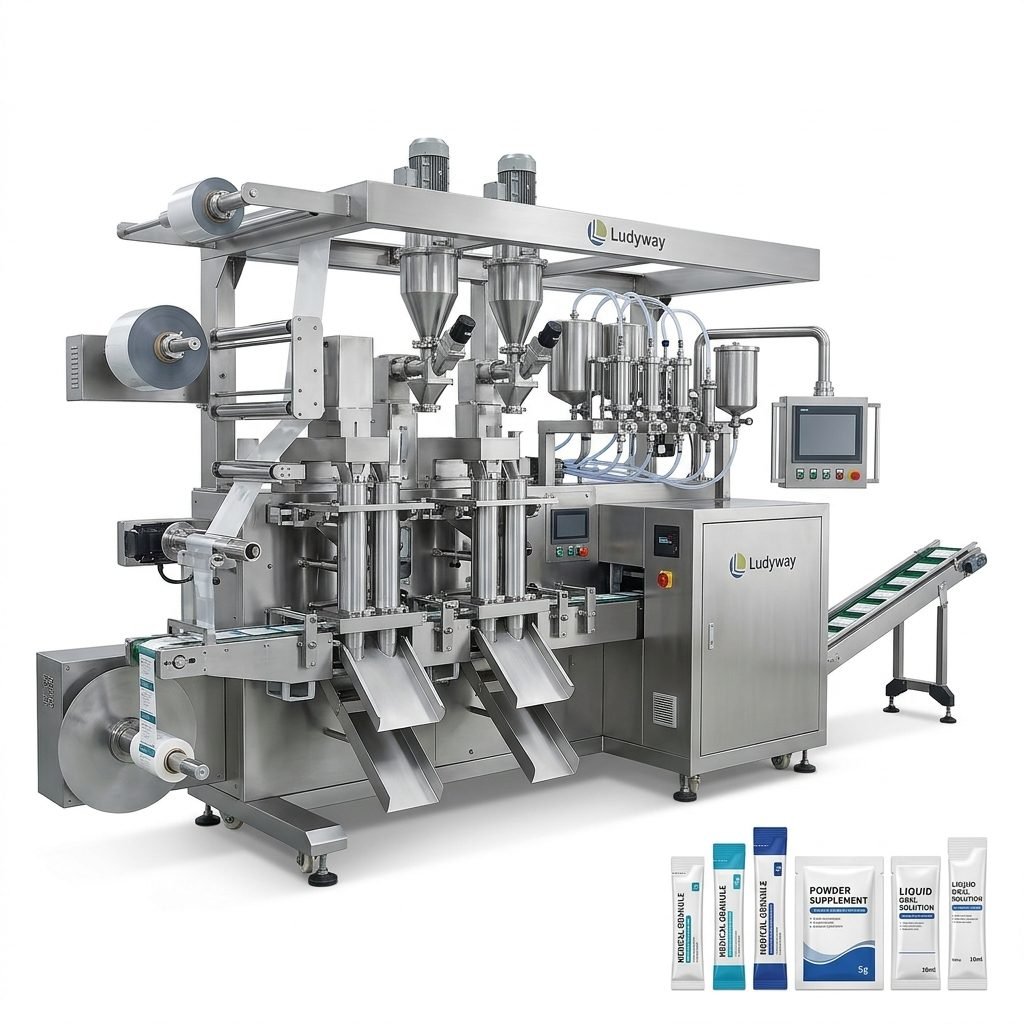
The choice of packaging format directly influences machine selection. Stick pack packaging is increasingly popular for single-serve meal products such as instant soups, protein powders, and seasonings. Sachet packaging dominates the sauce, condiment, and beverage concentrate segments across South America. Meanwhile, pouch packaging machines are preferred for larger meal portions and ready-to-heat food products. Each format requires specific filling mechanisms and sealing technologies.
Production Speed and Automation Level
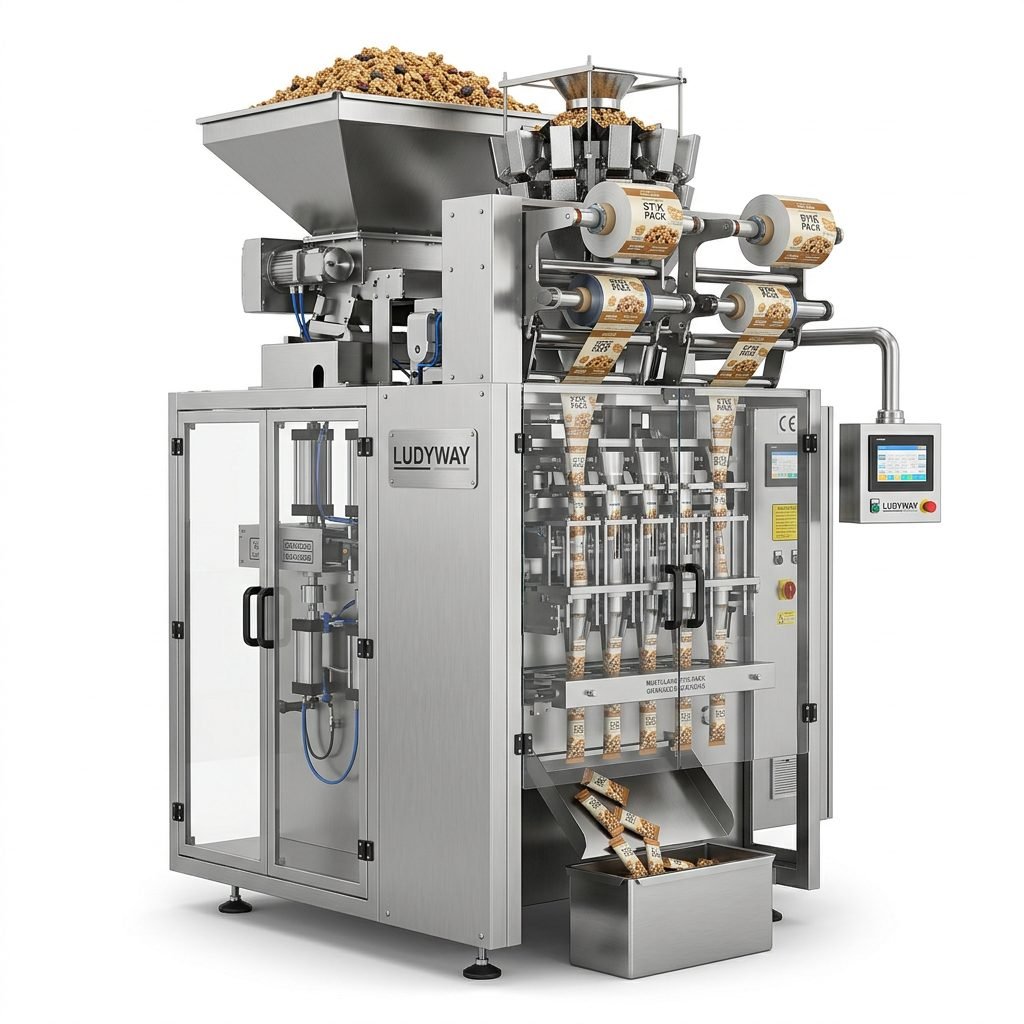
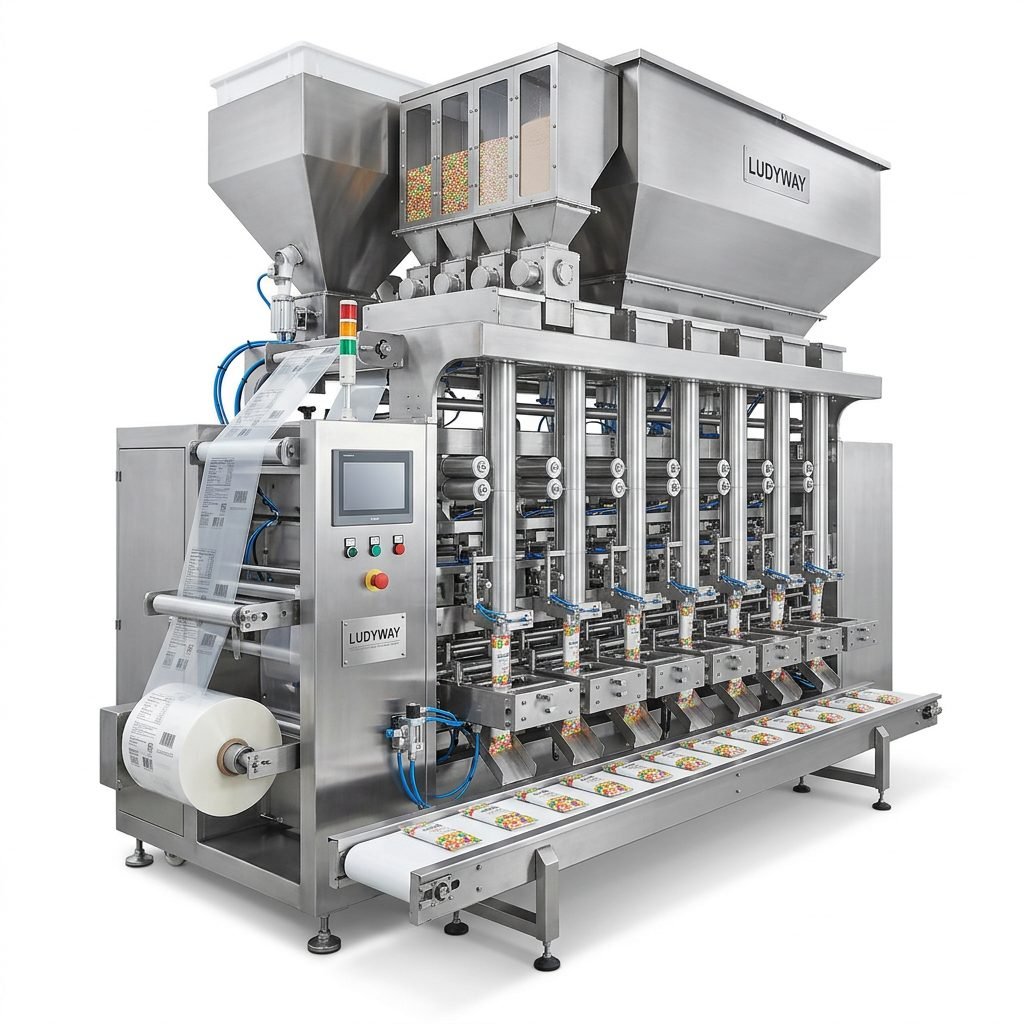
Production throughput requirements vary significantly across South American operations. Small-to-medium enterprises may require semi-automatic machines producing 30-80 packs per minute, while large-scale food processors demand fully automated multi-lane systems capable of 400-600 packs per minute. When evaluating stick pack machines, consider lane configurations ranging from 4 to 20 lanes, which determine output capacity and flexibility for different product types.
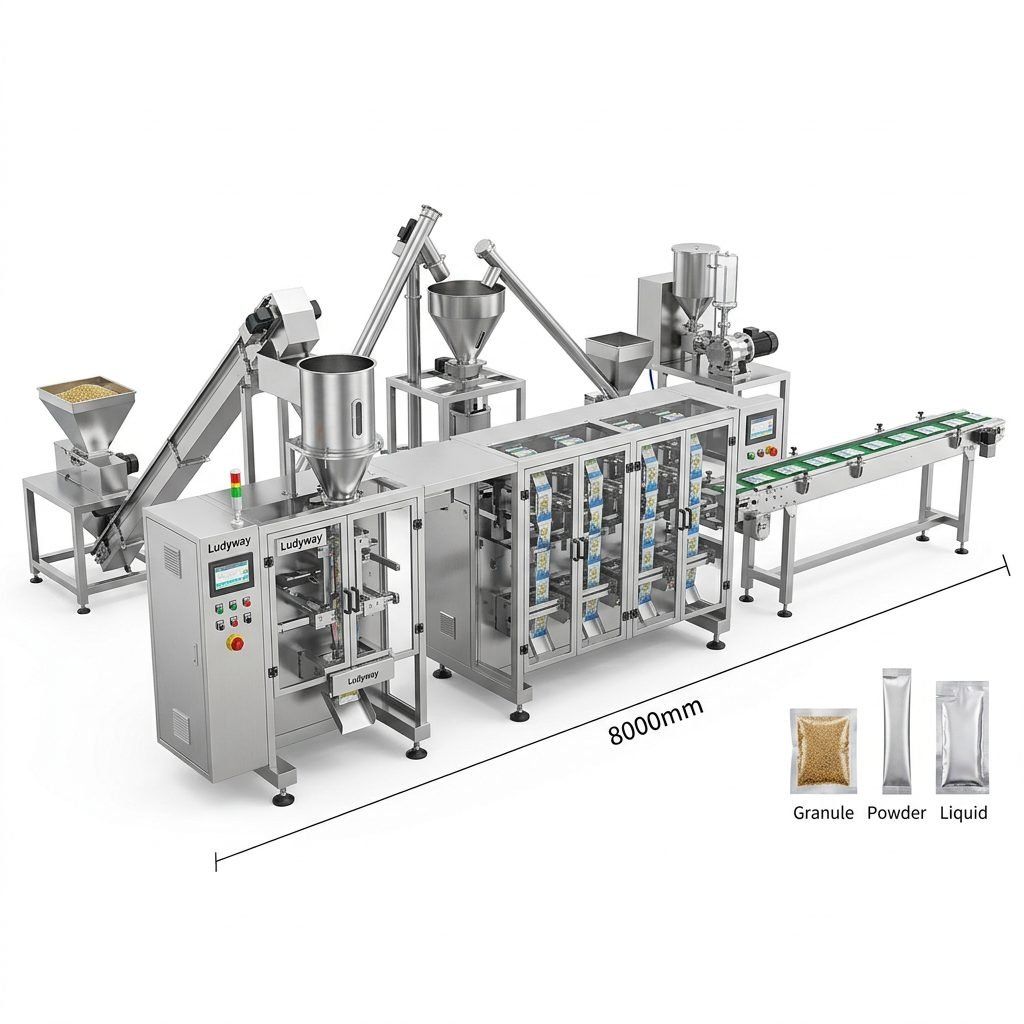
Product Compatibility: Granules, Powders, and Liquids
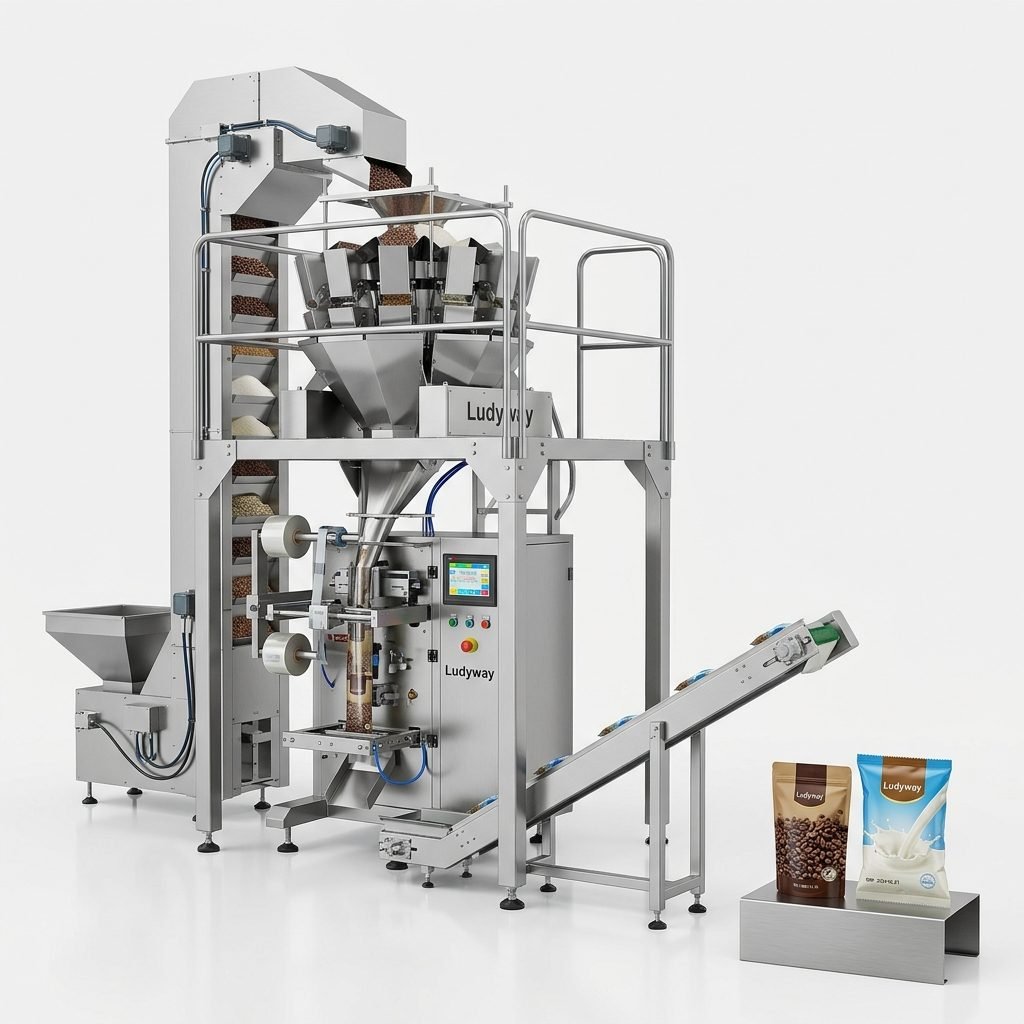
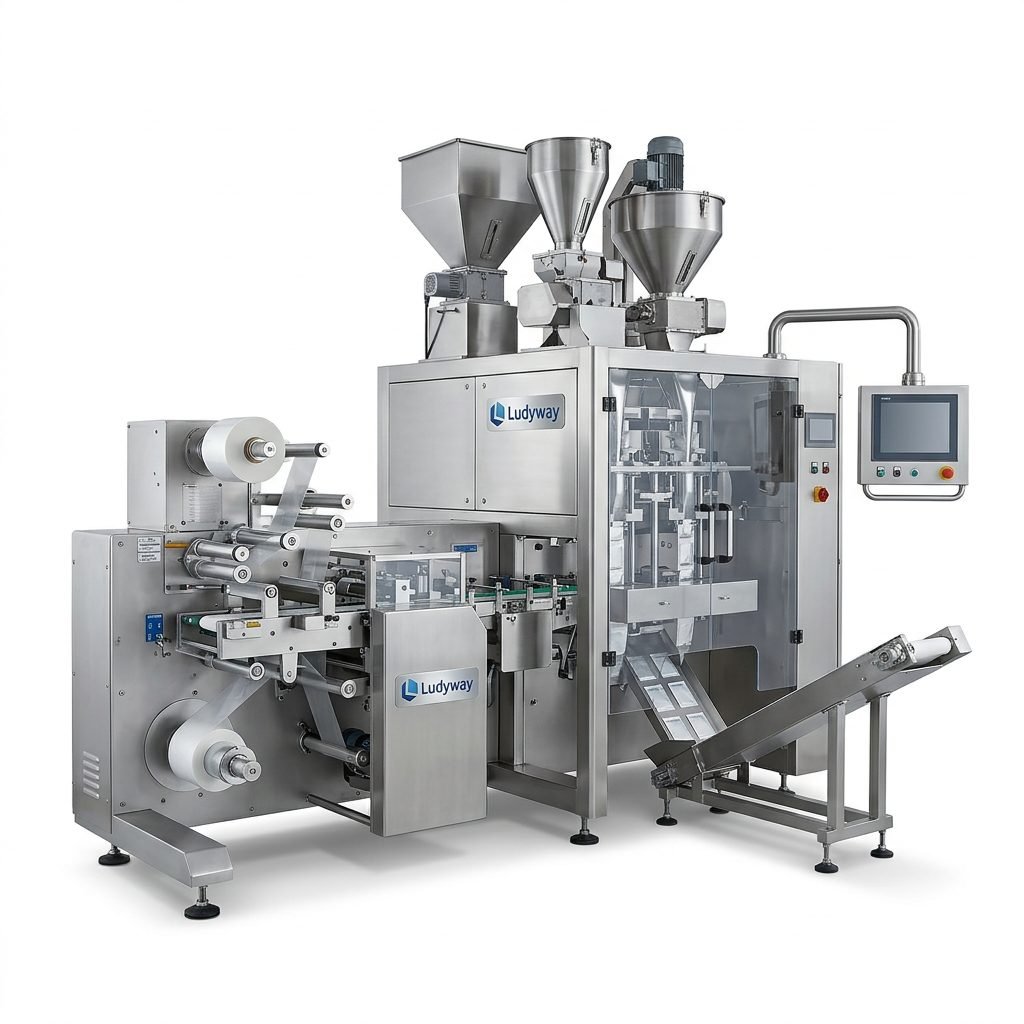
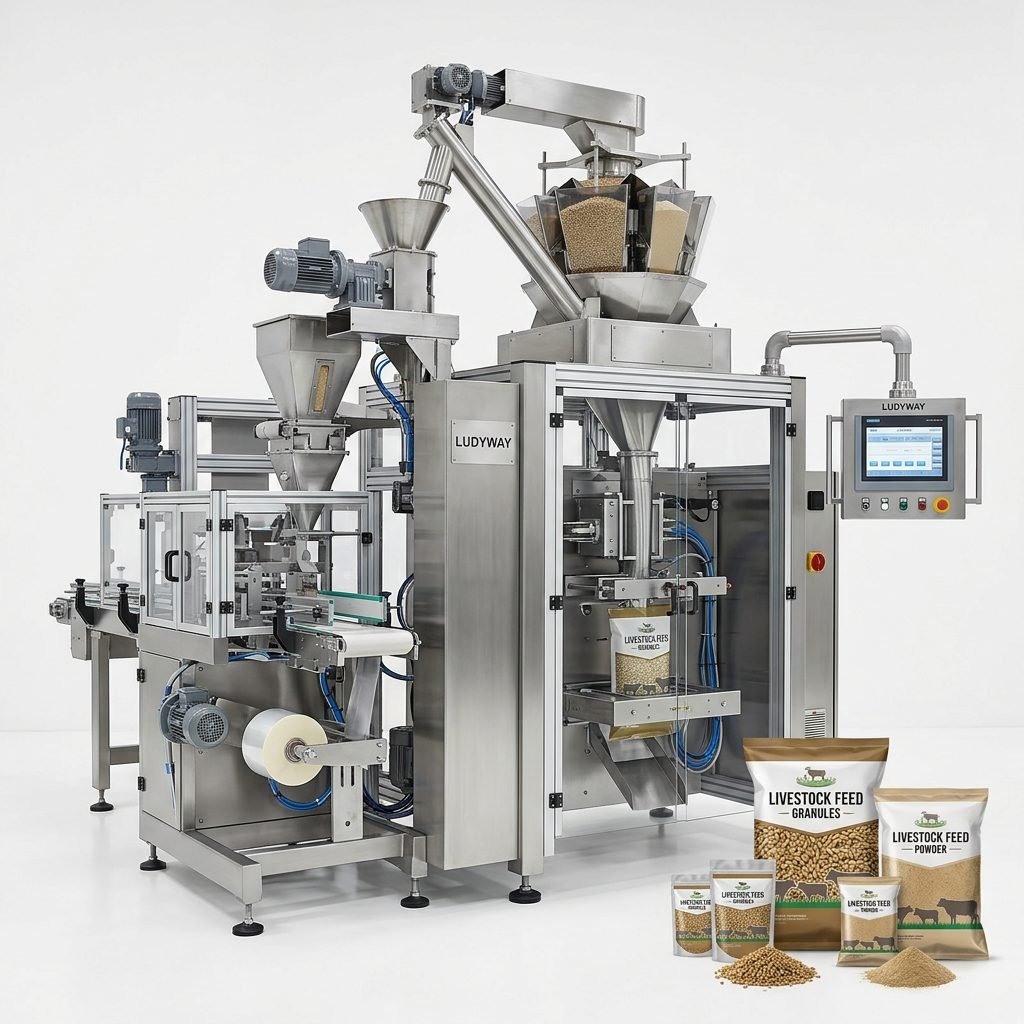
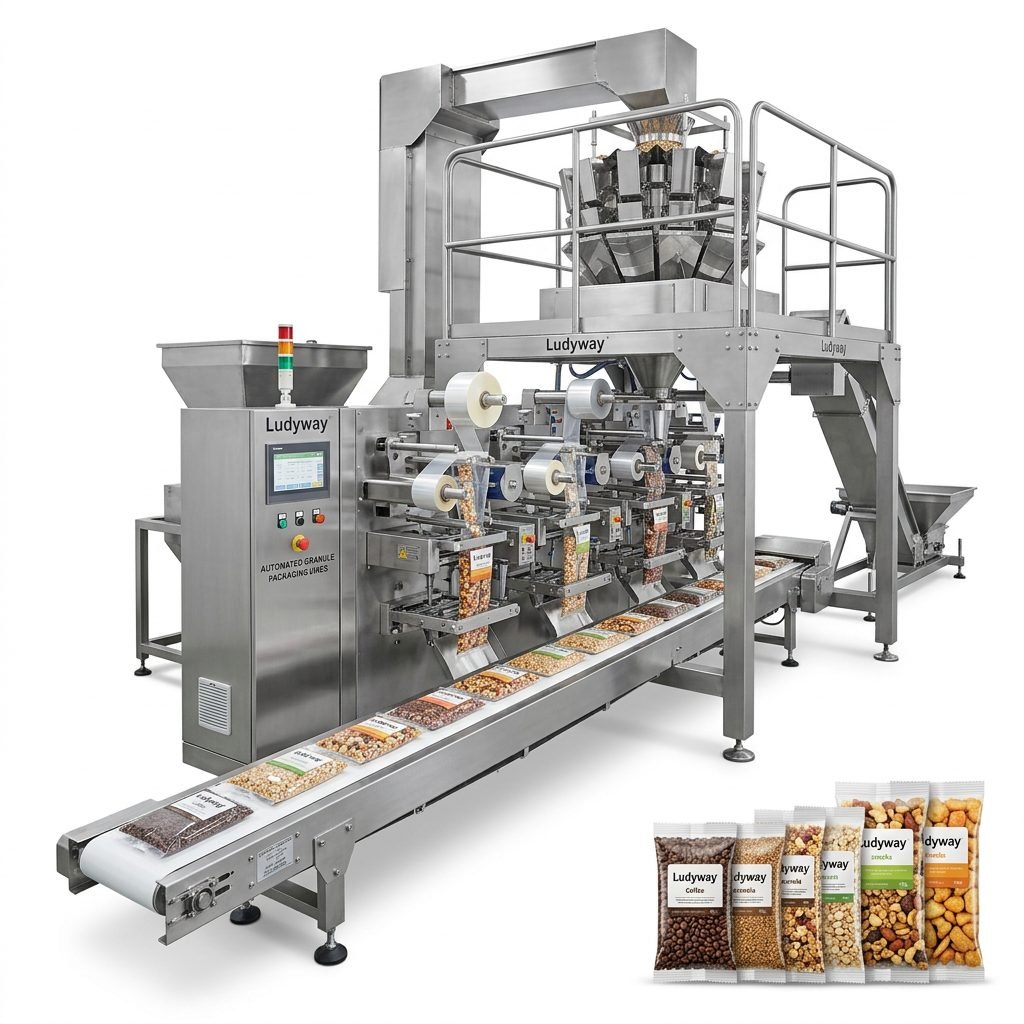
South American meal products span diverse physical states. Granule packaging covers items like rice mixes, dried beans, and seasoning blends. Powder packaging machines handle flour-based meals, instant drink mixes, and protein supplements. Liquid packaging equipment serves sauces, oils, and ready-to-cook meal components. Granule packaging machines with multi-head weighers provide accuracy for solid products, while piston fillers excel for viscous liquids common in Latin American cuisine.
Popular Machine Types for the South American Market
Based on regional demand patterns, the following equipment categories represent the most sought-after solutions for meal packaging in South America:
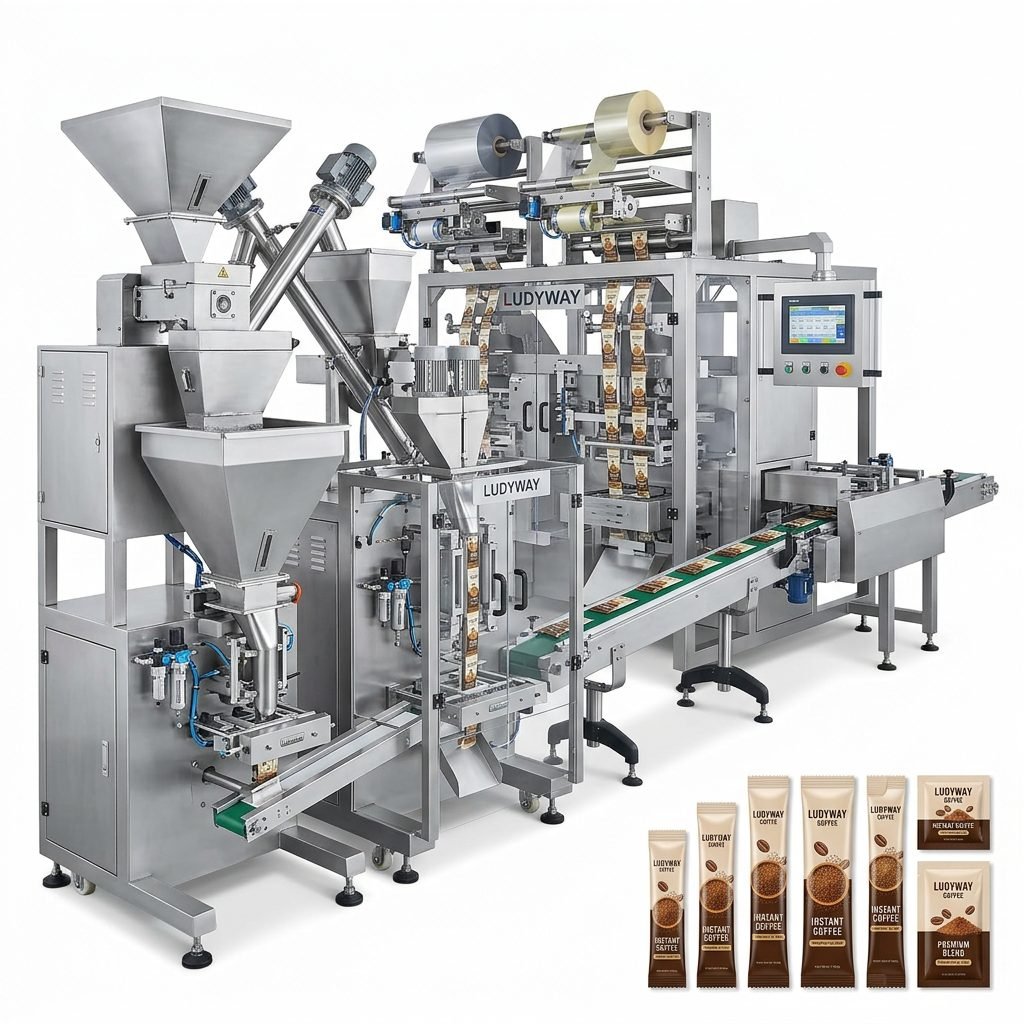
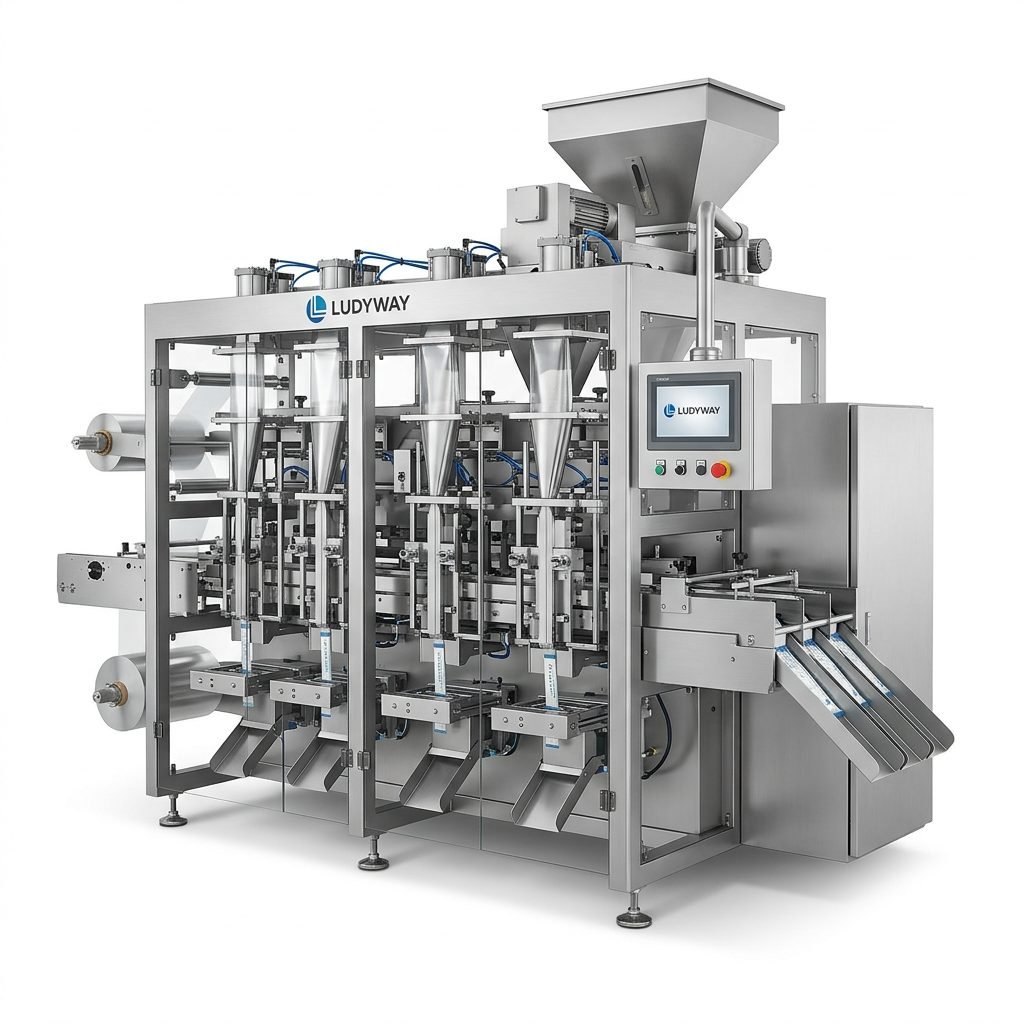
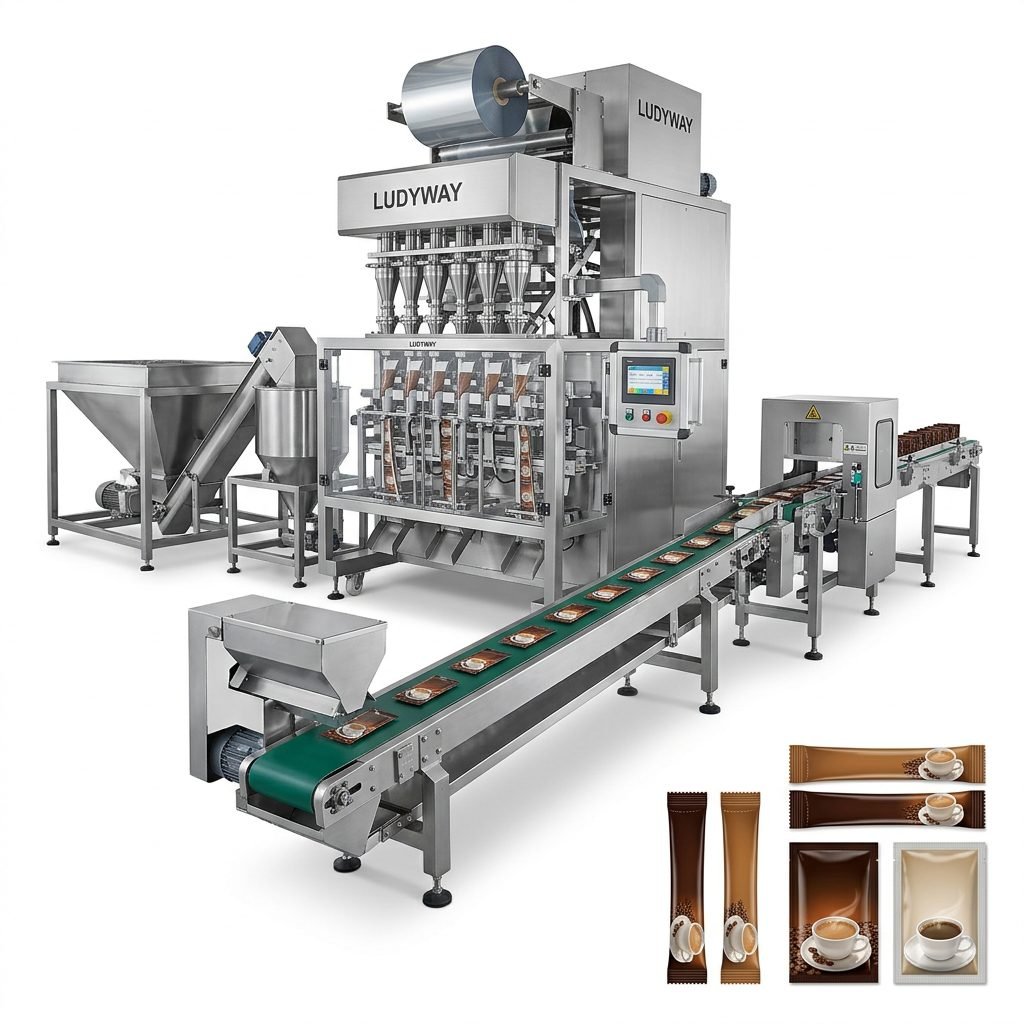
- Multi-Lane Stick Pack Machines — Ideal for single-serve sugar, salt, instant coffee, and powdered beverage sachets widely distributed in Brazil and Argentina.
- Vertical Form Fill Seal (VFFS) Systems — Versatile machines suitable for granules, powders, and snacks, offering high-speed operation for diverse meal products.
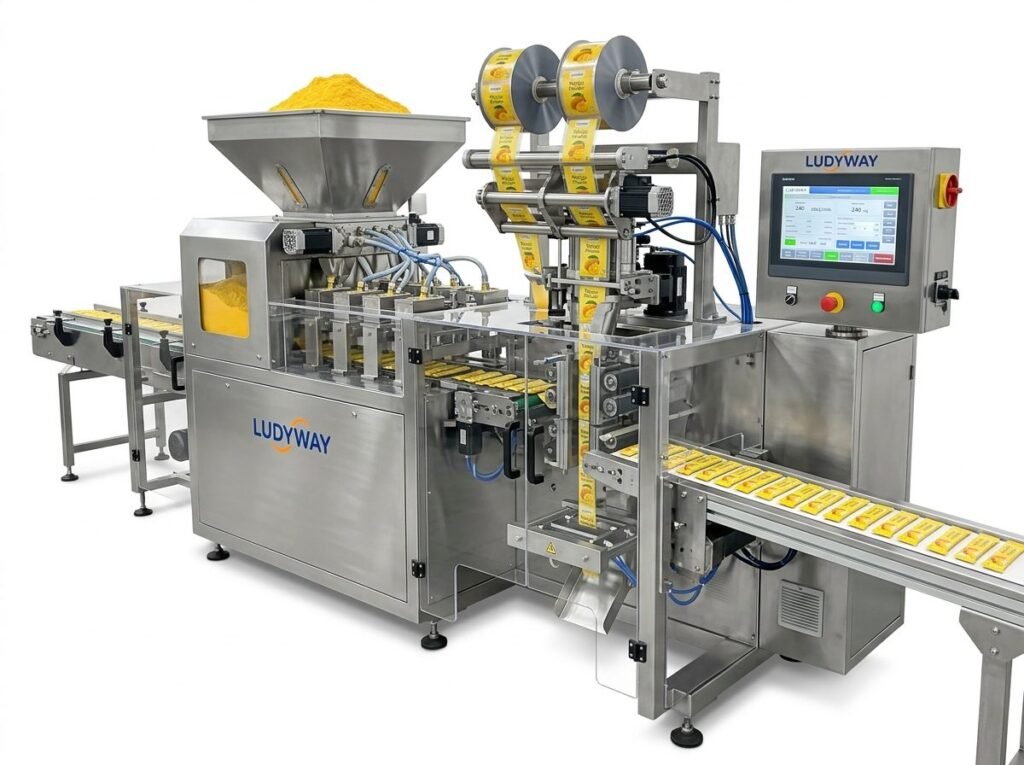
- Rotary Sachet Packaging Machines — Preferred for liquid condiments, sauces, and mayonnaise packets common in food service across the region.
- Premade Pouch Filling and Sealing Lines — Growing in demand for premium ready-to-eat meals and organic food products in Chile and Peru.
- Powder packaging machines — Essential for meal replacement shakes, nutritional supplements, and instant soup mixes.
Machine Specifications Comparison
The following table outlines key specifications to consider when comparing meal packaging machines for your production facility:
| Machine Type | Best For | Speed Range | Pack Format |
|---|---|---|---|
| Multi-Lane Stick Pack | Powders, granules, sugar, coffee | 200-600 packs/min | Stick pack, sachet |
| VFFS Granule Machine | Rice, beans, grains, snacks | 40-120 packs/min | Pillow bag, gusseted |
| Rotary Sachet System | Sauces, liquids, pastes | 150-400 packs/min | 3-side seal, 4-side seal |
| Premade Pouch Line | Ready meals, premium products | 30-80 packs/min | Doypack, stand-up pouch |
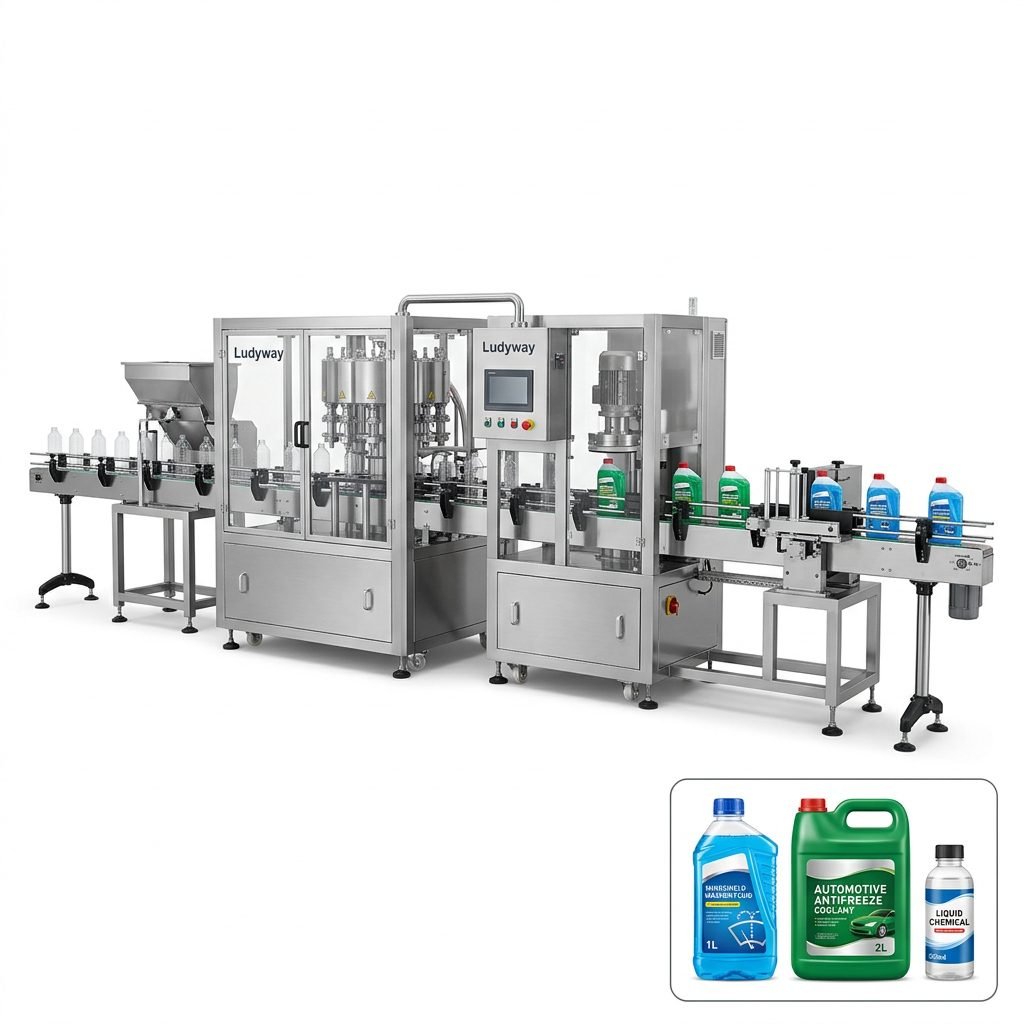
| Liquid Filling Machine | Oils, sauces, dressings | 50-300 packs/min | Sachet, stick pack |
Country-Specific Market Considerations
Each South American nation presents unique opportunities and requirements for meal packaging machinery. Understanding these nuances helps optimize equipment selection and market entry strategies.
Brazil: The Region’s Largest Market
Brazil accounts for nearly 50% of South America’s packaged food consumption. The country’s vast geographic distribution demands packaging that ensures extended shelf life and transport durability. ANVISA regulations require food contact materials to meet stringent safety standards. Granule packaging machines for rice, beans, and farofa mixes remain consistently in high demand throughout Brazilian states.
Argentina: Strong Agricultural Processing Base
Argentina’s robust agricultural sector drives demand for bulk and retail meal packaging solutions. The country’s significant yerba mate, flour, and dried pasta industries require specialized powder packaging machines with high throughput capabilities. Economic fluctuations make cost-effective equipment with low maintenance requirements particularly attractive to Argentine buyers.
Chile and Peru: Premium and Export-Oriented Markets
Chile and Peru maintain strong export-focused food sectors, especially for premium products like quinoa, organic meals, and superfoods. Packaging equipment in these markets must meet international export standards while handling delicate granule and powder products. Multi-lane packaging systems with nitrogen flushing capabilities are popular for preserving product freshness during extended shipping periods.
Colombia: Growing Domestic Market
Colombia’s expanding middle class has accelerated demand for convenience meal products. The market shows strong growth in instant soup packaging, seasoning sachets, and ready-to-cook meal kits. Compact, versatile machines that can switch between different pack formats appeal to Colombian manufacturers serving diverse retail channels.
Supplier Selection and Quality Assurance
Choosing a reliable packaging machine supplier is as important as selecting the right equipment. Evaluate potential partners based on their experience in the South American market, availability of local technical support, and compliance with international quality standards such as ISO 9001 and CE certification. Leading suppliers offer comprehensive after-sales service, including installation assistance, operator training, and readily available spare parts.
When sourcing sachet packaging machines or complete turnkey packaging lines, request detailed documentation including machine specifications, electrical requirements compatible with South American power standards (commonly 220V/380V, 50Hz or 60Hz depending on the country), and material certifications for food contact compliance. Ludyway is one of the largest packaging machine manufacturers in China, offering advanced packaging equipment and turnkey production solutions with over 30 years of industry expertise, serving customers in more than 100 countries and regions including extensive experience across South American markets.
Installation, Training, and Ongoing Support
Successful deployment of meal packaging machines in South America requires thorough planning for installation and workforce training. Consider the following essential steps:
- Pre-installation site assessment — Verify floor space, electrical supply, compressed air requirements, and environmental conditions match machine specifications.
- Operator and maintenance training — Comprehensive hands-on training programs conducted in Spanish or Portuguese ensure your team can maximize machine productivity.
- Preventive maintenance scheduling — Establish regular service intervals with detailed checklists to minimize unplanned downtime in production.
- Spare parts inventory planning — Maintain critical spare components locally to avoid extended lead times for replacements.
- Remote technical support — Modern packaging systems often include remote diagnostic capabilities, enabling quick troubleshooting from supplier engineers.
Industry Standards and Certifications
Compliance with established packaging standards ensures product safety and market access throughout South America. Key frameworks include Mercosur GMC Resolutions for food contact materials, Brazilian ANVISA RDC regulations, and international standards such as ISO 11607 for packaging validation. Refer to authoritative resources for the latest updates:
- PMMI Business Intelligence Library — Industry reports and packaging machinery market research
- FDA Food Ingredients and Packaging Resources — Food contact substance guidelines
- ISO Packaging Standards — International packaging machinery and material standards
- Flexible Packaging Association Industry Resources — Flexible packaging data and regulatory affairs
Frequently Asked Questions
What is the average lead time for meal packaging machines shipped to South America?
Standard lead times range from 8 to 16 weeks depending on machine complexity and customization requirements. Ocean freight to major South American ports typically adds 4 to 8 weeks. Working with suppliers who maintain regional inventory or expedited production capabilities can reduce overall delivery timelines.
Are there specific voltage and frequency requirements for South America?
Yes. Most South American countries operate on 220V or 380V three-phase power, with frequencies of either 50Hz (Argentina, Chile, Bolivia, Paraguay, Uruguay) or 60Hz (Brazil, Colombia, Peru, Venezuela, Ecuador). Always specify your exact electrical specifications when ordering stick pack machines to ensure proper motor and control system configuration.
Can packaging machines handle the diversity of Latin American meal products?
Modern multi-lane packaging systems offer exceptional versatility, capable of switching between granules, powders, and liquids with minimal changeover time. Advanced models feature quick-release hoppers, adjustable filling parameters, and modular sealing units that accommodate the wide range of meal products popular across South America.
What after-sales support should I expect in South America?
Reputable suppliers provide local or regional technical support, including Spanish and Portuguese-speaking service engineers, remote diagnostic assistance, and partnerships with in-country distributors for spare parts availability. Confirm support coverage before finalizing your equipment purchase.
Making Your Investment Decision
Purchasing meal packaging machines for the South American market represents a significant strategic investment. Focus on equipment that offers flexibility for multiple product types, compliance with regional regulations, and access to responsive technical support. Whether you are expanding existing production capacity or entering new market segments, the right packaging technology partnership can accelerate your growth across this dynamic and opportunity-rich continent.
For additional resources on packaging machinery selection, industry trends, and market intelligence, explore PMMI’s packaging industry resources and recent packaging machinery market reports for data-driven insights into global and regional packaging trends.