Italy is one of Europe’s largest meat processing and packaging markets, renowned for its cured meats, salumi, and high-quality protein products. Establishing a meat packaging machine production line in Italy requires a clear understanding of local regulations, production workflow, equipment selection, and facility planning. This guide walks you through the essential steps to set up a compliant and efficient meat packaging operation.

1. Understand Italian and EU Regulatory Requirements
Before purchasing any equipment, familiarize yourself with the regulatory framework governing meat packaging in Italy. The industry is regulated by EU Food Contact Materials Regulation (EC) No 1935/2004, EU Machinery Directive 2006/42/EC, and specific Italian decrees. Compliance with HACCP principles is mandatory for all food packaging operations.
Key certifications to look for in packaging machinery include CE marking, materials certified for food contact, and equipment designed for easy cleaning and sanitation. Working with a packaging machine manufacturer familiar with EU standards can significantly streamline this process.
2. Define Your Meat Product Range and Packaging Format
The type of meat product you plan to package directly determines the machinery configuration. Common meat packaging formats in Italy include:
- Fresh meat cuts – typically packaged in modified atmosphere packaging (MAP) trays or vacuum skin packs
- Sliced cured meats (salumi, prosciutto, salame) – often packed in flow wrap or thermoformed vacuum packs
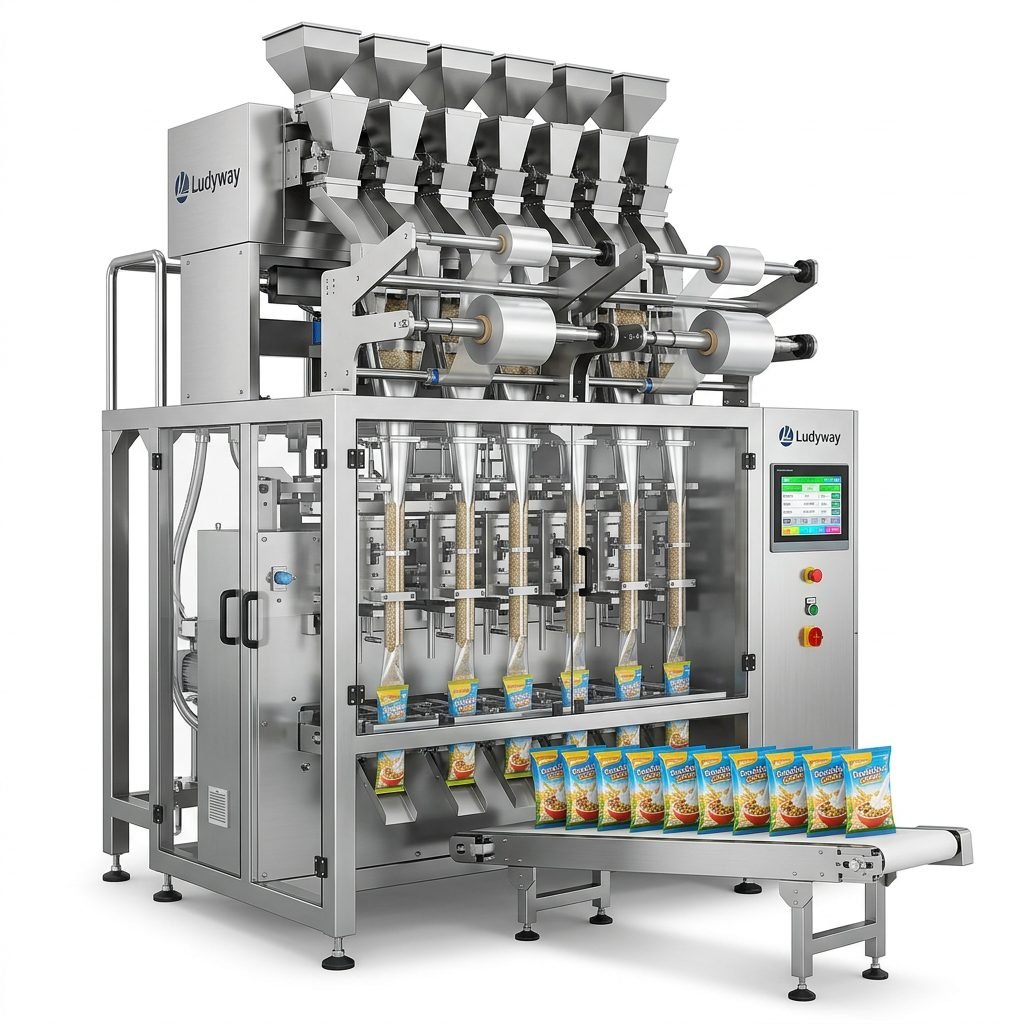
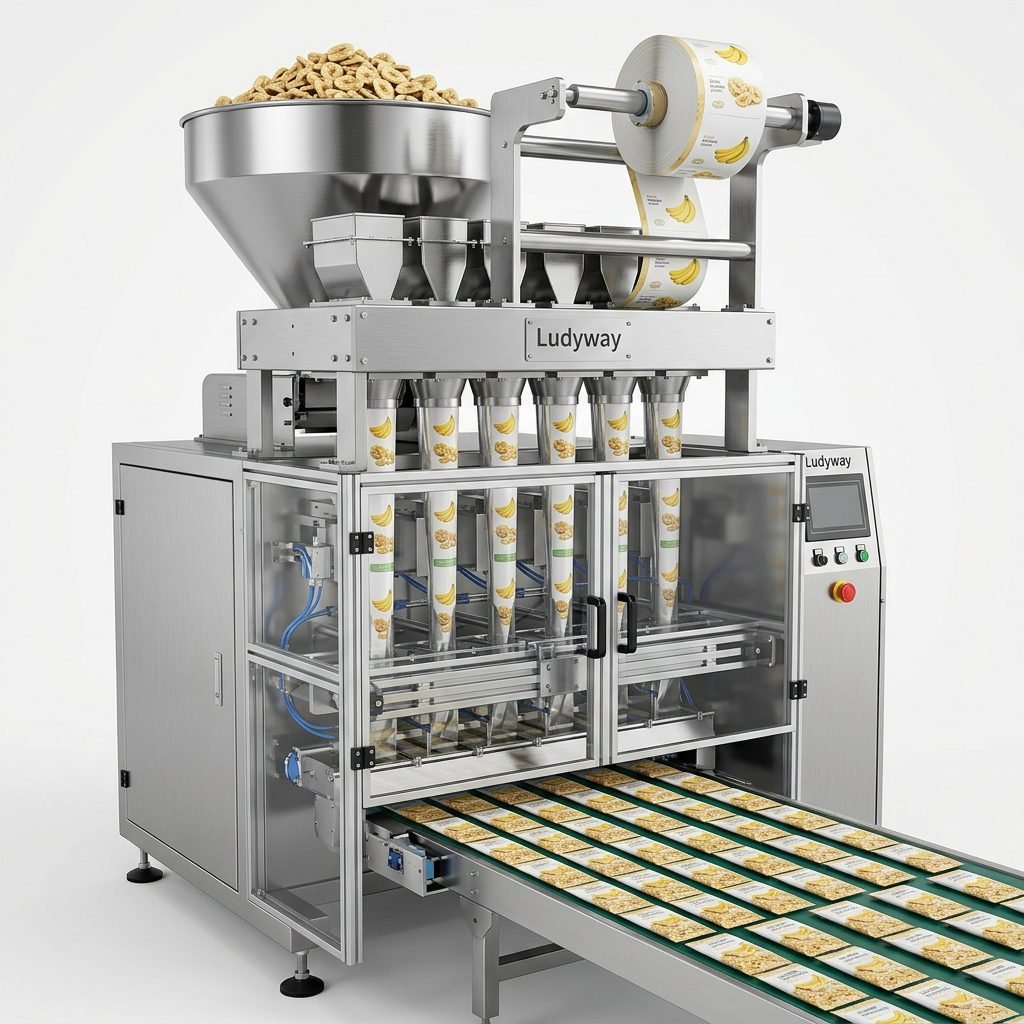
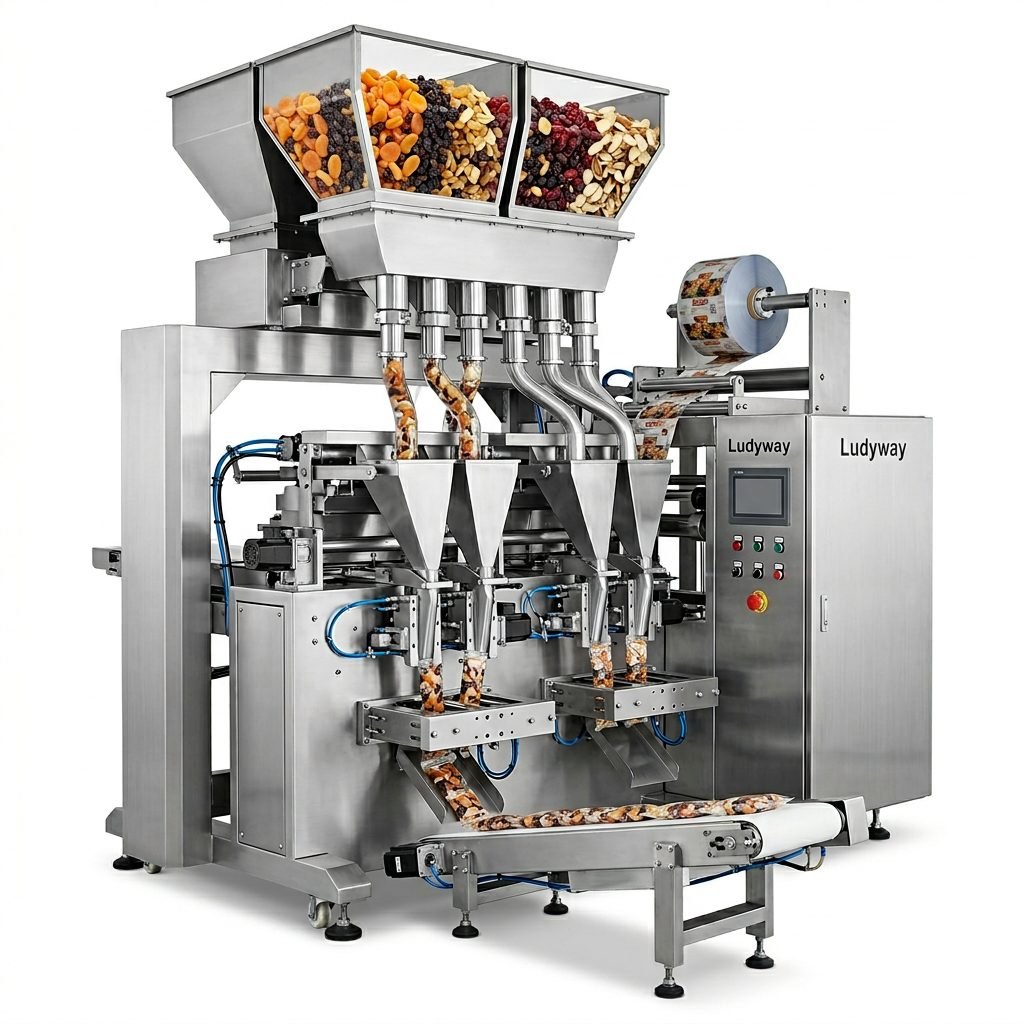
- Frozen meat portions – suitable for vertical form fill seal (VFFS) or pre-made pouch packaging
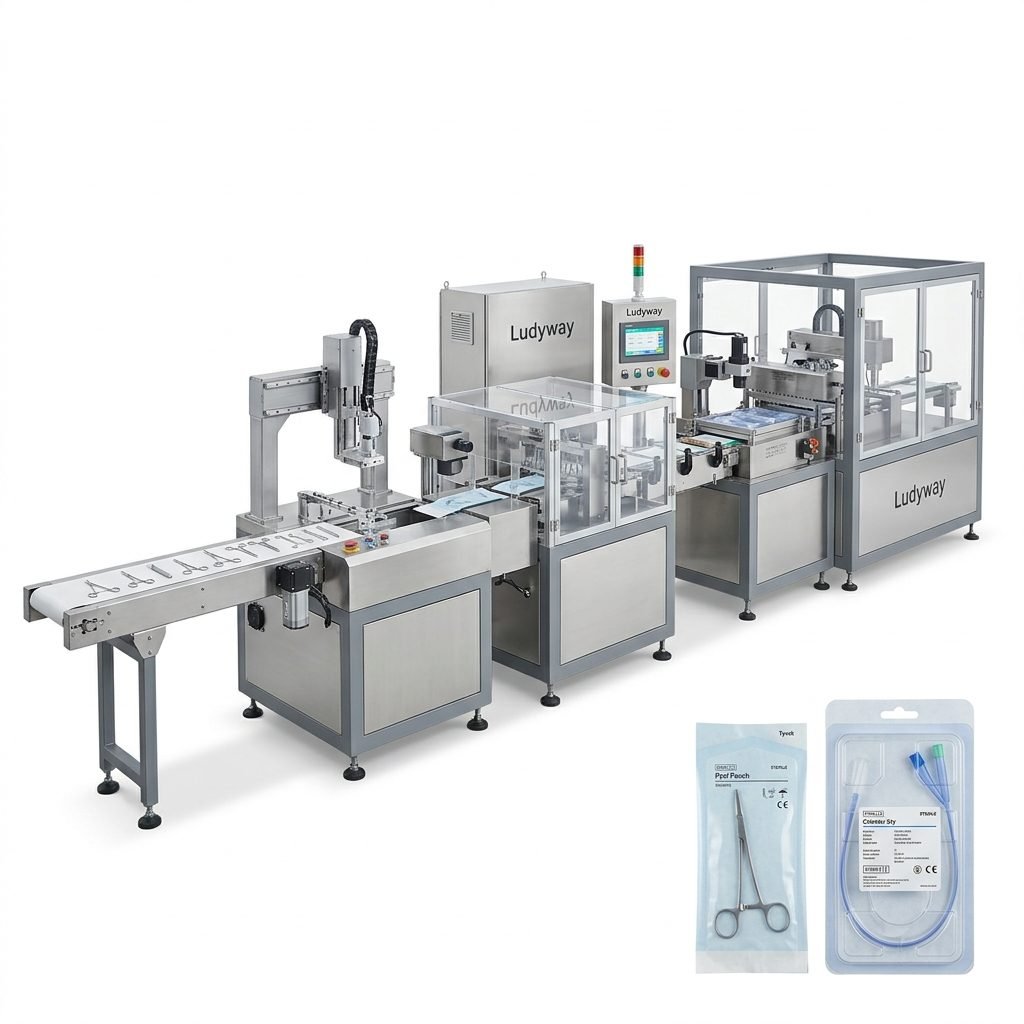
- Meat-based ready meals – require tray sealing or pouch packaging systems
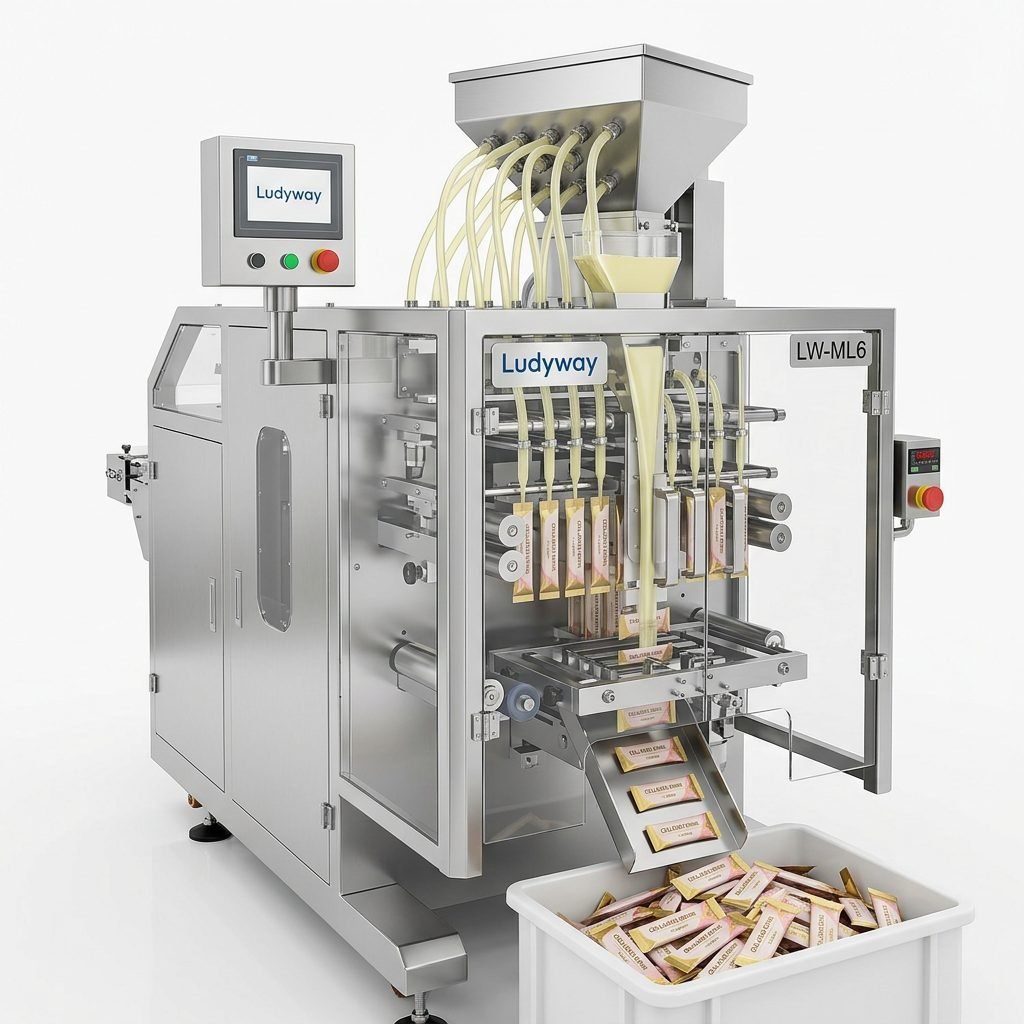
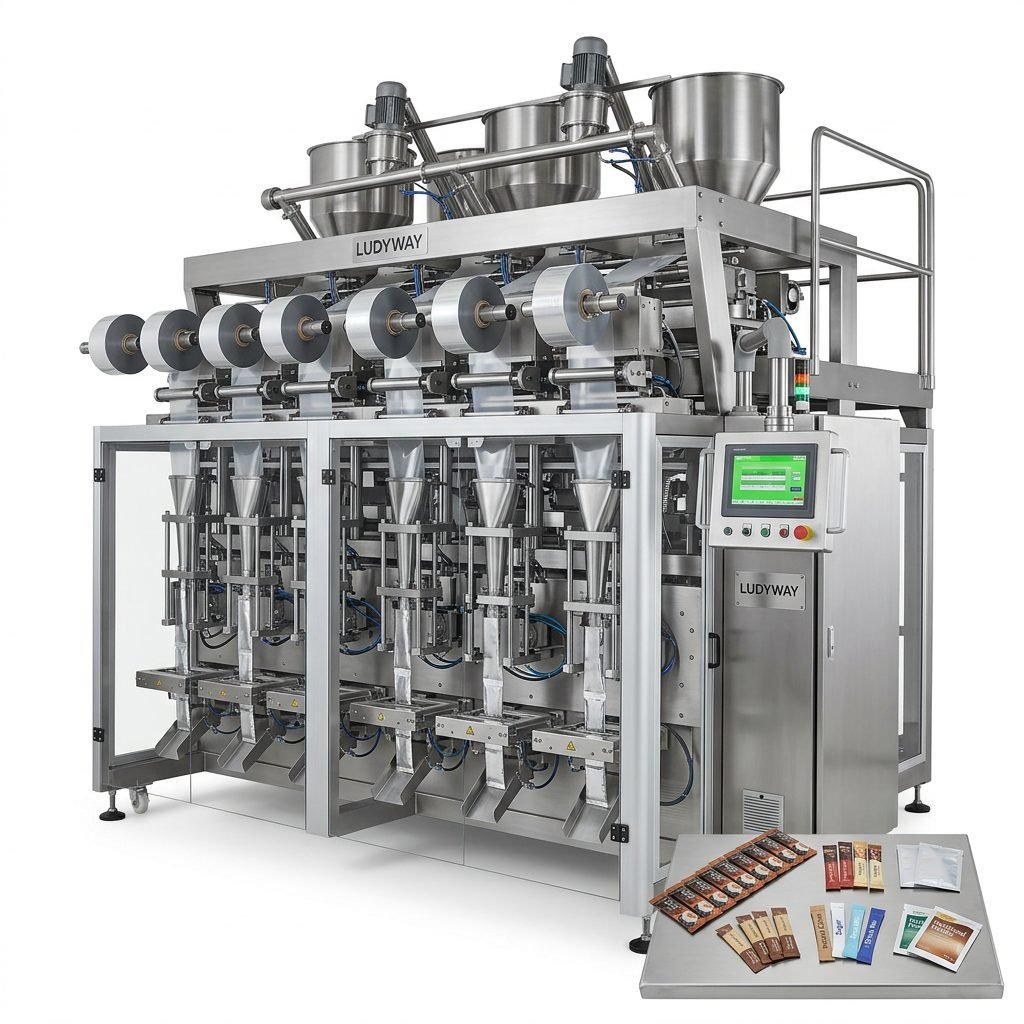
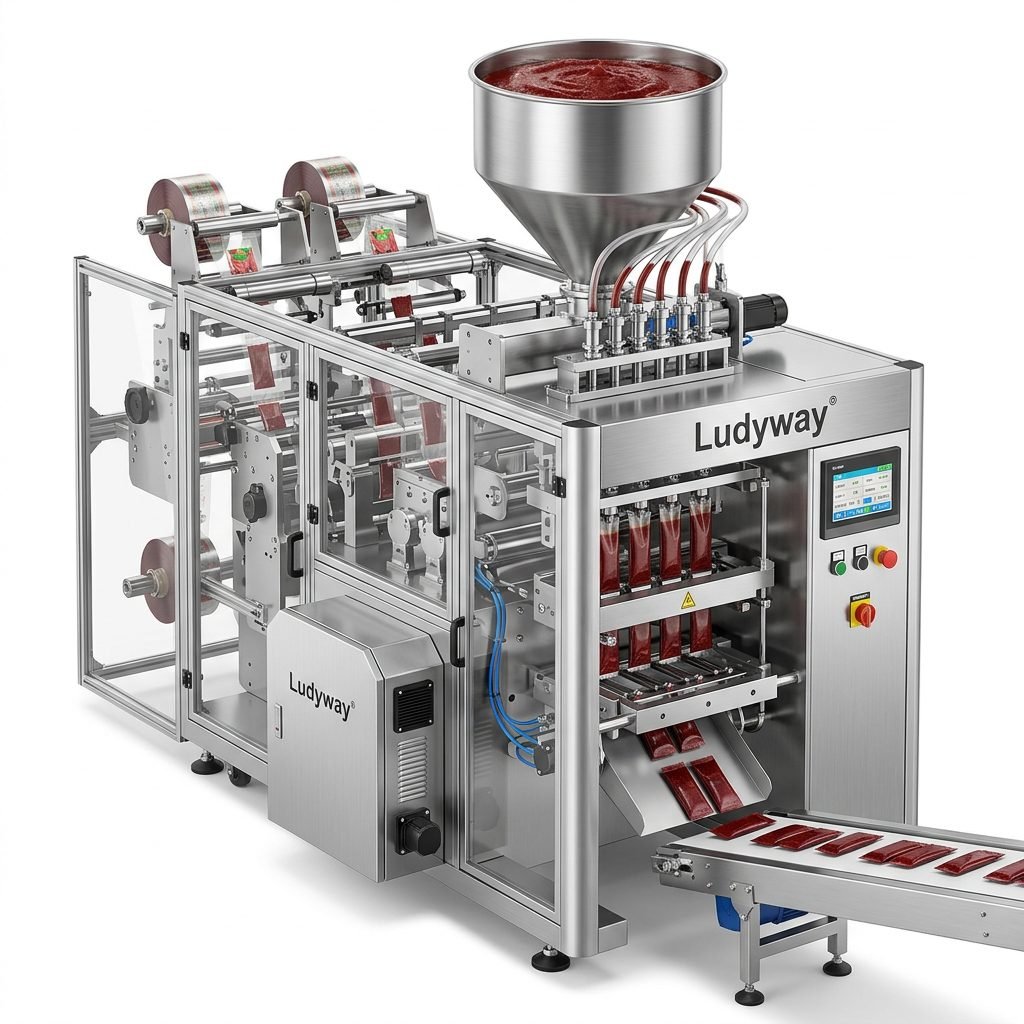
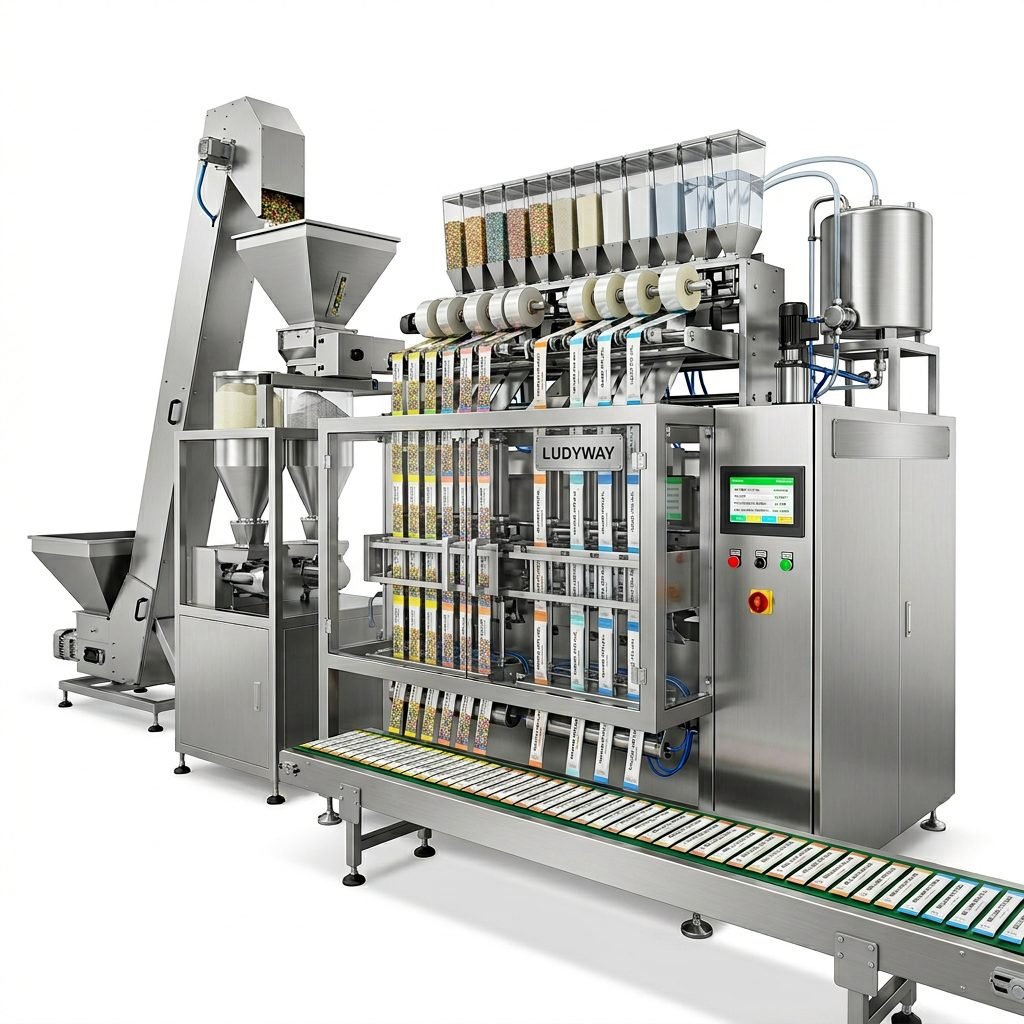
- Dried meat snacks (jerky, bresaola sticks) – compatible with multi-lane stick pack or sachet packaging machines
3. Plan the Production Line Layout
A well-designed meat packaging line follows a logical flow from raw product receiving to finished palletized goods. The typical layout in an Italian meat processing facility includes these zones:
| Zone | Function | Key Equipment |
|---|---|---|
| Receiving & Storage | Raw meat intake, cold storage | Chillers, freezers, inventory systems |
| Preparation | Cutting, portioning, seasoning | Slicers, dicers, marination tumblers |
| Weighing & Filling | Accurate portion control | Multi-head weighers, auger fillers |
| Packaging | Primary packaging sealing | VFFS, tray sealers, vacuum packers |
| Inspection | Quality control checkpoints | Metal detectors, checkweighers, X-ray systems |
| Secondary Packaging | Cartoning, case packing | Carton erectors, case packers, palletizers |
4. Select Core Packaging Machinery
The heart of your production line is the primary packaging machine. For meat products in Italy, the most common configurations include:
4.1 Thermoforming Vacuum Packaging Machines
Ideal for sliced cured meats, fresh meat cuts, and sausages. These machines form a bottom film web, fill it with product, and seal it under vacuum with a top film. They deliver extended shelf life and excellent product presentation.
4.2 Tray Sealing and MAP Systems
Widely used for fresh meat portions and ready-to-cook products. Modified atmosphere packaging replaces oxygen with inert gases to preserve color and freshness. Tray sealers can handle various tray sizes and film types.
4.3 Multi-Lane Stick Pack and Sachet Machines
For portion-packed meat snacks, protein powders, or single-serve dried meat products, multi-lane stick pack machines offer high-speed output. These systems can produce up to 400-600 packs per minute across multiple lanes.
4.4 Pre-Made Pouch Filling and Sealing Machines
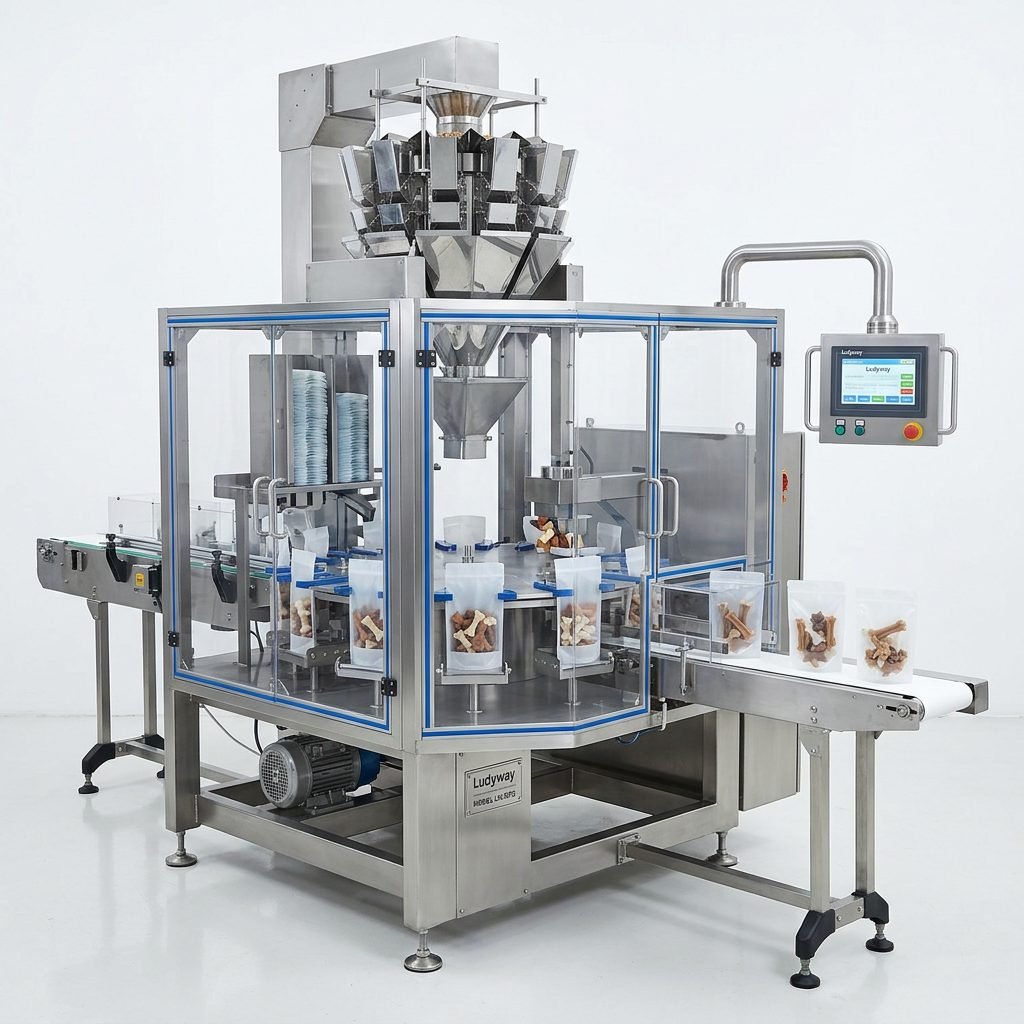
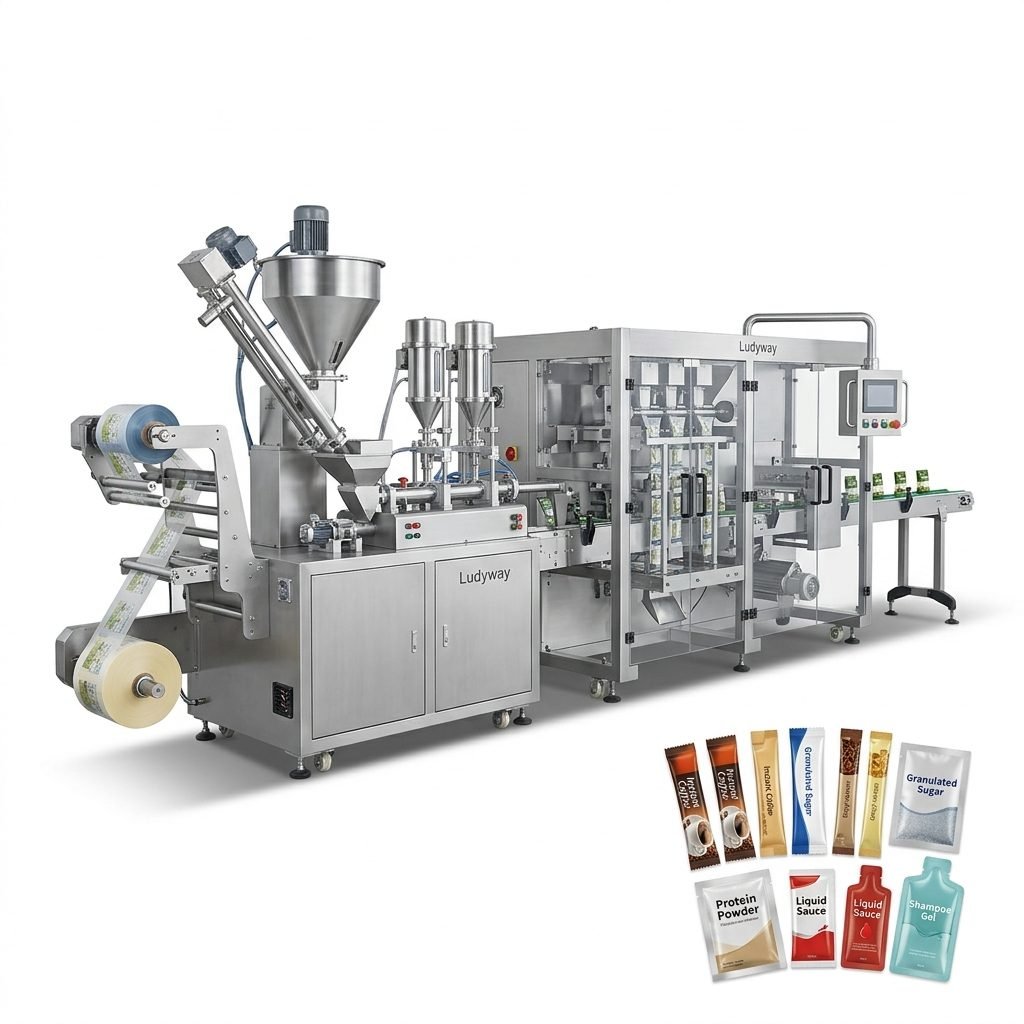
Rotary or inline pouch fillers are suitable for marinated meat chunks, ready meals, or bulk frozen meat portions. These machines open, fill, and seal pre-formed pouches, offering flexibility in pouch styles and sizes.
5. Integrate Supporting Equipment
A complete line requires auxiliary equipment to ensure smooth operation:
- Checkweighers – verify package weight and reject non-conforming units
- Metal detectors – critical for meat product safety and retailer compliance
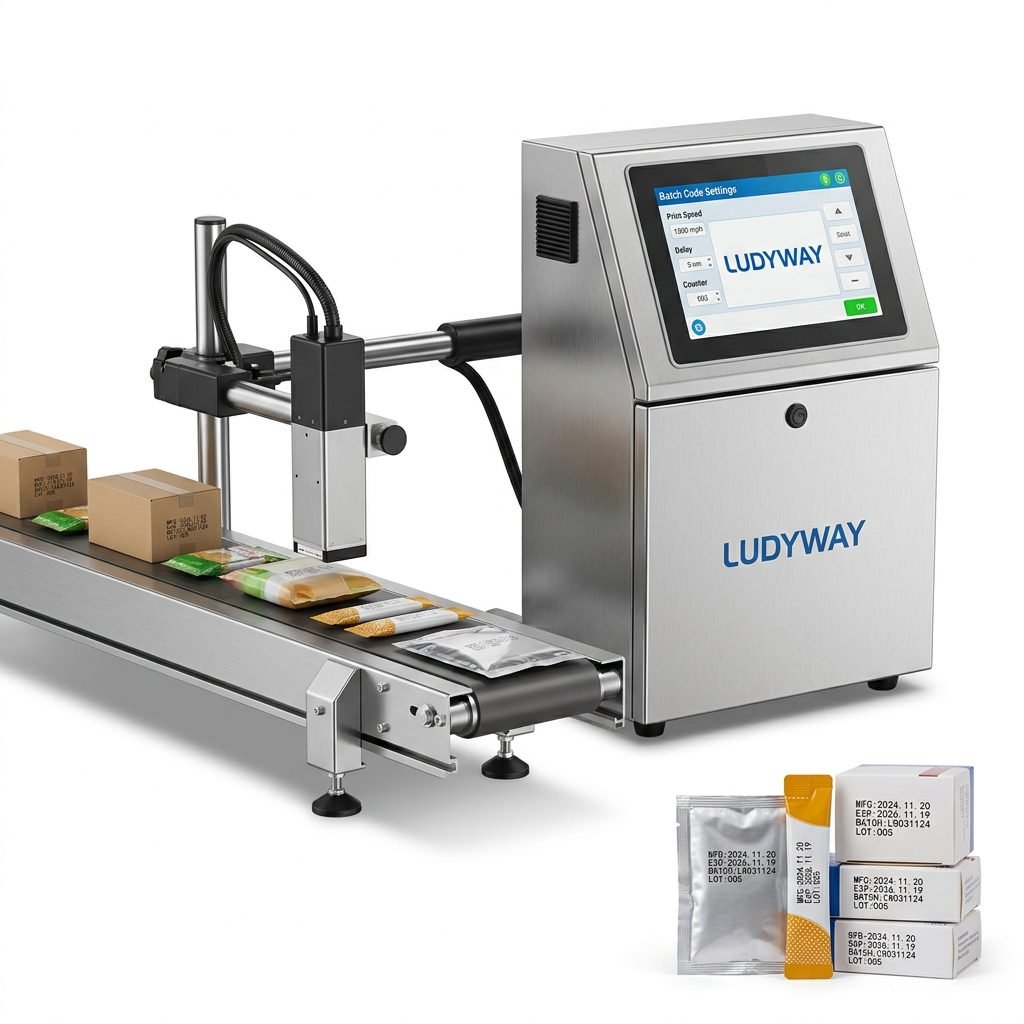
- Coding and marking systems – apply batch codes, expiry dates, and traceability information
- Conveyor systems – connect all line components with hygienic, washdown-compatible belts
- Cartoning and case packing – automate secondary packaging for distribution
- Palletizing robots – reduce manual handling and improve end-of-line efficiency
6. Facility and Hygiene Considerations
Italian meat packaging facilities must meet stringent hygiene standards. Key facility requirements include:
- Temperature-controlled environments – processing areas typically maintained at 12°C or below
- Stainless steel construction – all equipment contact surfaces must be food-grade stainless steel (AISI 304 or 316L)
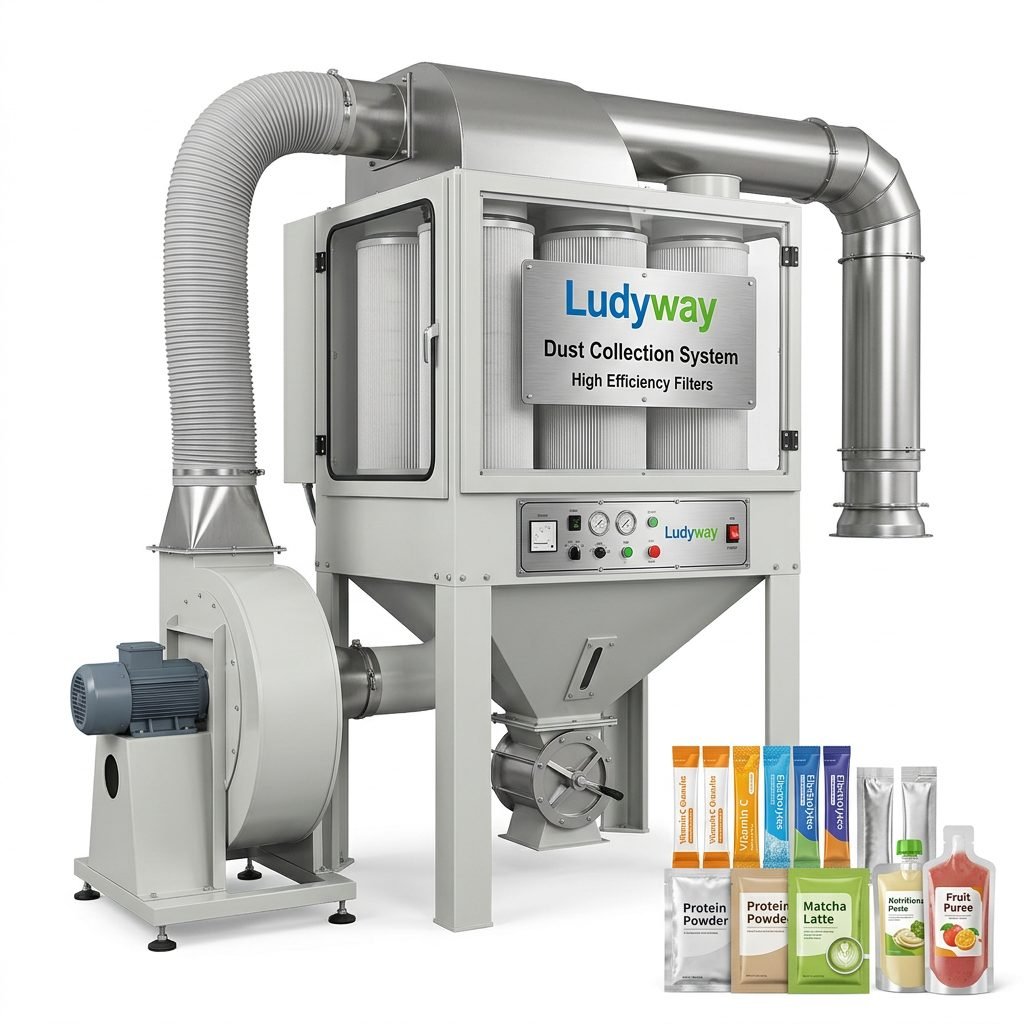
- Washdown capability – machinery should be designed for thorough cleaning with IP65 or higher protection ratings
- Physical separation – raw and cooked meat areas must be strictly segregated to prevent cross-contamination
- Drainage and flooring – sloped floors with adequate drainage support hygienic cleaning protocols
7. Automation and Production Capacity Planning
Calculate your required production capacity before finalizing equipment specifications. Consider the following factors:
| Factor | Consideration |
|---|---|
| Target output | Packs per minute, per shift, per day |
| Pack sizes | Range of portion weights and dimensions |
| Changeover frequency | How often you switch between products and formats |
| Labor availability | Balance between automation and manual operations |
| Future scalability | Room for capacity expansion and new product lines |
8. Installation, Commissioning, and Training
Once equipment arrives at your Italian facility, proper installation and commissioning are critical. Work with your equipment supplier to ensure:
- Factory acceptance testing (FAT) before shipment
- Site acceptance testing (SAT) after installation
- Operator training on machine operation, cleaning, and basic maintenance
- Documentation including manuals, electrical schematics, and spare parts lists
- Validation protocols for critical control points
9. Maintenance and Spare Parts Strategy
Develop a preventive maintenance schedule to minimize downtime. Stock critical spare parts locally in Italy, including sealing jaws, cutting blades, belts, sensors, and heating elements. Establish a service agreement with your equipment provider for remote support and periodic inspections.
10. Sustainability and Packaging Materials
Italy is at the forefront of sustainable packaging initiatives in Europe. Consider recyclable mono-material films, reduced plastic thickness, and packaging formats compatible with the Italian recycling system. Many retailers now require recyclable or compostable packaging for meat products.
Key Industry Resources
- PMMI – The Association for Packaging and Processing Technologies
- Flexible Packaging Association – Industry Resources
- FDA – Food Packaging and Food Contact Substances
- European Commission – Packaging and Packaging Waste Regulation
- ISO – Packaging Standards
About Ludyway
Setting up a meat packaging production line in Italy can be complex, but partnering with an experienced equipment supplier simplifies the journey. Ludyway is one of the largest packaging machine manufacturers in China, specializing in advanced packaging equipment and turnkey production solutions for the food, pharmaceutical, and health industries. With over 30 years of industry expertise, we provide reliable and efficient packaging solutions covering granule, powder, liquid, and pouch packaging applications. Supported by a modern 20,000m² manufacturing facility and a highly experienced engineering team, Ludyway offers more than 50 intelligent packaging machine models, including multi-lane stick pack, sachet, and fully automated packaging systems. Serving customers in over 100 countries and regions, we are committed to delivering innovative, high-performance, and cost-effective packaging solutions that help businesses improve productivity, product quality, and operational efficiency.
For more detailed guidance on selecting the right meat packaging line for your Italian facility, contact our team to discuss your specific requirements.