The African continent is witnessing an unprecedented boom in food processing and manufacturing. As consumer demand for packaged condiments—from tomato paste sachets to bouillon cubes, chili powders to spice blends—continues to surge, the need for efficient, reliable condiment packaging machines has never been greater. Whether you are a startup entrepreneur in Lagos or an established food manufacturer in Nairobi, selecting the right packaging equipment can make or break your business.
This comprehensive guide walks you through every critical aspect of procuring condiment packaging machines in Africa, covering machine types, key purchasing factors, regional market insights, and practical tips for maximizing your return on investment. Understanding these elements will help you make informed decisions that align with your production goals and budget constraints.
Why Africa’s Condiment Packaging Market Is Booming
The condiment industry in Africa is projected to grow at a compound annual growth rate (CAGR) exceeding 7% over the next five years. Several factors are driving this expansion:
- Urbanization and changing lifestyles – Rapid urban migration across cities like Accra, Dar es Salaam, and Johannesburg is boosting demand for convenient, portion-controlled condiment packaging.
- Rising middle-class consumption – With increasing disposable incomes, African consumers are shifting from bulk, open-market condiments to branded, hygienically packaged alternatives.
- Export opportunities – African-made sauces, spice blends, and seasoning products are increasingly exported to Europe, the Middle East, and North America, requiring internationally compliant packaging standards.
- Retail channel modernization – The proliferation of supermarkets, convenience stores, and e-commerce platforms demands professionally packaged condiments with extended shelf life.
Types of Condiment Packaging Machines for the African Market
Choosing the right machine starts with understanding the main categories available. Each type addresses specific condiment consistencies and packaging formats:
| Machine Type | Best For | Key Advantage |
|---|---|---|
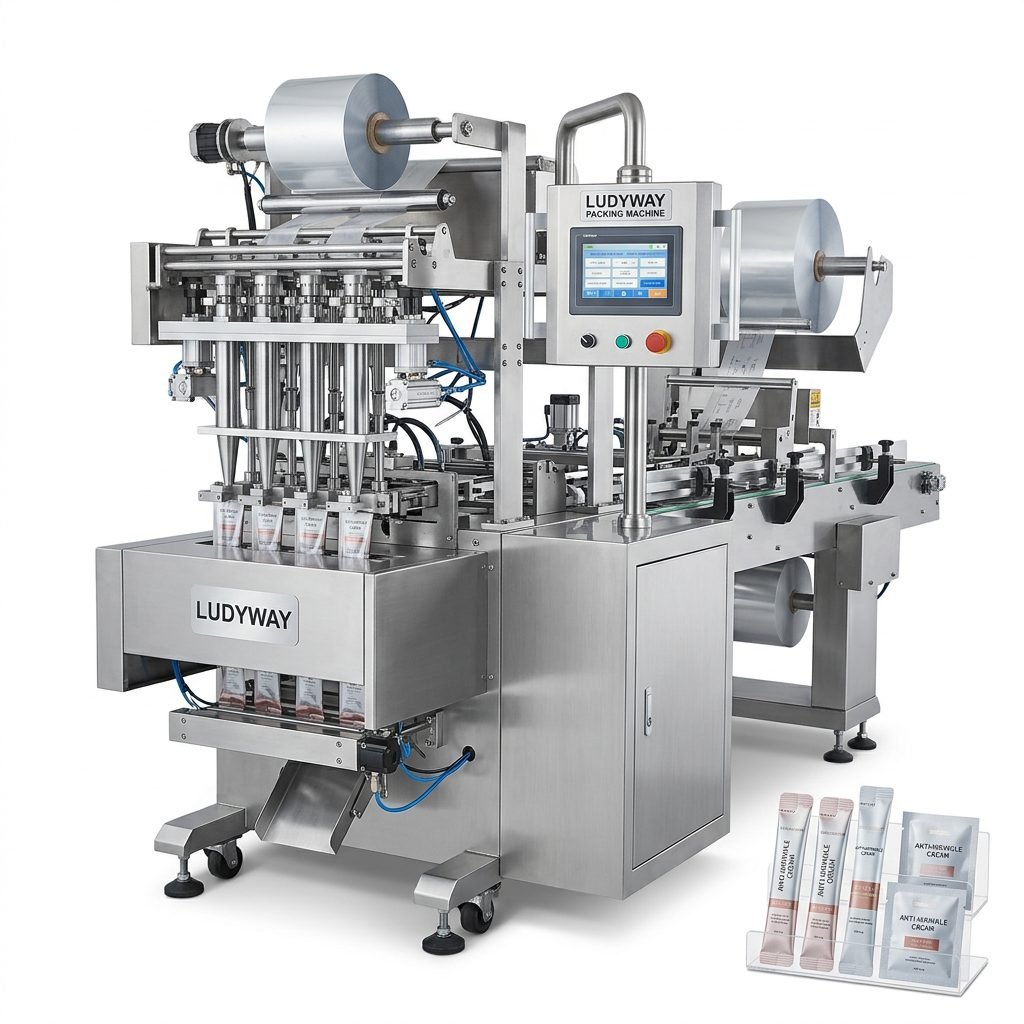
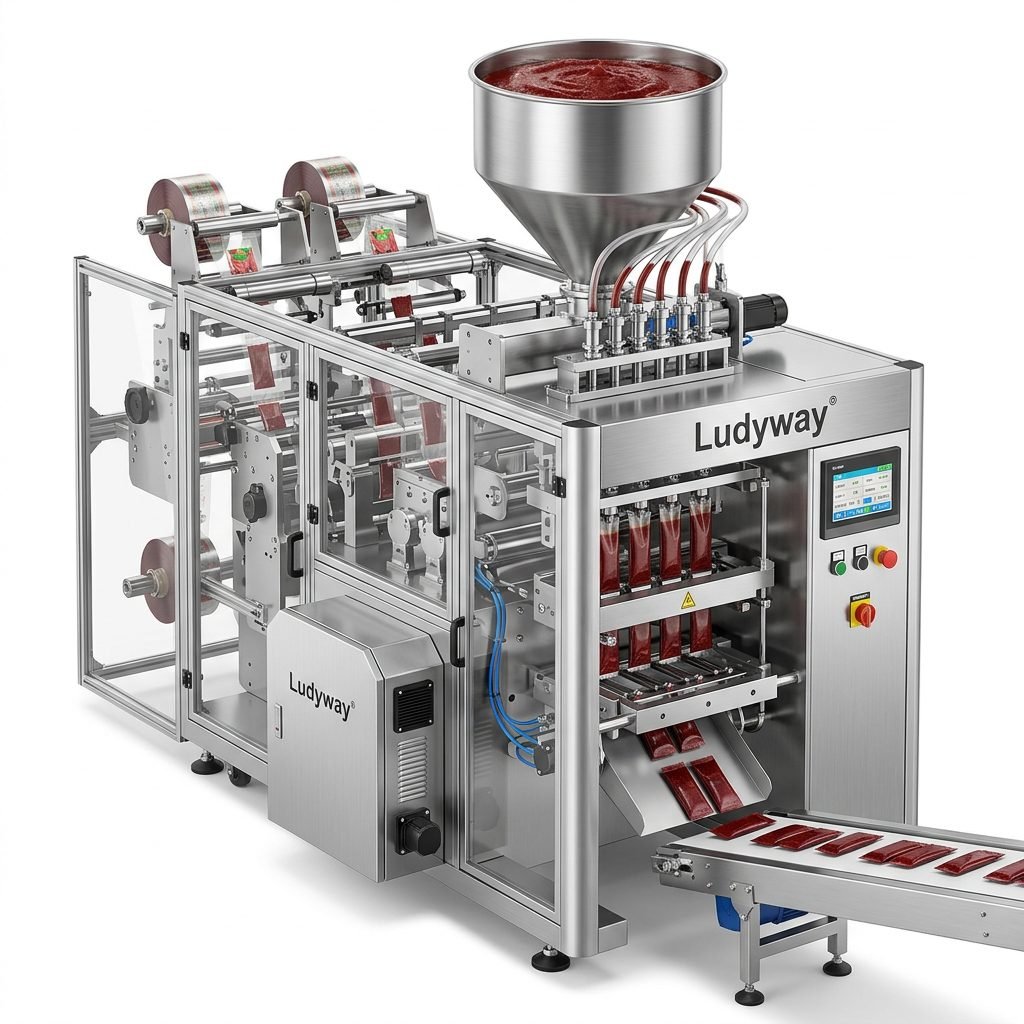
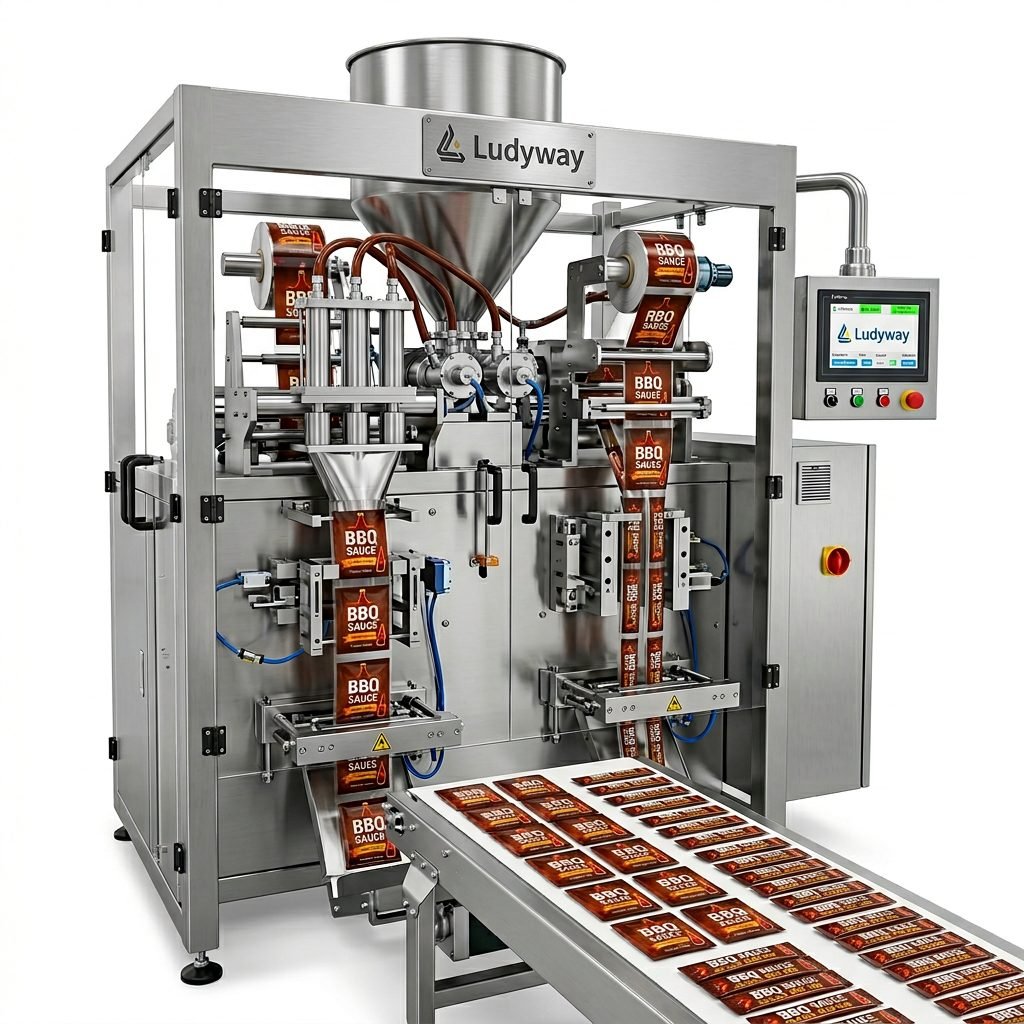
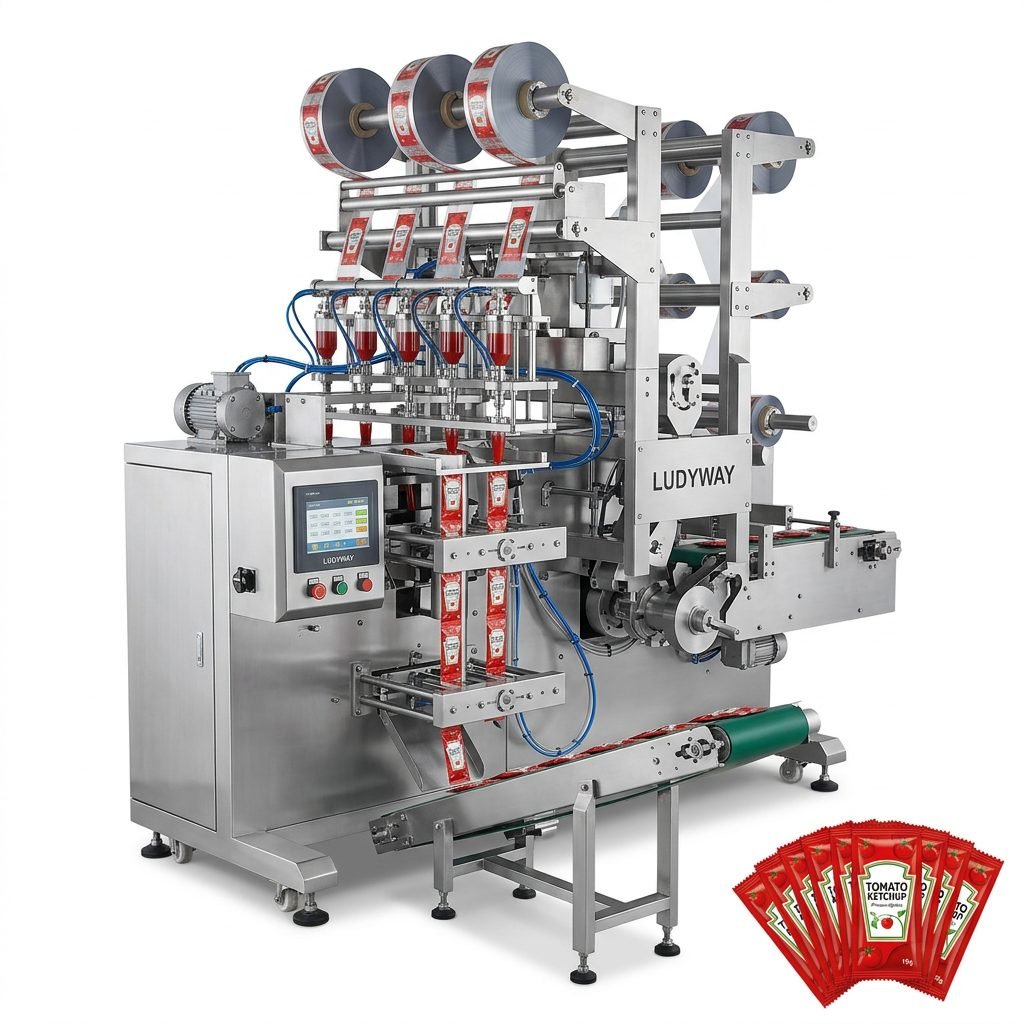
| Sachet Packaging Machines | Tomato paste, mayonnaise, chili sauce, ketchup | Low per-unit cost, ideal for mass-market condiments |
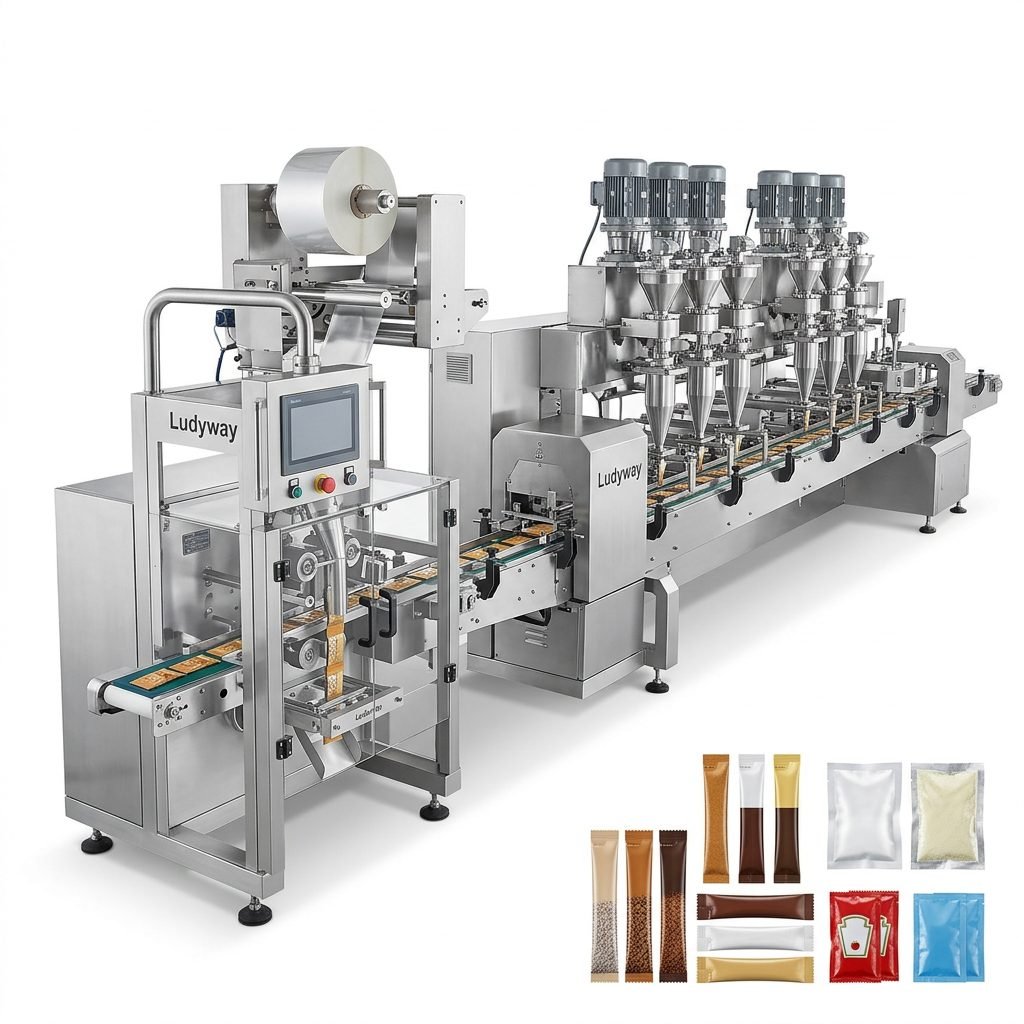
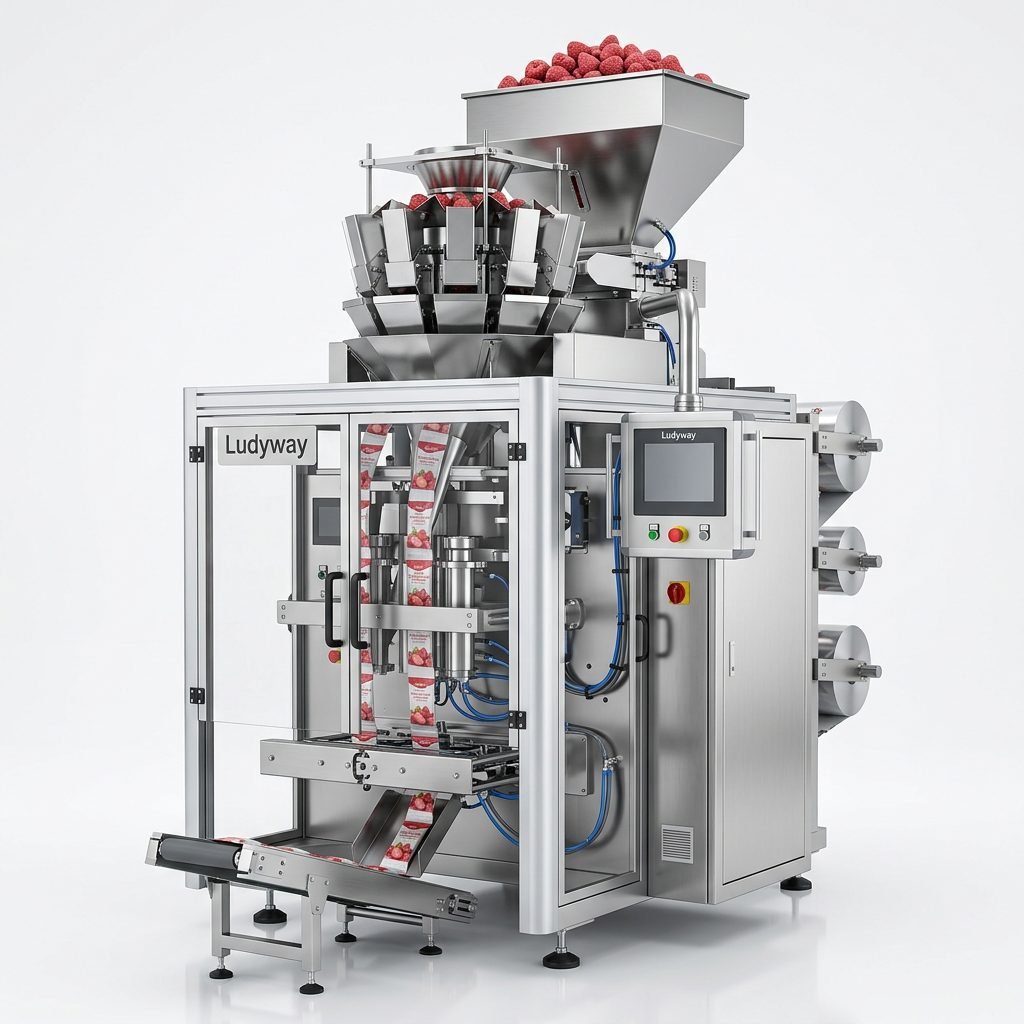
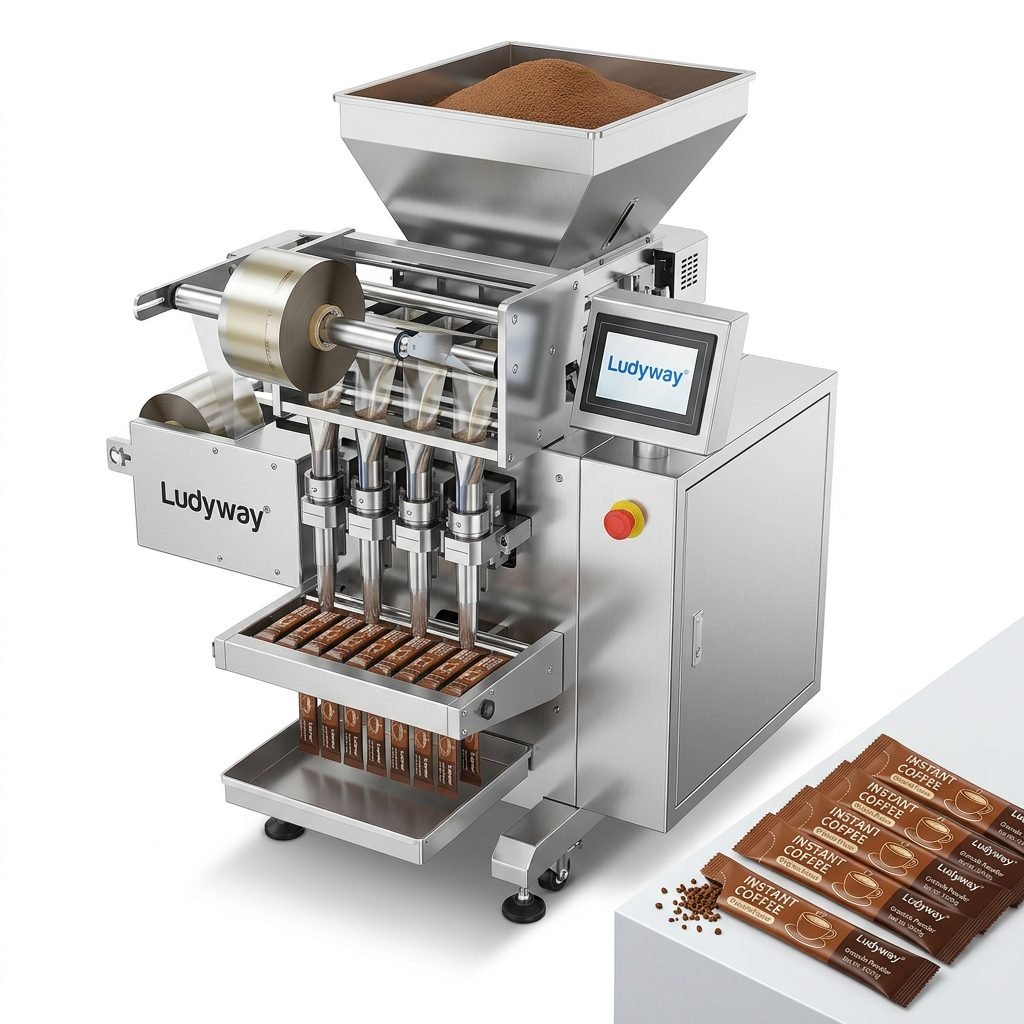
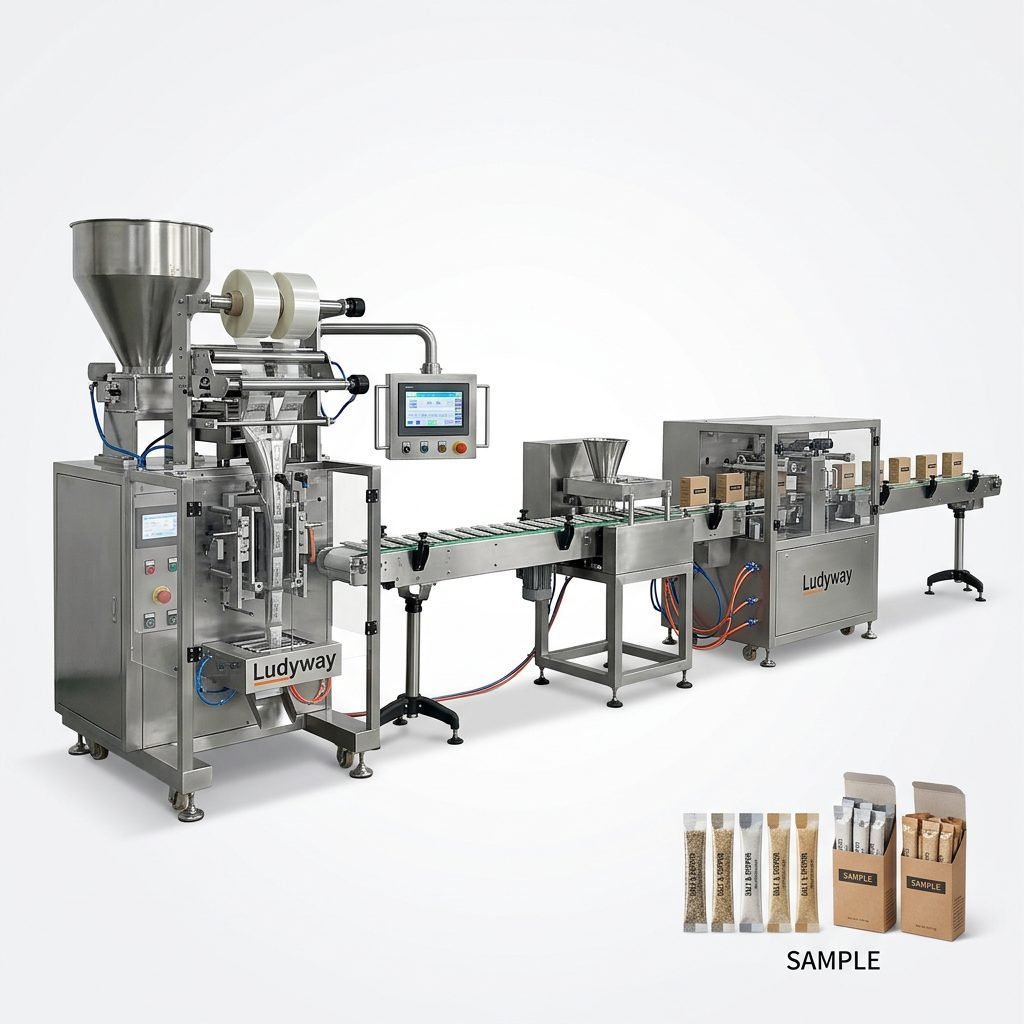
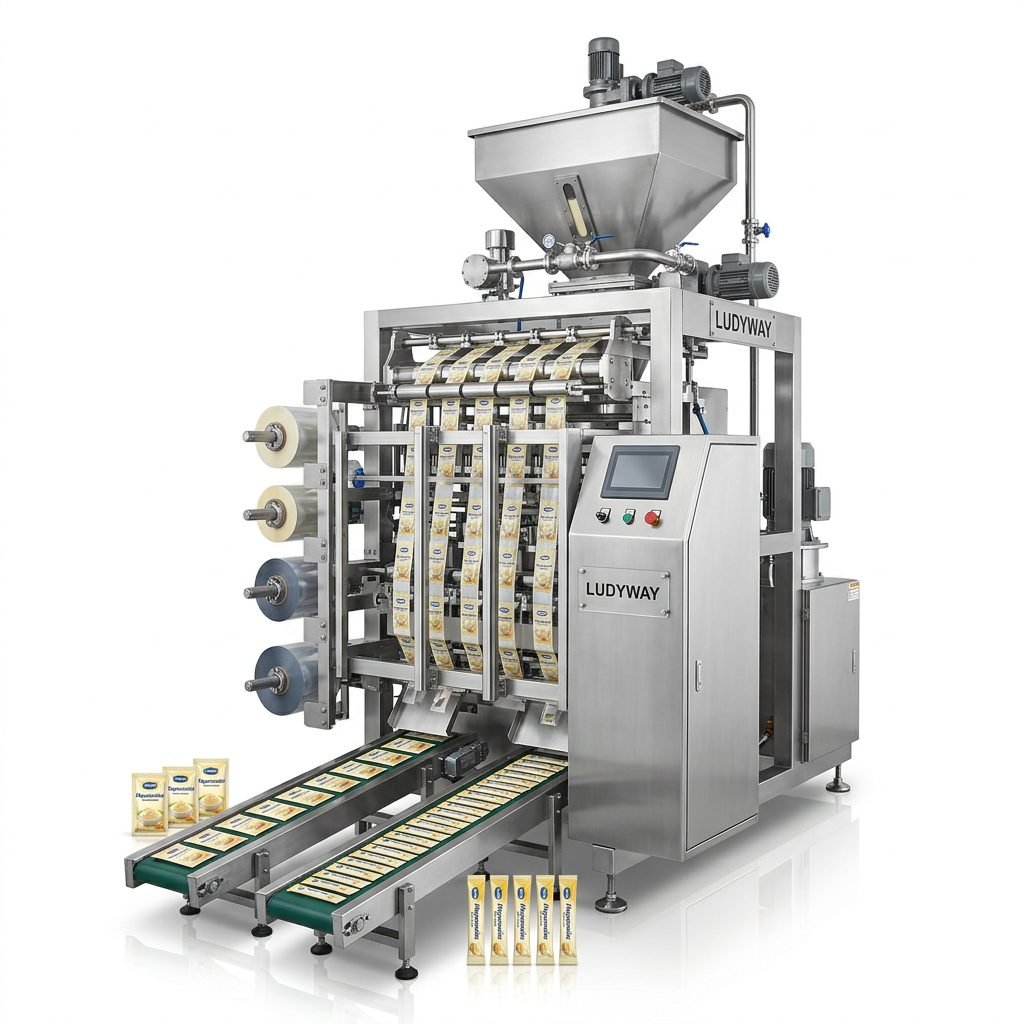
| Stick Pack Machines | Powdered seasonings, bouillon, spice blends, salt | Compact format, precise dosing, excellent shelf presence |
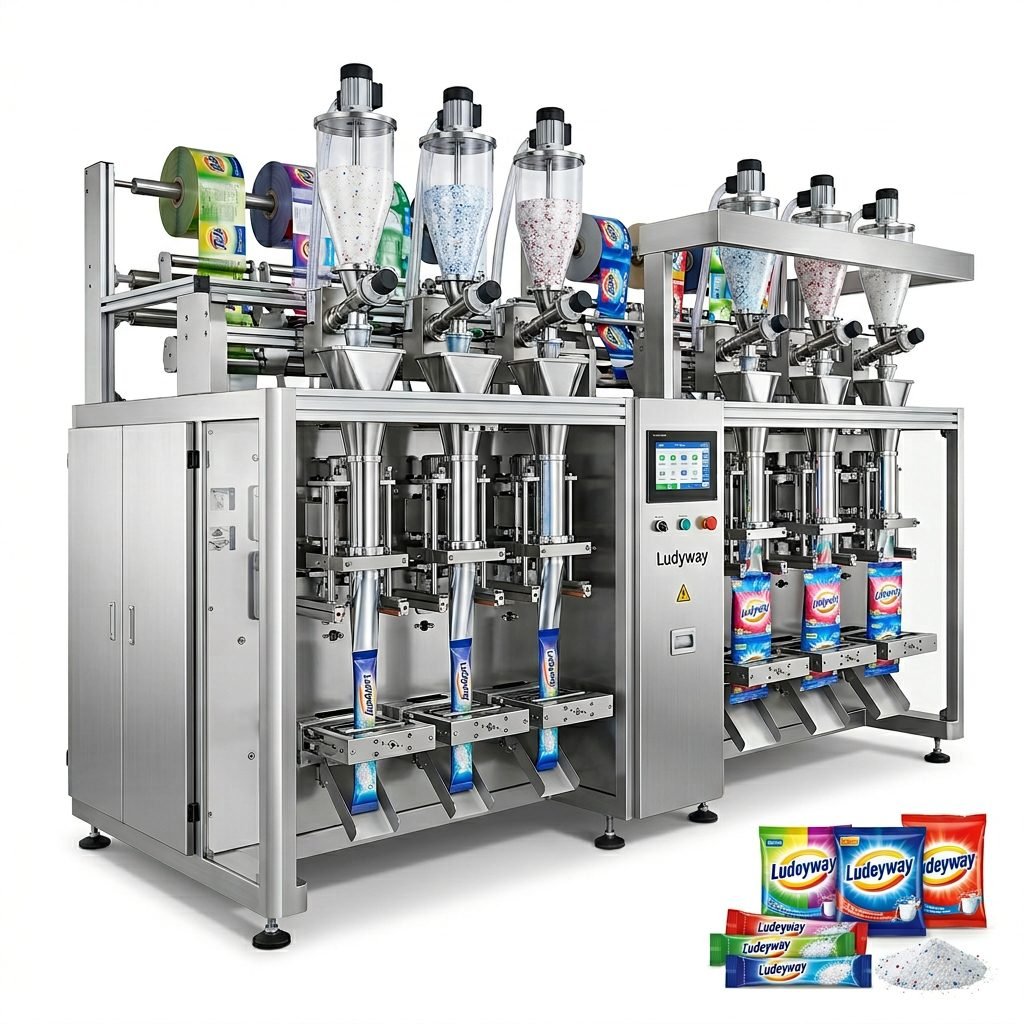
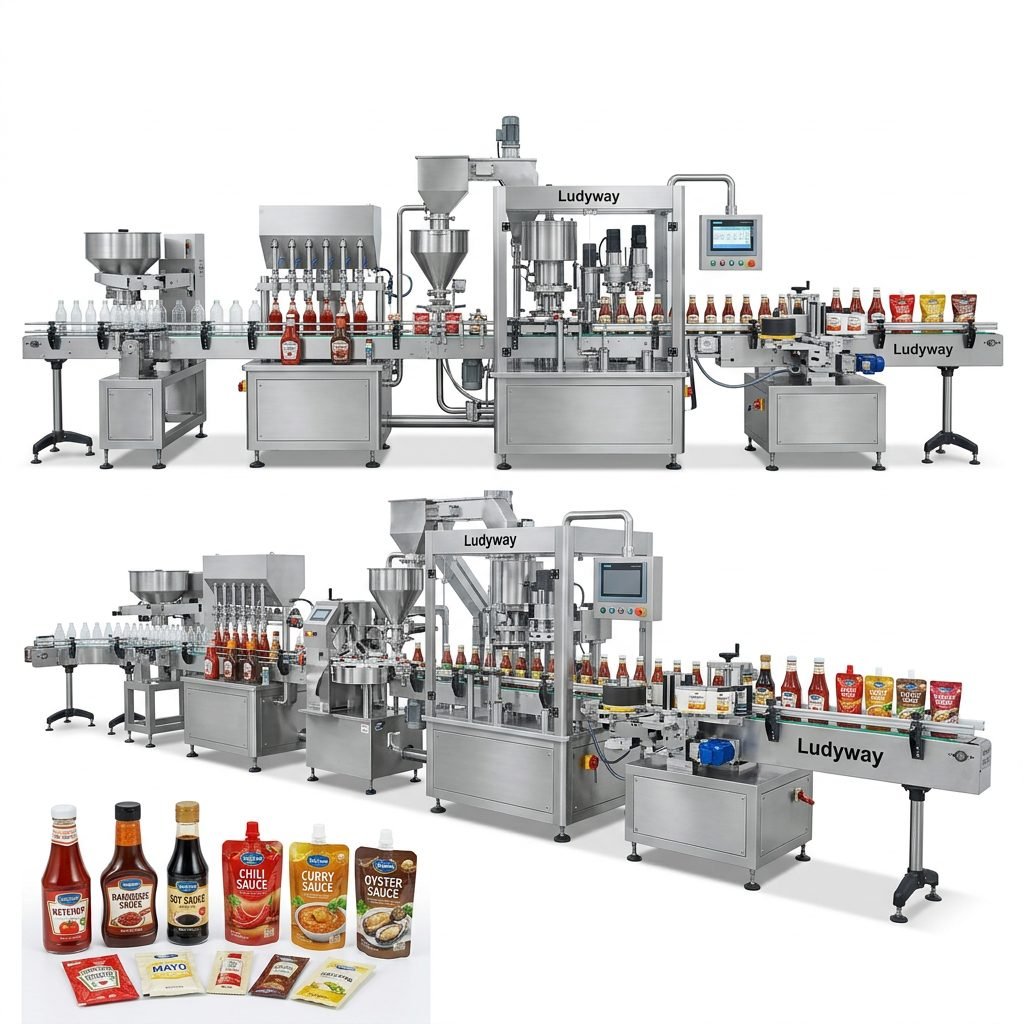
| Multi-Lane Packaging Lines | High-volume condiment producers | Maximum output, reduced labor costs per unit |
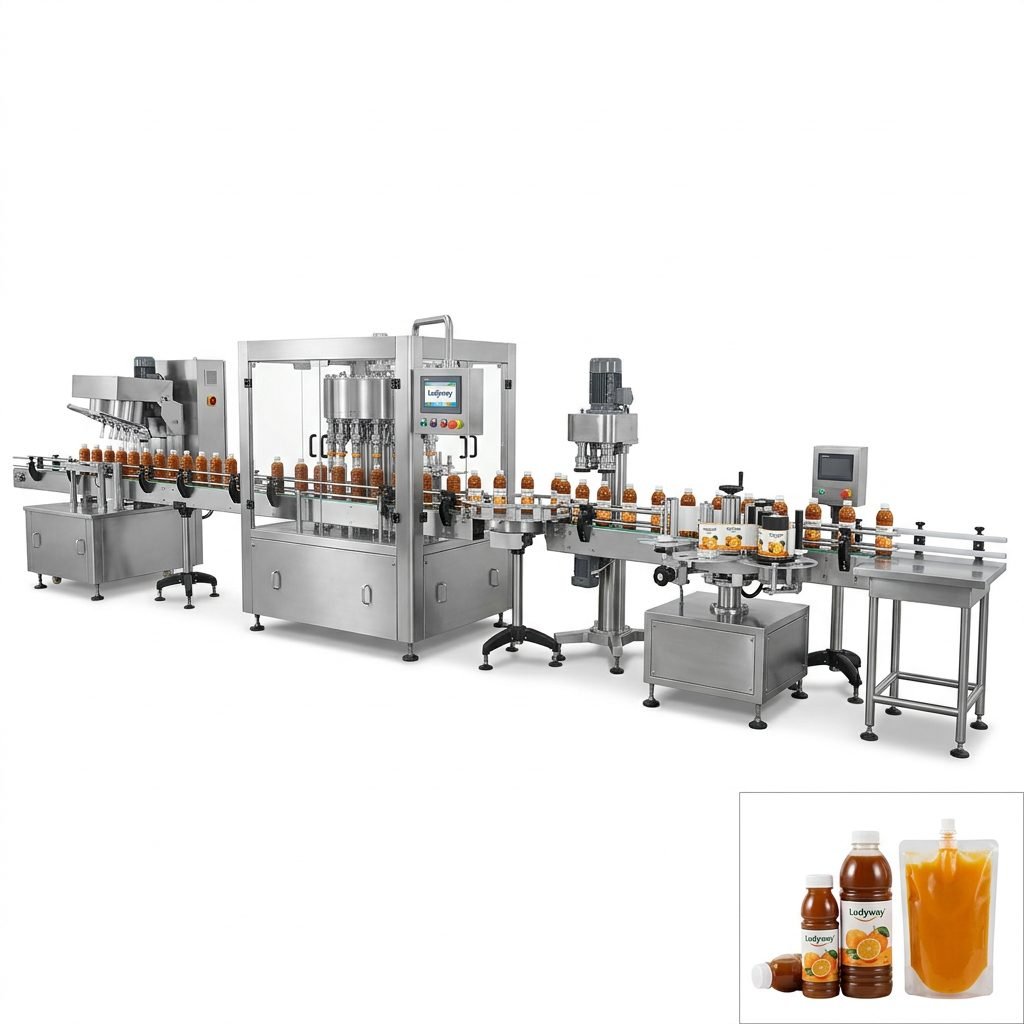
| Liquid Filling and Sealing Systems | Cooking oils, vinegar, soy sauce, liquid seasonings | Precision volumetric filling, leak-proof sealing |
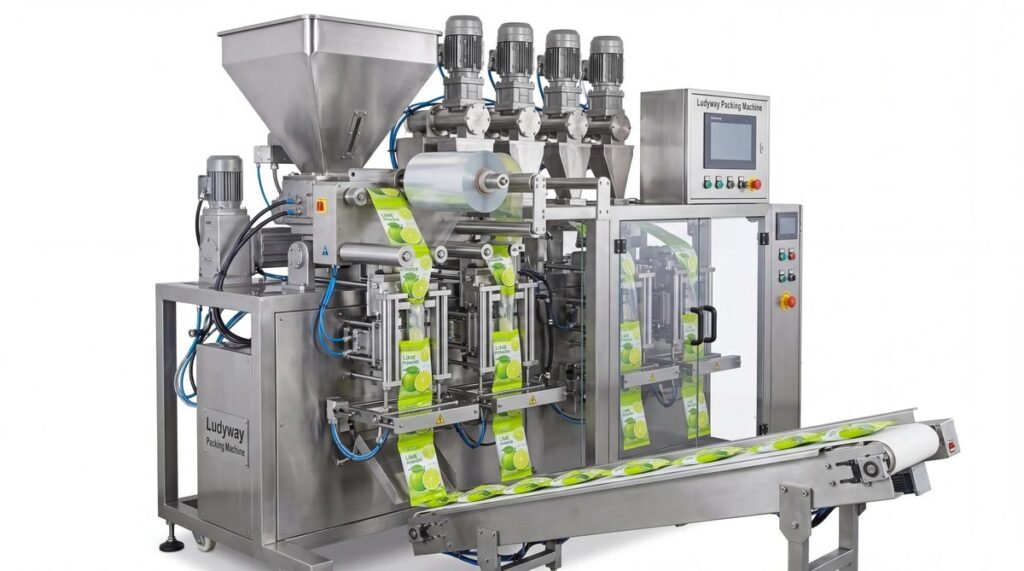
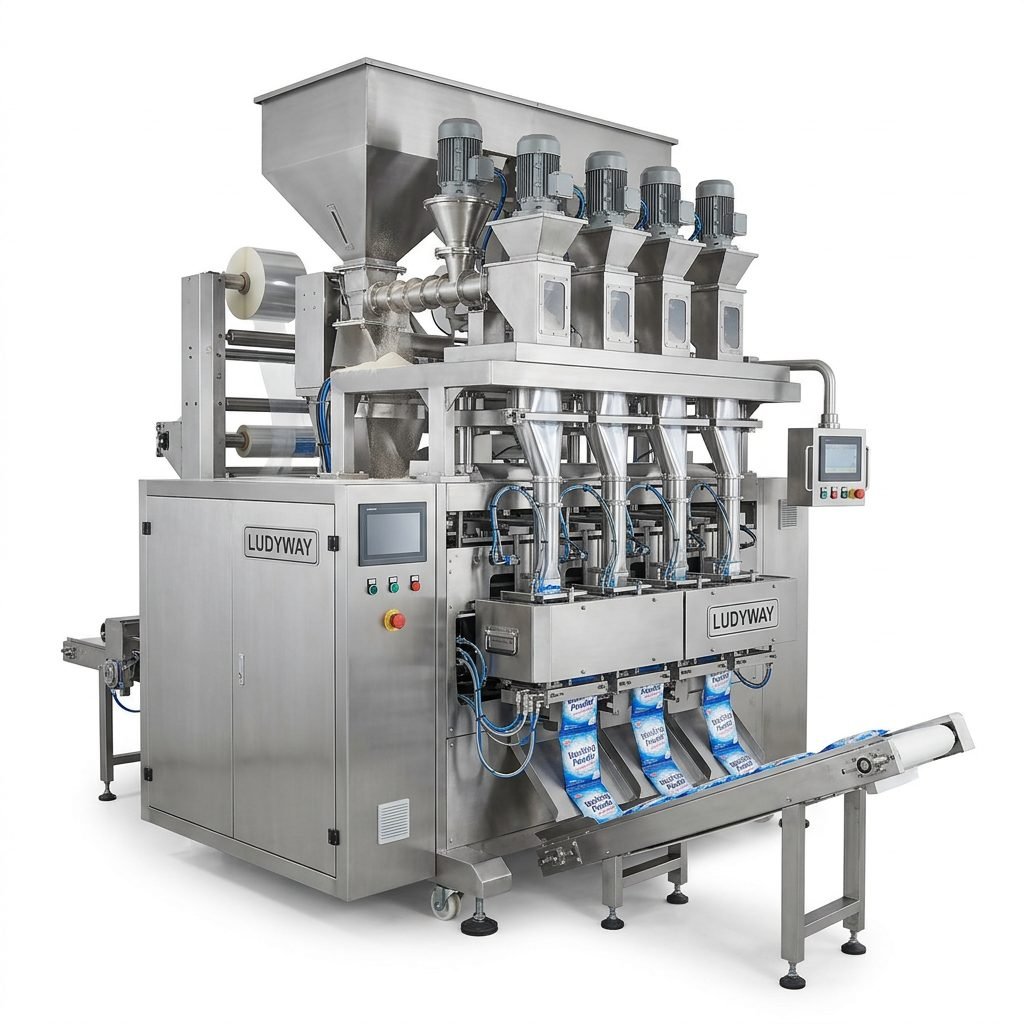
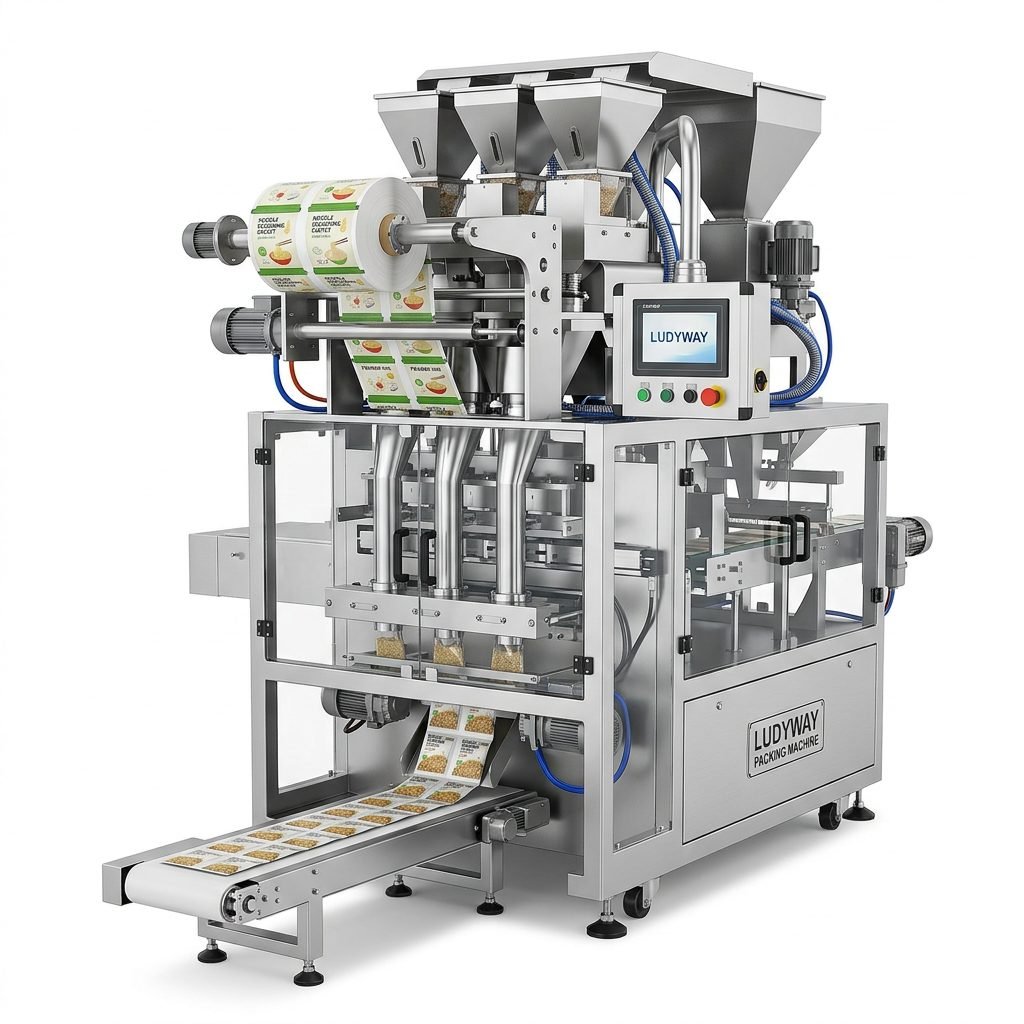
| Granule and Powder Packaging Machines | Spice powders, seasoning mixes, bouillon granules | Accurate weight-based filling, minimal product waste |
Sachet Packaging: The African Market Favorite
Sachet packaging dominates the African condiment market for good reason. Single-serve and small-portion sachets align perfectly with the purchasing power of the continent’s mass consumer base. PMMI packaging industry data consistently shows that flexible packaging formats like sachets are the fastest-growing segment in emerging markets. Machines capable of producing 1ml to 100ml sachet formats offer the versatility needed to package everything from cooking oil samples to full-portion ketchup servings.
Stick Pack Machines for Dry Condiments
For powdered condiments—including bouillon cubes, seasoning salts, and spice blends—stick pack machines offer distinct advantages. These machines produce narrow, elongated packets that are easy to tear open and pour. Modern multi-lane stick pack machines can produce up to 400-600 packs per minute, making them ideal for high-volume seasoning manufacturers targeting both domestic and export markets.

Key Factors to Consider When Buying Condiment Packaging Machines
1. Product Characteristics and Compatibility
Condiments vary widely in viscosity, acidity, particulate content, and flow behavior. A machine designed for free-flowing powders will struggle with viscous tomato paste. Before purchasing, thoroughly assess:
- Viscosity range – Thin liquids (vinegar) require different filling mechanisms than thick pastes (mayonnaise).
- pH levels – Highly acidic condiments like vinegar-based sauces require stainless steel components resistant to corrosion.
- Particulate matter – Condiments with solid particles (chili flakes, herb pieces) need wider filling nozzles and specialized valve systems.
- Foaming tendency – Liquid condiments prone to foaming require filling systems with anti-foam features.
2. Production Capacity Requirements
Accurately estimating your current and future production needs prevents both underinvestment and overspending. Calculate your target output in packs per minute (ppm) or packs per hour, factoring in expected growth over the next 3-5 years. For reference, a small-scale condiment startup might operate at 30-60 ppm, while a national brand serving multiple African countries may require 200-400 ppm multi-lane systems.
| Production Scale | Typical Output | Recommended Configuration |
|---|---|---|
| Startup / Small Business | 30-80 ppm | Single-lane or 4-lane sachet machine |
| Mid-Size Manufacturer | 80-200 ppm | 6-10 lane multi-lane stick pack or sachet system |
| Large-Scale Industrial | 200-600+ ppm | 12-16 lane fully automated packaging line with cartoning |

3. Packaging Material Compatibility
The type of packaging film or laminate your business uses directly impacts machine selection. Common condiment packaging materials include:
- Polyethylene (PE) – Economical, widely available across Africa, suitable for basic liquid and powder sachets.
- PET/Aluminum/PE laminates – Superior barrier properties, ideal for oxygen-sensitive condiments like cooking oils and premium spice blends.
- BOPP/CPP combinations – Commonly used for stick packs, offering good moisture protection and printability.
- Biodegradable films – Growing demand in export-oriented African markets, particularly for shipments to Europe under EU packaging waste regulations.
4. Power Supply and Infrastructure Considerations
One of the most overlooked factors in African industrial procurement is power stability and infrastructure compatibility. Many regions experience voltage fluctuations, frequent outages, or operate on generator power. When selecting a condiment packaging machine, verify:
- Voltage and frequency compatibility – Most African countries operate on 220-240V/50Hz, though some exceptions exist. Ensure the machine matches your local grid or specify accordingly when ordering.
- Generator compatibility – If your facility relies on backup generators, confirm the machine’s tolerance for voltage variance.
- Compressed air requirements – Many automated packaging machines require consistent compressed air supply; budget for a quality air compressor if not already available.
Cost Analysis: Budgeting for Condiment Packaging Equipment
Initial Investment Breakdown
The cost of condiment packaging machines varies significantly based on automation level, speed, and configuration. Understanding the total cost of ownership helps avoid unexpected financial strain:
| Cost Component | Estimated Range (USD) | Notes |
|---|---|---|
| Entry-level single-lane machine | $5,000 – $15,000 | Suitable for startups, manual loading |
| Mid-range multi-lane system (6-8 lanes) | $25,000 – $60,000 | Good balance of output and affordability |
| Full turnkey packaging line | $80,000 – $250,000+ | Includes cartoning, checkweighing, palletizing |
| Shipping and import duties (to Africa) | 10-30% of machine cost | Varies by country and trade agreements |
| Installation and commissioning | $2,000 – $8,000 | Some suppliers include this in the purchase price |
| Annual maintenance and spare parts | $1,500 – $5,000 per year | Depends on machine complexity and usage |

Financing and Payment Options for African Buyers
Several financing avenues exist for African entrepreneurs and companies investing in packaging machinery:
- Supplier financing – Many Chinese and international manufacturers offer flexible payment terms, including 30/70 payment splits (30% deposit, 70% before shipment).
- Development finance institutions – Organizations like the African Development Bank (AfDB) and various export-import banks provide equipment financing at favorable rates.
- Equipment leasing – Growing in popularity across Kenya, South Africa, and Nigeria, leasing allows businesses to preserve working capital while accessing modern equipment.
- Government grants and subsidies – Several African governments offer incentives for food processing investments as part of industrialization policies.
Supplier Selection: What to Look For
Evaluating Condiment Packaging Machine Manufacturers
With numerous suppliers vying for African buyers’ attention, a structured evaluation process helps identify reliable partners. Consider these criteria:
- Industry experience – Look for manufacturers with verified track records in condiment and food packaging specifically, not just general packaging equipment.
- African market presence – Suppliers with existing installations in Africa understand local challenges and have refined machines to suit regional conditions. Testimonials from African clients carry significant weight.
- Technical support availability – Remote troubleshooting capabilities, comprehensive manuals, and video support are crucial for minimizing downtime.
- Spare parts accessibility – Confirm how quickly critical spare parts can be shipped to your location. Ask about recommended spare parts lists for the first year of operation.
Certifications and Compliance
Ensure your chosen supplier meets relevant international standards. ISO packaging standards and FDA food contact compliance are particularly important for condiment applications. Machines should be constructed with food-grade stainless steel at all product contact points and meet CE marking requirements where applicable.
Maintenance and After-Sales Support
Even the finest packaging machinery requires regular maintenance to perform optimally. Preventive maintenance programs can extend machine life by years and prevent costly production stoppages. Key considerations include:
- Scheduled maintenance contracts – Some suppliers offer annual maintenance agreements that include periodic inspections and priority support.
- Operator training – Investigate whether the supplier provides on-site or remote training for your operators. Well-trained staff reduce errors and machine damage.
- Remote diagnostic capabilities – Modern machines increasingly feature IoT-enabled diagnostics that allow suppliers to troubleshoot issues without an on-site visit—particularly valuable for African facilities far from major cities.
- Local service partners – Some international manufacturers partner with local engineering firms in key African markets for faster on-ground support.
About Ludyway
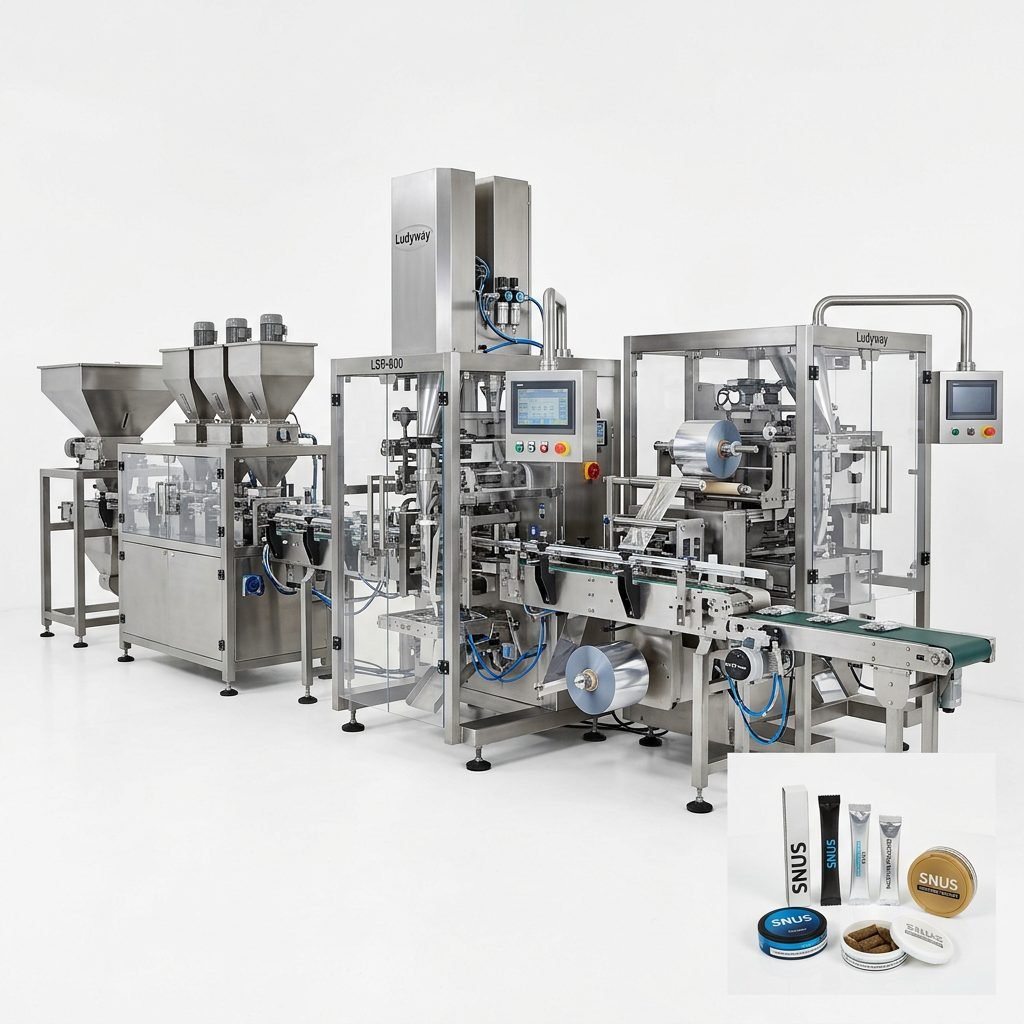
When sourcing condiment packaging machinery for African operations, one notable manufacturer to consider is Ludyway. With over 30 years of industry expertise and a modern 20,000㎡ manufacturing facility, Ludyway specializes in advanced packaging equipment and turnkey production solutions for the food, pharmaceutical, and health industries. The company offers more than 50 intelligent packaging machine models, including multi-lane stick pack, sachet, and fully automated packaging systems, serving customers in over 100 countries and regions. Their machines are designed for granule, powder, liquid, and pouch packaging applications, making them well-suited for the diverse condiment products common in African markets. Learn more about Ludyway’s global growth and export capabilities.
Regional Insights: Condiment Packaging Across Africa
West Africa: Nigeria and Ghana Lead the Way
Nigeria’s condiment market, valued at over $1.5 billion annually, represents the largest opportunity on the continent. Bouillon cubes, seasoning powders, and tomato-based sauces dominate the packaged condiment segment. Ghana’s growing food processing sector similarly demands reliable sachet and stick pack solutions, with cocoa-related condiment products gaining traction in export markets.
East Africa: Kenya, Tanzania, and Ethiopia
East Africa’s condiment industry is characterized by strong demand for spice blends, chili sauces, and cooking fat products. Kenya in particular has seen a surge in SME food processors investing in small to mid-scale packaging equipment. The region’s growing horticultural export sector also creates demand for condiment-adjacent packaging solutions.
Southern Africa: South Africa’s Sophisticated Market
South Africa boasts the continent’s most developed food processing infrastructure, with condiment manufacturers requiring high-speed, fully automated packaging lines to compete with imported brands. The country’s stringent food safety regulations also drive demand for machines that meet international hygiene and traceability standards.
North Africa: Gateway to European and Middle Eastern Markets
Morocco, Egypt, and Tunisia have well-established condiment export industries, particularly for harissa, preserved lemons, and olive-based products. Packaging machines serving this region often require EU-compliant packaging formats and materials to facilitate seamless export.
Common Mistakes to Avoid When Buying Condiment Packaging Machines
1. Prioritizing Price Over Total Cost of Ownership
A cheaper machine that breaks down frequently or produces inconsistent fills will cost far more over its lifetime than a slightly more expensive, reliable unit. Calculate true total cost of ownership including downtime, rejects, spare parts, and energy consumption.
2. Ignoring After-Sales Support Quality
In the African context, where local technical expertise may be limited, supplier responsiveness is paramount. Before purchasing, test the supplier’s communication by sending technical queries and evaluating their response time and quality. A supplier who is slow before the sale will likely be slower after.
3. Underestimating Installation and Commissioning Complexity
Some buyers assume packaging machines are “plug and play.” In reality, proper installation, calibration, and operator training can take days or weeks. Budget for commissioning support and avoid scheduling production deadlines too close to the installation date.
4. Overlooking Future Flexibility Needs
Today’s tomato paste sachet might be tomorrow’s chili sauce or spice blend. Whenever possible, select machines with adjustable parameters and compatibility with multiple packaging formats. This flexibility safeguards your investment as product lines evolve.
Regulatory Considerations for African Condiment Packaging
Food safety regulations across Africa are becoming increasingly stringent, aligned with international standards. Key regulatory bodies include:
- NAFDAC (Nigeria) – National Agency for Food and Drug Administration and Control sets packaging material and hygiene standards.
- KEBS (Kenya) – Kenya Bureau of Standards mandates specific labeling and packaging requirements for food products.
- SAHPRA (South Africa) – Regulates food contact materials and packaging safety.
- GSA (Ghana) – Ghana Standards Authority oversees food packaging compliance.
Your packaging machinery should facilitate compliance with food contact substance regulations and enable proper date coding, batch tracking, and tamper-evident sealing required by these authorities.
Future Trends Affecting Condiment Packaging in Africa
Sustainable Packaging Movement
Globally, there is growing pressure to reduce plastic waste. African condiment manufacturers targeting export markets or premium domestic segments should consider machines compatible with recyclable mono-materials and biodegradable films. The Flexible Packaging Association notes that sustainable flexible packaging is the fastest-growing innovation area in the industry.
Smart Factory Integration
Industry 4.0 technologies are gradually penetrating African manufacturing. Machines with IoT connectivity, real-time production monitoring, and predictive maintenance alerts offer significant advantages for larger operations. While the initial investment is higher, the long-term efficiency gains can be substantial.
E-Commerce-Ready Packaging Formats
As online grocery shopping expands in Africa’s urban centers, condiment packaging must withstand the rigors of e-commerce logistics—including multiple handling points, potential compression, and longer delivery chains. Packaging machines that produce durable, leak-resistant formats will be increasingly valued.
Conclusion: Making the Right Investment
Purchasing condiment packaging machines for the African market represents a significant but rewarding investment. By carefully evaluating your product characteristics, production scale, budget constraints, and supplier reliability, you can select equipment that drives business growth for years to come.
The African condiment industry’s trajectory points toward continued expansion and modernization. Those who invest wisely in appropriate packaging technology today will be well-positioned to capture market share as consumer demand accelerates. Whether you choose a compact sachet machine for a startup operation or a sophisticated multi-lane turnkey line for large-scale production, thorough research and due diligence are your most valuable tools.
For further guidance on packaging machinery standards and industry benchmarks, consult resources from PMMI – The Association for Packaging and Processing Technologies and Flexible Packaging Association. These organizations provide valuable market intelligence and technical standards relevant to condiment packaging operations worldwide.
Frequently Asked Questions
What is the average lifespan of a condiment packaging machine?
A well-maintained condiment packaging machine can operate efficiently for 8-15 years. Regular preventive maintenance, timely replacement of wear parts, and proper operator training significantly extend equipment longevity.
Can one machine handle both liquid and powder condiments?
Some advanced multi-lane machines are designed to handle both liquid and powder products with interchangeable filling systems. However, for optimal performance and hygiene, many manufacturers recommend dedicated machines for each product category, especially when dealing with allergens or strong-flavored condiments.
How long does shipping to Africa typically take?
Shipping from Asia (China, India) to major African ports typically takes 25-45 days depending on the destination. Inland transportation from ports to final locations can add additional weeks. Plan your procurement timeline accordingly and factor in customs clearance procedures.
What training is required for machine operators?
Most suppliers provide 3-7 days of on-site training for machine operators, covering setup, operation, cleaning, basic troubleshooting, and safety procedures. Some also offer video training materials and remote support for ongoing skill development.
Are spare parts readily available in Africa?
Availability varies by supplier and country. Leading international manufacturers typically ship critical spare parts within 3-7 business days via express courier. It is advisable to purchase a recommended spare parts kit with your initial machine order to have essential components on hand.