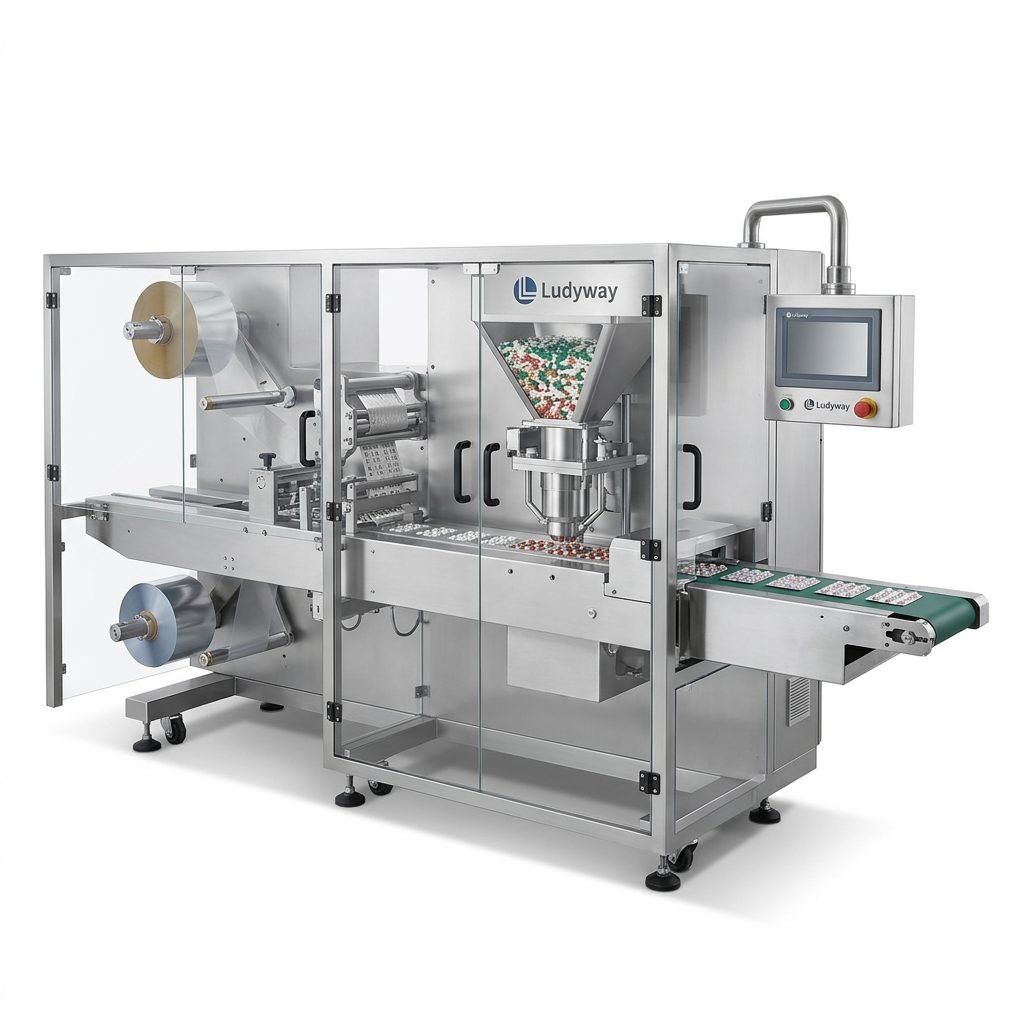
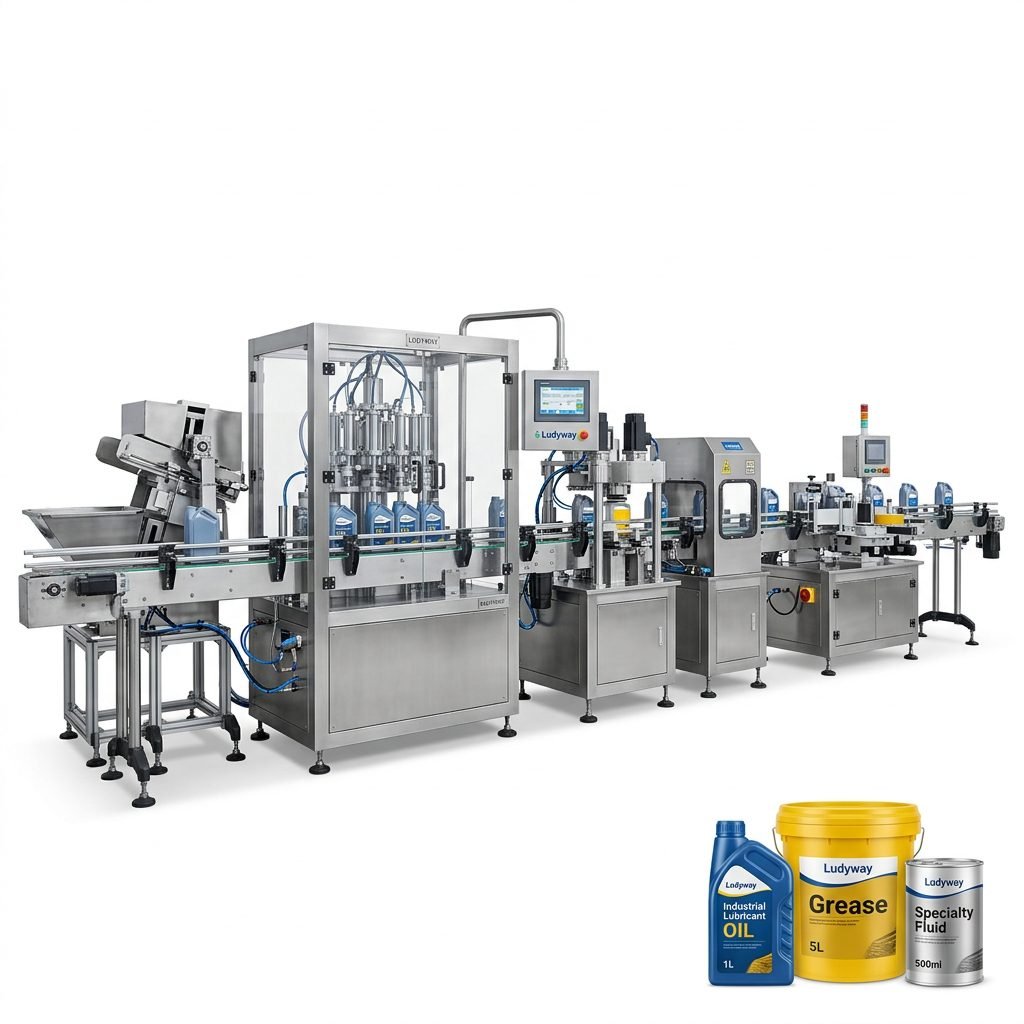
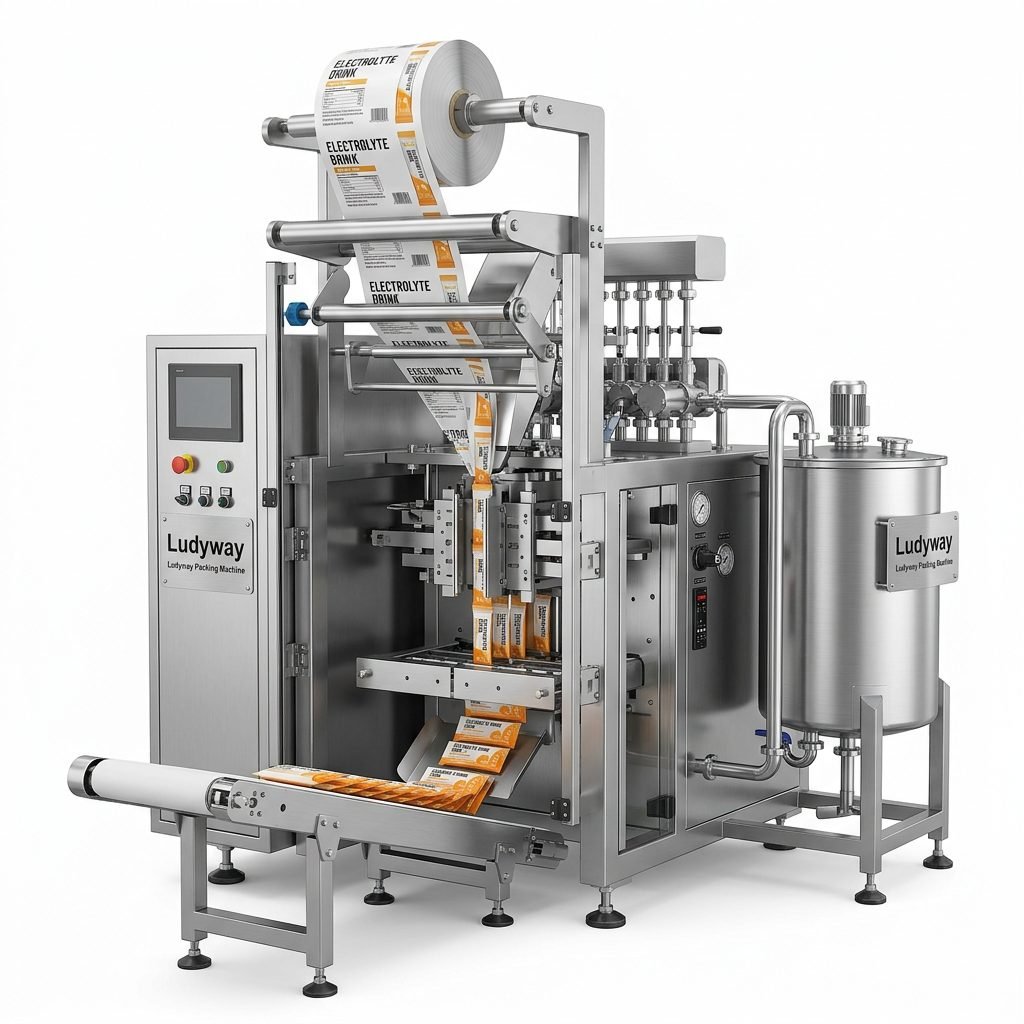
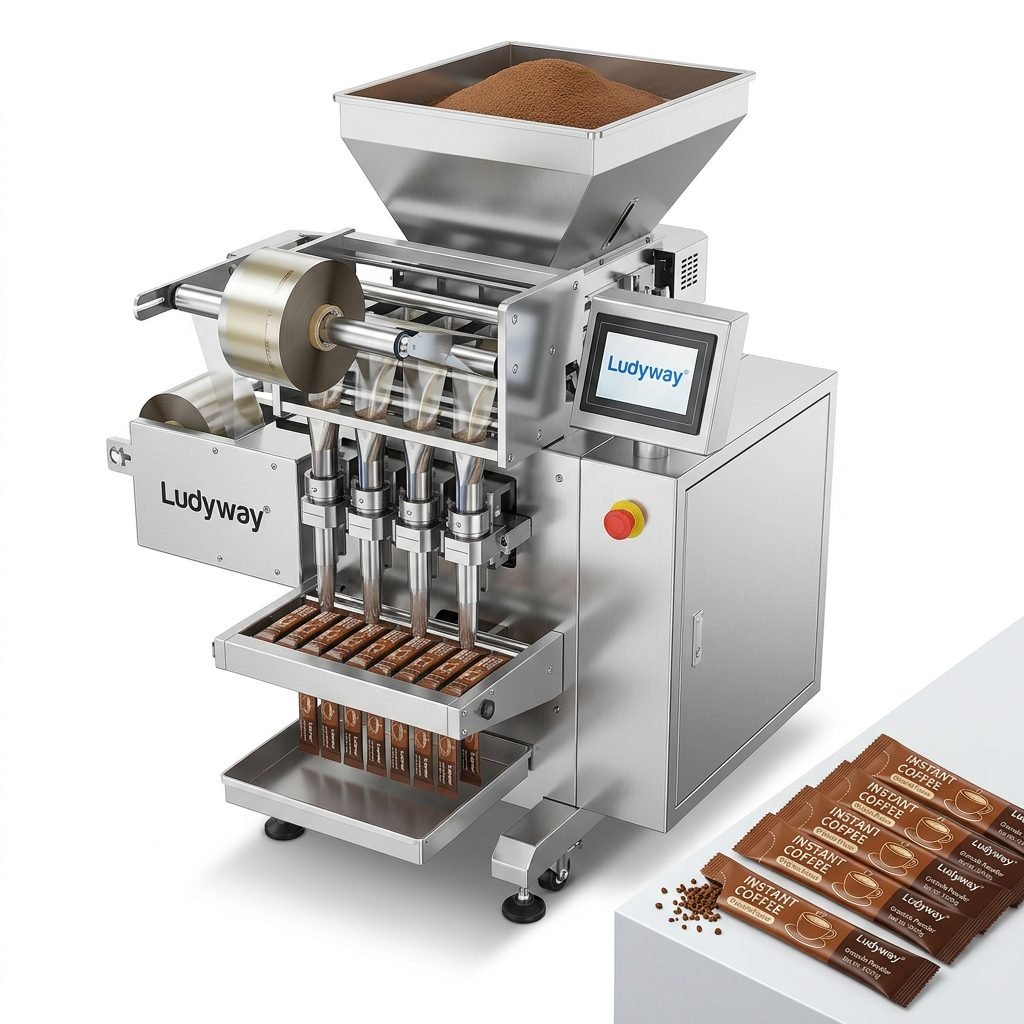
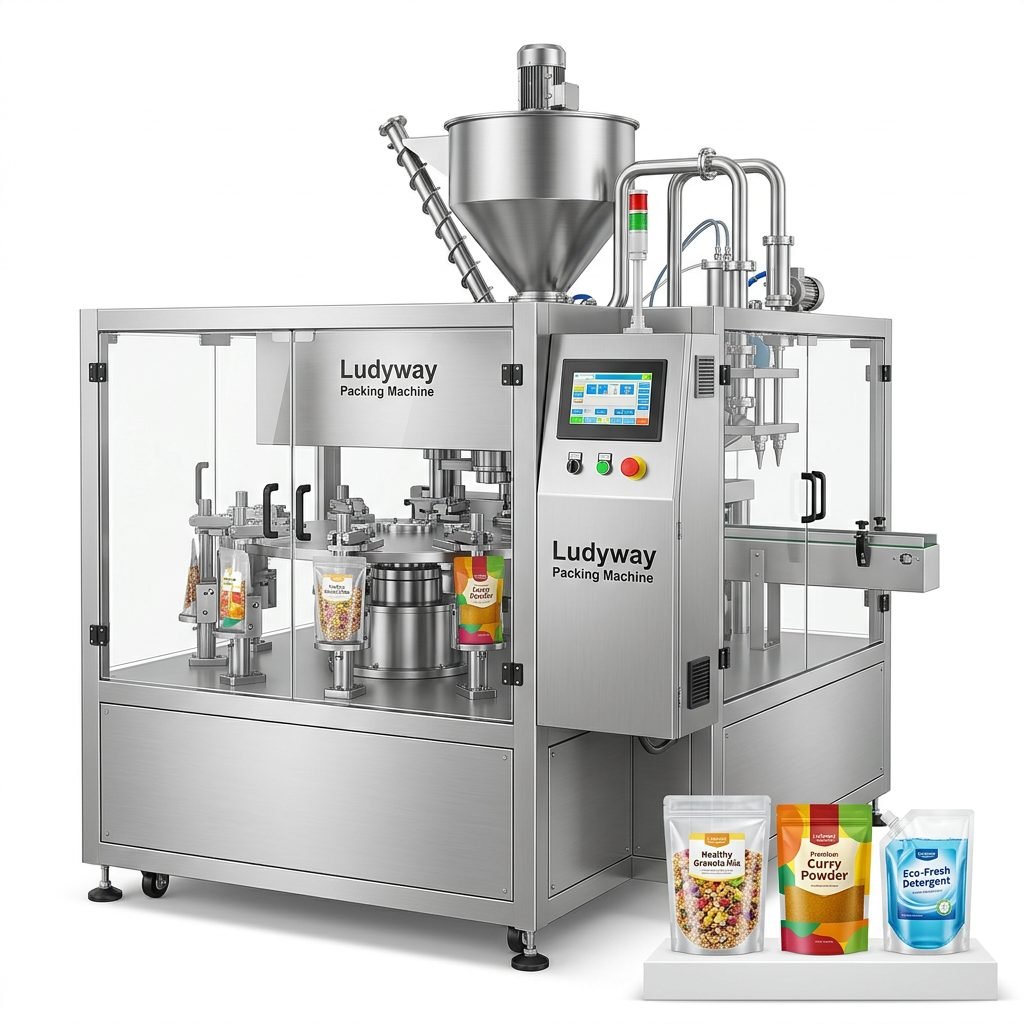
In today’s competitive food manufacturing landscape, efficient and reliable sauce packaging machines are critical to maintaining product quality, extending shelf life, and meeting growing consumer demand. From tomato ketchup and mayonnaise to soy sauce, chili paste, and curry sauces, liquid and semi-liquid condiments require precision filling, leak-proof sealing, and high-speed automation to stay profitable at scale. Manufacturers worldwide are turning to advanced multi-lane sachet and stick pack systems that deliver both speed and versatility.
Selecting the right packaging partner can make the difference between seamless production and costly downtime. This article explores the key features, technological innovations, and industry-specific benefits that make advanced sauce packaging solutions the preferred choice for food manufacturers across more than 100 countries.
The Growing Demand for Automated Sauce Packaging
The global sauce and condiment market continues to expand rapidly, driven by changing consumer preferences, rising demand for convenience foods, and the growth of food service industries worldwide. According to industry data from the PMMI – The Association for Packaging and Processing Technologies, flexible packaging formats including sachets and stick packs are among the fastest-growing segments in food packaging.
Single-serve sauce packets have become ubiquitous across restaurants, airlines, hotels, catering services, and retail channels. This surge in demand places immense pressure on manufacturers to adopt packaging machinery that can handle:
- High-volume production without compromising fill accuracy
- Multiple sauce viscosities ranging from thin soy sauce to thick mayonnaise
- Stringent hygiene standards required for food-grade packaging
- Rapid format changeovers between different sachet sizes and styles
- Extended operational reliability with minimal maintenance requirements
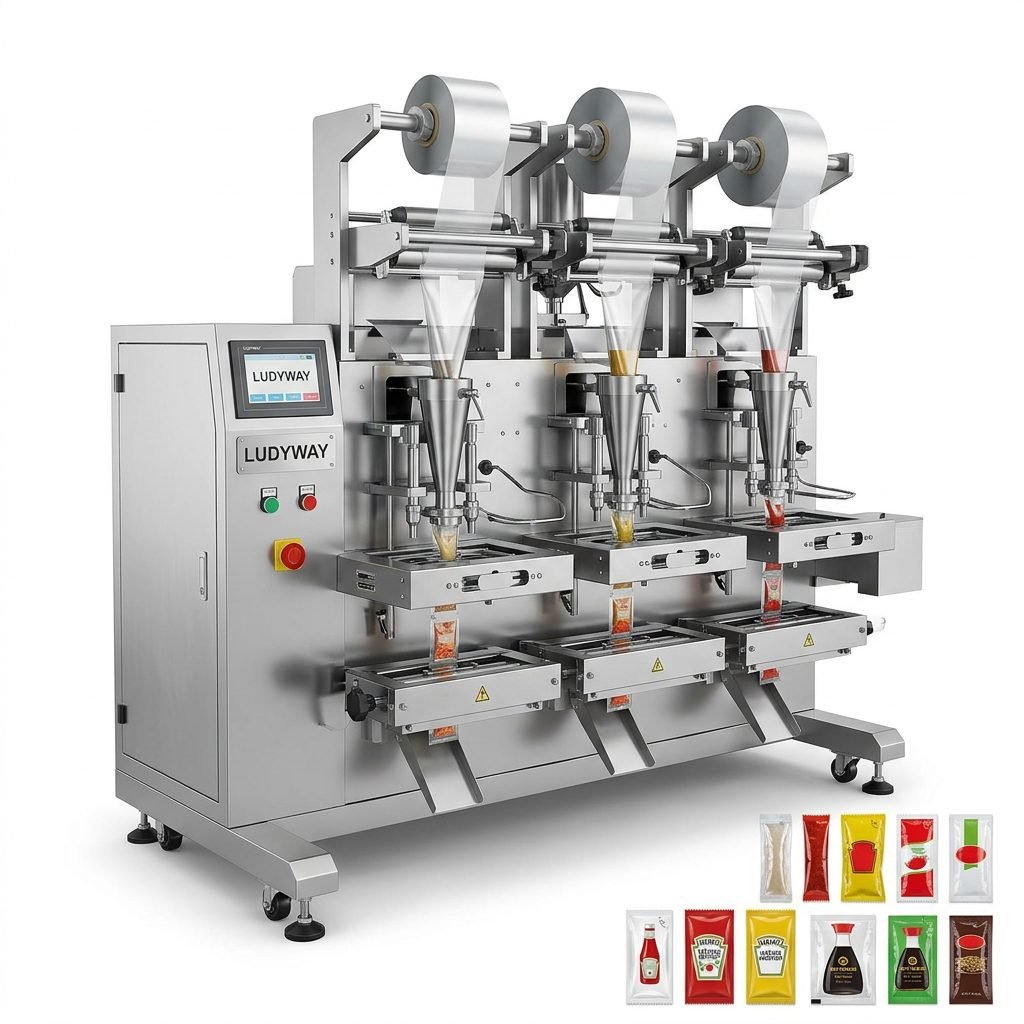
Key Advantages of Multi-Lane Sauce Packaging Machines
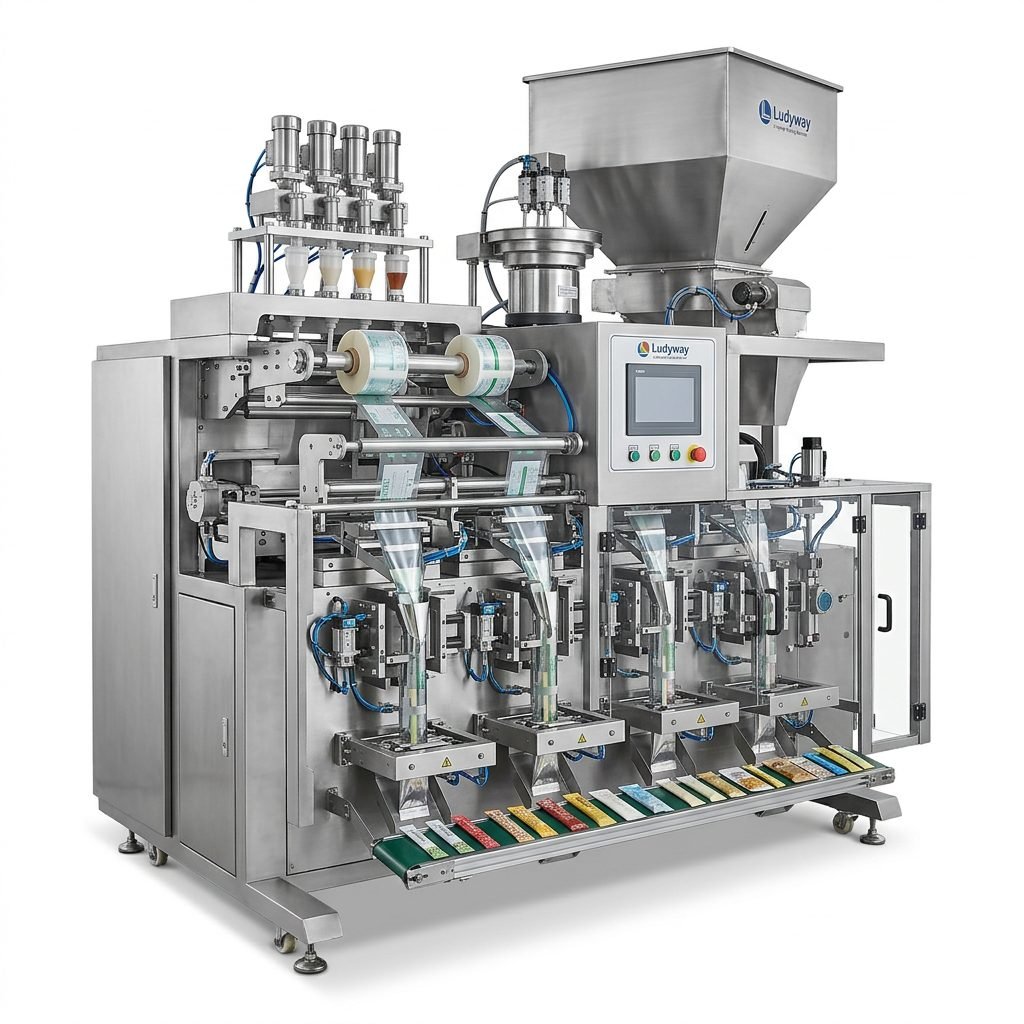
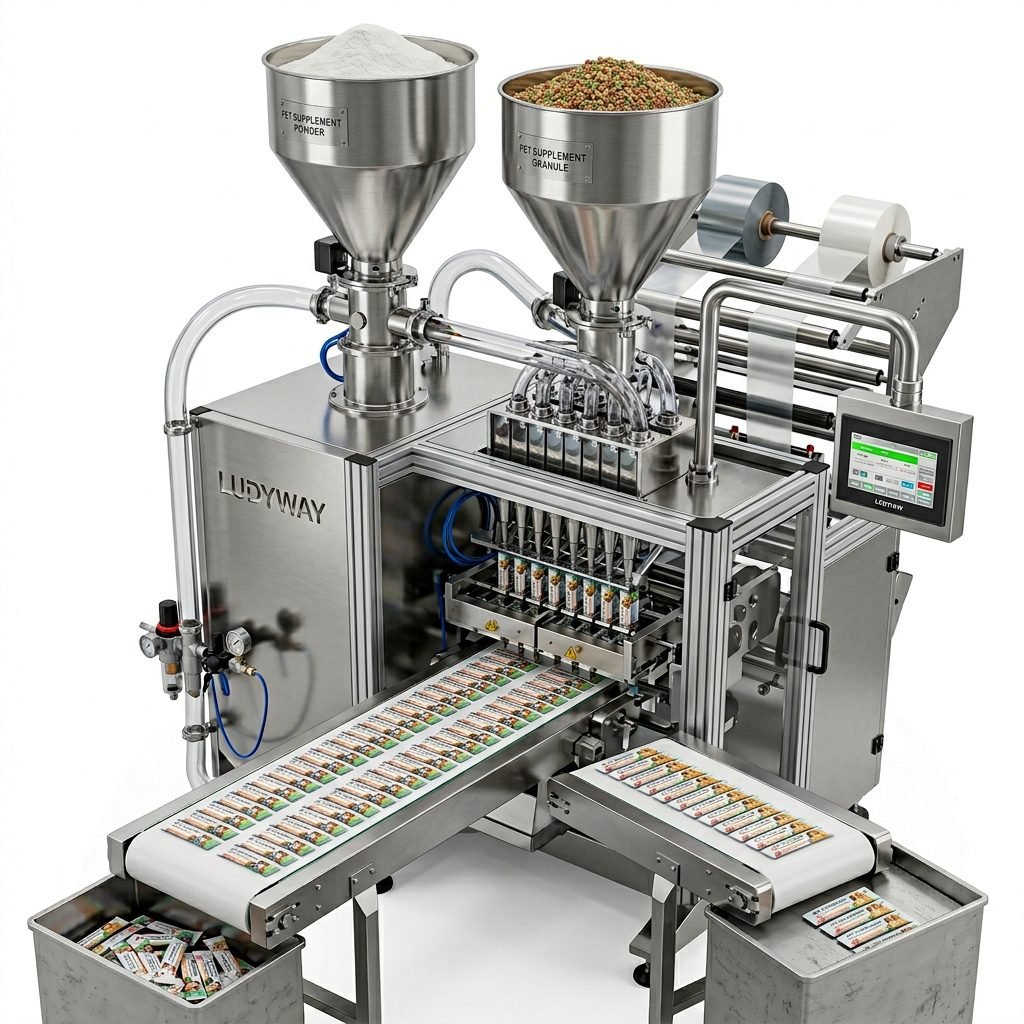
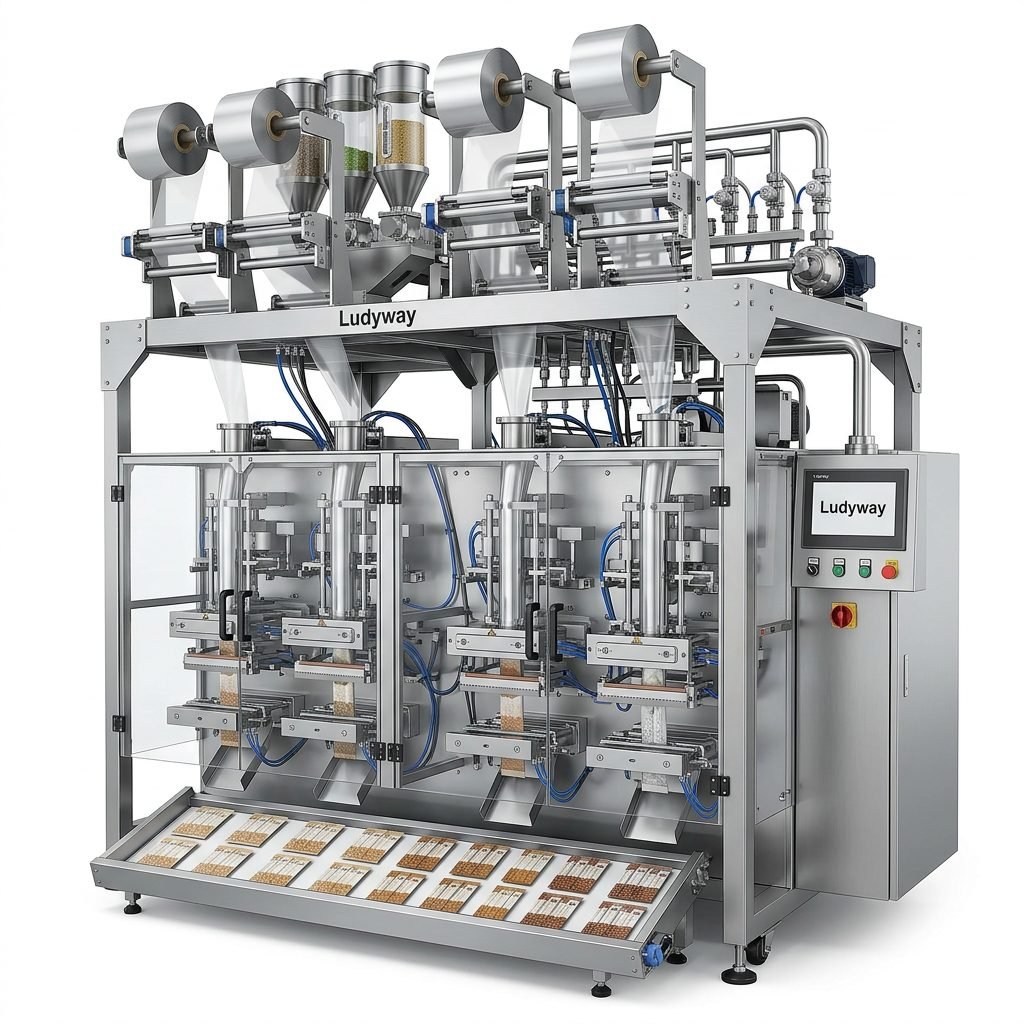
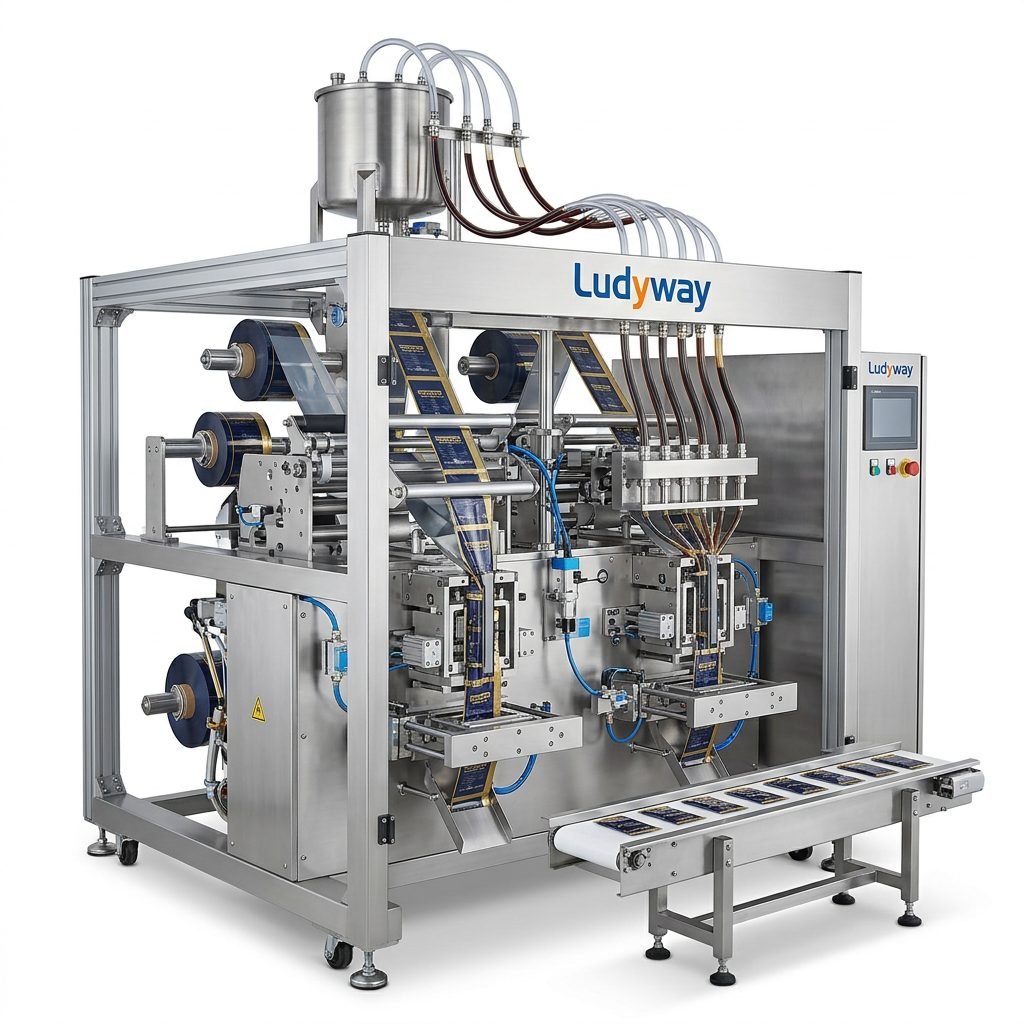
Modern multi-lane sachet packaging systems have transformed how sauce manufacturers approach production. Unlike traditional single-lane equipment, multi-lane machines can simultaneously fill and seal multiple sachets, dramatically boosting output while maintaining consistent quality across every unit.
High-Speed Precision Filling
Advanced servo-driven filling mechanisms ensure volumetric accuracy within ±0.5% for most sauce products. Whether dealing with water-thin fish sauce or viscous chocolate syrup, precision dosing pumps and flow meters guarantee each sachet receives exactly the programmed volume. This level of accuracy directly translates to reduced product giveaway, lower material waste, and improved profitability.
Versatility Across Sauce Types
Leading sauce packaging machines accommodate an extensive range of liquid and paste products, including:
- Ketchup and tomato-based sauces
- Mayonnaise and creamy dressings
- Soy sauce and fish sauce
- Chili sauce, hot sauce, and pepper pastes
- Mustard and vinegar-based condiments
- Curry sauces and gravies
- Barbecue and marinade sauces
- Cooking oils and specialty liquid seasonings
Leak-Proof Sealing Technology
Nothing damages brand reputation faster than leaking sauce packets. Advanced heat-sealing systems with multi-zone temperature control create robust, hermetic seals that withstand distribution stress, temperature fluctuations, and rough handling. For oxygen-sensitive sauces, nitrogen-flushing capabilities extend shelf life by displacing residual air inside each sachet.
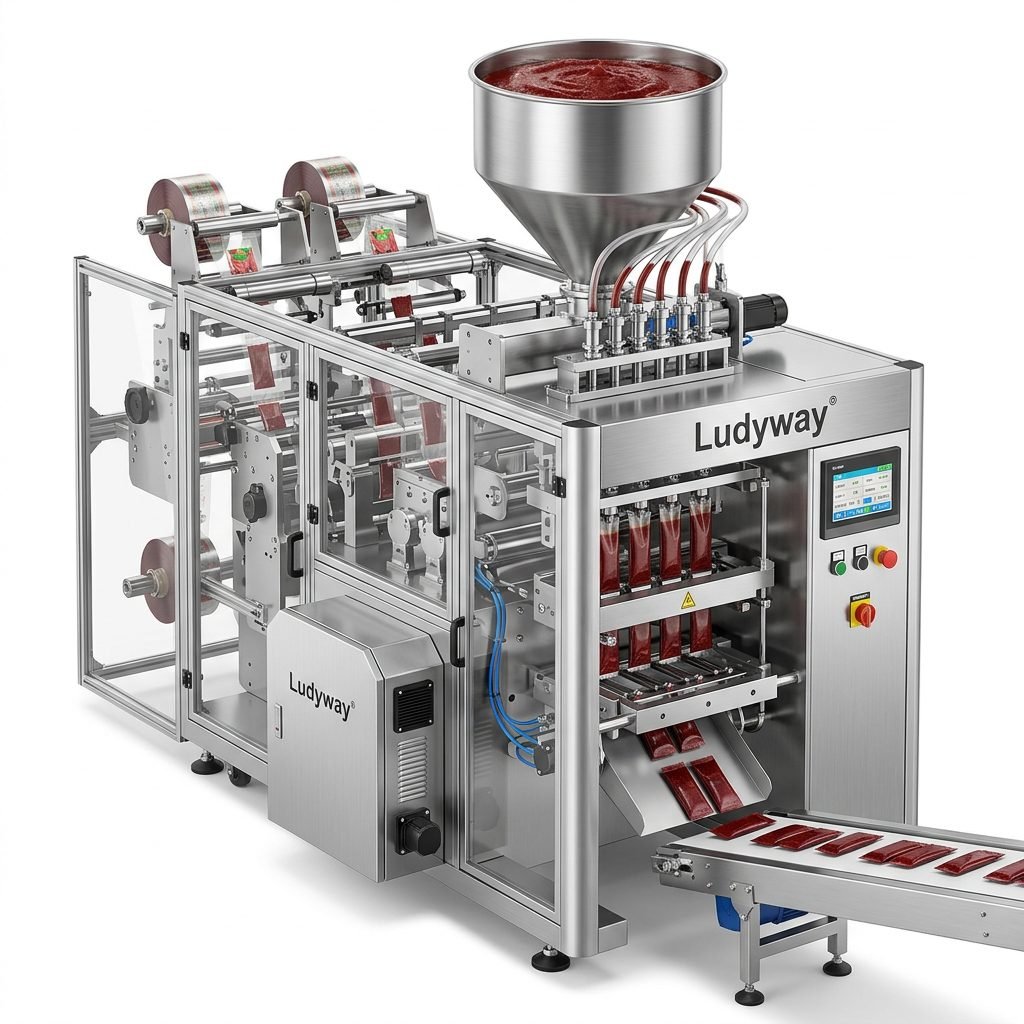
Technical Specifications Overview
The following table summarizes key technical parameters that food manufacturers should evaluate when selecting a sauce packaging machine for industrial production:
| Feature | Standard Configuration | Advanced Options |
|---|---|---|
| Number of Lanes | 4-12 lanes | Up to 20+ lanes |
| Filling Range | 1-50 ml per sachet | Customizable up to 500 ml |
| Production Speed | 30-60 packs/lane/min | Up to 80 packs/lane/min |
| Sachet Formats | 3-side seal, 4-side seal | Stick pack, gusseted pouch |
| Film Materials | Laminated PET/PE, AL/PE | Biodegradable films, high-barrier materials |
| Control System | PLC with touch screen HMI | IoT-enabled remote monitoring |
| Cleaning System | CIP (Clean-in-Place) | Automated SIP (Sterilize-in-Place) |
Industry Applications and Case Studies
Sauce packaging machines serve diverse sectors within the global food industry. Each application demands specific machine configurations to meet regulatory standards and consumer expectations. The Flexible Packaging Association provides comprehensive resources on packaging standards that apply across these applications.
Food and Condiment Industry
Large-scale condiment manufacturers rely on high-output sauce sachet packaging equipment to produce millions of single-serve packets monthly. From ketchup sachets for fast-food chains to soy sauce packets for sushi retailers, automated multi-lane systems ensure consistent fill weights, secure seals, and branded packaging that meets retail display requirements.
Food Service and Hospitality
Hotels, airlines, and catering companies depend on portion-controlled sauce packaging for cost management and waste reduction. Stick pack formats have gained popularity in this segment due to their compact size, easy-open features, and precise portioning. Modern machines offer rapid changeovers between different sauce types and pack formats to accommodate diverse menu requirements.
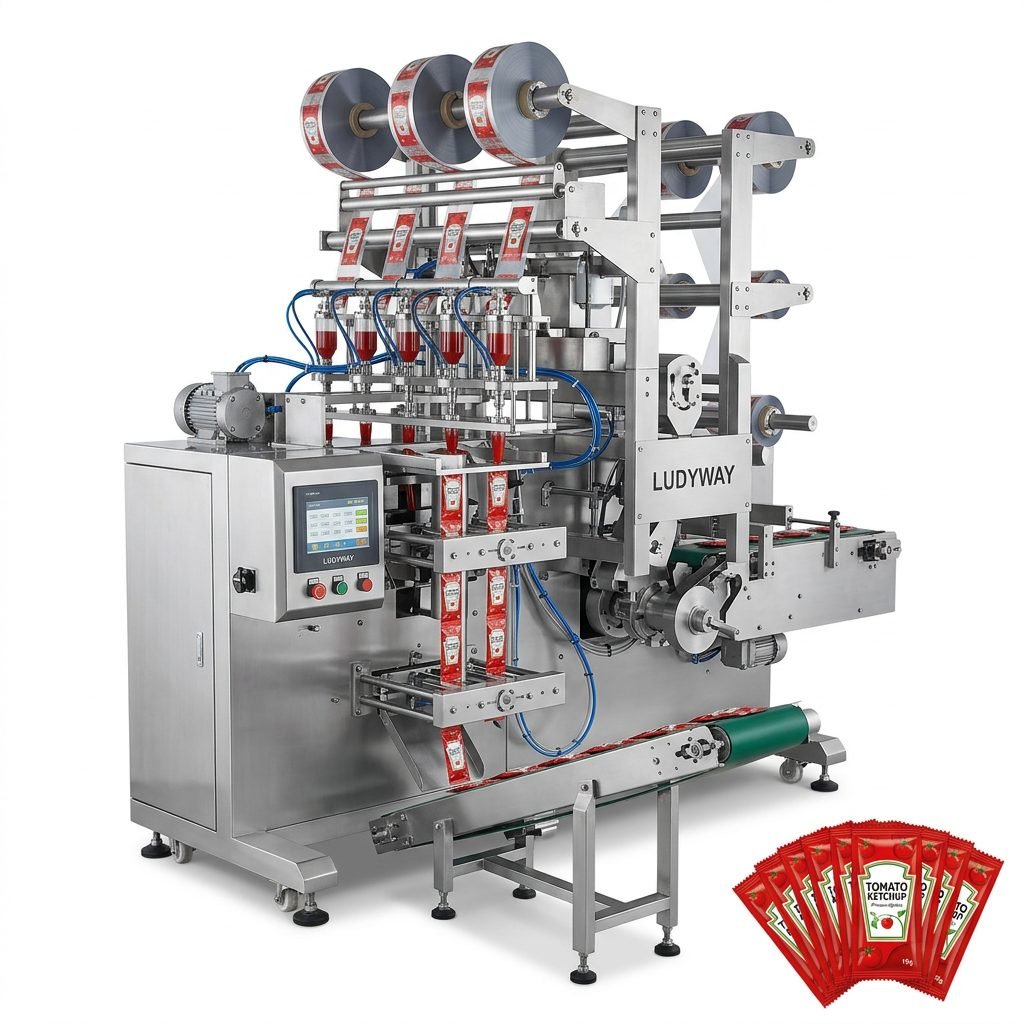
Meeting Global Packaging Standards
Food manufacturers exporting sauce products internationally must comply with stringent food safety regulations and packaging standards. Reputable packaging machinery is designed to meet FDA, EU, and ISO requirements for food contact materials and packaging processes. Key certifications and standards relevant to sauce packaging include:
- FDA 21 CFR – Regulations for food contact substances and packaging materials
- EU Regulation (EC) No 1935/2004 – Framework for materials intended to come into contact with food
- ISO 22000 – Food safety management systems applicable to packaging operations
- HACCP compliance – Hazard analysis and critical control points for food packaging lines
- CE marking – Conformity with European health, safety, and environmental standards
For detailed regulatory guidance, manufacturers can reference resources from the FDA – Food Packaging and Food Contact Substances division and the ISO Packaging Standards collection.
Operational Efficiency and Cost Benefits
Investing in advanced sauce packaging automation delivers measurable returns across multiple operational dimensions. Beyond the obvious throughput gains, manufacturers benefit from:
- Reduced labor costs – Fully automated systems require minimal operator intervention, with one technician often managing multiple lines simultaneously
- Lower material waste – Precision film tracking and accurate filling minimize packaging material scrap and product giveaway
- Faster changeover times – Tool-less adjustments and recipe-based settings enable transitions between products in minutes rather than hours
- Improved uptime – Robust mechanical design and predictive maintenance capabilities keep production lines running longer
- Energy efficiency – Modern servo drives consume significantly less power compared to older pneumatic or mechanical systems
Why Choose Ludyway for Your Sauce Packaging Needs
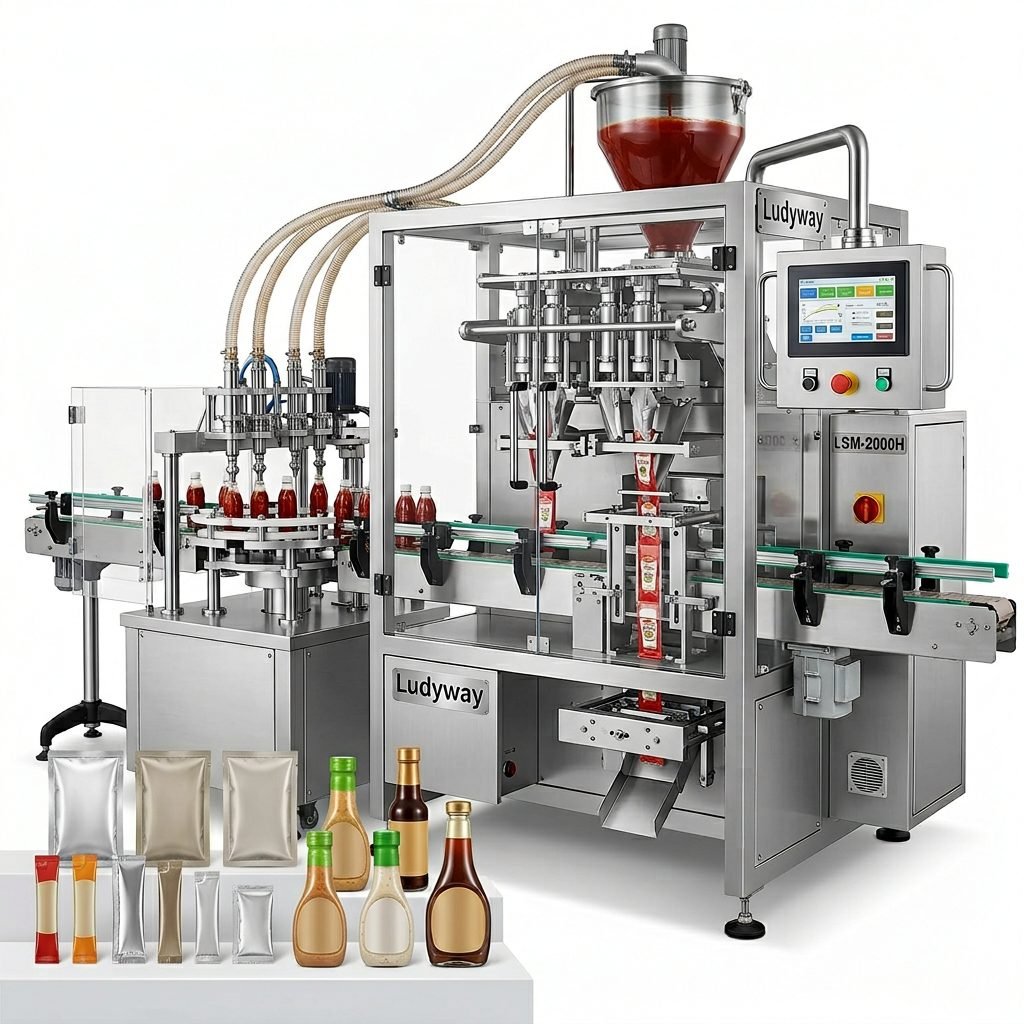
With a 20,000 m² modern production facility, over 30 years of industry experience, and a team of 130+ professional packaging experts, Ludyway has established itself as one of the largest and most trusted packaging machine manufacturers in China. The company offers more than 50 intelligent packaging machine models, serving customers in over 100 countries and regions worldwide. From single-lane sachet machines to fully automated multi-lane stick pack systems, Ludyway provides complete turnkey packaging solutions tailored to each manufacturer’s specific requirements.
Frequently Asked Questions About Sauce Packaging Machines
What types of sauces can be packaged with multi-lane sachet machines?
Multi-lane sachet packaging machines can handle virtually all liquid and semi-liquid sauces, including ketchup, mayonnaise, soy sauce, chili sauce, mustard, barbecue sauce, salad dressings, cooking oils, vinegar, curry pastes, and specialty condiments. Machines are configured with appropriate filling systems—piston fillers for thick pastes, peristaltic pumps for chunky sauces, or flow meters for thin liquids.
How fast can a sauce packaging machine produce sachets?
A standard 8-lane machine operating at 50 packs per lane per minute can produce approximately 24,000 sachets per hour. High-speed configurations with 12 or more lanes can exceed 40,000 sachets per hour, depending on fill volume, film material, and sachet dimensions.
What maintenance is required for sauce packaging equipment?
Regular maintenance includes daily cleaning of product contact surfaces, weekly inspection of sealing jaws and temperature sensors, monthly lubrication of mechanical components, and quarterly calibration of filling systems. CIP (Clean-in-Place) systems significantly reduce manual cleaning time between production runs.
Can the same machine package different sauce products?
Yes. Modern sauce packaging machines feature recipe-based controls that store parameters for multiple products. Quick-release components and tool-less adjustments enable operators to switch between different sauces, sachet sizes, and film materials with minimal downtime.
Conclusion
Selecting the right sauce packaging machine is a strategic decision that impacts product quality, operational efficiency, and long-term profitability. Multi-lane automation, precision filling, leak-proof sealing, and compliance with global food safety standards are non-negotiable requirements for competitive sauce manufacturers. By partnering with an experienced packaging machinery provider that offers comprehensive technical support, customized solutions, and a proven track record across international markets, food manufacturers position themselves for sustainable growth in the expanding global condiment industry.
For more information on packaging industry trends and standards, visit the PMMI Business Intelligence Library or explore the Flexible Packaging Association Industry Resources for comprehensive market data and regulatory guidance.