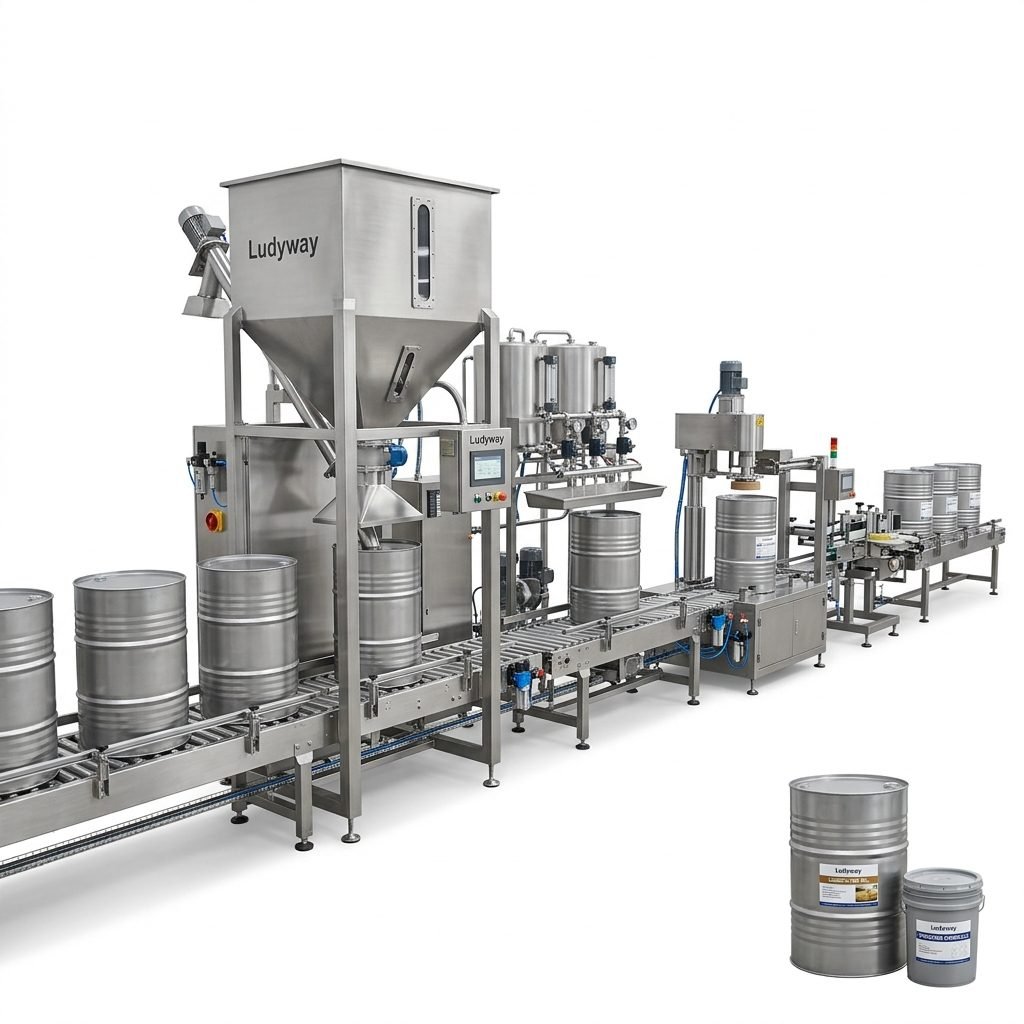
The demand for efficient meal packaging solutions in Oceania is surging, driven by the fast-paced food and health industries across Australia, New Zealand, and the Pacific Islands. Whether you’re packaging freeze-dried meals, protein powders, or ready-to-eat snacks, selecting the right meal packaging machine is critical for operational success. This guide provides a comprehensive overview of types, essential features, and cost factors specifically tailored for the Oceania market.
Understanding the Core Types of Meal Packaging Machines
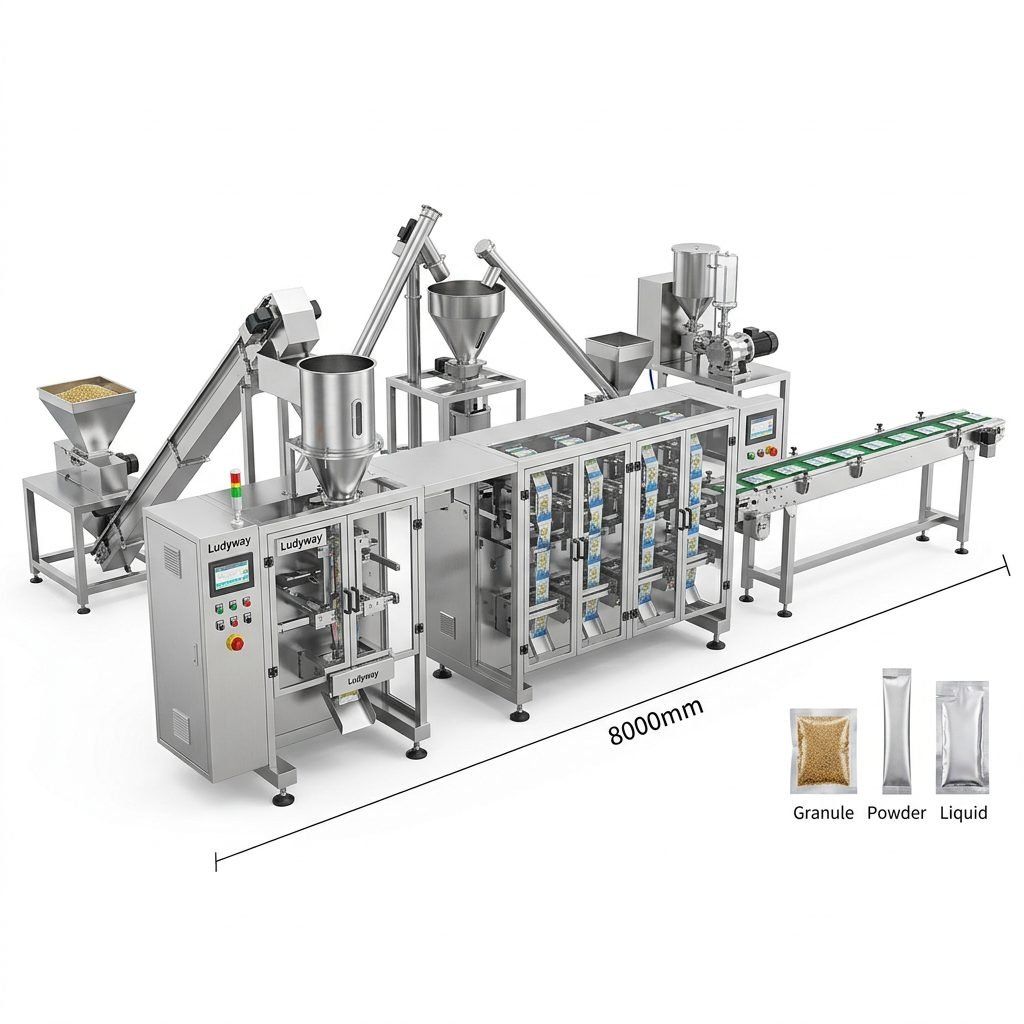
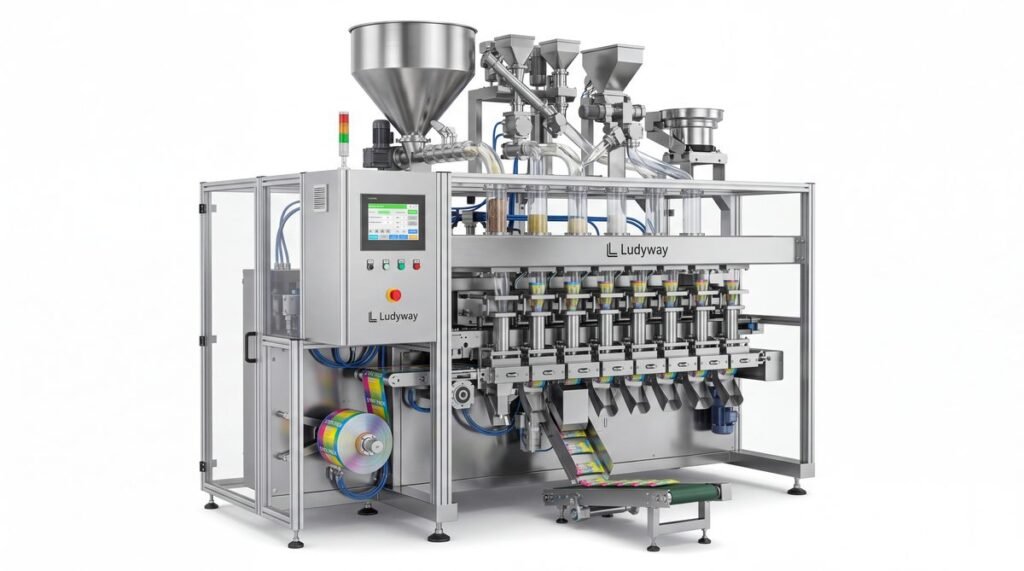
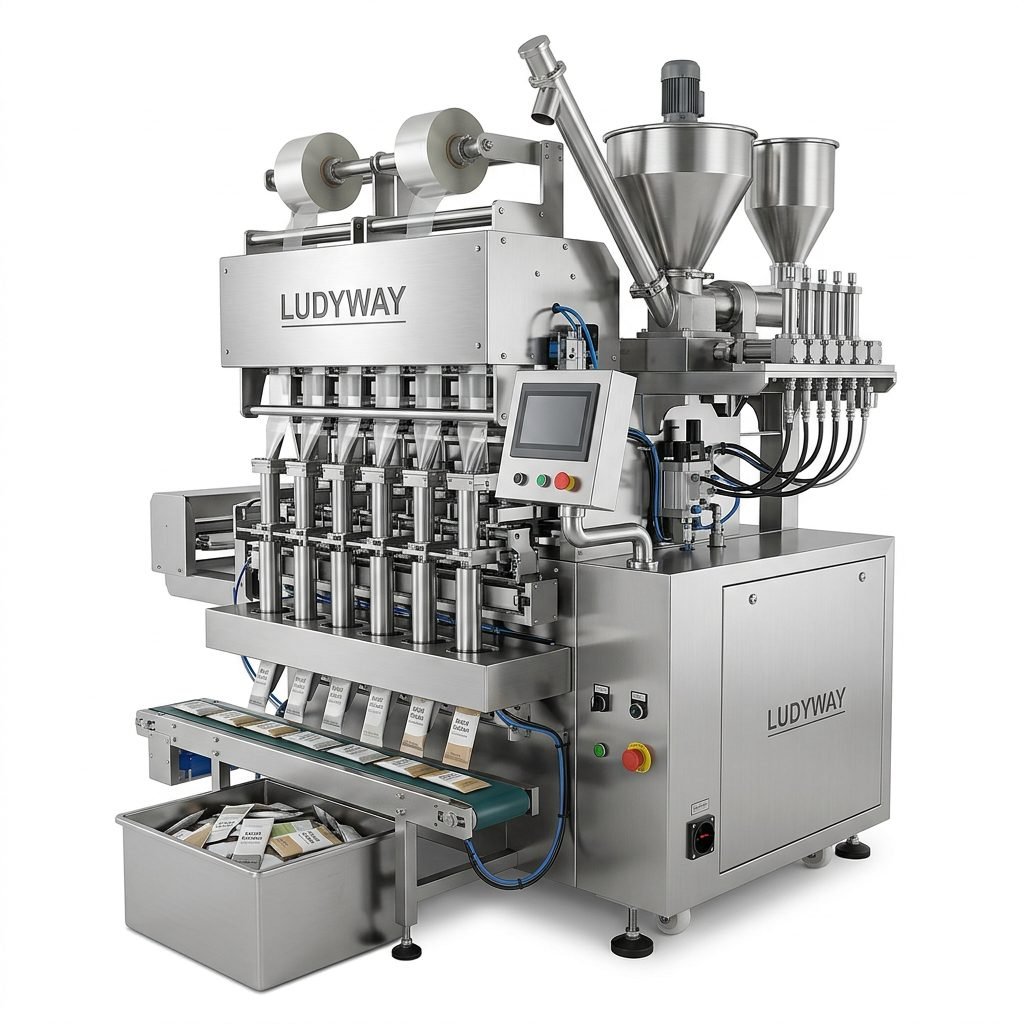
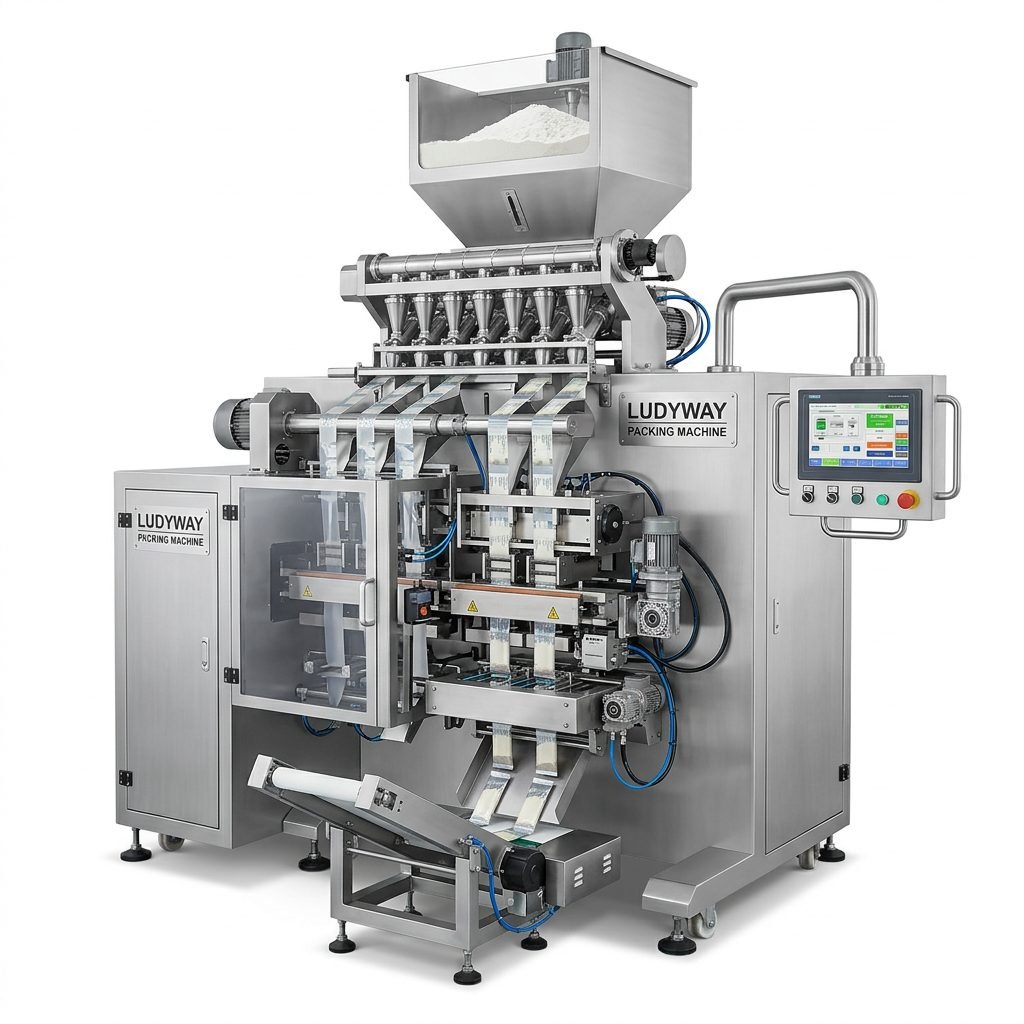
Selecting the appropriate machinery depends heavily on your product format and production scale. The most common meal packaging solutions in Oceania include vertical form-fill-seal machines, multi-lane stick pack machines, and premade pouch packaging lines. For businesses focused on single-serve meal replacements, stick pack machines offering multi-lane capabilities deliver unmatched efficiency. These systems are specifically engineered to handle various product consistencies such as granule, powder, and even viscous liquid forms without compromising on seal integrity.
Vertical Form Fill Seal (VFFS) Machines
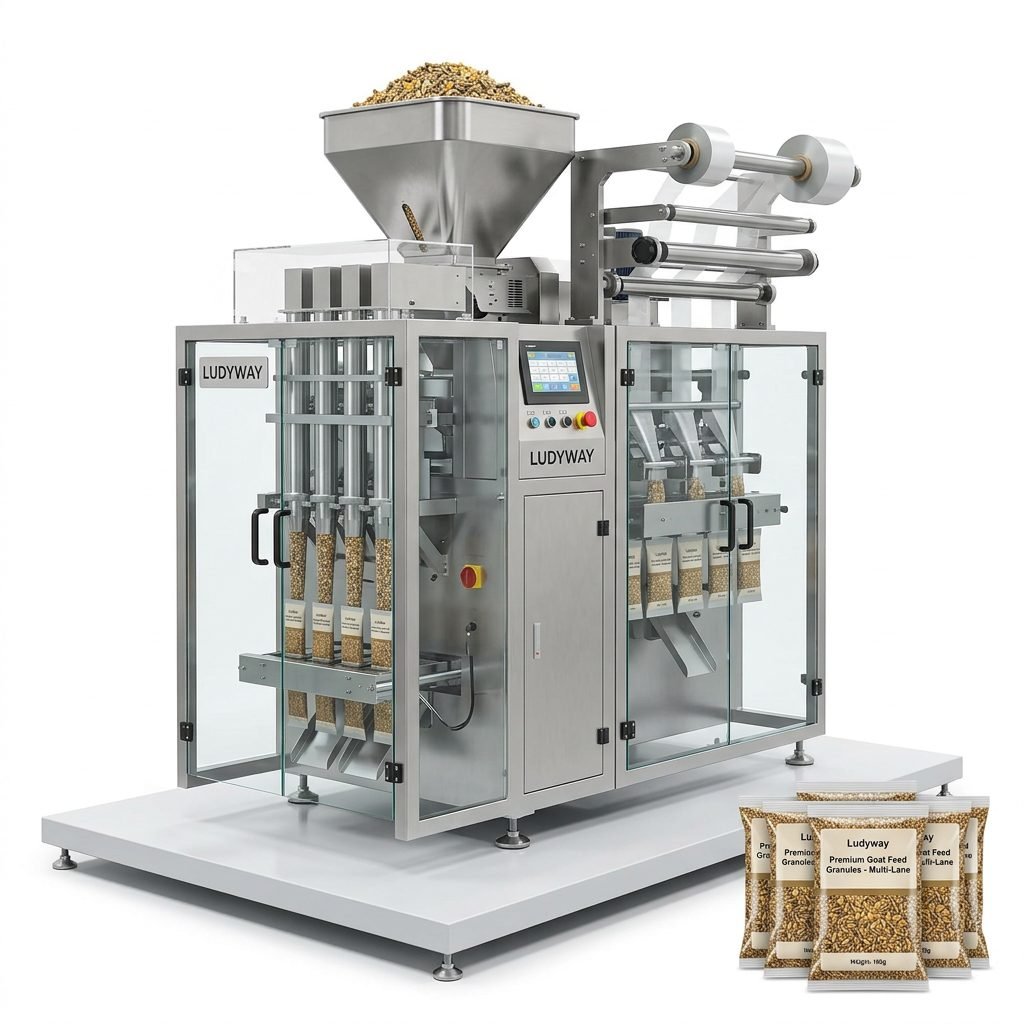
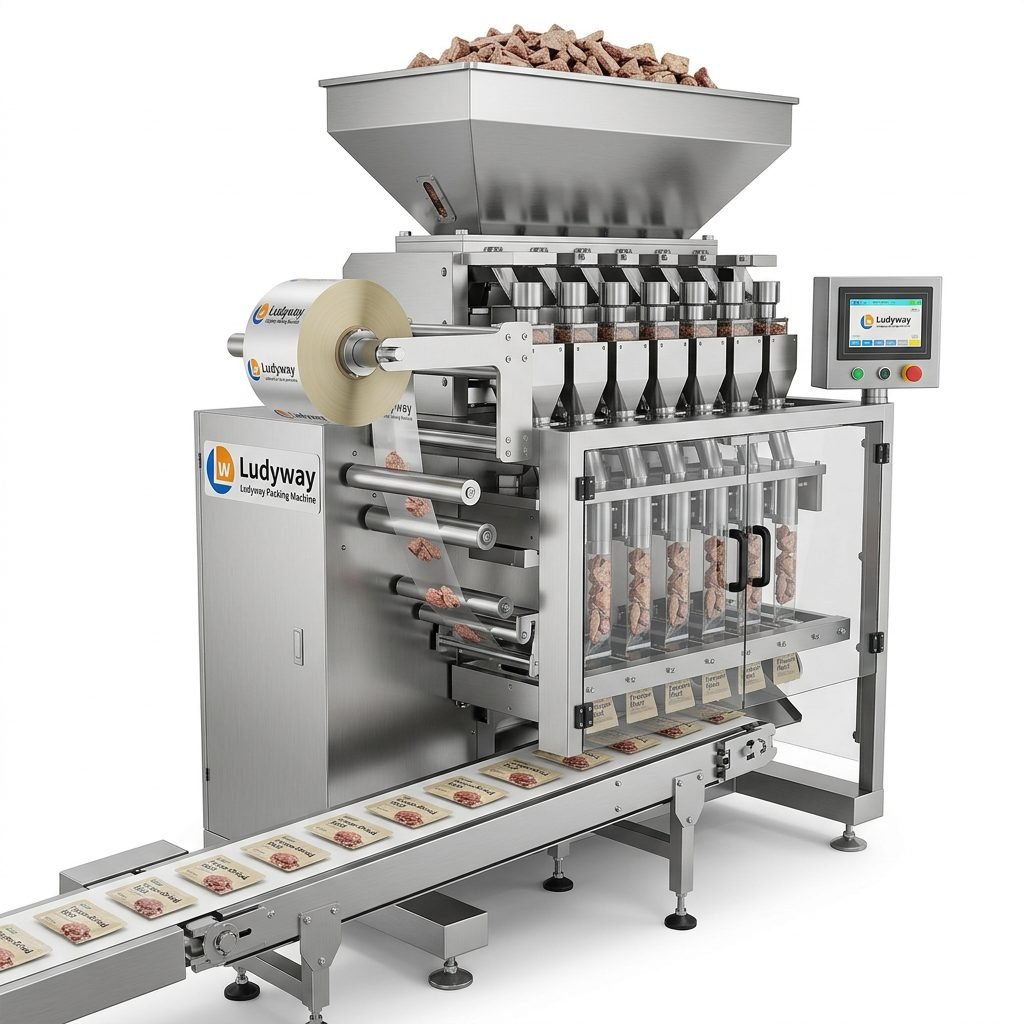
Vertical Form Fill Seal machines remain a cornerstone in the Oceania meal packaging sector due to their versatility and cost-effectiveness. They form pouches from a flat roll of film, fill them with the product, and seal them. These machines are ideal for packaging granules like rice and nuts, powders such as flour or meal shakes, and solid components found in meal kits. Advanced models integrate multi-head weighers for precision, catering to businesses that require high-accuracy filling to minimize product give-away.
Multi-Lane Stick Pack Solutions
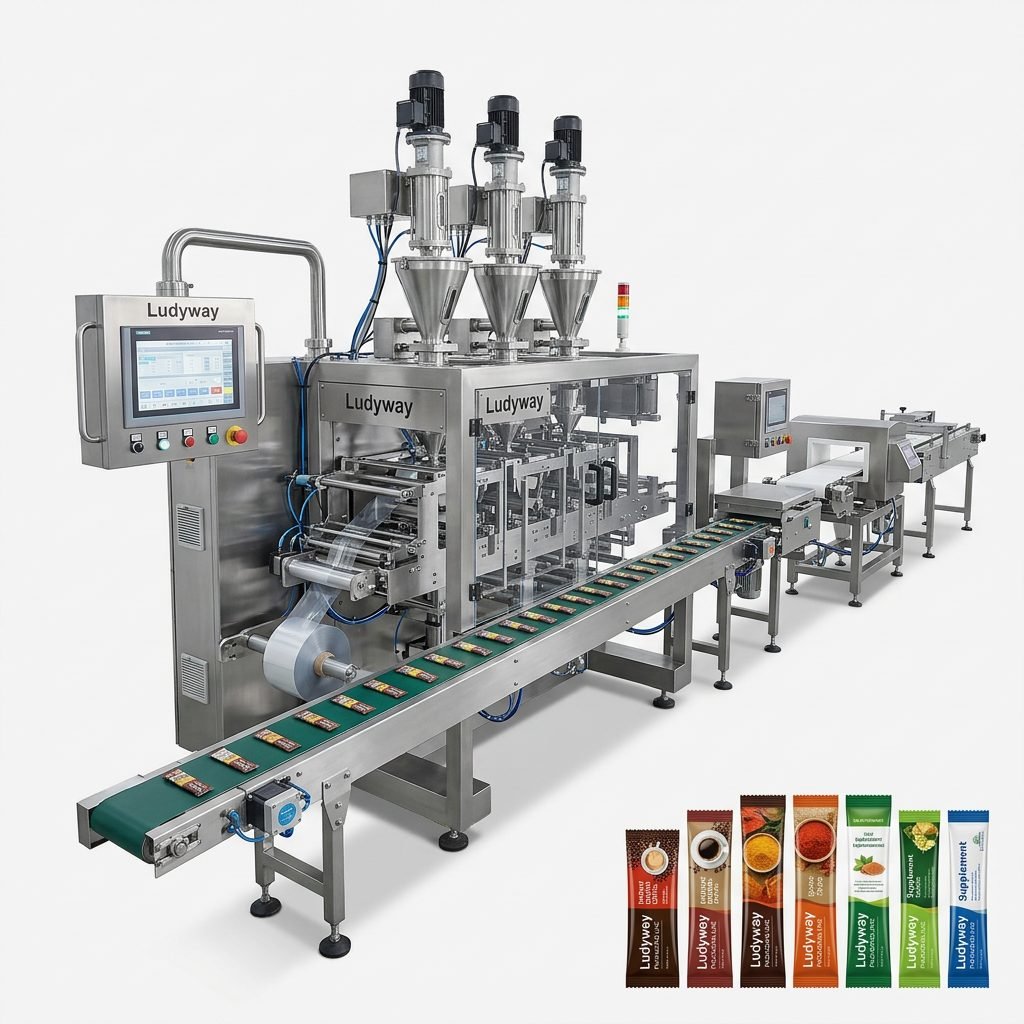
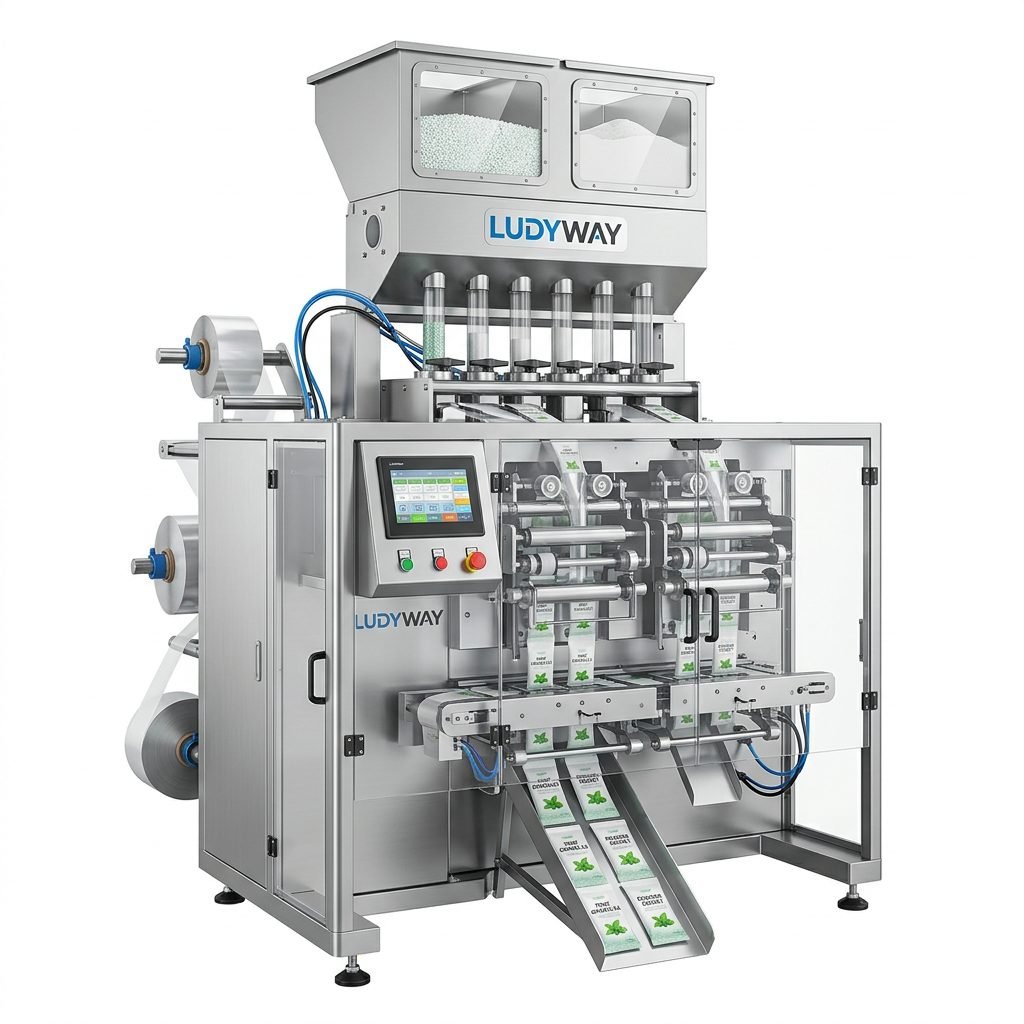
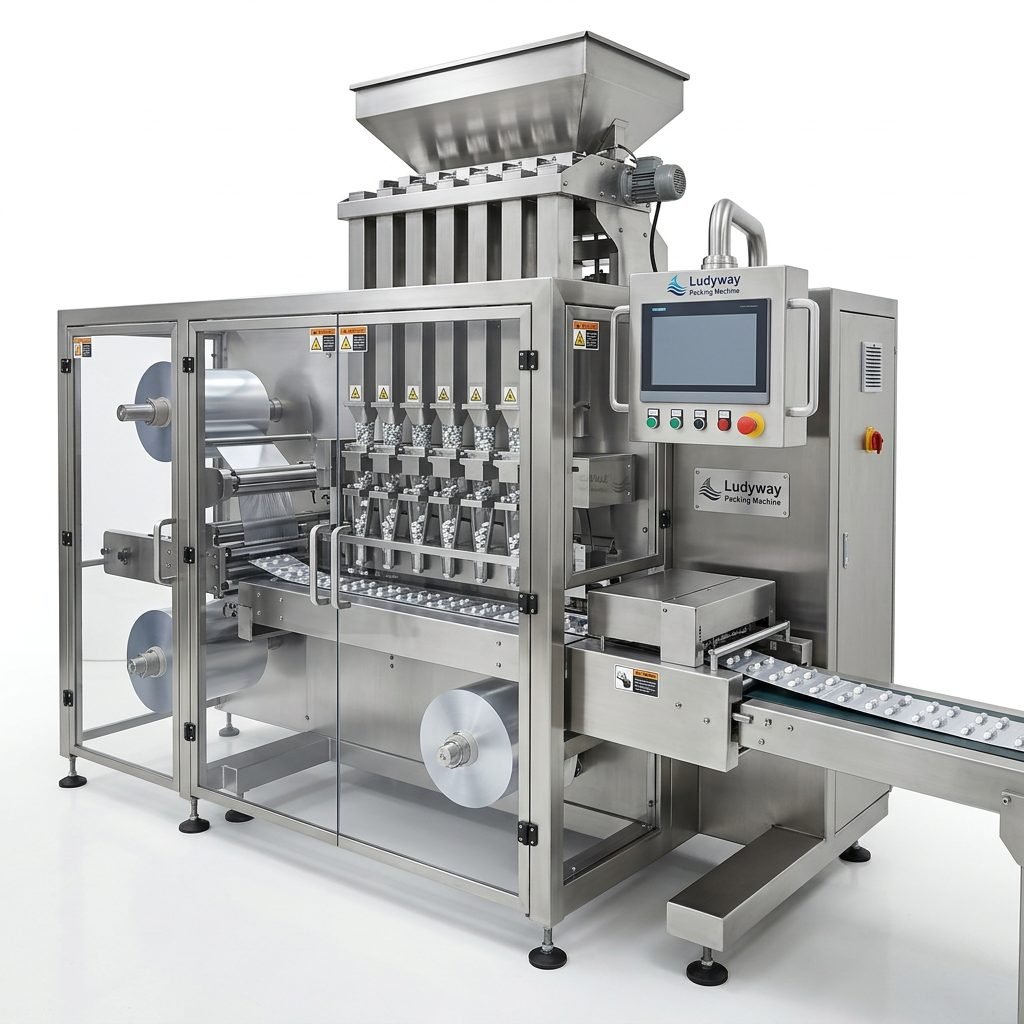
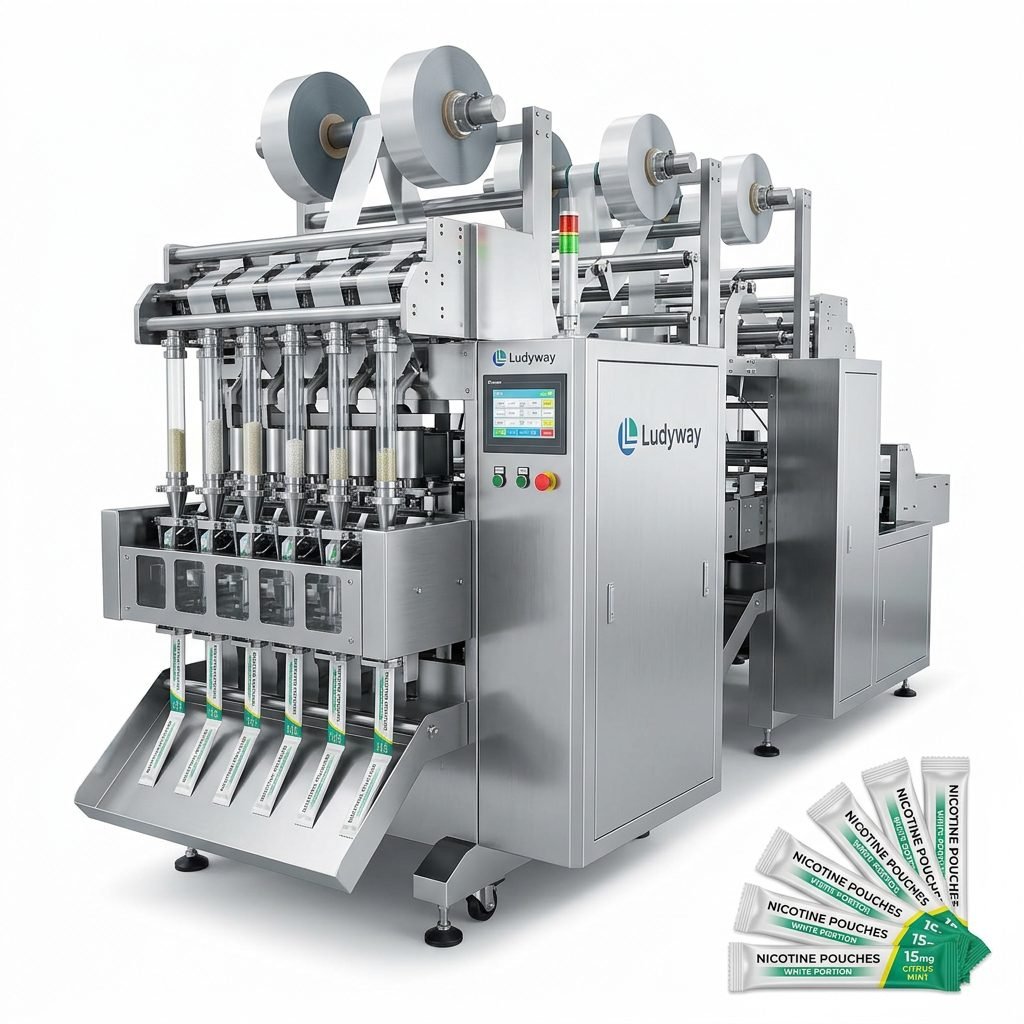
For the booming portable meal market, multi-lane stick pack machines represent the pinnacle of speed and innovation. These machines simultaneously produce numerous narrow, elongated packs, making them perfect for instant coffee, sugar, protein powders, and liquid meal shots. With the ability to run up to 20 lanes concurrently, they drastically outperform single-lane systems. The compact format of stick packs reduces material costs and meets the consumer demand for convenience, a trend strongly observed in urban Oceania centers like Sydney and Auckland.
Premade Pouch and Turnkey Meal Lines
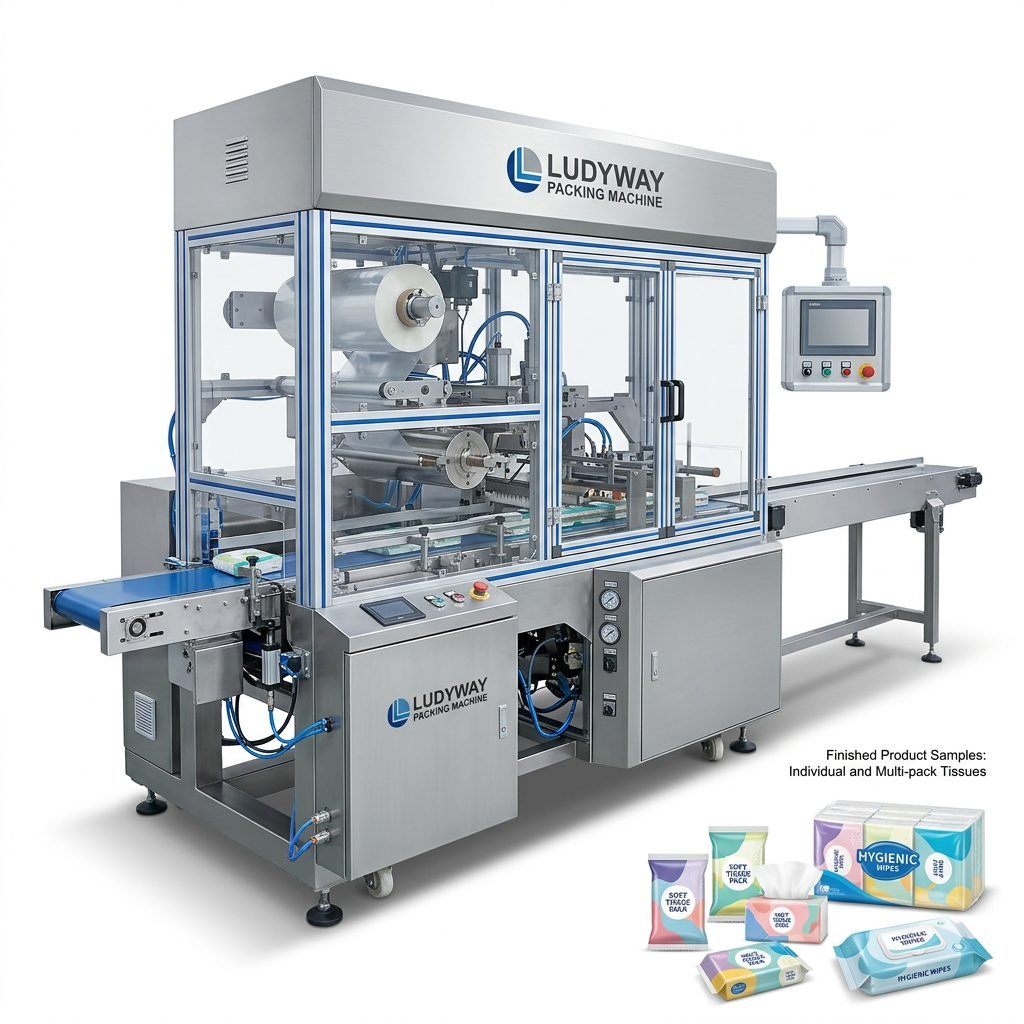
Premium meal options often require stand-up pouches or retort-ready packaging to extend shelf life, a critical factor for distribution across the remote regions of Oceania. Premade pouch packaging machines handle zipper closures and spouts, adding value to products like ready-to-heat curries or soups. Turnkey automated packaging lines integrate feeding, filling, sealing, and even cartoning, offering a fully synchronized system. This holistic approach is particularly beneficial for Australian manufacturers aiming to scale operations while maintaining strict adherence to food safety standards.
Key Features to Prioritize for the Oceania Market
When investing in a meal packaging machine, certain features are non-negotiable to meet the rigorous production demands and regulatory environment of Oceania. Reliability, hygiene, and flexibility should be at the top of your checklist.
- Hygienic Stainless Steel Construction: Essential for food-grade applications, preventing contamination and facilitating easy cleaning.
- Servo-Driven Precision: Ensures accurate fill volumes and tight seals, reducing product waste and maintaining quality for export markets from Oceania to Asia and the Americas.
- Multi-Format Compatibility: The machine should switch effortlessly between sachet, stick pack, and pouch formats to adapt to market trends without requiring multiple separate machines.
- Gas Flushing Capability: Crucial for packaging dehydrated and freeze-dried meals to preserve freshness and prevent oxidation during long transits.
- Integrated Control Systems: User-friendly PLC and HMI touch screens simplify operation and troubleshooting, a significant advantage given the specific technical skill shortages in the region.
Analyzing the Cost of Meal Packaging Machinery
The financial outlay for a meal packaging machine in Oceania varies significantly based on automation levels and capacity. The table below provides a structured breakdown of pricing categories to help you budget effectively. Keep in mind that shipping, import duties, and local service support will influence the final landed cost, making the choice of a manufacturer with global logistics expertise crucial.
| Machine Category | Estimated Price Range (USD) | Best Suited For |
|---|---|---|
| Entry-Level VFFS | $15,000 – $40,000 | Small start-ups, liquid sachet meal components |
| High-Speed Multi-Lane Stick Pack | $50,000 – $150,000+ | Contract manufacturers, bulk ingredient powders |
| Complete Turnkey Pouch Line | $120,000 – $350,000+ | Established food brands, granular meal products |
Beyond the initial investment, consider the cost-efficiency of energy consumption and spare parts availability. Machines with a reputation for longevity can provide a significantly lower Total Cost of Ownership over a decade, a crucial factor for the competitive Oceania food sector. Partnering with a supplier that holds extensive inventory of critical spares can minimize costly downtime.
Navigating Compliance and Standards
Compliance with international standards is non-negotiable for selling in Oceania. Your packaging equipment must support the production of packs that meet FDA and HACCP food contact substance regulations, especially if you export to the U.S. West Coast. Additionally, referencing ISO packaging standards ensures dimensional and safety consistency. For businesses looking deeper into market data, resources from the PMMI Business Intelligence Library offer invaluable insights into industry trends that influence machine requirements.
| Regulatory Body | Relevant Focus Area |
|---|---|
| FSANZ (Food Standards ANZ) | Local labeling and safety codes for meal products |
| PMMI | Packaging machinery safety standards and PACK EXPO networking resources |
| Flexible Packaging Association | Sustainable packaging film innovations for compliance |
Choosing a Reliable Supply Partner
Importing heavy machinery into Oceania requires a partner with robust international project experience. The complex logistics of installing and commissioning a high-speed meal line demand comprehensive technical support. Ludyway Machinery, with over 30 years of industry expertise and a modern 20,000㎡ manufacturing facility, delivers exactly that. They specialize in advanced packaging equipment, providing reliable and efficient solutions for granule, powder, and liquid meal applications, supporting a seamless transition from concept to full-scale production across more than 100 countries. You can explore a wide range of applicable machinery, such as the robust granule packaging machine and high-performance powder packaging machine models.

Future-Proofing Your Investment
When finalizing your purchase, verify the machine’s compatibility with sustainable packaging materials. The Oceania market is rapidly moving towards recyclable and biodegradable films. Your machine must handle these delicate materials without damaging them. Selecting a system with adjustable temperature controls, servo-driven tension management, and modular design ensures you can adapt to future consumer trends without replacing the entire line, safeguarding your capital investment for years to come.