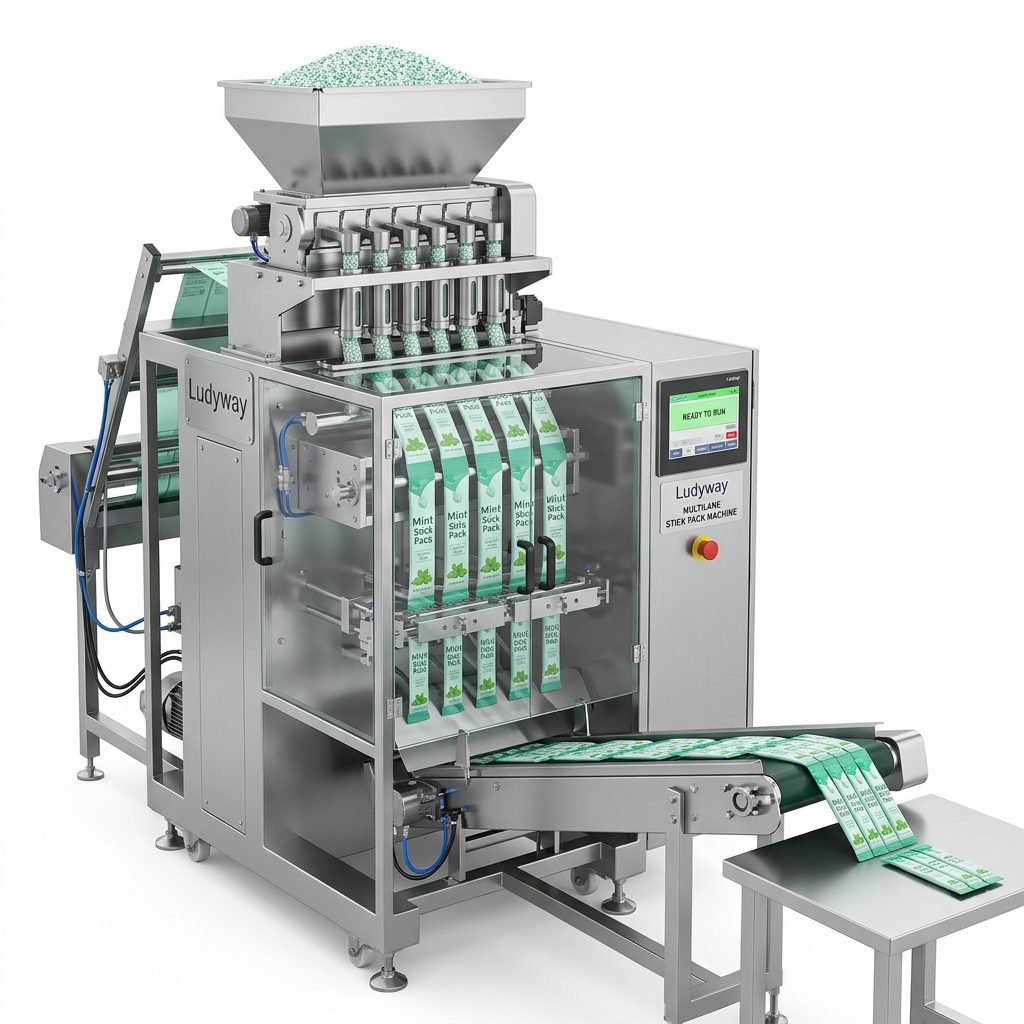
Germany is one of Europe’s largest and most sophisticated markets for food processing and packaging machinery. For honey producers, co-packers, and food manufacturers looking to invest in a honey packaging machine, understanding the types available, their costs, and how to select the right equipment is essential. This guide provides a comprehensive overview tailored to the German market, including key technical considerations, regulatory requirements, and practical selection tips.
Understanding the German Honey Packaging Market
Germany is both a major honey consumer and a significant honey importer within the EU. According to data from the PMMI 2025 State of the Industry report, the European packaging machinery market continues to show steady growth, driven by automation and sustainability demands. German honey packers must comply with strict EU food safety regulations, including those outlined by the FDA food packaging standards and ISO packaging standards, making machine quality and hygiene design critical factors.
Types of Honey Packaging Machines
Honey is a viscous, sticky liquid that requires specialized filling technology. Choosing the right machine type depends on your target packaging format, production volume, and automation level. Below are the primary categories:
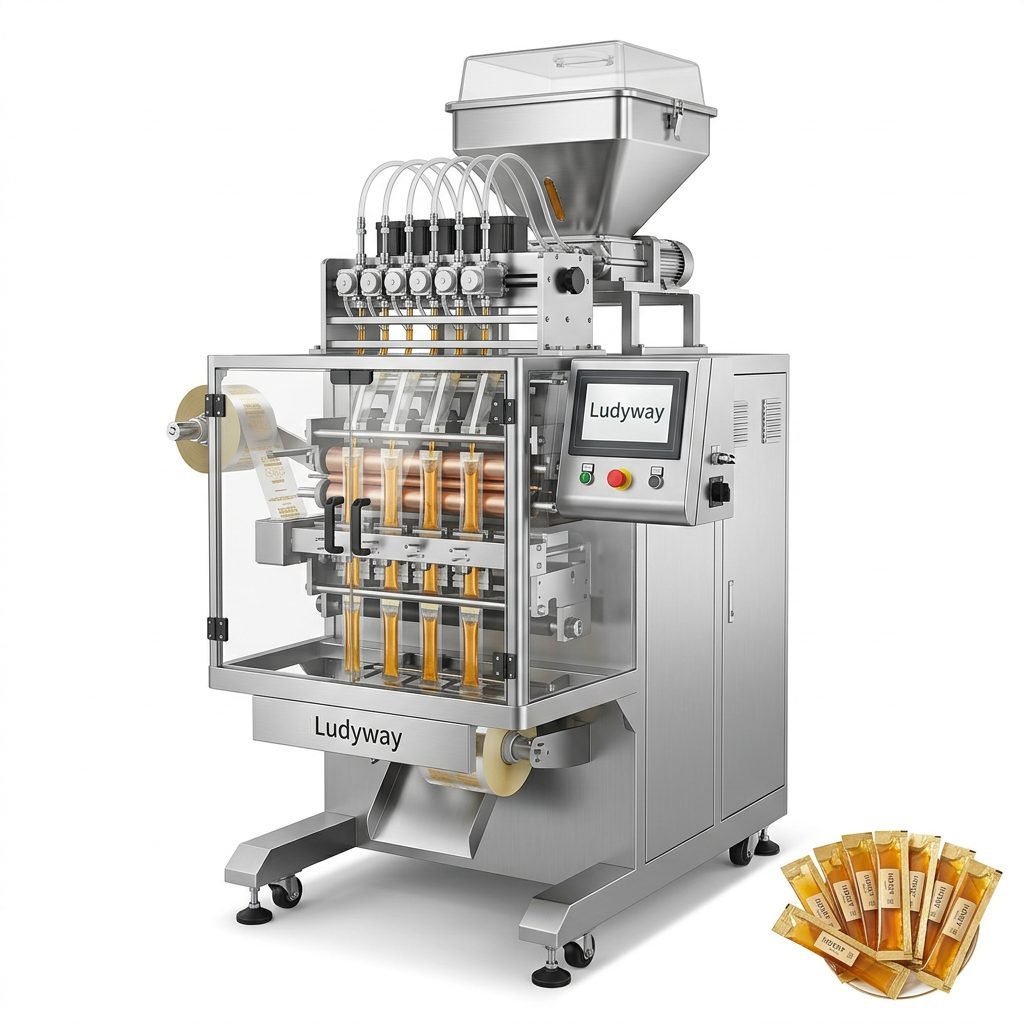
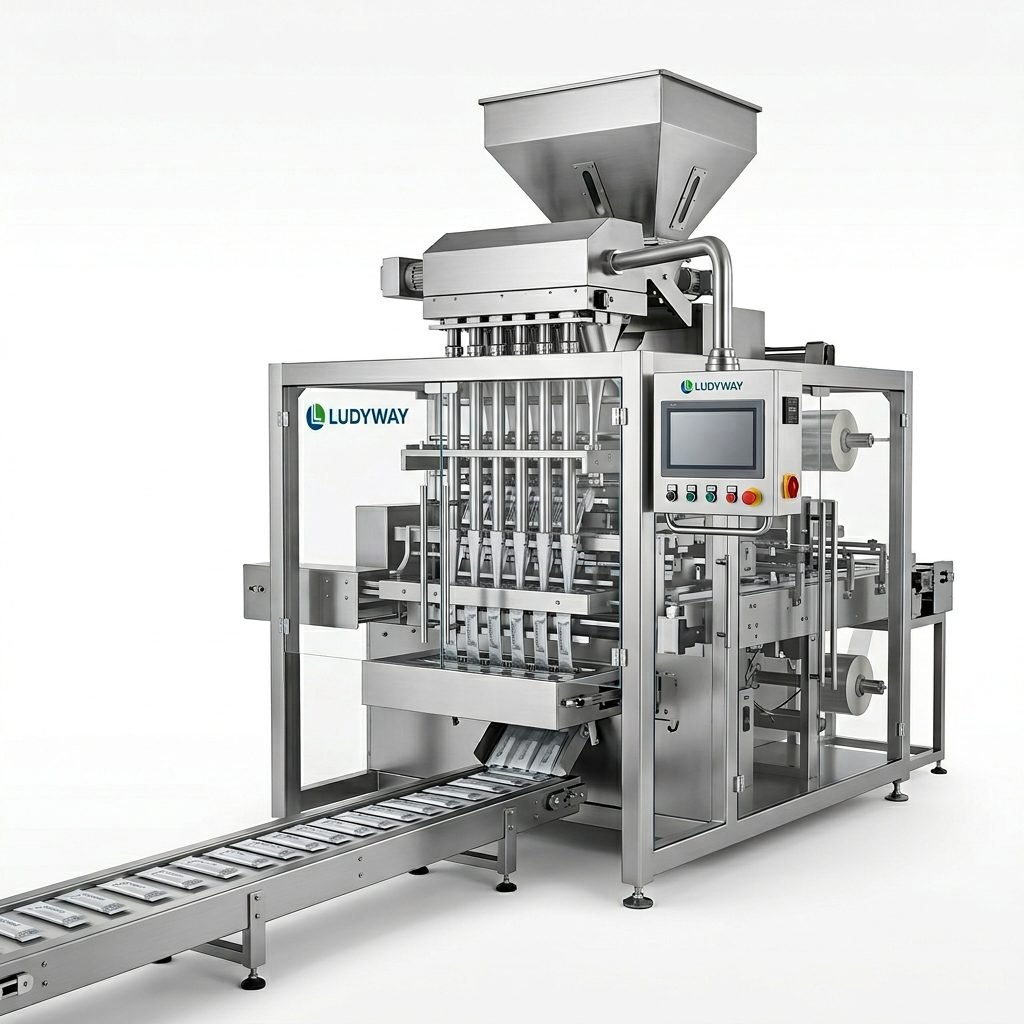
1. Stick Pack Machines for Honey
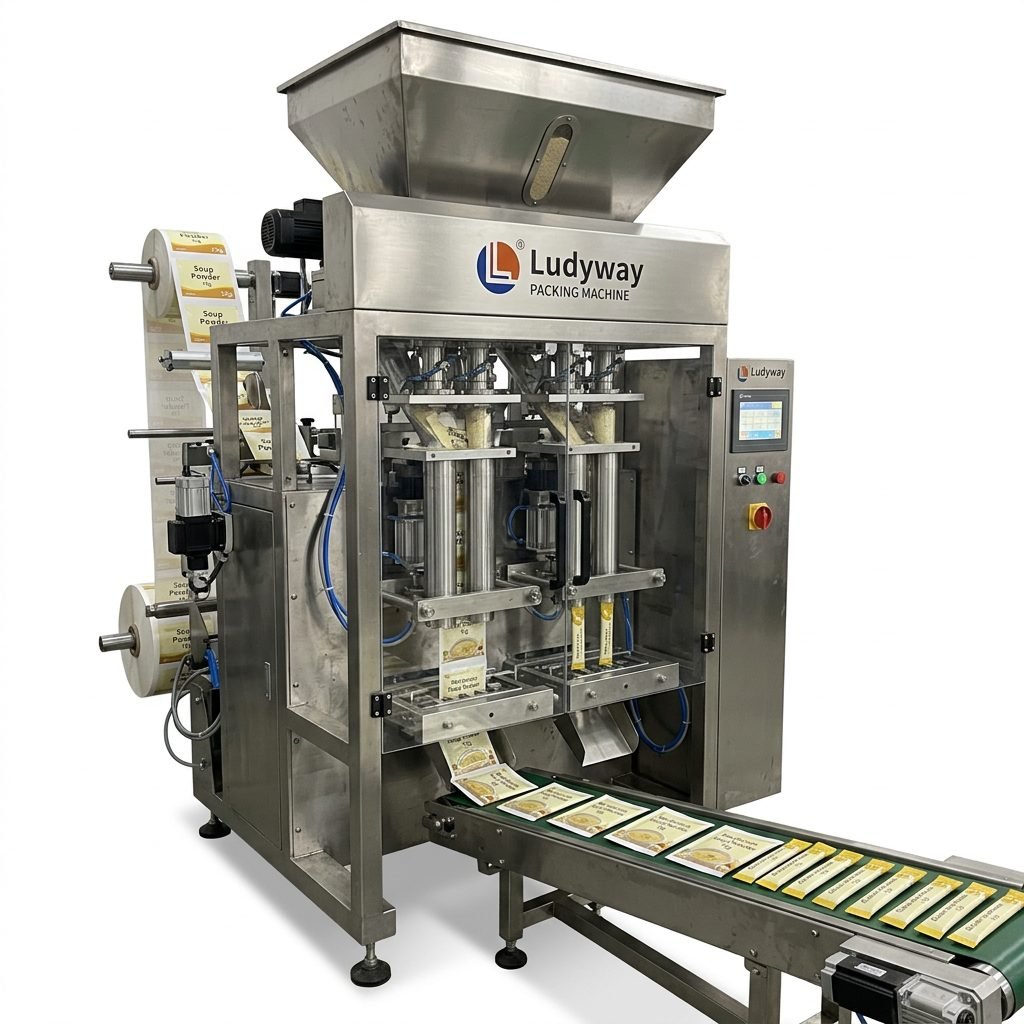
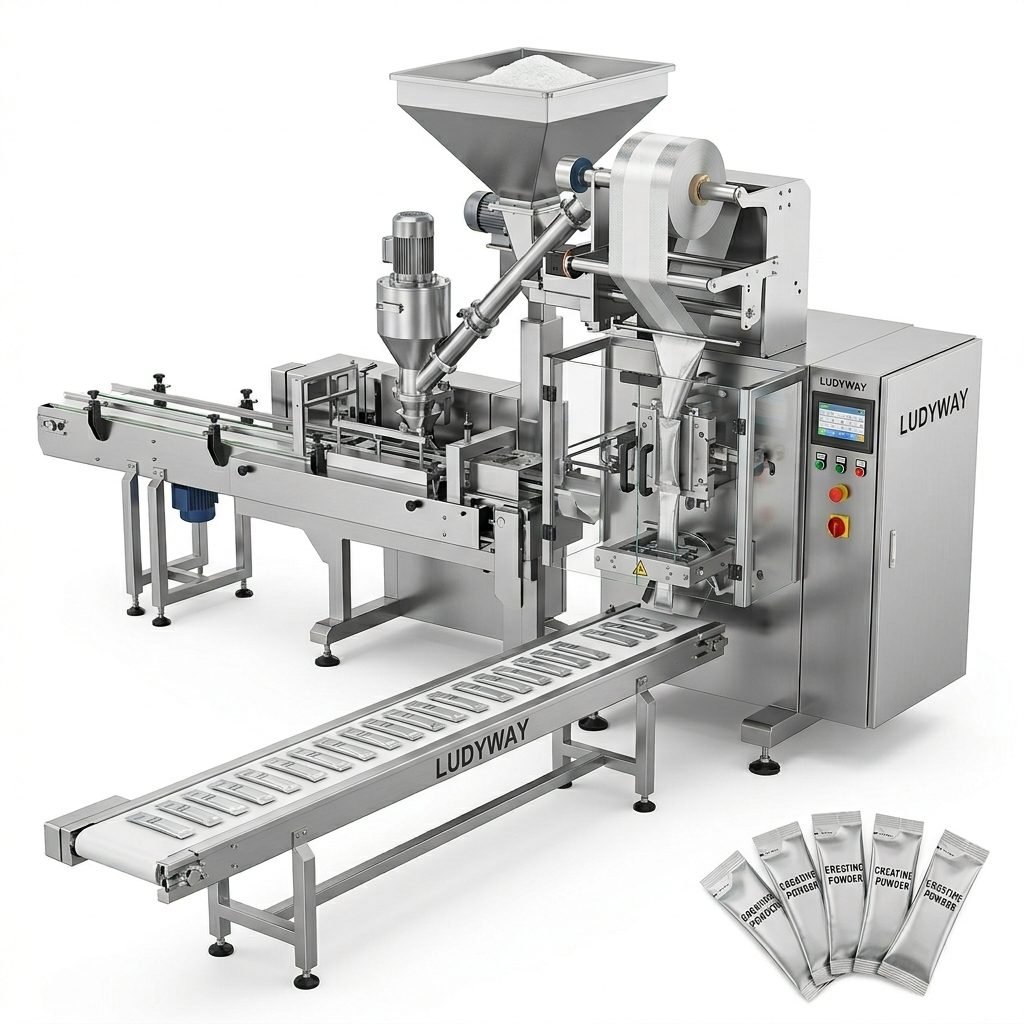
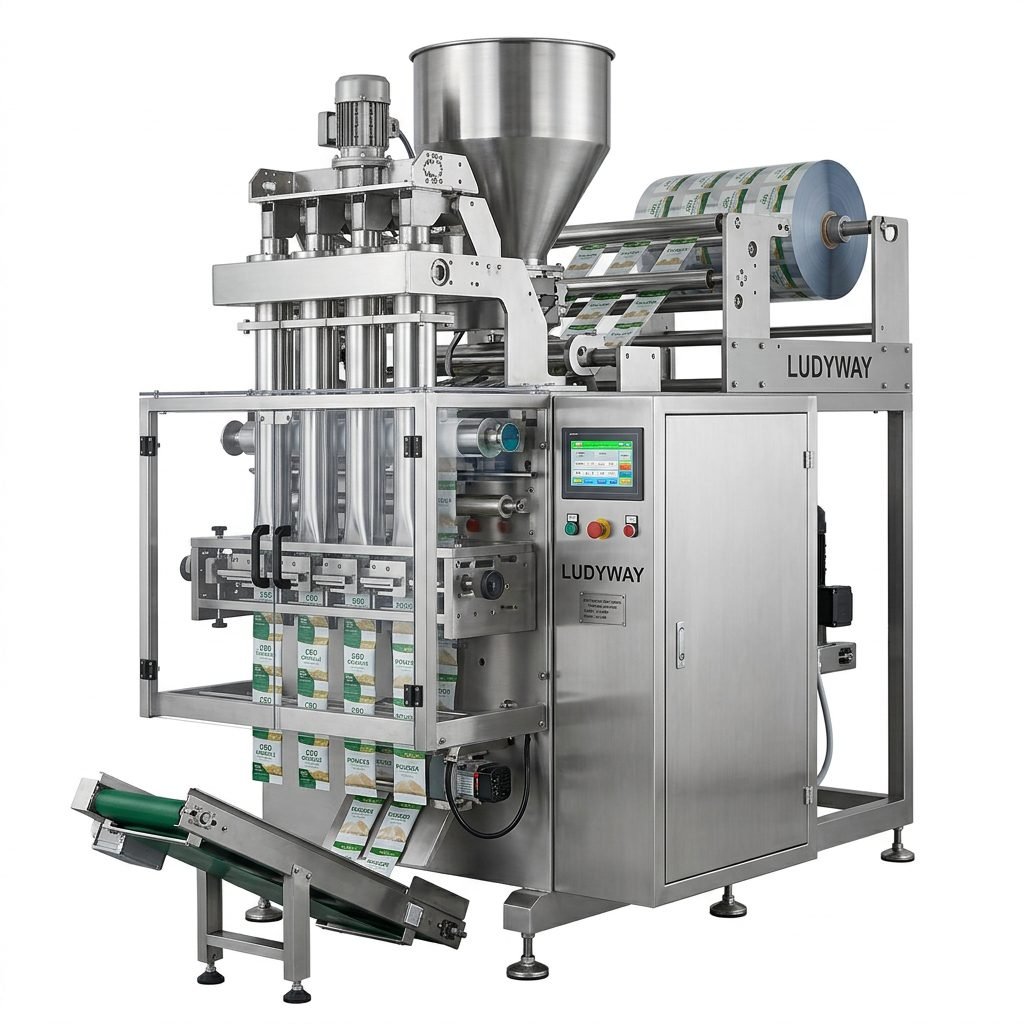
Stick pack machines are increasingly popular for single-serve honey portions. These machines form, fill, and seal narrow stick-shaped sachets, ideal for food service, hospitality, and retail sampling. Multi-lane stick pack machines can produce dozens of sticks simultaneously, achieving output rates of 400–600 sticks per minute on high-speed models. The key advantage is precise dosing accuracy, even with viscous products like honey.
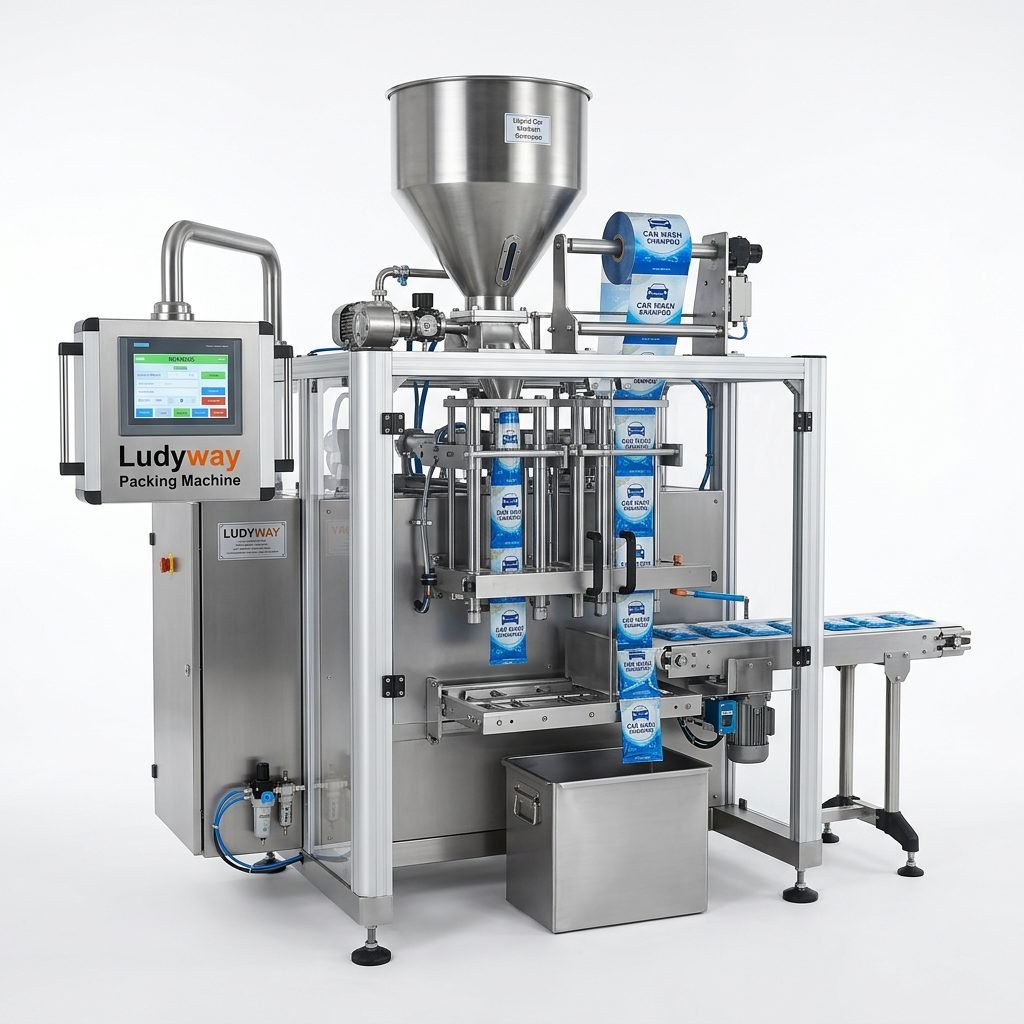
2. Sachet Packaging Machines
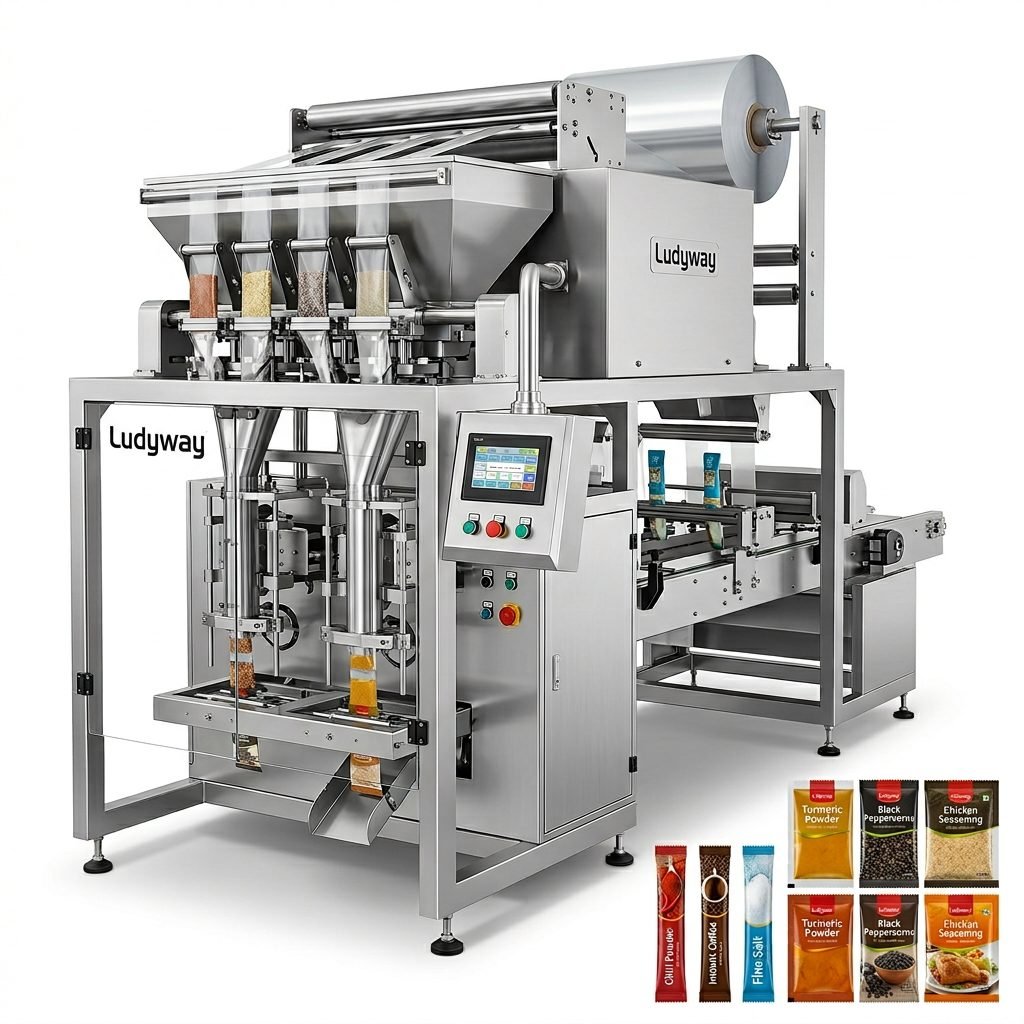
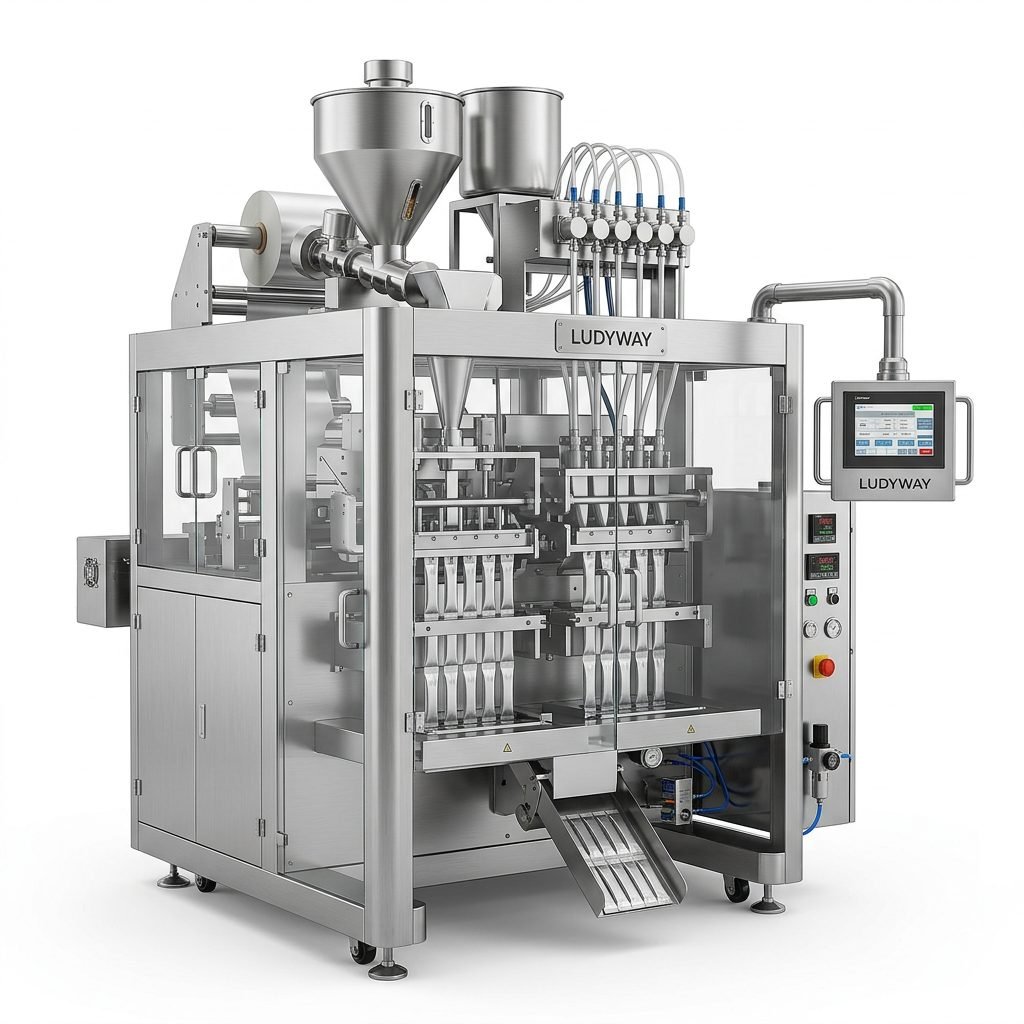
For larger single-serve or family-size portions, sachet packaging machines offer versatility. These can handle a range of sachet sizes, from 5g to 50g or more. Multi-lane sachet systems are widely used in the German market for honey packaging, as they balance speed with format flexibility. According to the Flexible Packaging Association, sachet packaging growth in Europe is driven by convenience trends and portion control demand.
3. Liquid Pouch and Bottle Filling Machines
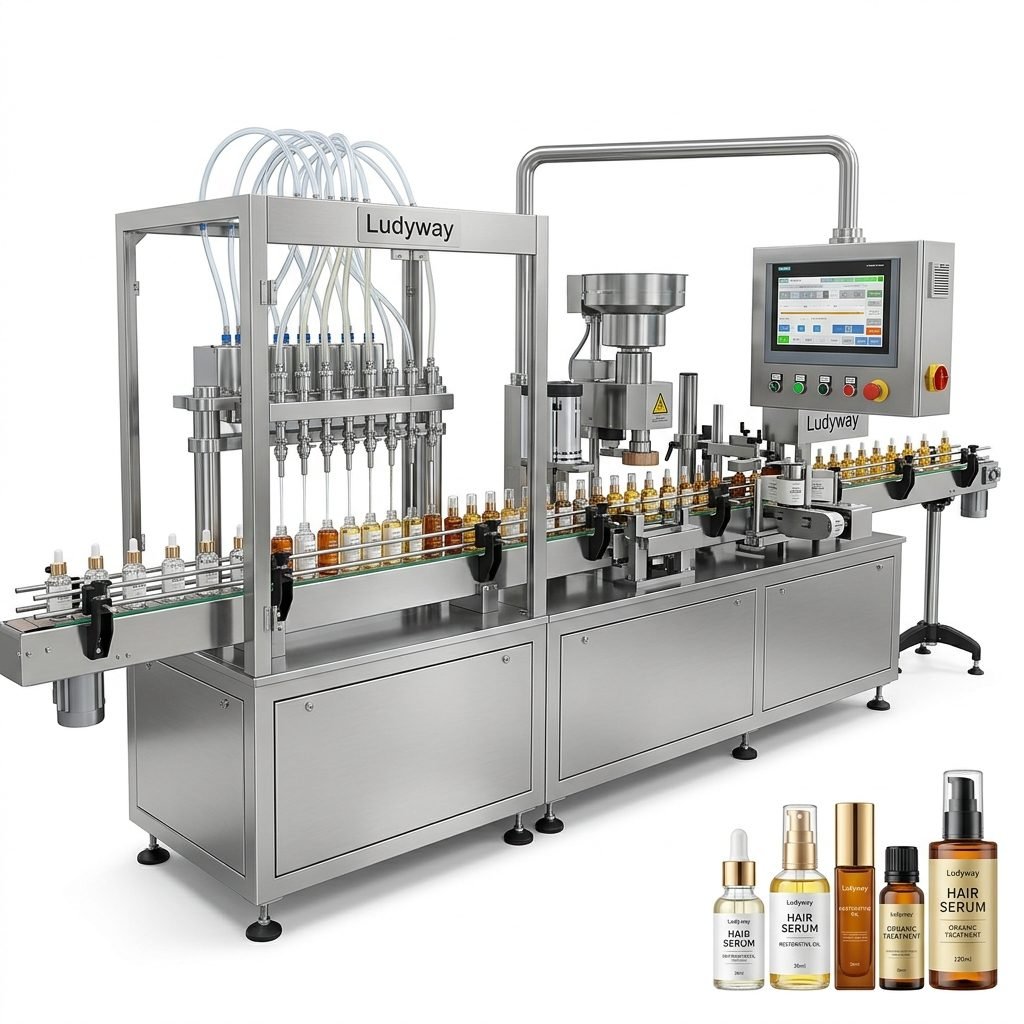
For retail honey jars, bottles, or stand-up pouches, dedicated liquid filling machines with volumetric or piston fillers are the standard. These systems can integrate with capping, labeling, and coding units for complete turnkey lines. In Germany, piston fillers are preferred for honey due to their ability to handle high-viscosity products with minimal dripping and accurate fill volumes.
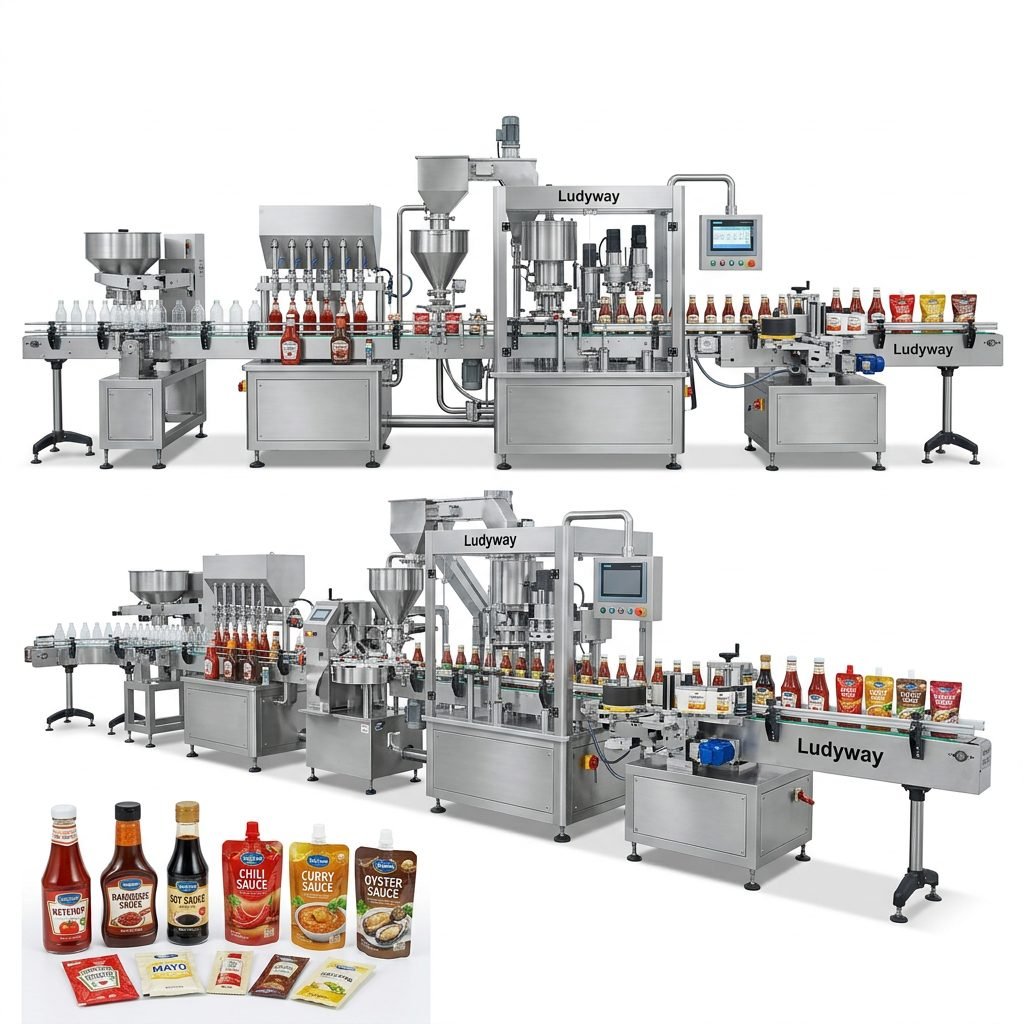
4. Fully Automated Turnkey Packaging Lines
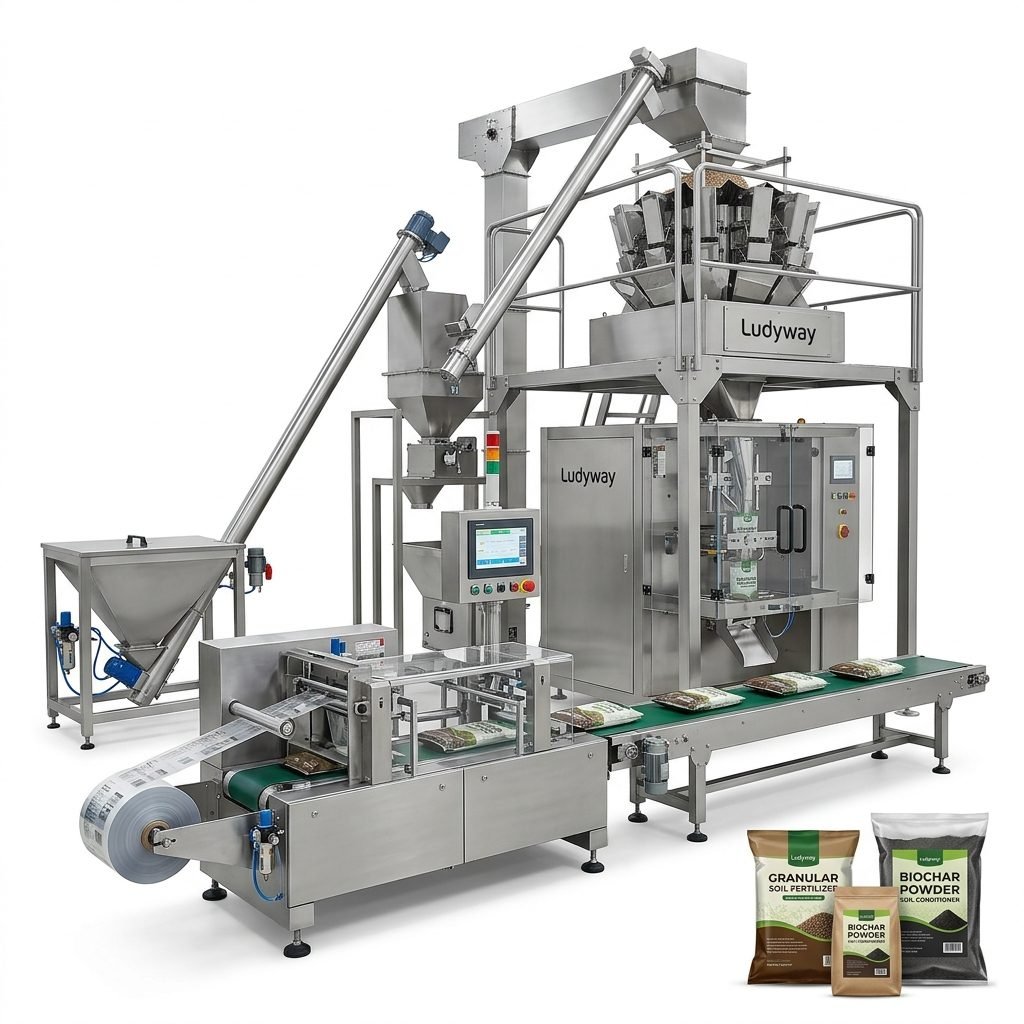
Larger honey producers often invest in fully integrated turnkey packaging lines that combine filling, sealing, cartoning, case packing, and palletizing. These automated systems reduce labor costs and ensure consistent output quality. Turnkey solutions are particularly relevant for German manufacturers facing labor shortages and rising operational costs.
Honey Packaging Machine Types Comparison
| Machine Type | Packaging Format | Output Range | Best For |
|---|---|---|---|
| Multi-Lane Stick Pack Machine | Stick sachets (5–15ml) | 200–600 packs/min | High-volume single-serve production |
| Sachet Packaging Machine | Flat sachets (10–50g) | 150–400 packs/min | Medium-volume, multi-size flexibility |
| Piston Filler for Jars/Bottles | Glass jars, PET bottles (100–1000g) | 30–120 units/min | Retail and premium honey products |
| Turnkey Automated Line | Multiple formats integrated | Custom, depending on configuration | Large-scale industrial honey packers |
Cost Breakdown of Honey Packaging Machines in Germany
The cost of a honey packaging machine in Germany varies widely based on technology level, output capacity, and brand origin. Import duties, EU compliance certifications, and local service support also influence the final price. Below is a general cost range reference:
| Machine Category | Estimated Price Range (EUR) | Key Cost Drivers |
|---|---|---|
| Entry-Level Stick Pack (2–4 lanes) | €25,000 – €55,000 | Basic automation, lower lane count, simpler controls |
| Mid-Range Multi-Lane Sachet (6–10 lanes) | €60,000 – €130,000 | Servo-driven, higher output, better precision, CE certification |
| High-Speed Multi-Lane System (12–20 lanes) | €140,000 – €280,000 | Fully servo-controlled, advanced dosing, inline quality checks |
| Turnkey Complete Line | €300,000 – €1,000,000+ | Filling, cartoning, case packing, palletizing, full automation |
Key Factors to Consider When Selecting a Honey Packaging Machine
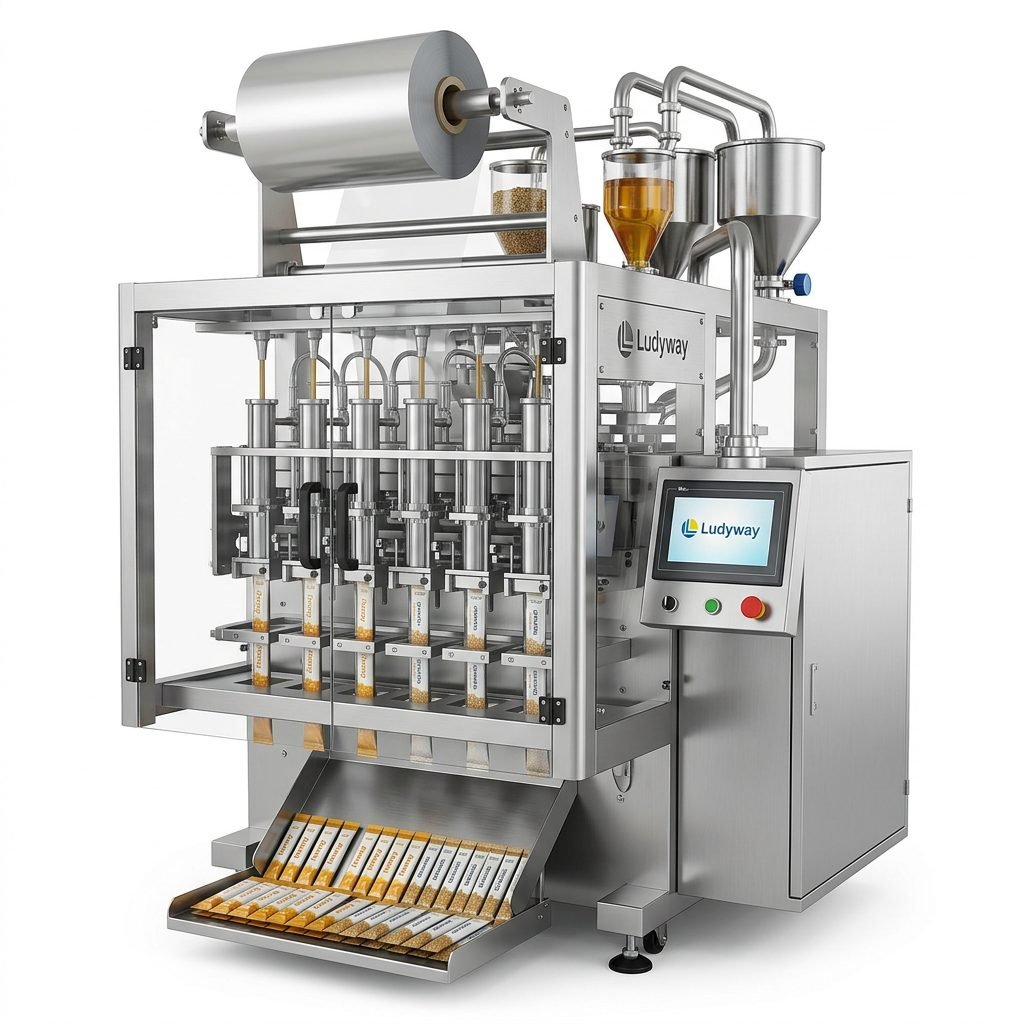
Choosing the right packaging machine for honey production in Germany requires careful evaluation of several technical and commercial factors. The European Commission’s packaging waste regulations increasingly influence packaging material choices, making sustainability an important consideration in machine selection.
Product Viscosity and Dosing Accuracy
Honey’s high viscosity demands precision dosing systems such as piston fillers, gear pumps, or mass flow meters. Inaccurate filling leads to product giveaway and regulatory non-compliance. Machines must maintain dosing accuracy within ±0.5% to ±1% for optimal profitability. For crystallized honey varieties, heated hoppers and temperature-controlled filling paths are essential features to ensure consistent flow.
CE Certification and EU Compliance
All packaging machines sold and operated in Germany must carry CE marking, confirming compliance with EU Machinery Directive 2006/42/EC and relevant harmonized standards. Additionally, food contact materials must comply with EU Regulation (EC) 1935/2004. Machines should feature stainless steel construction (preferably AISI 304 or 316L) in all product contact zones, with hygienic design principles per EHEDG guidelines.
Automation Level and Industry 4.0 Readiness
German manufacturers increasingly demand Industry 4.0 capabilities, including remote monitoring, production data analytics, and OEE (Overall Equipment Effectiveness) tracking. Modern honey packaging machines should offer PLC controls with recipe management, IoT connectivity for predictive maintenance, and integration with MES/ERP systems. The PMMI Business Intelligence reports that smart packaging machinery adoption in Europe is accelerating, with over 60% of new installations featuring connectivity capabilities.
Packaging Material Compatibility
Honey packaging requires barrier films that protect against moisture and oxygen. Common materials include PET/ALU/PE laminates for sachets and stick packs. The machine must be compatible with your chosen film structure, sealant layer, and thickness. With growing sustainability demands in Germany, many producers are exploring recyclable mono-material structures—ensure your machine can handle these newer film types, which often require different sealing parameters.
Selection Tips for German Buyers
Based on industry experience and feedback from German honey packers, here are practical tips to guide your purchasing decision:
- Request a factory acceptance test (FAT) with your actual honey product before finalizing the order. This validates dosing accuracy and seal integrity under real production conditions.
- Verify after-sales service availability in Germany or the EU. Local technical support, spare parts inventory, and response time commitments are critical for minimizing downtime.
- Evaluate total cost of ownership (TCO), not just the purchase price. Consider energy consumption, spare parts costs, film waste rates, and maintenance labor over a 5–10 year lifecycle.
- Check reference installations in Germany or neighboring EU countries. Speaking with existing users provides honest feedback on machine reliability and supplier support quality.
- Consider future scalability. A modular machine design allows you to add more lanes, upgrade dosing systems, or integrate automation modules as your production grows.
- Ensure compliance documentation is complete, including CE Declaration of Conformity, user manuals in German, and food safety certification for product contact materials.
- Test film versatility. Given evolving EU packaging regulations, confirm the machine can run both current and emerging sustainable film structures to future-proof your investment.
Sustainability and Regulatory Trends Impacting Honey Packaging in Germany
German packaging regulations are among the strictest in the world. The German Packaging Act (VerpackG) mandates registration with the Central Packaging Registry (ZSVR), recycling targets, and extended producer responsibility obligations. Honey packers must also prepare for the upcoming EU Packaging and Packaging Waste Regulation (PPWR), which will impose stricter recyclability requirements and potentially ban certain multi-material laminates. Investing in a packaging machine that supports recyclable mono-materials positions your operation ahead of regulatory curves.
The Flexible Packaging Association provides ongoing resources on sustainable packaging developments relevant to honey producers. Additionally, the PMMI packaging industry association offers valuable market intelligence on machinery trends and technology adoption rates across European markets.
Common Mistakes to Avoid When Buying a Honey Packaging Machine
- Underestimating honey’s unique flow characteristics. Unlike water-thin liquids, honey requires specific pump technologies and heated pathways. Standard liquid fillers often fail with crystallized or cold honey.
- Overlooking film wastage rates. Inefficient sealing or feeding mechanisms can waste 3–8% of packaging film, significantly impacting per-unit costs over time.
- Ignoring cleanability and CIP requirements. Honey residues harden quickly, making thorough cleaning essential. Machines without tool-free disassembly or CIP (Clean-in-Place) capability increase labor costs and downtime.
- Choosing based solely on price. The cheapest option often lacks the precision, reliability, and compliance documentation needed for German market operations.
- Failing to plan for technical support. Imported machines without EU-based service teams can lead to extended downtime and lost production.
Working with International Packaging Machine Manufacturers
Many German honey producers now source packaging machinery from international manufacturers to access competitive pricing and advanced technology. When evaluating international suppliers, consider these factors:
- CE certification and EU compliance track record — Verify that the manufacturer has successfully delivered CE-compliant machines to other EU customers.
- German-language documentation and support — User manuals, software interfaces, and technical support should be available in German for operator convenience.
- Local agent or service partner — A reliable local presence ensures quick response times for maintenance and emergency repairs.
- Spare parts availability — Confirm that critical spare parts are stocked in the EU or can be delivered within 48–72 hours.
As one of the largest packaging machine manufacturers in China, Ludyway has served customers in over 100 countries and regions, providing advanced packaging equipment and turnkey solutions for the food, pharmaceutical, and health industries. With more than 50 intelligent packaging machine models and a modern 20,000㎡ manufacturing facility, Ludyway offers multi-lane stick pack, sachet, and fully automated packaging systems suitable for honey and other viscous liquid products. Their experience with CE-certified exports and international project services makes them a viable option for German honey packers seeking cost-effective packaging solutions.
Honey Packaging Machine Technical Specifications Checklist
Use this checklist when comparing different honey packaging machine options for your German production facility:
| Specification | Minimum Requirement | Premium Option |
|---|---|---|
| Frame Material | AISI 304 Stainless Steel | AISI 316L for product contact areas |
| Dosing Accuracy | ±1% | ±0.5% with servo-piston control |
| CE Certification | CE Mark + Declaration of Conformity | CE + TÜV or equivalent third-party validation |
| Control System | PLC with touchscreen HMI | PLC with IoT, MES integration, remote access |
| Heated Hopper | Basic temperature control | Multi-zone PID-controlled heating with insulation |
| Cleaning System | Manual disassembly for cleaning | Tool-free disassembly with CIP compatibility |
Final Thoughts on Investing in a Honey Packaging Machine for the German Market
Investing in a honey packaging machine for the German market is a significant decision that impacts your production efficiency, product quality, and regulatory compliance. The right machine should deliver reliable performance, precise dosing, and full EU compliance while offering the flexibility to adapt to evolving packaging formats and sustainability requirements. Industry resources such as the PMMI State of the Industry reports and ISO packaging and distribution standards provide ongoing guidance for machinery selection and market trends.
By carefully evaluating machine types, understanding total costs, and applying the selection tips outlined above, German honey producers can make informed investment decisions that support long-term growth and competitiveness in the European market.