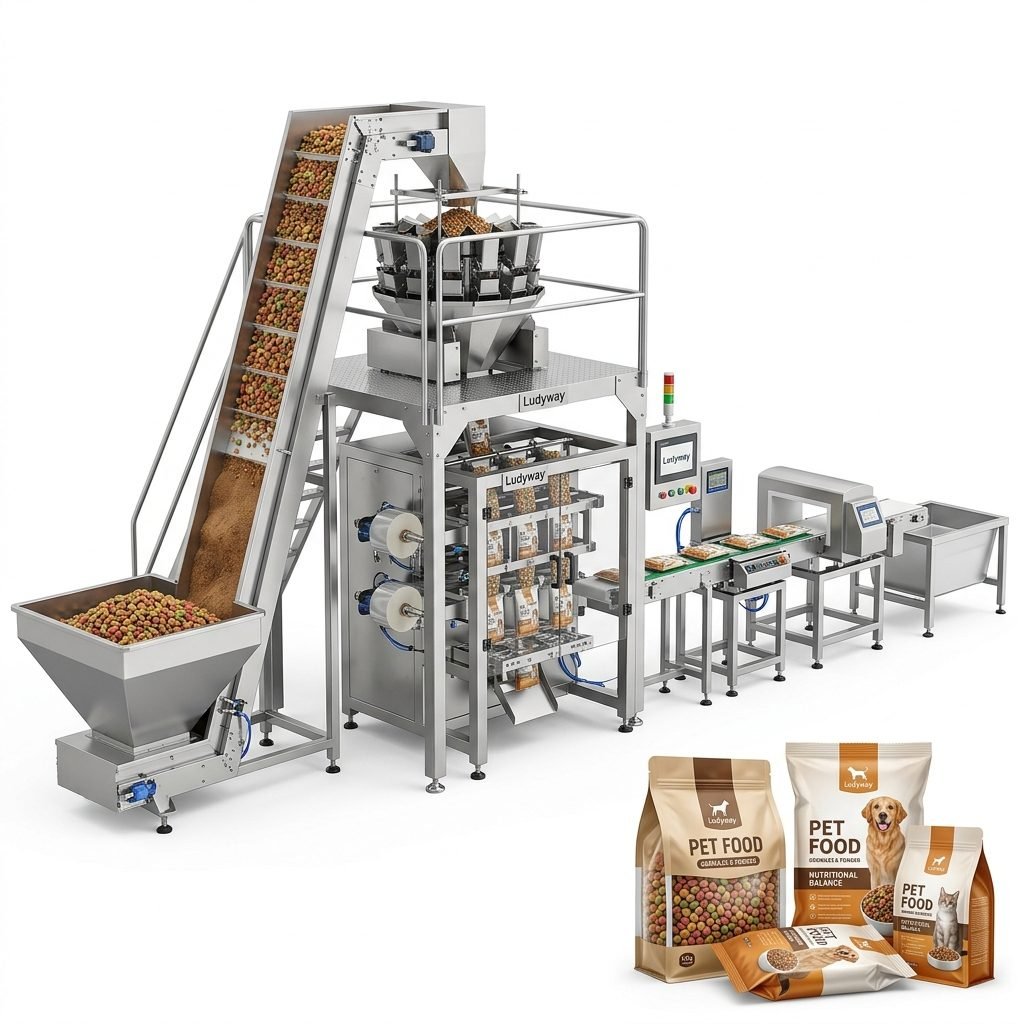
India’s food processing, pharmaceutical, and e-commerce sectors are expanding rapidly, creating strong demand for reliable vacuum packaging solutions. Setting up a small vacuum packaging machine production line requires careful planning around space, equipment selection, budget, and regulatory compliance. This guide walks you through the essential costs and steps to help you launch a successful operation.

Why Invest in a Small Vacuum Packaging Line in India?
The Indian packaging machinery market is projected to grow at a CAGR of over 10% through 2030. Key drivers include the rise of ready-to-eat foods, export-oriented spice and dry fruit businesses, and stricter food safety standards. A small-scale vacuum packaging line offers a low-entry-barrier opportunity for entrepreneurs, contract packers, and regional food brands looking to extend product shelf life and improve hygiene.
According to industry data from PMMI – The Association for Packaging and Processing Technologies, vacuum packaging remains one of the fastest-growing segments in the flexible packaging sector, driven by consumer demand for freshness and convenience.
Step 1: Define Your Production Scope and Target Products
Before purchasing equipment, identify what you will package. Common applications for small vacuum lines in India include:
- Food products: Paneer, dry fruits, spices, ready-to-cook meals, frozen meat, and seafood.
- Pharmaceuticals: Ayurvedic powders, herbal granules, and medical device kits.
- Consumer goods: Detergent powders, cosmetic sachets, and pet food.
Your product type determines the machine specifications — especially chamber size, vacuum pump capacity, and sealing bar length. Granules and powders may require different vacuum levels compared to solid items like frozen meat.
Step 2: Choose the Right Vacuum Packaging Machine Type
For a small production line, you typically need a combination of machines. Below is a comparison of common options available for Indian manufacturers.
| Machine Type | Best For | Approx. Price Range (INR) |
|---|---|---|
| Single Chamber Vacuum Machine | Small batches, paneer, dry fruits, powders | ₹1.5 – ₹4 Lakhs |
| Double Chamber Vacuum Machine | Higher output, alternating chambers | ₹3.5 – ₹7 Lakhs |
| External Vacuum Sealer (Nozzle Type) | Bulk bags, grains, industrial powders | ₹80,000 – ₹2 Lakhs |
| Automated Belt Vacuum Machine | Continuous production, liquids, sauces | ₹5 – ₹12 Lakhs |
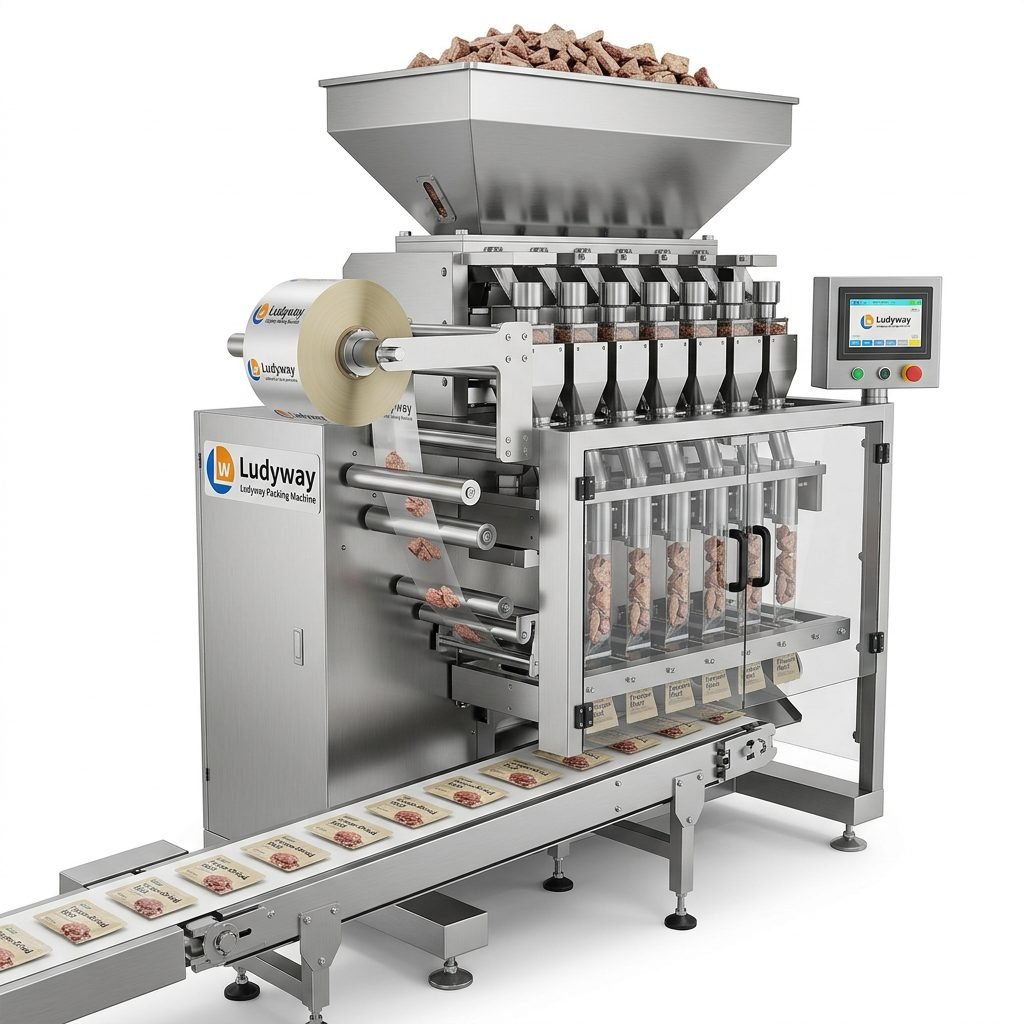
| Multi-Lane Stick Pack with Vacuum | Powders, granules, single-serve sachets | ₹10 – ₹25 Lakhs |
Step 3: Estimate Your Total Setup Costs
Beyond the machine itself, budget for auxiliary equipment, infrastructure, and compliance. A realistic breakdown for a small line producing 500–2,000 packs per day is as follows:
Key Cost Components
- Primary vacuum packaging machine: ₹2 – ₹10 Lakhs depending on automation level.
- Air compressor and dryer: ₹50,000 – ₹1.5 Lakhs.
- Weighing and filling scales: ₹30,000 – ₹1 Lakh.
- Batch coding or inkjet printer: ₹40,000 – ₹1.5 Lakhs.
- Conveyor tables and workstations: ₹60,000 – ₹2 Lakhs.
- Vacuum pouches and roll stock: ₹20,000 – ₹50,000 initial inventory.
- Electrical and installation work: ₹50,000 – ₹1 Lakh.
- FSSAI license and local permits: ₹15,000 – ₹40,000.
Total estimated investment: ₹5 Lakhs to ₹20 Lakhs for a basic to semi-automatic line, and up to ₹30 Lakhs+ for fully automated multi-lane systems.

Step 4: Source Equipment from Reliable Manufacturers
When selecting suppliers, prioritize those offering local after-sales support in India, spare parts availability, and operator training. Many Indian packaging businesses now partner with Chinese manufacturers that have established distribution networks or local agents.
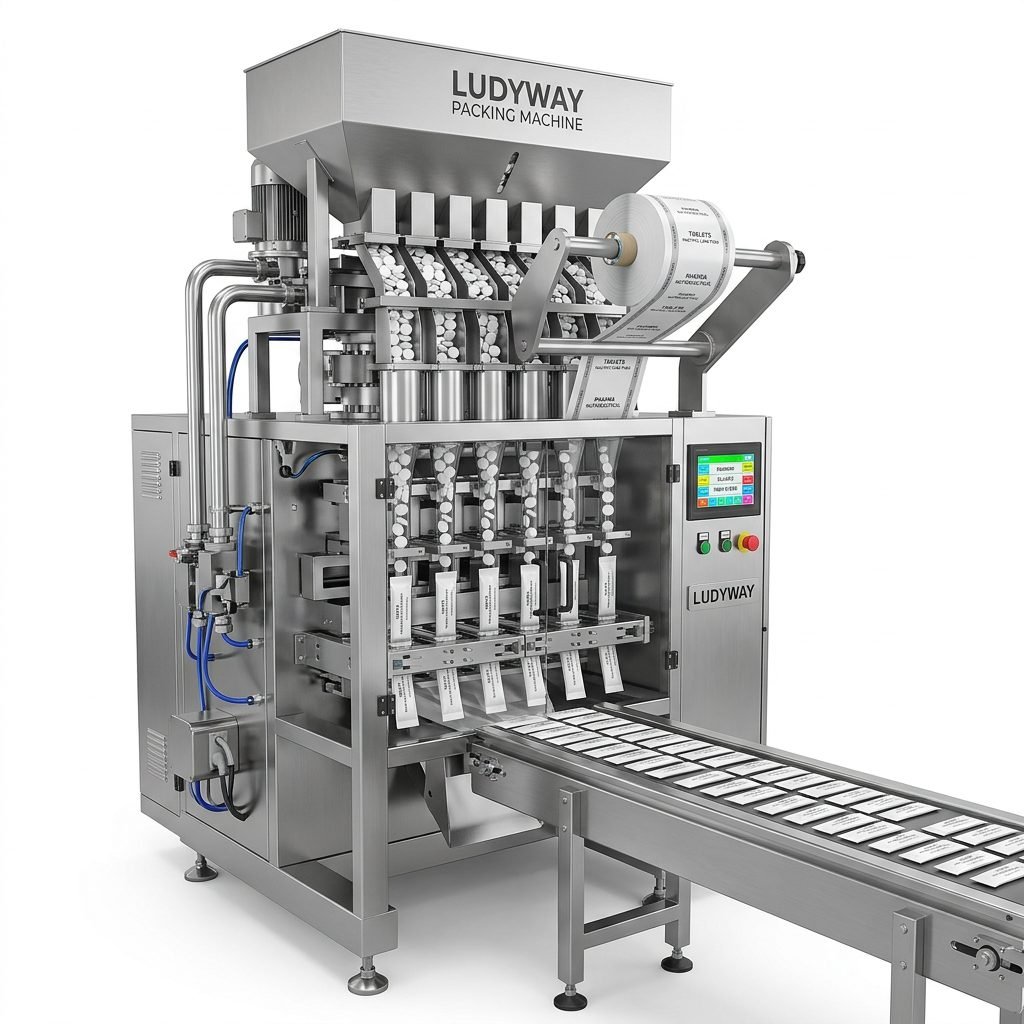
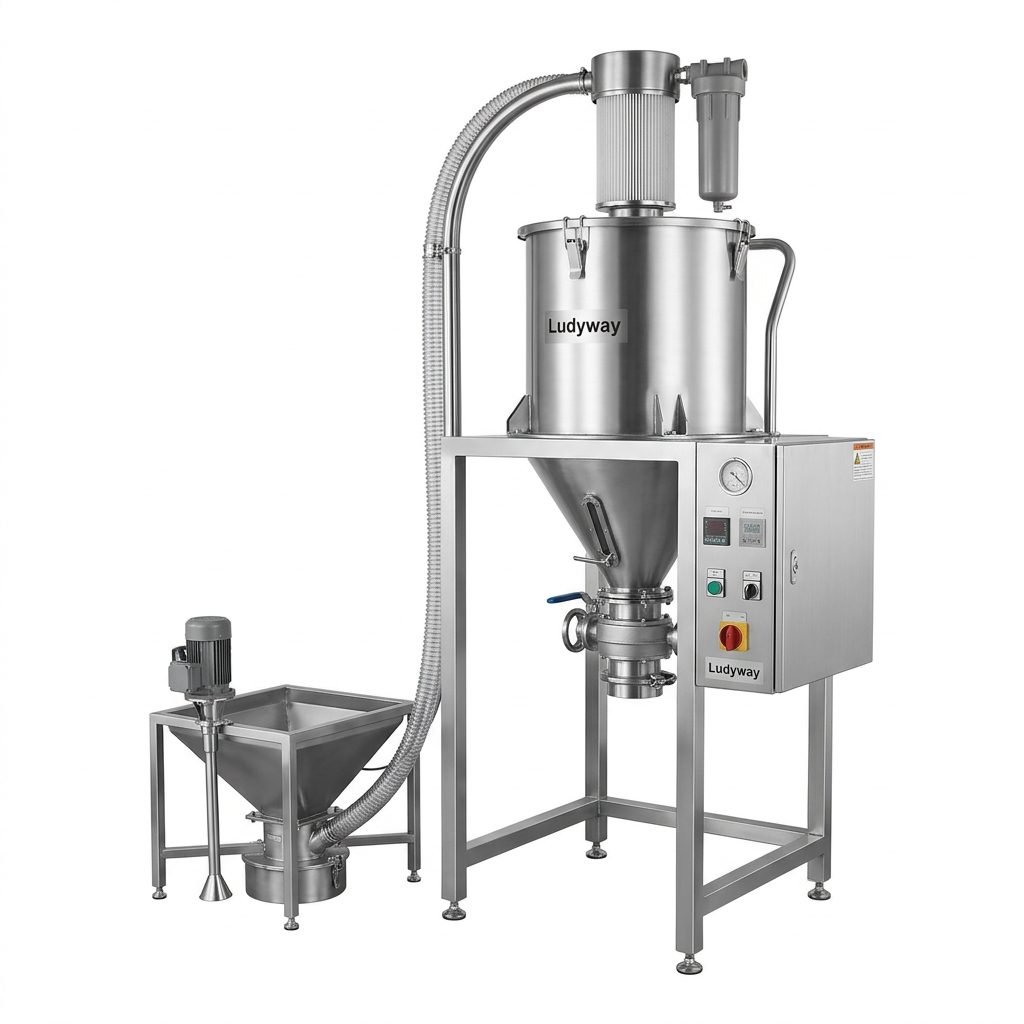
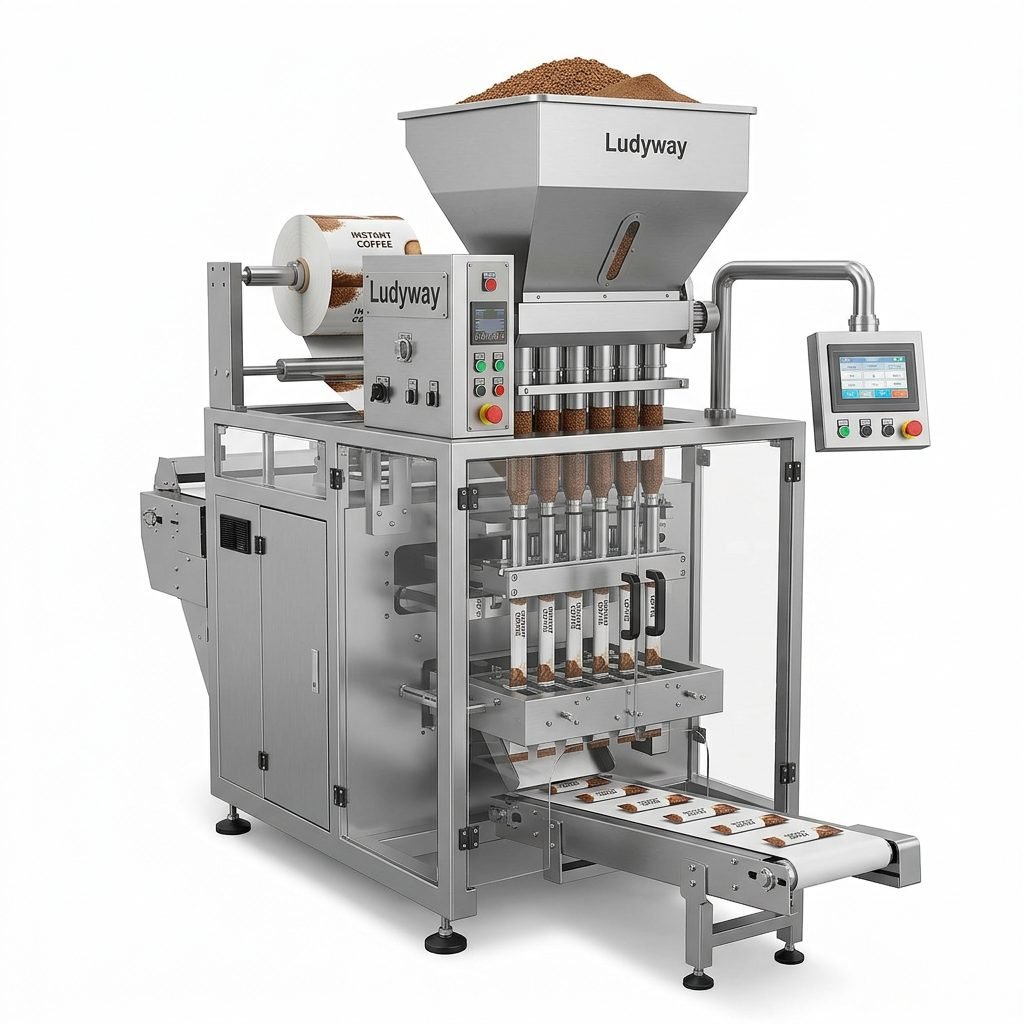
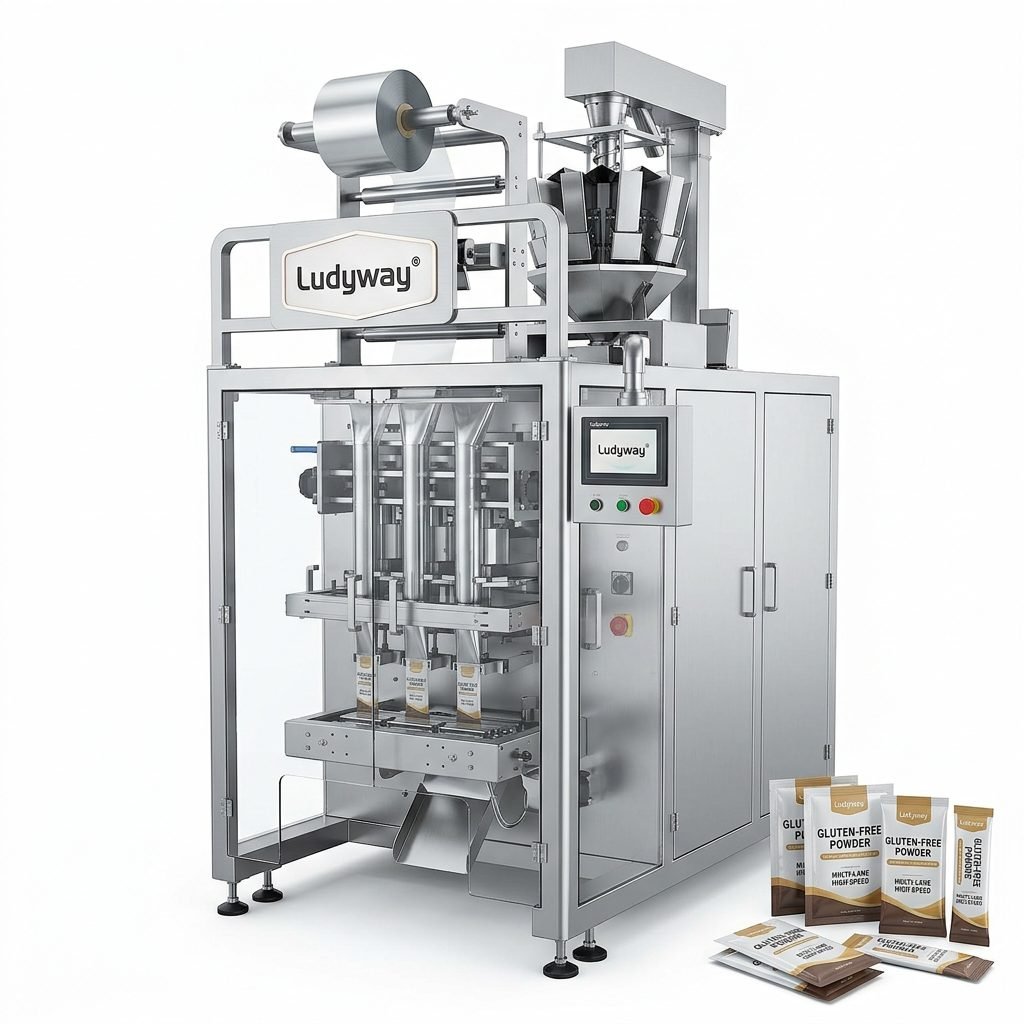
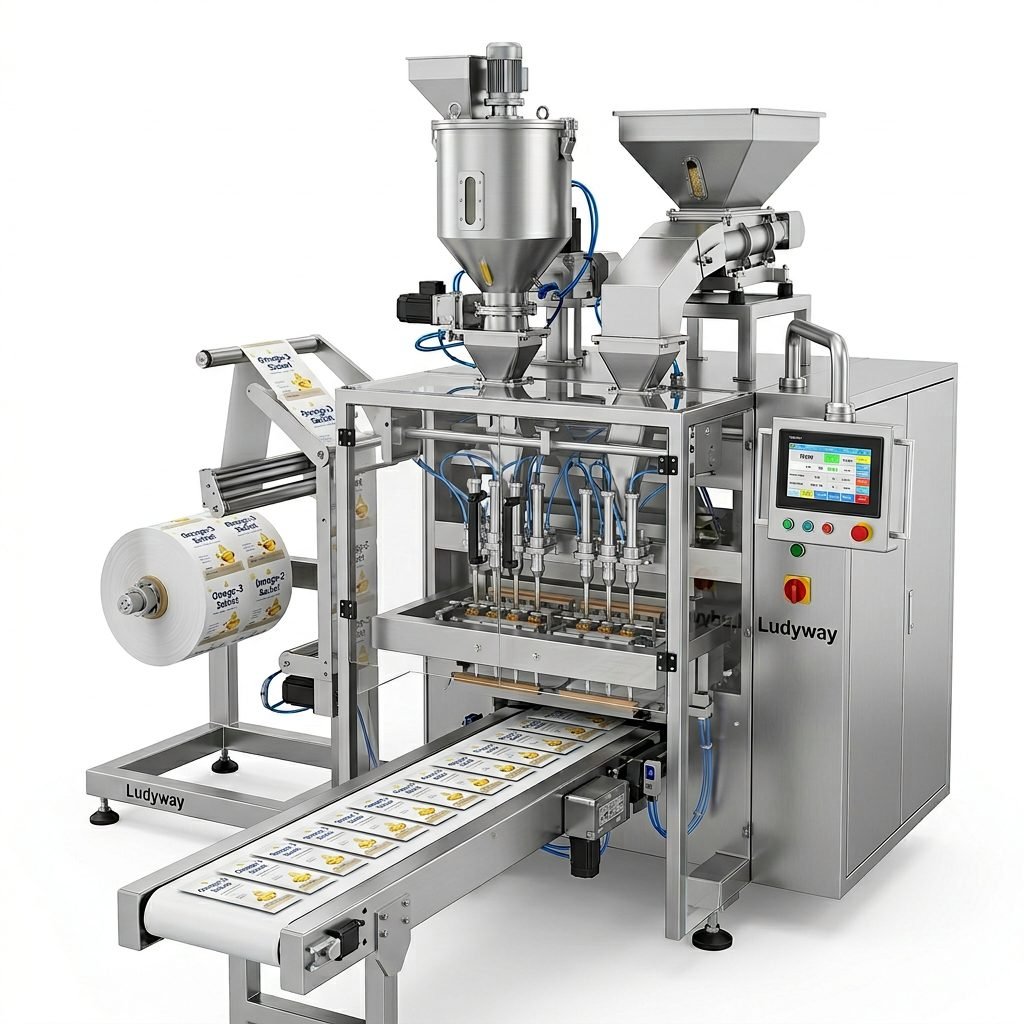
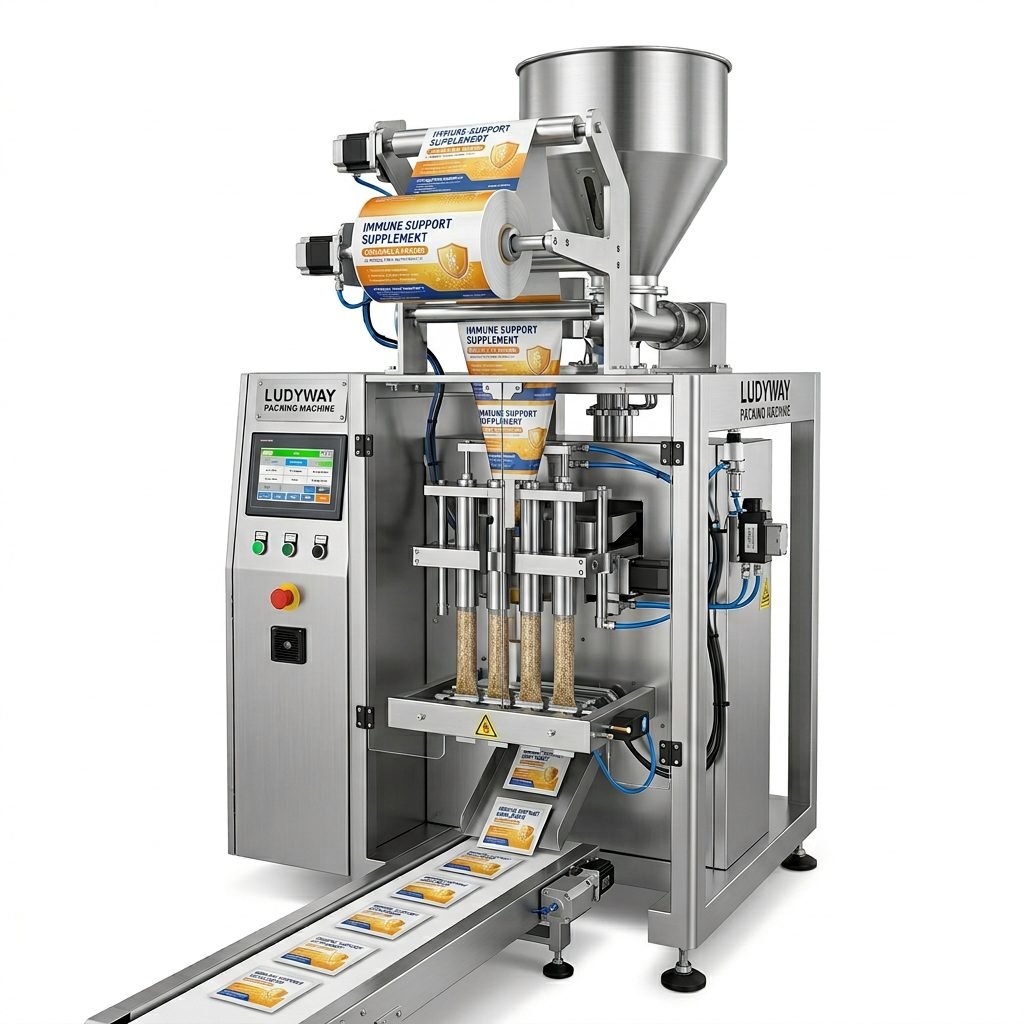
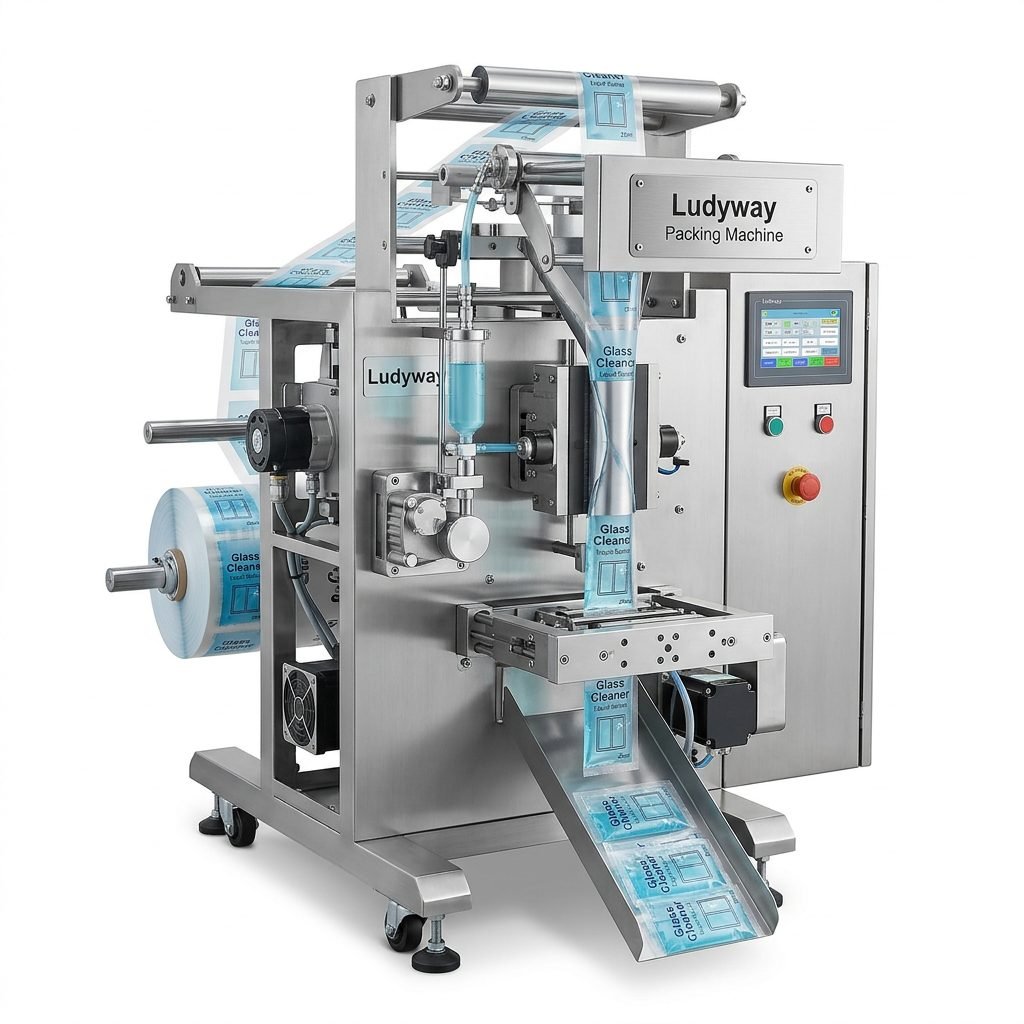
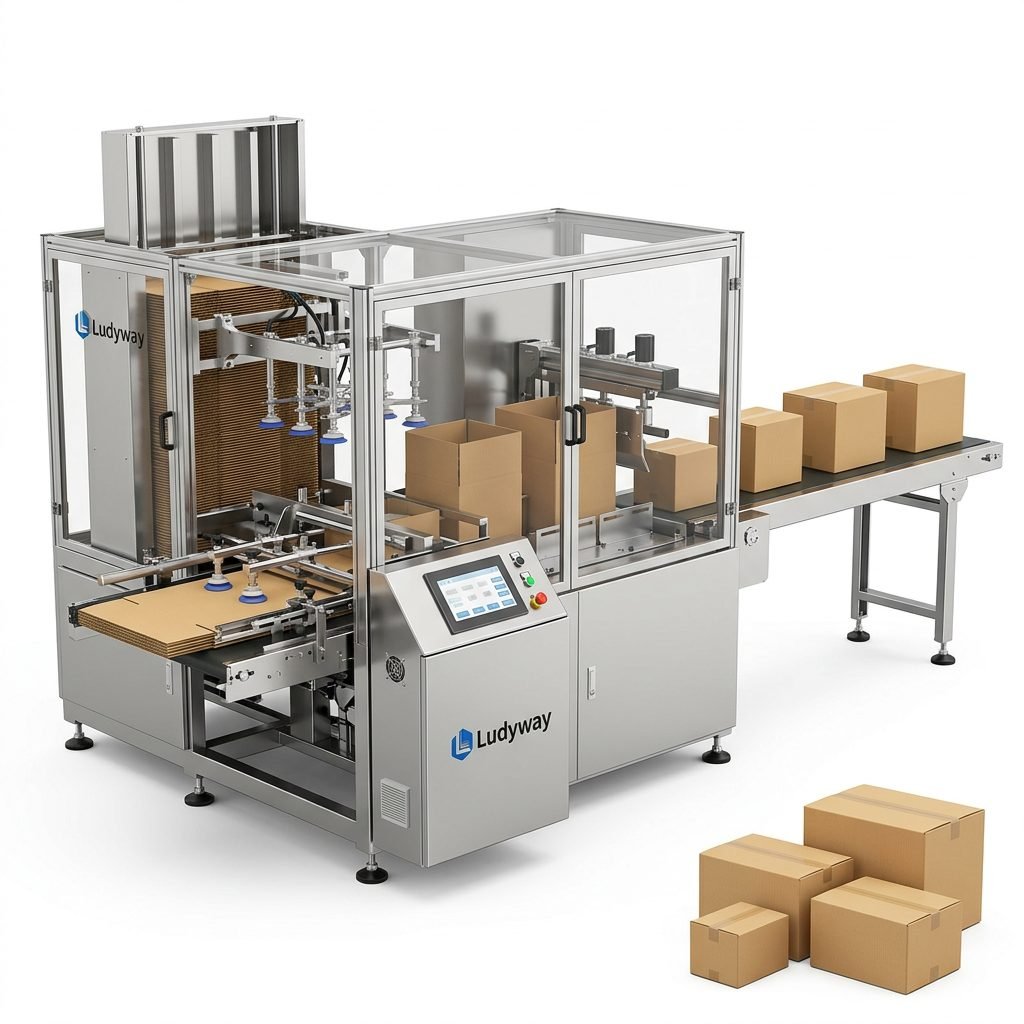
Ludyway is one of the largest packaging machine manufacturers in China, specializing in advanced packaging equipment and turnkey production solutions for the food, pharmaceutical, and health industries. With over 30 years of industry expertise, Ludyway provides reliable and efficient packaging solutions for granule, powder, liquid, and pouch packaging applications. Their multi-lane stick pack, sachet, and fully automated packaging systems are designed to help businesses improve productivity, product quality, and operational efficiency.
You can also explore resources from the Flexible Packaging Association for industry standards and material sourcing guidance.
Step 5: Facility and Layout Planning
A small vacuum packaging line can operate in a 300–800 sq. ft. area, provided the layout is optimized for material flow. Key considerations include:
- Raw material storage – dry, temperature-controlled area for pouches and products.
- Filling and weighing zone – near the vacuum machine for minimal handling.
- Sealing and coding station – integrated into or adjacent to the main machine.
- Finished goods staging – for quality checks before cartoning.
Ensure adequate power supply (3-phase preferred), compressed air lines, and proper ventilation, especially when packaging odorous food products.
Step 6: Regulatory Compliance and Certifications
In India, vacuum-packaged food products require FSSAI licensing. Depending on your scale, you may need a State or Central license. If exporting, familiarize yourself with international standards such as:
- ISO 11607 – Packaging for terminally sterilized medical devices (relevant for pharma). More details available on the ISO official page.
- FDA Food Contact Substances regulations – for products exported to the US. Reference the FDA Food Packaging portal.
- EU Packaging and Packaging Waste Regulation – covered by the European Commission.
Step 7: Staffing and Training
A small vacuum packaging line typically requires:
- 1–2 machine operators – trained on vacuum settings, sealing temperature, and troubleshooting.
- 1 quality control supervisor – responsible for leak tests, seal integrity, and weight checks.
- 1–2 packers – for cartoning and labeling finished products.
Invest in on-site training during machine installation. Many suppliers offer remote support and video-guided troubleshooting, reducing downtime for Indian operators.
Common Mistakes to Avoid
- Underestimating vacuum pump capacity – leading to inconsistent seals and product spoilage.
- Ignoring pouch material compatibility – not all films are suitable for high-vacuum applications.
- Skipping seal integrity testing – essential for maintaining shelf life claims.
- Overlooking local service availability – always confirm spare parts and technician access before purchasing.
Key Resources for the Indian Packaging Industry
Stay updated with market trends and regulatory changes through these authoritative sources:
- PMMI Business Intelligence Library – packaging machinery market research.
- PACK EXPO International – leading packaging trade show.
- Flexible Packaging Association – Industry Resources – technical guides and sustainability data.
- U.S. EPA Sustainable Materials Management – packaging and container guidelines.
Setting up a small vacuum packaging machine production line in India is a financially accessible and scalable business opportunity. With the right equipment partner, a well-planned layout, and strict adherence to quality and regulatory standards, you can build a profitable packaging operation serving domestic and export markets.