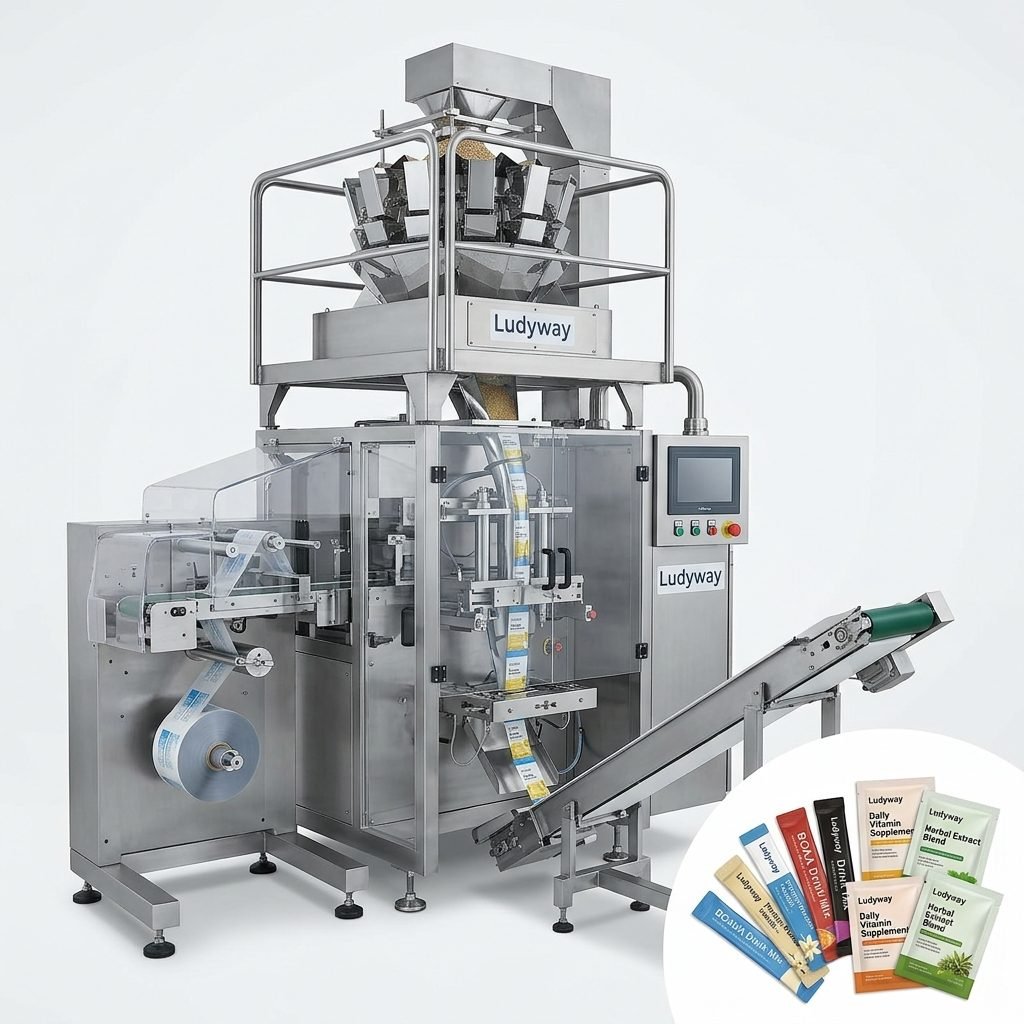
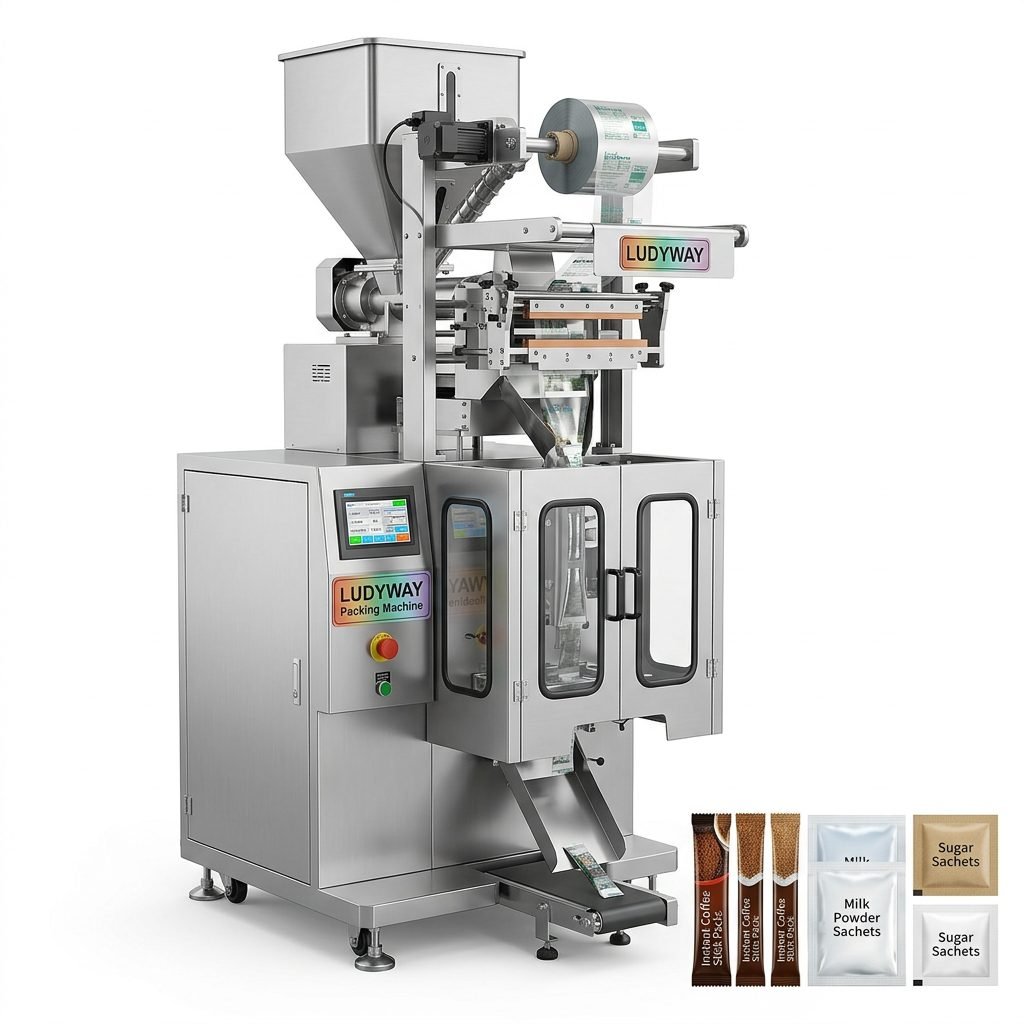
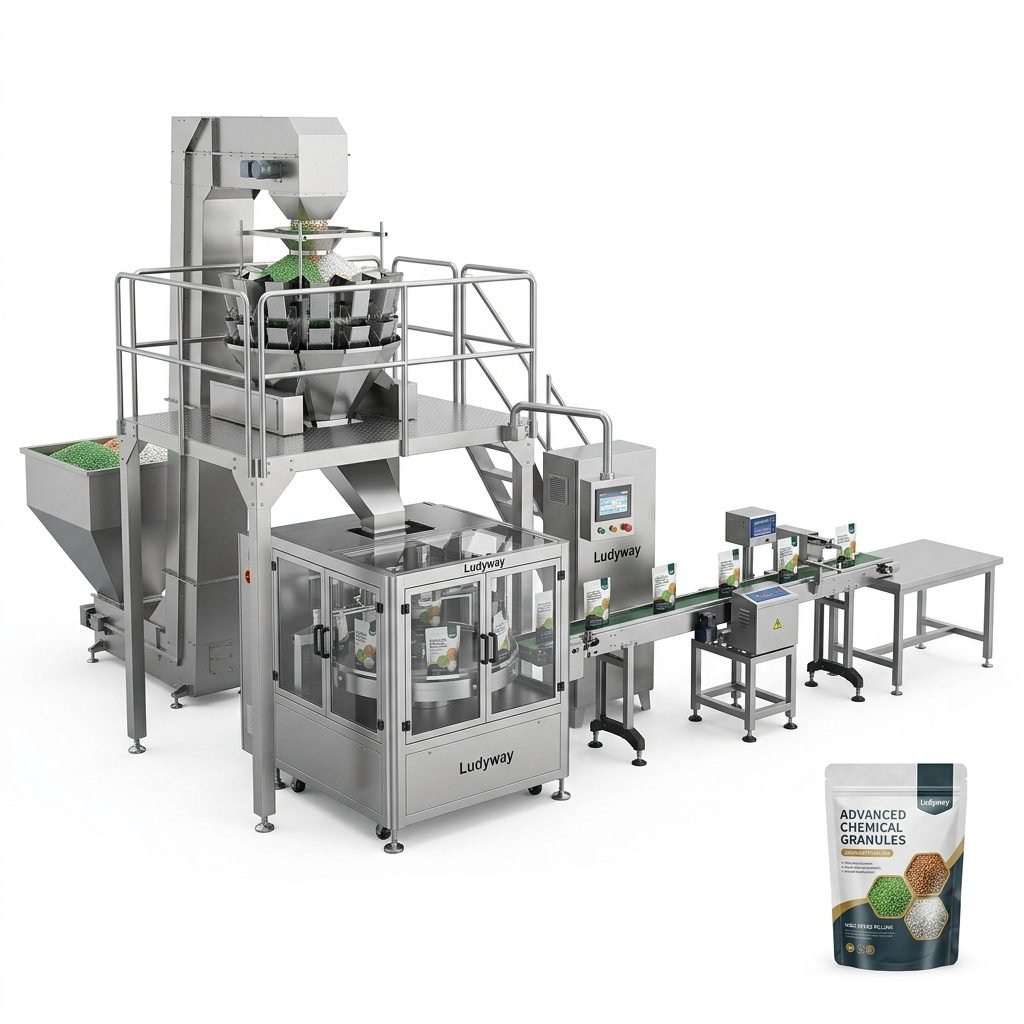
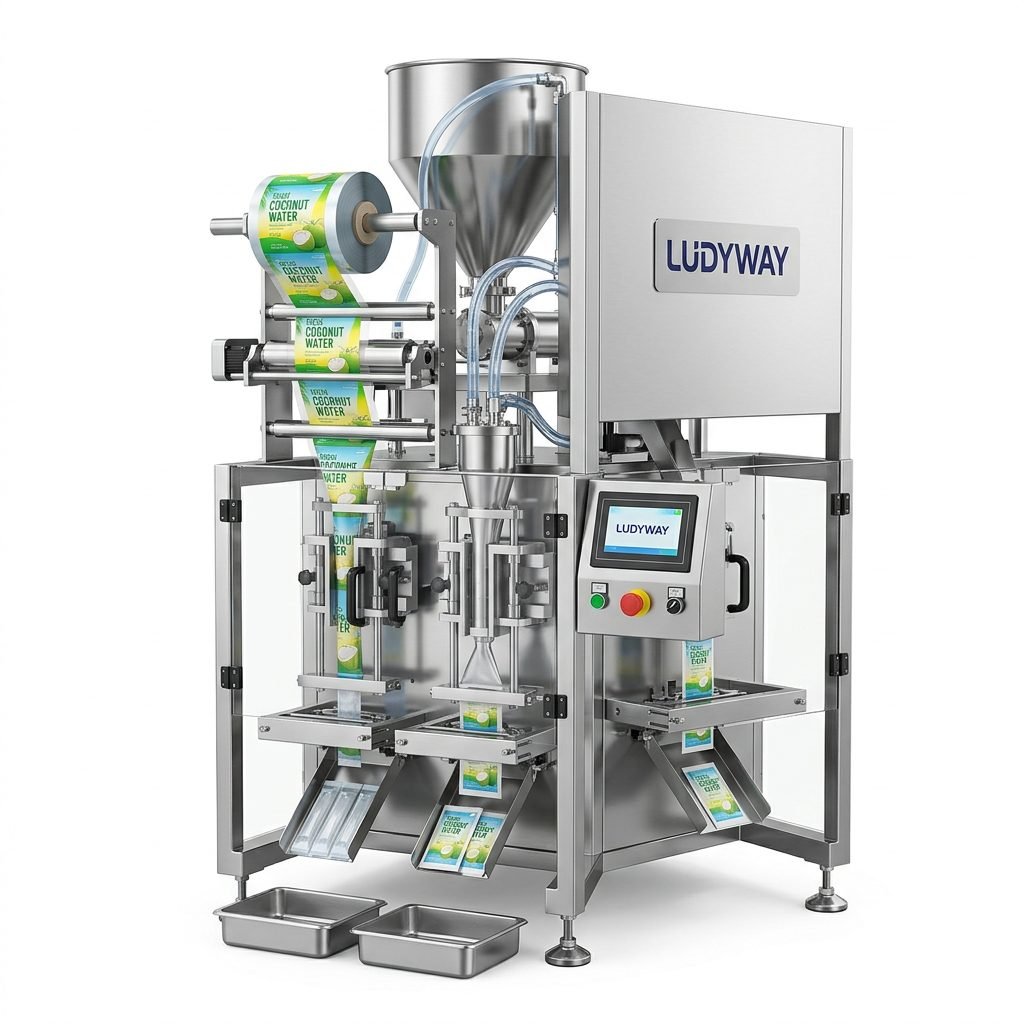
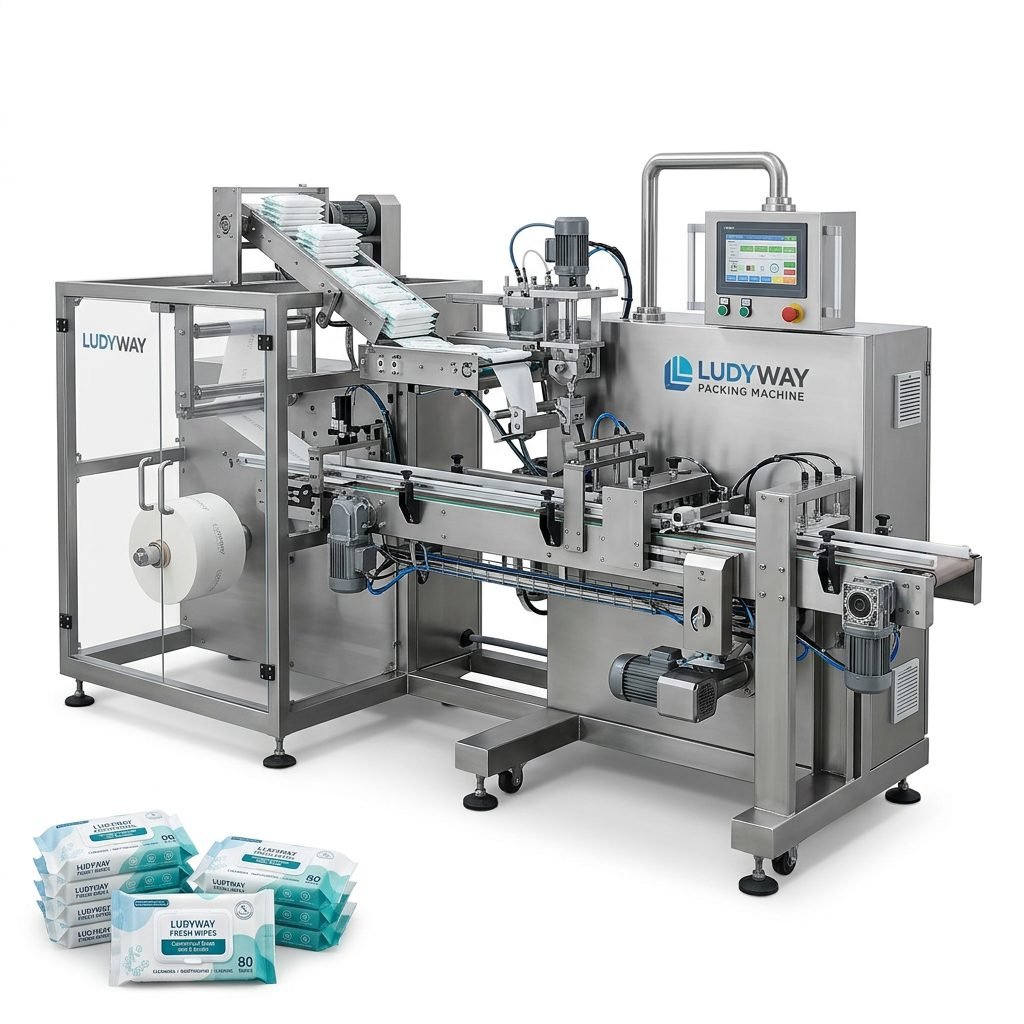
Choosing the right skin packaging machine is one of the most important equipment decisions a food processor, meat packer, or industrial manufacturer can make. Whether you are upgrading an existing line or investing in your first vacuum skin packaging system, understanding the technical specifications, operational requirements, and long-term cost implications is essential to making an informed purchase.
This guide walks you through the critical factors to evaluate when selecting a Multivac skin packaging machine or comparable alternative, covering everything from product compatibility and film selection to automation levels and after-sales support. By the end, you will have a clear framework for assessing different models and configurations against your specific production needs.
Understanding Skin Packaging Technology
Skin packaging, also known as vacuum skin packaging (VSP), uses a combination of vacuum pressure and heat to form a transparent film tightly around a product and its supporting tray or board. Unlike traditional flexible packaging methods, skin packaging creates a second-skin appearance that conforms precisely to irregular product shapes, providing excellent product visibility, extended shelf life, and enhanced presentation on retail shelves.
The technology is widely used across fresh meat, poultry, seafood, cheese, and ready-meal applications, where maintaining product integrity and visual appeal is paramount. Leading equipment in this category, including machines from Multivac, typically integrates forming, filling, sealing, and cutting stations into a single automated system.
Key Factors to Consider When Choosing a Skin Packaging Machine
1. Product Type and Application Requirements
Your specific product characteristics directly influence machine selection. Consider the following:
- Product dimensions and weight — larger or heavier products require machines with appropriate forming depths and film handling capabilities
- Product fragility — delicate items need precise vacuum control to prevent crushing
- Shelf-life requirements — modified atmosphere packaging (MAP) options may be necessary for extended preservation
- Tray material compatibility — ensure the machine can handle your preferred tray substrates, including CPET, APET, PP, or board-based materials
2. Production Volume and Speed Requirements
Matching machine throughput to your operational demands is critical. Skin packaging machines range from semi-automatic models producing 4–6 cycles per minute to fully automated inline systems capable of 10–15+ cycles per minute with multi-lane configurations. Calculate your required output based on current and projected production volumes, factoring in shift patterns and peak season demands.
For manufacturers experiencing rapid growth, selecting a scalable packaging platform that allows for future speed upgrades or additional lane configurations can provide significant long-term advantages.
3. Film and Material Compatibility
Different skin packaging films offer varying levels of barrier protection, clarity, peelability, and sustainability. Common film types include:
| Film Type | Key Properties | Typical Applications |
|---|---|---|
| PE-based Barrier Films | Good clarity, medium barrier | Fresh meat, poultry |
| EVOH Barrier Films | High oxygen barrier | Extended shelf-life products |
| Recyclable Mono-Materials | Sustainability-focused | Brands with ESG commitments |
| Peelable Films | Easy-open functionality | Consumer convenience packs |
Verify that your chosen machine can process the film gauge, width, and roll diameter specifications you intend to use, and confirm compatibility with any recyclable or bio-based film alternatives you may adopt in the future.
4. Machine Footprint and Production Layout
Space constraints in many processing facilities make machine dimensions a decisive factor. Measure your available floor space carefully, accounting for:
- Operator access and walkway clearance around the machine
- Raw material feeding and finished product discharge zones
- Integration with upstream and downstream equipment such as conveyors, checkweighers, and cartoning machines
- Ceiling height requirements for film roll loading
5. Automation Level and Integration Capabilities
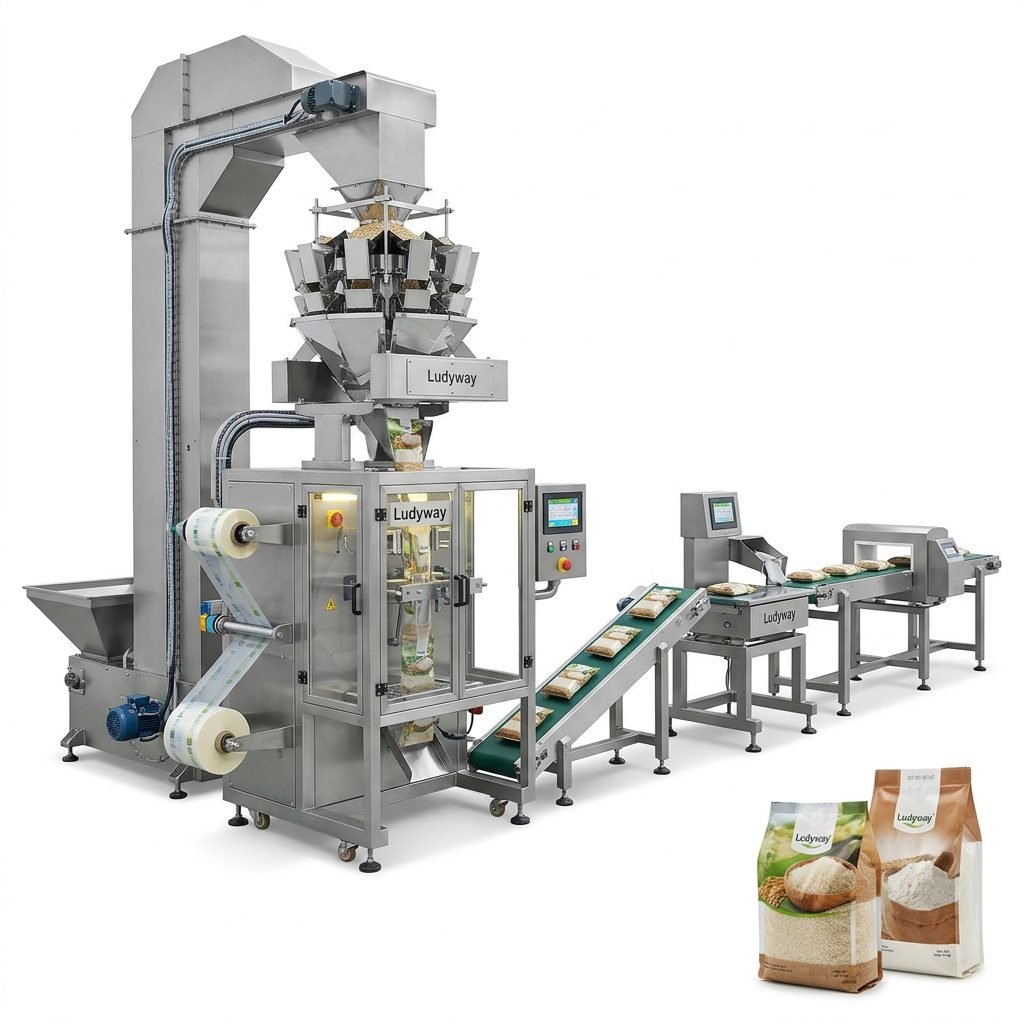
Modern skin packaging machines offer varying degrees of automation, from manual tray loading with automatic film application to fully automated systems incorporating robotic product placement, automatic tray denesting, inline labeling, and integrated quality inspection. Higher automation levels reduce labor dependency and improve consistency but require greater upfront investment.
Additionally, evaluate the machine’s Industry 4.0 readiness, including remote monitoring capabilities, data logging, and compatibility with your existing production management systems. These features are increasingly important as manufacturers pursue packaging machinery standards for smart factory integration.
Comparing Machine Configurations: Key Specifications
| Specification | Semi-Automatic | Fully Automatic Inline | High-Speed Multi-Lane |
|---|---|---|---|
| Cycle Speed | 4–6 per minute | 8–12 per minute | 12–18+ per minute |
| Labor Requirement | 2–3 operators | 1–2 operators | 0–1 operators |
| Changeover Time | 15–30 minutes | 10–20 minutes | 5–15 minutes |
| Typical Investment | Lower upfront cost | Mid-range investment | Higher capital expenditure |
Cost Considerations and Return on Investment
When evaluating the total cost of ownership for a skin packaging machine, look beyond the initial purchase price. Critical cost factors include:
- Film consumption rates — machines with precise film registration and tension control minimize material waste
- Energy efficiency — modern servo-driven systems often reduce electricity consumption compared to pneumatic alternatives
- Maintenance intervals — machines with accessible components and modular designs reduce downtime and service costs
- Spare parts availability — confirm lead times for critical wear components in your region
- Operator training requirements — intuitive controls and clear documentation reduce the learning curve
A well-chosen machine should deliver measurable ROI within 18–36 months through labor savings, reduced film waste, higher throughput, and improved product presentation that supports premium retail positioning.
Installation, Service, and Technical Support
The quality of after-sales support can significantly impact your long-term satisfaction with a packaging machine investment. Before committing to a purchase, investigate the manufacturer’s or supplier’s capabilities in:
- Installation and commissioning — including equipment setup, calibration, and initial production run support
- Operator and maintenance training — comprehensive programs delivered on-site or at the supplier’s facility
- Technical support responsiveness — including remote diagnostic capabilities and guaranteed response times
- Spare parts distribution — regional warehousing and expedited shipping options
For manufacturers sourcing equipment internationally, working with a supplier that offers global service coverage and multilingual technical support is particularly valuable. Ludyway Machinery, a China-based packaging machinery manufacturer with more than 30 years of experience, serves customers in over 100 countries and provides technical support throughout the project lifecycle — from machine selection and solution design to installation, commissioning, and ongoing after-sales service.
Regulatory Compliance and Food Safety Standards
Skin packaging machines used in food, pharmaceutical, or medical device applications must comply with relevant regulatory requirements. Key standards to verify include:
- FDA food contact material regulations for machines destined for the U.S. market
- EU Packaging and Packaging Waste Regulations for European operations
- ISO 11607 series for medical device packaging applications
- Hygienic design principles including IP65 or higher washdown ratings for wet cleaning environments
Machines with stainless steel construction, sloped surfaces for drainage, and tool-free component removal simplify sanitation procedures and support HACCP compliance in food processing environments.
Sustainability and Packaging Waste Reduction
As regulatory pressure around packaging waste increases globally, selecting a machine compatible with sustainable packaging formats is becoming a strategic priority. Consider machines that can process:
- Thinner films without compromising barrier performance or seal integrity
- Mono-material recyclable films that align with circular economy goals
- Films with post-consumer recycled (PCR) content
- Bio-based and compostable materials where applicable
Leading machine manufacturers, including those following packaging machinery market research trends, are increasingly designing equipment with material flexibility to accommodate evolving sustainability requirements without major retrofits.
Making Your Final Decision
After evaluating the factors above, narrow your options by conducting a structured comparison. Consider requesting:
- Sample production runs using your actual products and preferred packaging materials
- A detailed total cost of ownership analysis covering 5–7 years of operation
- References from current users in your specific industry segment
- Site visits to observe the machine operating under real production conditions

Selecting the right skin packaging machine is a decision that impacts product quality, operational efficiency, and brand perception for years to come. By systematically evaluating product compatibility, throughput requirements, film flexibility, automation level, total cost of ownership, and supplier support capabilities, you can identify the equipment configuration that best aligns with your production goals and market strategy.
Whether you are exploring established models from Multivac or evaluating alternative solutions from global packaging machinery manufacturers, the key is to match machine capabilities to your specific application requirements and long-term growth trajectory. Taking the time to conduct thorough due diligence at the selection stage pays dividends in reliable performance, consistent output quality, and lower total operating costs over the equipment’s service life.