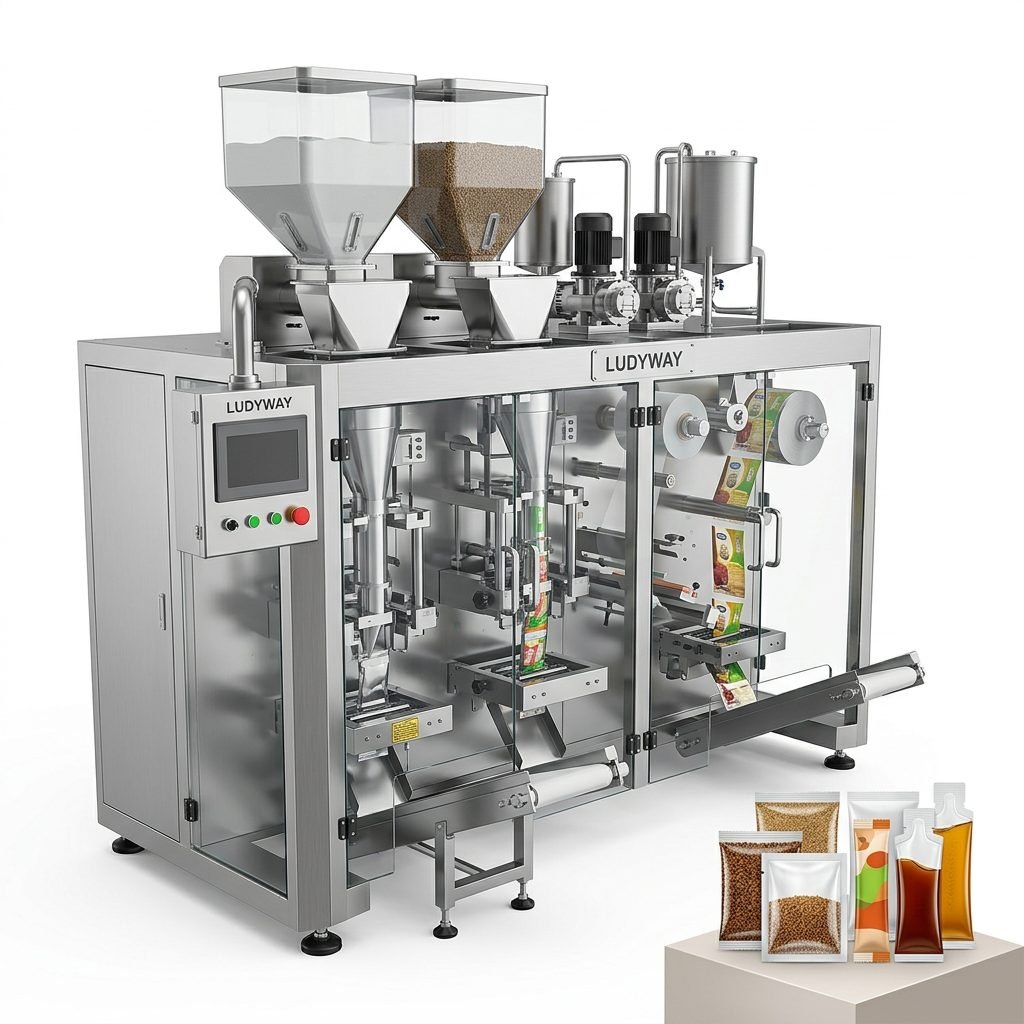
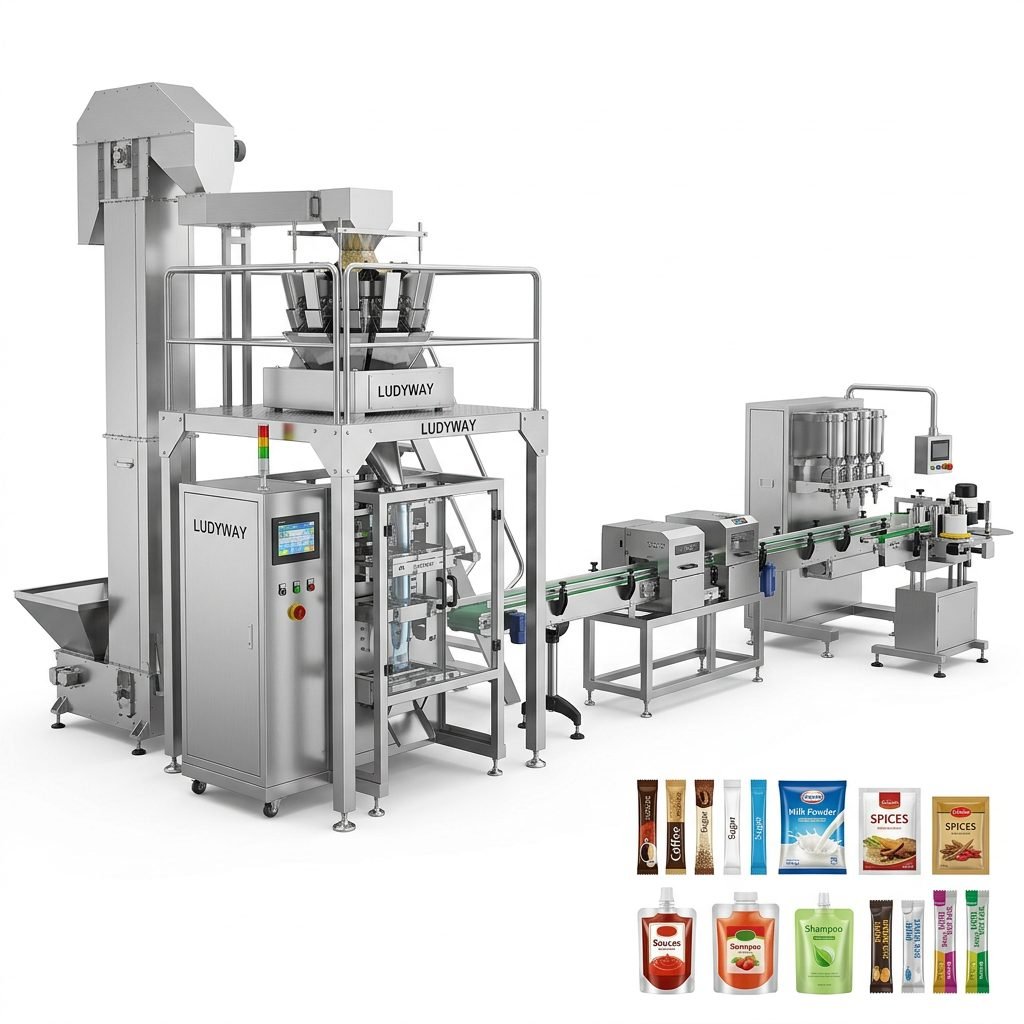
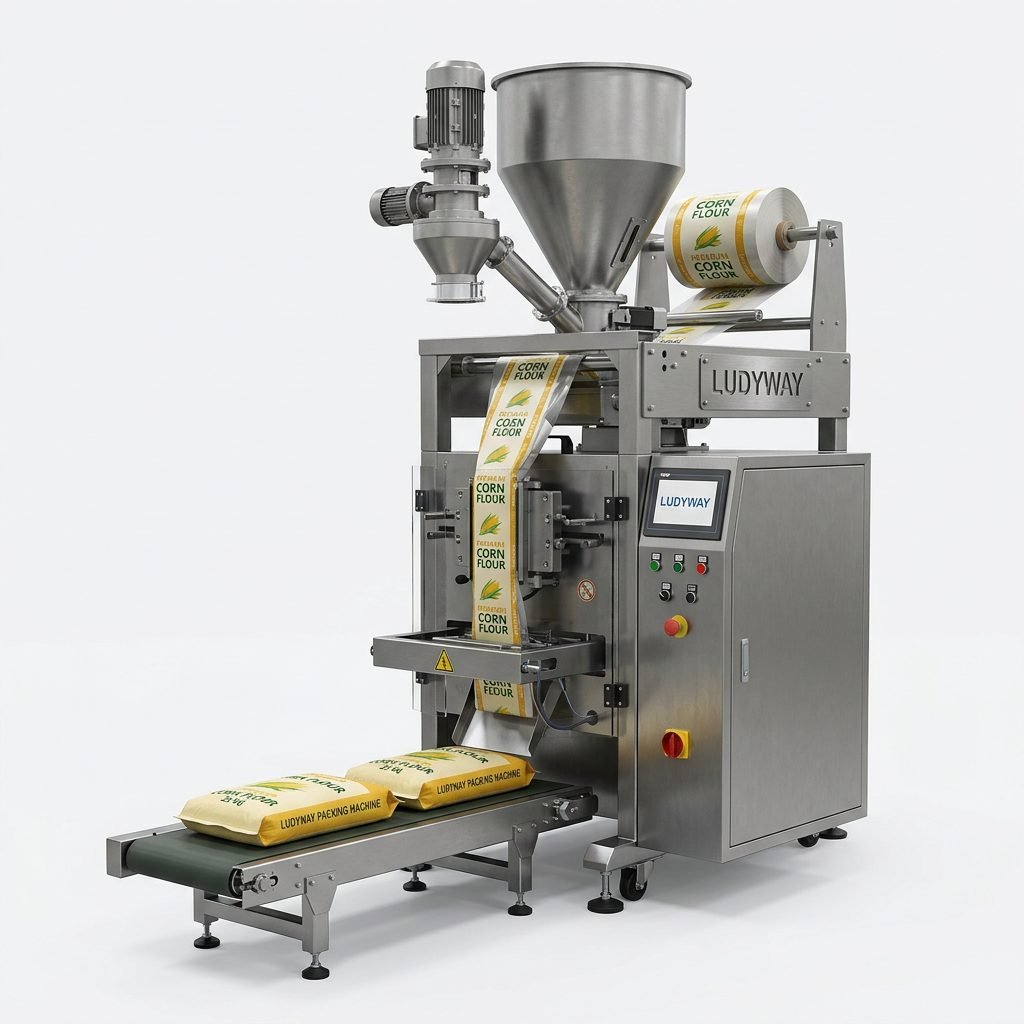
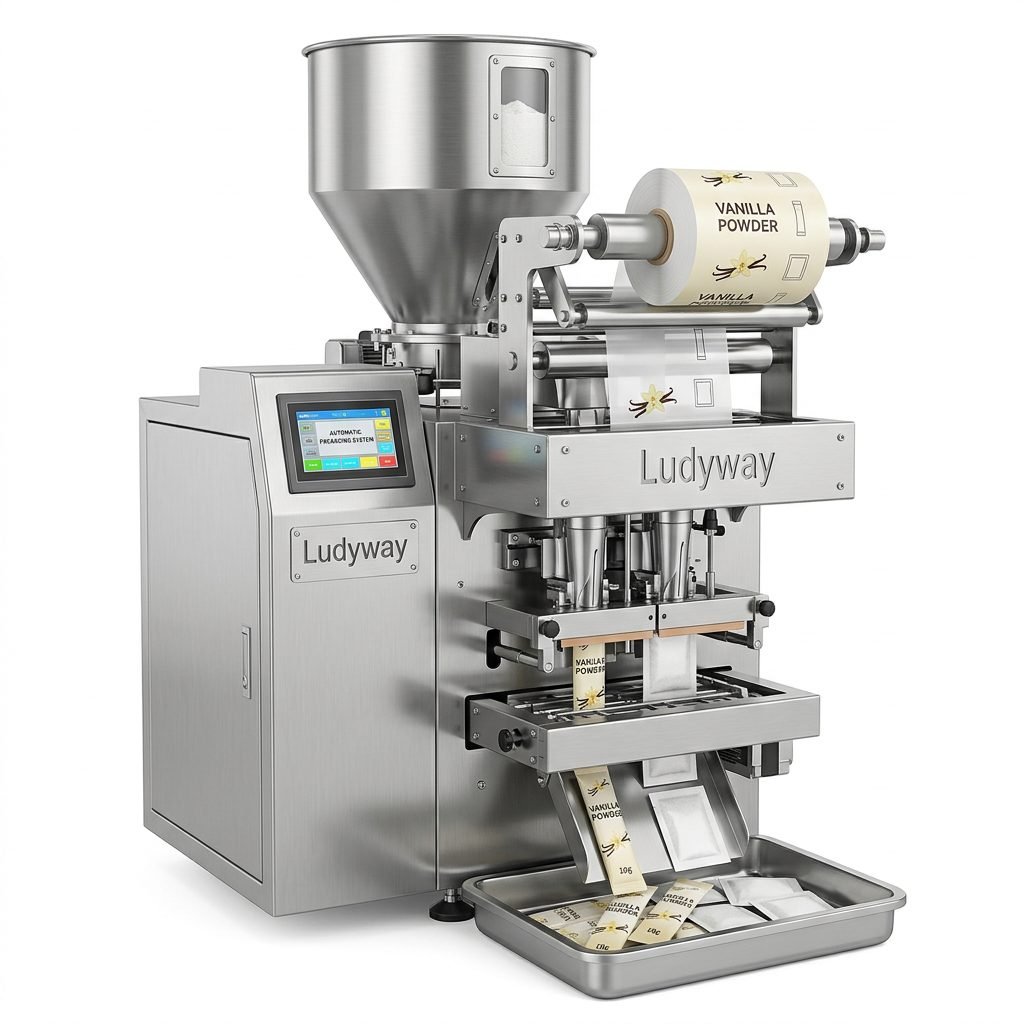
When selecting a coffee vacuum packaging machine, Asian roasters and manufacturers face unique challenges. Volatile aroma compounds, delicate CO₂ off-gassing cycles, and the sheer pressure of mass production demand equipment that goes beyond simple bag sealing. This is why discerning buyers are increasingly looking toward integrated, high-speed solutions built with precision engineering at their core.
Understanding the Critical Demands of Coffee Vacuum Sealing
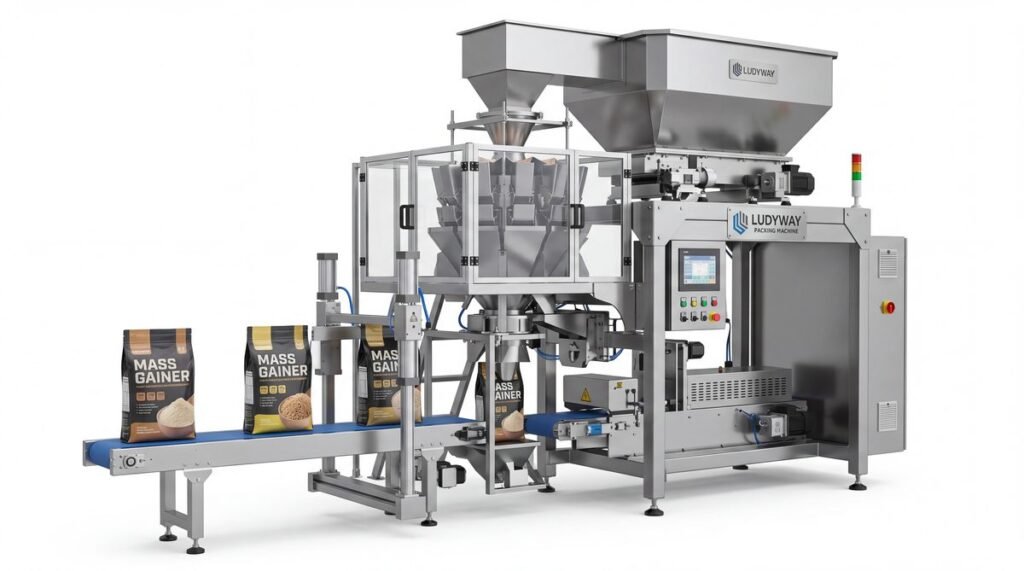
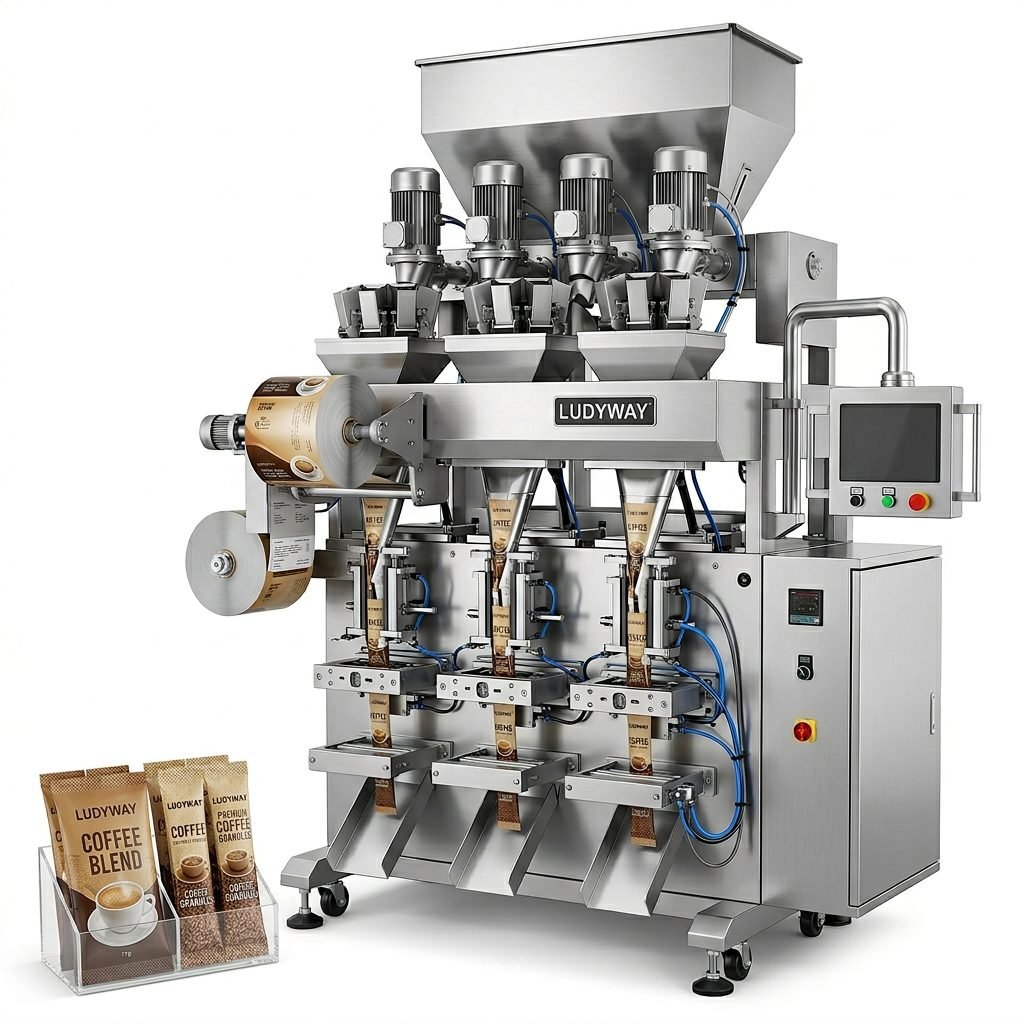
Effective coffee packaging is a battle against oxygen, moisture, and light. Unlike standard granular products, fresh coffee requires immediate nitrogen flushing or vacuum extraction the moment grinding is complete. A superior coffee vacuum packaging machine must synchronize multi-head weighers with ultra-fast sealing jaws to prevent any degradation. The best machines in Asia are engineered to handle degassing valves while maintaining seal integrity even in high-humidity environments typical of equatorial processing plants.
Why Asian Production Lines Require Specialized Engineering
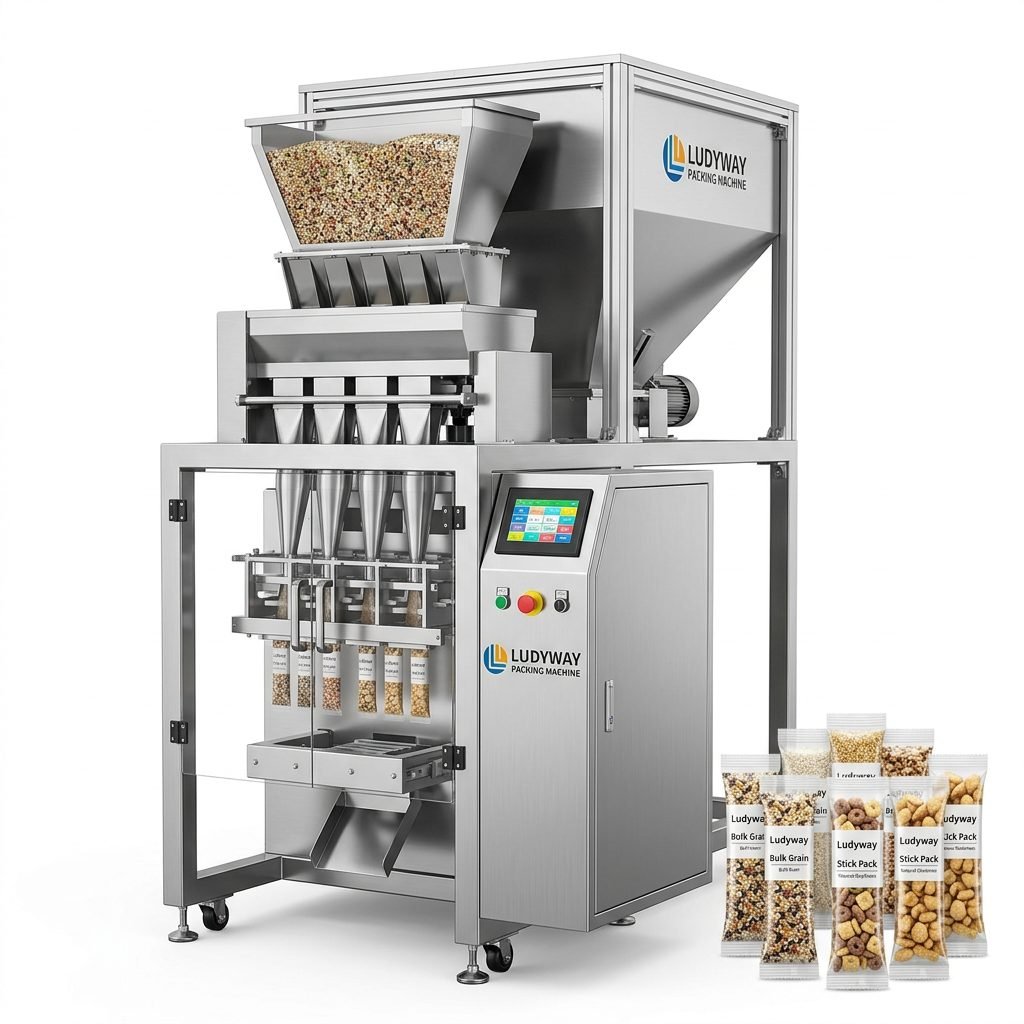
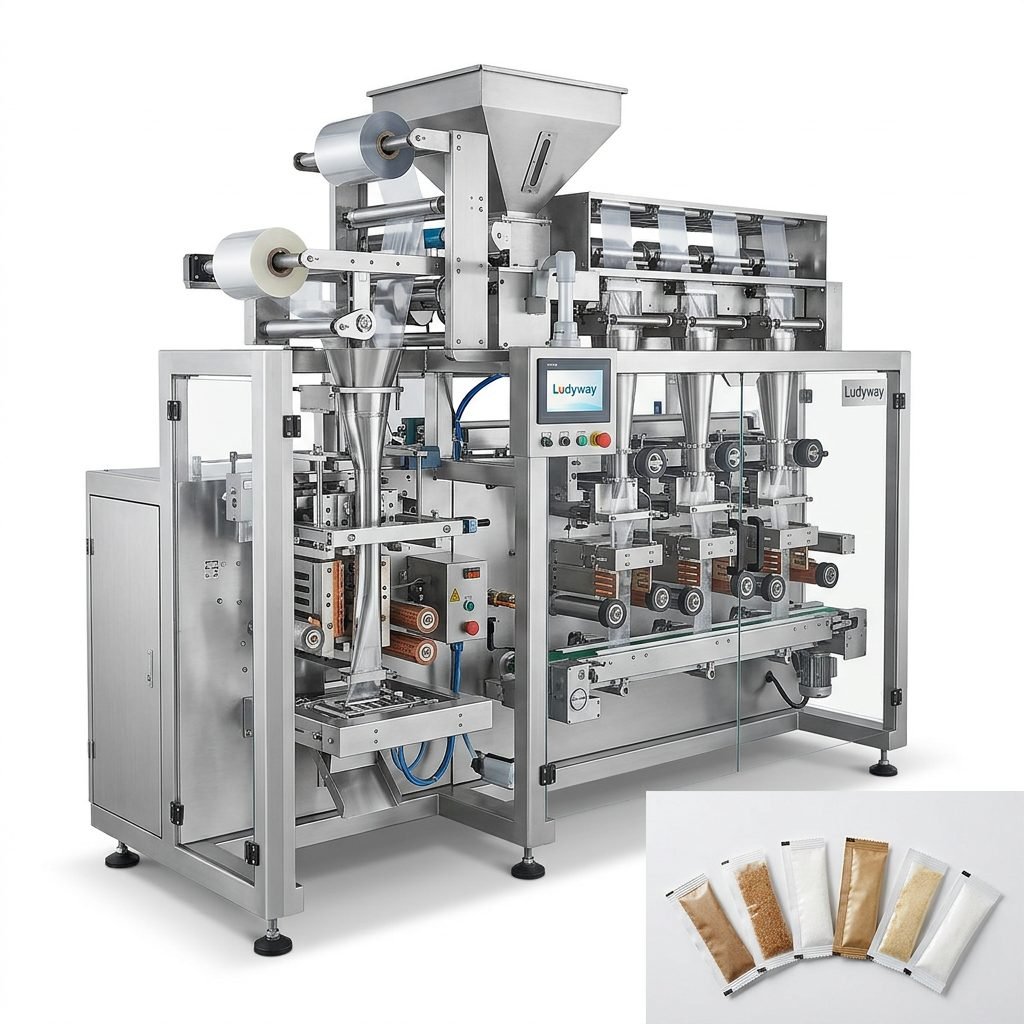
The Asian coffee market is not a monolith; it spans the ultra-fine Vietnamese robusta to full-city roasted Sumatran beans. Consequently, a versatile multi-lane system is not a luxury but a necessity. Operations scaling beyond 100 packs per minute require servo-driven controls that minimize film waste during format changes. Key components to evaluate include:
- Oxygen Residual Rate: A target of less than 1% residual oxygen inside the finished stick pack or sachet.
- Seal Integrity: Precision temperature modulation to prevent “leakers” caused by ground coffee dust in the seal area.
- Gas Flushing Efficiency: Intelligent nozzles that inject inert gas without agitating the fine powder.
Ludyway: Merging 30 Years of Expertise with Coffee Packaging Innovation
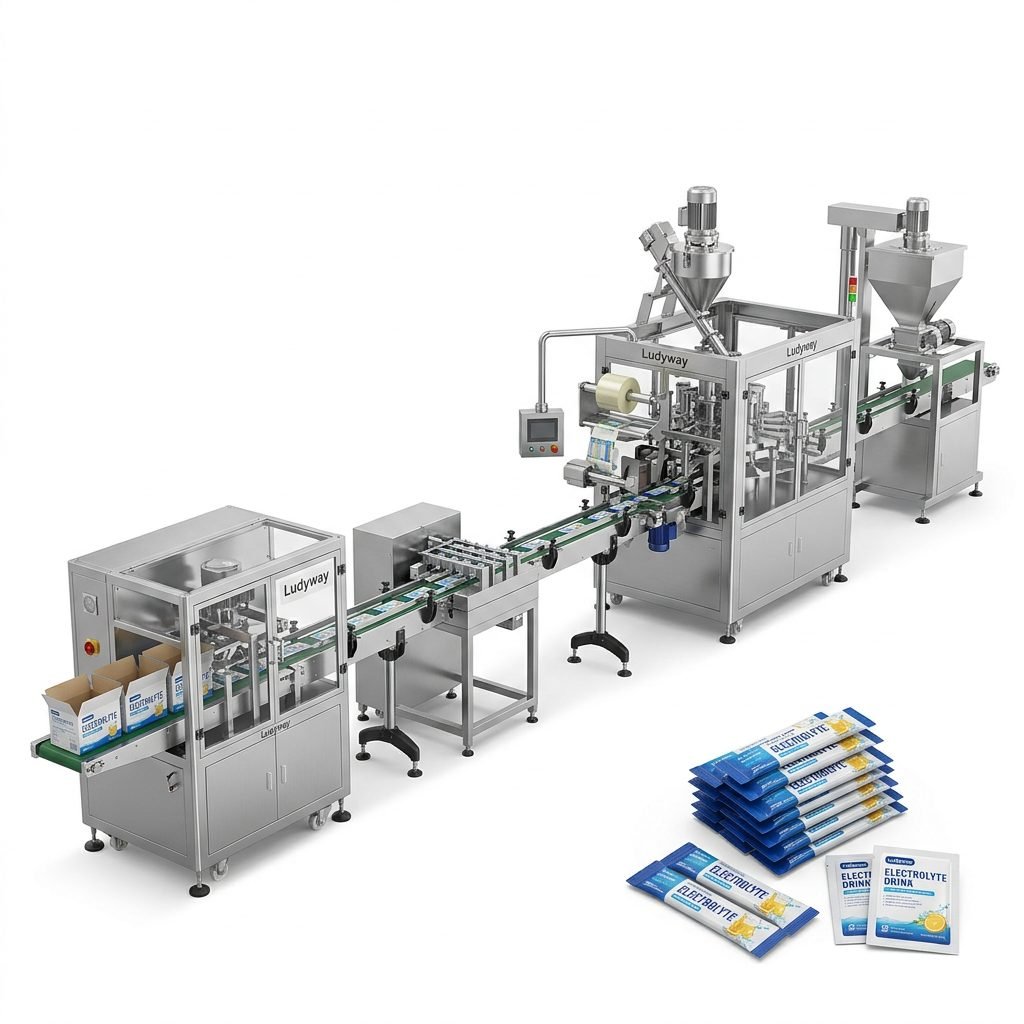
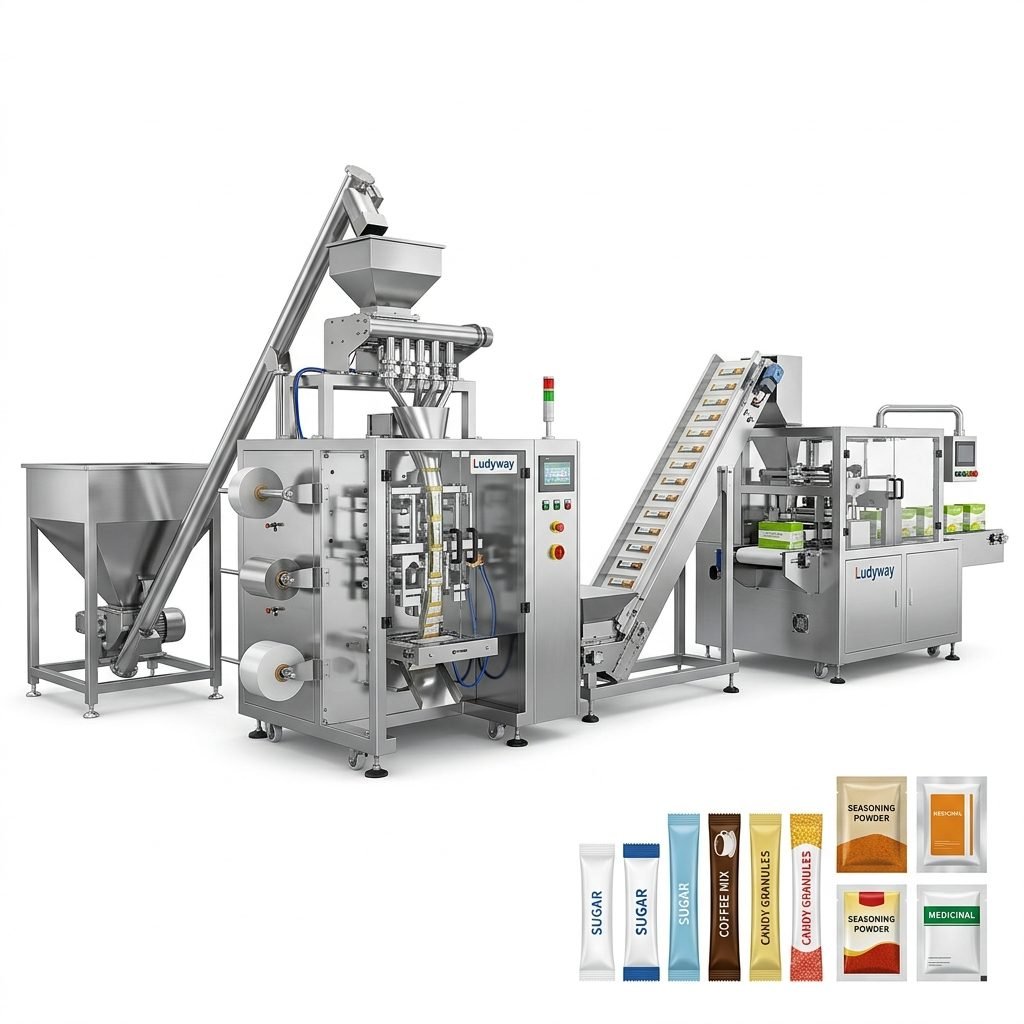
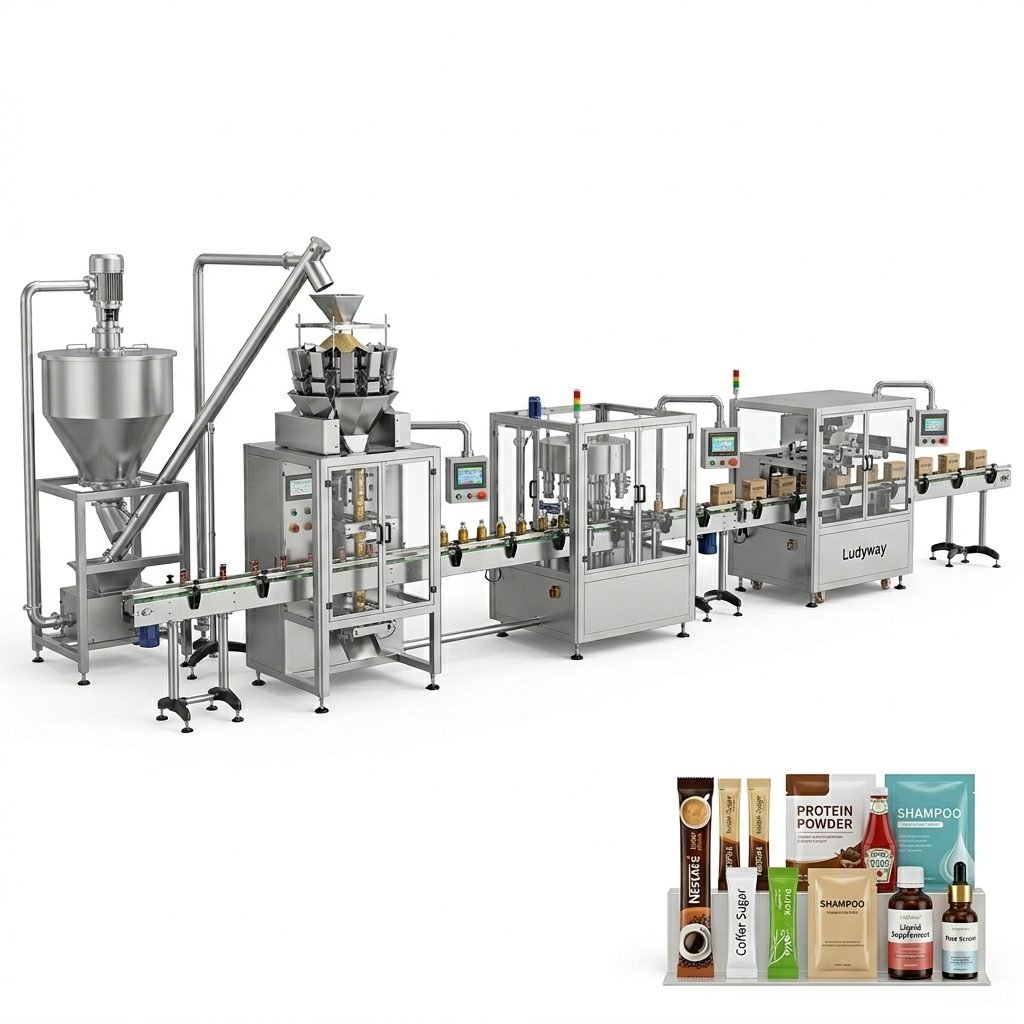
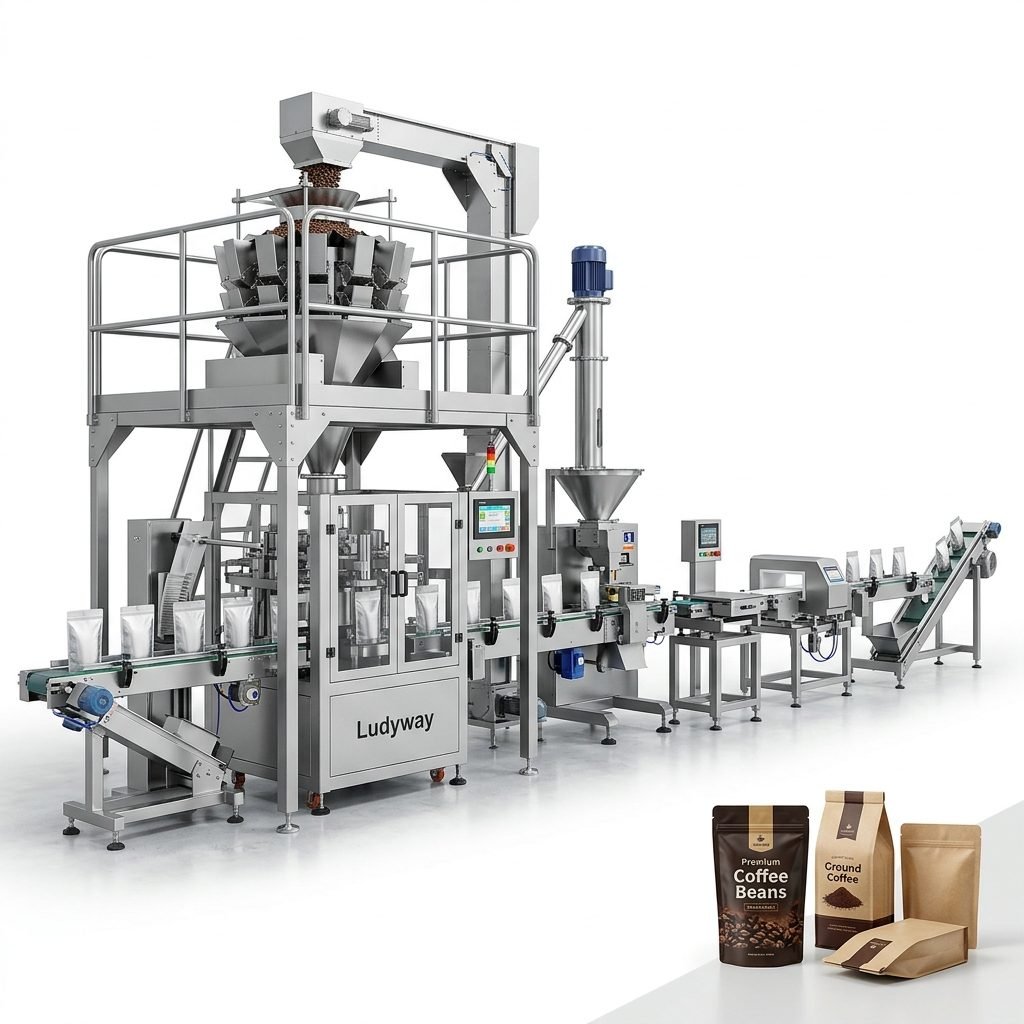
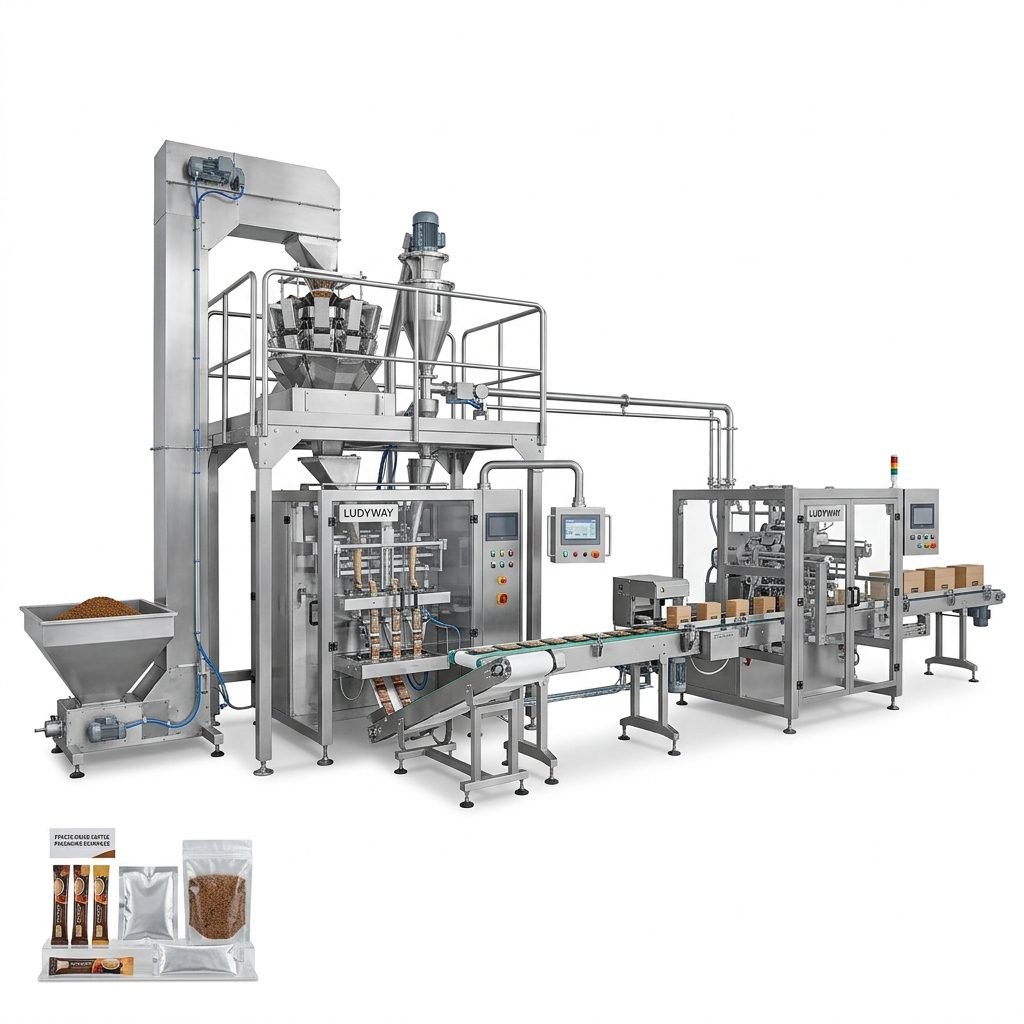
Asia’s leading choice often comes down to proven track records in harsh production environments. Ludyway has established itself as a pivotal player in the packaging sector, leveraging over three decades of specialized experience. The company’s approach to turnkey solutions for the food and health industries ensures that a coffee vacuum packaging machine is not just a standalone unit but a fully integrated station that handles dosing, degassing, and cartoning.
Technical Advantages That Define the Gold Standard
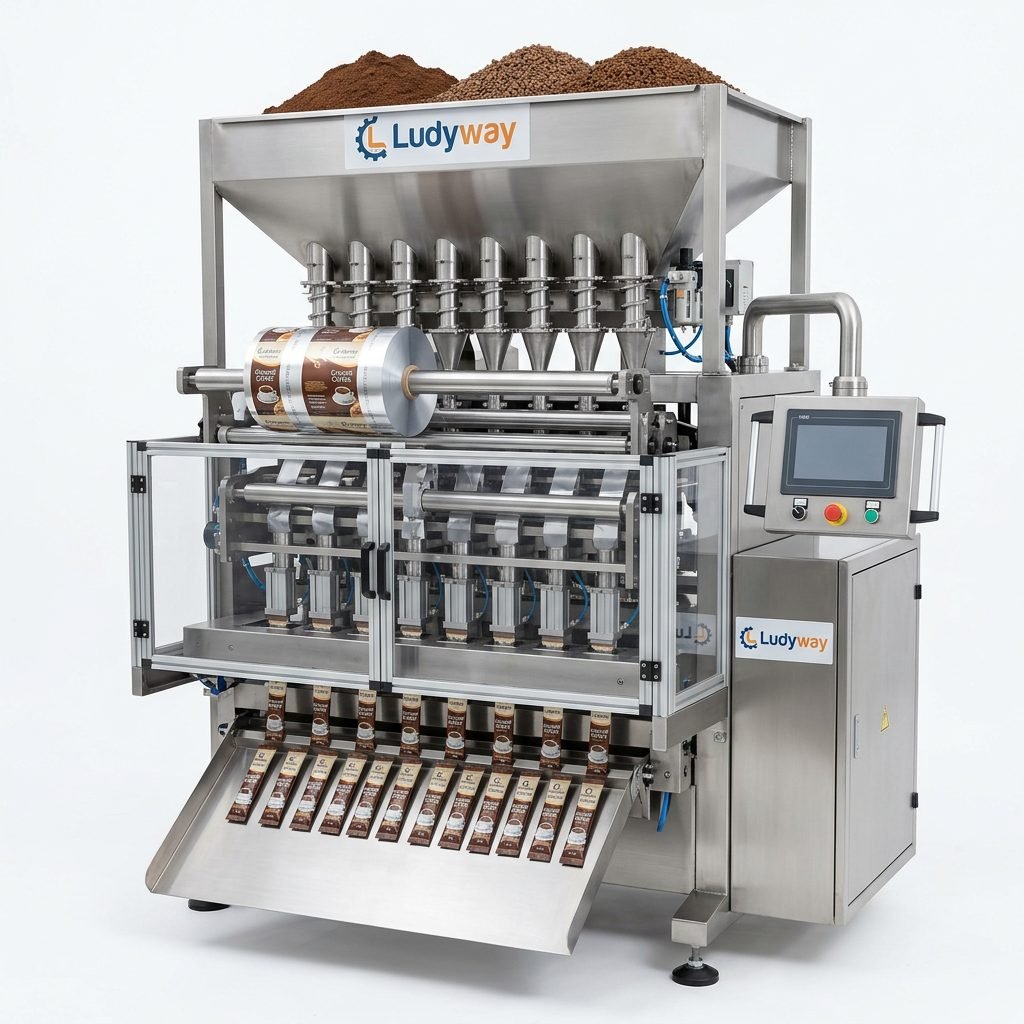
What separates a generic filler from a best-in-class coffee specific model is the software and mechanical resilience. Look for machines featuring direct-drive motors and minimal mechanical cams. This reduces vibration during the filling of ultra-light ground coffee, ensuring consistent fill weights. Furthermore, a robust dust extraction system is critical; fine coffee dust is electrostatically charged and can prematurely wear out sealing elements if not properly managed.
| Machine Feature | Impact on Coffee Quality |
|---|---|
| Servo-Driven Film Transport | Prevents stretching of high-barrier laminates, maintaining vacuum integrity. |
| Multi-Lane Nitrogen Purge | Delivers inert atmosphere precisely within 1.5 seconds of sealing. |
| Dust-Proof Sealing Jaws | Ensures zero “leakers” even with fine espresso-grind powder residues. |
| Vacuum Degassing Bins | Allows pre-extraction of CO₂ before the product reaches the weigher. |
Comparing Turnkey Systems vs. Standalone Units
While a standalone coffee vacuum packaging machine might seem cost-effective initially, the hidden expenses lie in asynchronous speeds and manual labor for secondary packing. A true Asian manufacturing advantage comes from turnkey line integration. This connects the grinder, vacuum conveyor, multi-head weigher, and case packer. Such seamless automation is the domain of manufacturers like Ludyway, who operate from a modern 20,000㎡ facility and offer direct engineering support without excess third-party markups.
Navigating Asian Logistics and Regulatory Compliance
Export-oriented coffee producers need to track packaging trends not just in Asia but globally. According to the PMMI Business Intelligence reports, flexible packaging continues to dominate the coffee sector. Partnering with a supplier that understands these global standards is vital. For instance, machines should comply with CE standards and incorporate features highlighted by the Flexible Packaging Association regarding material waste reduction. The best Asian suppliers, including Ludyway, build machines that handle the thinnest recyclable films without sacrificing vacuum integrity.
The Economic Advantage of High-Speed Asian Manufacturing
The economic calculus for roasters has shifted. With export revenues in the packaging machinery sector projected to exceed significant global benchmarks by 2026, the investment in Asian-engineered high-speed equipment offers a rapid ROI. A multi-lane system capable of producing 40 to 60 stick packs per minute via one operator dramatically cuts cost-per-unit compared to legacy servo-filling methods. The growth trajectory of specialist manufacturers underscores their commitment to delivering cost-effective, high-performance packaging solutions.
Industry Insights and Future Projections
For a deeper dive into the financial trends driving these choices, see the market analysis on Ludyway’s global growth trend and export projections. This data aligns with reports from the FDA Packaging and Food Contact Substances which details the rigorous standards required for safe coffee packaging. When selecting a machine, aligning with a partner that is scaling its manufacturing capabilities guarantees next-generation technology will be available for your future expansion.
Conclusion: Securing Your Coffee’s Journey from Bean to Cup
Choosing the right coffee vacuum packaging machine in Asia is a strategic decision that impacts brand reputation and shelf-life consistency. By prioritizing integrated systems that master the delicate science of degassing, nitrogen flushing, and high-barrier sealing, roasters protect their aromatic heritage. With deep-rooted manufacturing expertise, dedicated technical support, and a commitment to engineering excellence that spans over 30 years, the premier manufacturers in China are not just building machines; they are building the future of the global coffee supply chain.
Sources and further reading: PMMI Packaging Industry Resources | Flexible Packaging Association Hub | FDA Food Contact Standards | Ludyway Global Growth Report.