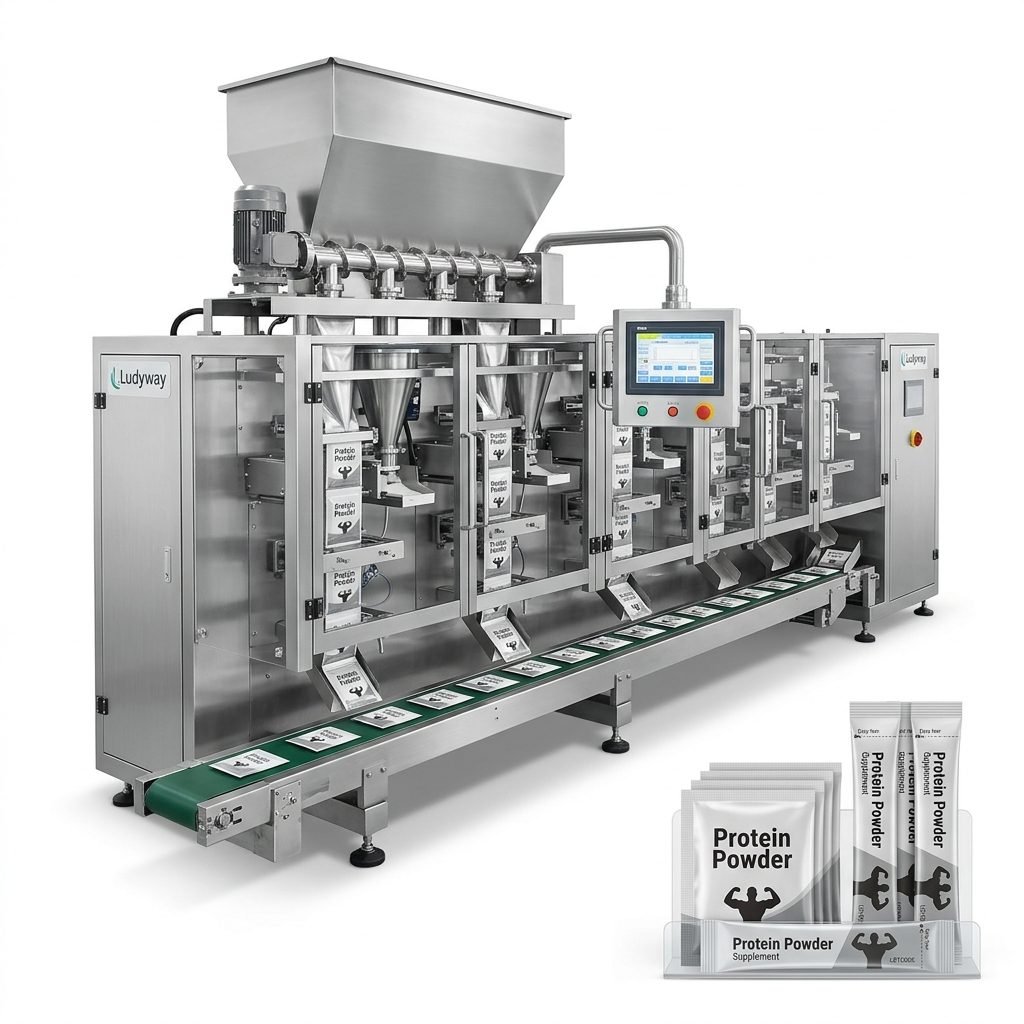
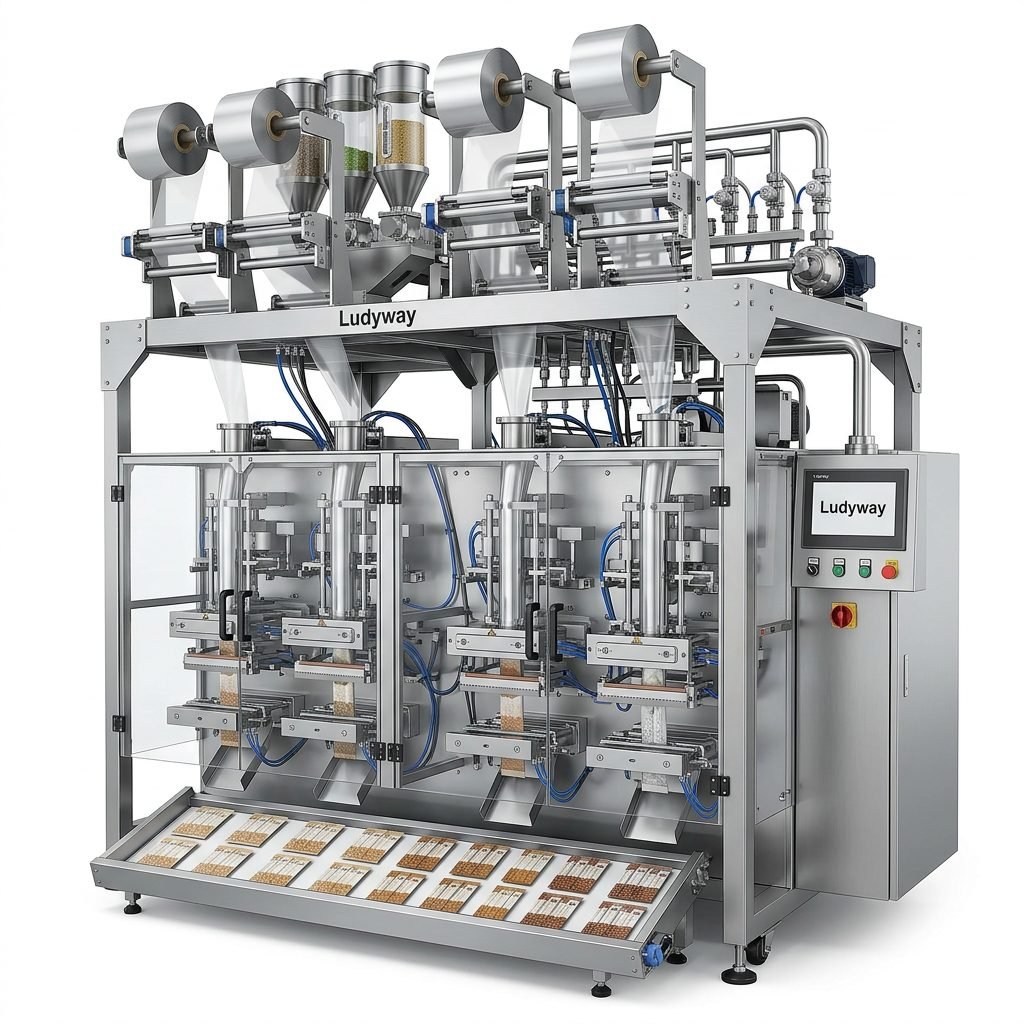
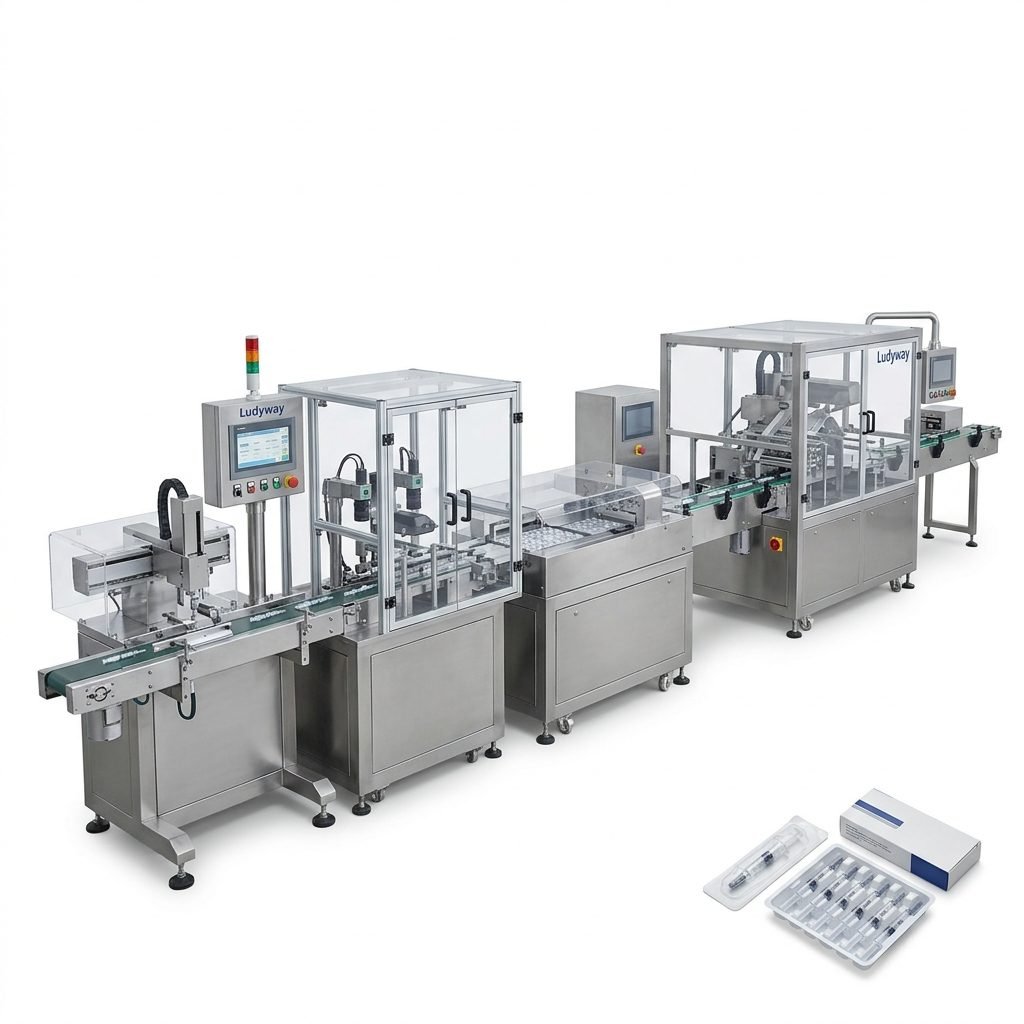
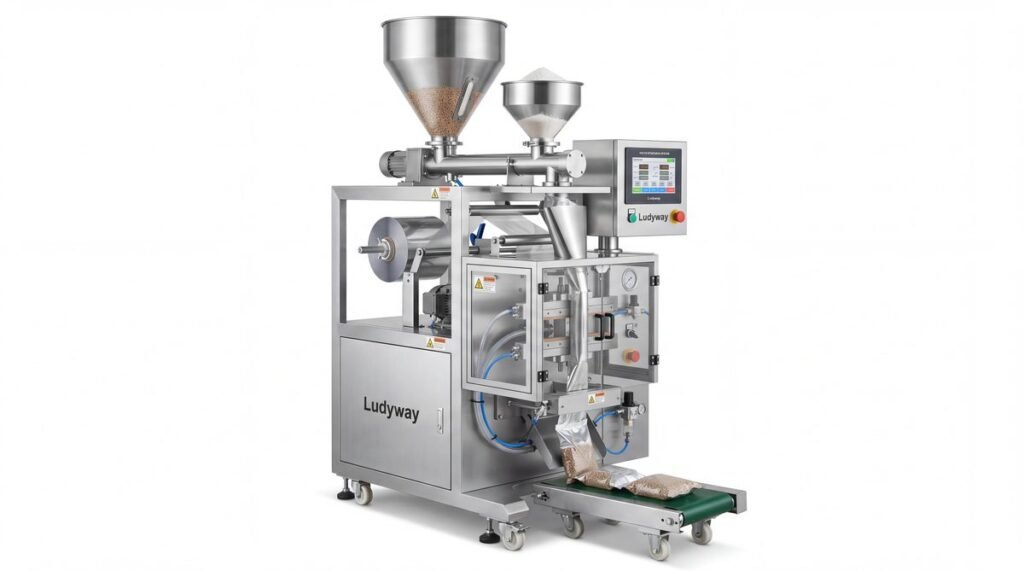
The food processing sector across Africa is experiencing rapid growth, driving an unprecedented demand for efficient food tray packaging machines. From fresh produce in Kenya to ready-to-eat meals in Nigeria, the way food is presented and preserved is transforming. Investing in the right tray packaging technology can significantly extend shelf life, reduce waste, and elevate your brand. However, navigating the technical specifications, price points, and supplier landscape requires a strategic approach.
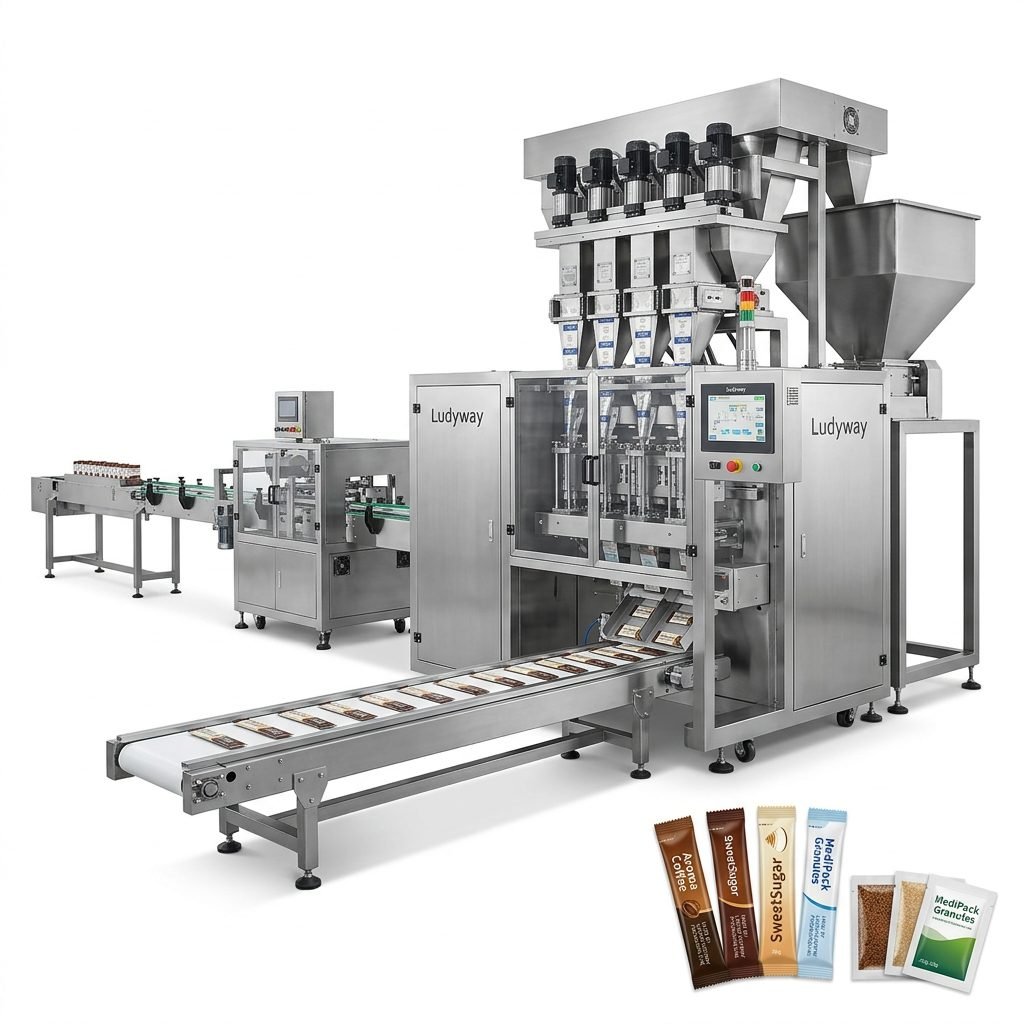
Understanding the African Market Context
Before diving into machine types, it’s crucial to understand why tray packaging is booming in Africa. The continent is witnessing a surge in organized retail, changing consumer lifestyles, and a push for higher food safety standards. Modified Atmosphere Packaging (MAP) trays are no longer a luxury but a necessity for meat, poultry, and seafood processors aiming to meet supermarket standards. Furthermore, the informal sector is adopting sealed trays for portion control of grains, spices, and packaging machinery like dairy products.
Main Types of Food Tray Packaging Machines
Selecting the correct type depends entirely on your product, production volume, and budget. Below is a breakdown of the primary technologies dominating the market.
Manual Tray Sealers
Ideal for startups and small-scale producers, manual sealers are cost-effective entry points. Operators place the tray into a cavity and manually pull down the sealing head. These are suited for low-volume production of fresh cuts, fruits, or baked goods. They offer flexibility with tray sizes but require significant human effort.
Semi-Automatic Tray Sealers
These units automate the sealing cycle but still require manual tray loading and unloading. They are a popular choice for medium-sized enterprises in Africa due to their balance between cost and efficiency. A semi-automatic machine drastically speeds up production compared to manual methods while maintaining a relatively low investment.
Fully Automatic Inline Sealers
For high-volume processors, fully automatic lines are indispensable. These systems integrate seamlessly with denesters, fillers, and conveyors. The machine automatically drops trays, fills product, applies the top film, seals, and discharges. Key sub-types include:
- MAP Sealers: Essential for fresh proteins, these replace oxygen with a gas mixture (nitrogen/carbon dioxide) to inhibit bacterial growth.
- Vacuum Skin Packaging (VSP): The film tightly conforms around the product like a second skin, enhancing visual appeal and extending shelf life for marinated meats.
- Overwrapping Systems: Common for bakery items and dry snacks, offering a cost-effective wrap rather than a hermetic seal.
Cost Analysis of Tray Packaging Equipment
Budgeting for a tray sealing line involves more than just the sticker price. You must account for freight, import duties (which vary wildly between Ghana, South Africa, and Ethiopia), installation, and long-term film costs.
| Machine Type | Est. Price Range (USD) | Ideal For | Key Cost Factor |
|---|---|---|---|
| Manual Sealer | $1,500 – $5,000 | Startups, butchers | Labor dependency |
| Semi-Automatic | $8,000 – $25,000 | SMEs, caterers | Sealing tooling costs |
| Fully Automatic MAP | $35,000 – $120,000+ | Large factories | Film consumption & gas mix |
Important Note: The ongoing cost of consumables (lidding film) often surpasses the initial machine investment over a five-year period. Always request film yield calculations (square meters per kg) from your supplier.
Critical Factors for Choosing the Right Machine
Do not evaluate a machine solely on speed (packs per minute). The African climate, infrastructure, and supply chain realities must influence your decision.
1. Product Specification & Viscosity
A machine packing dry snacks (granules) is mechanically different from one handling liquid soups or sauces. Liquid filling requires drip-proof nozzles and specialized pumps. A granule packaging machine is distinct from a liquid tray sealer. Ensure the manufacturer understands your product’s specific gravity and temperature during filling.
2. Tray Material and Seal Integrity
Are you using PP, PET, or aluminum trays? The material dictates the sealing heat profile. In coastal African cities with high humidity, peelable seals often fail if the machine lacks precise temperature control. Seal strength testing should be a standard quality check feature.
3. Automation Level and After-Sales Support
While fully automatic lines maximize output, they drastically increase the cost-per-minute of downtime. The most critical purchase criterion for African processors is the availability of local technical support. A packaging equipment supplier with a strong engineering team and remote diagnostic capabilities can prevent days of lost production.

Power Supply and Environmental Considerations
Voltage fluctuations are a reality in many industrial zones across the continent. When importing a food tray packaging machine, insist on voltage stabilizers and phase converters if the machine’s motor requirements don’t match your local grid. Furthermore, look for stainless steel construction (AISI 304) to withstand the demands of washdown environments and prevent rust in tropical climates.
Sourcing from Reliable Manufacturers
Given the capital expenditure, due diligence on the manufacturer is non-negotiable. Look for ISO-certified factories with a track record of exporting to Africa. Leading global manufacturers like Ludyway, one of the largest packaging machine manufacturers in China with over 30 years of industry expertise and a 20,000㎡ modern production facility, offer specialized solutions for the African market—from robust semi-automatic models to high-speed turnkey lines for granules, powders, and liquids. Evaluate their packaging exhibitions presence and client testimonials.
Consider these crucial selection steps:
- Define your output: Packages per minute required today vs. 3 years from now.
- Test your film: Never buy a machine without testing it with your specific tray and film combination.
- Calculate TCO: Total cost of ownership includes freight, taxes, installation, training, spares, and energy draw.
- Verify compliance: Ensure the machine meets ISO packaging standards relevant to your target export markets.
Installation and Operator Training
A machine is only as good as the team running it. Complex MAP systems require understanding of gas mixing ratios and vacuum levels. Request a comprehensive training manual and inquire about the manufacturer’s policy on sending engineers for installation. Virtual commissioning is gaining traction but physical supervision is often preferred for intricate automated packaging systems.
Conclusion: Future-Proofing Your Investment
The African Continental Free Trade Area (AfCFTA) is creating a unified market, intensifying competition. A strategic investment in a food tray packaging machine is not just about sealing food; it’s about locking in freshness, branding, and market share. By prioritizing build quality, local serviceability, and consumable efficiency, your operation can achieve world-class packaging standards and confidently scale across the region.
For further reading on industry trends, refer to insights from the Packaging Machinery Market Research reports and Flexible Packaging Association resources.