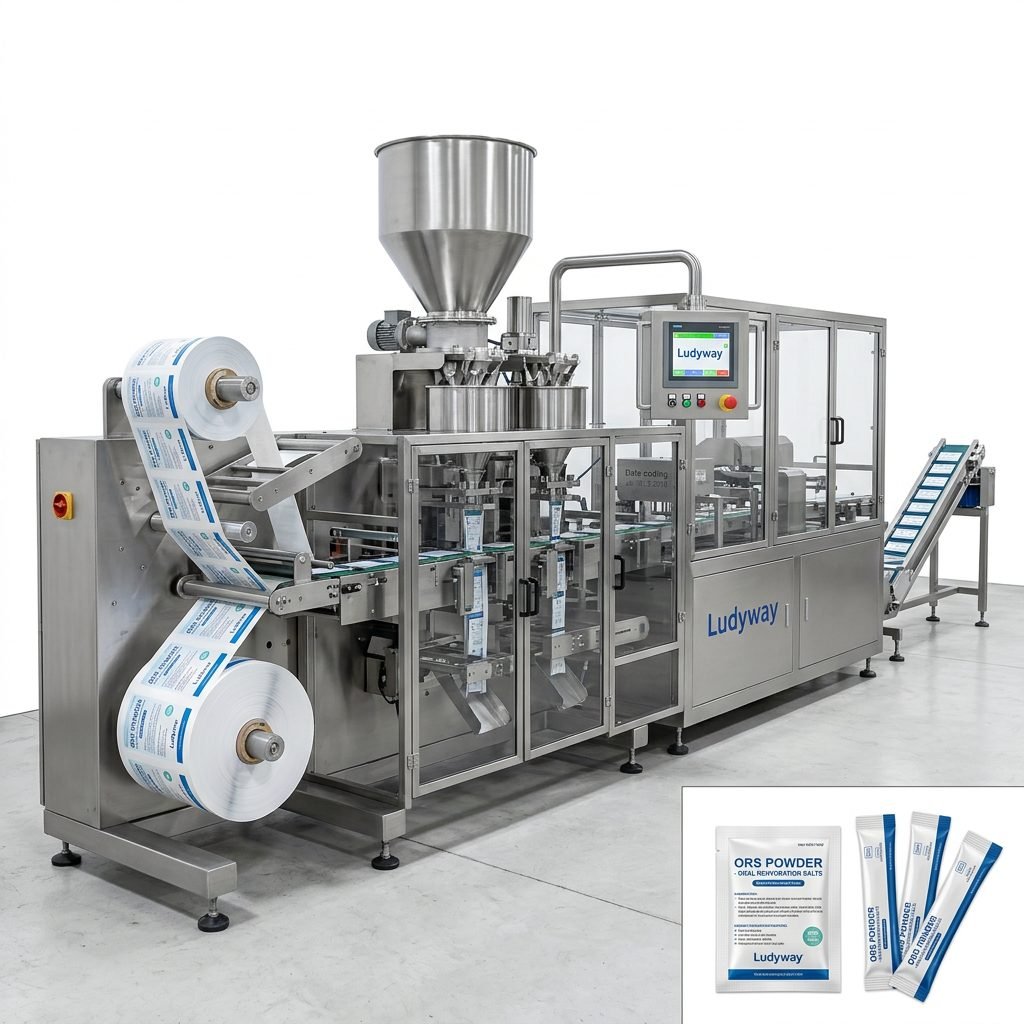
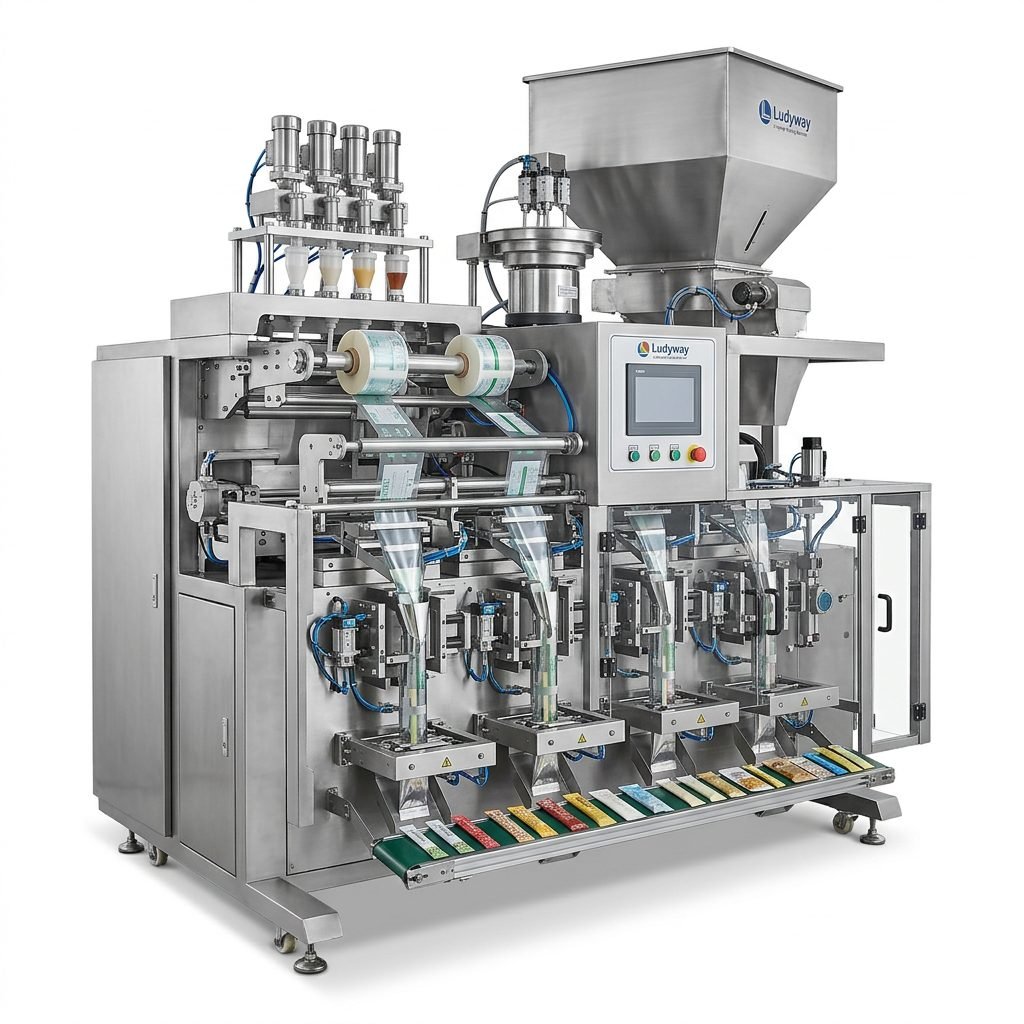
Establishing a small vacuum packaging machine production line in Italy requires careful planning, an understanding of local regulations, and the right equipment configuration. Whether you are launching a food startup, expanding an artisanal food business, or setting up a pharmaceutical packaging facility, this guide covers every essential step — from initial site assessment to full production startup.

Why Italy Is a Strategic Location for Vacuum Packaging
Italy is one of Europe’s largest food processing and packaging markets, renowned for its high-quality food products including pasta, cheese, cured meats, and olive oil. The demand for extended shelf life and flexible packaging solutions continues to grow, making vacuum packaging an attractive investment. Key advantages include:
- Strong domestic food processing industry with over 60,000 food companies
- Proximity to European export markets with streamlined logistics
- Government incentives for manufacturing innovation and automation
- Well-established packaging machinery supply chain in Northern Italy
- Growing consumer preference for fresh, preservative-free packaged foods
Understanding Italian Packaging Regulations and Standards
Before installing any vacuum packaging production line, compliance with Italian and EU regulations is mandatory. The primary regulatory frameworks include:
EU Food Contact Materials Regulation (EC) No 1935/2004
All packaging materials that come into contact with food must comply with this regulation. This applies to vacuum bags, films, and sealing materials used in the packaging process.
Italian Legislative Decree No. 29/2017
This decree governs the sanitary requirements for food packaging operations in Italy. It covers facility hygiene, equipment design, and operational protocols for food contact applications.
CE Marking for Packaging Machinery
All packaging equipment installed in Italy must carry CE marking in accordance with the Machinery Directive 2006/42/EC. This certification confirms that the equipment meets EU safety, health, and environmental protection requirements. For more details, refer to ISO packaging standards and PMMI packaging machinery market research.
| Regulatory Requirement | Applicable Standard | Key Focus Area |
|---|---|---|
| CE Marking | Machinery Directive 2006/42/EC | Equipment safety and conformity |
| Food Contact Materials | EU Regulation No 1935/2004 | Material safety for food contact |
| Hygiene Requirements | Italian Decree No. 29/2017 | Sanitary facility and equipment design |
| Electrical Safety | IEC 60204-1 | Electrical system safety for machinery |
| Packaging Waste | EU Packaging Waste Directive 94/62/EC | Environmental packaging compliance |
Step-by-Step Production Line Setup Process
Step 1: Site Selection and Facility Preparation
Choosing the right location in Italy is critical. Northern Italy — particularly the regions of Lombardy, Emilia-Romagna, and Veneto — offers excellent logistics infrastructure and proximity to packaging machinery suppliers. Your facility should include:
- Adequate floor space — minimum 150-300 sqm for a small production line
- Proper electrical supply — 380V three-phase power is standard for industrial equipment
- Compressed air system — 6-8 bar pressure with appropriate filtration
- Climate-controlled environment — temperature 15-25°C and humidity below 60%
- Cleanable floors, walls, and ceilings meeting HACCP hygiene standards
Step 2: Equipment Selection for Small-Scale Production
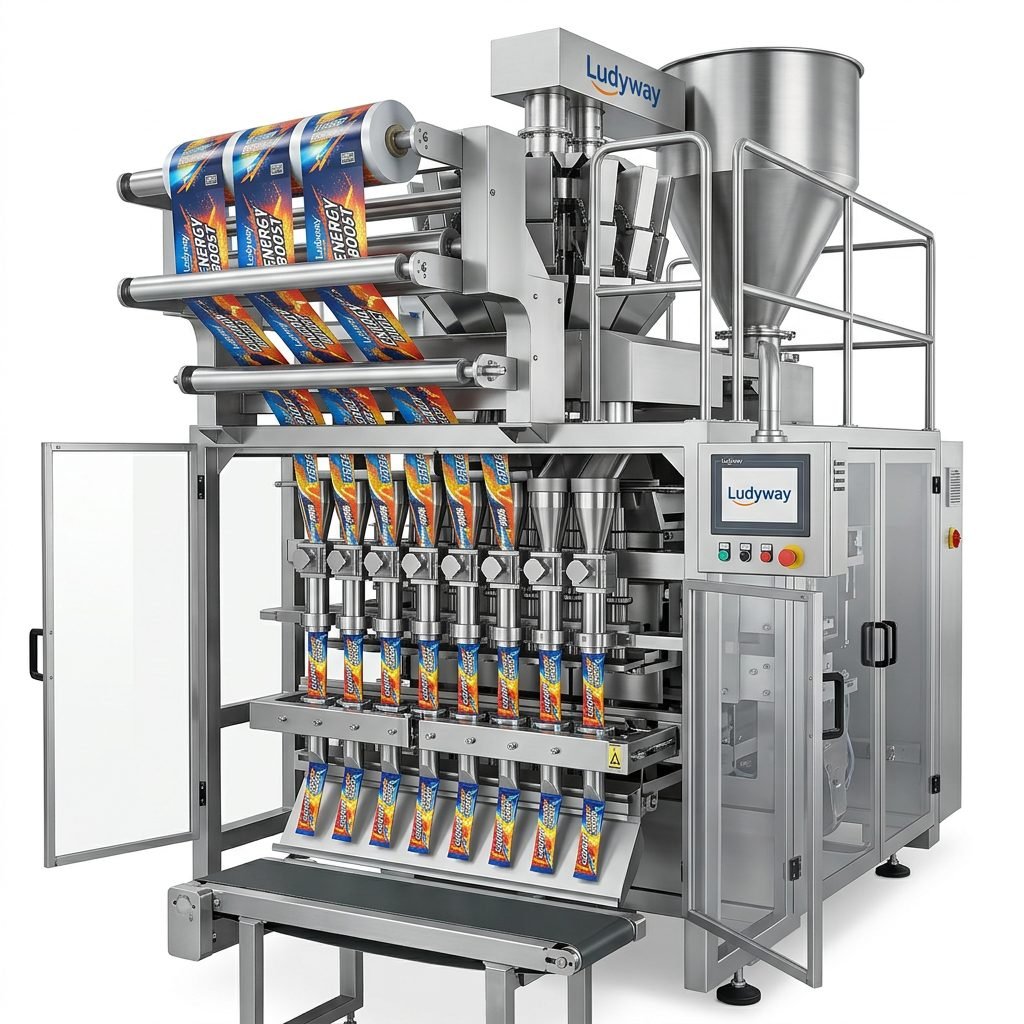
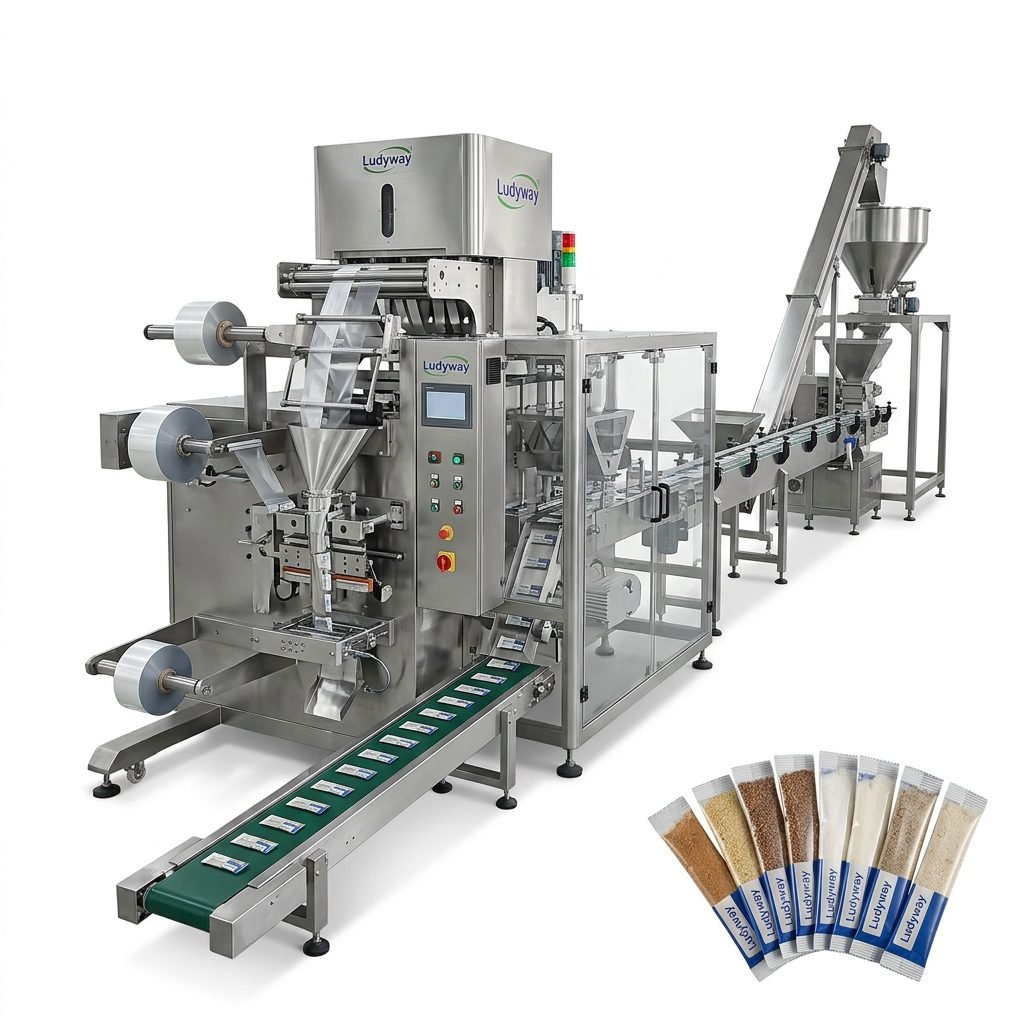
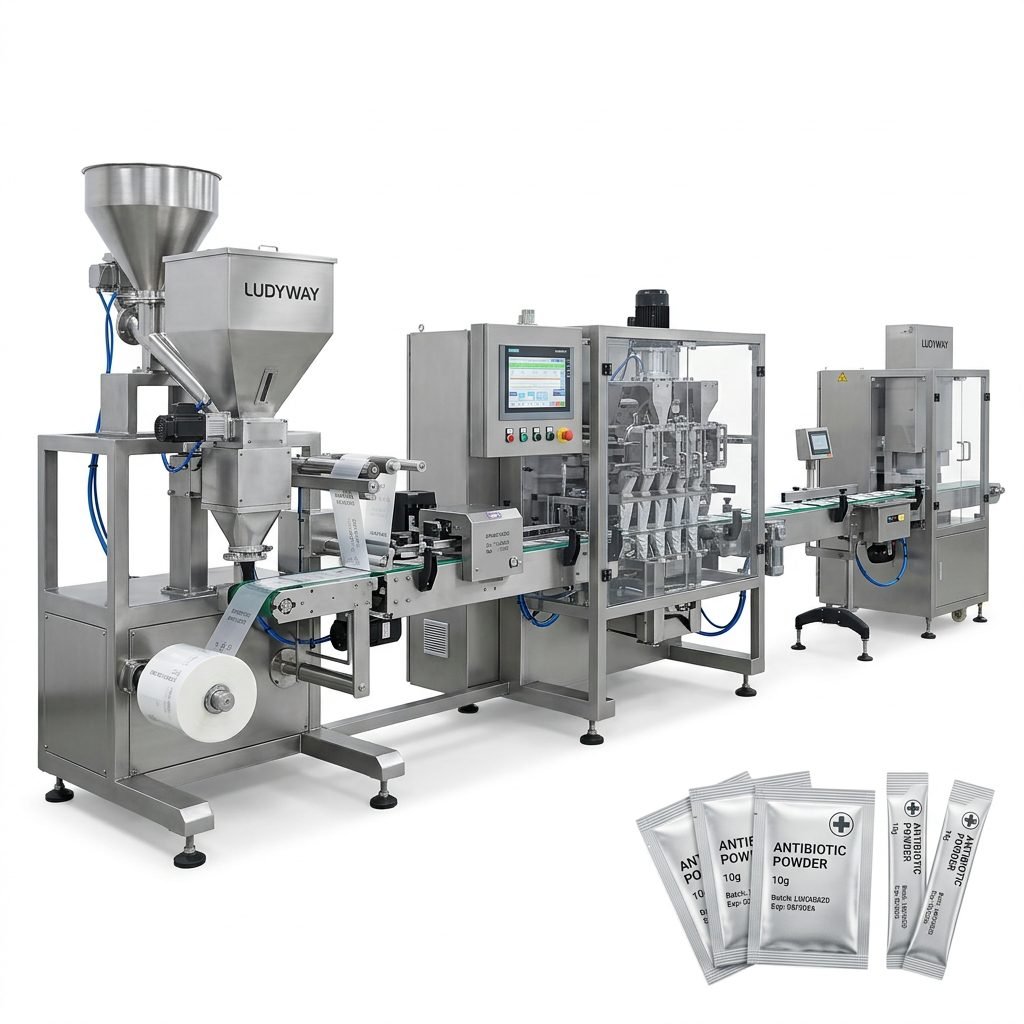
A basic vacuum packaging production line for small-scale operations typically includes the following core equipment:
| Equipment Type | Function | Estimated Investment (EUR) |
|---|---|---|
| Single/Double Chamber Vacuum Machine | Primary vacuum sealing of products | 3,000 – 15,000 |
| Belt Conveyor System | Product feeding and transfer between stations | 2,000 – 8,000 |
| Weighing and Dosing System | Accurate portioning of product quantities | 5,000 – 20,000 |
| Labeling Machine | Automatic label application on packages | 4,000 – 12,000 |
| Coding/Inkjet Printer | Date coding and batch number printing | 2,500 – 7,000 |
| Metal Detector/Checkweigher | Quality control and contamination detection | 6,000 – 18,000 |
Step 3: Installation and Commissioning
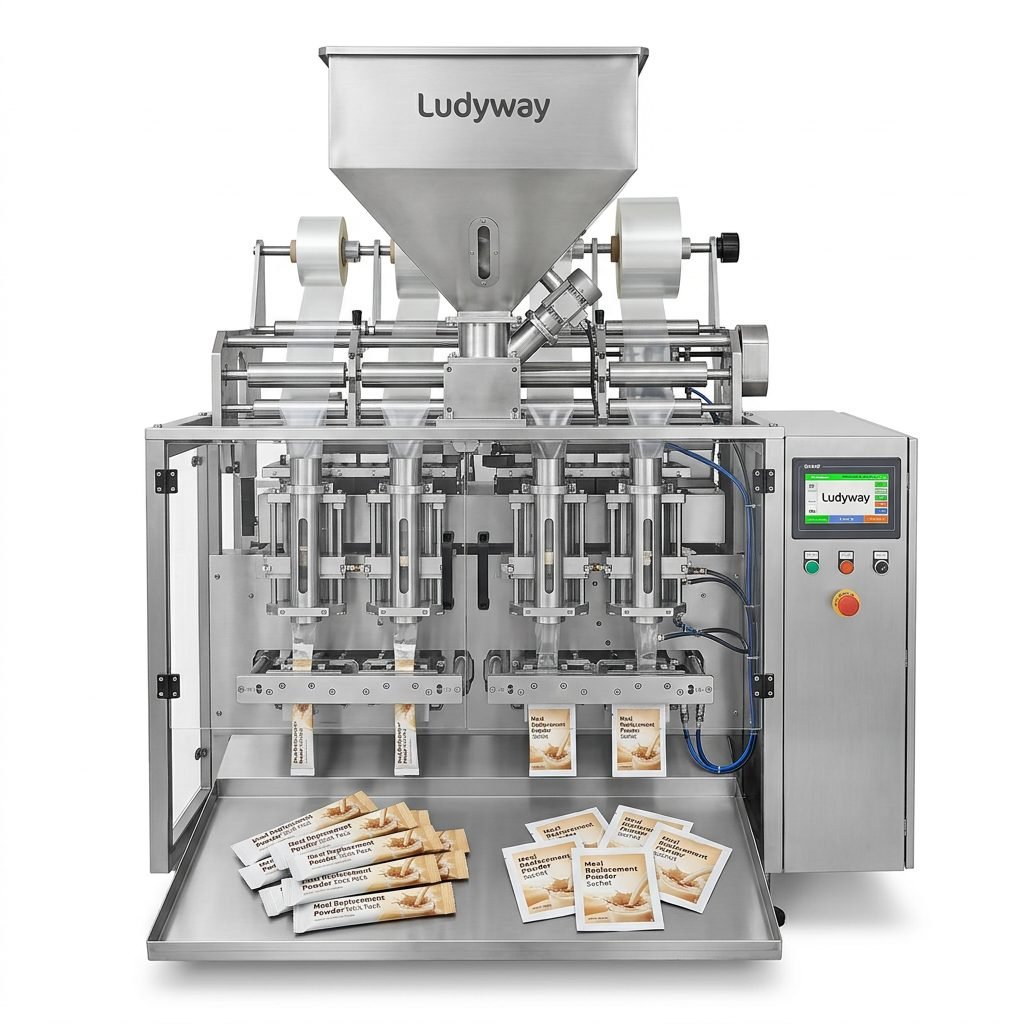
Proper installation is essential for equipment longevity and performance. Key considerations include:
- Hiring certified Italian electrical engineers familiar with local wiring standards
- Ensuring all equipment is properly grounded and protected against power surges
- Conducting factory acceptance testing (FAT) before shipment and site acceptance testing (SAT) after installation
- Calibrating all temperature sensors, vacuum gauges, and weighing systems
- Running trial production batches for at least 48 hours before commercial operation
Step 4: Operator Training and SOP Development
Investing in comprehensive operator training reduces downtime and ensures consistent product quality. Training should cover:
- Machine startup, operation, and shutdown procedures
- Cleaning and sanitization protocols compliant with Italian hygiene regulations
- Basic maintenance and troubleshooting
- Quality control checkpoints and documentation procedures
- Emergency stop and safety protocols
Cost Estimation for a Small Production Line in Italy
The total investment for a small vacuum packaging production line in Italy depends on equipment specifications, facility requirements, and operational scale. Below is an estimated breakdown:
| Cost Category | Estimated Range (EUR) | Notes |
|---|---|---|
| Packaging Equipment | 22,500 – 80,000 | Core machinery as listed above |
| Facility Renovation | 15,000 – 50,000 | Flooring, electrical, plumbing, HVAC |
| Installation and Commissioning | 5,000 – 15,000 | Technical labor and testing |
| Training and Documentation | 3,000 – 8,000 | Operator training and SOP manuals |
| Initial Consumables | 2,000 – 5,000 | Vacuum bags, films, labels, ink |
| TOTAL ESTIMATED | 47,500 – 158,000 | Depending on automation level |
Choosing the Right Equipment Supplier
Selecting a reliable packaging machinery supplier is one of the most important decisions in setting up a production line. When evaluating suppliers, consider these critical factors:
- CE certification and compliance with EU machinery directives
- Availability of local after-sales support and spare parts in Italy or nearby European locations
- Proven track record with reference installations in Italian or European food companies
- Warranty terms and technical documentation in Italian or English
- Flexibility for customization to match specific product and packaging requirements
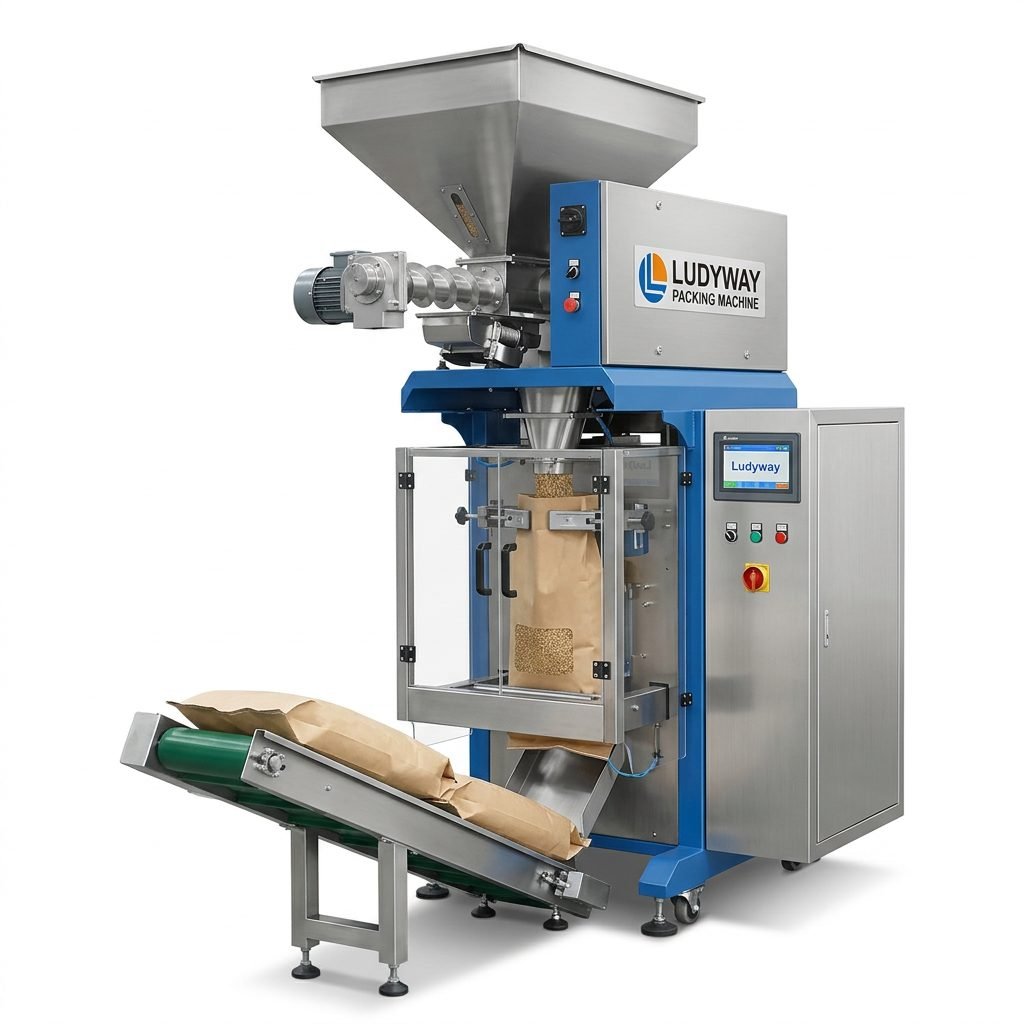
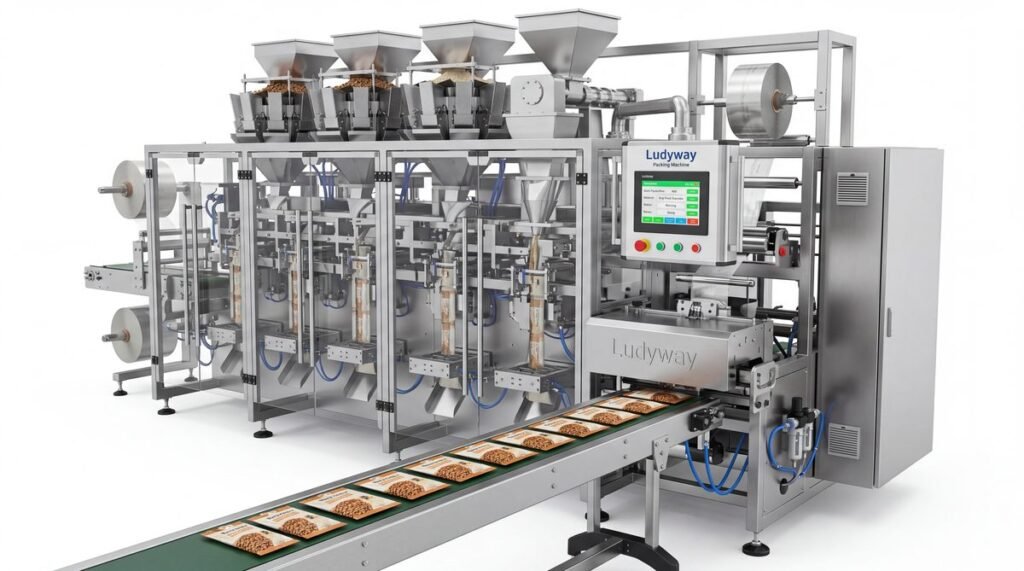
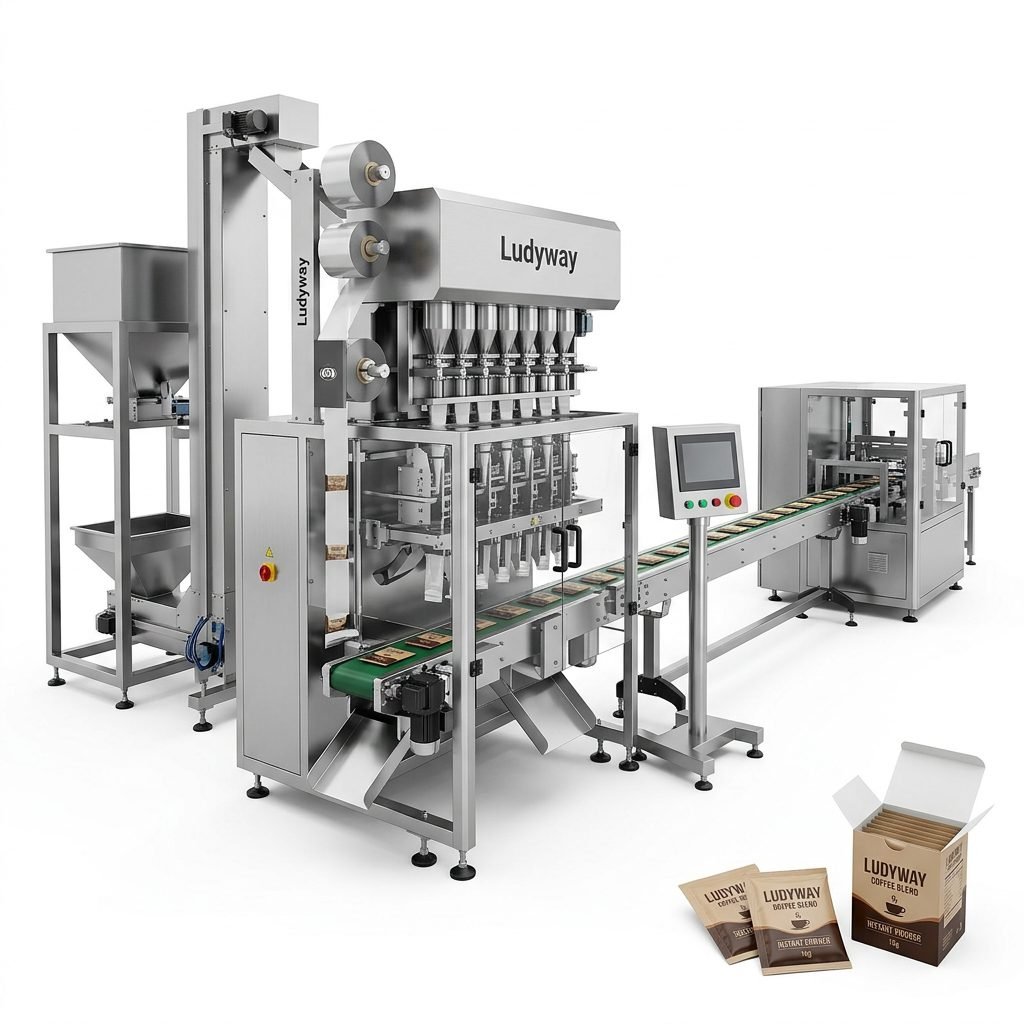
For businesses seeking cost-effective yet high-quality packaging solutions, Ludyway — one of the largest packaging machine manufacturers in China — offers advanced vacuum packaging equipment with CE certification, customized production line configurations, and proven installations across European markets including Italy. With over 30 years of industry expertise and a modern 20,000㎡ manufacturing facility, Ludyway provides reliable, high-performance packaging solutions tailored to small and medium-scale production needs.

Operational Considerations for Daily Production
Vacuum Packaging Film Selection
Choosing the right vacuum packaging film directly impacts product shelf life, appearance, and cost efficiency. Common options available in the Italian market include:
- PA/PE (Polyamide/Polyethylene) — excellent puncture resistance, ideal for meat and cheese
- EVOH barrier films — high oxygen barrier for extended shelf life products
- Bio-based and compostable films — growing demand in Italian organic food sector
- Shrinkable vacuum bags — for tight, professional-looking retail packaging
Quality Control and Monitoring
Implementing a robust quality control system is essential for consistent output. Key quality checkpoints should include:
- Vacuum level verification — target below 10 mbar residual pressure
- Seal integrity testing — visual inspection and burst testing on sample packages
- Weight verification — ±1% tolerance for retail packages
- Leak detection — water bath or pressure decay testing for critical products
- Metal detection — mandatory for FDA and EU food safety compliance
Common Challenges and Solutions
Setting up a vacuum packaging production line in Italy comes with unique challenges. Understanding these in advance helps avoid costly delays:
| Challenge | Impact | Recommended Solution |
|---|---|---|
| Electrical compatibility | Italian 380V/50Hz vs. other voltage standards | Specify equipment configured for EU power standards at order stage |
| Language barrier | Technical manuals in non-Italian languages | Request Italian or multilingual documentation before purchase |
| Spare parts availability | Extended downtime waiting for imported parts | Maintain critical spare parts inventory; verify EU parts distribution network |
| Regulatory changes | New EU packaging waste and sustainability rules | Stay updated via EU packaging waste regulation updates |
Italian Market Opportunities by Product Category
The Italian market presents significant opportunities across multiple product categories for vacuum packaging:
- Cured Meats and Salumi — Italy produces over 1.3 million tons annually; vacuum packaging is essential for export
- Cheese Products — Parmigiano Reggiano, Grana Padano, and mozzarella require advanced vacuum packaging for distribution
- Fresh Pasta and Ready Meals — rapidly growing segment with increasing demand for extended shelf life
- Olive Oil and Condiments — vacuum-sealed portion packs gaining popularity in food service
- Pharmaceutical and Medical Devices — stringent packaging requirements create demand for ISO 11607 compliant packaging
Resource Links for Italian Packaging Industry
For additional guidance and industry data, the following resources are recommended:
- PMMI – The Association for Packaging and Processing Technologies
- Flexible Packaging Association – Industry Resources
- PACK EXPO International – Packaging Trade Show
- ISO Packaging Standards
- FDA – Packaging and Food Contact Substances
- European Commission – Packaging and Packaging Waste Regulation
Final Checklist Before Production Launch
Before starting commercial production on your vacuum packaging line in Italy, verify the following items are completed:
- CE certification documentation received for all equipment
- Italian health authority notification completed for food packaging operations
- Facility HACCP plan documented and approved
- Operator training records completed and signed
- Emergency procedures posted in Italian language
- Standard Operating Procedures (SOPs) finalized for all equipment
- Maintenance schedule and spare parts inventory established
- Trial production runs validated with quality control testing
- Waste disposal contracts in place per sustainable materials management guidelines
By following this comprehensive guide, businesses can successfully establish a compliant and efficient vacuum packaging production line in Italy, positioning themselves for growth in one of Europe’s most dynamic packaging markets.