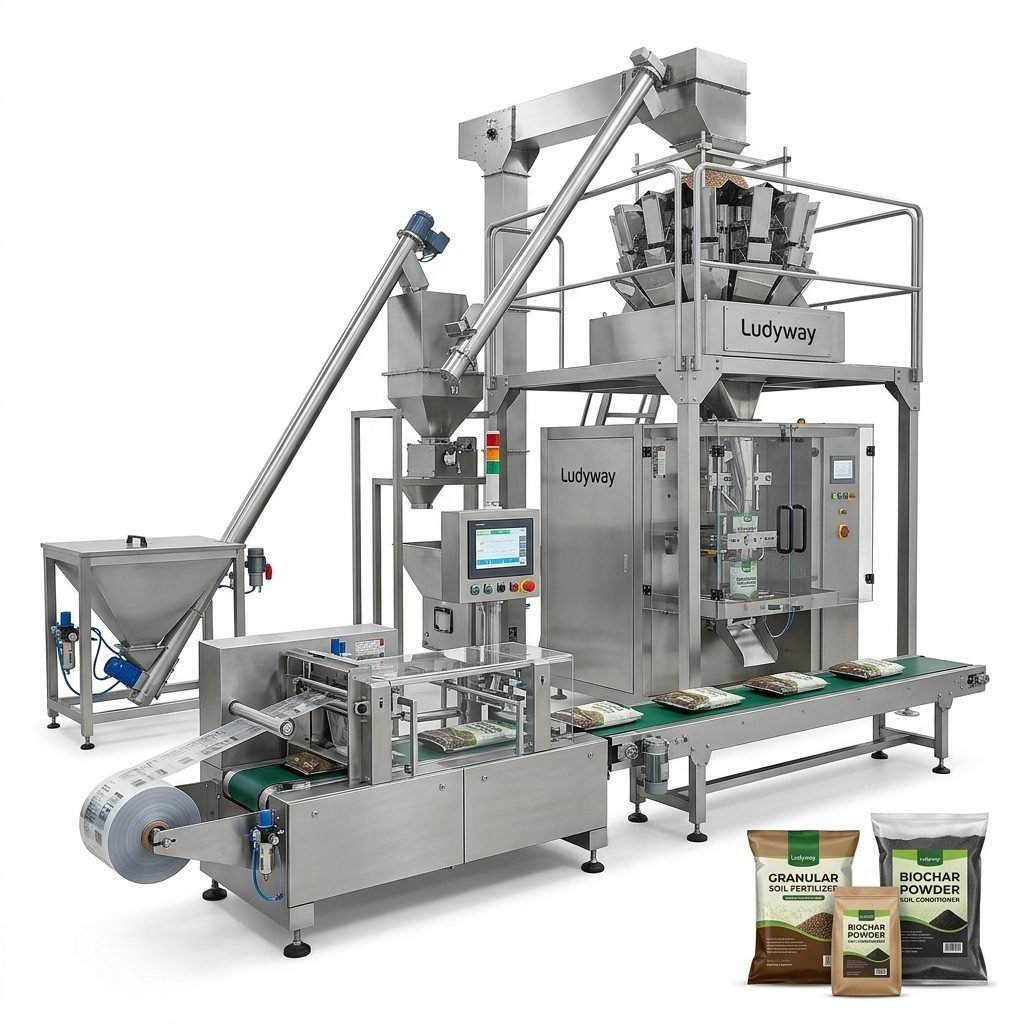
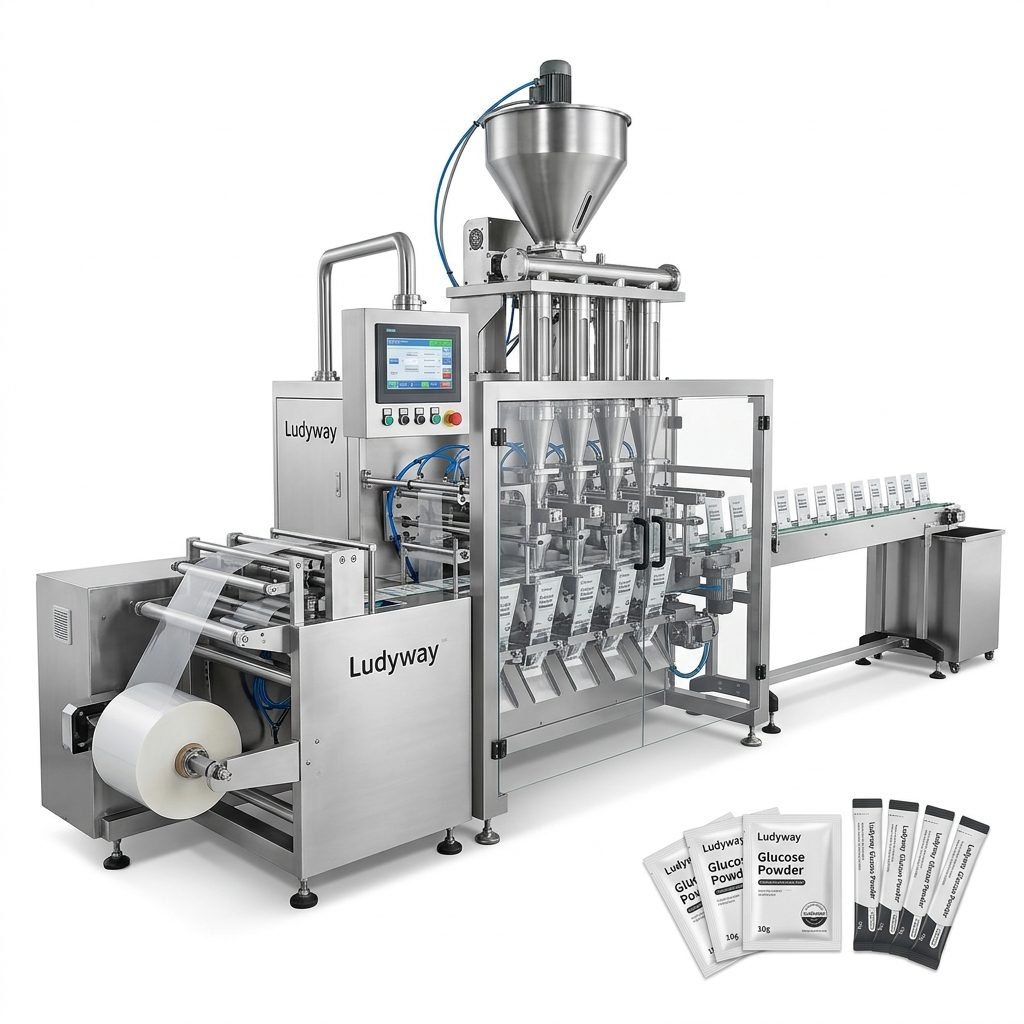
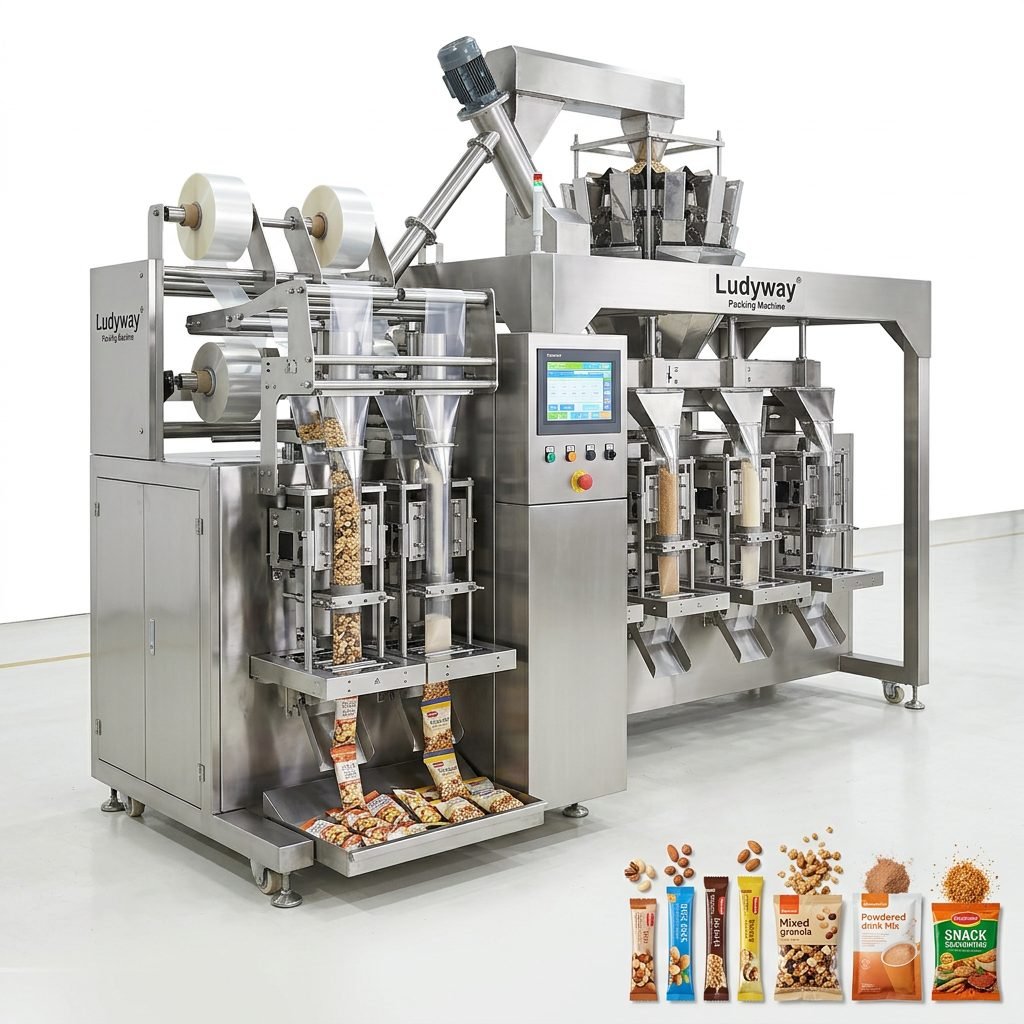
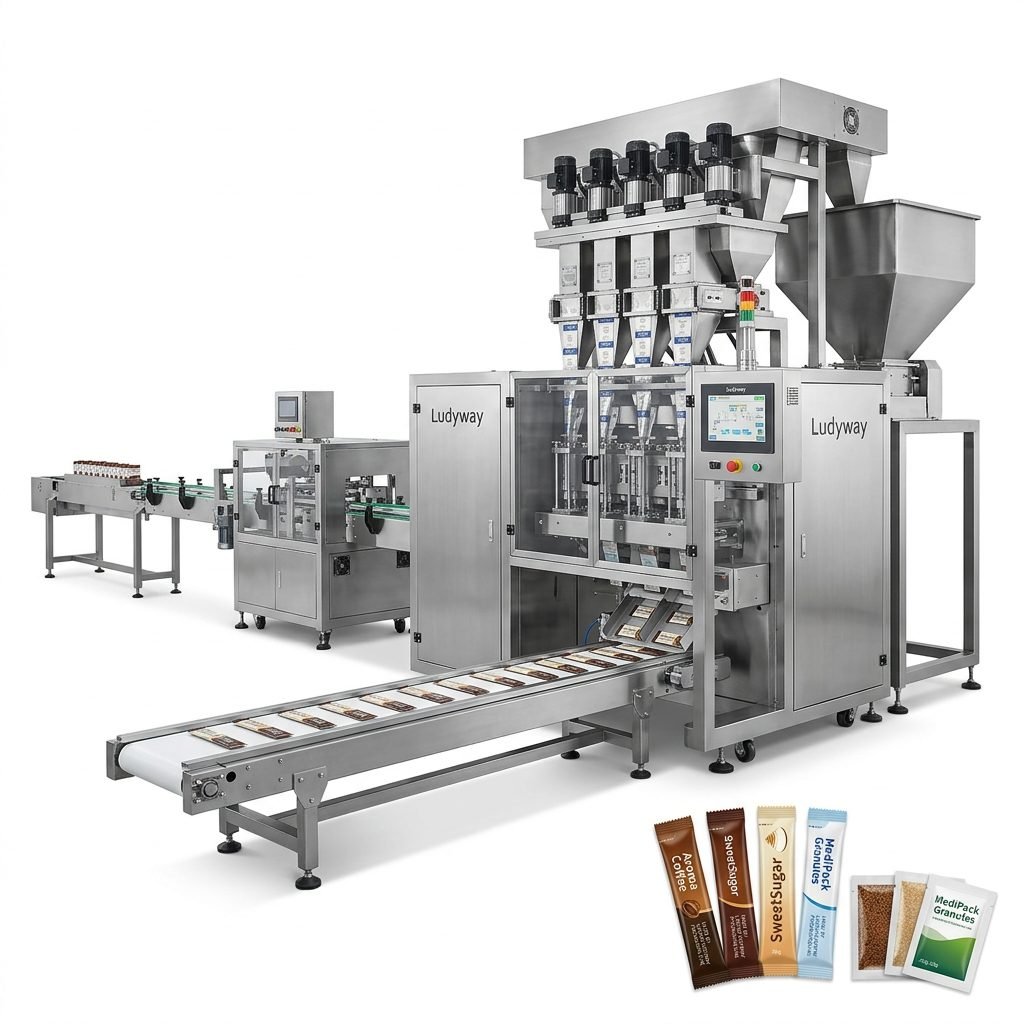
Investing in high-performance automated packaging equipment is a critical decision for food manufacturers across the United States and Canada. The granola bar sector, a dominant force in the snack industry valued at billions of dollars, demands robust, flexible, and precise machinery to handle everything from sticky binding agents to delicate inclusions like chocolate chips and dried fruits. Whether you are scaling a startup operation or upgrading a high-capacity production line, selecting the right granola bar packaging machine directly impacts your throughput, product shelf life, and bottom line.
Understanding the North American Market for Bar Packaging
The North American market context is unique, defined by major retail chains like Costco, Walmart, and Whole Foods, which impose strict vendor compliance standards. Furthermore, sustainability mandates in states like California and provinces in Canada are pushing manufacturers away from traditional plastics. A modern flow wrapping machine must now often integrate with recyclable films or paper-based structures without sacrificing sealing integrity.
- Retail Readiness: Equipment must handle multipacks, club store counts, and shelf-ready display cartons.
- Cold Seal Compatibility: Preserving chocolate coatings during high-speed runs requires precise tension control on horizontal form fill seal (HFFS) systems.
- Labor Shortages: Fully automated feeding and cartoning systems are no longer optional but necessary to combat rising labor costs and workforce instability.
Key Types of Granola Bar Packaging Systems
Selecting the correct machine layout is the foundation of your operation. The product profile—whether it is a chewy bar, a crunchy granola cluster, or a protein-heavy slab—dictates the feeder and sealing technology required. Below are the primary configurations deployed across American contract packaging facilities and internal manufacturing plants.
Horizontal Flow Wrappers (HFFS Machines)
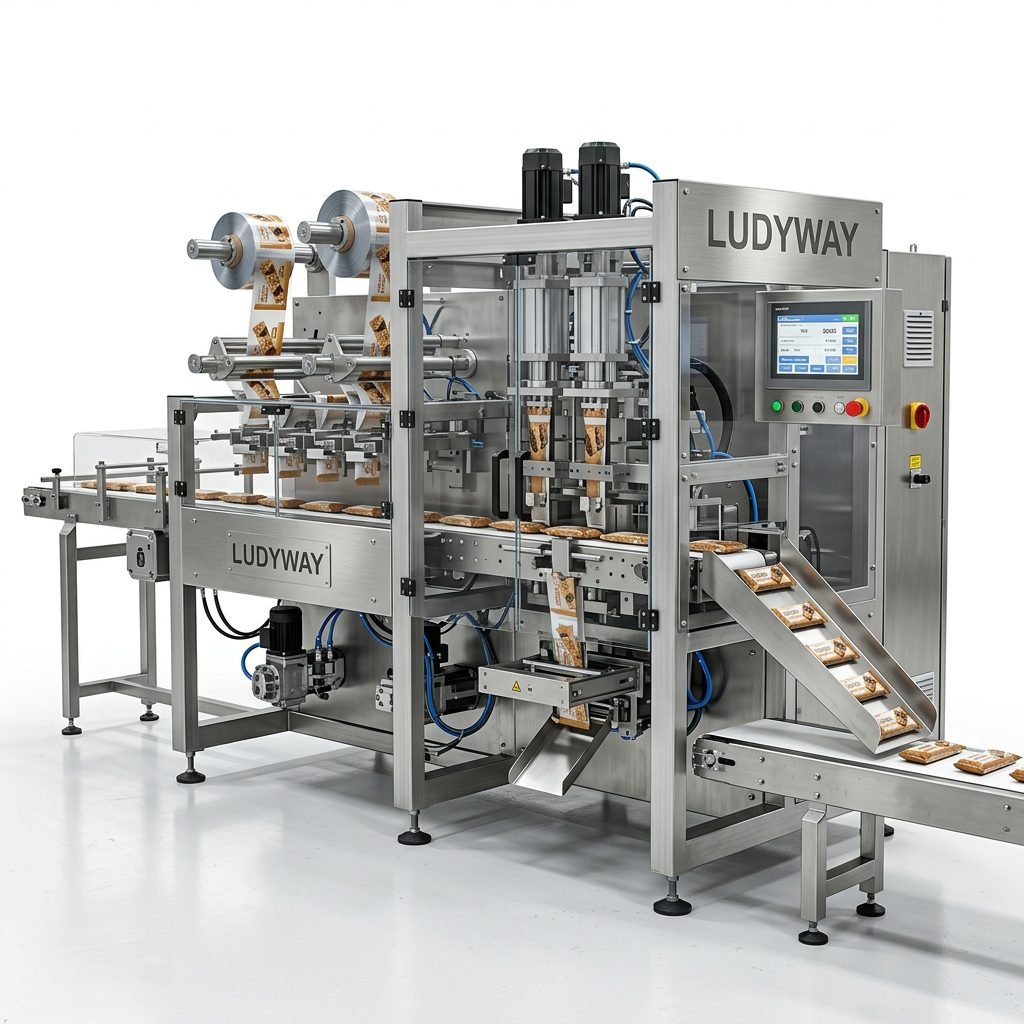
The backbone of the industry. These systems wrap individual bars in a pillow-pack format at speeds ranging from 80 to over 1,000 packs per minute. For operations looking to optimize for space and minimal product handling, advanced servo-driven wrappers offer unmatched precision on film registration. Key features to look for in this category include:
- No-product, no-bag sensors to reduce film waste.
- Rotary or long-dwell sealing jaws for thicker, eco-friendly films.
- Quick-release components for rapid allergen changeovers between nut and nut-free runs.
Multi-Lane Stick Pack and Sachet Solutions
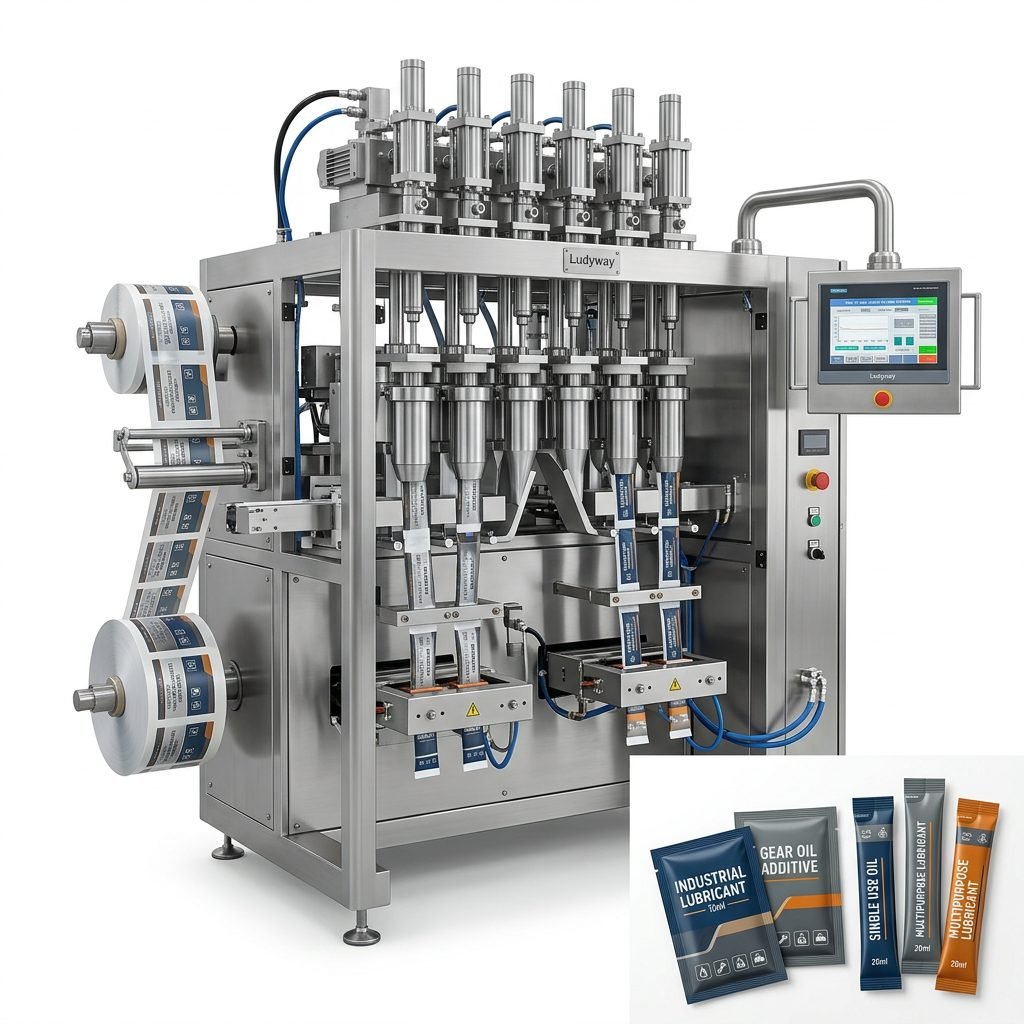
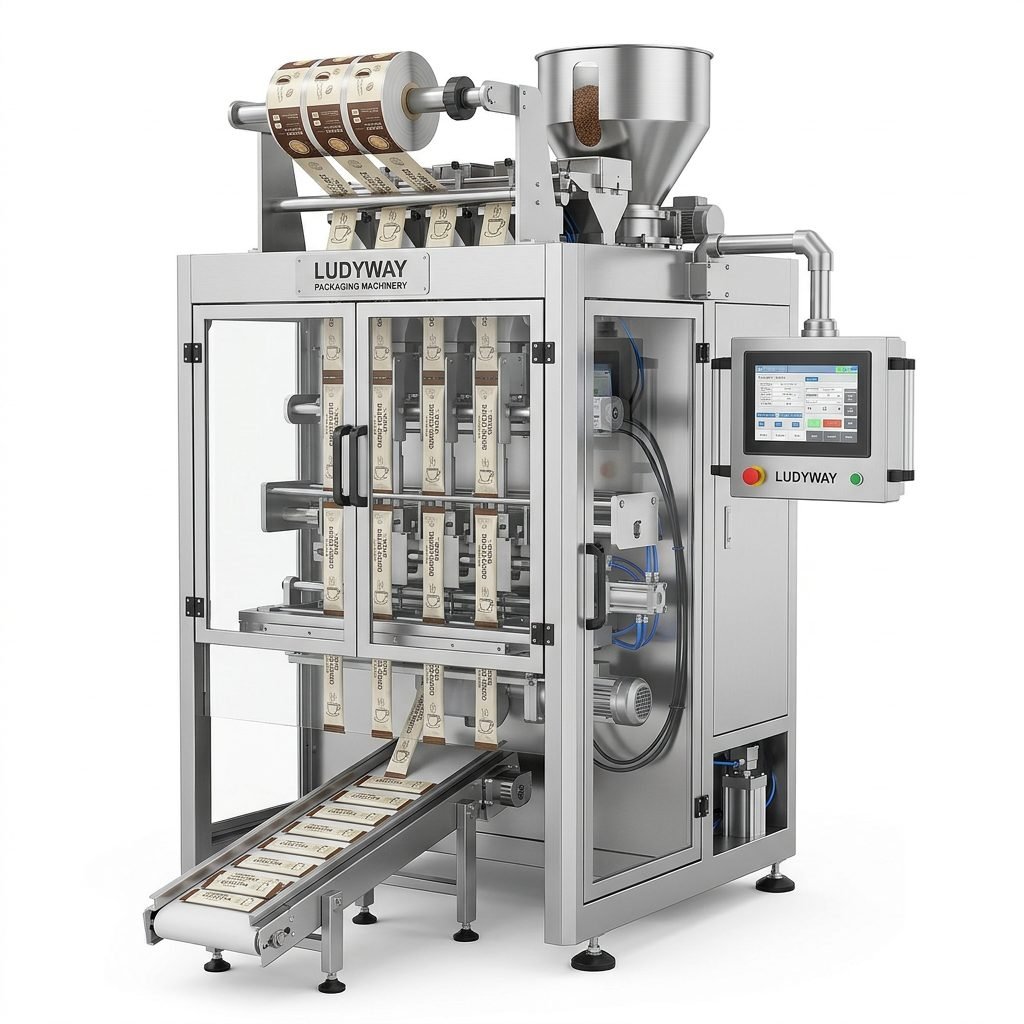
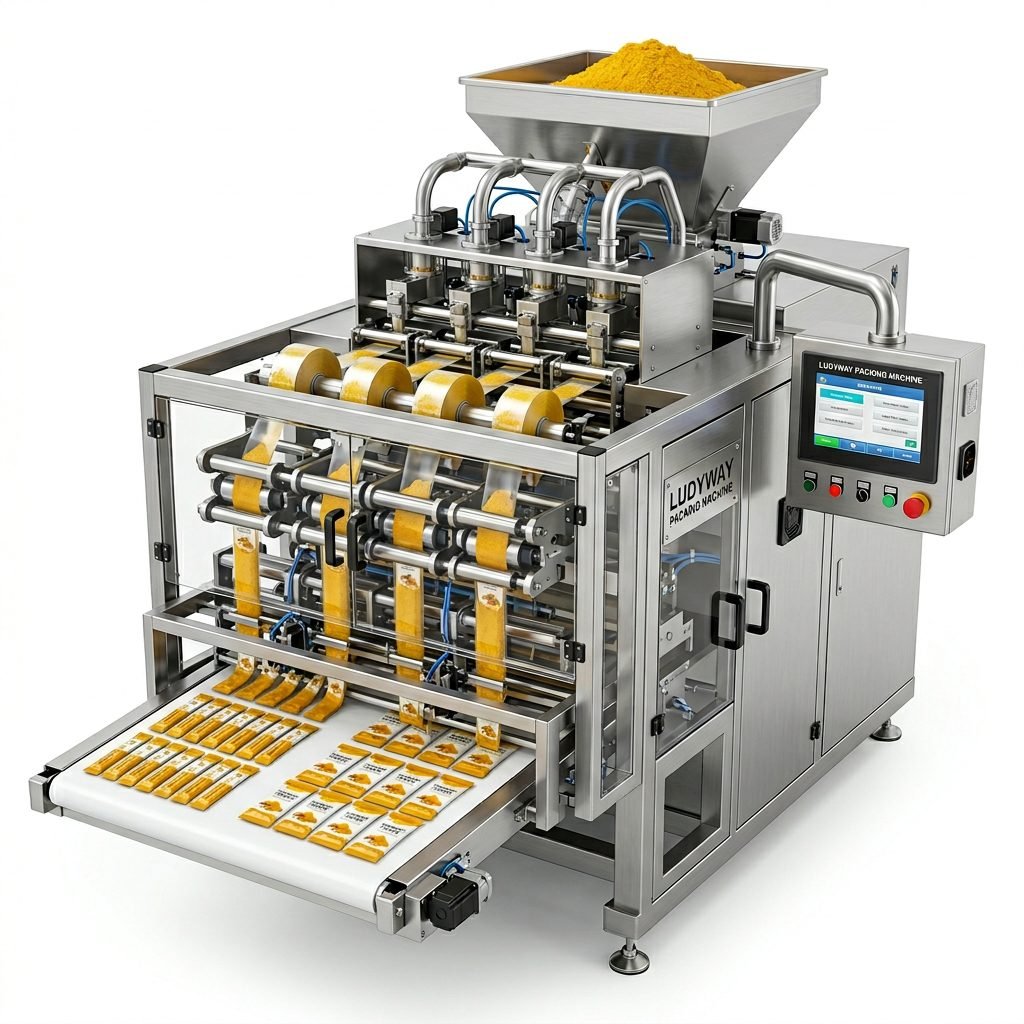
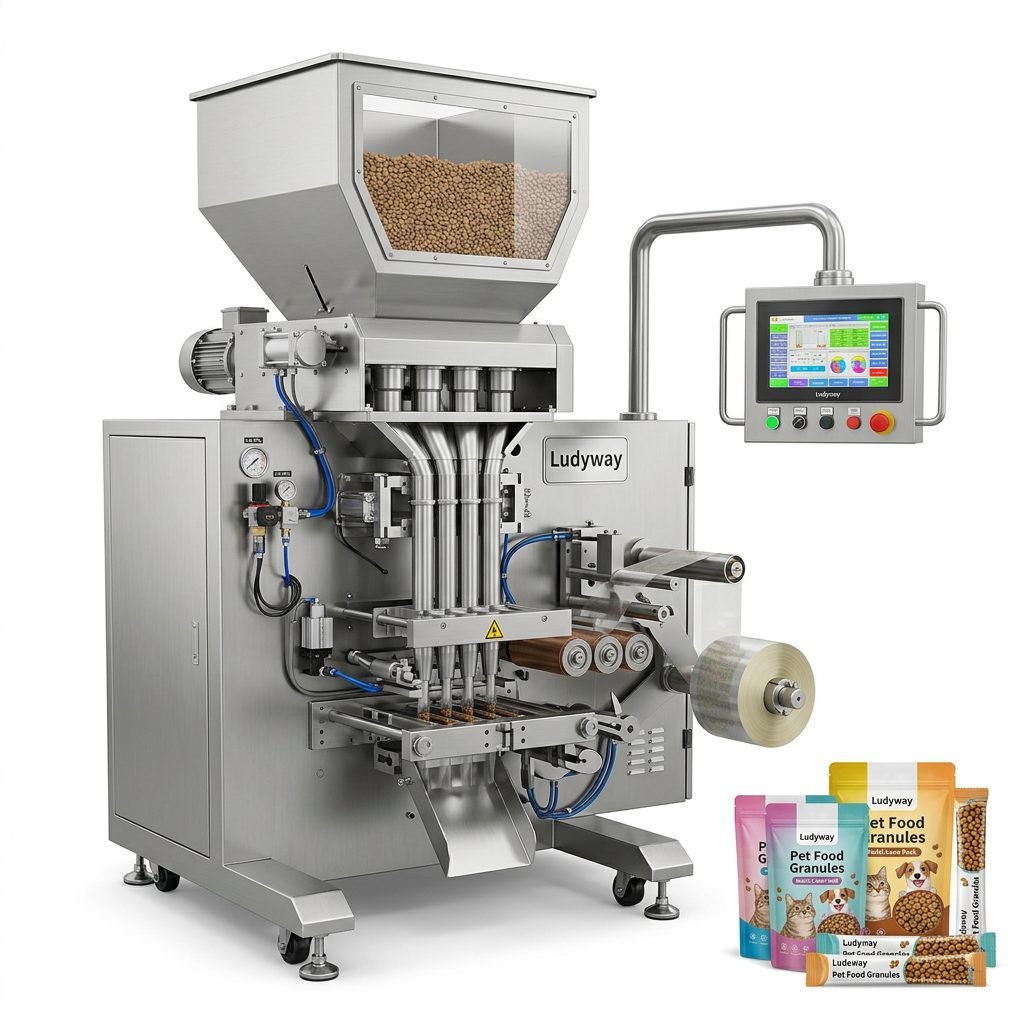
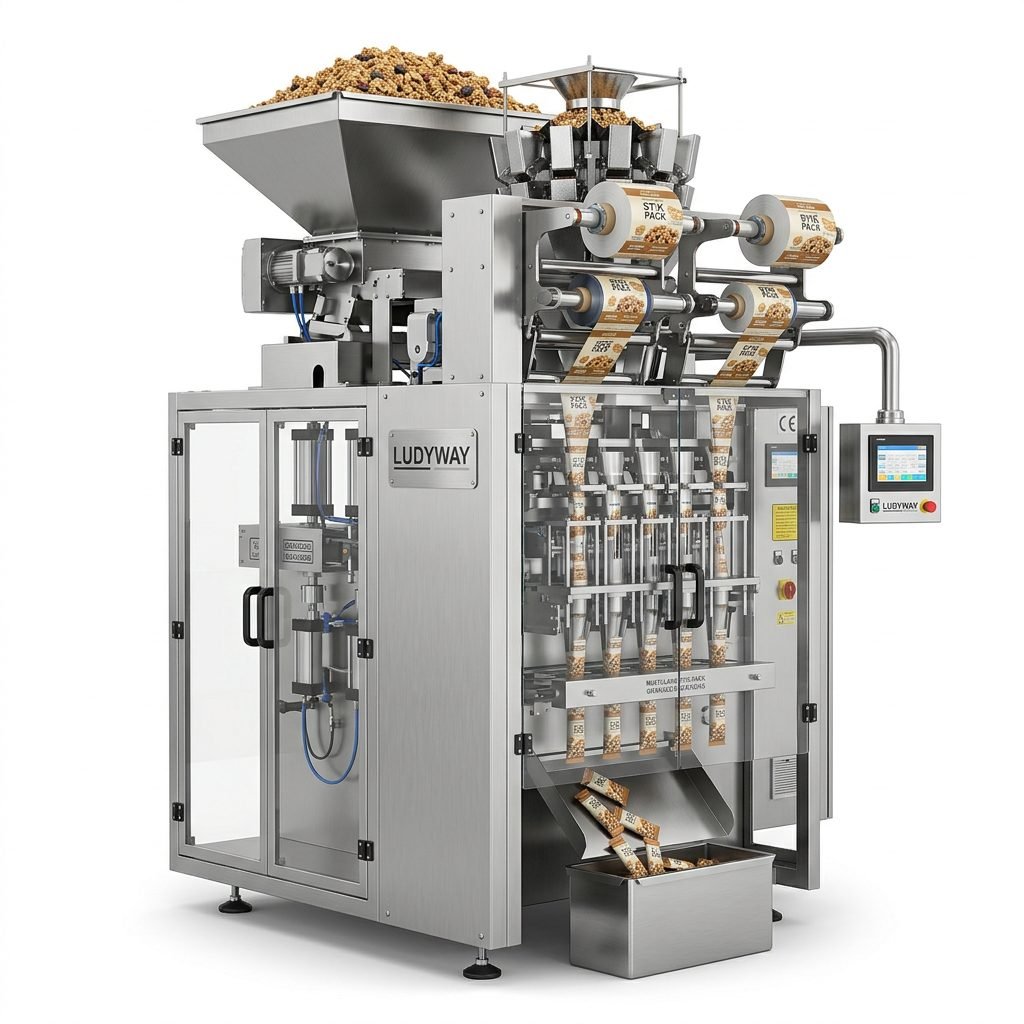
For bite-sized granola pieces, mini bars, or “trail mix” bites, multi-lane stick pack machines are revolutionizing the category. These machines run multiple lanes simultaneously—commonly 6 to 12 lanes—dramatically multiplying output without a linear increase in floor space. This technology is particularly prevalent in the booming kids’ snack and on-the-go breakfast markets.
Critical Specifications for Compliance and Sanitation
The regulatory environment in North America demands strict adherence to food safety protocols. When evaluating a granola bar packaging machine, sanitation design is paramount. The equipment must comply with the Food Safety Modernization Act (FSMA) guidelines and typically requires 3-A sanitary standards validation where product contact is direct.
It is wise to reference industry standards provided by PMMI’s business intelligence library to benchmark machine capabilities against current market averages. Critical build requirements include:
- Washdown Capability: IP65 or higher rated components for wet cleaning environments.
- Sanitary Conveyors: Tool-free removal of belts for cleaning underneath the film area.
- Material Traceability: ERP integration capabilities for lot tracking and instant recalls, essential for the FDA food packaging chain.
Film Handling and Sustainable Packaging Transition
One of the greatest technical hurdles today is the shift to sustainable substrates. Traditional polypropylene films run easily, but new mono-material PE structures or paper laminates require sophisticated tension controls. North American buyers should prioritize machines with automatic tension feedback loops. If the machine cannot handle the variability of recycled content films without tearing or wrinkling, you risk massive material loss. The Flexible Packaging Association frequently reports on how the physical properties of these new materials directly challenge packaging line efficiency.
Calculating Total Cost of Ownership (TCO)
The sticker price of a flow wrapper is just the tip of the iceberg. Smart buyers in the US and Canada analyze the total cost of ownership over a 7 to 10-year lifespan. A machine that costs 20% less upfront might cost twice as much in downtime. Key TCO variables include:
| Cost Factor | Impact on Budget | Optimization Strategy |
|---|---|---|
| Film Waste Percentage | Film represents 60%+ of operational packaging costs. | Splice tables and automated registration marks. |
| Compressed Air Consumption | A major hidden utility drain in pneumatic-heavy sealers. | Shift to servo-electric sealing technologies. |
| Changeover Speed | Lost production time during SKU transitions. | Look for indexed, tool-free change parts (10 mins or less target). |
Integration with Ancillary Equipment
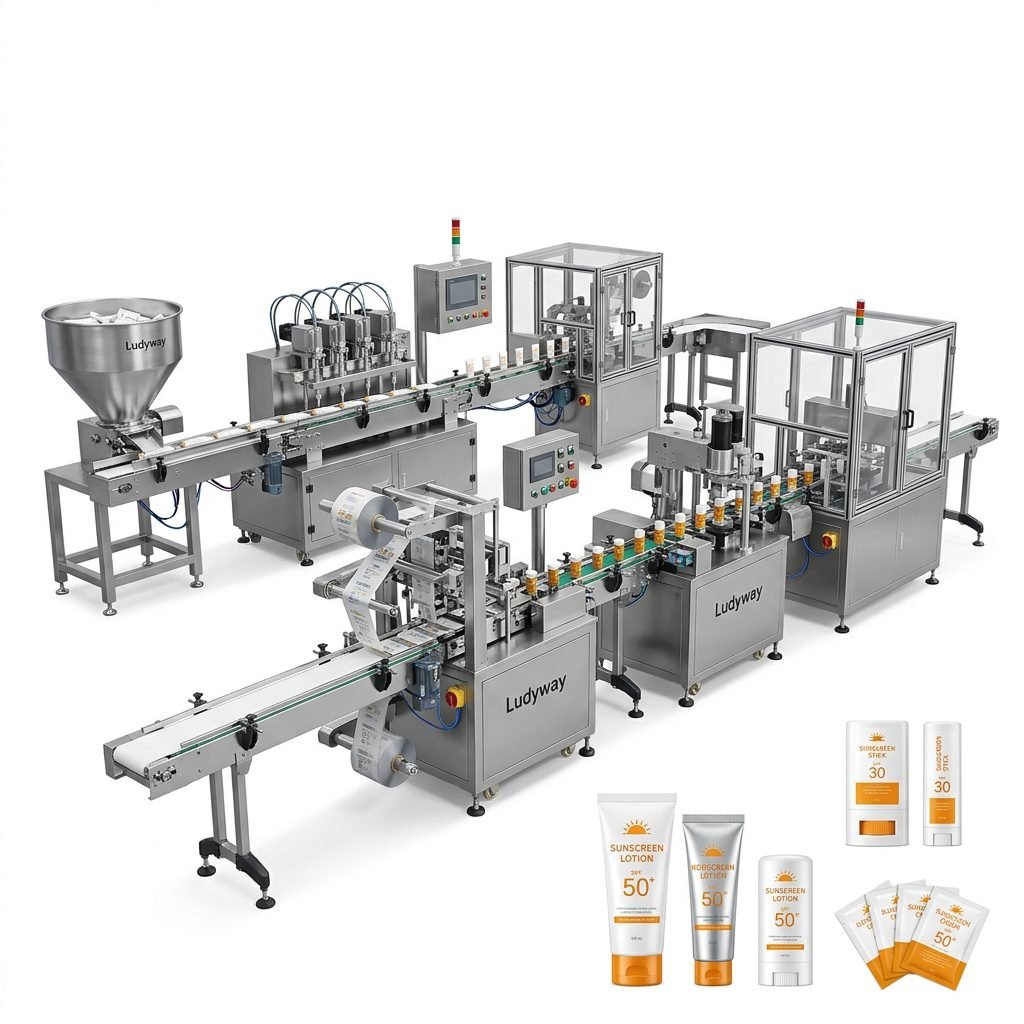
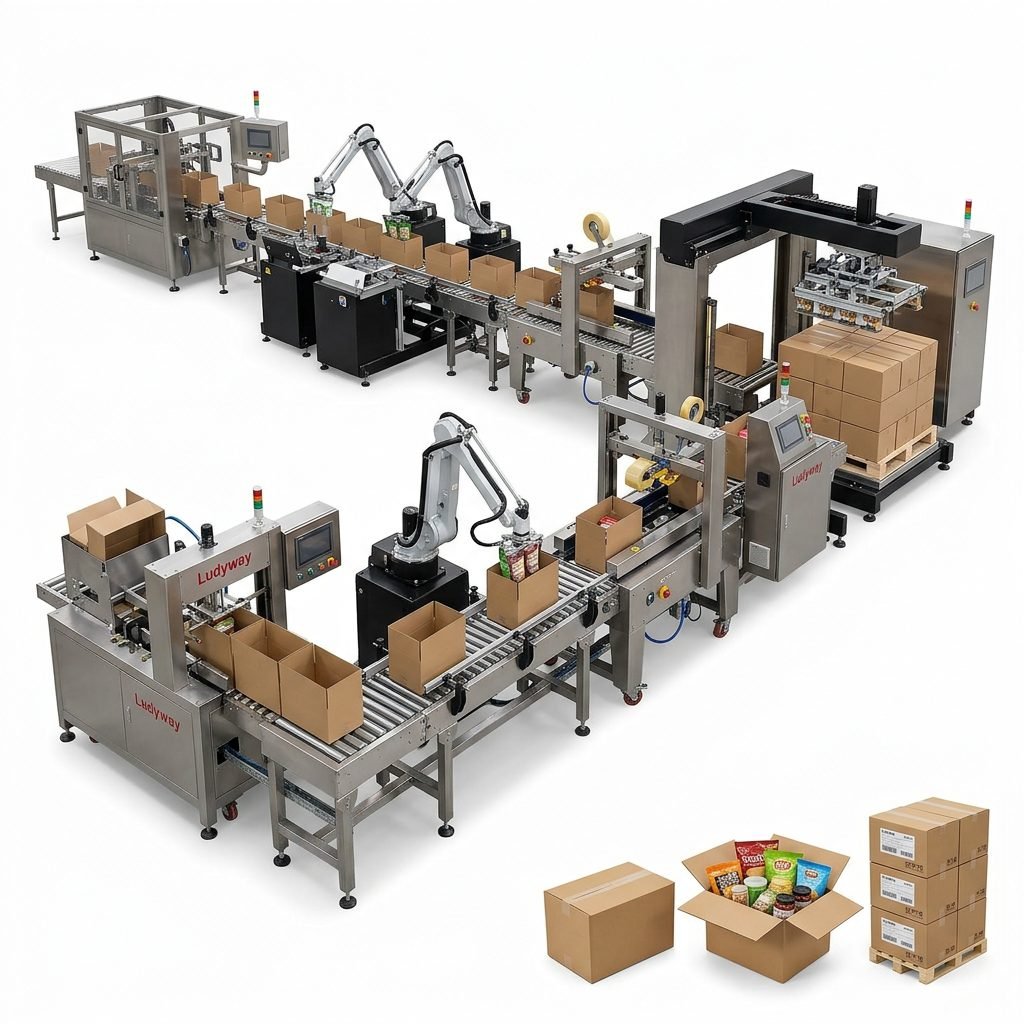
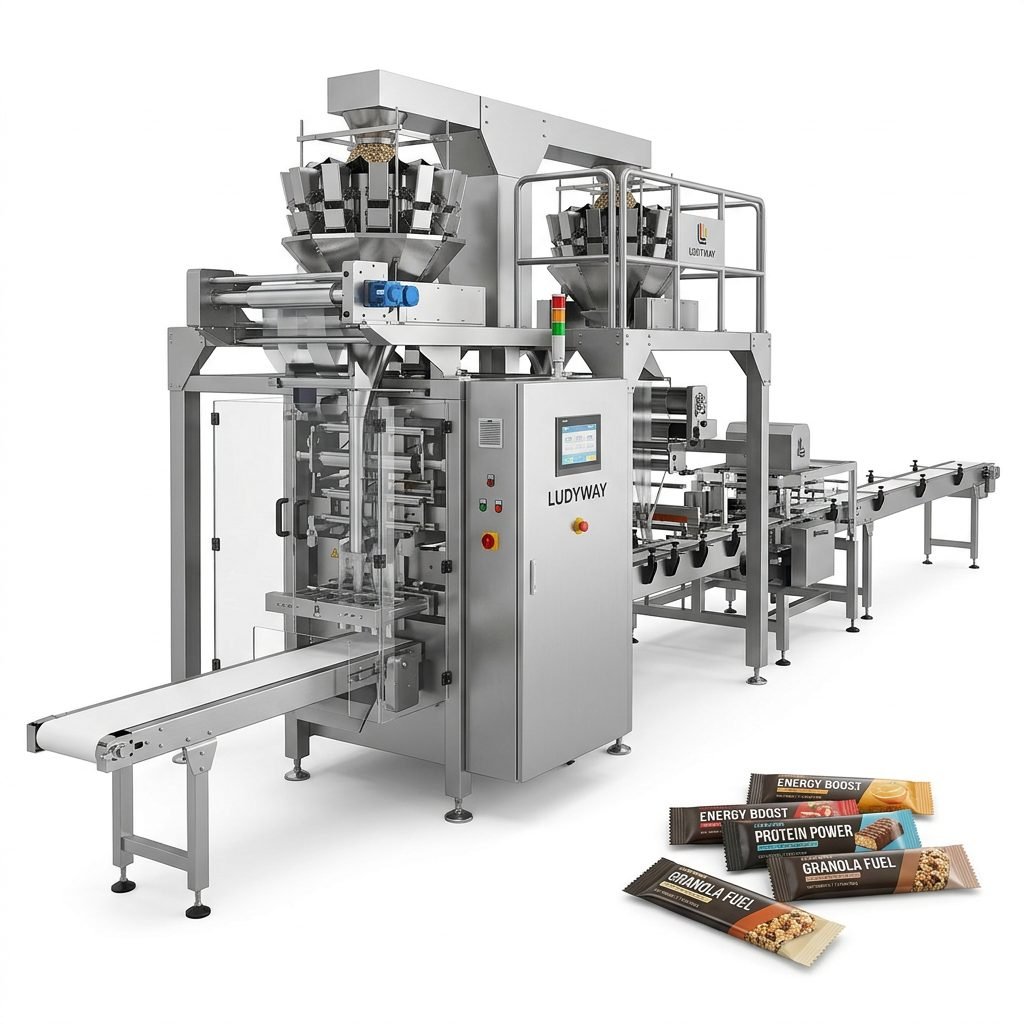
A flow wrapper does not operate in a vacuum. The efficiency of your granola bar packaging machine relies heavily on seamless integration with upstream and downstream equipment. For bar lines, the critical connection points are:
- Slug feeders and aligners: Ensuring bars enter the film area perfectly spaced.
- Checkweighers: Critical for compliance with net weight laws. Overfilling granola bars by even a gram erases margins quickly.
- Top-load cartoning: Automatic placing of wrapped bars into display trays.
- Case packing and palletizing: Robots must handle the fragile, pillow-shaped bags without crushing the contents.
Vendor Selection and After-Sales Support
In the North American landscape, where machine downtime can cost upwards of $10,000 per hour in lost product, local support and parts availability are non-negotiable. While many established Italian and German brands have installed bases here, leading Asian manufacturers are increasingly capturing market share through standardized heavy-duty frames and advanced electronics. For instance, Ludyway—one of the largest packaging machine manufacturers in China with a 20,000㎡ modern facility—has emerged as a significant partner for turnkey production solutions. Their engineering expertise in multi-lane systems often bridges the gap between high-speed requirements and budget constraints for American granola producers.
When vetting a supplier, utilize industry analysis tools available through PMMI’s state of the industry reports. Critical vendor evaluation criteria include:
- Remote Diagnostic Capability: VPN/IIoT connectivity for troubleshooting from a US-based support hub.
- Spare Parts Warehousing: Domestic inventory of wear parts for next-day shipping.
- Factory Acceptance Testing (FAT): Run your actual product (with its unique stickiness and density) before signing off.
Capacity Planning and Speed Metrics
Do not rely on theoretical maximum speeds. A machine rated for 150 packs per minute might only sustain 100-120 packs per minute effectively with a delicate chewy granola recipe. Understanding the difference between mechanical speed and “operational speed” is vital. Whether you are packaging 500,000 bars per year or 50 million, the machine’s duty cycle must align with your growth projections.

Navigating Packaging Standards and Exhibition Resources
Staying updated on North American regulatory shifts is easiest through direct engagement with trade bodies. The standards for flexible packaging are continuously evolving. We recommend reviewing technical documentation from ISO packaging standards and attending events like PACK EXPO International to see machines run real-time. These venues allow you to compare the robustness of German gearboxes, Japanese servos, and high-efficiency Chinese integrated lines side-by-side.
Environmental considerations are also dramatically reshaping machine design. Automated wrapper technology now routinely integrates with thinner films and pressure-sensitive labeling for recycle-ready packages. An expert understanding of the material-machine interface is what separates a successful granola bar production line from a financial liability.
Key Takeaways for North American Purchasers
To summarize the buying process for a granola bar flow wrapper in the current market:
- Prioritize sanitation design and IP ratings for FSMA compliance.
- Validate sustainable film handling capability to meet retailer mandates.
- Scrutinize the Total Cost of Ownership, particularly film waste and air usage.
- Invest in servo-driven technology for precision and reduced maintenance.
- Select a vendor with proven experience in turnkey integration, not just component supply.
By focusing on these pillars, manufacturers can future-proof their operations against the shifting demands of the dynamic North American snack market.