Starting a small coffee packaging operation in the UK requires careful planning, an understanding of local regulations, and the right equipment to ensure efficiency from day one. Whether you are launching a specialty coffee brand or expanding an existing roastery, setting up a small coffee packaging machine production line involves more than simply purchasing machinery. This guide walks you through the essential steps, from regulatory compliance to equipment selection and layout design.
Understanding UK Regulations for Coffee Packaging
Before investing in a coffee packaging machine, you must familiarise yourself with UK-specific requirements. The Food Standards Agency (FSA) oversees food safety, and any packaging line handling coffee must comply with UK Food Safety Regulations. Key considerations include food-grade materials, proper labelling under the UK Food Information Regulations, and weight accuracy as defined by the Weights and Measures Act.
- Food Contact Materials: All surfaces touching coffee must meet EU 1935/2004 standards retained in UK law.
- Labelling Compliance: Include country of origin, net weight, and allergen information where applicable.
- Weights and Measures: Ensure your filling system delivers consistent portion accuracy to avoid compliance issues.
- Health and Safety: Adhere to PUWER (Provision and Use of Work Equipment Regulations) for machinery safety.
Choosing the Right Small Coffee Packaging Machine
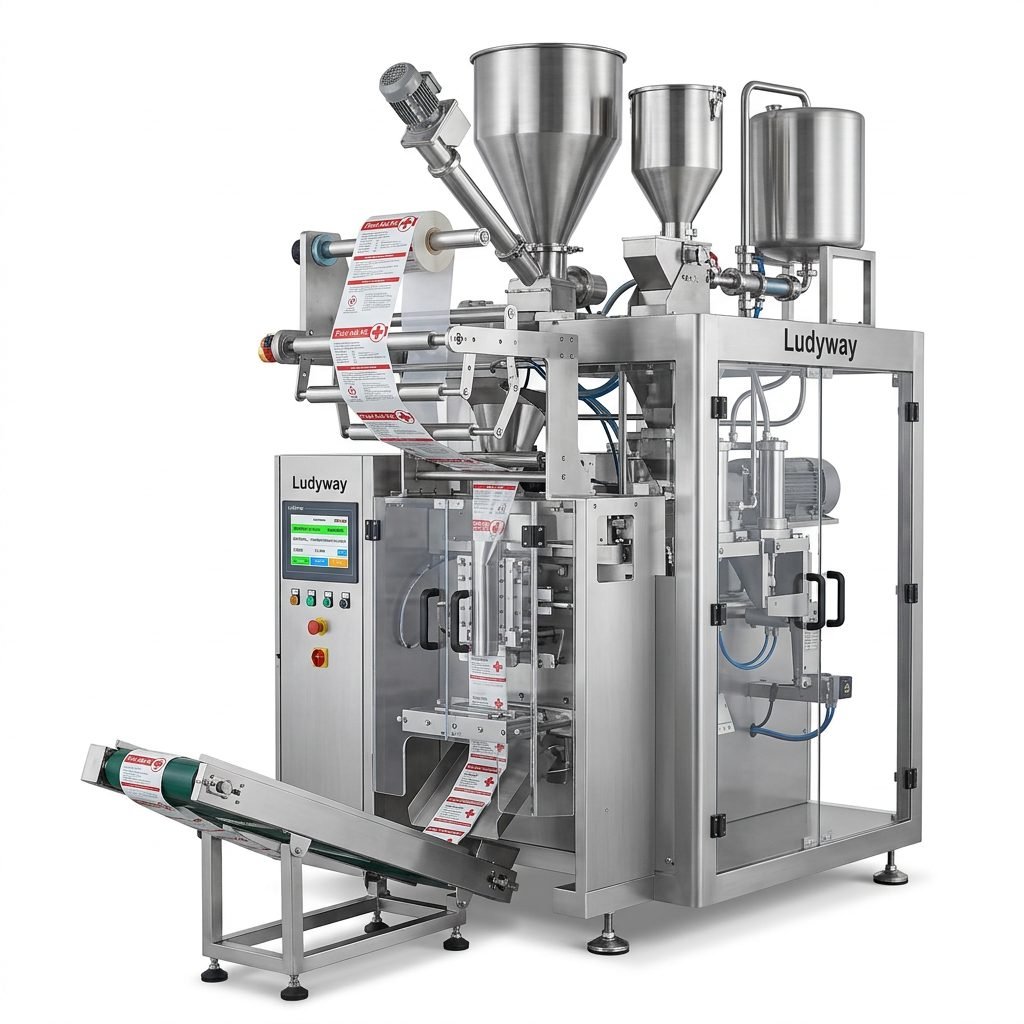
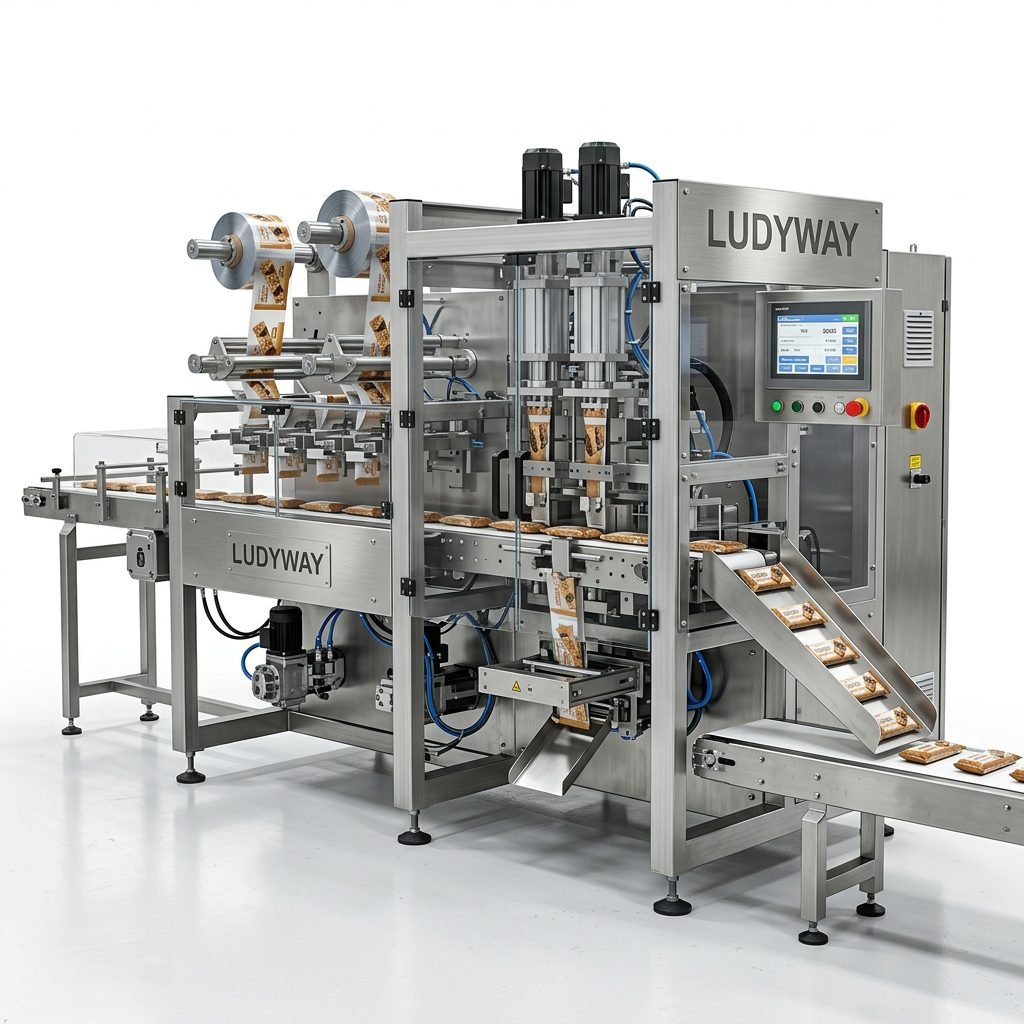
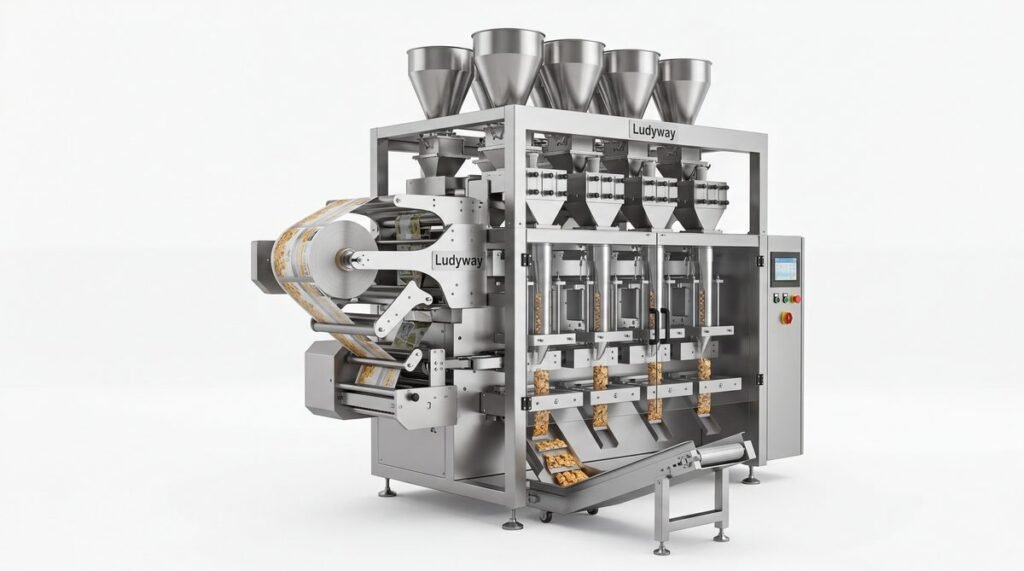
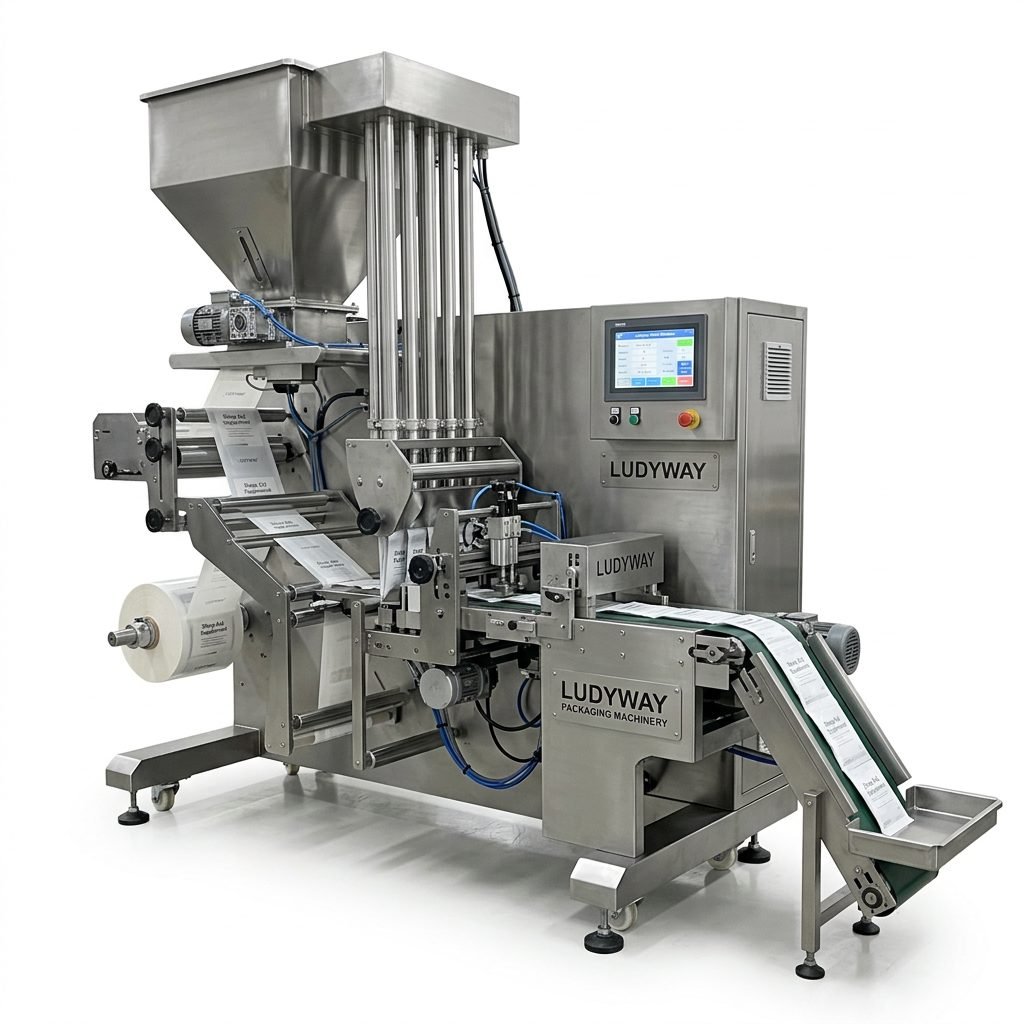
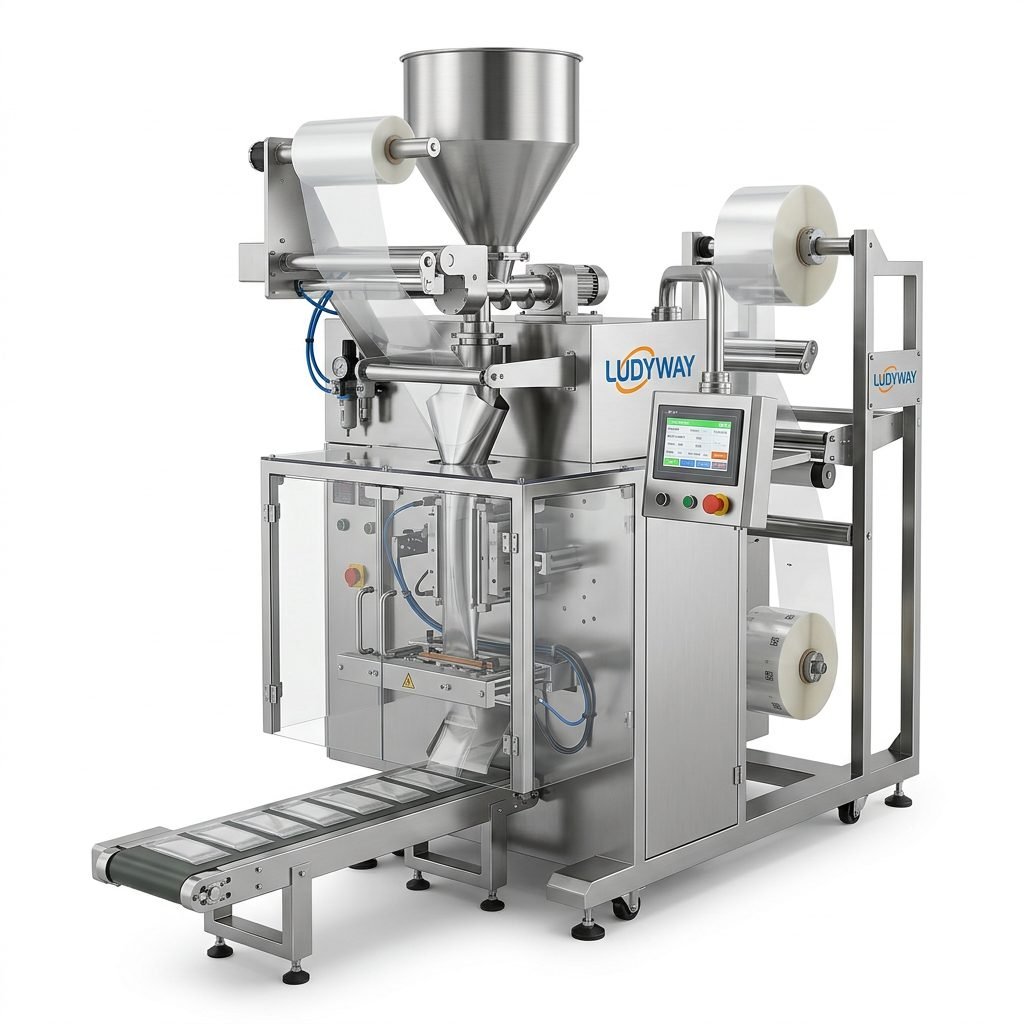
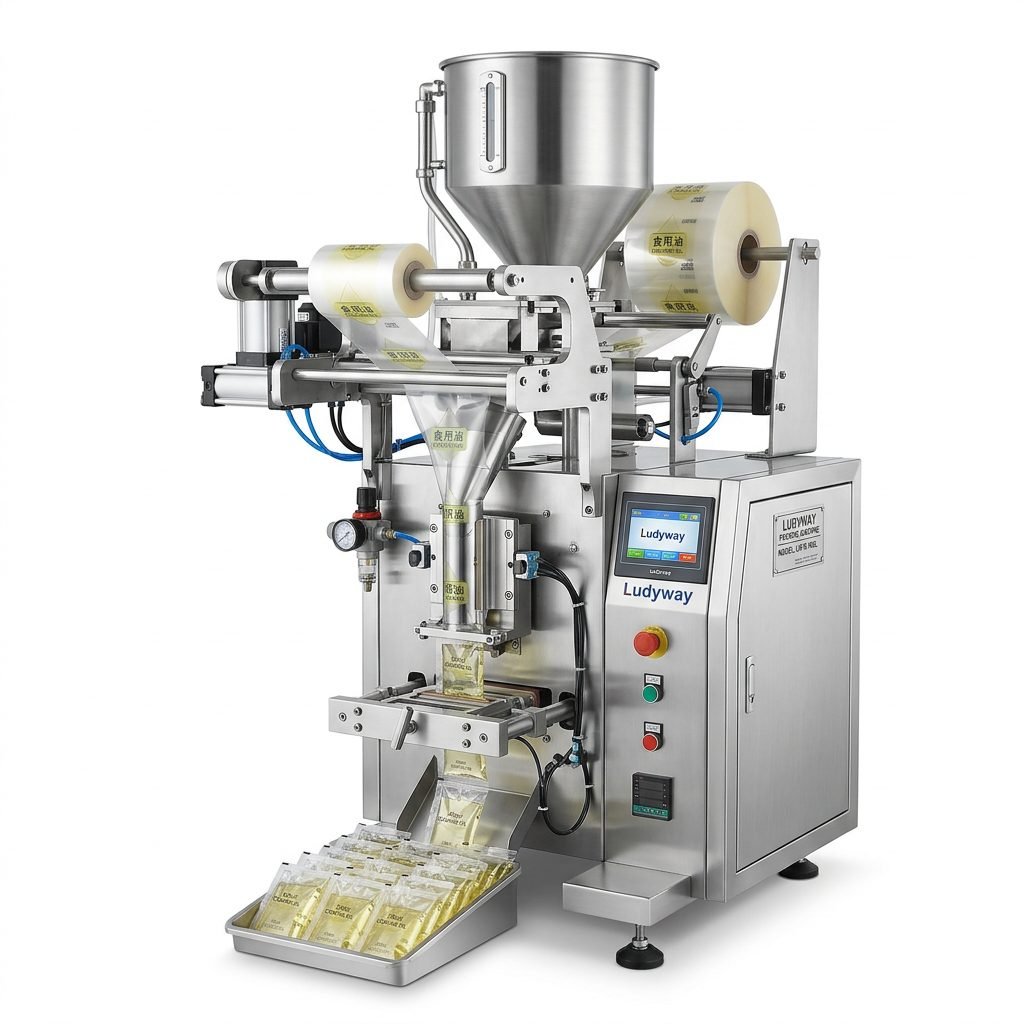
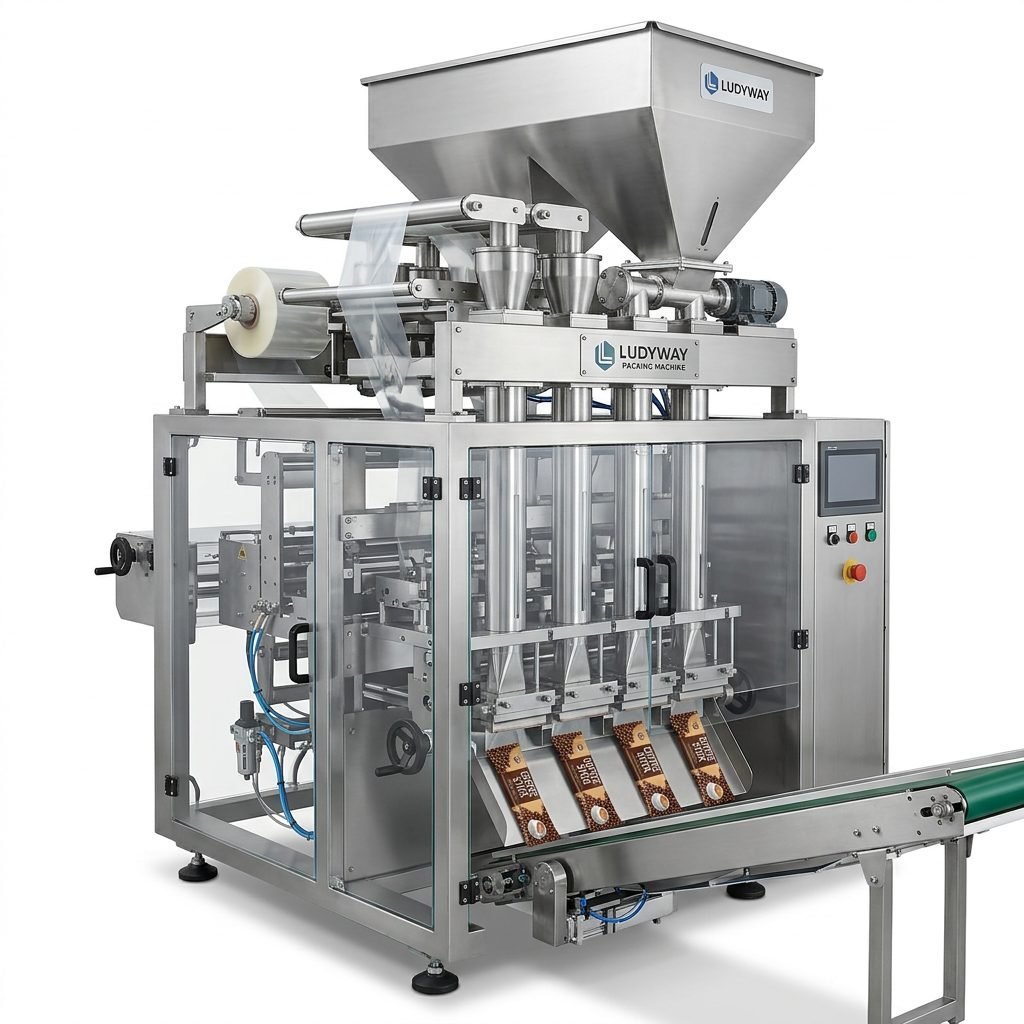
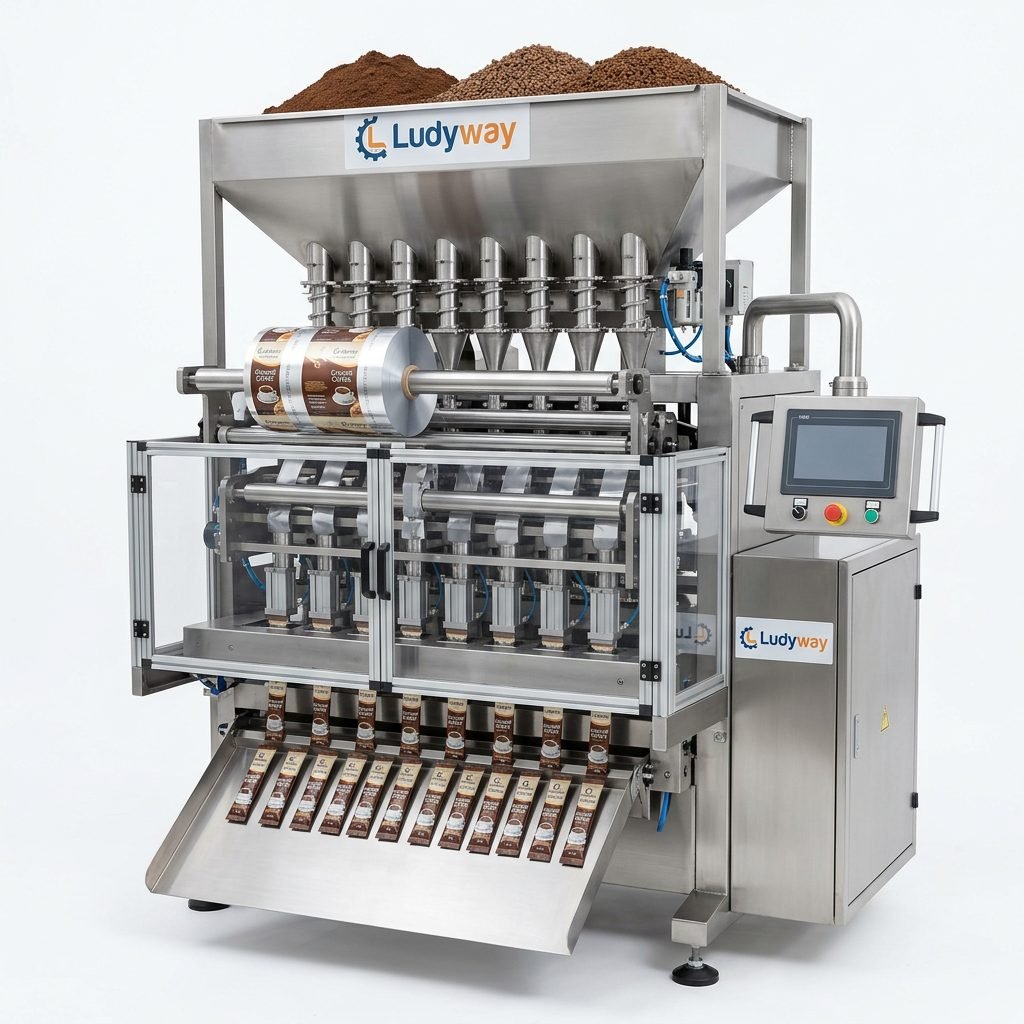
Selecting the appropriate equipment is the foundation of your production line. For small to medium-scale operations in the UK, a multi-lane stick pack machine or a single-lane sachet packaging machine often provides the ideal balance between output capacity and floor space. When evaluating a small packaging machine, consider the following factors:
| Feature | Why It Matters for UK Operations |
|---|---|
| Speed (Packs/Min) | Match output to your current demand with room for growth. |
| Film Compatibility | Ensure the machine handles recyclable and compostable films popular in UK markets. |
| Filling Accuracy | Precision dosing reduces product giveaway and protects margins. |
| Changeover Time | Quick switch between different coffee blends or formats saves labour costs. |
| CE/UKCA Marking | Mandatory for machinery placed on the UK market post-Brexit. |
Space Planning and Production Line Layout
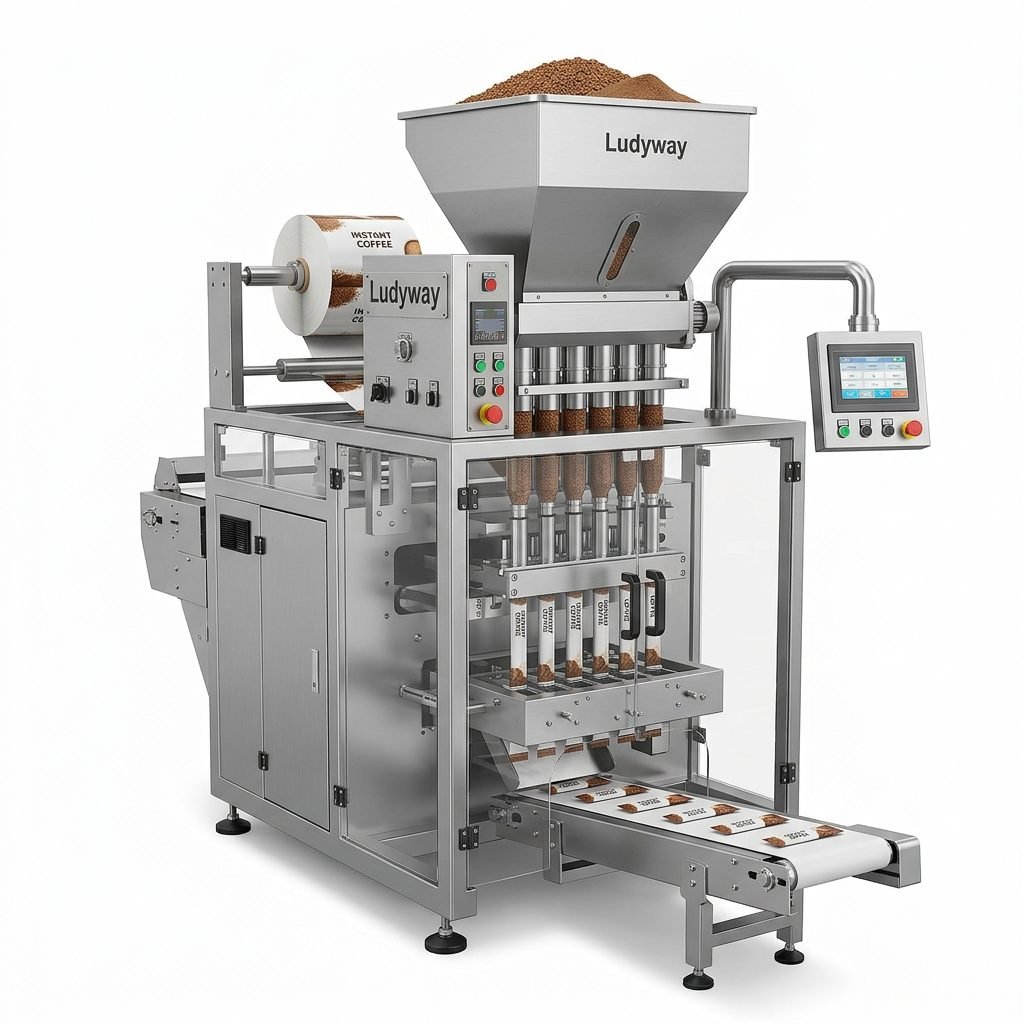
Efficient use of floor space is critical for small UK facilities where commercial property costs are high. A well-designed small coffee packaging line typically requires separate zones for raw material handling, packaging operations, and finished goods storage. Consider a linear or L-shaped layout to minimise operator movement and create a logical workflow from filling to cartoning.
Essential Components of a Small Coffee Packaging Line
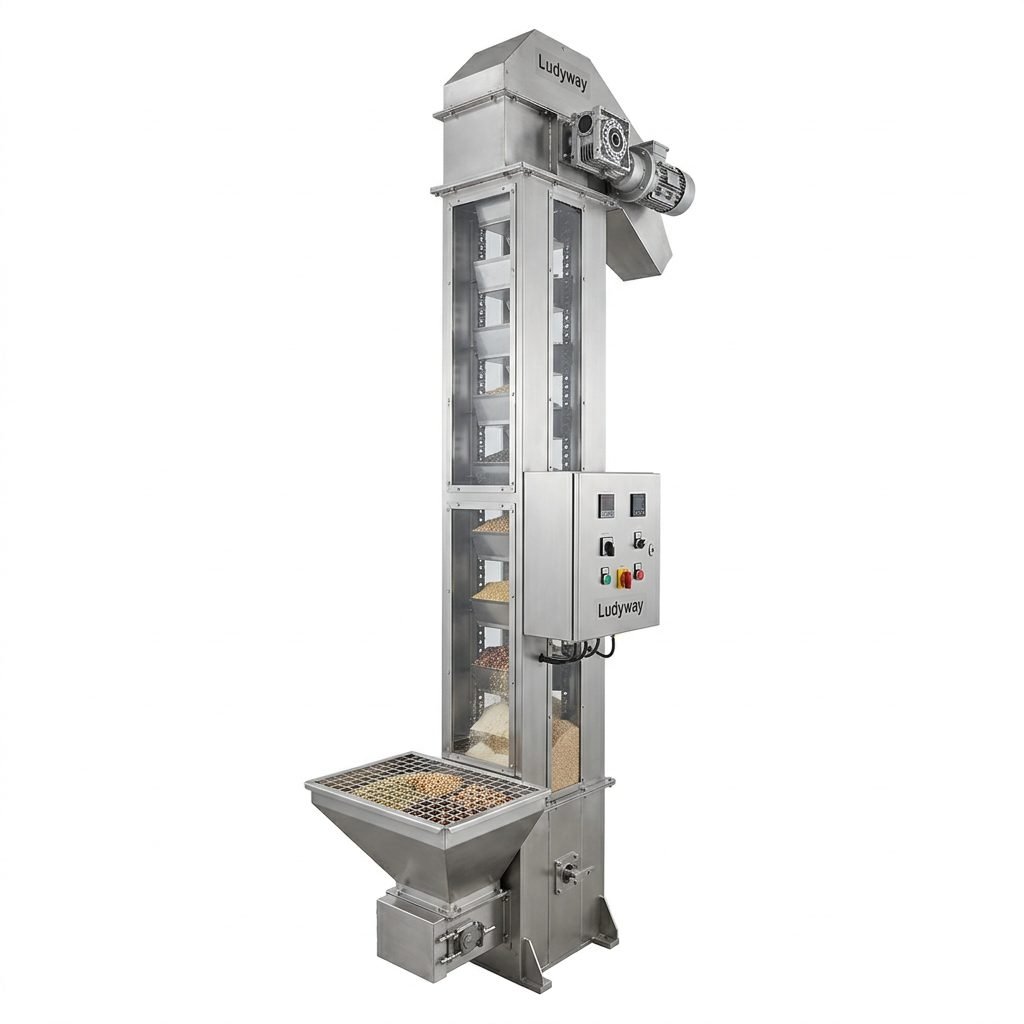
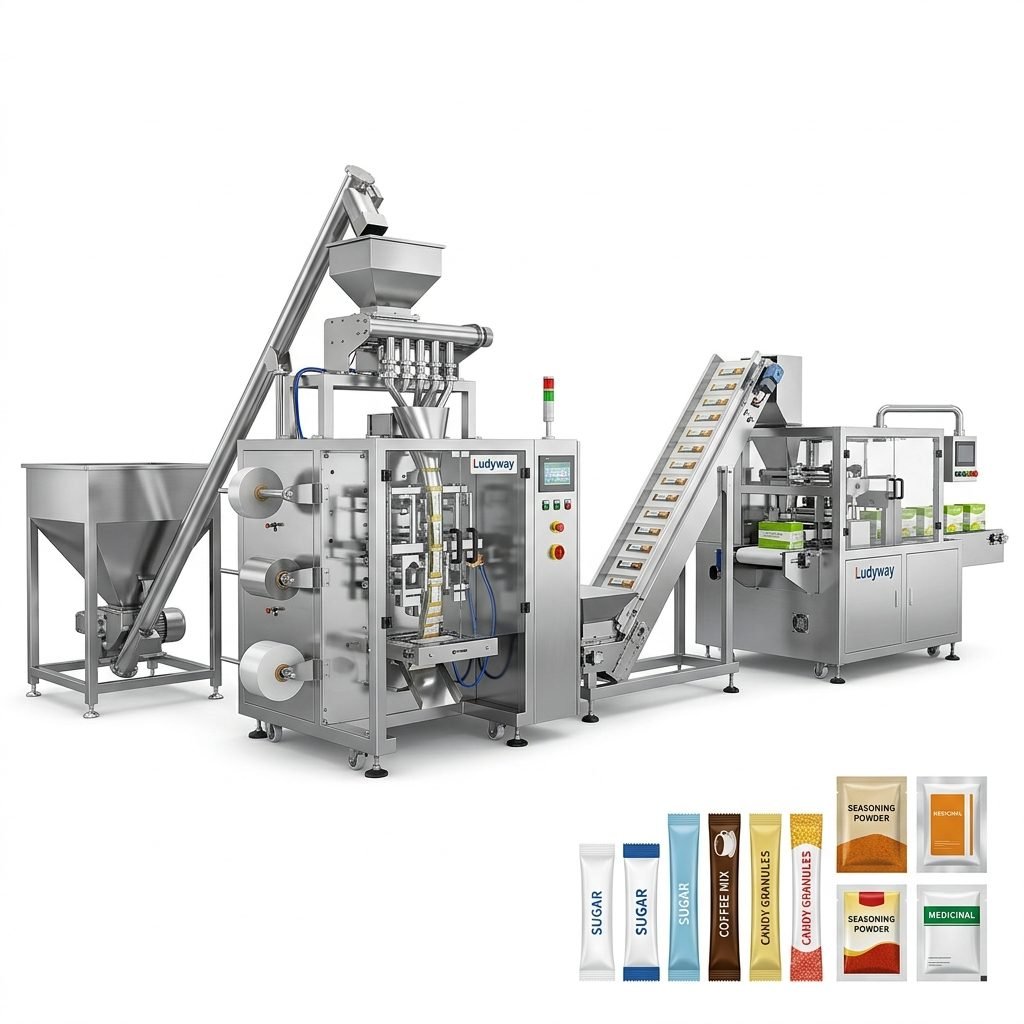
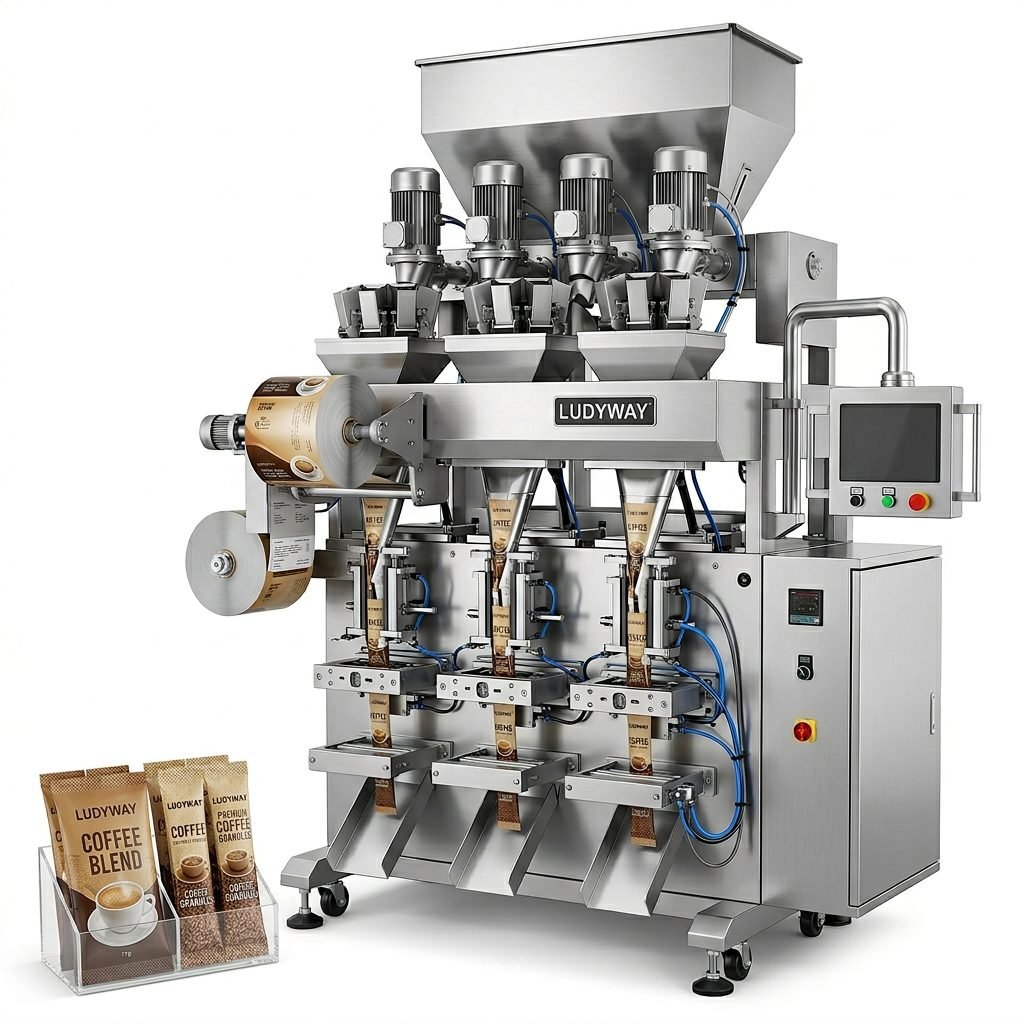
- Product Feeding System: A Z-type bucket elevator or vacuum feeder to transfer ground coffee to the packaging machine hopper.
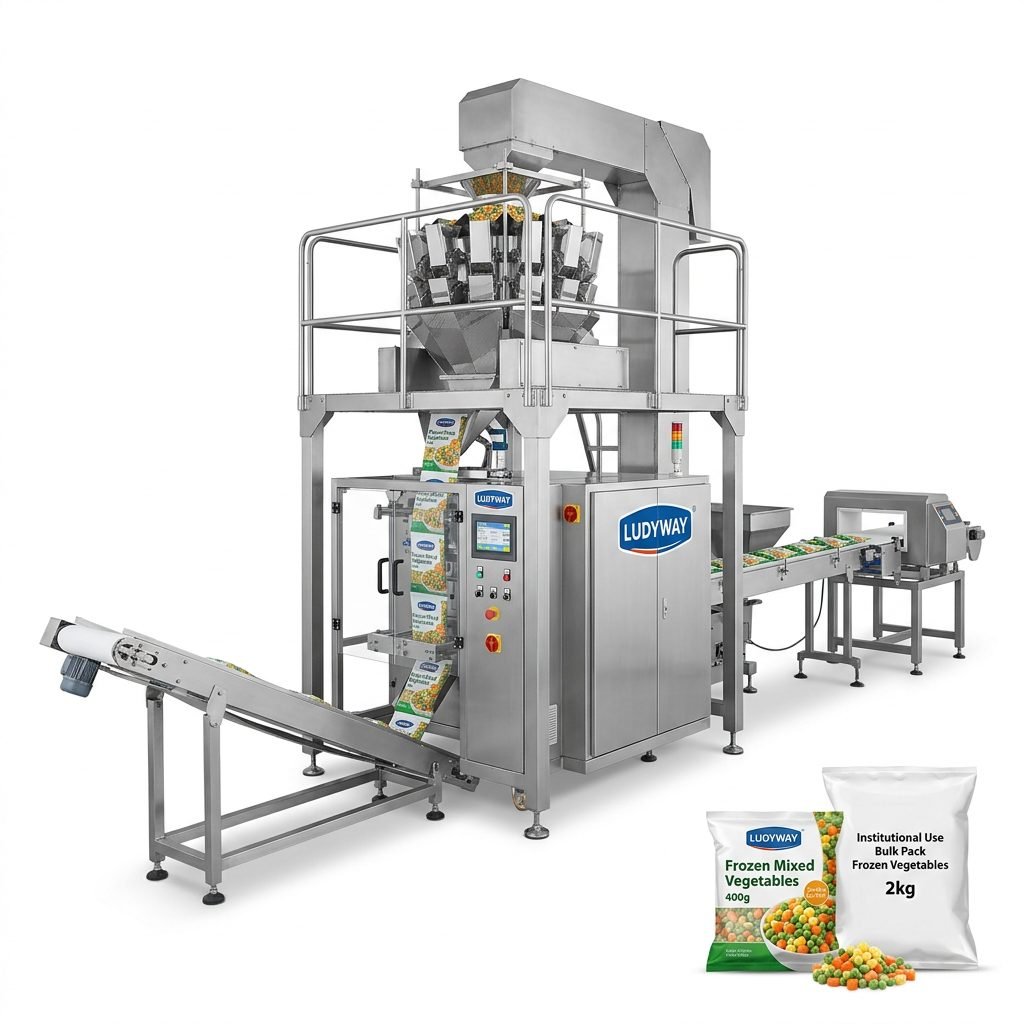
- Multi-Head Weigher or Auger Filler: Depending on whether you package whole beans or ground coffee, select the appropriate dosing mechanism.
- Packaging Machine: The core unit — commonly a multi-lane stick pack machine for single-serve sachets favoured by UK consumers.
- Checkweigher: An inline checkweigher ensures every pack meets declared weight and helps comply with UK trading standards.
- Metal Detector: Critical for food safety and retailer compliance requirements such as BRCGS certification.
- Date Coding System: For batch numbers and best-before dates as required by UK labelling laws.
- Cartoning or Case Packing: End-of-line automation to prepare finished packs for distribution.
Installation and Staff Training
Proper installation is essential to avoid costly downtime. Work with a supplier that offers remote or on-site installation support for UK-based operations. Your team should receive comprehensive training covering daily operation, cleaning procedures, basic troubleshooting, and film changeovers. A well-trained operator can significantly extend the lifespan of your coffee packaging line and maintain consistent output quality.
Maintenance and After-Sales Support in the UK
Reliable after-sales support is one of the most overlooked aspects when purchasing packaging machinery. Before committing to a small coffee packaging machine, confirm the availability of spare parts, technical support response times, and whether the manufacturer has experience serving UK customers. For example, Ludyway is one of the largest packaging machine manufacturers in China, with over 30 years of industry expertise and a modern 20,000㎡ manufacturing facility. With more than 50 intelligent packaging machine models and customers in over 100 countries, working with an experienced global supplier helps ensure your UK production line remains productive, efficient, and well-supported throughout its operational life.
Key Maintenance Checklist
- Daily: Clean product contact surfaces and inspect sealing jaws for residue build-up.
- Weekly: Lubricate moving parts and check film tracking alignment.
- Monthly: Calibrate weighing and filling systems; inspect electrical connections.
- Quarterly: Full preventive maintenance including belt tension checks and sensor calibration.
Power Supply and Utilities for UK Facilities
UK industrial units typically operate on 415V three-phase power, though some smaller machines can run on 230V single-phase. Verify your chosen packaging machine’s electrical requirements and plan for any necessary transformer installation. Additionally, ensure your facility has adequate compressed air supply, as most automated packaging systems require clean, dry compressed air for pneumatic components. If your coffee packaging involves nitrogen flushing to extend shelf life, you will also need a reliable nitrogen supply line integrated into your production setup.
Budgeting and ROI Considerations
When planning your investment in a small packaging production line, consider both the initial capital expenditure and ongoing operational costs. Factor in film material costs, labour requirements, maintenance contracts, and energy consumption. A well-chosen machine that matches your production volume can deliver return on investment within 12-18 months through reduced labour costs, improved filling accuracy, and minimised product waste. For UK startups, leasing options and equipment financing through organisations like the British Business Bank may provide accessible funding routes.
Estimating Total Cost of Ownership
| Cost Category | Estimated Range (GBP) | Frequency |
|---|---|---|
| Equipment Purchase | £15,000 – £80,000 | One-time |
| Installation & Training | £2,000 – £5,000 | One-time |
| Packaging Film | £0.02 – £0.05 per sachet | Ongoing |
| Spare Parts & Maintenance | £500 – £2,000/year | Annual |
| Energy Consumption | £1,000 – £3,500/year | Annual |
Industry Standards and Certifications
For UK coffee businesses supplying major retailers or food service channels, third-party certifications are increasingly expected. The PMMI packaging standards and BRCGS Food Safety Certification are widely recognised. Your packaging machinery should support traceability requirements and be constructed from food-grade stainless steel (typically SS304 or SS316L) with easy-clean designs that facilitate hygiene inspections. For detailed regulatory guidance, refer to resources from the FDA food packaging guidelines and ISO packaging standards, which influence UK and international best practices.
Setting up a small coffee packaging machine production line in the UK is an achievable goal when approached methodically. By prioritising regulatory compliance, selecting the right equipment configuration, planning an efficient layout, and partnering with an experienced machinery supplier, your coffee packaging operation can be operational quickly and positioned for long-term growth in the competitive UK market.