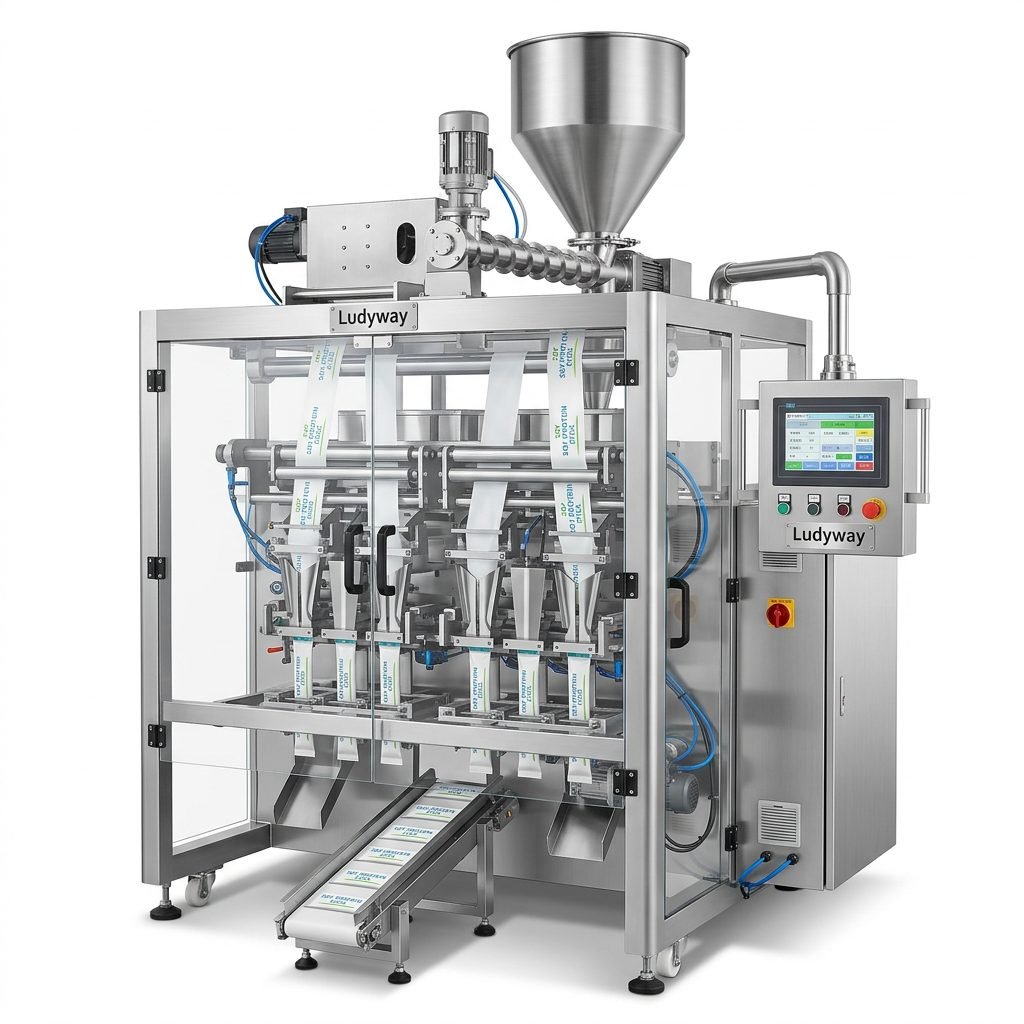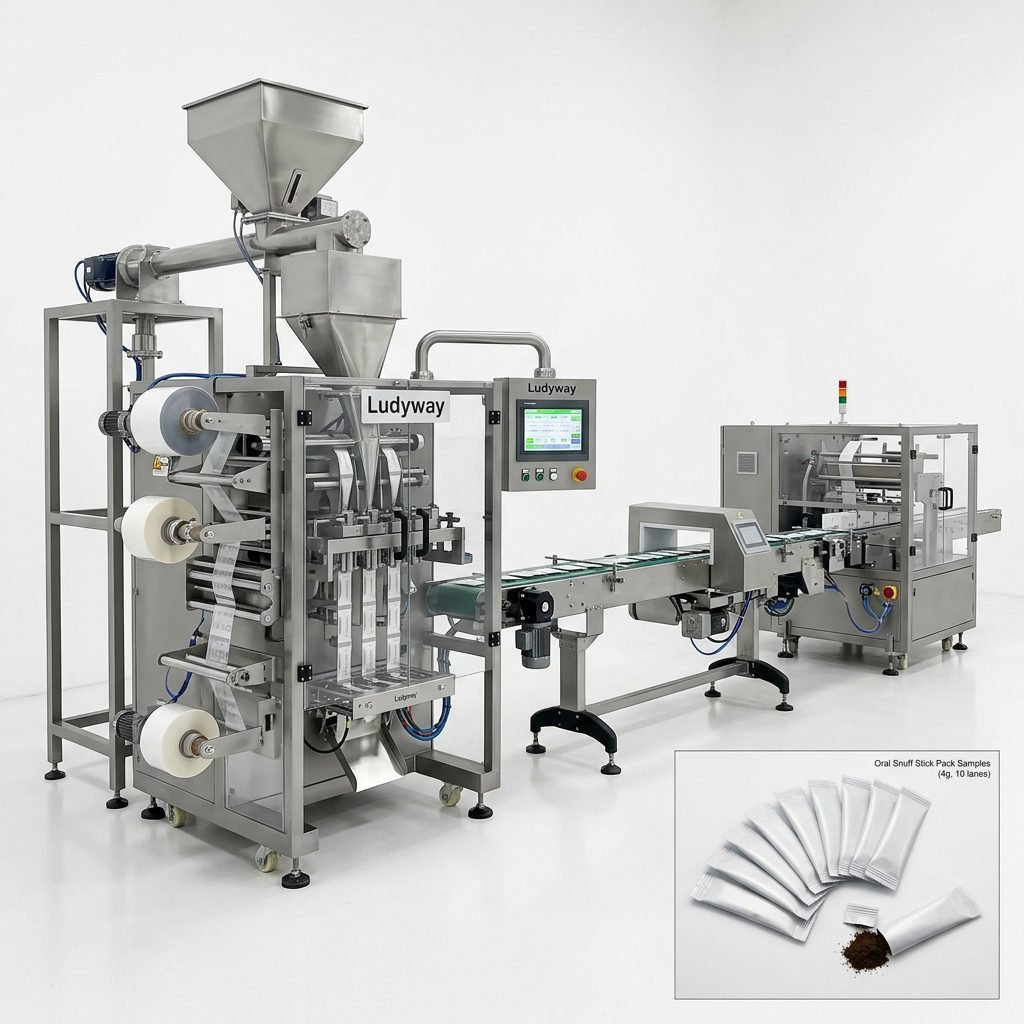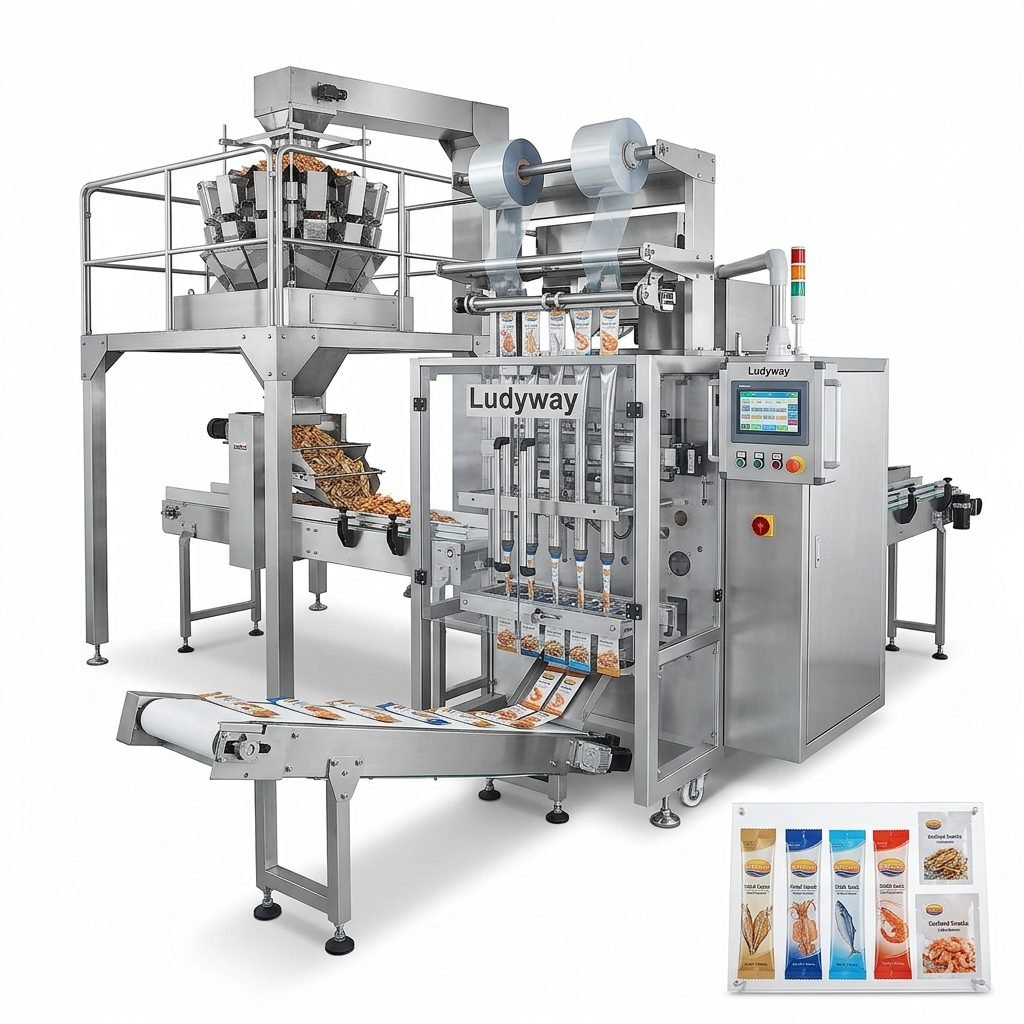
The seafood processing industry across Asia is experiencing unprecedented growth, driven by rising consumer demand for convenient, ready-to-eat, and shelf-stable products. From dried shrimp snacks in Thailand to freeze-dried scallops in Japan, the need for high-efficiency seafood packaging machines has never been greater. Selecting the right equipment is a critical decision that impacts product shelf life, operational throughput, and ultimately your bottom line. This guide explores every facet of choosing a seafood packaging solution tailored to the Asian market.
Countries such as China, Vietnam, India, and Indonesia dominate global seafood exports, which means local processors require machinery that can handle everything from delicate freeze-dried prawns to oily fish fillets without compromising quality. Modern packaging systems must also comply with stringent international food safety standards while maintaining cost-effectiveness for high-volume production.
Understanding Seafood Packaging Challenges in Asia
Seafood products present unique packaging challenges. Unlike dry snacks or pharmaceutical powders, seafood often contains moisture, oils, and irregular shapes. Oxidation, moisture ingress, and microbial contamination are the three primary enemies of packaged seafood. This is why vacuum sealing technology and nitrogen flushing packaging systems have become indispensable in modern production lines.
Asian manufacturers also face regional considerations. High humidity in tropical climates means packaging machinery must feature robust sealing mechanisms to prevent seal failure. Additionally, the diversity of seafood products—from shrimp pellets and fish maw to dried squid strips and seaweed snacks—requires versatile equipment capable of quick changeovers between different product types and package formats.
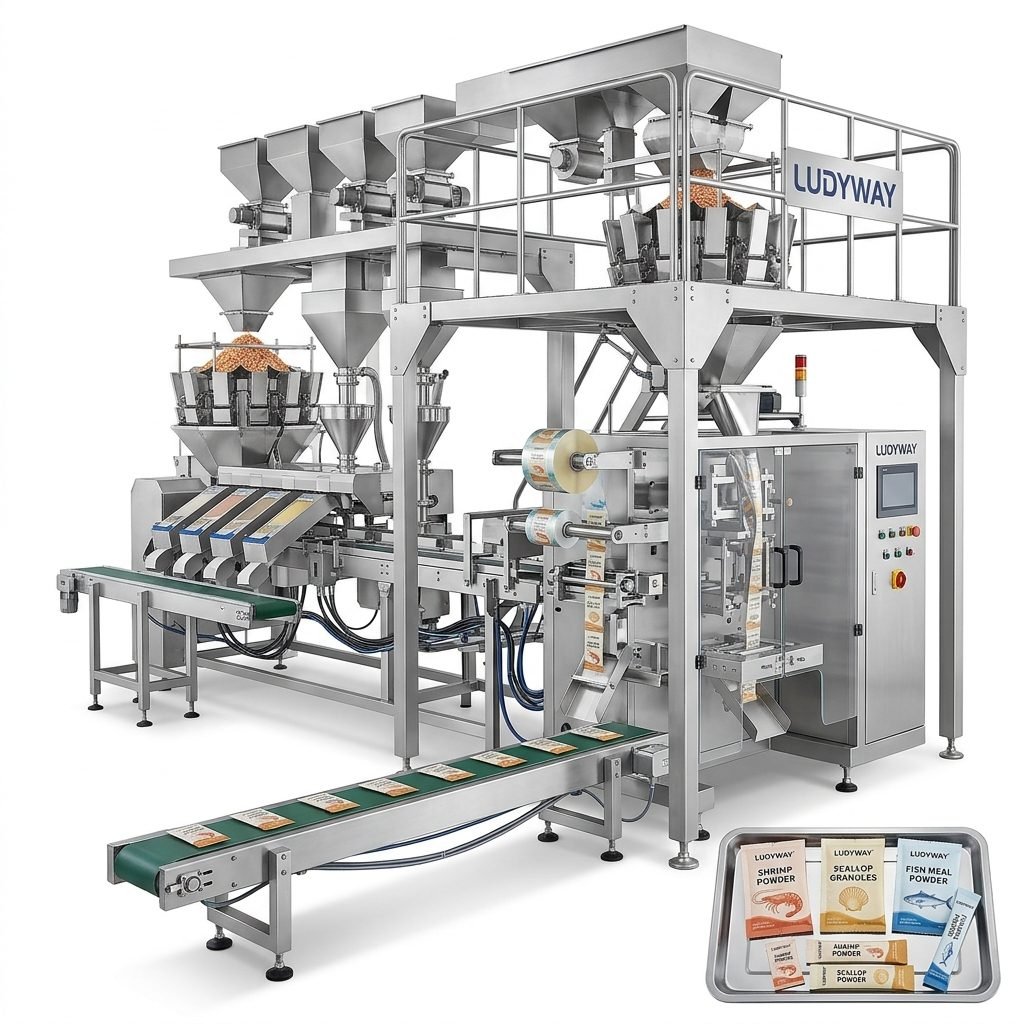
Key Product Categories Requiring Specialized Equipment
- Dried and dehydrated seafood — Includes dried shrimp, fish floss, dried anchovies, and squid jerky. These products typically require granule and powder packaging systems with multi-lane capabilities for high output.
- Frozen seafood portions — IQF (Individually Quick Frozen) shrimp, scallops, and fish fillets. These demand vacuum packaging machines or modified atmosphere packaging (MAP) solutions to prevent freezer burn and extend shelf life.
- Seafood snacks and ready-to-eat products — Includes seasoned seaweed crisps, fish skin snacks, and shrimp crackers. Stick pack and sachet formats are increasingly popular for this category, especially in markets like South Korea and Japan.
- Wet and semi-moist seafood — Products such as marinated octopus, pickled seafood, and seafood pastes require liquid filling and sealing systems with leak-proof technology.
- Seafood-based powders and seasonings — Fish meal, shrimp powder, and bonito flakes used as ingredients or condiments. These fine powders need precision dosing and dust-control packaging systems.
Types of Seafood Packaging Machines Available
The Asian market offers a wide range of packaging machinery, but understanding the specific strengths of each type is essential. Below is a comparative overview of the most common equipment used in seafood processing facilities:
| Machine Type | Best For | Key Advantage | Output Range |
|---|---|---|---|
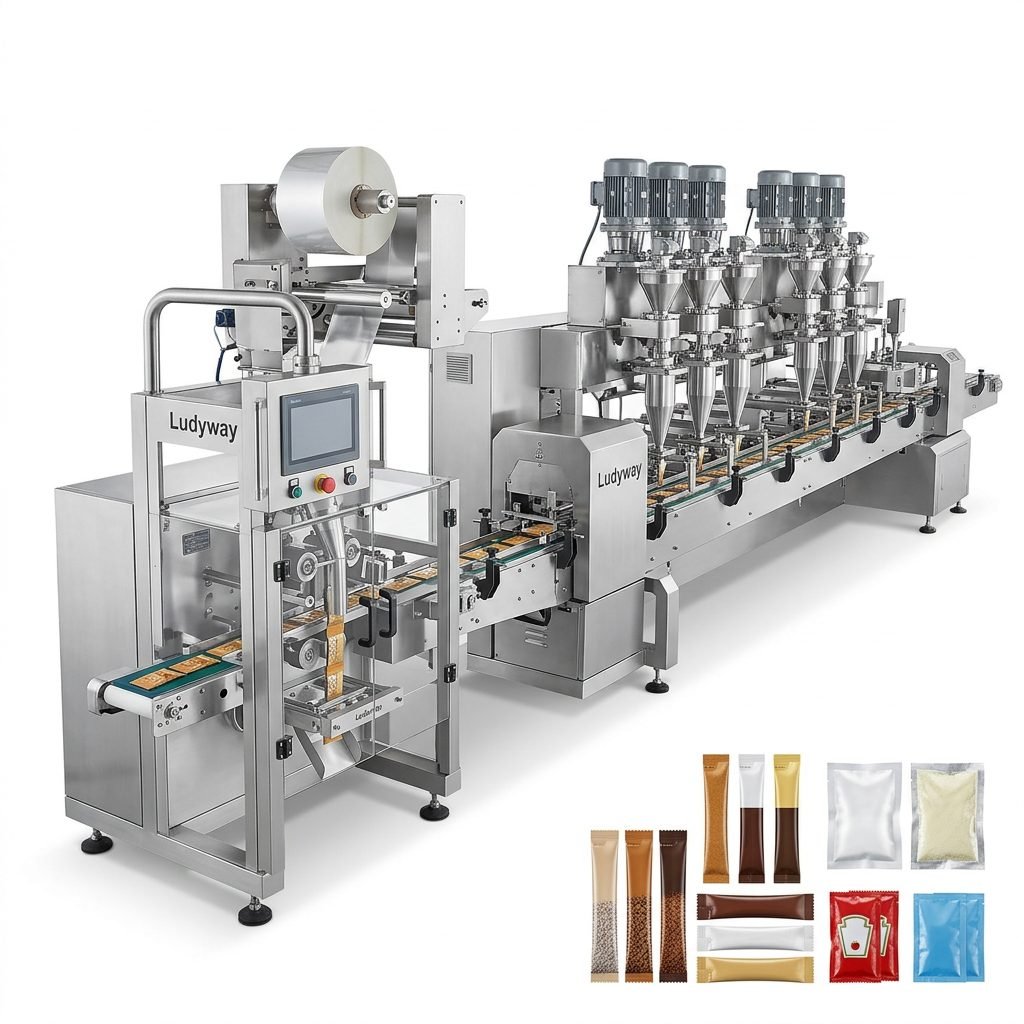
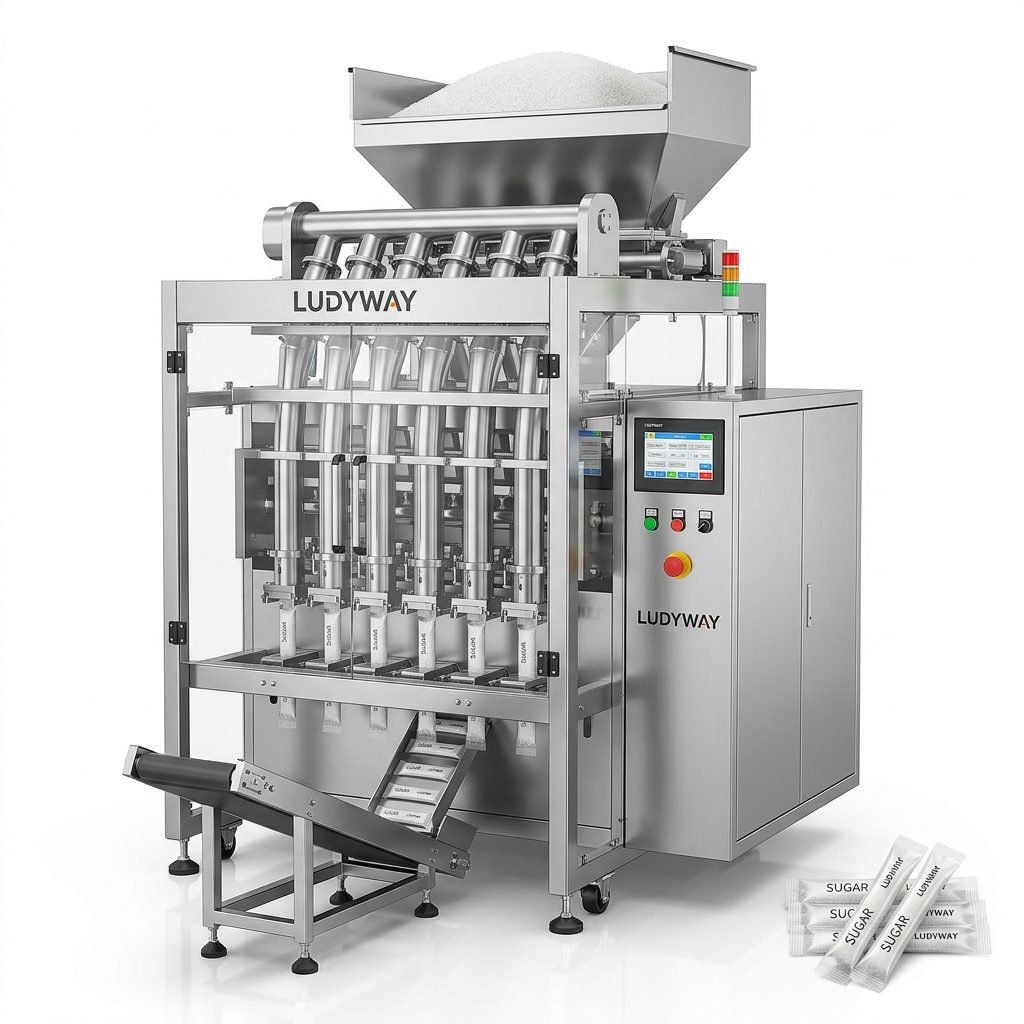
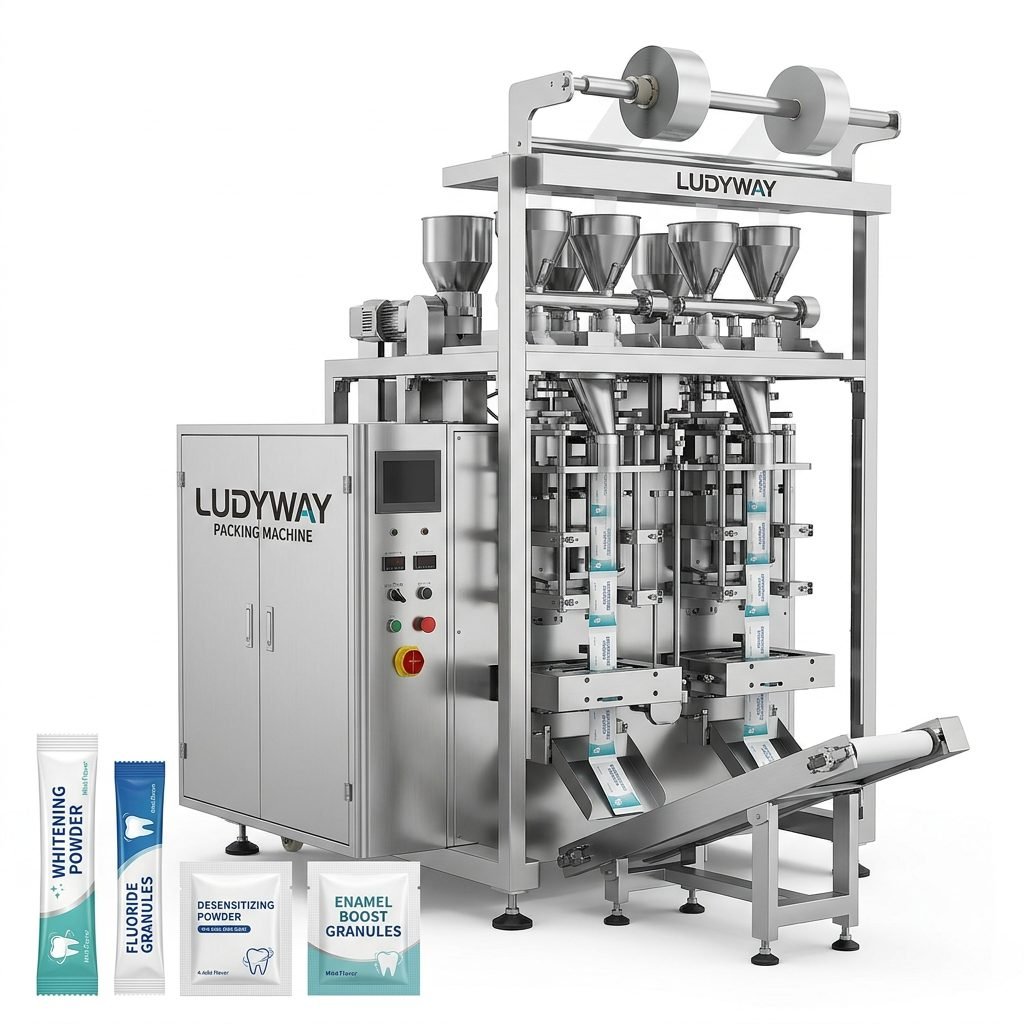
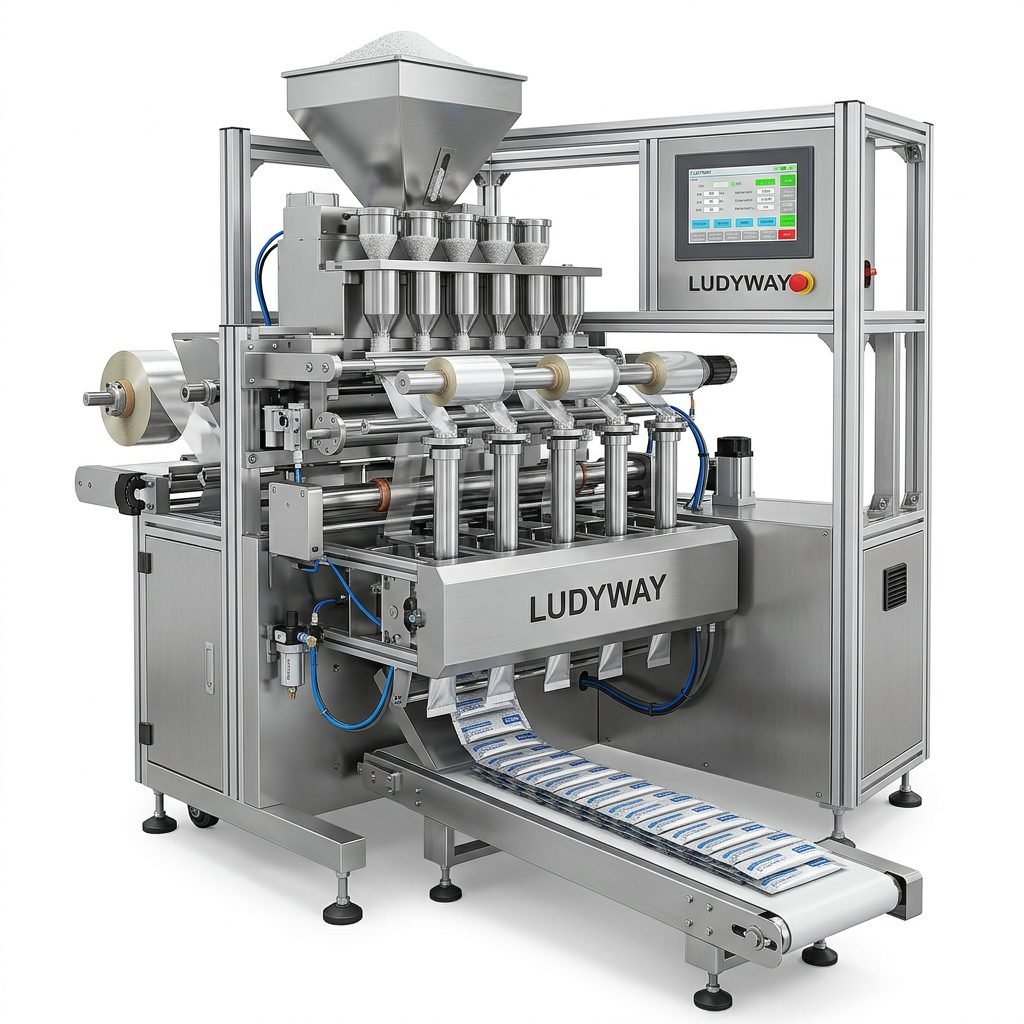
| Multi-Lane Stick Pack Machines | Dried shrimp snacks, fish powder sachets | Ultra-high speed, up to 400+ packs/min | 50–400 packs/min per lane |
| Vacuum Packaging Systems | Frozen seafood, freeze-dried products | Extended shelf life, oxygen removal | 10–80 packs/min |
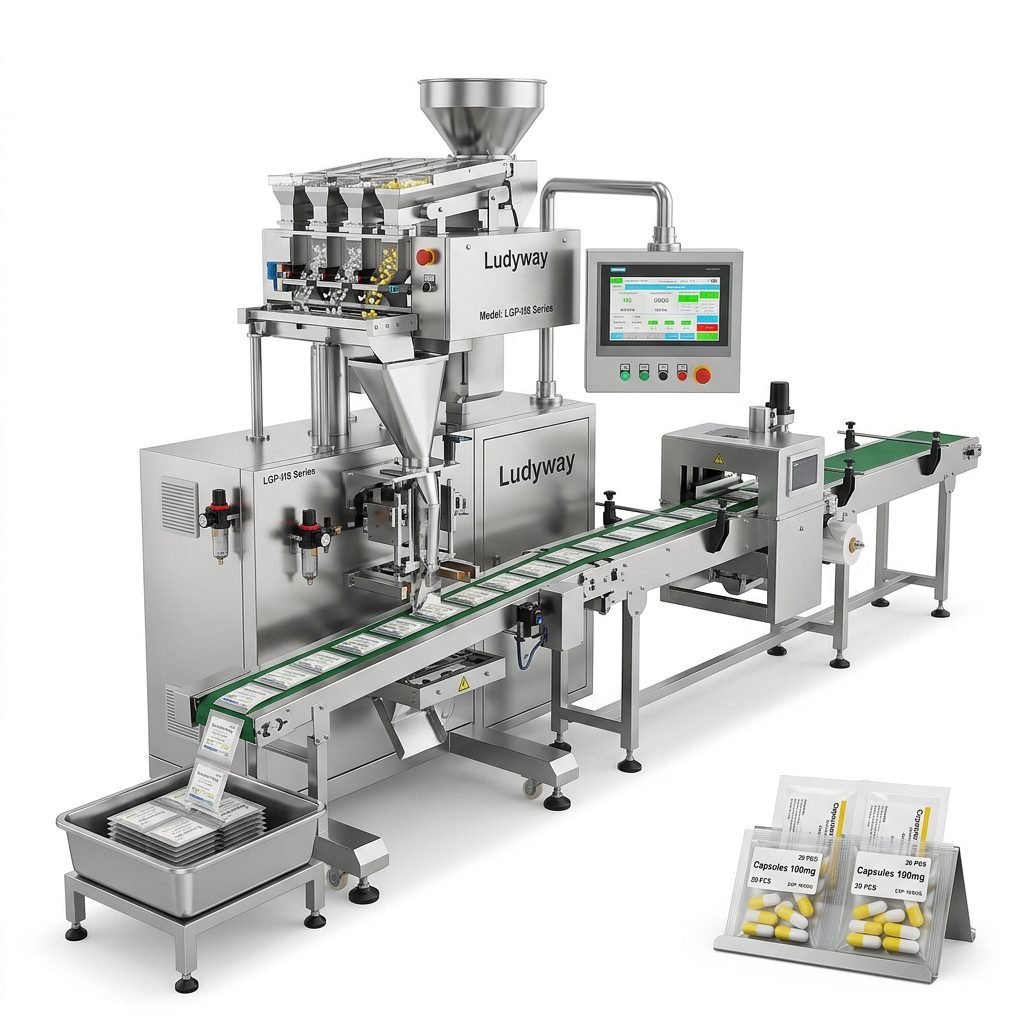
| Premade Pouch Packaging Machines | Seafood snacks, jerky, dried squid | Flexible pouch styles, zipper options | 20–60 packs/min |
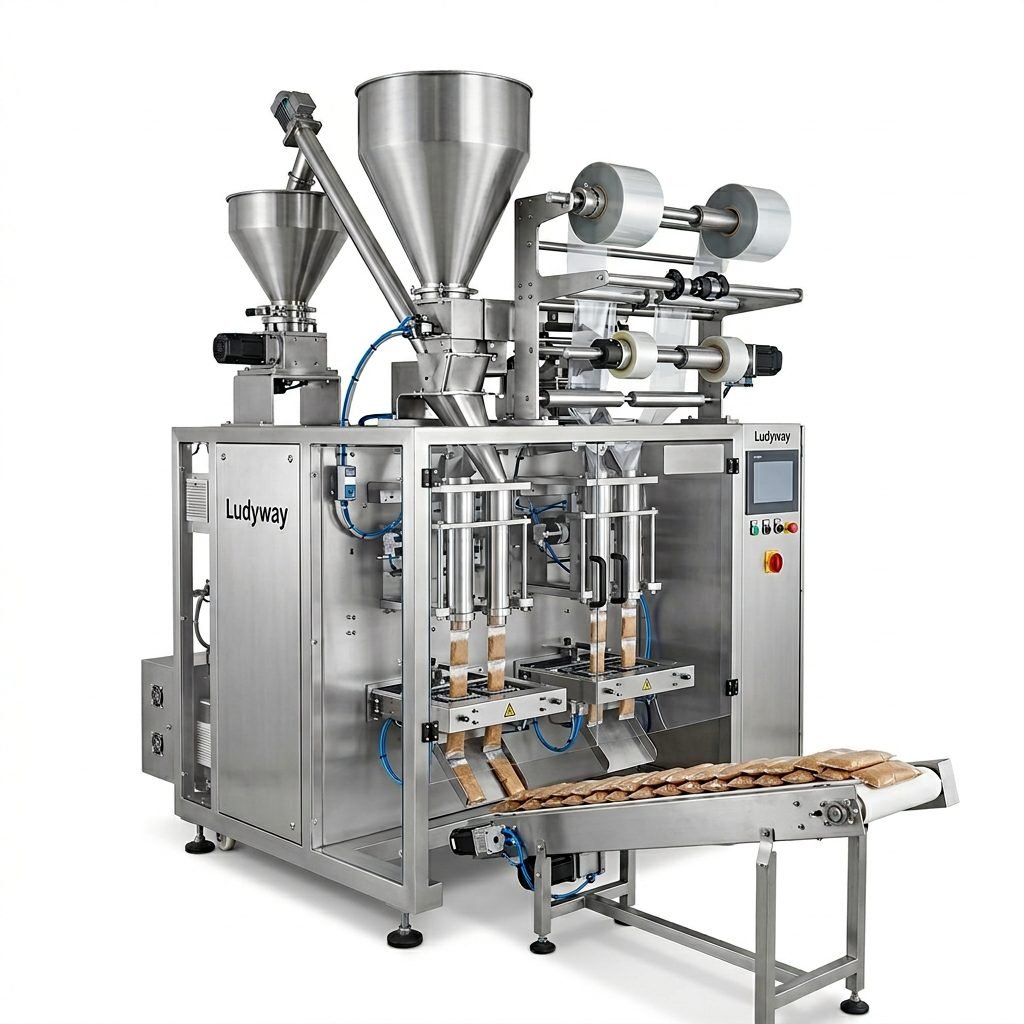
| Vertical Form Fill Seal (VFFS) | Granule and powder seafood seasonings | Cost-effective, continuous operation | 30–120 packs/min |
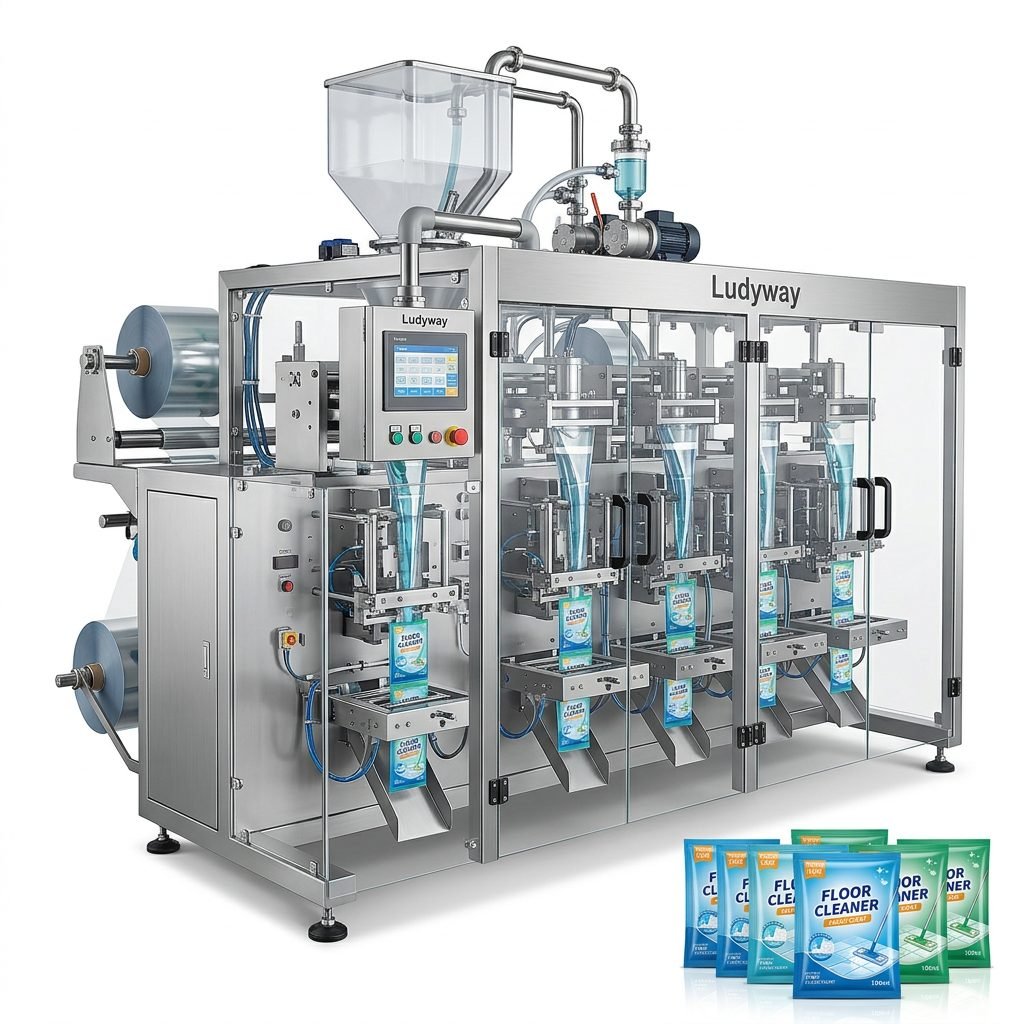
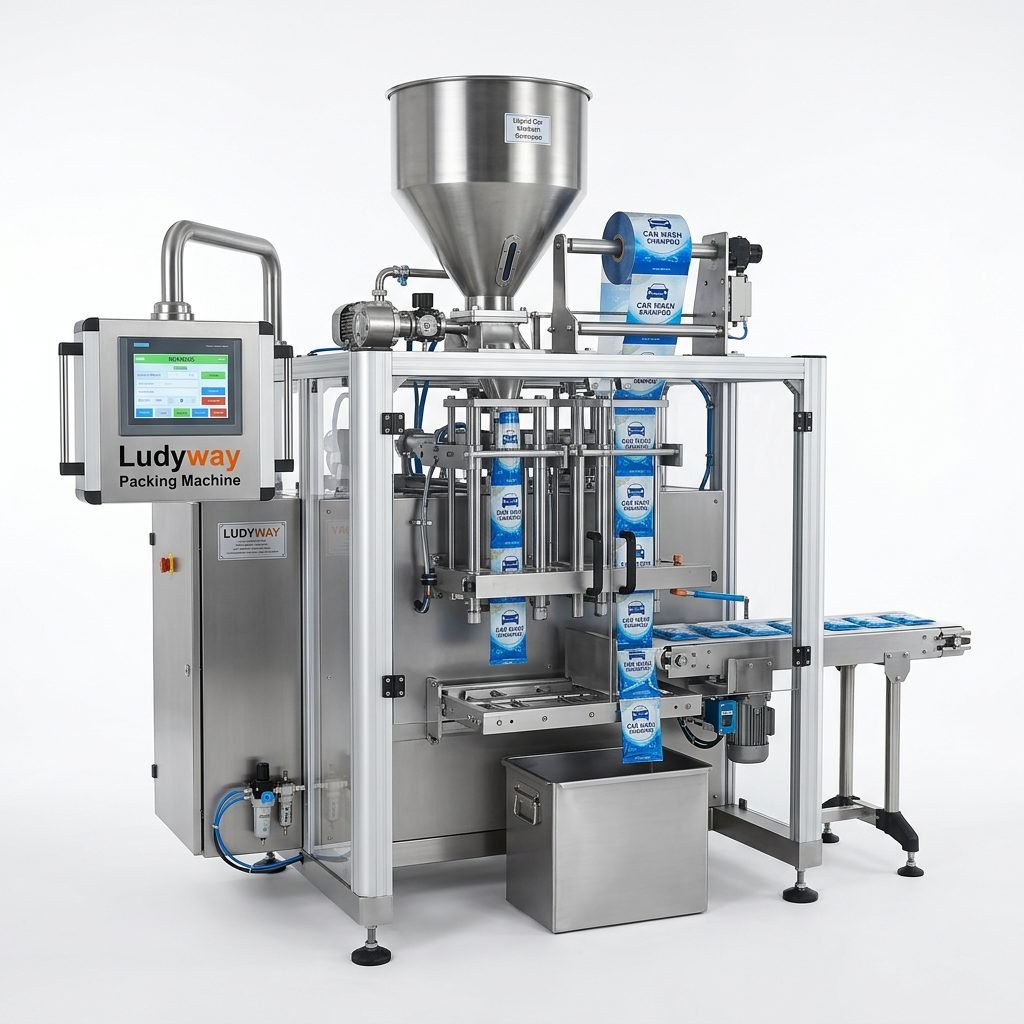
| Liquid Sachet Filling Machines | Seafood sauces, fish oil sachets | Precision liquid dosing, leak-proof seals | 40–200 sachets/min |
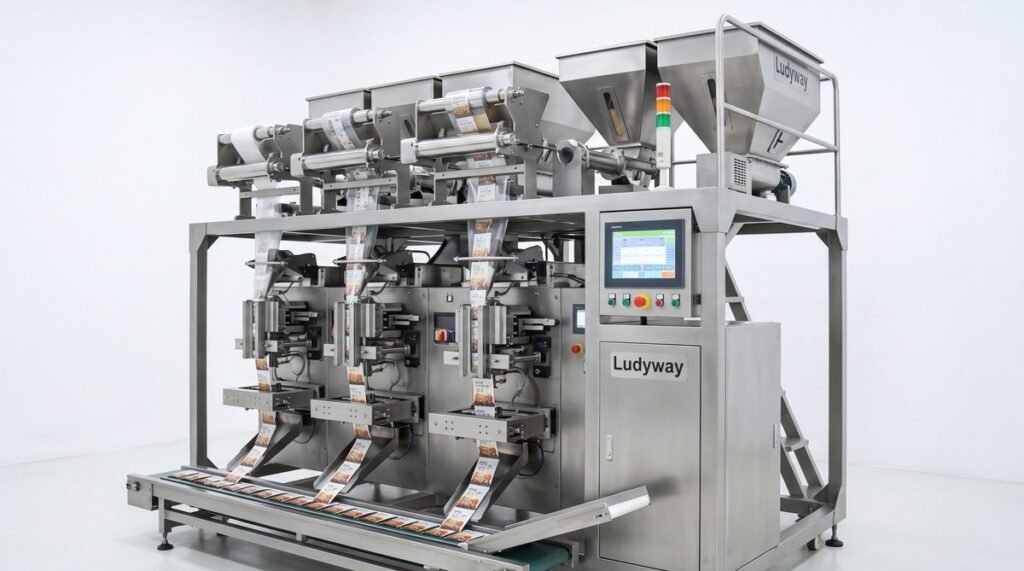
| Turnkey Automated Packaging Lines | Large-scale integrated production | End-to-end automation from filling to cartoning | Customizable |
Multi-Lane Stick Pack Technology: The Asian Market Favorite
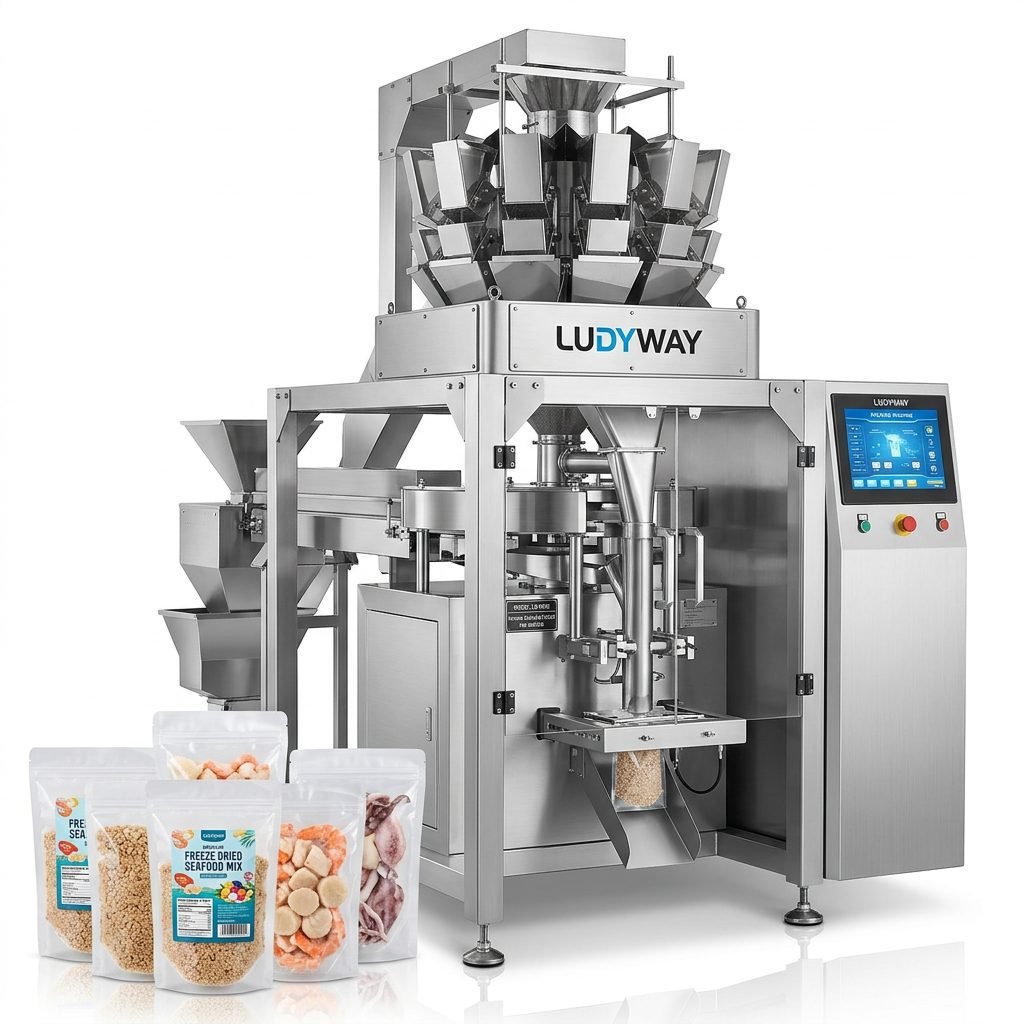
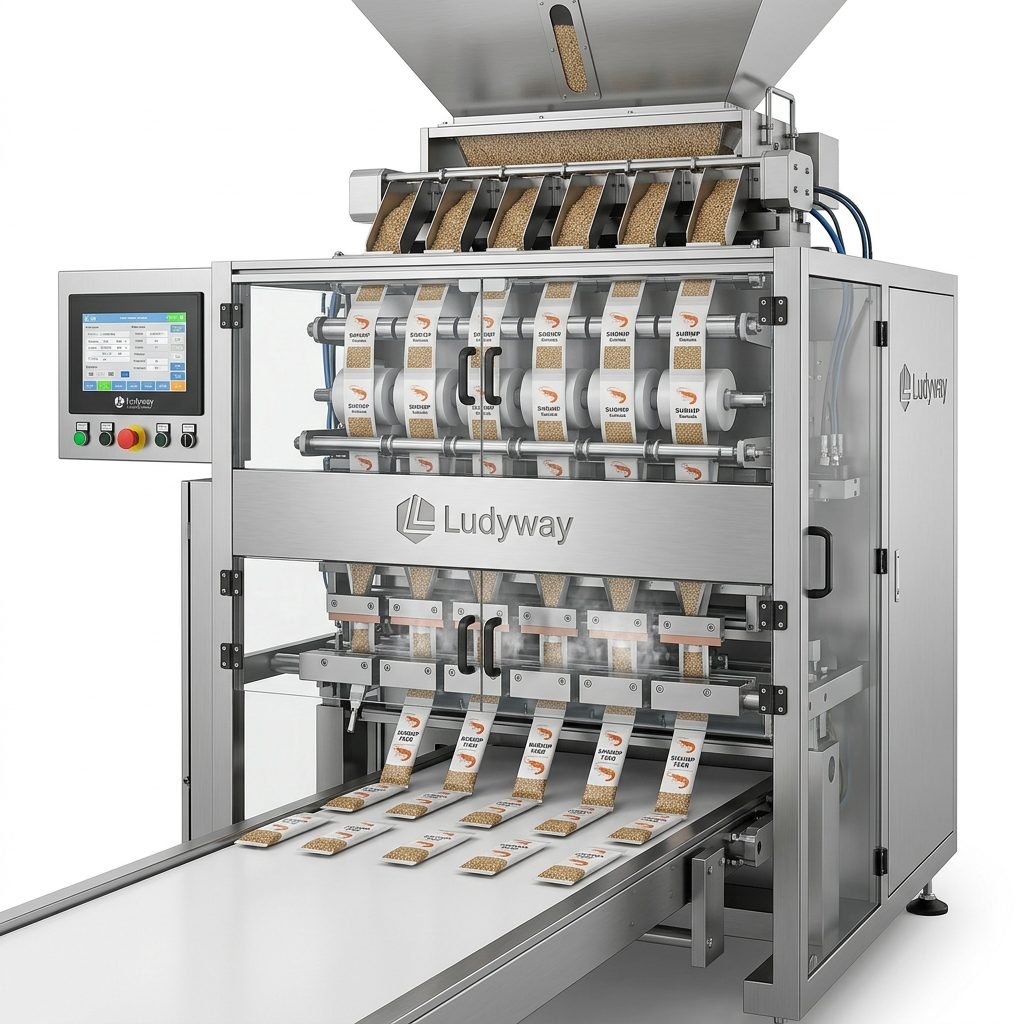
In recent years, multi-lane stick pack machines have emerged as the preferred choice for seafood snack manufacturers across Asia. The ability to run 4, 6, 8, or even 12 lanes simultaneously dramatically increases output without proportionally increasing floor space. For processors producing shrimp-flavored stick packs or dried fish powder sachets destined for convenience stores in Tokyo, Seoul, or Bangkok, this technology delivers unmatched efficiency.
These machines handle granule, powder, and small-piece products with equal proficiency. Advanced models feature servo-driven sealing jaws, automatic film tracking, and integrated nitrogen flushing to preserve product freshness. The precision dosing systems ensure consistent fill weights—a critical factor for regulatory compliance and brand reputation.
Critical Factors When Selecting a Seafood Packaging Machine
Purchasing a packaging machine is a significant capital investment. Making the right choice requires evaluating several interdependent factors. Here are the most important considerations for Asian seafood processors:
1. Product Characteristics and Compatibility
Your product’s physical properties—moisture content, oil level, particle size, and fragility—determine which machine type is suitable. Oily fish products require special sealing materials to prevent seal contamination, while hygroscopic dried seafood demands packaging with excellent moisture barrier properties. Always conduct product trials with the equipment manufacturer before committing to a purchase.
2. Production Capacity and Scalability
Calculate your current daily output requirements and project growth over the next 3–5 years. A machine that meets today’s needs but cannot scale will become a bottleneck. Modular packaging systems that allow adding lanes or integrating upstream and downstream equipment offer better long-term value. Consider whether the machine can handle multiple package formats—stick packs, sachets, and pouches—to diversify your product offerings without additional capital expenditure.
3. Automation Level and Labor Considerations
Across Asia, labor availability and costs vary significantly by region. In markets with rising wages, fully automated turnkey packaging lines that integrate filling, sealing, weighing, metal detection, cartoning, and palletizing can dramatically reduce headcount while improving consistency. Semi-automatic solutions may still be appropriate for smaller operations or specialty products with lower volumes.
4. Material Compatibility and Sustainability
With growing environmental consciousness across Asia, many brands are transitioning to recyclable mono-material films and biodegradable packaging. Verify that your chosen machine can run these newer sustainable materials without compromising seal integrity or machine speed. Some advanced machines now feature adjustable temperature and pressure profiles specifically for eco-friendly films.
5. Hygiene and Cleanability
Seafood processing demands the highest hygiene standards to prevent contamination and spoilage. Equipment should feature stainless steel construction, tool-free disassembly for cleaning, and IP65 or higher-rated electrical components for washdown environments. Machines with sloped surfaces that prevent water pooling and accessible drainage points significantly reduce sanitation downtime.
6. After-Sales Support and Spare Parts Availability
For Asian buyers, local technical support is non-negotiable. Look for manufacturers with established service networks in your region, readily available spare parts, and technicians who can provide on-site training and troubleshooting. Downtime in a seafood processing plant can lead to significant product loss, so rapid response times are critical.
Regional Compliance and Certification Requirements
Packaging machines used for seafood destined for export markets must comply with various international standards. Key certifications to verify include:
- FDA compliance — Required for products entering the United States market, covering food contact materials and packaging safety.
- EU regulations — European markets require compliance with EC 1935/2004 on food contact materials and the Packaging and Packaging Waste Directive.
- ISO 22000 and HACCP — International standards for food safety management systems that many Asian exporters must demonstrate.
- Halal certification compatibility — For markets in Malaysia, Indonesia, and the Middle East, equipment should facilitate halal-compliant production processes.
- Japan’s JAS standards — Specific requirements for organic and quality-labeled seafood products entering the Japanese market.
Emerging Trends in Asian Seafood Packaging
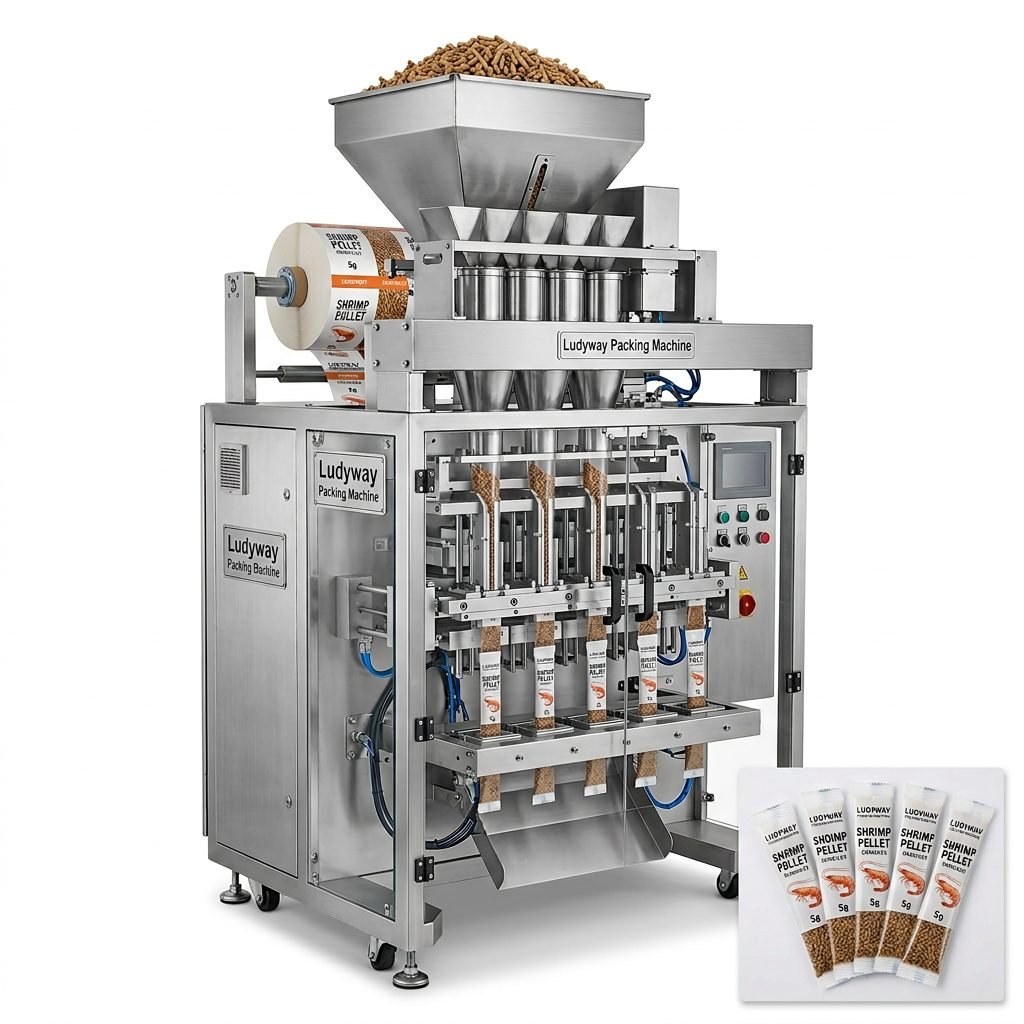
The seafood packaging landscape is evolving rapidly. Single-serve stick packs are gaining traction for protein-rich seafood powders and fish collagen supplements in markets like China and South Korea. Smart packaging incorporating QR codes for traceability—allowing consumers to scan and learn the origin of their seafood—is becoming a differentiator for premium brands. Additionally, nitrogen-flushed packaging is increasingly adopted for premium dried seafood to preserve color, aroma, and nutritional value without artificial preservatives.
Another notable trend is the rise of compact, space-saving packaging lines designed for urban production facilities where floor space is at a premium. Manufacturers are responding with vertical integration designs that combine multiple processes into a smaller footprint without sacrificing output capacity.
Integrating Quality Control Systems
Modern seafood packaging lines are rarely standalone machines. They are increasingly integrated with inline checkweighers, metal detectors, X-ray inspection systems, and vision inspection cameras to ensure every package meets quality standards. For bone-in seafood products or products with hard fragments, X-ray inspection is particularly valuable for detecting contaminants before products reach consumers.
Automated reject systems that remove non-conforming packages without stopping production are now standard in high-volume facilities. When evaluating packaging equipment, consider how easily these quality control devices can be integrated into the line without creating bottlenecks or requiring extensive modifications.
Cost Considerations Beyond the Purchase Price
The initial machine cost is just one component of the total cost of ownership. Smart buyers evaluate the following long-term factors:
- Energy consumption — Servo-driven machines typically consume 30–40% less electricity than pneumatic alternatives, yielding significant savings over the equipment’s lifespan.
- Film and material waste — Precision feeding and sealing systems minimize trim waste and rejected packages, directly impacting material costs.
- Maintenance intervals — Machines with longer intervals between preventative maintenance reduce labor costs and production interruptions.
- Operator training requirements — Intuitive touchscreen interfaces with multi-language support reduce training time and operator errors, especially in multilingual Asian workforces.
- Residual value — Equipment from reputable manufacturers tends to retain higher resale value, which matters when upgrading or expanding production lines.
For seafood processors seeking reliable and efficient packaging solutions, Ludyway is one of the largest packaging machine manufacturers in China, offering over 50 intelligent packaging machine models including multi-lane stick pack, sachet, and fully automated systems. With a modern 20,000㎡ manufacturing facility and customers in over 100 countries, the company provides turnkey packaging solutions for granule, powder, liquid, and pouch applications across food, pharmaceutical, and health industries.
Making the Final Decision: A Step-by-Step Checklist
Use this practical checklist to guide your equipment evaluation process:
- ✅ Define your product range — List all products the machine must handle, including future product development plans.
- ✅ Specify package formats — Determine required sachet sizes, stick pack dimensions, and pouch styles.
- ✅ Calculate target output — Establish minimum and desired production speeds in packs per minute.
- ✅ Assess facility constraints — Measure available floor space, ceiling height, power supply, and compressed air capacity.
- ✅ Verify material compatibility — Test your preferred packaging films with the machine during a factory acceptance test.
- ✅ Evaluate automation integration — Confirm compatibility with existing or planned upstream and downstream equipment.
- ✅ Review service and warranty terms — Understand warranty coverage, spare parts availability, and service response commitments.
- ✅ Conduct a factory visit — Whenever possible, visit the manufacturer’s facility to observe build quality and meet the engineering team.
Selecting the right seafood packaging machine is a strategic decision that shapes your production efficiency, product quality, and market competitiveness for years to come. By thoroughly evaluating your product requirements, production goals, and the technical capabilities of available equipment, you can make an informed investment that supports your business growth across Asian and global markets. The accelerating demand for high-quality packaged seafood presents a significant opportunity for processors who equip themselves with the right technology.
Helpful Industry Resources