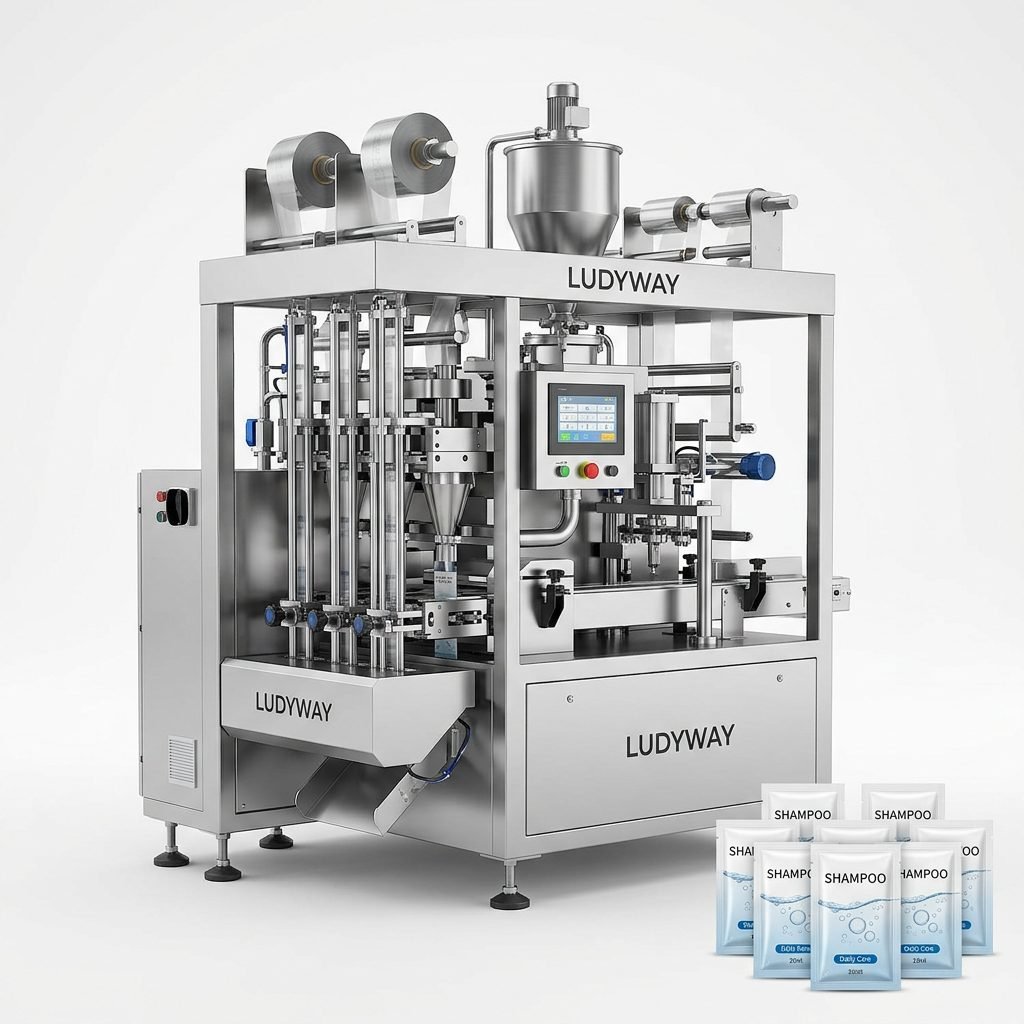
Germany represents one of Europe’s largest markets for packaged food products, and the demand for convenient, healthy snacks like granola bars continues to rise steadily. Setting up a granola bar packaging machine production line in Germany requires careful planning, an understanding of local regulations, and the right equipment to match production goals. Whether you’re launching a new brand or scaling existing operations, a well-integrated packaging line is essential for efficiency, product consistency, and long-term profitability.
Understanding the German Granola Bar Market
Germany’s health-conscious consumer base has driven significant growth in the cereal bar and granola segment. According to industry data from PMMI’s business intelligence reports, European snack bar production has increased year over year, with Germany accounting for a substantial share. This growth trajectory makes it a prime location for investing in automated packaging equipment that can handle high-volume production while maintaining the quality standards German retailers and consumers expect.
Key market drivers include the rising preference for organic ingredients, sustainable packaging materials, and portion-controlled snack formats. These trends directly influence the type of packaging machinery required for a successful granola bar production line.
Core Components of a Granola Bar Packaging Production Line
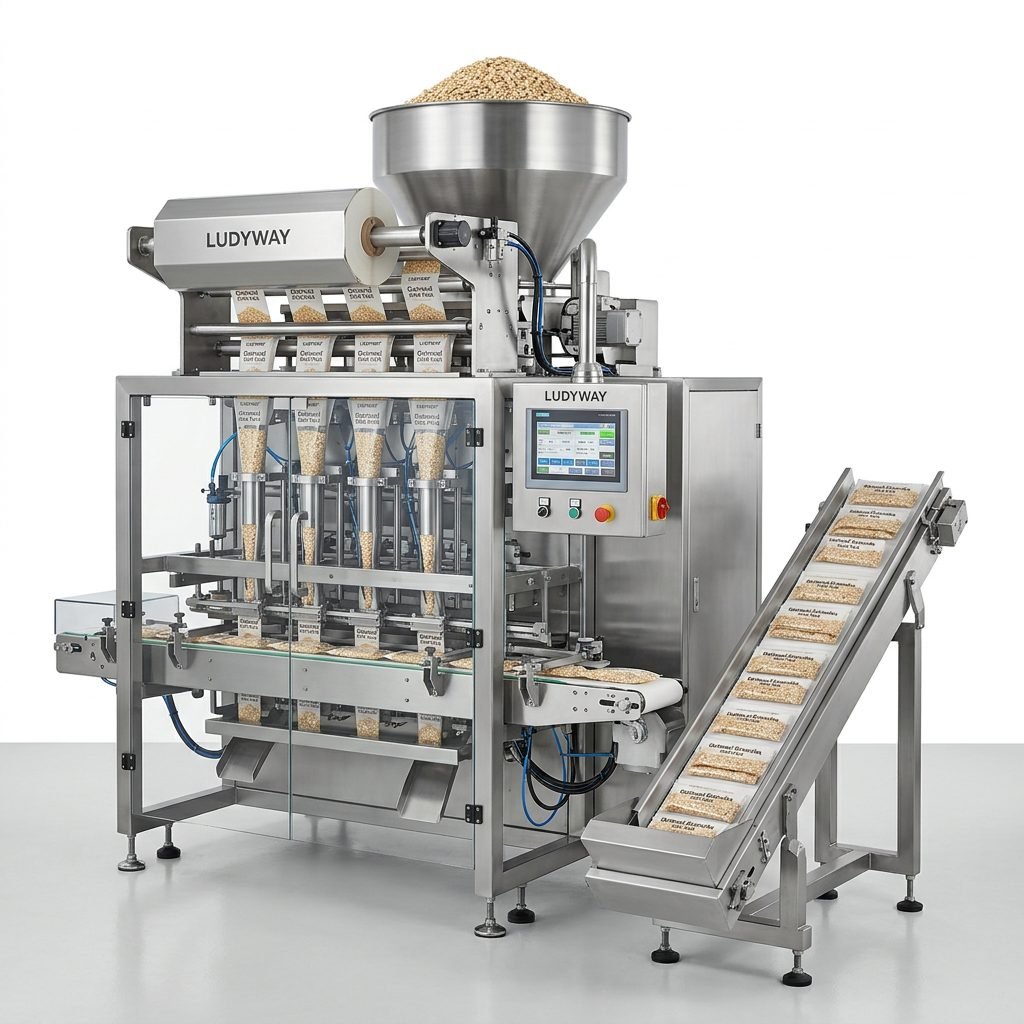
A complete granola bar packaging line consists of several integrated machines working in sequence. Understanding each component helps in selecting the right configuration for your facility in Germany.
1. Feeding and Dosing Systems
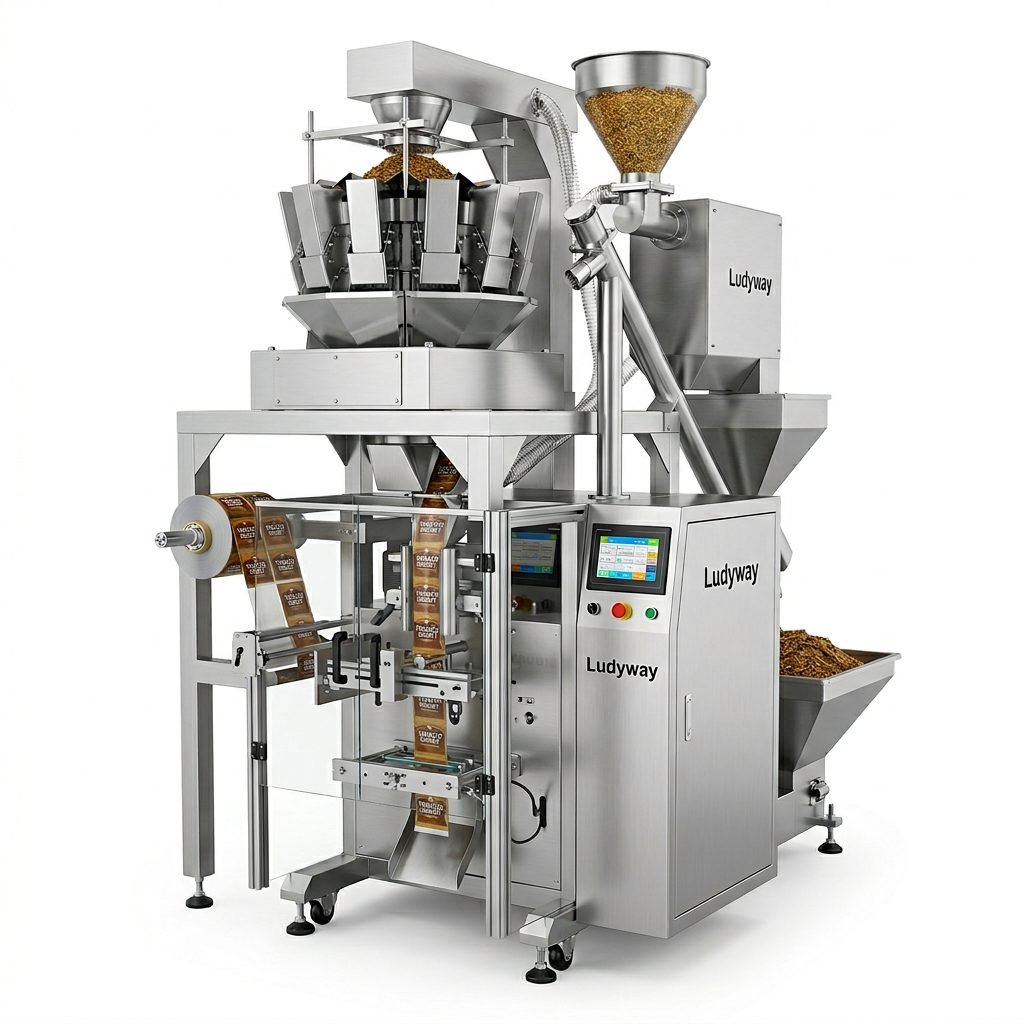
The first stage involves precise ingredient dosing and mixing. Automatic feeding systems ensure consistent product flow into the packaging phase, which is critical for maintaining weight accuracy and minimizing waste. For granola bars, this typically includes vibratory feeders and multi-head weighers calibrated for irregular-shaped pieces.
2. Primary Packaging Machine
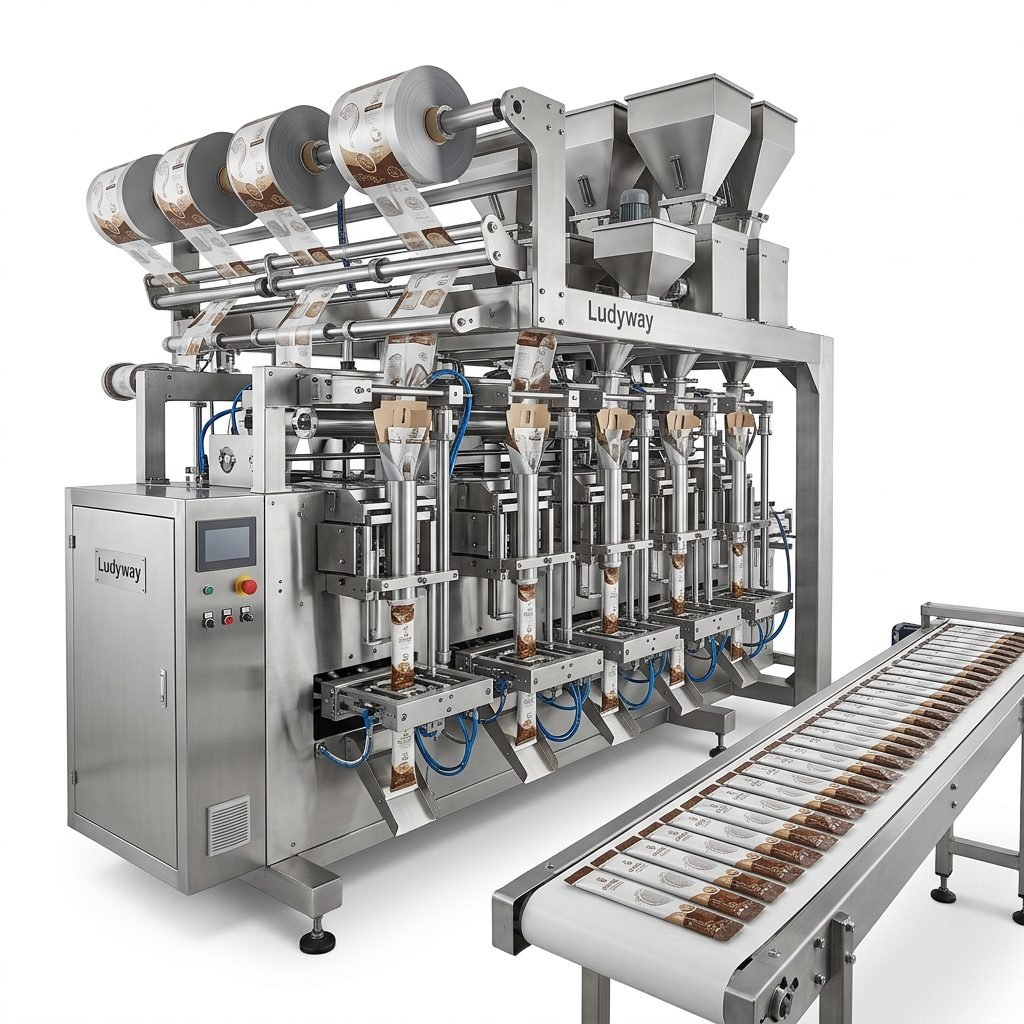
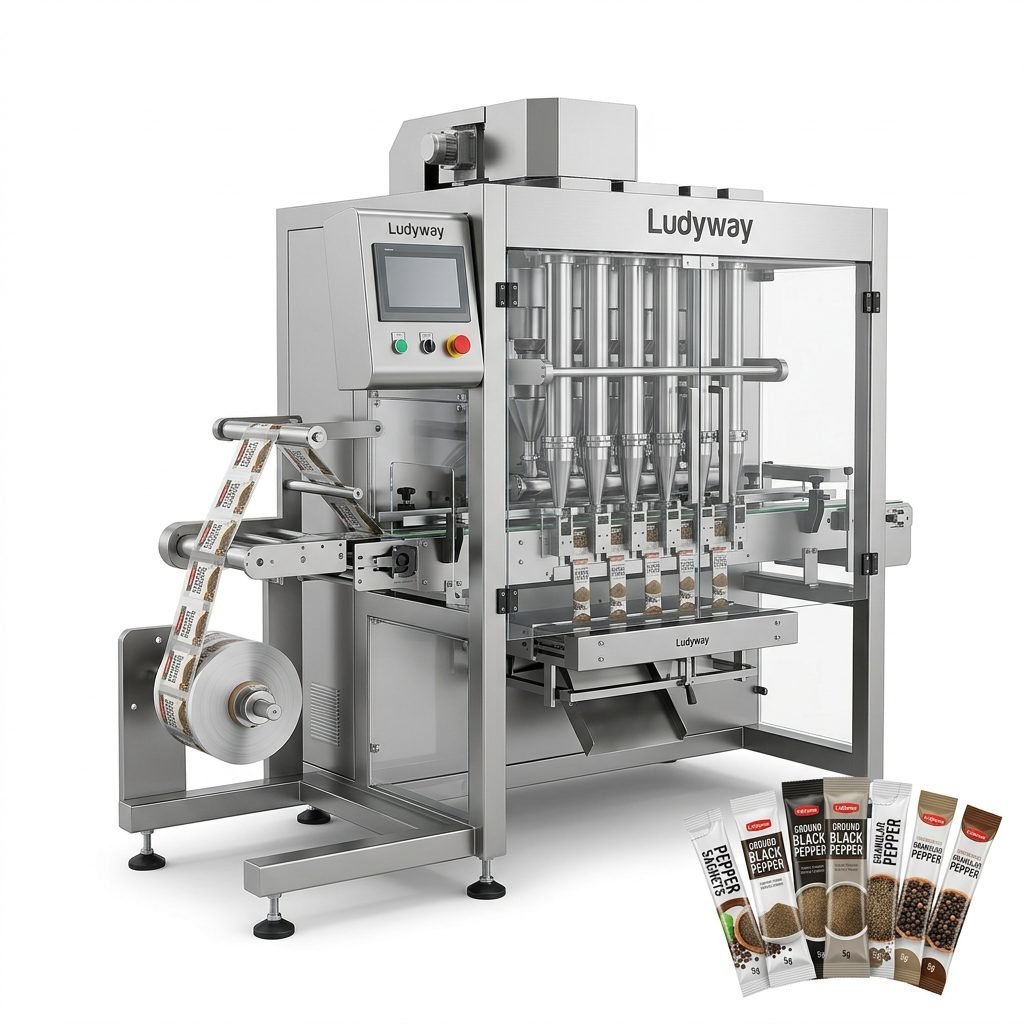
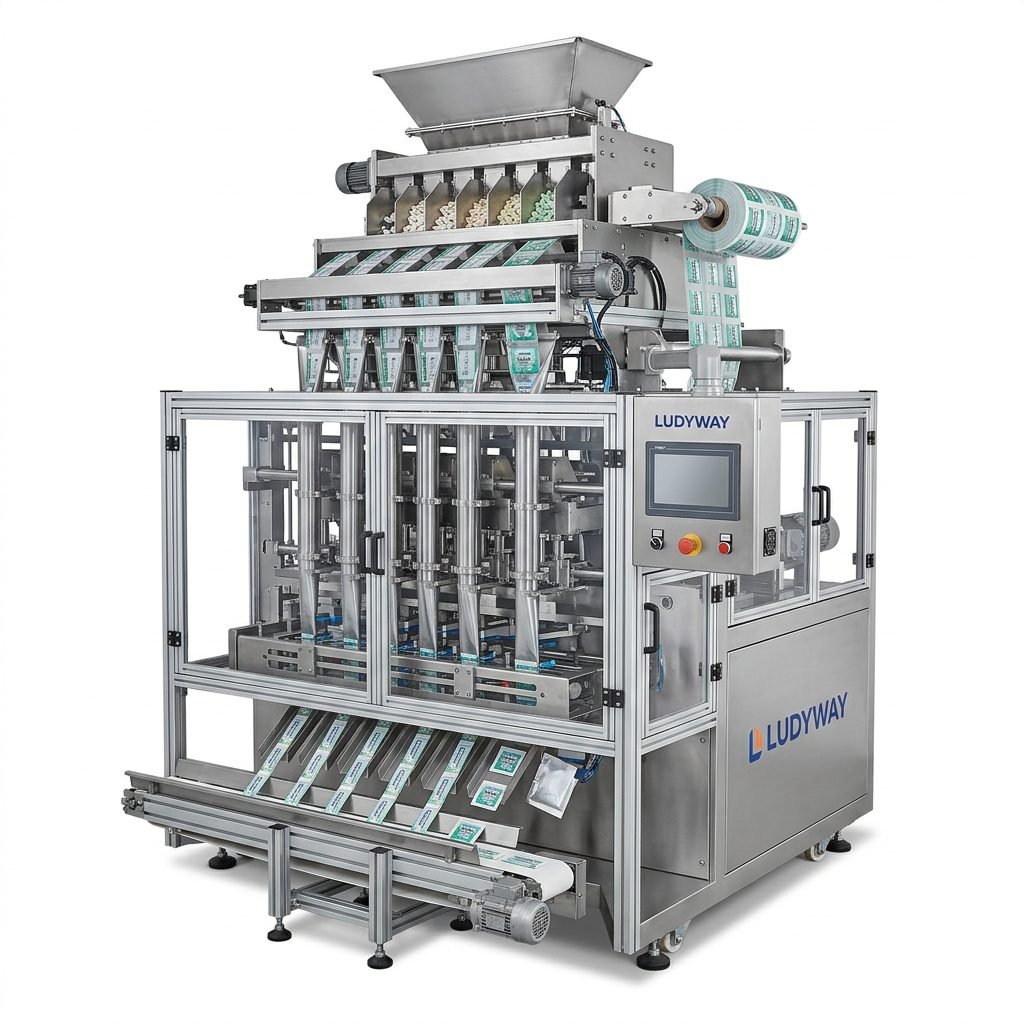
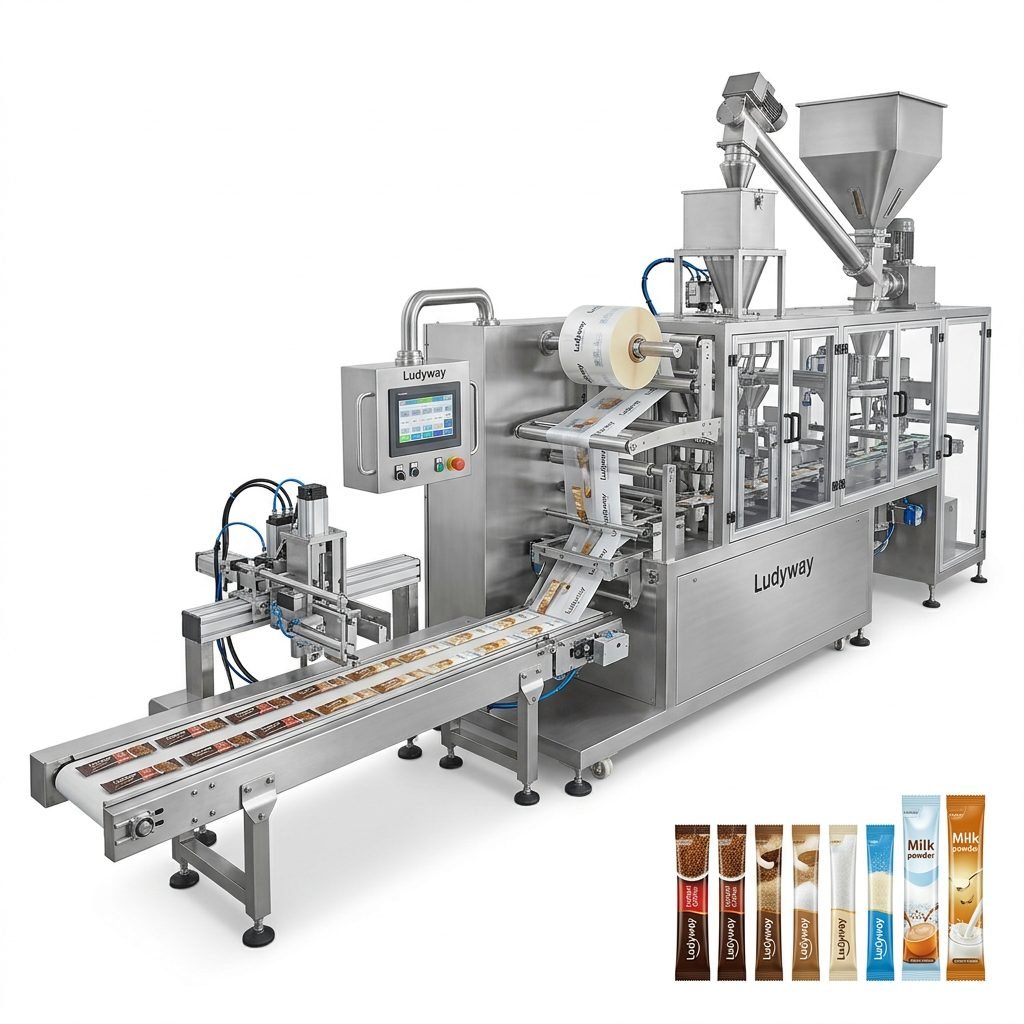
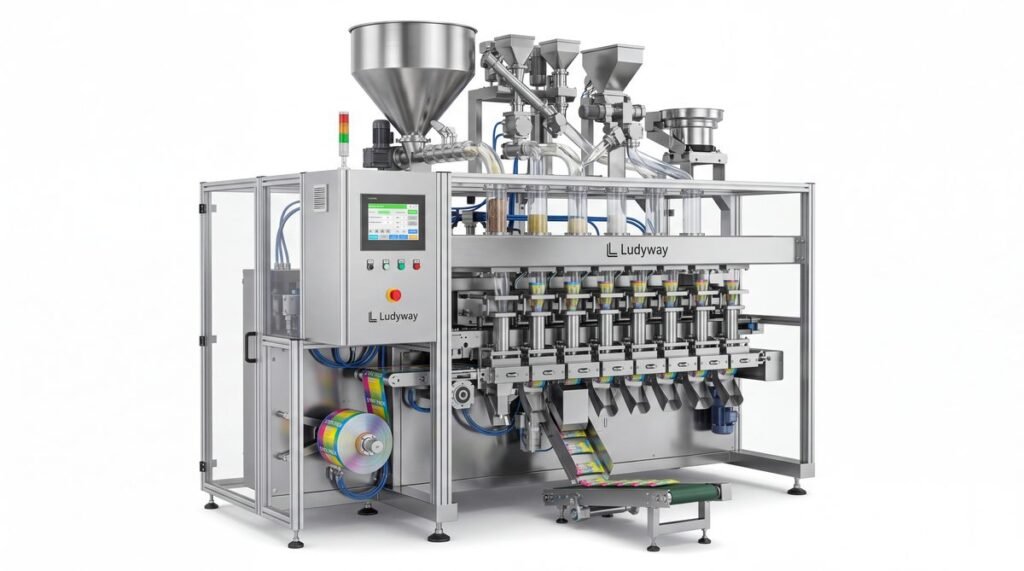
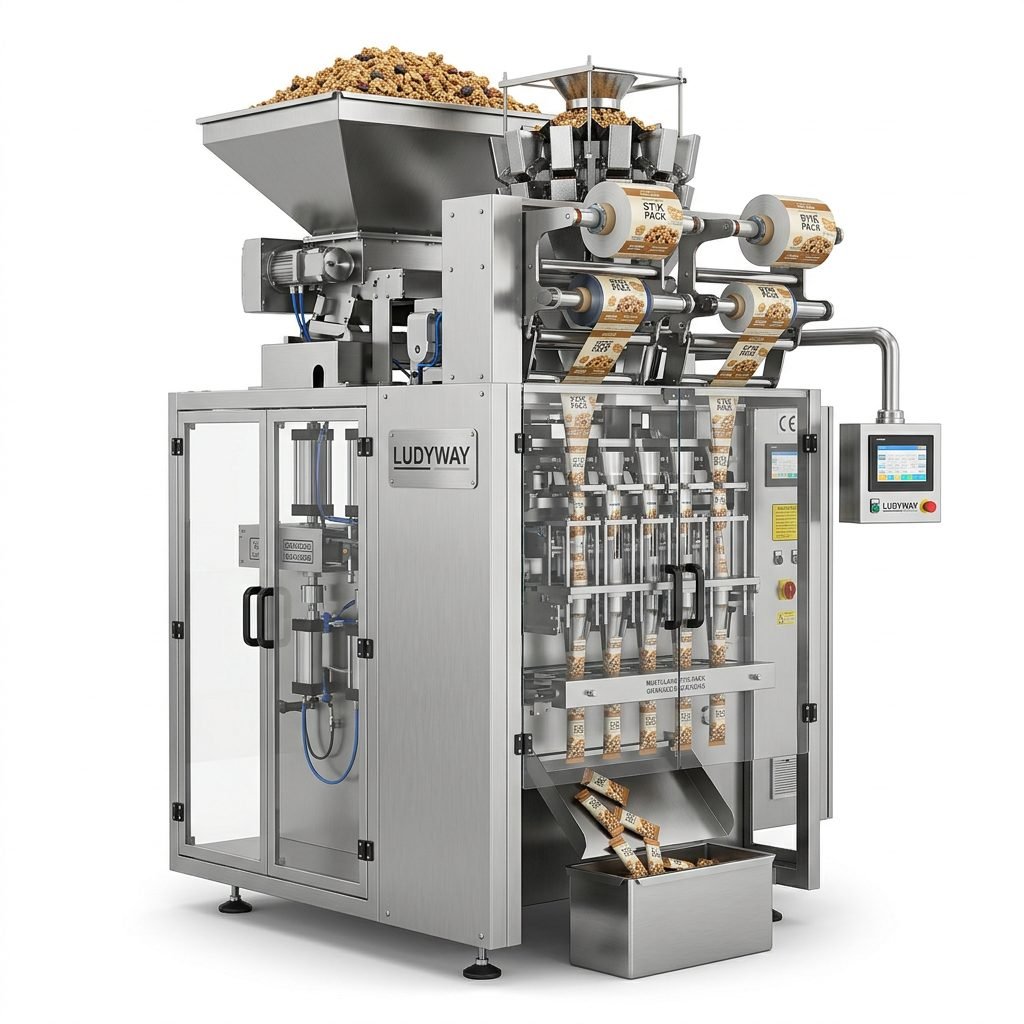
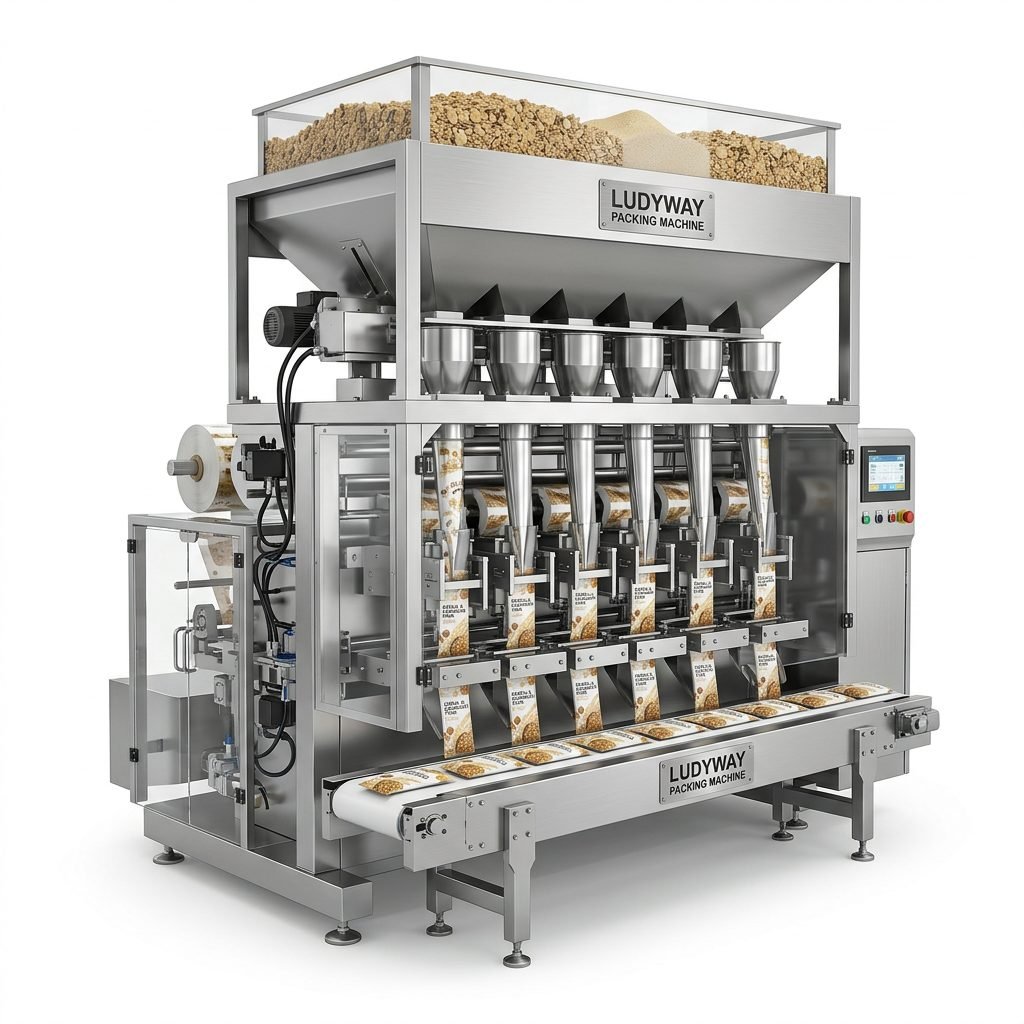
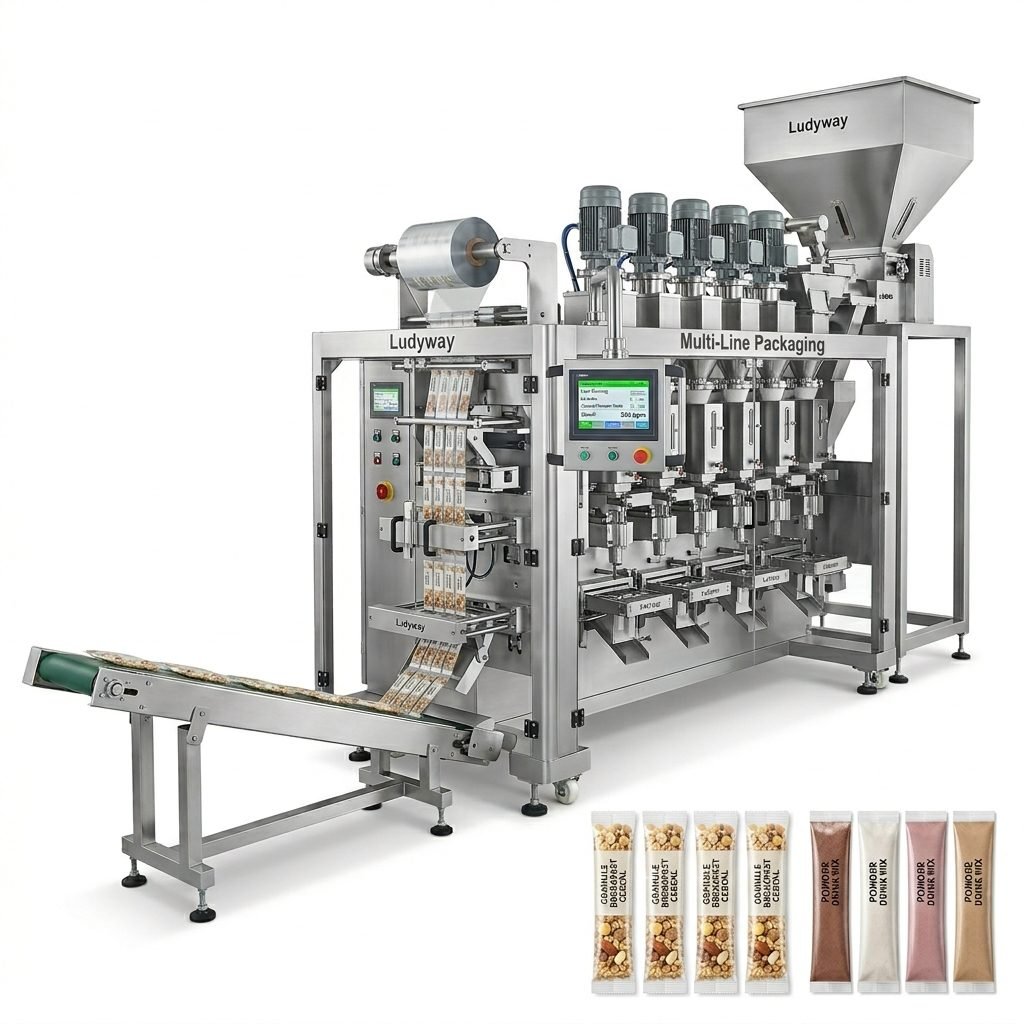
The core of the production line is the granola bar packaging machine itself. Most German manufacturers opt for multi-lane stick pack or sachet packaging systems that offer high-speed operation while maintaining seal integrity. These machines handle various packaging formats including flow wrap, pillow pack, and stick pack styles, depending on the product dimensions and brand requirements.
3. Secondary Packaging Systems
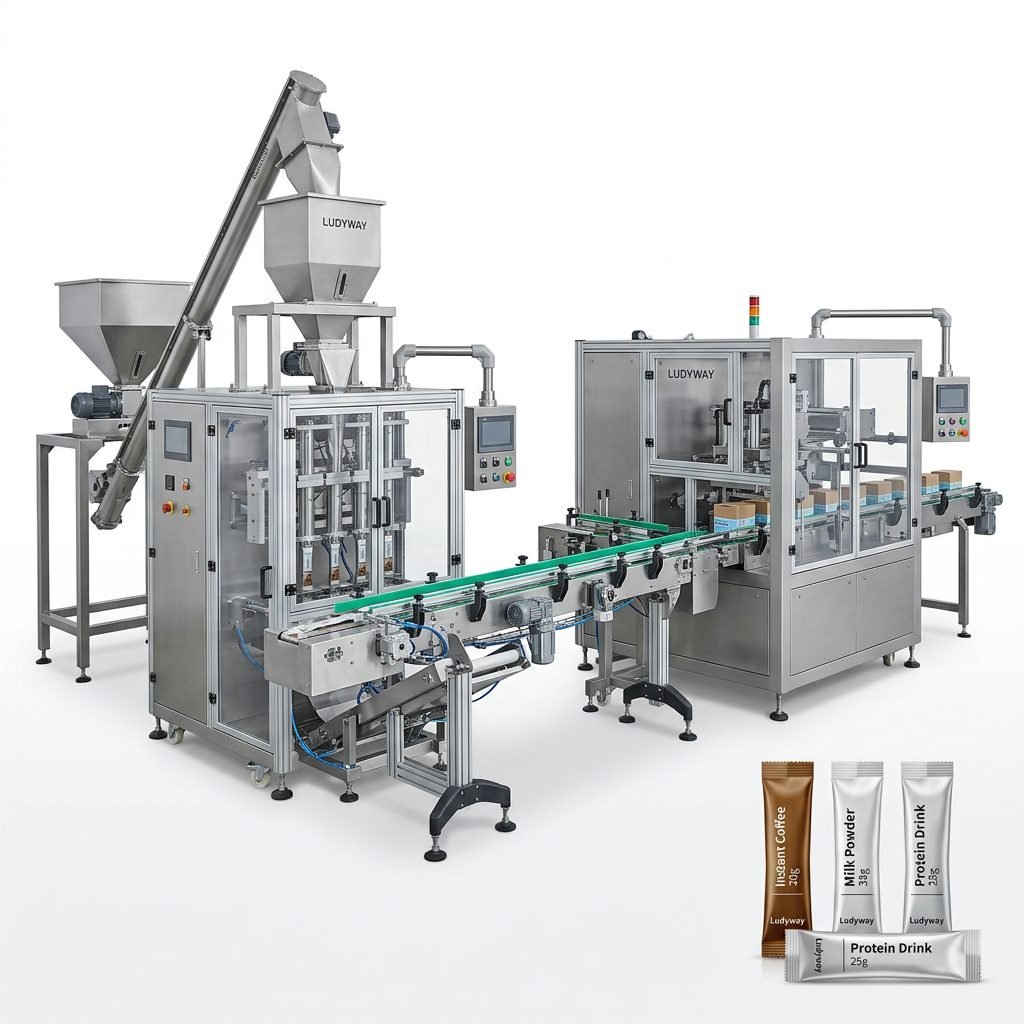
After primary wrapping, granola bars typically require cartoning and case packing. Automated cartoning machines group individual bars into retail-ready boxes, while palletizing systems prepare finished cases for distribution. Integration between primary and secondary packaging is essential for maximizing line efficiency.
Regulatory Compliance for Packaging in Germany
Germany enforces strict regulations on food packaging equipment. All machinery must comply with EU Directive 2006/42/EC (Machinery Directive) and relevant ISO packaging standards. Additionally, materials that come into contact with food must meet EC Regulation 1935/2004 requirements.
| Regulation | Scope | Key Requirement |
|---|---|---|
| EU 2006/42/EC | Machinery Safety | CE marking, risk assessment, safety guards |
| EC 1935/2004 | Food Contact Materials | No migration of harmful substances into food |
| EU 2023/2006 | Good Manufacturing Practice | Quality assurance systems for food contact materials |
| German LFGB | National Food Law | Additional testing for food-grade packaging materials |
Key Considerations for Equipment Selection
Choosing the right granola bar packaging machine for your German production facility involves evaluating several critical factors:
- Production Speed: Match machine throughput to your target output. Multi-lane systems can achieve 200-600 packs per minute, depending on configuration.
- Packaging Format Flexibility: Consider whether you need to switch between different bar sizes, shapes, or packaging styles in the future.
- Material Compatibility: Ensure the machine handles sustainable films and recyclable materials, which are increasingly demanded in the German market.
- Energy Efficiency: With Germany’s high energy costs, selecting equipment with optimized power consumption delivers significant operational savings.
- Automation Level: Fully automated lines reduce labor requirements and improve consistency, which is vital for German manufacturing standards.
Installation and Facility Requirements
Setting up a granola bar packaging production line in Germany requires proper facility preparation. Your production floor should meet the following specifications:
- Adequate floor space for machine footprint plus operator access and maintenance clearance
- Proper electrical supply matching machine requirements (typically 380V/400V three-phase in Germany)
- Compressed air systems with appropriate filtration for food-grade environments
- Climate control to maintain consistent temperature and humidity levels
- Compliance with German workplace safety regulations (Arbeitsschutzgesetz)
Working with Local Authorities
Before installation begins, coordinate with your local Gewerbeaufsichtsamt (trade supervisory office) and Berufsgenossenschaft (professional association) to ensure all permits and safety certifications are in order. Early engagement with these authorities can prevent costly delays during commissioning.
Quality Control and Inspection Systems
German manufacturing standards demand rigorous quality control. Integrate the following inspection technologies into your packaging line:
- Checkweighers for weight verification
- Metal detectors for contaminant detection
- Vision inspection systems for seal integrity and print quality
- X-ray inspection for comprehensive product safety
These systems should comply with food packaging safety standards recognized internationally, even though FDA is a U.S. agency — many German exporters align with both EU and international benchmarks.
Maintenance and Technical Support in Germany
Reliable after-sales support is essential when operating packaging machinery in Germany. Look for equipment suppliers that offer:
- Local German-speaking technical support teams
- Readily available spare parts within the EU
- Preventive maintenance programs tailored to your production schedule
- Remote diagnostics capabilities for rapid troubleshooting
- Operator training conducted in German
Sustainability and Packaging Waste Regulations
Germany’s Verpackungsgesetz (Packaging Act) imposes strict requirements on packaging waste reduction and recycling. When setting up your granola bar packaging line, consider:
- Using mono-material films that are easier to recycle
- Implementing right-sizing technology to reduce excess packaging material
- Registering with the Zentrale Stelle Verpackungsregister (Central Packaging Register)
- Participating in the Grüner Punkt (Green Dot) dual system for packaging waste management
The European Commission’s packaging waste regulations continue to evolve, making it essential to select equipment that can adapt to future material changes.
Cost Analysis and ROI Expectations
Investing in a granola bar packaging machine production line in Germany involves several cost components. The following table outlines typical investment considerations:
| Cost Category | Estimated Range | Notes |
|---|---|---|
| Primary Packaging Machine | €80,000 – €350,000 | Depending on speed and lane configuration |
| Secondary Packaging Systems | €50,000 – €200,000 | Cartoning and case packing |
| Installation and Commissioning | €15,000 – €50,000 | Including CE certification support |
| Annual Maintenance | 5-8% of equipment value | Parts and technician visits |
Most German manufacturers achieve ROI within 18-36 months, driven by labor savings, reduced waste, and increased throughput capacity.
Training Your German Production Team
Skilled operators are essential for maximizing the performance of your granola bar packaging line. Develop a comprehensive training program that covers:
- Machine operation and daily startup procedures
- Cleaning and sanitation protocols per German hygiene standards
- Basic troubleshooting and error resolution
- Changeover procedures for different product formats
- Safety protocols and emergency procedures
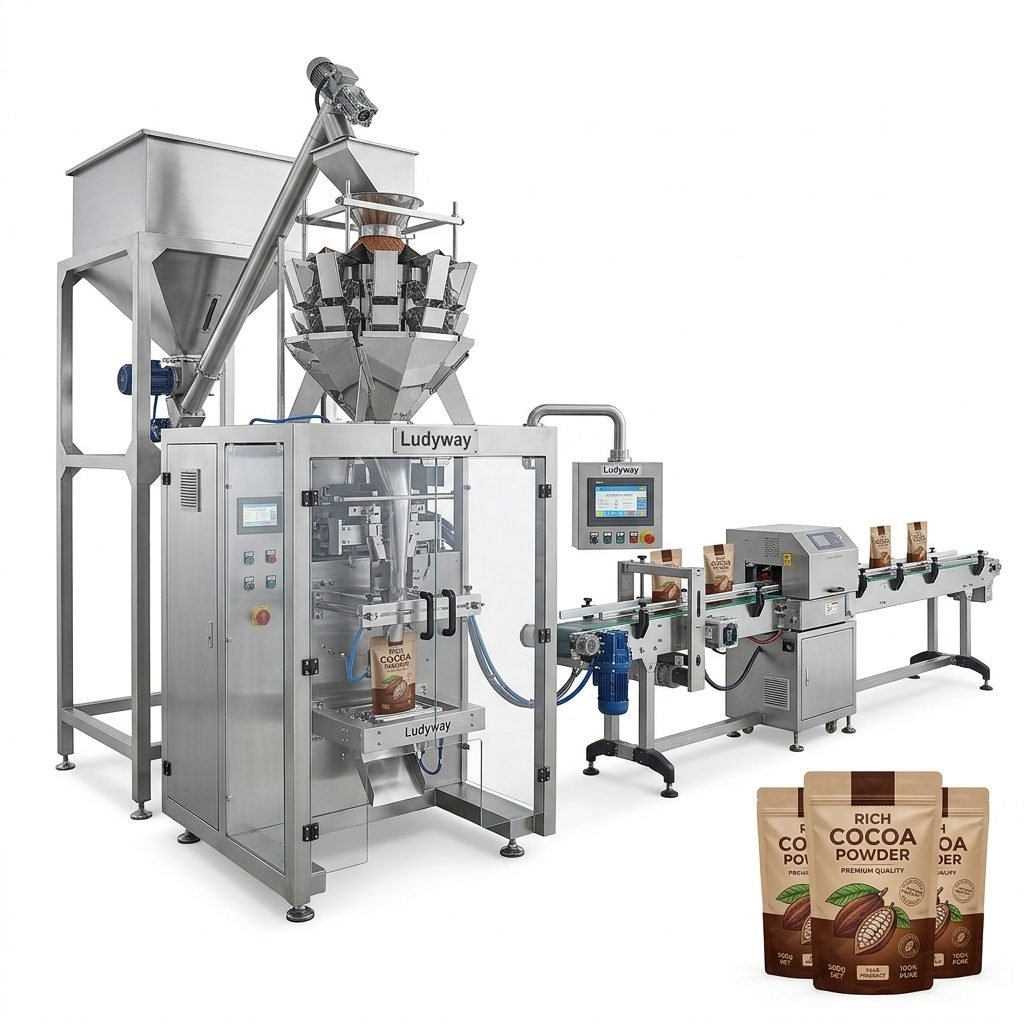
Many equipment manufacturers provide on-site training during installation. For instance, Ludyway, one of the largest packaging machine manufacturers in China with over 30 years of industry expertise, offers comprehensive training and support for their multi-lane stick pack and sachet packaging systems, ensuring operators are fully prepared before production begins.
Future-Proofing Your Packaging Line
As the German granola bar market continues to evolve, your packaging line should be adaptable to future trends. Consider these forward-looking strategies:
- Modular machine design that allows for future upgrades without complete replacement
- IoT-enabled monitoring for predictive maintenance and production analytics
- Compatibility with novel packaging materials including compostable films and paper-based barriers
- Scalable configurations that can expand from 4-lane to 12-lane operation as demand grows
Industry Resources and Further Reading
For additional guidance on packaging machinery standards and industry trends, consult the following resources:
- PMMI – The Association for Packaging and Processing Technologies
- Flexible Packaging Association – Industry Resources
- ISO Packaging Standards
- PACK EXPO International
Setting up a granola bar packaging machine production line in Germany is a significant undertaking, but with the right planning, equipment selection, and partner support, it can become a highly profitable operation. Focus on regulatory compliance, choose adaptable machinery, and invest in proper training to build a production line that delivers quality products efficiently for years to come.