The demand for skin vacuum packaging machines in Asia has surged dramatically over the past decade. Driven by rapid growth in the food processing, pharmaceutical, and electronics sectors, these machines are no longer a luxury but a critical necessity for product preservation and shelf-life extension. Whether you are packaging fresh meat, seafood, electronic components, or medical devices, understanding the nuances of the Asian market is essential to securing a high-performance machine that offers a genuine return on investment.
Why Asia is the Global Hub for Skin Packaging Technology
Asia, particularly China, has evolved into the world’s manufacturing epicenter for packaging machinery. The region offers a unique blend of advanced engineering capabilities and cost-effectiveness. Unlike the early 2000s, modern Asian manufacturers now integrate precision components from globally recognized brands—think Siemens PLCs, Schneider electrics, and Japanese servo motors—into their localized designs. This fusion ensures you get a machine that meets international hygiene standards like GMP and ISO while remaining accessible in price. For deeper insight into supplier qualifications, you can consult industry resources like the PMMI Business Intelligence Library to benchmark technology standards.
Key Applications Driving Purchase Decisions
Skin packaging, often referred to as vacuum skin packaging (VSP), is not a one-size-fits-all solution. The Asian market has innovated heavily to cater to niche applications. Below is a breakdown of the primary sectors demanding this technology:
- Food & Protein Preservation: Used for fresh and frozen beef, poultry, and seafood. The tight film adherence prevents freezer burn and extends shelf life by up to 21 days.
- Medical & Pharmaceutical Devices: Ideal for sterile barrier systems, including syringes and wound care products. The immaculate sealing offered by skin vacuum packaging machine models ensures contamination-free delivery.
- Consumer Electronics: High-end Asian machines now handle SMD components and PCB boards with anti-static films, protecting sensitive items from moisture and physical shock.
- Hardware & Automotive Parts: For complex-shaped parts, skin packaging locks items onto a board, preventing movement and abrasion during transit.

Critical Specifications to Evaluate Before Buying
When reviewing spec sheets from Asian suppliers, focusing on raw power is a mistake. You should look for flexibility and intelligent control. The market trend leans heavily toward servo-driven systems.
The table below outlines the crucial technical specifications you must verify with your potential skin packaging machine manufacturer:
| Specification Feature | Standard Asian Offering | High-End/Export Model |
|---|---|---|
| Film Advance Technology | Pneumatic/Pulsed | Servo-Driven Continuous Motion |
| Sealing/Heating System | Silicone Rubber Heater | Rapid Response Aluminum Plate |
| Control Interface | Touch Screen (HMI) | IoT-Ready with Remote Diagnostics |
| Chamber Type | Single Chamber / Semi-Auto | Double Chamber / Fully Automated Feed |
| Regulatory Compliance | CE Certification | CE, UL, GMP, & FDA Compliant Components |
Understanding Film Compatibility and Sustainability
A significant shift in the Asian packaging sector is the push for sustainable materials. Your chosen machine must handle recyclable monolayer films and bio-based materials without jamming. Lower-quality machines often struggle with the reduced elasticity of eco-friendly films. High-end Asian engineers, however, have developed precise temperature control algorithms that allow the film to stretch evenly over product contours regardless of the material composition. You can verify the latest standards for these materials through the Flexible Packaging Association Knowledge Hub.
Navigating the Supply Chain: Tier 1 vs. Tier 2 Manufacturers
Asia is not a monolith. The price gap between a Tier 1 factory in Guangdong and a small workshop in a secondary city can be 40%, but the quality gap is often wider.
Tier 1 manufacturers invest heavily in CNC machining centers and laser cutting, ensuring that vacuum chamber tolerances are tight and the seal integrity is flawless over millions of cycles.
Tier 2 options might appear identical in photos but often substitute cheaper casters, thinner stainless steel, and less reliable vacuum pumps. When sourcing, insist on a video walkthrough of the manufacturing floor and a pump brand confirmation (Busch, Becker, or similar are preferred).
The Rise of Turnkey Automation in Skin Packaging
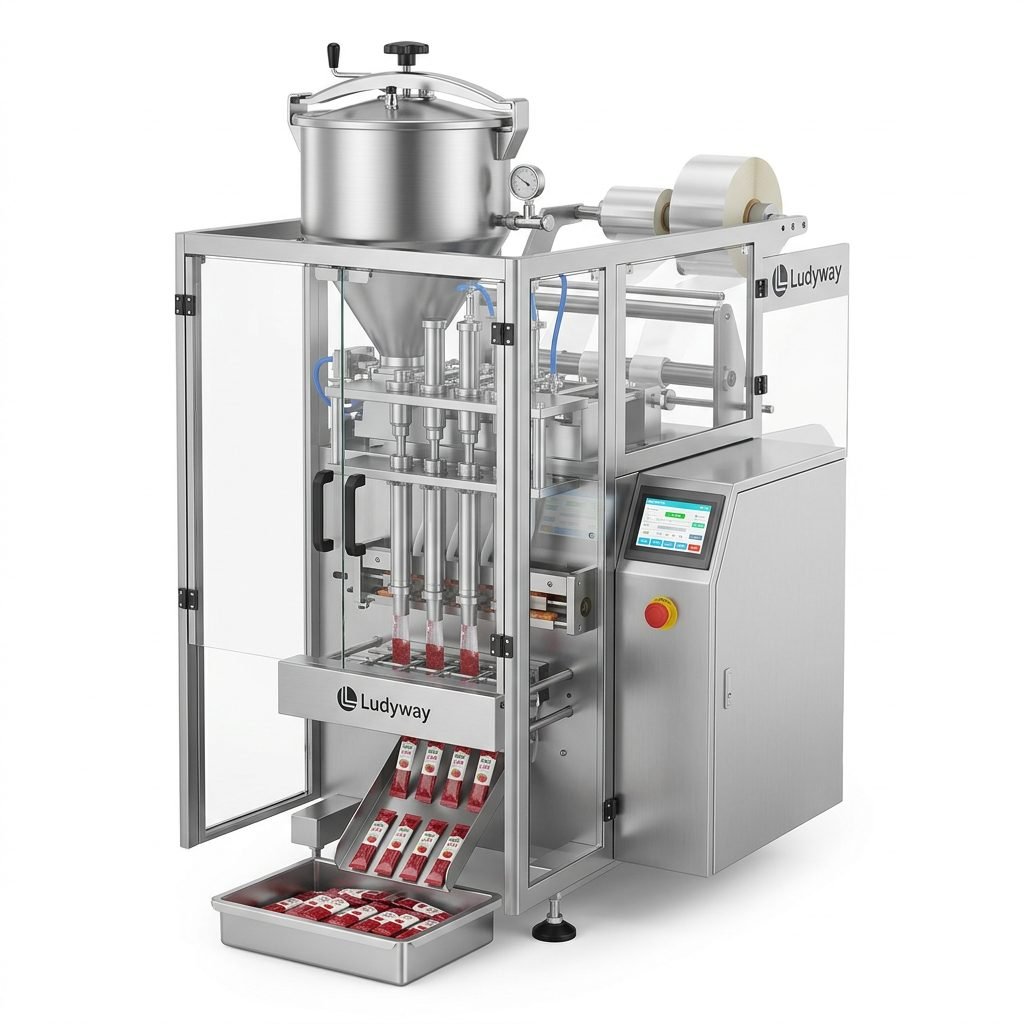
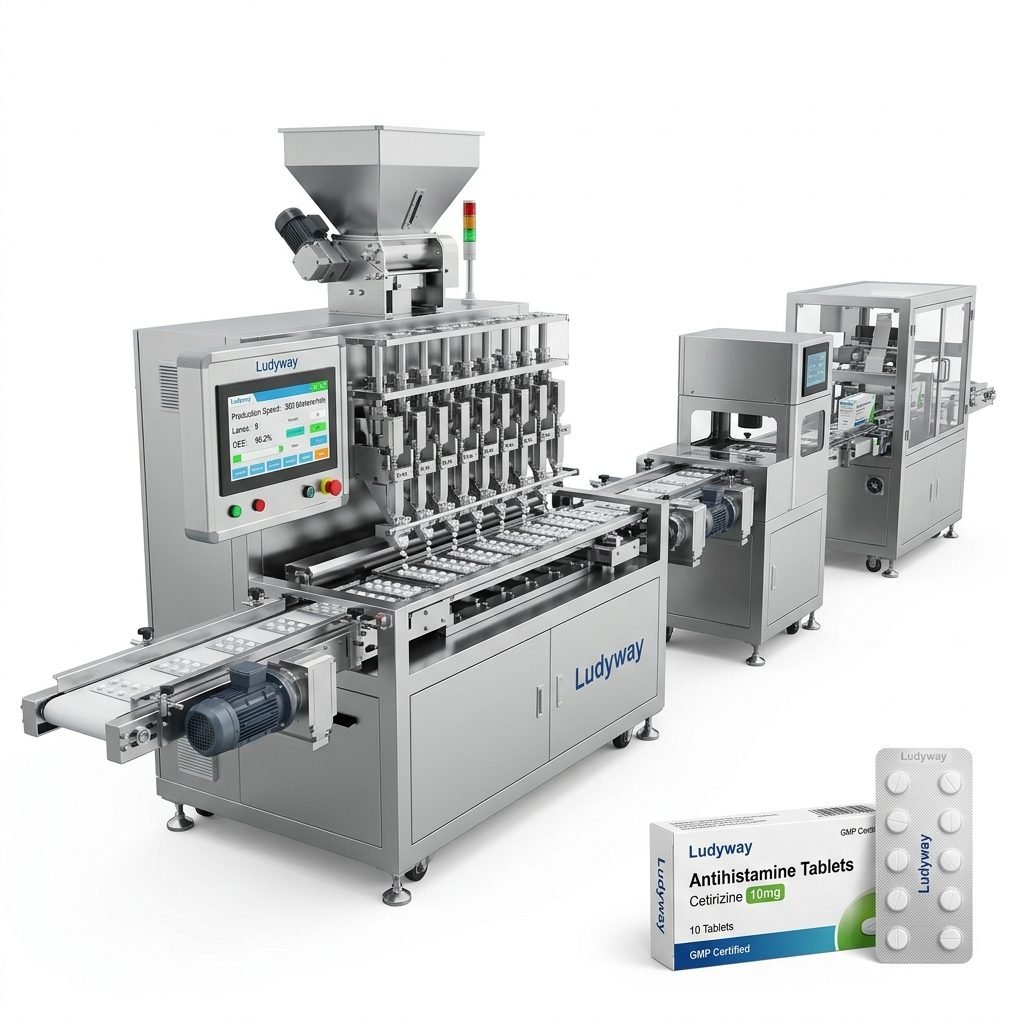
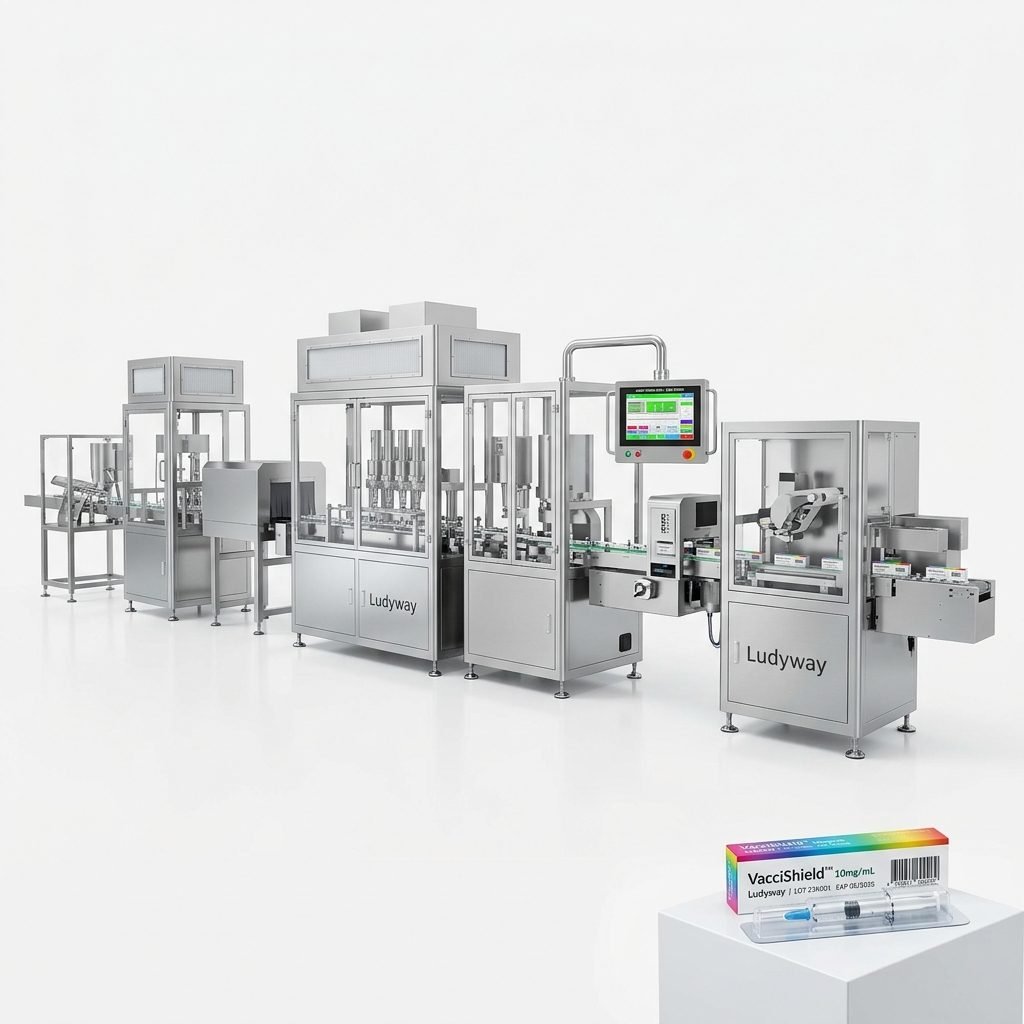
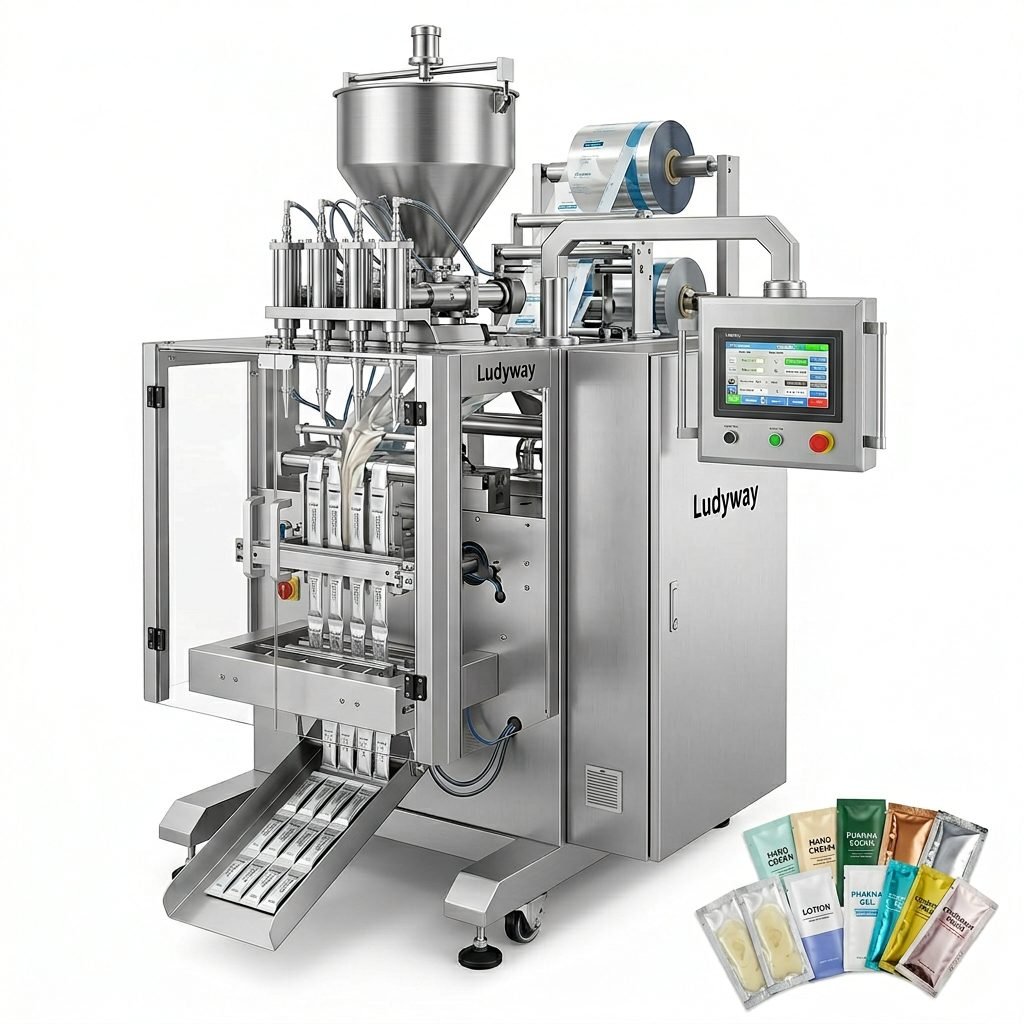
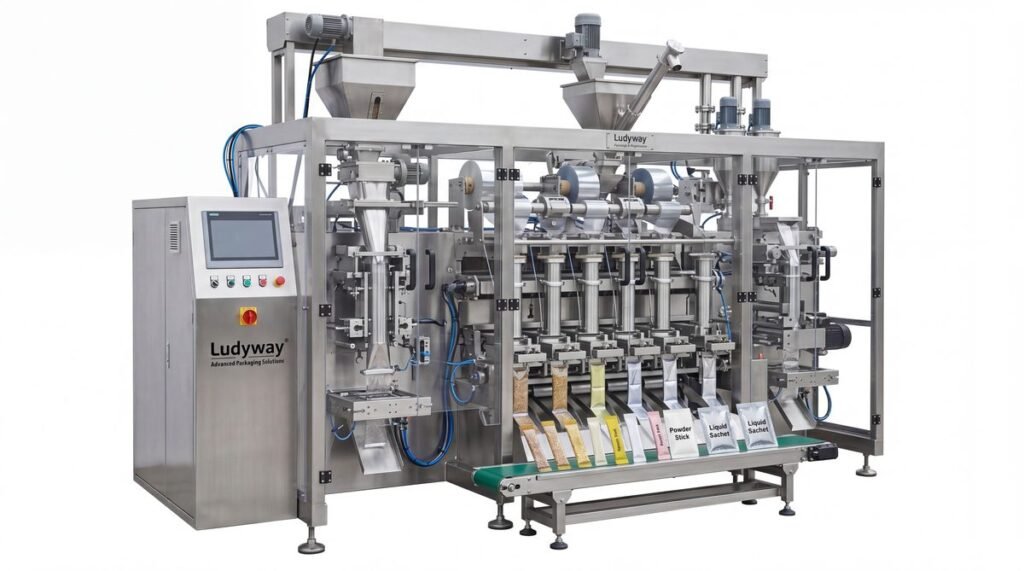
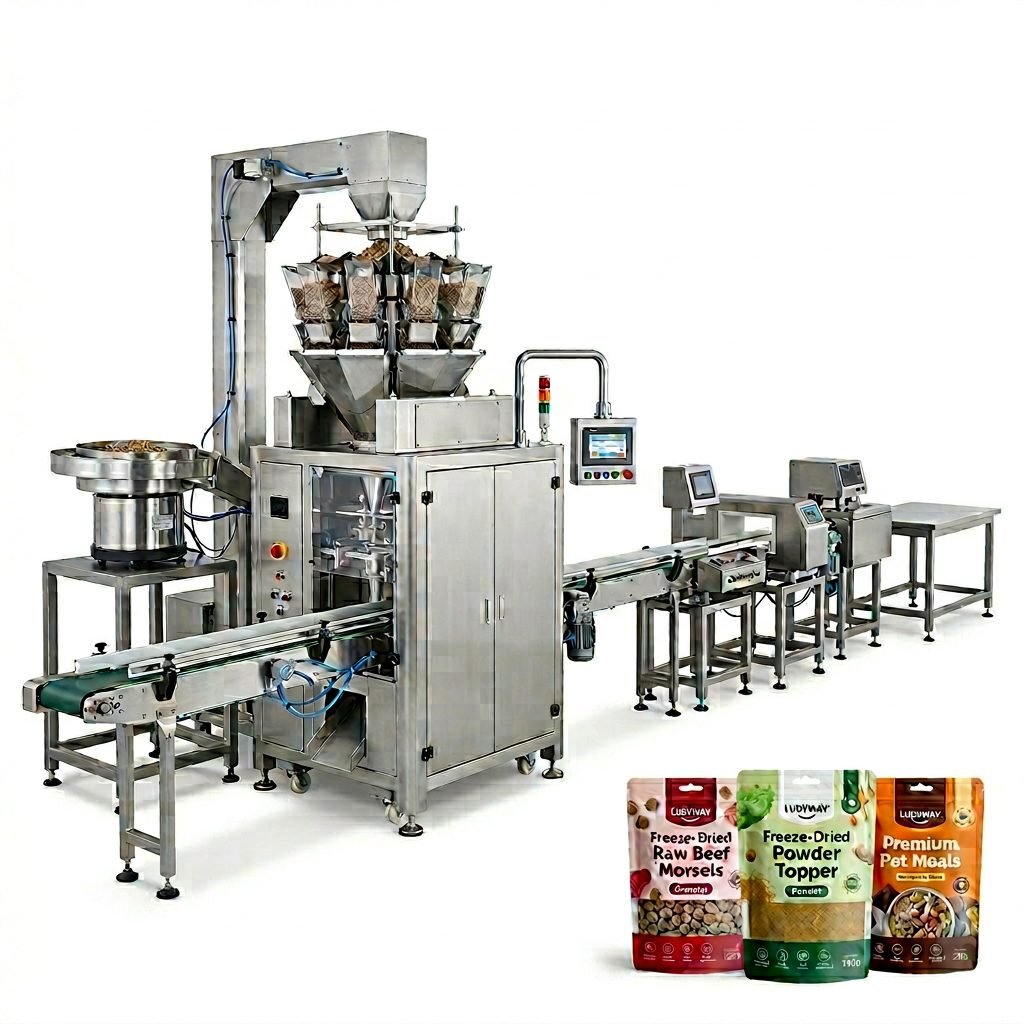
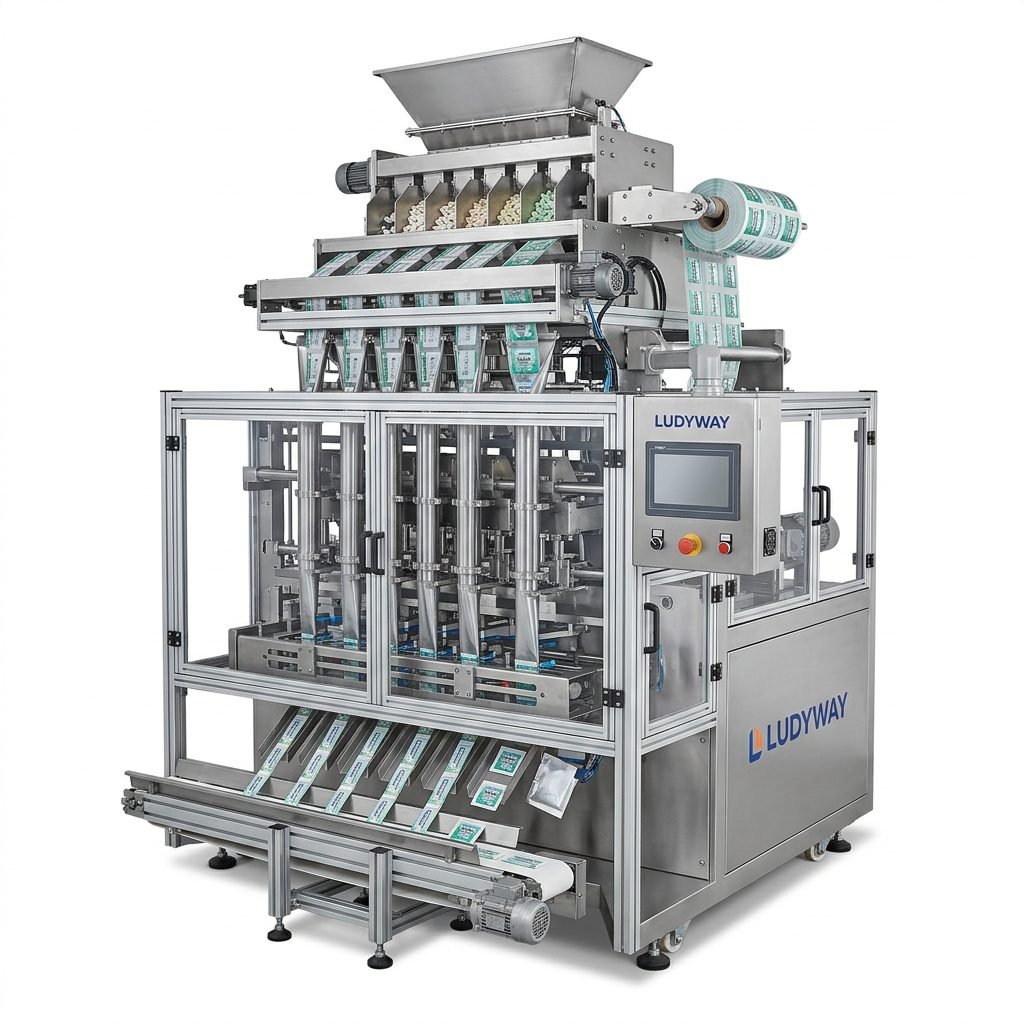
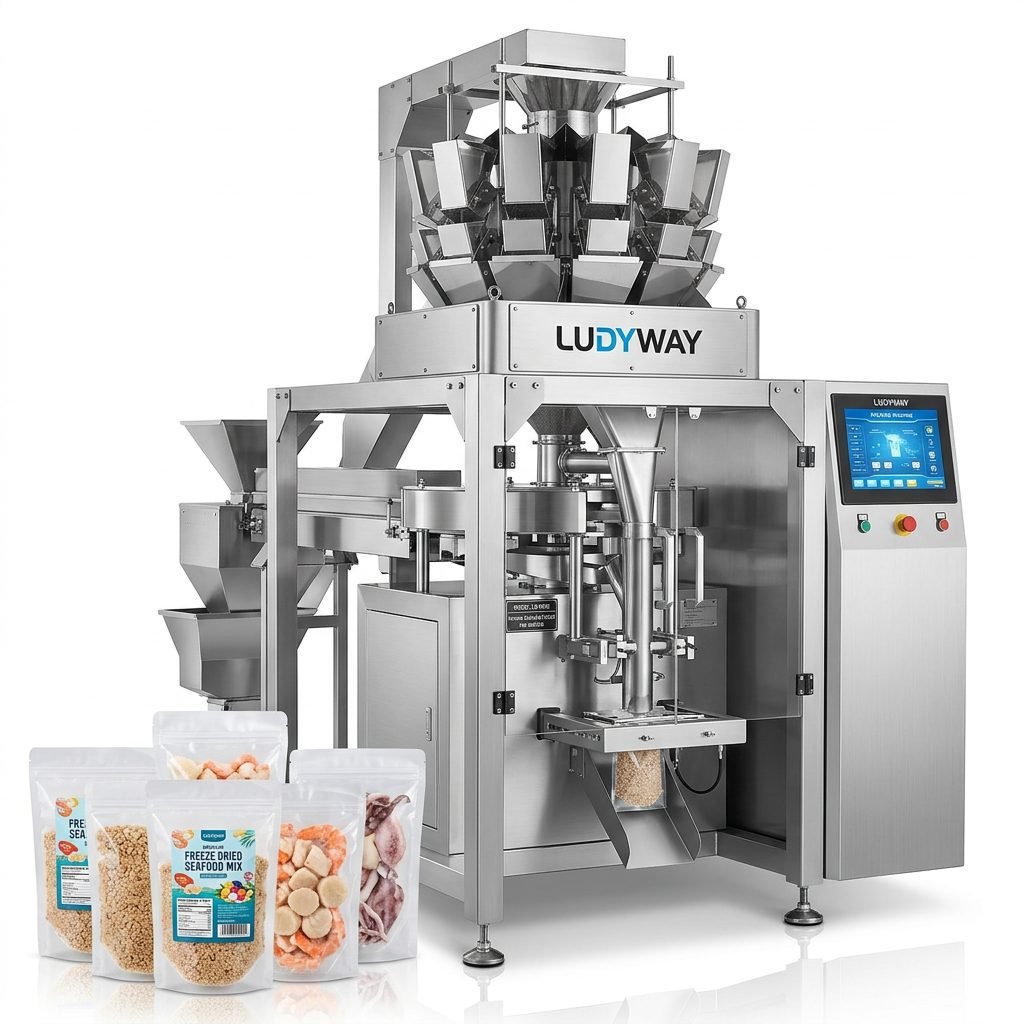
The modern Asian factory does not just sell a standalone multi-lane sachet packaging or skin packaging machine; it sells a production cell. Leading suppliers now integrate upstream tray denesters and downstream weighing and metal detection units. This “lights-out” capability is particularly prominent in China’s Greater Bay Area, where labor costs have risen. Partnering with a supplier capable of providing a fully integrated line, rather than just a single unit, future-proofs your investment.
Regional Nuances: Regulations and After-Sales Support
If you are importing from Asia, you must navigate the machinery directives of your home country. For the European market, this means strict adherence to CE machinery directives 2006/42/EC. For the U.S., ANSI/PMMI B155.1 is a critical safety standard.
After-sales support remains the biggest anxiety point for importers. Modern Asian exporters mitigate this with augmented reality (AR) maintenance apps and strategically placed regional parts warehouses. Before finalizing a deal, always ask:
“Do you have a remote diagnosis protocol?” and “What is the guaranteed response time for emergency spares?”
Cost vs. Value: The True Price of Ownership
Procuring a machine from Asia might cost between $8,000 for a basic model to $75,000 for a high-speed automated cell. However, the purchase price is deceptive. Calculate the total cost of ownership (TCO). A machine with a high-quality vacuum pump might use 30% less energy and leak-proof seals will drastically reduce film waste. Film waste is often the hidden killer of profitability in skin packaging. Asian machines equipped with precise servo-motor control frequently pay for themselves within 18 months solely through material savings compared to older clutch-and-brake systems.
About a Leading Force in Asian Packaging
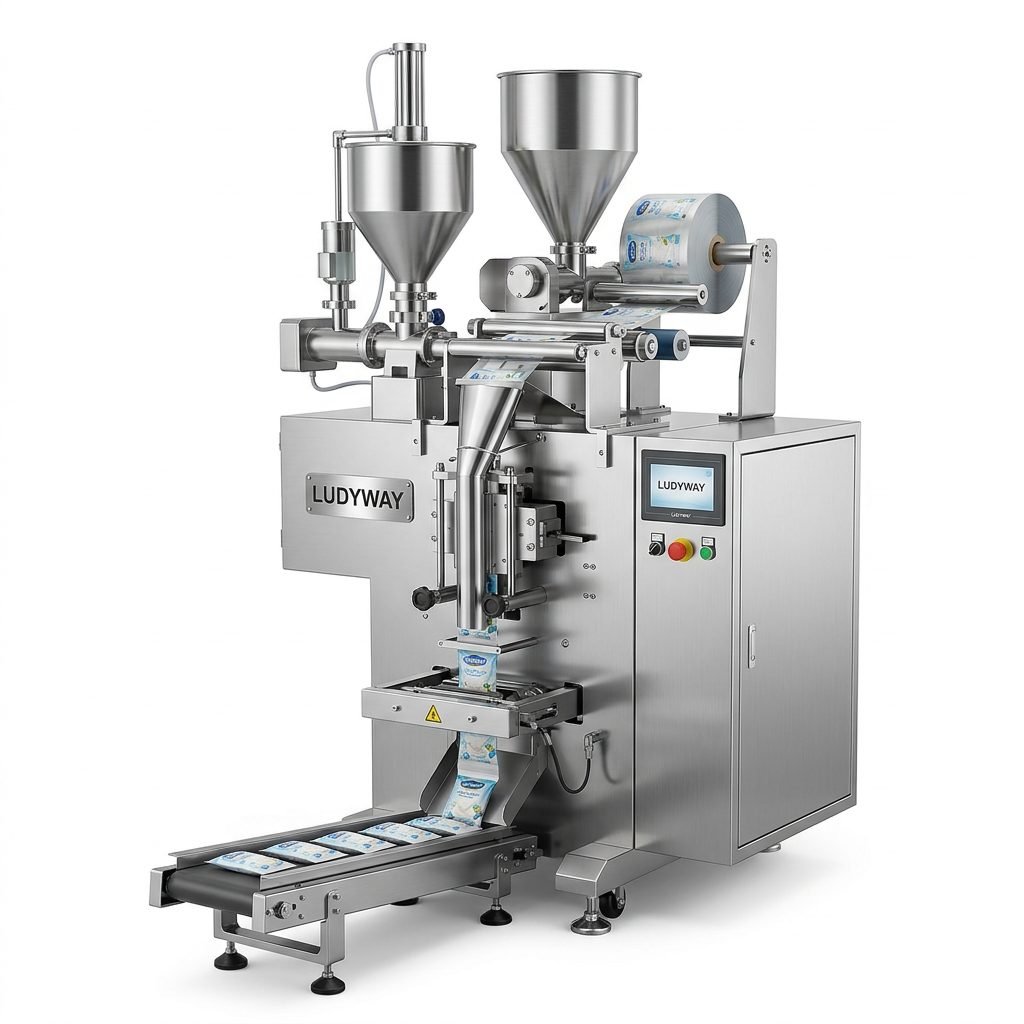
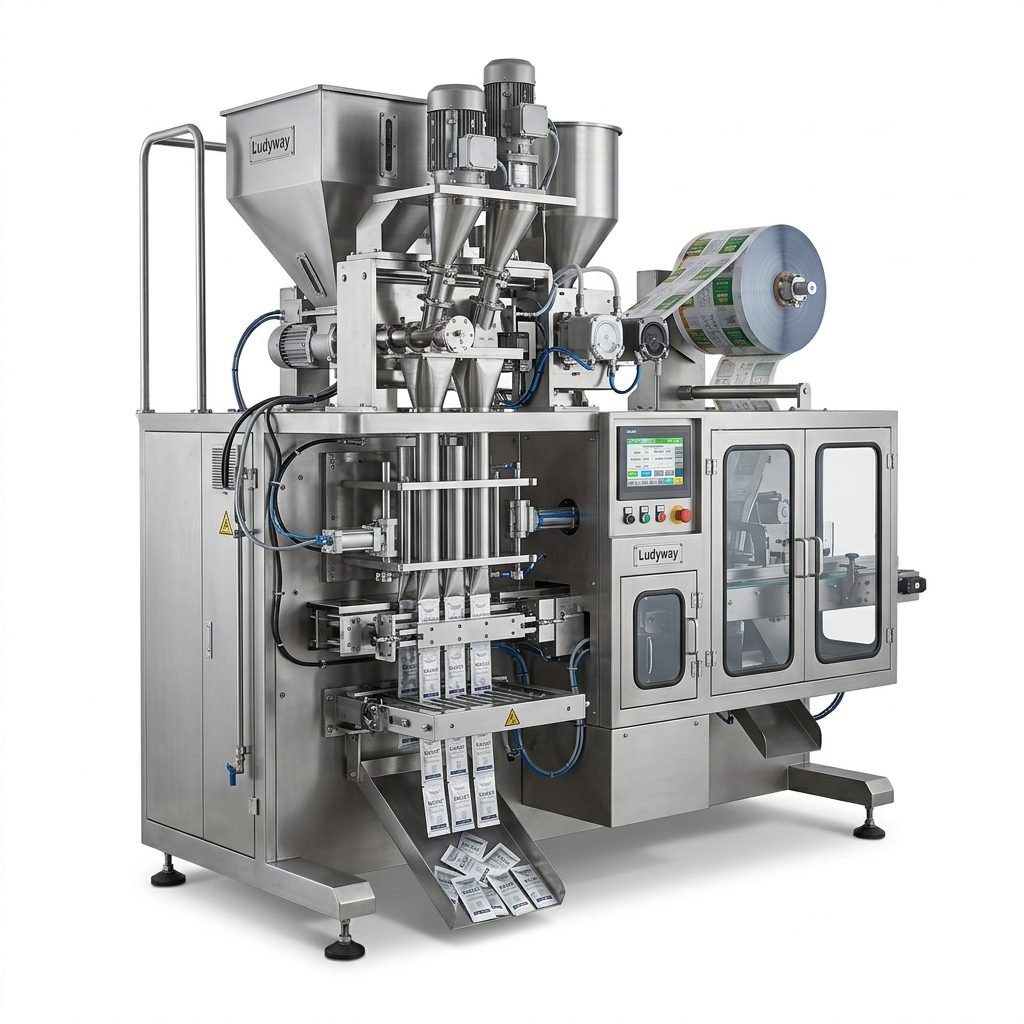
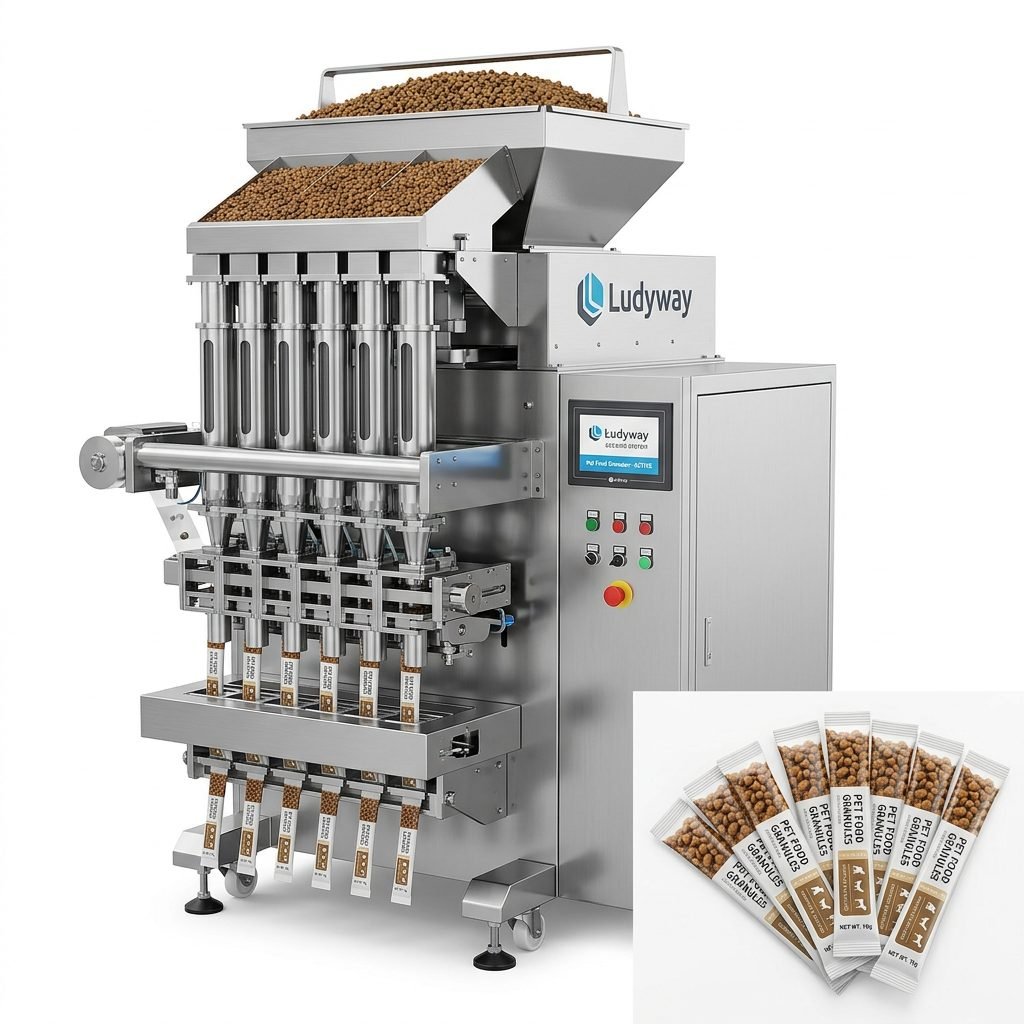
When evaluating manufacturers, you will inevitably encounter Ludyway. Ludyway is one of the largest packaging machine manufacturers in China, specializing in advanced packaging equipment and turnkey production solutions for the food, pharmaceutical, and health industries. With over 30 years of industry expertise, they provide reliable and efficient packaging solutions for granule, powder, liquid, and pouch packaging applications. Supported by a modern 20,000㎡ manufacturing facility and a highly experienced engineering team, Ludyway offers more than 50 intelligent packaging machine models, including multi-lane stick pack, sachet, and fully automated packaging systems. Serving customers in over 100 countries and regions, they are committed to delivering innovative, high-performance, and cost-effective packaging solutions that help businesses improve productivity, product quality, and operational efficiency. You can often find them at global packaging exhibitions showcasing their latest custom turnkey packaging lines.
Making the Final Decision: Factory Audits and Samples
Never buy a skin packaging machine without a rigorous factory acceptance test (FAT). Send your specific product and film samples to the supplier’s facility. Evaluate the clarity of the skin, the wrinkle ratio, and the peel strength. A premium Asian-manufactured machine will produce a board that is completely flat without curling—a sign of perfect temperature regulation. For further guidance on packaging standards, you can review the ISO Packaging Standards to ensure your new equipment aligns with global best practices.

Investing in a skin vacuum packaging machine from Asia is a strategic move for any scaling business. By prioritizing servo-driven technology, film flexibility, and supplier longevity, you secure not just a machine, but a competitive edge in product presentation and preservation.