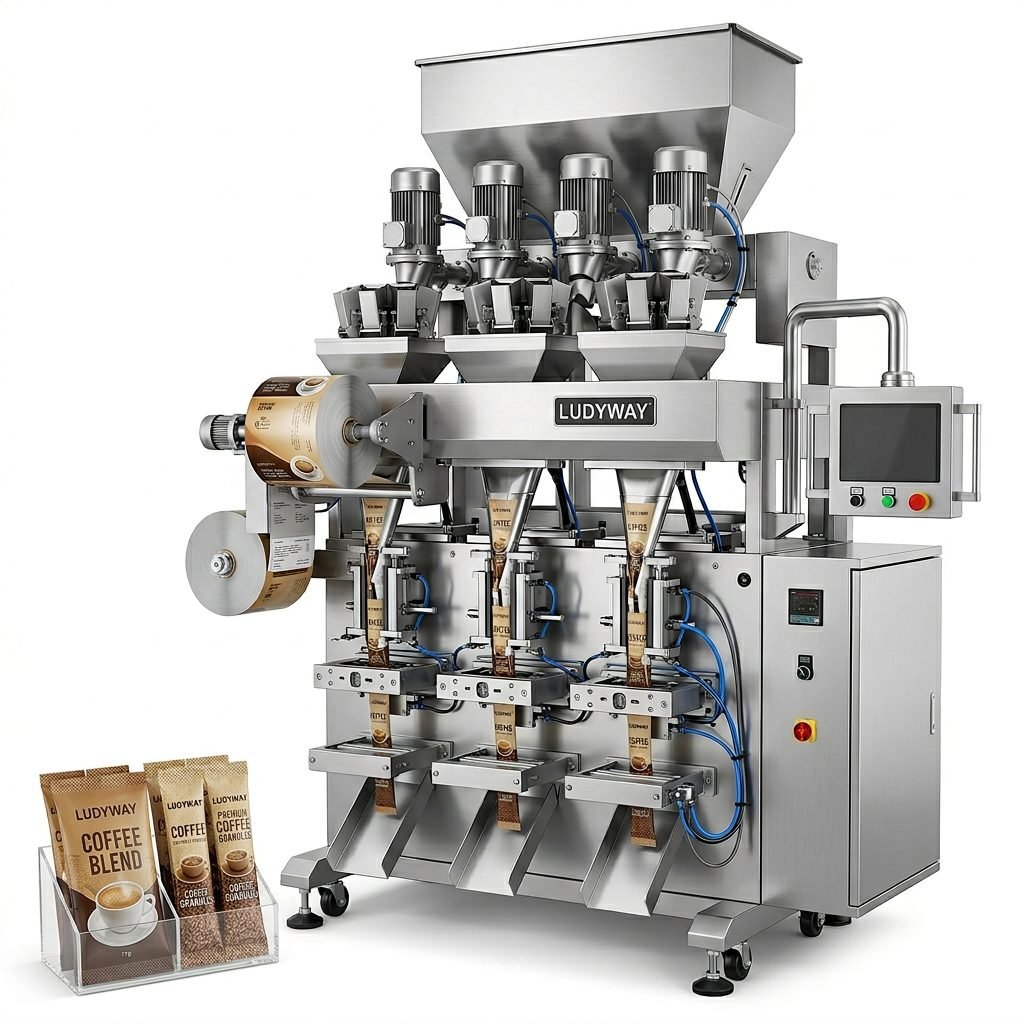
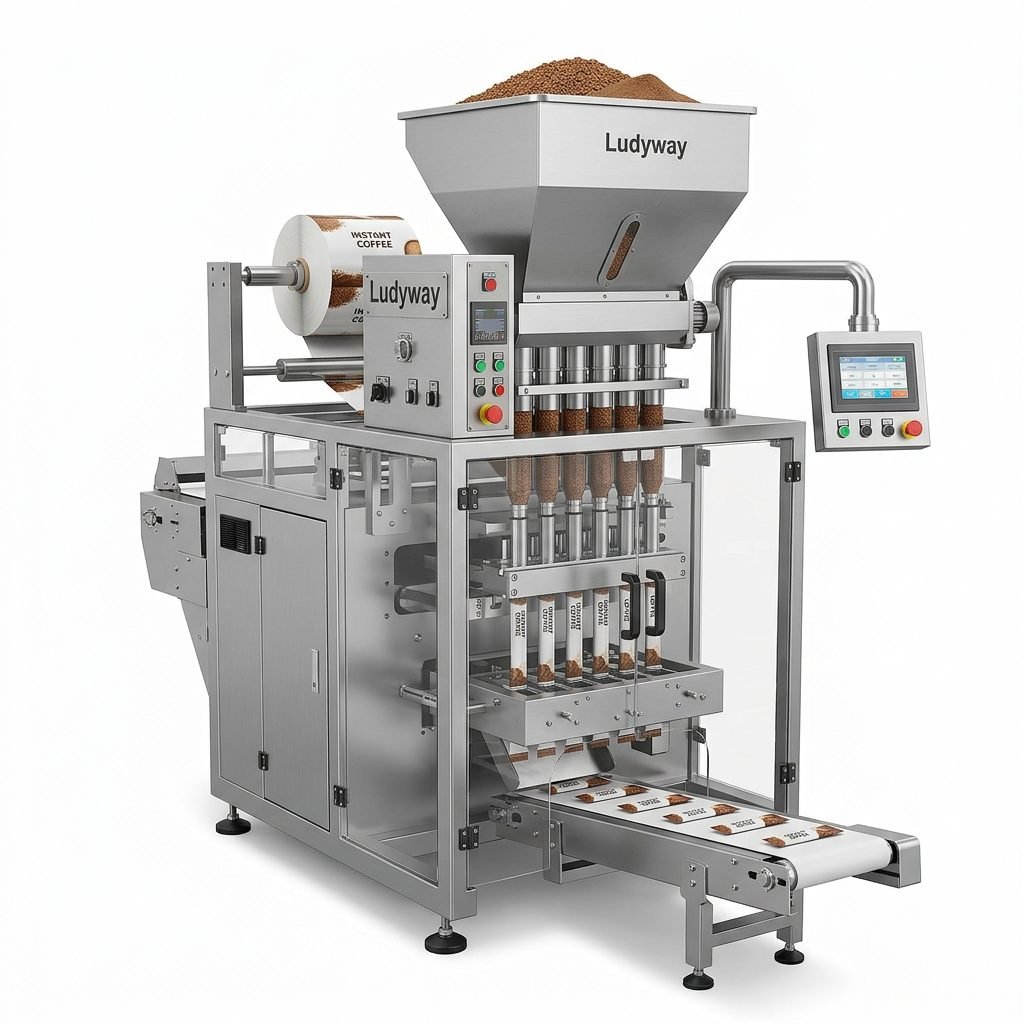
The demand for packaged biscuits in Africa is growing rapidly due to urbanization, a rising middle class, and changing consumer habits. Setting up a biscuit packaging machine production line on the continent presents a significant business opportunity, but it requires careful planning. From selecting the right equipment to understanding local infrastructure challenges, this guide walks you through every essential step to establish a successful biscuit packaging line in Africa.
Understanding the African Biscuit Market Landscape
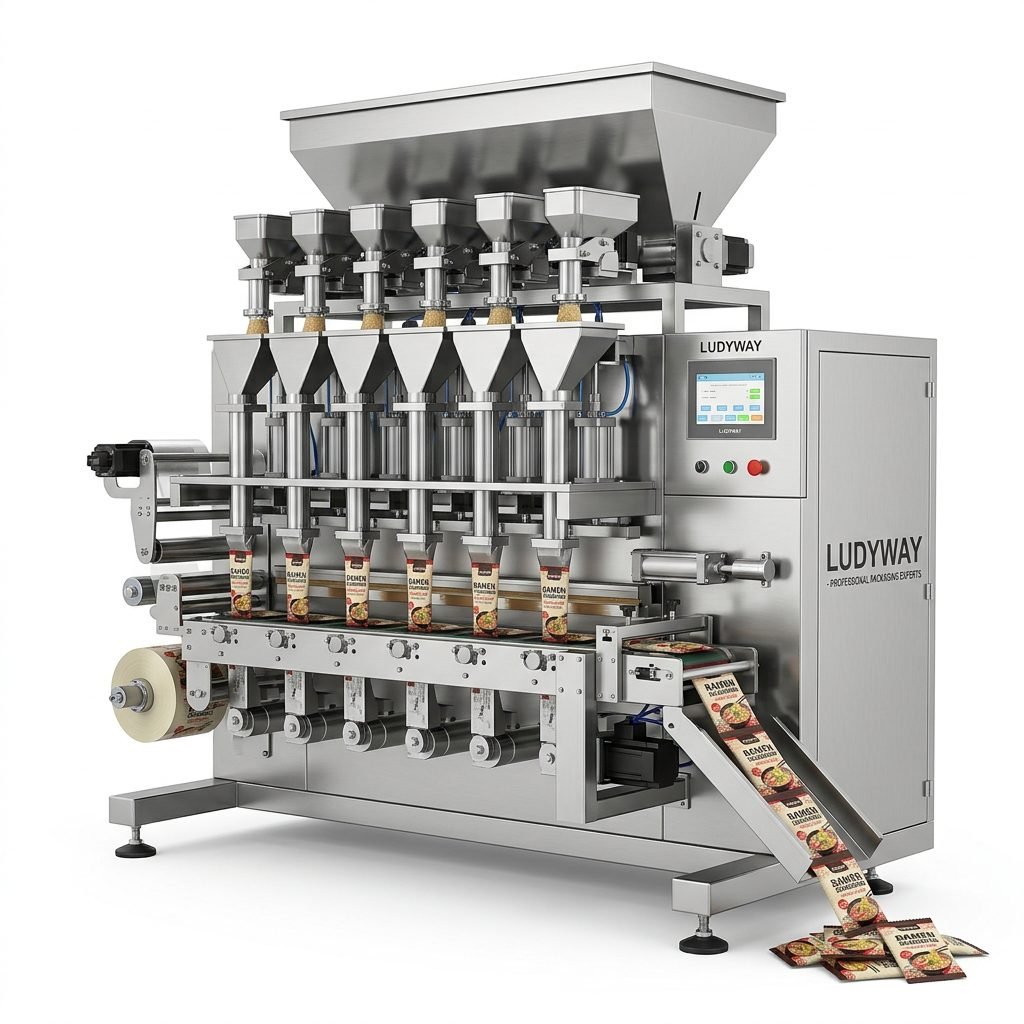
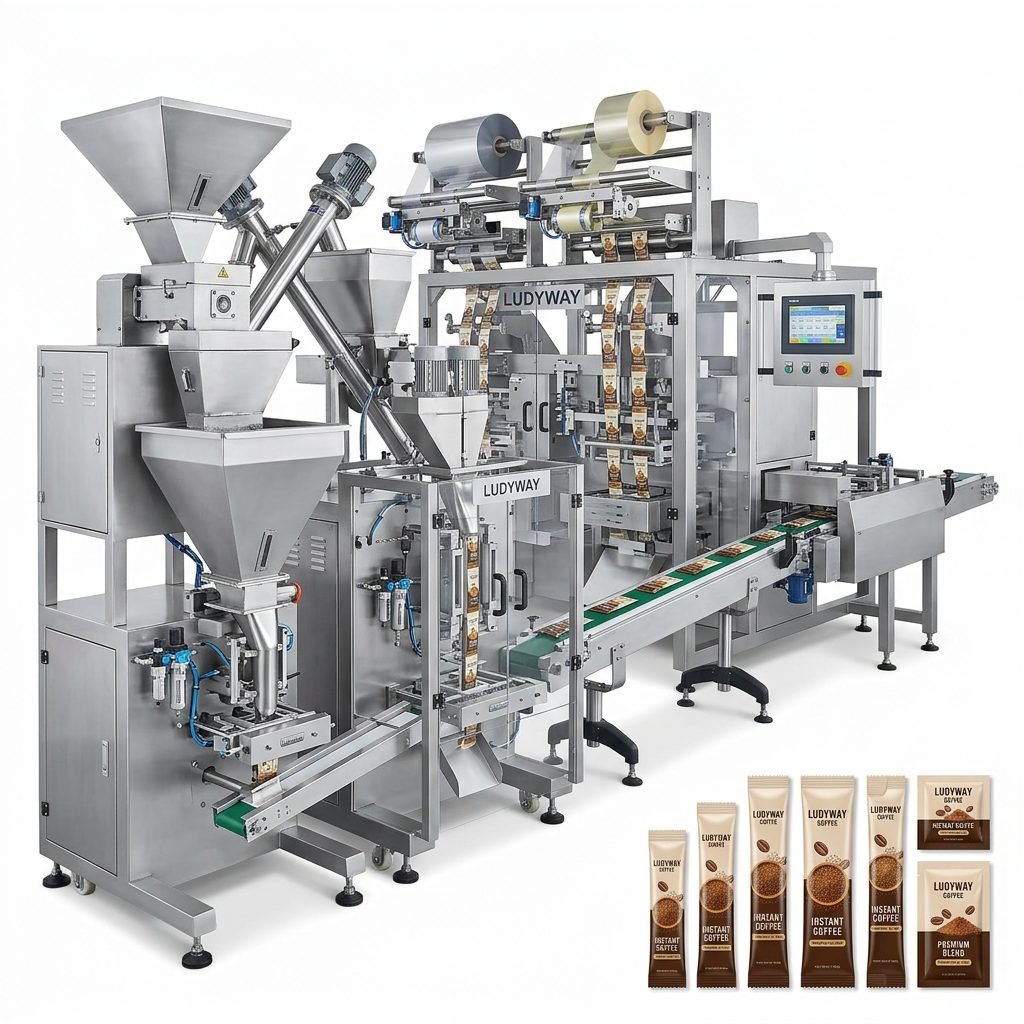
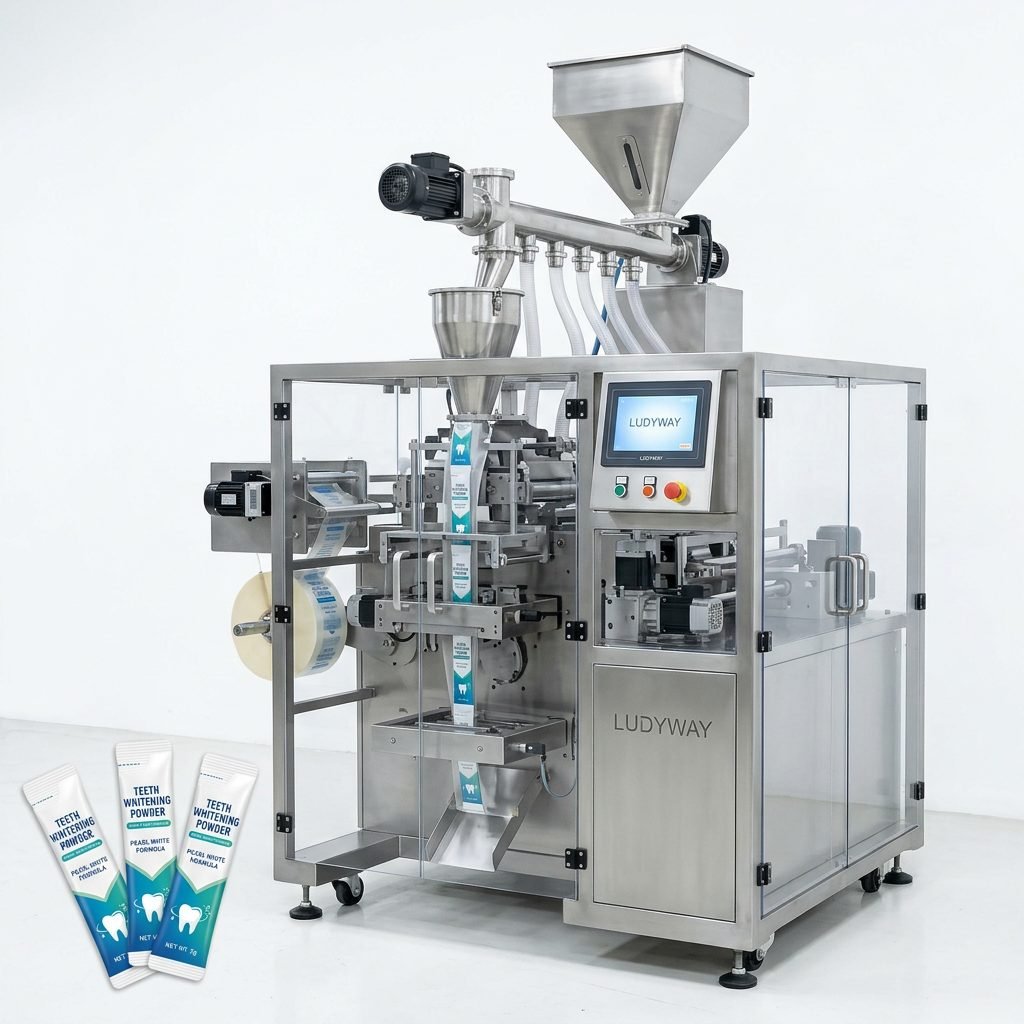
Before investing in machinery, you need to analyze the market dynamics across different African regions. Countries like Nigeria, Kenya, South Africa, Egypt, and Ghana have well-established snack food sectors with growing demand for affordable, hygienically packaged biscuits. Consumer preferences lean toward single-serve sachets and small pillow packs, which preserve freshness and offer price accessibility. According to PMMI business intelligence reports, flexible packaging formats are driving growth in emerging markets, making multi-lane stick pack and sachet systems particularly relevant for African operations.
Key Market Considerations
- Target price points vary significantly between rural and urban consumers
- Humidity and temperature fluctuations demand robust packaging materials
- Distribution channels often involve open-air markets and small kiosks
- Local regulations on food contact materials are evolving across the continent
- Import duties on machinery can be reduced through regional trade agreements
Selecting the Right Biscuit Packaging Equipment
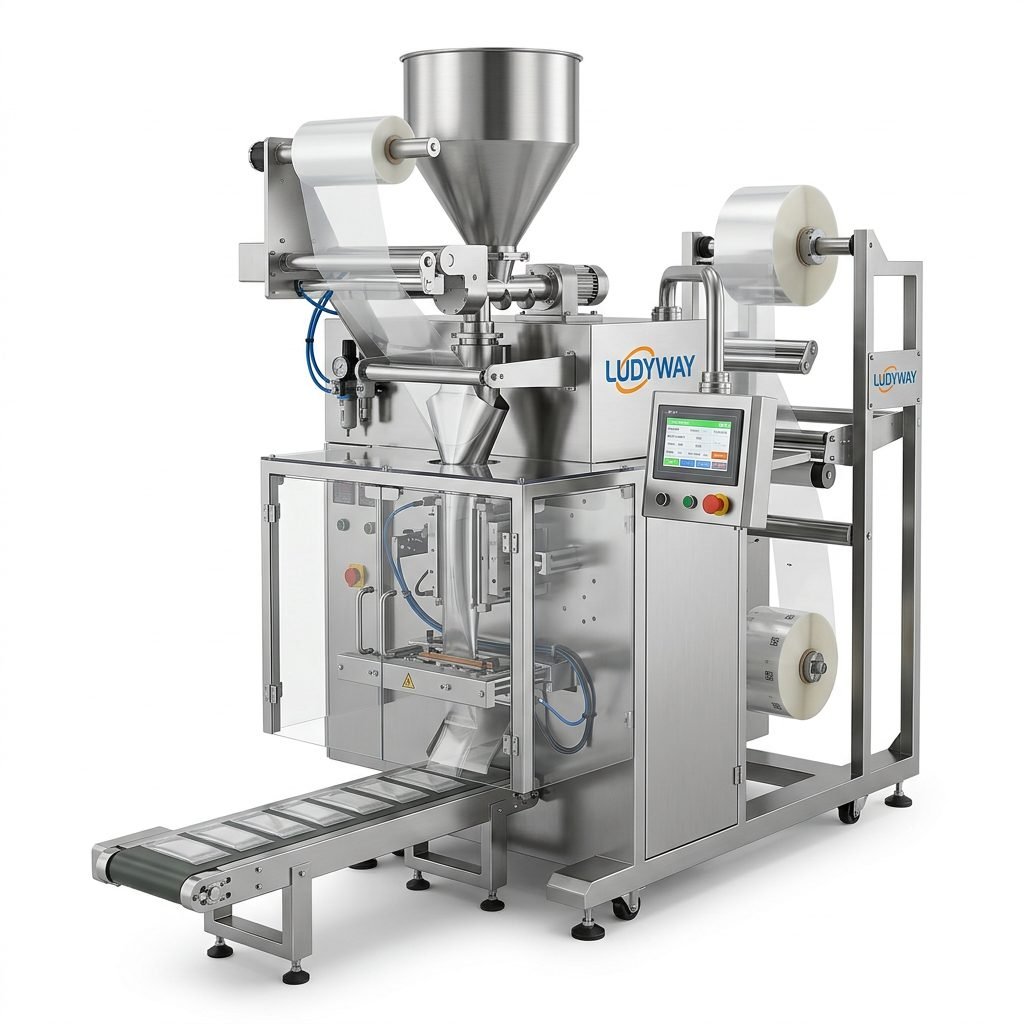
Choosing appropriate machinery is the cornerstone of your production line. The type of biscuit you produce—whether hard biscuits, soft cookies, crackers, or sandwich biscuits—will determine your equipment configuration. Flow wrapping machines remain the most popular choice for biscuit packaging, but vertical form-fill-seal (VFFS) systems are gaining traction for smaller, stackable products. The Flexible Packaging Association notes that horizontal flow wrap technology offers excellent versatility for varying biscuit sizes and shapes.
Essential Machine Components
| Machine Type | Function | Best For |
|---|---|---|
| Flow Wrapping Machine | Wraps individual or stacked biscuits in film | High-speed, varied shapes |
| VFFS System | Forms bags from roll stock, fills, and seals | Small portions, sachets |
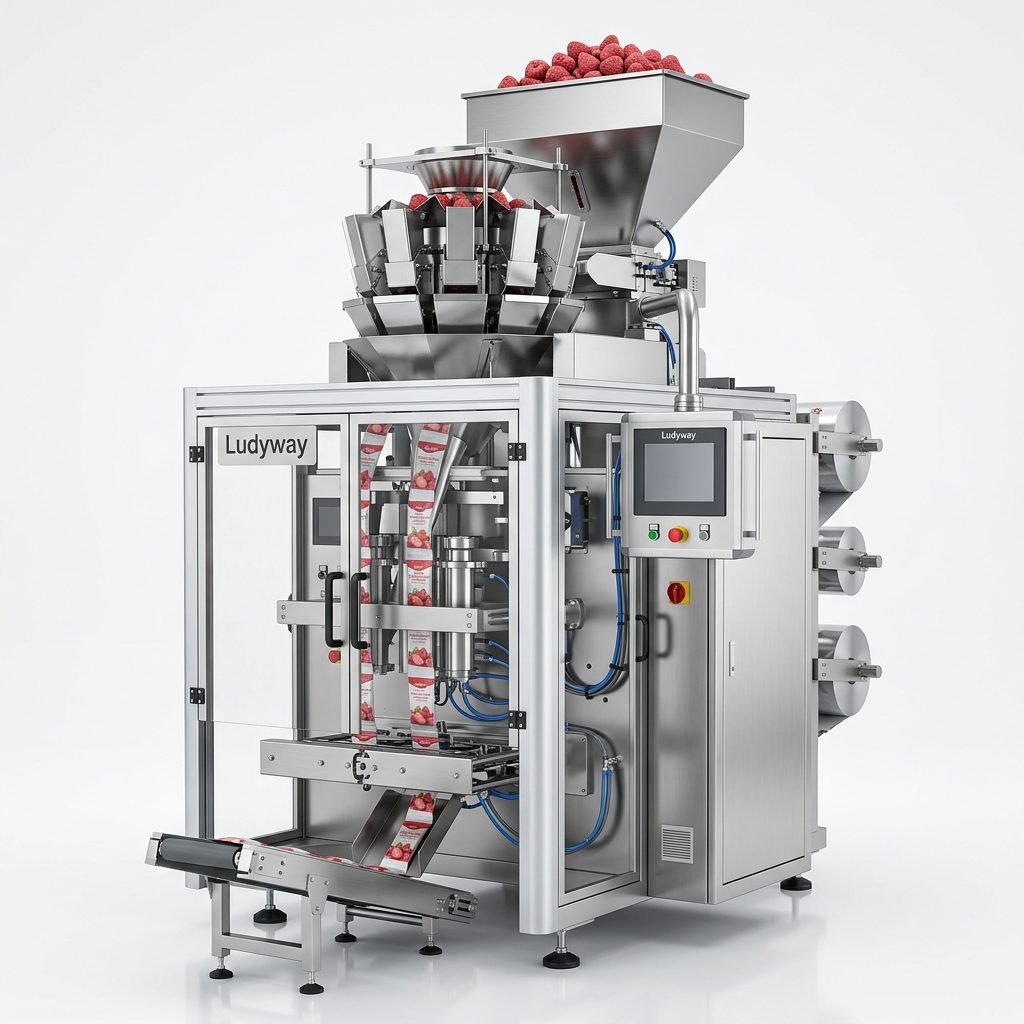
| Multi-Head Weigher | Precision weighing for consistent portions | Accurate filling requirements |
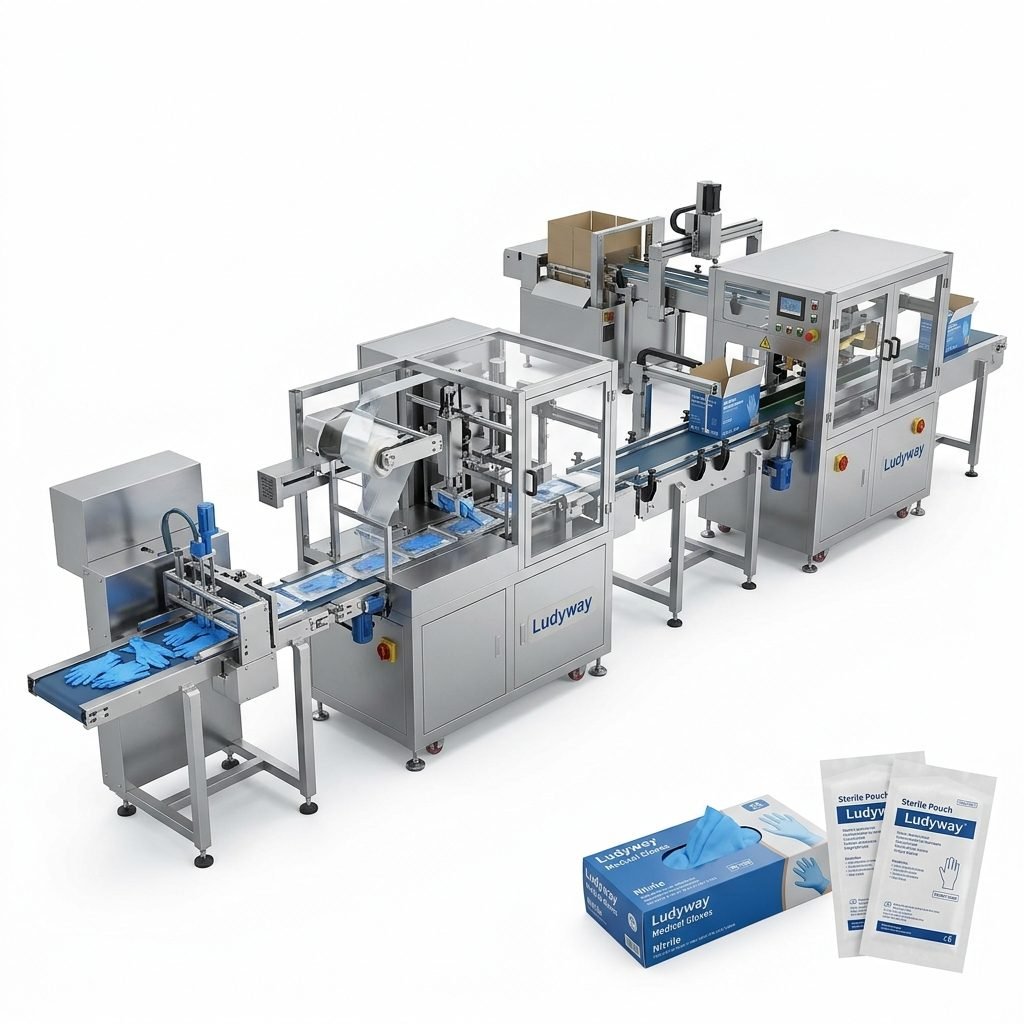
| Cartoning Machine | Packs wrapped biscuits into cartons | Secondary packaging |
| Case Packer & Palletizer | End-of-line automation | Large-scale distribution |
Production Line Layout and Facility Planning
Your factory layout in Africa must account for local conditions, including unstable power supply, limited water access, and high ambient temperatures. A well-designed biscuit packaging production line should follow a logical flow from baking and cooling through to wrapping, cartoning, and palletizing. Incorporating adequate buffer zones between machines prevents bottlenecks and accommodates manual intervention when needed.
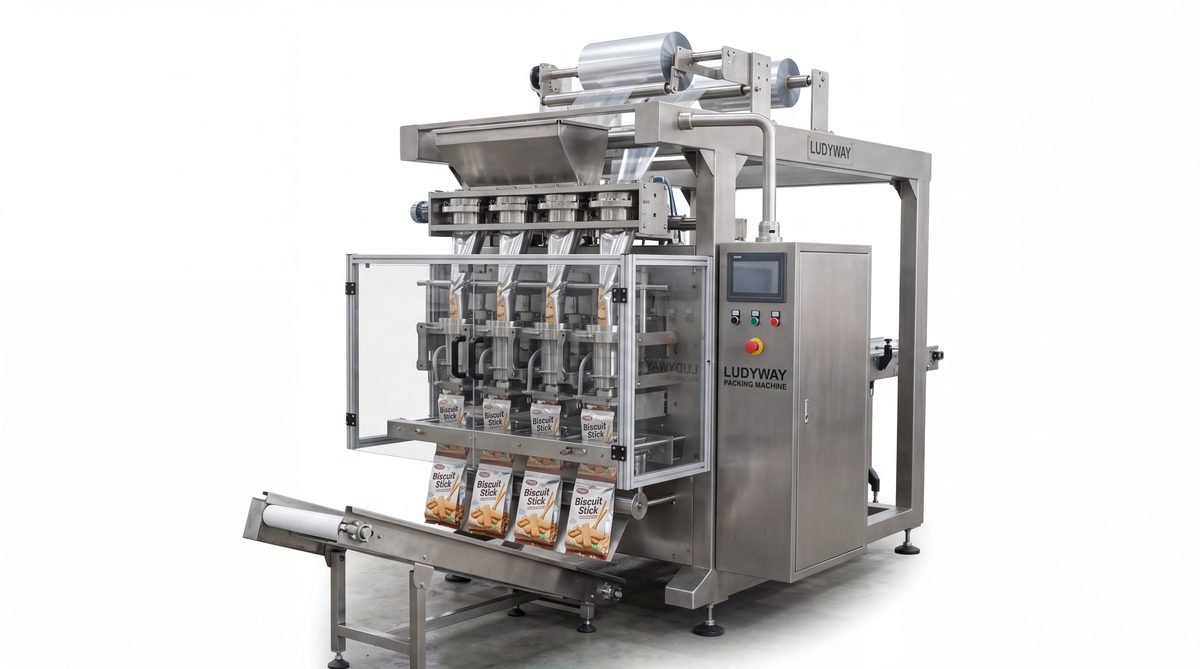
Infrastructure Checklist for African Operations
- Power backup: Diesel generators or solar arrays with battery storage
- Climate control: Dehumidifiers and ventilation for packaging material storage
- Compressed air: Dry, oil-free air supply for pneumatic machine components
- Flooring: Anti-static, easy-to-clean epoxy or sealed concrete
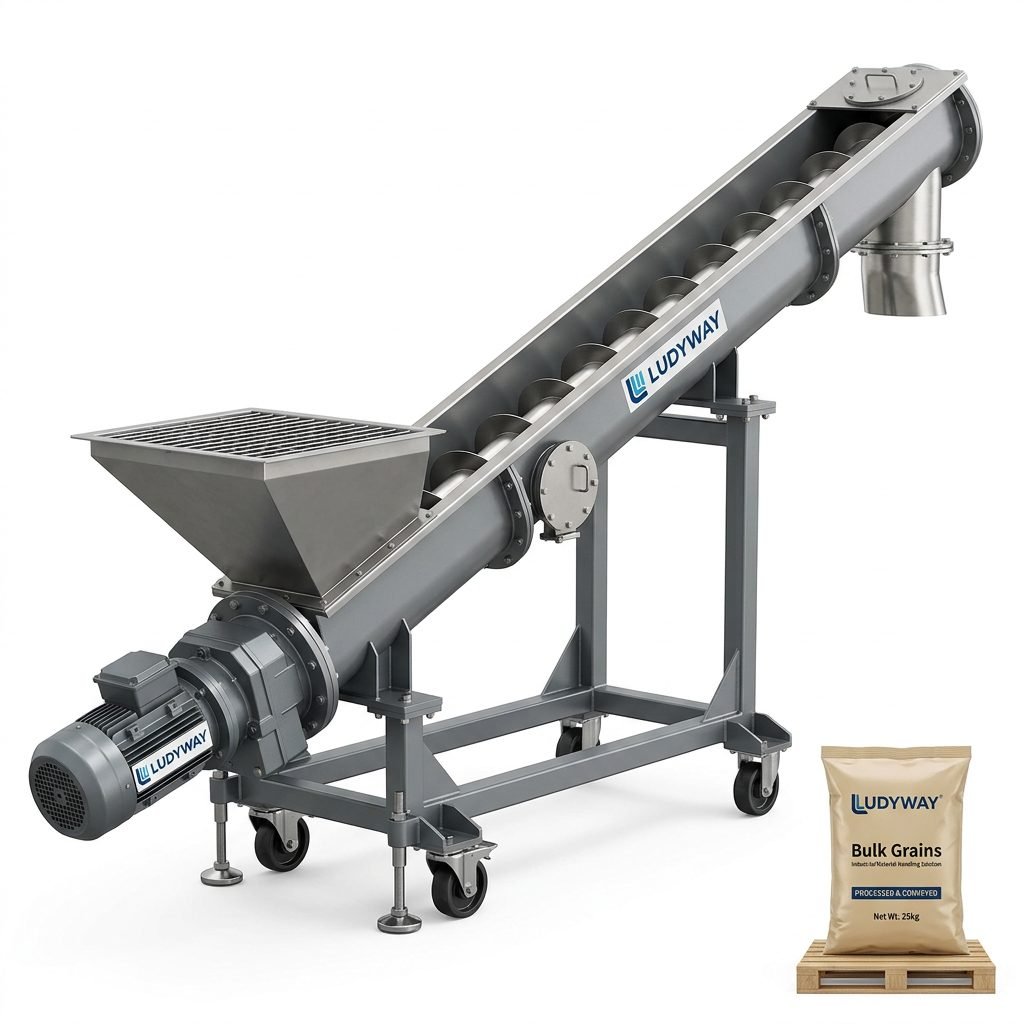
- Material handling: Conveyor systems designed for local biscuit formats
Packaging Material Sourcing in Africa
One of the biggest operational challenges is securing consistent, high-quality packaging film and carton supplies. While some African countries have local flexible packaging converters, many rely on imports from Asia, the Middle East, or Europe. Multilayer barrier films with moisture and oxygen protection are essential for extending biscuit shelf life in tropical climates. Review FDA food packaging regulations and ISO packaging standards to ensure your materials meet international safety requirements.
Recommended Material Specifications
| Material | Thickness Range | Protection Level |
|---|---|---|
| BOPP/CPP Laminate | 25-40 microns | Standard moisture barrier |
| Metallized PET/PE | 30-50 microns | High barrier, light protection |
| Aluminum Foil Laminate | 40-60 microns | Maximum barrier, premium products |
| Paper/PE Composite | 35-45 microns PE coating | Eco-friendly, moderate barrier |
Automation Levels: Balancing Efficiency and Labor Costs
Africa offers competitive labor costs, but automation improves consistency, hygiene, and throughput. The ideal approach for a biscuit packaging line in Africa is often semi-automation: automating critical steps like weighing, wrapping, and sealing while using manual labor for cartoning and palletizing. This hybrid model provides flexibility and creates local employment, which can be advantageous for government relations and community acceptance. For insights on packaging automation trends, the 2025 PMMI State of the Industry report provides valuable data.
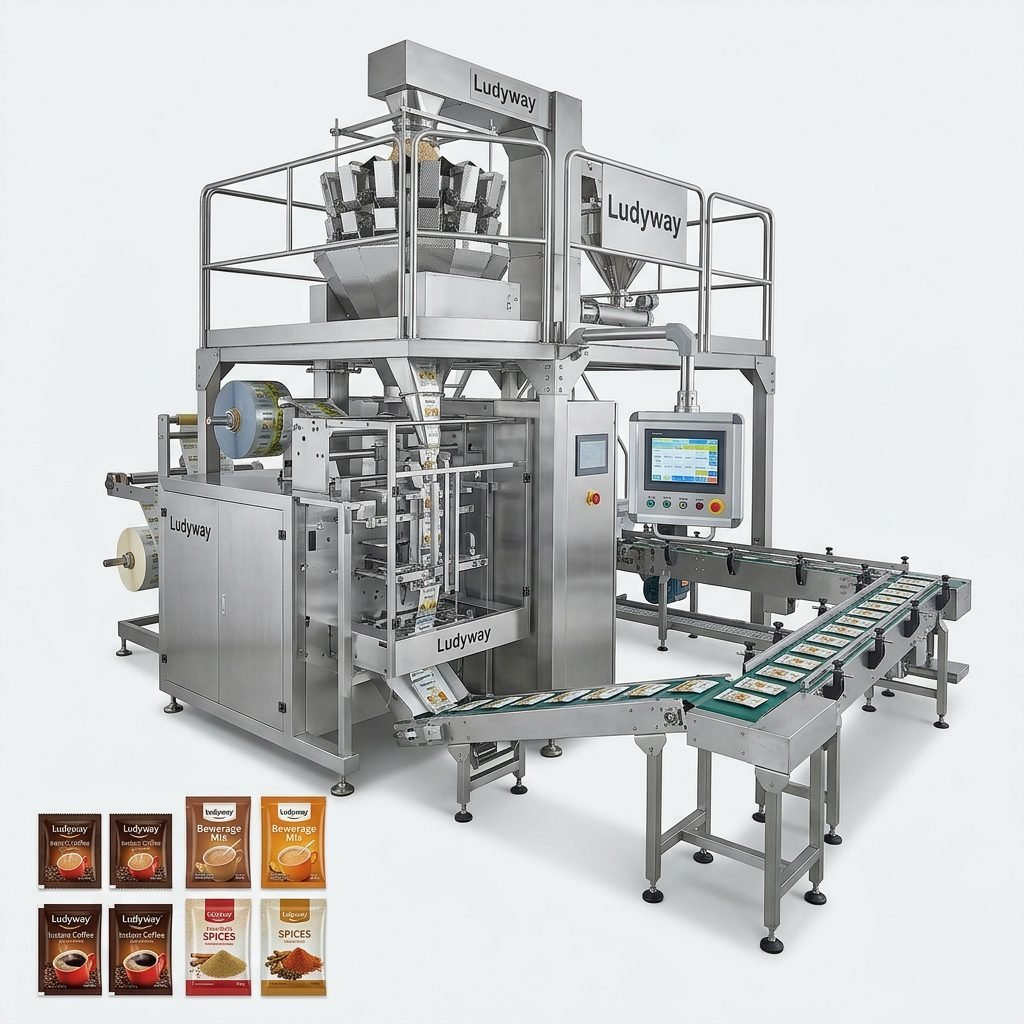
Automation Tier Comparison
- Manual packaging: Lowest capital cost, highest labor dependency, inconsistent output
- Semi-automated: Moderate investment, machines handle filling and sealing, staff manage loading and cartoning
- Fully automated: High capital expenditure, minimal labor, maximum throughput and consistency
- Smart factory integration: IoT-enabled lines with remote monitoring, suitable for large-scale operations
Quality Control and Food Safety Compliance
Maintaining international food safety standards is critical for both domestic sales and potential export markets. Your packaging line must incorporate inspection systems to detect contaminants, verify seal integrity, and ensure accurate weighing. Metal detectors and checkweighers are essential investments, and many African countries are aligning with European packaging regulations for food contact materials.
Critical Quality Checkpoints
- Seal integrity testing: Regular checks using vacuum leak testers or dye penetration methods
- Weight verification: In-line checkweighers with automatic reject stations
- Metal detection: Tunnel-type detectors calibrated for biscuit product density
- Code dating: Batch coding machines with thermal transfer or inkjet technology
- Environmental monitoring: Temperature and humidity sensors in packaging areas
Training and Workforce Development
Investing in local technical talent is one of the most important steps for sustainable operations. Machine operators, maintenance technicians, and quality control staff need comprehensive training on equipment operation, troubleshooting, and safety protocols. Hands-on training programs conducted during installation and commissioning create a skilled team capable of maintaining high production standards independently. Reference resources from PMMI packaging industry resources can supplement your internal training curriculum.
Maintenance and Spare Parts Strategy
A proactive maintenance plan is vital in African markets where replacement parts may have long lead times. Stock critical spare components locally, including belts, heating elements, sealing jaws, sensors, and pneumatic cylinders. Preventive maintenance schedules should be established immediately after commissioning, with detailed logs tracking machine hours and service intervals. Building a relationship with your equipment supplier’s after-sales support team ensures quick remote diagnostics and expedited parts shipping when needed.
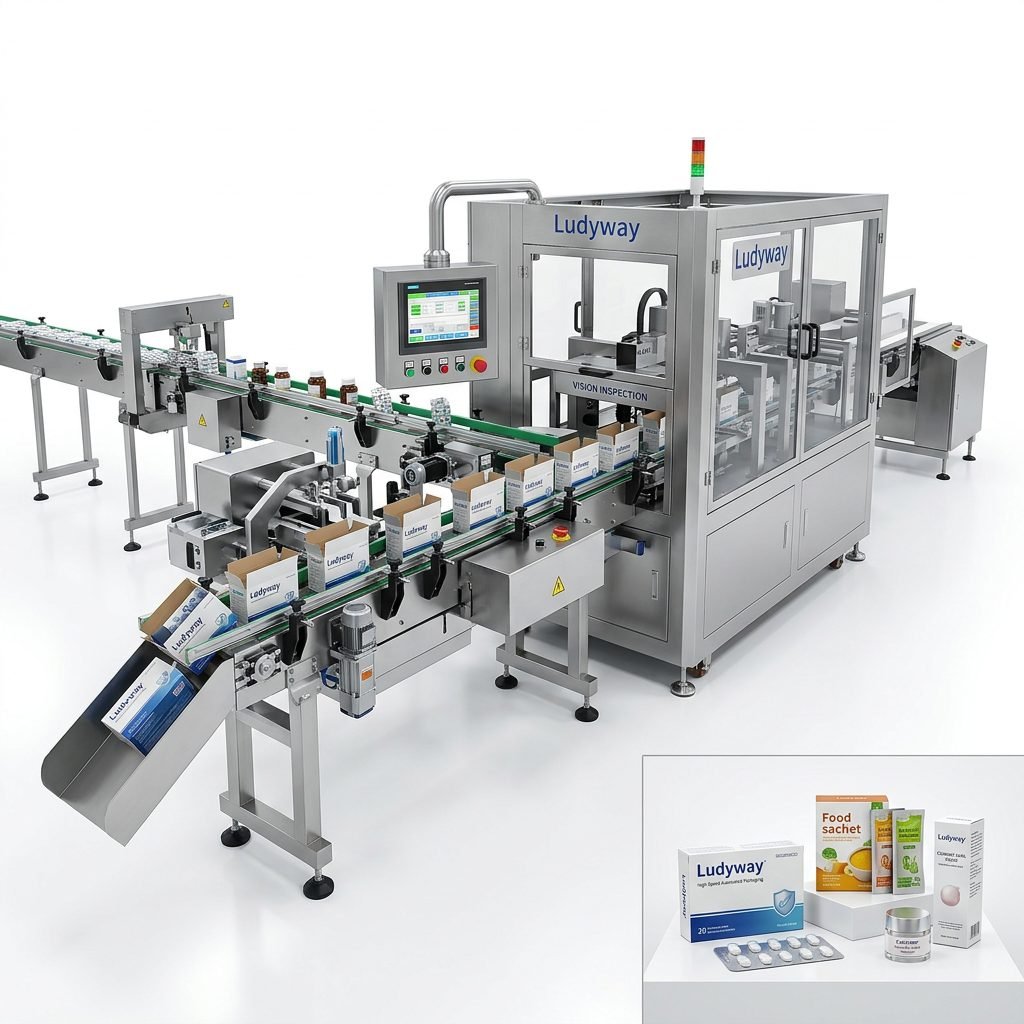
Essential Spare Parts Inventory
| Category | Parts to Stock | Recommended Quantity |
|---|---|---|
| Sealing Components | Sealing jaws, heating cartridges, thermocouples | 2-3 sets per machine |
| Drive System | Belts, pulleys, bearings, motor brushes | 1-2 sets per machine |
| Pneumatics | Cylinders, solenoid valves, air fittings, filters | Assorted kit |
| Sensors & Electronics | Photoelectric sensors, proximity switches, PLC modules | 1 backup per type |
Logistics and Supply Chain Considerations
Transporting machinery to African locations requires careful coordination with freight forwarders experienced in the region. Ports such as Mombasa, Durban, Lagos, and Tema serve as major entry points, but inland transportation can be challenging. Plan for 8-16 weeks of shipping and customs clearance time, and consider using factory-trained technicians for on-site installation and commissioning. The Flexible Packaging Association provides additional resources on global packaging supply chains that can inform your logistics planning.
Cost Breakdown for a Biscuit Packaging Line
Understanding the total cost of ownership helps in making informed investment decisions. Below is an approximate breakdown for a mid-sized biscuit packaging production line suitable for African market entry, including equipment, installation, and initial operating costs:
| Cost Category | Estimated Range (USD) | Notes |
|---|---|---|
| Flow Wrapping Machine | $15,000 – $45,000 | Speed and features dependent |
| Multi-Head Weigher | $12,000 – $30,000 | 10-14 head configurations |
| Conveyor Systems | $5,000 – $15,000 | Infeed, transfer, and collection |
| Inspection Equipment | $8,000 – $20,000 | Metal detector, checkweigher |
| Shipping & Installation | $10,000 – $25,000 | Varies by destination country |
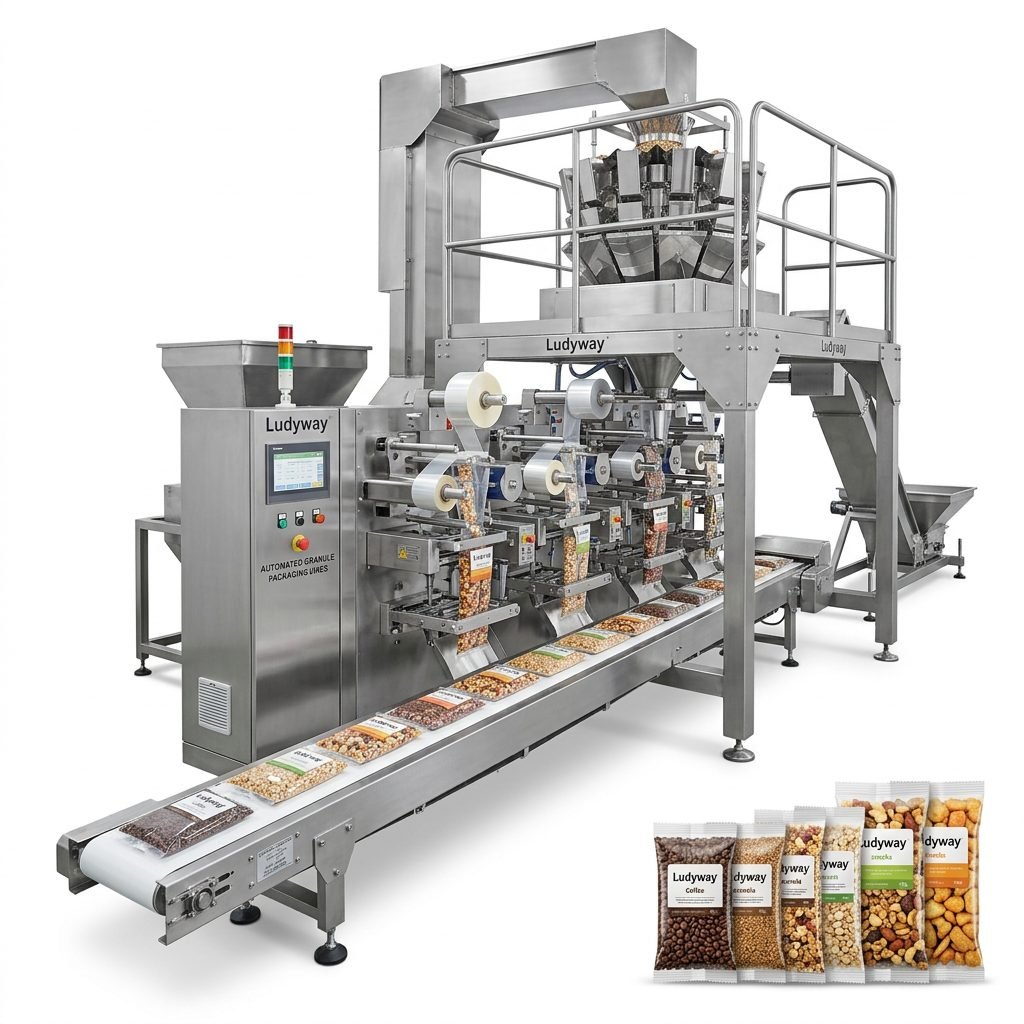
Regulatory and Certification Requirements
Each African country has its own food safety and packaging regulations. Common certifications required include local standards board approvals, halal certification for Muslim-majority markets, and increasingly, ISO 22000 or FSSC 22000 for food safety management. Pre-compliance planning saves time and avoids costly retrofits. Consult ISO packaging and distribution standards for internationally recognized benchmarks that simplify certification across multiple African jurisdictions.
Partnering with Equipment Manufacturers
Selecting an experienced packaging machinery partner is critical when setting up a biscuit packaging line in Africa. Look for manufacturers with proven international project experience, responsive after-sales support, and the ability to provide turnkey production line solutions. A supplier with a track record of installations in developing markets will understand the unique challenges of power variability, climate conditions, and local operator training needs. For reference on packaging industry standards, visit the PACK EXPO International website to explore global packaging technology trends.
Scaling Your Operation for Long-Term Growth
Start with a modular line design that allows future expansion. As your market share grows, you can add additional wrapping lanes, upgrade to higher-speed models, or integrate automated cartoning and palletizing systems. Scalability should be built into your initial layout, reserving floor space and utility connections for additional equipment. Resources like PMMI – The Association for Packaging and Processing Technologies provide ongoing industry education that can guide your expansion strategy.
About Packaging Solutions for African Markets
For businesses seeking reliable packaging equipment for African market entry, Ludyway stands as one of the largest packaging machine manufacturers in China, specializing in advanced packaging equipment and turnkey production solutions for the food, pharmaceutical, and health industries. With over 30 years of industry expertise and a modern 20,000㎡ manufacturing facility, the company offers more than 50 intelligent packaging machine models, including multi-lane stick pack, sachet, and fully automated packaging systems. Serving customers in over 100 countries and regions, these solutions help businesses improve productivity, product quality, and operational efficiency. For detailed guidance on packaging machinery trends and growth forecasts, industry reports provide comprehensive market analysis.