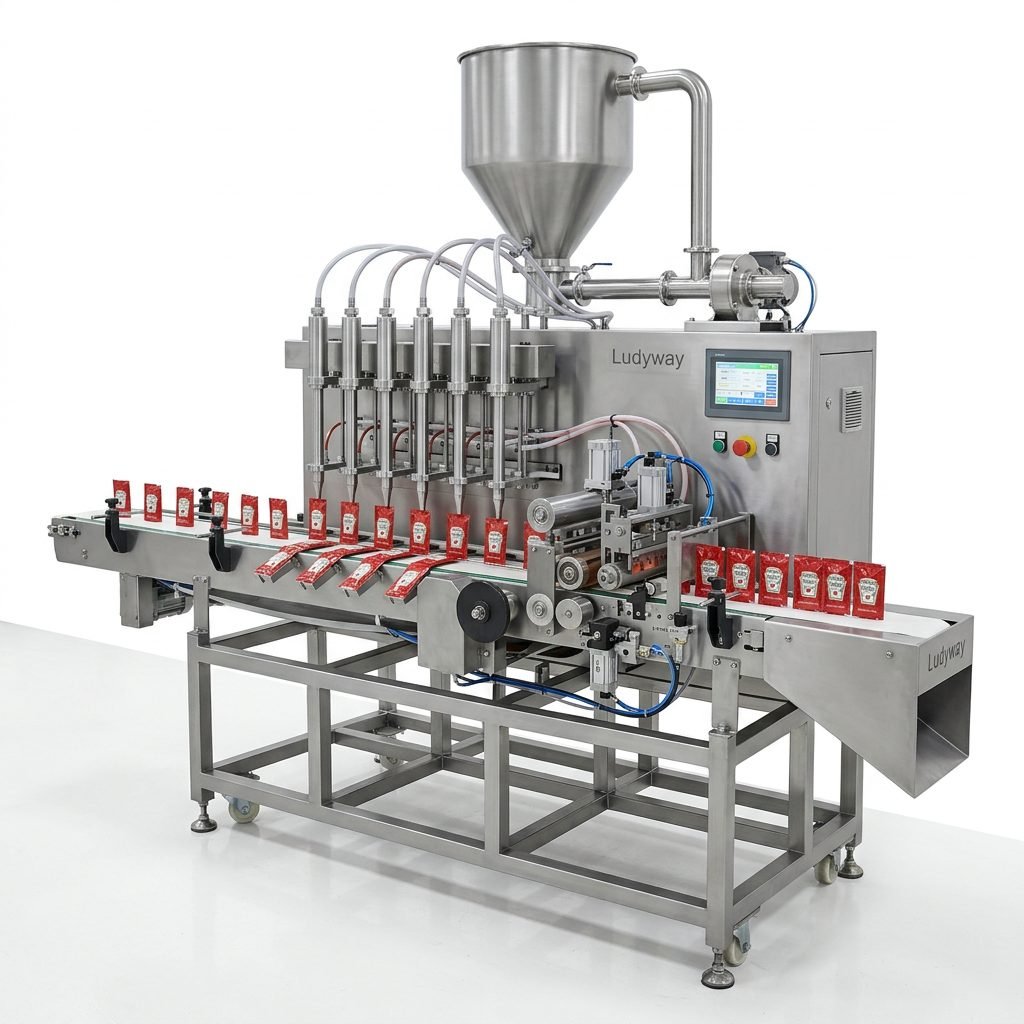
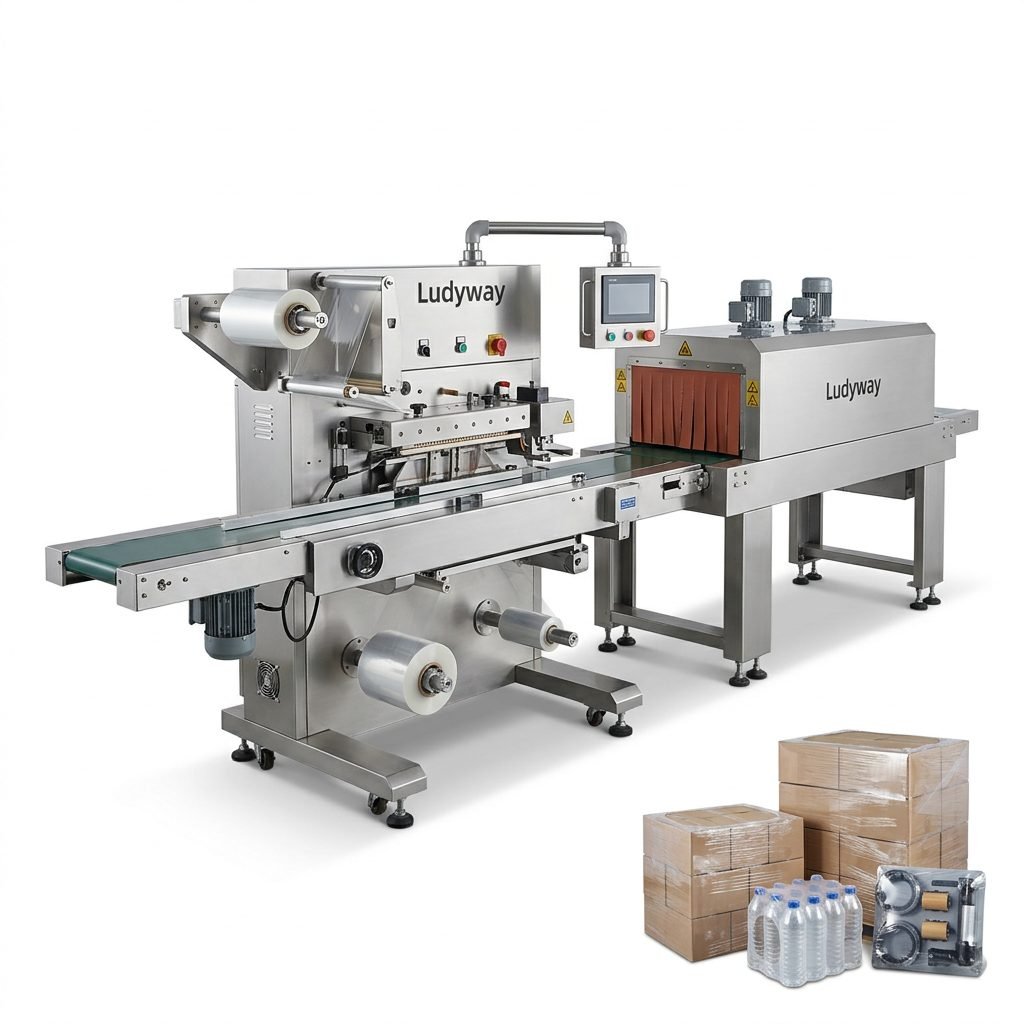
Investing in a MAP packaging machine (Modified Atmosphere Packaging) is a strategic decision for food processors, pharmaceutical manufacturers, and fresh produce exporters across Asia. As demand for extended shelf life and reduced food waste grows, selecting the right equipment from the region’s diverse manufacturing landscape requires careful evaluation. This guide breaks down essential factors, regional advantages, and actionable tips to help you make an informed purchase.
Understanding the MAP Packaging Landscape in Asia
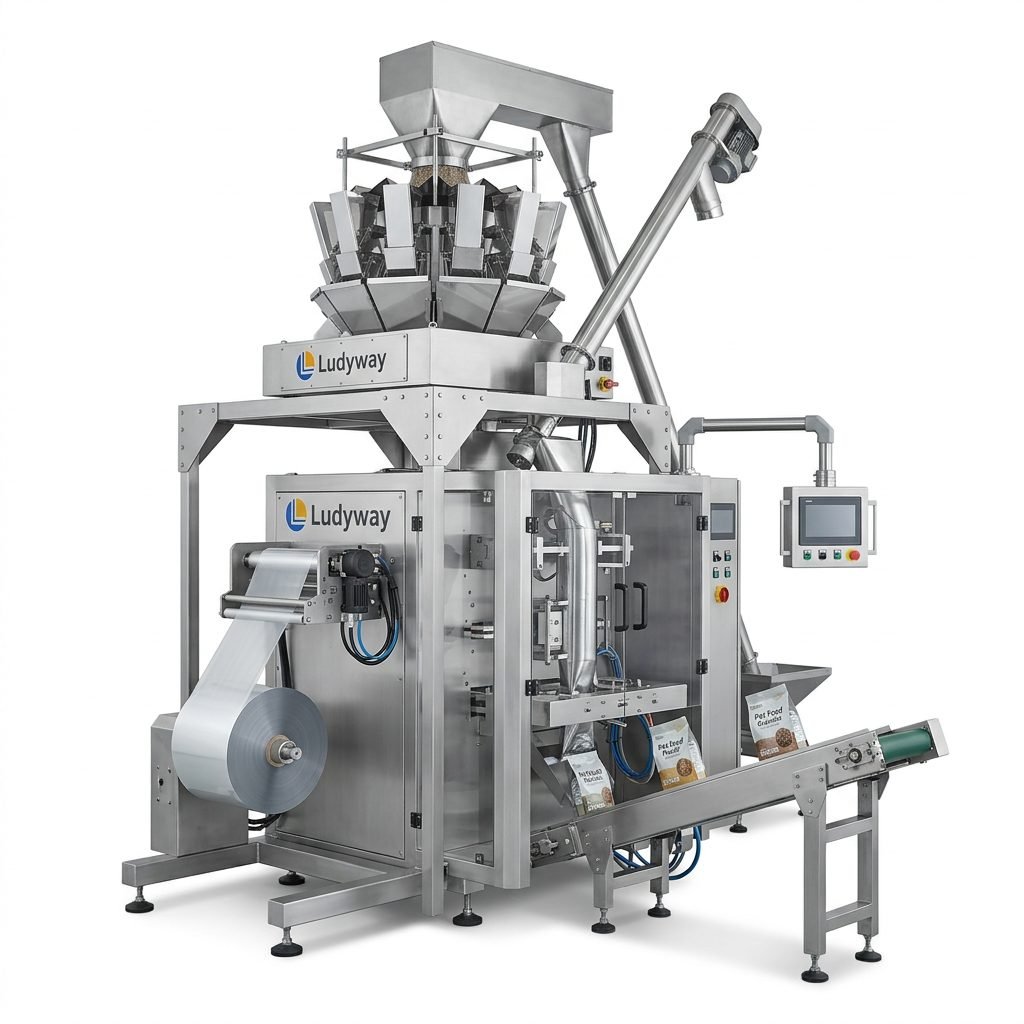
Asia has become a global hub for packaging machinery manufacturing, offering a wide spectrum of technologies from basic vacuum sealers to fully automated turnkey packaging lines. The key markets include China, Japan, South Korea, and India, each with distinct strengths. China dominates in cost-effective, high-volume production and custom turnkey packaging solutions, while Japan and South Korea lead in precision engineering and high-speed automation. Understanding these regional specializations is the first step toward matching a machine to your operational needs.
Key Benefits of Modified Atmosphere Packaging
- Extended Shelf Life: Significantly slows down oxidation and microbial growth.
- Preserved Product Quality: Maintains texture, color, and nutritional value of fresh foods.
- Reduced Food Waste: Longer preservation means fewer returns and spoilage across the supply chain.
- Enhanced Brand Presentation: Clear film packaging with a premium look attracts consumers.
Critical Factors When Choosing a MAP Machine Supplier
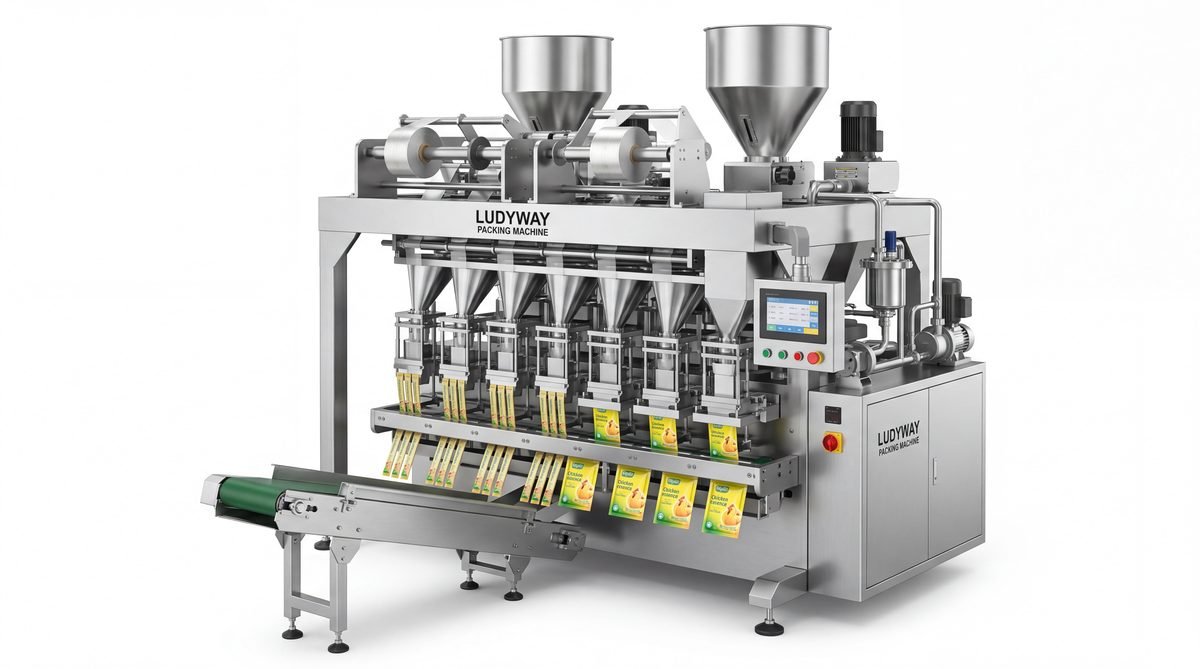
Not all MAP systems are created equal. The gas flushing accuracy, seal integrity, and material compatibility can vary dramatically between manufacturers. Before engaging with suppliers, define your production volume, packaging film requirements, and the specific gas mixture ratios needed for your product category. A machine that excels at packaging fresh pasta may not be optimal for granule, powder, or liquid sachet applications.
Technical Specifications to Evaluate
| Specification | Why It Matters | Ideal Benchmark |
|---|---|---|
| Gas Flushing Accuracy | Residual oxygen levels below 1% are often required for sensitive products like meat or cheese. | ≤ 0.5% Residual O2 |
| Sealing Integrity | Poor seals lead to gas leakage and product spoilage, directly impacting shelf life claims. | Consistent, leak-proof seals with minimal wrinkle |
| Machine Speed & Output | Must align with your daily production targets without compromising package quality. | Varies from 30 to 120+ packs per minute |
| Film Material Compatibility | Machines should handle barrier films, anti-fog films, and recyclable materials effectively. | Multi-layer & mono-material support |
Comparing Asian Manufacturing Hubs: A Quick Overview
Choosing the country of origin for your MAP machinery involves balancing cost, technology, and after-sales service accessibility. Chinese manufacturers, for instance, have made significant strides in offering high-speed multi-lane packaging systems with competitive pricing and customization flexibility. South Korean and Japanese equipment often features advanced servo-driven controls and long-term reliability.
Sourcing Region Comparison
| Country/Region | Primary Strength | Typical Lead Time |
|---|---|---|
| China | Cost-effective, highly customizable, wide model range | 4-10 weeks |
| Japan | Precision engineering, advanced automation, reliability | 8-16 weeks |
| South Korea | High-speed servo technology, robust construction | 6-12 weeks |
| India | Emerging supplier base, growing technical capability | 6-14 weeks |
Tips for a Successful Procurement Process
Navigating the Asian machinery market requires a structured approach. Beyond the technical specs, you should prioritize suppliers with a proven track record in your specific industry segment. Requesting video demonstrations of the machine running with your actual product and film is a critical step that cannot be skipped. This provides tangible proof of performance before any financial commitment is made.

A Checklist for Evaluating Machinery Suppliers
- Verify Export Experience: Check references from clients in your region or with similar product applications. A supplier serving over 100 countries, for example, indicates global acceptance.
- Inspect Core Components: Ask about the brand and origin of key parts like PLCs, sensors, and gas mixing valves. Branded components often mean better local service support.
- Clarify After-Sales Support: Confirm if remote video assistance, on-site commissioning, and spare parts availability are included. Downtime is expensive.
- Evaluate Facility Scale: A supplier with a substantial manufacturing footprint (e.g., 20,000㎡+ production facility) generally indicates stronger production capacity and quality control systems.
- Request a Factory Audit: Whether virtual or in-person, touring the advanced packaging equipment manufacturing floor reveals much about workmanship and organizational standards.
Common Pitfalls to Avoid When Buying in Asia
One of the most frequent mistakes is focusing solely on the initial purchase price while underestimating the total cost of ownership. Cheaply priced machines often lack critical features like precise gas mixing systems or durable sealing jaws, leading to high rejection rates and wasted packaging film. Another pitfall is ignoring the compatibility of the machine with locally available packaging materials. Always test with the films you intend to use daily.
Warning Signs of an Unreliable Partner
- Reluctance to provide client references or live machine demonstrations.
- Unwillingness to disclose the brands of critical electronic and pneumatic components.
- Vague or missing documentation regarding installation, operation, and maintenance procedures.
- Over-promising extreme speeds without disclosing the conditions or film limitations required to achieve them.
Integrating MAP Technology into Complete Production Lines
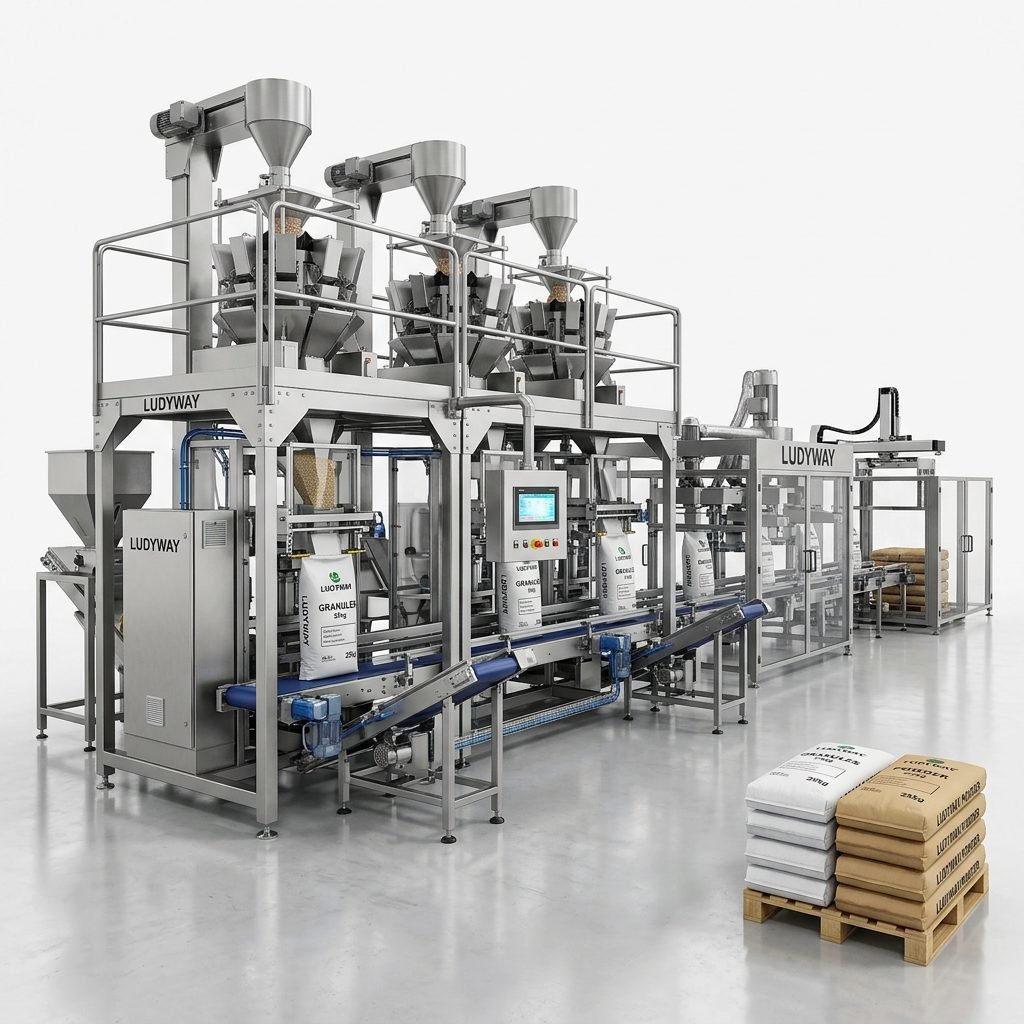
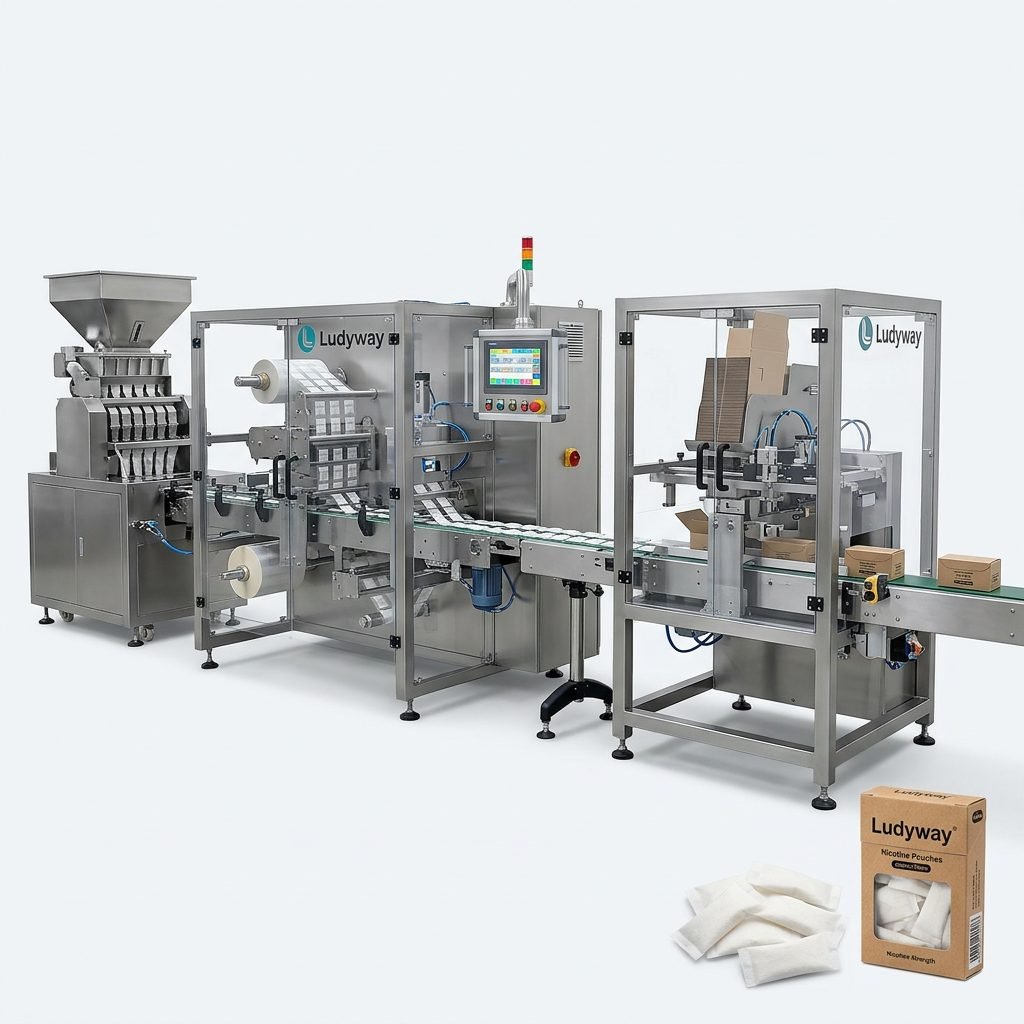
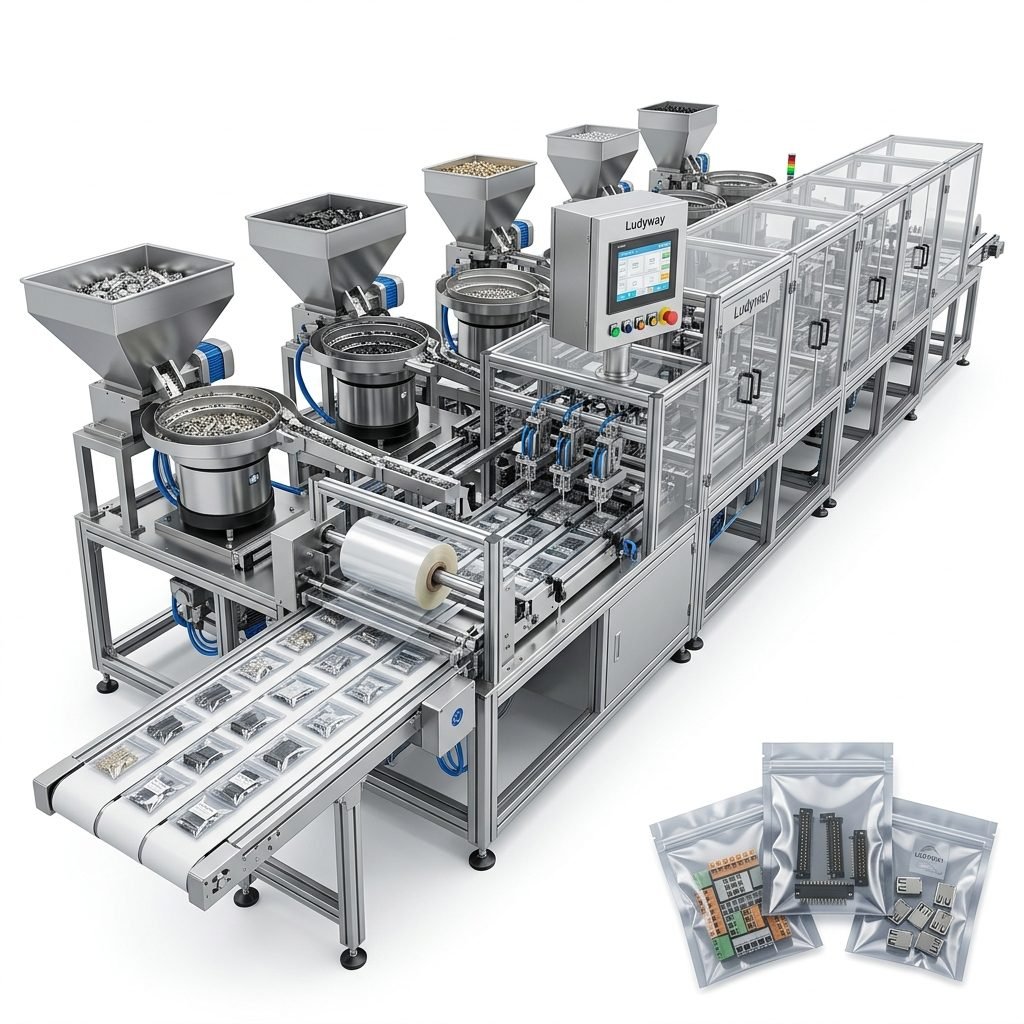
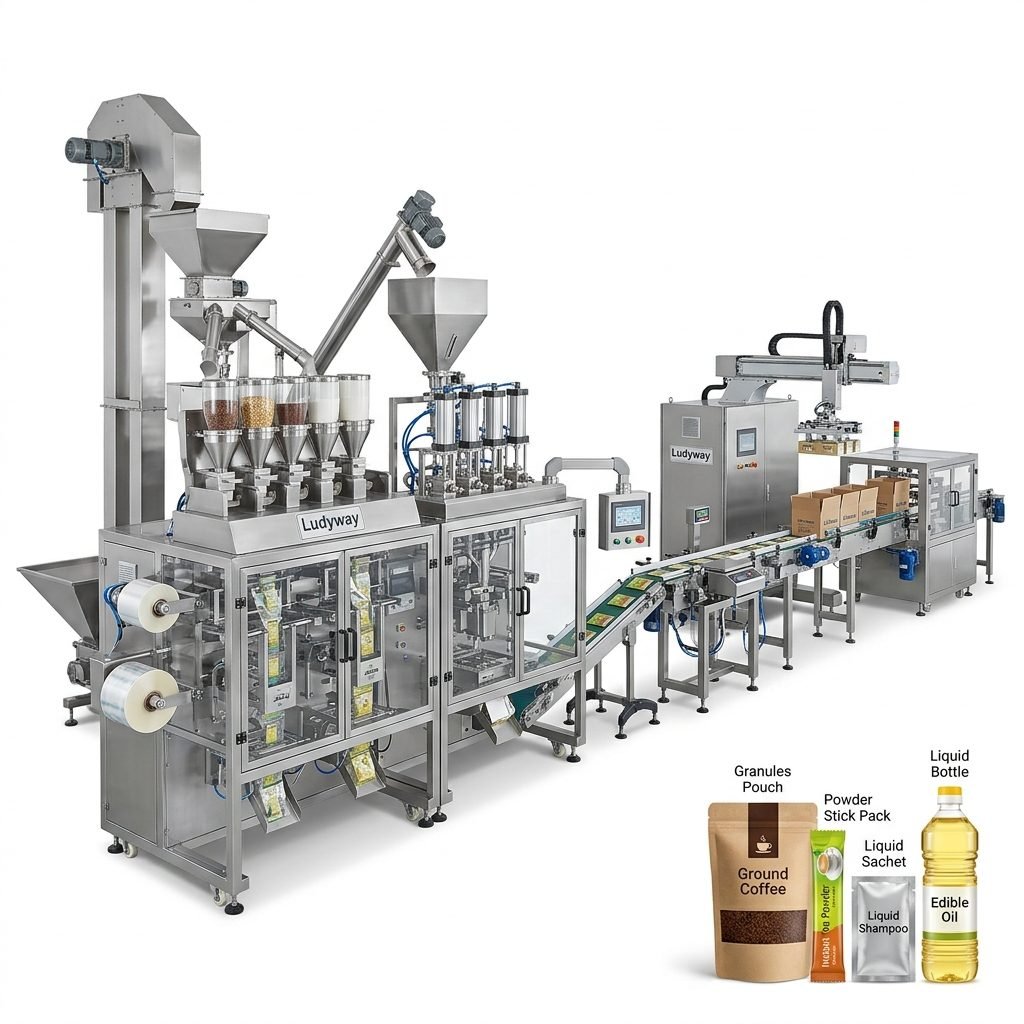
For many businesses, a standalone MAP machine is insufficient. The real efficiency gains come from integrating the packaging unit with upstream and downstream equipment. Automated weighing, filling, and cartoning systems create a seamless flow that minimizes manual handling and contamination risks. When exploring the market, consider suppliers who can provide integrated line solutions rather than isolated machines. This holistic approach ensures that all components communicate effectively and that there is a single point of accountability for the entire line’s performance.
Industry Standards and Compliance Resources
Staying updated with international packaging standards is essential for export-oriented manufacturers. Authoritative organizations provide valuable guidelines on food contact materials, gas purity, and machine safety:
- FDA – Food Packaging and Food Contact Substances
- ISO – Packaging Standards Collection
- Flexible Packaging Association – Industry Resources
- European Commission – Packaging and Packaging Waste Regulation
Making the Final Decision: Balancing Cost and Long-Term Value
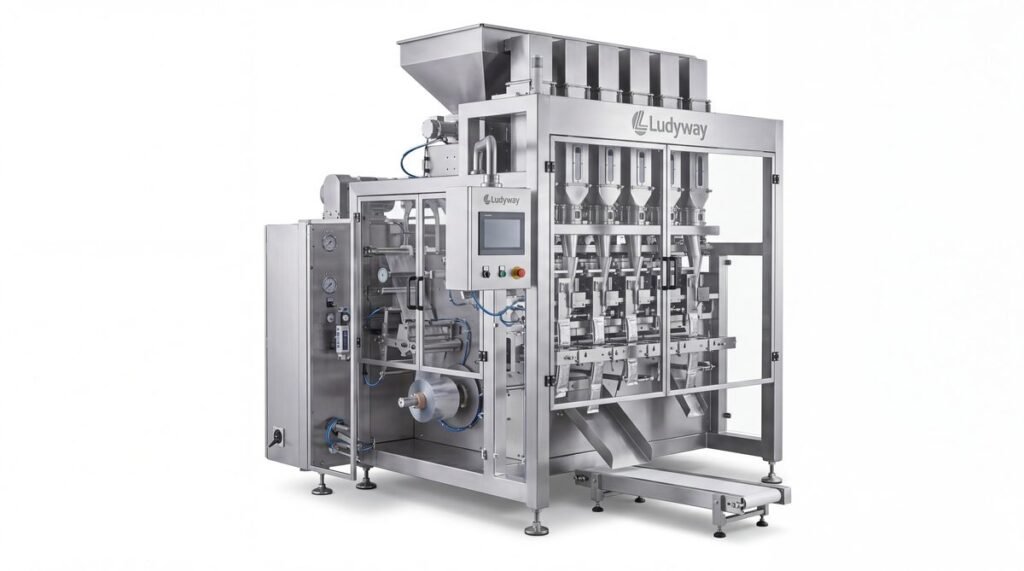
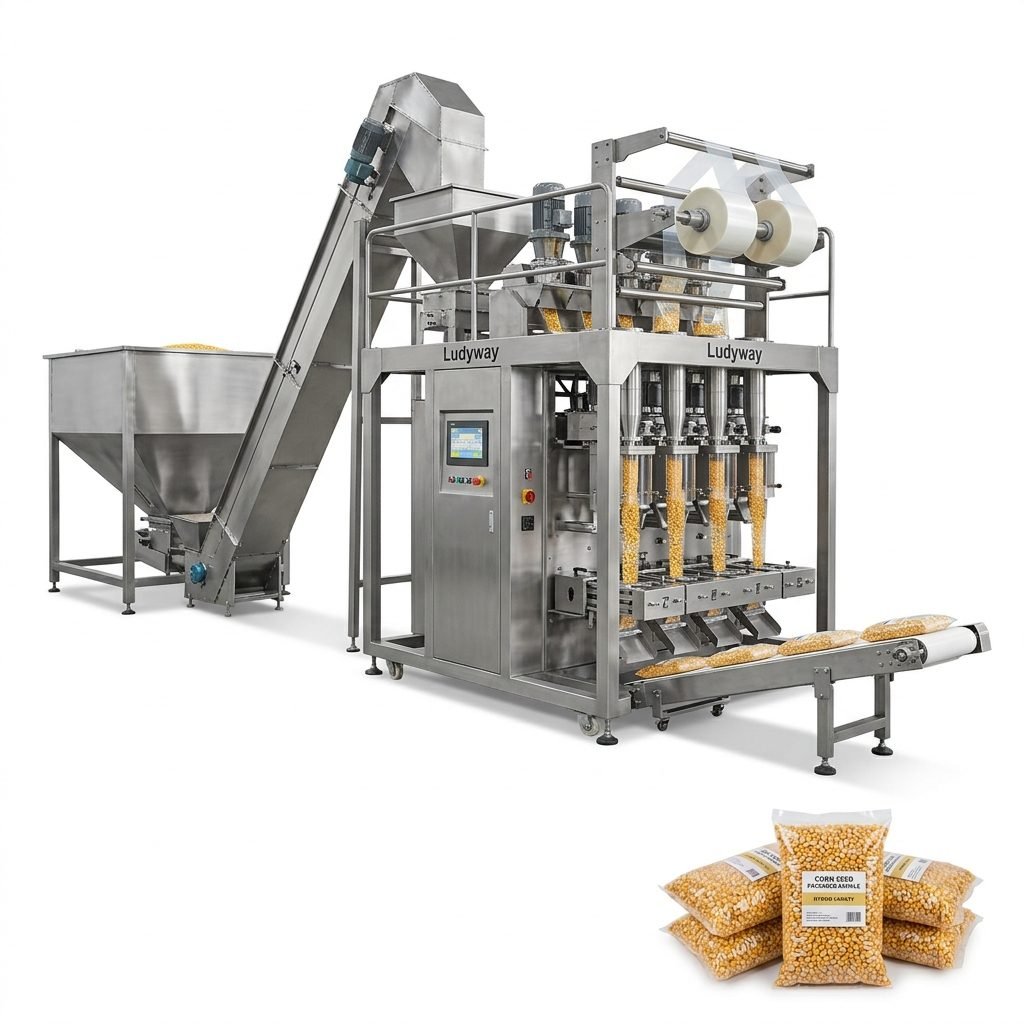
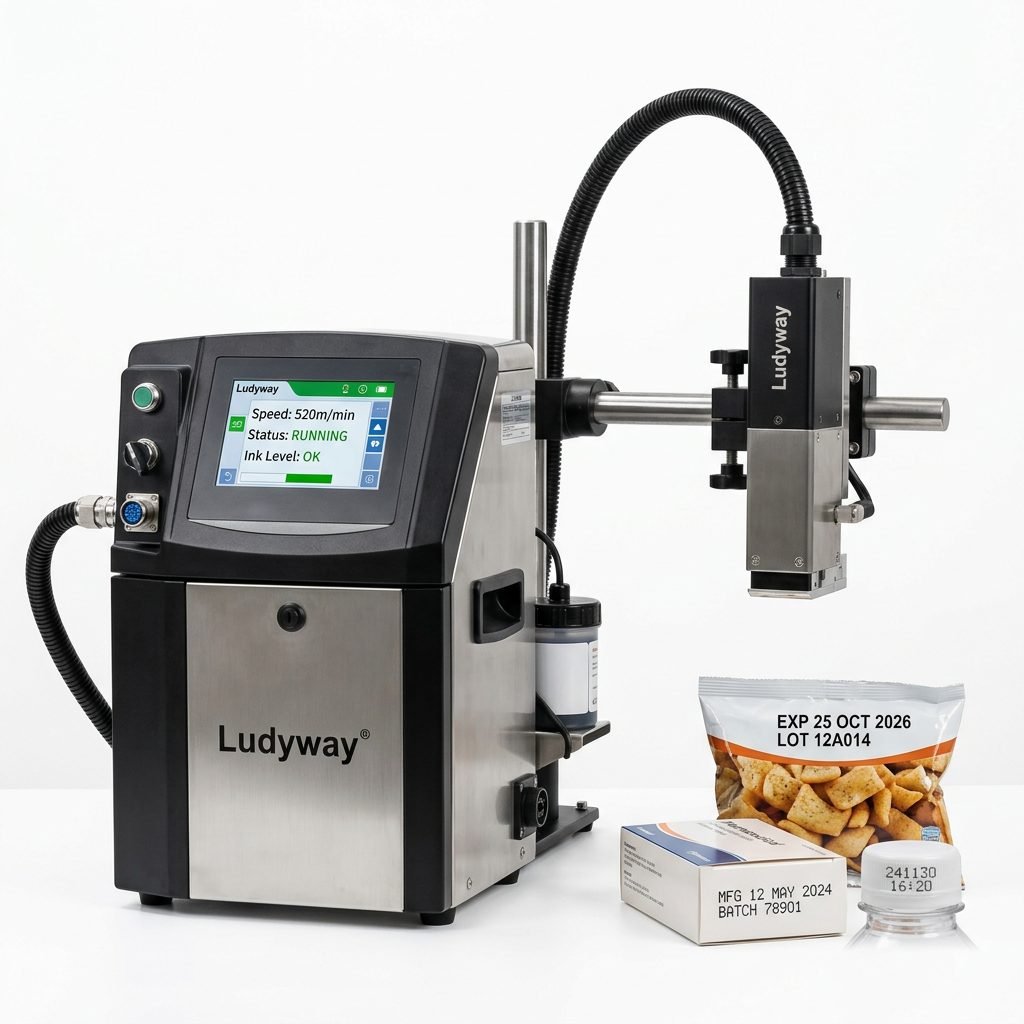
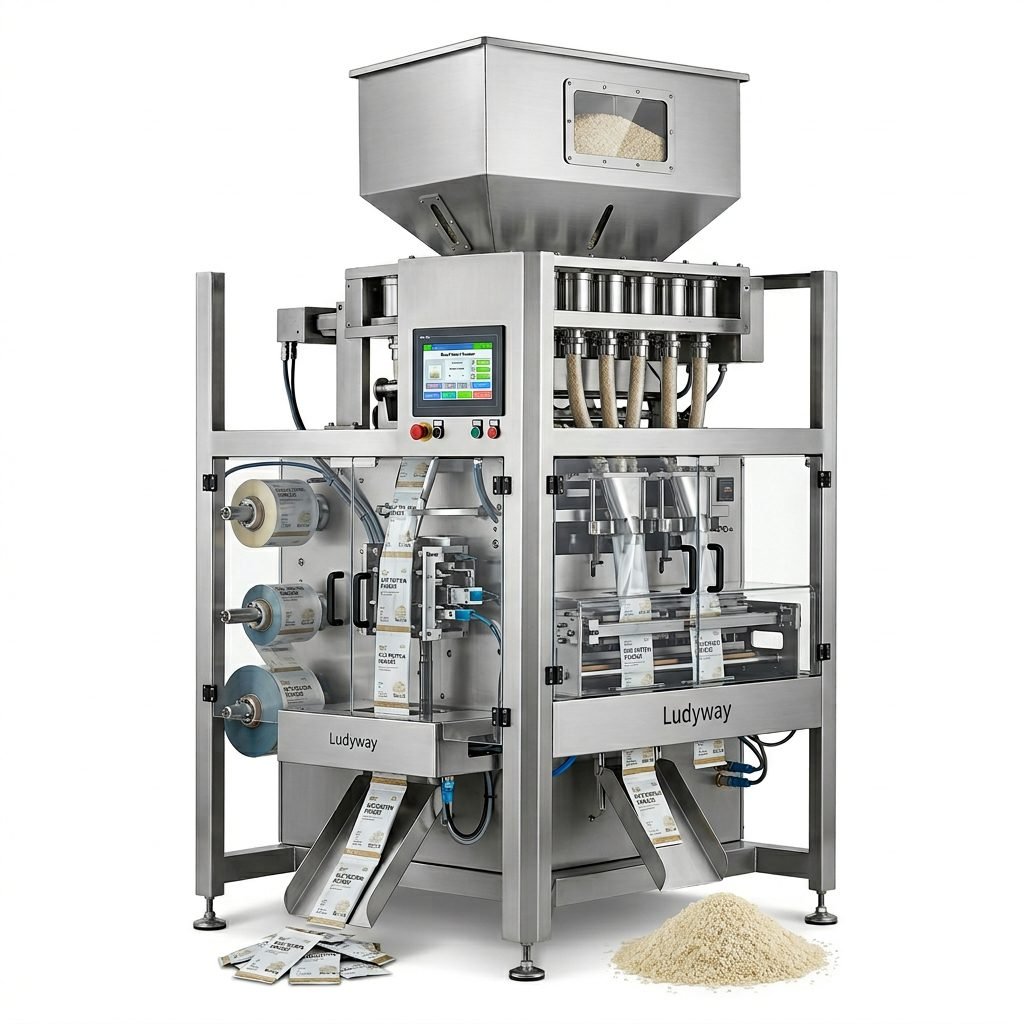
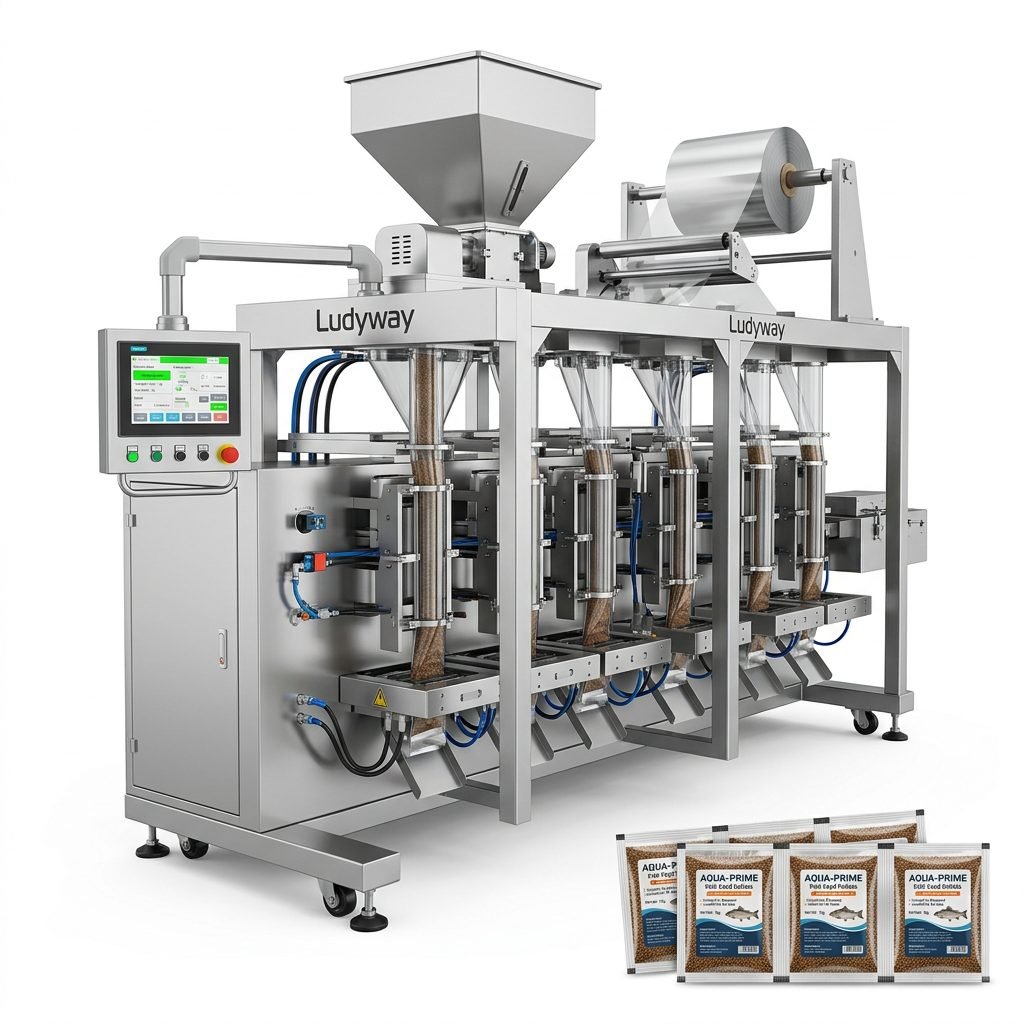
The right MAP machine is not simply the most expensive or the cheapest option; it is the one that aligns most closely with your product range, growth plans, and operational reality. Evaluate the machine’s track record with products similar to yours. For instance, a company like Ludyway, which specializes in advanced packaging equipment and turnkey production solutions for the food, pharmaceutical, and health industries, offers a range of over 50 intelligent packaging machine models developed from 30 years of industry expertise. Partnering with an experienced OEM that understands diverse applications—from granule and powder handling to liquid pouch packaging—can significantly de-risk your investment.
Ultimately, a thorough due diligence process that tests not only the machine but also the manufacturer’s support ecosystem will position you for a successful, long-term operation in the competitive packaged goods markets of Asia and beyond.
Key Questions to Ask Before Signing a Contract
- Can you run a comprehensive test with our specific product formulation and target packaging film?
- What is the guaranteed gas consumption rate per cycle and residual oxygen level in the sealed pack?
- How quickly can critical spare parts be shipped to our facility location?
- Does the warranty cover both parts and labor for on-site repairs, and what are the terms?