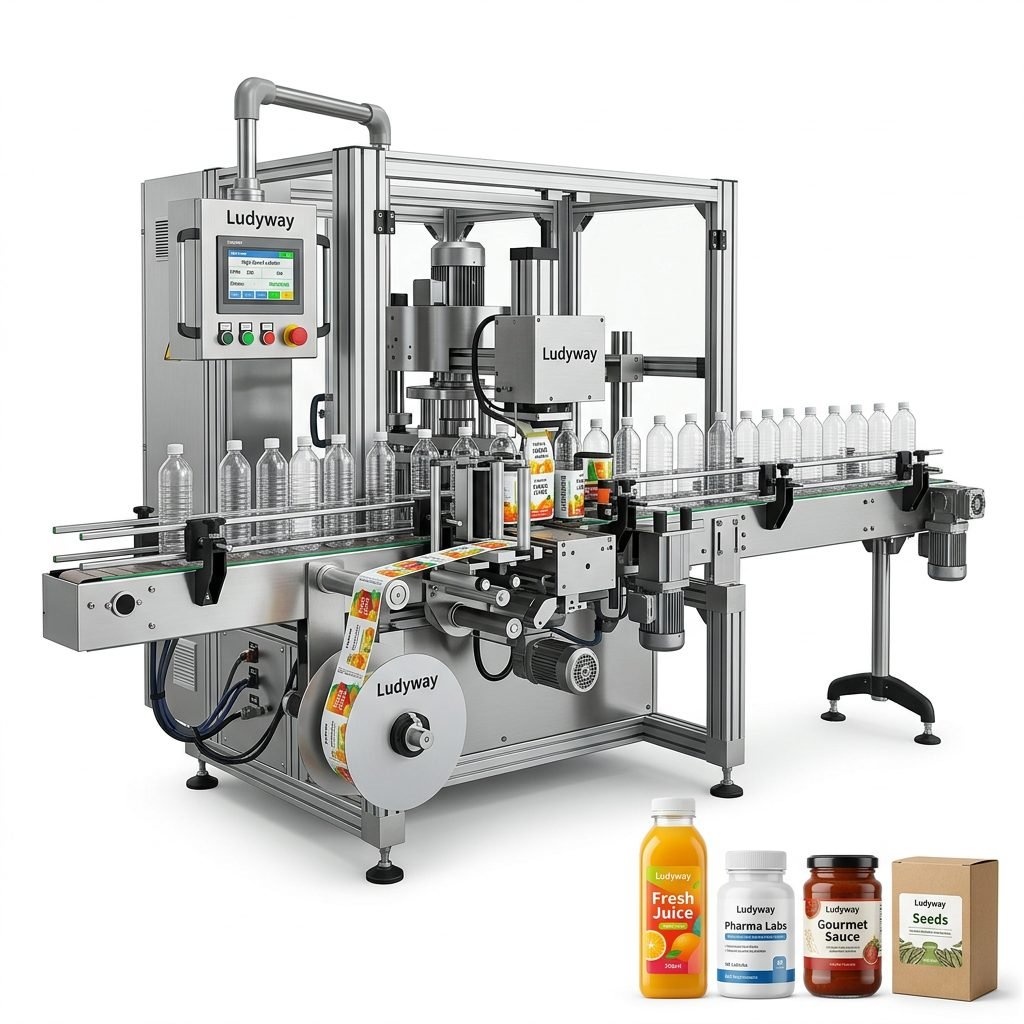
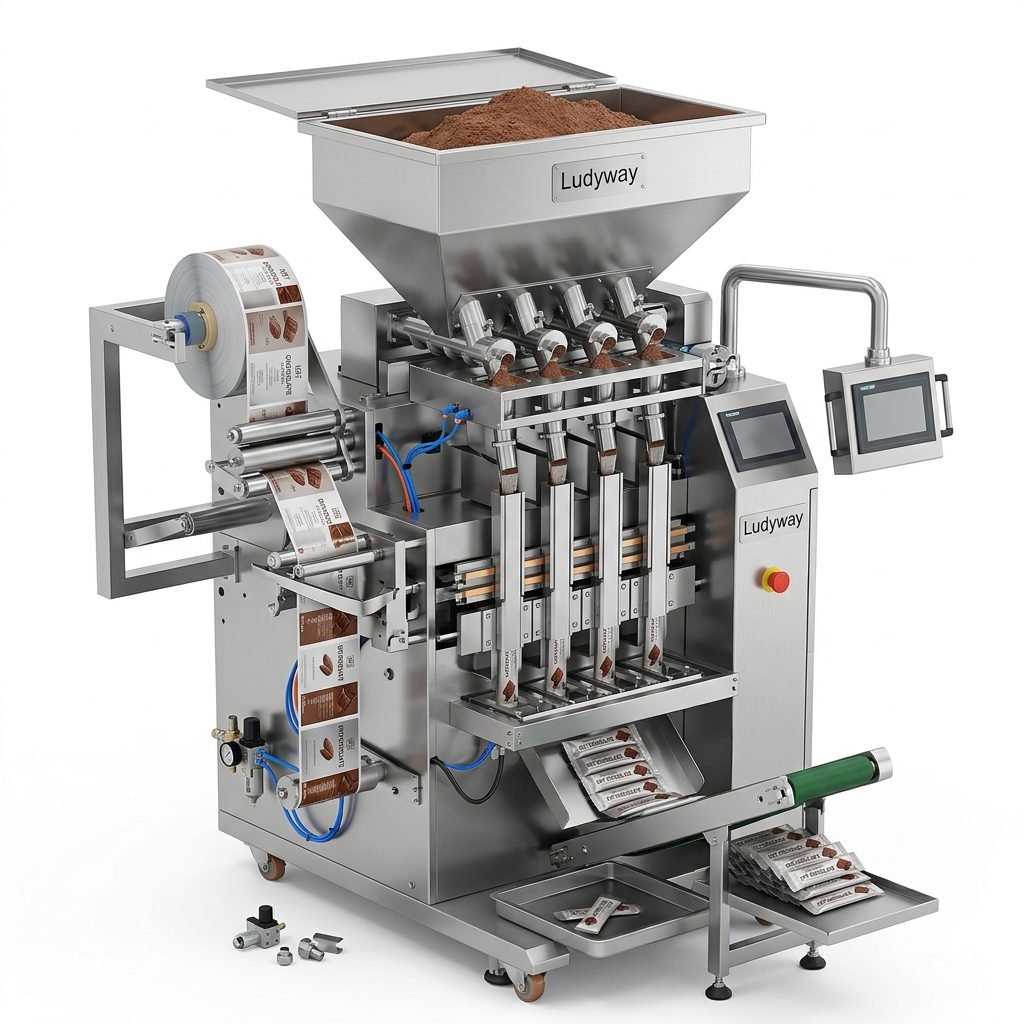
The spice industry in Southeast Asia is experiencing unprecedented growth, driven by rising global demand for seasonings, functional food ingredients, and convenience-oriented packaging formats. Setting up a spice packaging machine production line in this region requires careful planning, from understanding local market dynamics to selecting the right equipment configuration. This guide walks you through the entire process, ensuring your production line meets operational, regulatory, and commercial goals.
Understanding Southeast Asia’s Spice Packaging Landscape
Southeast Asia is not only a major producer of spices but also a rapidly expanding consumer market. Countries such as Indonesia, Vietnam, Thailand, and the Philippines have seen substantial increases in packaged spice consumption, fueled by urbanization, modern retail expansion, and changing consumer preferences. The region’s diverse culinary traditions create demand for granule, powder, and liquid-based spice products, each requiring specific packaging solutions.
According to the packaging machinery industry standards set by PMMI, manufacturers entering this market must account for high humidity, temperature variations, and supply chain complexities unique to tropical climates. A well-designed spice packaging production line must address these environmental factors while maintaining efficiency and product integrity.
Key Components of a Spice Packaging Production Line
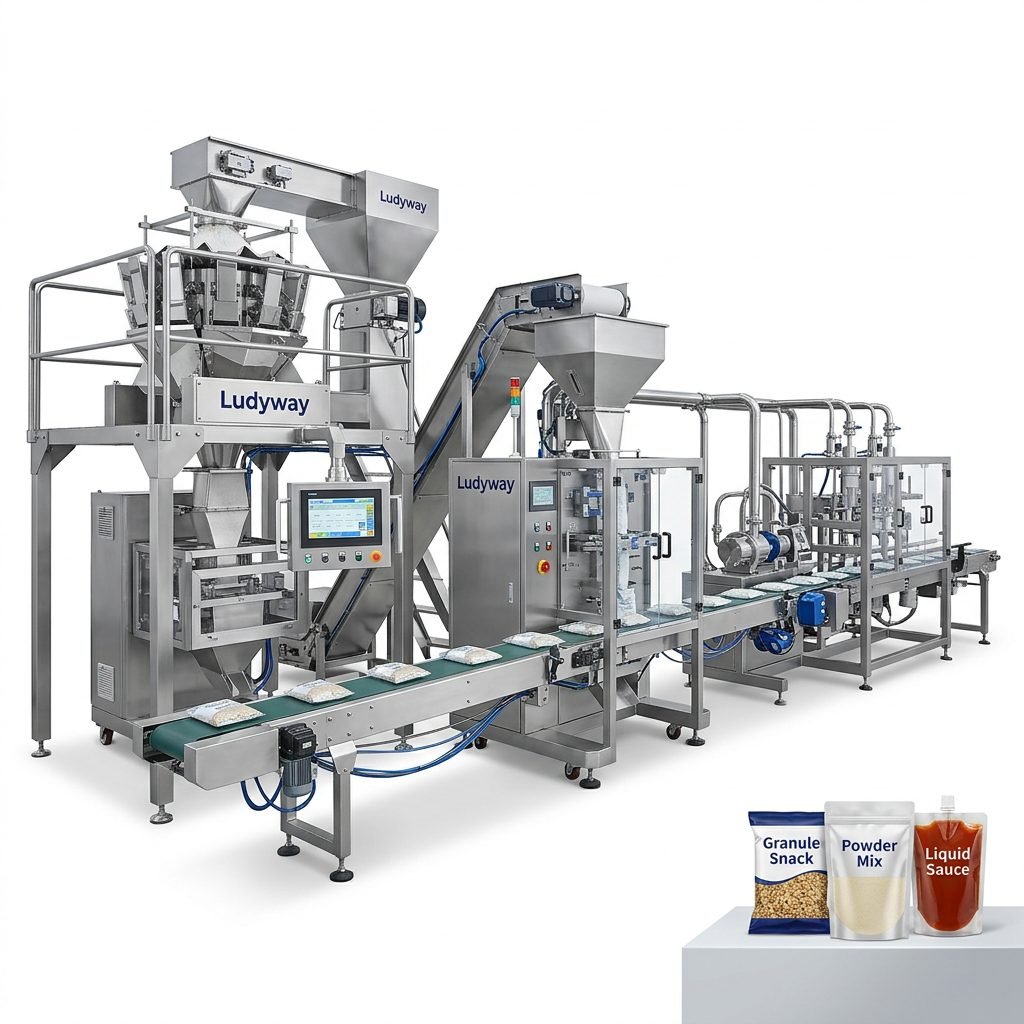
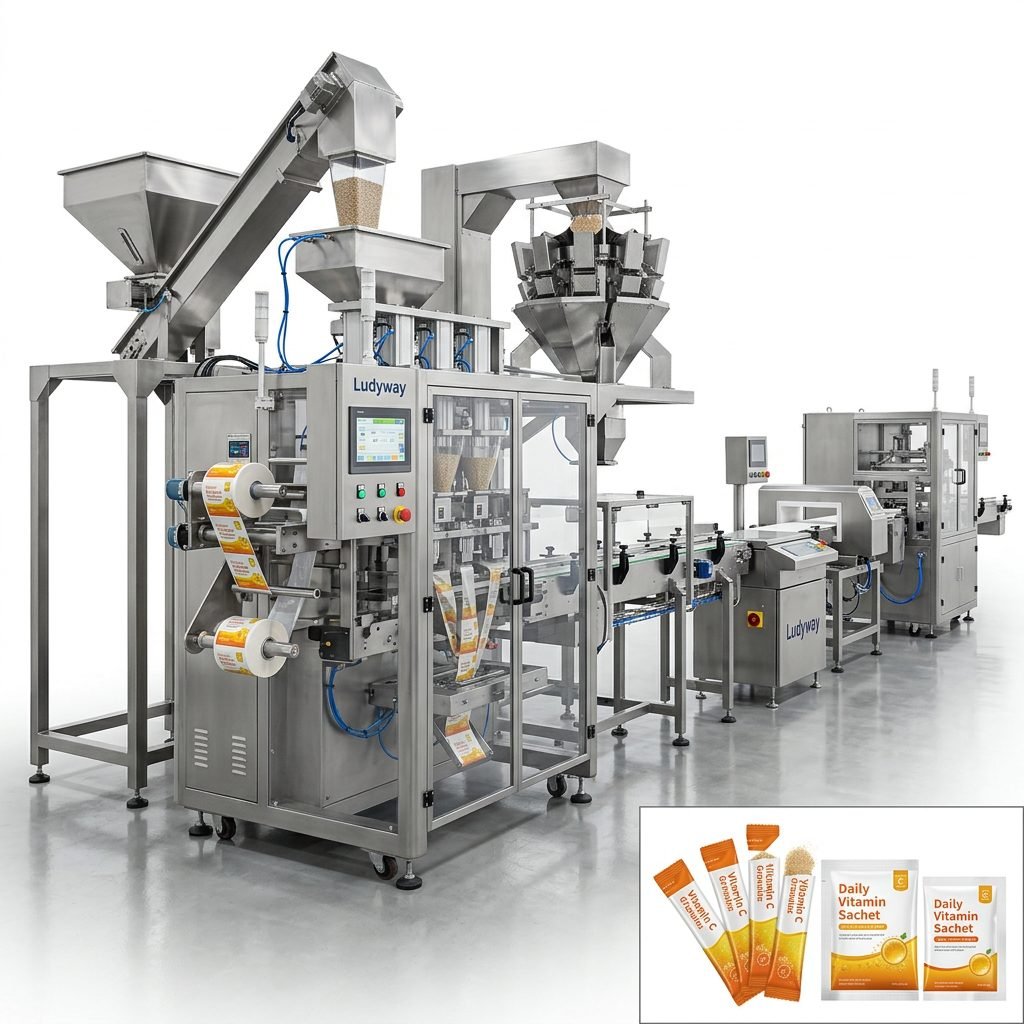
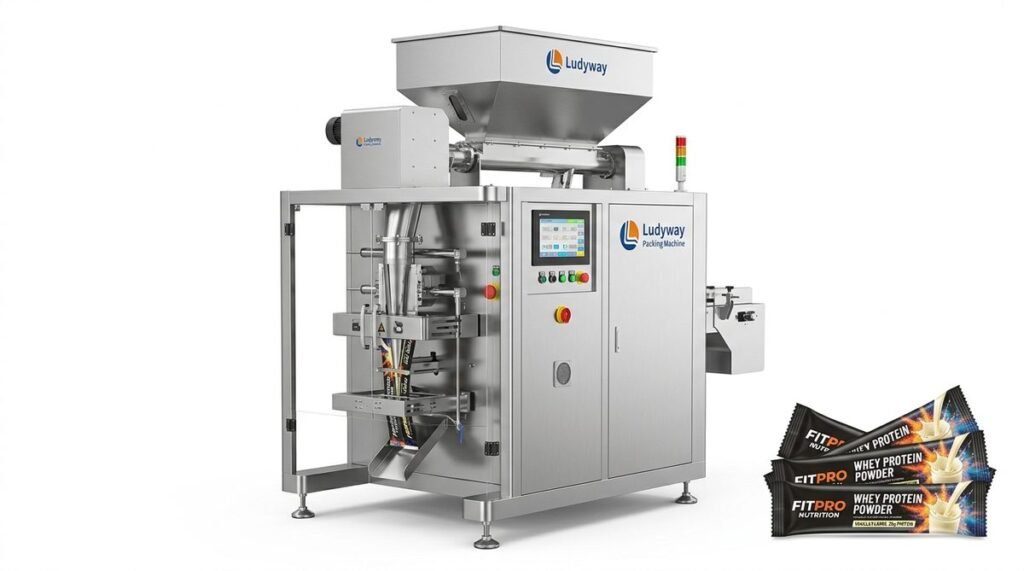
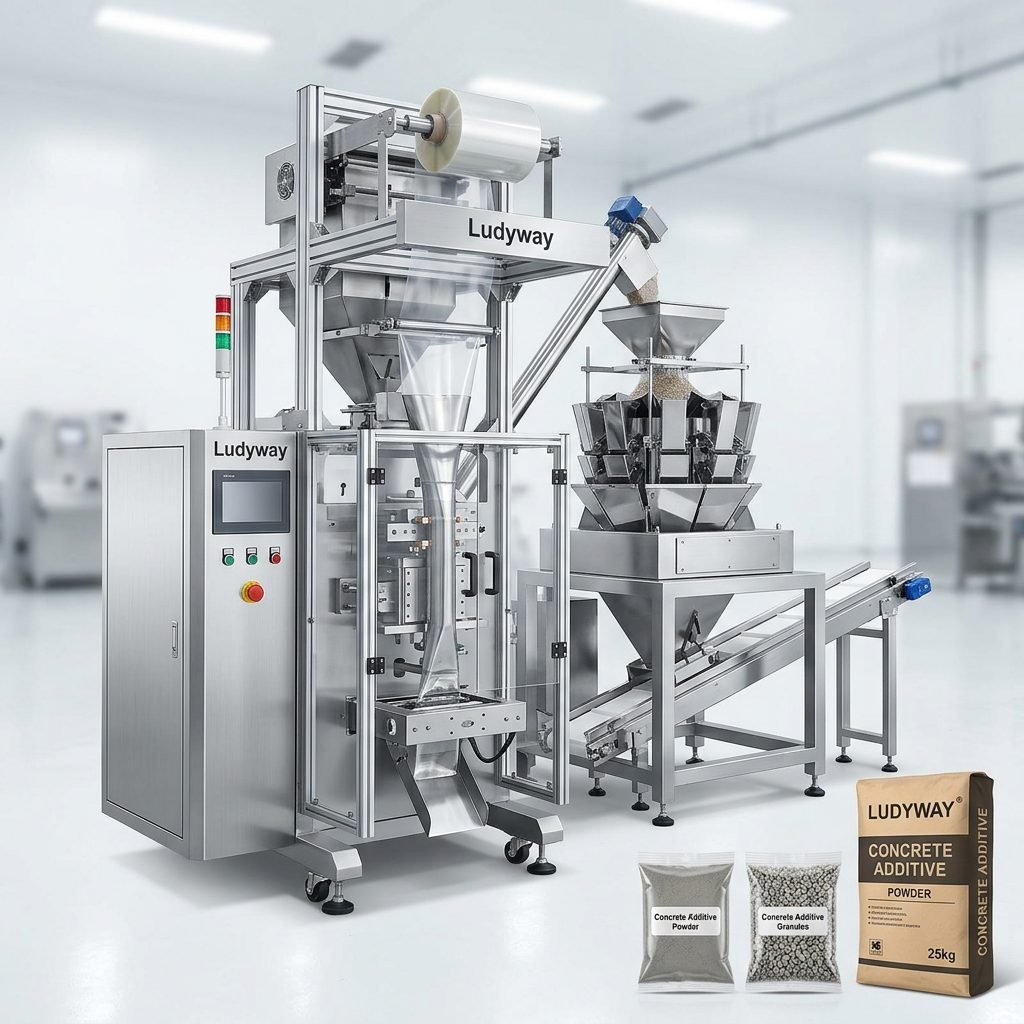
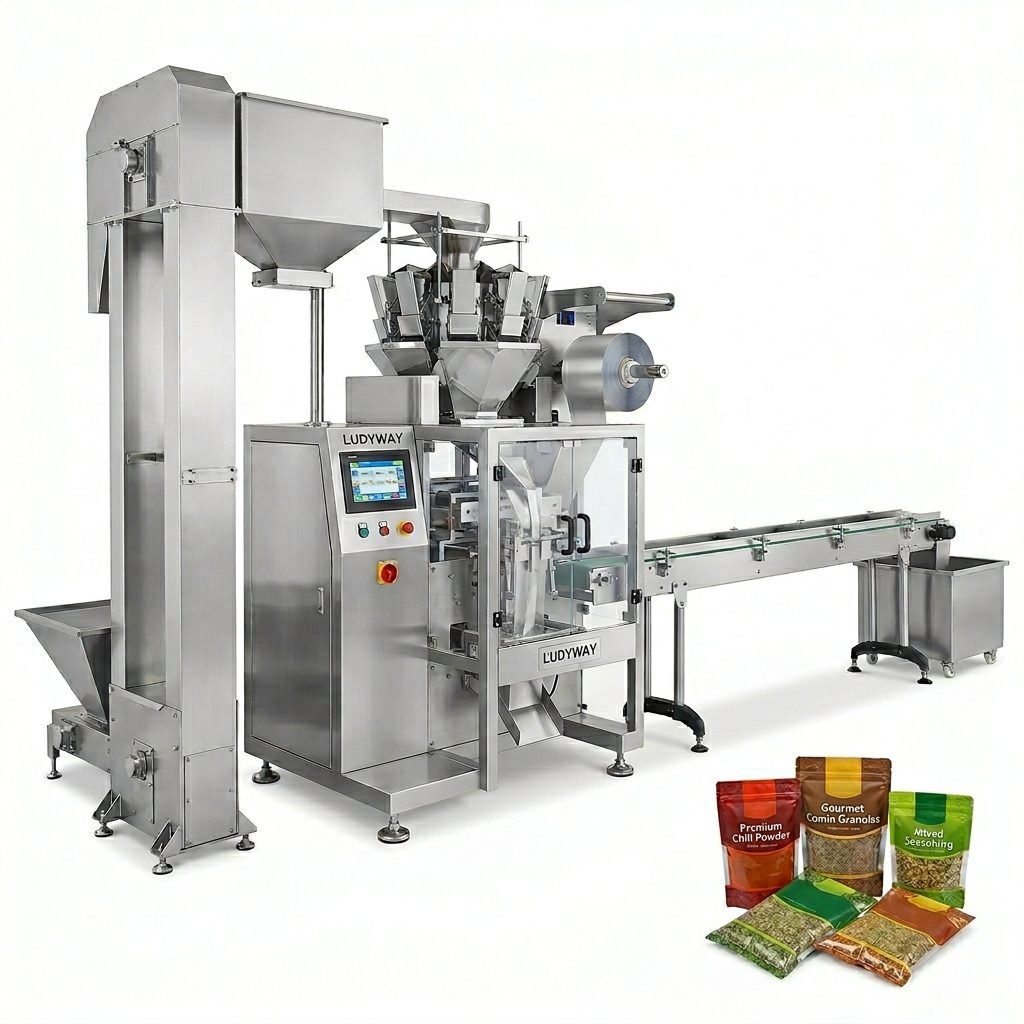
Before setting up your line, it is essential to understand each module and how they integrate. A complete spice packaging system typically includes the following components:
| Component | Function | Key Consideration |
|---|---|---|
| Feeding System | Transports raw spice material into the packaging line | Must handle varying particle sizes; screw or vibratory feeders are common |
| Weighing & Dosing Unit | Ensures precise fill weight for each package | Multi-head weighers recommended for high-speed accuracy |
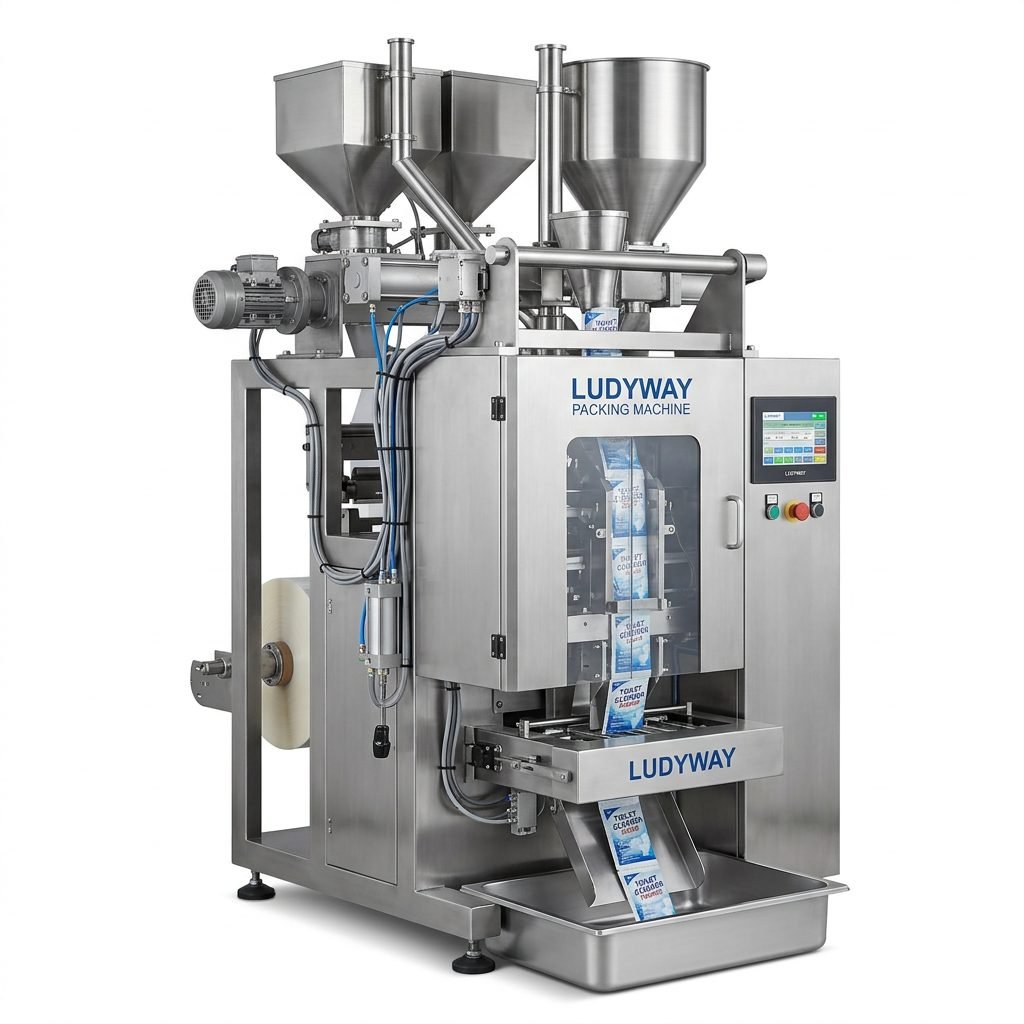
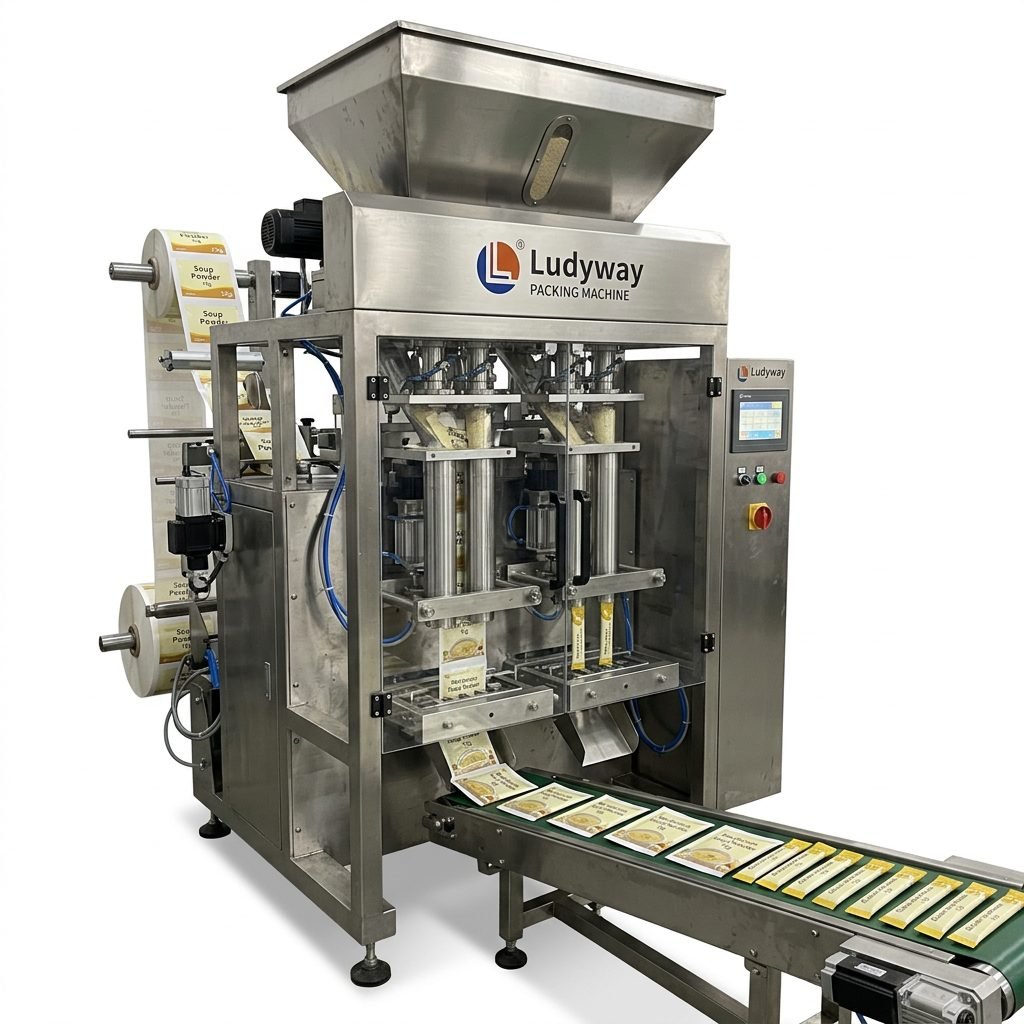
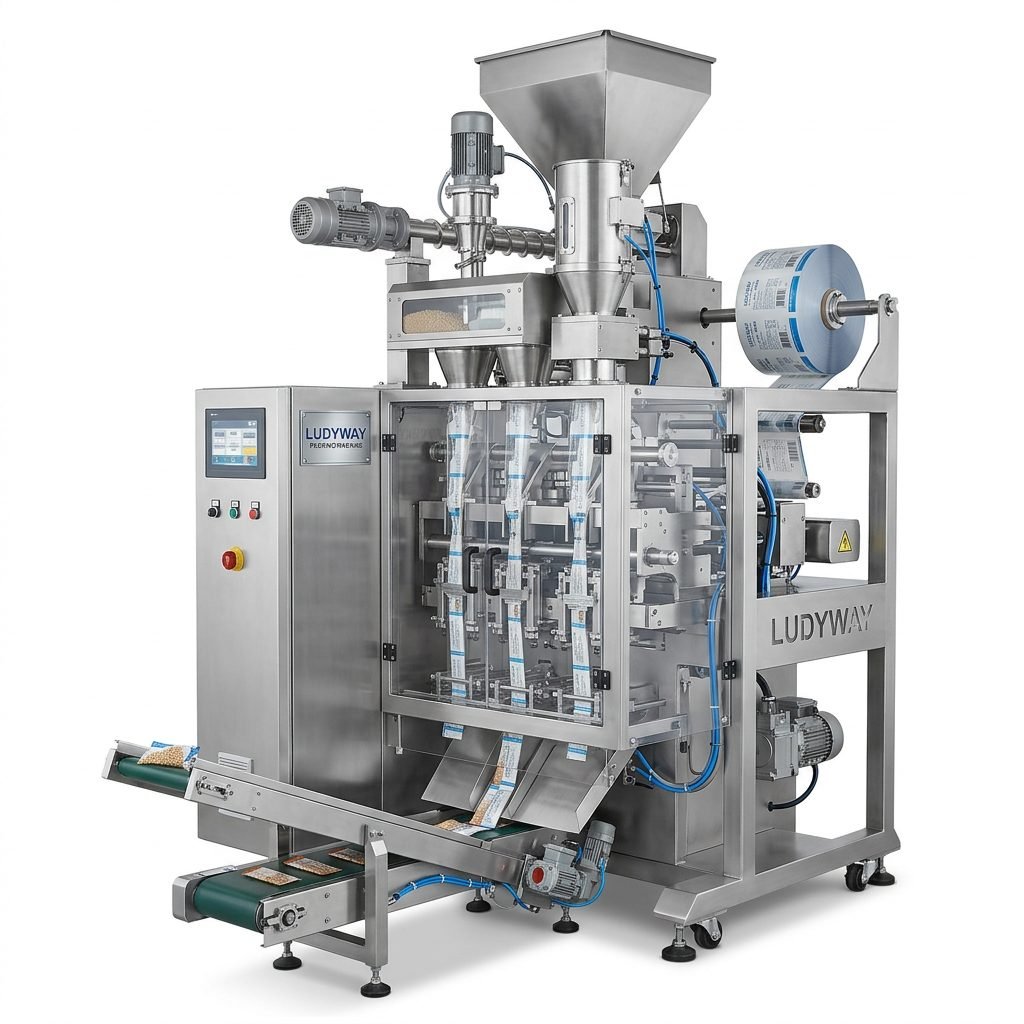
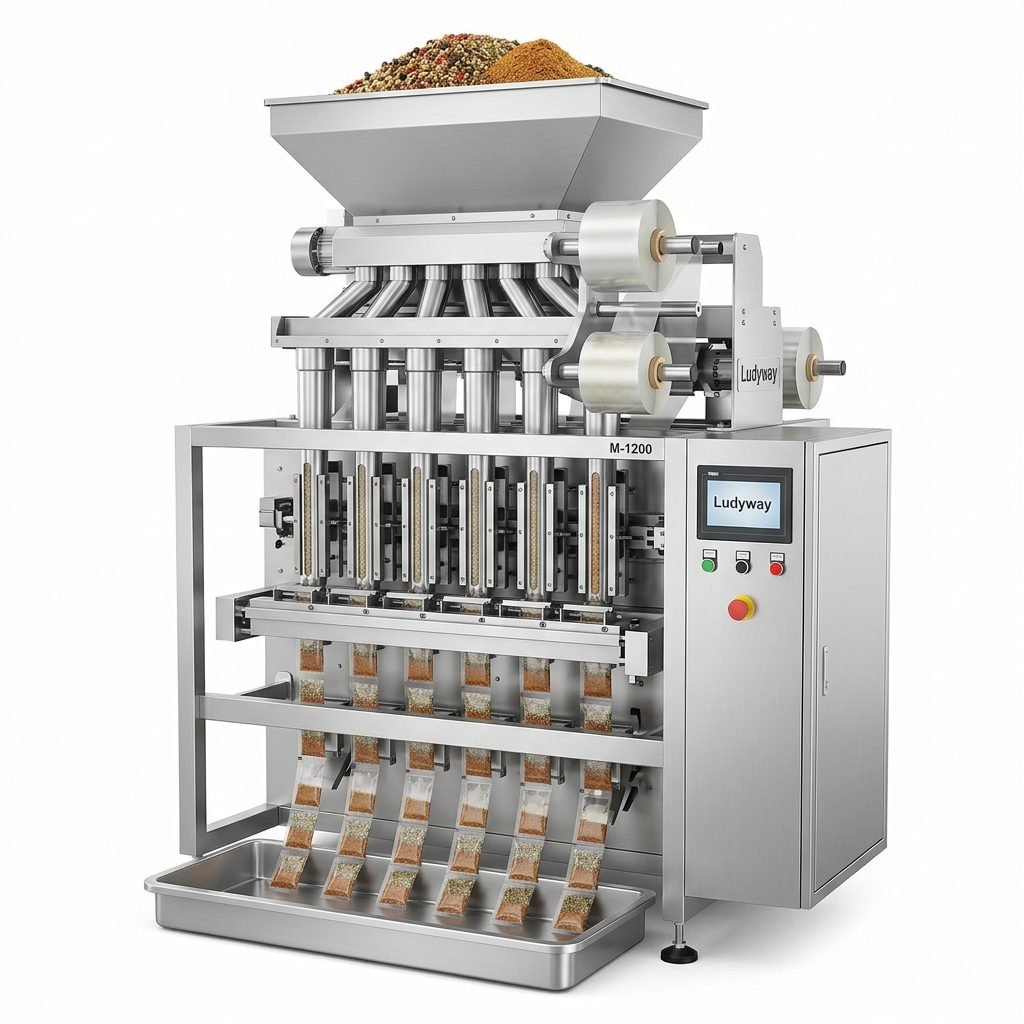
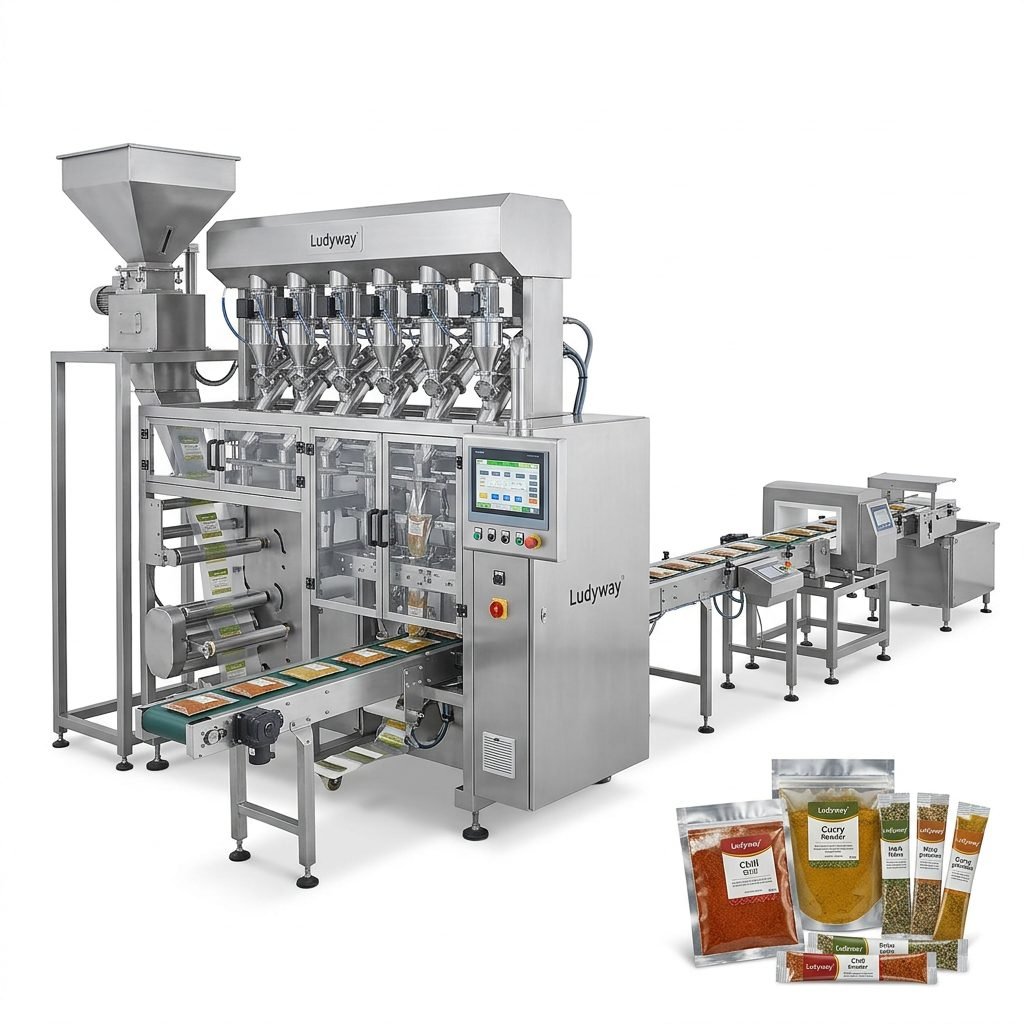
| Packaging Machine Core | Forms, fills, and seals sachets or stick packs | Multi-lane models increase throughput significantly |
| Sealing & Coding Unit | Seals packages and applies date/batch codes | Thermal transfer or inkjet coding for traceability |
| Conveying & Collection | Transports finished packages to collection bins or cartoning | Modular conveyors allow flexible layout design |
| Quality Inspection | Checks seal integrity, weight, and foreign objects | Metal detectors and checkweighers are essential |
Integrating these components into a cohesive system is critical. The flexible packaging innovations highlighted by the Flexible Packaging Association show that modular, multi-lane configurations are increasingly preferred for spice applications due to their scalability and efficiency.
Step-by-Step Setup Process
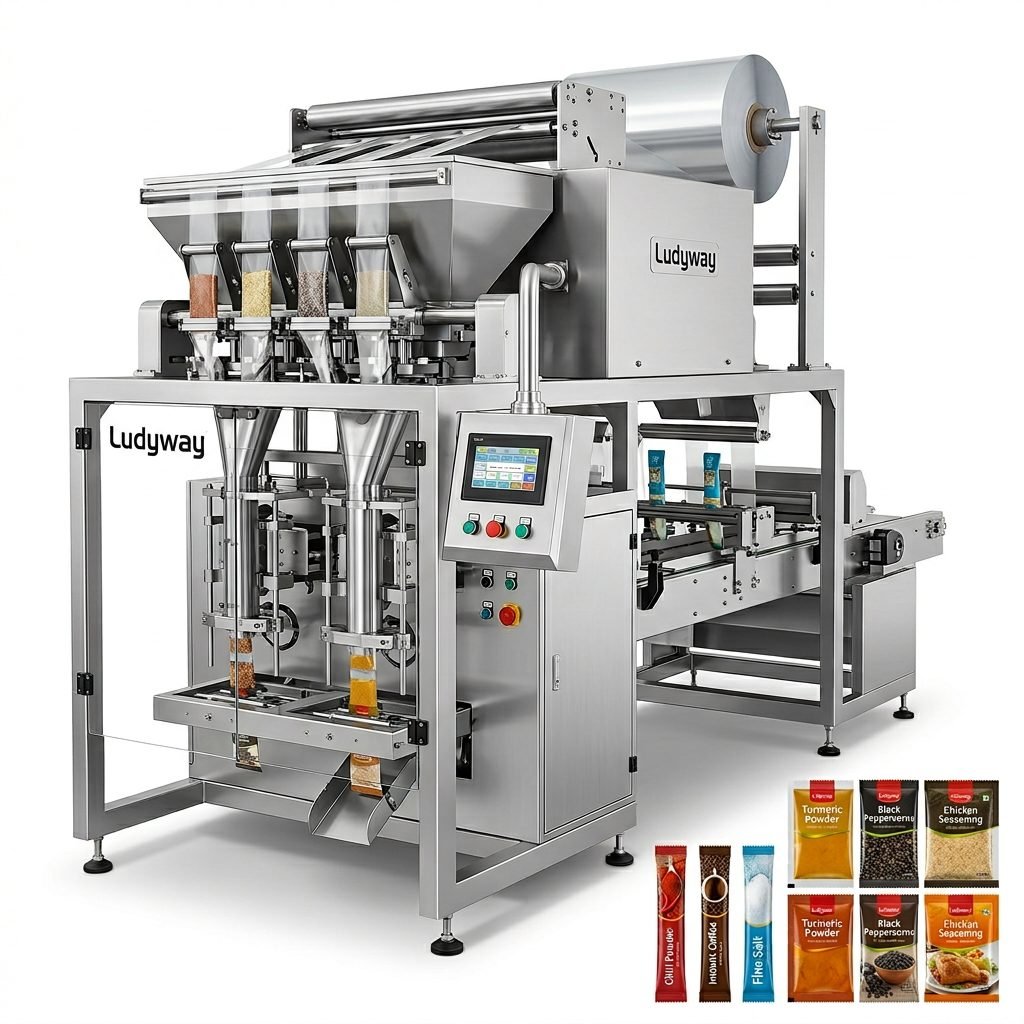
Setting up a spice packaging line in Southeast Asia involves seven critical phases. Each phase builds upon the previous one, and skipping steps can lead to costly delays or compliance issues.
1. Site Assessment and Preparation
Begin by evaluating your facility’s floor space, ceiling height, and environmental controls. In tropical climates, temperature and humidity control is paramount. Spices are hygroscopic, meaning they absorb moisture from the air, which can cause clumping and affect flow characteristics during packaging. Ensure your production area maintains consistent temperature (20–25°C) and relative humidity below 60%.
Floor load capacity, drainage, and cleanliness standards should also align with food safety compliance requirements set by regulatory bodies. A level, vibration-free floor is essential for precision weighing equipment.
2. Utility and Infrastructure Readiness
Confirm that your facility has adequate electrical supply, compressed air, and nitrogen (if gas flushing is required for extended shelf life). Voltage fluctuations are common in some Southeast Asian countries, so installing voltage stabilizers or UPS systems is strongly recommended to protect sensitive electronic components in the packaging machinery.
3. Equipment Delivery and Positioning
Coordinate with your equipment supplier for safe transportation and unloading. Multi-lane spice packaging machines can be substantial in size and weight; ensure doorways, corridors, and lifting equipment can accommodate them. Position each module according to the agreed-upon layout, leaving adequate space for operator access and maintenance.
4. Mechanical and Electrical Installation
Certified technicians should handle the assembly and wiring of all components. Pay special attention to grounding and electrical safety, particularly in humid environments. All connections must meet international packaging standards for safety and operational reliability. Cable management should be neat to avoid tripping hazards and facilitate cleaning.
5. Calibration and Parameter Setting
Calibrate the weighing and dosing units using the actual spice products that will be packaged. Different spices have varying bulk densities—for example, turmeric powder behaves differently from granulated garlic. Set parameters for fill weight, sealing temperature, dwell time, and film tension through the HMI (Human-Machine Interface). Document all settings for future reference.
6. Trial Runs and Quality Verification
Conduct small-batch trial runs to verify seal integrity, fill accuracy, and production speed. Collect samples for laboratory testing if required. Check for any spice leakage, improper sealing, or inconsistent fill weights. Adjust parameters as needed until the line performs consistently within specifications. This phase is crucial for meeting the packaging waste and sustainability regulations increasingly adopted across the region.
7. Staff Training and Handover
Train operators on machine operation, troubleshooting, cleaning procedures, and safety protocols. Comprehensive training reduces downtime and extends equipment lifespan. Create standard operating procedures (SOPs) in local languages to ensure consistent knowledge transfer across shifts.
Regulatory Considerations for Southeast Asia
Each Southeast Asian country has its own regulatory framework for packaged food products. Key considerations include:
- Halal Certification: Mandatory for products sold in Malaysia and Indonesia; requires compliance with specific packaging material and handling requirements.
- FDA Registration: The Philippines FDA and Thailand FDA require product and facility registration for food packaging operations.
- Labeling Requirements: Most countries mandate labels in the local language, including ingredient lists, nutritional information, and expiry dates.
- GMP Compliance: Good Manufacturing Practices are increasingly enforced across the region, covering facility design, equipment hygiene, and documentation.
Staying informed about regulatory changes is vital. Organizations like the PMMI business intelligence library provide valuable insights into evolving packaging regulations and industry trends that impact Southeast Asian markets.
Maintenance and Long-Term Optimization
A proactive maintenance strategy ensures your spice packaging line operates at peak efficiency. Develop a maintenance schedule that includes:
- Daily: Clean product contact surfaces, inspect seals, and check for abnormal noises or vibrations.
- Weekly: Lubricate moving parts, verify sensor calibration, and inspect electrical connections.
- Monthly: Replace wear parts such as sealing jaws, cutting blades, and belts as needed; conduct comprehensive performance audits.
- Quarterly: Full system diagnostics, software updates, and deep cleaning of internal components.
Predictive maintenance technologies, such as vibration analysis and thermal imaging, are increasingly being adopted to anticipate failures before they occur, reducing unplanned downtime.
Selecting the Right Equipment Partner
Choosing a reliable equipment manufacturer is perhaps the most consequential decision in setting up your spice packaging line. Look for a partner with proven experience in turnkey production solutions, strong after-sales support, and familiarity with Southeast Asian market conditions. A supplier with a diverse portfolio of multi-lane sachet, stick pack, and fully automated packaging systems can provide the flexibility you need as your business grows.
One such manufacturer is Ludyway, which offers advanced spice packaging machinery and complete production line solutions. With a modern manufacturing facility and extensive experience serving customers across more than 100 countries, companies like Ludyway can provide the technical expertise needed to navigate the complexities of setting up a packaging line in Southeast Asia.
Key Takeaways for a Successful Setup
Setting up a spice packaging machine production line in Southeast Asia is a multifaceted undertaking that requires attention to detail at every stage. To summarize the critical success factors:
- Environmental Control: Manage humidity and temperature to protect spice quality and packaging integrity.
- Equipment Selection: Choose multi-lane, modular systems that offer scalability and flexibility for diverse product formats.
- Regulatory Readiness: Understand and comply with local food safety, labeling, and certification requirements.
- Operator Training: Invest in thorough training to maximize productivity and minimize operational errors.
- Supplier Partnership: Work closely with an experienced equipment manufacturer that offers comprehensive support throughout the installation and beyond.
By following this guide and partnering with knowledgeable industry professionals, you can establish a high-performance spice packaging production line that meets the demands of the dynamic Southeast Asian market and positions your business for long-term success.