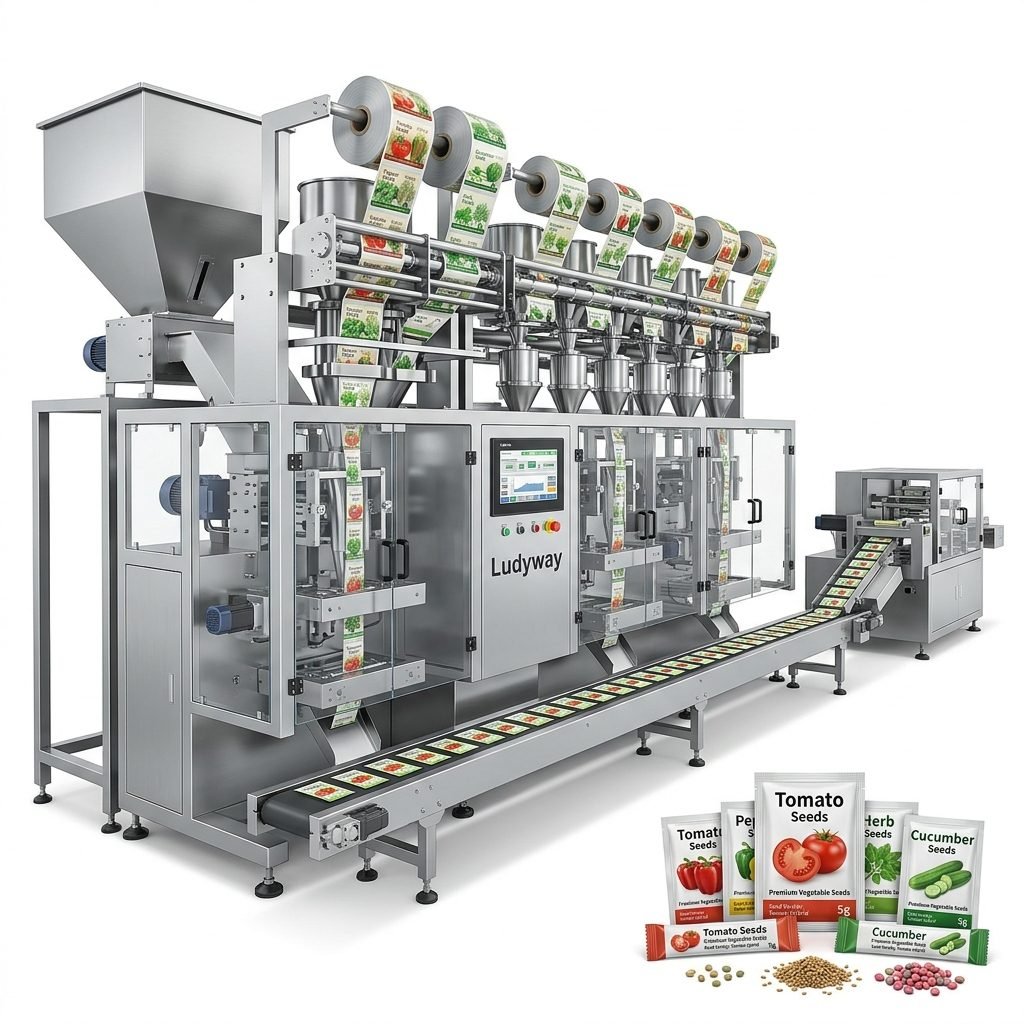
The chewing gum market in Africa is experiencing rapid growth, driven by a young population, increasing urbanization, and rising disposable incomes. Setting up a chewing gum packaging production line requires careful planning, from selecting the right machinery to understanding local market dynamics and regulatory standards. This guide provides a step-by-step approach to establishing a successful and efficient packaging operation tailored for the African continent.
Understanding the African Chewing Gum Market Potential
Before investing in equipment, it is crucial to analyze the market landscape. Consumer demand is shifting towards sugar-free and functional chewing gum, packaged in convenient, portable formats like stick packs and pillow packs. The dominant sales channels remain traditional retail, but modern supermarkets and online platforms are expanding quickly. Key markets include Nigeria, South Africa, Kenya, and Ethiopia, where local production is favored to reduce import costs. This presents a huge opportunity for manufacturers who can offer high-quality, locally packaged products at competitive prices.
Core Process: What Defines a Modern Chewing Gum Packaging Line?
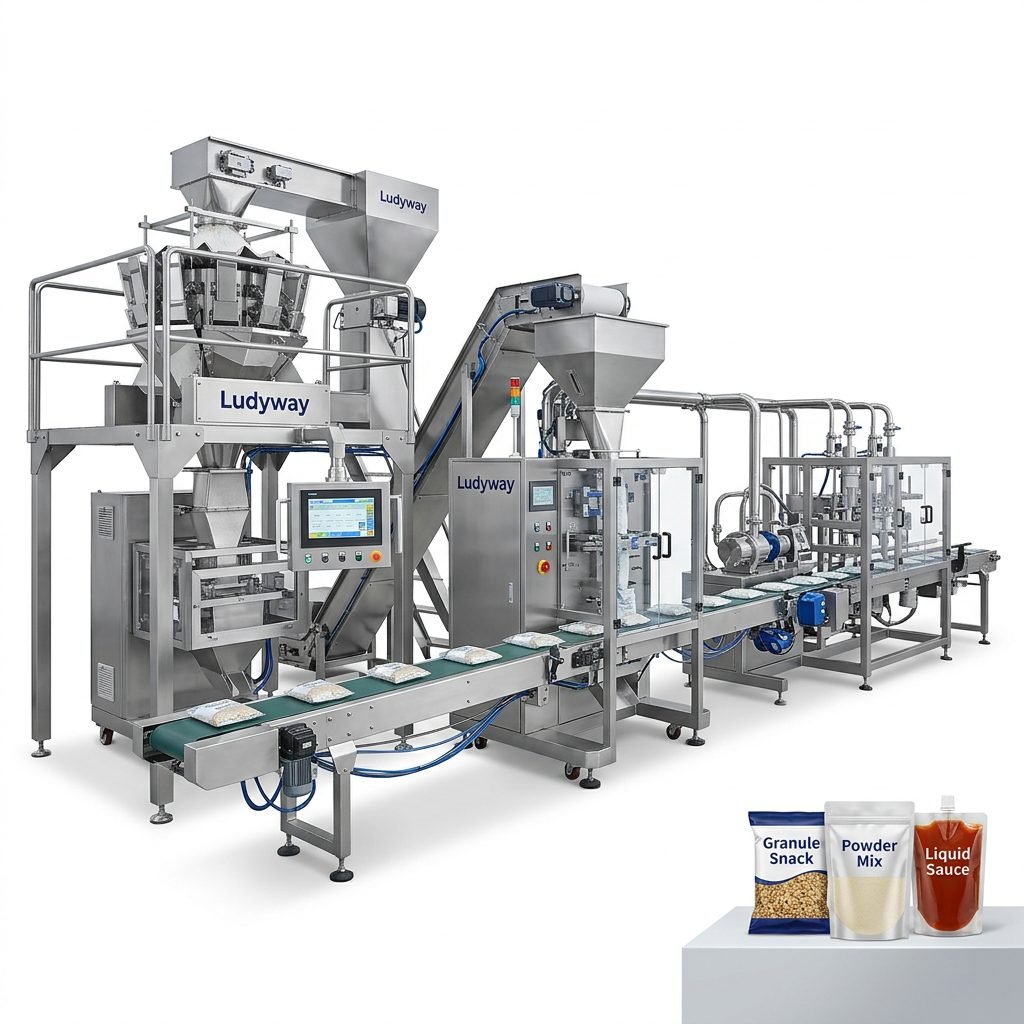
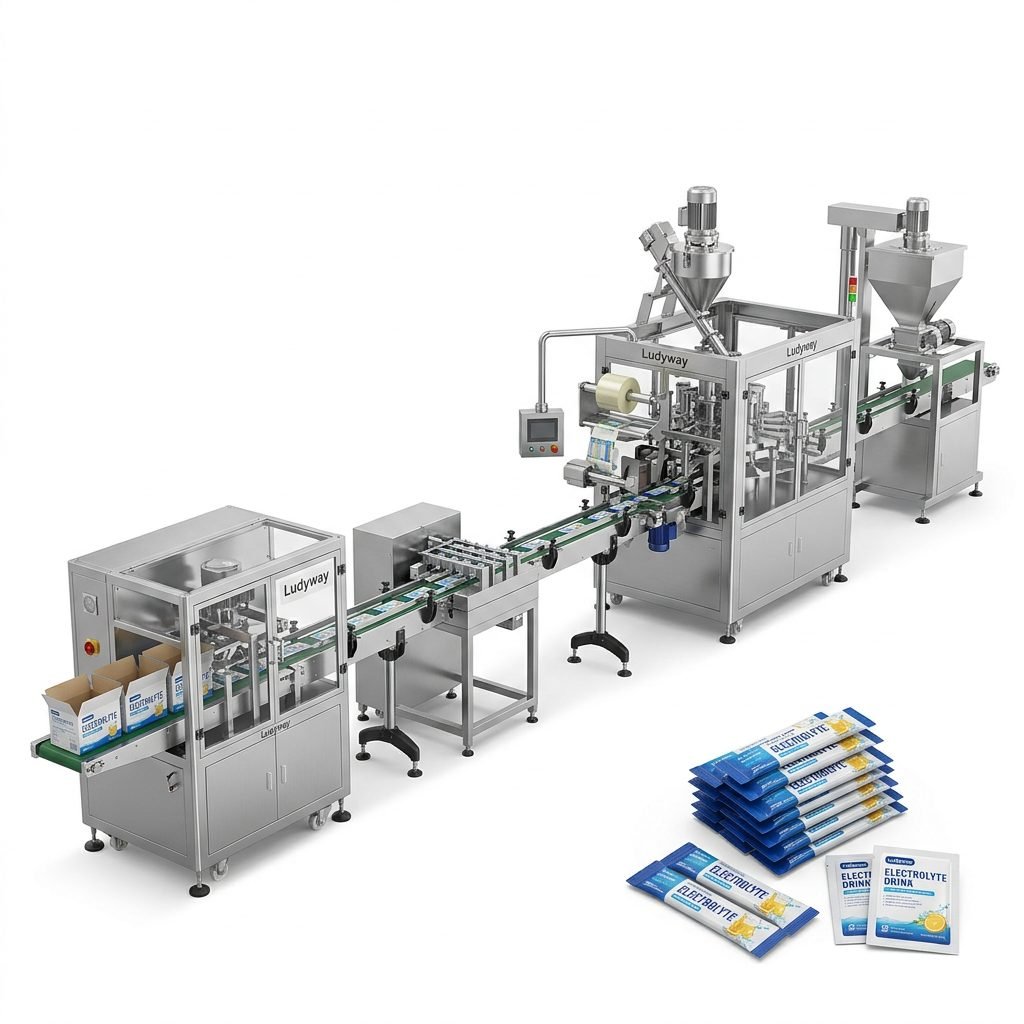
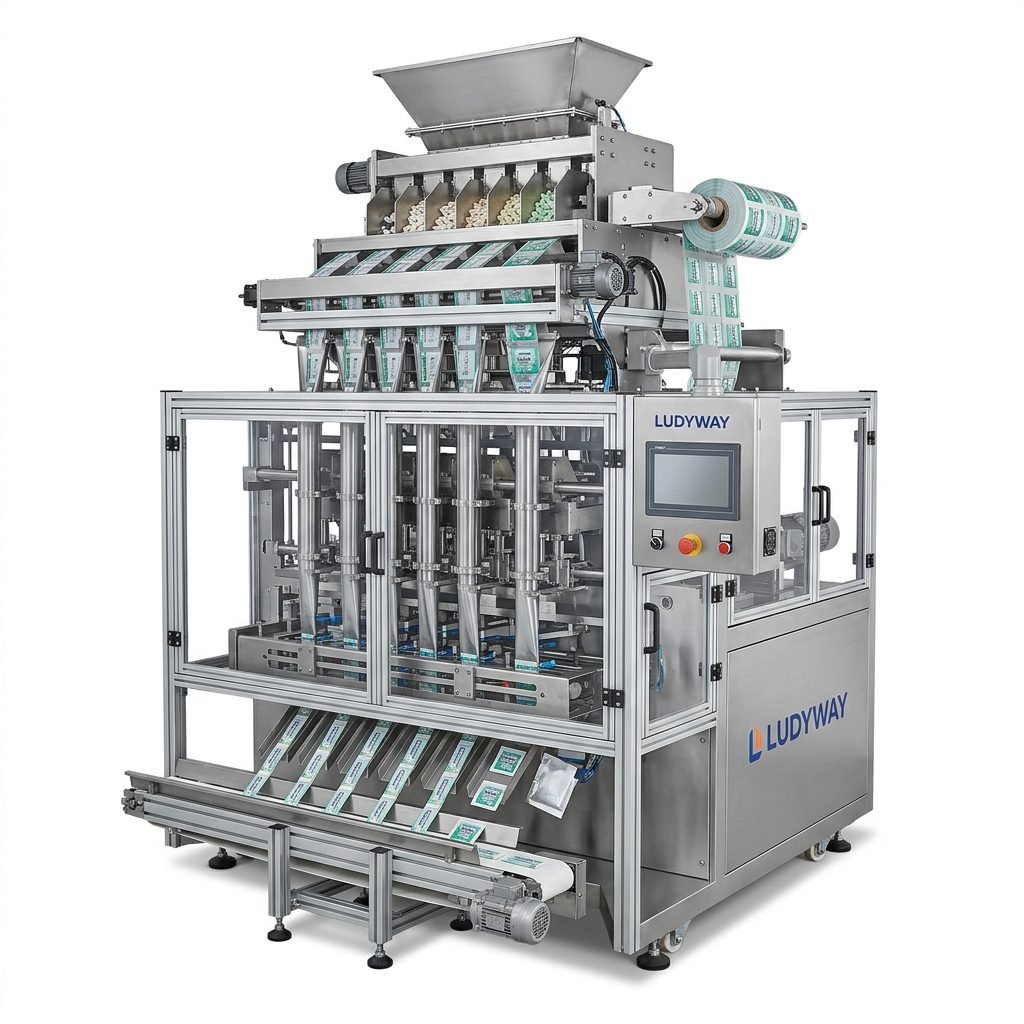
A complete chewing gum packaging line involves several synchronized stages, transforming bulk gum pieces into shelf-ready products. The typical process flow includes feeding, alignment, primary wrapping, secondary cartoning, and final case packing. Depending on the product format (stick gum, tablet gum, coated pellets, or liquid-filled gum), specific machines are integrated to ensure high speed and precision.
Primary Packaging: Wrapping and Sealing Individual Units
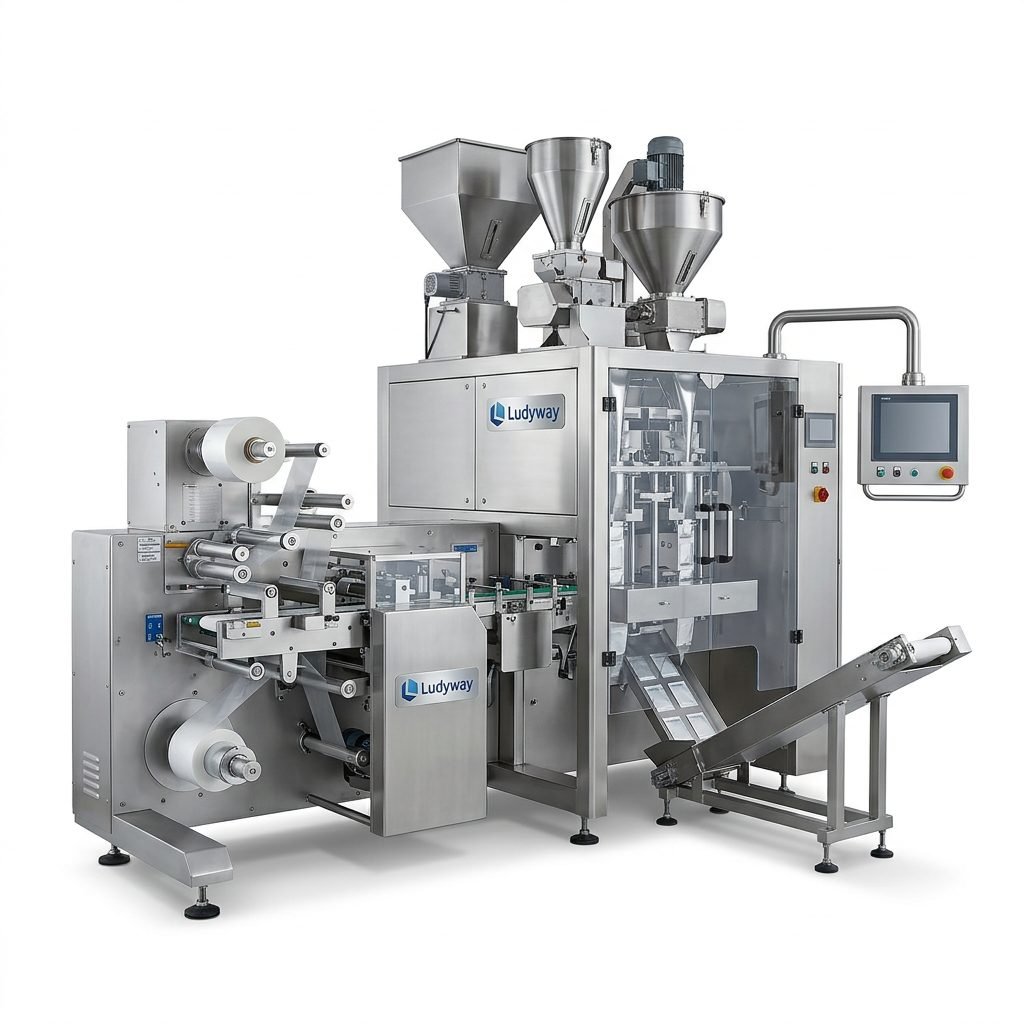
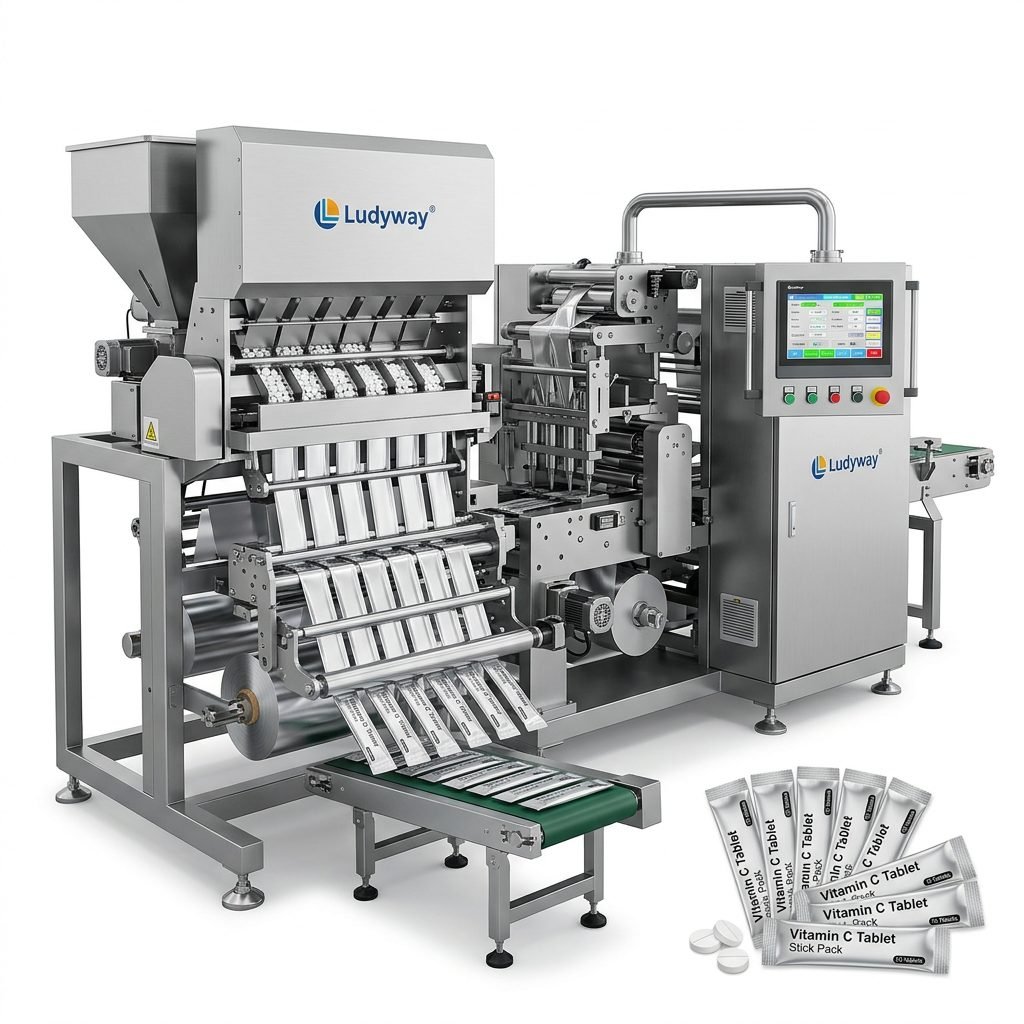
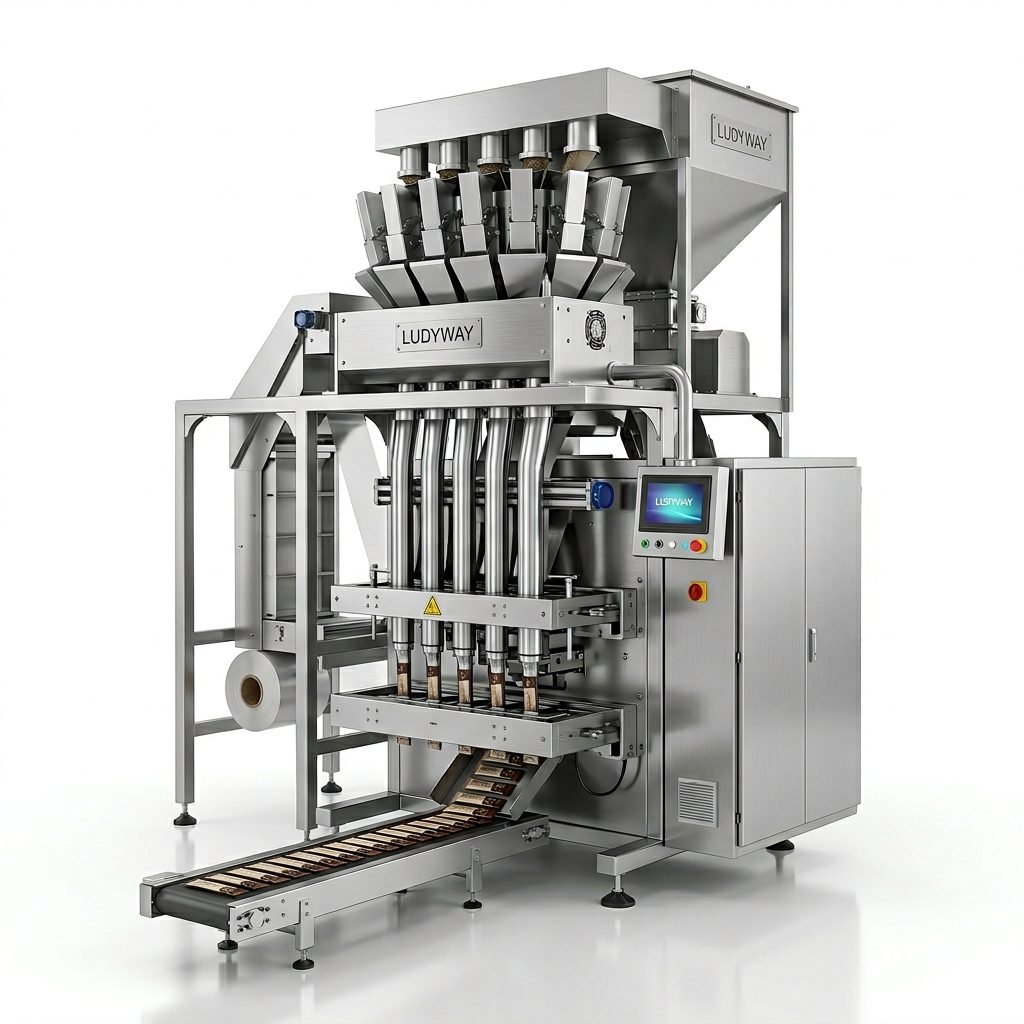
The first stage is critical for product freshness and shelf appeal. Stick gums are typically wrapped in waxed paper or foil, while tablets and pellets often use blister pack or sachet formats. For high-volume production, multi-lane stick pack machines are essential. These automated systems fold, wrap, and seal at high speeds, protecting the delicate flavor and texture of the gum. Selecting a machine with precise temperature control for the sealing jaws prevents product melting and ensures consistent hermetic seals.
Secondary Packaging: Cartoning and Bundling
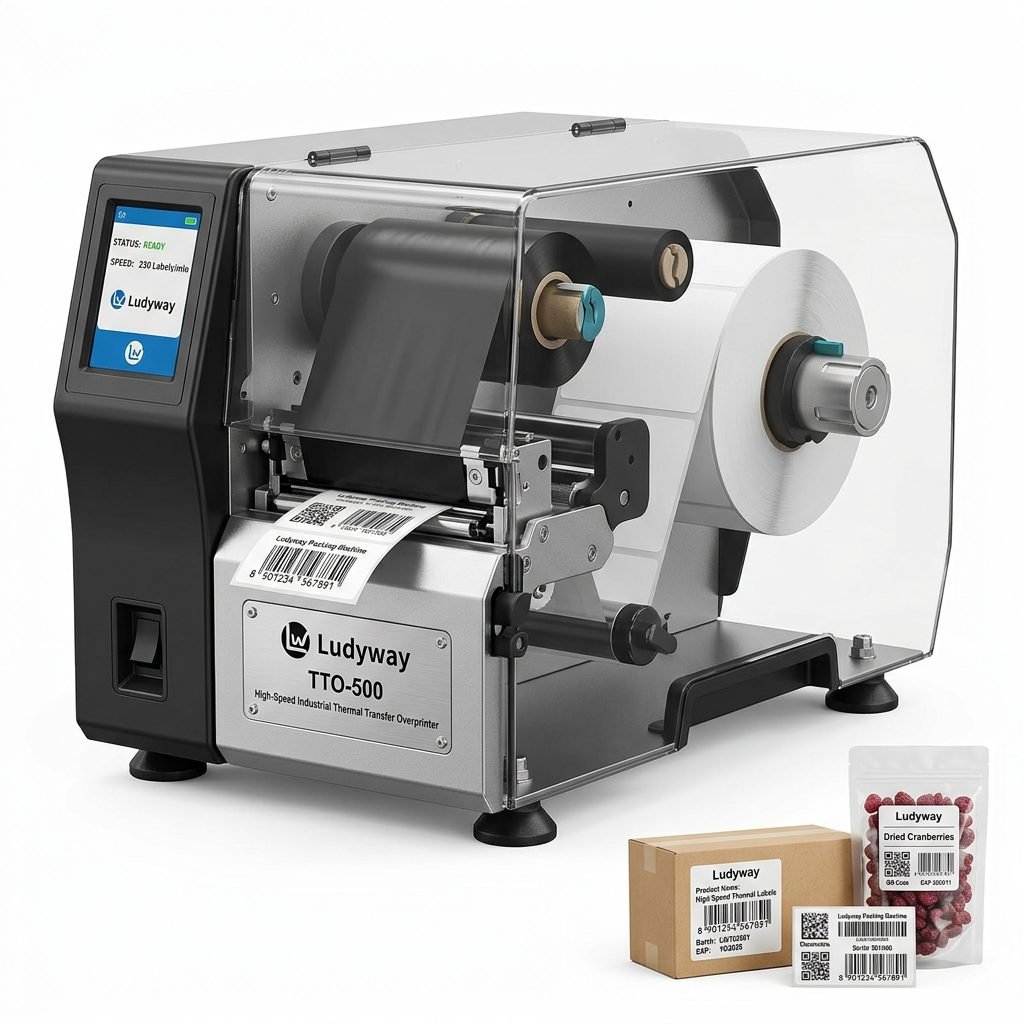
Once wrapped, individual pieces or sets are grouped and inserted into cartons. Automatic cartoning machines erect the carton blanks, load the product, and close the flaps. This stage often integrates smart factory solutions like coding and labeling systems to print batch numbers, expiration dates, and barcodes. A high-precision thermal transfer printer or laser coder is necessary for traceability and compliance with African regulatory standards.
Choosing the Right Packaging Equipment for Your Production Goals
Investing in versatile, scalable machinery is the most significant decision. The equipment must handle various gum consistencies without jamming or damaging them. Considerations include output speed, format changeover flexibility, and integration capability.
| Machine Type | Key Function | Ideal For |
|---|---|---|
| Stick Pack Machine | Foil/paper overwrapping | Flat stick gum |
| Flow Wrapper | Horizontal pillow pack wrapping | Pillow packs, tablets |
| Cartoning Machine | Carton erection, loading, sealing | Secondary retail packaging |
| Case Packer | Bundling cartons into shipping cases | Logistics and distribution |
Why Automation is Non-Negotiable for Growth
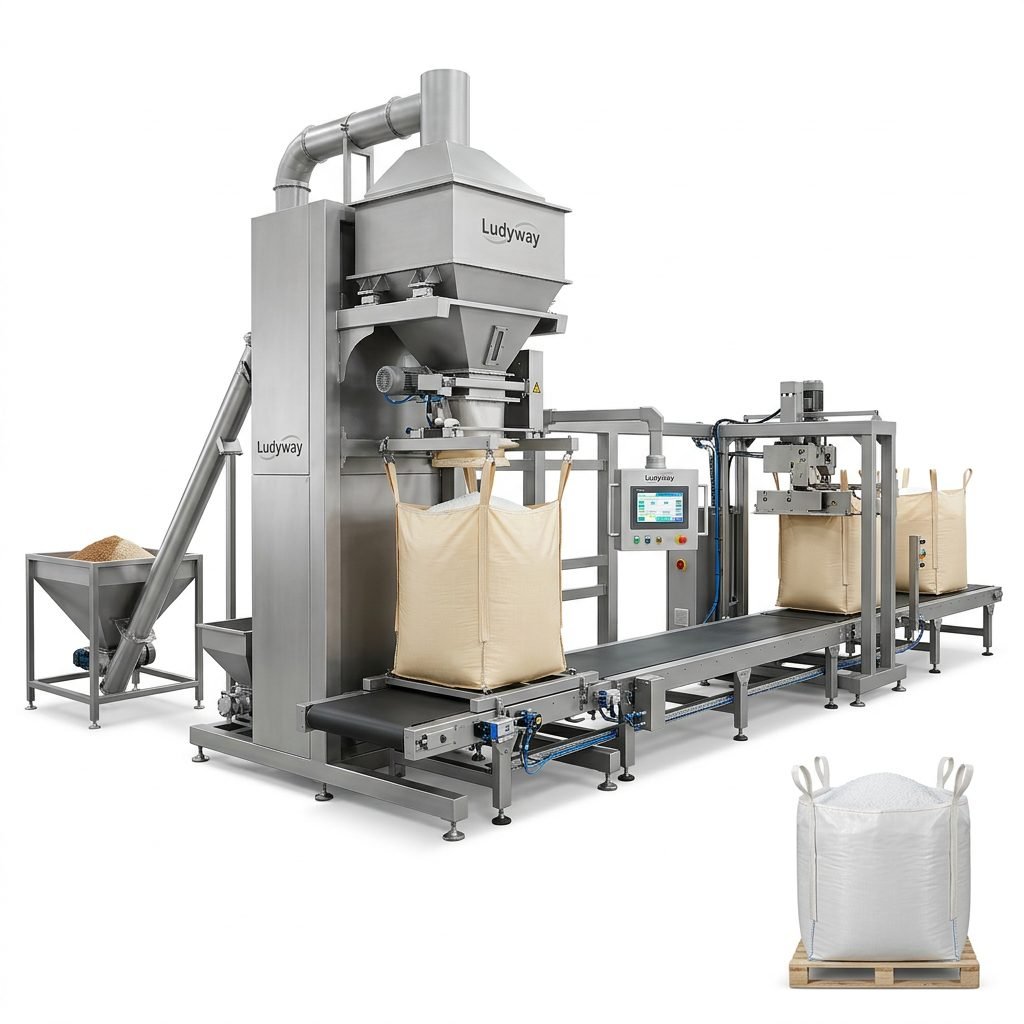
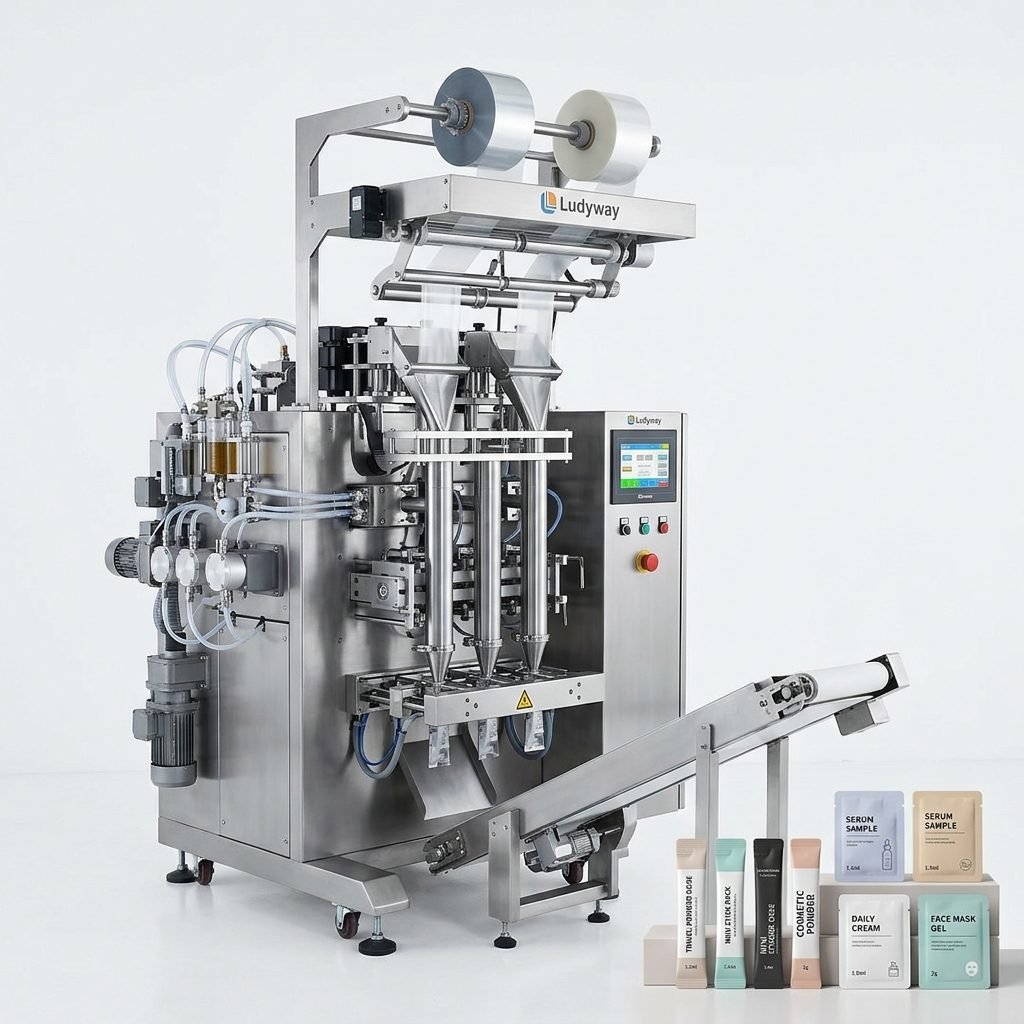
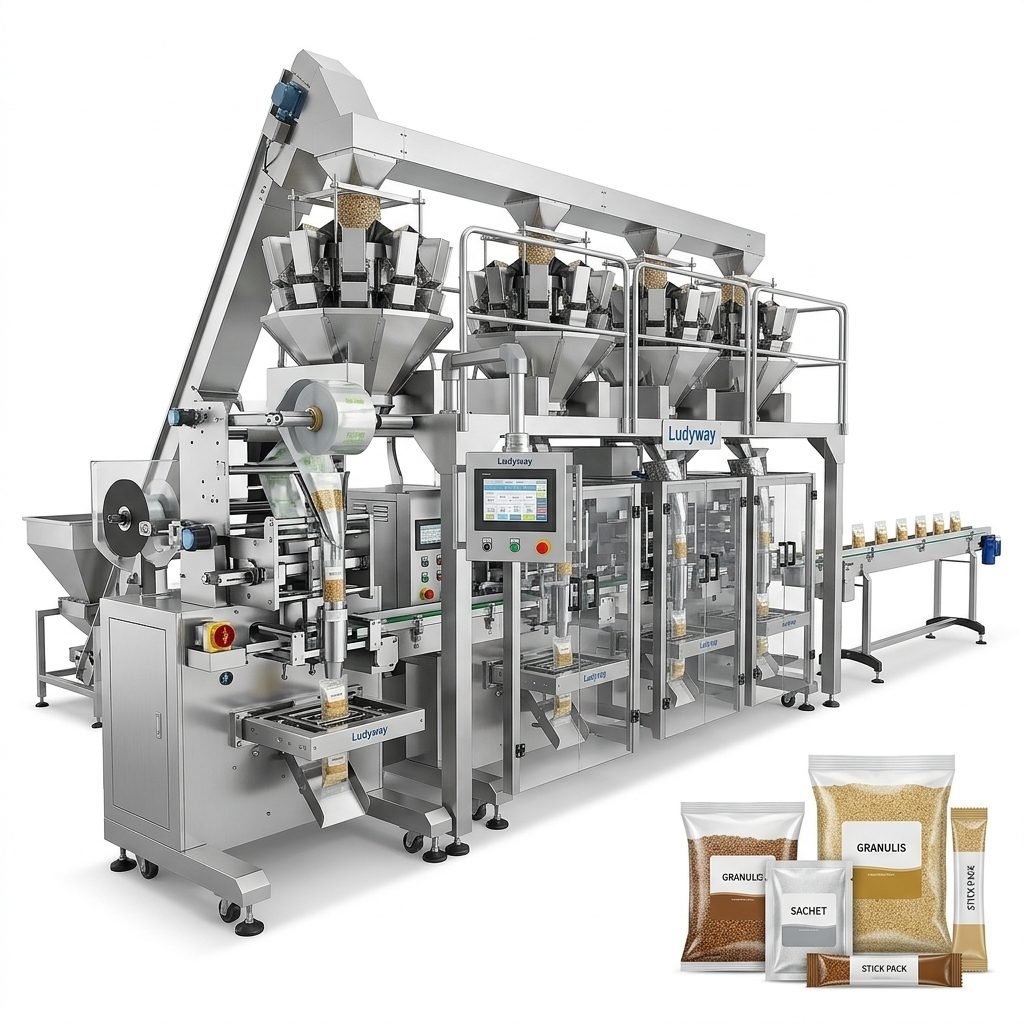
In Africa’s competitive market, manually dependent lines result in high labor costs and inconsistent quality. A fully automated packaging line ensures precise count, reduces material waste, and maintains hygienic standards. Modern control systems with PLC and HMI touchscreens allow operators to manage recipes and speeds easily. Leading manufacturers, such as Ludyway, provide integrated turnkey solutions that combine these individual machines into a seamless, high-speed production flow, backed by remote support and local service partnerships.
Setting Up the Production Site: Facility and Utility Requirements
The physical environment greatly influences machine performance and product safety. Key infrastructure elements must be in place:
- Climate Control: Chewing gum, especially chocolate-coated varieties, is sensitive to heat and humidity. The production hall must have HVAC systems maintaining temperatures around 20-22°C and relative humidity below 50%.
- Clean Room Standards: A clean environment following good manufacturing practices (GMP guidelines) is essential to prevent contamination.
- Compressed Air and Power: Pneumatic-driven machines require a dry, oil-free compressed air supply. The facility needs a stable three-phase electrical supply with voltage stabilizers to protect sensitive servo motors and electronics.
- Material Storage: Separate, cool, and dry storage for raw packaging films and bulk gum ensures materials remain in optimal condition before use.
Working with Local Regulatory Bodies
Each country has unique import and production regulations. You’ll need product registration with agencies like NAFDAC in Nigeria or KEBS in Kenya. The packaging material must be food-grade and compliant with international packaging standards. Partnering with an experienced equipment supplier who provides documentation packages (IQ/OQ/PQ) simplifies the validation process.
Material Selection and Supply Chain Logistics
Your choice of packaging films impacts both machine efficiency and product shelf life. Foil-based laminates, BOPP, and metallized films are standard for moisture and light barrier protection. Establishing a reliable local or international supply chain for these materials is vital to prevent costly production stoppages. Consider the lead times and minimum order quantities when sourcing from Europe or Asia for delivery into African ports.
Training Your Workforce for Operational Excellence
Advanced high-speed machinery requires skilled operators and maintenance technicians. A comprehensive training program is a cornerstone of successful setup. Training should cover machine operation, daily cleaning, format changeovers, and basic troubleshooting. Look for machinery partners who offer on-site installation, commissioning, and hands-on operator training as part of their service package. This builds self-sufficiency and reduces reliance on distant technical support.
Maintenance Protocols and Spare Parts Strategy
To avoid unplanned downtime, a structured maintenance strategy is required. This includes daily cleaning, weekly inspections, and periodic replacement of wear parts like knives, sealing jaws, and belts. Maintaining a critical spare parts inventory in your facility is the best defense against long lead times for international shipping. Essential spares include heating elements, thermocouples, sensors, and drive belts. A digital maintenance log can help predict failures and schedule interventions efficiently.
Cost Analysis and Return on Investment
The initial capital expenditure for an automated line is significant but must be weighed against operational savings. Manual packaging incurs high ongoing labor costs, greater material waste, and slower throughput. An automated line offers consistent output up to hundreds of packs per minute, rapid payback through waste reduction, and the ability to scale production. To control startup costs, consider a phased approach—starting with a core wrapping/cartoning line and adding automated case packing and palletizing as distribution demands increase.
Key Success Factors for Your Chewing Gum Line
To summarize, a successful launch in Africa depends on several critical factors:
- Reliable Equipment: Prioritize robust machinery designed for 24/7 operation with minimal downtime.
- Local Partnership: Work with agents or vendors who understand local logistics and can provide rapid service support.
- Format Versatility: Choose lines that can easily switch between stick packs, sachets, and pillow packs to target different market segments.
- Energy Efficiency: In regions with unstable or expensive power, machines with servo drives significantly reduce energy consumption compared to hydraulic systems.
- Quality Control: Integrate checkweighers and metal detectors to meet retail chain and export quality requirements.
Investing in a state-of-the-art chewing gum packaging line paves the way for capturing a significant share of Africa’s booming confectionery market. The path from initial concept to full-scale production requires diligence, but with seasoned technology partners, the outcome is a highly profitable, automated manufacturing operation.

Frequently Asked Questions
What is the best packaging format for chewing gum in Africa?
Flat stick packs and small pillow packs are the most popular due to their low price point per unit and widespread consumer familiarity. However, resealable sachet formats for pellet gum are gaining market share among aspirational consumers seeking convenience.
How can I ensure my packaging materials stay fresh in humid climates?
Choose high-barrier films with an aluminum foil or metallized layer. Store all packaging rolls in a temperature and humidity-controlled warehouse until immediately before use on the production line to prevent moisture absorption that leads to poor sealing.
What are the most common maintenance issues with stick pack machines?
Common issues include inconsistent sealing temperatures causing leaks, dull cutting knives leading to serrated edges, and misalignment of the film tracking. Preventive maintenance schedules and immediate replacement of worn parts prevent 95% of these production halts.
Is local assembly or complete import better for the production line?
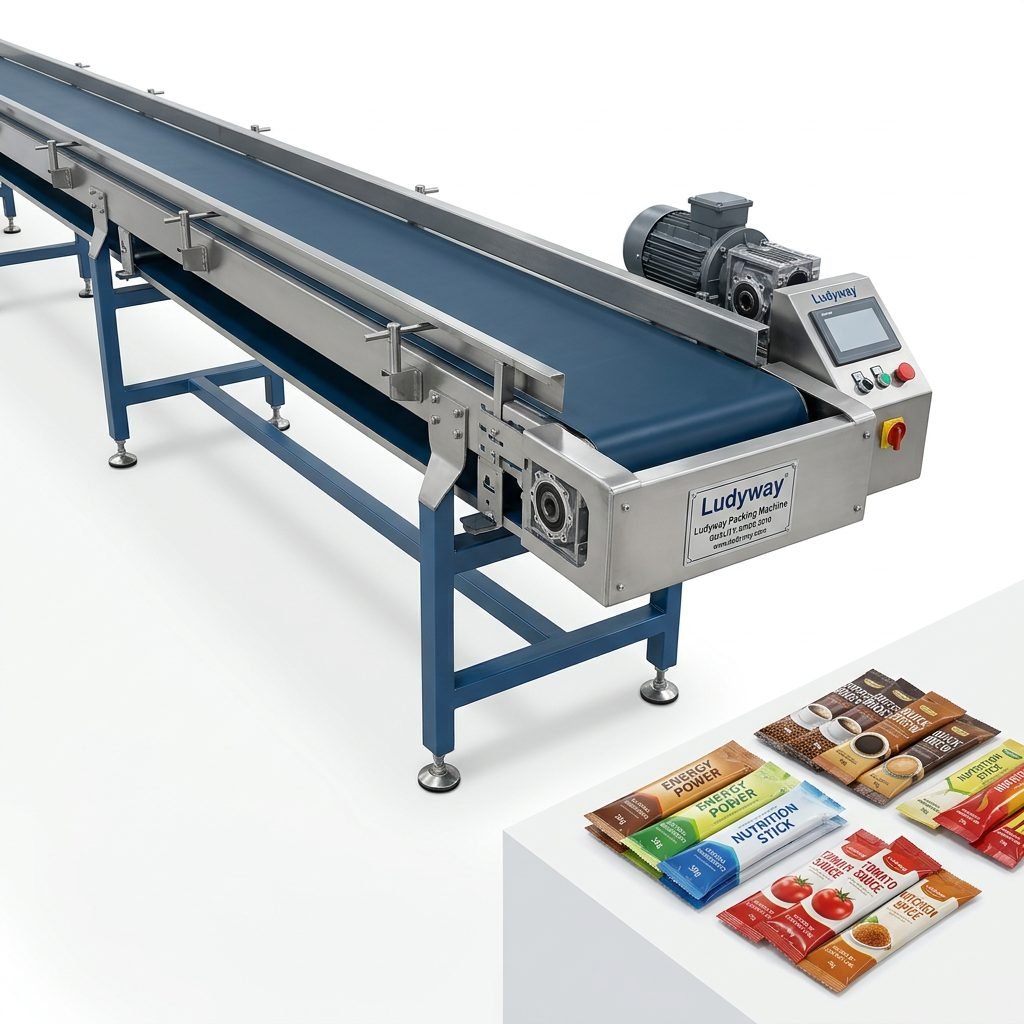
While local conveyor systems can be integrated, the core precision machinery (wrappers, cartoners, printers) should be imported as fully assembled, tested units from specialized global manufacturers to guarantee speed, accuracy, and safety standards.