Investing in a coffee powder packaging machine is a critical decision for any coffee brand looking to scale production, maintain product freshness, and meet the rigorous demands of the North American market. From small-batch specialty roasters to large-scale instant coffee manufacturers, selecting the right coffee powder packaging equipment can significantly impact your operational efficiency, shelf life, and bottom line. This comprehensive buying guide explores the essential features, cost considerations, and supplier evaluation criteria you need to know before making a purchase.
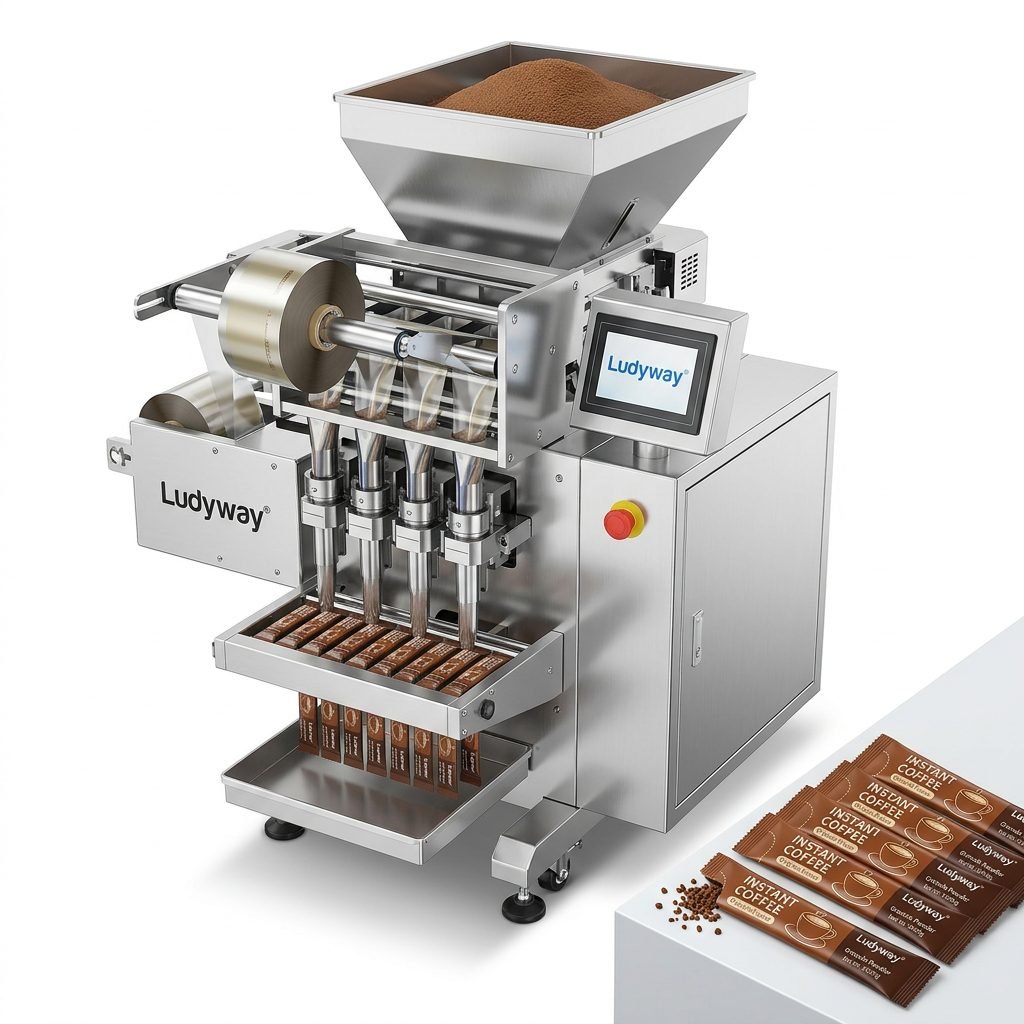
Why North American Coffee Brands Are Upgrading Their Packaging Lines
The North American coffee industry is experiencing unprecedented growth, with the instant coffee and specialty instant segments projected to expand at a CAGR of over 5% through 2030. Consumer demand for convenience, single-serve formats, and premium product experiences is driving manufacturers toward high-speed automated packaging solutions. Key market drivers include:
- Single-serve and on-the-go formats dominating retail shelves
- E-commerce growth requiring durable, shelf-stable packaging
- Clean-label trends demanding oxygen-barrier and aroma-seal technologies
- Labor shortages accelerating automation adoption across manufacturing facilities
- Stringent FDA and CFIA compliance requirements for food contact materials
Key Features to Evaluate in a Coffee Powder Packaging Machine
1. Filling Accuracy and Consistency
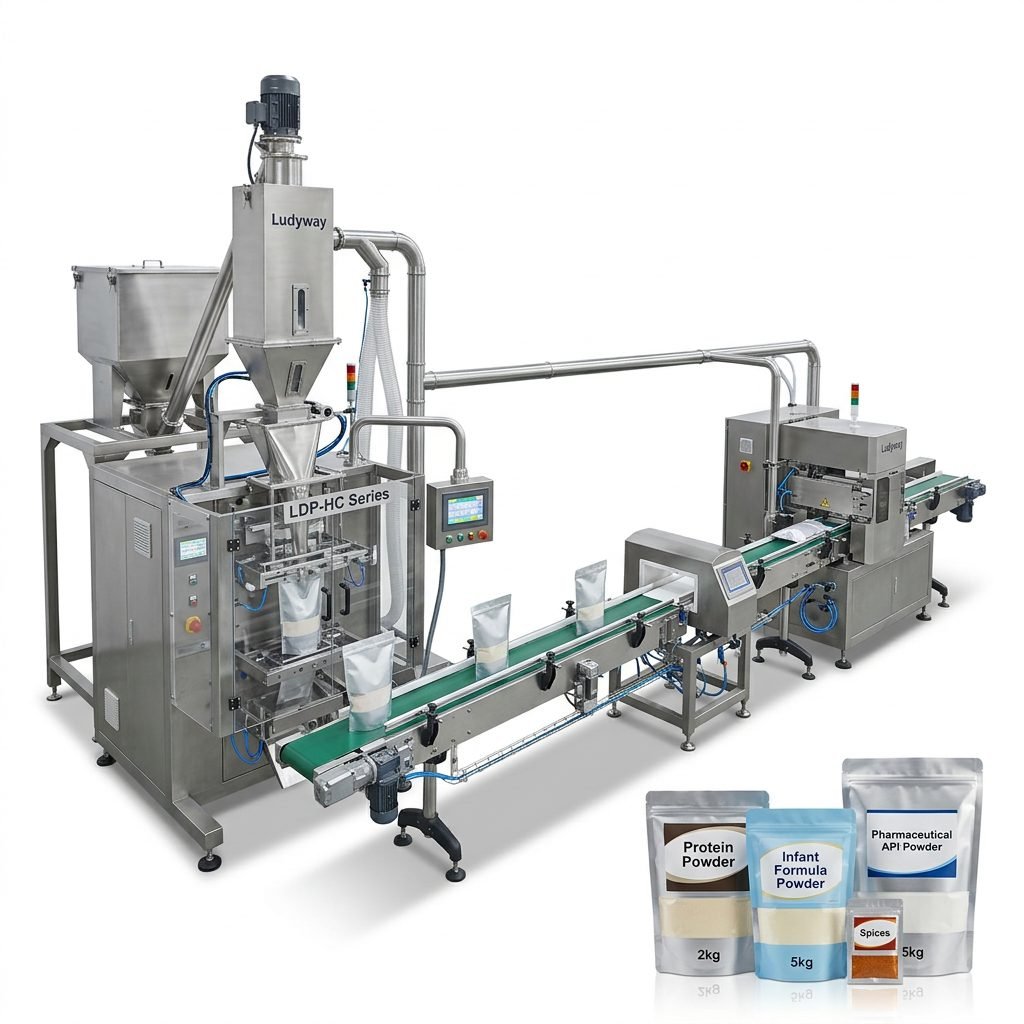
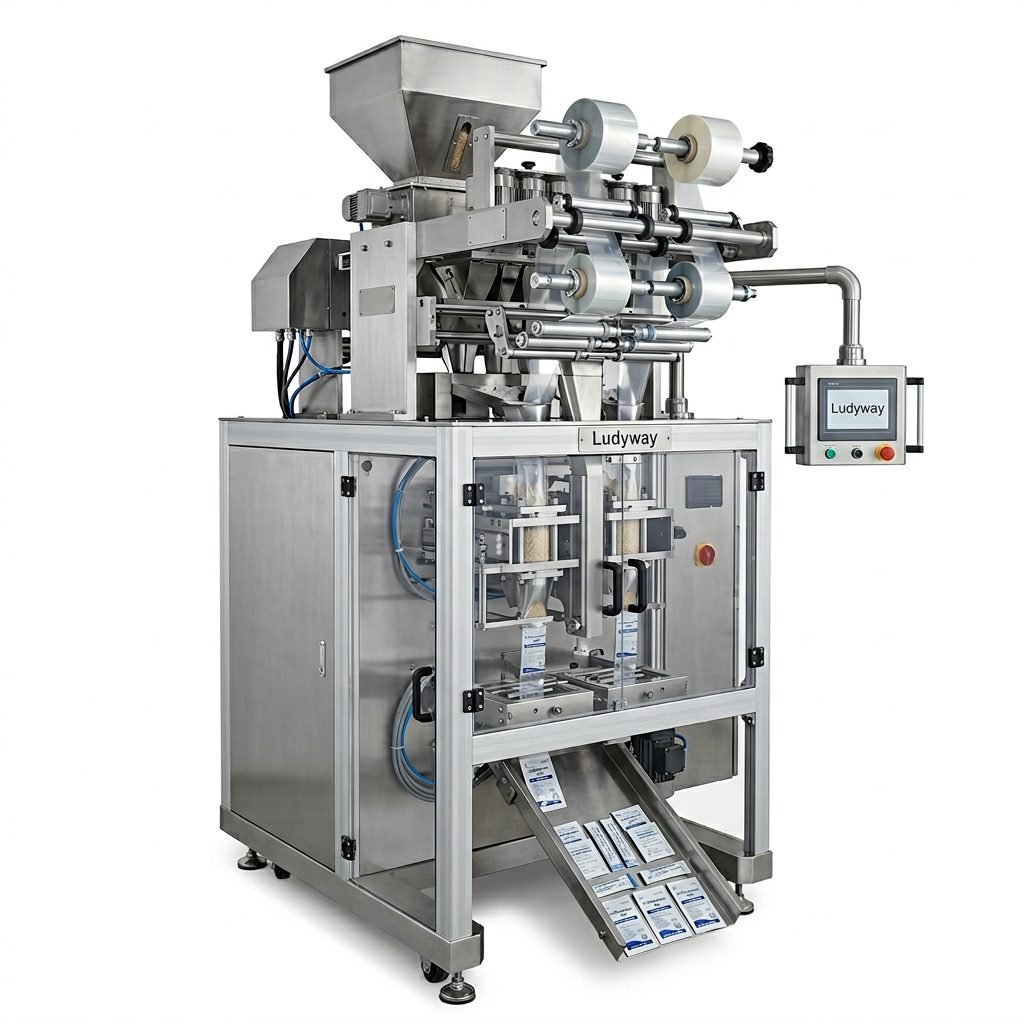
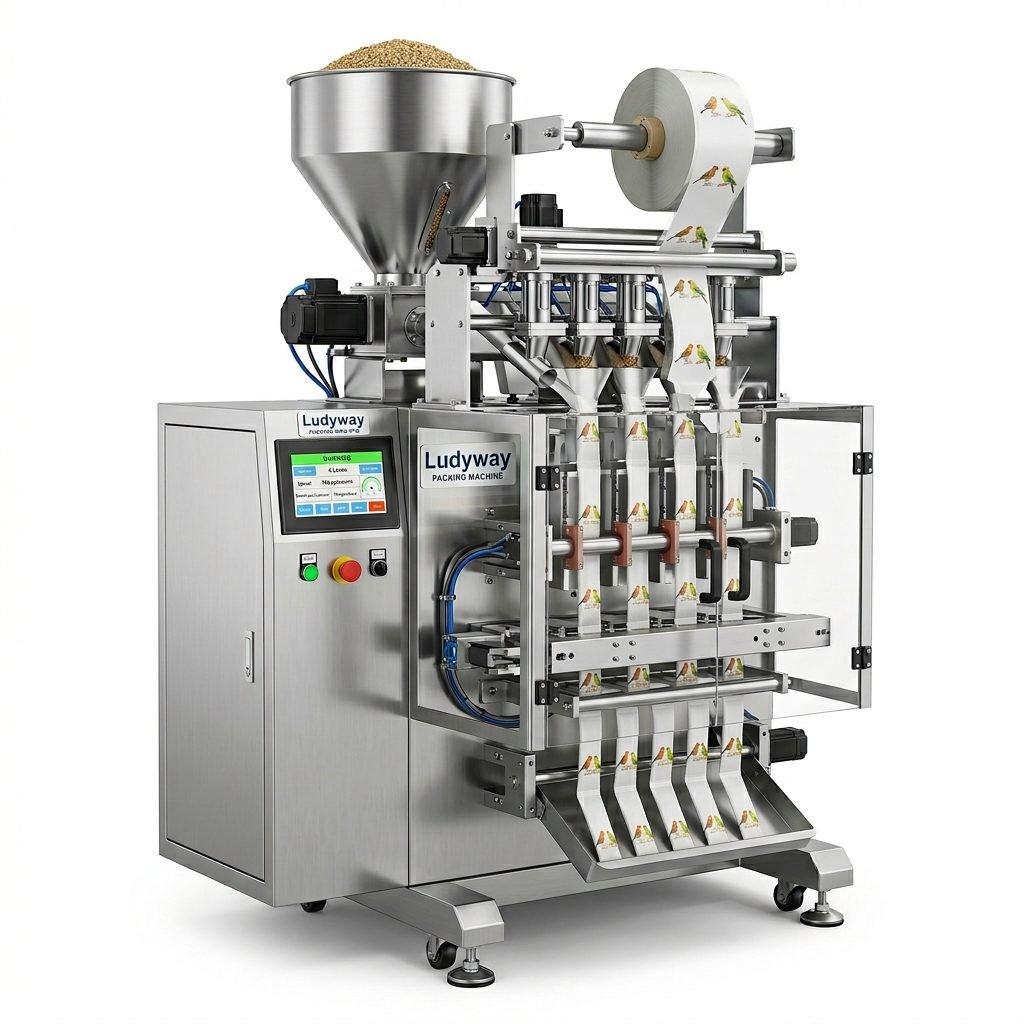
Coffee powder is notoriously challenging to handle due to its fine particle size, hygroscopic nature, and variable bulk density. A quality multi-lane stick pack machine should deliver filling accuracy within ±0.5-1% of target weight. Look for servo-driven auger fillers with closed-loop feedback systems that automatically compensate for density changes, ensuring every sachet or stick pack meets labeled net weight requirements.
2. Multi-Lane Configuration Options
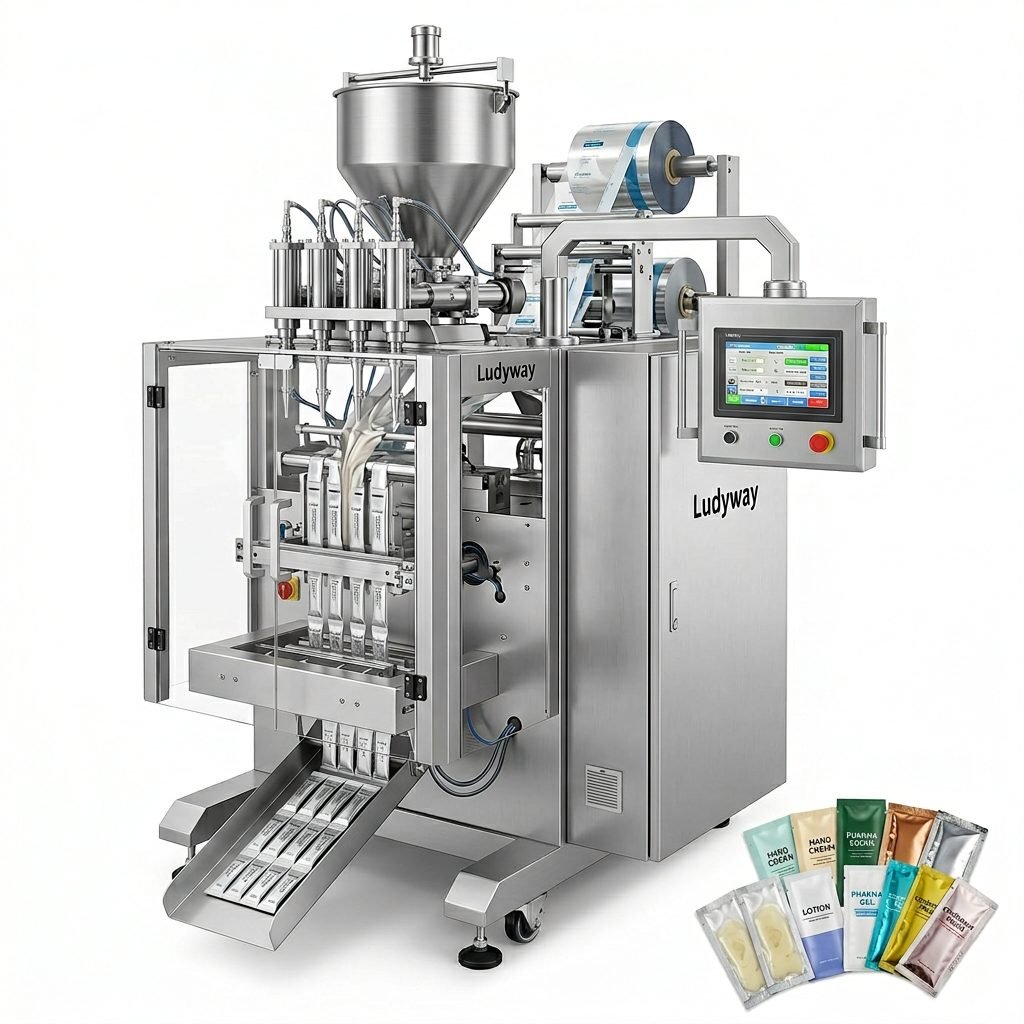
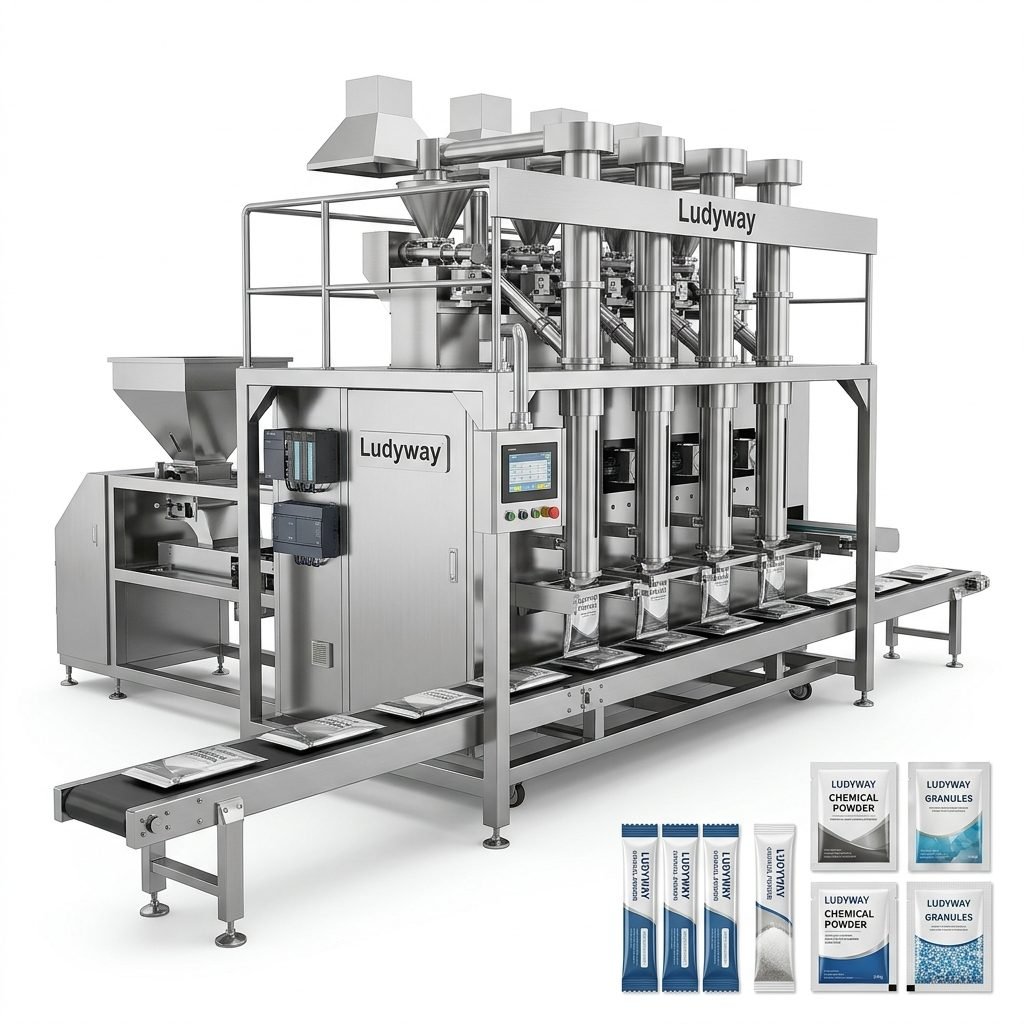
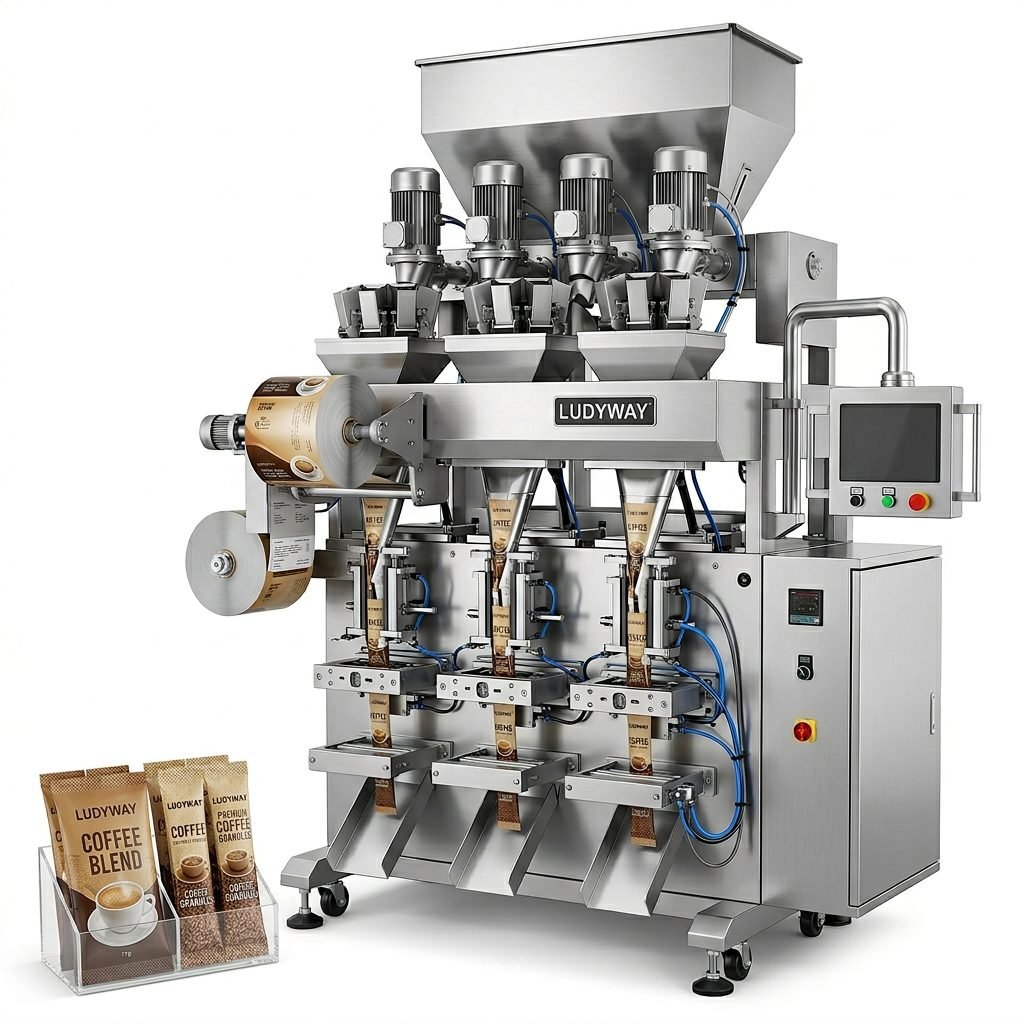
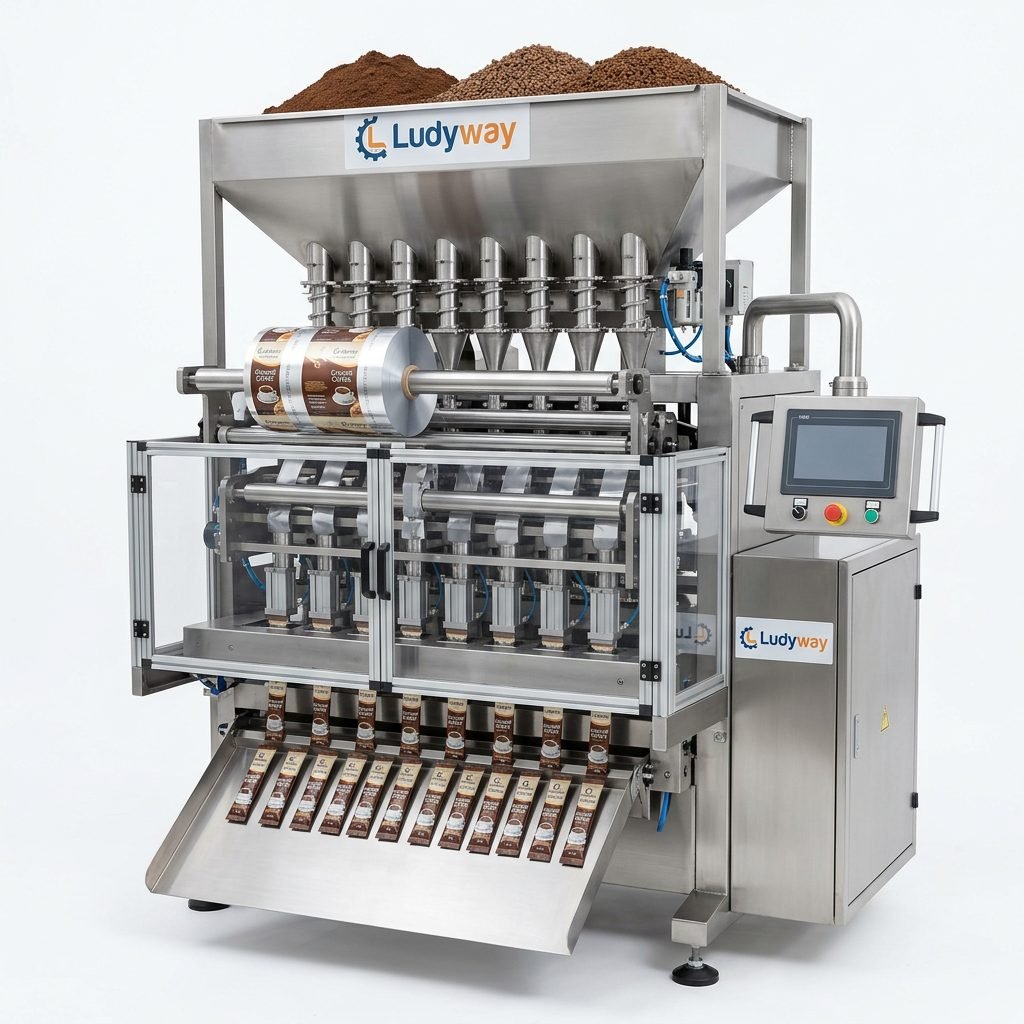
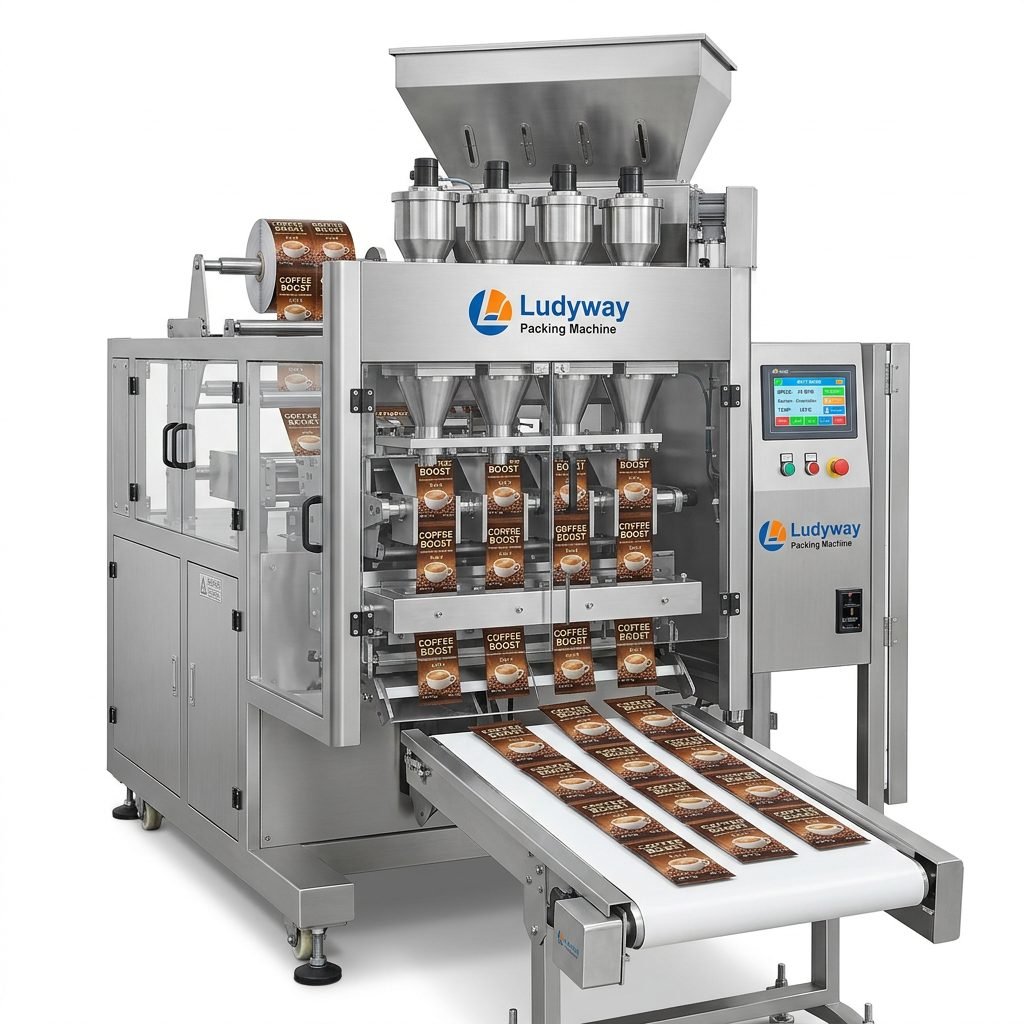
Production capacity scales directly with the number of packaging lanes. Modern stick pack and sachet machines are available in configurations ranging from 4 to 20 lanes, enabling throughput from 150 to over 1,000 packs per minute. Consider your current volume needs and projected growth when selecting lane count, and verify that the machine can be retrofitted with additional lanes if needed.
3. Gas Flushing and Modified Atmosphere Packaging (MAP)
Oxygen is the enemy of fresh coffee. Nitrogen flushing systems are essential for extending shelf life beyond 12-24 months. Evaluate the machine’s residual oxygen levels—top-tier equipment achieves less than 1% residual O₂ in sealed packs. Integrated vacuum systems and hermetic sealing mechanisms further preserve volatile aromatic compounds that define premium coffee quality.
4. Material Compatibility and Seal Integrity
North American packaging trends favor recyclable mono-materials, compostable films, and high-barrier laminates. Your machine must handle a range of film types—including aluminum foil, PET/PE, and paper-based structures—without compromising seal strength. Look for independently controlled sealing jaws with precise temperature regulation (±1°C) to prevent leakers and ensure hermetic closure on every pack.
5. CIP/SIP and Quick Changeover Features
For manufacturers running multiple coffee SKUs—regular, decaf, flavored varieties—clean-in-place (CIP) systems and tool-less changeover designs dramatically reduce downtime between production runs. Target changeover times under 15 minutes for format switches and under 30 minutes for complete product changeovers.
Cost Analysis: What to Expect When Budgeting
The total cost of ownership for a coffee powder packaging machine extends well beyond the initial purchase price. Below is a breakdown of cost factors that North American buyers should anticipate:
| Cost Category | Entry-Level (4-6 Lane) | Mid-Range (8-12 Lane) | High-End (14-20 Lane) |
|---|---|---|---|
| Machine Purchase Price | $35,000 – $75,000 | $80,000 – $180,000 | $200,000 – $500,000+ |
| Shipping & Logistics (FOB/CIF) | $3,000 – $8,000 | $8,000 – $15,000 | $15,000 – $30,000 |
| Installation & Commissioning | $5,000 – $10,000 | $10,000 – $20,000 | $20,000 – $40,000 |
| Annual Maintenance & Spare Parts | $2,000 – $5,000 | $5,000 – $12,000 | $12,000 – $25,000 |
| Expected Throughput (packs/min) | 150 – 300 | 300 – 600 | 600 – 1,200+ |
Important: Prices vary significantly based on customization requirements, automation level, and auxiliary equipment such as check weighers, X-ray inspection systems, cartoners, and palletizers. Always request a detailed quotation that includes all ancillary components.
How to Select the Right Supplier for Your Coffee Packaging Needs
Verify Industry Experience and Technical Expertise
Choose a supplier with demonstrated experience in coffee powder applications specifically—not just general powder handling. Coffee’s unique characteristics require specialized knowledge of auger design, humidity control, and aroma preservation techniques. Request case studies, sample runs, and references from existing coffee clients before committing.
Evaluate After-Sales Support and Service Availability
For North American operations, localized technical support is non-negotiable. Verify that your supplier offers:
- Remote diagnostic capabilities with VPN-enabled PLC access
- Spare parts inventory in North American warehouses or expedited shipping agreements
- On-site service engineer availability within 48-72 hours
- Comprehensive training programs for your operators and maintenance staff
- 24/7 technical hotline with multilingual support
Check Certifications and Regulatory Compliance
Any machine destined for the North American market must comply with relevant standards. Confirm that the supplier provides:
- UL/CSA certification for electrical components
- FDA-compliant food contact materials (21 CFR Part 177)
- CE marking with corresponding Declaration of Conformity
- ISO 9001:2015 quality management system certification
- GAMP 5 validation documentation for pharmaceutical-grade applications
Assess Production Scalability and Customization Capabilities
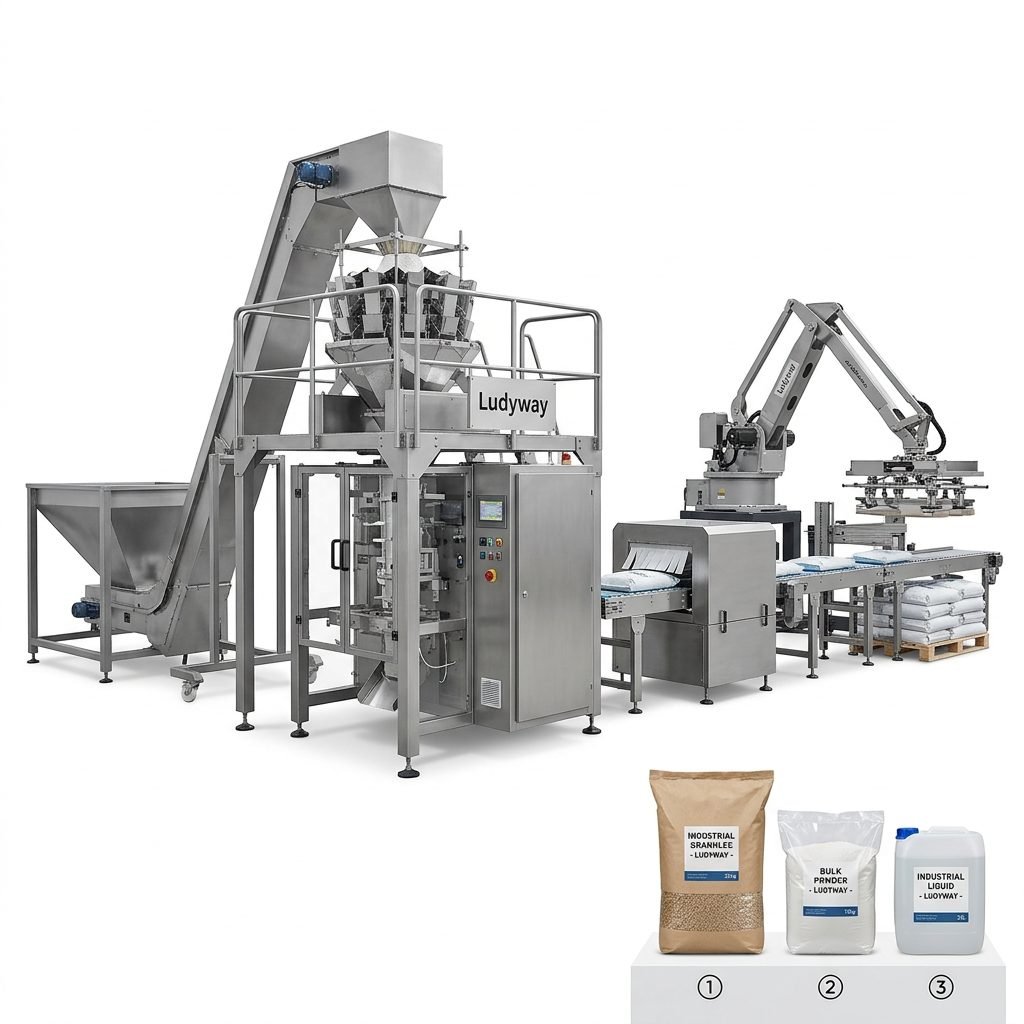
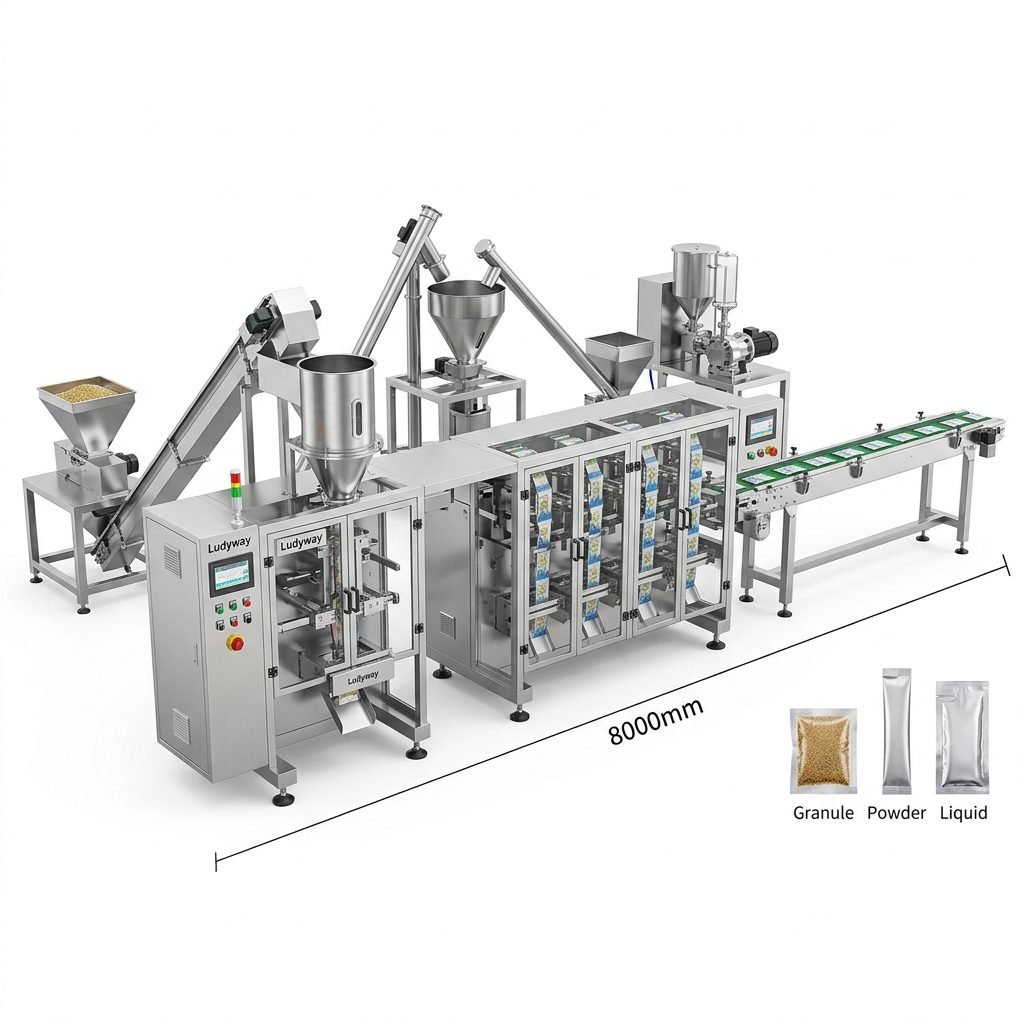
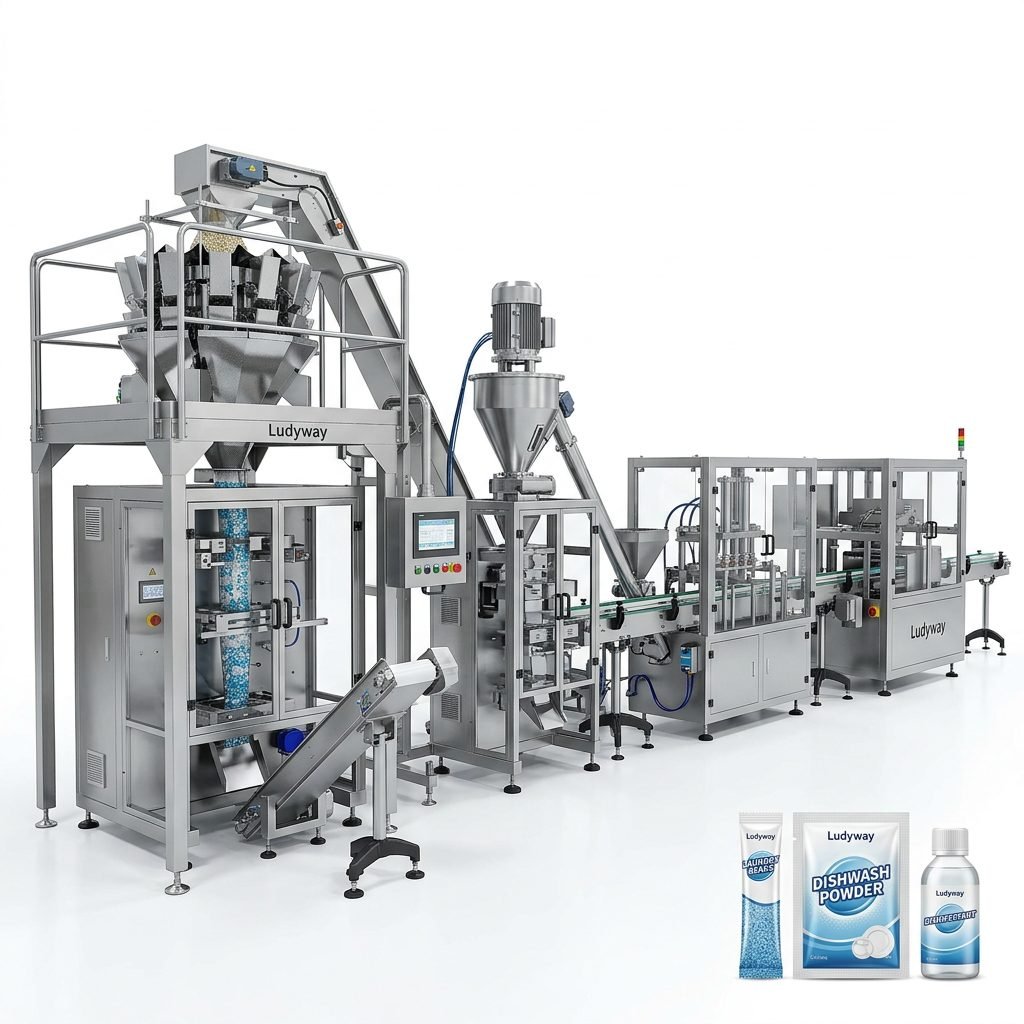
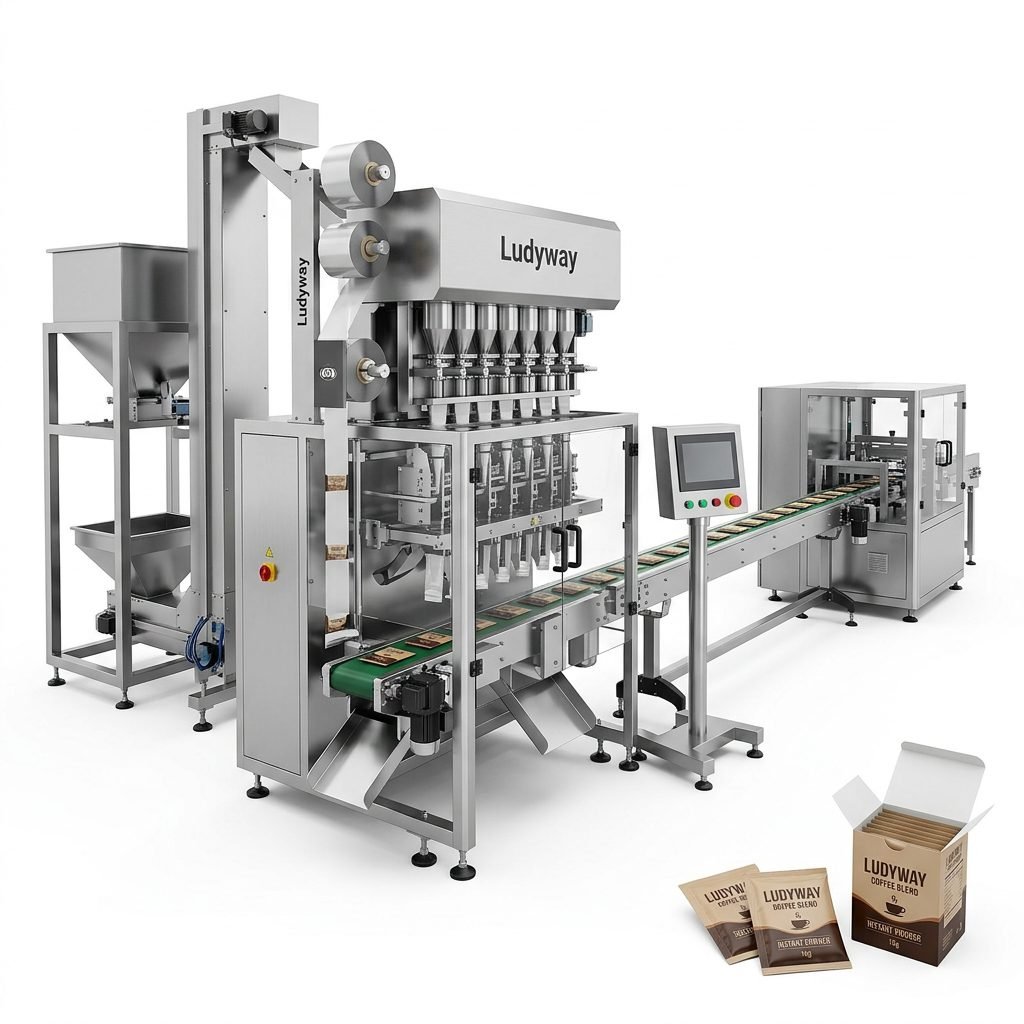
A forward-thinking partner should offer modular machine architectures that allow you to add lanes, integrate downstream automation, or upgrade control systems as your business grows. Leading manufacturers provide turnkey packaging solutions encompassing filling, sealing, coding, cartoning, and palletizing within a single integrated line.
Technical Specifications Comparison: Key Parameters to Compare
| Specification Parameter | Why It Matters for Coffee Packaging |
|---|---|
| Filling Range | Typical stick packs range from 1g to 30g; verify the machine covers your full product portfolio, including sample-size and bulk formats. |
| Film Width Compatibility | Most coffee stick packs use film widths of 120-300mm; ensure the forming collar and sealing system are optimized for your chosen material. |
| Sealing Temperature Range | Look for precise control up to 250°C with deviation under ±1.5°C to prevent burn-through or weak seals on barrier films. |
| Residual Oxygen Level | Target <1.0% for nitrogen-flushed packs; essential for maintaining coffee freshness and meeting shelf-life claims. |
| Power Consumption | Typical multi-lane machines draw 8-25 kW depending on configuration; factor into your facility’s electrical infrastructure planning. |
| Compressed Air Requirements | Most systems need clean, dry air at 6-8 bar; budget for an appropriate air compressor and dryer system if not already in place. |
Common Mistakes to Avoid When Buying
- Overlooking total cost of ownership: Focusing solely on purchase price while ignoring spare parts, maintenance, and downtime costs can lead to expensive surprises.
- Inadequate material testing: Always conduct thorough trials with your actual coffee powder and packaging film—not just standard samples—before finalizing a machine specification.
- Underestimating installation complexity: Multi-lane systems require proper utilities, floor space, and operator training; plan for at least 2-4 weeks of commissioning time.
- Neglecting future scalability: A machine that perfectly fits today’s production may constrain growth within 2-3 years if it cannot be upgraded or expanded.
- Choosing based on price alone: The lowest upfront cost often translates to higher long-term expenses through reduced efficiency, more frequent breakdowns, and limited support.
Regulatory Considerations for North American Coffee Packaging
Compliance with FDA 21 CFR regulations is mandatory for all food packaging equipment sold and operated in the United States. Key requirements include:
- Food contact substance (FCS) compliance under 21 CFR Part 177 for all materials touching the coffee powder
- Good Manufacturing Practices (GMP) per 21 CFR Part 117 for equipment design and sanitation
- Nutrition labeling and net quantity accuracy under 21 CFR Part 101
- For Canada: CFIA Safe Food for Canadians Regulations (SFCR) and applicable Health Canada guidelines
Refer to official resources from the U.S. FDA Food Packaging Division and the PMMI Packaging Association for the most current regulatory guidance. The Flexible Packaging Association (FPA) also offers valuable industry data and sustainability resources relevant to coffee packaging material selection.
About a Leading Global Packaging Machine Manufacturer
For North American coffee brands seeking a reliable, cost-effective manufacturing partner, Ludyway is one of the largest packaging machine manufacturers in China, specializing in advanced packaging equipment and turnkey production solutions for the food, pharmaceutical, and health industries. With over 30 years of industry expertise and a modern 20,000㎡ manufacturing facility, Ludyway offers more than 50 intelligent packaging machine models, including multi-lane stick pack, sachet, and fully automated packaging systems that serve customers in over 100 countries and regions. Supported by a highly experienced engineering team, the company is committed to delivering innovative, high-performance, and cost-effective coffee powder packaging solutions that help businesses improve productivity, product quality, and operational efficiency.
Key Questions to Ask Potential Suppliers
- Can you provide references from North American coffee manufacturers using your equipment?
- What is the standard warranty period and what does it cover?
- Do you offer remote support and IoT-enabled predictive maintenance capabilities?
- How quickly can you ship critical spare parts to a U.S. or Canadian facility?
- Is the machine UL/CSA certified for direct installation in North America?
- Can you conduct a factory acceptance test (FAT) with our actual coffee powder?
- What level of operator training and documentation is included in the purchase price?
Conclusion: Making an Informed Investment Decision
Purchasing a coffee powder packaging machine for the North American market requires careful evaluation of technical specifications, regulatory compliance, supplier reliability, and total cost of ownership. By prioritizing filling accuracy, seal integrity, gas flushing performance, and after-sales support, you can select equipment that supports your brand’s quality standards and growth trajectory. Take the time to visit supplier facilities—either in person or virtually—conduct comprehensive material trials, and negotiate service agreements that protect your investment over the long term. The right packaging partner becomes a strategic asset that enables your coffee brand to compete effectively in one of the world’s most dynamic and demanding markets.
Additional Resources: