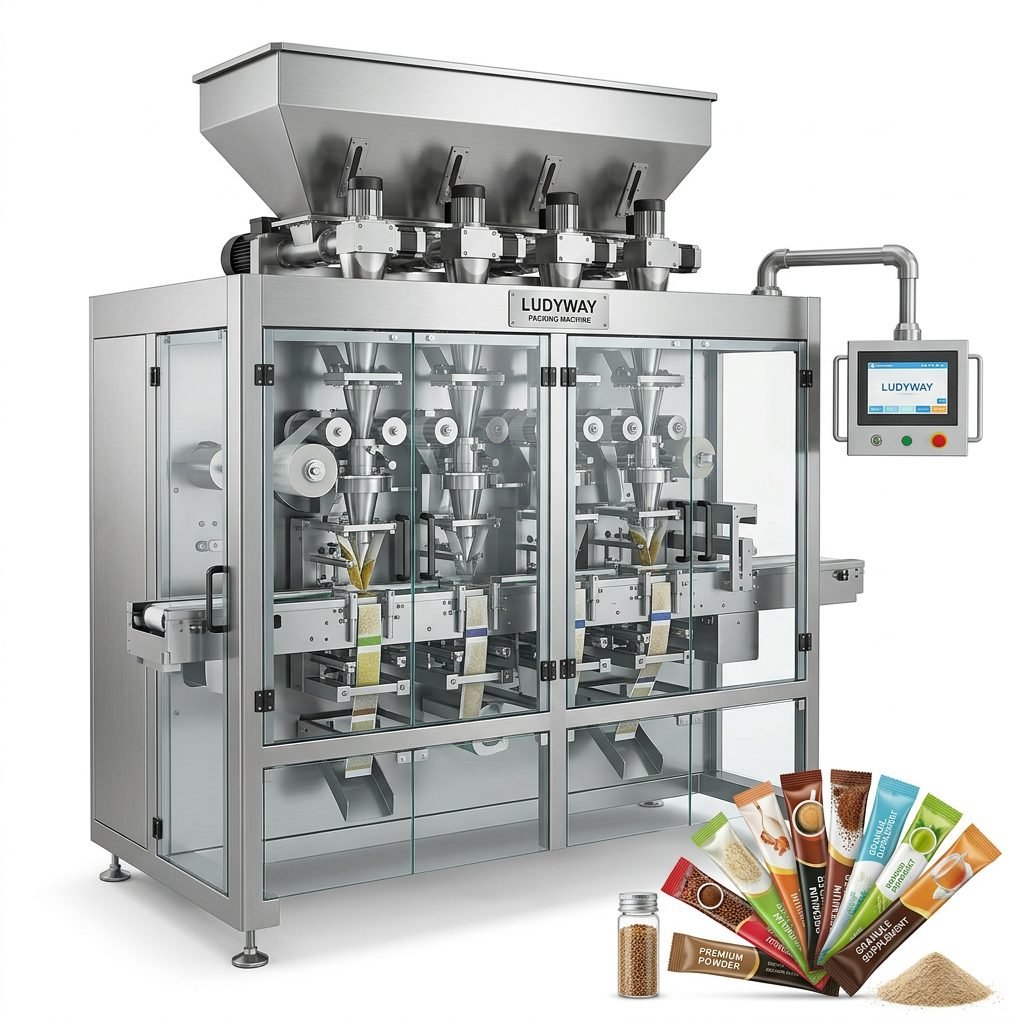
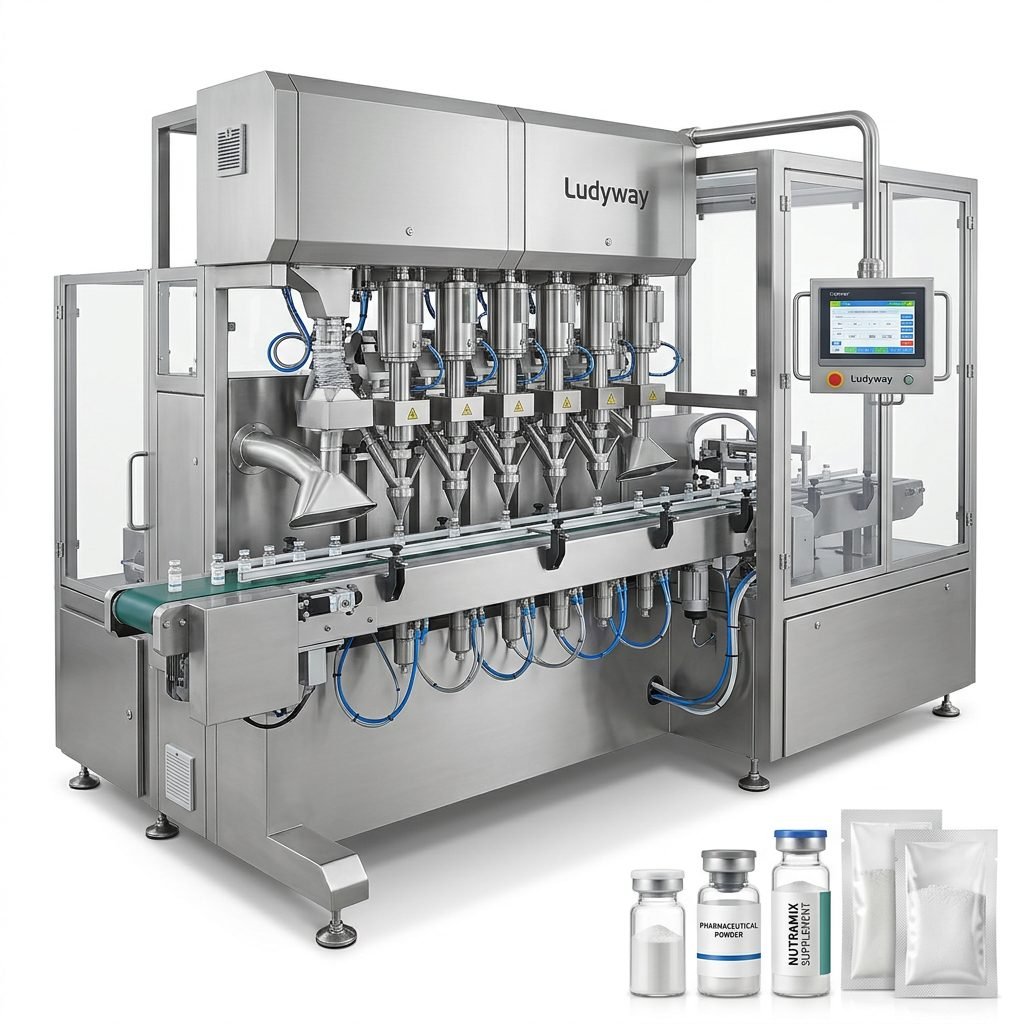
Investing in packaging machinery is a critical decision for food processors, agricultural exporters, and pharmaceutical manufacturers across Africa. A vacuum sealer packaging machine is not just a tool for preserving freshness; it is a strategic asset that combats food spoilage, extends shelf life, and unlocks access to premium export markets. As the African Continental Free Trade Area (AfCFTA) boosts intra-African trade, the demand for high-barrier, hermetically sealed products has never been higher.
Why Vacuum Sealing is Essential for African Markets
Africa’s diverse climate, ranging from humid coastal regions to arid inland areas, creates challenging logistics for perishable goods. Without proper sealing, products face rapid oxidation, moisture ingress, and insect infestation. A vacuum sealer packaging machine removes atmospheric oxygen from the package prior to sealing. This inhibits the growth of aerobic bacteria and fungi, preserving the nutritional value and flavor of food. For cash crops like coffee, tea, and cashews, or high-protein goods like fish and meat, this technology directly translates to reduced post-harvest losses and higher profitability per kilogram shipped.
Key benefits driving adoption across the continent include:
- Extended Shelf Life: Significantly slows degradation, enabling sea freight to distant markets like Europe and the Middle East.
- Hygiene Compliance: Creates a sterile barrier essential for food safety standards and pharmaceutical regulations.
- Volume Reduction: Shrinks packaging size, optimizing storage and transportation costs in cold chain logistics.
- Brand Protection: Aesthetic, tight packaging enhances product presentation and prevents tampering.

Key Considerations Before Purchasing
Selecting the right vacuum sealer packaging machine requires matching the equipment to your specific production environment. The most cost-effective machine in China might fail quickly in a high-humidity African factory if not properly specified. You must evaluate the chamber dimensions, the vacuum pump’s duty cycle, and the sealing bar’s adaptability to the film thickness required for tropical climates. Unlike generic shrink wrap, a true vacuum system focuses on the integrity of the seal in relation to the product’s chemical sensitivity.
Chamber vs. External vs. Thermoforming Machines
Understanding the technical tiers of equipment is essential before contacting a supplier or a packaging machinery association. The choice between a chamber, external, or a fully automated line depends entirely on your volume and product geometry. We break down the three primary categories below to help you align your investment with your operational scale.
| Machine Type | Core Technology | Best Application in Africa | Price Sensitivity |
|---|---|---|---|
| Single/Double Chamber | Airtight chamber extraction | Meat, fish fillets, fresh produce for supermarkets | Medium initial cost, durable |
| External Nozzle Sealer | External suction via bag valve | Small-scale retail, home industries, mango drying | Low entry cost, high bag cost |
| Thermoforming (Rollstock) | Inline forming, filling, sealing | High-volume processed cheese, smoked fish, coffee capsules | High Capex, lowest per-pack unit cost |
Top Brands and Regional Service Support
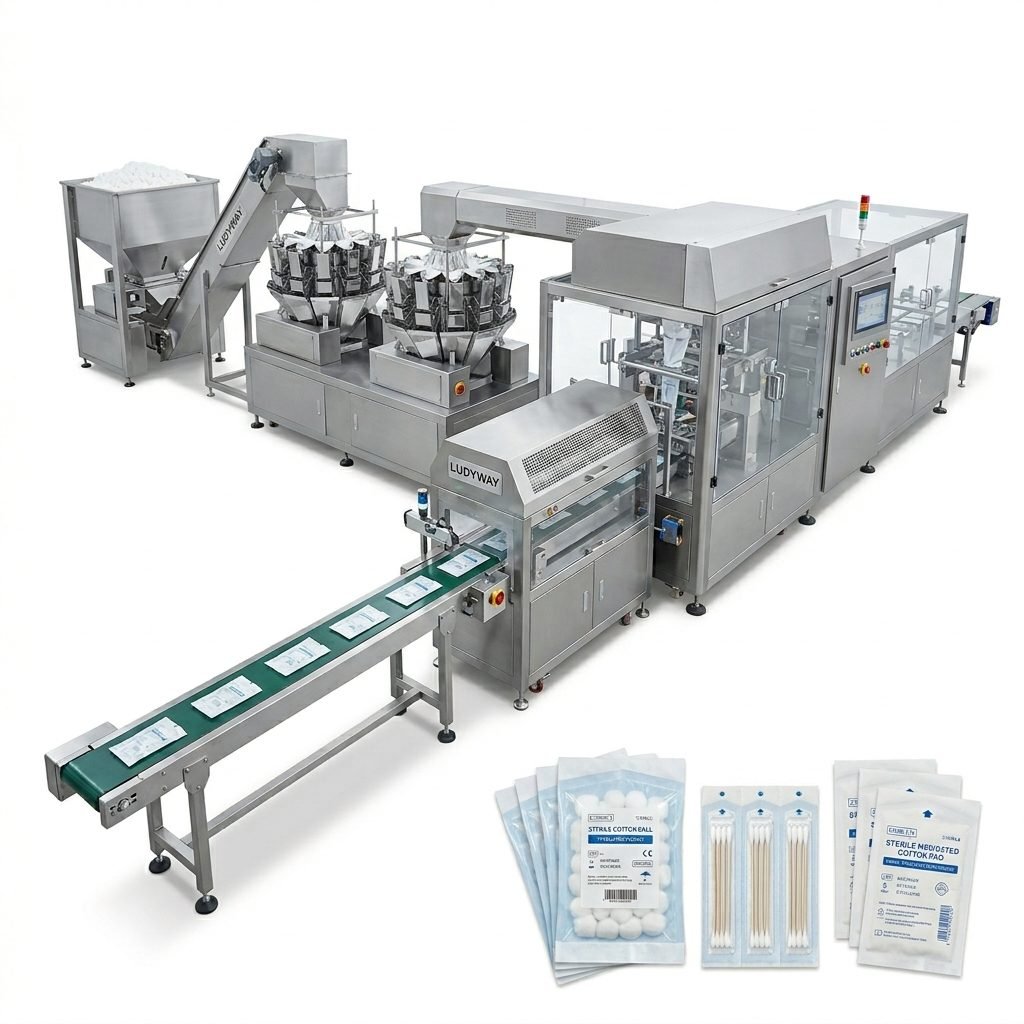
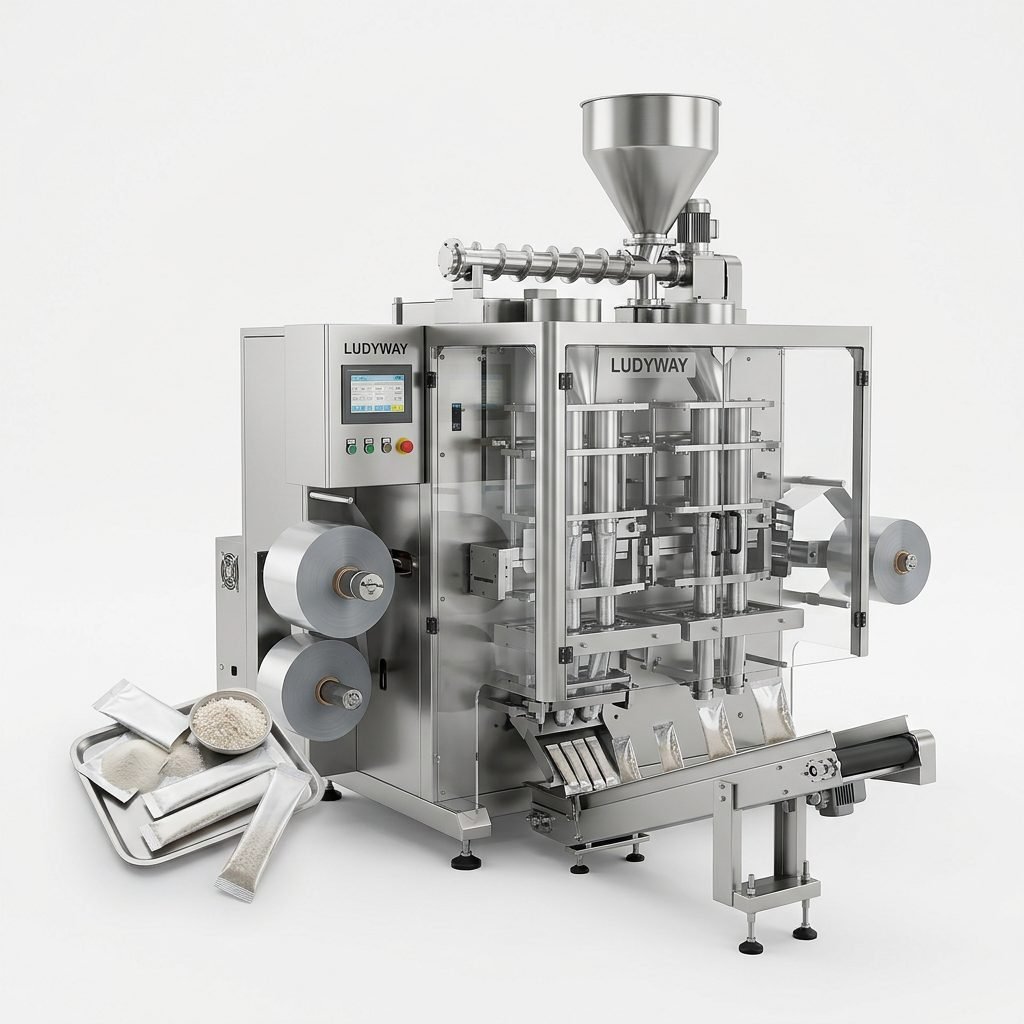
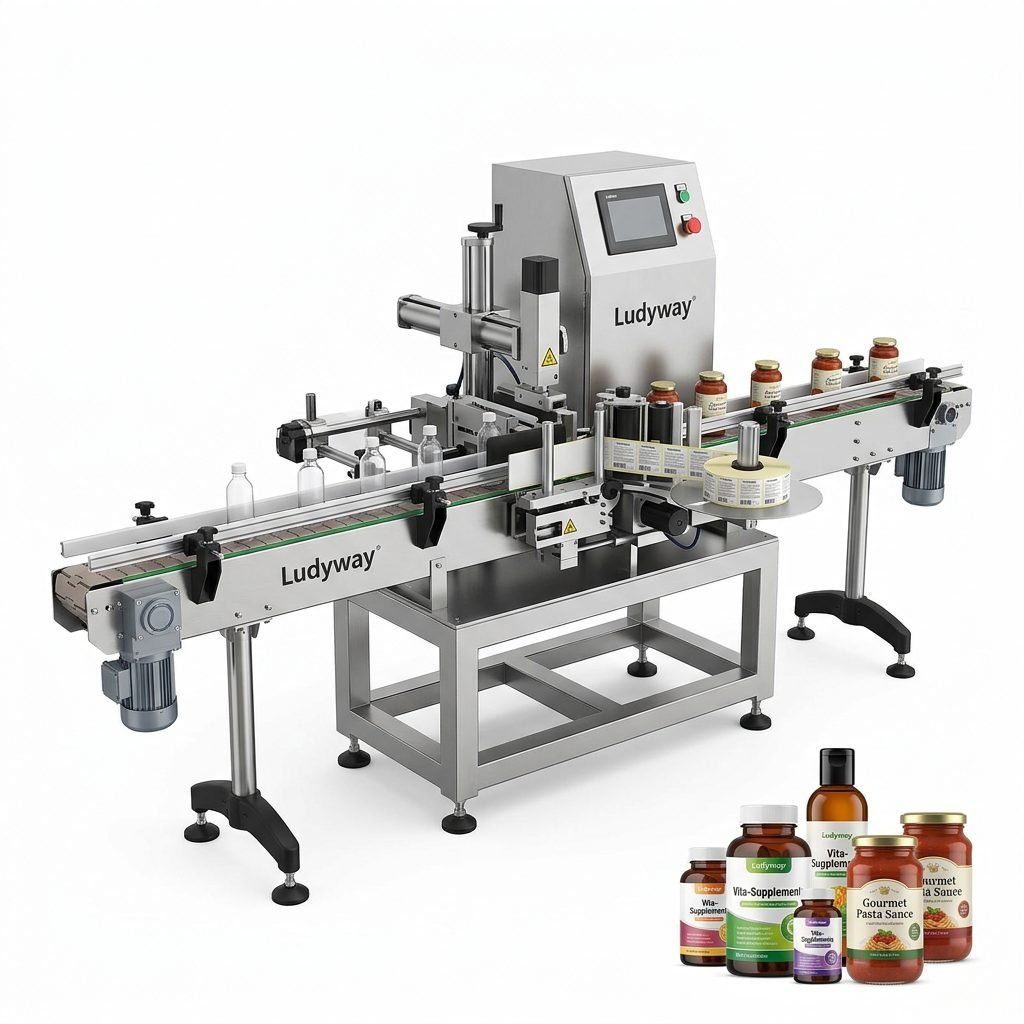
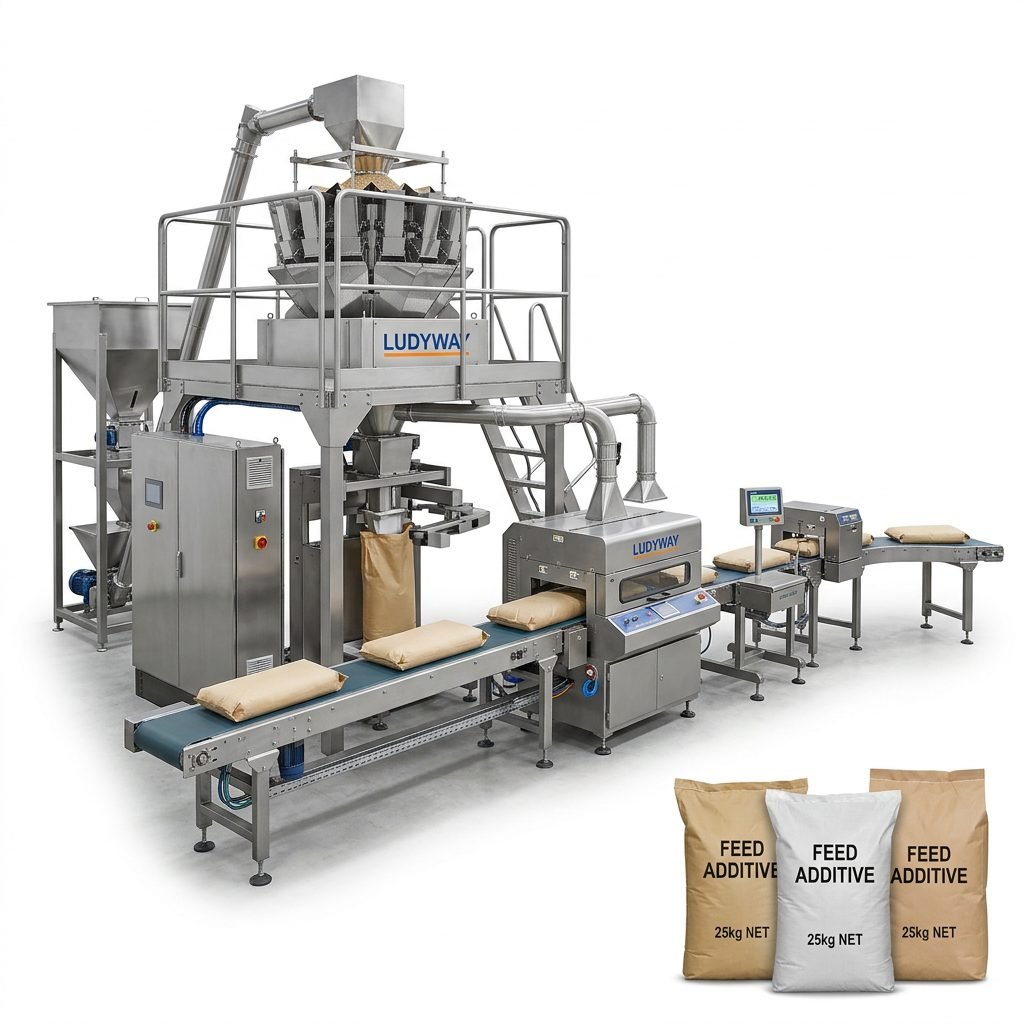
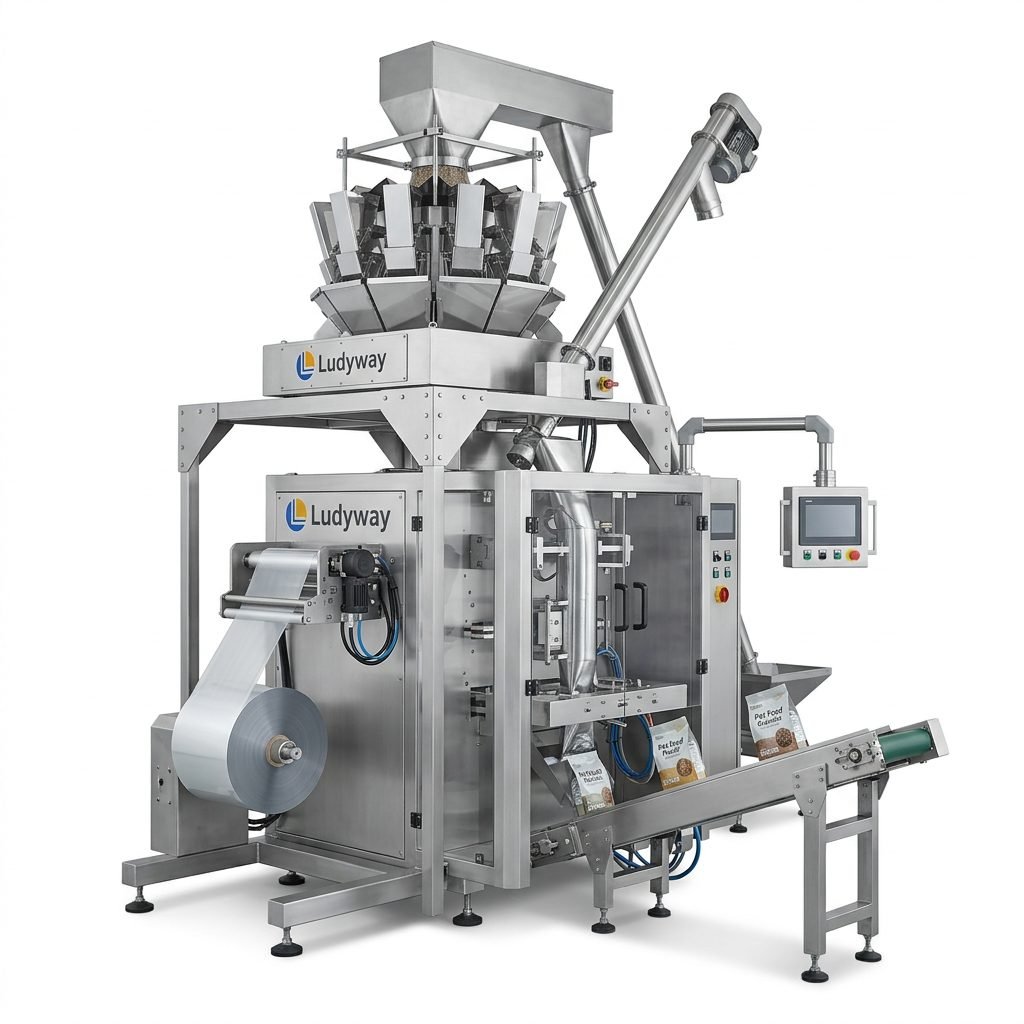
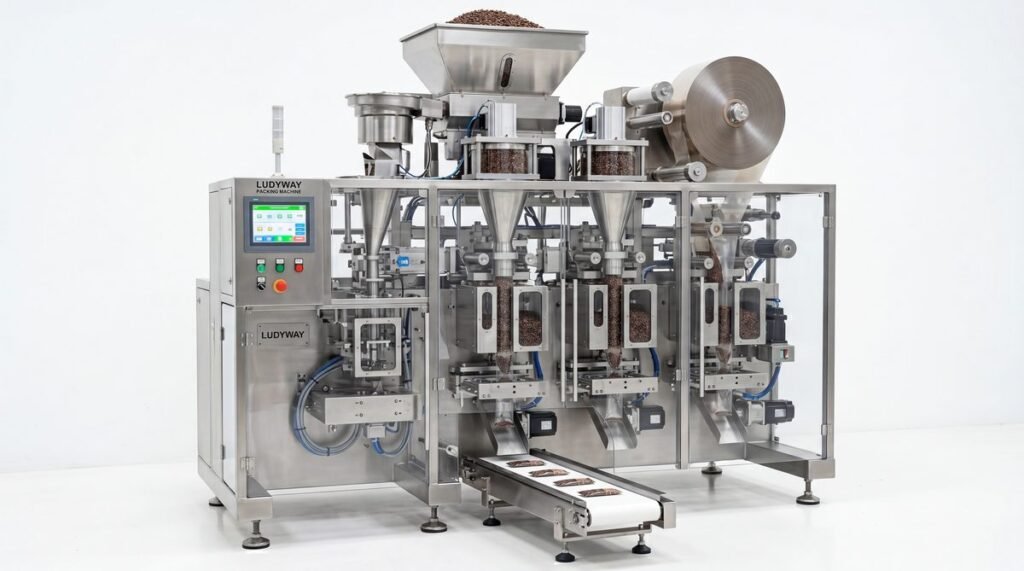
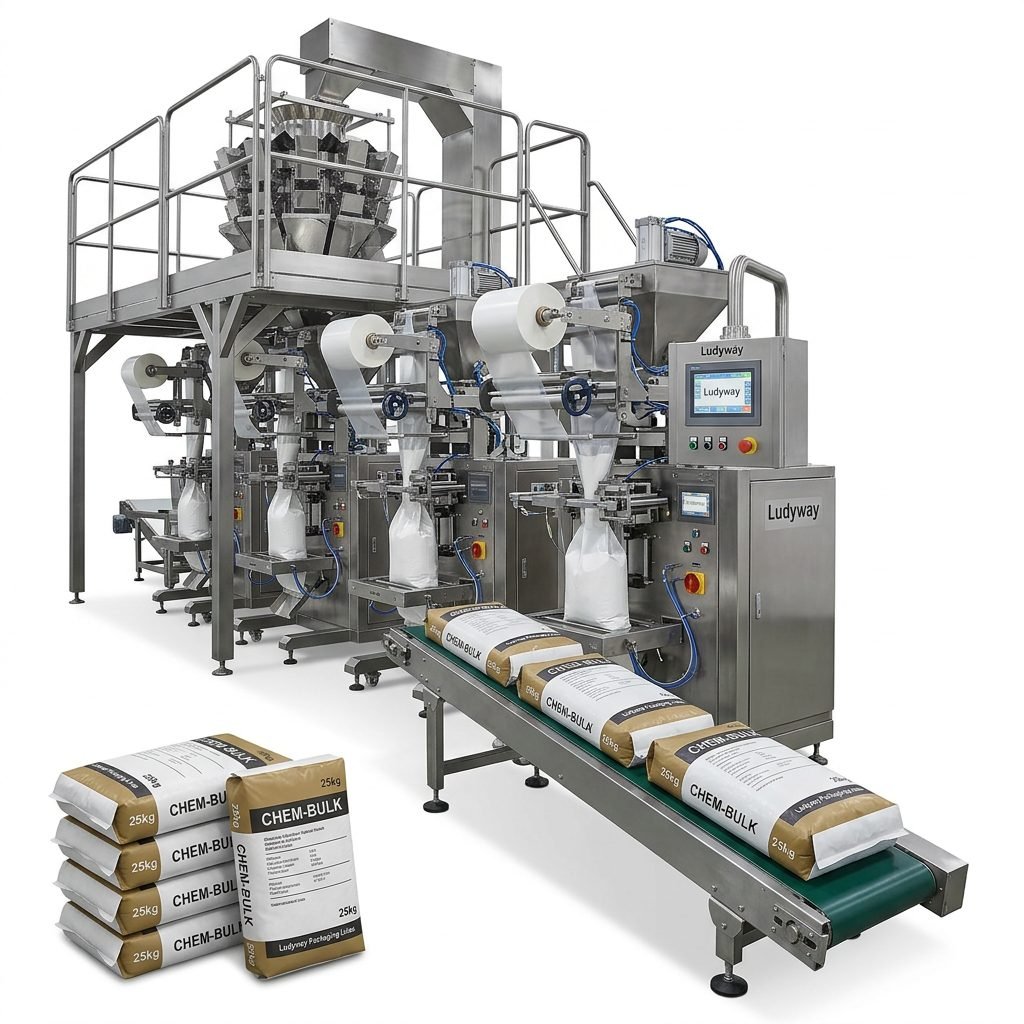
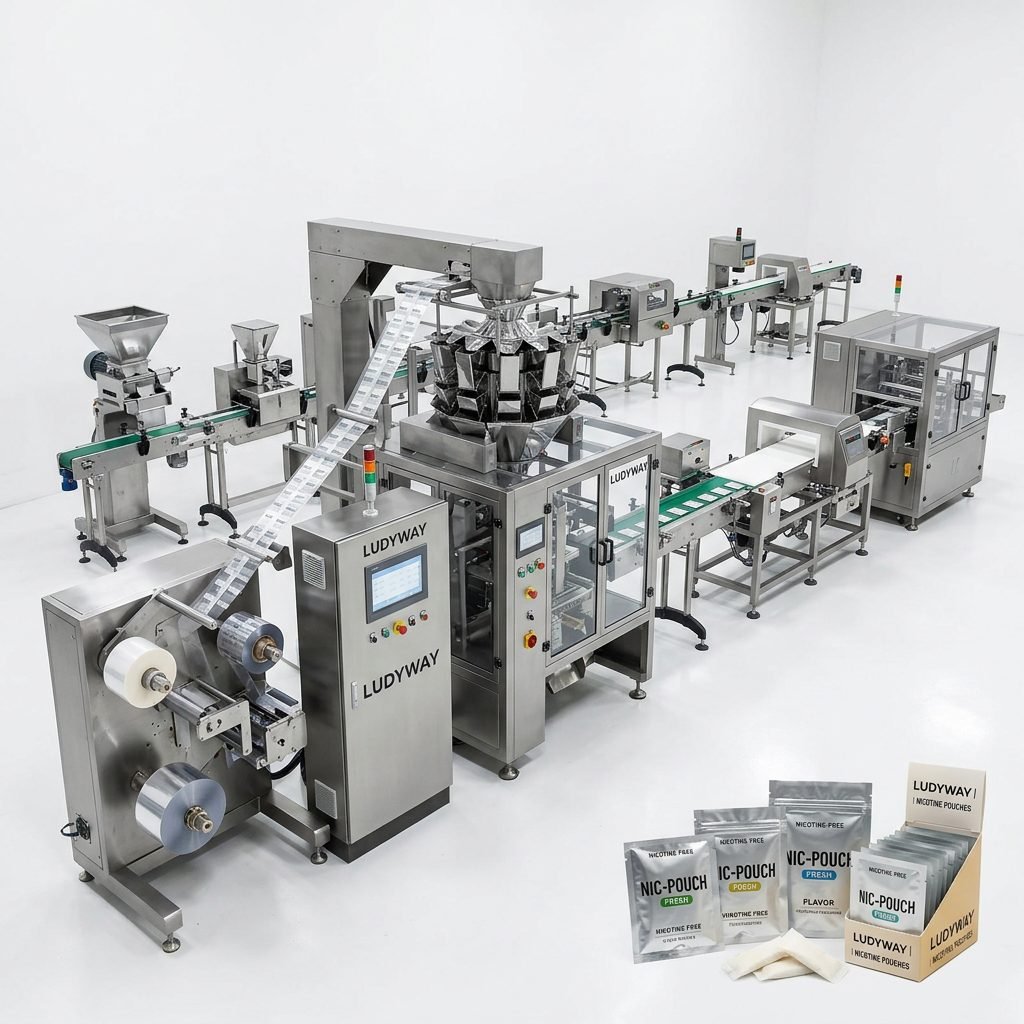
When importing packaging machinery into countries like Nigeria, Kenya, or South Africa, the manufacturer’s ability to provide rapid remote diagnostics and local spare parts is non-negotiable. While multibrand dealers offer variety, working directly with a specialized manufacturer often yields better training and technical support. Below is a snapshot of relevant market players known for durability and hygienic design, including Ludyway, one of the largest packaging machine manufacturers in China with over 30 years of industry expertise.
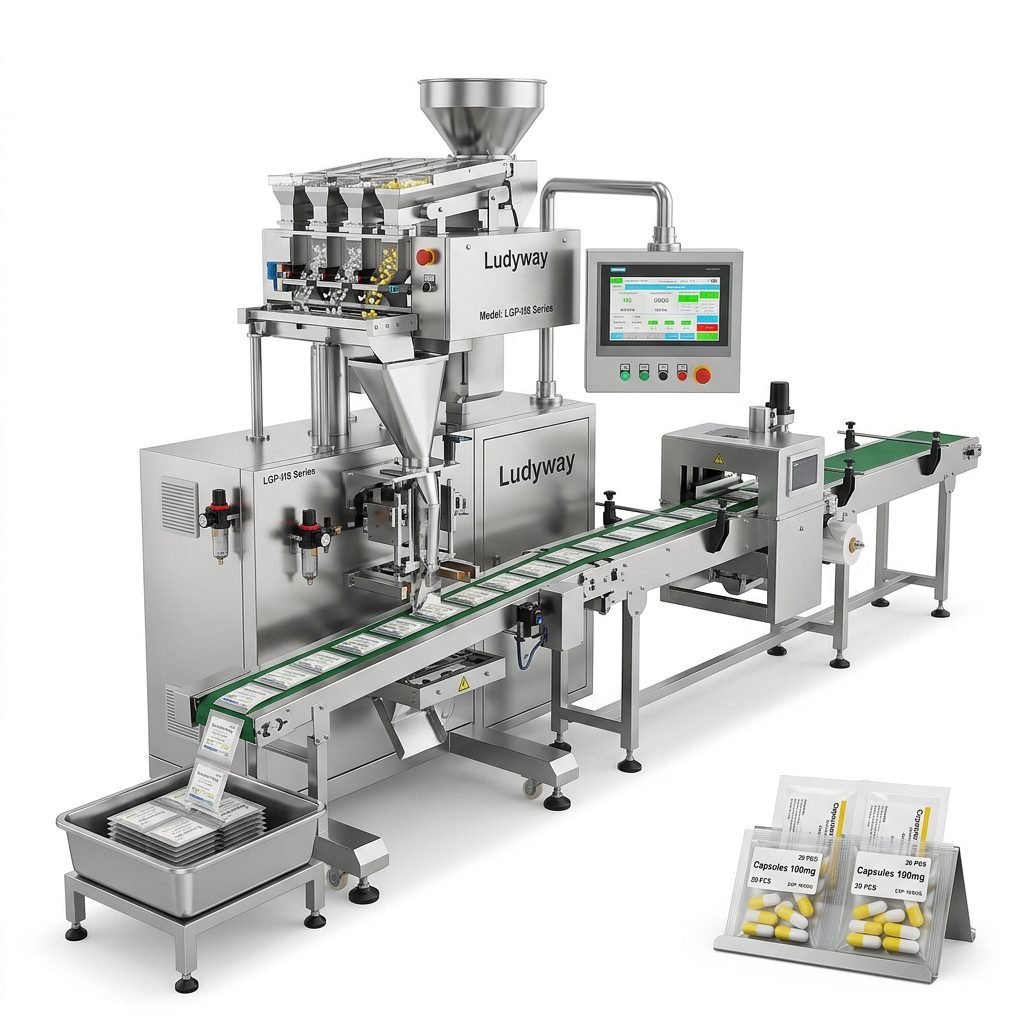
Ludyway specializes in advanced packaging equipment and turnkey production solutions for the food, pharmaceutical, and health industries, offering more than 50 intelligent packaging machine models to customers in over 100 countries and regions. Their modern 20,000㎡ manufacturing facility and highly experienced engineering team ensure reliable and cost-effective solutions suitable for diverse packaging applications.
Comparing Specifications and Build Quality
To ensure longevity, the frame must be robust, and the control system must be intuitive for local operators. We have summarized the critical specifications you should compare across brands in the table below. Prioritize machines with high-quality sealing bars and digital temperature controllers, as overheating seals can cause micro-leaks that compromise the vacuum environment during transport. Before choosing, confirm that the packaging film compatibility aligns with your local supplier, or rely on the machine manufacturer as a film source.
| Critical Feature | Why It Matters for African Operations |
|---|---|
| Busch/Vacuum Pump | Oil-based pumps offer deep vacuum; dry claw pumps reduce maintenance in dusty environments. |
| Stainless Steel Housing (304/316) | Non-corrosive material critical for salt-laden air in coastal ports like Mombasa or Dakar. |
| Sealing Bar Width | Wider seals (8mm-10mm) provide better closure for heavy products and rough handling. |
| Voltage & Phase Adaptability | Must handle voltage fluctuations common in industrial zones with built-in transformer protection. |
| Soft-Air Function | Re-injection of inert gas prevents fragile products (like crisps or dried herbs) from being crushed. |
Applications Across Key African Industries
The versatility of a vacuum sealer packaging machine extends far beyond just raw meat. In West Africa, the rapid growth of dried fruit and nut processing (cashew, coconut, mango) relies on vacuum sealing to prevent rancidity during storage. In East Africa, the export boom for cut flowers and fresh vegetables demands vacuum-cooled packaging to maintain the cold chain from farm to Amsterdam flower auctions. Similarly, the pharmaceutical sector depends on secure blister and pouch sealing to protect drug potency against the tropical humidity.
- Agriculture & Fisheries: Vacuum packing for frozen tilapia fillets, smoked catfish, and dried lake sardines destined for regional and export markets.
- Coffee & Tea: Bulk nitrogen-flushed packaging of high-grade Arabica and Robusta beans prevents degassing and flavor loss.
- Processed Snacks: Hermetic sealing of plantain chips, cassava sticks, and groundnut snacks that face high humidity exposure.
- Pharmaceuticals & Medical: Sterile barrier systems for diagnostic kits and surgical tools, as outlined by ISO 11607 standards.
Cost of Ownership and Packaging Material Strategy
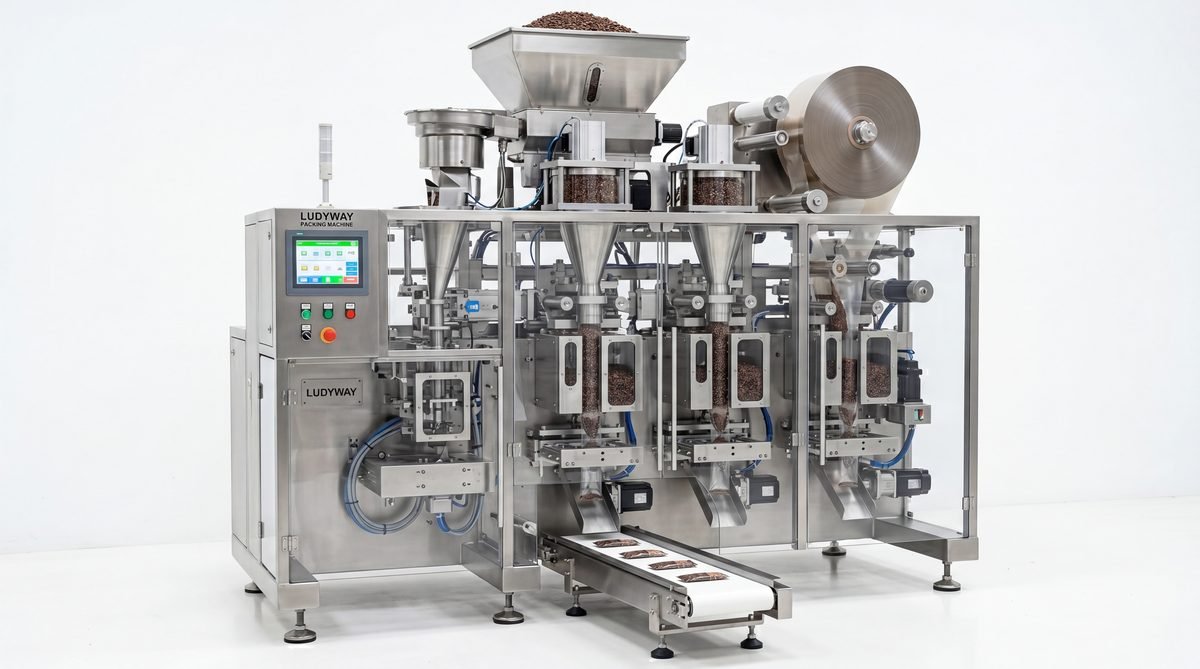
The true cost of a machine is not just the purchase price. A significant factor in Africa is the supply chain for consumable vacuum sealer packaging rolls and pouches. Importing embossed or high-barrier PA/PE bags requires consistent forex availability. We advise buyers to calculate the total cost per sealed pack, which includes film cost, electricity consumption, and maintenance kits. While cheap machines might seem attractive, they often waste materials due to erratic sealing. A machine from a manufacturer offering turnkey packaging solutions often includes training on optimizing film usage and minimizing waste, directly boosting your bottom line.
Finding Reliable Suppliers and Avoiding Scams
Procuring a vacuum sealer packaging machine for an African operation requires strict due diligence. You should verify the seller’s export history into the African continent specifically, not just general exports. Request video calls showing the machine actually running on a factory floor, preferably with the model number being tested with your product parameters. Be cautious of middlemen marking up generic machines. Partnering with a factory that offers packaging and distribution standards compliance ensures a direct channel to OEM spare parts, a critical aspect often overlooked during the initial purchase. Factor in shipping terms, preferably CFR or CIF to your nearest primary port, and confirm the packaging is seaworthy (vacuum-sealed component bags and wooden crate fumigation compliant with ISPM 15).
Frequently Asked Questions
We address the most common inquiries buyers have when acquiring a vacuum sealer packaging machine for their business operations in Africa. Understanding these points will speed up your procurement process and ensure you get equipment fit for your purpose. From maintenance to capacity planning, the details below cover practical, on-the-ground issues relevant to manufacturers in the continent.
What is the difference between a vacuum sealer and a vacuum chamber machine?
A standard external vacuum sealer sucks air out of the bag via the open end, suitable for dry goods but not liquids. A vacuum chamber machine places the entire product inside a closed chamber to equalize pressure, allowing the safe sealing of marinated meats, soups, and moist products without drawing liquid into the pump. For African food processing, a chamber machine offers far greater versatility for varying product types.
How do I maintain the machine in a high-humidity environment?
Regular oil changes are vital. Install the machine in an air-conditioned or dehumidified space if possible. Wipe down the sealing bar with a dry cloth after each production run to prevent residue buildup. For roller conveyor systems used in thermoforming lines, stainless steel chains are preferred over mild steel to prevent rust, especially in locations near the equator with heavy rainfall.
Can I package fresh hot peppers or acidic fruits without damaging the pump?
Yes, but you require a machine with a gas flush system or a high-grade stainless steel pump designed for acidic condensate. Evacuating hot products creates steam that can contaminate pump oil. It is safer to cool the product first, or use a machine with a condensation trap. This ensures your equipment longevity when packaging things like peri-peri sauce or fresh pineapple chunks.
Navigating Import Regulations and Technical Compliance
When importing a vacuum sealer packaging machine into African markets, you must ensure the electrical configuration matches the local grid. Many factories in Asia default to 380V/50Hz/3-phase, which suits most industrial zones. However, confirm your local variance. Additionally, check for relevant standards for food contact materials to ensure your packaging film and the machine’s seals comply with regulations from bodies like the South African Bureau of Standards or similar national agencies. The performance and material quality must align with your target market, whether you are exporting processed cashew nuts to the US or vacuum-sealed biltong to the UK.