Understanding the Growing Demand for MAP Packaging in Africa
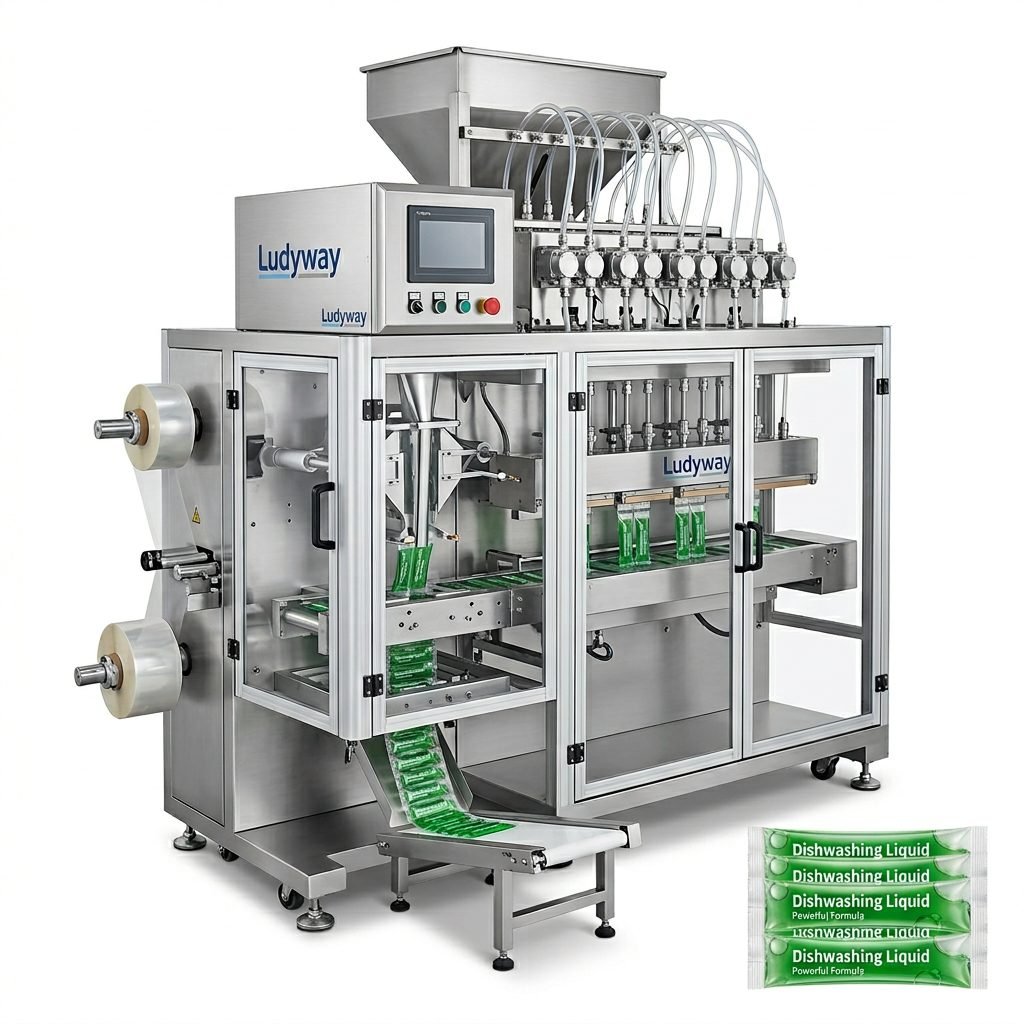
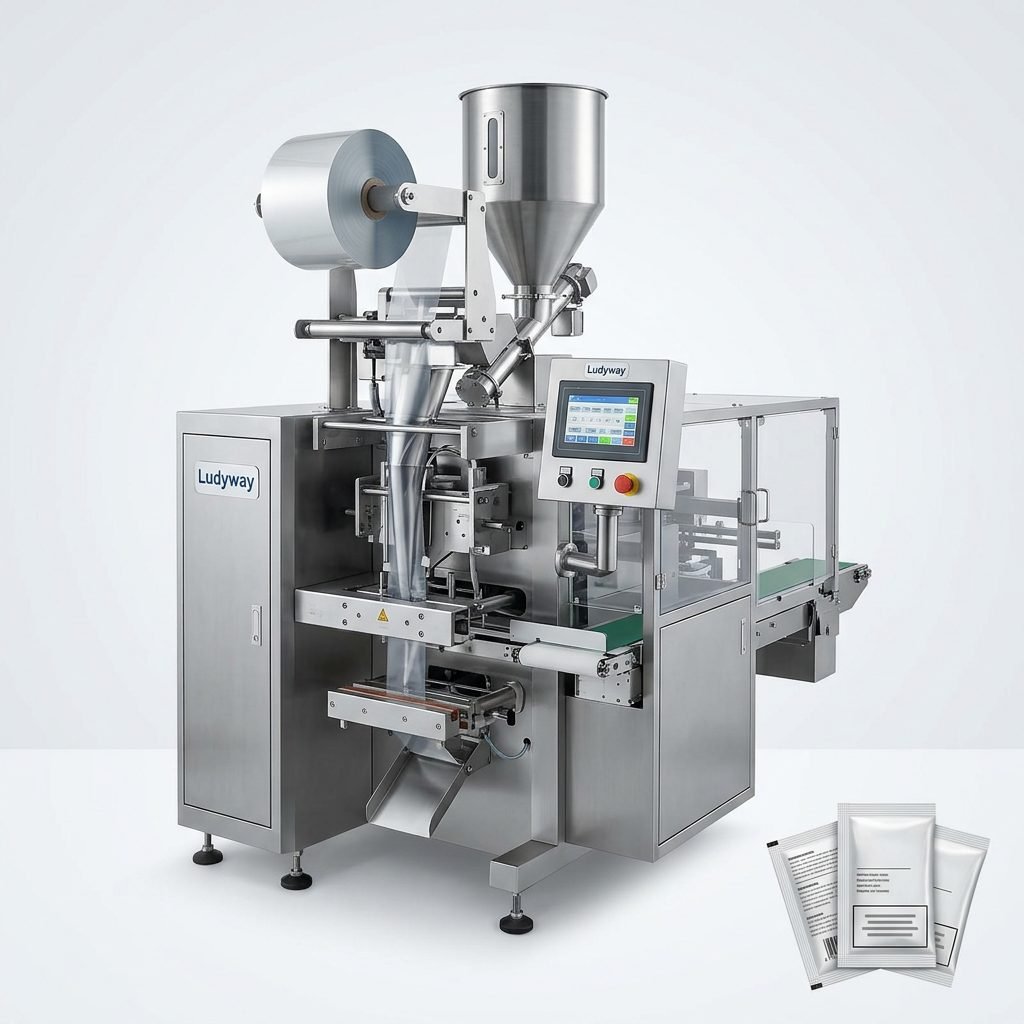
The African packaging industry is experiencing a significant transformation, driven by rapid urbanization, a rising middle class, and expanding food processing and pharmaceutical sectors. Modified Atmosphere Packaging (MAP) technology is at the forefront of this evolution, offering extended shelf life and enhanced product safety for perishable goods. Setting up a MAP packaging machine production line in Africa requires careful planning, from evaluating regional market demands for fresh produce and processed meats to understanding the logistics of importing high-performance equipment. A reliable packaging machine manufacturer can provide the technical expertise needed to navigate these initial stages.
Essential Pre-Installation Planning for Your Production Line
Before any machinery arrives on site, a thorough infrastructure assessment is critical. Evaluate your facility’s power supply stability, compressed air availability, and floor space layout. MAP lines often require specific environmental controls to maintain gas flushing accuracy. Consider the following checklist:
- Confirm three-phase electrical capacity and voltage consistency
- Plan for food-grade nitrogen and carbon dioxide gas supply systems
- Design a linear workflow from filling to sealing and quality inspection
Partnering with an experienced supplier ensures your layout minimizes bottlenecks and complies with international food safety standards. Turnkey solutions can simplify this complex process by integrating filling, gas flushing, and sealing modules into one cohesive system.
Key Machinery Components in a MAP Line
A fully automated production line comprises several interconnected units. Understanding each component’s function helps in selecting the right specification for African market conditions, where humidity and temperature can fluctuate significantly.
| Machine Module | Core Function |
|---|---|
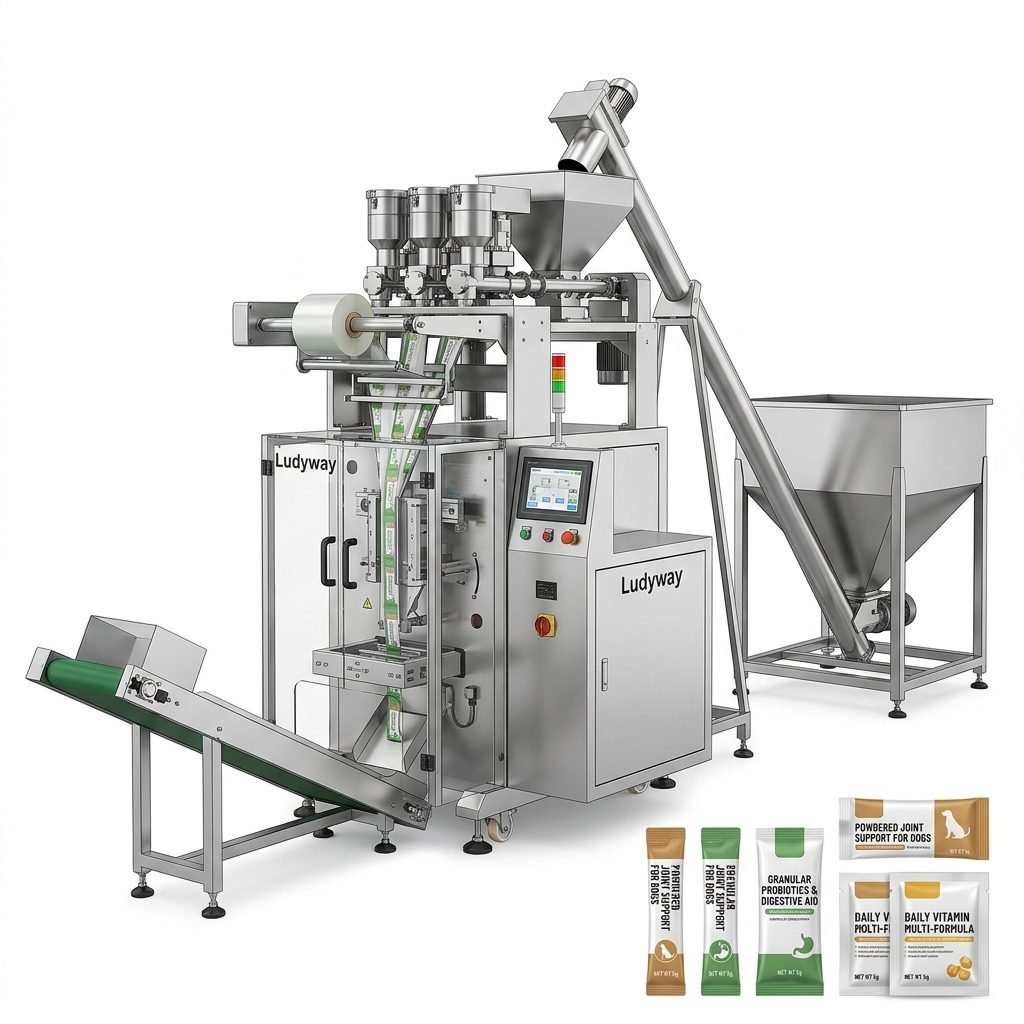
| Multi-Head Weigher or Auger Filler | Precise dosing of granules, powders, or solids |
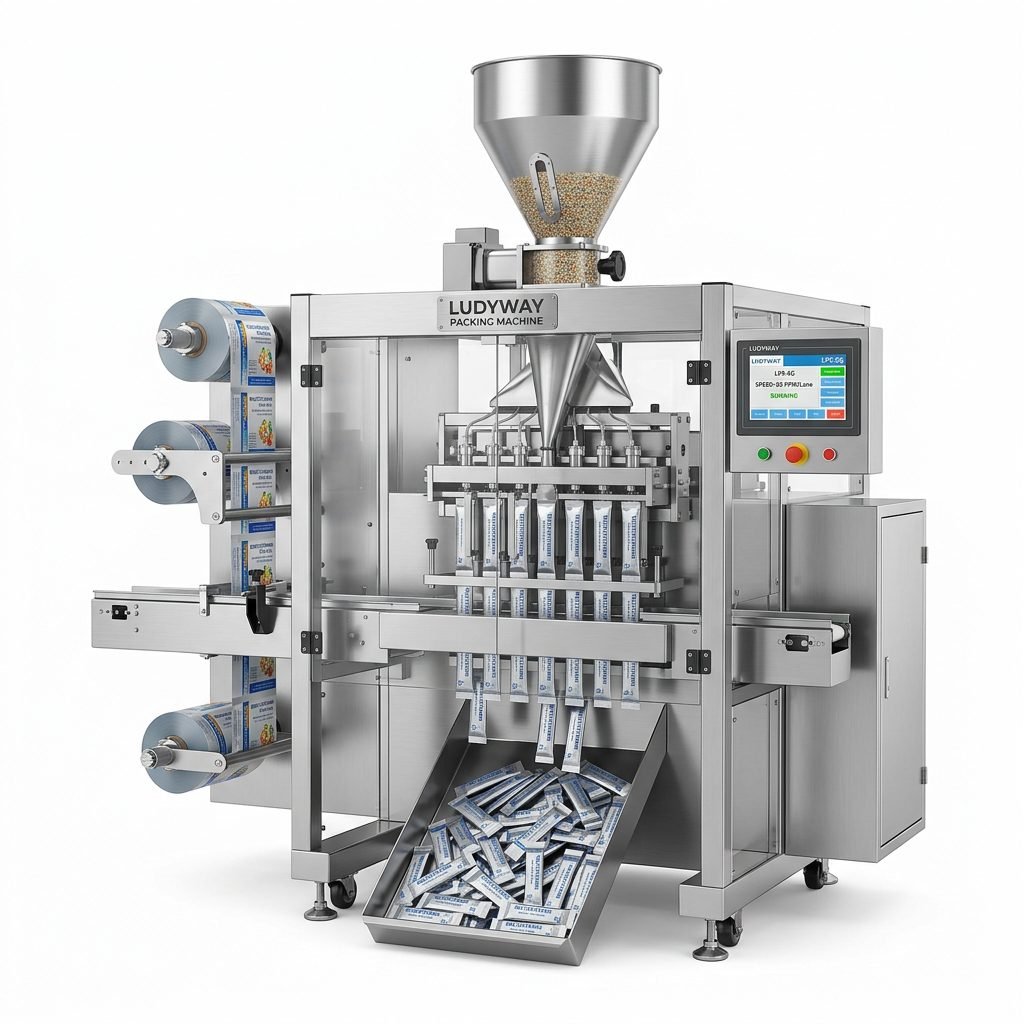
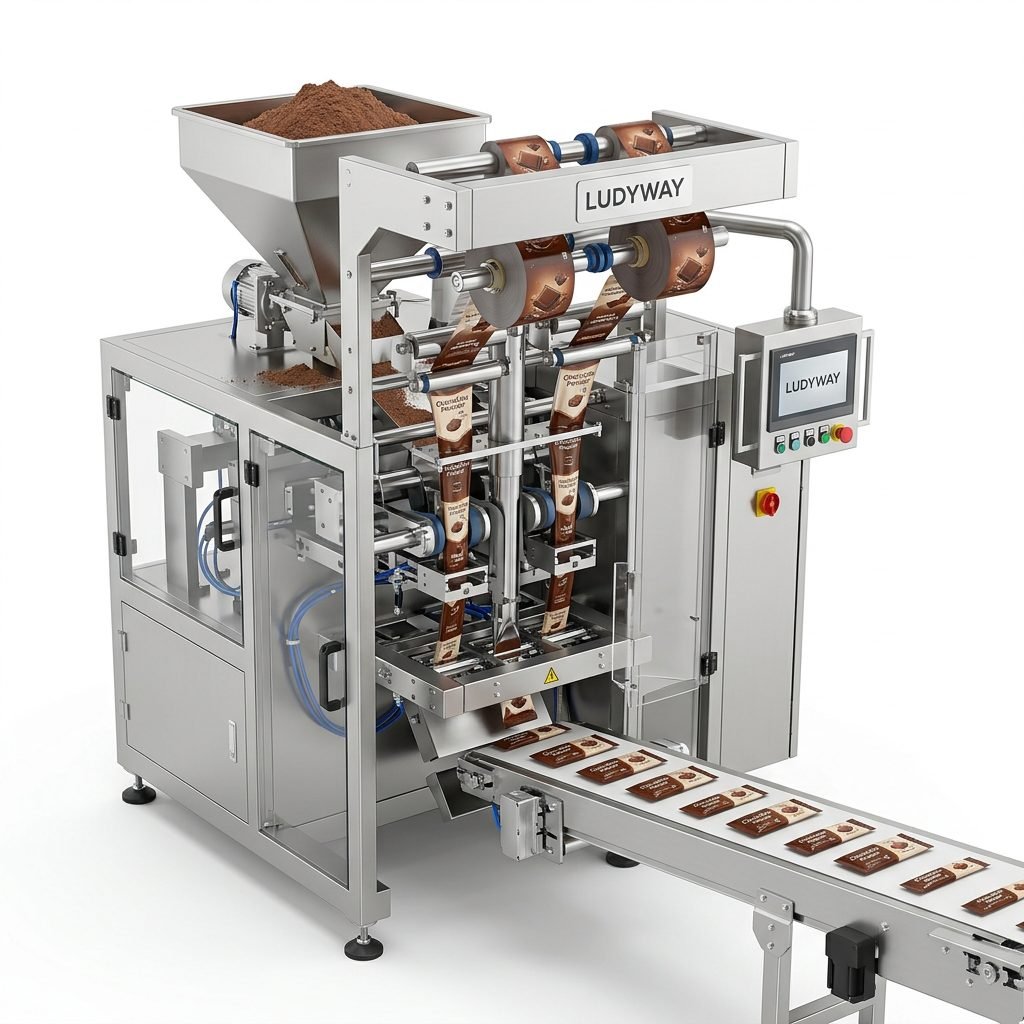
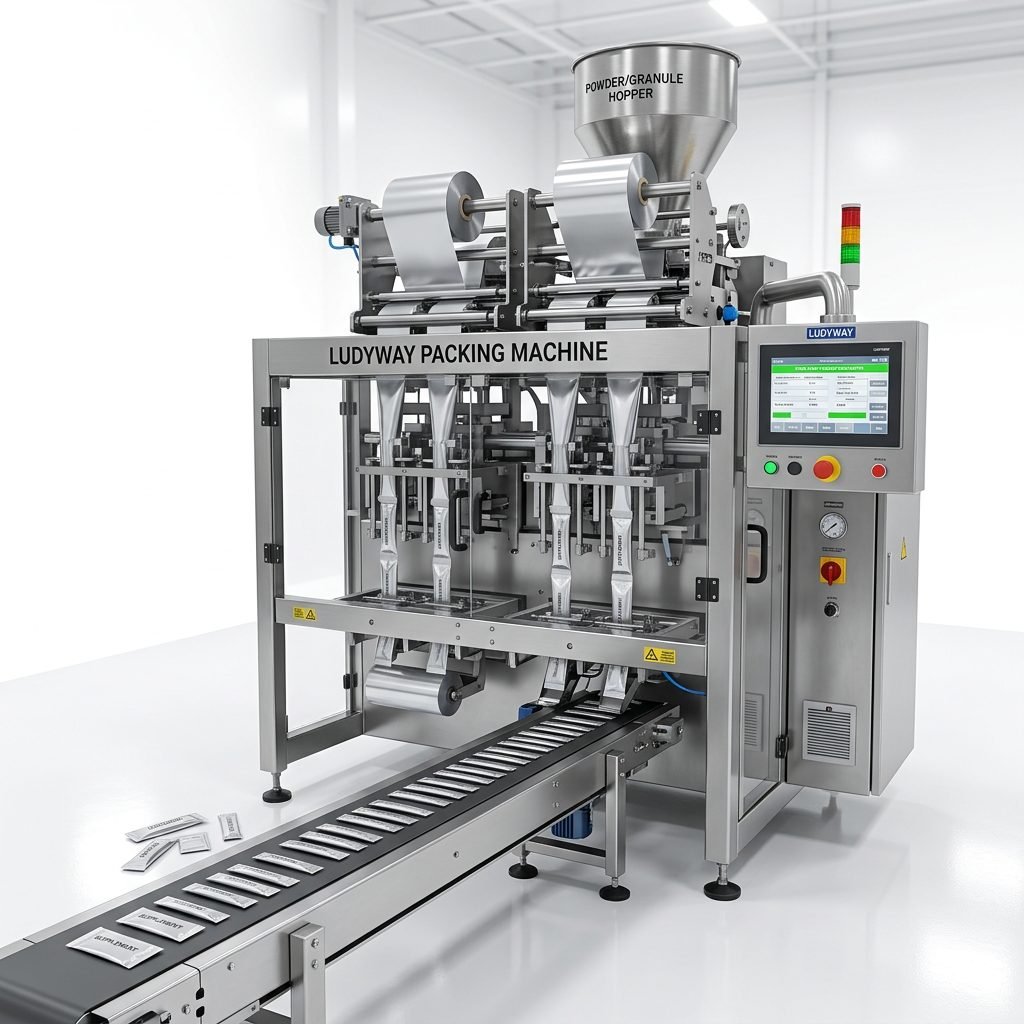
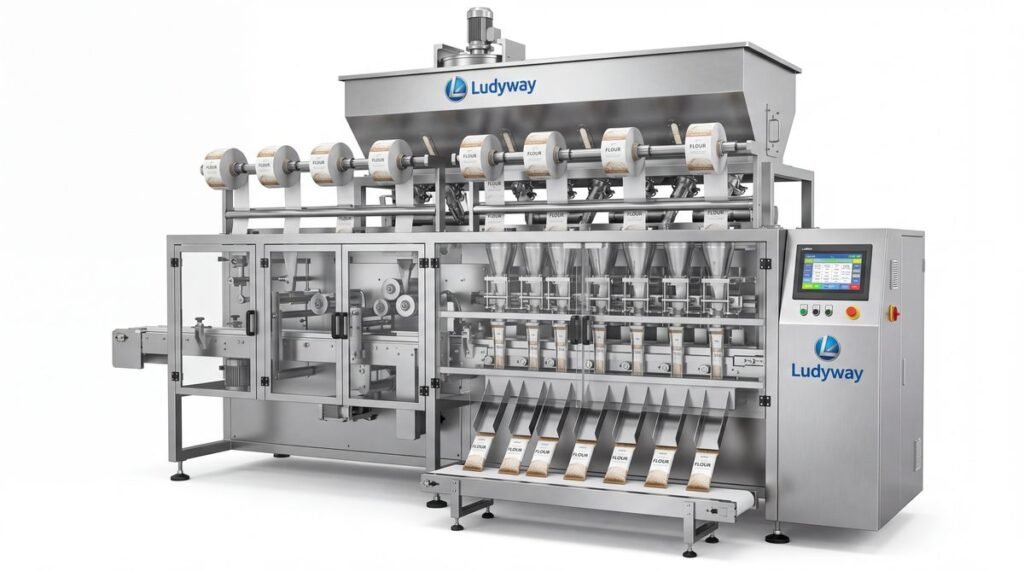
| Vertical Form Fill Seal (VFFS) Machine | Bag forming, gas flushing, and hermetic sealing |
| Gas Mixer & Analyzer | Precise blend of O2, CO2, and N2 for shelf-life optimization |
| Checkweigher & Metal Detector | Quality assurance and contaminant detection |
Selecting the Right Film and Material for African Climates
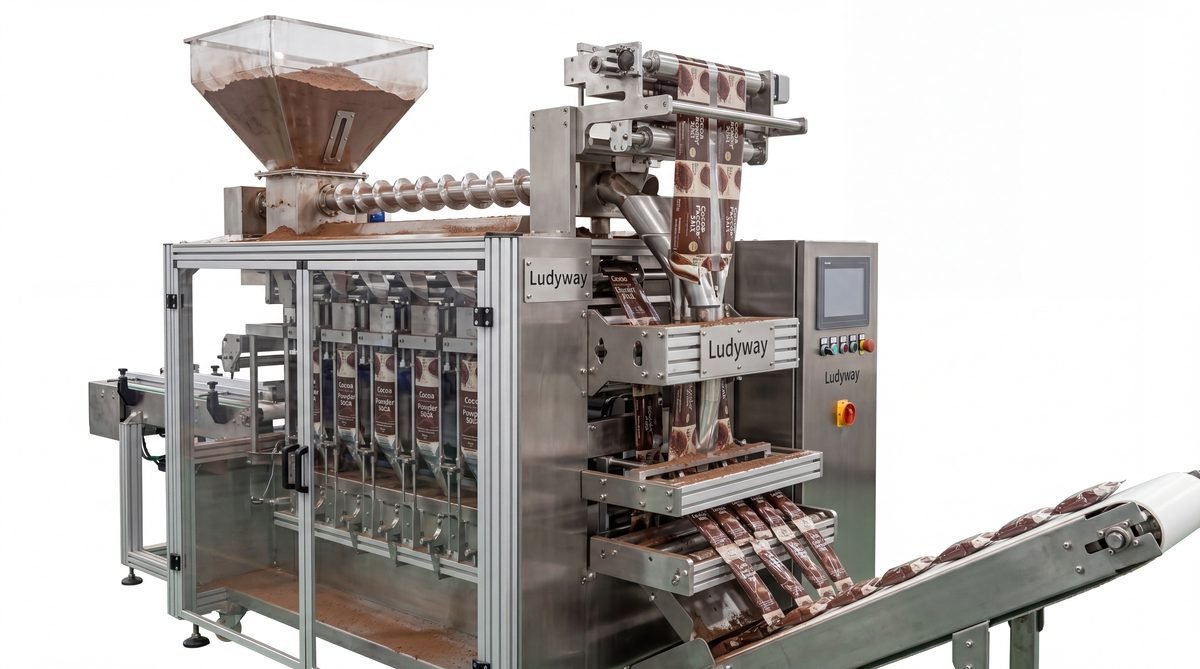
The barrier properties of your packaging film are the linchpin of MAP success. In many African regions, high ambient temperatures accelerate the permeation of gases. You must select films with high oxygen and moisture barrier characteristics. Laminated structures that include EVOH or PVDC layers are highly recommended. Moreover, sourcing printed film locally or from a diversified global supplier can significantly impact lead times and cost. The advanced packaging solutions offered by established manufacturers often include consultation on compatible film types for your specific product, whether it is fresh pasta, cheese, or baked goods.
Step-by-Step Installation and Calibration
Physical installation is more than just positioning equipment. It involves precise leveling, electrical wiring, and pneumatic pipe connections. Once installed, the critical phase of MAP calibration begins. The gas flushing parameters must be finely tuned to achieve a residual oxygen level of less than 1% for most applications. This process requires a skilled technician to calibrate the gas mixer and synchronize the sealing jaws of the packaging machine. Look for partners who offer remote or on-site support during this crucial start-up phase in Africa.
Operational Training and Workforce Development
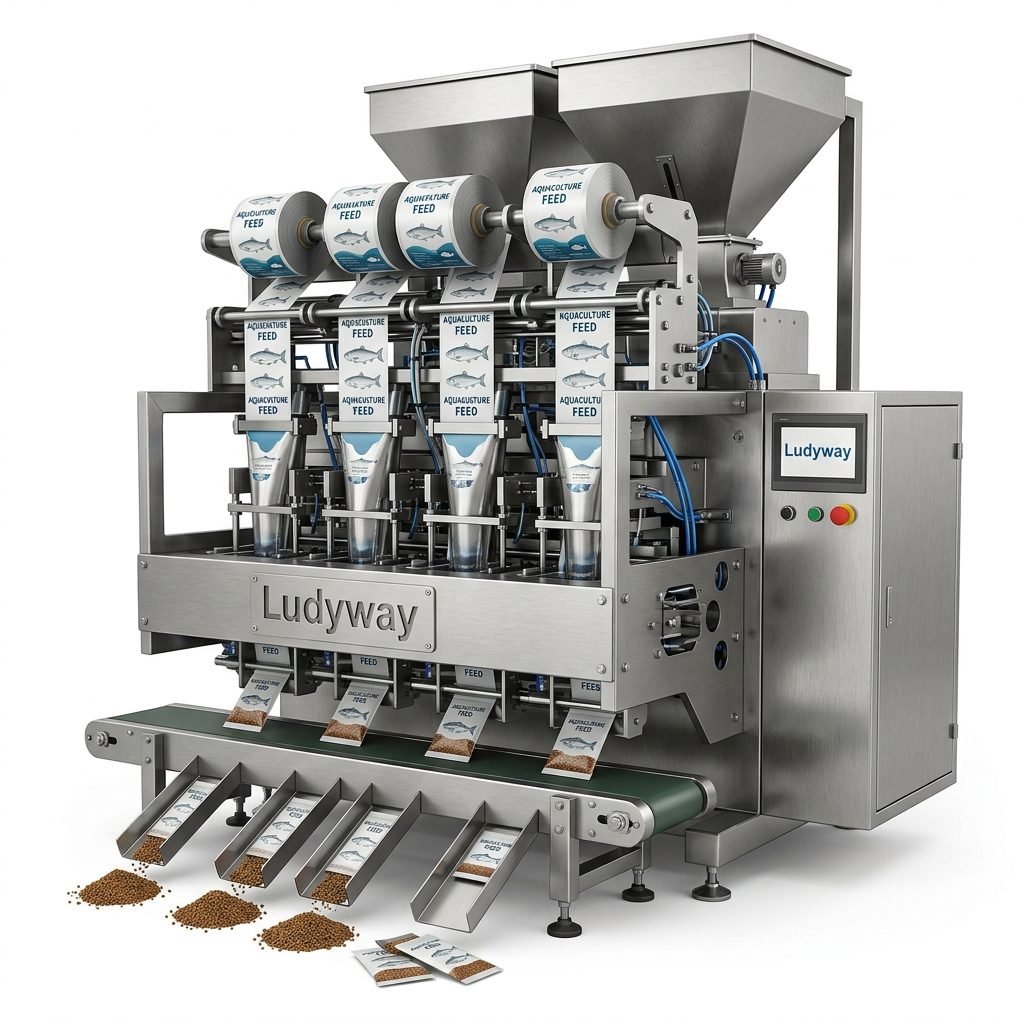
A sophisticated production line requires a well-trained operational team. Comprehensive training should cover touchscreen HMI navigation, recipe management, and basic mechanical troubleshooting. Due to the technical nature of MAP machinery, operators must understand the interplay between film tension, sealing temperature, and gas pressure. Investing in a thorough training program offered by the machine supplier reduces downtime and prevents packaging waste, ensuring a rapid return on investment for your African facility.
Maintenance Protocols for Tropical Environments
Maintaining a MAP line in a humid or dusty environment requires a proactive approach. Regular cleaning of the gas nozzles and sealing surfaces is mandatory to avoid leaks. Create a daily, weekly, and monthly maintenance log. Electrical cabinets should be sealed against insects and moisture, and air compressors need frequent draining. Preventive maintenance contracts with your supplier can guarantee access to genuine spare parts and periodic remote diagnostics.
Supply Chain and Logistics Strategy in Africa
Setting up the physical line is only half the battle. You need a robust supply chain for consumables, specifically barrier films and packaging gases. In some markets, industrial gas supply can be inconsistent; therefore, considering on-site nitrogen generators might be a cost-effective long-term solution. Additionally, factor in the import duties and port clearance times for machinery and spares. Working with a company that understands the logistics landscape is vital. Ludyway, as a global enterprise, offers consultation that goes beyond machinery to help you streamline these logistical hurdles, ensuring your line doesn’t sit idle waiting for components.
Quality Control and Shelf-Life Verification
After production begins, you must verify that your MAP process is working correctly. This requires investing in a package leak detector and a headspace gas analyzer. These tools help you monitor the integrity of the seal and the gas mixture inside the package. Conducting accelerated shelf-life testing under simulated African retail conditions will validate your process. A compliant and well-documented quality control procedure is essential for achieving international retail standards and exporting packaged products.
Leveraging Turnkey Solutions for Rapid Deployment
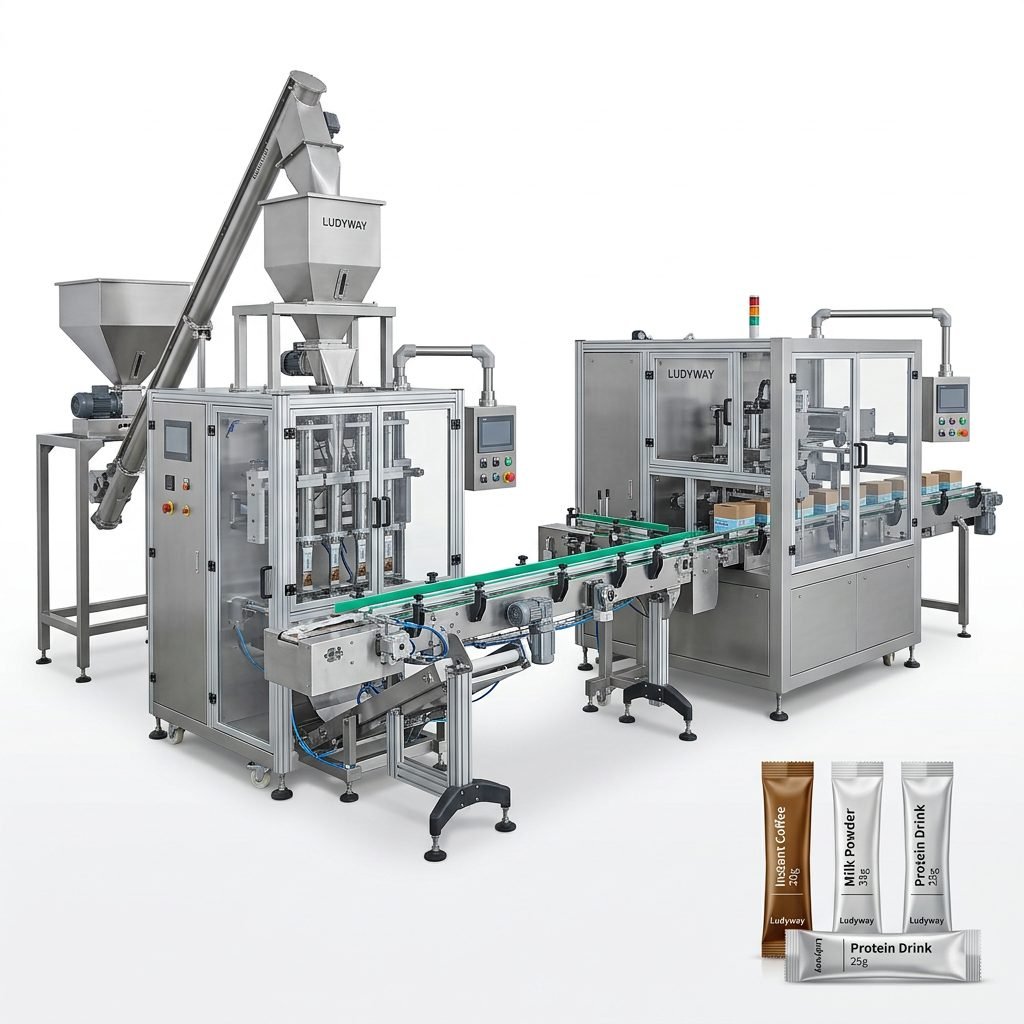
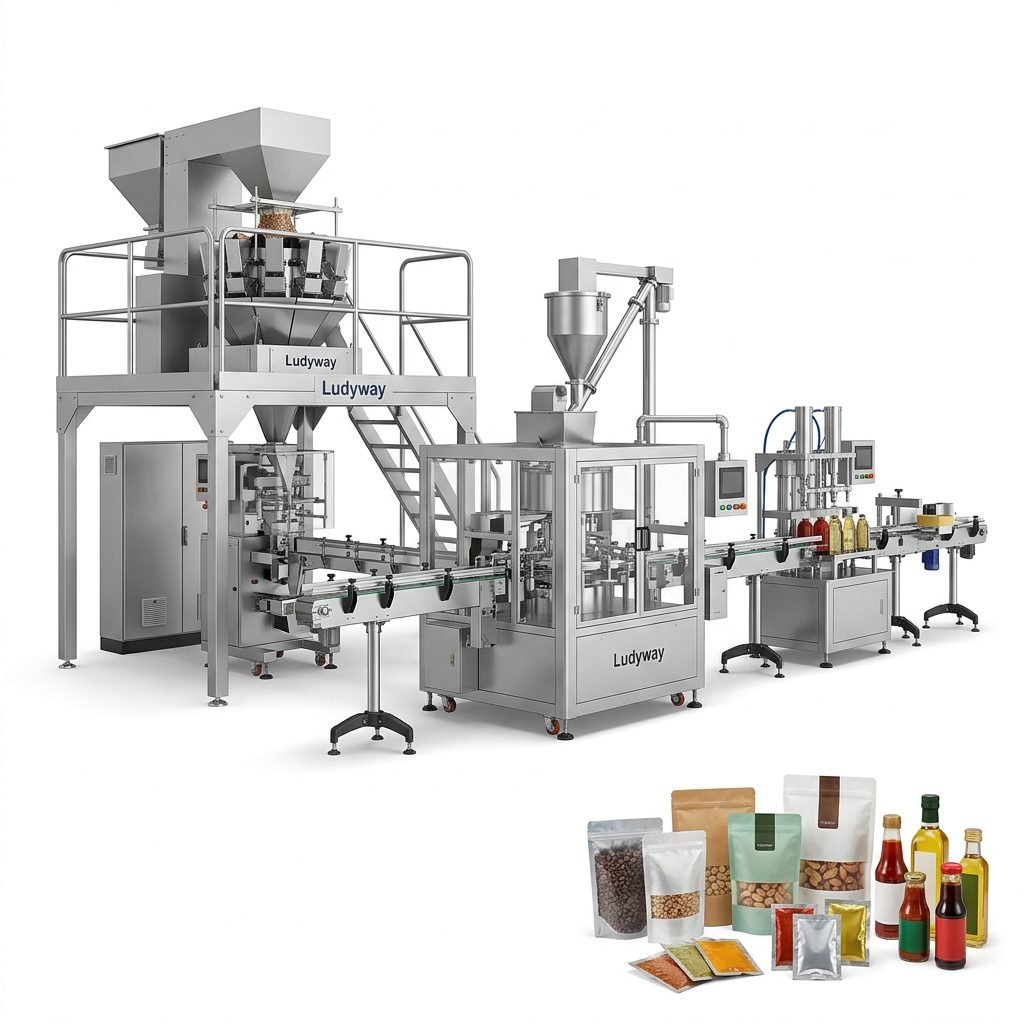
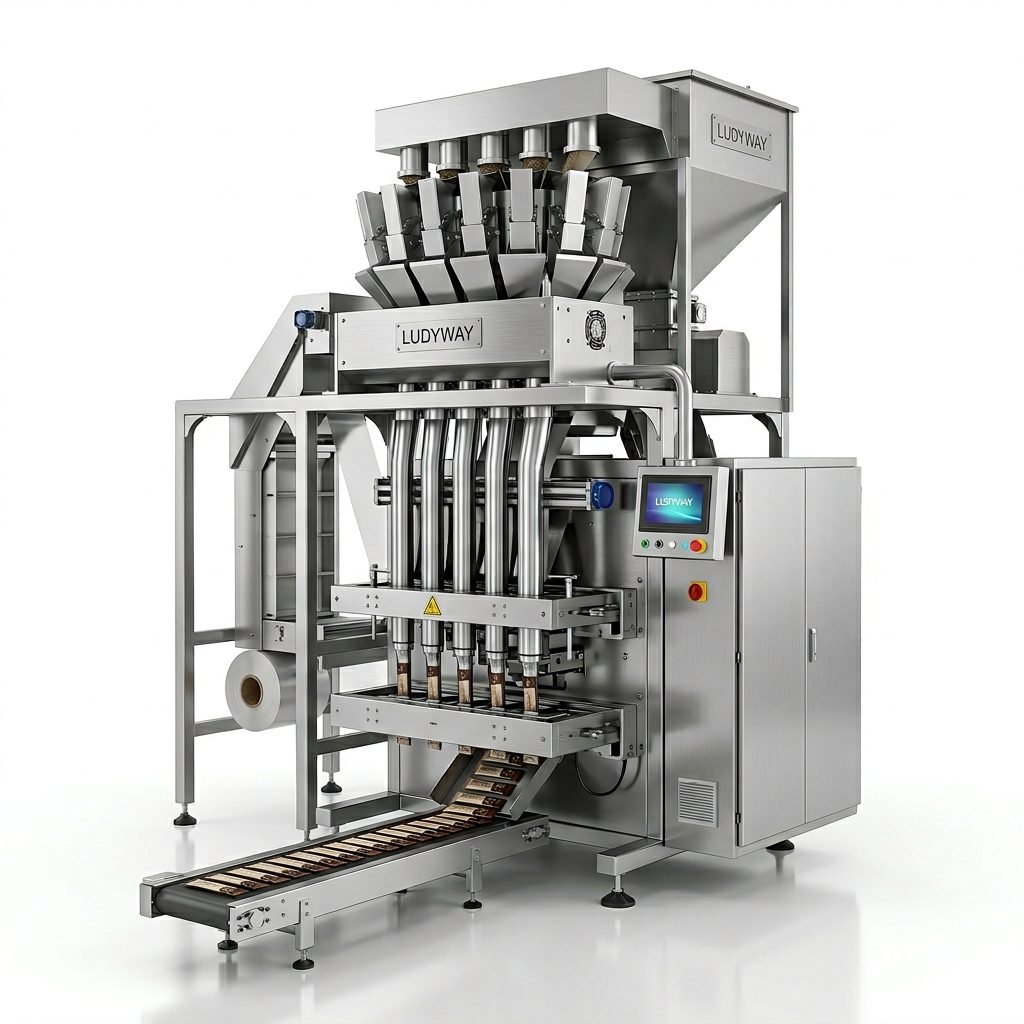
For many entrepreneurs entering the African packaged goods market, a turnkey approach minimizes risk. This means working with a single supplier who provides layout design, all machinery, conveyors, and downstream equipment like automated cartoning lines and palletizers. Transitioning seamlessly between processing and packaging reduces manual handling and contamination risks. A turnkey MAP line ensures that the gas mixer, filler, and sealer are perfectly synchronized, offering peak efficiency from day one.
| Planning Phase | Key Actions |
|---|---|
| Facility Readiness | Power audit, floor reinforcement, cleanroom setup |
| Equipment Selection | Speed rating, multi-lane configuration, gas mixer specs |
| Installation | Mechanical anchoring, electrical integration, signal testing |
| Commissioning | No-load running, gas seal validation, weight calibration |
Navigating Regulatory Standards for Packaging in Africa
Each country has its own food safety agency and packaging regulations. Your MAP line must be capable of producing packaging that meets these local standards, as well as international guidelines like ISO 11607 for medical devices or FDA regulations for food contact substances if you are exporting. Ensure your machine’s material certificates and the films’ migration test reports are in order. The design of the machine should facilitate easy cleaning and traceability logging to pass routine audits.
Cost Analysis and ROI Expectations
The initial capital expenditure for a MAP line depends heavily on the level of automation and speed. While a semi-automatic line might seem attractive for startups, a fully automated high-speed system typically offers a lower cost-per-package over its lifetime. Energy-efficient drives and servo motors reduce operational costs over the long term. When budgeting, factor in the cost of specialized barrier films and the consumption of gas. Consult with experts to model your ROI based on product throughput and waste reduction. The expertise of a seasoned manufacturer is invaluable in this financial forecasting.
Future-Proofing Your Investment
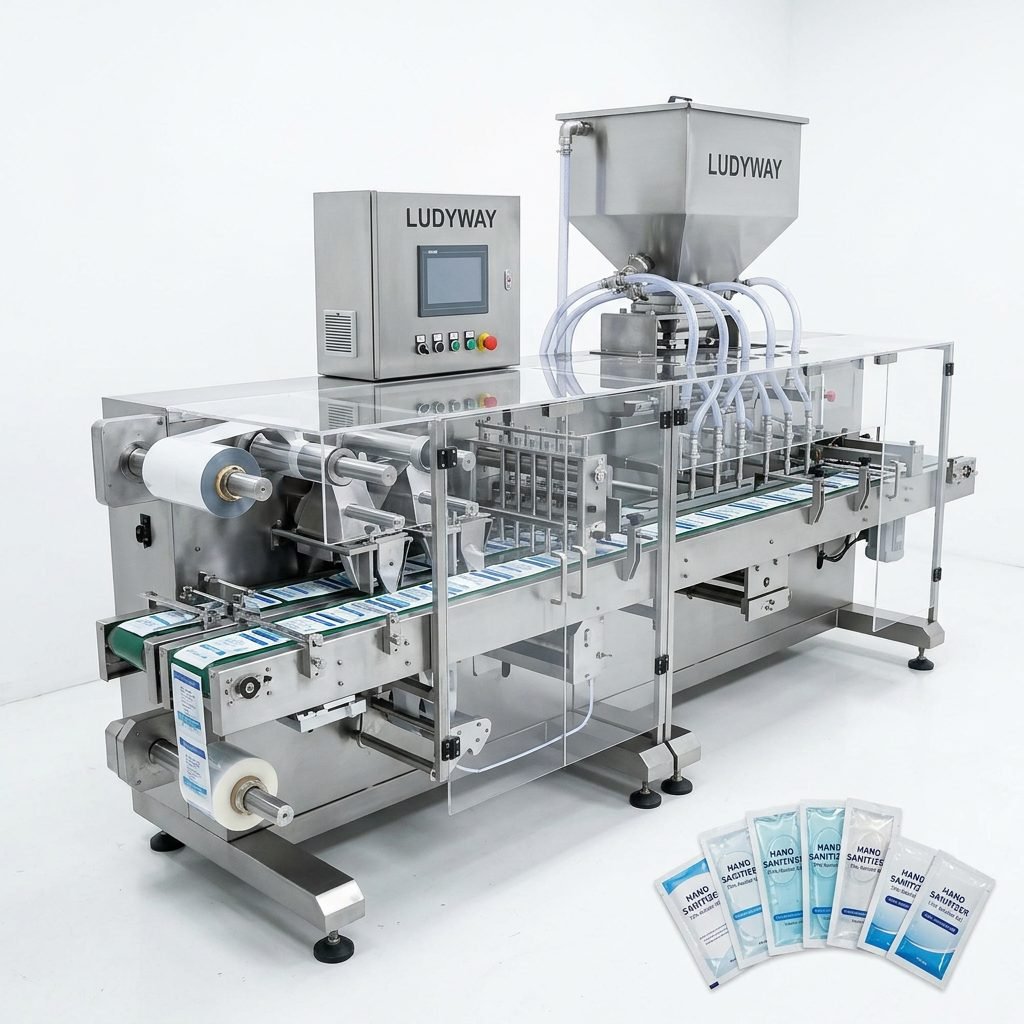
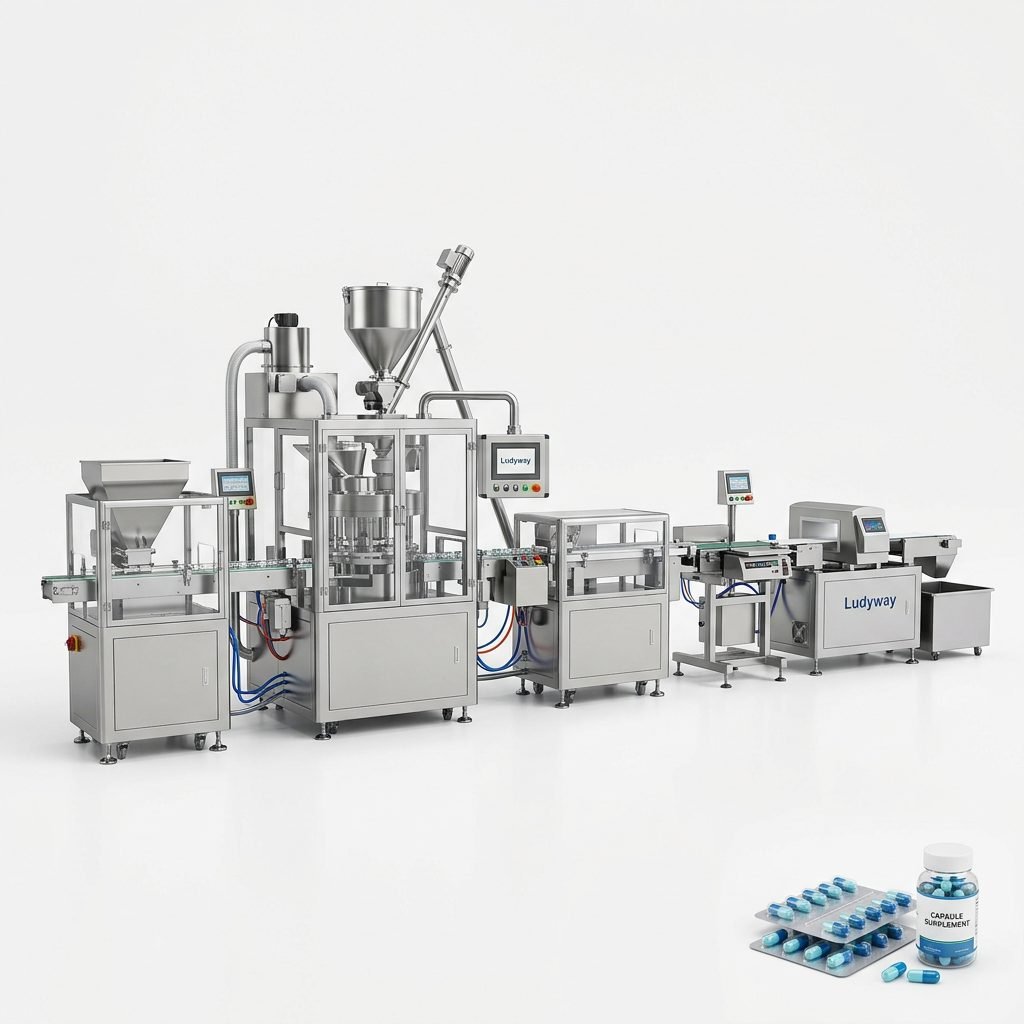
Select a machine architecture that allows for future upgrades. You might start with a single lane but want to expand to a multi-lane stick pack or sachet system as market demand grows. Control systems should be compatible with Industry 4.0 standards, allowing for remote monitoring and data acquisition. This is particularly useful in Africa, where on-site specialist engineers might be geographically distant. Cloud connectivity enables rapid troubleshooting and software updates, keeping your line productive for decades.