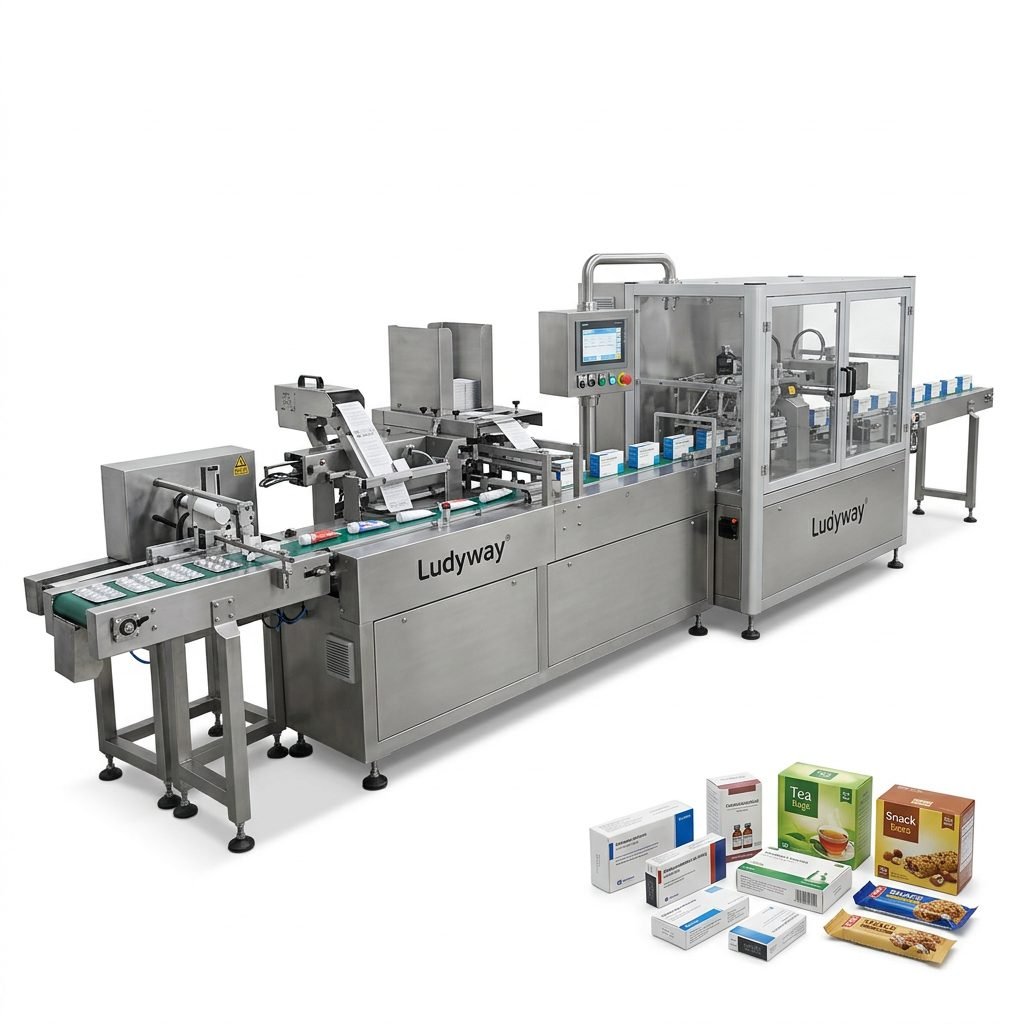
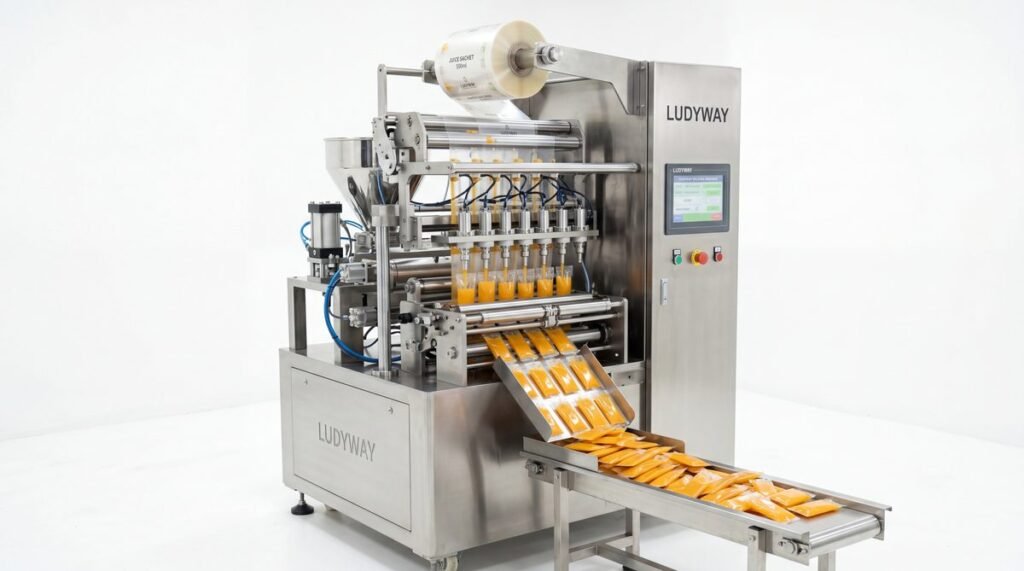
The sports nutrition market in South America is experiencing rapid growth, driven by rising health consciousness and a booming fitness culture. If you are looking to enter this lucrative sector, setting up a dedicated protein bar packaging line is a critical step. This guide breaks down the essential machinery, estimated costs, and operational tips to ensure your launch is smooth and profitable.
Understanding the South American Market Opportunity
Before investing in equipment, it is vital to understand regional nuances. Countries like Brazil, Argentina, and Colombia are seeing double-digit growth in health supplement consumption. However, high humidity levels in many tropical regions mean your packaging technology must prioritize moisture barrier properties and hermetic sealing. Consumers here often prefer smaller, single-serve bars versus bulk packs, influencing your machine’s format capabilities.
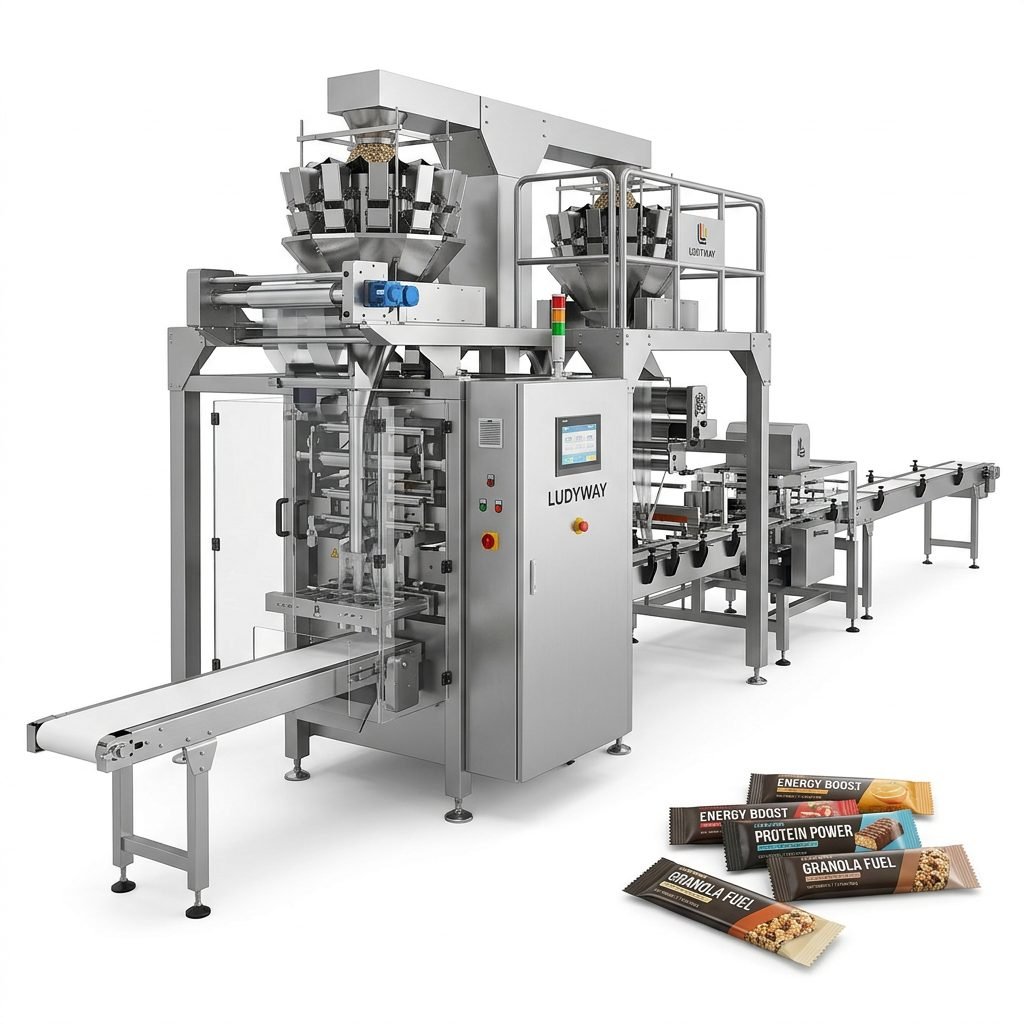
Key Machines for a Protein Bar Packaging Line
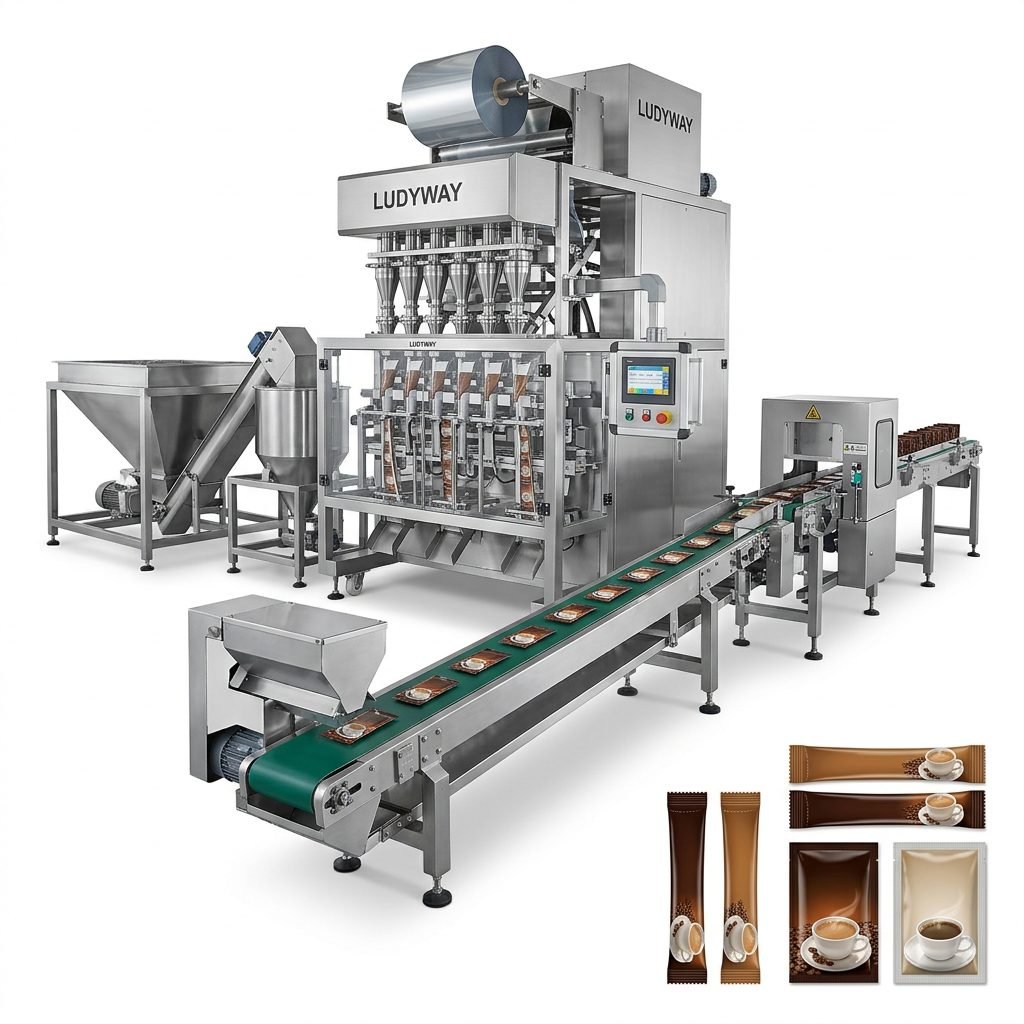
A complete line involves more than just a wrapper. Depending on your desired automation level and the bar format (flow wrap, stick pack, or sachet), your setup will include several interconnected systems. Below is a breakdown of the primary machinery required.
1. Flow Wrapping and Sealing Systems
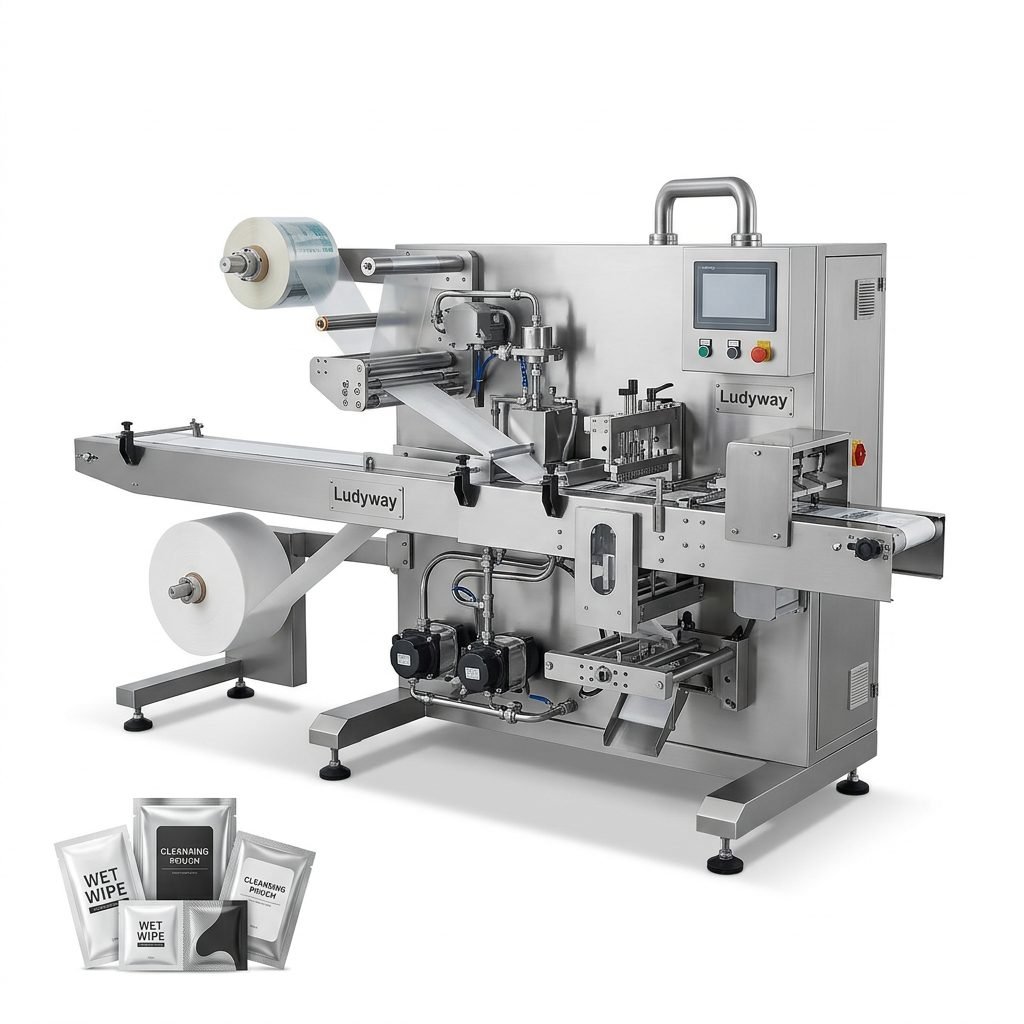
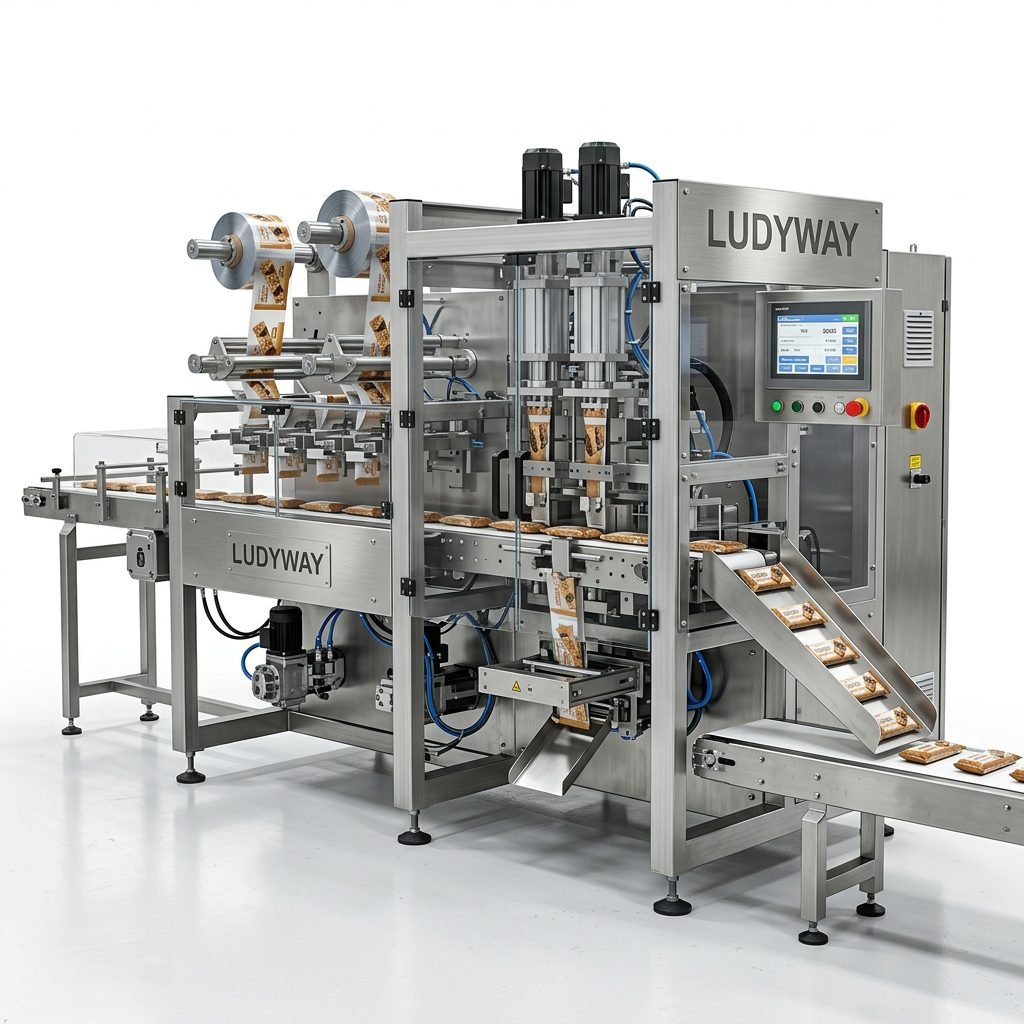
This is the heart of your line. For standard protein bars, a horizontal flow wrapper is essential. Look for machines capable of handling various tray sizes if you produce multi-layer bars. Key specifications should include servo-driven sealing jaws to prevent chocolate or coating melt, and gas flushing capabilities for extended shelf life.
2. Multi-Head Weighers and Feeders
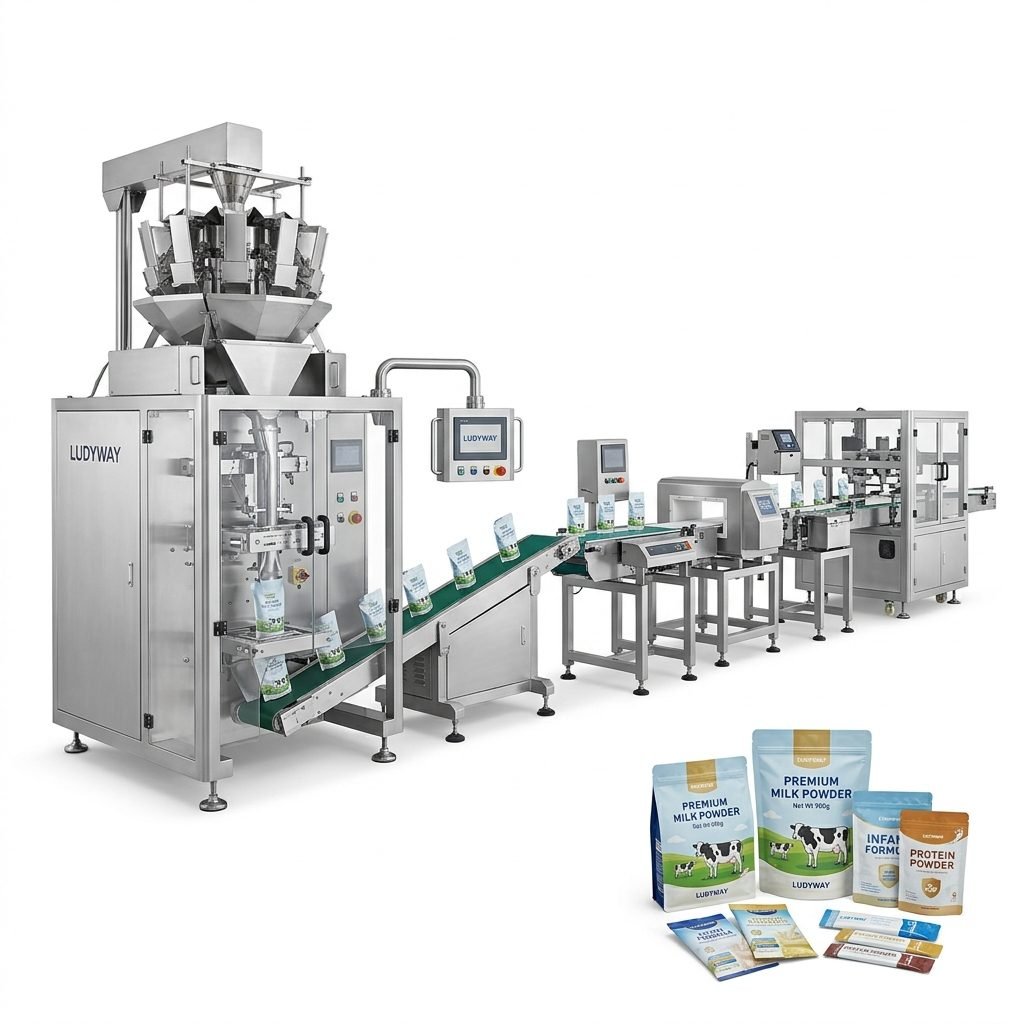
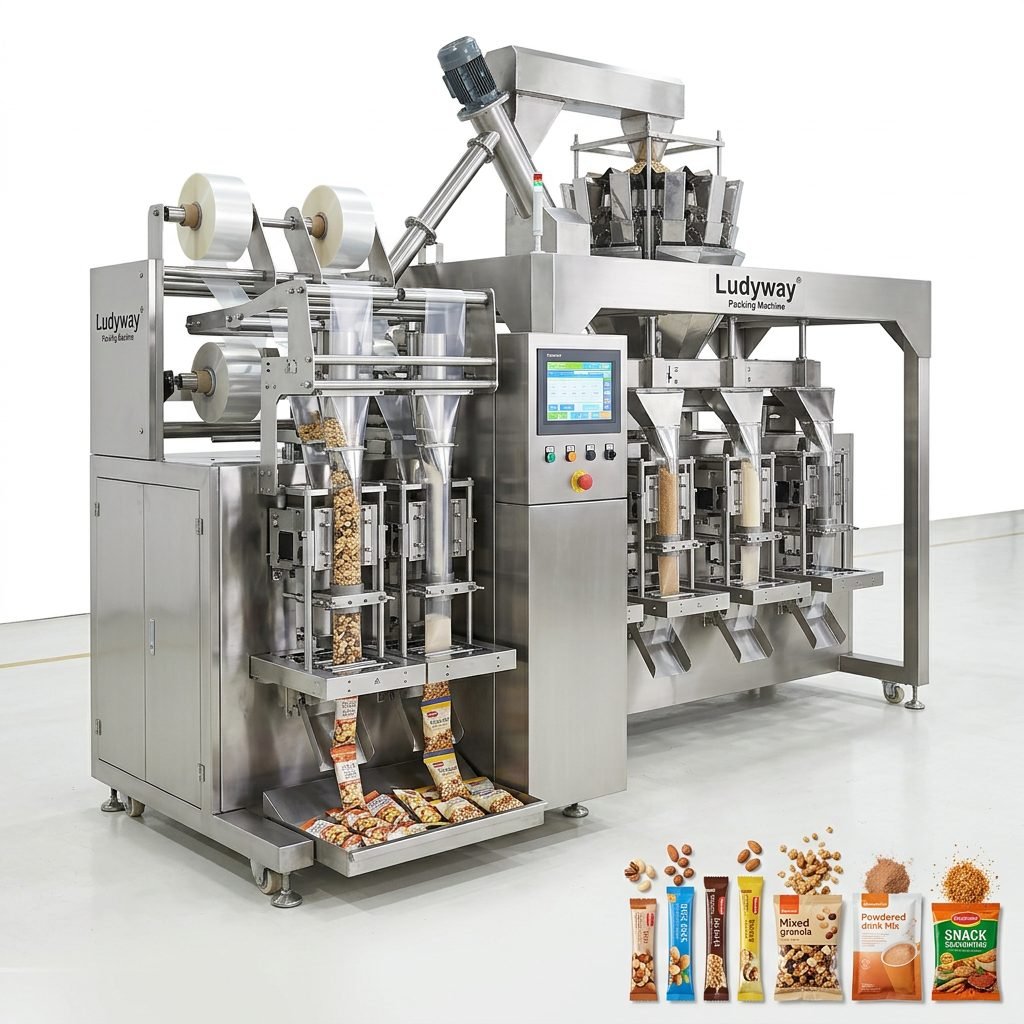
Accuracy is non-negotiable. A high-precision multi-head weigher ensures each bar gets the exact amount of nuts, crisps, or protein powders if you are assembling cluster-style bars. Vibratory feeding systems must be gentle enough not to crush delicate inclusions.
3. Cartoning and End-of-Line Automation
Manual cartoning is a bottleneck. Integrating an automatic cartoner and case packer significantly boosts output. For South American factories where labor costs vary, a semi-automatic approach can balance investment with efficiency.
Estimated Costs: Building Your Budget
Budgeting for a packaging line in South America must account for import duties, freight, and local installation. The table below represents a general cost range for a mid-speed automated line, excluding facility preparation.
| Machine Category | Low-Range (USD) | High-Range (USD) | Notes |
|---|---|---|---|
| Flow Wrapper | $25,000 | $80,000 | Servo-driven models are higher |
| Multi-Head Weigher | $15,000 | $45,000 | 14-head vs 10-head |
| Cartoner | $30,000 | $65,000 | Horizontal load type |
| Conveyors & Integration | $10,000 | $30,000 | Includes reject systems |
| Total Estimated Setup | $80,000 – $220,000+ | FOB terms typically | |
Note: These figures are estimates. Actual costs vary based on speed, customization, and local import taxes in Mercosur countries.
Operational Tips for Success in South America
Running a successful line here requires more than just switching on the machine. Consider these critical factors:
- Climate Control: Install dehumidifiers in your production hall. High humidity causes sticky belts and sealing issues, especially with hygroscopic protein matrices.
- Film Compatibility: Source local flexible packaging films that are compatible with your machine’s sealing temperature range. Metallized polypropylene is popular for its barrier properties.
- Spare Parts Strategy: Logistics in remote areas can be slow. Keep a critical stock of sealing jaws, thermocouples, and drive belts in-country to avoid downtime.
- Local Operator Training: Invest in extensive hands-on training on both machine operation and basic maintenance to prevent misuse.
Selecting a Reliable Turnkey Partner
Given the complexity of integrating packaging machinery standards, partnering with an experienced manufacturer is advisable. Ludyway supports global clients with advanced turnkey solutions tailored for the food and health industries, helping streamline the transition from concept to full-scale production in locations like South America.
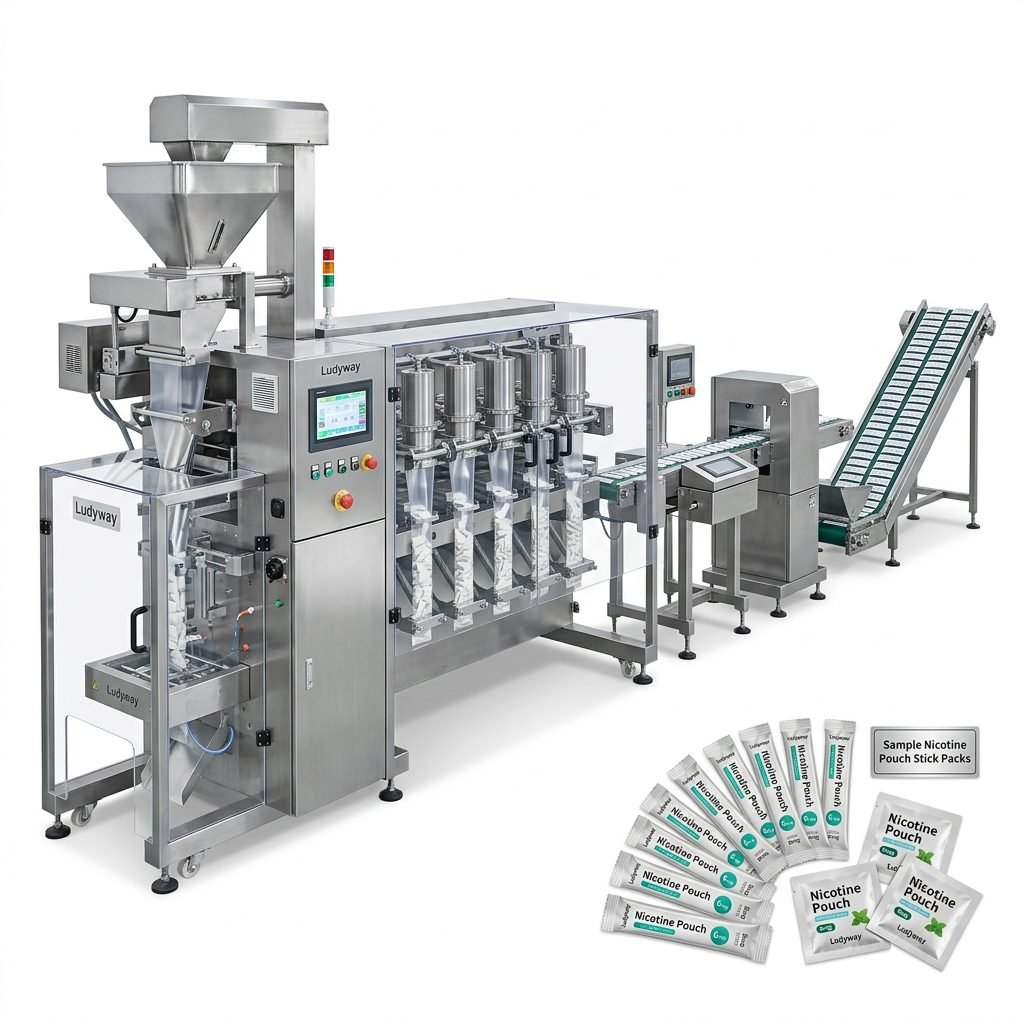
Key Packaging Formats: Stick Pack vs. Flow Wrap
The choice between formats impacts your brand positioning and machine selection:
- Flow Wrap (Pillow Pack): Most common for full-sized bars. It offers a large branding surface and robust protection.
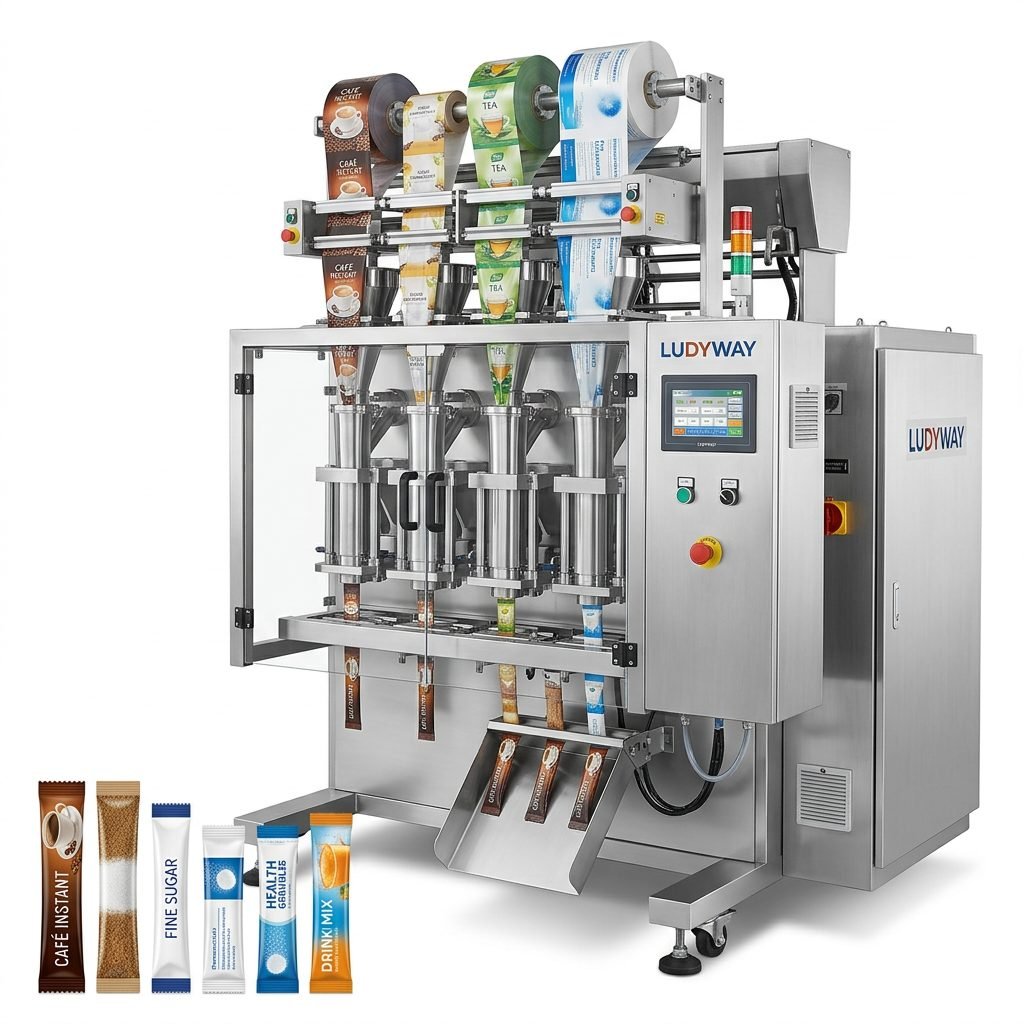
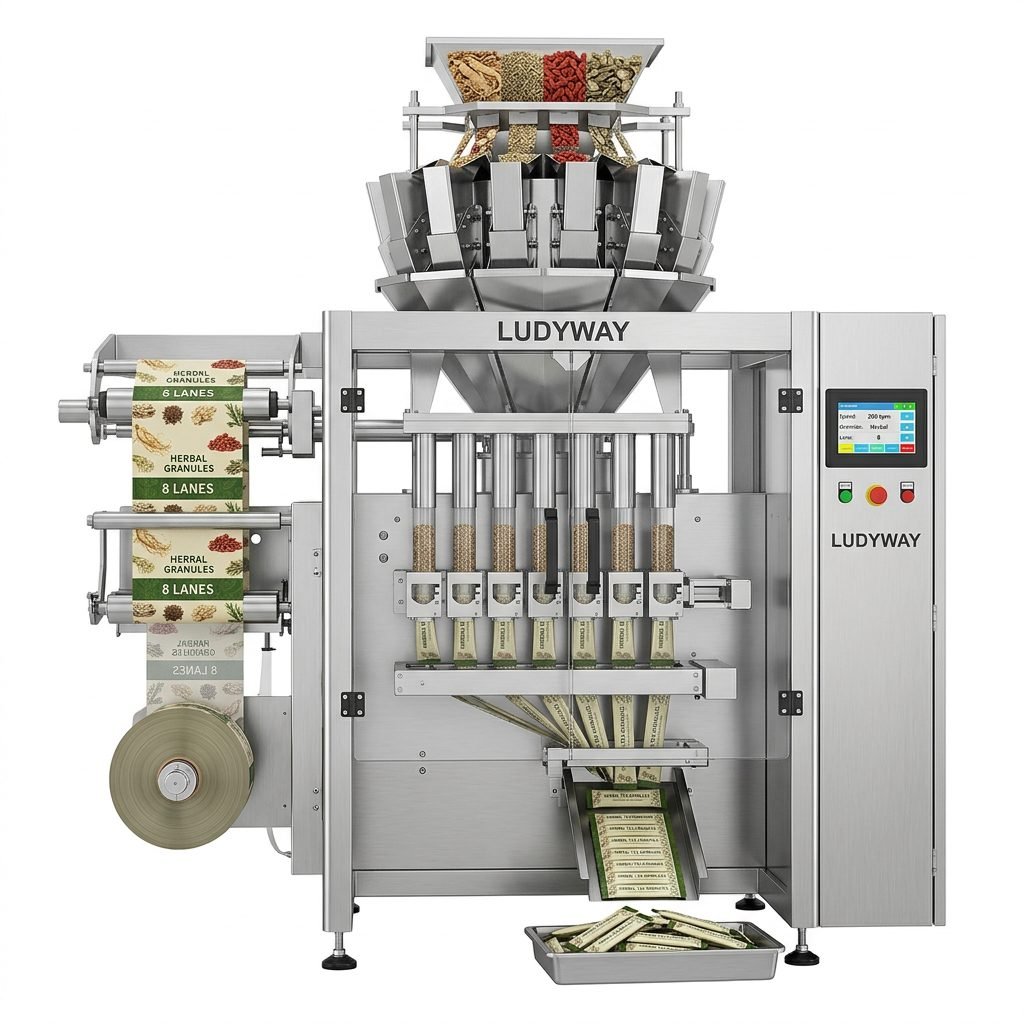
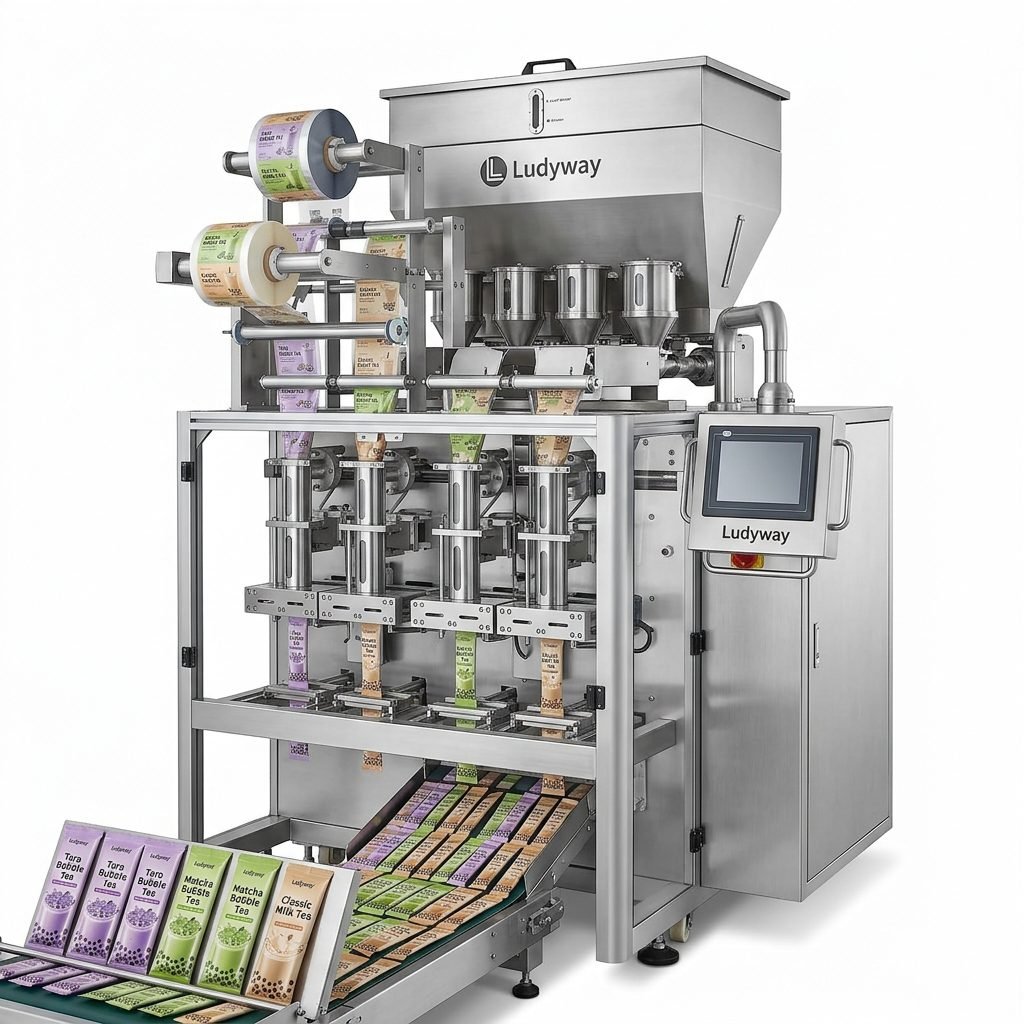
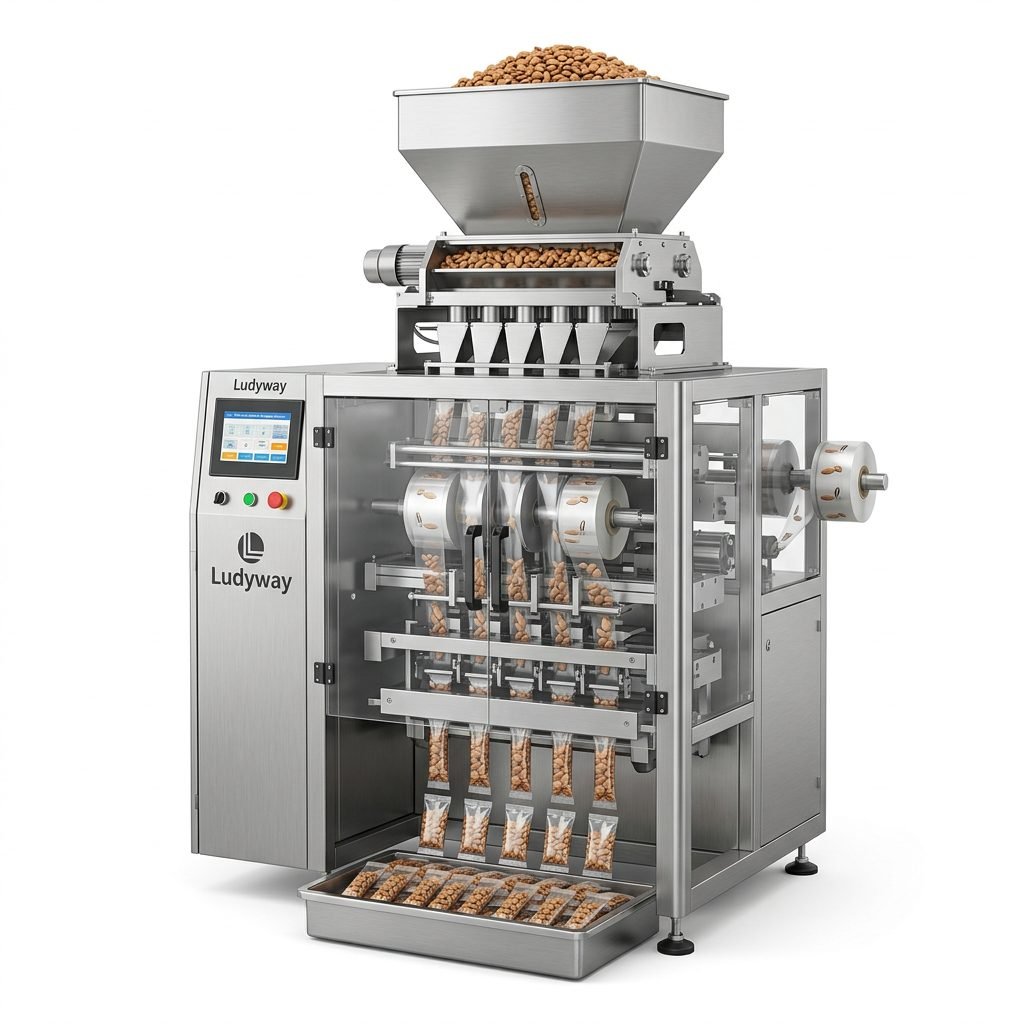
- Stick Pack / Multi-Lane: Ideal for single-serve, bite-sized protein pieces or mini-bars. Multi-lane machinery can significantly boost output for small formats.
Quality Control Integration
Don’t overlook critical inspection devices. A combination checkweigher and metal detector is mandatory for export-level quality. Vision systems can also verify seal integrity and label placement, rejecting non-conforming packs before they leave the line.
Navigating Import Regulations
Before shipping equipment, verify the NCM (Nomenclatura Comum do Mercosul) codes for your packaging machinery. Import tariffs can range significantly, and some countries offer tax incentives for equipment that modernizes local food production. Working with a seasoned freight forwarder familiar with Brazilian or Argentine customs is crucial.
By choosing the right equipment, budgeting for duties, and climate-proofing your operations, you can efficiently set up a high-profit protein bar packaging line in South America.