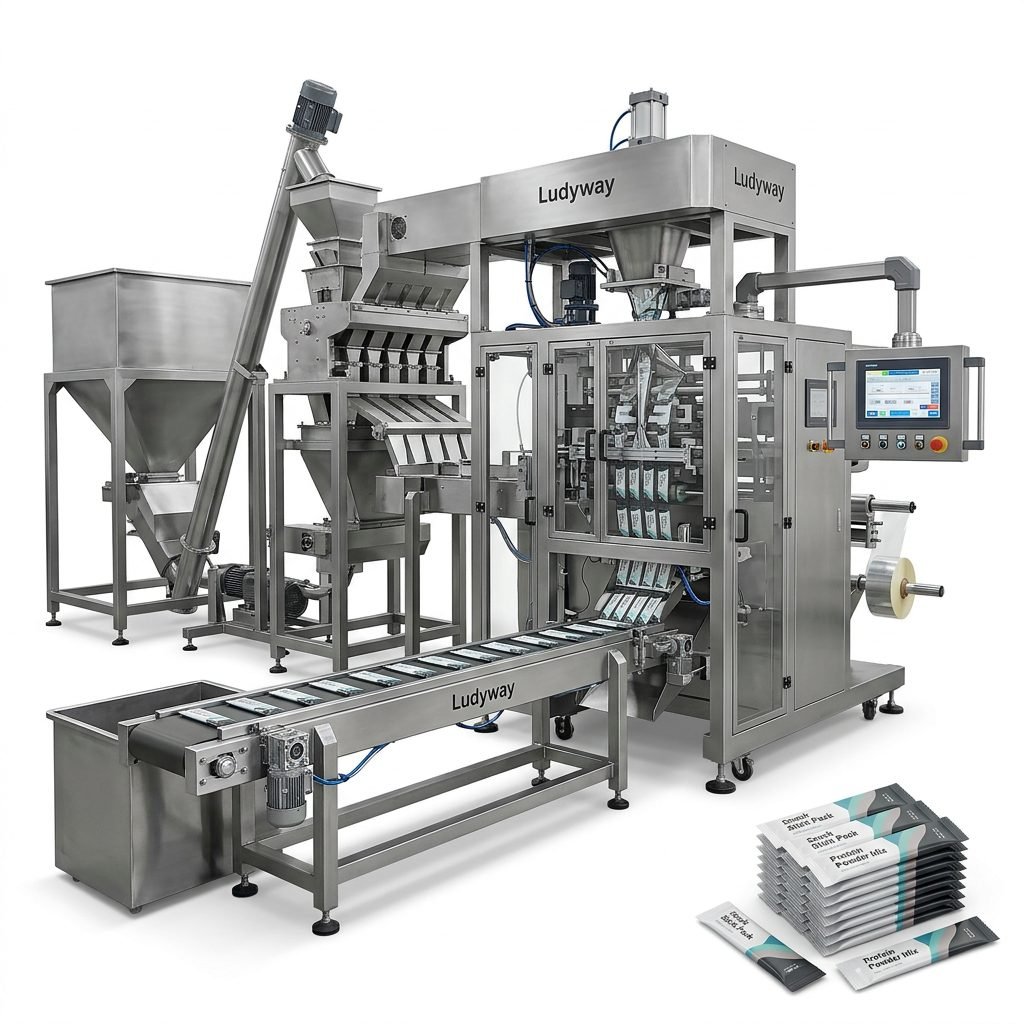
Entering international markets with fresh or processed vegetables requires a highly efficient, compliant, and scalable packaging line. From farm to shelf, the right vegetable packaging machine setup can drastically reduce labor costs, extend shelf life, and ensure your products meet the strict standards of global retailers. This guide walks you through the essential steps to build a vegetable packaging machine production line ready for export success.
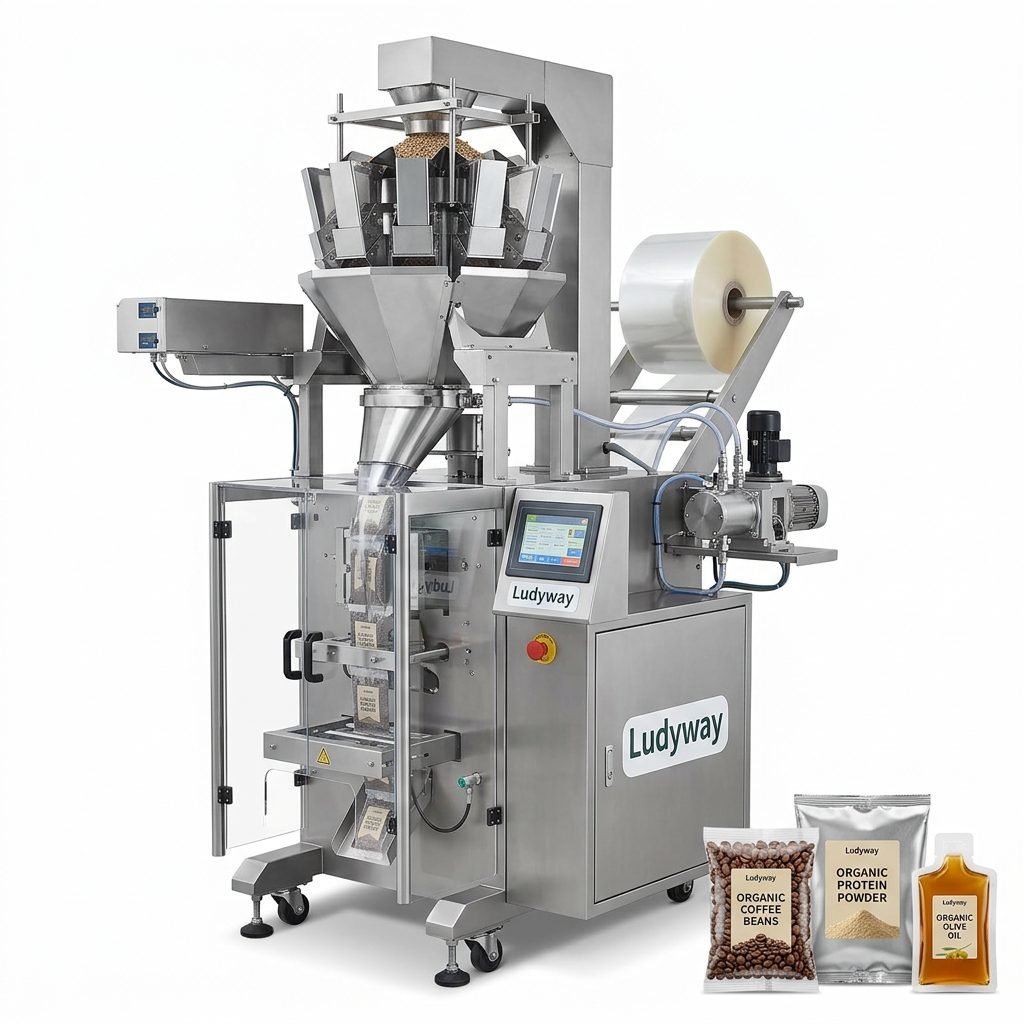
Setting up a production line for global markets involves more than just purchasing equipment. You must consider food safety regulations, packaging formats preferred in different regions, and the integration of automated systems for speed and accuracy. Let’s break down the process step by step.
1. Understanding Global Market Requirements for Vegetable Packaging
Before investing in machinery, you need to map out the specific requirements of your target markets. North America, the European Union, the Middle East, and Southeast Asia all have different labeling laws, shelf-life expectations, and packaging material preferences.
- EU Regulations: Strict rules on food contact materials (EC 1935/2004) and mandatory nutritional labeling.
- FDA Standards: The U.S. Food and Drug Administration requires specific facility registration and labeling for imported produce.
- Halal & Kosher Certifications: Essential for penetrating Middle Eastern and specific Asian markets.
2. Core Components of a Vegetable Packaging Production Line
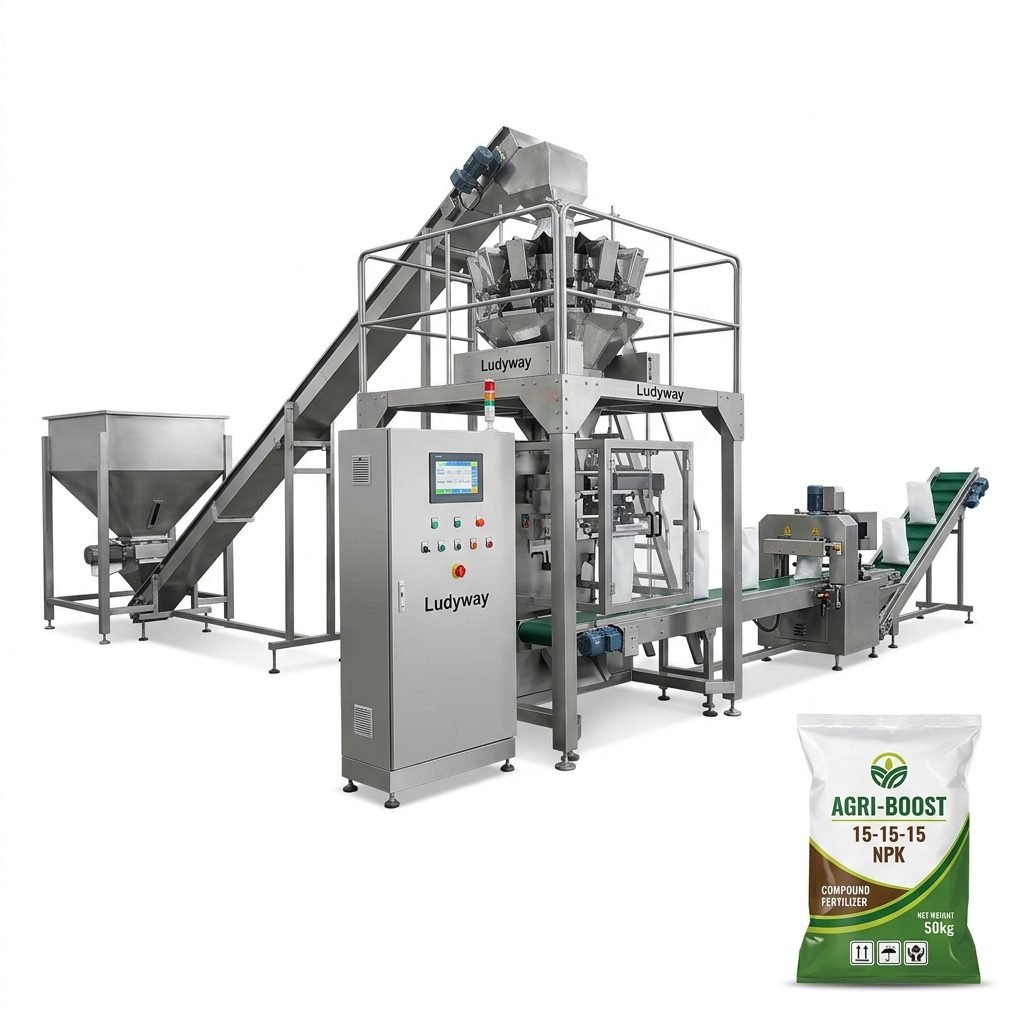
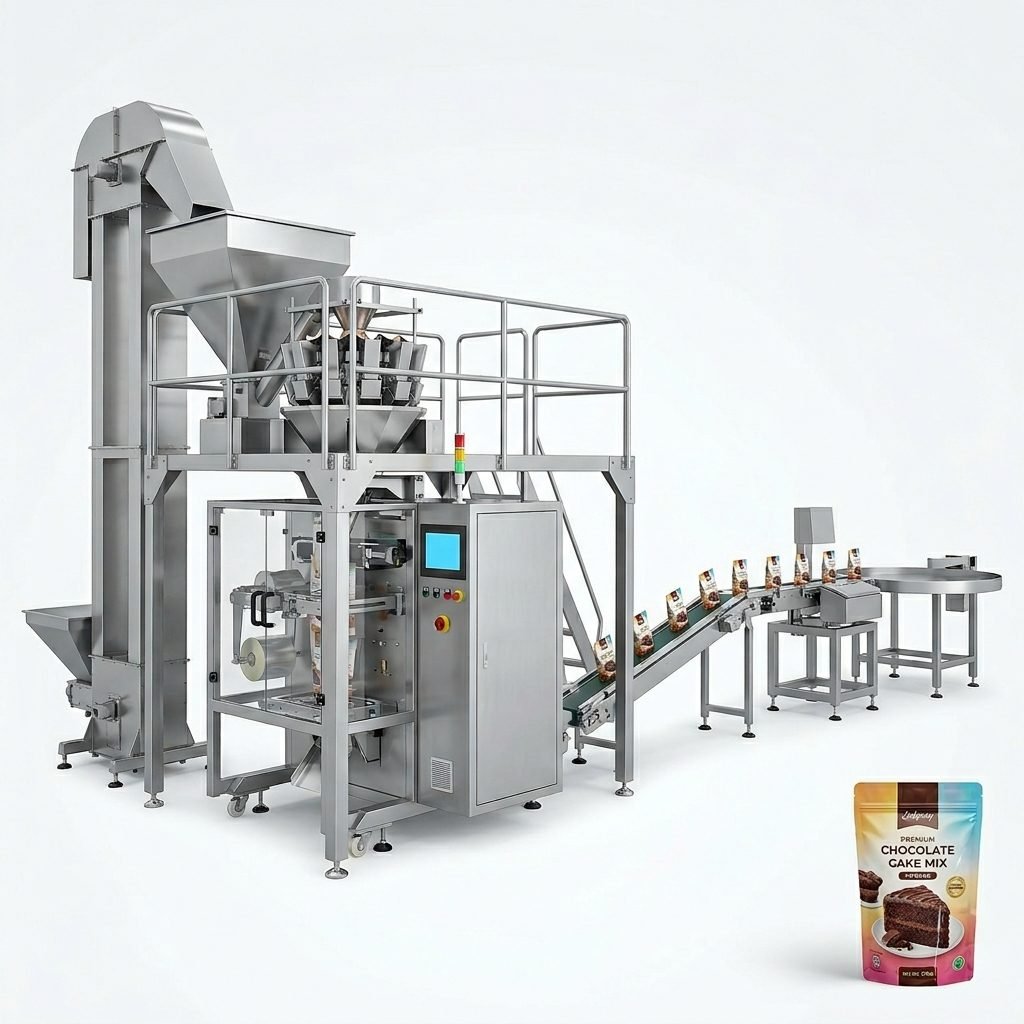
A turnkey vegetable packaging line should be modular and adaptable. Below is a table outlining the key stages and recommended equipment types for handling everything from leafy greens to frozen mixed vegetables.
| Production Stage | Key Machine Type | Function |
|---|---|---|
| Weighing & Dosing | Multi-head Weigher | Ensures precise weight for bags, minimizing give-away. |
| Bag Forming | Vertical Form Fill Seal (VFFS) | Creates pillow bags or gusseted pouches from film roll. |
| Tray Sealing | Modified Atmosphere Packaging (MAP) | Replaces oxygen with inert gas to extend fresh-cut shelf life. |
| Quality Control | Checkweigher & Metal Detector | Rejects underweight packs and contaminants for food safety. |
| End-of-Line | Case Packer & Palletizer | Automates cartoning and pallet stacking for export logistics. |

3. Choosing the Right Packaging Format
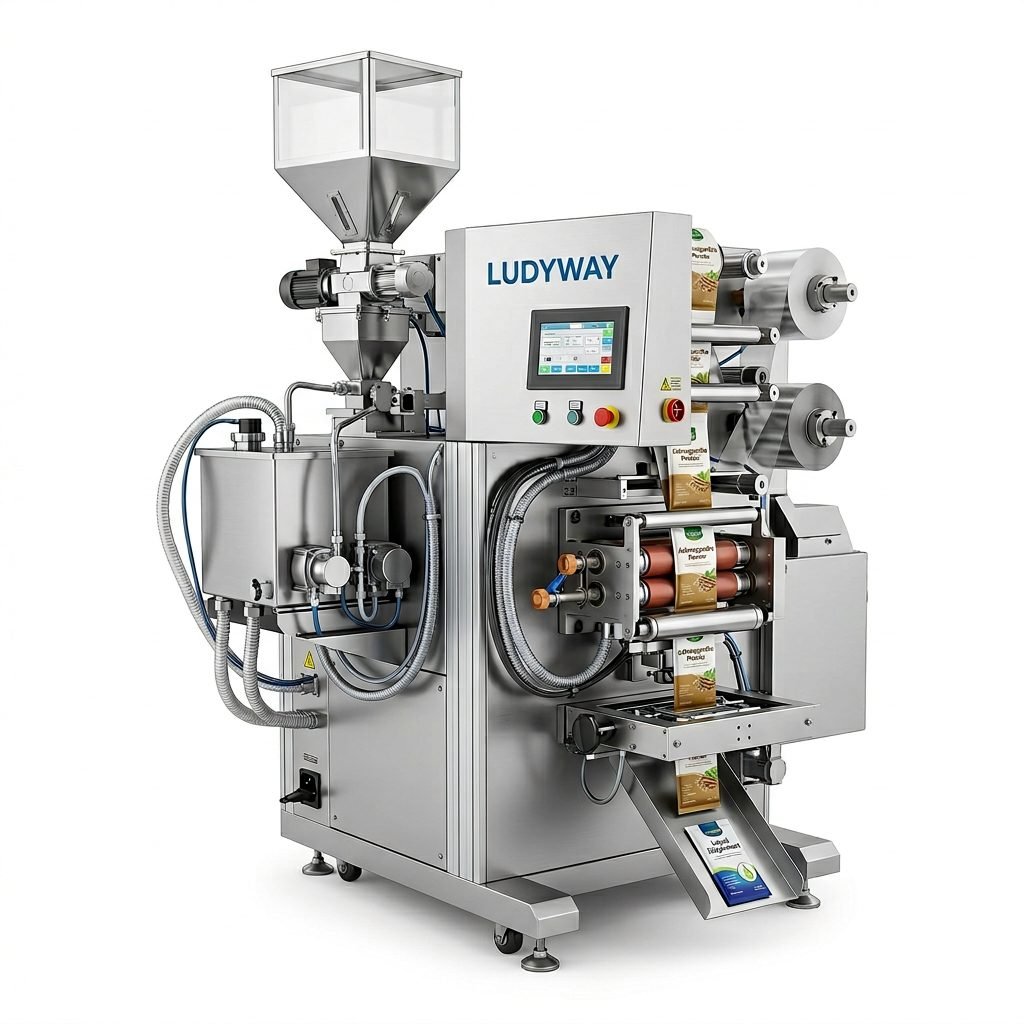
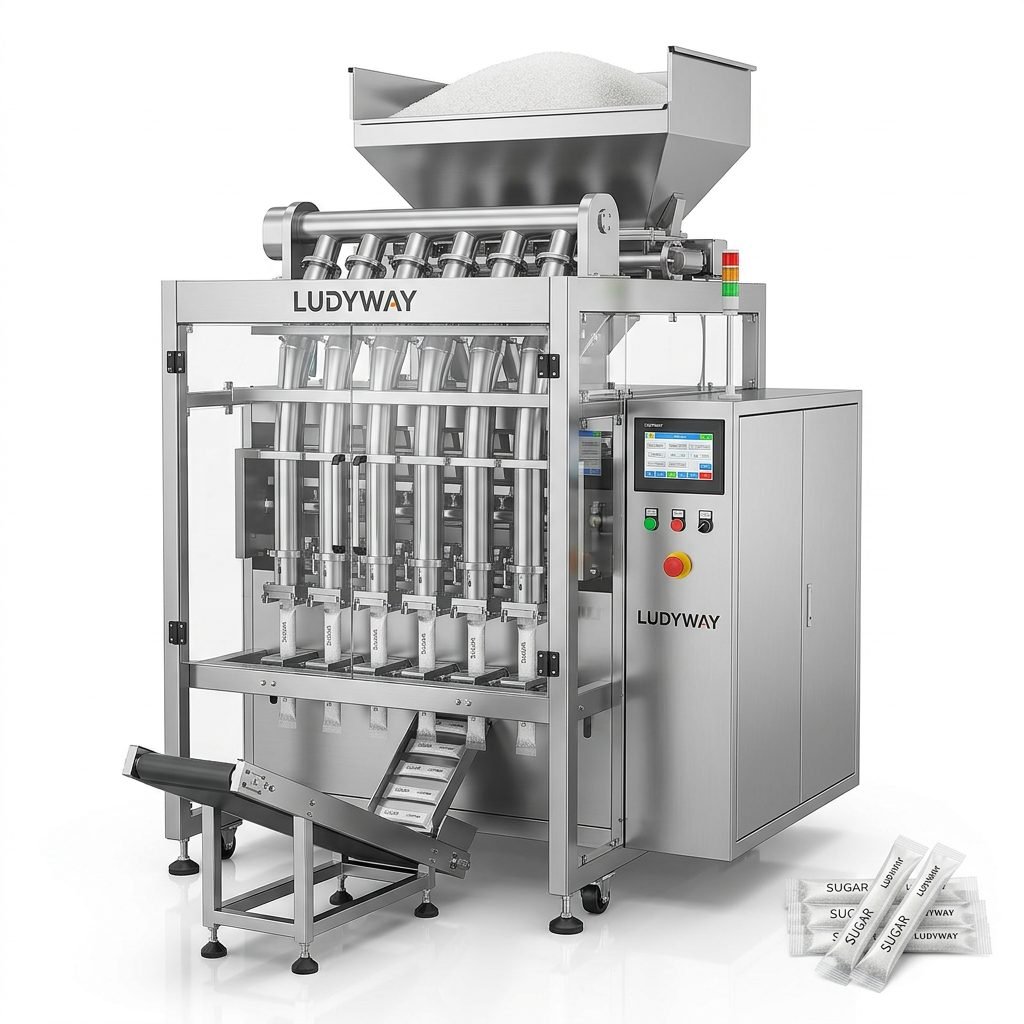
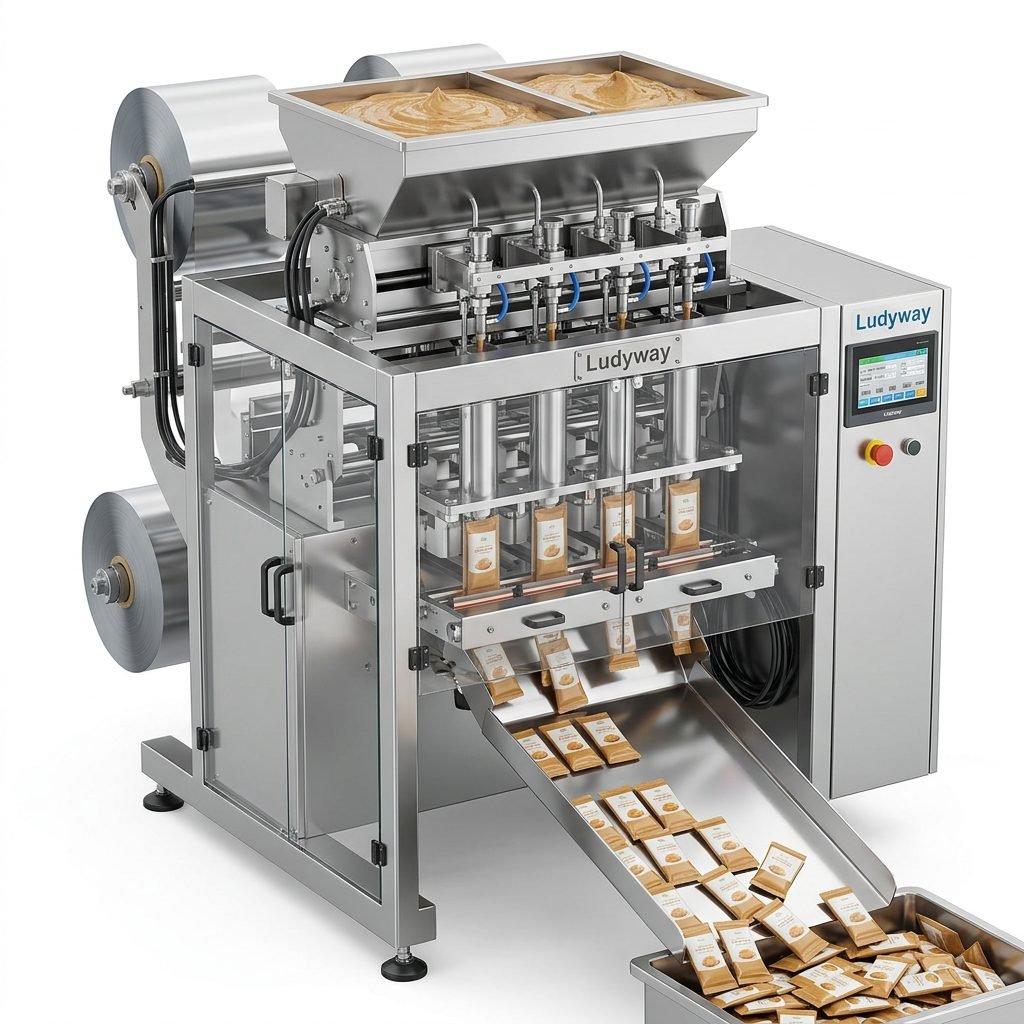
Different vegetables demand different packaging technologies. Frozen vegetables often use pillow bags, while fresh salads require breathable film and tray sealing. For high-value dried vegetables or powder seasonings, multi-lane sachet or stick pack machines offer the best efficiency.
Why Automation is Critical for Export
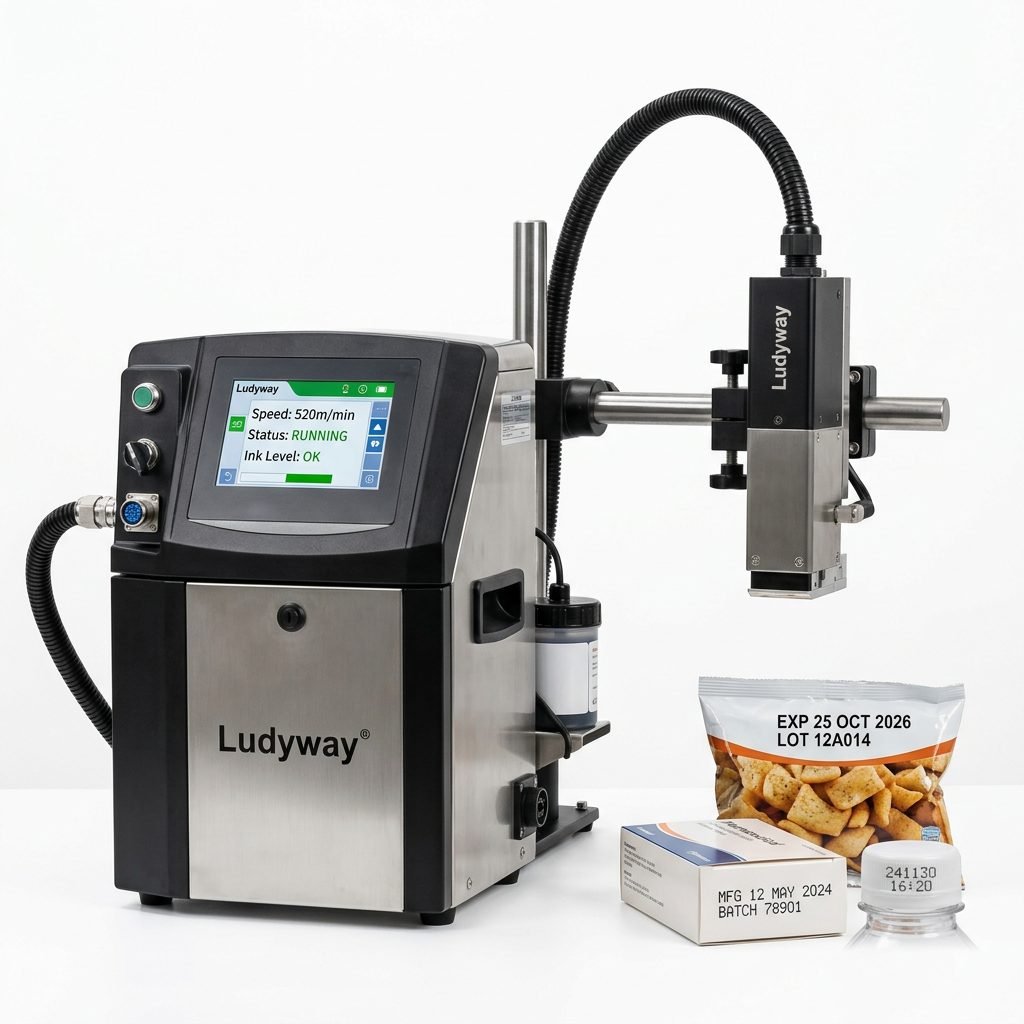
Manual packing lines simply cannot keep up with the volume demands of supermarket chains like Walmart or Carrefour. An automated packaging system ensures consistency in seal integrity, weight accuracy, and code dating—critical factors to avoid chargebacks.
4. Compliance with International Food Safety Standards
Your vegetable packaging machine must be built to withstand washdown environments (IP65 or higher) and constructed of stainless steel to prevent corrosion. Look for equipment compliant with:
- ISO 22000 / FSSC 22000
- HACCP principles
- GFSI certification schemes
5. Integrating a Turnkey Line
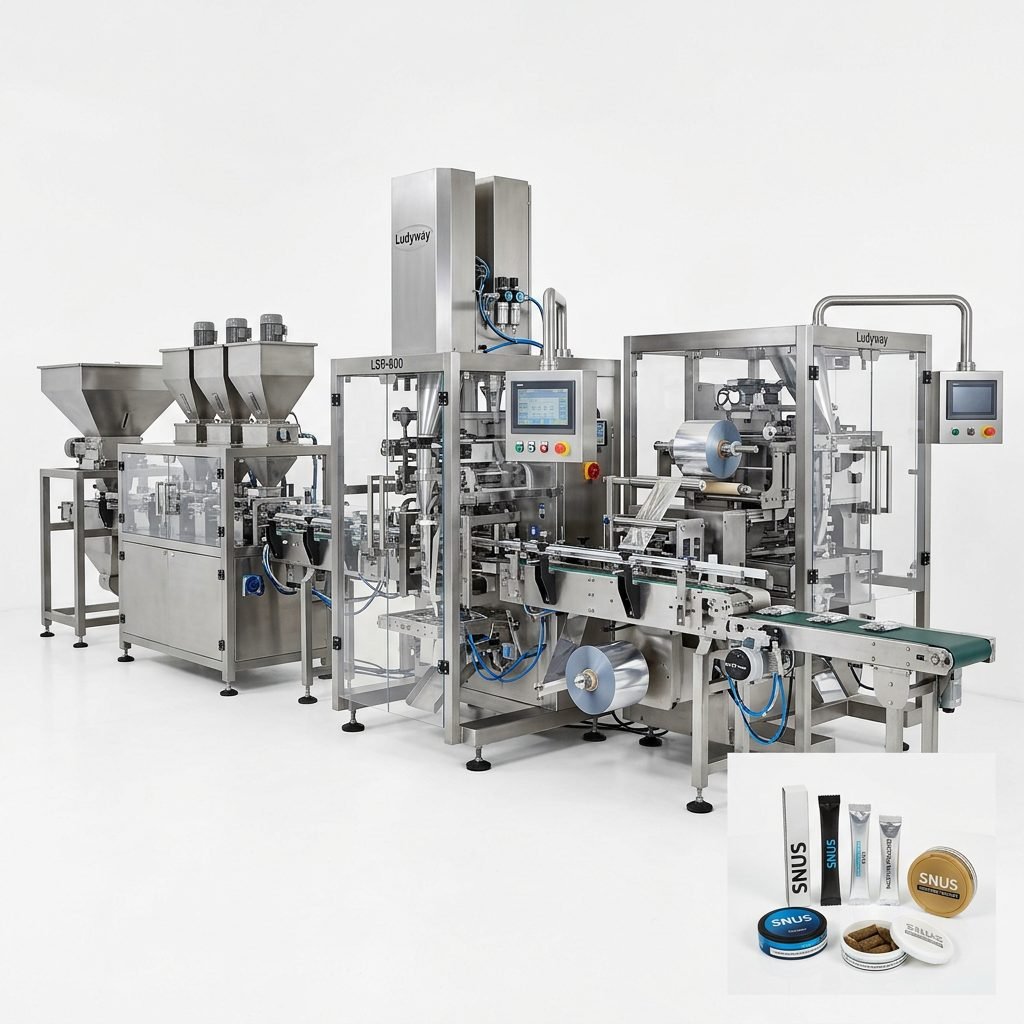
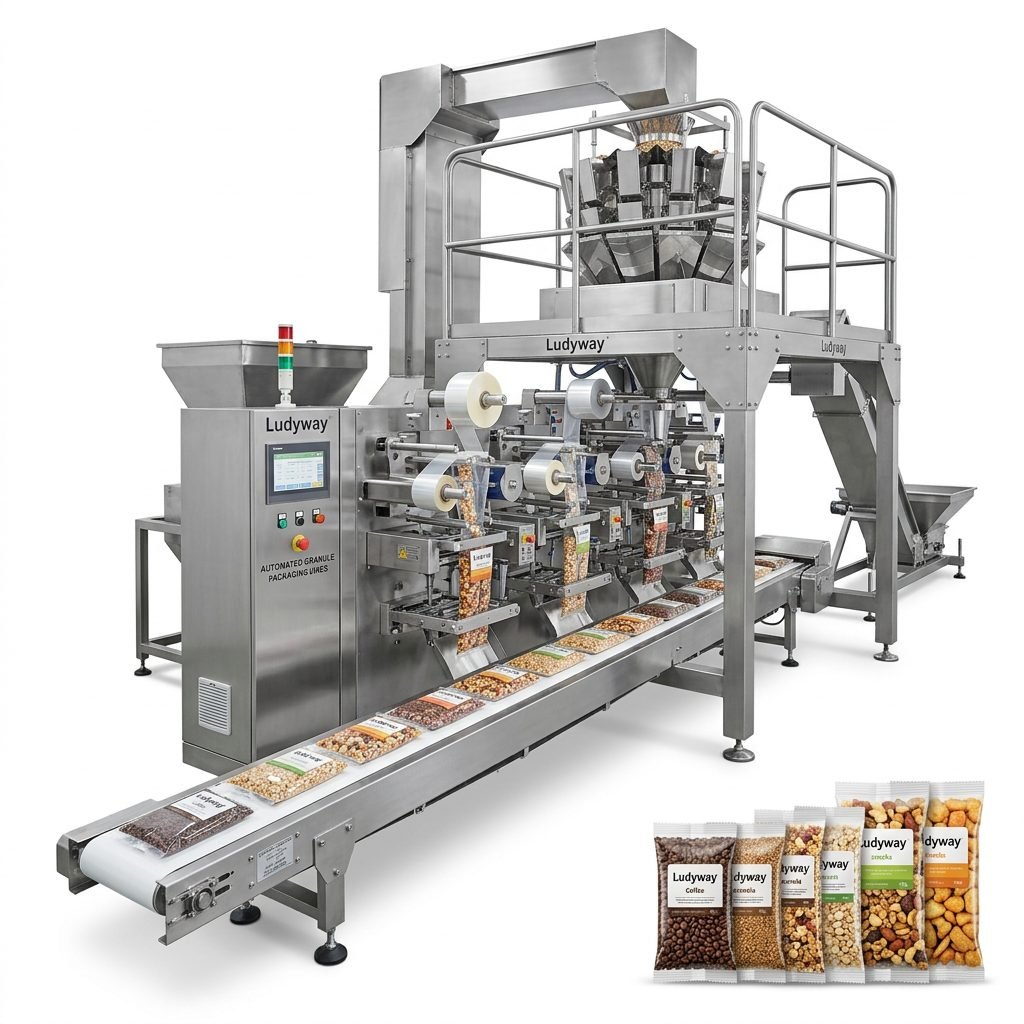
The most successful exporters rely on integrated systems rather than standalone units. A seamless connection between the conveyor, multi-head weigher, bagging machine, and automatic case packing systems reduces product handling and contamination risks. Companies like Ludyway specialize in these full-line integrations, providing a single source for the entire production line from washing to palletizing. With a 20,000㎡ manufacturing facility and over 50 intelligent packaging machine models, they deliver turnkey solutions that comply with rigorous international standards.
Reducing Labor with Smart Feeding Systems
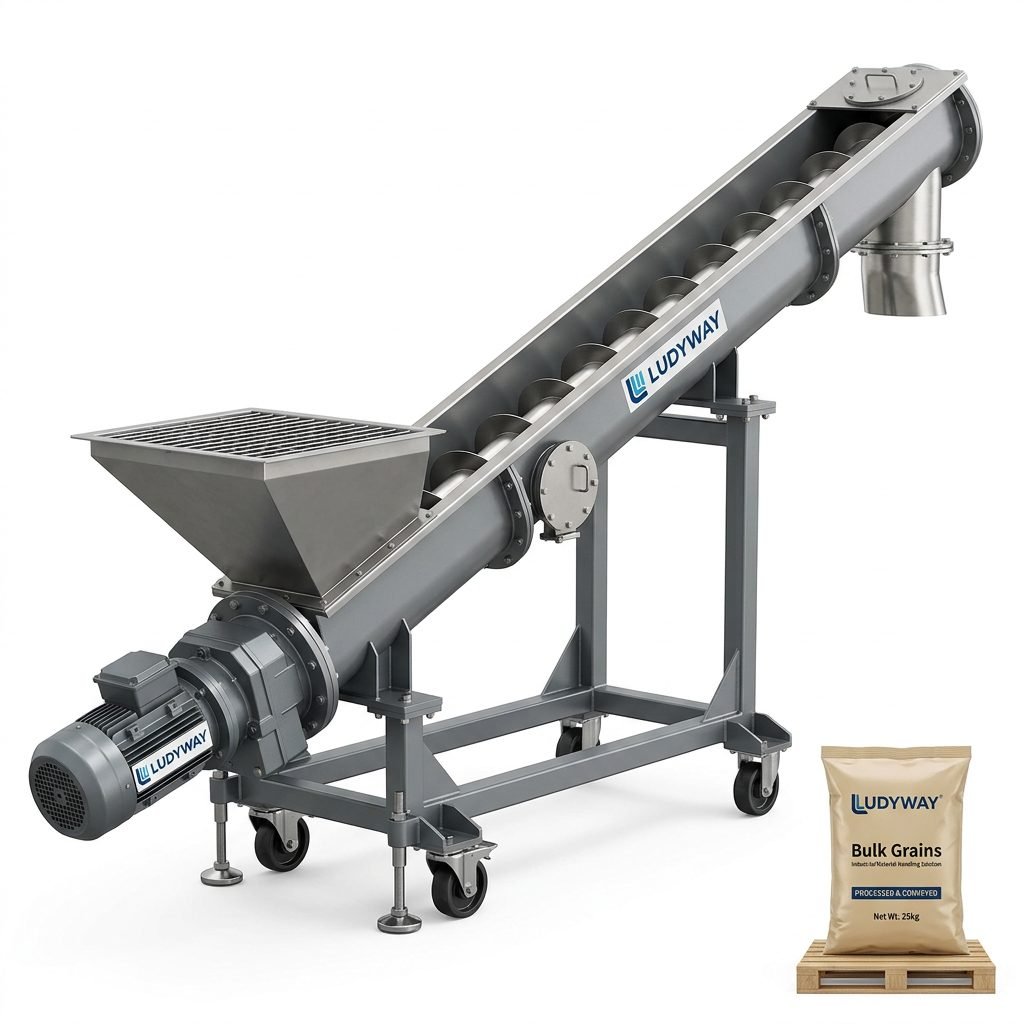
Handling loose vegetables like spinach or cut beans can be messy. Modern vibratory and bucket elevator feeders are designed specifically for delicate produce, minimizing bruising while maximizing speed. These can feed directly into the packaging machine, creating a fully automated flow.
6. Logistics and After-Sales Support for Global Operations
When setting up a production line for global markets, the location and support capability of your machinery manufacturer is vital. You need a partner that offers remote diagnostics, spare parts warehousing, and regional field support. Shipping your maintenance team across borders for every breakdown is unsustainable.
Key Considerations for Global Equipment Buyers
- Availability of multilingual documentation and video tutorials.
- Electrical compatibility with local voltages (e.g., 480V for North America vs. 380V for Europe).
- Spare parts delivery speed—critical to avoid downtime during harvest seasons.
For a deeper look at industry trends impacting your investment strategy, resources like the PMMI 2025 State of the Industry report provide valuable data on packaging machinery growth in the food sector.
7. Sustainable Packaging for the Modern Vegetable Market
European and Australian markets are increasingly demanding recyclable mono-structures and biodegradable films. Your packaging line needs to run these new materials effectively. Older machines often struggle with the seal integrity of bio-based films, so ensure your equipment is equipped with precise temperature controls and adaptive sealing technology.

Successful Case Study: Dried Vegetables
For processors expanding into international health food aisles, multi-lane stick pack lines for dried veggie powders have proven highly profitable. These high-speed systems can fill hundreds of sachets per minute while replacing oxygen with nitrogen to preserve color and nutrients.
Ultimately, building a vegetable packaging production line for global infrastructure requires a long-term partnership with a manufacturer who understands compliance from the ground up. From a single sachet machine to a full installation featuring fully automated pallet wrapping solutions, planning the end-to-end process is the most critical step.
Leveraging insights from industry bodies such as the Flexible Packaging Association will further help you align your production line with the latest material innovations and consumer demands.