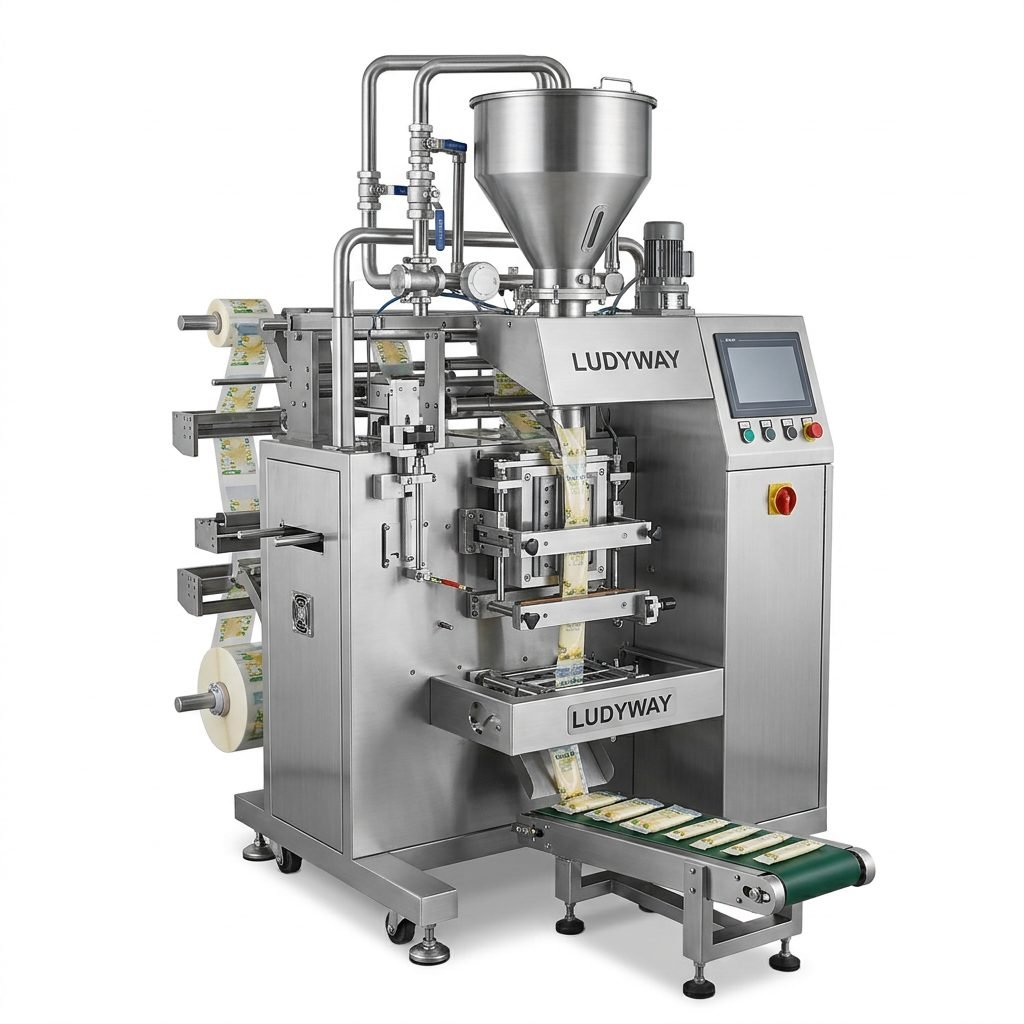
Selecting the right brownie packaging machine is a critical decision for any bakery or food manufacturer operating in the North American market. The packaging equipment you choose directly impacts product shelf life, brand presentation, production efficiency, and ultimately your bottom line. Whether you are producing gourmet brownies for retail shelves, wholesale distribution, or e-commerce, understanding the key features, cost factors, and supplier landscape will help you make an informed investment.
Understanding North American Brownie Packaging Requirements
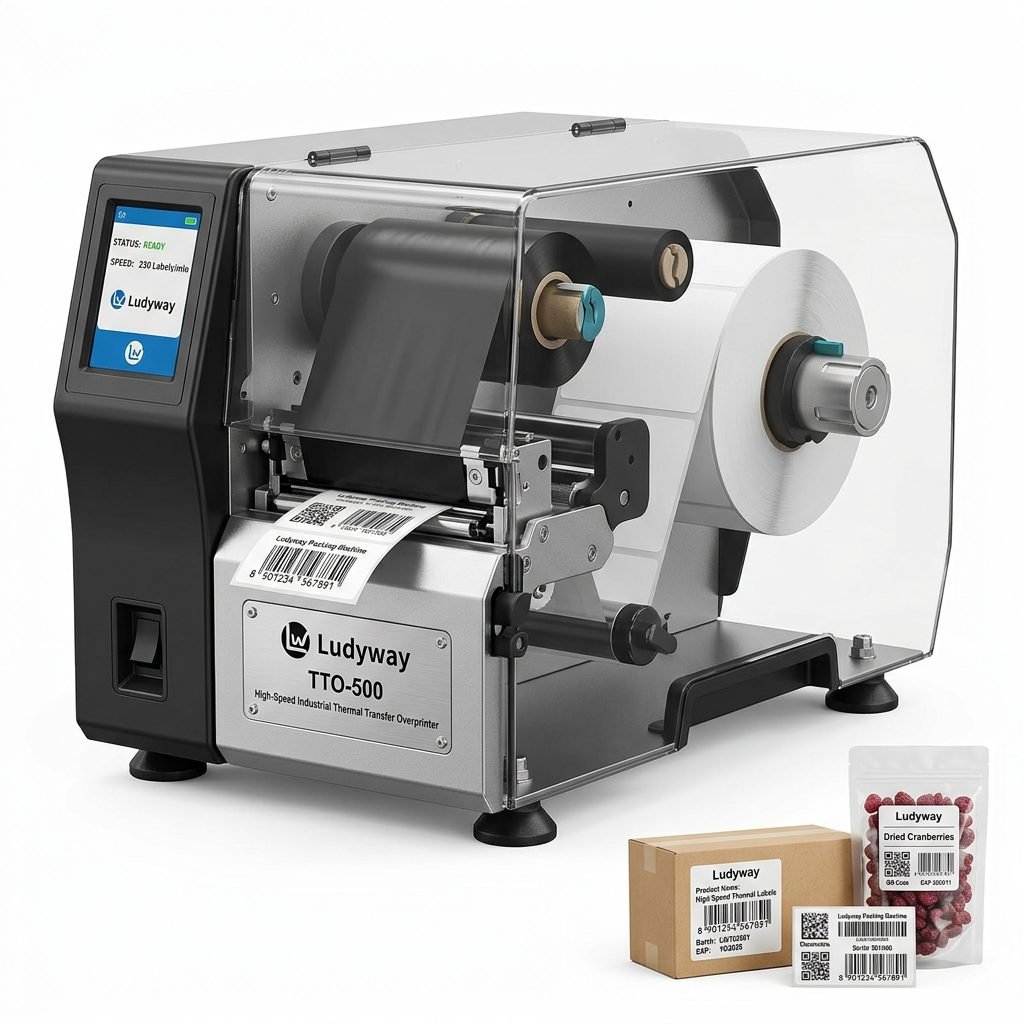
Before evaluating specific machines, it is essential to understand the unique demands of brownie packaging. Brownies come in various forms — fresh baked, frozen, shelf-stable, bar-style, and bite-sized — each requiring different packaging approaches. The North American market also imposes strict FDA food packaging regulations that govern food contact materials, labeling, and safety standards. Your chosen machine must be capable of meeting both your production requirements and industry packaging standards.
Common Packaging Formats for Brownies
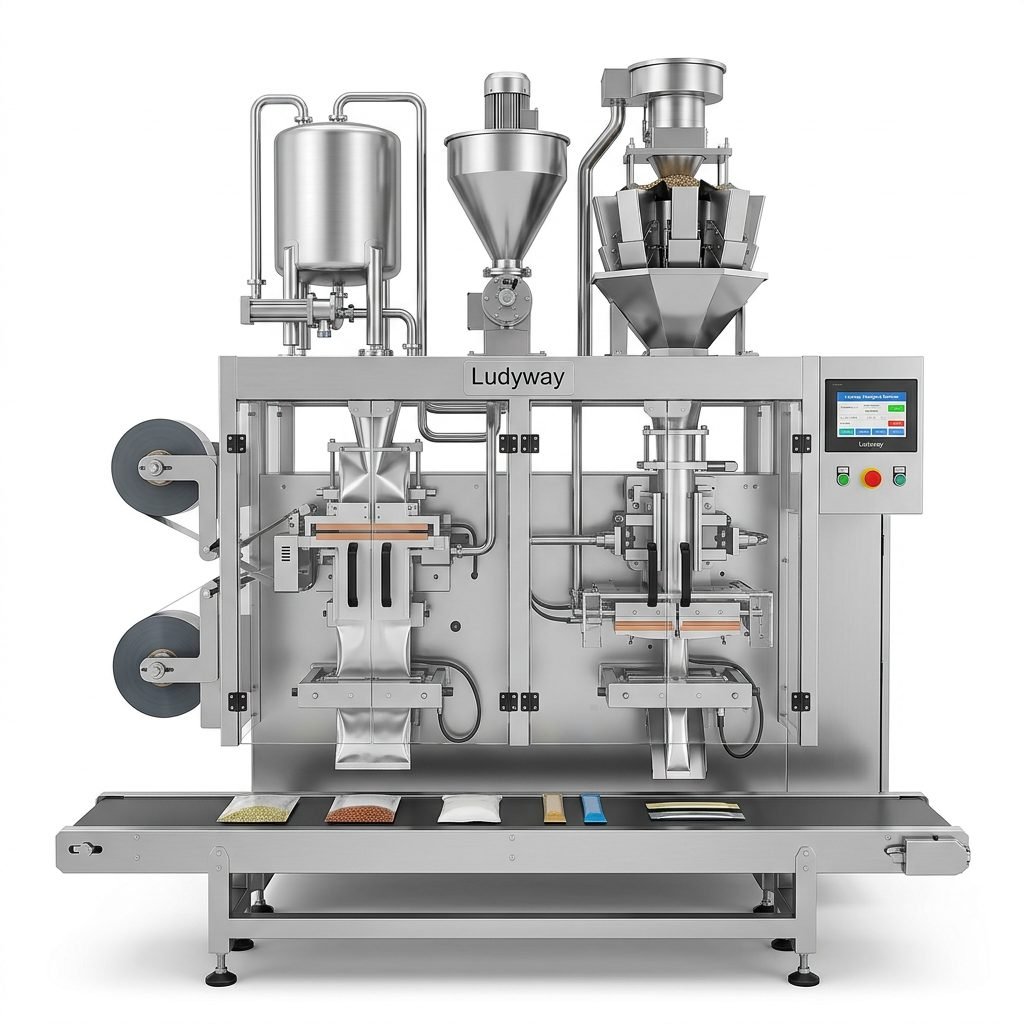
- Flow wrap / horizontal form-fill-seal (HFFS) — Ideal for individual brownie bars and squares, providing a tight, hermetic seal that extends shelf life.
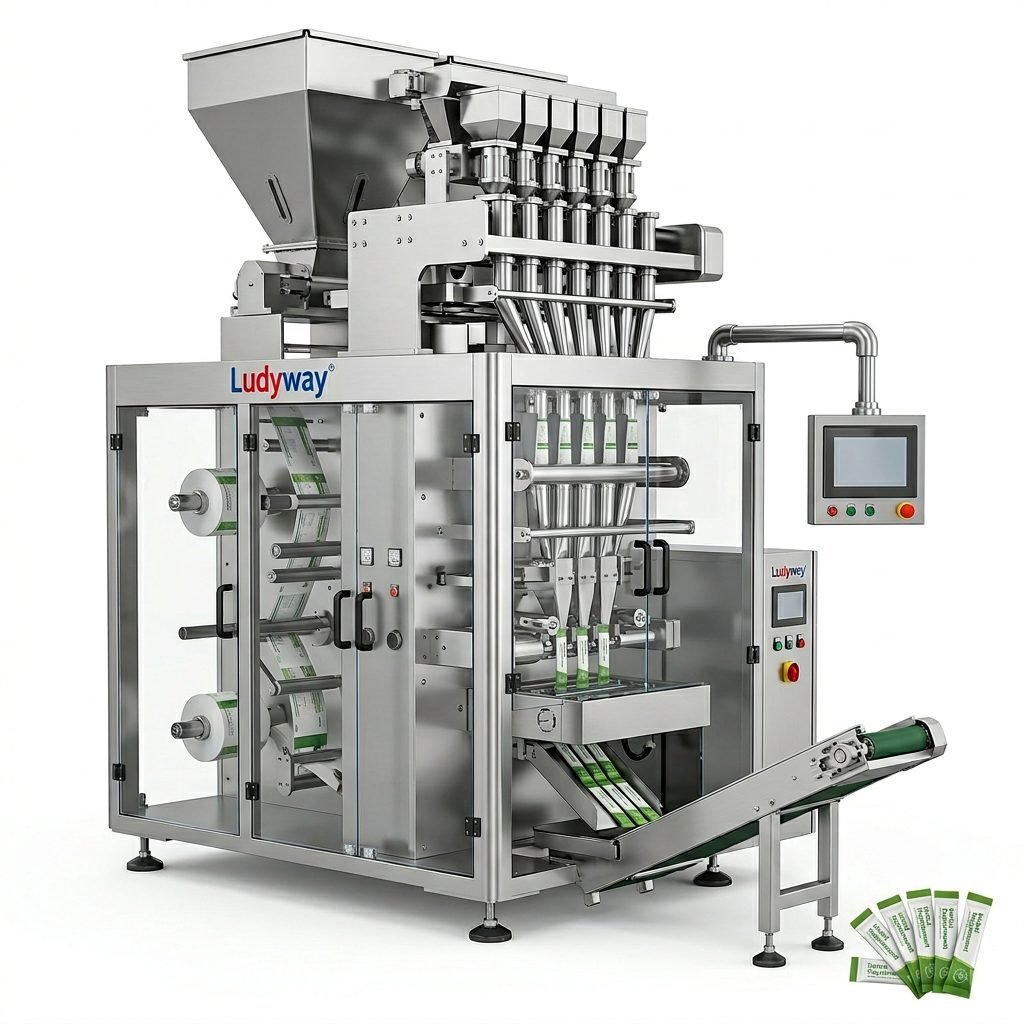
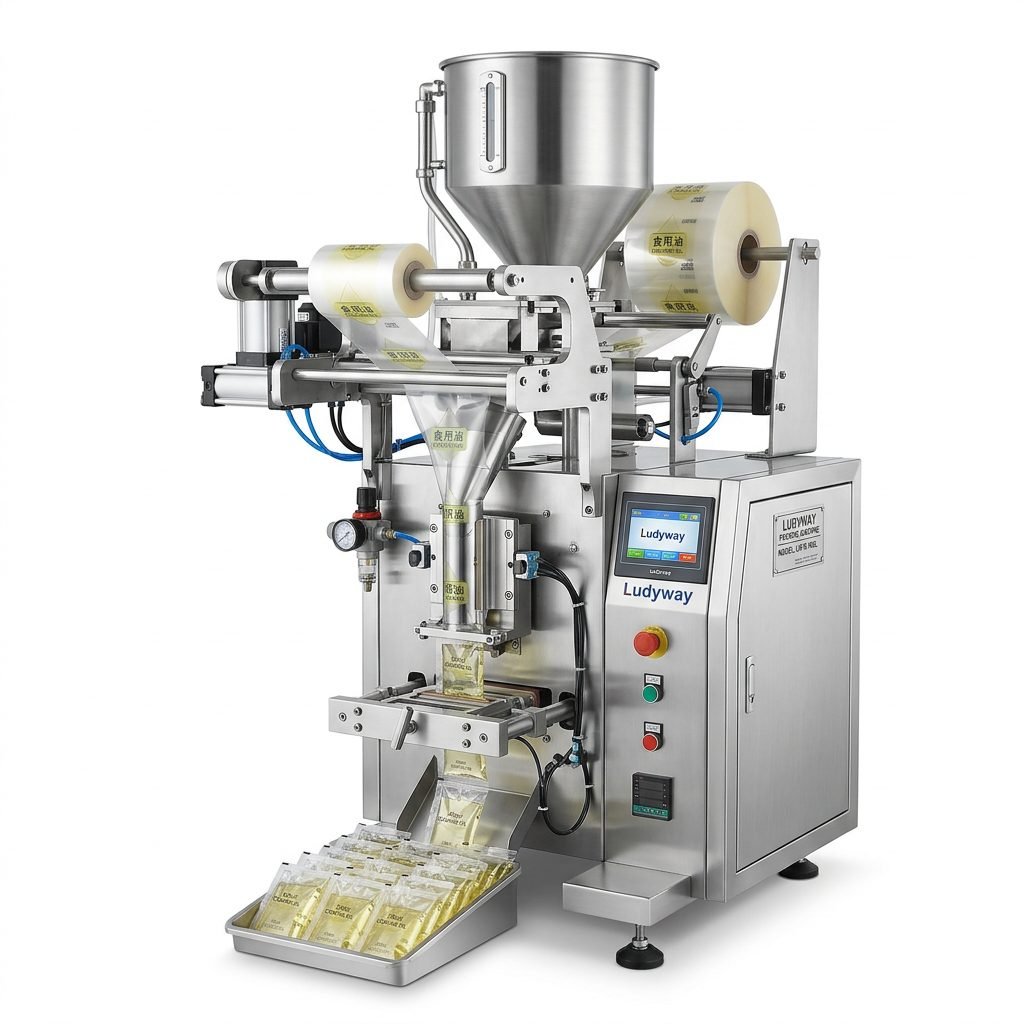
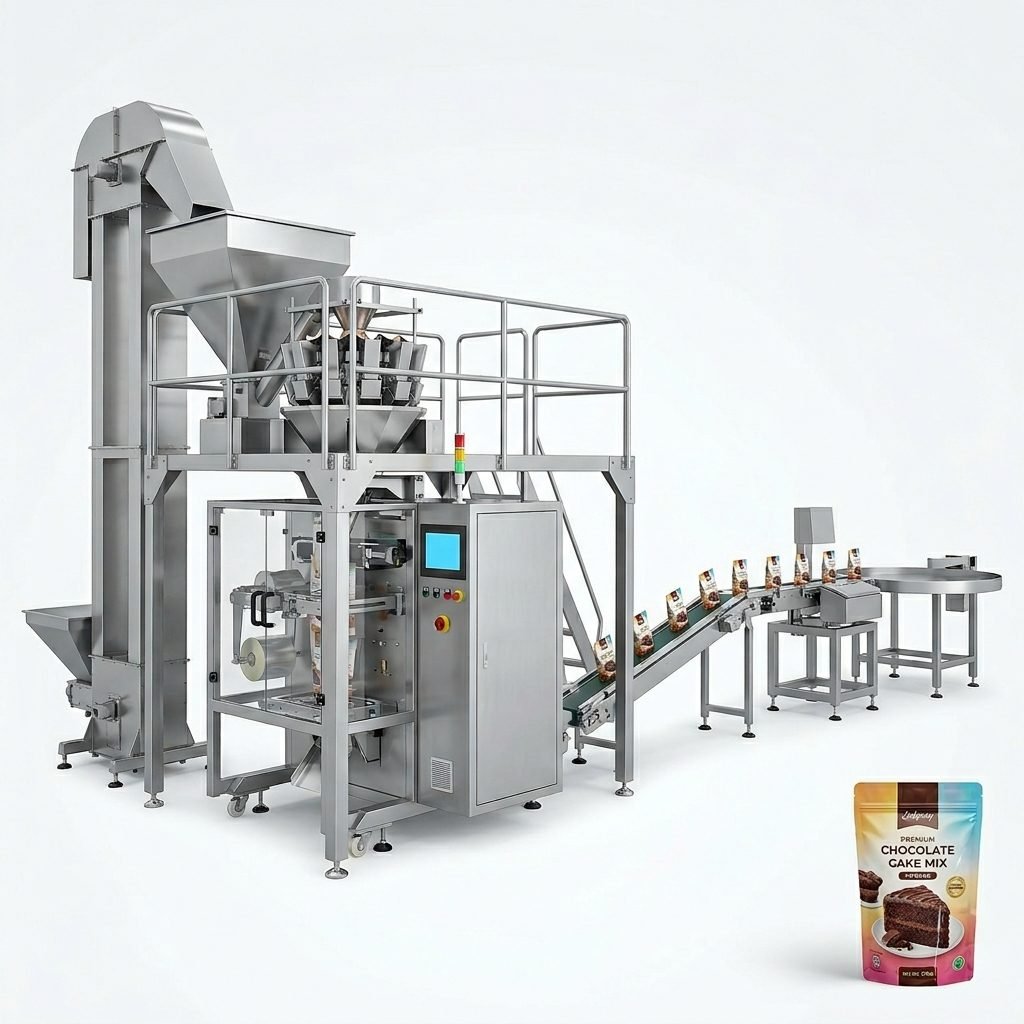
- Vertical form-fill-seal (VFFS) — Suitable for brownie bites, mini brownies, and loose-piece packaging in pillow bags or gusseted pouches.
- Modified atmosphere packaging (MAP) — Used for fresh-baked brownies requiring gas flushing to maintain freshness without preservatives.
- Tray sealing systems — Perfect for multi-pack brownie assortments, gift boxes, and retail-ready packaging.

Key Features to Evaluate in a Brownie Packaging Machine
When comparing different brownie packaging machines, focus on the following critical features that directly affect performance, reliability, and long-term value in a North American production environment.
Speed and Throughput Capacity
Production speed is measured in packages per minute (ppm) and should align with your current and projected output. Entry-level machines may run at 30-60 ppm, while high-speed automated lines can exceed 150 ppm. Consider whether the machine offers variable speed control to accommodate different product sizes and packaging materials without sacrificing seal integrity.
Precision and Portion Control
Accurate portioning is essential for consistency and cost control. Look for machines equipped with servo-driven dosing systems, multi-head weighers, or volumetric fillers depending on your brownie format. Precision filling reduces product giveaway and ensures every package meets labeled weight requirements — a key compliance factor for flexible packaging in regulated markets.
Material Compatibility and Sustainability
Modern brownie packaging machines must handle a variety of film materials including recyclable mono-materials, compostable films, and traditional multi-layer laminates. With growing sustainability demands in North America, your equipment should support eco-friendly packaging transitions without requiring major retrofits. Verify that the machine’s sealing temperature range, jaw design, and tension control are compatible with your chosen film substrates.
Automation and Integration Capabilities
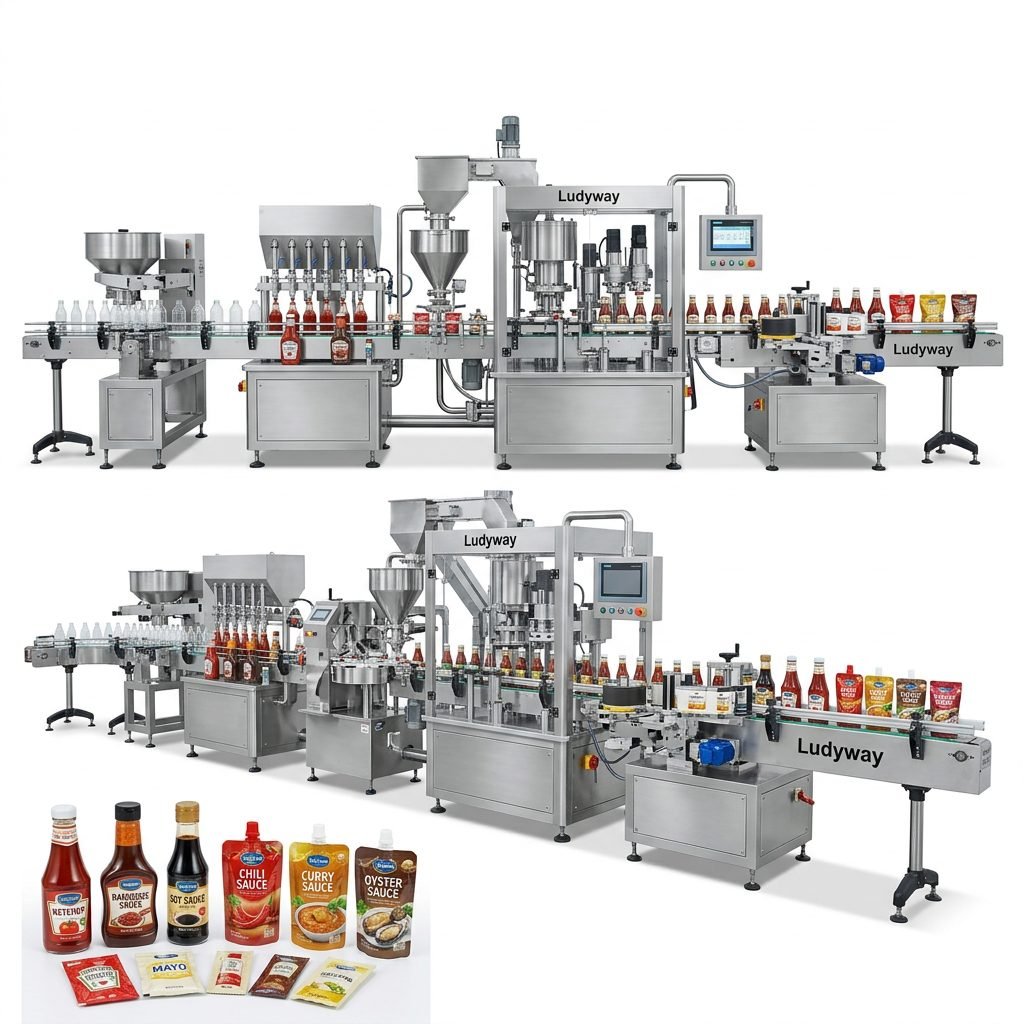
The level of automation directly impacts labor costs and operational efficiency. Key automation features include automatic film splicing, self-diagnostic systems, remote monitoring, and integration with upstream and downstream equipment such as conveyors, checkweighers, metal detectors, and case packers. A fully integrated line reduces manual handling and minimizes contamination risks.
Cleaning, Maintenance, and Sanitary Design
Food safety is non-negotiable in North American facilities. Choose machines constructed with stainless steel frames, tool-free disassembly for cleaning, and washdown-ready components if your environment requires regular sanitation. Machines designed with sloped surfaces and minimal crevices prevent crumb accumulation — a common challenge in brownie packaging operations.
Cost Analysis: What to Expect When Investing
Understanding the full cost picture helps avoid unexpected expenses and ensures your investment delivers long-term value. Below is a breakdown of typical cost components for brownie packaging machinery in the North American market.
| Cost Category | Entry-Level Range | Mid-Range | High-End Automated |
|---|---|---|---|
| Initial Equipment Purchase | $15,000 – $40,000 | $50,000 – $120,000 | $150,000 – $350,000+ |
| Installation & Commissioning | $2,000 – $5,000 | $5,000 – $15,000 | $15,000 – $40,000 |
| Annual Maintenance | $1,500 – $3,500 | $4,000 – $10,000 | $10,000 – $25,000 |
| Spare Parts (Annual) | $800 – $2,000 | $2,500 – $6,000 | $5,000 – $15,000 |
| Operator Training | $1,000 – $3,000 | $3,000 – $7,000 | $5,000 – $12,000 |
Beyond these direct costs, factor in film and material expenses, energy consumption, and potential downtime during changeovers. Many North American buyers find that mid-range machines offer the best balance between upfront investment and long-term reliability.
Evaluating Suppliers for the North American Market
Choosing the right supplier is as important as choosing the right machine. North American buyers should prioritize suppliers that offer local technical support, readily available spare parts, and familiarity with U.S. and Canadian regulatory requirements.
Key Supplier Evaluation Criteria
- North American service presence — Does the supplier have technicians, service centers, or authorized partners in the U.S. or Canada?
- Compliance documentation — Can they provide FDA-compliant material certifications, CE, UL, or CSA approvals as needed?
- Lead times and logistics — What are the typical delivery timelines for equipment and critical spare parts?
- Industry references — Ask for case studies or references from similar bakeries or food manufacturers in North America.
- Warranty and after-sales support — What is covered, for how long, and what level of remote or on-site support is included?
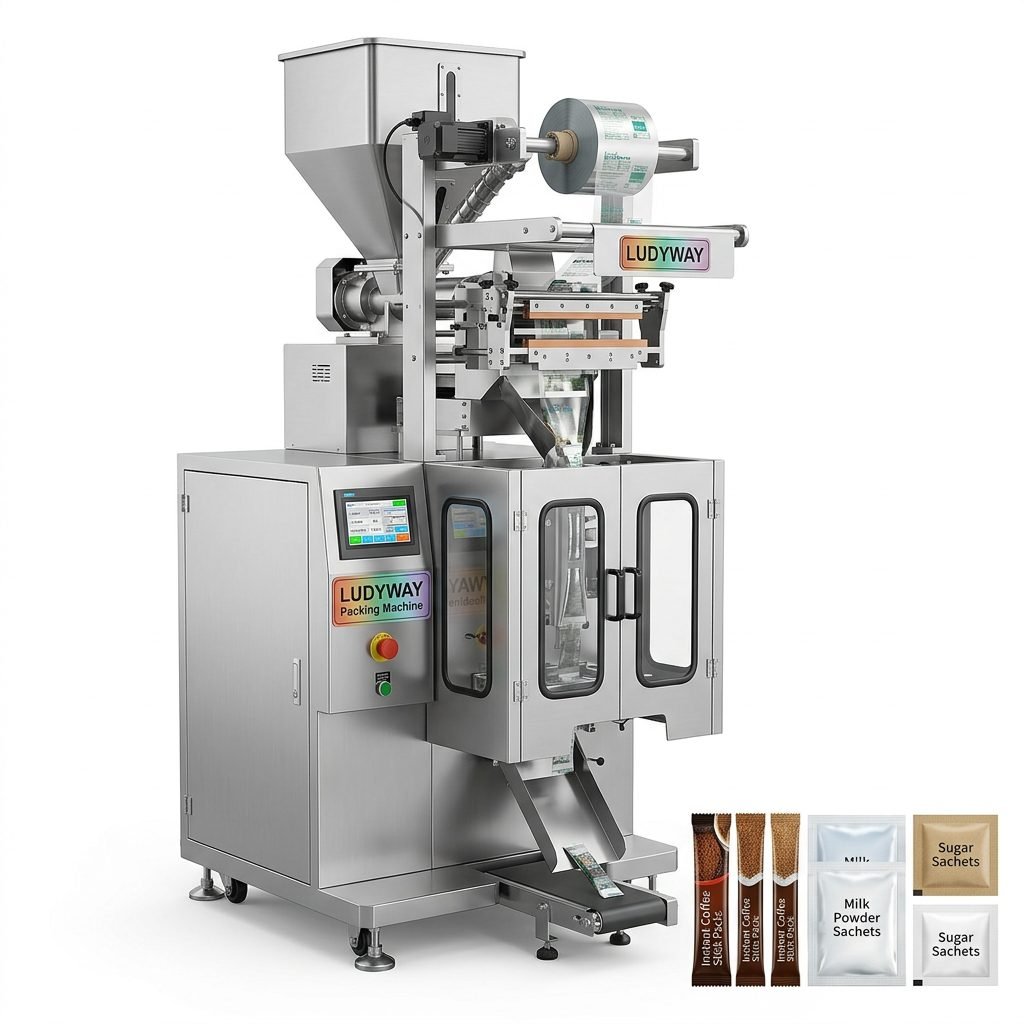
For companies considering international suppliers, Ludyway Packaging Machinery has demonstrated significant global growth and currently serves customers in over 100 countries with advanced packaging solutions. When evaluating any supplier, always request a thorough technical proposal, including machine specifications, utility requirements, and a clear project timeline.
Regulatory and Safety Compliance in North America
Your brownie packaging machine must comply with several regulatory frameworks. The FDA’s Current Good Manufacturing Practices (cGMP) set baseline requirements for food contact surfaces and equipment design. Additionally, machines with electrical components should carry UL or CSA certification for use in U.S. and Canadian facilities. Understanding these requirements before purchasing prevents costly retrofits and compliance delays.
Making the Final Decision: A Practical Checklist
Before signing a purchase agreement, use this decision checklist to confirm you have covered all critical aspects of your brownie packaging machine investment.
- Production volume clearly defined — current needs and 3-year growth projections.
- Packaging format confirmed — flow wrap, VFFS, tray seal, or custom solution.
- Film material compatibility verified with the machine manufacturer.
- Facility requirements assessed — floor space, power supply, compressed air, and ventilation.
- Total cost of ownership calculated over a 5-year period.
- Supplier support capabilities validated for your region.
- Regulatory compliance documentation obtained and reviewed.
- Operator training plan established for seamless integration.
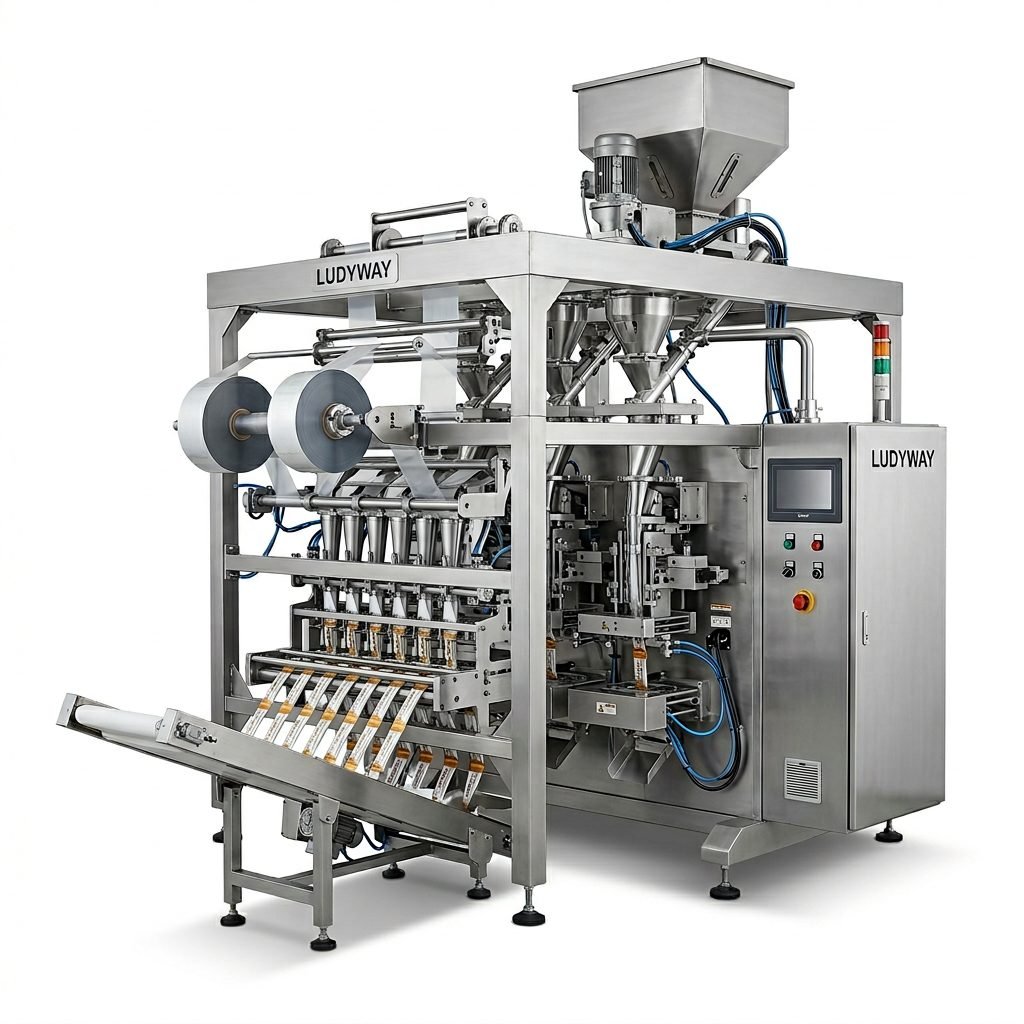
Investing in the right brownie packaging machine requires careful evaluation of features, costs, supplier reliability, and compliance factors specific to the North American market. By prioritizing automation capabilities, material flexibility, and strong after-sales support, you position your bakery or food manufacturing operation for sustained growth and operational excellence. Take the time to compare multiple suppliers, request detailed proposals, and visit reference installations whenever possible — the effort you invest in due diligence will pay dividends through years of reliable, efficient production.