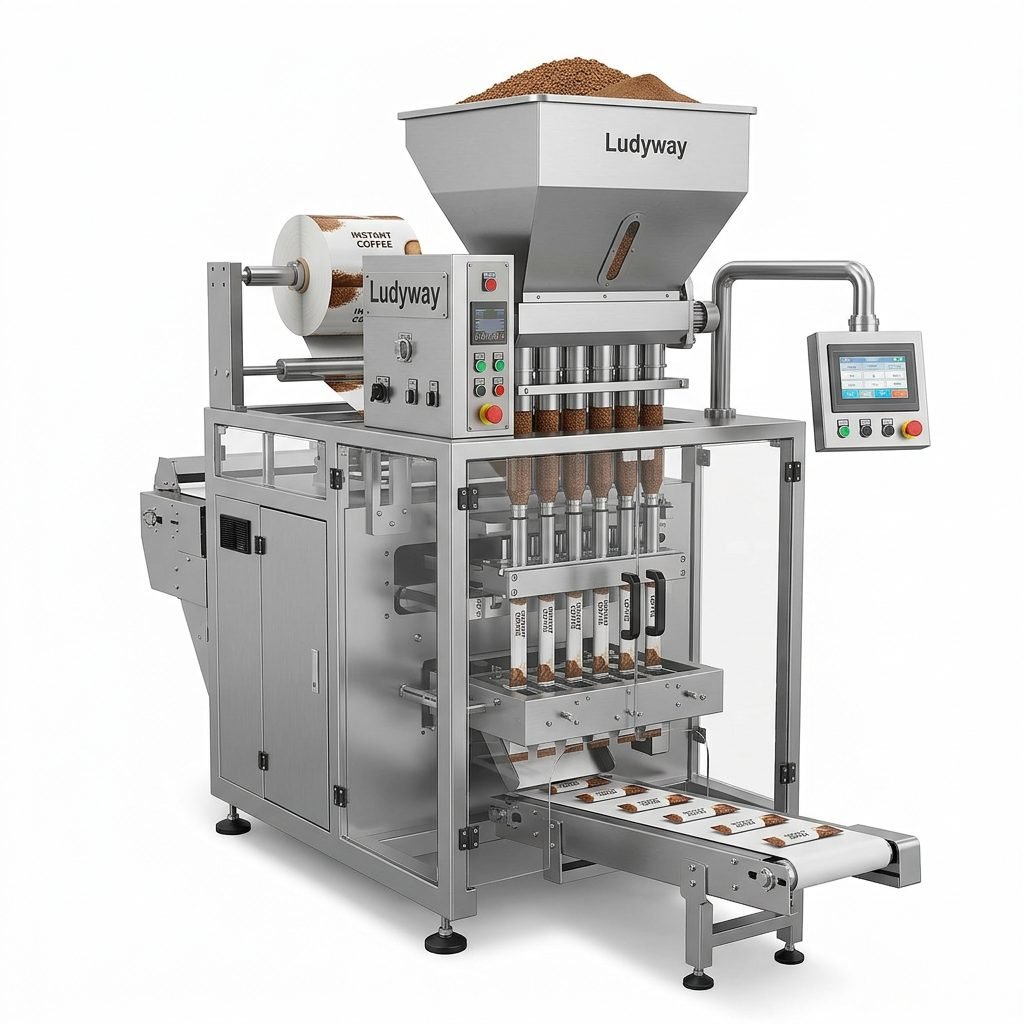
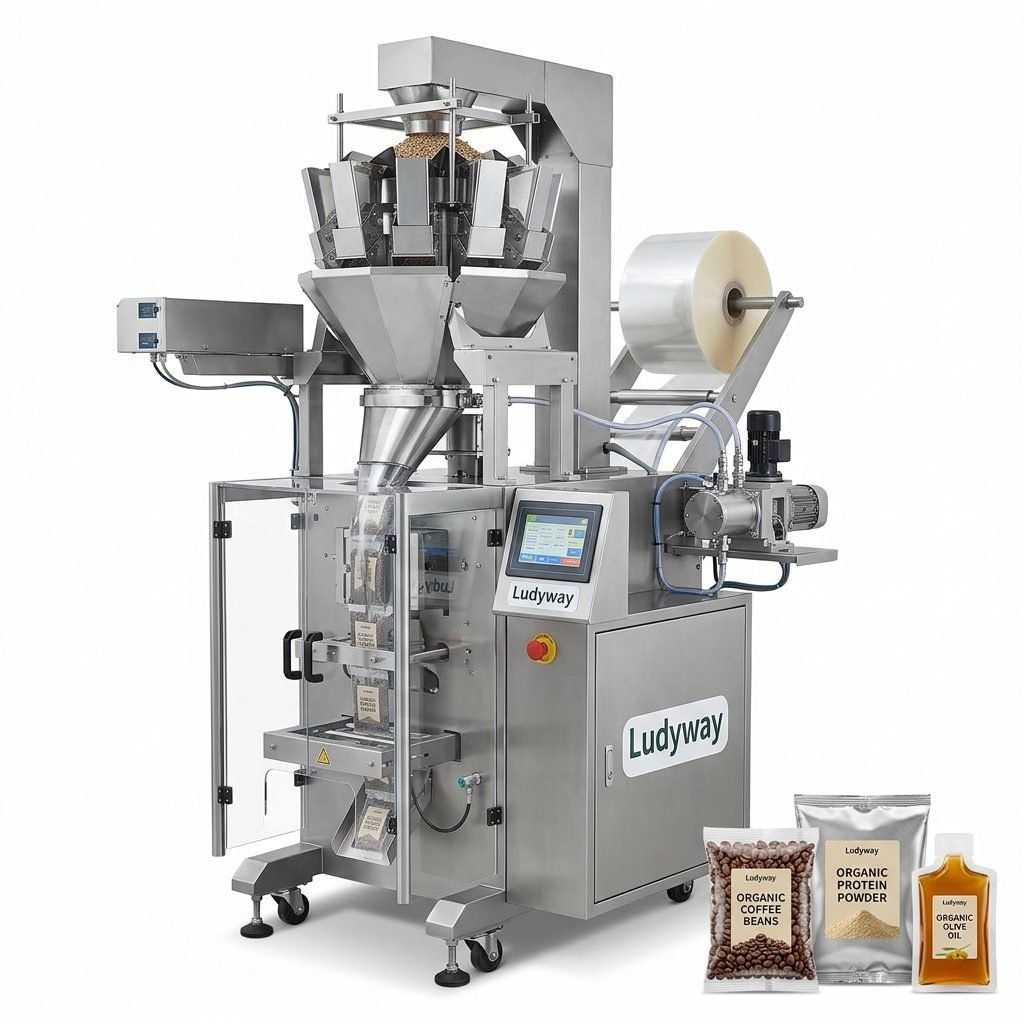
Selecting the right coffee bean packaging machine is a critical decision for any roaster, distributor, or co-packer looking to scale operations in North America. The equipment you choose directly impacts product freshness, shelf life, and overall brand perception. This guide breaks down the essential factors, from machine types and material compatibility to throughput and regulatory compliance, helping you make an informed investment.
Understanding the North American Coffee Packaging Landscape
The demand for specialty and single-origin coffees in the United States and Canada has driven a need for flexible, high-barrier packaging. Whether you are handling whole beans or ground coffee, protecting against oxygen, moisture, and UV light is non-negotiable. Modern coffee packaging machinery must accommodate a variety of formats, including stand-up pouches, quad-seal bags, and flat bottom bags, while maintaining precise weight accuracy to combat rising input costs.
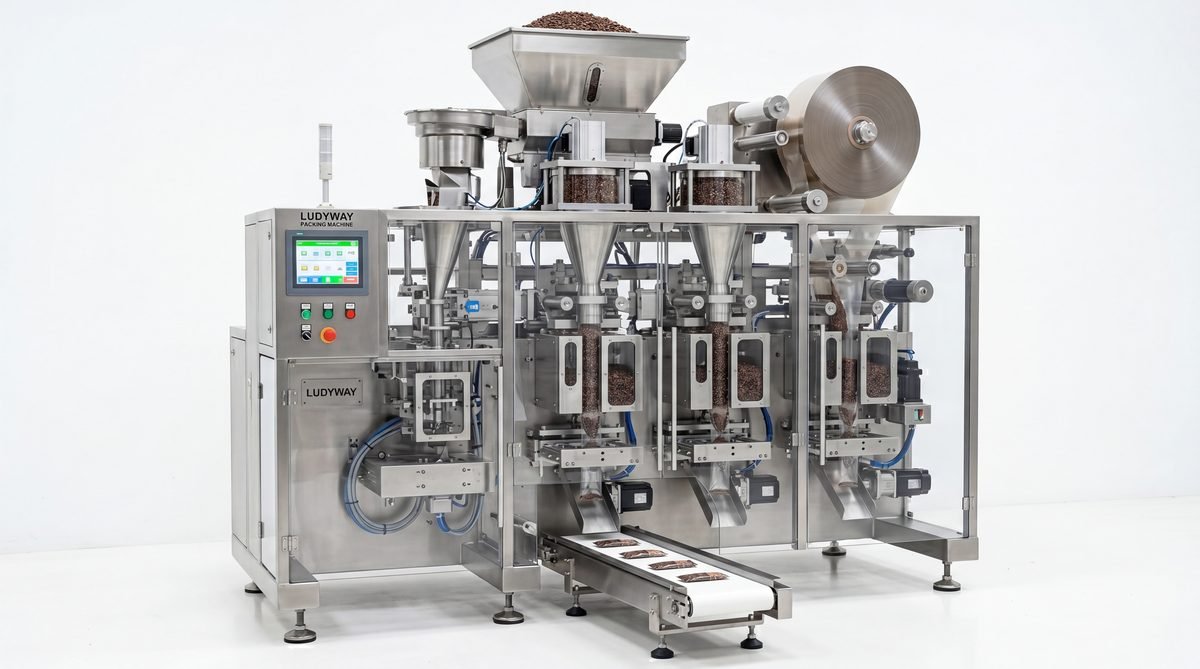
Key Features to Evaluate in a Coffee Packaging Machine
When comparing different models, focus on features that guarantee long-term efficiency and product integrity:
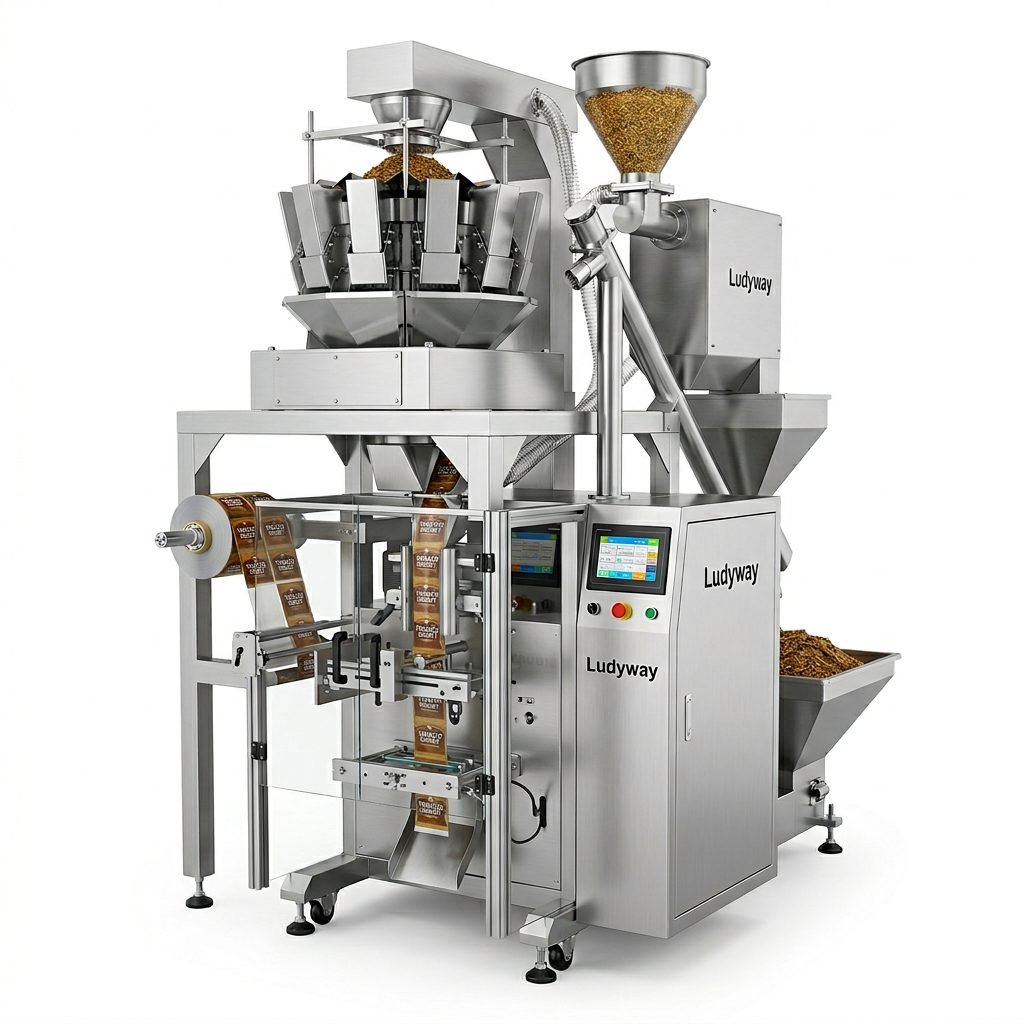
- Weighing Accuracy: Multi-head weighers are the industry standard for coffee, ensuring minimal product giveaway.
- Gas Flushing Capability: Nitrogen (N2) or carbon dioxide (CO2) flushing is essential for oxygen replacement and extending shelf life.
- Degassing Valves: Equipment must be compatible with one-way degassing valve applications, particularly for freshly roasted whole beans.
- Material Compatibility: The machinery should run effectively with laminated films, foil-based structures, and increasingly popular recyclable mono-materials.
- Automation Level: Assess if you need semi-automatic equipment for start-up batches or fully automated bagging systems integrated with conveyors and case packers.
Comparing Machine Types: Vertical vs. Rotary vs. Stick Pack
The physical form of your final product dictates the machine style. Below is a breakdown of the most common systems deployed in the coffee sector:
| Machine Type | Best For | Speed Range | Key Advantage |
|---|---|---|---|
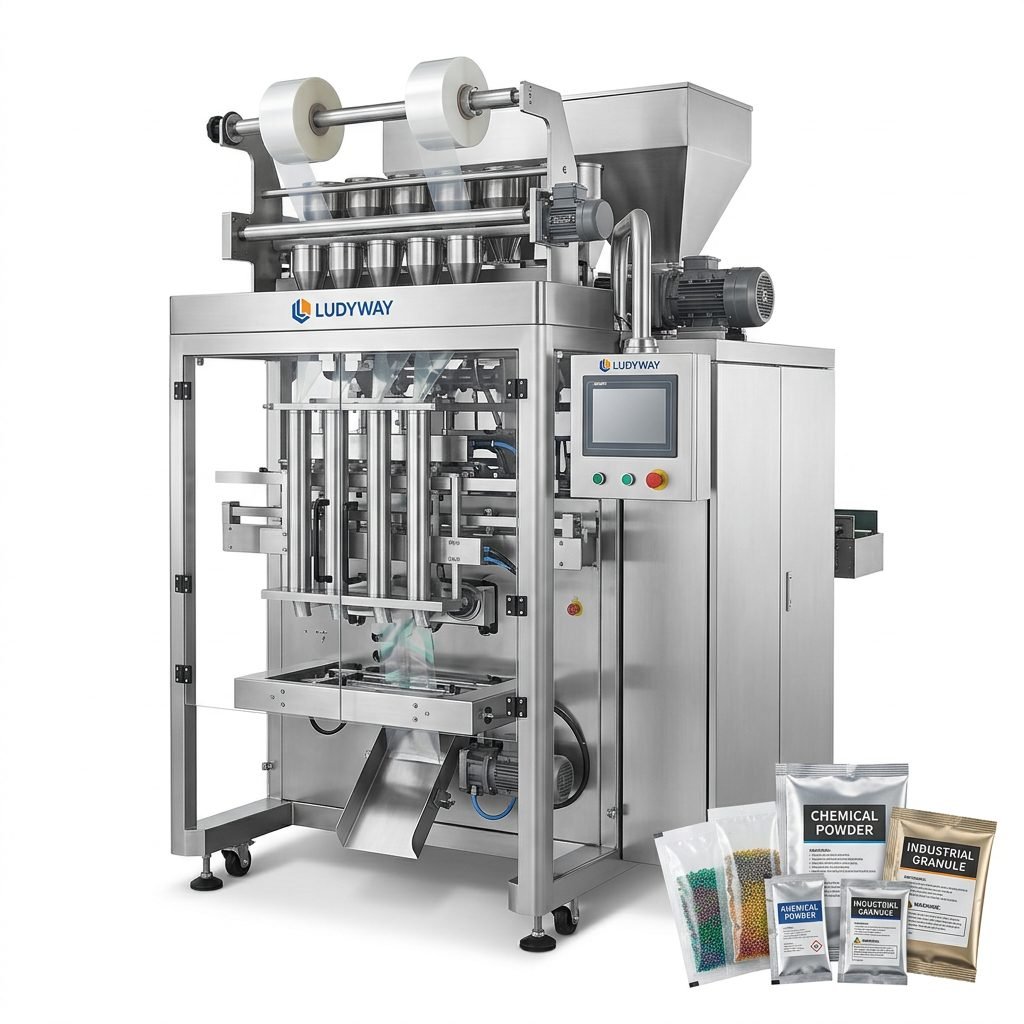
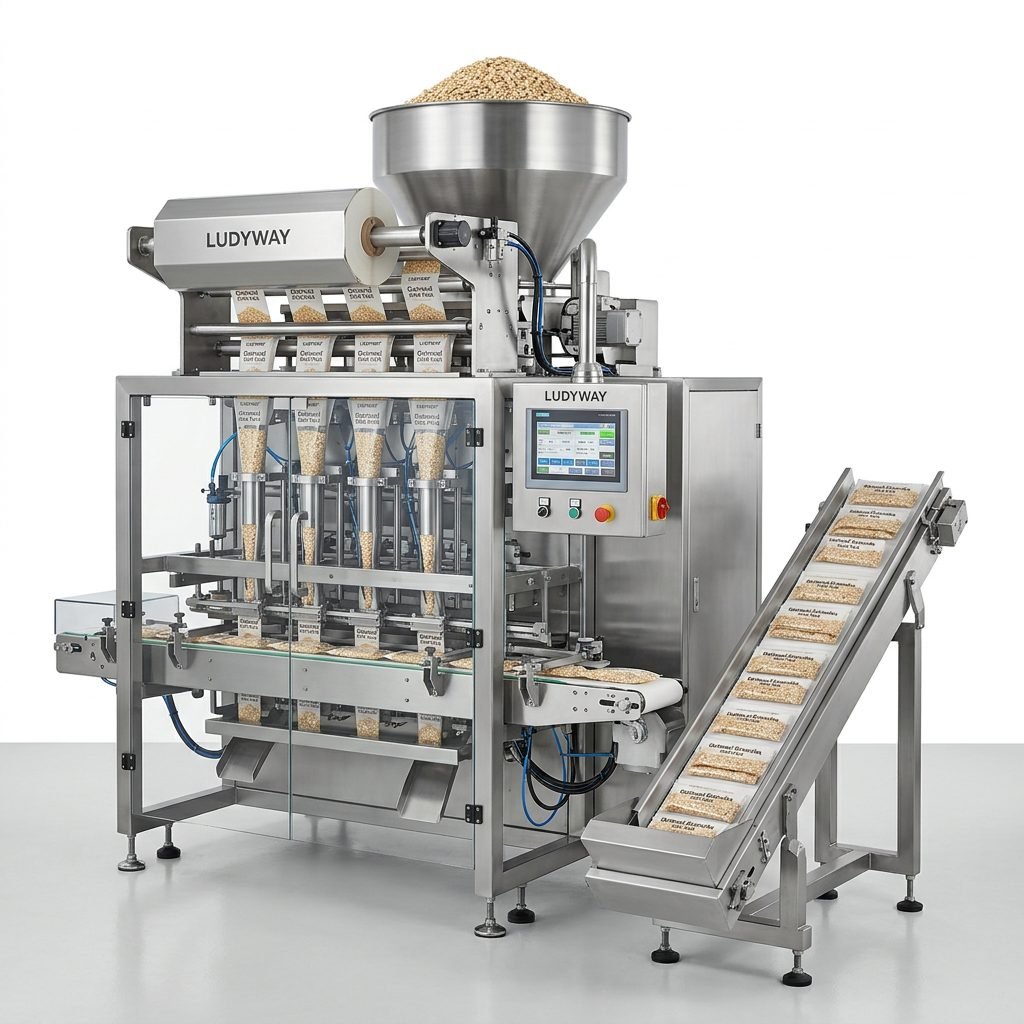
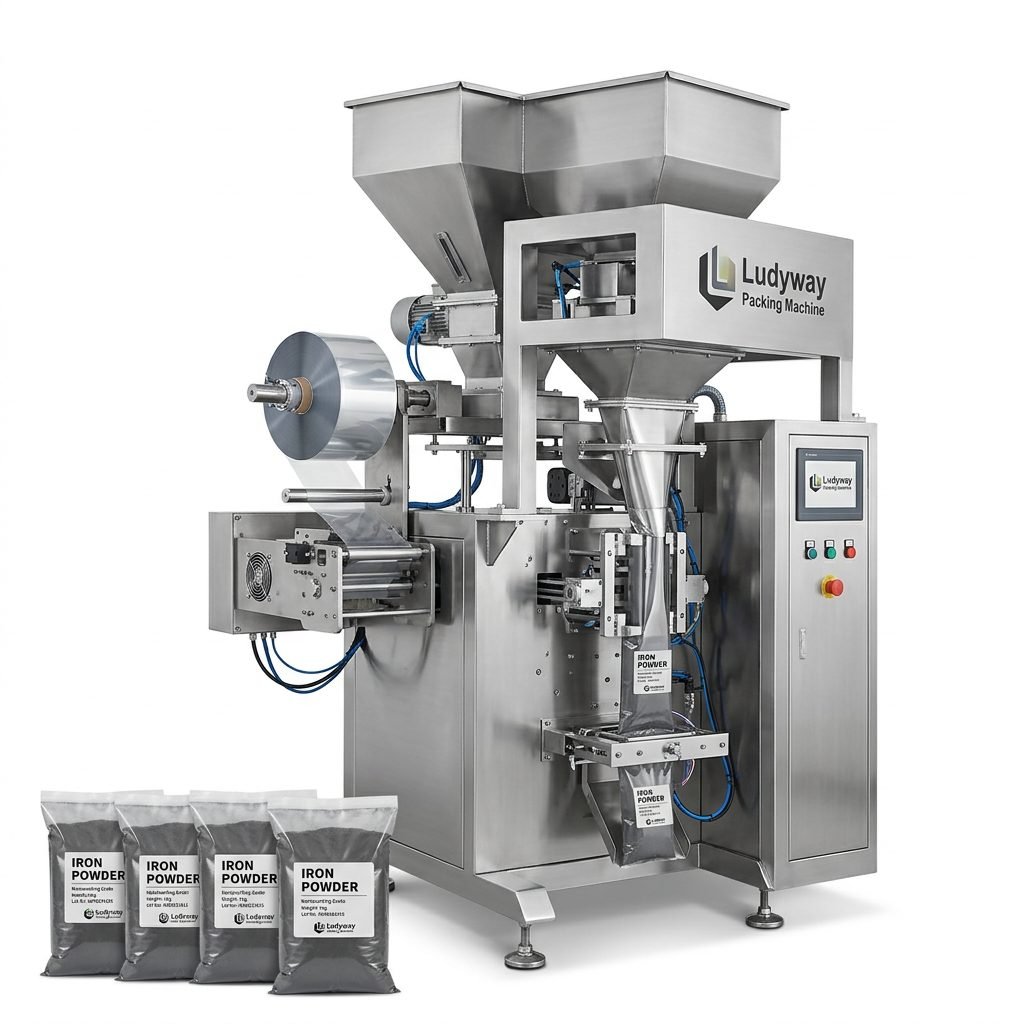
| Vertical Form Fill Seal (VFFS) | Ground & Whole Bean Bags | 30-100+ bags/min | Versatile for large retail bags |
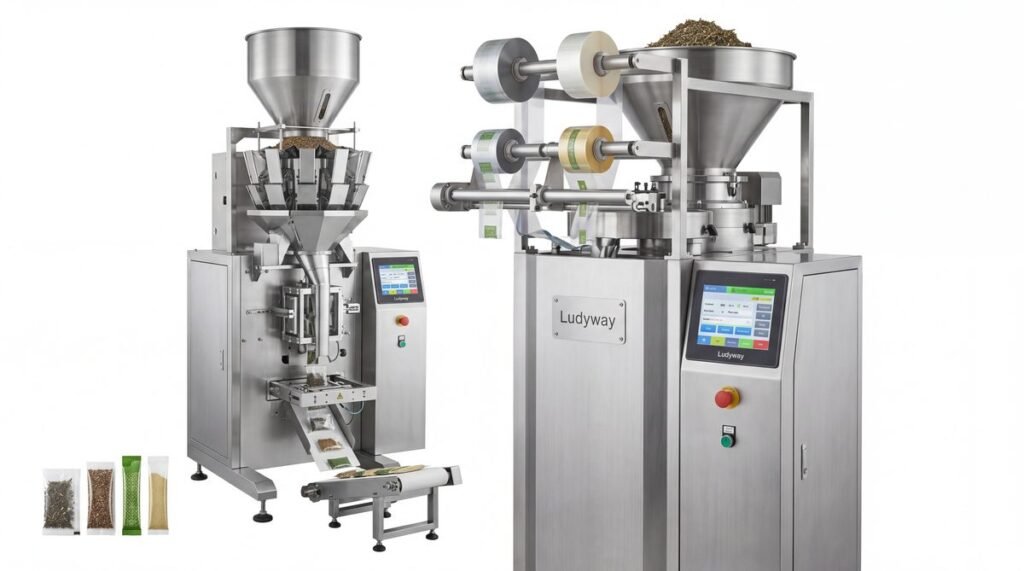
| Pre-made Pouch Rotary Filler | Stand-up Pouches with Valve | 20-60+ packs/min | Excellent seal integrity & premium look |
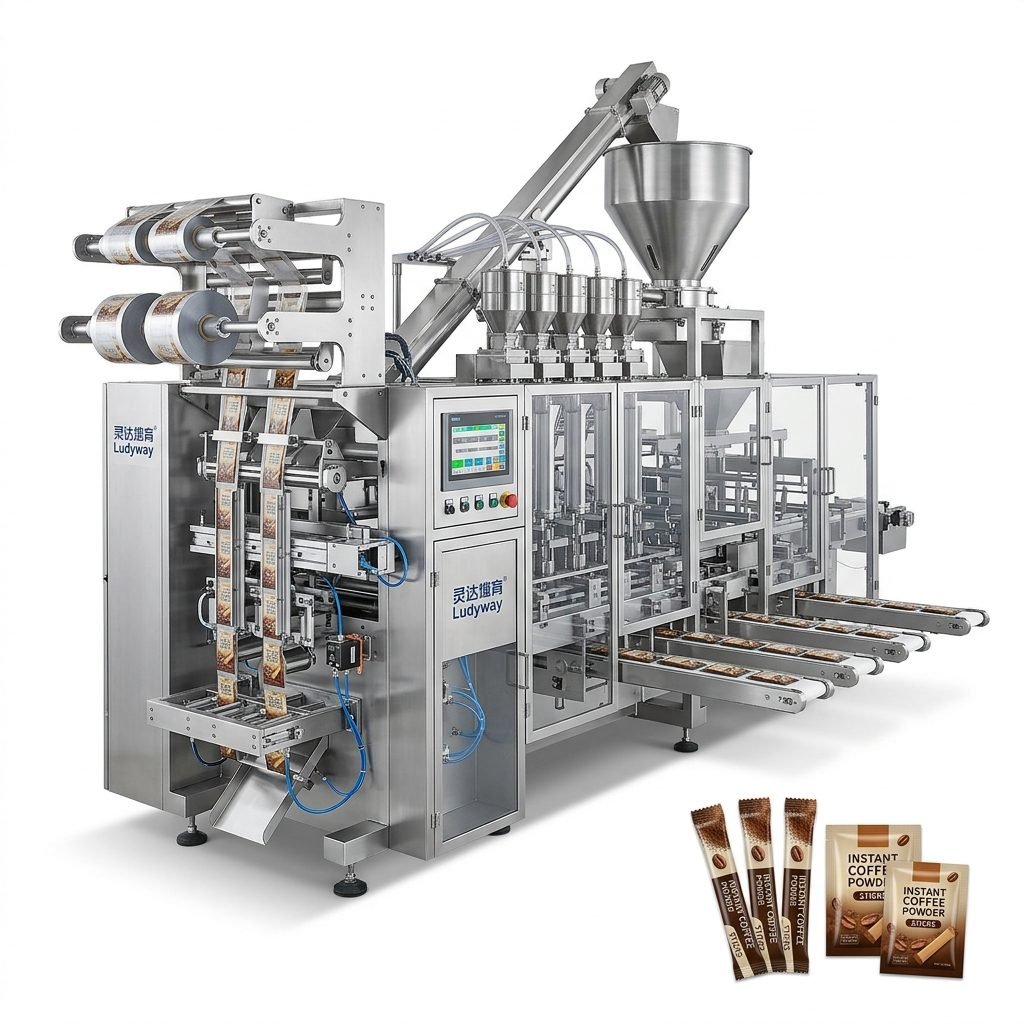
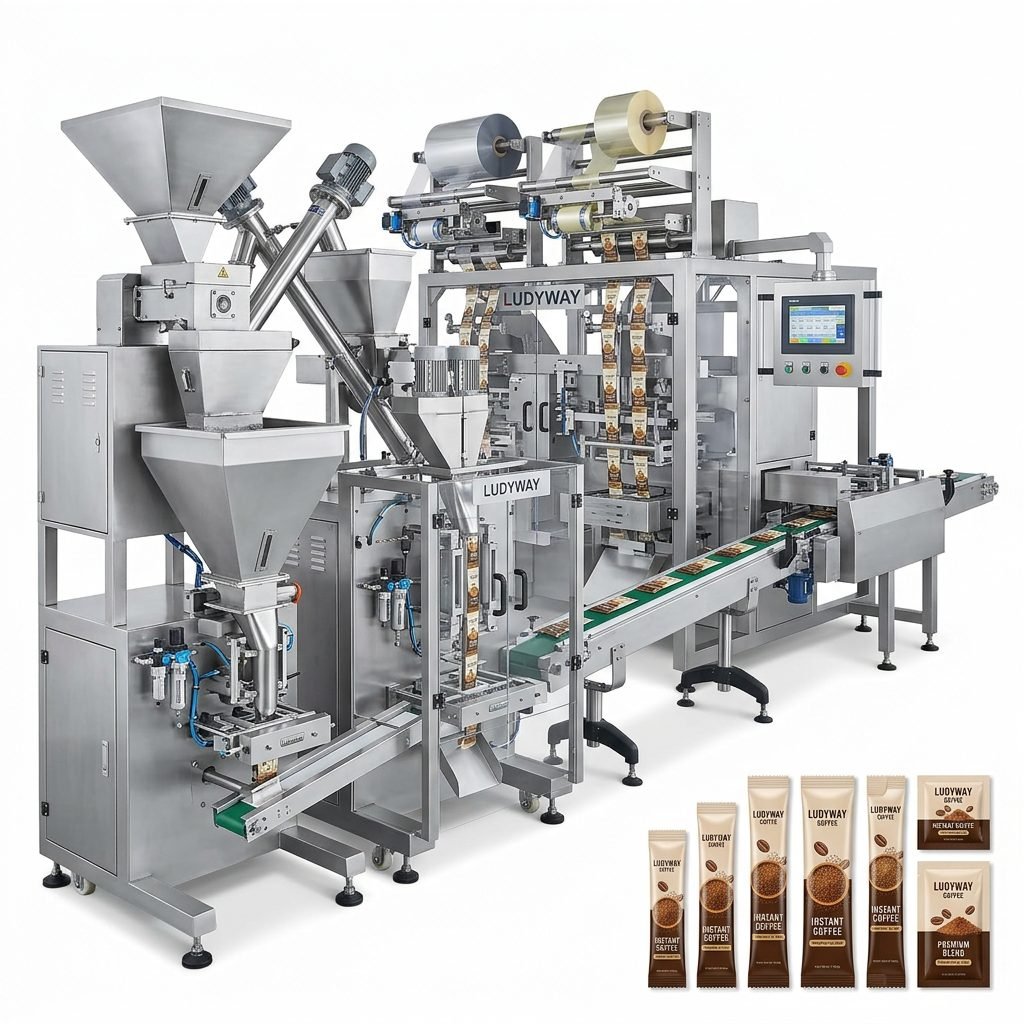
| Multi-Lane Stick Pack Machine | Single-serve instant coffee | 400-600+ sticks/min | Ultra-high speed for HoReCa market |
Bulk Bagging and Large Format Solutions
For roasters supplying wholesale programs or cafes, weighing and filling into large bulk bags or valve bags is a daily necessity. Semi-automatic gross weigh fillers or net weigh bulk bagging systems are often required for 5lb and 10lb formats commonly found in wholesale clubs. By connecting an inline weighing system, producers can significantly reduce labor costs while maintaining consistent fill accuracy across every large-format unit.
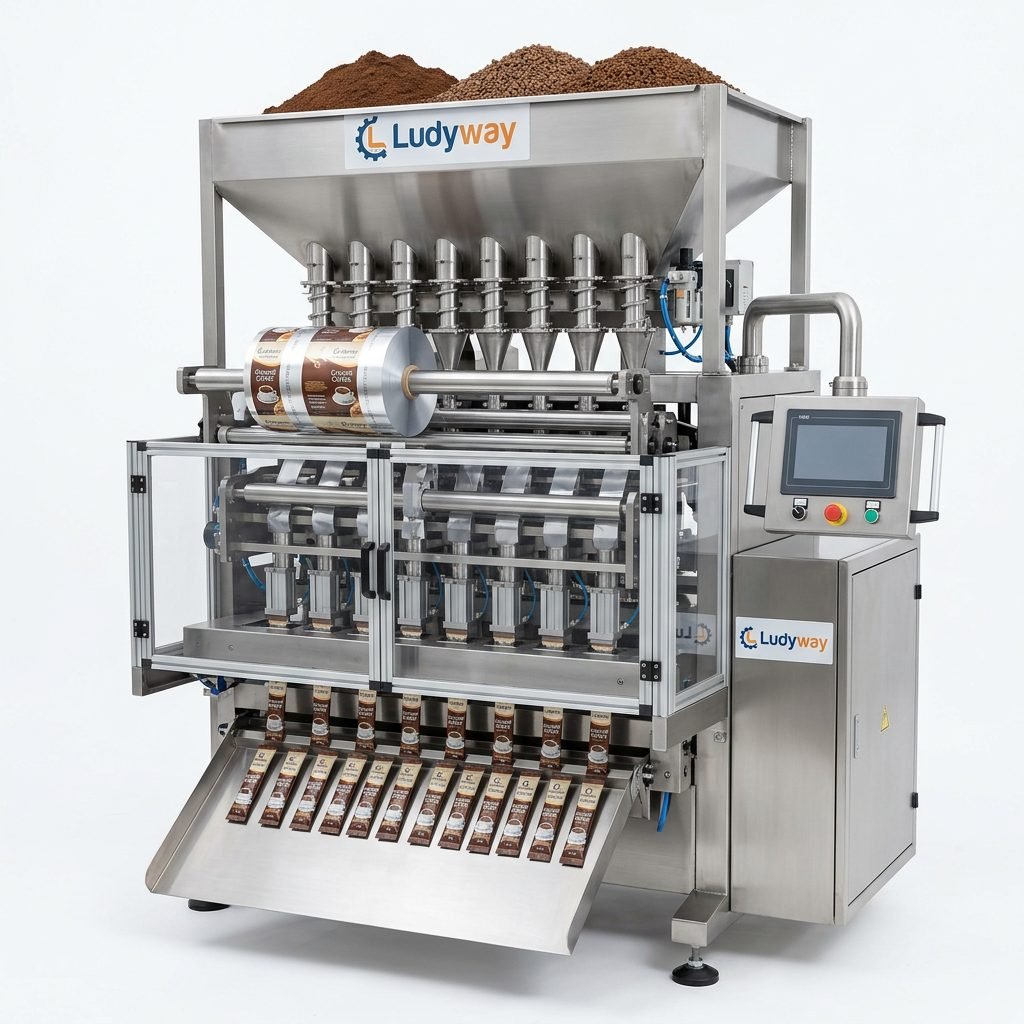
Integrating Coffee Packaging into a Turnkey Production Line
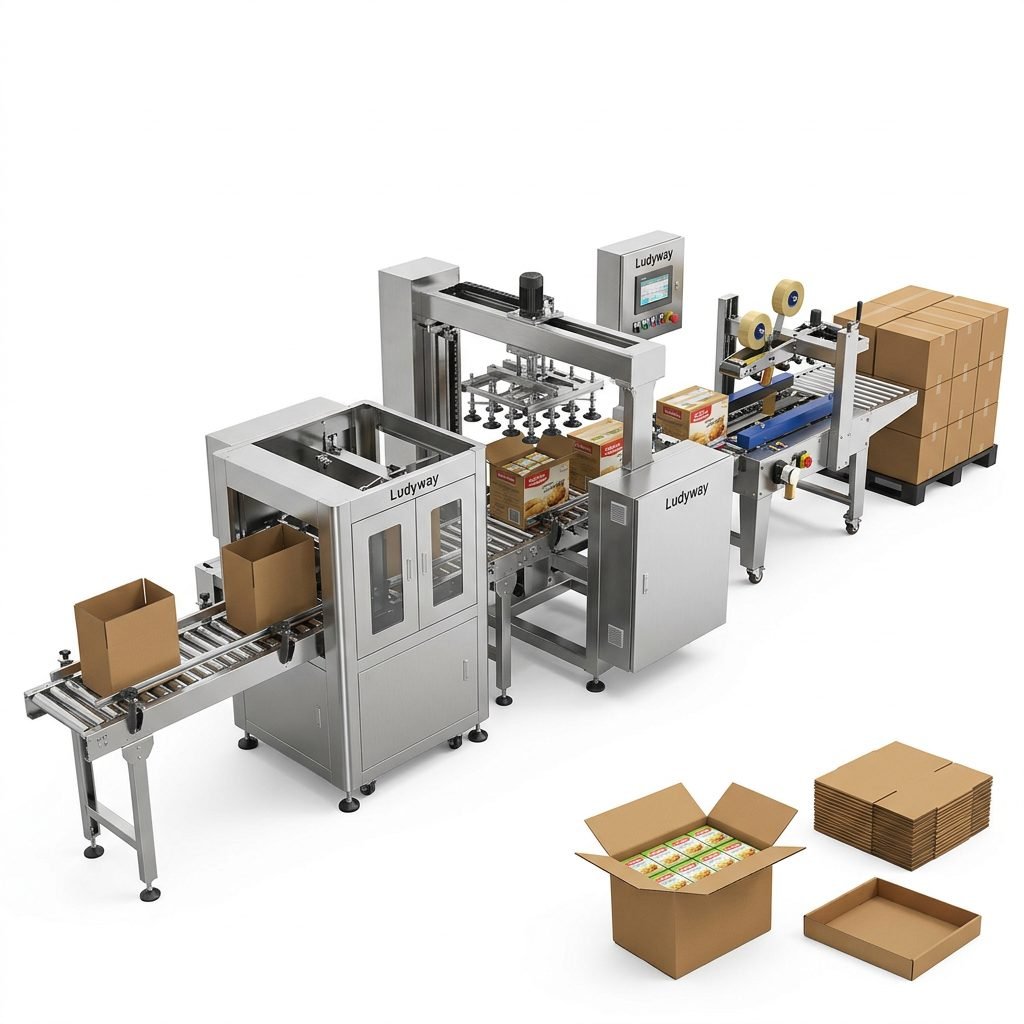
Scaling from a manual tabletop operation to an automated line requires seamless integration of upstream and downstream equipment. A comprehensive turnkey coffee packaging line typically includes bucket elevators for bean transport, multi-head weighers, the primary packaging machine (VFFS or rotary), checkweighers, and automatic cartoning or palletizing systems. This holistic approach minimizes product breakage and ensures that delicate whole beans are handled gently from the roaster cooling tray to the finished pallet.
Ensuring Freshness: Gas Flushing and Vacuum Technology
Oxygen is the enemy of coffee freshness. For ground coffee and whole bean applications, advanced atmosphere modification is a must-have. If you are packaging pre-ground coffee for the shelf-stable market, you may also want to explore vacuum packaging capabilities. Vacuum-sealed coffee bricks are dense, efficient for shipping, and lock in aroma for extended periods. However, the heavy demands of vacuum cycling require a robust, durable machine built with high-quality seal jaws and reliable pneumatic components.
Key Considerations for Degassing
- Resting Period: Freshly roasted coffee emits CO2. Ensure your packaging process accommodates the required resting period before sealing if not using pressure relief valves.
- Hardware Validation: Verify that your chosen machine has a proven track record with hard goods. Coffee beans are abrasive and can wear down inferior auger fillers or plastic chutes.
- Valve Applicators: If your bag style requires a degassing valve, invest in automated valve applicators to maintain line speed and precision placement on laminated structures.
Navigating Food Safety and Material Standards in the U.S. and Canada
Packaging equipment installed in North America must meet strict sanitation and safety standards. While the machinery itself isn’t typically FDA “approved,” it must be designed using sanitary principles to prevent contamination. Critical requirements include stainless steel construction, sloped surfaces eliminating water pooling, and lockout/tagout safety features. Furthermore, look for equipment that handles substrates compliant with FDA food contact substance regulations. Compliance with these standards not only protects consumers but also streamlines your audit processes with major retailers.
After-Sales Support and Spare Parts Availability
Downtime in a coffee production facility is measured in lost revenue per minute. When sizing up a manufacturer like Ludyway, a recognized leader in automated packaging solutions, scrutinize their local technical support network. As a global supplier, Ludyway provides comprehensive installation assistance, training, and rapid spare parts distribution to maintain continuous production. Ensure your OEM can offer remote diagnostics or has North American-based service engineers to troubleshoot issues quickly, minimizing interruptions during peak holiday seasons when coffee demand surges.

Calculating ROI on Advanced Coffee Packaging Machinery
The shift from manual labor or outdated volumetric cup fillers to modern multi-head weighing technology represents a significant but profitable investment. Consider these financial factors:
- Labor Reduction: Automated bagging and cartoning can reduce packing staff by up to 60%, substantially lowering long-term operational expenditure.
- Product Giveaway: Switching from volumetric to gravimetric weighing reduces product loss by 1-3%, translating to tens of thousands of dollars saved yearly.
- Film Waste: Modern servo-driven film registration systems minimize scrap during the start/stop process, ensuring hybrid or recyclable films are consumed efficiently.
Choosing the Right Coffee Bean Packaging Machine Manufacturer
Your equipment supplier should act as a long-term partner, not just a vendor. Look for engineering expertise in granule and powder handling, as coffee dust and chaff present unique pneumatic challenges.
Ludyway specializes in advanced packaging equipment and turnkey production solutions, with more than 30 years of industry expertise. Supported by a modern 20,000㎡ manufacturing facility and a highly experienced engineering team, they offer reliable solutions for granule, powder, and pouch packaging applications, helping businesses improve productivity and product quality in the competitive North American market.
Reliable Industry Resources for Further Research
- PMMI – The Association for Packaging and Processing Technologies
- Flexible Packaging Association
- PACK EXPO International
- U.S. EPA – Sustainable Materials Management