Understanding Single-Dose Tea Packaging Machines
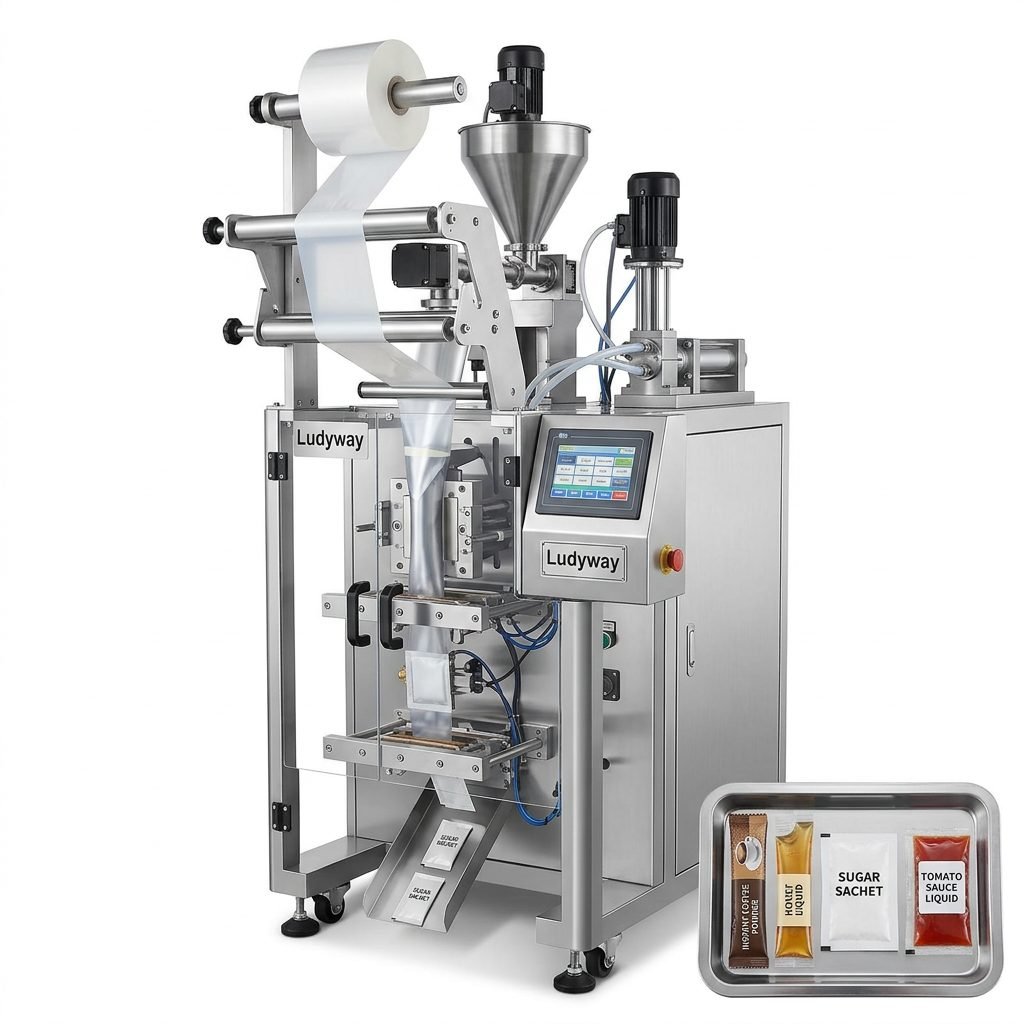
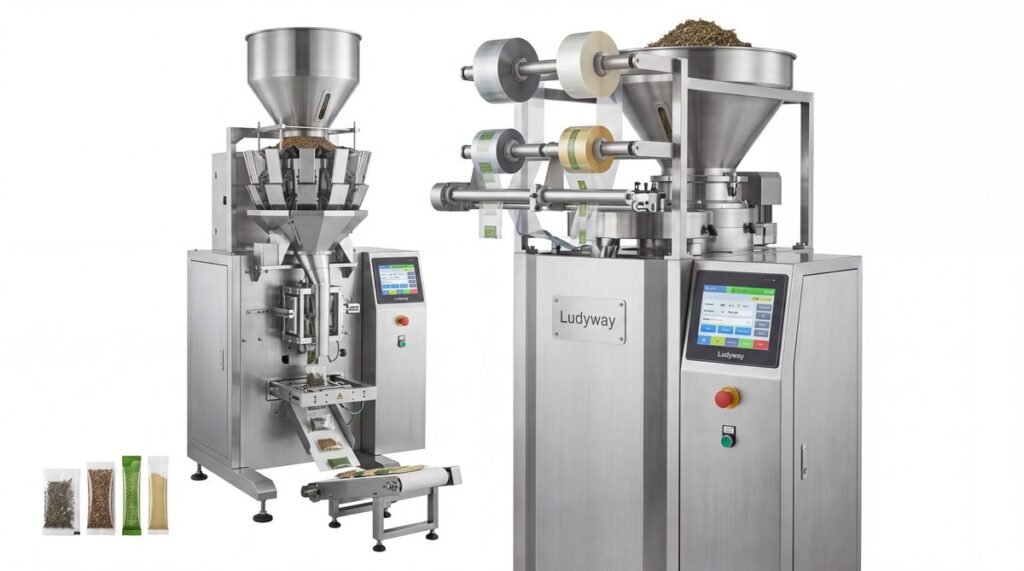
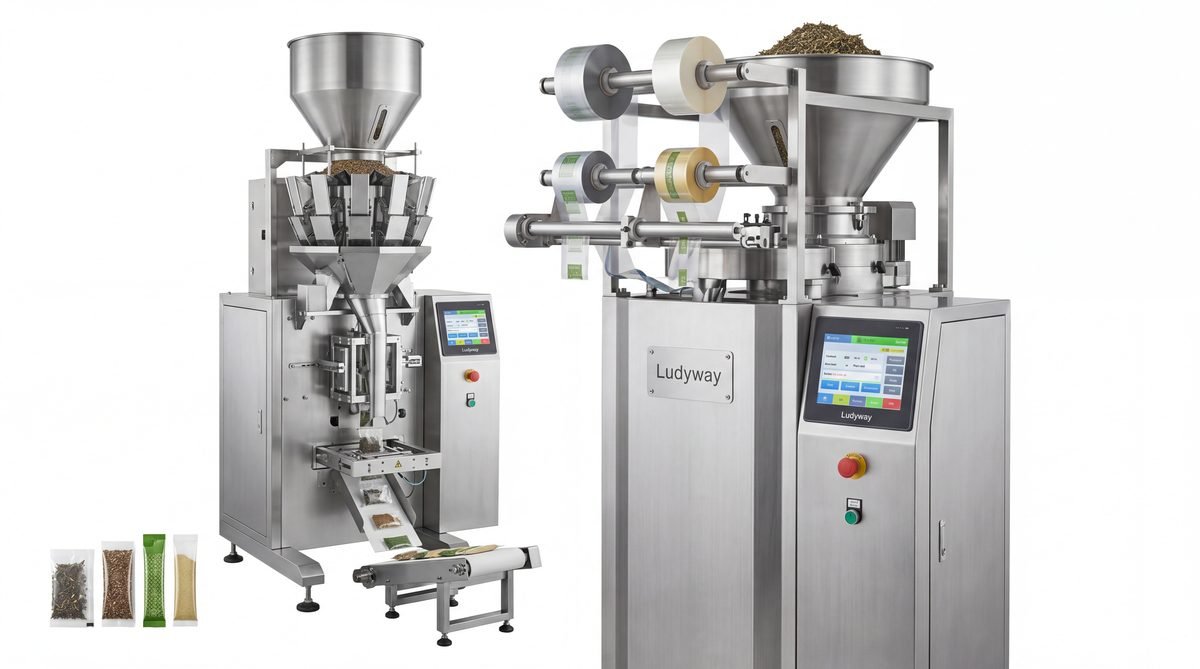
A single-dose tea packaging machine is a specialized piece of equipment designed to portion and pack individual servings of tea leaves, tea powder, or herbal blends into small, convenient formats such as stick packs, sachets, or pouches. These machines are widely used by tea producers, contract packagers, and private-label brands seeking to offer on-the-go single-serve tea products. With the global tea market expanding and consumer demand shifting toward portion-controlled, hygienic, and travel-friendly packaging, single-dose tea packaging machines have become a critical investment for businesses aiming to stay competitive.
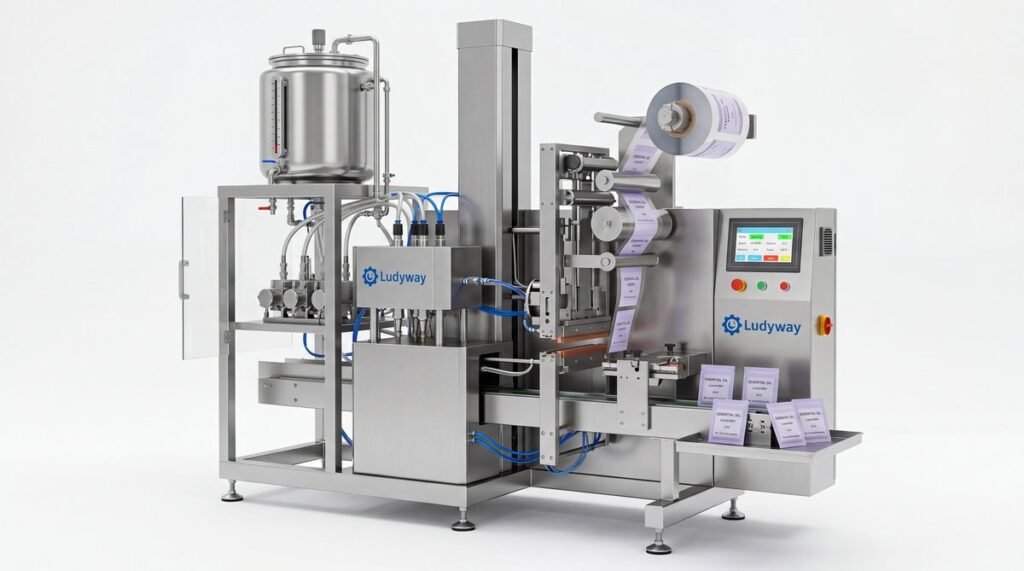
Modern systems integrate multiple functions—automatic weighing, filling, sealing, cutting, and sometimes cartoning—into one streamlined process. Depending on production volume, manufacturers can choose from semi-automatic tabletop units to fully automated multi-lane systems capable of producing hundreds of packs per minute. The cost of such equipment varies significantly based on a range of technical and operational factors.
Key Factors That Influence the Cost
Several critical variables determine the final price of a single-dose tea packaging machine. Understanding these factors helps buyers make informed decisions and avoid overpaying for unnecessary features.
- Automation Level: Manual or semi-automatic machines cost less than fully automated systems with PLC controls and touchscreen interfaces.
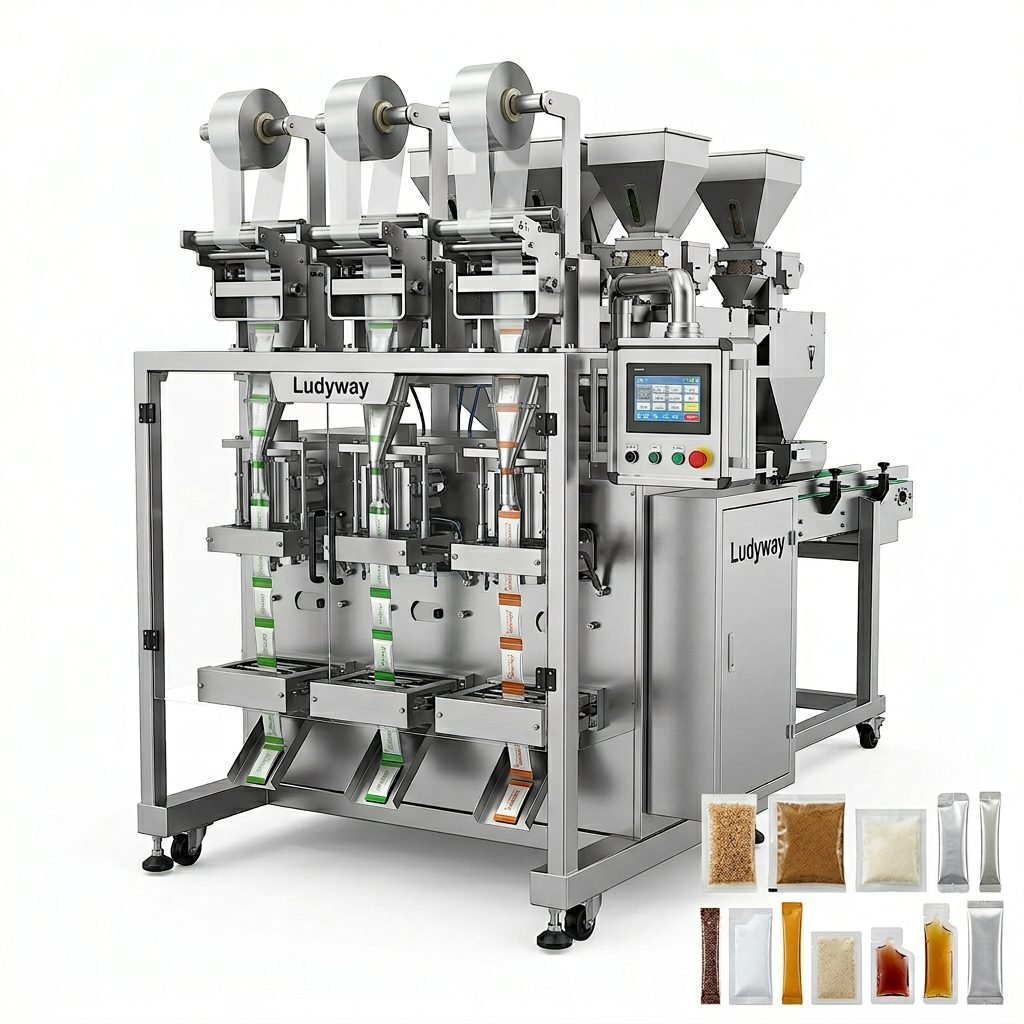
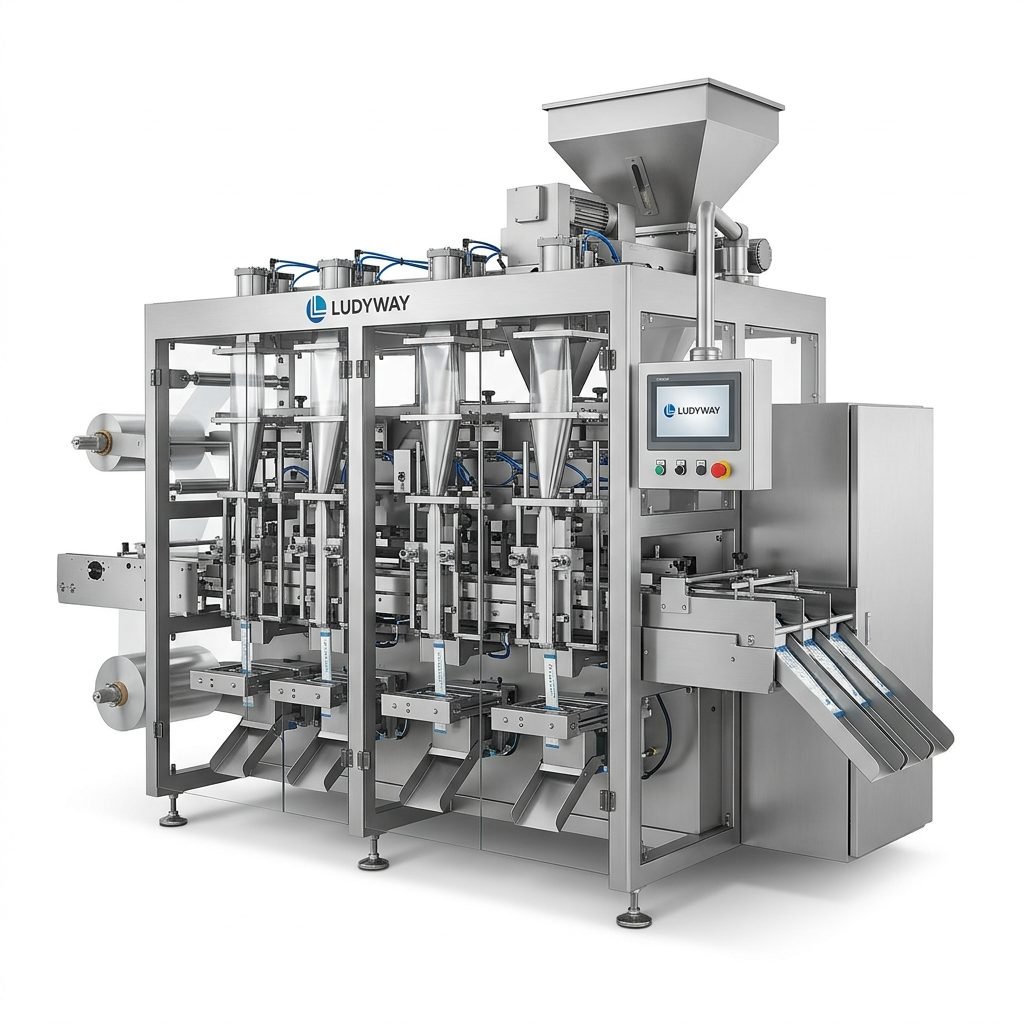
- Number of Lanes: A single-lane machine is more affordable, while 4-lane, 8-lane, or 12-lane configurations significantly increase throughput and price.
- Filling Technology: Volumetric cup fillers are economical; auger fillers and multi-head weighers offer higher precision at a higher cost.
- Material of Construction: Machines built with stainless steel 304 or 316 for food-grade compliance cost more than those with mixed materials.
- Sealing and Cutting Mechanism: Ultrasonic sealing, nitrogen flushing, and servo-driven cutting add to the cost but improve pack quality and shelf life.
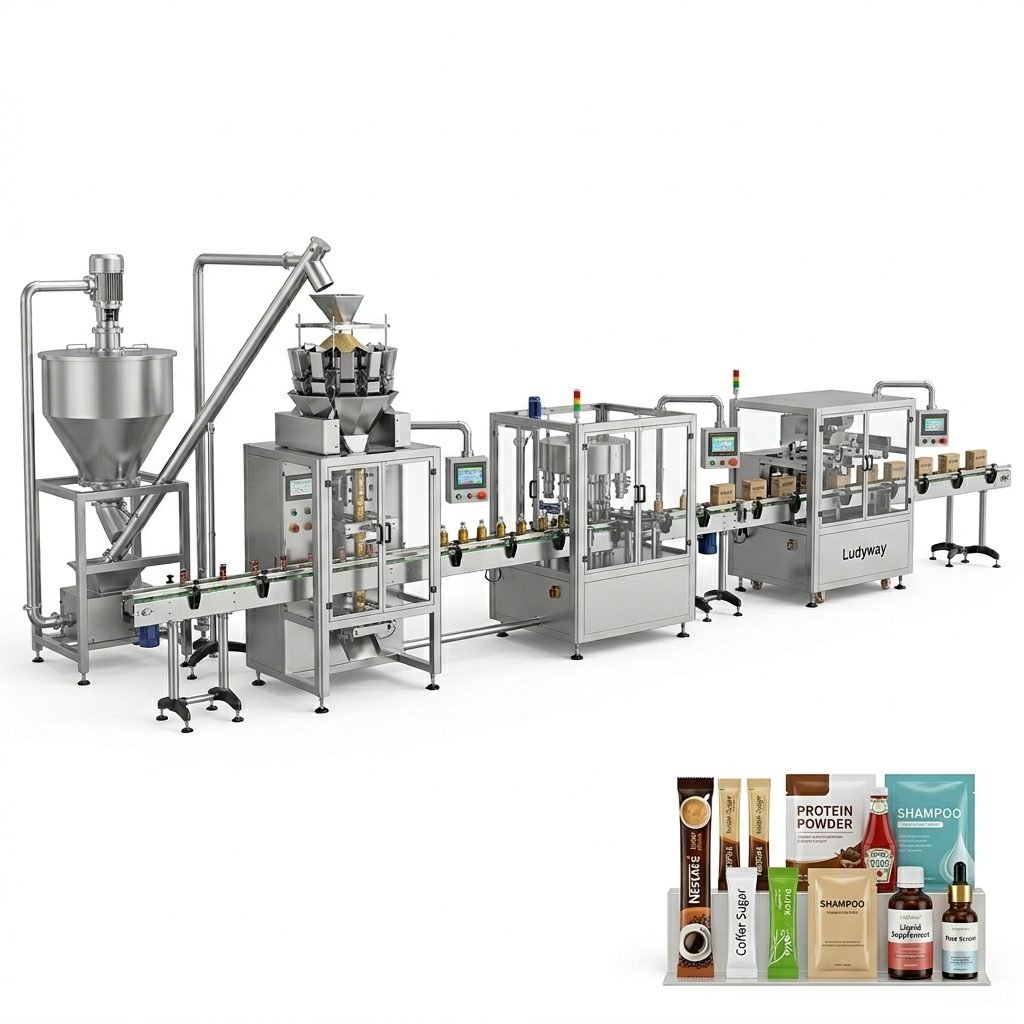
- Integration with Auxiliary Equipment: Connecting the machine to bucket elevators, conveyors, checkweighers, and cartoning units raises total investment.
- Brand and After-Sales Support: Established manufacturers with global service networks often charge a premium but provide long-term reliability.
Average Price Range for Single-Dose Tea Packaging Machines
The table below provides a general overview of pricing for different configurations of tea stick pack and sachet machines. Actual quotes will vary by region, customization, and order volume.
| Machine Type | Typical Speed | Estimated Price Range (USD) |
|---|---|---|
| Single-Lane Stick Pack Machine | 30–50 packs/min | $3,000 – $8,000 |
| 4-Lane Sachet Packaging Machine | 120–200 packs/min | $12,000 – $25,000 |
| 8-Lane High-Speed Stick Pack System | 240–400 packs/min | $30,000 – $55,000 |
| Multi-Lane Turnkey Packaging Line | 200–600 packs/min | $60,000 – $150,000+ |
Note: Prices are indicative and based on market data from global packaging equipment suppliers.
Types of Single-Dose Tea Packaging Machines
Stick Pack Machines
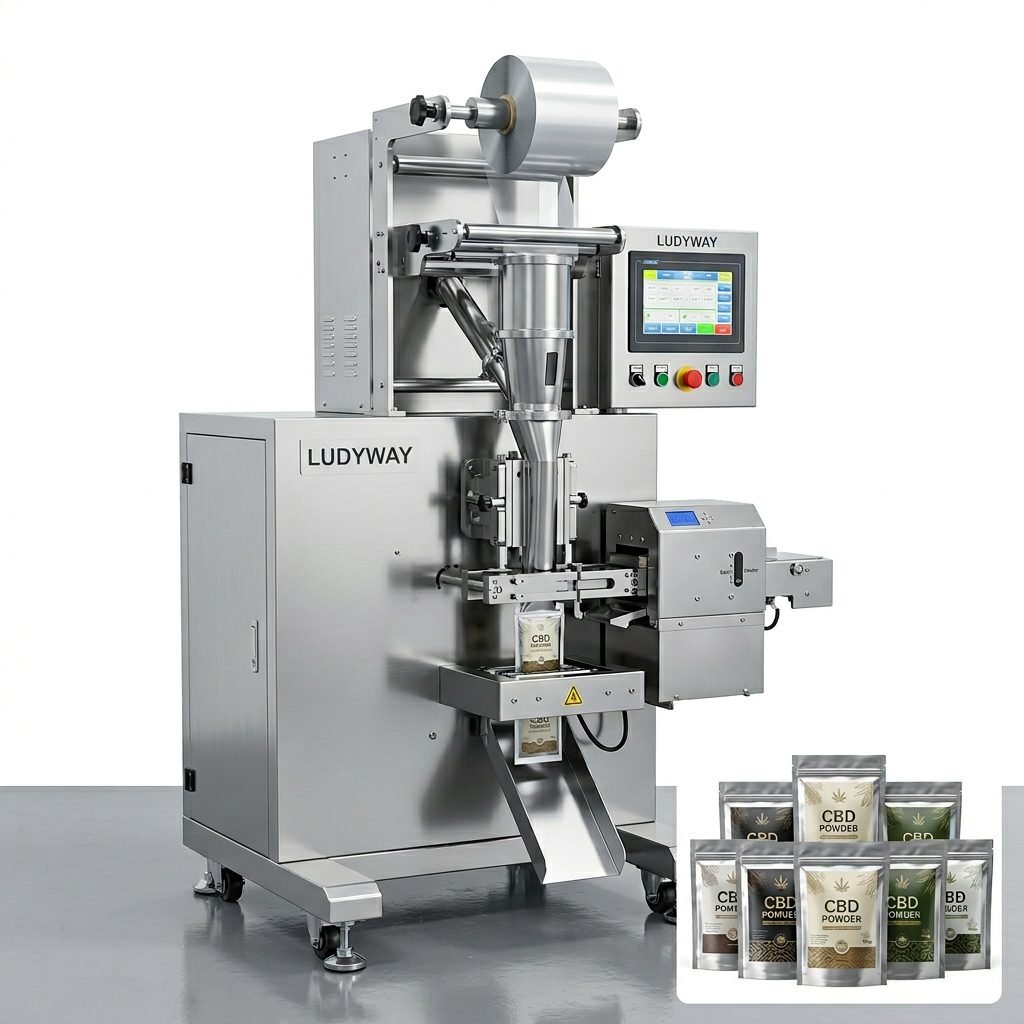
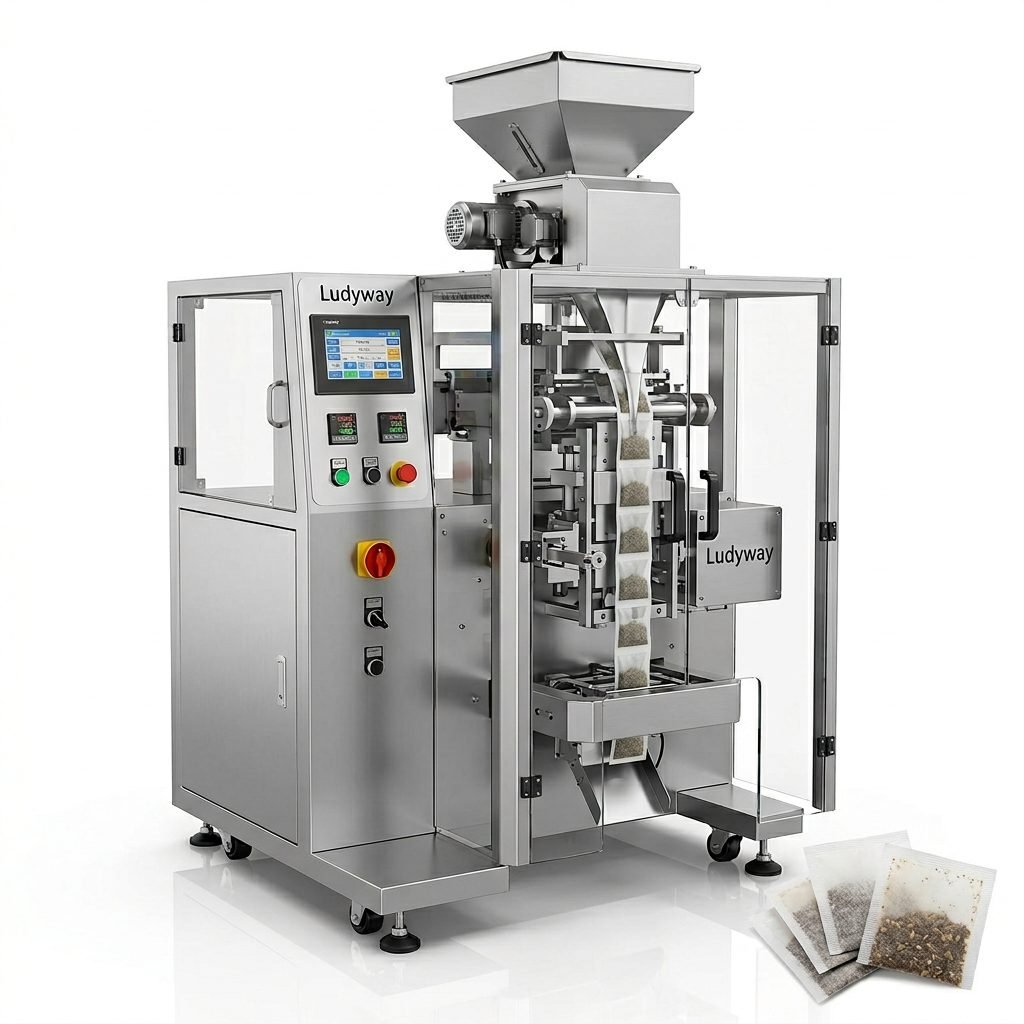
Stick pack machines are the most popular choice for single-dose tea powder and granule packaging. They produce narrow, elongated packs that are easy to tear open and pour into a cup. These machines are available in single-lane or multi-lane configurations and can handle flowable tea powders, instant tea granules, and fine-cut herbal blends. Entry-level models are ideal for startups, while high-speed multi-lane versions serve large-scale production.
Sachet Packaging Machines
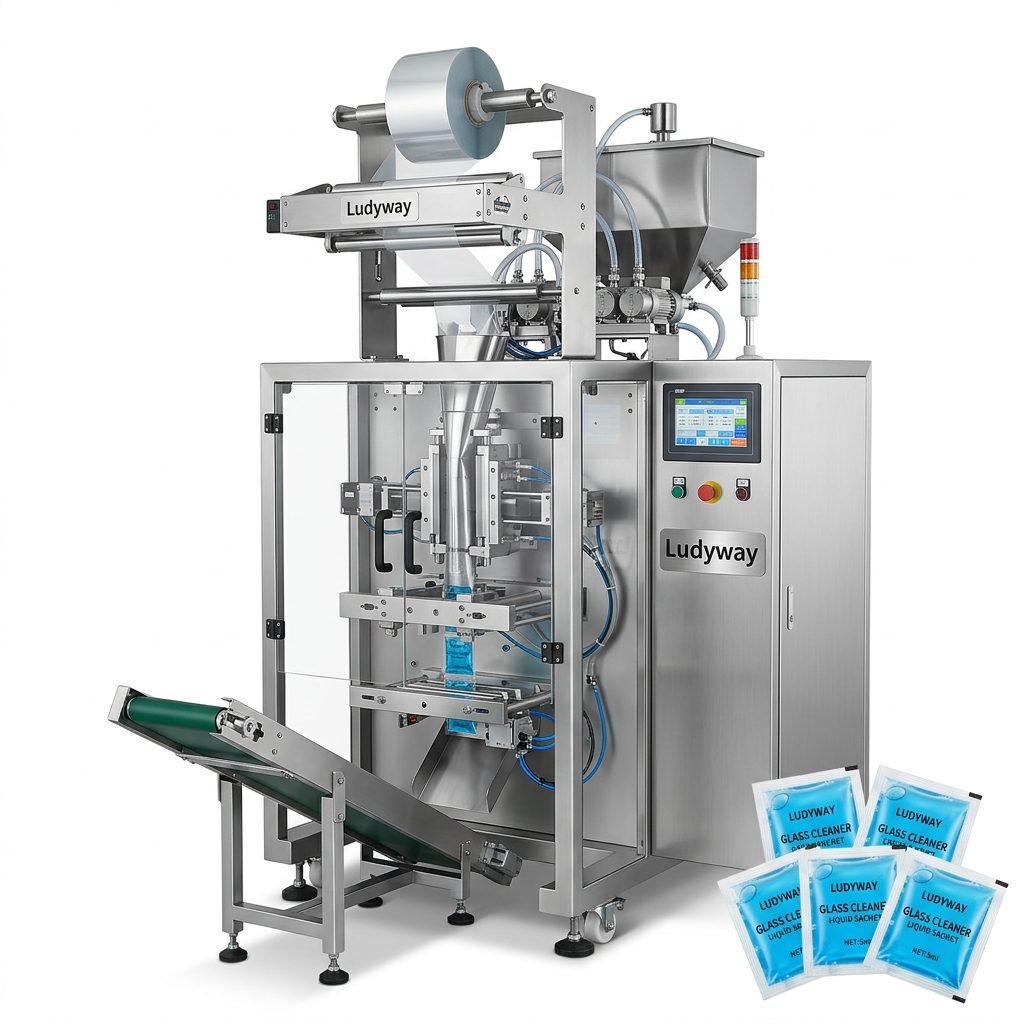
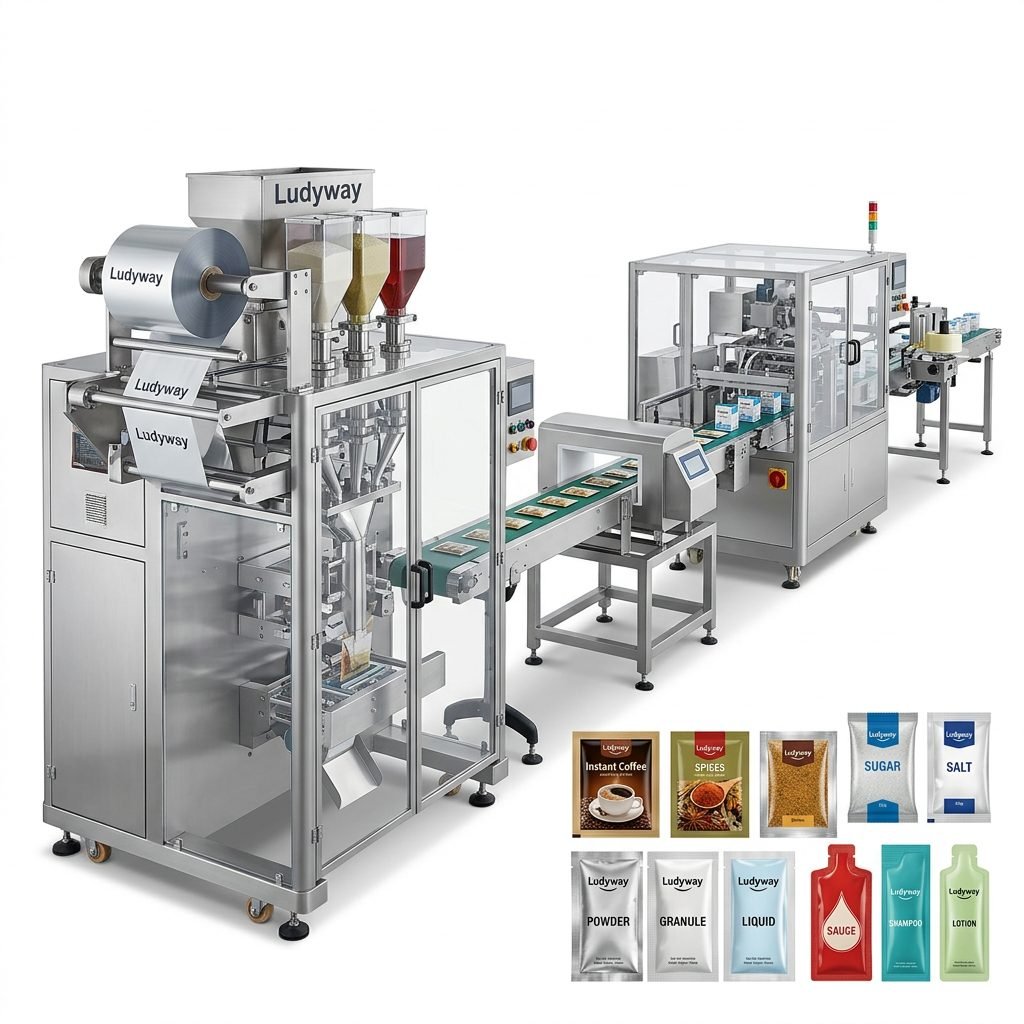
Sachet packaging machines create flat, pillow-shaped packs commonly used for single-serving tea bags, loose leaf tea portions, and powdered tea mixes. They offer versatility in pack dimensions and film types. Many sachet machines come equipped with easy-tear notches and nitrogen flushing to preserve freshness—features that directly influence both machine cost and product quality.
Multi-Lane Packaging Systems
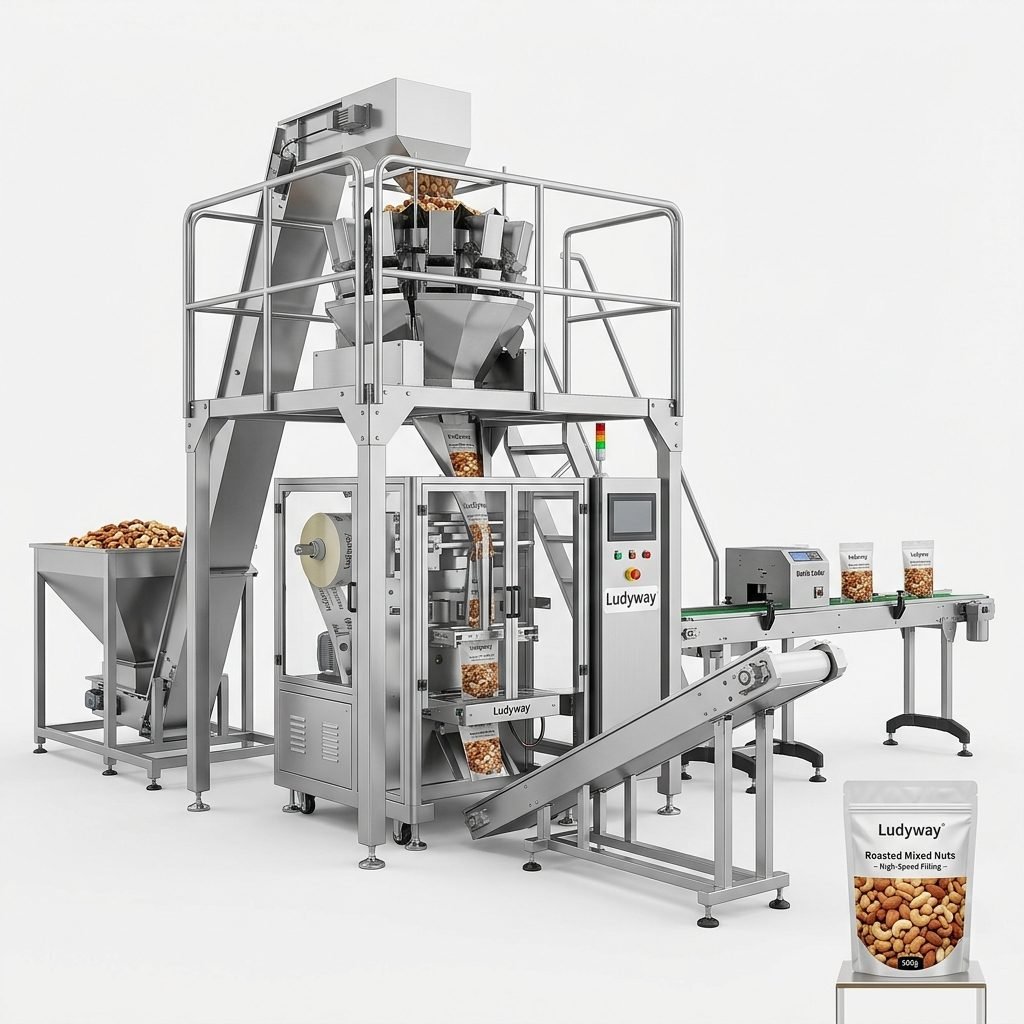
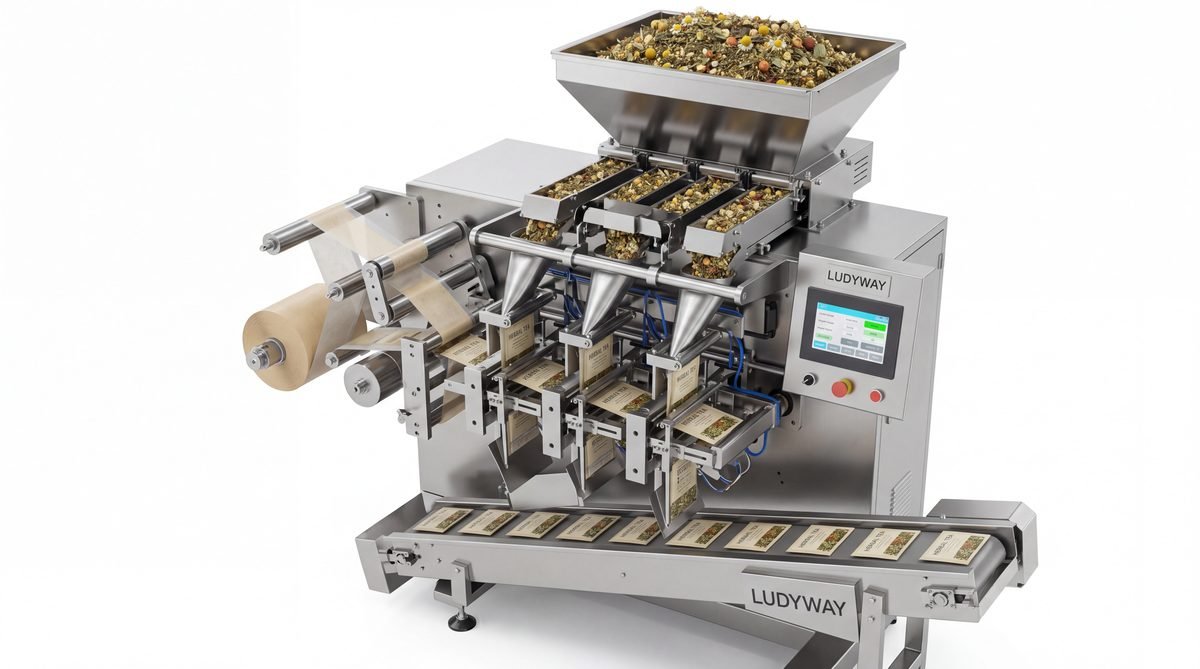
For high-volume production, multi-lane systems represent the most efficient solution. These machines run multiple film webs simultaneously, dramatically increasing output without requiring proportionally more floor space. A 4-lane or 8-lane tea packaging machine can replace several single-lane units, reducing labor costs and improving overall equipment effectiveness. However, the initial capital outlay is considerably higher, making them suitable for established brands and contract packagers.
Additional Costs to Consider
Beyond the base machine price, buyers should budget for several ancillary expenses that can affect the total cost of ownership:
- Shipping and Import Duties: International freight, customs clearance, and local taxes can add 10–25% to the machine price.
- Installation and Training: On-site setup, operator training, and production trial runs may cost $1,000–$5,000 depending on location.
- Spare Parts and Consumables: Sealing jaws, cutting blades, heating elements, and film rolls represent ongoing operational costs.
- Maintenance Contracts: Annual service agreements with manufacturers help prevent downtime but add to yearly expenses.
- Factory Preparation: Electrical upgrades, compressed air lines, and floor space modifications may be necessary before installation.
How to Choose the Right Machine Within Your Budget
Selecting the right single-dose tea packaging machine requires balancing current needs with future growth plans. Start by defining your target output, pack format, and available budget. For small to medium enterprises, a 4-lane stick pack machine often provides the best balance of capacity and cost. Larger operations aiming for export markets may justify investing in a fully automated multi-lane line with integrated weighing and cartoning.
Always request detailed quotations from multiple suppliers and compare not just the machine price but also warranty terms, technical support availability, and spare parts inventory. A slightly higher upfront cost can translate into lower total cost of ownership over the machine’s lifespan. For more information on packaging machinery standards and industry trends, refer to resources provided by the PMMI – Association for Packaging and Processing Technologies.
Where to Source Reliable Single-Dose Tea Packaging Machines
The global packaging machinery market includes manufacturers from China, Europe, India, and North America. Chinese suppliers have gained significant market share due to competitive pricing, rapid technological advancement, and extensive customization capabilities. One notable manufacturer is Ludyway, a company with over 30 years of industry experience and a 20,000㎡ production facility. They offer more than 50 intelligent packaging machine models, including multi-lane stick pack and sachet systems tailored for tea packaging applications. Their equipment is exported to over 100 countries and regions.
When evaluating suppliers, consider factors such as production capacity, quality certifications, client references, and after-sales infrastructure. Visiting a factory or conducting a video inspection can provide valuable insights into a manufacturer’s capabilities. Additionally, resources from the Flexible Packaging Association offer guidance on packaging material trends that can influence machine selection.
Conclusion
The cost of a single-dose tea packaging machine spans a wide spectrum—from a few thousand dollars for a basic single-lane stick pack unit to over $150,000 for a fully automated multi-lane turnkey production line. The right investment depends on production volume, automation requirements, pack format, and long-term business strategy. By understanding the key cost drivers and evaluating total lifecycle expenses, tea businesses can select equipment that not only fits their budget but also supports sustained growth in the competitive single-serve tea market. For further insights into packaging industry economics, explore the latest reports from the PMMI Business Intelligence Library.