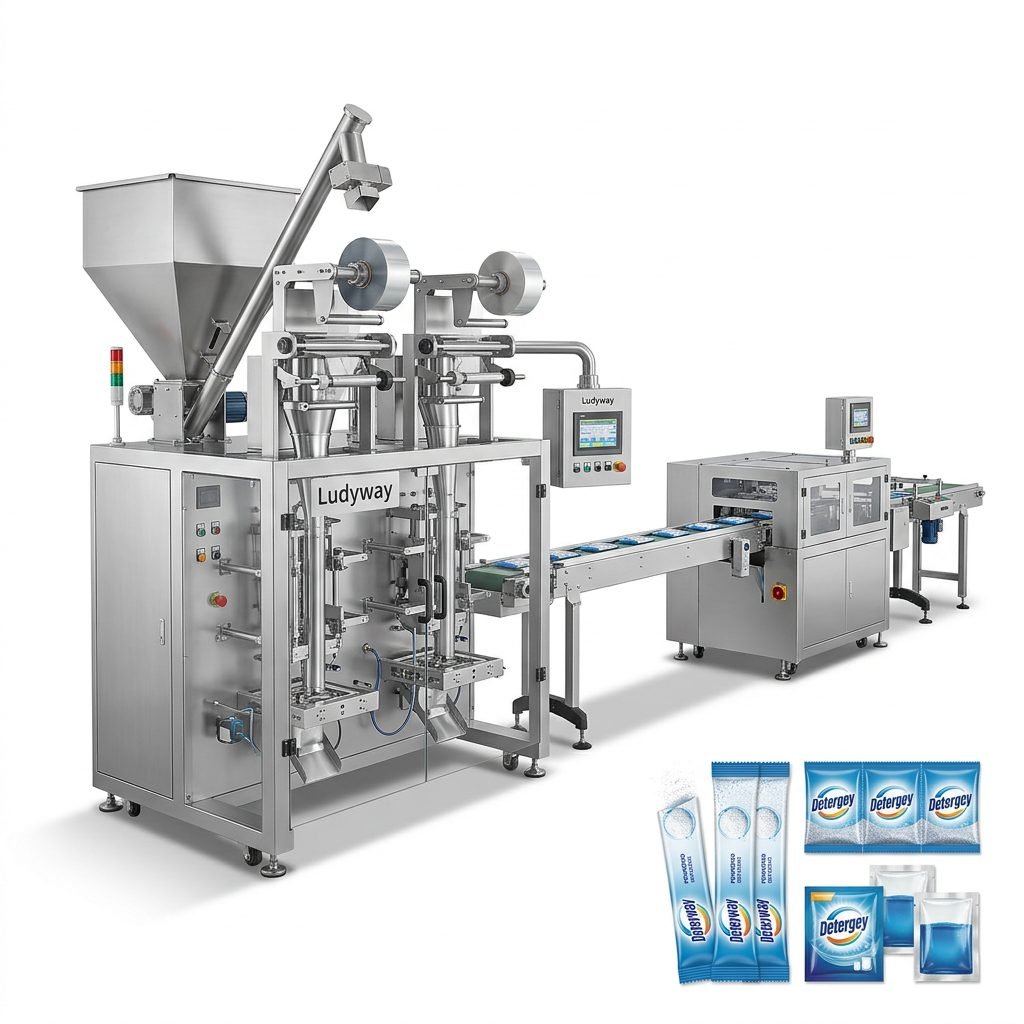
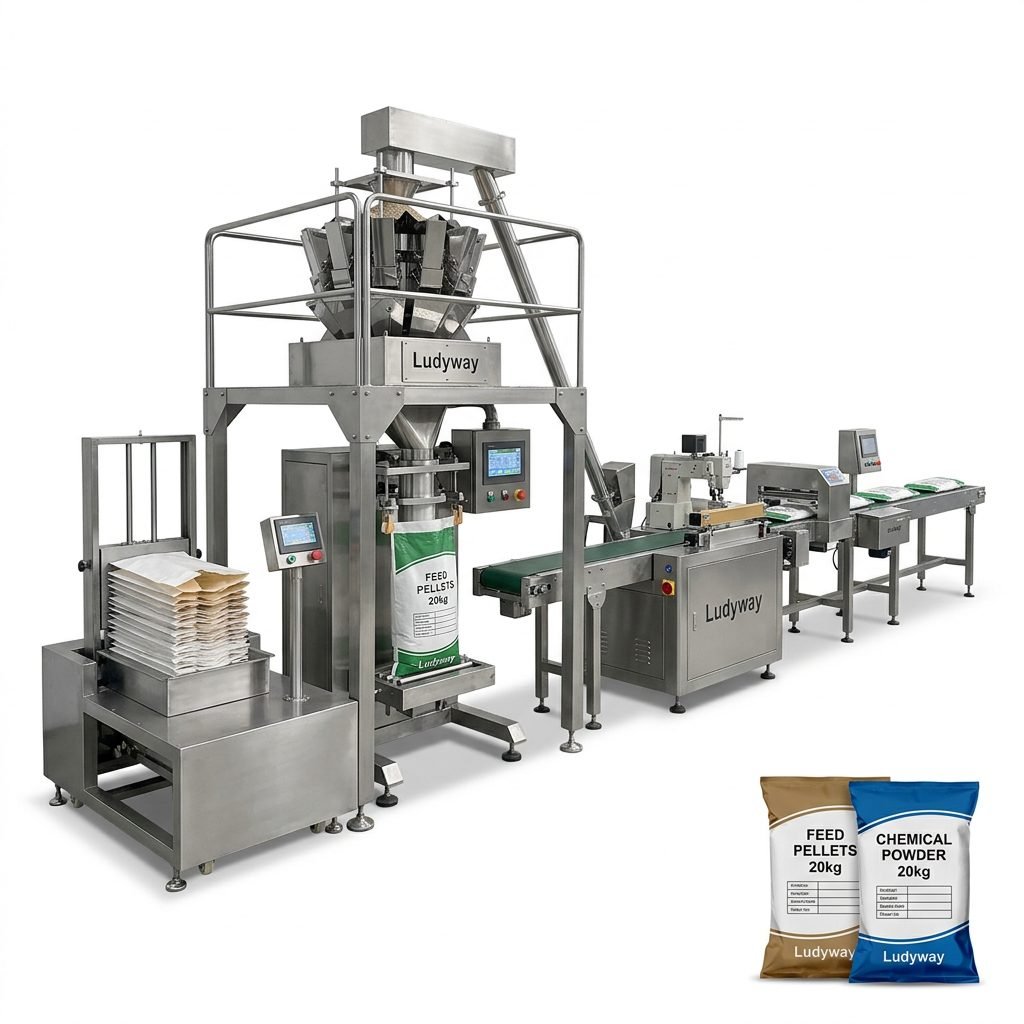
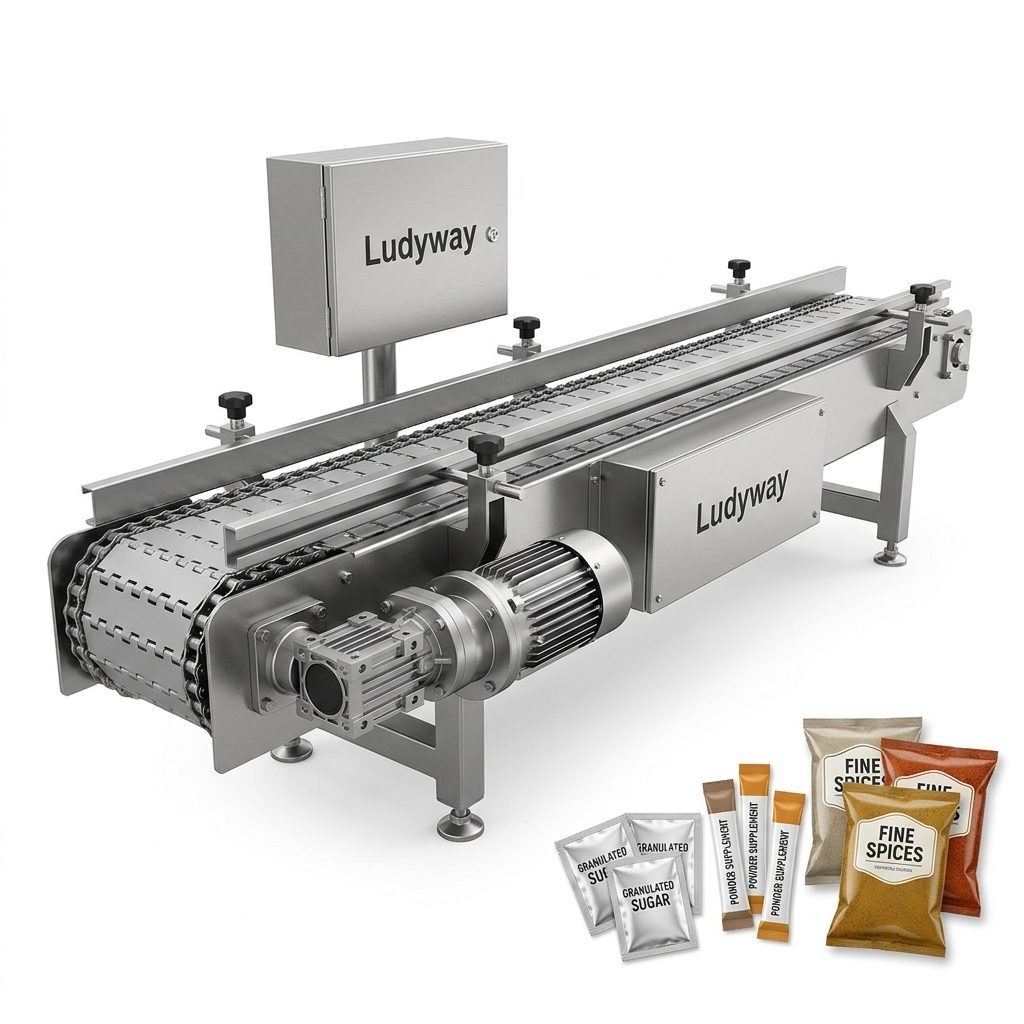
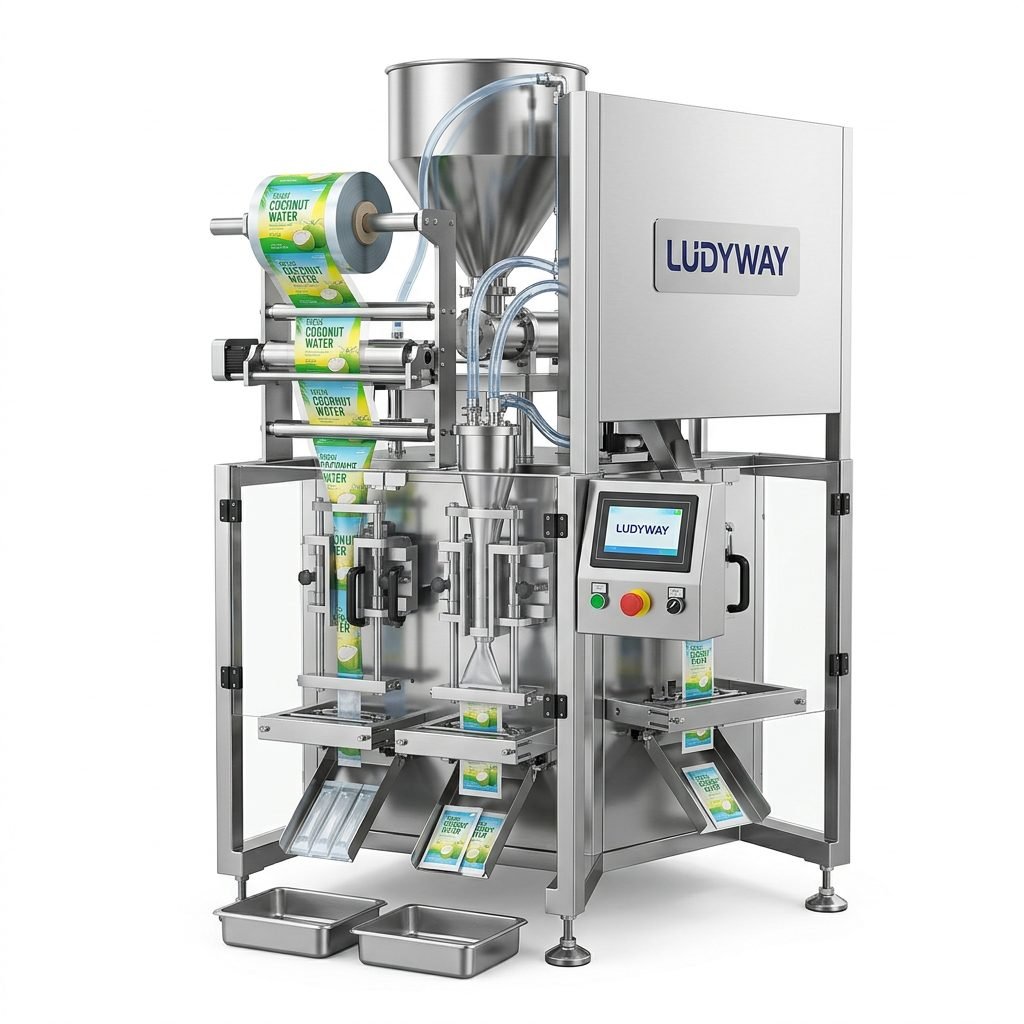
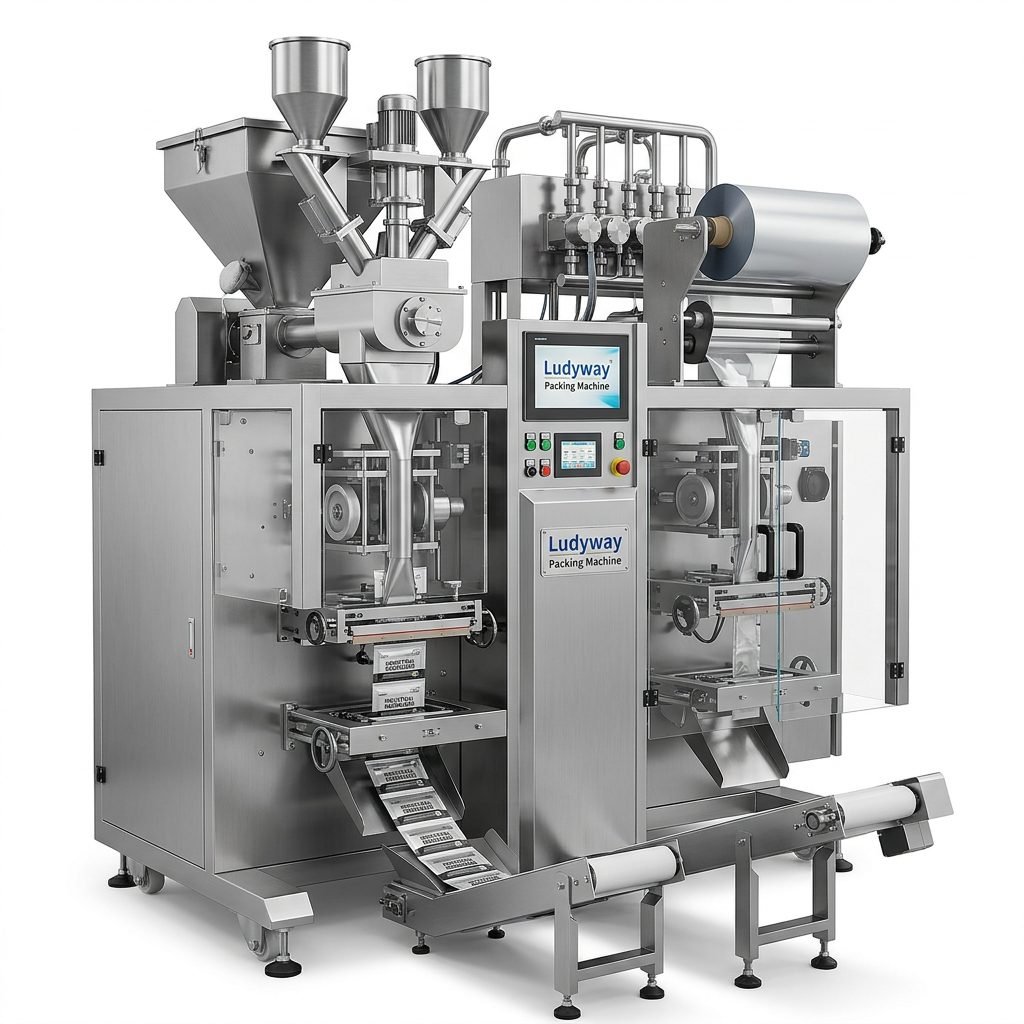
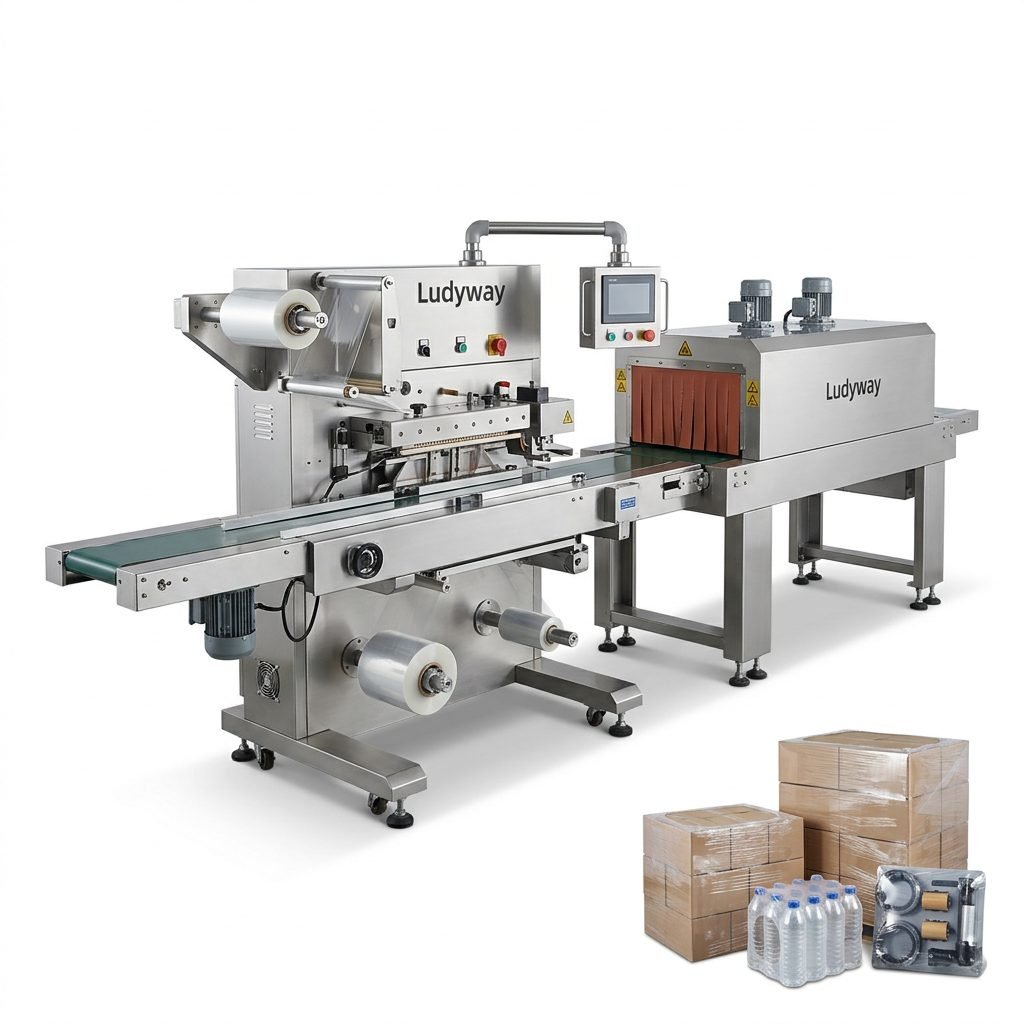
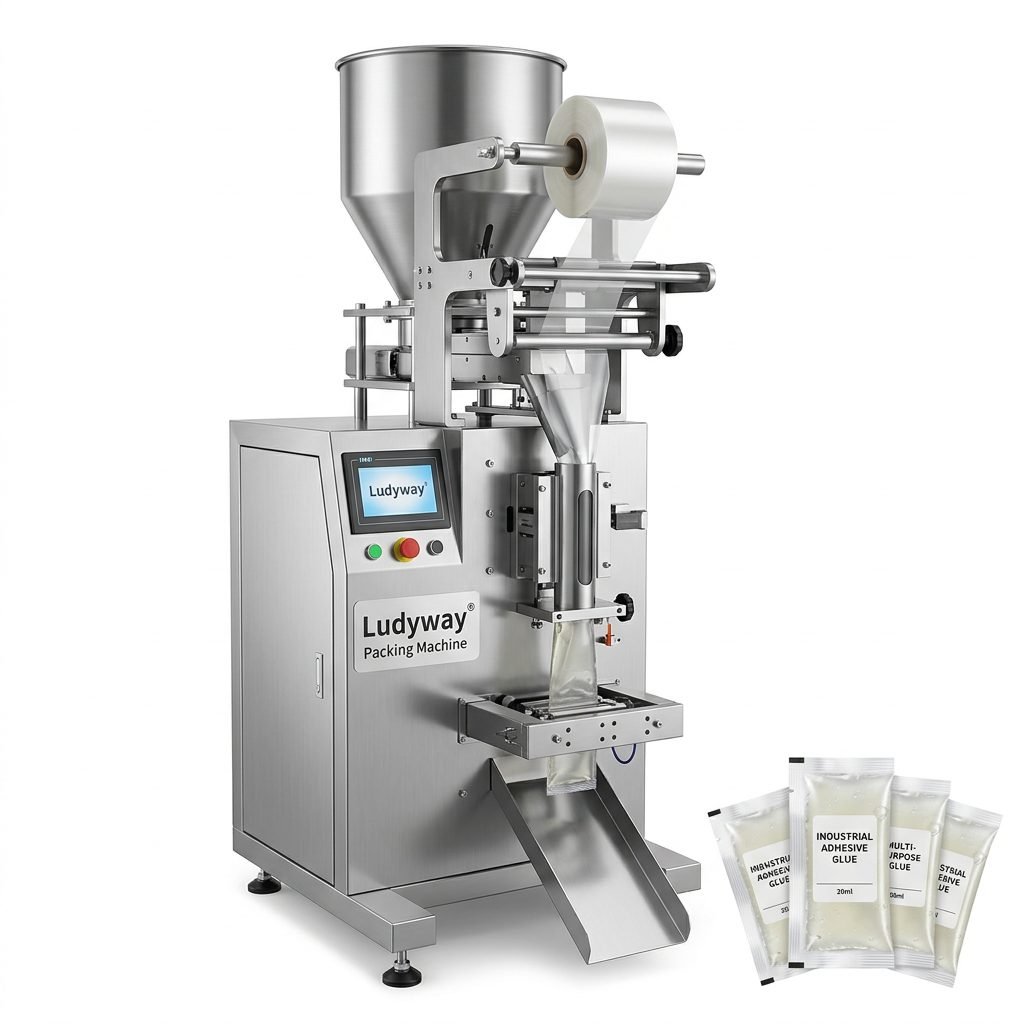
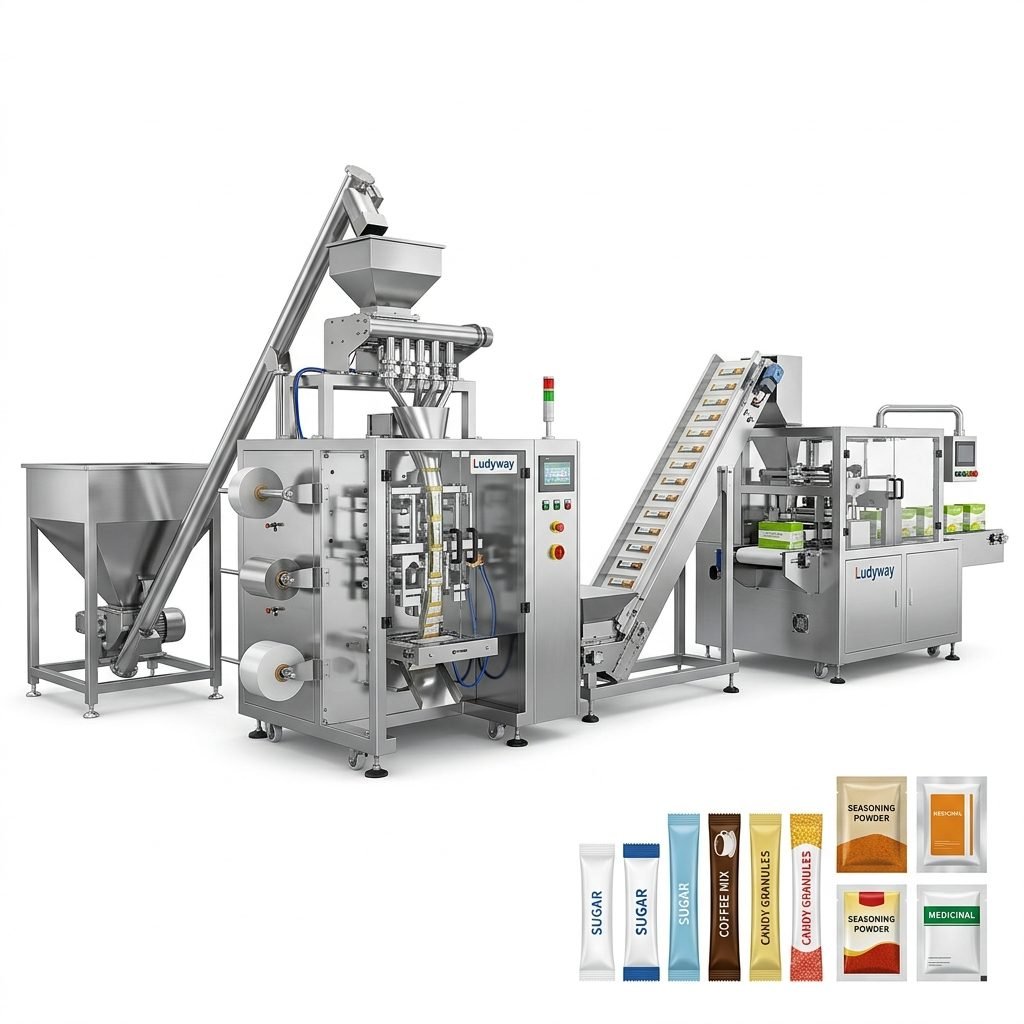
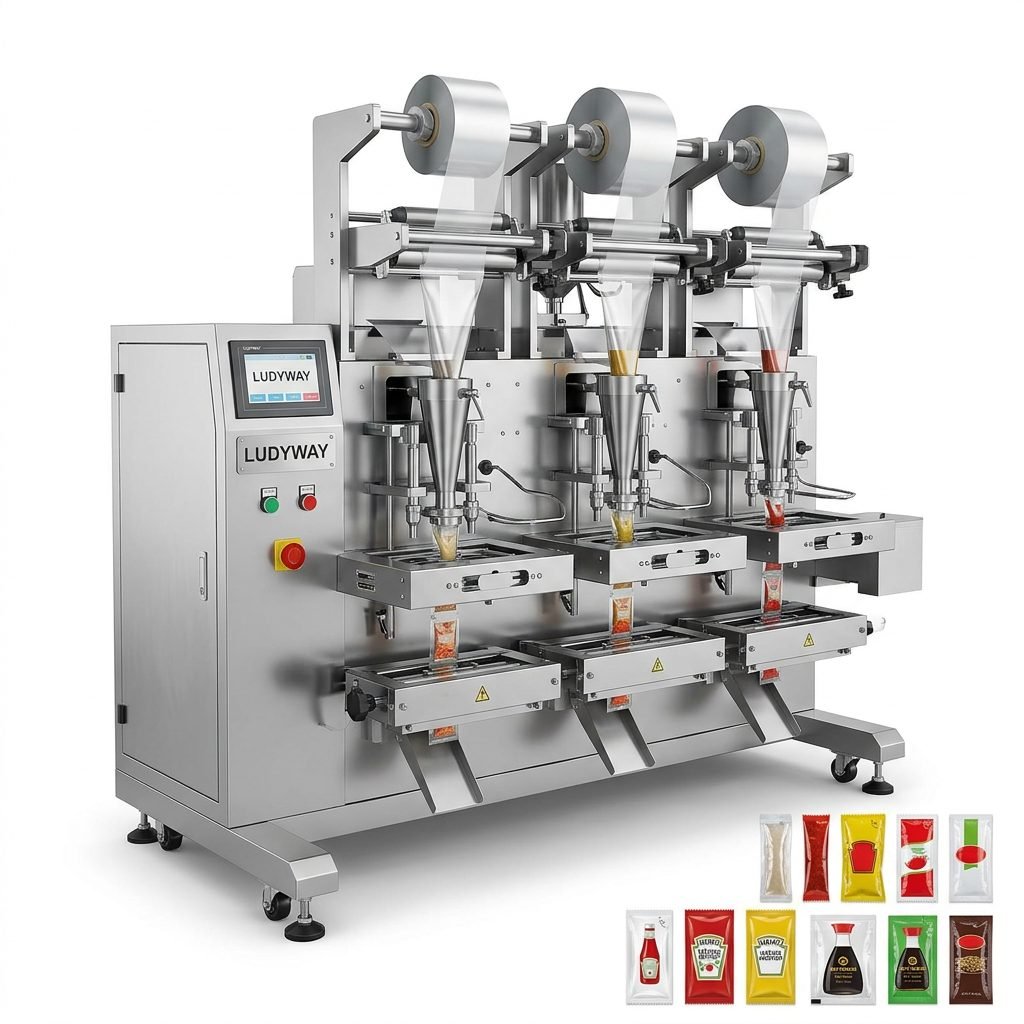
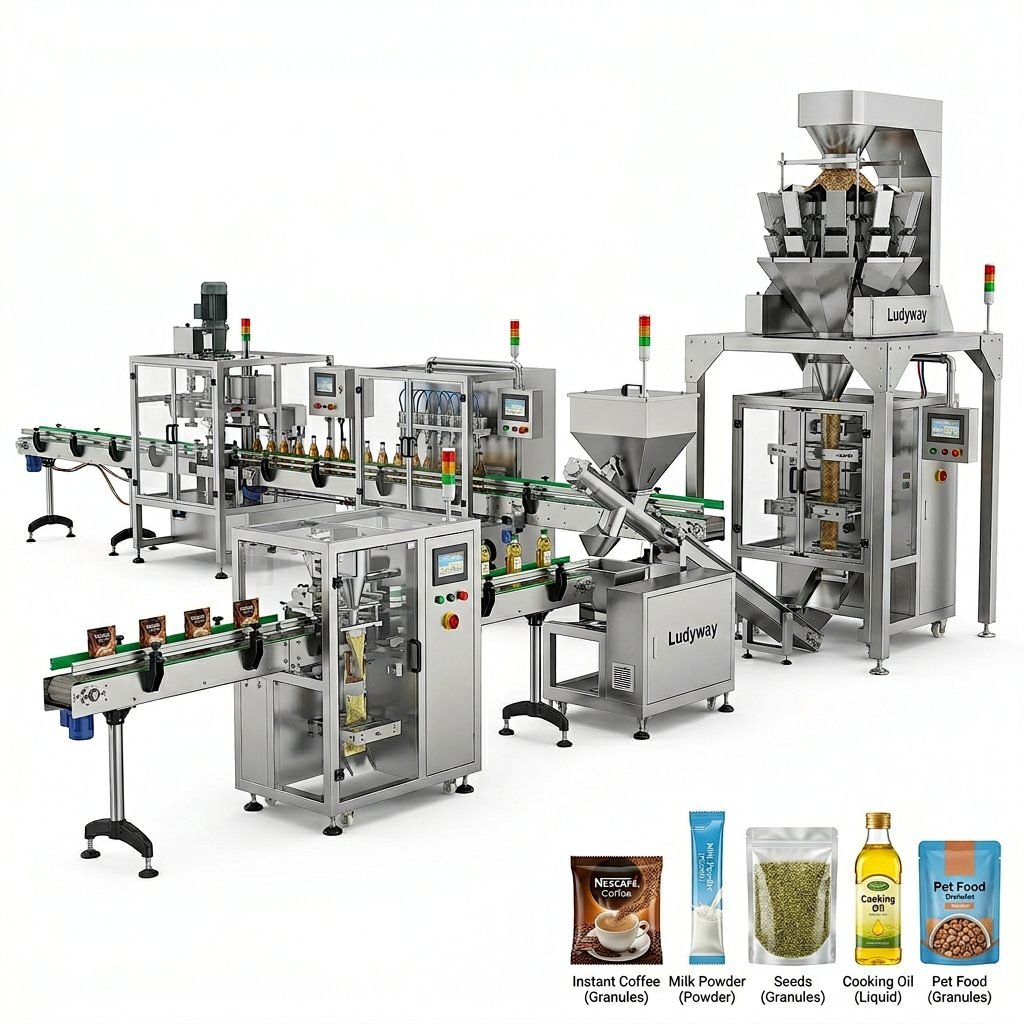
A tetra pouch packing machine is a critical asset in high-volume food, pharmaceutical, and chemical production lines. Without a structured maintenance program, even the most robust equipment can experience unplanned downtime, inconsistent seal quality, and reduced service life. Implementing a proactive maintenance strategy not only protects your investment but also ensures consistent pouch integrity and production efficiency.
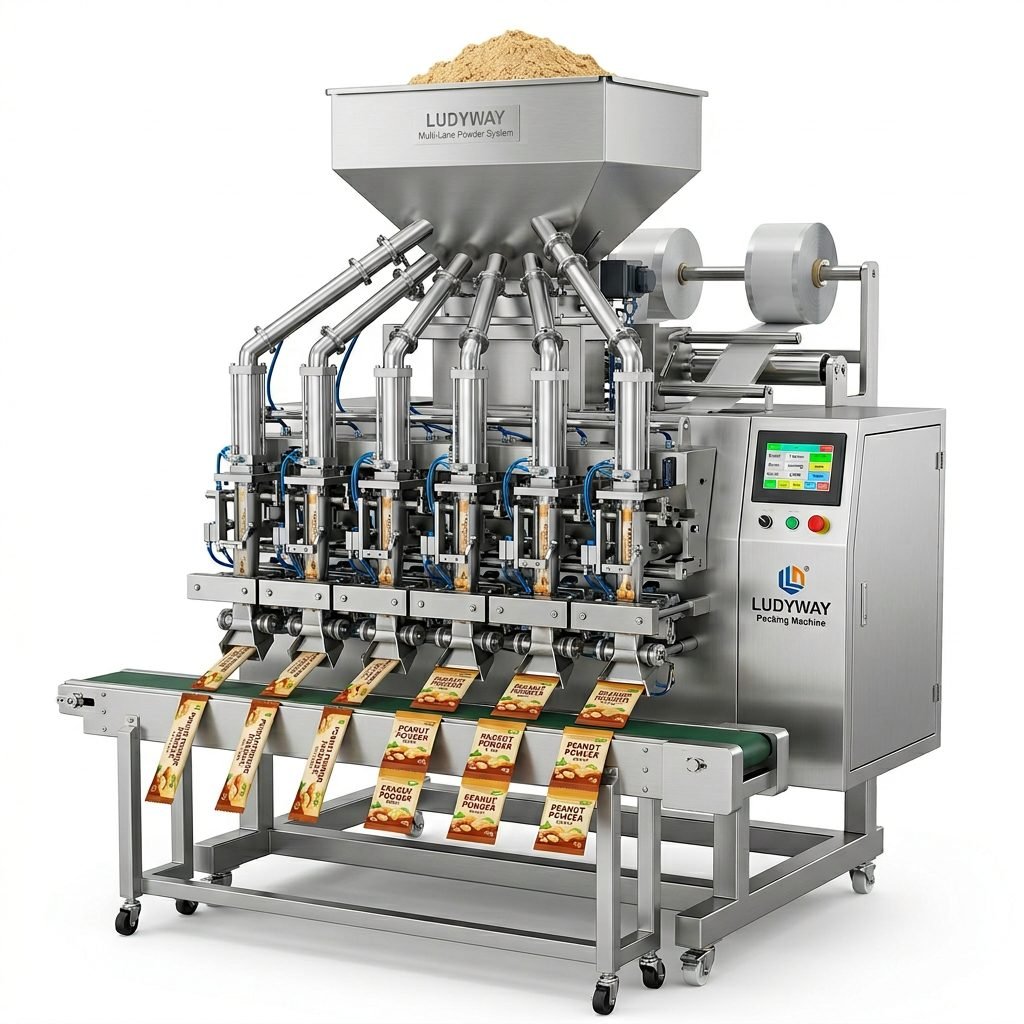
Why Preventive Maintenance Matters for Tetra Pouch Machines
Regular maintenance directly impacts sealing accuracy, filling precision, and overall equipment effectiveness (OEE). Neglecting routine checks can lead to film misalignment, temperature fluctuations, and mechanical wear that compromise package quality. A well-maintained tetra pouch packing machine delivers fewer rejects, lower energy consumption, and extended operational life — often surpassing manufacturer expectations by several years.
Key Benefits of Consistent Maintenance
- Reduced Downtime: Early detection of worn components prevents catastrophic failures during production runs.
- Consistent Seal Integrity: Properly maintained heating elements and pressure rollers ensure hermetic seals on every pouch.
- Extended Machine Life: Lubrication, cleaning, and timely part replacement can add years to your equipment’s service life.
- Lower Total Cost of Ownership: Preventive care costs significantly less than emergency repairs and lost production time.
Daily Maintenance Checklist for Tetra Pouch Packing Machines
Daily inspections form the foundation of any effective maintenance program. Operators should complete these checks at the start of each shift and document findings for trend analysis.
| Checkpoint | Action Required | Frequency |
|---|---|---|
| Sealing Jaw Temperature | Verify setpoint accuracy with a calibrated thermometer; adjust if deviation exceeds ±2°C | Daily |
| Film Tension & Tracking | Inspect film alignment and tension; adjust rollers if wrinkling or drifting is observed | Daily |
| Filling Nozzle Cleanliness | Clean nozzles thoroughly to prevent product buildup and cross-contamination | Daily |
| Safety Sensors & Guards | Test emergency stops, door interlocks, and light curtains for proper function | Daily |
| Air Pressure & Pneumatics | Check regulator settings and drain moisture from air filters | Daily |
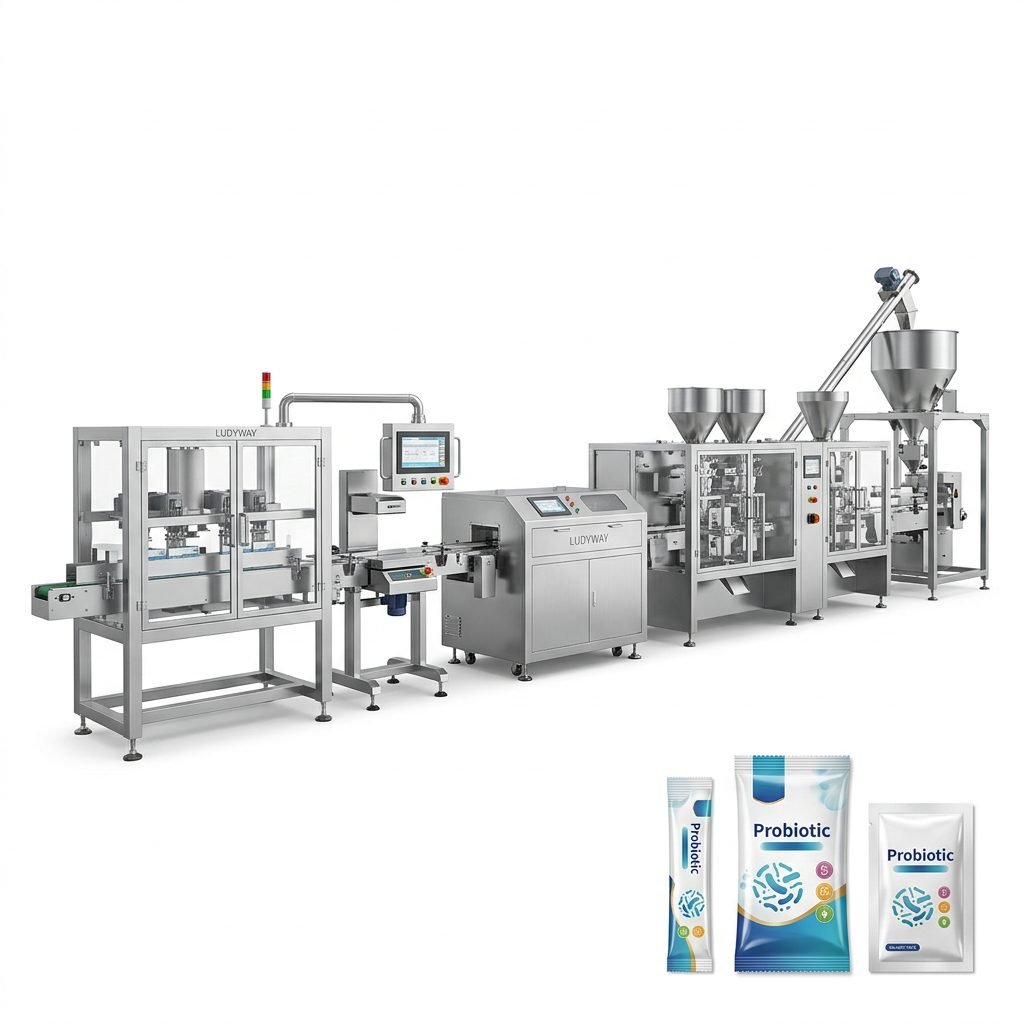
Operator-Level Daily Tasks
- Wipe down all external surfaces with a clean, dry cloth to prevent dust accumulation.
- Inspect the forming tube and shoulder for scratches or residue that could tear film.
- Run a short test cycle with sample pouches to verify seal strength and fill weight accuracy.
- Record any unusual noises, vibrations, or odor during machine startup.
Weekly and Monthly Maintenance Procedures
Beyond daily routines, deeper inspections on a weekly and monthly basis are essential for catching gradual wear before it becomes critical. These procedures typically require a trained maintenance technician.
Weekly Maintenance Tasks
- Lubricate all grease points according to the manufacturer’s specifications using food-grade lubricants where applicable.
- Inspect and clean photoelectric sensors and proximity switches to ensure reliable detection.
- Check belt tension on drive systems and adjust if slipping or excessive wear is evident.
- Clean or replace air filters on electrical cabinets to prevent overheating.
- Verify date coding and printing systems for legibility and alignment.
Monthly Maintenance Tasks
- Perform a thorough seal integrity test using dye penetration or vacuum leak testing methods.
- Inspect heating element connections for corrosion, loose terminals, or uneven heating patterns.
- Calibrate load cells and weighing systems to maintain filling accuracy within specified tolerances.
- Examine all pneumatic cylinders and solenoid valves for smooth operation and leak-free performance.
- Review maintenance logs to identify recurring issues that may indicate deeper mechanical problems.
Critical Component Care: Sealing System, Filling Unit, and Film Transport
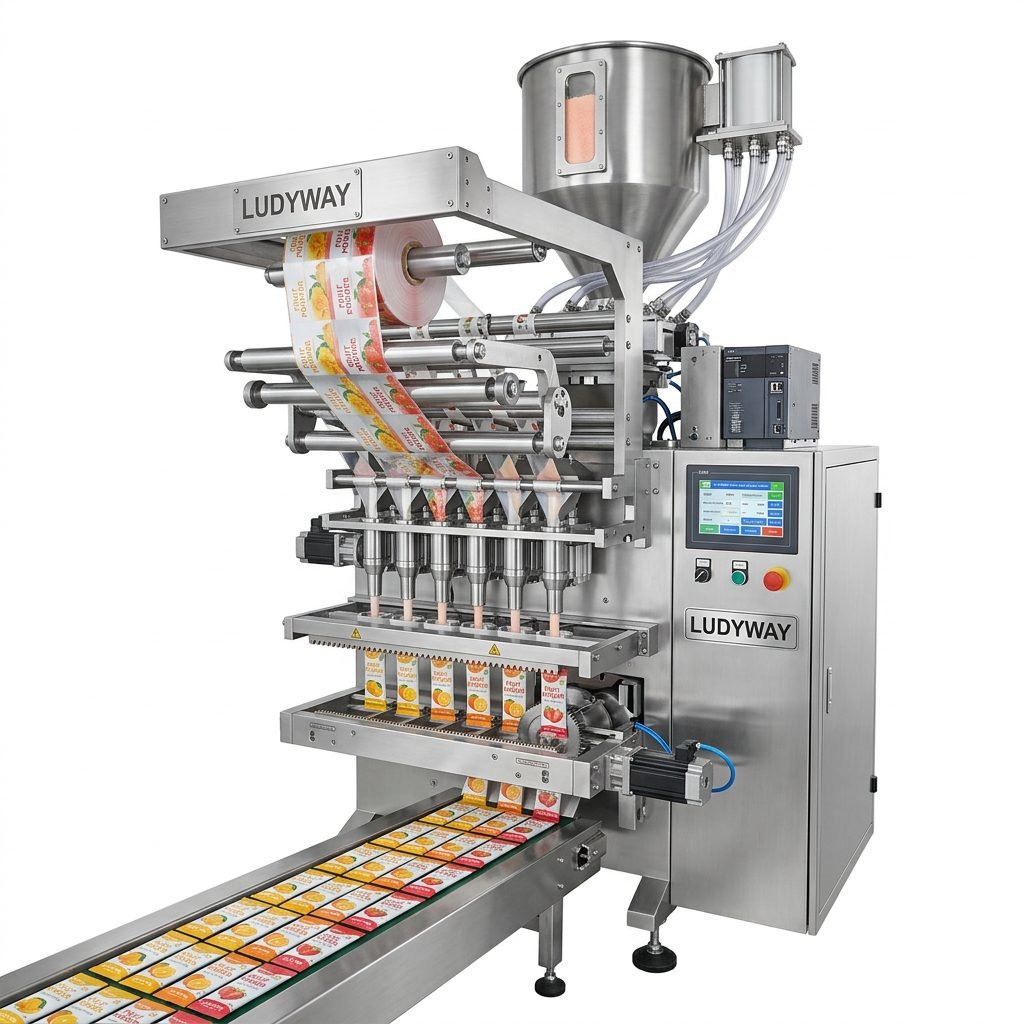
Three subsystems demand the most attention in any tetra pouch packing machine: the sealing mechanism, the filling and dosing unit, and the film transport system. Each requires specific care protocols.
Sealing Jaw Maintenance
The sealing jaws are the heart of pouch integrity. Residue buildup on heated surfaces causes inconsistent seals and potential leaks. Clean jaws daily with a non-abrasive cleaning agent and inspect for surface damage. Replace sealing bands or Teflon covers at the first sign of wear. Temperature controllers should be calibrated quarterly to prevent overheating or cold seals.
Filling Unit Care
For powder and granule applications, auger and volumetric cup fillers require regular disassembly and cleaning to prevent product compaction and measurement drift. Liquid filling systems need nozzle inspection for drips and seal checks on pump diaphragms. Cross-contamination risks increase significantly when filling units are not properly purged between product changeovers.
Film Transport and Registration
Misaligned film leads to registration errors, wasted material, and jammed pouches. Check roller bearings monthly for smooth rotation and replace any that show resistance. Clean the film path thoroughly to remove static-attracted dust. Verify that registration sensors are correctly positioned and responsive to eye marks.
Troubleshooting Common Tetra Pouch Packing Machine Issues
Even with diligent maintenance, occasional issues arise. Quick diagnosis and systematic troubleshooting minimize downtime and prevent recurring problems. Below are frequently encountered challenges and their typical root causes.
| Issue | Possible Causes | Recommended Action |
|---|---|---|
| Leaking or Weak Seals | Incorrect temperature, worn sealing bands, contaminated jaw surfaces | Verify temperature settings, clean jaws, replace worn components |
| Film Wrinkling or Curling | Excessive tension, misaligned rollers, static buildup | Adjust tension settings, realign film path, install static eliminators |
| Inconsistent Fill Weight | Product bridging in hopper, worn auger, calibration drift | Clean hopper and agitator, recalibrate weighing system, inspect auger |
| Registration Off-Track | Sensor misalignment, dirty eye mark sensor, slipping film feed | Clean sensor lens, verify sensor position, check drive belt tension |
| Excessive Machine Vibration | Loose mounting bolts, unbalanced rotating parts, worn bearings | Tighten all fasteners, inspect rotating assemblies, replace bearings as needed |
Annual Overhaul and Professional Servicing
An annual comprehensive overhaul is recommended for tetra pouch packing machines operating in demanding environments. This should include complete disassembly of major assemblies, replacement of all wear parts, thorough cleaning of internal components, and recalibration of all sensors and controllers. Partnering with experienced service technicians ensures that subtle issues are identified and addressed before they escalate.
What an Annual Service Should Cover
- Full inspection and replacement of bearings, bushings, and seals across all drive systems.
- Complete cleaning and descaling of heating elements and temperature control systems.
- Replacement of all pneumatic seals, diaphragms, and filter elements.
- Comprehensive calibration of filling systems, load cells, and temperature controllers.
- Software updates and PLC parameter verification for optimal machine logic.
- Detailed documentation of all replaced parts and recommendations for future maintenance.
Companies like Ludyway, one of the largest packaging machine manufacturers in China with over 30 years of industry expertise, provide professional technical support and customized maintenance programs for their equipment. Their experienced engineering team offers guidance on spare parts management, operator training, and long-term service planning to maximize machine uptime.
Spare Parts Management Strategy
A well-organized spare parts inventory minimizes downtime when components inevitably wear out. Critical spare parts for a tetra pouch packing machine should include sealing bands or heating elements, Teflon tape and covers, sensor units, pneumatic fittings, drive belts, and commonly replaced bearings. Maintain a digital inventory with reorder triggers based on historical consumption rates and manufacturer-recommended replacement intervals.
Essential Spare Parts to Stock
- Sealing jaw heating elements and thermocouples
- Forming tube and shoulder components
- Film feed rollers and tension assemblies
- Filling augers and volumetric cups
- Pneumatic cylinders, valves, and seals
- Sensor units including registration and proximity sensors
- Drive belts, timing belts, and bearings
- PLC backup modules and communication cables
Operator Training and Documentation
Even the best maintenance program fails without properly trained operators. All machine operators should receive comprehensive training on daily inspection procedures, basic troubleshooting, and proper cleaning techniques. Maintenance logs should be digitized where possible, allowing for trend analysis and predictive maintenance scheduling. Well-documented maintenance histories are invaluable for identifying patterns and optimizing service intervals.
For additional industry guidance on packaging machinery standards, refer to resources from PMMI – The Association for Packaging and Processing Technologies, which provides comprehensive business intelligence and industry reports on packaging machinery best practices. The ISO packaging standards also offer valuable frameworks for equipment maintenance and validation protocols. Additionally, the Flexible Packaging Association provides industry resources relevant to pouch packaging operations and maintenance standards.
Creating a Maintenance Culture for Long-Term Reliability
Sustainable machine performance comes from embedding maintenance into the operational culture. This means empowering operators to report anomalies immediately, scheduling maintenance windows as non-negotiable production priorities, and continuously reviewing maintenance data to refine procedures. A tetra pouch packing machine that receives consistent care will deliver reliable performance, higher output quality, and a significantly longer service life — ultimately contributing to a stronger bottom line.

By following a structured maintenance regimen — from daily operator checks to annual professional overhauls — manufacturers can ensure their tetra pouch packing machines operate at peak efficiency throughout their intended service life and beyond. The investment in preventive care pays dividends in reduced downtime, consistent product quality, and maximized return on equipment investment.