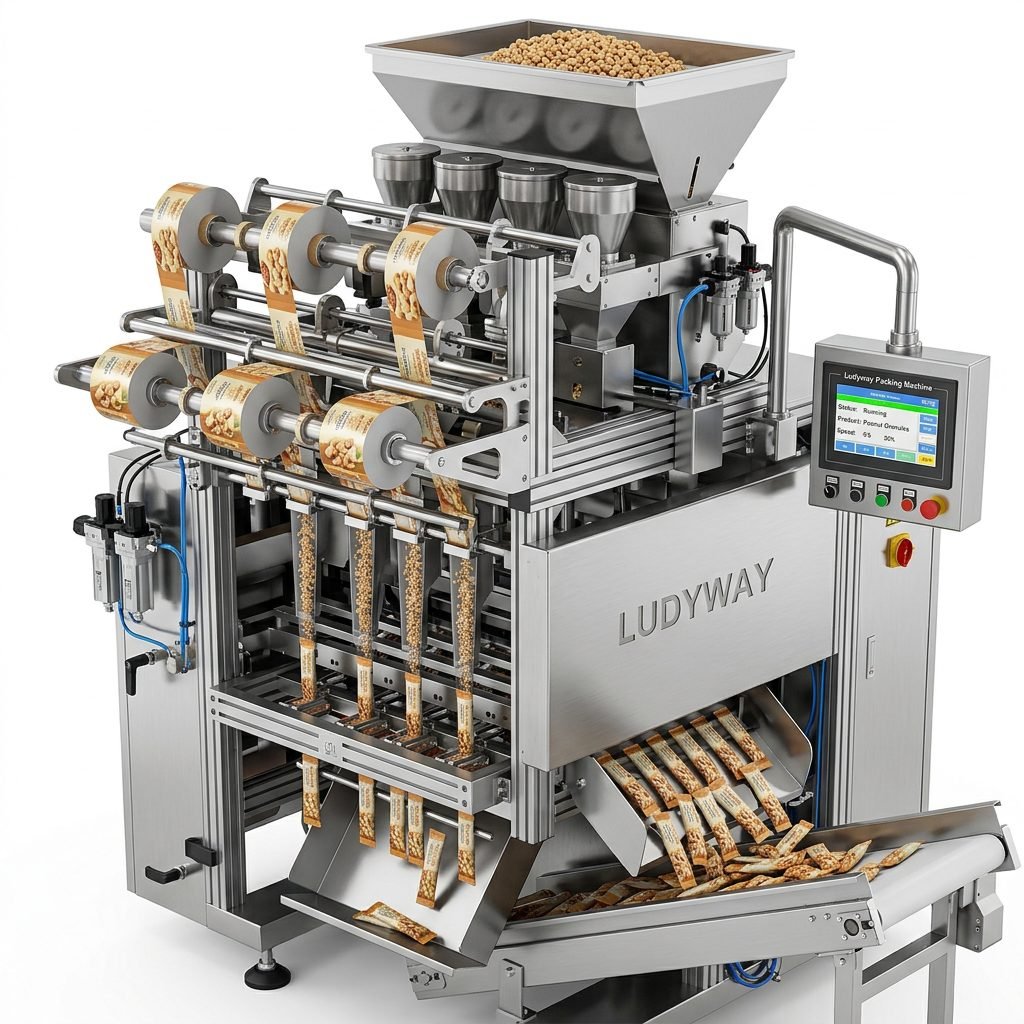
Investing in a tea packing machine is a significant decision for any tea business, whether you are a startup artisanal brand or a large-scale industrial producer. The cost of a tea packaging machine can vary dramatically—from as little as $3,000 for basic manual models to over $150,000 for fully automated, high-speed multi-lane systems. Understanding the factors that influence pricing is essential to making an informed purchase that aligns with your production goals and budget. This comprehensive guide breaks down the price ranges, key cost drivers, and provides actionable buying tips to help you navigate the market.
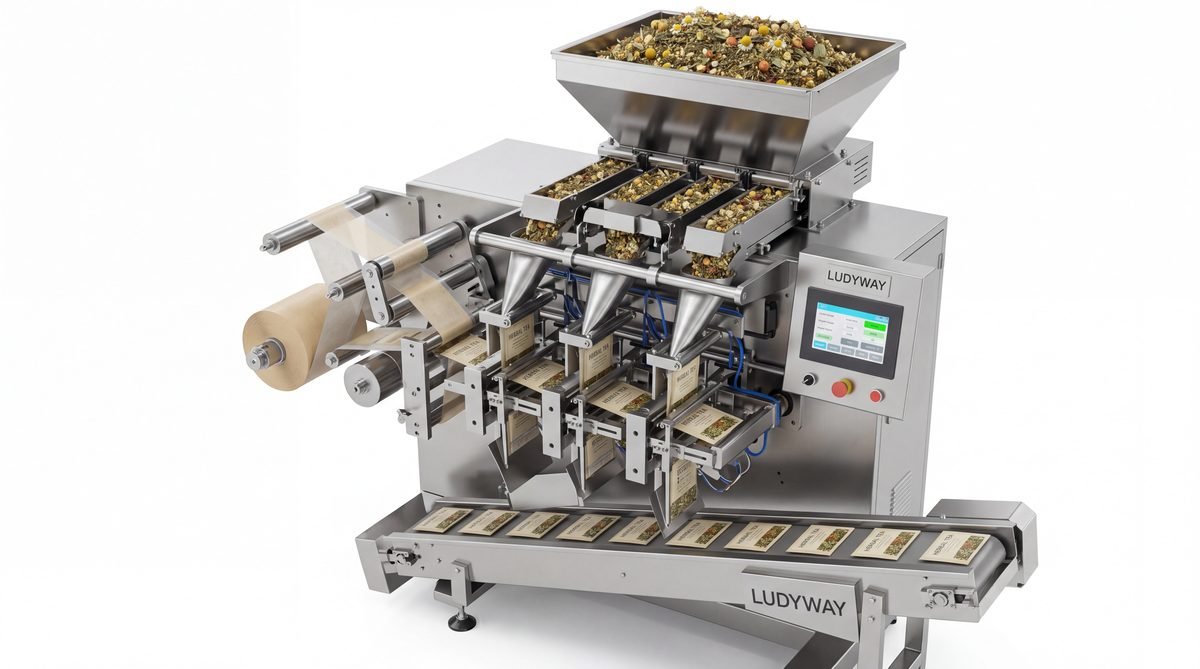
Key Factors That Determine Tea Packing Machine Costs
Before diving into specific price brackets, it is critical to understand what drives the cost of packaging machinery. The final price tag is influenced by a combination of technical specifications, production capacity, and the level of automation required.
- Automation Level: Semi-automatic machines require human intervention for feeding or sealing, keeping costs lower. Fully automatic packaging systems with PLC controls, servo motors, and touchscreen interfaces command a premium due to increased efficiency and labor savings.
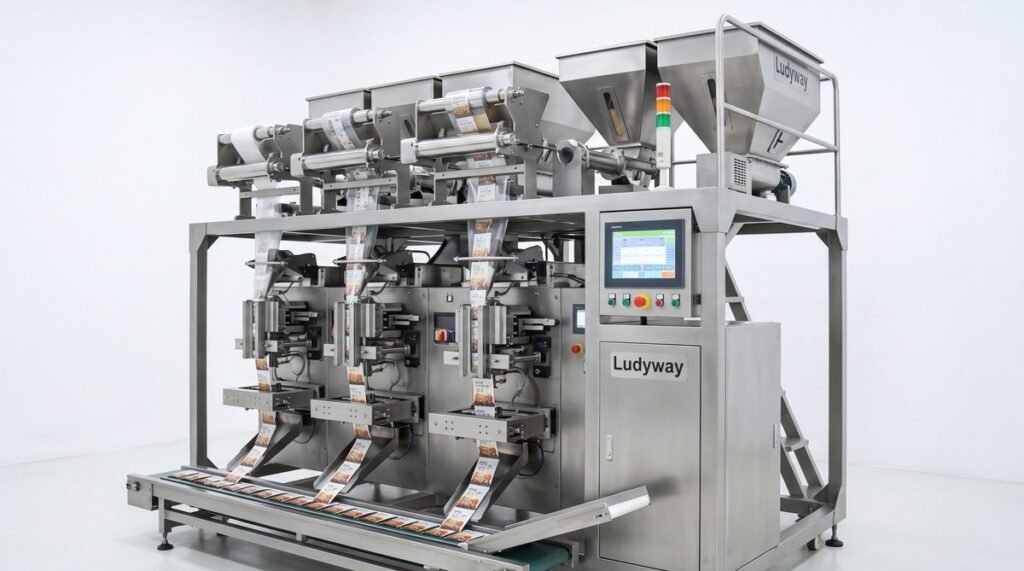
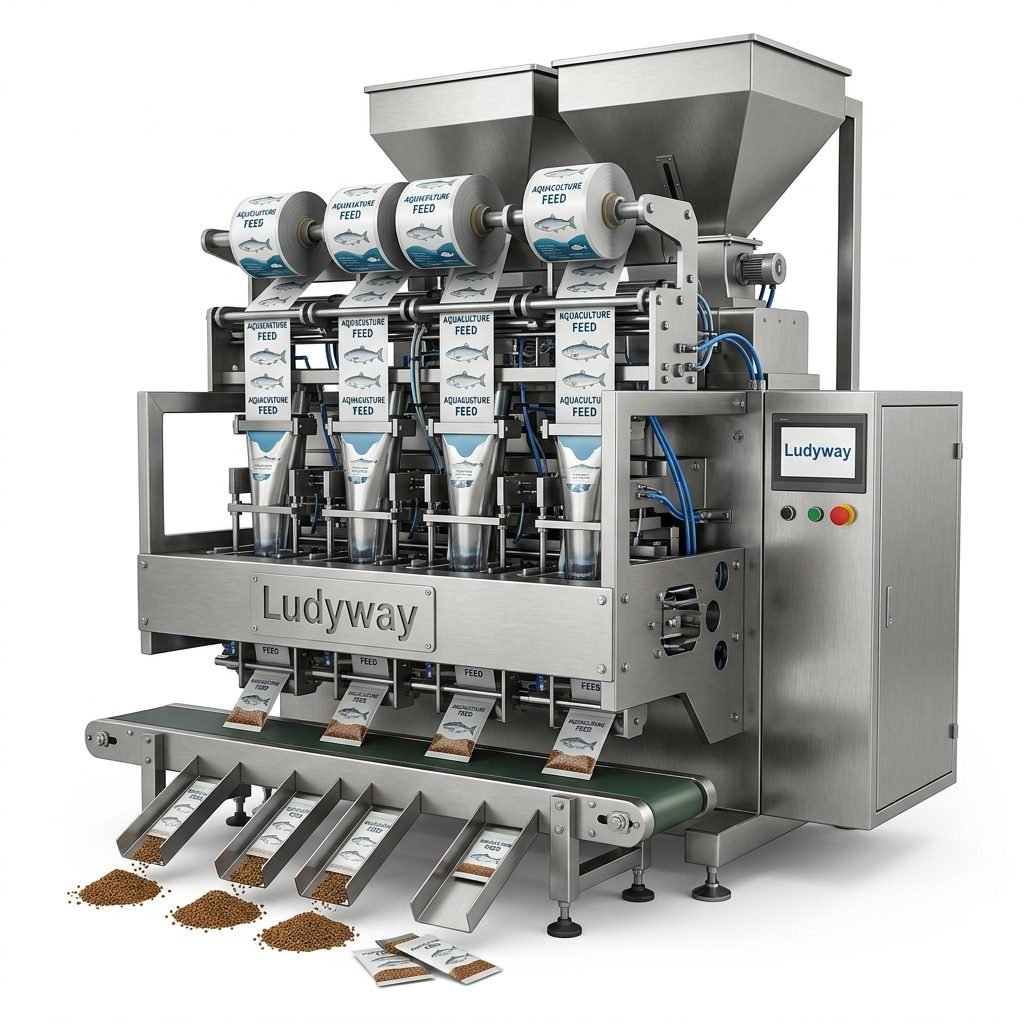
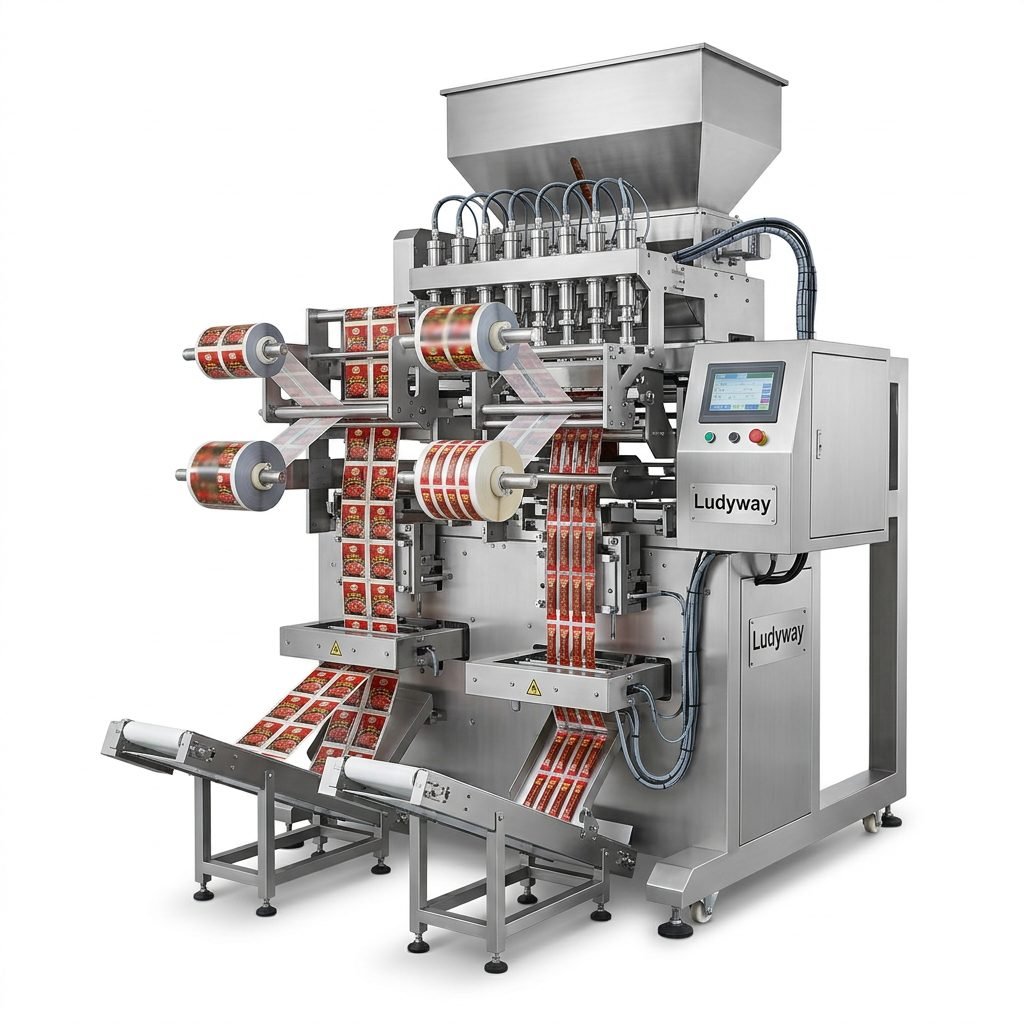
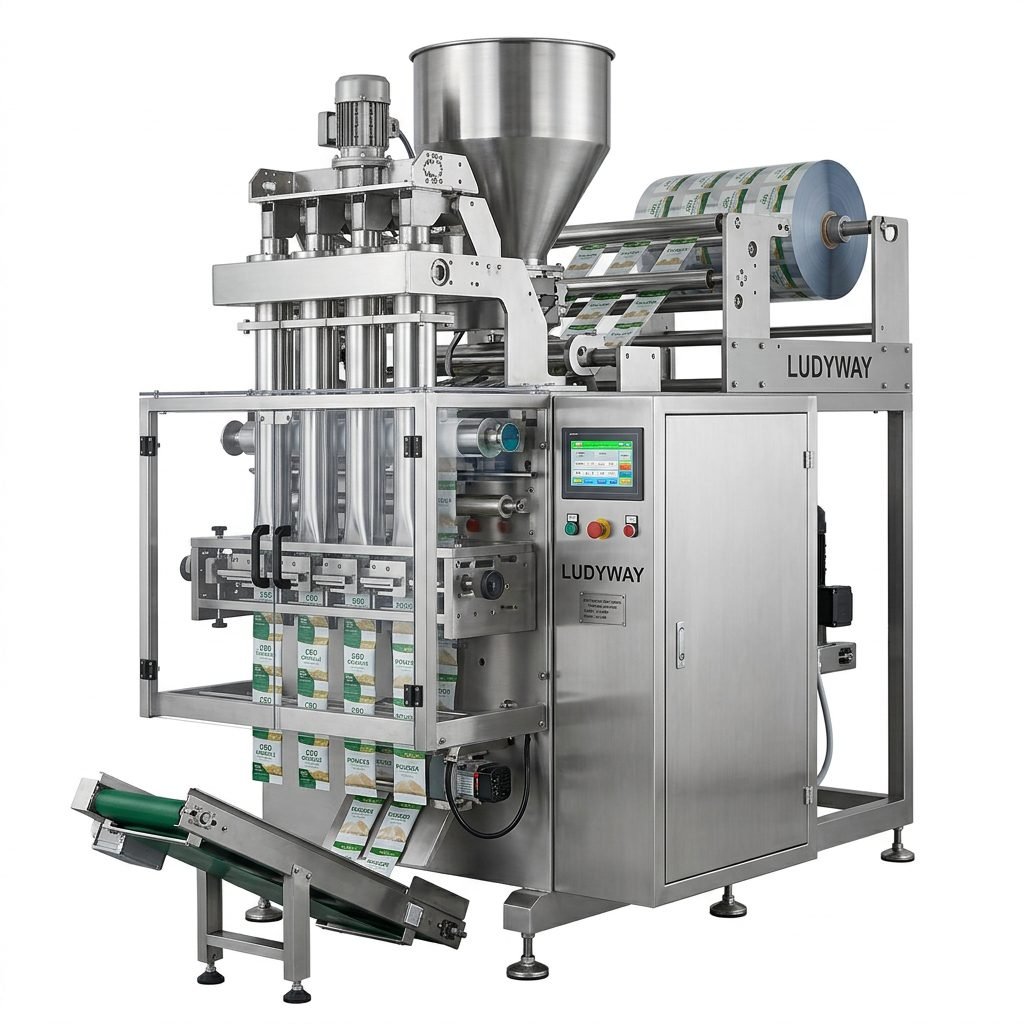
- Number of Lanes: A single-lane machine is the most affordable. Multi-lane stick pack or sachet machines—such as 4-lane, 8-lane, or even 16-lane configurations—multiply output but also increase complexity, material usage, and cost proportionally.
- Packaging Format & Material: Whether you need pillow bags, gusseted pouches, stick packs, or tea bag envelopes directly impacts the type of form-fill-seal mechanism required, which affects pricing.
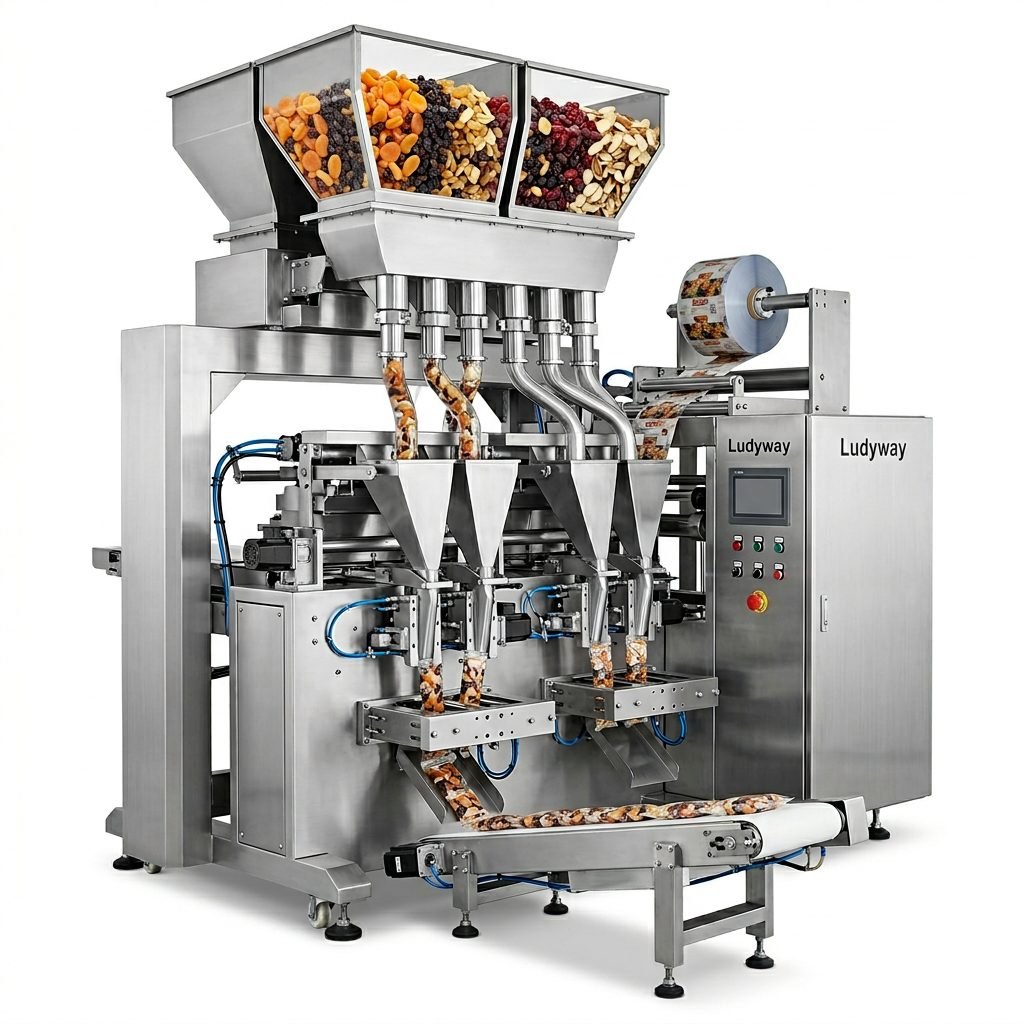
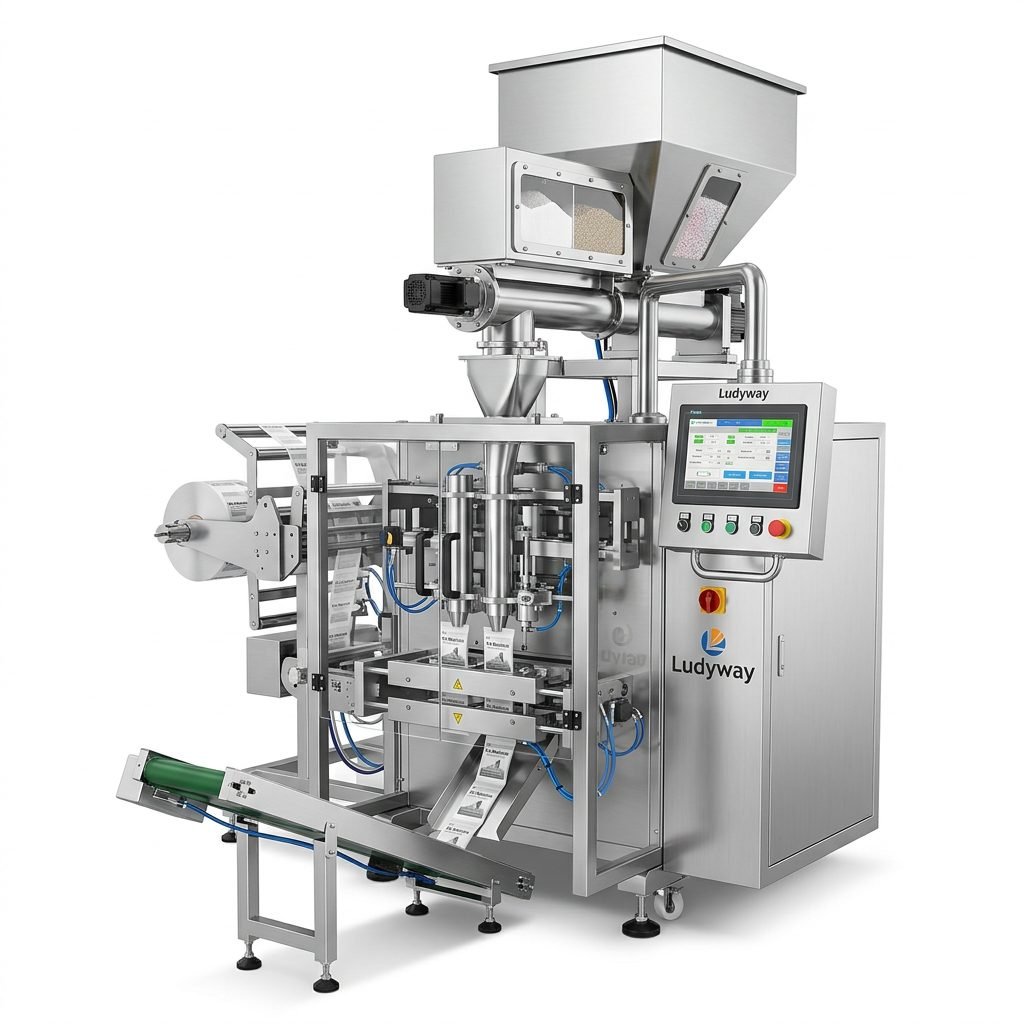
- Filling Technology: Auger fillers for fine powders, volumetric cup fillers for granules, and liquid pumps each have different cost structures. High-precision weighing systems with checkweigher feedback loops are more expensive than basic timed filling heads.
- Build Quality & Compliance: Machines built with stainless steel (304 or 316 grade), certified for pharmaceutical-grade or food-grade production with cGMP standards typically cost more but offer better durability and regulatory compliance.
- Production Capacity (PPM): A machine capable of producing 30–60 packs per minute will be significantly cheaper than a high-speed system delivering 200–400 packs per minute continuously.
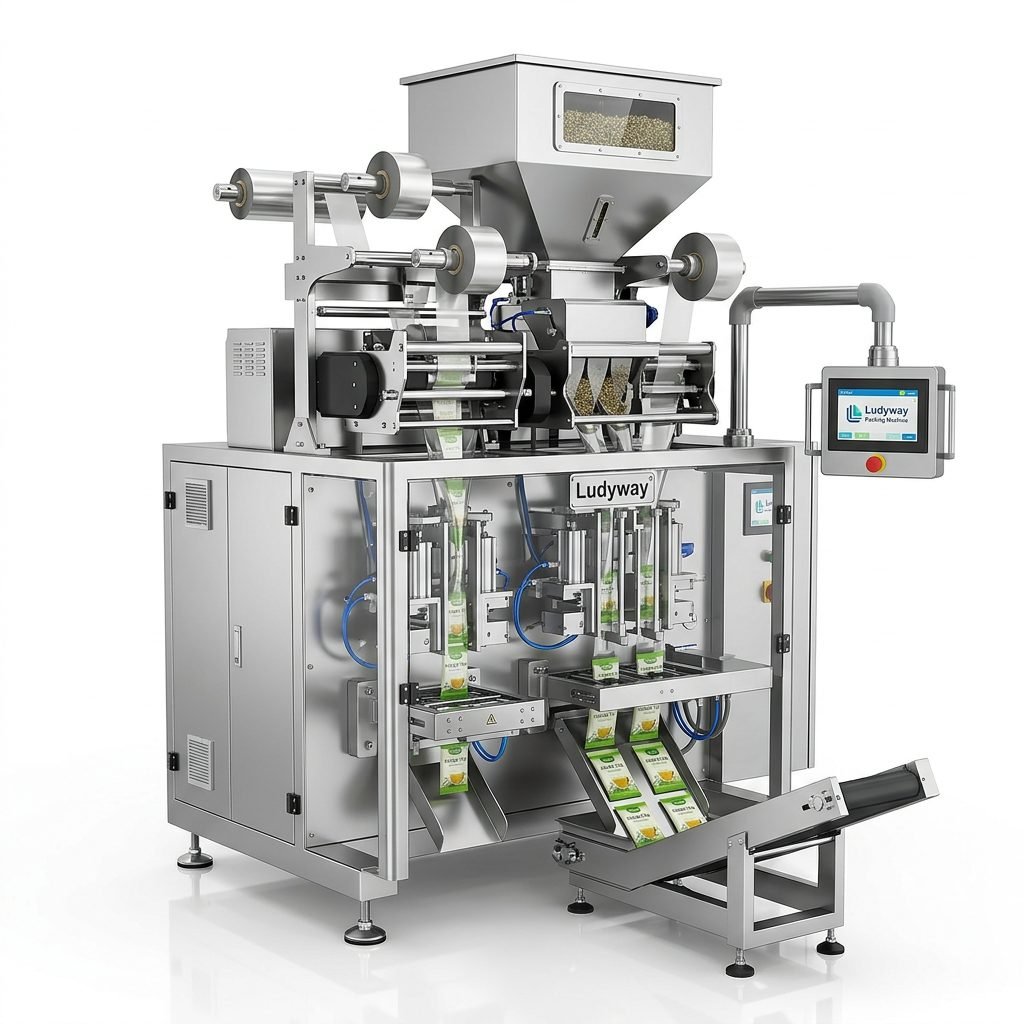
Price Breakdown by Machine Type
The following table provides a general price overview based on current market data from industry resources like PMMI. Actual costs will vary depending on customization, region, and supplier.
| Machine Type | Typical Application | Estimated Price Range (USD) |
|---|---|---|
| Manual / Hand-Sealing Machines | Small batches, artisanal tea | $3,000 – $8,000 |
| Semi-Automatic Single-Lane Sachet Machine | Small to medium production | $8,000 – $25,000 |
| Automatic Vertical Form-Fill-Seal (VFFS) | Medium-scale tea bag / sachet production | $20,000 – $50,000 |
| Multi-Lane Stick Pack Machine (4–8 lanes) | High-volume single-serve stick packs | $35,000 – $80,000 |
| Multi-Lane Sachet Machine (10–16 lanes) | Large-scale granule and powder tea | $60,000 – $130,000 |
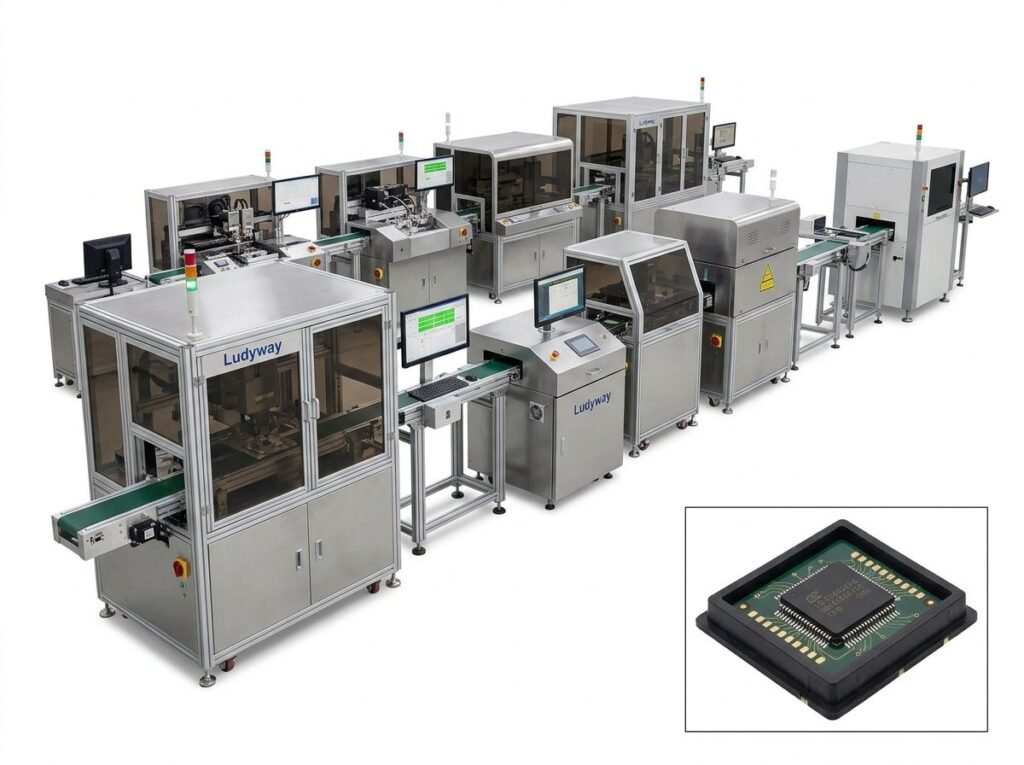
| Turnkey Automated Production Line | Complete solution with feeders, weighers, and boxing | $100,000 – $200,000+ |
The Flexible Packaging Association regularly reports that demand for high-speed automated systems continues to grow as brands seek to reduce per-unit packaging costs through economies of scale.
Additional Cost Considerations
Beyond the base price of the machine itself, several ancillary expenses can impact the total investment. Savvy buyers factor these into their budget from the outset.
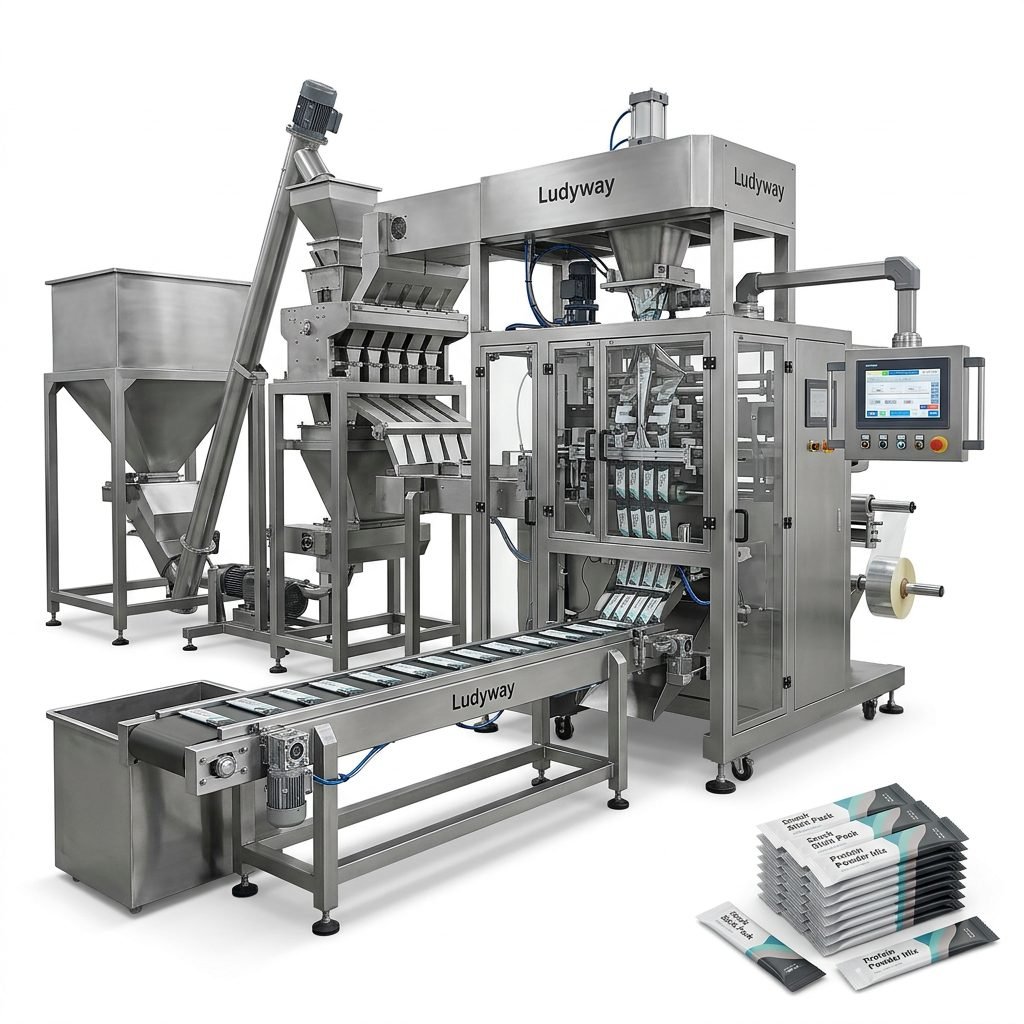
- Auxiliary Equipment: Many production lines require supplementary components such as dust collection systems, conveyors, nitrogen flushing units for freshness preservation, metal detectors, and thermal transfer printers for date coding. These can add $5,000 to $30,000 to the total setup cost.
- Installation & Commissioning: Professional installation, calibration, and operator training typically range from 5% to 15% of the machine purchase price, depending on geographic location and complexity.
- Spare Parts & Maintenance Contracts: Annual maintenance agreements and a stock of consumable spare parts such as sealing jaws, belts, and sensors should be budgeted at approximately $2,000–$10,000 per year.
- Facility Modifications: Some machines require compressed air lines, upgraded electrical panels, or specific environmental conditions that may necessitate facility upgrades.
- Shipping & Import Duties: For international purchases, freight charges, customs duties, and local taxes can significantly increase the landed cost. Always request a CIF or DDP quotation for accurate comparison.

Buying Tips for Tea Packing Machines
Making the right purchasing decision requires thorough research and careful evaluation of suppliers. Here are practical tips to guide your selection process.
1. Define Your Production Requirements Clearly
Document your current production volume, desired packaging format, pouch dimensions, fill weight accuracy requirements, and expected growth trajectory. A machine that perfectly fits today’s needs but cannot scale within 2–3 years may prove to be a costly short-term investment.
2. Evaluate Supplier Credentials & Support
Choose manufacturers with a proven track record in the tea and food packaging industry. Look for suppliers who offer comprehensive after-sales support, including remote troubleshooting, readily available spare parts, and documented quality certifications. According to industry data and manufacturers like Ludyway, one of the largest packaging machine manufacturers in China with over 30 years of experience, reliable engineering support and a modern manufacturing facility are key indicators of a trustworthy supplier. Verify their export history, client testimonials, and whether they have experience serving customers in your region.
3. Request Sample Runs with Your Product
Never purchase equipment without first testing it with your actual tea product. Different tea types—from fine matcha powder to coarse loose-leaf blends and granulated herbal mixtures—behave differently in filling and sealing mechanisms. A reputable supplier should offer video demonstrations or factory acceptance testing with your materials.
4. Compare Total Cost of Ownership (TCO)
Look beyond the initial purchase price. A cheaper machine with higher energy consumption, frequent breakdowns, and difficult-to-source spare parts will cost more over a 5-year period than a slightly more expensive, energy-efficient, and durable system. Factor in energy efficiency, labor requirements, maintenance costs, and expected lifespan.
5. Prioritize Compliance & Safety
Ensure the machine complies with relevant international standards. For food and pharmaceutical applications, certifications such as CE, ISO, and adherence to FDA food packaging regulations or ISO packaging standards are essential for export markets and consumer safety.
Why Invest in a Quality Tea Packing Machine
A high-quality tea packing machine is not merely an expense—it is a strategic asset that drives business growth. Automated packaging reduces labor dependency, minimizes product waste through precise filling accuracy, and enhances brand perception with consistently sealed, aesthetically pleasing packages. In competitive markets, the ability to quickly switch between different packaging formats—sachets, stick packs, or pouch styles—provides the flexibility needed to respond to consumer trends. The PMMI packaging industry reports consistently highlight that brands investing in modern packaging technology gain measurable advantages in operational efficiency and market responsiveness.
Final Thoughts
The cost of a tea packing machine is influenced by a wide range of factors—from automation level and lane configuration to build quality and after-sales support. By thoroughly assessing your production needs, budget, and long-term growth plans, you can select a machine that delivers strong return on investment. Partnering with an experienced, globally recognized manufacturer ensures you receive not just equipment, but a complete packaging solution designed for reliability and efficiency in today’s demanding marketplace.

Related Resources: