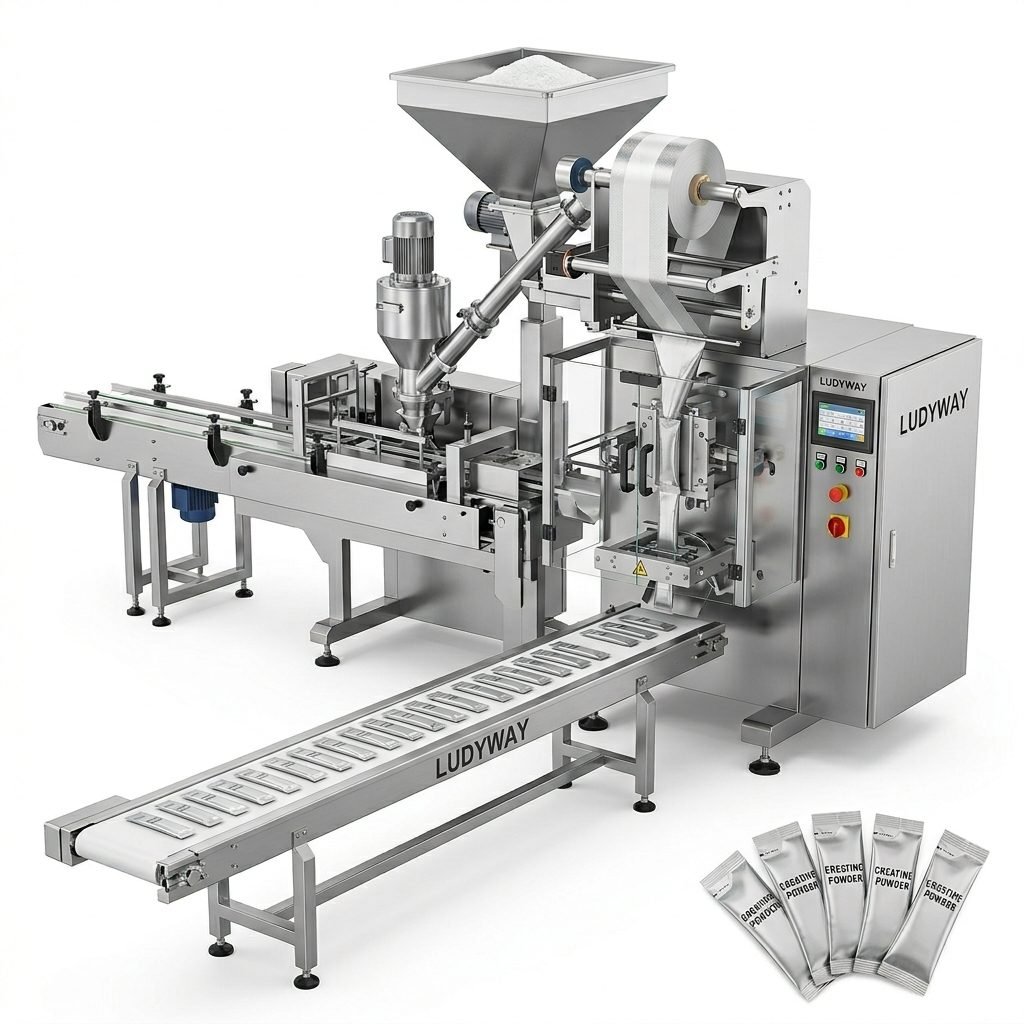
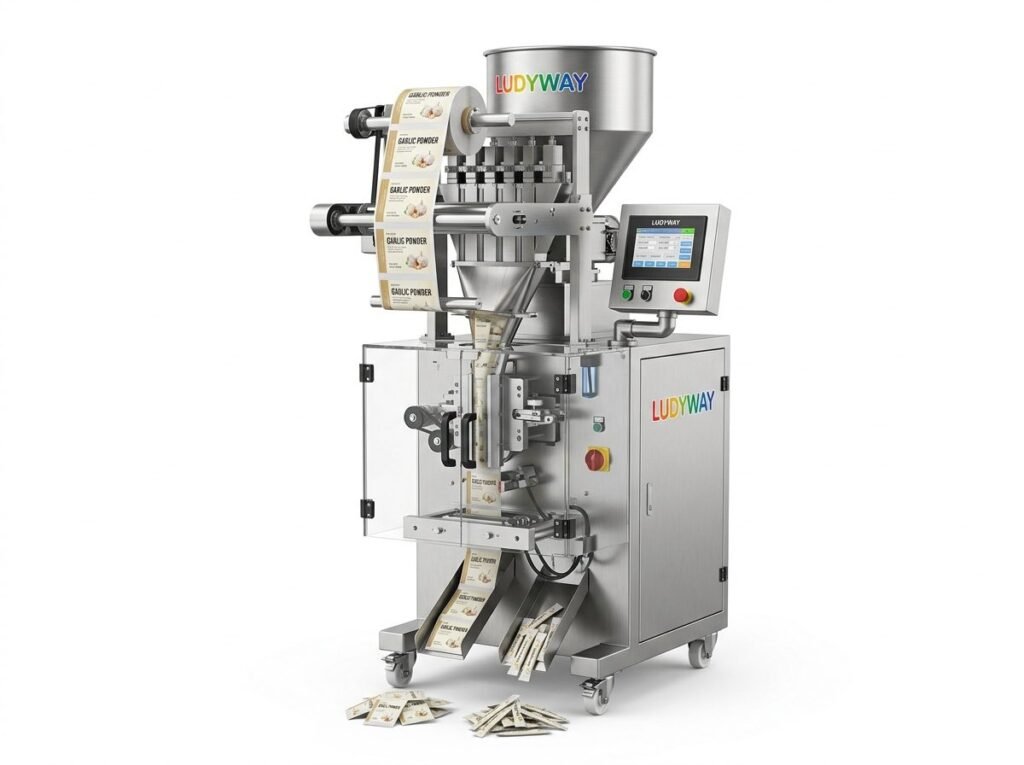
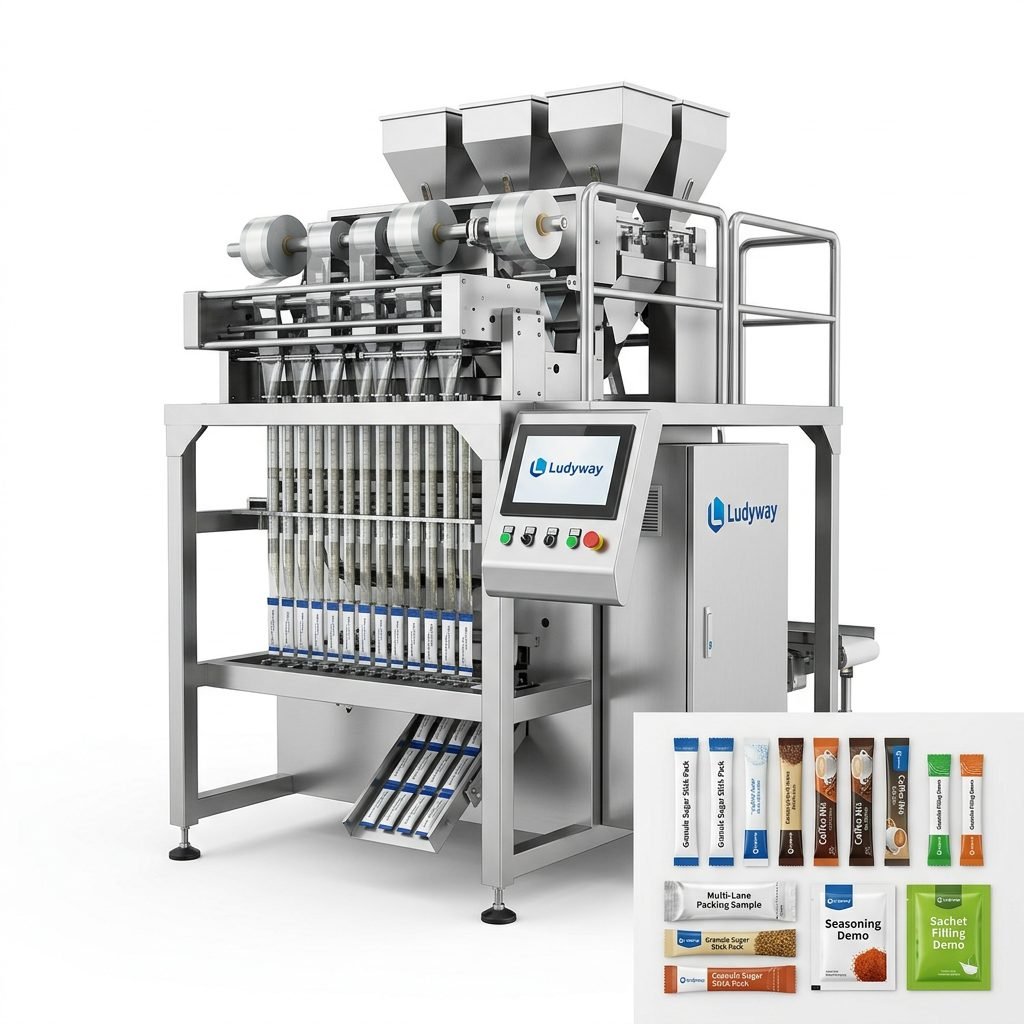
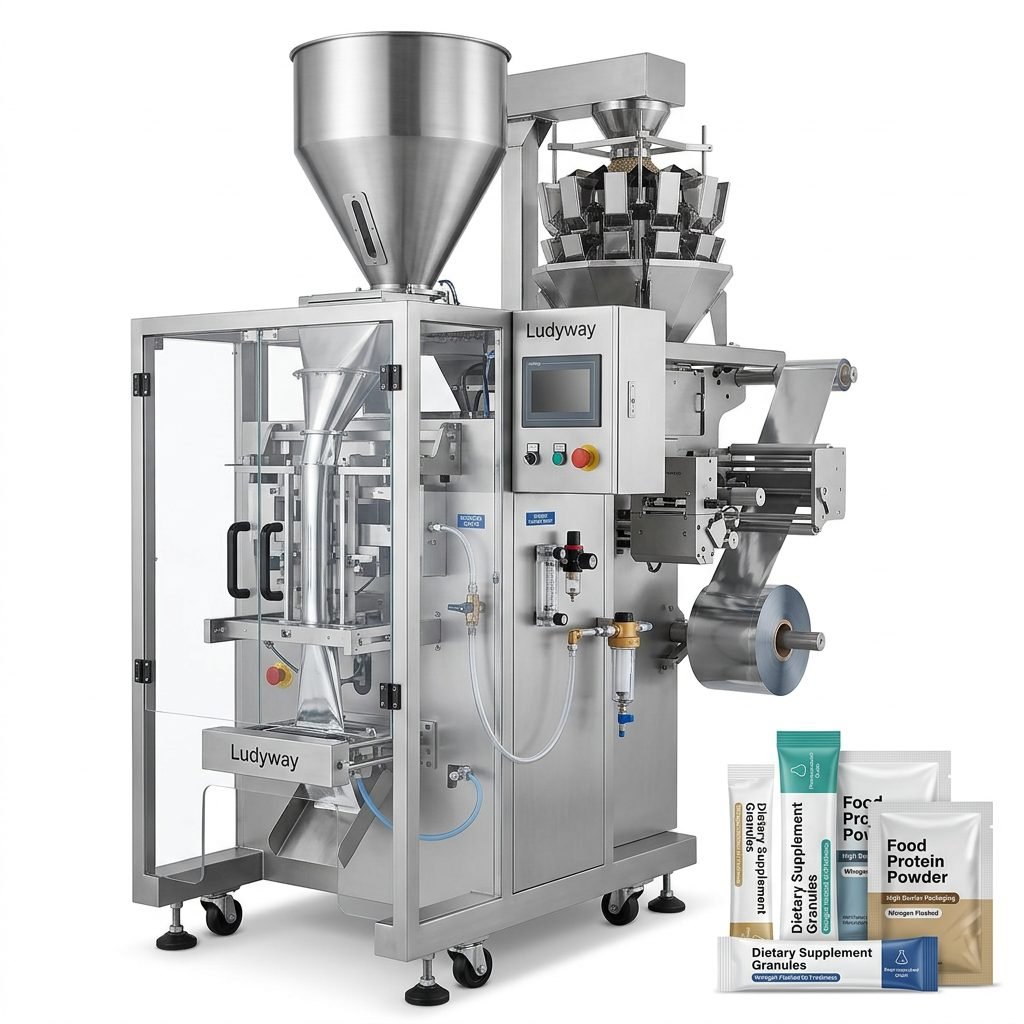
Keeping your Eagle packing machine in peak condition is not just about avoiding downtime—it’s about protecting your investment, ensuring product consistency, and maximizing throughput. Whether you run a single-lane sachet line or a fully automated multi-lane packaging system, a structured maintenance routine is essential. Below, we break down the most effective strategies to maintain your equipment, minimize wear, and extend machine life.
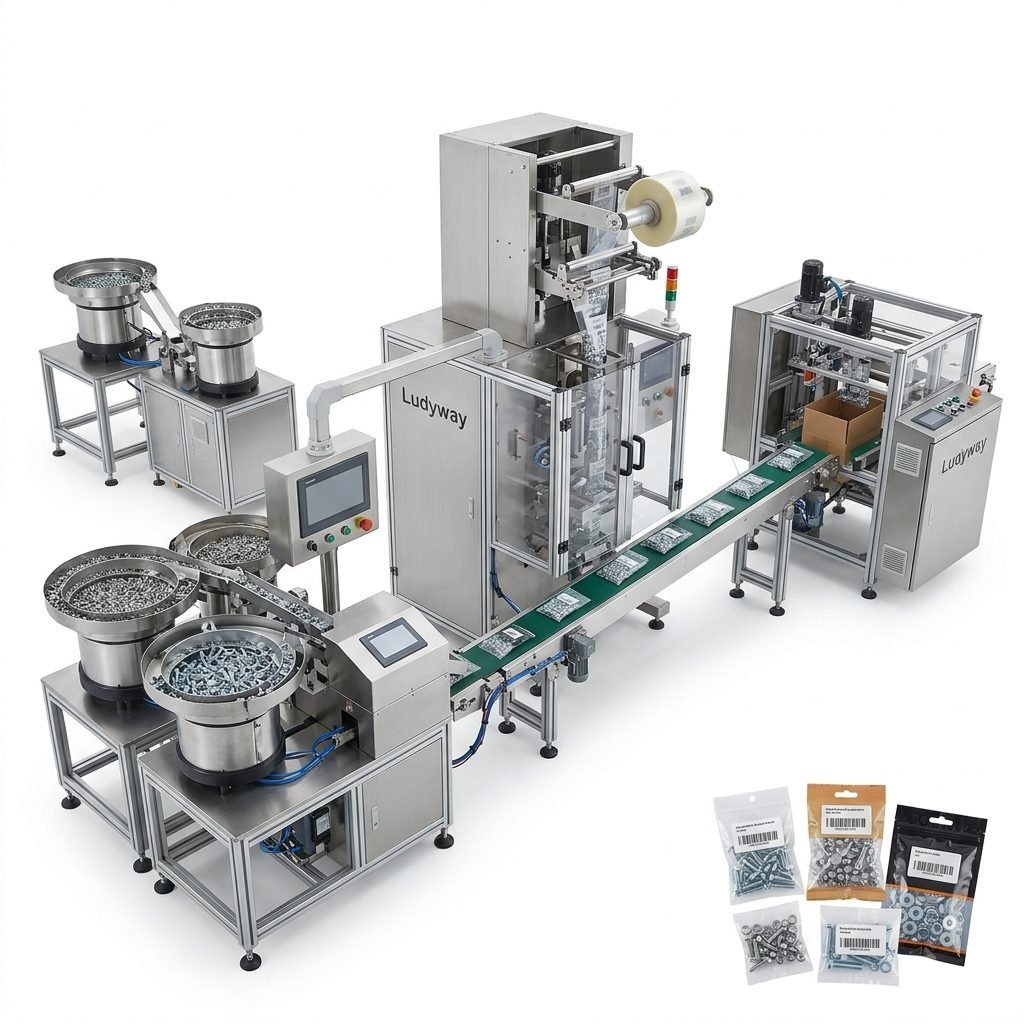
1. Daily Cleaning: The Foundation of Reliability
Dust, product residue, and debris are the silent enemies of any packing machine. Neglecting daily cleaning leads to sensor errors, film sealing defects, and accelerated mechanical wear. Implement a strict end-of-shift cleaning protocol that covers these critical areas:
- Forming tube and sealing jaws: Remove any melted plastic or product buildup using approved non-abrasive tools.
- Film path rollers: Wipe down to prevent static buildup and film tracking issues.
- Dust collection surfaces: For powder applications, vacuum rather than blow debris to avoid contaminating sensitive electronics.
- Conveyor belts: Inspect for sticky residues that can cause pouch misalignment.
A clean machine is easier to inspect—problems like small oil leaks or loose fasteners become immediately visible.
2. Weekly Inspection: Critical Mechanical Points
Set aside time each week to examine high-cycle components. Catching wear early prevents catastrophic failures. Use the following checklist as a baseline:
| Component | Check | Action if fault found |
|---|---|---|
| Sealing jaw thermocouples | Temperature accuracy vs. setpoint | Replace if deviation exceeds ±2°C |
| Pull belts and film transport | Tension and surface condition | Adjust tension or replace worn belts |
| Servo motor couplings | Play, noise, overheating | Inspect alignment and tighten fasteners |
| Cutting knife assembly | Sharpness and alignment | Sharpen or replace blades as a set |
3. Lubrication Best Practices
Over-greasing is as harmful as under-lubrication. Follow the manufacturer’s lubrication chart precisely. Key guidelines for Eagle packaging machinery include:
- Use only approved food-grade lubricants for machines handling edible products.
- Linear bearings and ball screws require light, frequent lubrication—heavy grease attracts contaminants.
- Air preparation units (FRLs) must be drained of moisture daily; the oil reservoir should be checked weekly.
- Never lubricate hot sealing surfaces.
4. Calibration and Sensor Alignment
Misaligned sensors cause registration errors, film waste, and intermittent stops. Perform a calibration check whenever you change film rolls or product formulations:
- Eye mark registration sensor: Clean the lens and verify it reads consistently at running speed.
- Load cell feedback: Zero the scales and run a test with known weights to verify accuracy.
- Product detection sensors: Ensure they reliably detect product presence and reject empty pouches.
Document baseline values so operators can quickly identify drift.
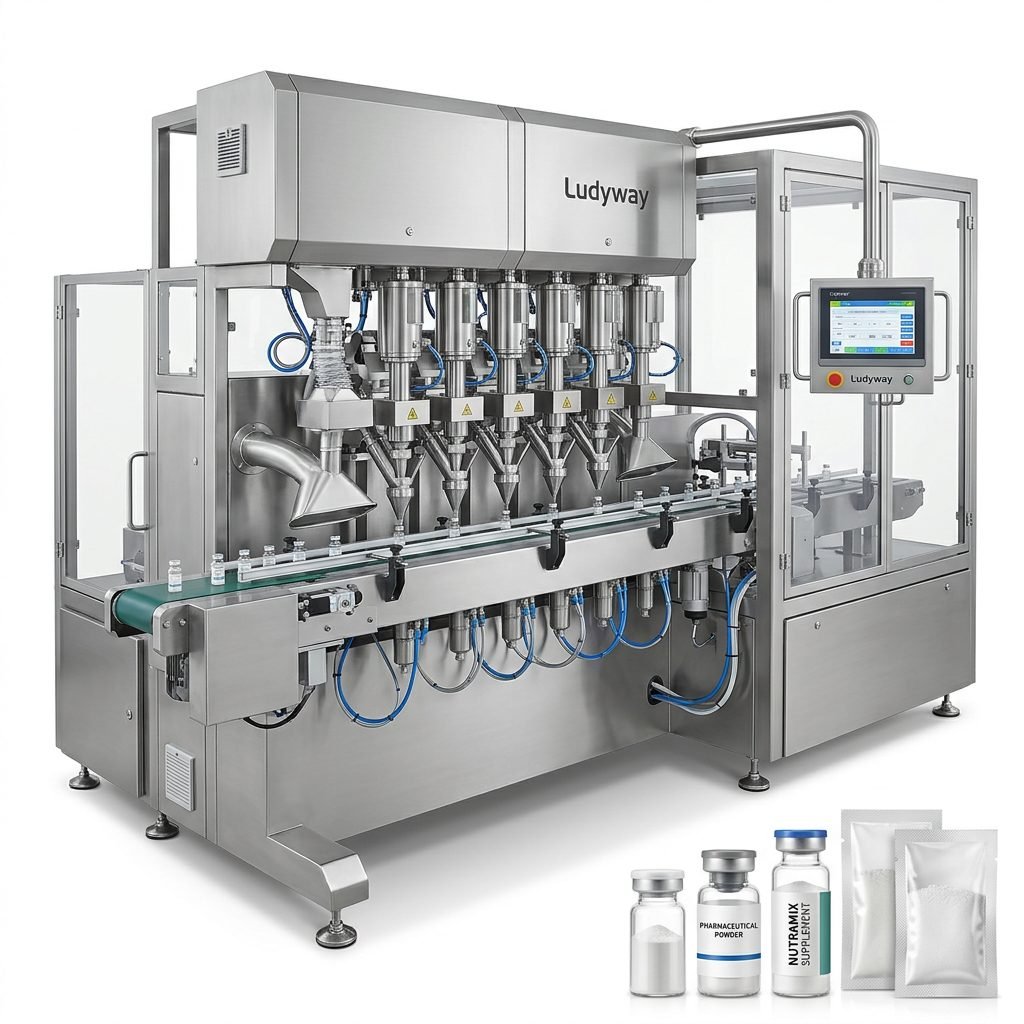
5. Quarterly Deep-Dive Maintenance
Every three months, schedule a more thorough intervention. This requires a trained technician but pays for itself in extended service life:
- Electrical cabinet inspection: Check all terminals for tightness; look for signs of overheating on contactors and drives. Dust removal with dry compressed air is critical.
- Pneumatic system integrity: Inspect all fittings for leaks using soap solution. Replace aging tubing before it cracks.
- Rotary union and swivel joints: On liquid filling systems, check for internal seal wear that could lead to product drip.
- Bearing condition monitoring: Use a vibration meter or simply listen for changes in running sound.
6. Spare Parts Strategy
Waiting for a critical part to fail before ordering it guarantees extended downtime. Maintain an intelligent spare parts inventory based on mean time between failure (MTBF) data:
| Priority | Parts | Recommended stock |
|---|---|---|
| High | Sealing bands, thermocouples, cutting knives | 2-3 sets per machine |
| Medium | Pull belts, sensor cables, fuses, filter elements | 1 set per machine |
| Strategic | Servo drives, HMI, PLC modules | Evaluate based on lead time and machine criticality |
7. Operator Training and Documentation
The best maintenance schedule fails without operator buy-in. Invest in structured training that covers:
- Proper startup and shutdown sequences—rushing these causes unnecessary stress.
- How to interpret error codes and perform first-level troubleshooting.
- The importance of logging minor issues before they escalate.
Use a digital or physical logbook to track all interventions, part replacements, and calibration adjustments. This data becomes invaluable when diagnosing recurring problems.
8. When to Call Professional Service
Some tasks require specialist intervention. If your Eagle machine exhibits persistent film tracking drift, inconsistent seal integrity across multiple lanes, or unexplained servo faults, contact qualified service engineers. Ludyway provides comprehensive after-sales support and turnkey packaging solutions to help manufacturers maintain peak performance.
Regular maintenance is a competitive advantage. A well-maintained machine consistently delivers accurate fills, tight seals, and fewer rejected pouches. By embedding these practices into your operation, you safeguard both your productivity and your product quality for years of reliable service.