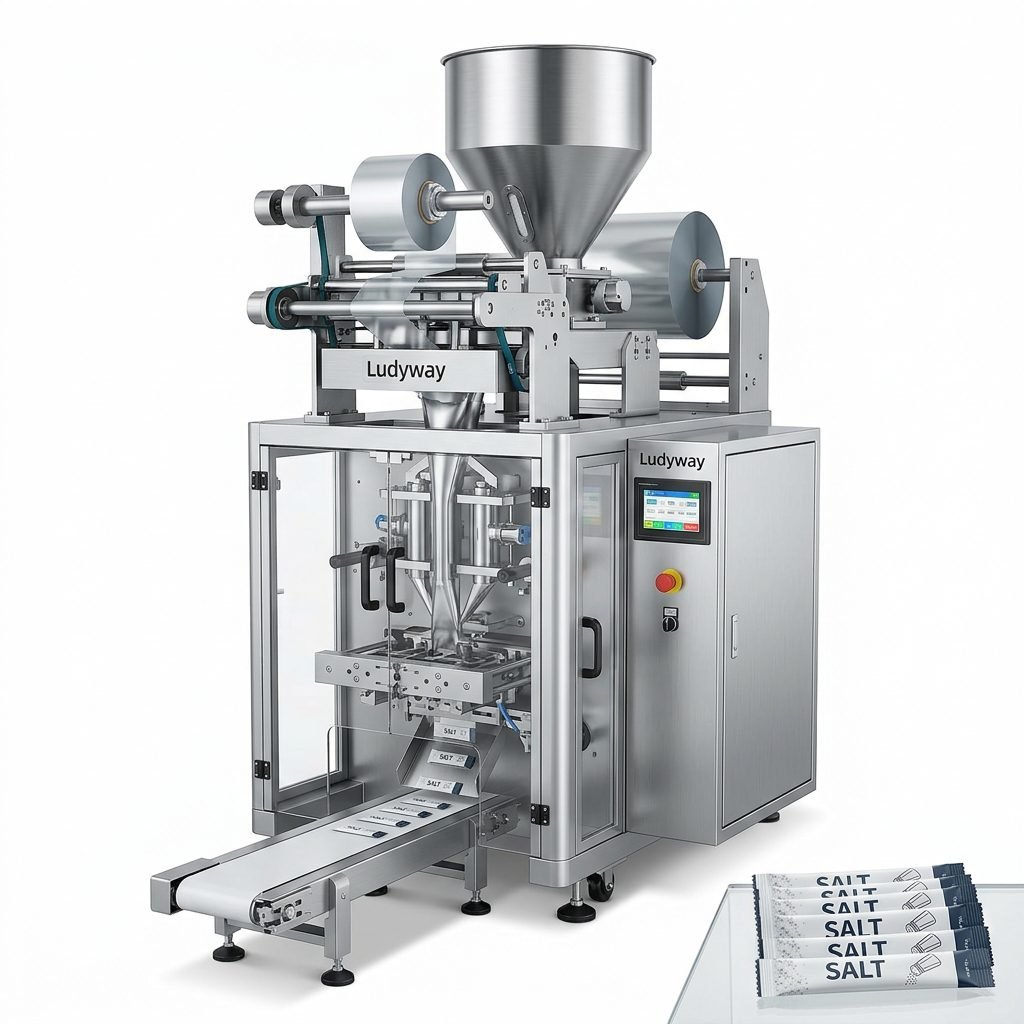
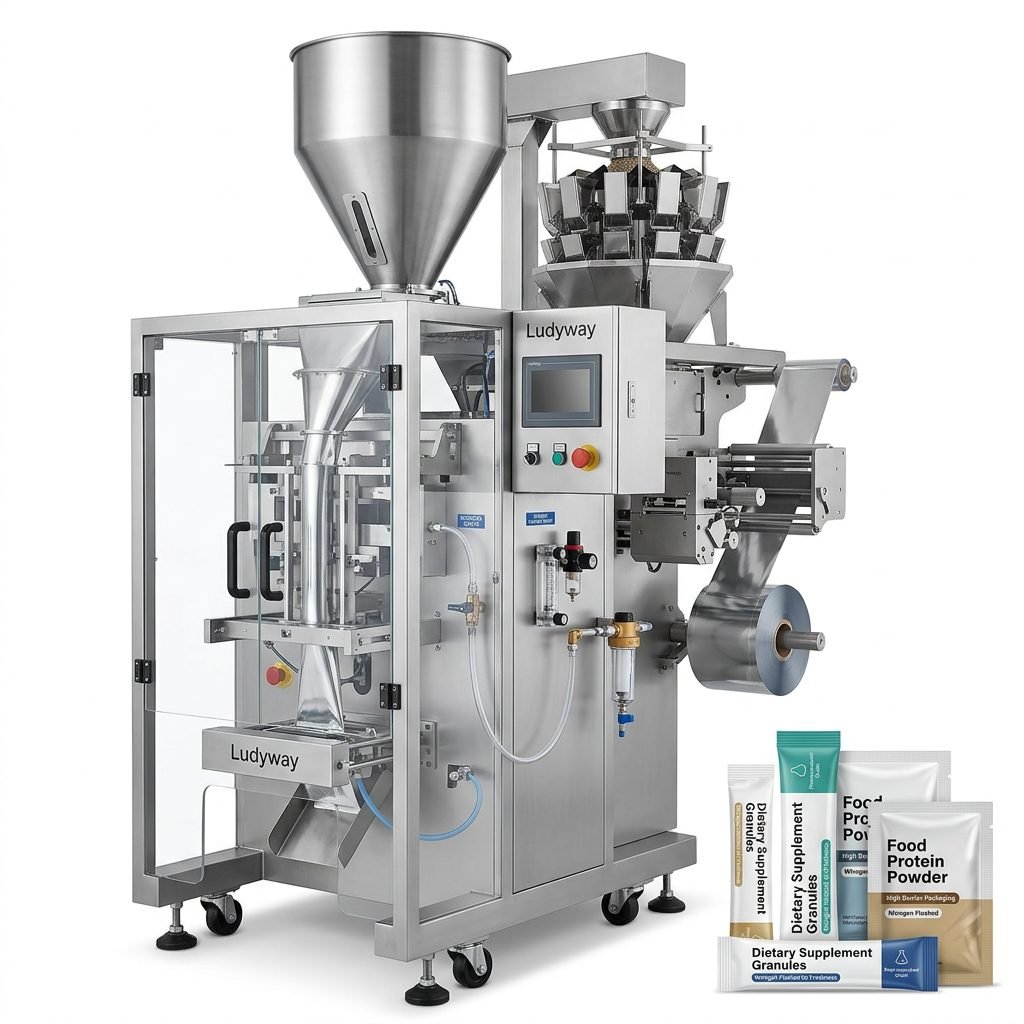
Maintaining a BQS blister packing machine is essential for ensuring consistent output, reducing costly downtime, and extending the lifespan of your capital equipment. A proactive maintenance strategy not only safeguards the intricate sealing and forming mechanisms but also ensures compliance with rigorous industry standards. Below, we outline critical maintenance tips and best practices to keep your production line running at peak efficiency.
Daily Preventative Maintenance Checklist
Operators should integrate these quick checks into their daily start-up and shut-down procedures to catch potential failures before they escalate.
- Visual Inspection of Forming Stations: Check for residual material, scratches, or debris on the forming die and sealing plates.
- Air Pressure Verification: Ensure the pneumatic system maintains the correct pressure levels for accurate blister formation.
- Sealing Temperature Check: Confirm that the heating platens reach the specified temperature settings to prevent cold seals or overheating.
- Emergency Stop Function Test: Verify that all emergency stops are functioning to guarantee operator safety.
Key Maintenance Areas and Intervals
Adhering to a strict maintenance schedule is the most effective way to avoid unplanned stoppages. The table below summarizes the recommended tasks by frequency.
| Maintenance Task | Recommended Frequency | Key Action Items |
|---|---|---|
| Feeding System Cleaning | Daily / Per Shift | Remove dust and loose particles from the hopper and conveyor tracks. |
| Sealing Roller Lubrication | Weekly | Apply food-grade lubricant to bearings and chain drives. |
| Blister Cavity Alignment | Monthly | Inspect tooling alignment using calibration guides to prevent webbing cracks. |
| Electrical Wiring Inspection | Quarterly | Tighten loose connections and inspect for heat-damaged wires. |
| Vacuum Pump Filter Replacement | Annually | Replace filters to maintain optimal suction for blister forming. |
Troubleshooting Common Blister Packaging Issues
Even with rigorous maintenance, challenges can arise. Quick diagnosis is critical to maintaining your packaging machine’s Overall Equipment Effectiveness (OEE).
Inconsistent or Weak Seals
- Root Cause: Worn sealing rollers, incorrect temperature settings, or uneven air pressure.
- Fix: Re-calibrate the temperature controller and inspect the sealing roller for surface damage. If the pattern is worn, the roller must be replaced.
Product Jamming or Mis-feed
- Root Cause: Dirty guide rails or static build-up causing tablets to stick.
- Fix: Clean the feeding tube brushes and ensure the static elimination bar is functioning correctly.
Forming Web Breakage
- Root Cause: Excessive forming temperature or incorrect film tension.
- Fix: Reduce the preheat temperature slightly and adjust the unwind tension brake.
For detailed mechanical adjustments, always consult the official machine manual and reference the PMMI Packaging Machinery Standards for industry-compliant practices.
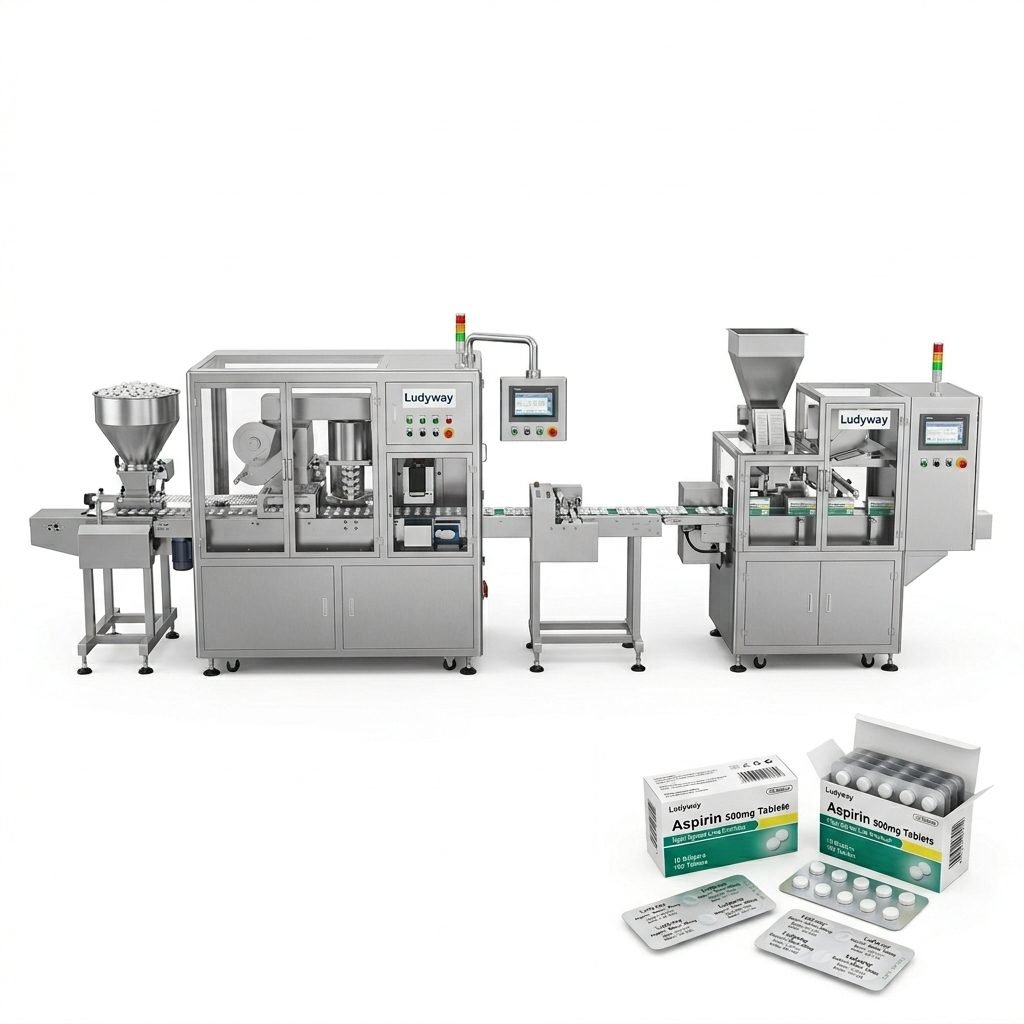
The Importance of Spare Parts Management
A well-managed spare parts inventory is the backbone of effective blister machine maintenance. Keeping critical wear parts on hand can reduce Mean Time To Repair (MTTR) by hours or even days.
Essential spares to stock include:
- Heating cartridges and thermocouples
- Forming and sealing dies
- Scrap chopper blades
- Guard door safety switches
- Drive belts and timing pulleys
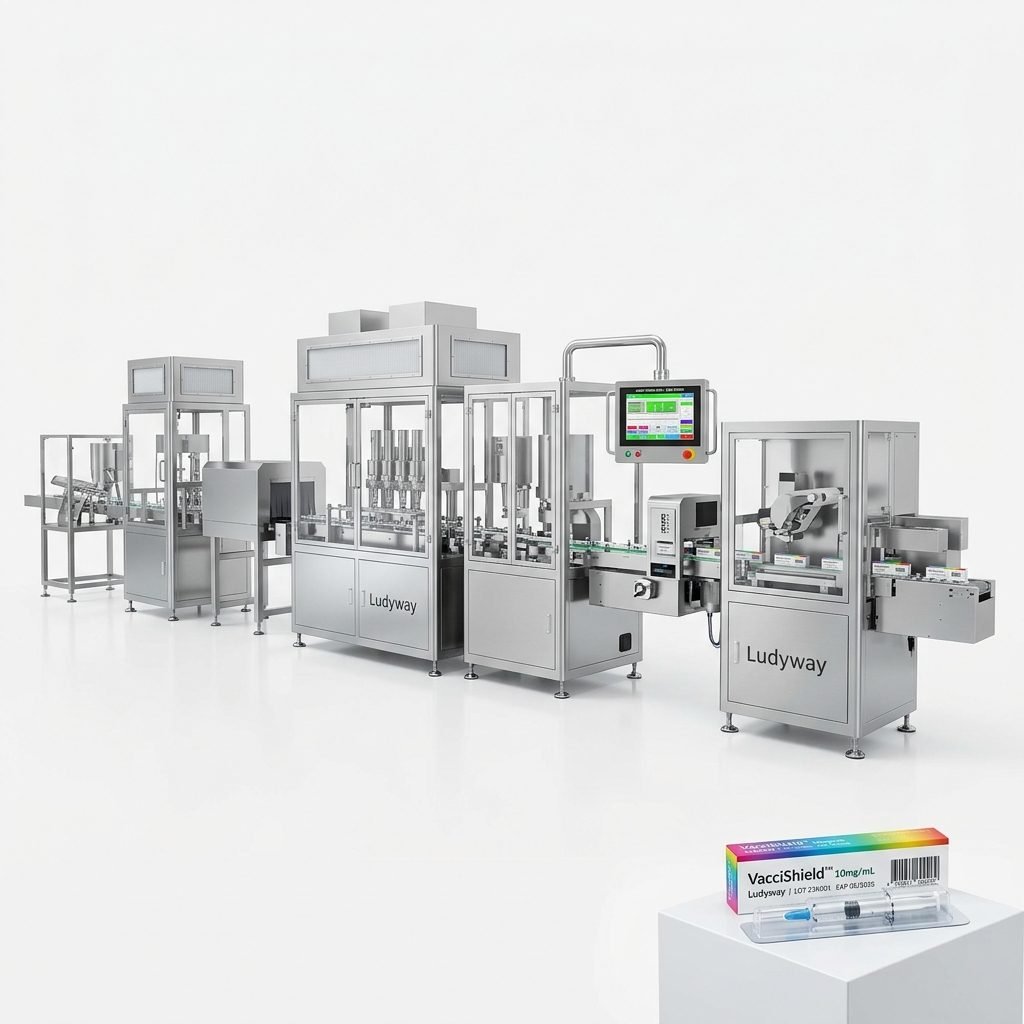
When sourcing replacements, compatibility is non-negotiable. Using generic parts can compromise the integrity of the blister and lead to regulatory compliance risks. Leading manufacturers like Ludyway emphasize the necessity of OEM spare parts to ensure the longevity and precision of their 50+ intelligent packaging machine models, particularly in demanding pharmaceutical environments.
Leveraging Professional Service Plans
While in-house maintenance staff can handle daily duties, an annual professional service contract is highly recommended. Expert technicians use advanced diagnostic tools to:
- Inspect the indexing mechanism for backlash.
- Validate the control system’s safety loop.
- Recalibrate the film tensioning and unwinding belts.
- Perform thermal mapping of the sealing station.
Staying updated with the latest ISO Packaging Standards ensures your facility remains compliant with global safety and quality benchmarks. Investing in continuous improvement and staff training pays immediate dividends in reducing operational costs and maximizing the return on your blister packaging investment.