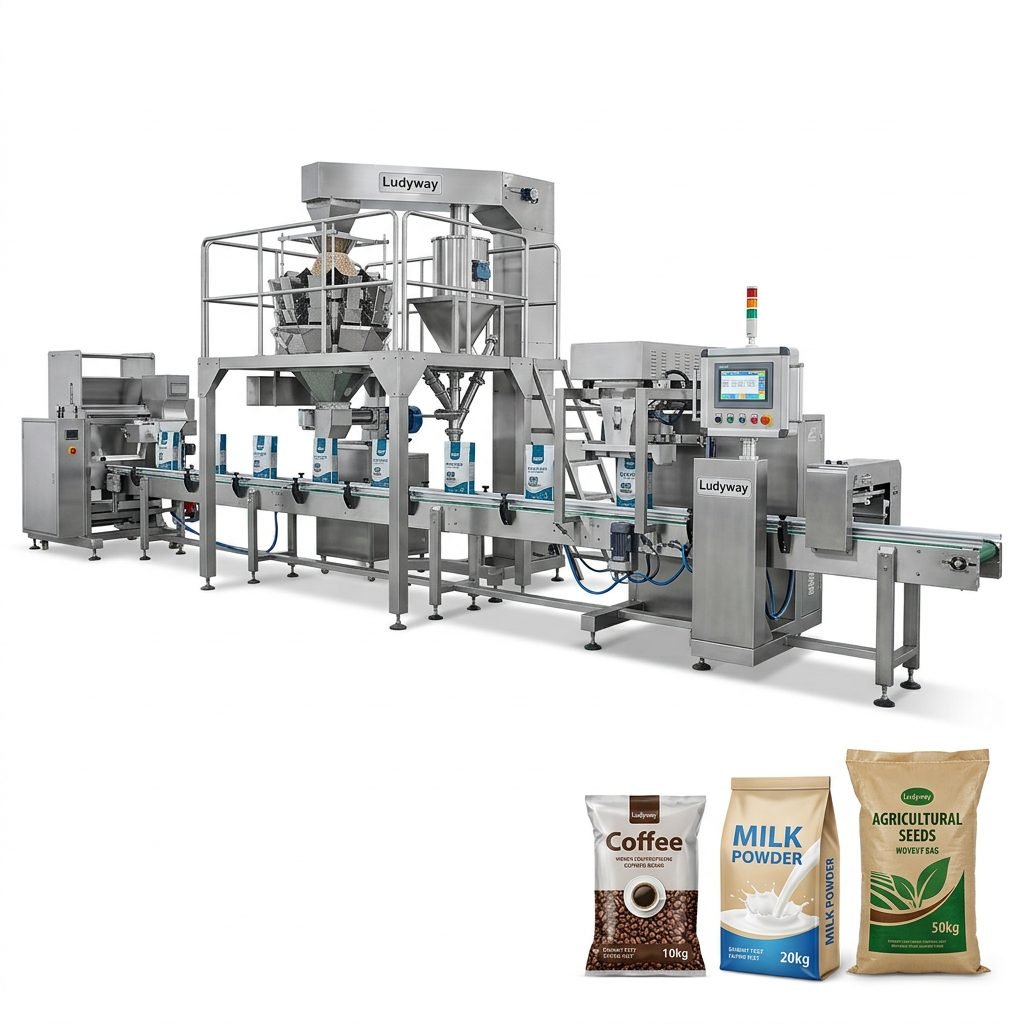
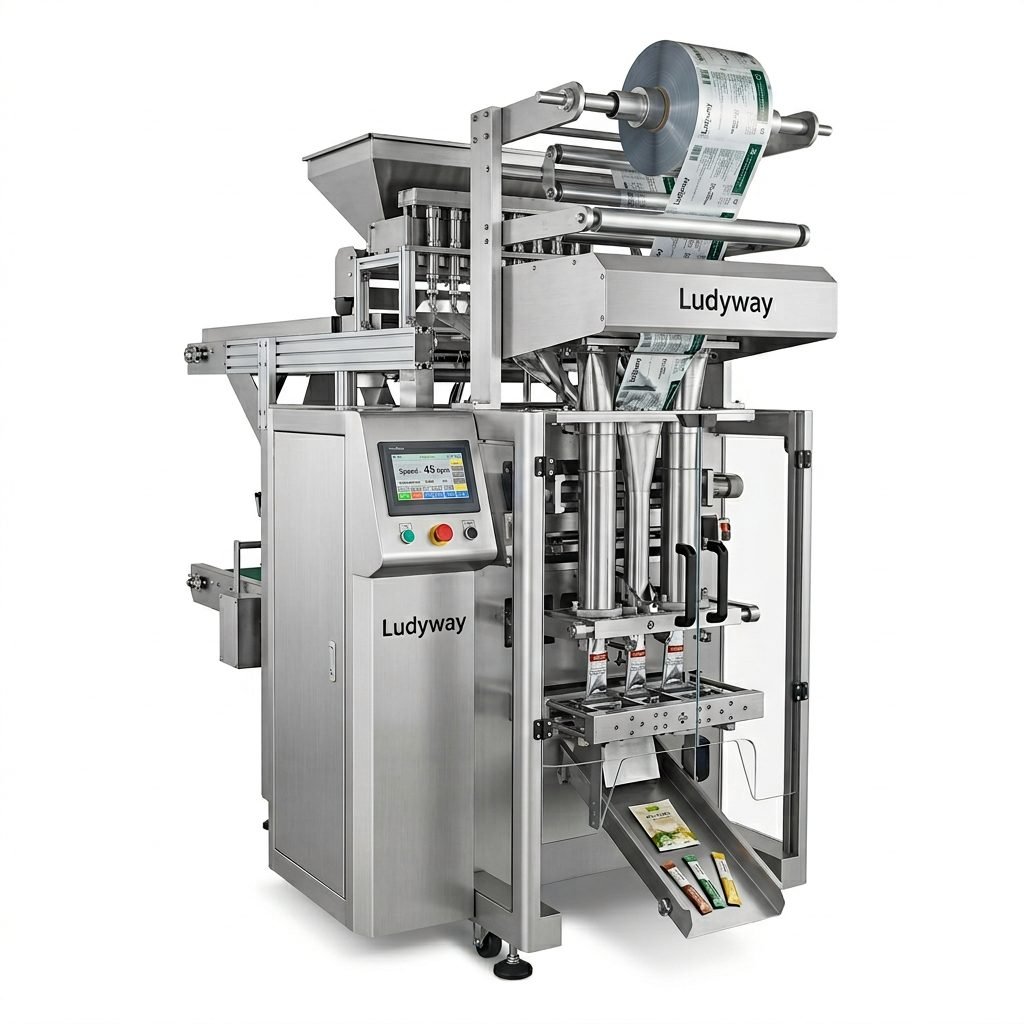
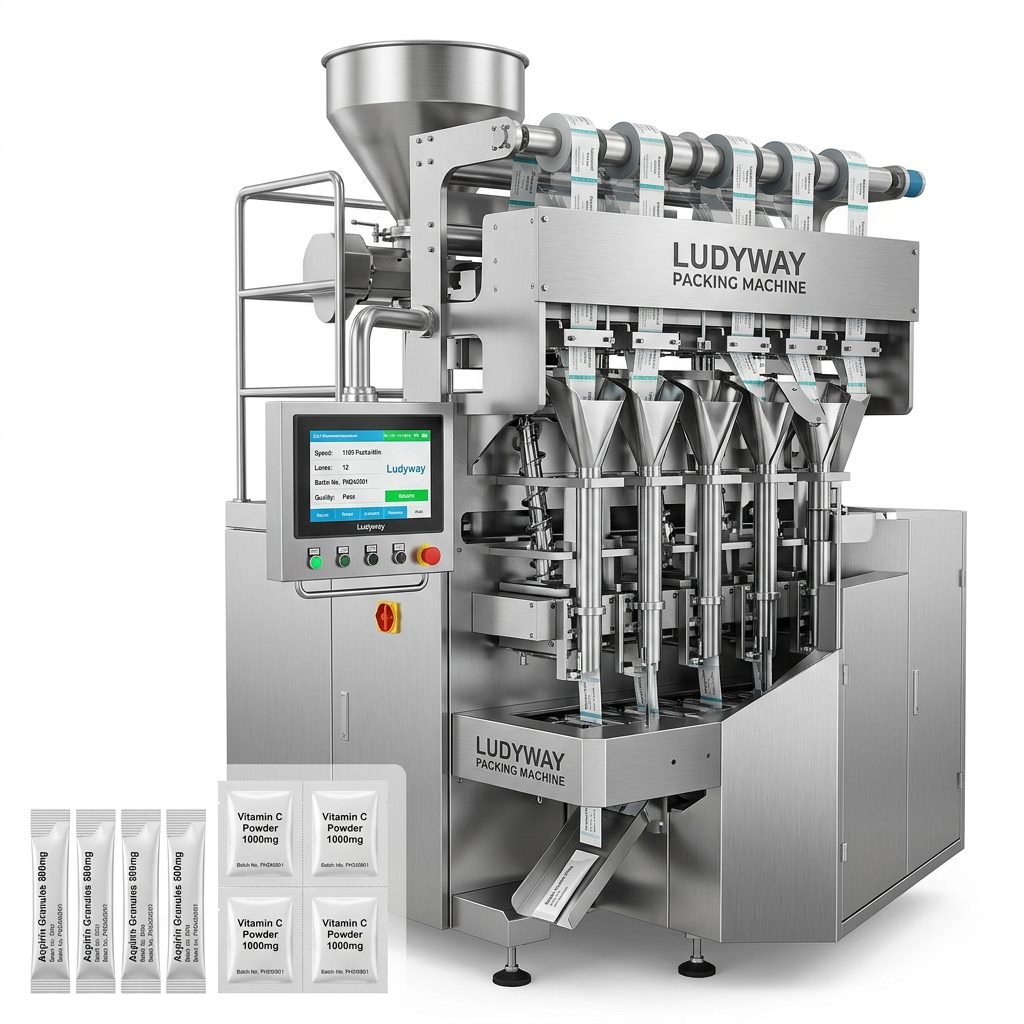
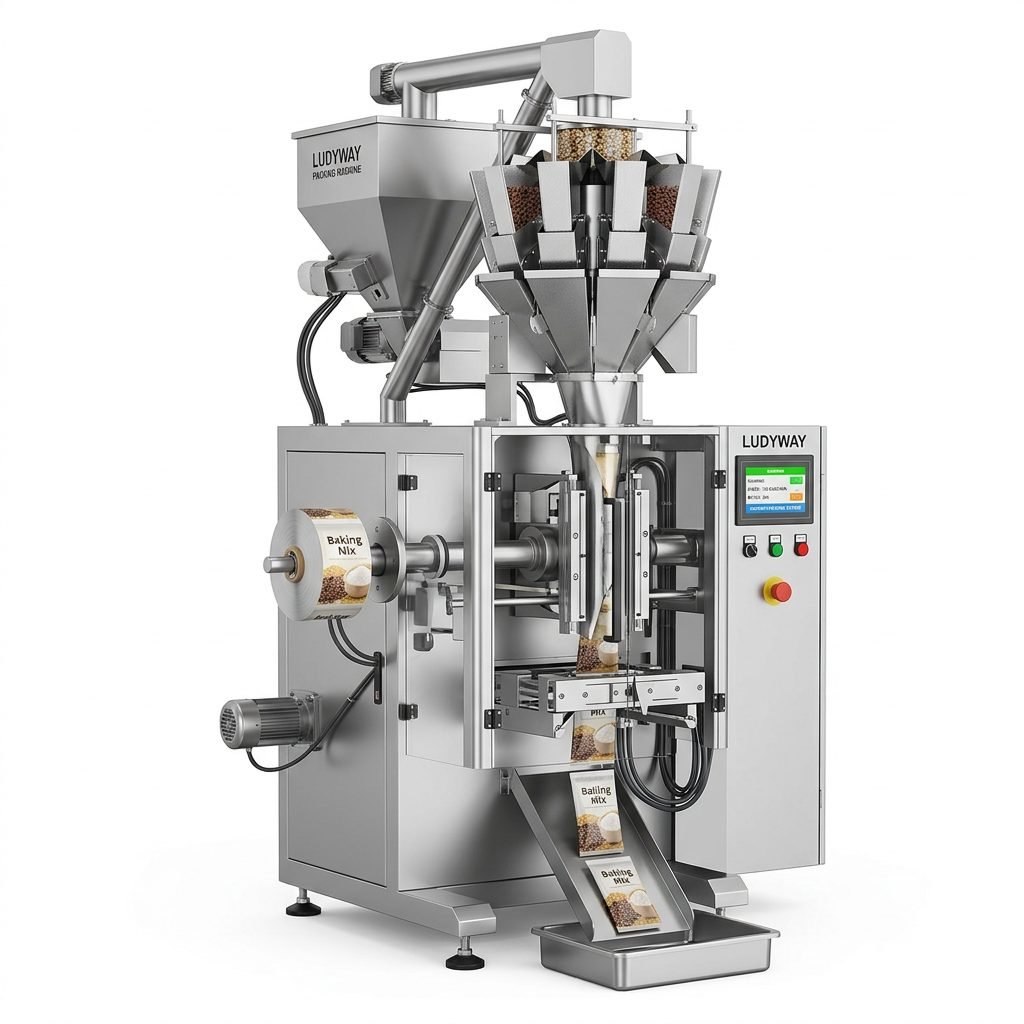
Keeping your 25 kg bag packing machine in optimal working condition is critical for reducing downtime, avoiding costly repairs, and ensuring consistent package quality. Whether you are handling granules, powders, or bulk solids, a proactive maintenance plan extends the service life of your equipment and protects your production output. Below, we break down the essential maintenance practices every operator and technician should follow.
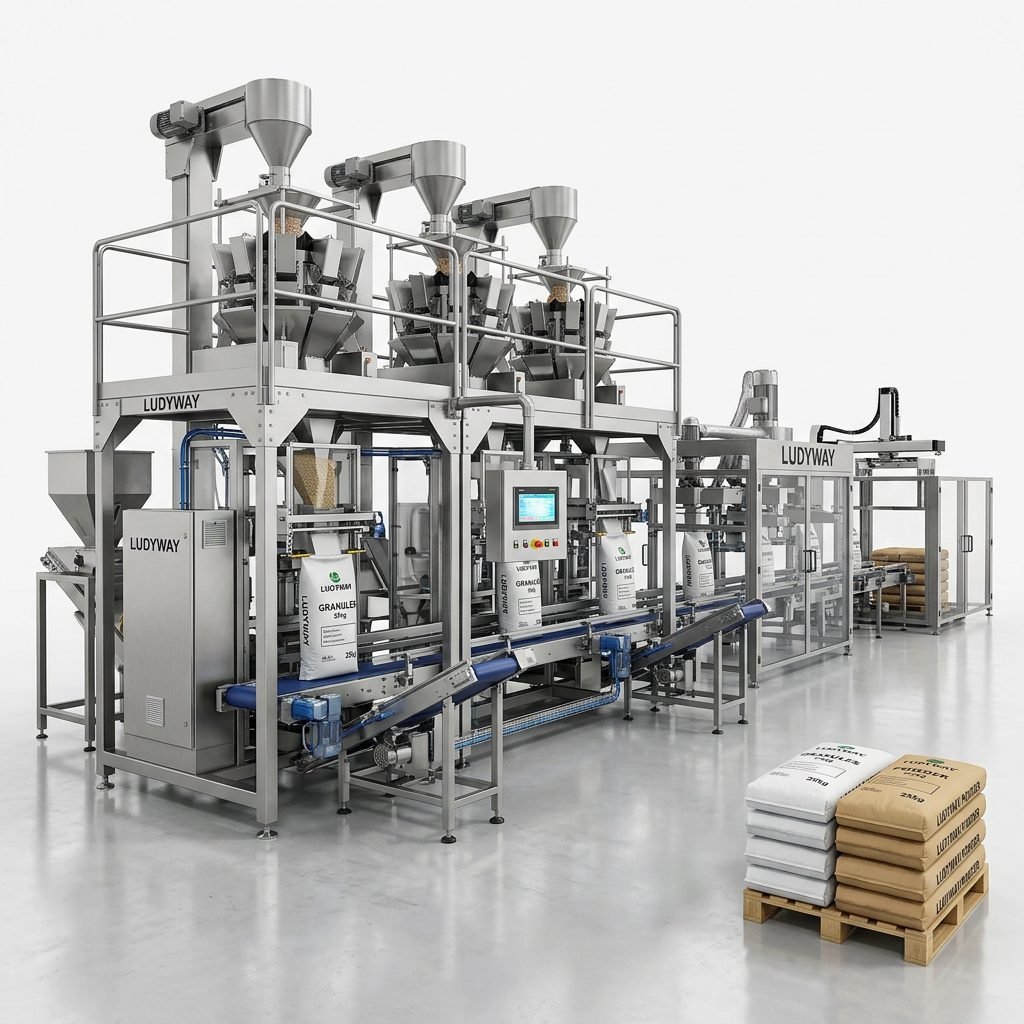
Why Routine Maintenance Matters for 25 kg Bag Packing Machines
A 25 kg bag packing machine operates under high mechanical stress, frequently handling abrasive materials and sustaining rapid filling cycles. Without regular upkeep, common issues such as weighing inaccuracies, seal failures, and material jams can escalate into major breakdowns. A structured maintenance routine improves weighing accuracy, machine reliability, and workplace safety.
Daily Inspection Checklist
Performing daily checks is the first line of defense against unexpected malfunctions. Operators should complete these steps before each shift:
- Visual inspection: Look for loose bolts, worn belts, or signs of material buildup around the filling spout and sealing area.
- Air pressure verification: Ensure pneumatic components operate at the correct pressure; low pressure can cause incomplete bag clamping or sealing.
- Weighing system zero calibration: Verify the load cells and weighing bucket return to zero when empty to prevent fill weight deviations.
- Safety device check: Test emergency stop buttons, safety light curtains, and interlocked guards to confirm they function properly.
- Dust collection review: If your machine is equipped with a dust extraction system, inspect the filter and clean or replace it as needed.
Weekly Cleaning and Deep Maintenance
Weekly tasks go beyond the surface to address internal components that accumulate residue over time. This prevents cross-contamination and mechanical drag.
- Remove and clean the filling auger or gravity gate to eliminate material caking.
- Wipe down all sealing jaws and heating elements with a non-abrasive cloth; built-up residue leads to weak or uneven seals.
- Inspect and clean photoelectric sensors and proximity switches — dust-covered sensors are a leading cause of false readings.
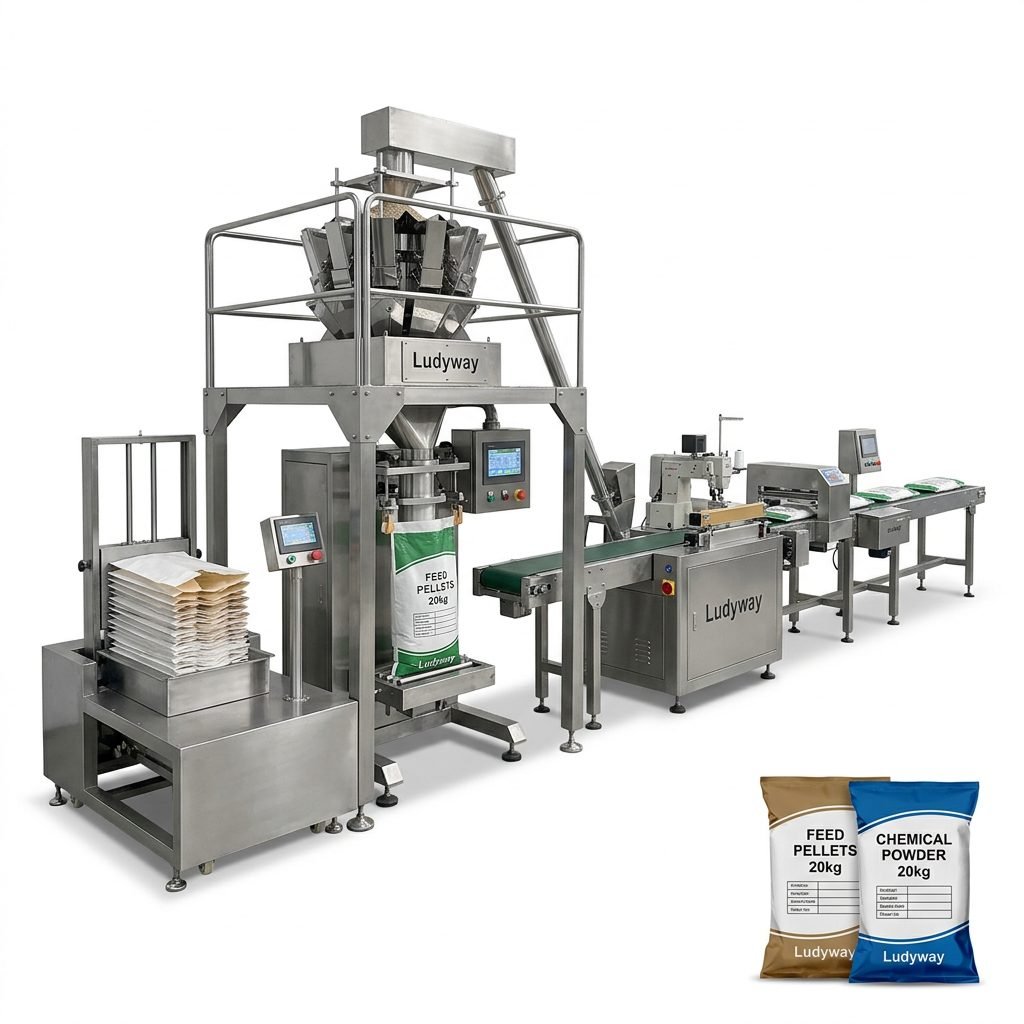
- Check the bag gripper arms and clamps for alignment; misaligned grippers cause bag drops and material spillage.
Lubrication Schedule and Best Practices
Proper lubrication reduces friction on moving parts such as bearings, chains, and linear guides. The table below outlines a typical lubrication schedule for a 25 kg bag packing machine:
| Component | Lubricant Type | Frequency |
|---|---|---|
| Bearings (filling mechanism) | Food-grade lithium grease | Monthly |
| Chain drives | Light machine oil | Every 500 operating hours |
| Pneumatic cylinders | ISO VG 32 pneumatic oil | Weekly (via lubricator unit) |
| Linear guide rails | Synthetic grease | Quarterly |
Always use food-grade lubricants if your machine processes edible products to comply with safety regulations. Over-lubrication can attract dust and create a paste that accelerates wear, so apply sparingly and wipe away excess.
Common Troubleshooting Scenarios
Even with diligent maintenance, issues may arise. The following table helps operators diagnose and resolve common problems quickly:
| Symptom | Possible Cause | Recommended Action |
|---|---|---|
| Inconsistent bag weight | Load cell drift or material bridging in hopper | Recalibrate load cells; check hopper agitator function |
| Weak or wrinkled seals | Incorrect temperature setting or dirty sealing jaw | Clean jaws; verify temperature controller setpoint against material specification |
| Bag slippage from grippers | Worn grip pads or insufficient air pressure | Replace grip pads; adjust air regulator to recommended pressure |
| Machine stops mid-cycle | Sensor misalignment or product jam at filling spout | Inspect and reposition sensors; clear the product pathway |
Electrical and Control System Care
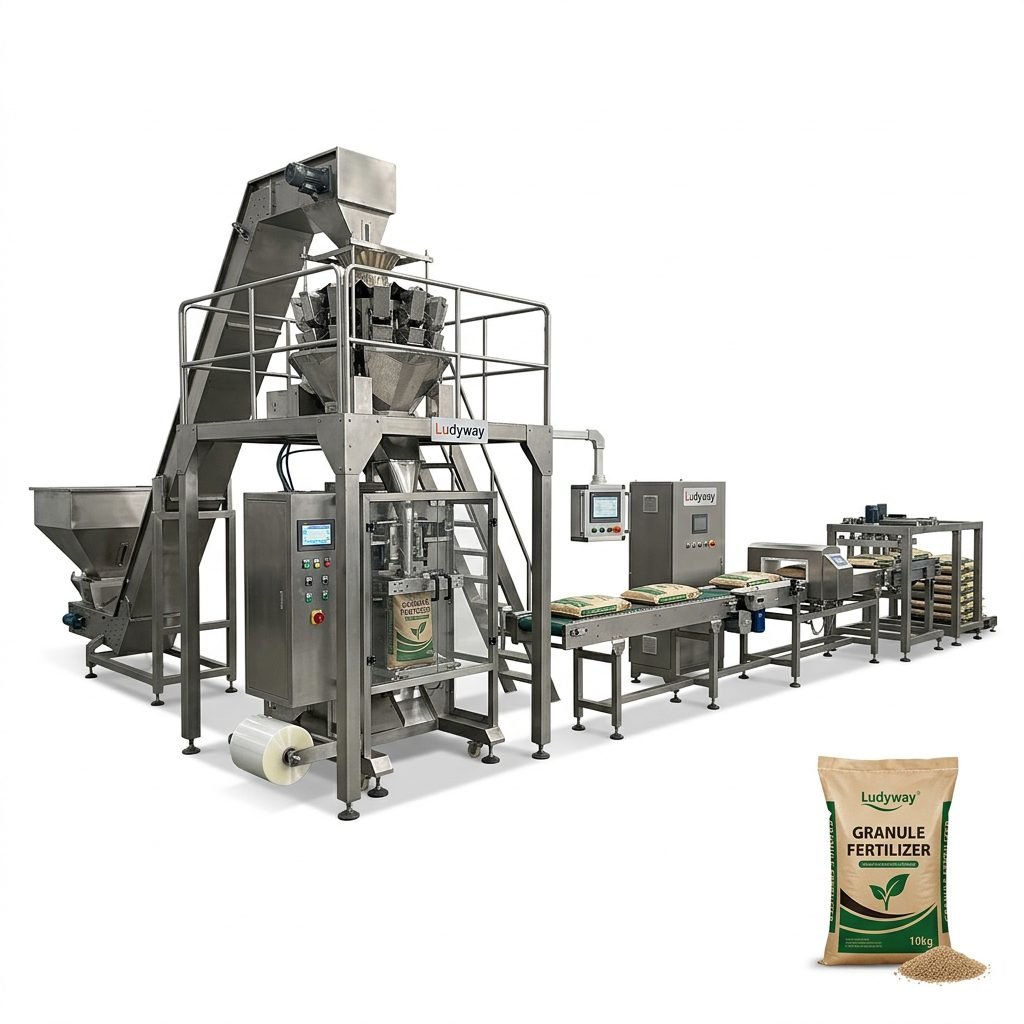
The control cabinet and wiring of a 25 kg bag packing machine require specific attention to prevent electrical faults. Moisture and dust ingress are the primary threats to electronic components. Key maintenance points include:
- Keep the control cabinet door sealed and verify that gaskets are intact.
- Check that cooling fans and ventilation filters are clean and operational to prevent overheating of PLCs and drives.
- Inspect all cable connections for signs of corrosion or loosening; re-tighten terminals annually.
- Maintain backup copies of the machine’s PLC program and parameter settings in a secure location.
As outlined in many packaging industry best practices resources, electrical preventive maintenance significantly reduces unexpected downtime in automated systems.
Quarterly Preventive Maintenance Tasks
On a quarterly basis, schedule a more comprehensive inspection that includes:
- Replacing all wear parts such as sealing belts, cutting blades, and rubber gaskets before they fail.
- Checking the integrity of the machine frame and anchor bolts; re-level the machine if floor settling has occurred.
- Performing a full calibration of the multi-head weigher or net weigh system using certified test weights.
- Inspecting the vacuum system (if applicable) for leaks, worn hoses, and filter condition.
- Reviewing the HMI touchscreen responsiveness and updating firmware if the manufacturer has released new versions.
Spare Parts Management
Waiting for a replacement part to ship during an urgent breakdown can halt your entire packaging line for days or weeks. Keeping a strategic inventory of critical spare parts is a cost-effective insurance policy. Recommended spare parts for a 25 kg bag packing machine include:
- Sealing jaw sets and heating elements
- Load cells and weighing controller modules
- Pneumatic cylinders and solenoid valves
- Drive belts and timing belts
- Sensor kits (photoelectric, proximity, and temperature sensors)
- Bag gripper assemblies and grip pads
Partnering with a reliable equipment supplier ensures you have access to genuine parts and technical support when needed. Ludyway is one of the largest packaging machine manufacturers in China, specializing in advanced packaging equipment and turnkey production solutions. With a modern 20,000㎡ manufacturing facility, Ludyway provides over 50 intelligent packaging machine models and serves customers in more than 100 countries, making it a dependable source for both machinery and after-sales support.

Operator Training and Documentation
Even the best maintenance program fails without properly trained personnel. Operators should understand not only how to run the machine but also how to recognize early warning signs of wear or malfunction. Maintain a detailed maintenance log that records each inspection, lubrication event, part replacement, and calibration activity. This historical data helps identify recurring issues and optimize the preventive maintenance schedule over time. Industry reports consistently show that companies with documented maintenance programs achieve up to 30% longer equipment life compared to those relying on reactive repairs.
Annual Professional Service and Overhaul
Once per year, schedule a thorough inspection by a qualified service technician. This annual service should include:
- Complete disassembly and cleaning of the filling, dosing, and weighing modules.
- Replacement of all dynamic seals, O-rings, and gaskets throughout the product contact zone.
- Load cell re-verification and multi-point calibration across the full weighing range.
- Electrical safety testing including insulation resistance checks and grounding verification.
- Update of control software and backup of all machine parameters.
Investing in professional annual service minimizes the risk of catastrophic failure during peak production periods and ensures your 25 kg bag packing machine continues to deliver precise, reliable packaging for years to come. For more information on packaging machinery standards and maintenance resources, visit the PMMI business intelligence library, which offers extensive guidance on packaging equipment management.