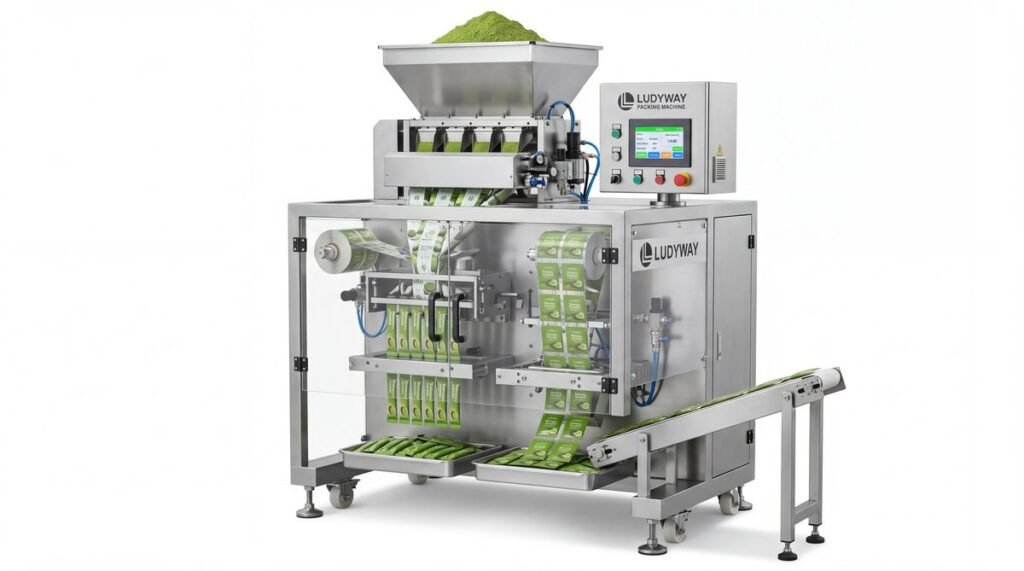
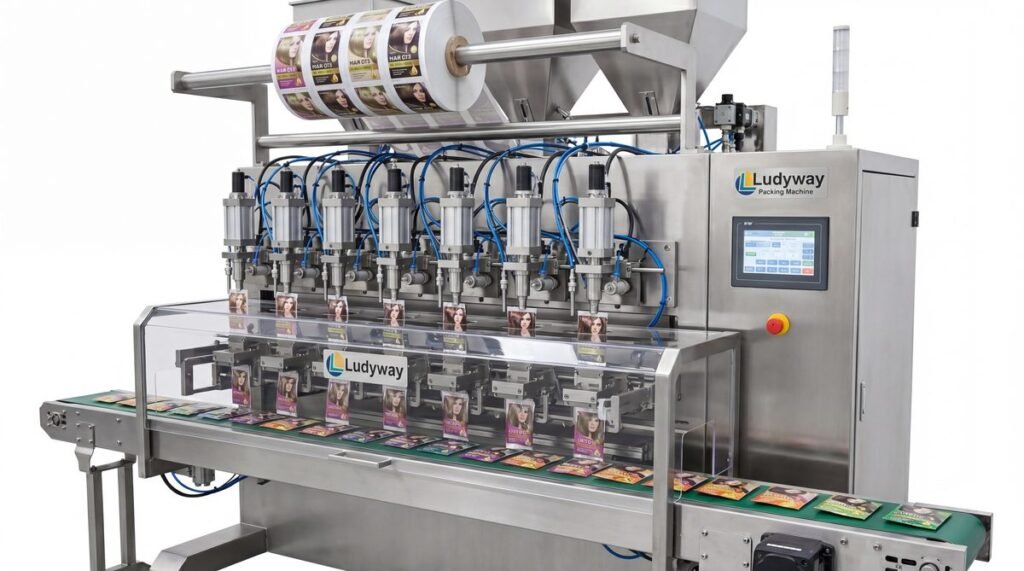
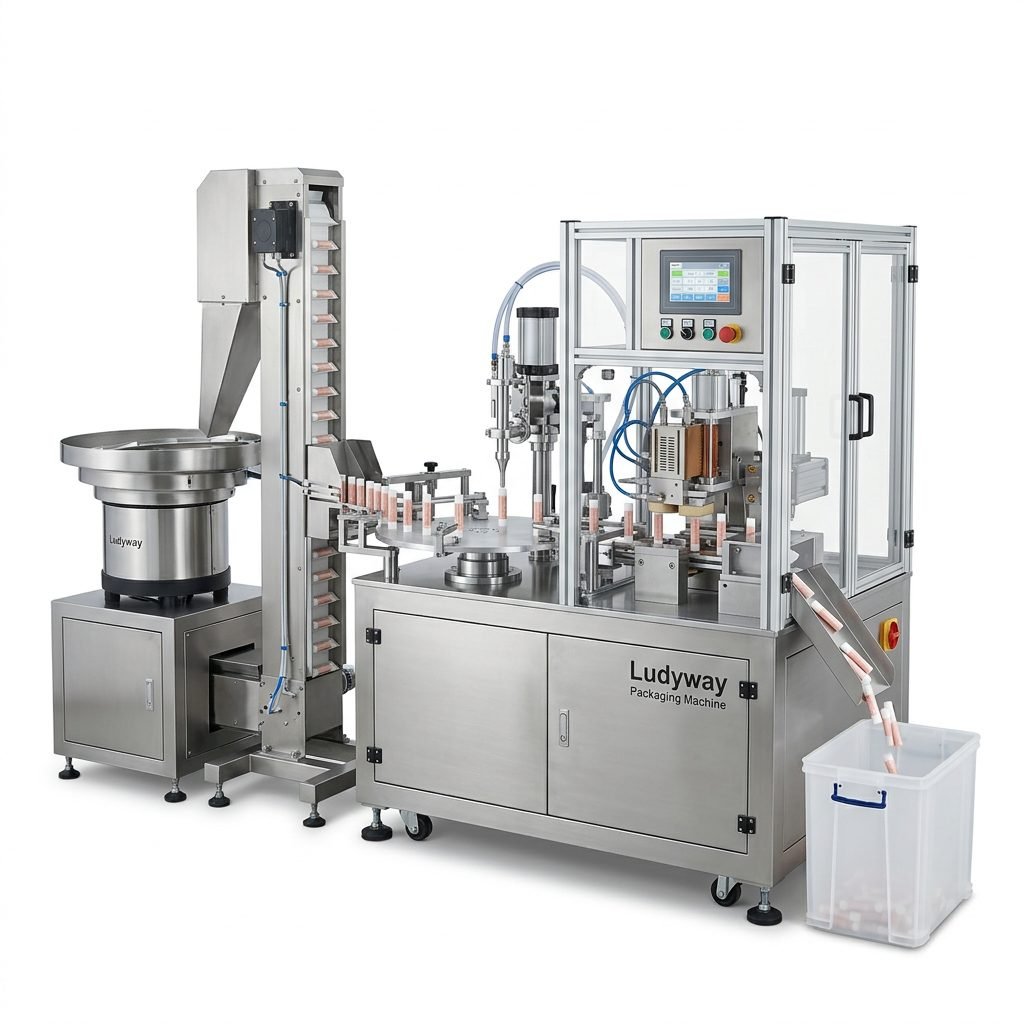
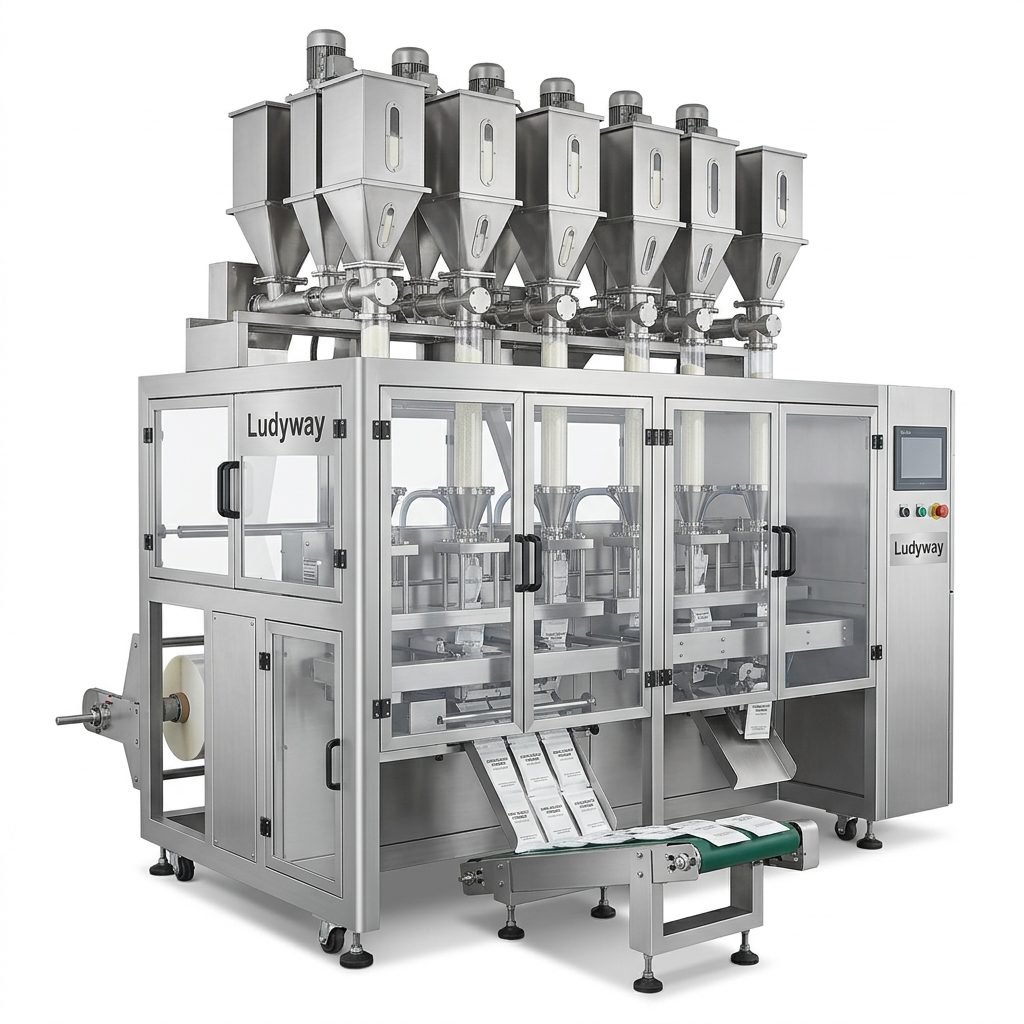
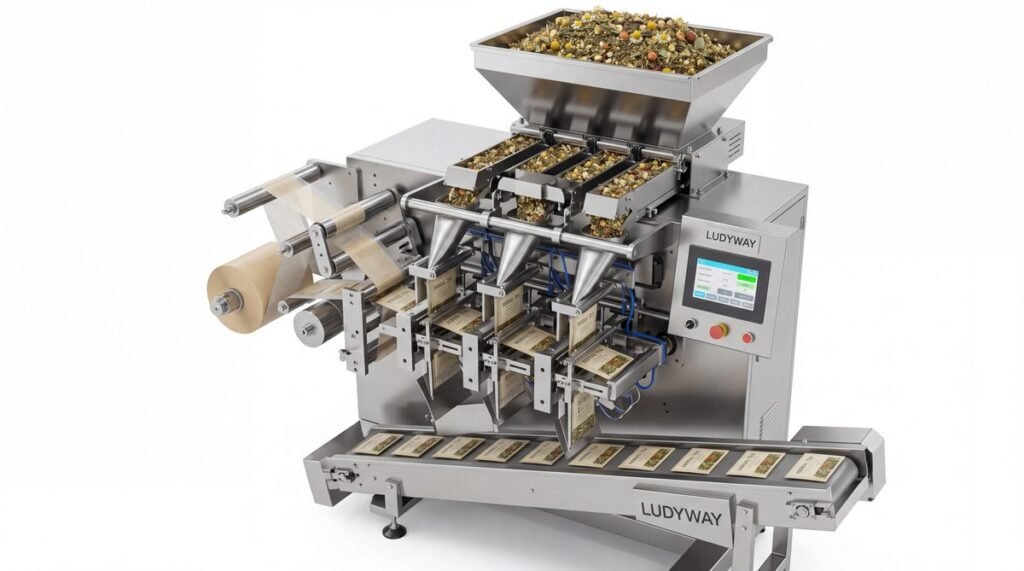
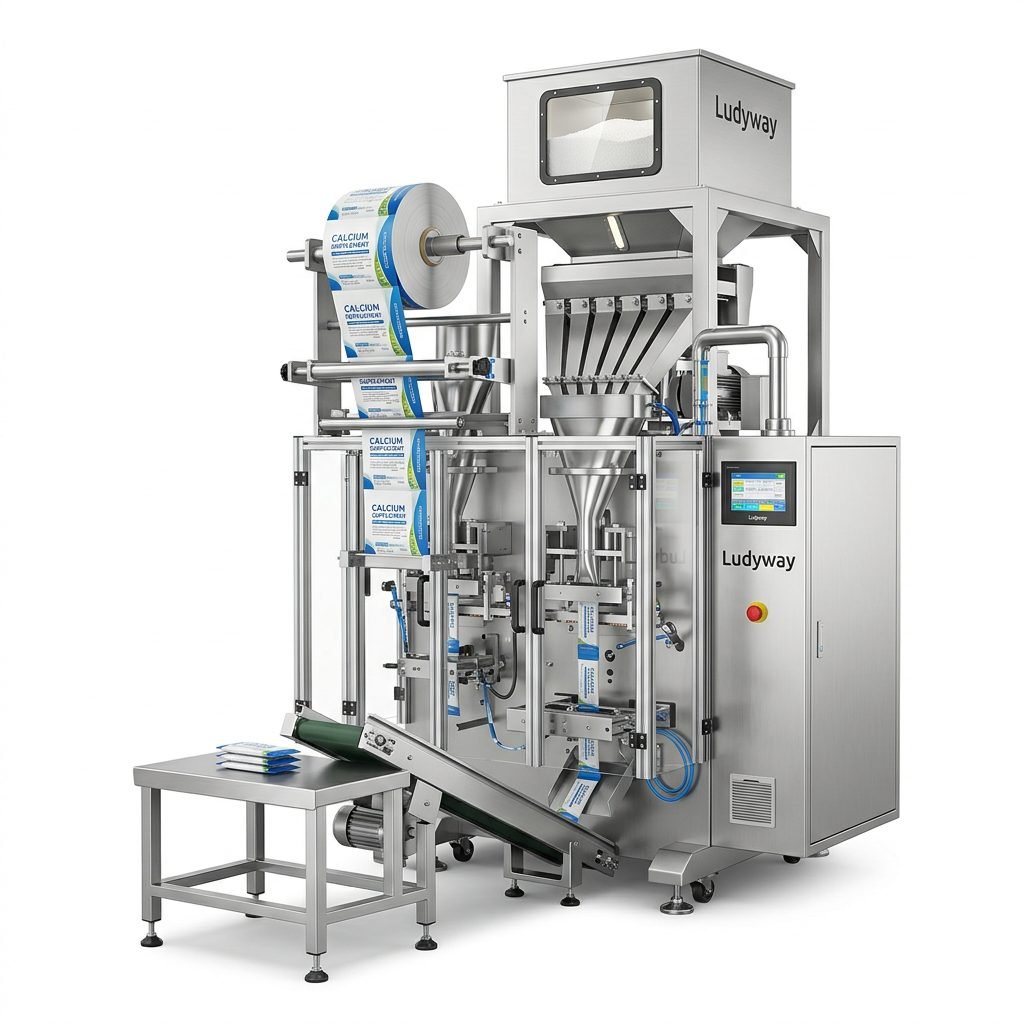
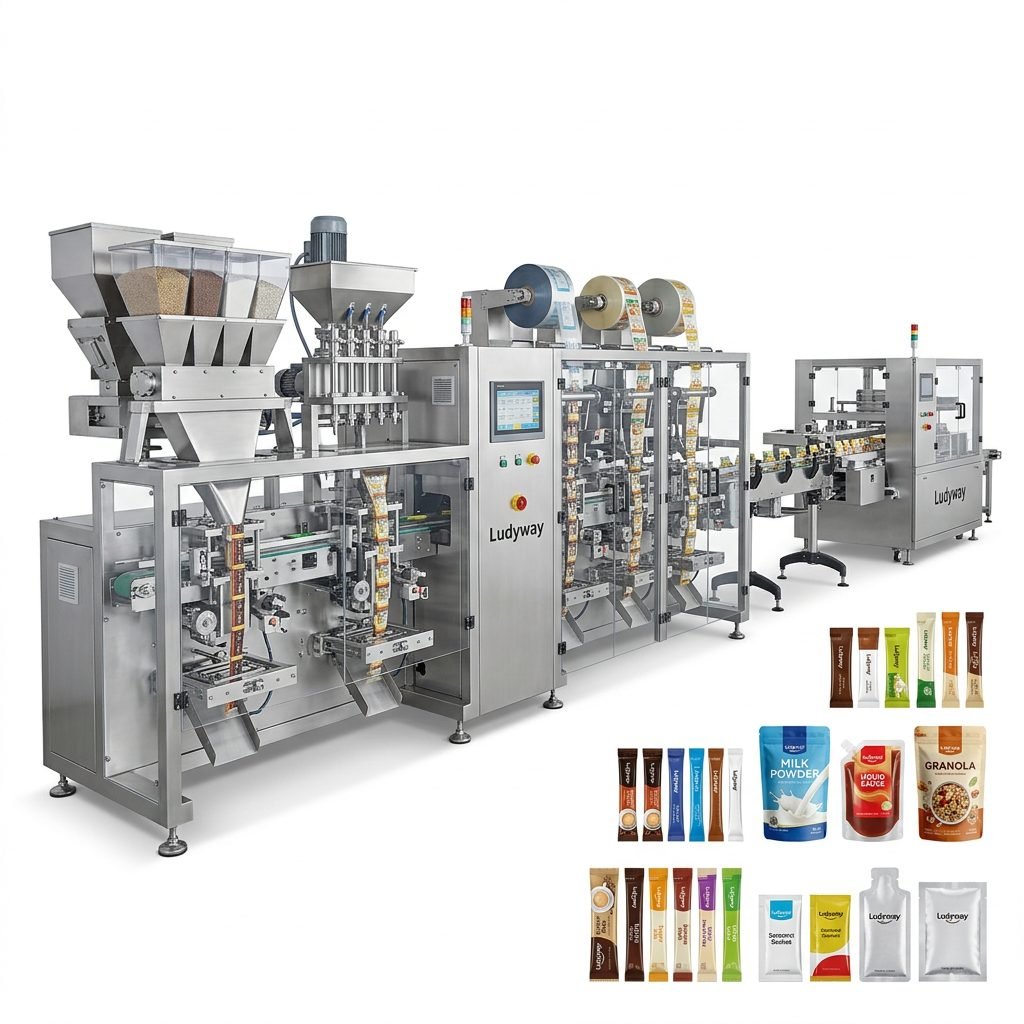
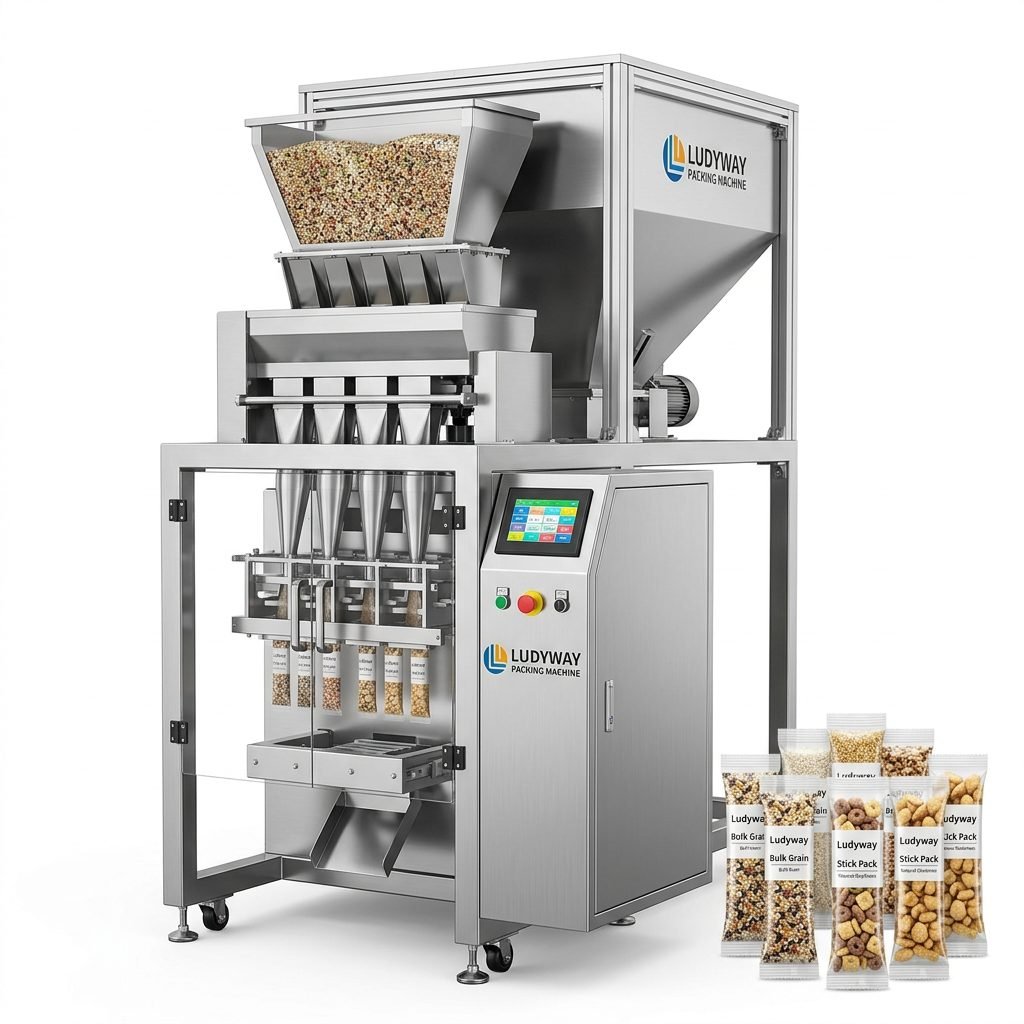
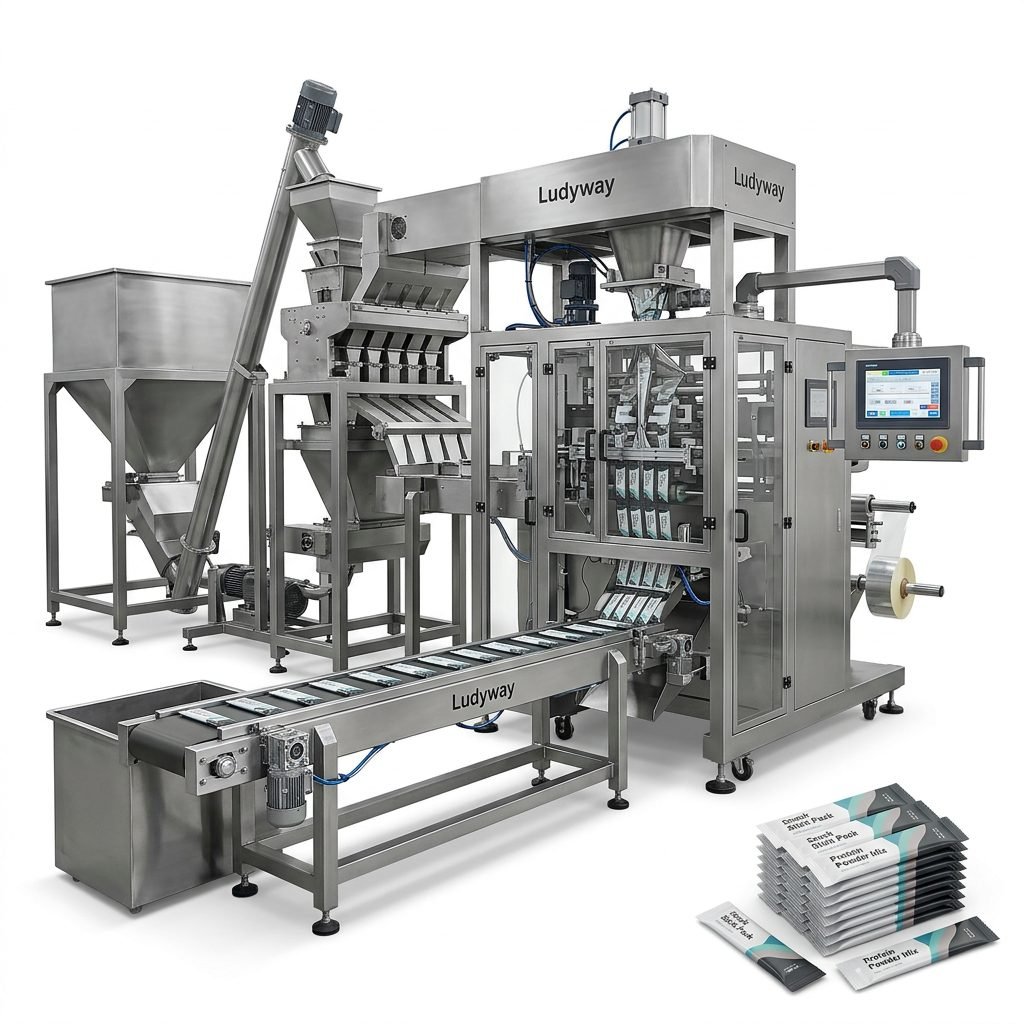
Maintaining a liquid blister packing machine is not just about wiping down surfaces at the end of a shift. It is a systematic approach to ensuring precision, hygiene, and long-term reliability. Without a rigorous cleaning protocol, residue buildup can compromise seal integrity, lead to leaks, and ultimately cause significant downtime. This guide walks you through the essential steps required to keep your equipment running at peak performance.
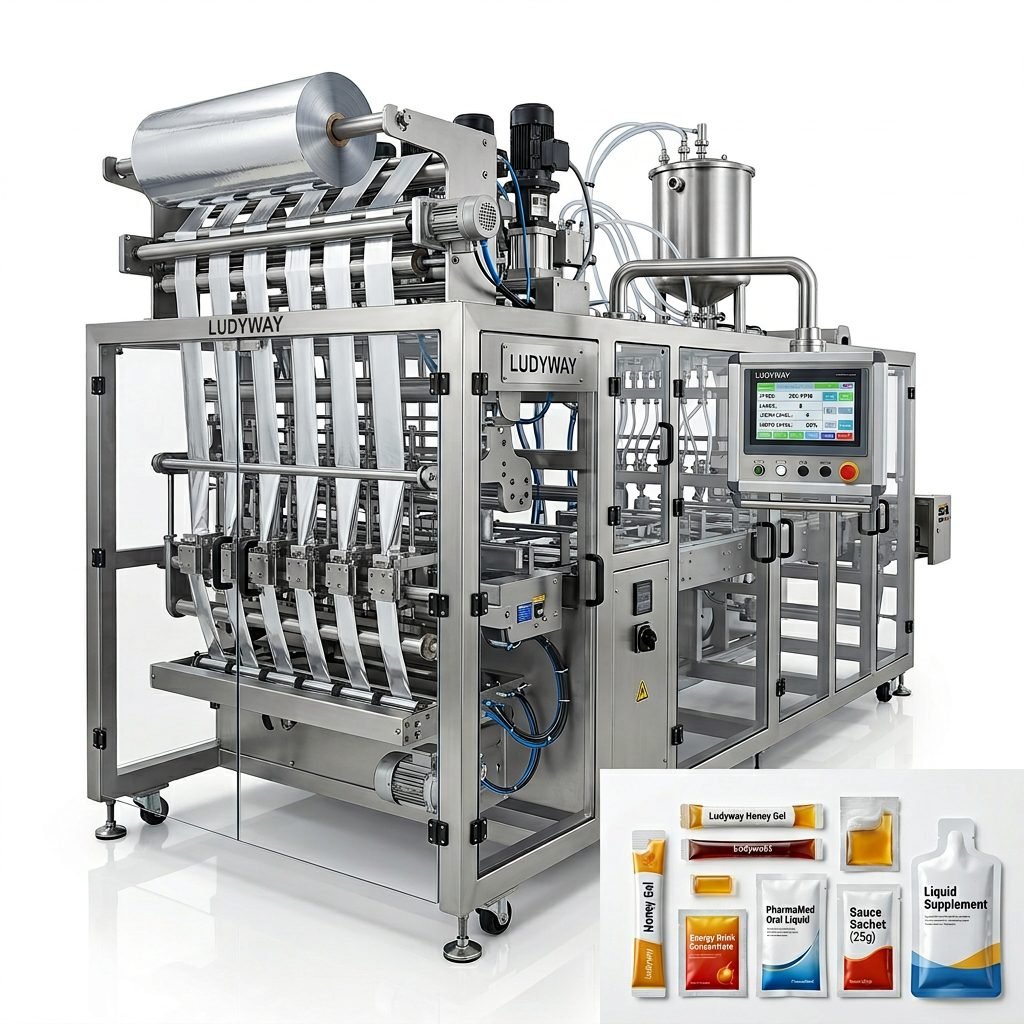
1. Daily Cleaning Protocol for Liquid Blister Machines
The daily routine is your first line of defense against contamination and mechanical wear. Liquid products, especially those with sugar or acidic content, can be highly corrosive if left to dry on machine components.
Immediate Post-Production Rinse
As soon as production stops, flush the liquid pathways with a compatible cleaning solution. Pay close attention to the filling nozzles. If the machine handles sticky or viscous liquids, you may need to dismantle the nozzles for a thorough manual scrub to prevent blockages that affect fill accuracy.
Surface Decontamination
Use food-grade sanitizers to wipe down all contact surfaces, including the forming die and sealing plates. Do not use abrasive pads that can scratch the metal and create niches for bacteria. A clean machine ensures that subsequent batches meet strict food packaging safety standards.
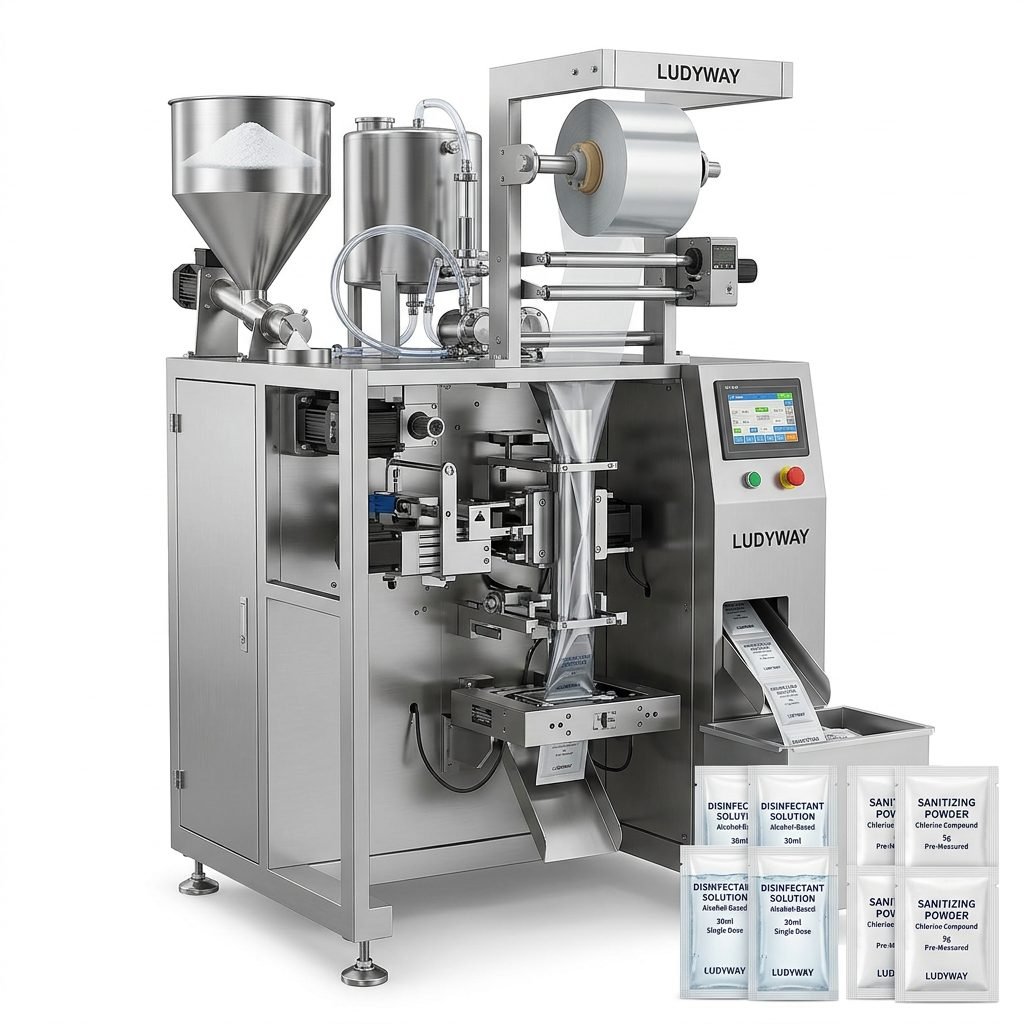
2. Weekly Deep Cleaning and Mechanical Checks
While daily cleaning focuses on product contact areas, weekly maintenance dives deeper into the mechanical heart of the blister packing system.
- Sealing Station Inspection: Remove debris from the sealing jaws. Check the Teflon coating for scratches or peeling, as damaged surfaces cause inconsistent sealing.
- Forming Mold Care: Inspect the mold for residue. Cooling channels must be clear to ensure proper blister formation.
- Sensor Calibration: Wipe optical sensors with a lint-free cloth. Dust or liquid mist on sensors often triggers false alarms.
- Chain and Drive Tension: Check the tension of the indexing chain. A loose chain leads to misalignment and crushed blisters.
3. Critical Monthly Lubrication Points
Proper lubrication is critical for high-speed operations. However, in the liquid packaging sector, you must balance lubrication with the risk of product contamination.
| Lubrication Zone | Lubricant Type | Frequency | Critical Note |
|---|---|---|---|
| Main Drive Gearbox | Synthetic Oil | Check Monthly | Listen for grinding noises |
| Linear Bearings | Food-Grade Grease | Monthly | Never over-grease |
| Sealing Cam Followers | High-Temp Grease | Bi-weekly | Wipe off excess immediately |
| Air Cylinder Rods | Light Machine Oil | Weekly | Prevents seal wear |
Always use NSF H1 registered food-grade lubricants for any point that might incidentally contact the packaging material.
4. Troubleshooting Common Seal Failures
When a liquid blister pack leaks, the cause is rarely simple. Use this checklist to quickly diagnose the root cause of poor sealing integrity:
Residue on Sealing Flanges
The most common culprit. Even a microscopic drop of product on the flange area will prevent a hermetic seal. Ensure your filling needles are perfectly aligned and anti-drip mechanisms are functioning.
Temperature Fluctuations
Check the PID settings of your heater cartridges. A drop of just 5 degrees Celsius can prevent the laminate layers from bonding correctly.
Pressure Consistency
Inspect the pneumatic system. Moisture in the compressed air line can cause erratic cylinder movement, leading to variable sealing pressure across the blister card.
5. Preventative Maintenance Schedule (Quarterly/Yearly)
Scheduled shutdowns are vital for the longevity of your investment.
Quarterly Tasks
- Replace all pneumatic filters.
- Torque-check all electrical connections in the control panel.
- Run a “dry cycle” to verify vacuum and forming station timing.
- Check the condition of heating elements and replace if necessary.
Annual Overhaul
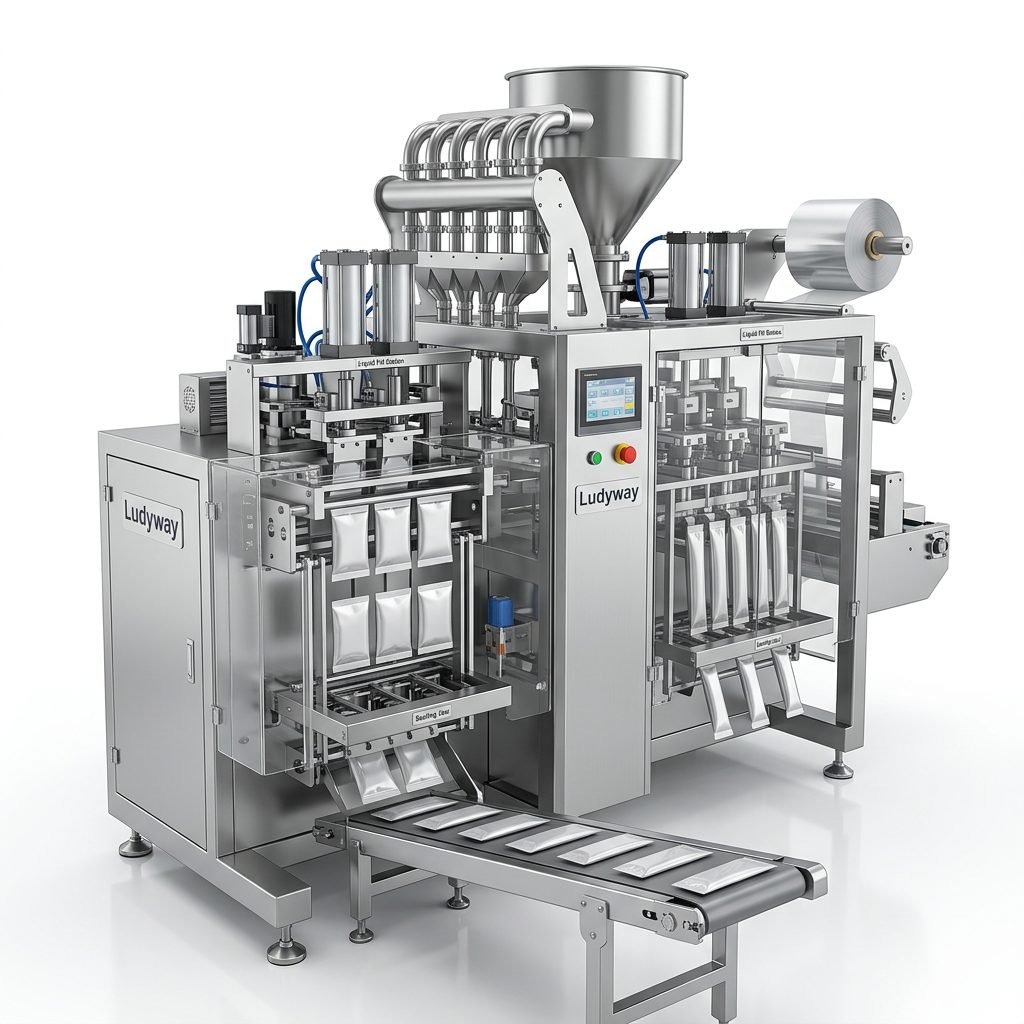
During the annual shutdown, replace critical wear parts like sealing gaskets, forming plugs, and cutting blades. This is also the time to recalibrate the servo drives and update the PLC software if required. Manufacturers like Ludyway design their equipment with modular components to simplify this annual servicing process.
6. Advanced Automation and Remote Monitoring
Modern packaging industry innovations now allow for predictive maintenance. By integrating smart sensors, your liquid blister packing machine can alert you to rising vibration levels or temperature deviations before a catastrophic failure occurs. Utilize SCADA systems to track Overall Equipment Effectiveness (OEE) and schedule maintenance based on actual runtime rather than guesswork.
Key Takeaways for Operational Excellence
To summarize, maintaining a liquid blister packing line requires a shift from reactive repairs to proactive prevention:
- Hygiene First: Dry residue is the enemy of a good seal.
- Document Everything: Keep logs of temperature settings and pressure readings.
- Genuine Spares: Using non-OEM parts often leads to premature wear and invalidates warranties.
- Staff Training: Operators must understand the difference between a mechanical error and a product-related contamination issue.
For further guidance on specific packaging machine solutions and technical support, consulting with a dedicated equipment specialist is always recommended.