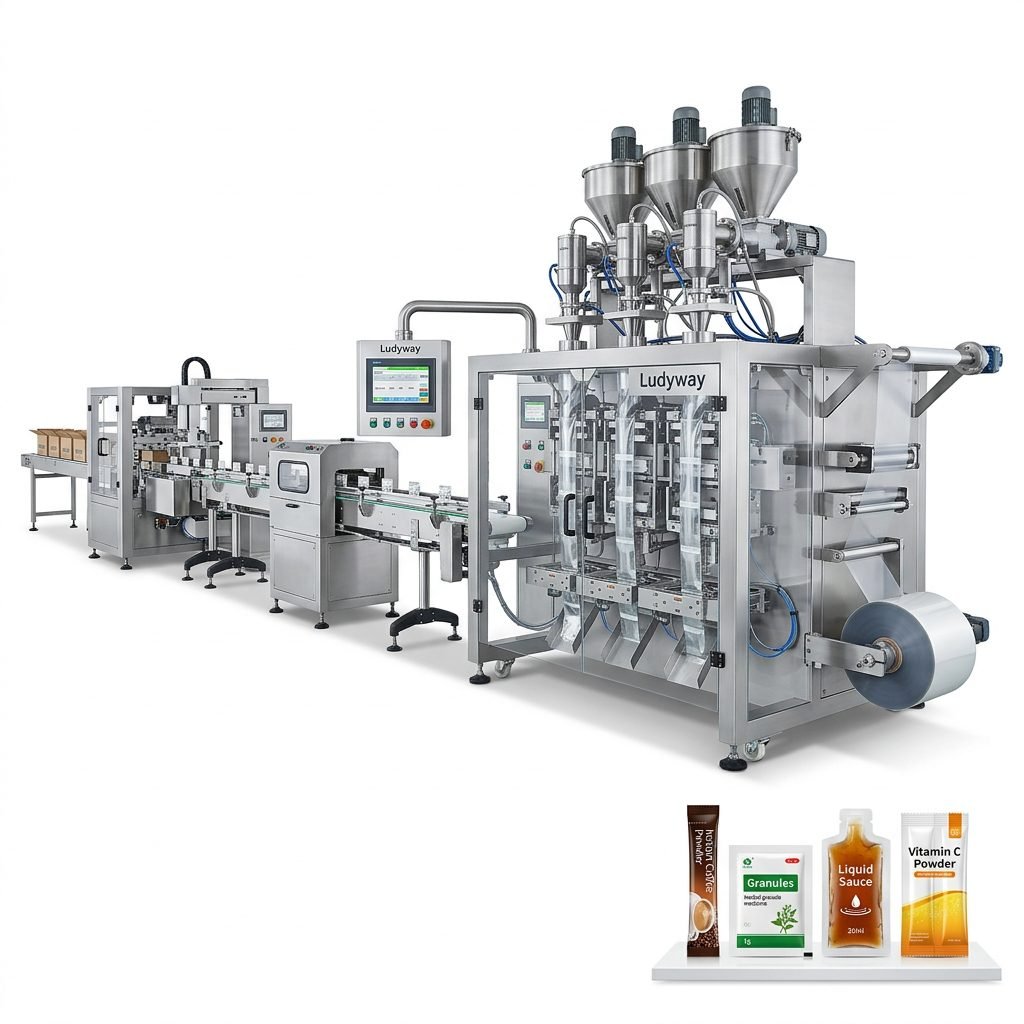
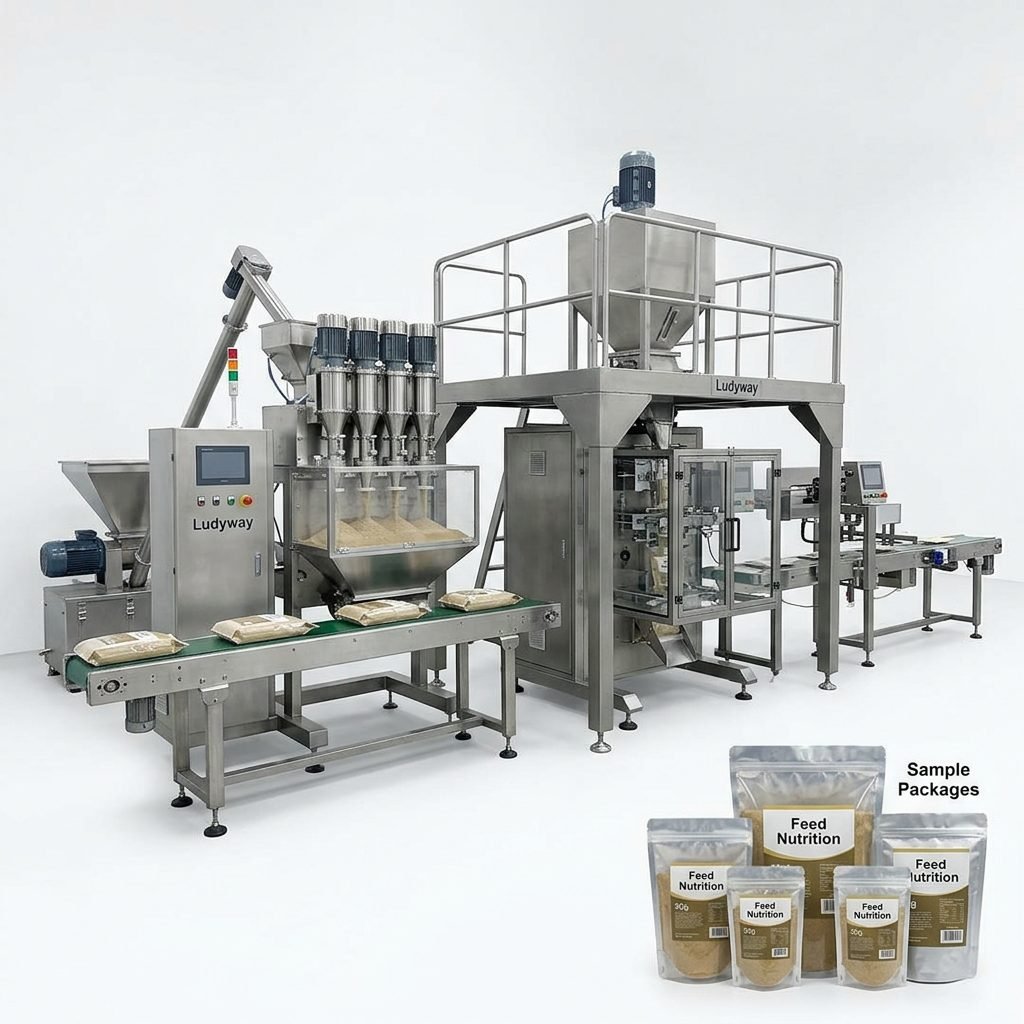
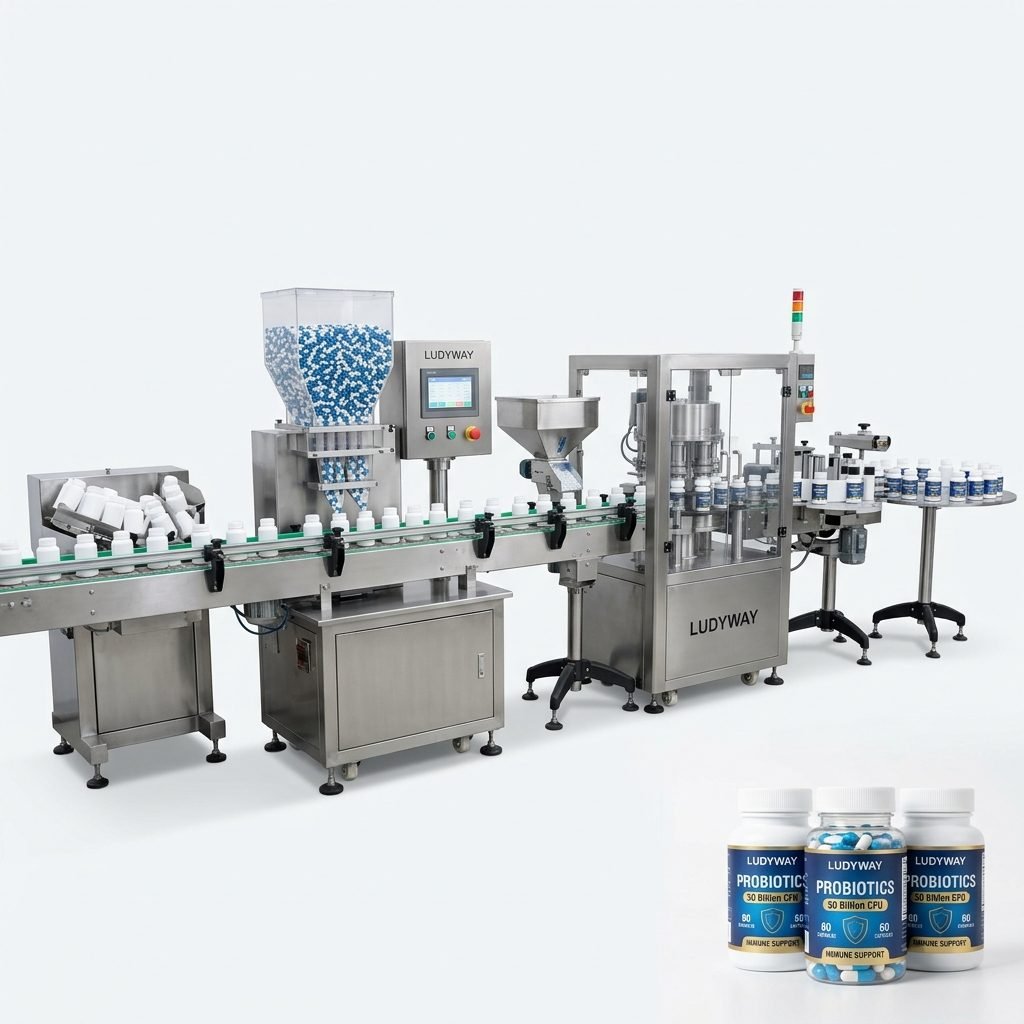
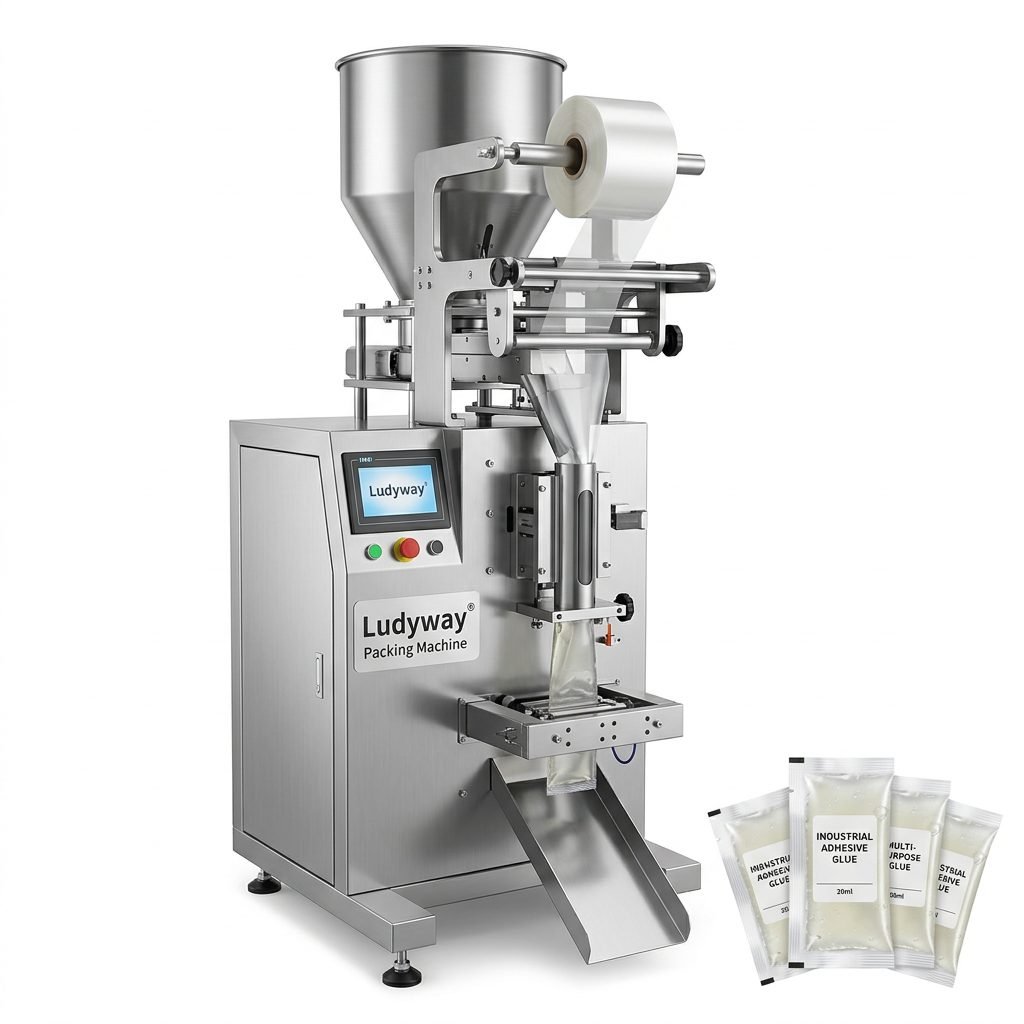
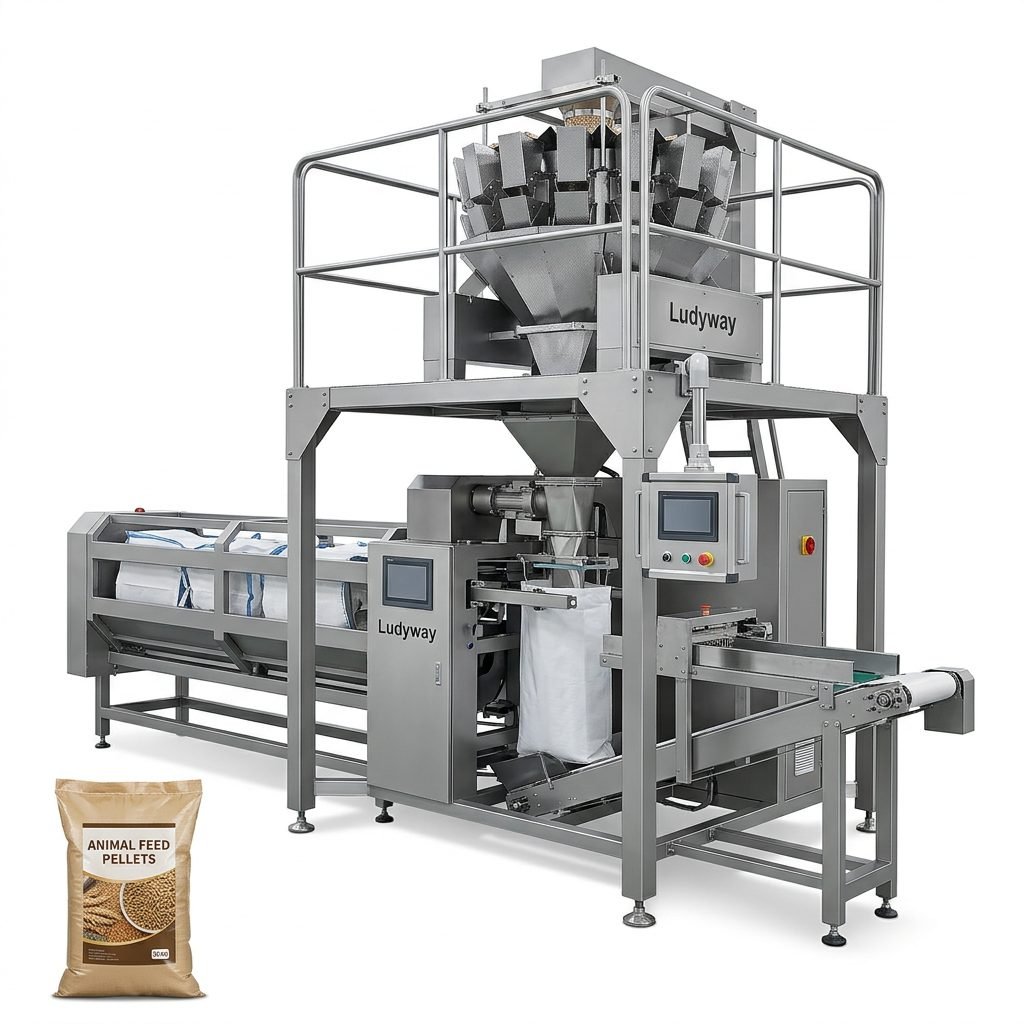
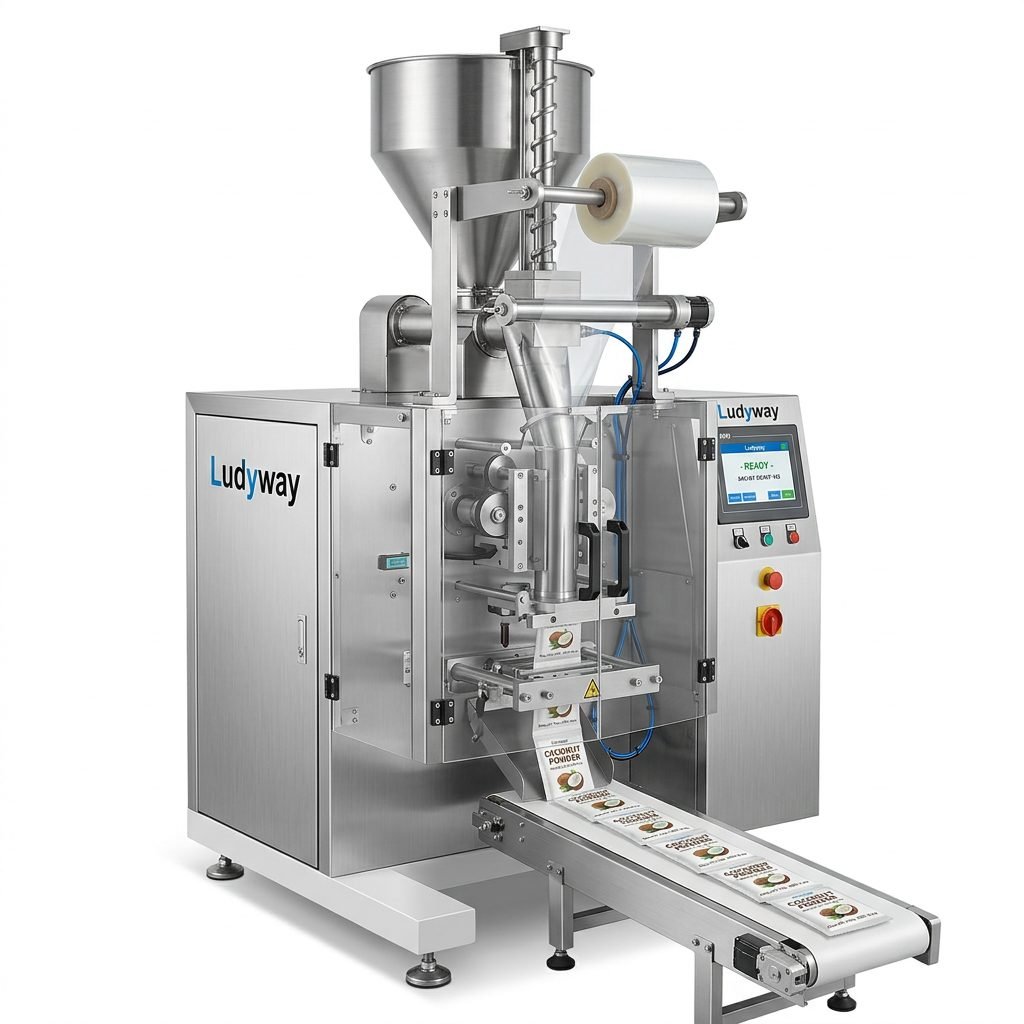
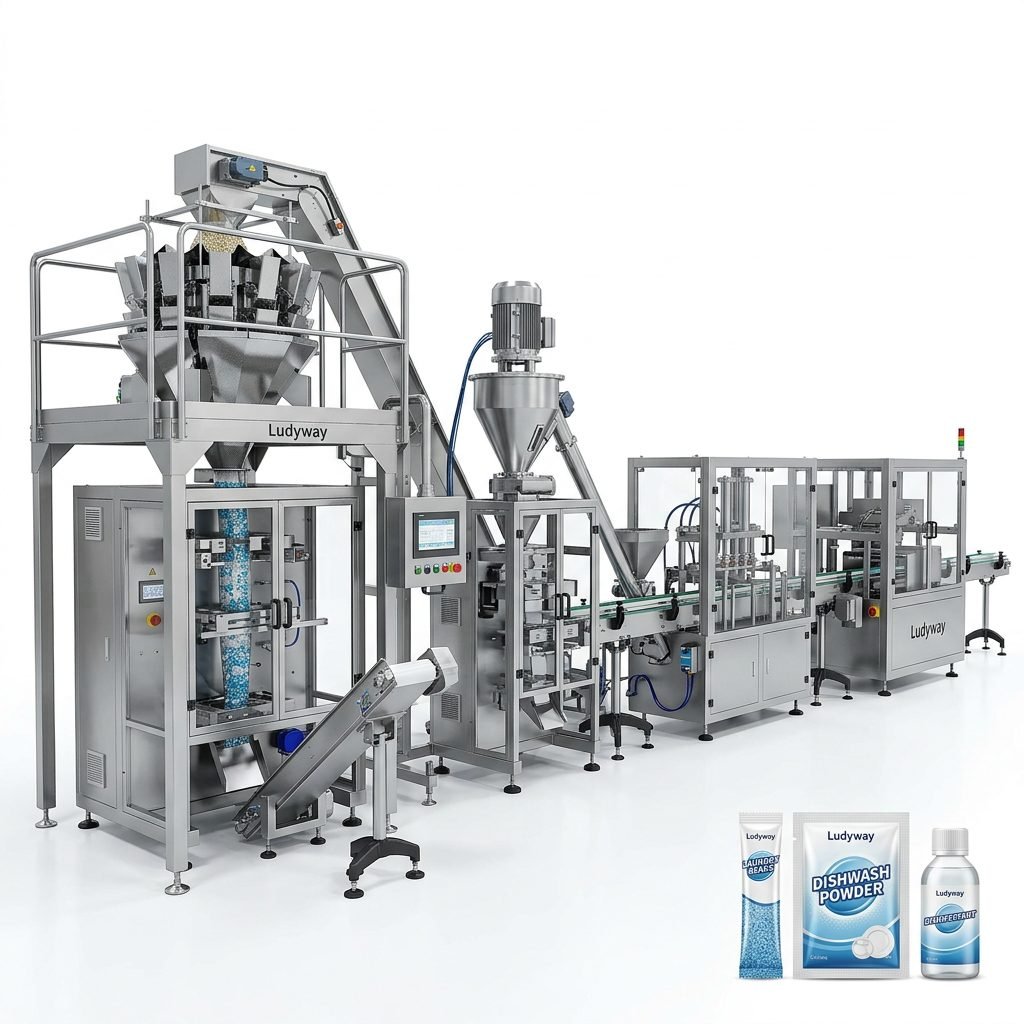
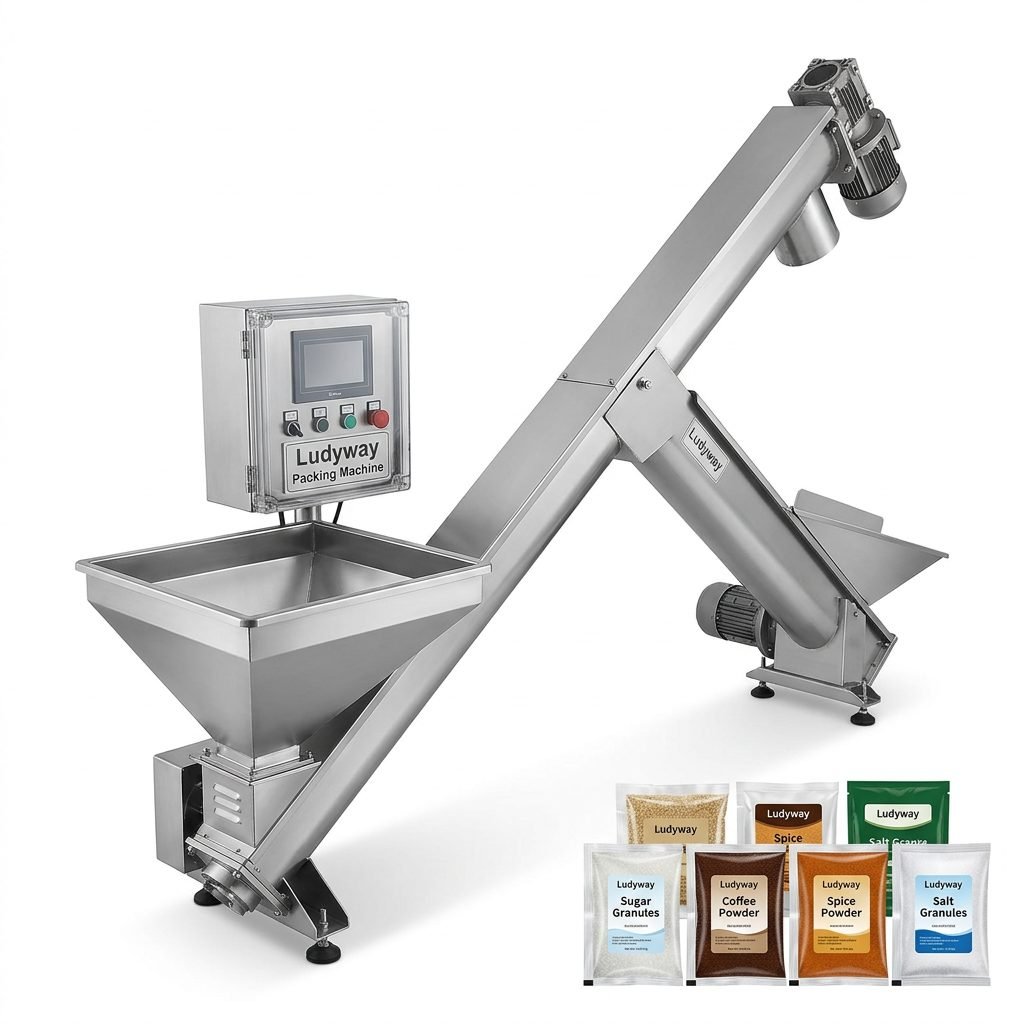
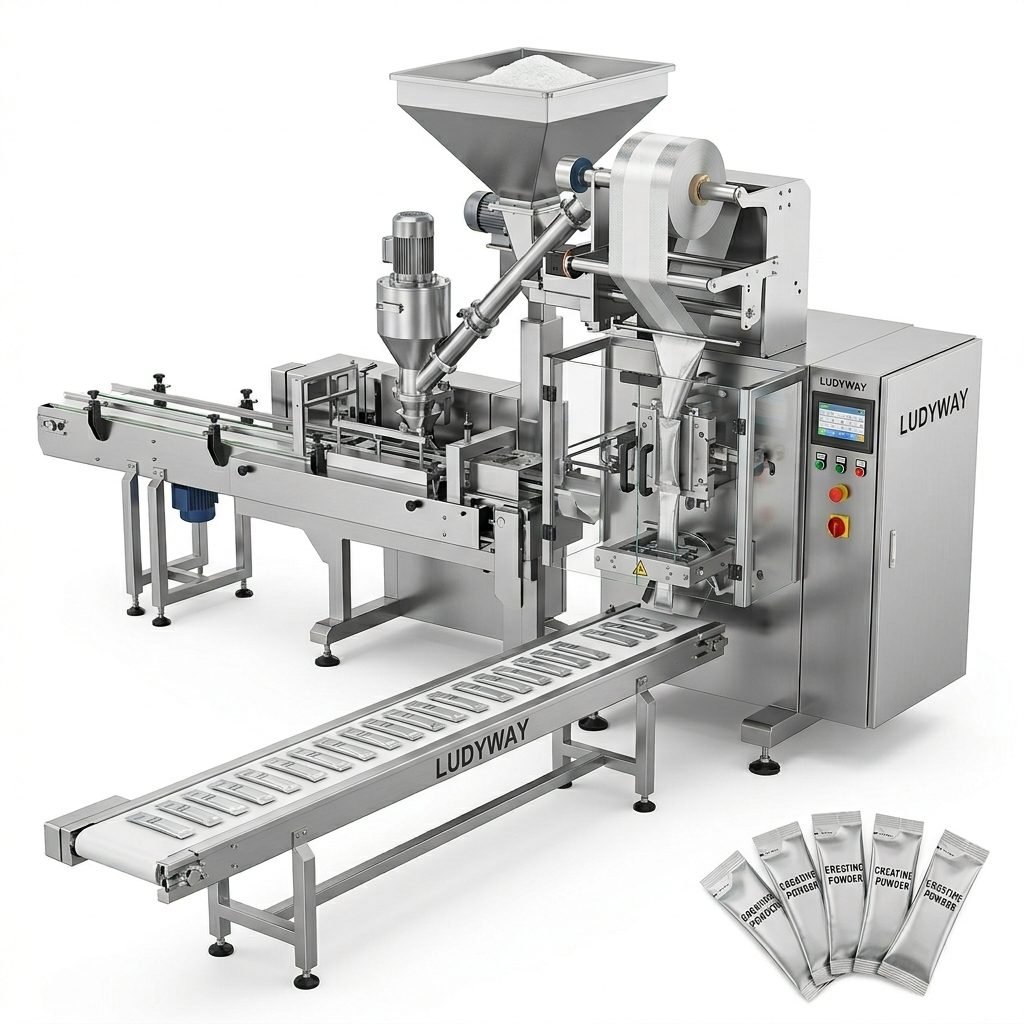
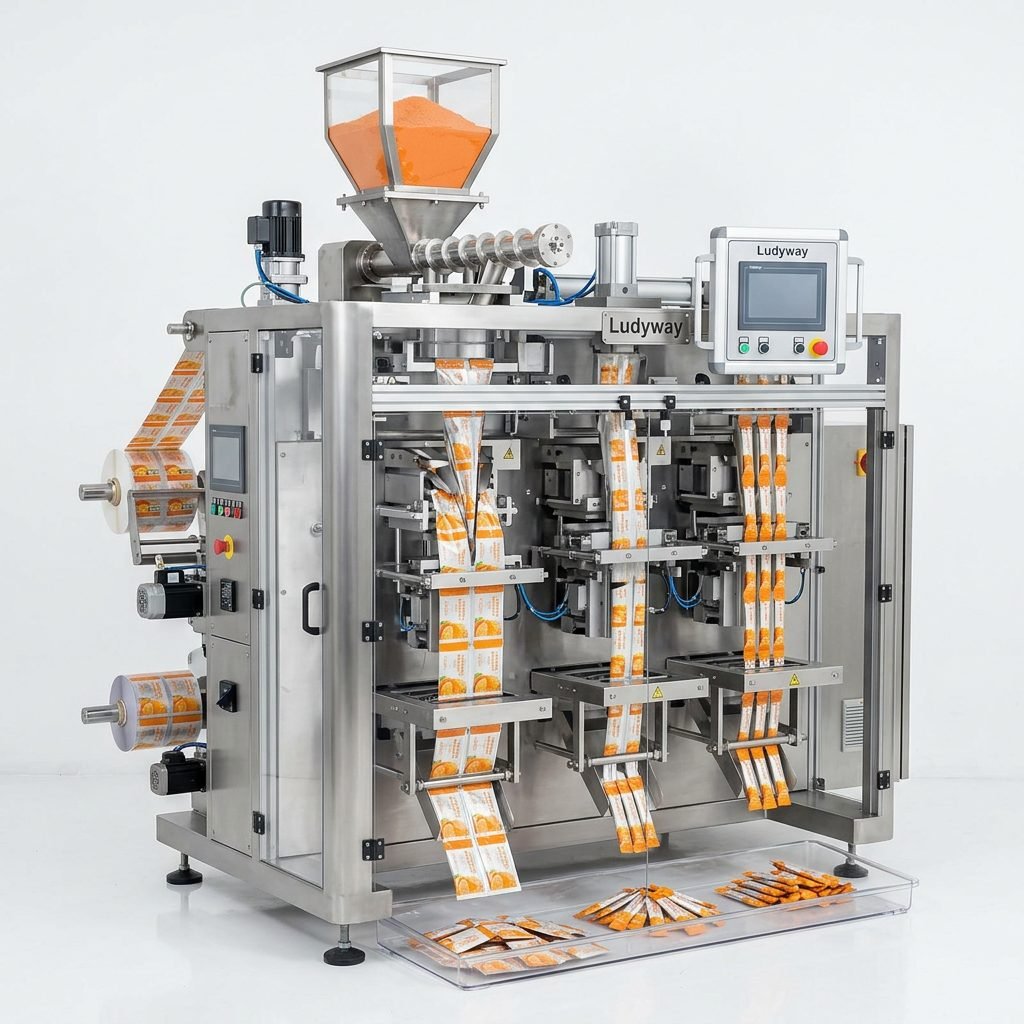
Proper maintenance of a cellophane packaging machine is critical for ensuring consistent output, extending equipment lifespan, and avoiding costly downtime. Whether you operate a multi-lane stick pack system or a single-lane overwrapper, implementing a structured maintenance routine will keep your production line running at peak efficiency.
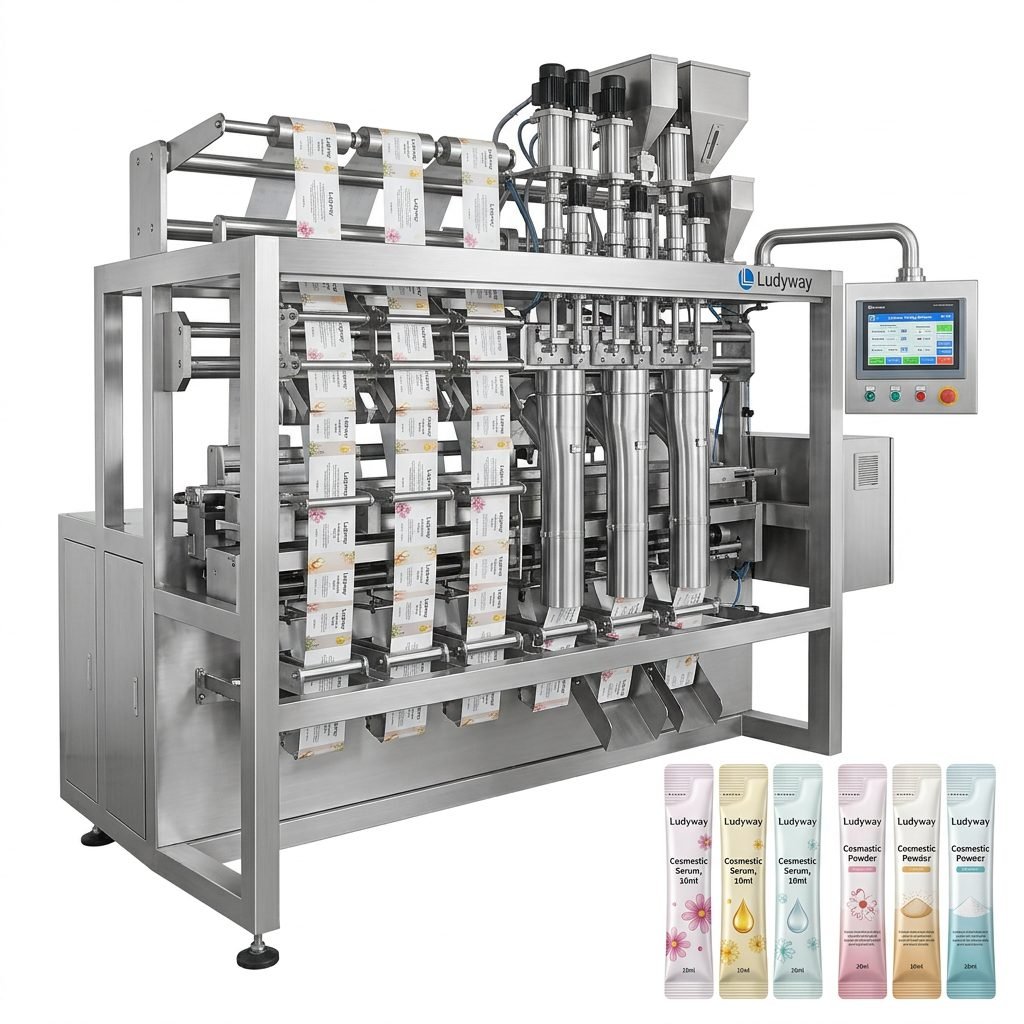
Why Routine Maintenance Matters
Cellophane is a delicate yet durable material that requires precise heat sealing, tension control, and cutting accuracy. Without regular maintenance, residue buildup, misaligned components, and insufficient lubrication can lead to seal failures, film wrinkling, and product waste. A proactive approach minimizes these risks and supports packaging line efficiency benchmarks recognized across the industry.
Key Benefits of Regular Maintenance
- Reduced downtime and emergency repairs
- Consistent seal integrity for cellophane and composite films
- Extended service life of heaters, blades, and drive components
- Improved operator safety and compliance with workplace standards
- Lower total cost of ownership over the machine lifecycle
Daily Cleaning Procedures for Cellophane Wrapping Machines
Cellophane packaging generates fine dust from film cutting and friction. Daily cleaning prevents accumulation that can interfere with sensors, sealing jaws, and film feeding mechanisms.
Step-by-Step Daily Cleaning Checklist
- Power down and lock out the machine completely before any cleaning activity.
- Remove loose film scraps and debris from the film unwind area, forming collar, and cutting station.
- Use a soft, lint-free cloth with mild cleaning solution to wipe down sealing jaws and Teflon-coated surfaces. Avoid abrasive materials that can scratch protective coatings.
- Clean photoelectric sensors and reflectors with a dry microfiber cloth to maintain accurate film registration.
- Vacuum dust from electrical cabinets and control panels, keeping ventilation grilles clear.
- Inspect and clean the discharge conveyor belt, removing any adhesive residue or product spillage.
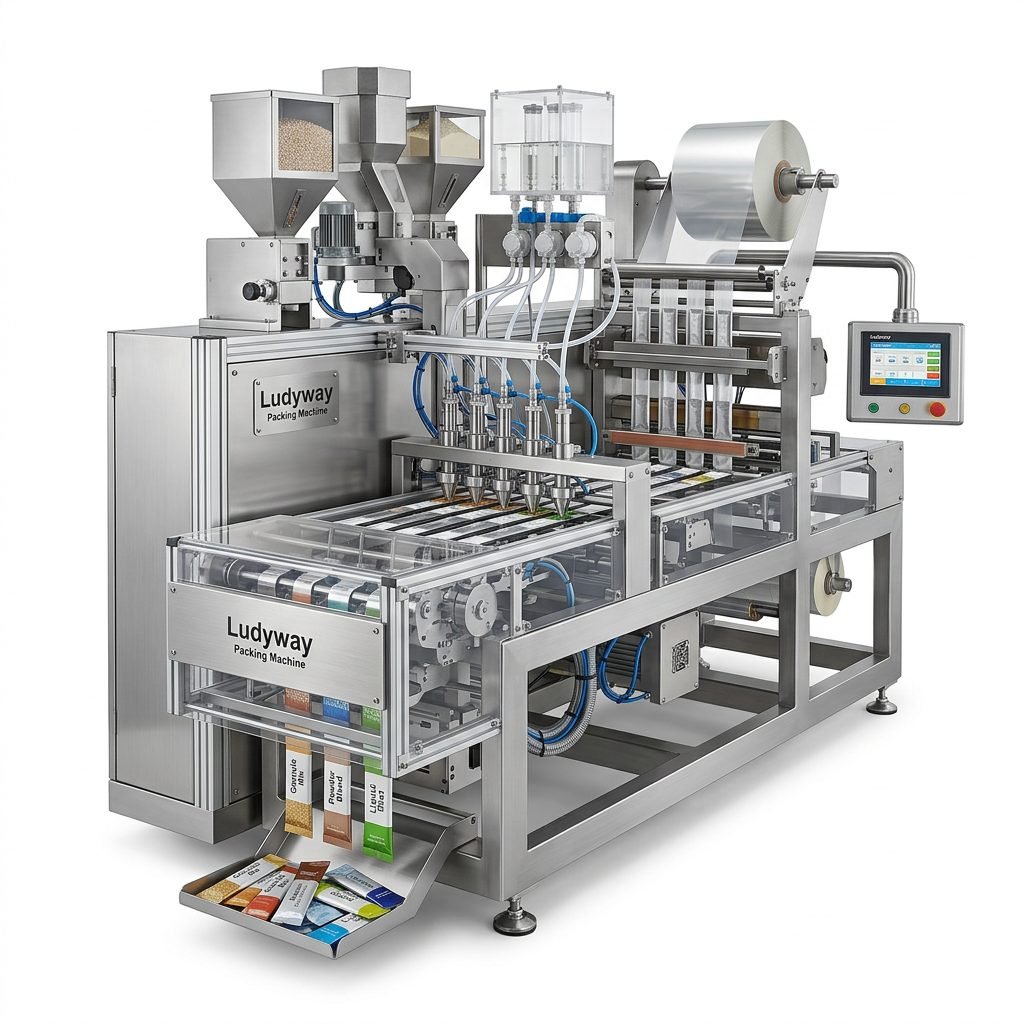
Weekly Deep Cleaning Focus Areas
- Sealing jaw grooves: Remove carbonized residue using brass brushes or approved non-metal scrapers.
- Film forming shoulders: Polish with food-grade stainless steel cleaner to maintain smooth film travel.
- Knife blades and cutting edges: Wipe clean and inspect for nicks or dullness that affect cut quality.
- Chain drives and sprockets: Remove accumulated dust and old lubricant before re-greasing.
Lubrication Best Practices
Effective lubrication reduces friction, prevents premature wear, and ensures smooth mechanical operation. However, over-lubrication can be just as damaging as under-lubrication, attracting dust and contaminating packaging materials.
| Lubrication Point | Recommended Frequency | Lubricant Type | Key Notes |
|---|---|---|---|
| Chain drives and sprockets | Every 40-50 operating hours | Food-grade chain oil ISO VG 100 | Wipe excess to prevent dripping |
| Linear bearings and guide rails | Weekly | NLGI Grade 2 lithium grease | Clean rails before applying fresh grease |
| Rotating shafts and bushings | Every 80-100 operating hours | SAE 30 machine oil | Apply sparingly with precision oiler |
| Sealing jaw pivot points | Daily (light application) | High-temperature synthetic grease | Use only a small amount to avoid dripping onto film |
| Gearboxes | Check monthly; change every 2000 hours | Synthetic gear oil per manufacturer spec | Monitor for unusual noise indicating oil degradation |
| Cam followers and rollers | Bi-weekly | EP2 grease | Rotate rollers to distribute lubricant evenly |
Important Lubrication Cautions
- Never use vegetable-based oils — they can degrade, gum up mechanisms, and contaminate food-contact packaging.
- Avoid spraying lubricants directly near film paths — mist can settle on sealing surfaces and cause adhesion problems.
- Document all lubrication activities in a maintenance log to track intervals and identify patterns of excessive wear.
- Always use food-grade lubricants (NSF H1 registered) for any point that could potentially contact packaging materials.
Common Troubleshooting Scenarios and Solutions
Even with diligent maintenance, issues can arise. Quick diagnosis helps minimize production interruptions. Below are frequent problems encountered with cellophane packaging machines and practical solutions.
| Problem | Possible Cause | Recommended Action |
|---|---|---|
| Poor seal integrity / leaking packages | Incorrect temperature, worn sealing jaws, or contaminated Teflon coating | Verify temperature setpoint; clean or replace Teflon tape; check jaw alignment and pressure |
| Film wrinkling or misalignment | Incorrect tension settings, misaligned forming shoulder, or worn guide rollers | Adjust tension; realign forming collar; inspect and replace damaged rollers |
| Inconsistent cut length | Slipping film feed, encoder fault, or dull knife blade | Check feed roller grip; recalibrate encoder; sharpen or replace knife |
| Machine jams or film breaks | Static buildup, incorrect film specification, or foreign objects in film path | Install or check static eliminator bars; verify film gauge and type; inspect entire film path |
| Excessive noise or vibration | Loose fasteners, worn bearings, or insufficient lubrication | Tighten all mounting bolts; inspect bearings for play; lubricate per schedule |
| Product registration errors | Dirty or faulty photoelectric sensor, incorrect eye mark contrast | Clean sensor lens; adjust sensitivity; check print quality of registration marks |
Diagnostic Tips for Seal Quality Issues
Seal problems are among the most common challenges in cellophane packaging. Use this checklist to systematically isolate root causes:
- Check sealing temperature with a calibrated thermocouple — do not rely solely on the controller display.
- Inspect dwell time settings — too short results in weak seals; too long can burn the cellophane.
- Examine jaw parallelism — uneven pressure distribution causes partial seals.
- Verify film compatibility — not all cellophane grades seal optimally at the same parameters. Refer to Flexible Packaging Association resources for material guidance.
Preventive Maintenance Schedule
Establishing a documented preventive maintenance program is essential for long-term reliability. The table below outlines recommended intervals for key maintenance tasks.
| Interval | Maintenance Tasks | Responsible |
|---|---|---|
| Daily | Clean sealing surfaces; inspect film path; check safety interlocks; wipe down exterior | Operator |
| Weekly | Lubricate guide rails and pivot points; clean sensors; inspect belts and chains; check electrical connections | Maintenance Technician |
| Monthly | Inspect gearboxes; check heater element resistance; verify temperature controller calibration; deep clean forming shoulders | Maintenance Technician |
| Quarterly | Replace worn sealing Teflon; inspect all bearings; check pneumatic cylinders and valves; review PLC program backup | Senior Technician / Engineer |
| Annually | Complete machine overhaul; replace timing belts; service gearboxes; recalibrate all sensors; update firmware | Service Engineer |
Essential Spare Parts Inventory
Keeping critical spare parts on hand reduces downtime when components fail unexpectedly. Recommended stock includes:
- Sealing jaw Teflon tape and covers
- Heater cartridges and thermocouples
- Knife blades and cutting inserts
- Timing belts and drive belts (matched to machine specifications)
- Photoelectric sensors and reflectors
- Guide rollers and bearings
- Pneumatic seals and O-rings
Working with Professional Service Providers
While in-house maintenance handles routine tasks, periodic professional servicing ensures optimal performance. Experienced technicians can identify emerging issues before they cause failures. Companies like Ludyway specialize in advanced packaging equipment and turnkey production solutions, offering technical support and spare parts for a wide range of multi-lane stick pack, sachet, and fully automated packaging systems. For authoritative guidance on packaging machinery standards, refer to ISO packaging standards and FDA food packaging regulations.
Key Takeaways for Long-Term Reliability
- Prioritize daily cleaning — it is the simplest and most effective maintenance activity.
- Follow a structured lubrication schedule using correct food-grade lubricants.
- Troubleshoot systematically — isolate variables one at a time to identify root causes quickly.
- Maintain a well-stocked spare parts inventory to minimize production disruptions.
- Document all maintenance activities to build a valuable operational history for trend analysis.
Implementing the practices outlined in this guide will help you maximize the performance and service life of your cellophane packaging equipment. For more insights on packaging machinery maintenance and industry best practices, explore resources from organizations like PMMI packaging industry resources and stay current with evolving standards. Consistent care today prevents costly repairs tomorrow.