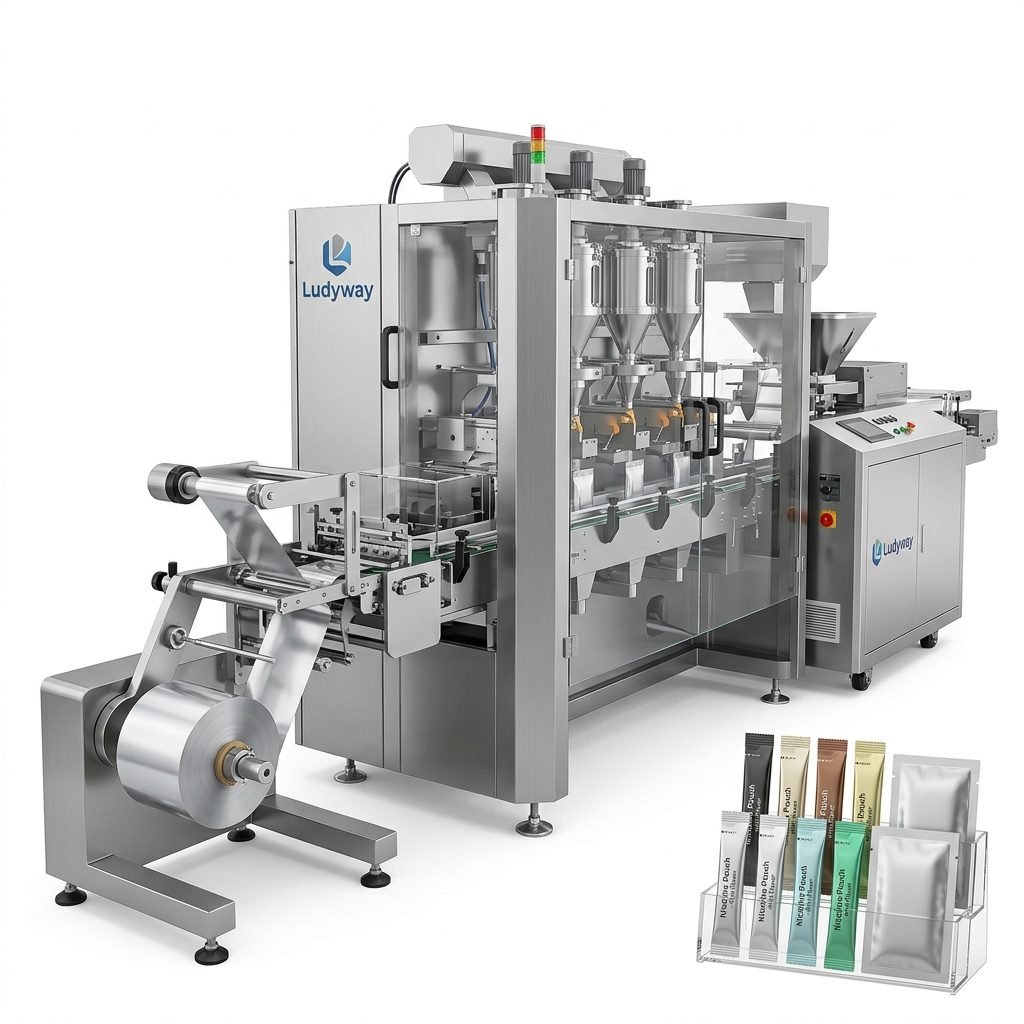
Proper maintenance is the cornerstone of reliable packaging operations. Whether you are running a small production line or a high-capacity industrial setup, a well-maintained wheat packing machine ensures consistent output, reduces downtime, and extends equipment lifespan. Neglecting routine care can lead to inaccurate filling, bag sealing defects, and costly emergency repairs. This guide walks you through the essential maintenance practices every operator and technician should follow.
Daily Inspection Routine
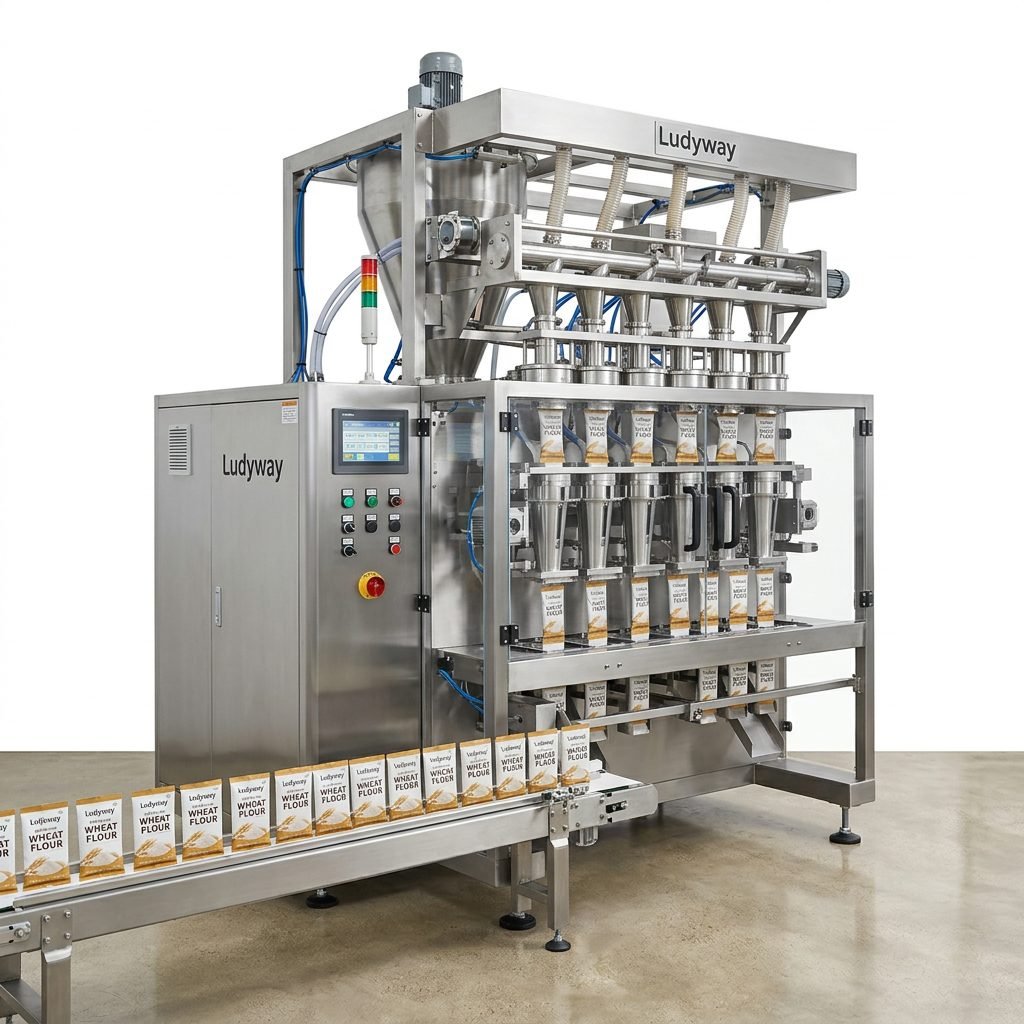
A quick but thorough daily inspection can prevent most unexpected breakdowns. Before starting your shift, walk through every critical zone of the wheat packaging system—from the infeed hopper to the sealing station. Pay close attention to any unusual sounds, vibrations, or residue buildup that may signal developing problems.
- Check all emergency stop buttons and safety interlocks for proper function.
- Inspect forming tubes and sealing jaws for product residue or film adhesive buildup.
- Verify that air pressure gauges read within the manufacturer’s recommended range.
- Examine the condition of all electrical cables and pneumatic hoses for signs of wear.
- Confirm that the film roll alignment is centered and tension is correctly set.
Cleaning and Sanitation Procedures
Wheat flour and grain dust are hygroscopic and abrasive. Allowing them to accumulate inside your machine invites corrosion, contamination, and mechanical binding. A structured cleaning regimen protects both product quality and equipment integrity. Proper cleaning of packaging equipment follows industry guidelines similar to those outlined by FDA food packaging safety standards for food contact surfaces.
- Use a food-grade vacuum system to remove loose powder from the weighing and filling zones—never use compressed air that blows dust deeper into components.
- Wipe down all stainless steel surfaces with a damp, lint-free cloth and non-abrasive cleaning solution approved for food equipment.
- Disassemble and clean the forming collar, filling tube, and sealing bars at the end of each production run.
- Inspect and clean photoelectric sensors and proximity switches; dusty lenses cause registration errors and misfeeds.
Lubrication Schedule and Mechanical Care
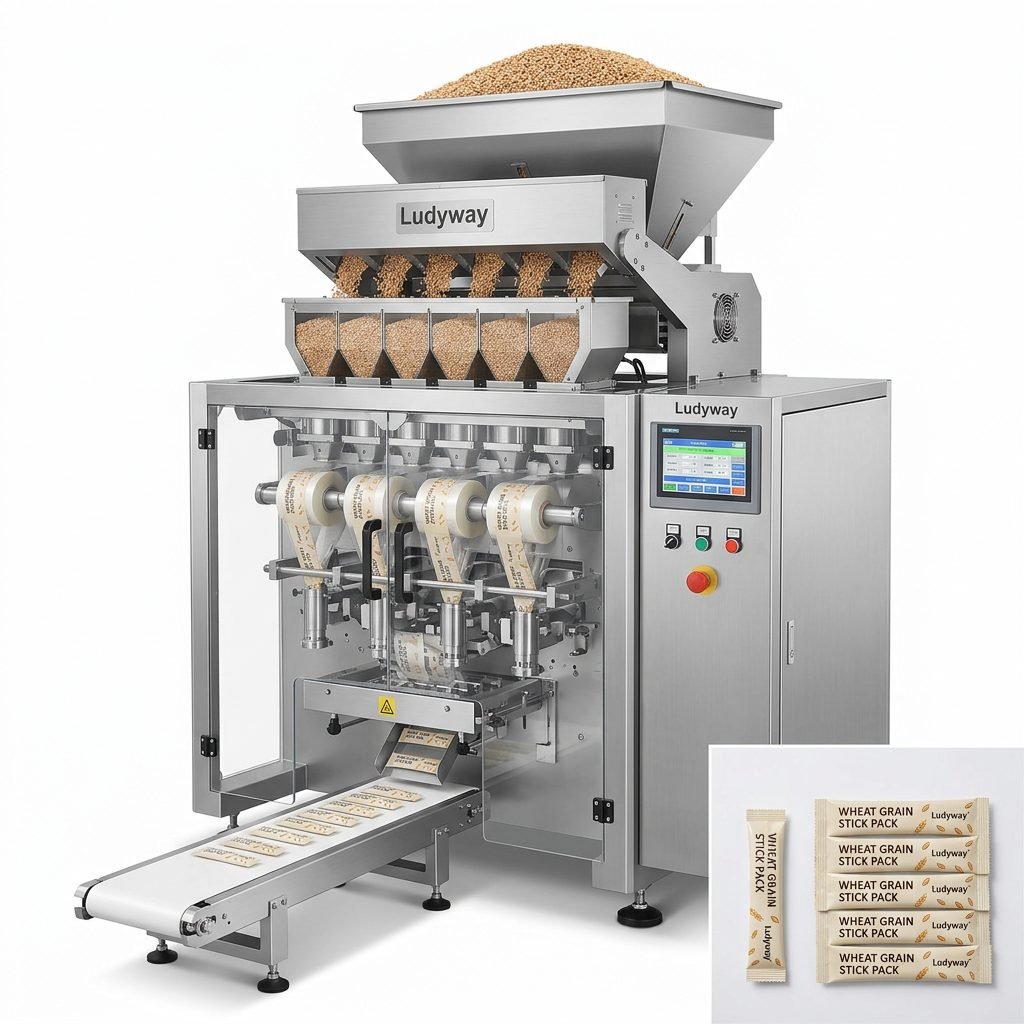
Moving parts in a wheat packing machine operate under constant friction and vibration. Without proper lubrication, bearings wear prematurely and drive chains stretch beyond tolerance. Refer to ISO packaging machinery standards for recommended maintenance intervals applicable to automated packaging equipment.
- Apply food-grade lubricant to all grease points on the main drive shaft, cam followers, and sealing jaw linkages.
- Check the oil level in gearboxes monthly; top up or replace according to the hour-meter reading.
- Inspect timing belts for cracks, fraying, or loss of tension—replace any belt showing signs of glazing.
- Verify that all fasteners on the frame and sub-assemblies remain torqued to specification.
Recommended Maintenance Intervals
| Maintenance Task | Frequency | Responsible Personnel | Priority Level |
|---|---|---|---|
| Clean filling tubes and sealing jaws | Every shift | Operator | High |
| Lubricate drive chains and bearings | Weekly | Maintenance Tech | High |
| Inspect electrical connections | Monthly | Electrician | Medium |
| Replace gearbox oil | Every 2000 hours | Maintenance Tech | Medium |
| Full overhaul and calibration | Annually | Service Engineer | Critical |
Common Issues and Troubleshooting
Even with diligent maintenance, occasional problems arise. Knowing how to diagnose them quickly keeps your production line moving. The packaging industry resources from PMMI offer extensive technical documentation on troubleshooting automated packaging systems.
- Inconsistent fill weights: Check load cell calibration, clean the weigh bucket, and verify that product flow from the hopper is unobstructed.
- Bag sealing failures: Inspect the temperature controller setpoint, examine the Teflon coating on sealing bars, and confirm dwell time settings.
- Film tracking drift: Adjust the edge guide sensor, check roller parallelism, and ensure the film roll is not telescoping.
- Excessive noise from the drive system: Stop the machine immediately and check for worn bearings, loose sprockets, or chain misalignment.
Electrical System Checks
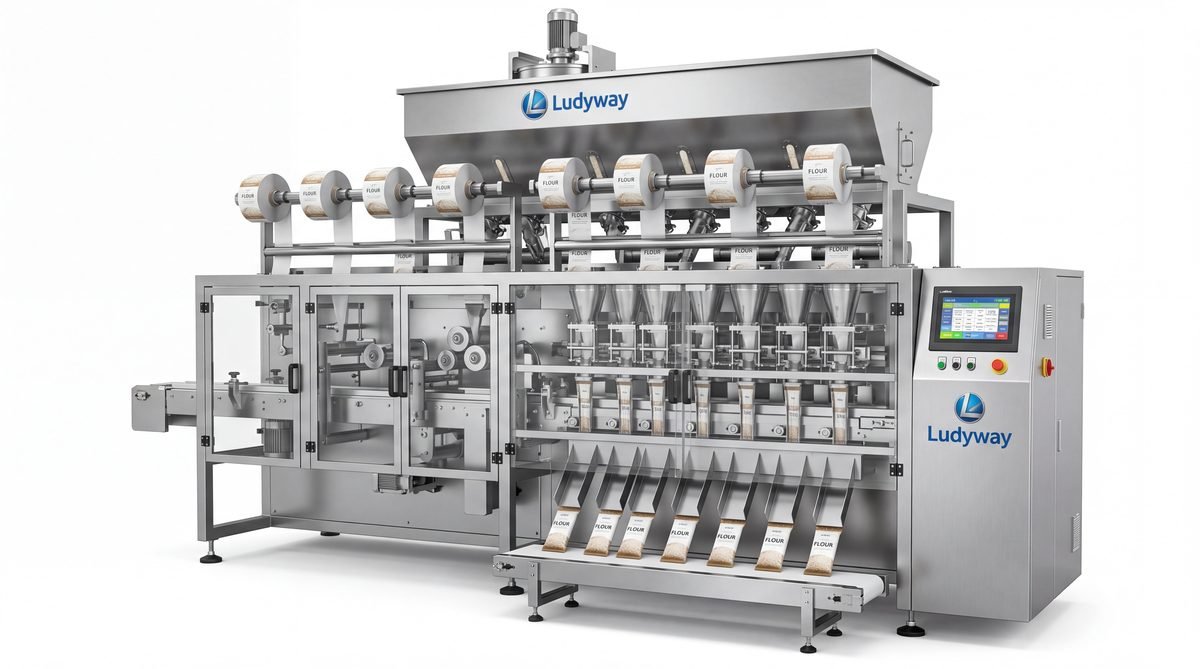
The electrical cabinet is the brain of your wheat packing machine. Dust infiltration, loose terminals, and voltage fluctuations can cause intermittent faults that are difficult to trace. Schedule dedicated electrical inspections at least once per quarter.
- Power down and lock out the machine before opening any electrical enclosure.
- Use a qualified electrician to torque all terminal connections and check for signs of overheating or discoloration.
- Clean dust from PLC cabinets, VFD housings, and cooling fans using anti-static equipment.
- Verify that all grounding connections remain secure and measure insulation resistance on critical motor windings.
Sensor Calibration Checklist
- Test the film registration sensor with a known reference mark to confirm trigger accuracy.
- Calibrate the temperature probe on sealing bars against a calibrated infrared thermometer.
- Verify load cell zero balance and span with certified test weights at the start of each month.
- Clean and align all safety interlock switches; a bypassed safety switch is a serious hazard.
Spare Parts Inventory Management
Waiting for a replacement part to ship can halt production for days. A well-organized spare parts program keeps your wheat packing machine running with minimal interruption. Focus on components that wear predictably and those critical to machine function.
- Keep at least two sets of sealing jaws and Teflon tape in stock at all times.
- Stock spare forming tubes sized to your most common bag formats.
- Maintain an inventory of drive belts, timing belts, and bearing kits specific to your machine model.
- Have replacement sensors, relays, and fuses readily available in the electrical spares cabinet.
Professional Servicing and When to Call Experts
While daily and weekly maintenance can be handled in-house, certain tasks demand specialist knowledge. If your machine experiences persistent sealing issues, unexplained weight drift, or PLC fault codes you cannot resolve, it is time to engage a professional service team. Comprehensive packaging industry business intelligence reports consistently highlight that proactive professional servicing reduces total cost of ownership by up to 30% compared to reactive repair approaches.
- Schedule an annual preventive maintenance visit from a factory-trained technician.
- Request a full diagnostic report including drive system analysis and control system health checks.
- Consider a service contract that includes remote technical support and prioritized spare parts delivery.
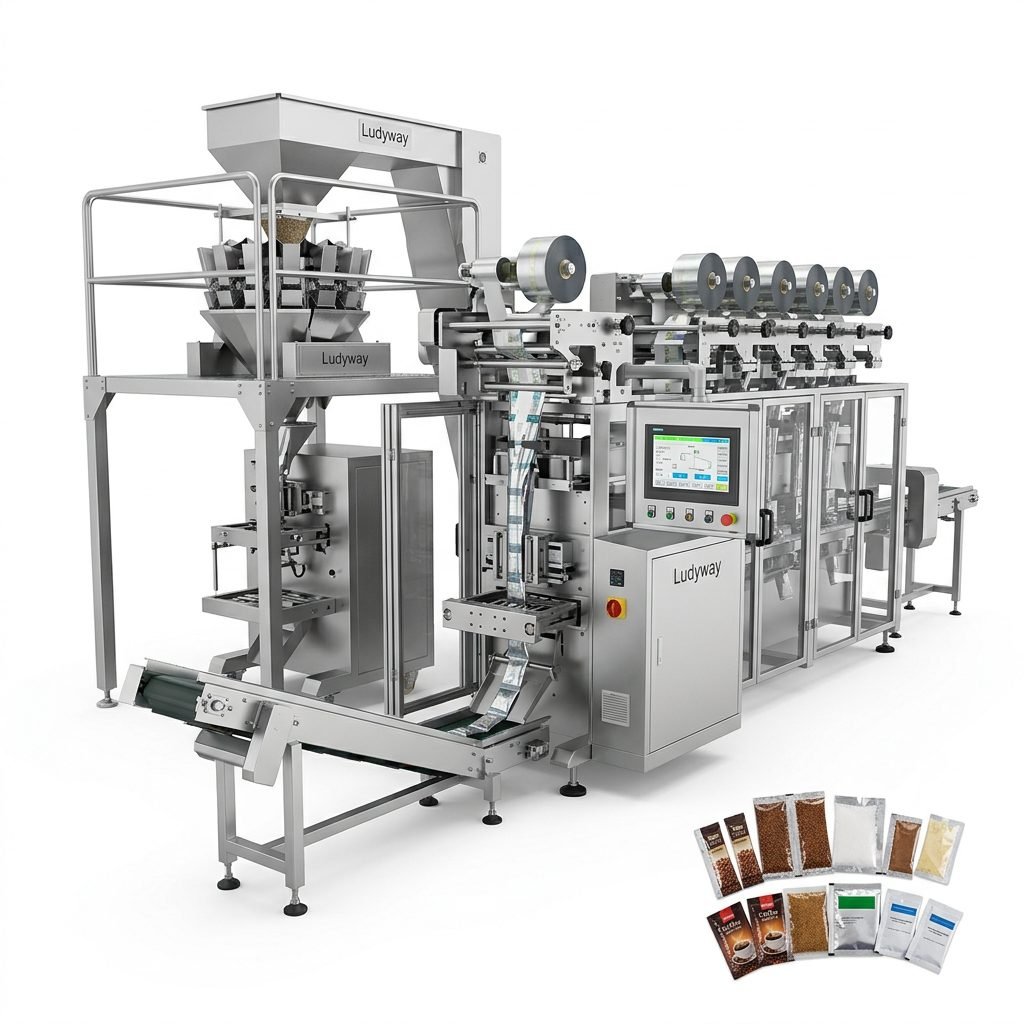
- For machines manufactured by Ludyway, their global service network provides on-site support with engineers who have deep expertise across granule, powder, and liquid packaging applications.
Operator Training: The Foundation of Good Maintenance
The best maintenance program in the world cannot compensate for untrained operators. Every person who touches your wheat packing machine should understand basic troubleshooting, recognize early warning signs, and follow documented standard operating procedures. Investing in operator education aligns with the principles found in ISO packaging and distribution standards that emphasize competence and documented processes.
- Conduct refresher training sessions every six months covering machine setup, cleaning, and emergency procedures.
- Create a laminated quick-reference guide showing daily inspection points and post near the machine.
- Encourage operators to log observations in a digital maintenance tracking system for trend analysis.
- Cross-train at least two team members on every shift to avoid single-point knowledge dependency.
Key Takeaways for Long-Term Reliability
Consistent maintenance transforms a wheat packing machine from a source of stress into a predictable, high-performance asset. Build a culture where cleaning, inspection, and lubrication are non-negotiable parts of every shift. Document every intervention, track parts consumption, and never delay a scheduled service. With the right habits in place, your packaging line will deliver accurate fills, reliable seals, and years of dependable operation.

Additional Resources
- PMMI Packaging Industry Resources — Technical guides and best practices for packaging machinery.
- ISO Packaging Standards — International standards covering packaging machinery safety and performance.
- FDA Food Packaging Guidelines — Regulatory requirements for food-grade packaging equipment.
- Ludyway Packaging Machinery Global Growth Report — Industry insights on packaging equipment trends.