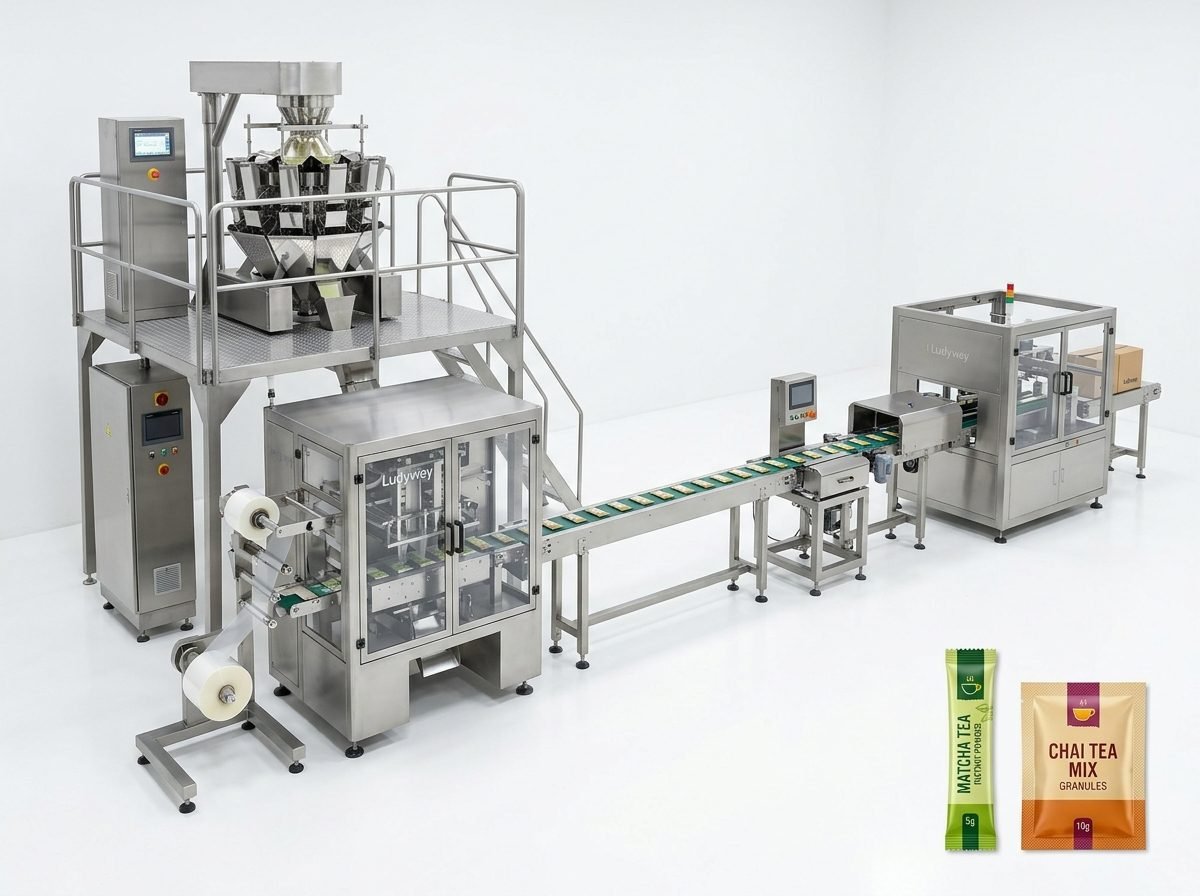
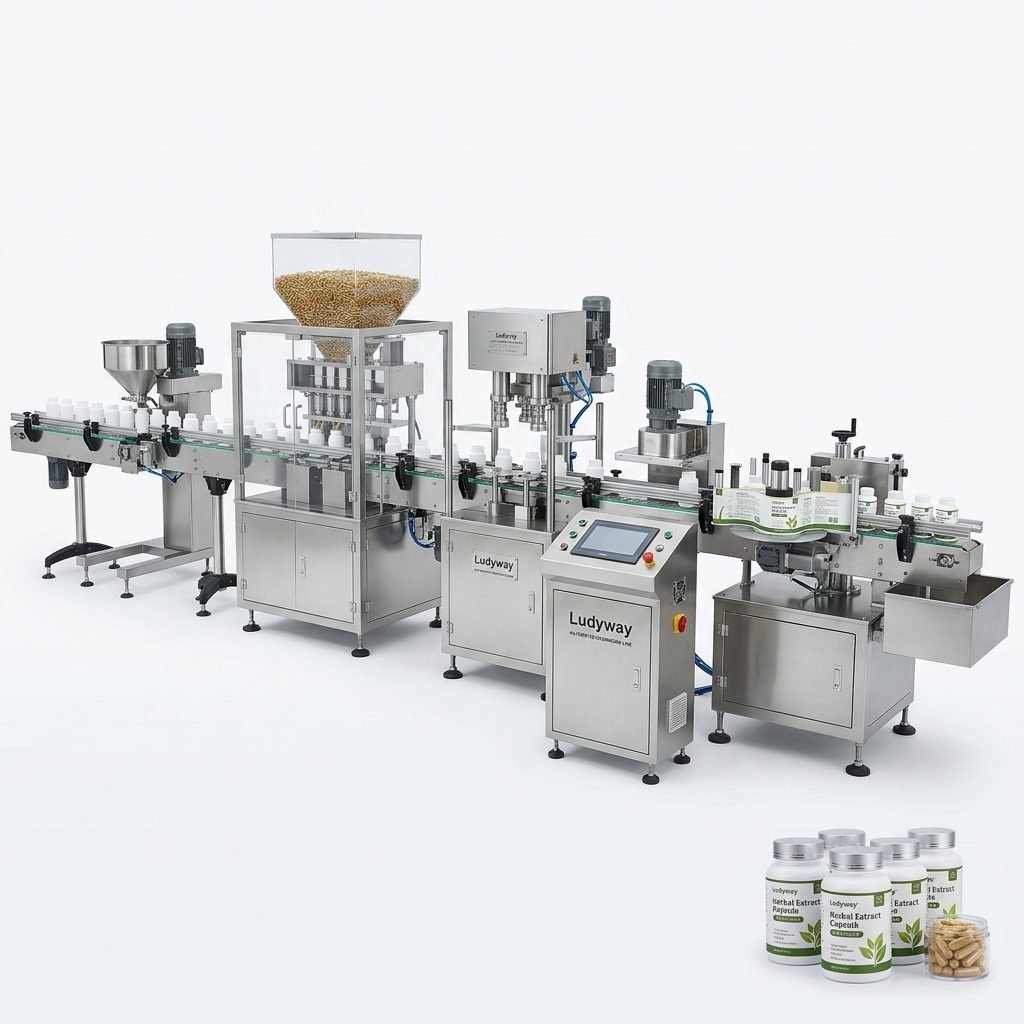
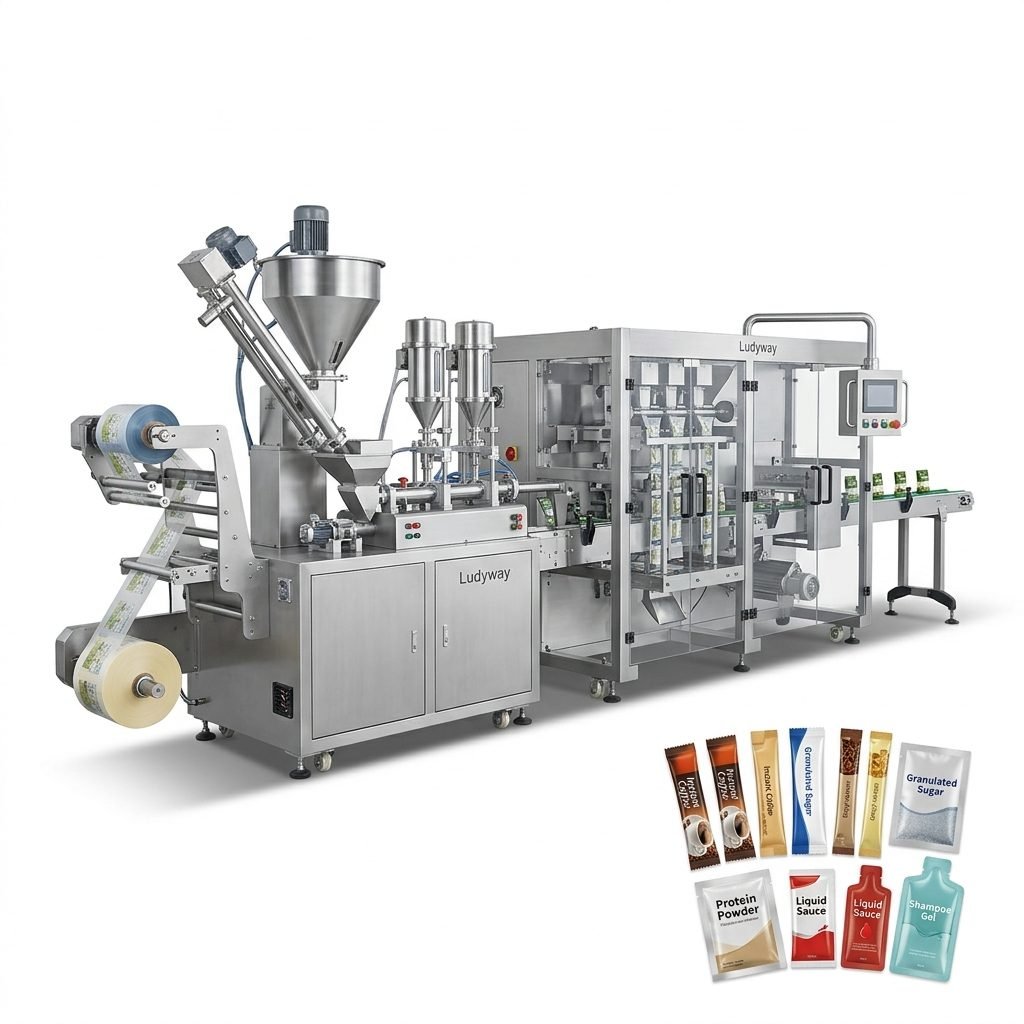
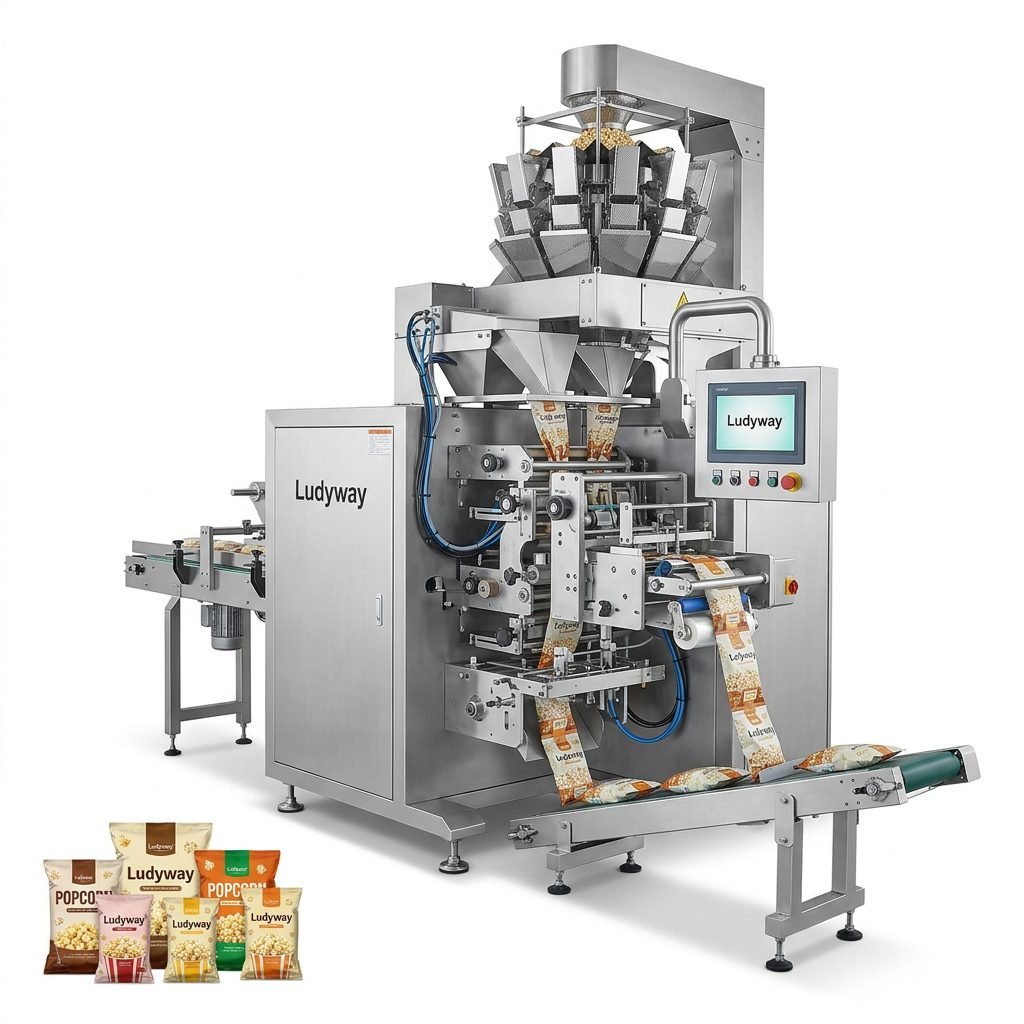
Investing in a tea powder sachet filling machine is a strategic move for producers looking to scale operations and enhance packaging efficiency. The price of these machines is not a fixed figure; instead, it fluctuates significantly based on automation levels, production capacity, and specific technical configurations. Understanding these cost drivers is essential for making a well-informed procurement decision that aligns with your budget and output targets.
Key Factors Influencing the Cost of Tea Powder Sachet Machines
Before evaluating specific price ranges, it is crucial to grasp the components that influence the final investment. A clear understanding of these variables will help you avoid overpaying for unnecessary features or, conversely, selecting a machine that cannot keep pace with your operational demands. The following table breaks down the primary cost factors:
| Cost Factor | Impact on Price | Typical Options |
|---|---|---|
| Level of Automation | High | Semi-automatic vs. Fully automatic systems |
| Production Speed | Very High | 50, 150, or 300+ sachets per minute |
| Machine Configuration | High | Single-lane vs. multi-lane (4, 6, 8+ lanes) |
| Filling Technology | Moderate | Auger filler, volumetric cup, or multi-head weigher |
| Material & Build Quality | Moderate | Stainless steel grade and IP rating for dust protection |
Price Ranges by Machine Type and Configuration
The market offers a wide spectrum of tea powder sachet filling machines, each designed for different scales of production. Below is a categorized breakdown of what you can expect to invest.
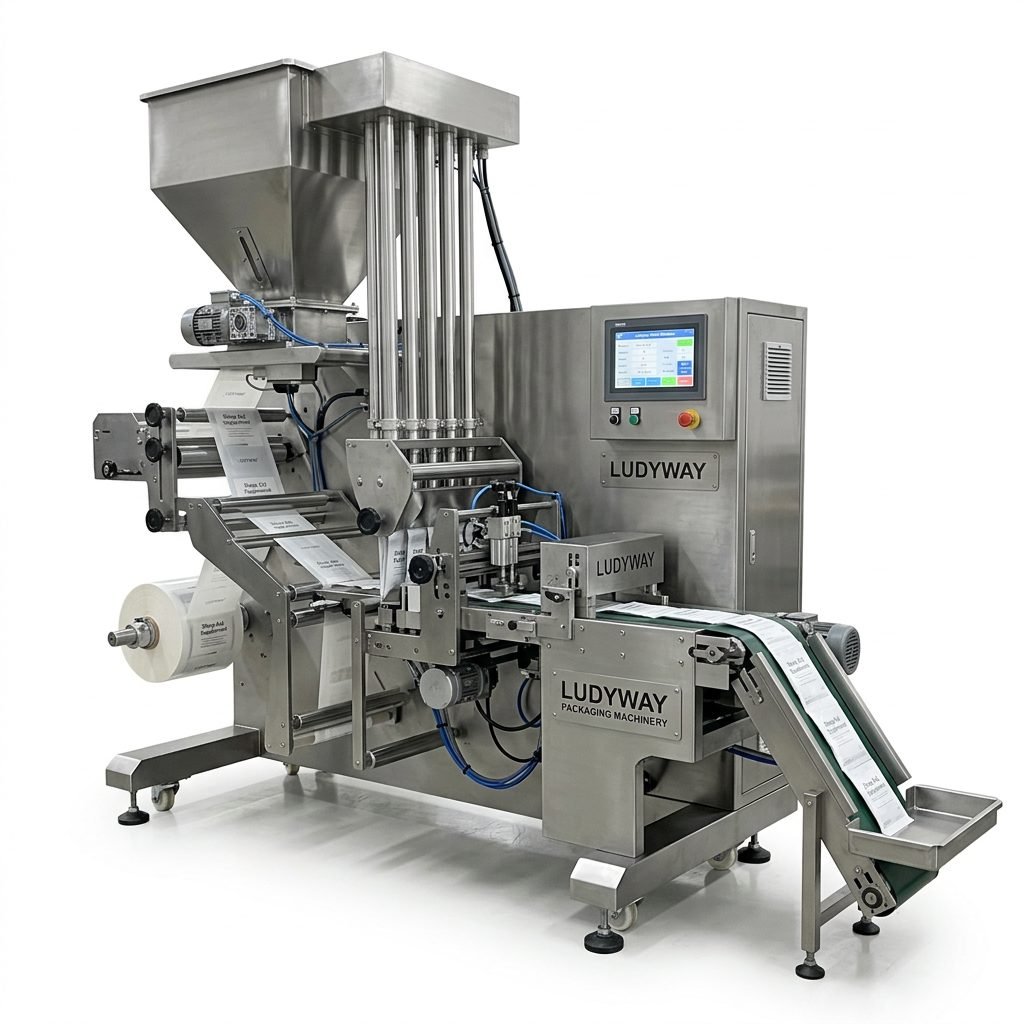
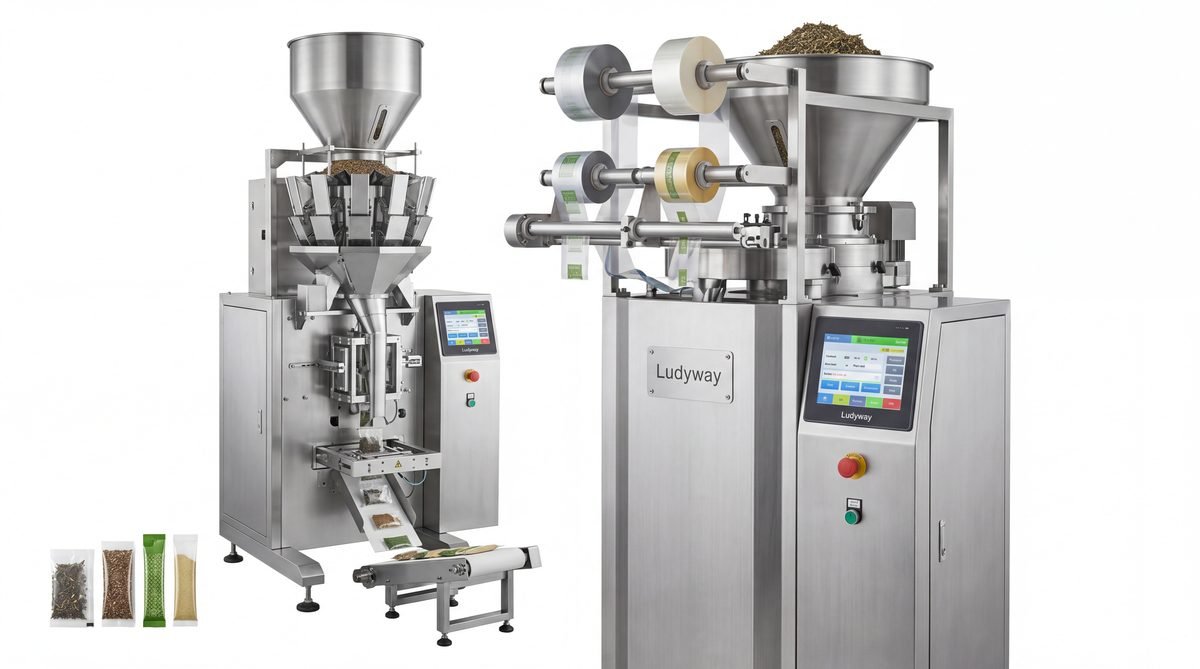
1. Entry-Level Semi-Automatic Machines
Ideal for startups and small-scale producers, these machines typically require more manual intervention. They are cost-effective but have lower output rates.
- Price Range: $3,000 – $15,000
- Best For: Producing a few thousand sachets per day with limited budget.
- Features: Single-lane operation, basic auger filling, simple sealing mechanism.
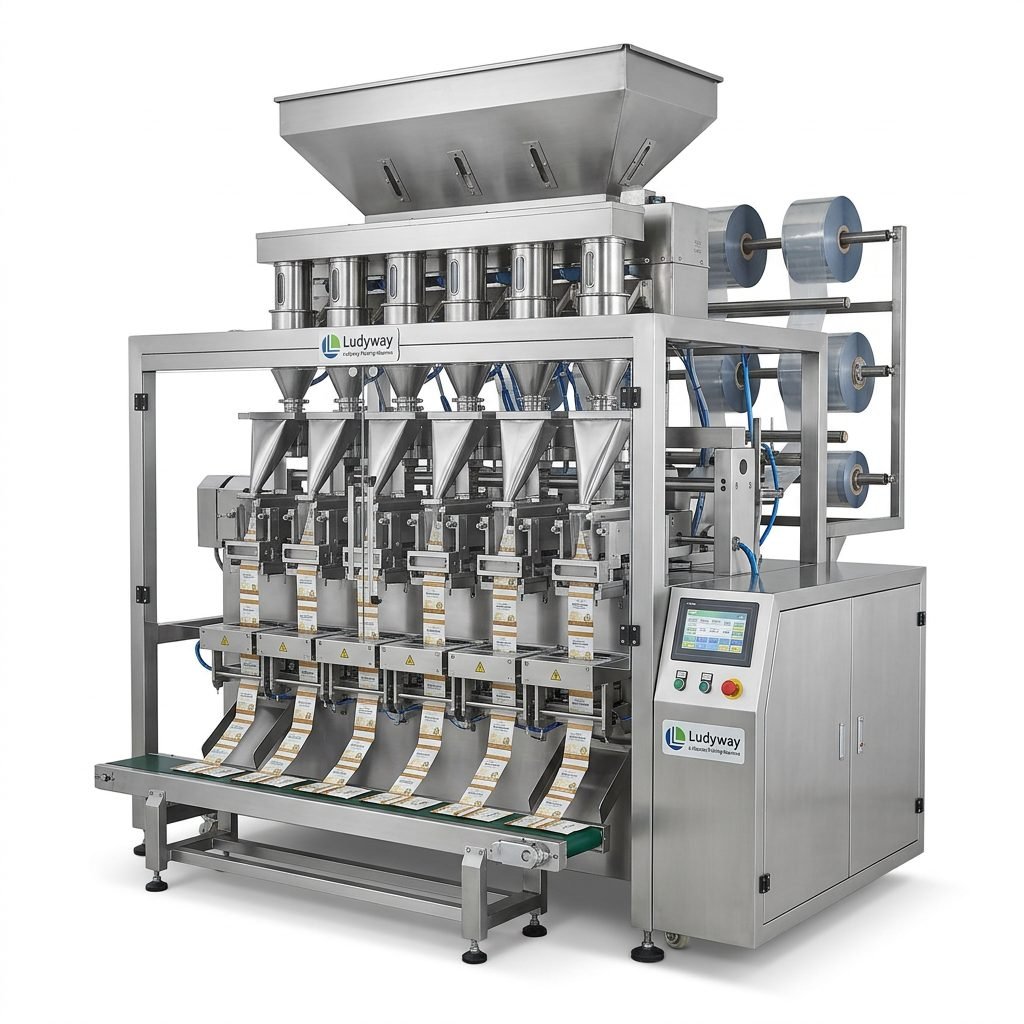
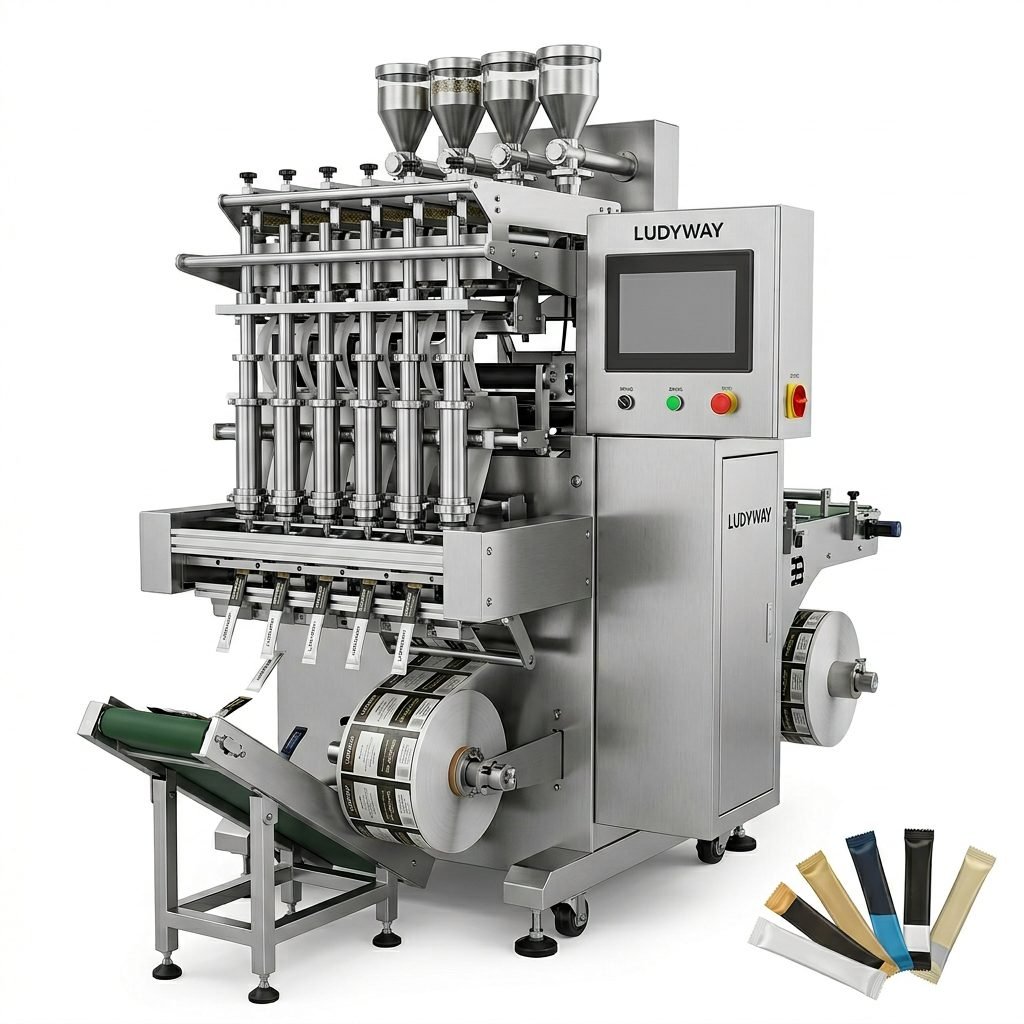
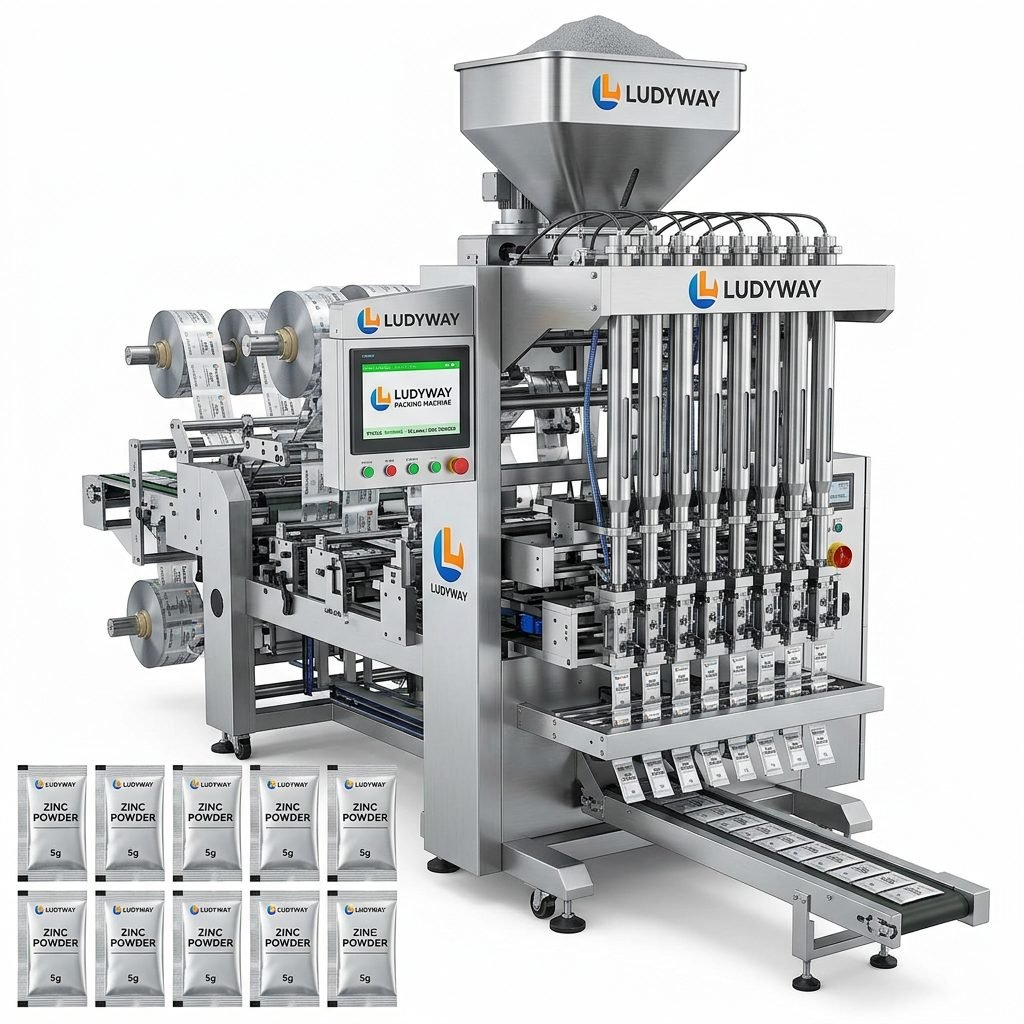
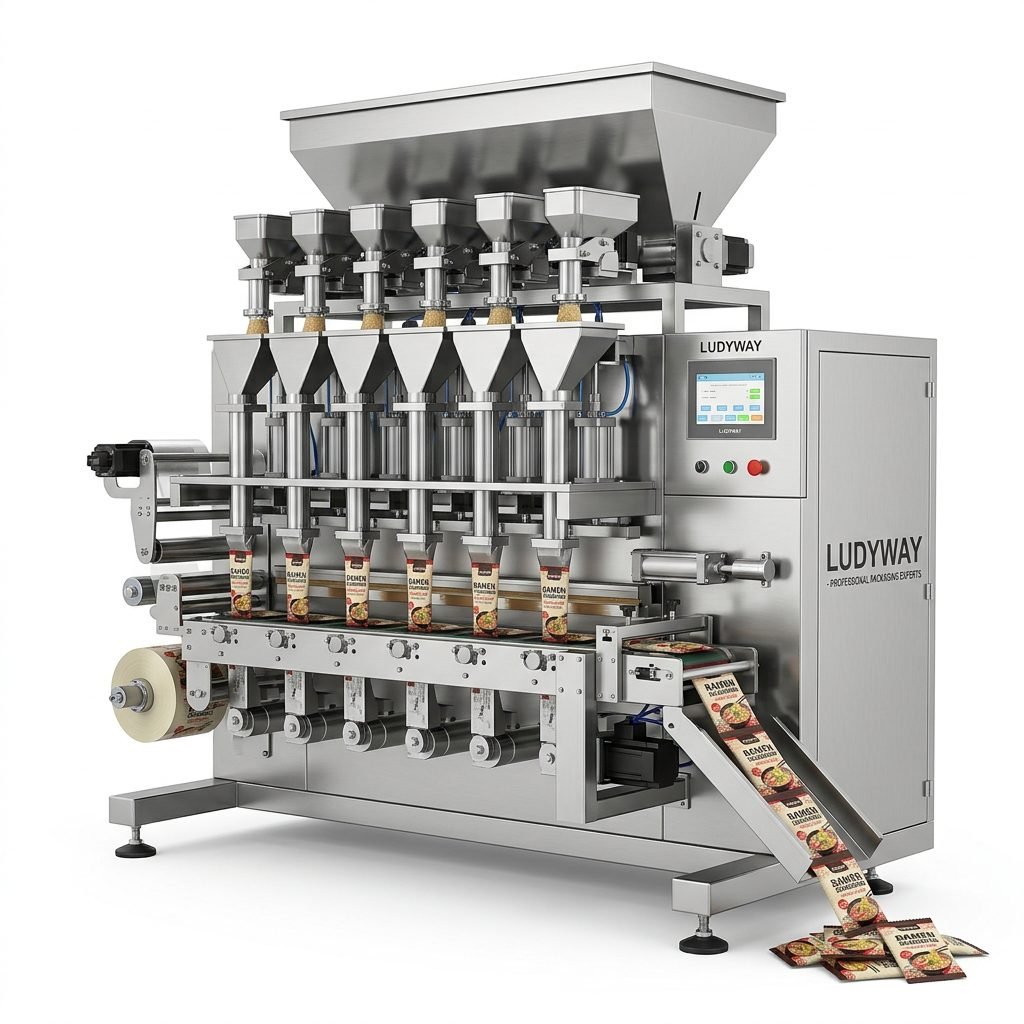
2. Mid-Range Automatic Multi-Lane Machines
This category represents the sweet spot for growing medium-sized enterprises. They offer a substantial boost in production efficiency and consistency.
- Price Range: $18,000 – $55,000
- Best For: Companies aiming to scale up to 120-200 sachets per minute with consistent quality.
- Features: 4 to 8 lanes, servo-driven controls, precise powder dosing, and integrated date coding.
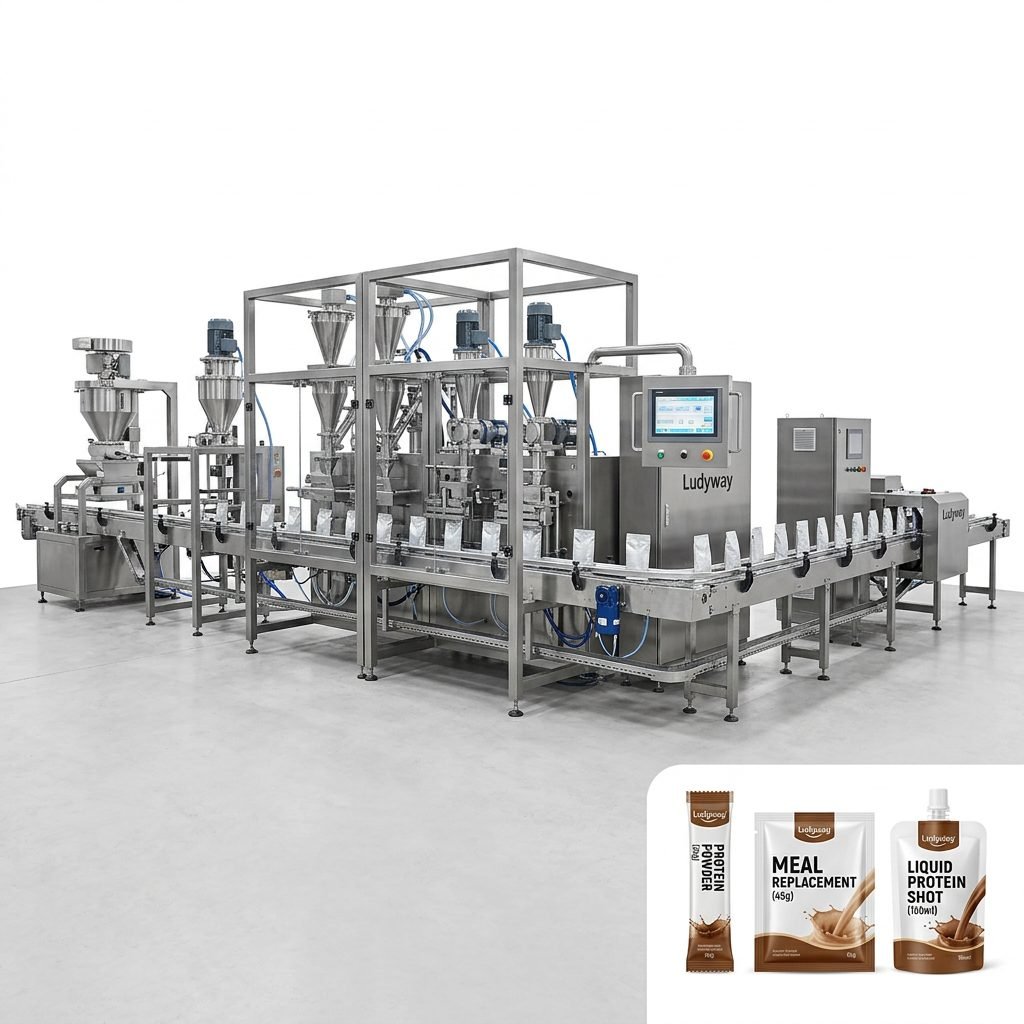
3. High-End High-Speed Packaging Lines
Designed for large-scale industrial operations, these are fully integrated systems combining filling, sealing, counting, and cartoning.
- Price Range: $65,000 – $200,000+
- Best For: 24/7 high-volume production exceeding 400 sachets per minute.
- Features: 10+ lanes, turnkey automation, nitrogen flushing, and advanced quality control systems like checkweighers.
Understanding Total Cost of Ownership
The purchase price is just the initial figure. A comprehensive budget must account for the total cost of ownership, which includes installation, operator training, and ongoing operational expenses. Ignoring these can strain your financial resources post-purchase.
Operational and Maintenance Expenses
Regular maintenance ensures longevity and prevents costly downtime. Key ongoing costs include spare parts (such as heat-sealing elements and cutting blades), lubricants, and energy consumption. For high-speed machinery, the cost of specialized packaging film compatible with food safety regulations also adds to the operational budget.
Return on Investment (ROI) Analysis
When calculated correctly, a modern tea powder sachet filling machine pays for itself rapidly. Transitioning from manual packing to automation typically reduces labor costs by 60-80% while cutting material waste by up to 5%. If a $40,000 machine saves you $6,000 per month in labor and materials, your breakeven point is reached in under seven months, making the long-term financial benefits substantial.
How to Choose the Right Supplier
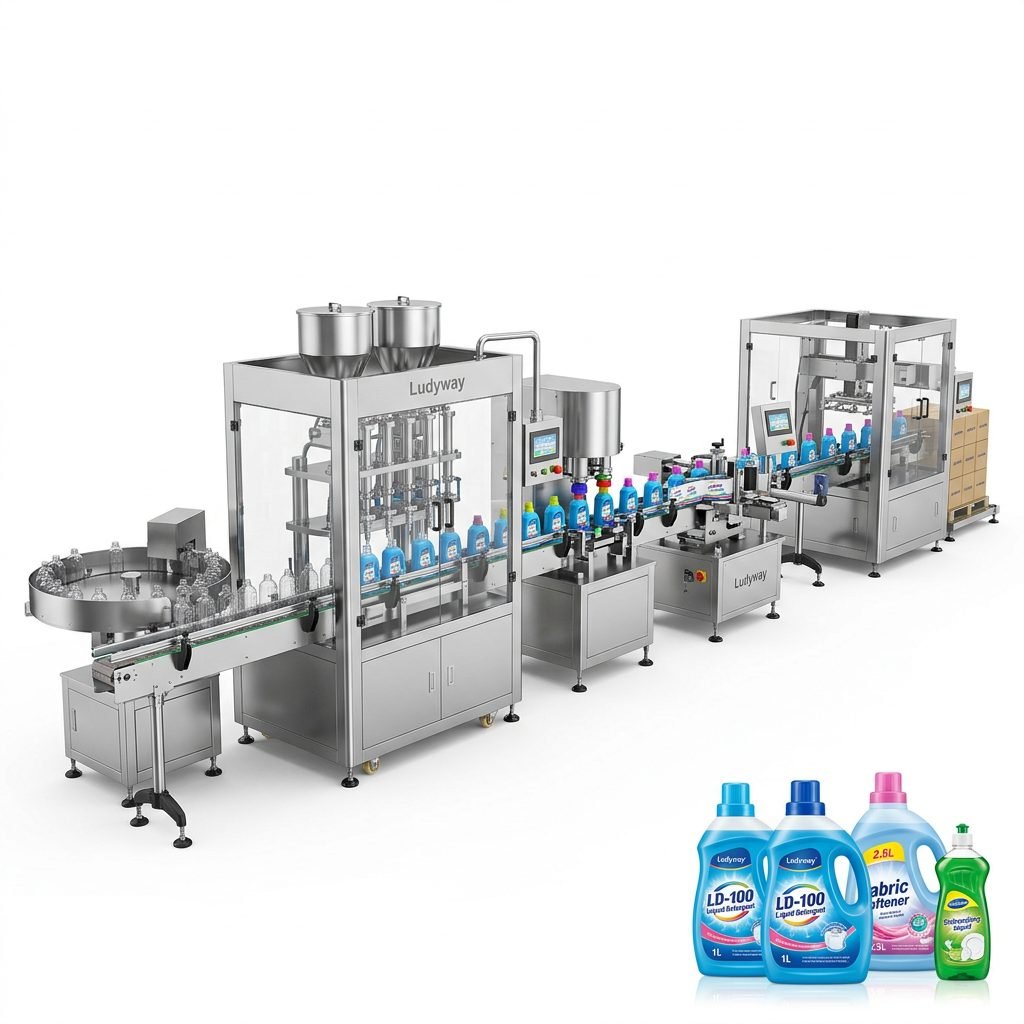
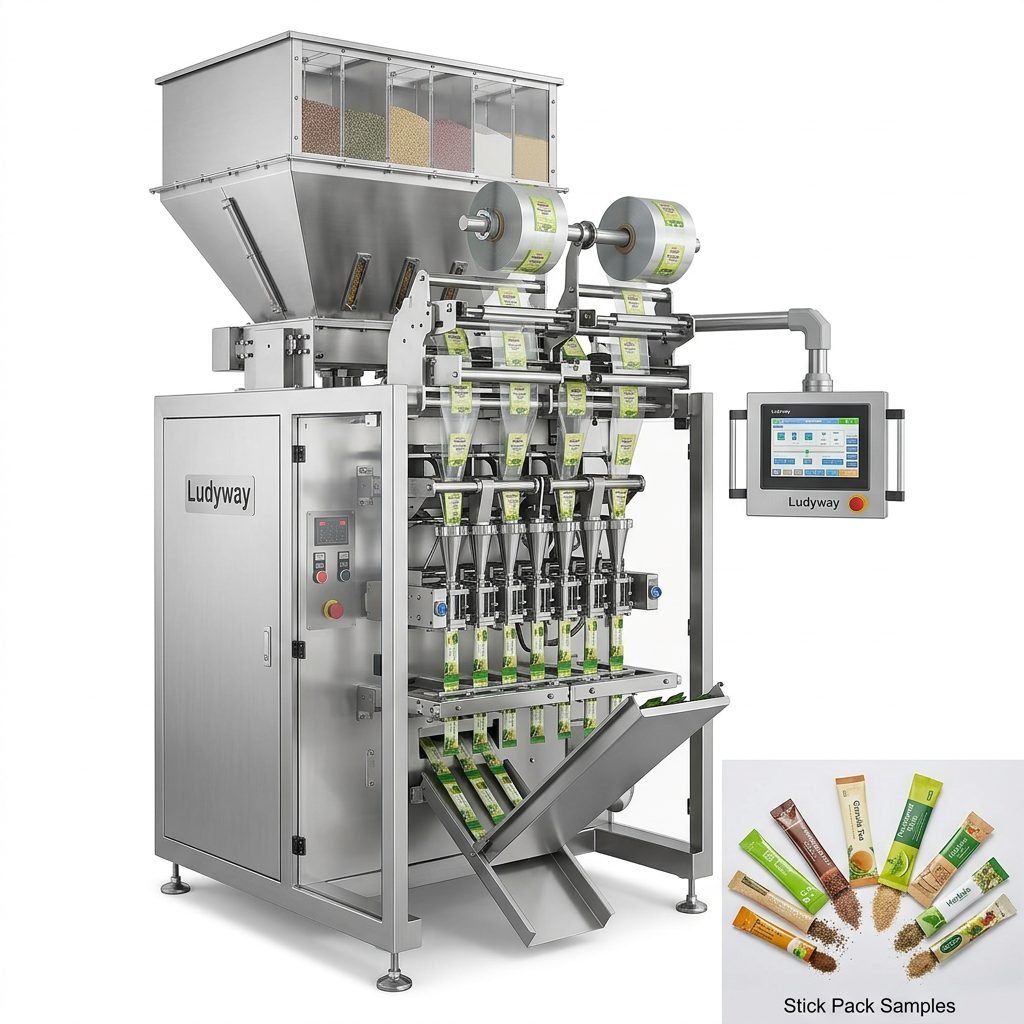
Selecting a reliable vendor is as crucial as selecting the machine itself. With a significant capital investment at stake, due diligence is mandatory. Industry reports from organizations like the PMMI can provide benchmarks for reputable manufacturers. Always verify the supplier’s track record, after-sales service capabilities, and spare parts availability. A manufacturer with a global footprint and comprehensive technical support ensures that your production line remains resilient. For instance, Ludyway offers a range of intelligent packaging systems supported by a substantial 20,000㎡ manufacturing facility and an experienced engineering team.
Critical Inspection Steps Before Purchase
To ensure you acquire a robust system, consider these essential steps:
- Factory Acceptance Test (FAT): Request a video of your specific machine running tea powder before shipment.
- Material Compatibility: Verify the machine handles the specific flow characteristics of your tea powder, which can be fine and dusty.
- Packaging Specifications: Confirm precise film width, sachet dimensions (3-side seal, 4-side seal, or stick pack), and sealing integrity.
Final Market Insights on Pricing
The cost of a tea powder sachet filling machine is a convergence of engineering complexity, brand reputation, and market demand. Chinese manufacturers have become dominant players in this sector, offering competitive pricing without sacrificing modern features. As the flexible packaging sector continues to expand rapidly, investing in a high-quality machine positions your brand to capitalize on the growing demand for convenient, single-serve tea products.