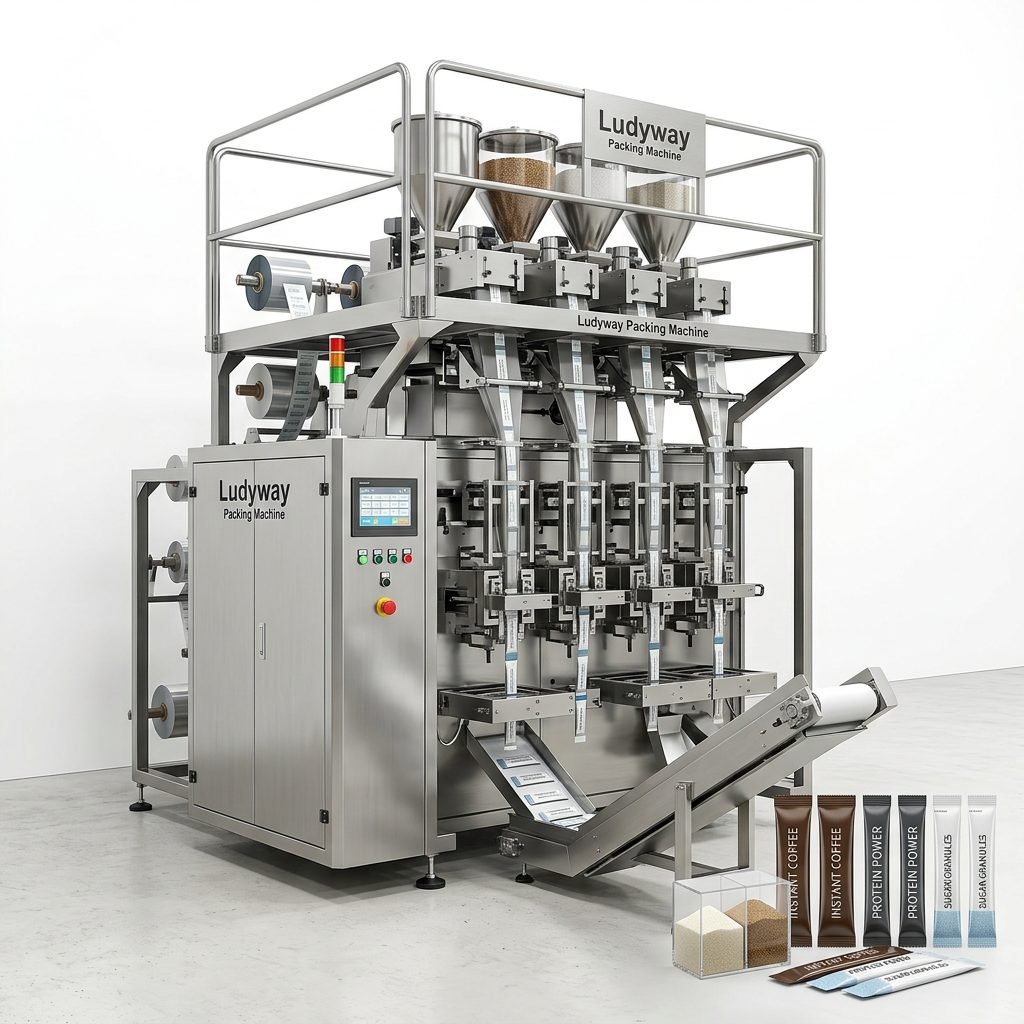
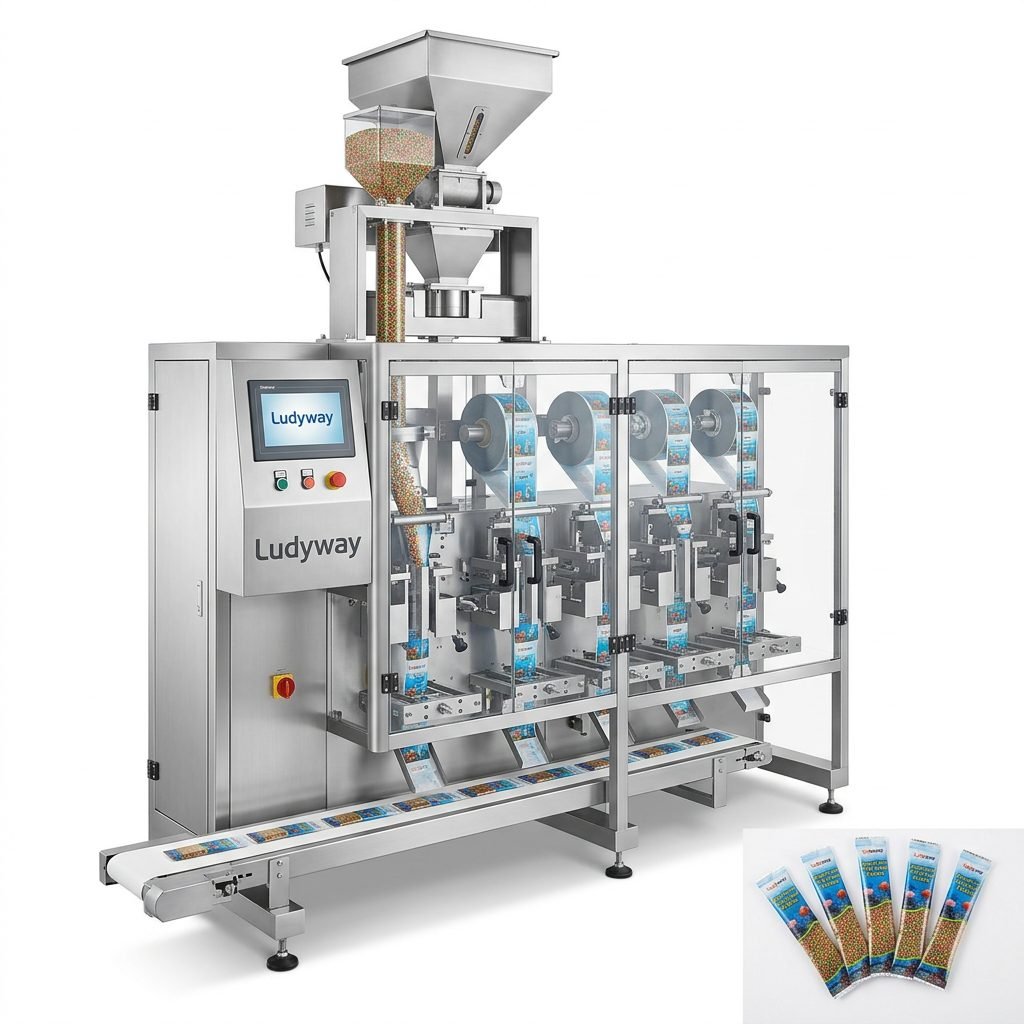
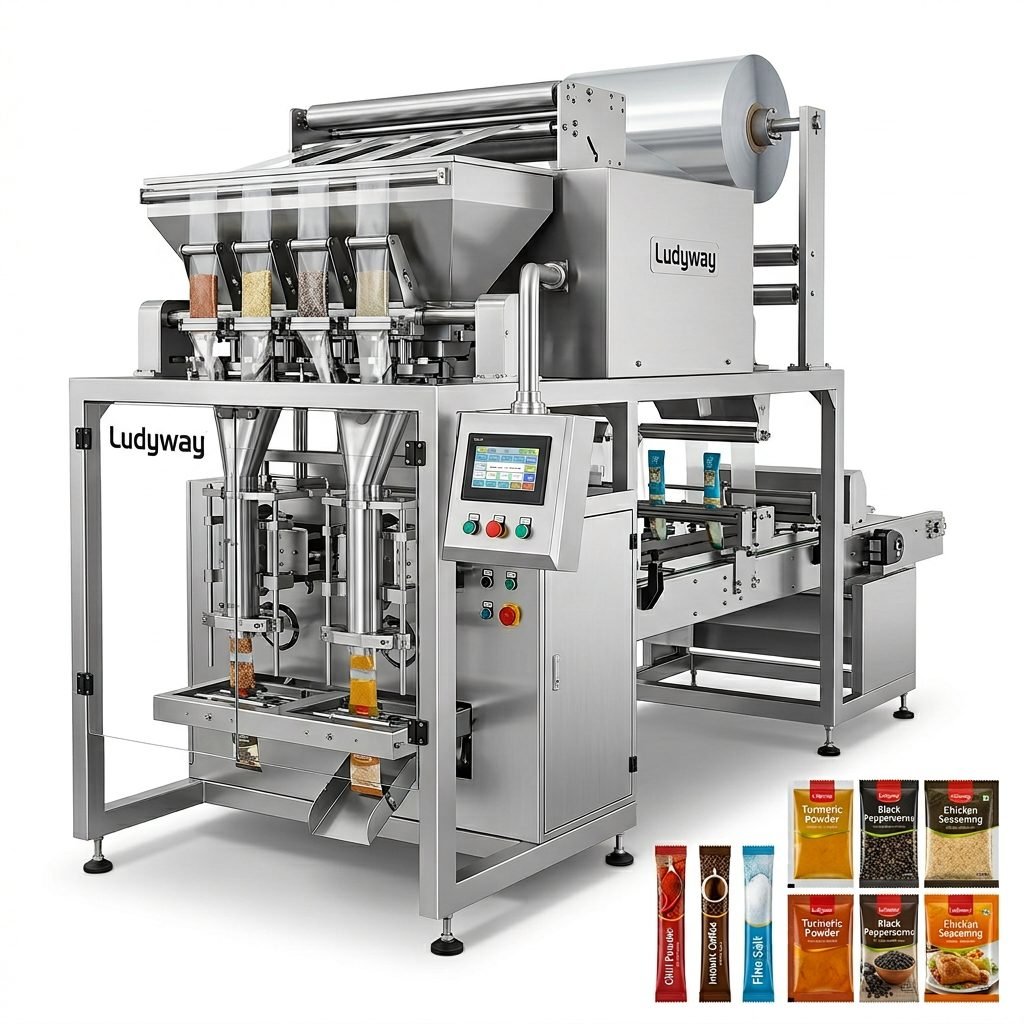
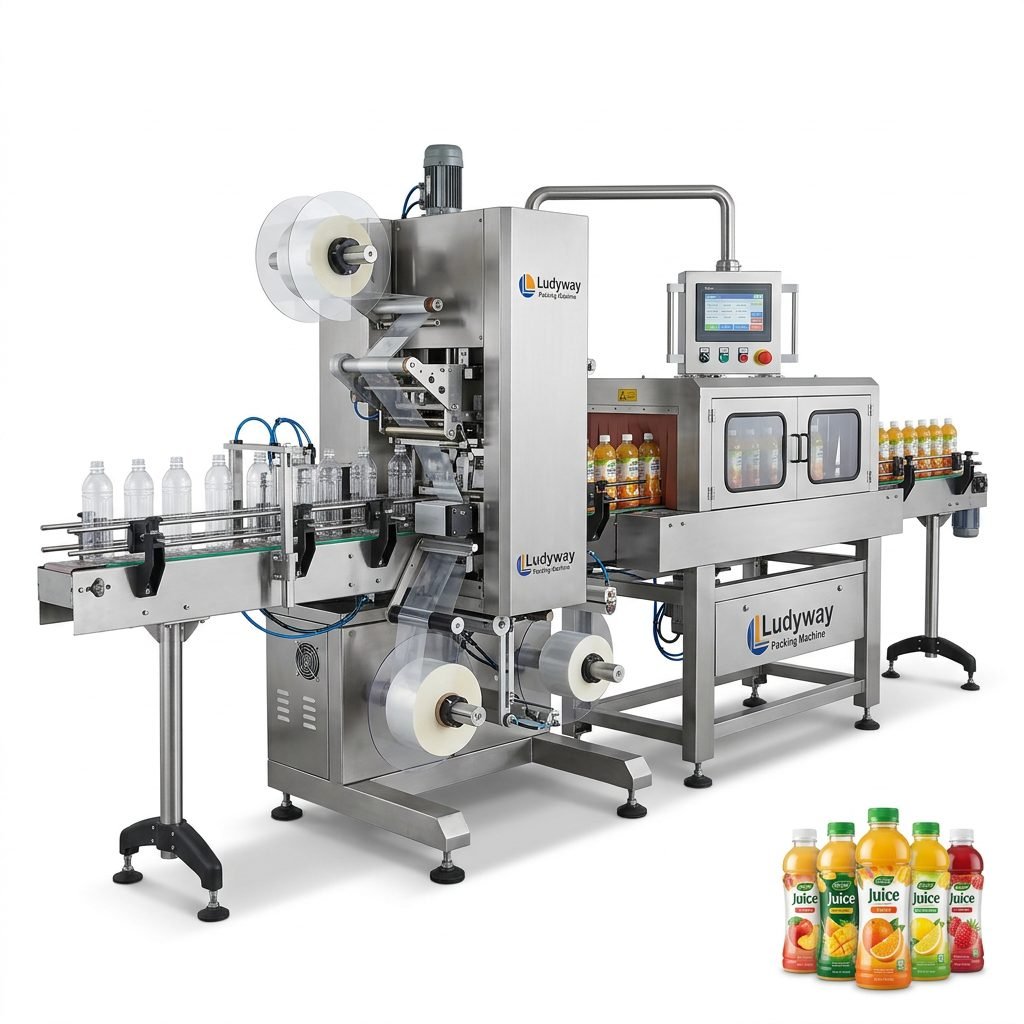
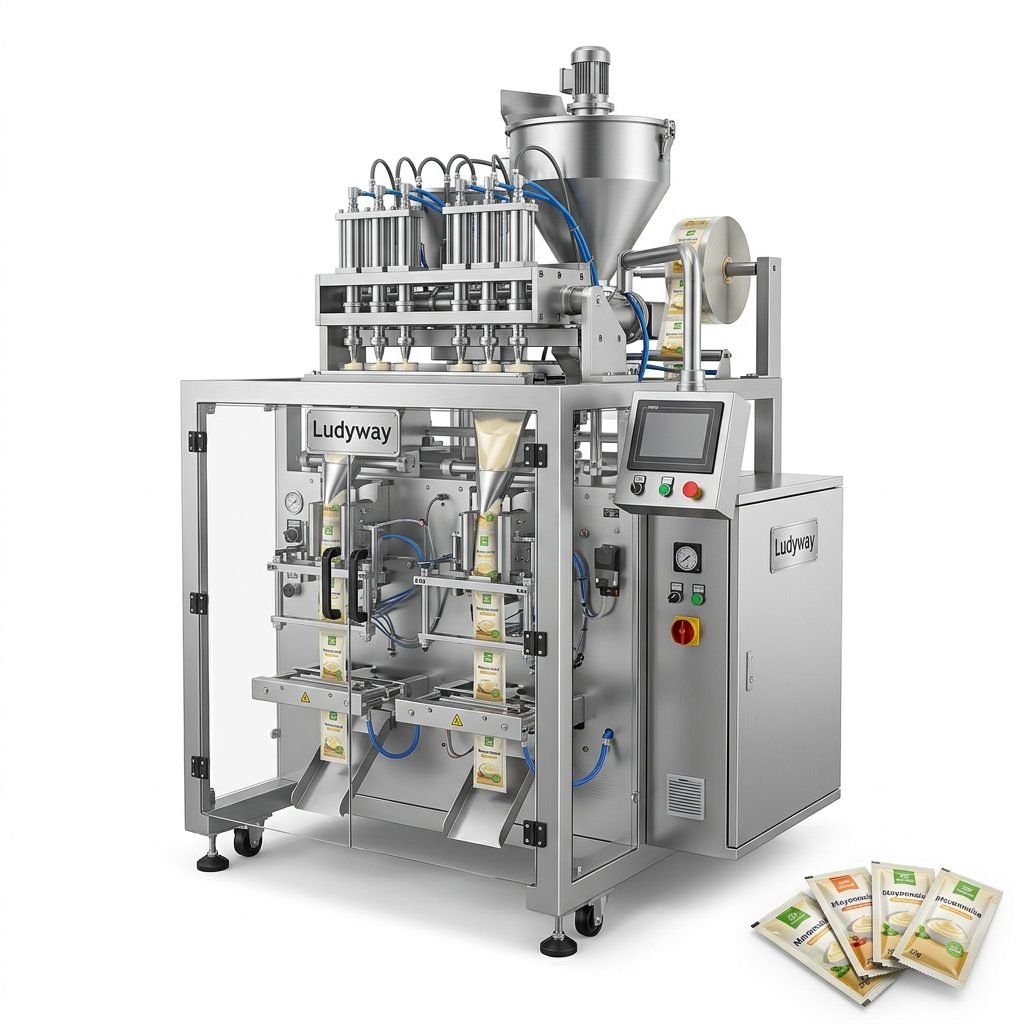
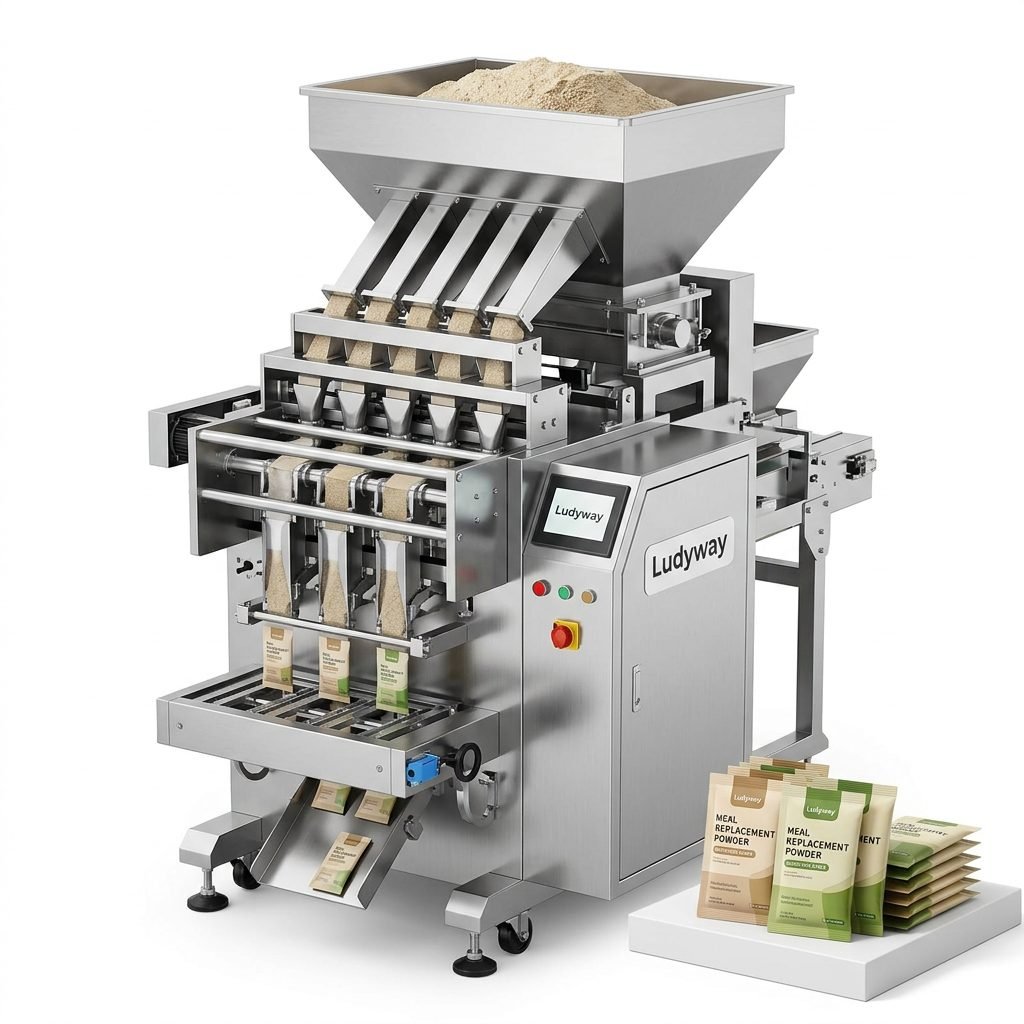
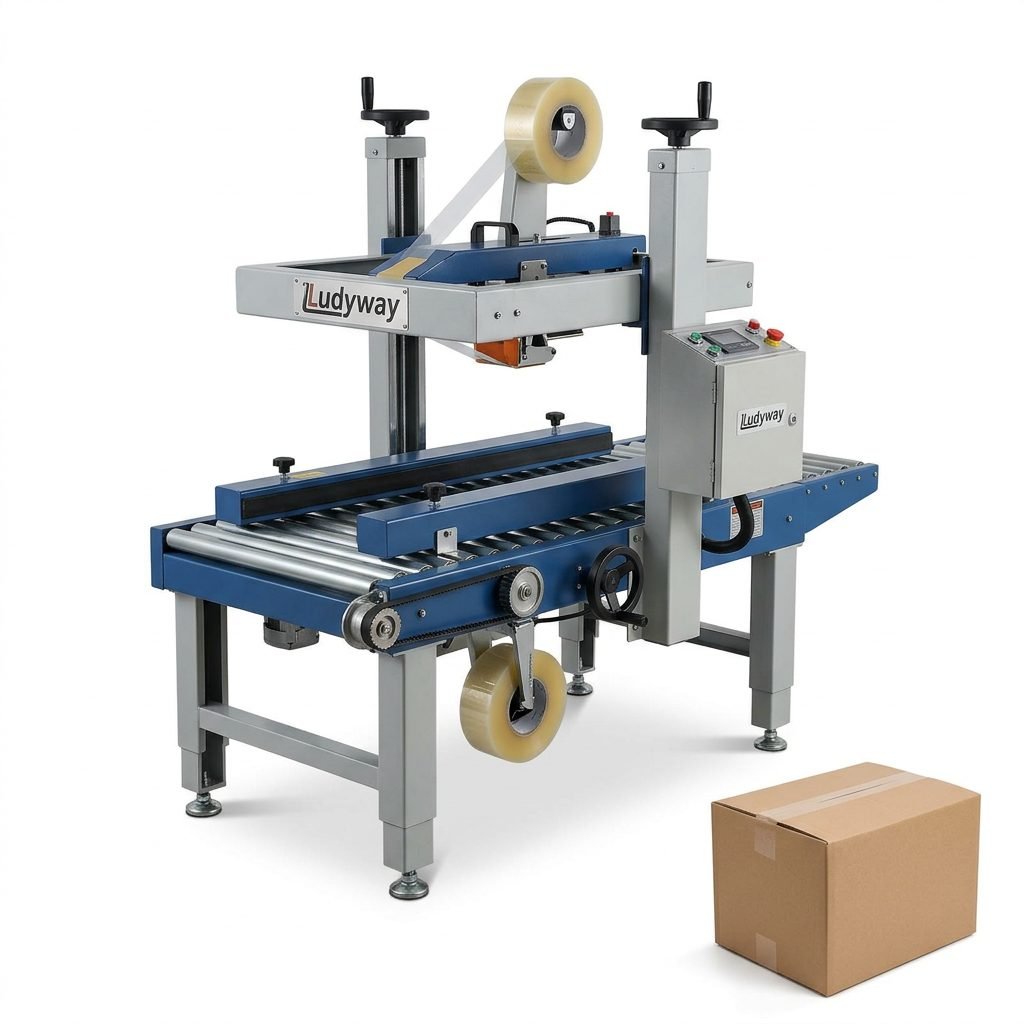
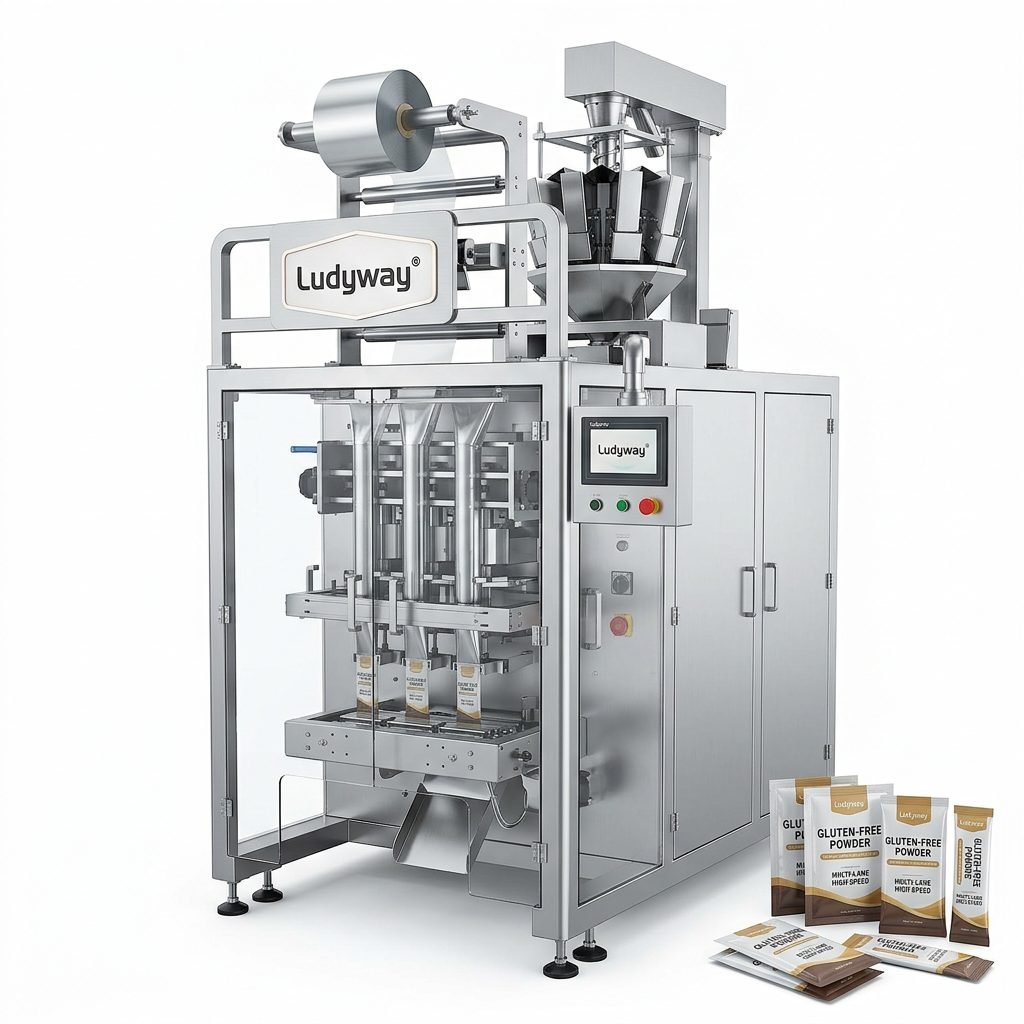
Cotton candy, a timeless treat loved by children and adults alike, relies heavily on the efficiency of its production equipment. A cotton candy packaging machine is a specialized piece of equipment designed to handle the delicate, voluminous nature of spun sugar. Without a rigorous cleaning and maintenance routine, these machines can quickly become clogged, leading to inconsistent seals, product waste, and costly downtime. This guide outlines essential steps to keep your packaging line running smoothly.
Understanding the Importance of Regular Maintenance
Maintaining a cotton candy packaging machine is not just about hygiene; it is about protecting your investment. Sugar residue is hygroscopic, meaning it attracts moisture from the air. This can cause sticky buildup on critical components such as sealing jaws, conveyor belts, and packaging machinery sensors. If left unchecked, this residue can corrode metal parts, degrade electrical connections, and create unsanitary conditions that attract pests. A proactive maintenance schedule ensures product consistency, extends the equipment’s lifespan, and keeps your operation compliant with food safety standards.
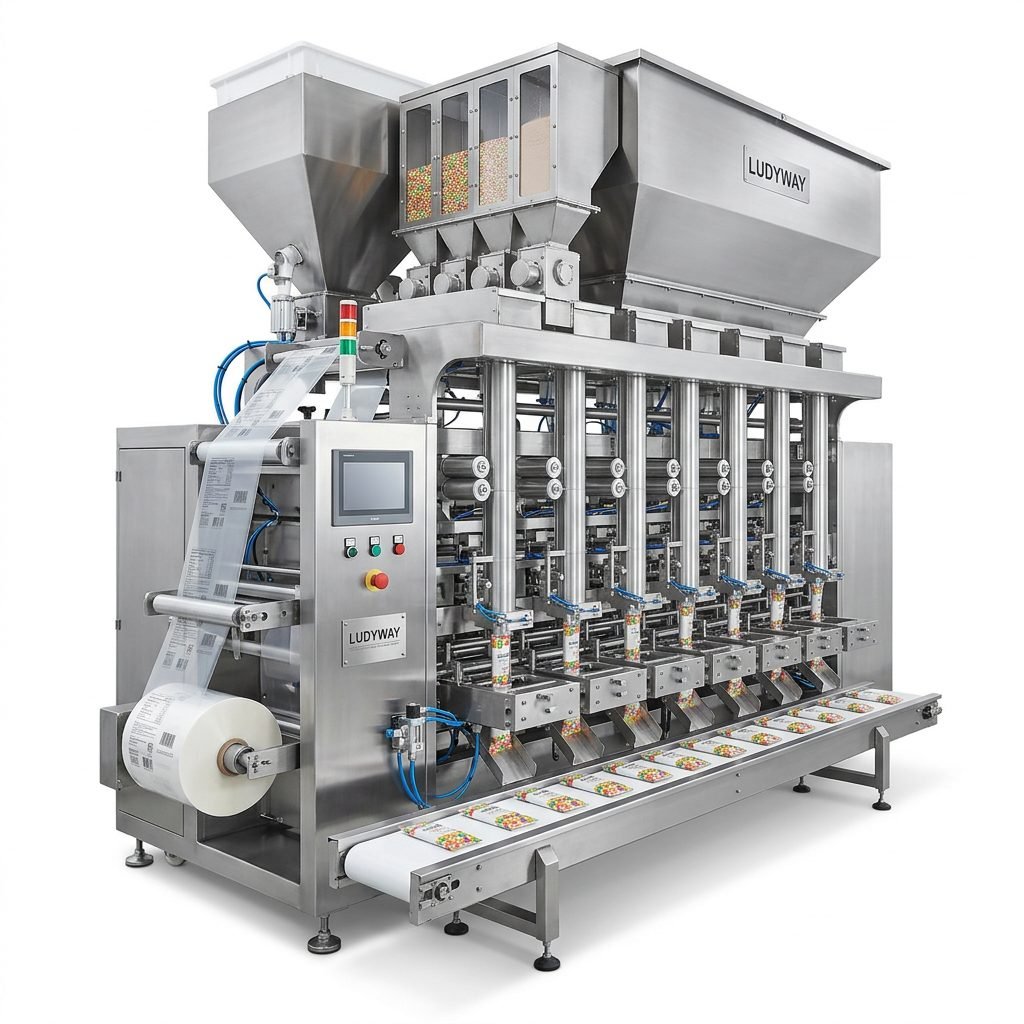
Daily Cleaning Checklist for Your Packaging Equipment
A consistent daily wipe-down is the first line of defense. After every shift, operators should follow these steps:
- Power Down and Lock Out: Always disconnect the main power supply before opening any guards or touching internal components.
- Remove Loose Sugar: Use a vacuum cleaner with a HEPA filter to remove loose floss and sugar dust from the filling area. Avoid using compressed air, which can blow fine sugar particles deeper into bearings and electronics.
- Wipe Sealing Surfaces: The heat-sealing jaws are prone to caramelized sugar buildup. Wipe them with a non-abrasive cloth and a food-grade solvent while they are still slightly warm.
- Inspect Forming Tubes: Check the film-forming tubes for scratches or sugar buildup that could tear the packaging film.
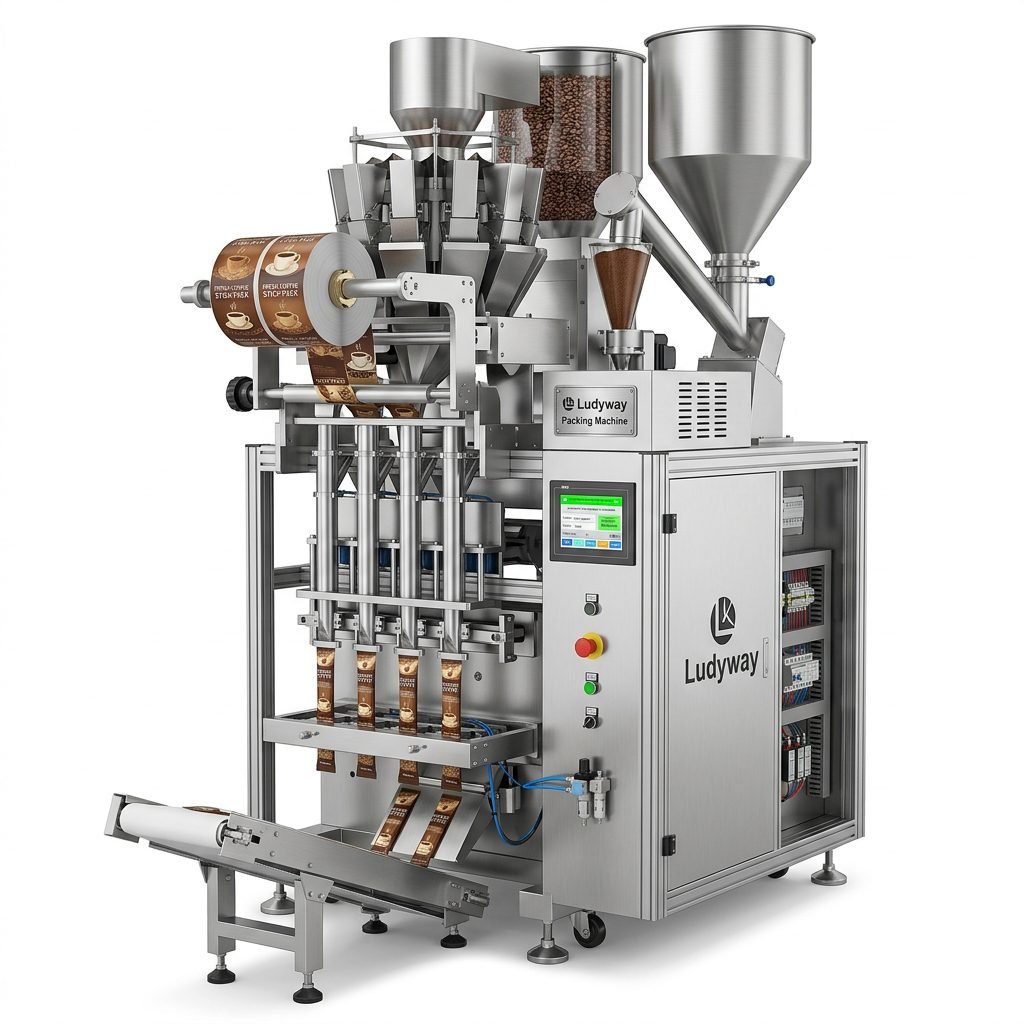
Weekly Deep Cleaning Procedures
While daily cleaning handles surface debris, a deeper weekly clean targets internal mechanisms. Sugar dust inevitably migrates into crevices where brushes cannot reach.
Cleaning the Weighing and Filling System
The volumetric or multi-head weigher must be completely disassembled according to the manufacturer’s manual. Wash removable hoppers and buckets with warm, soapy water, ensuring they are completely dry before reassembly. Any residual moisture will instantly turn the next batch of sugar into a solid block. Pay close attention to the load cells; sugar accumulation on these sensitive sensors can cause severe weighing inaccuracies that lead to product giveaway.
Inspecting the Film Transport
Check the rollers and unwind assembly. Sticky sugar residue on rollers can cause the packaging film to track incorrectly, resulting in crooked seals or flexible packaging jams. Use a plastic scraper to gently remove any stuck sugar without scratching the roller surfaces.
Monthly Preventive Maintenance Tasks
Monthly checks should focus on the mechanical integrity of the cotton candy packaging machine. Here is a recommended inspection table:
| Component | Maintenance Action | Frequency |
|---|---|---|
| Chain Drives & Belts | Check tension and lubricate with food-grade oil | Monthly |
| Electrical Connections | Tighten terminals and check for sugar dust ingress | Monthly |
| Pneumatic Hoses | Inspect for cracks or moisture buildup | Monthly |
| Sealing Jaw Teflon Coating | Inspect for wear and replace if peeling | Monthly |
| Cutting Knives | Sharpen or replace to ensure clean pouch separation | Monthly |
Lubrication Best Practices
Lubrication is critical in a sugar-heavy environment. Always use food-grade H1 lubricants specifically rated for incidental food contact. Standard industrial greases can break down when exposed to sugar and may contaminate your product. Over-lubrication is a common mistake; excess grease acts as a magnet for airborne sugar dust, creating a thick, grinding paste that accelerates wear on bearings and shafts. Apply lubricant sparingly and wipe away any excess immediately.
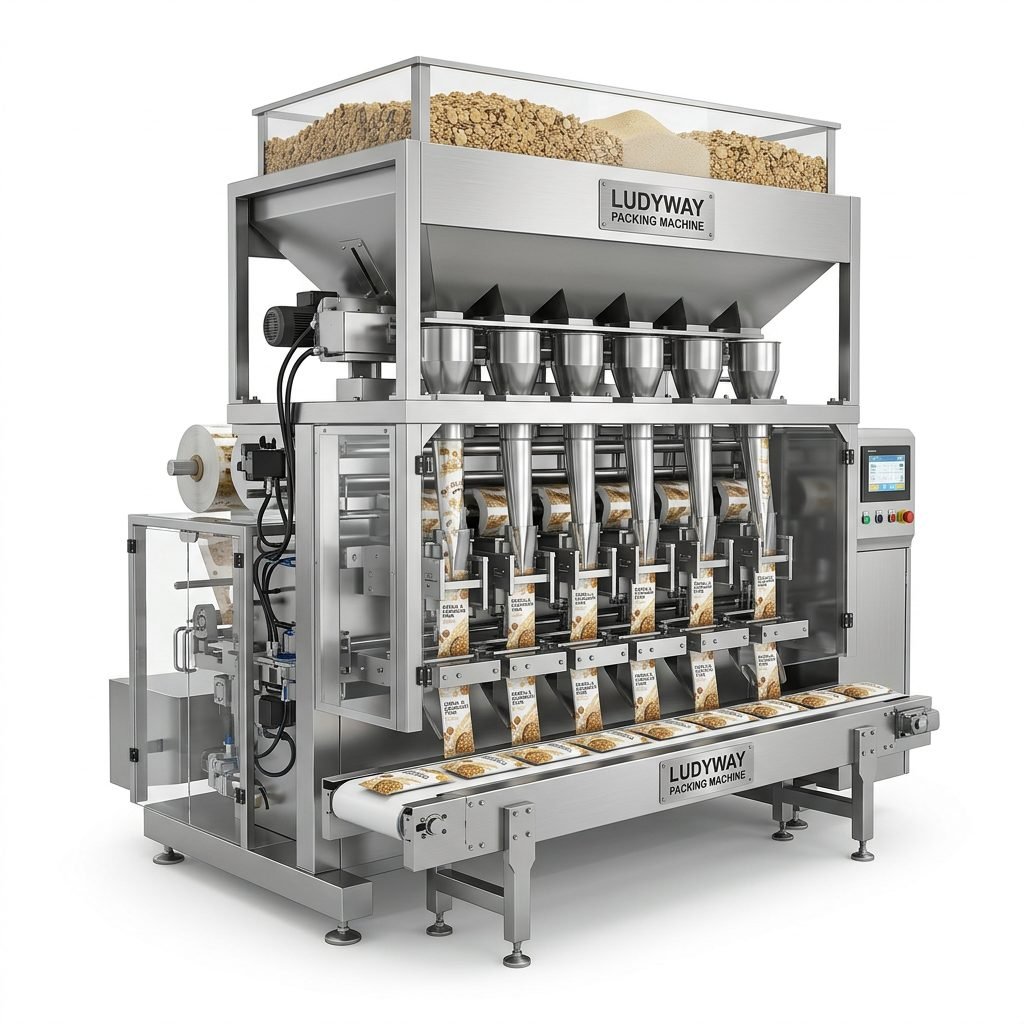
Troubleshooting Common Issues
Even with diligent maintenance, issues can arise. Here are common problems and their likely solutions:
- Inconsistent Seal Strength: Check for sugar residue on the sealing jaws or temperature controller calibration drift. Wipe jaws clean and verify setpoint temperatures with an external thermocouple.
- Film Wrinkling or Tracking Off: This usually indicates sticky rollers or misaligned forming tubes. Perform the weekly roller cleaning procedure and verify tube alignment.
- Erratic Filling Weights: Sugar buildup on the weigh bucket hinges or load cells is the primary suspect. A thorough deep clean of the weighing mechanism typically resolves this.
- Machine Vibration: Loose floor anchors or worn drive belts can cause excessive vibration that affects filling accuracy. Check and tighten all mounting bolts.
The Role of Environmental Control
The environment surrounding your cotton candy packaging machine plays a significant role in maintenance frequency. High humidity accelerates sugar clumping inside the machine. Ideally, the packaging room should be climate-controlled with a relative humidity below 45%. Installing a dehumidifier near the production line can dramatically reduce cleaning intervals and prevent the sticky residue that makes maintenance so challenging. Temperature stability also ensures consistent sealing performance on the packaging equipment.
Spare Parts Management
Downtime in cotton candy production can be costly. Keeping a critical spare parts inventory ensures rapid recovery from component failures. Essential spares to stock include:
- Teflon-coated sealing bands and jaws
- Forming tube assemblies in various sizes
- Cutting knife blades
- Drive belts and timing belts
- Common sensors and thermocouples
- Heater cartridges for the sealing system
Partnering with a reliable packaging machine manufacturer like Ludyway ensures you have access to genuine OEM parts and technical documentation for your specific model, which significantly simplifies long-term maintenance planning.
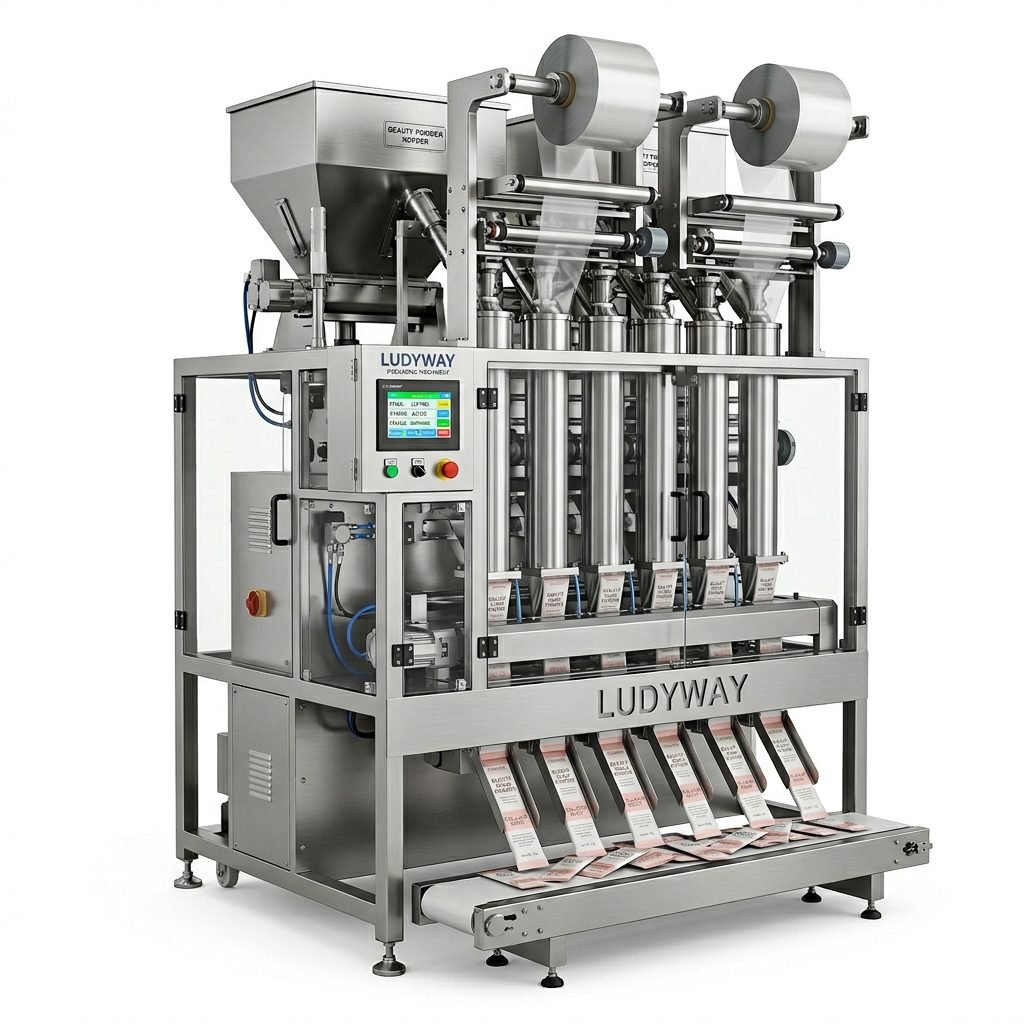
Training Your Maintenance Team
No maintenance plan succeeds without properly trained personnel. Operators and technicians should be trained to recognize early warning signs such as unusual noises, slight film tracking deviations, or minor seal inconsistencies. Empowering your team to perform basic troubleshooting and routine cleaning reduces reliance on specialized service calls. Document all maintenance activities in a logbook or digital CMMS (Computerized Maintenance Management System) to track patterns and predict component wear before failure occurs.
Annual Professional Servicing
Even with a robust internal maintenance program, an annual inspection by a qualified service technician is invaluable. A professional can perform advanced diagnostics, recalibrate control systems, and identify potential issues that untrained eyes might miss. During this service, the technician should perform a full preventive overhaul, including replacing worn bearings, checking PLC program integrity, and validating all safety interlocks. This annual investment pays for itself by preventing catastrophic failures during peak production seasons.
For further reading on packaging standards and best practices, visit PMMI – The Association for Packaging and Processing Technologies or explore Flexible Packaging Association resources. Staying current with industry trends and ISO packaging standards helps ensure your maintenance protocols remain aligned with global best practices.