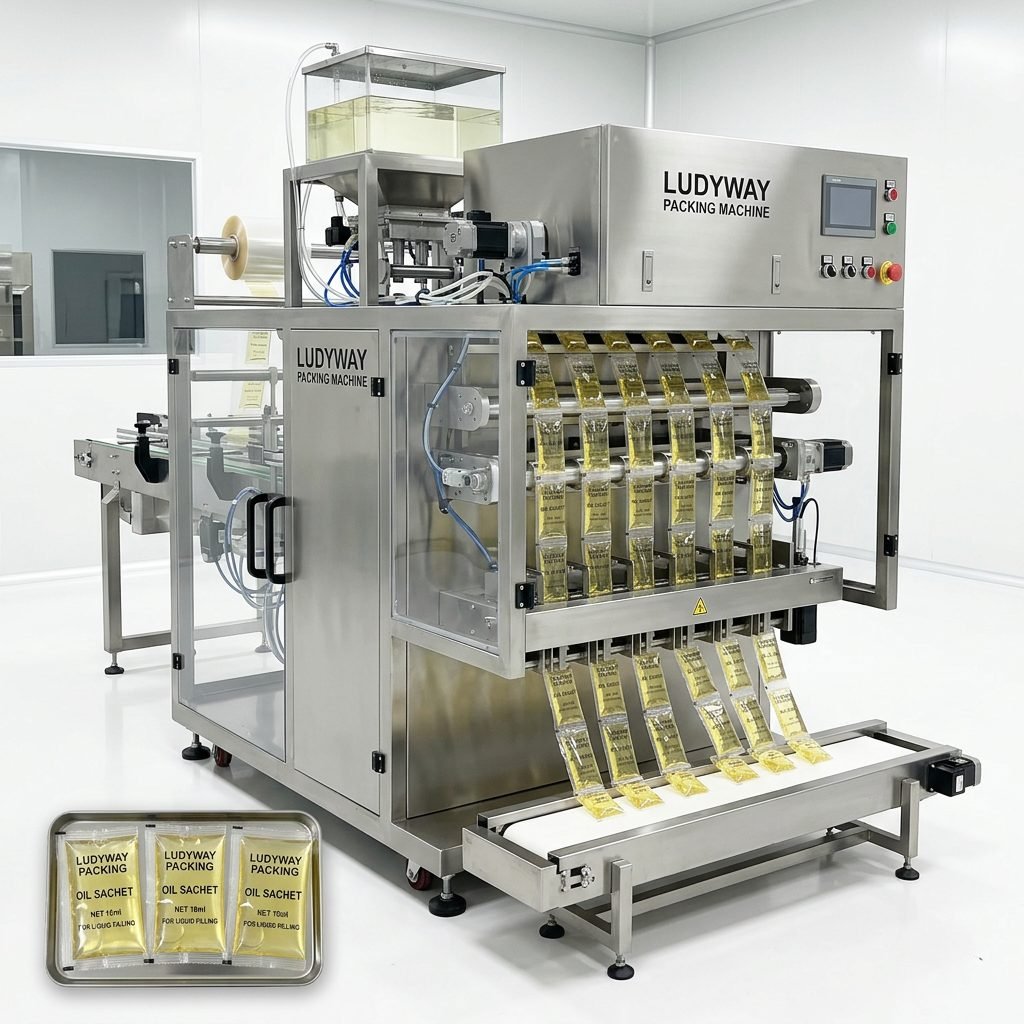
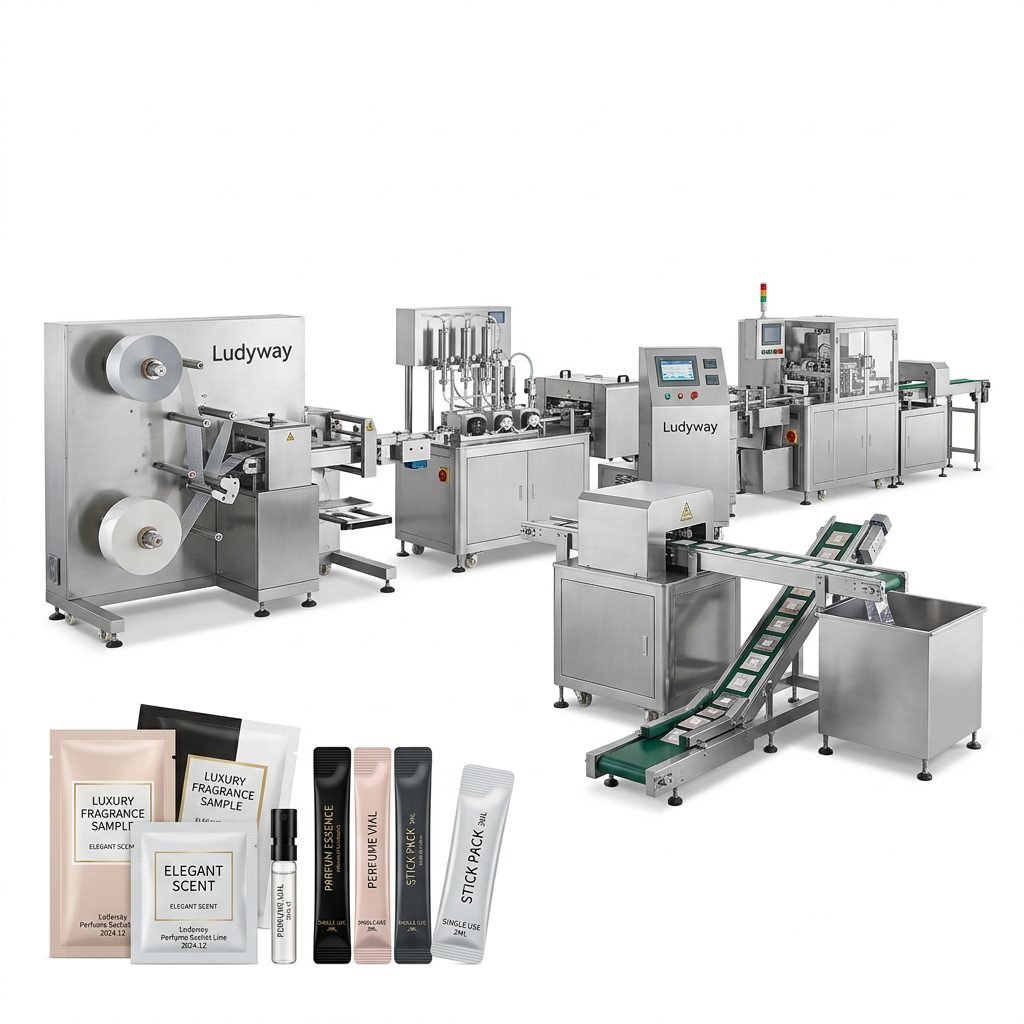
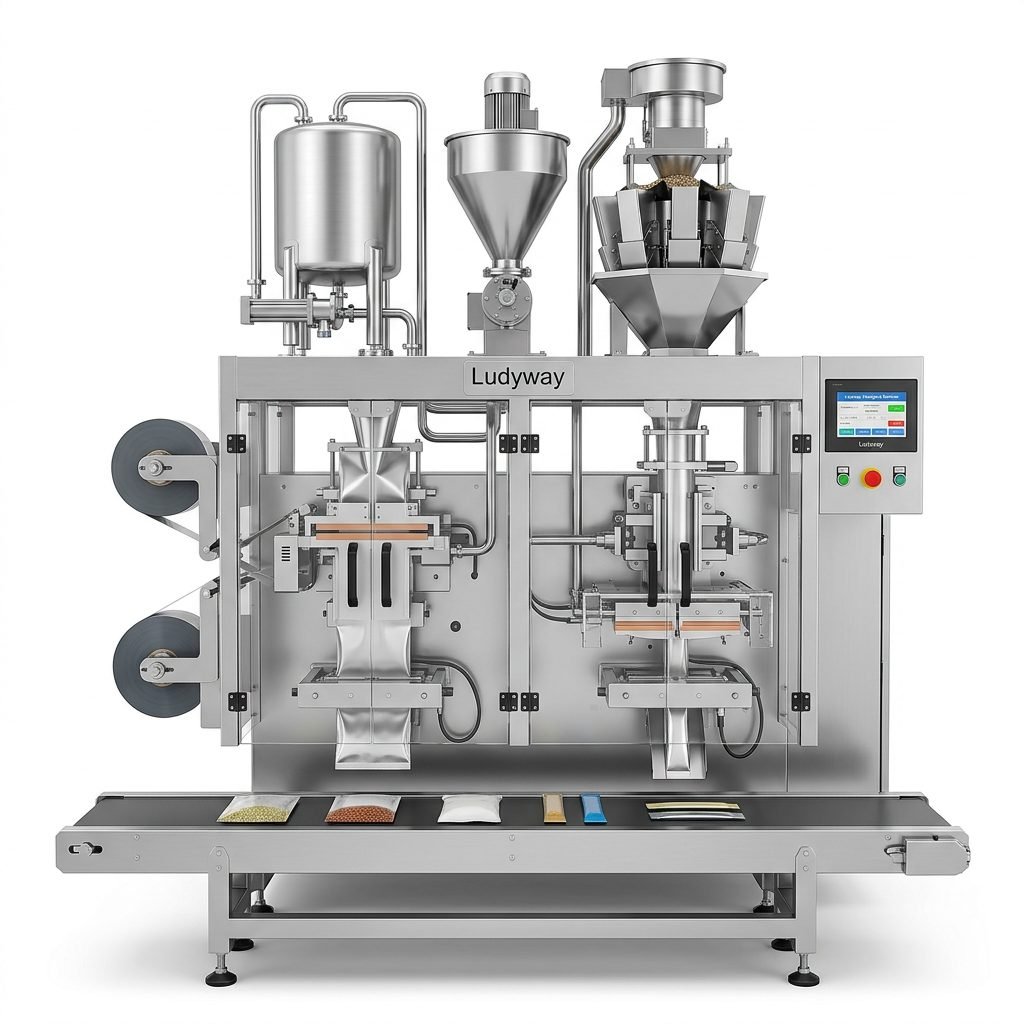
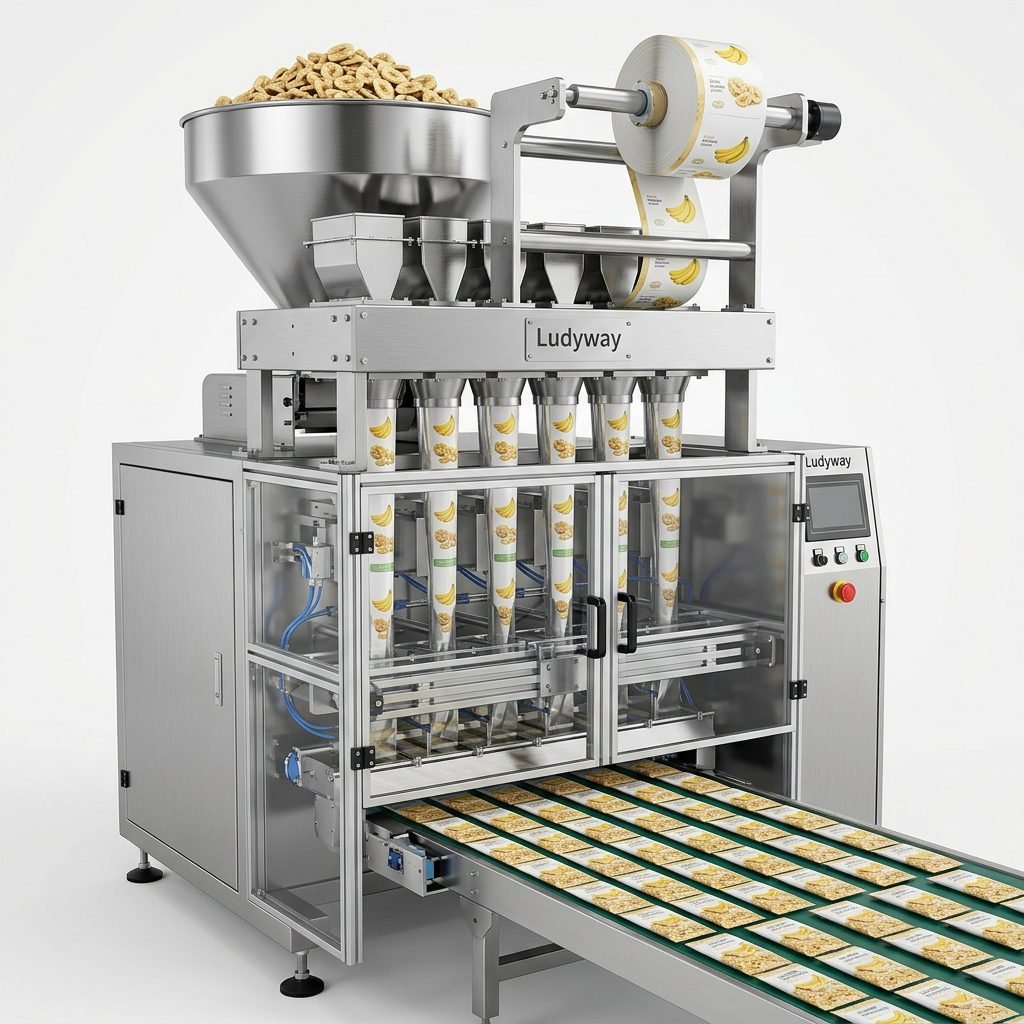
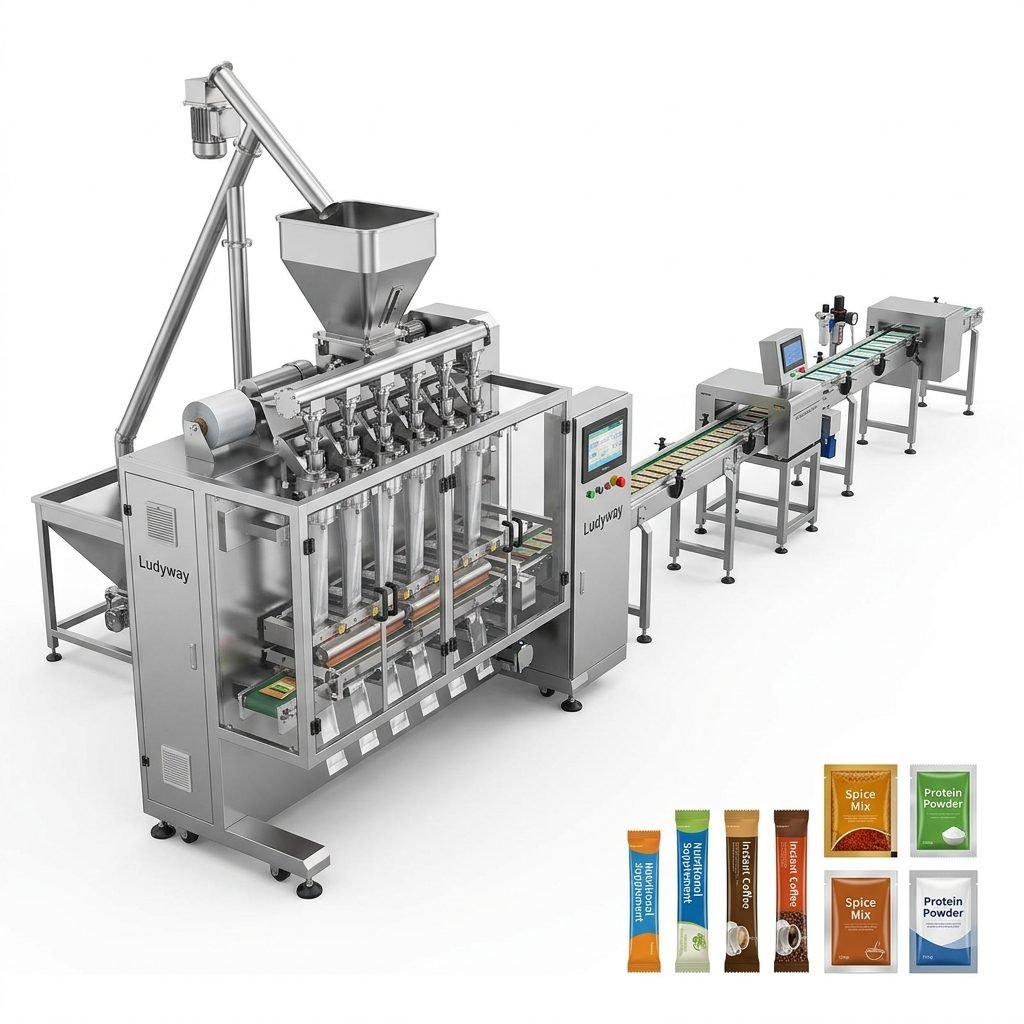
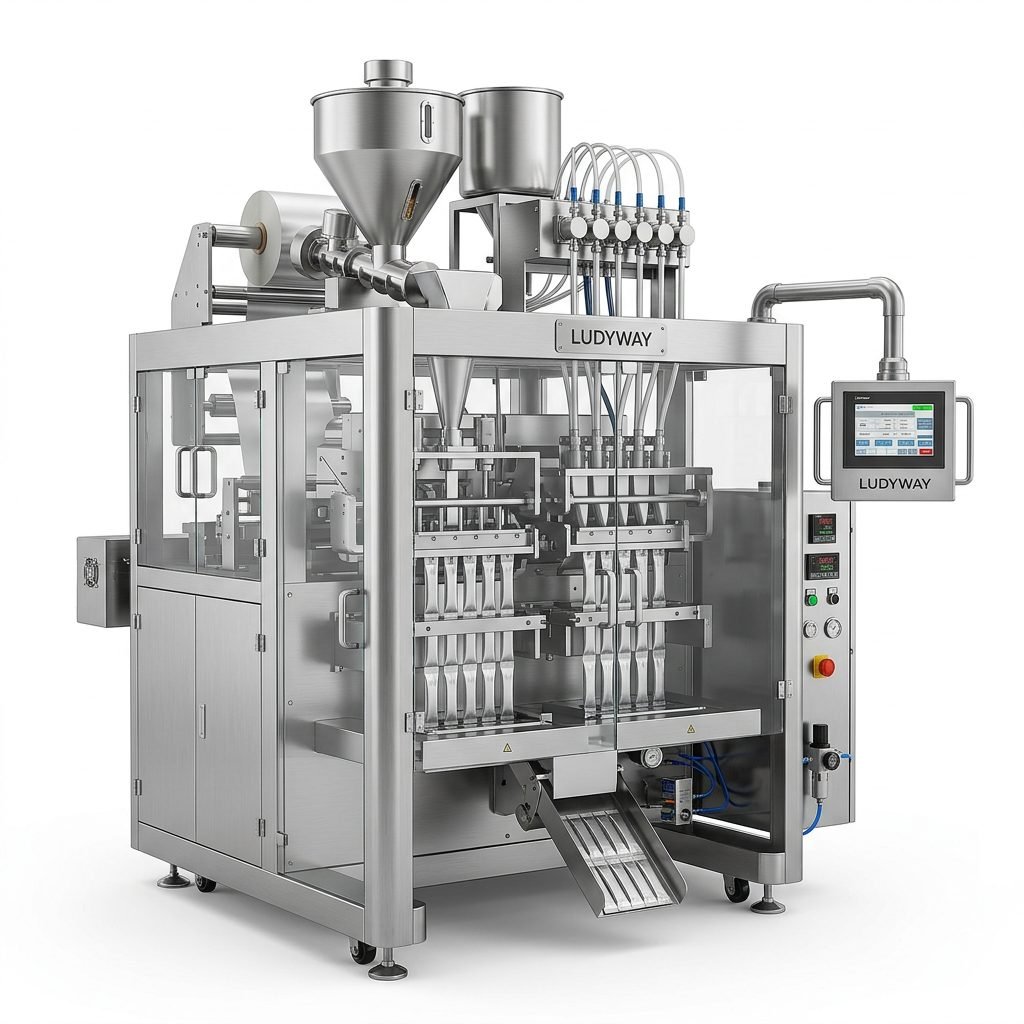
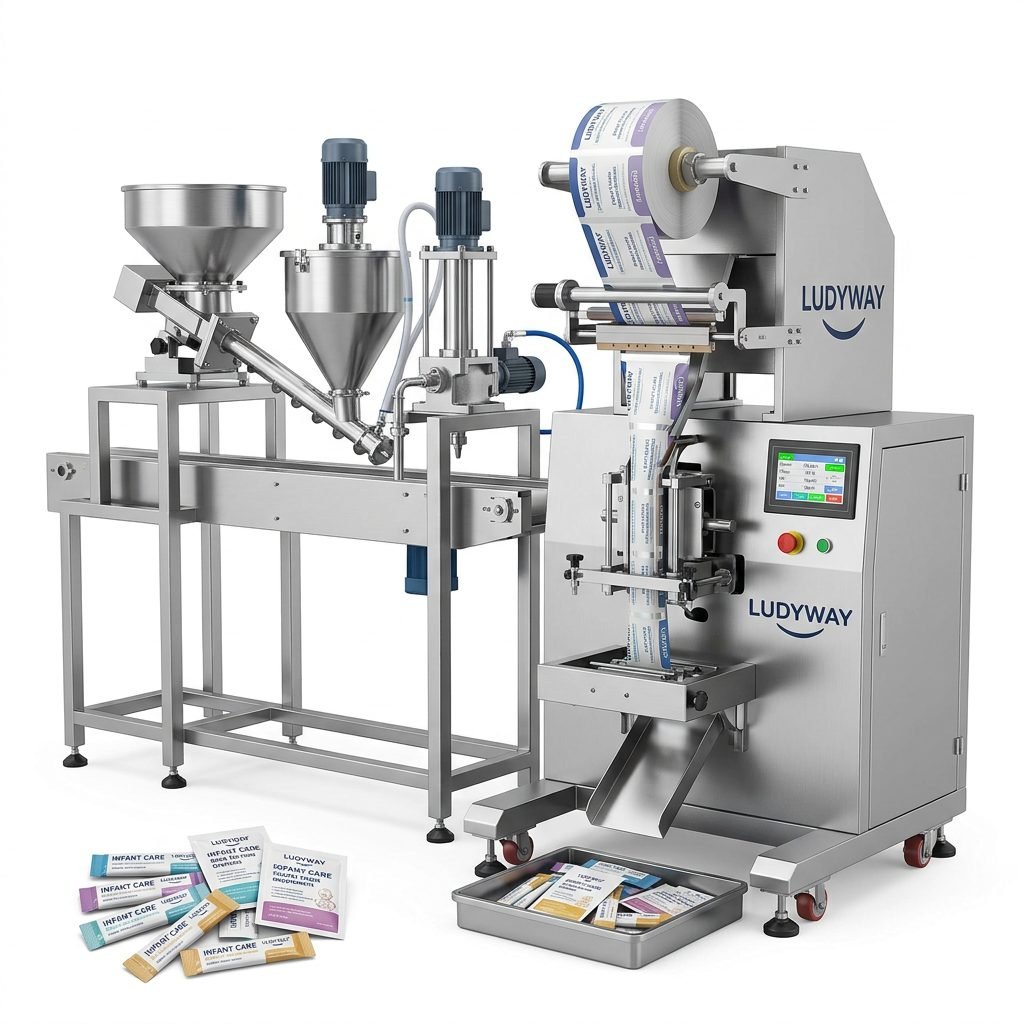
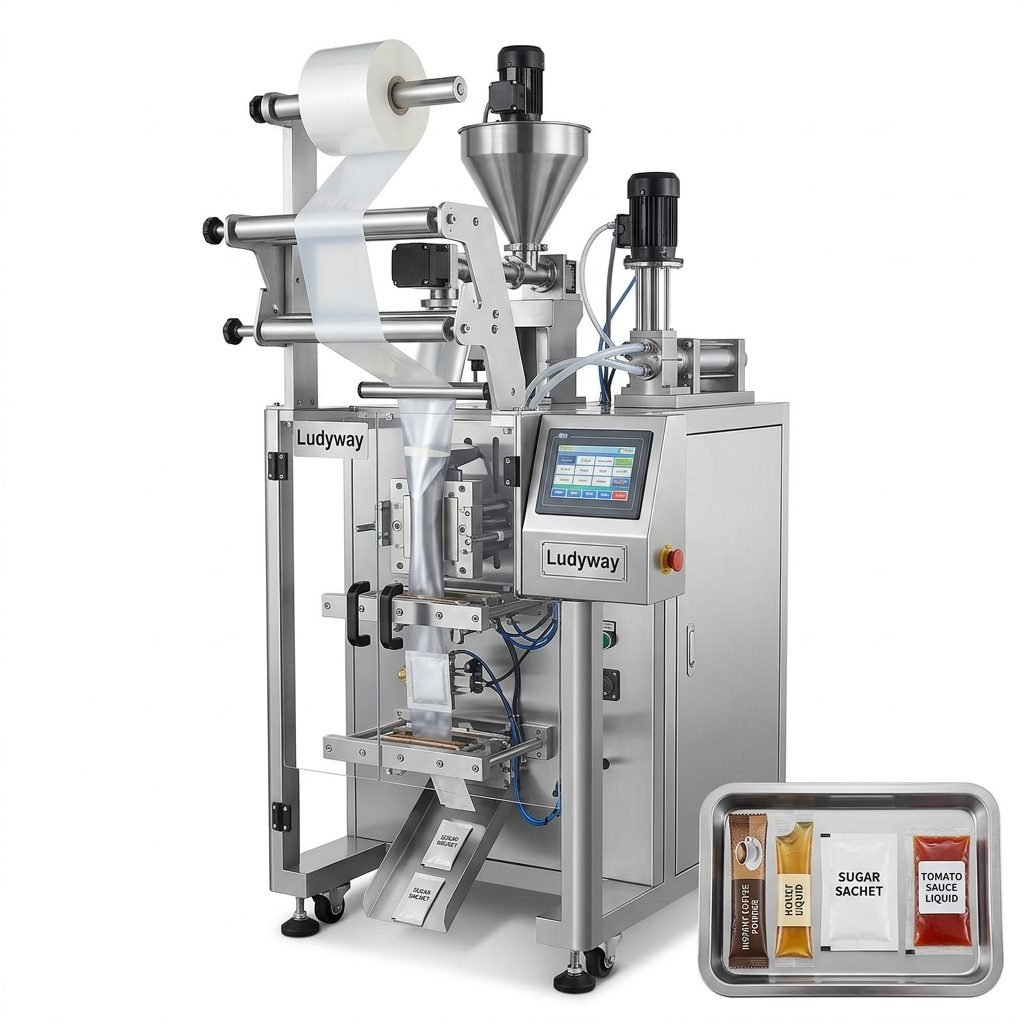
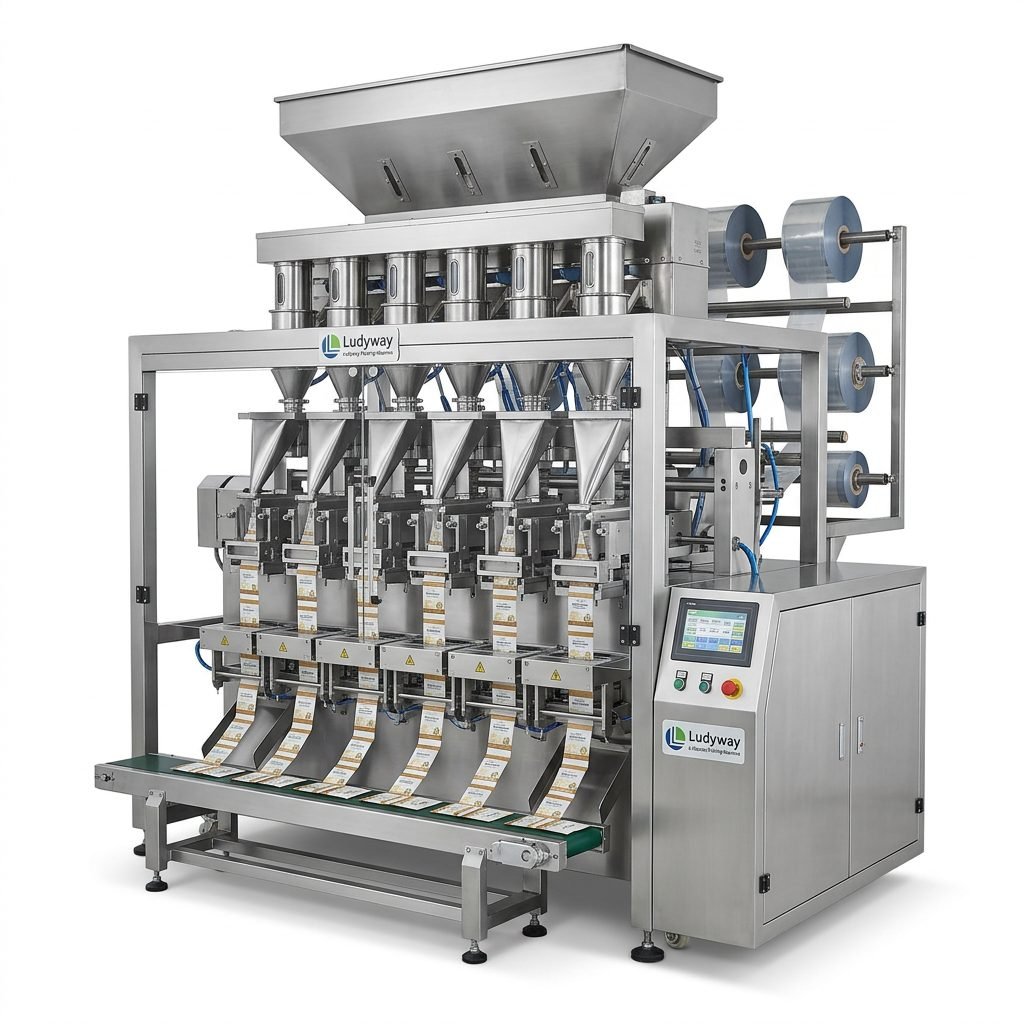
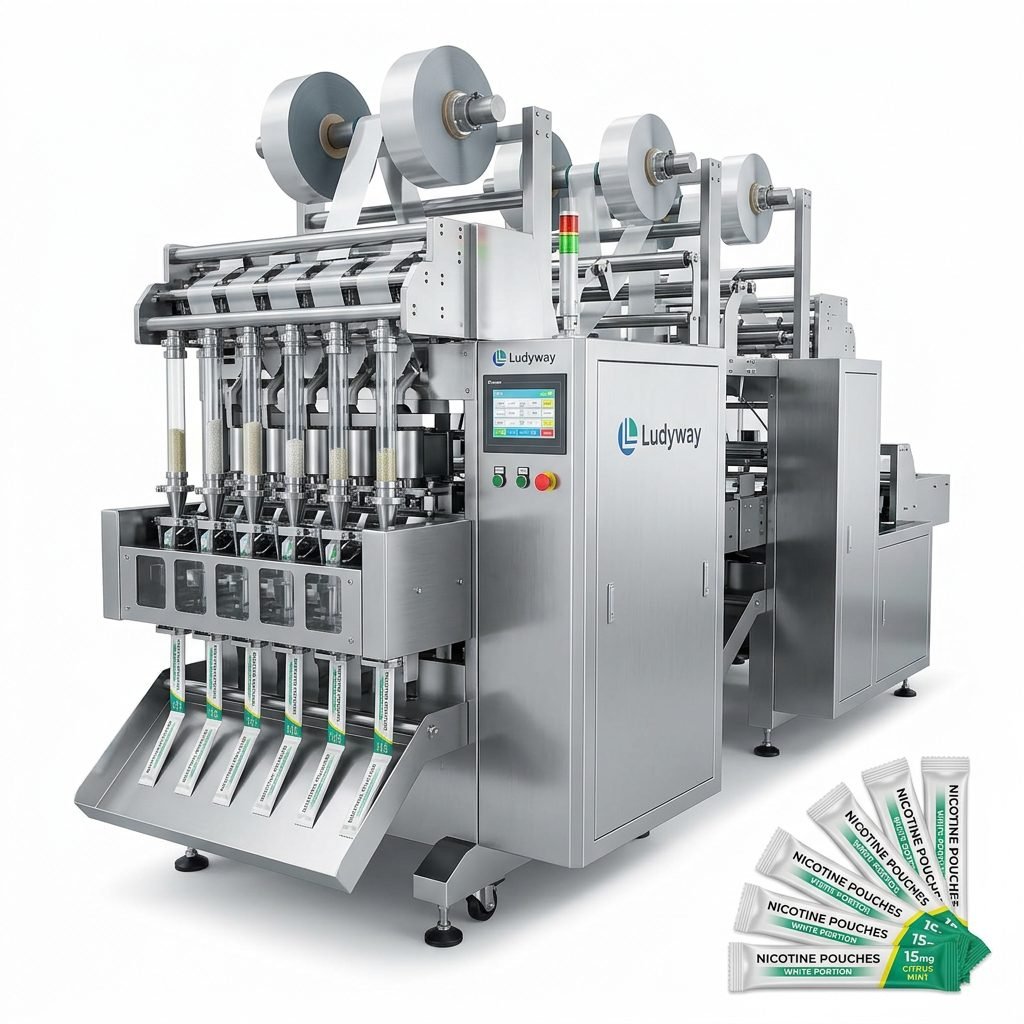
Keeping your snack packing machine in peak condition is the most effective way to ensure consistent output, reduce unexpected downtime, and extend the lifespan of your equipment. Whether you are packaging granulated snacks, powdered drink mixes, or crispy treats, a structured cleaning and maintenance routine safeguards product quality and operational efficiency. Below, we break down the essential steps every operator and maintenance team should follow.
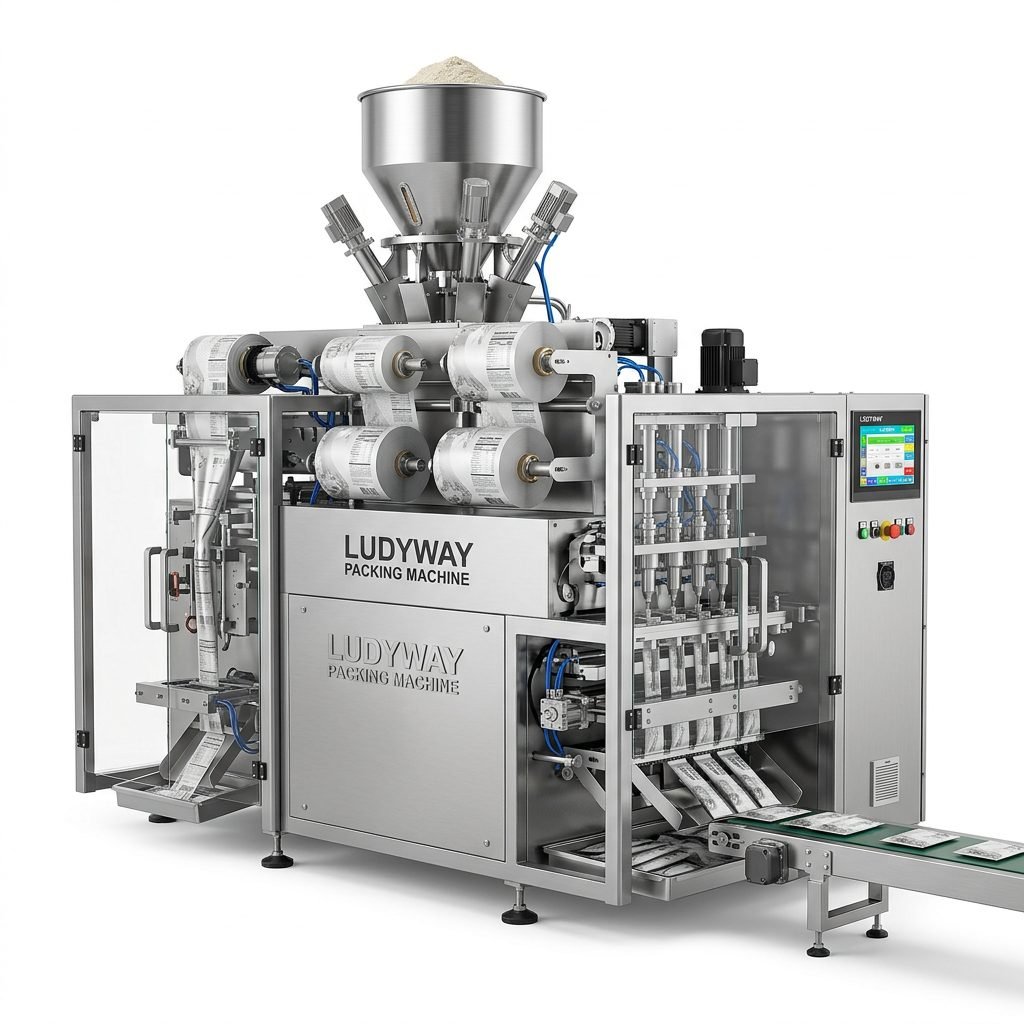
Why Routine Maintenance Matters
Food residues, dust, and oil buildup are the silent enemies of any snack packaging equipment. Neglected machines can suffer from seal failures, inaccurate filling weights, and even contamination risks. A proactive approach helps you:
- Prevent cross-contamination between product batches
- Maintain filling accuracy and reduce product giveaway
- Extend the service life of sealing jaws, belts, and sensors
- Avoid costly emergency repairs during peak production periods
Daily Cleaning Essentials
At the end of each shift, operators should perform a thorough yet efficient cleaning routine. Start by disconnecting the machine from the power supply and following lockout/tagout procedures. Remove any remaining product from the hopper, feeding system, and forming tube. Use food-grade compressed air to blow away fine particles from hard-to-reach areas, then wipe down all contact surfaces with a lint-free cloth and approved sanitizing solution.
Pay special attention to the sealing jaws and cutting blades. These components are most prone to product buildup, which can compromise seal integrity on every single pouch. A clean sealing surface means stronger seals and fewer leakers.
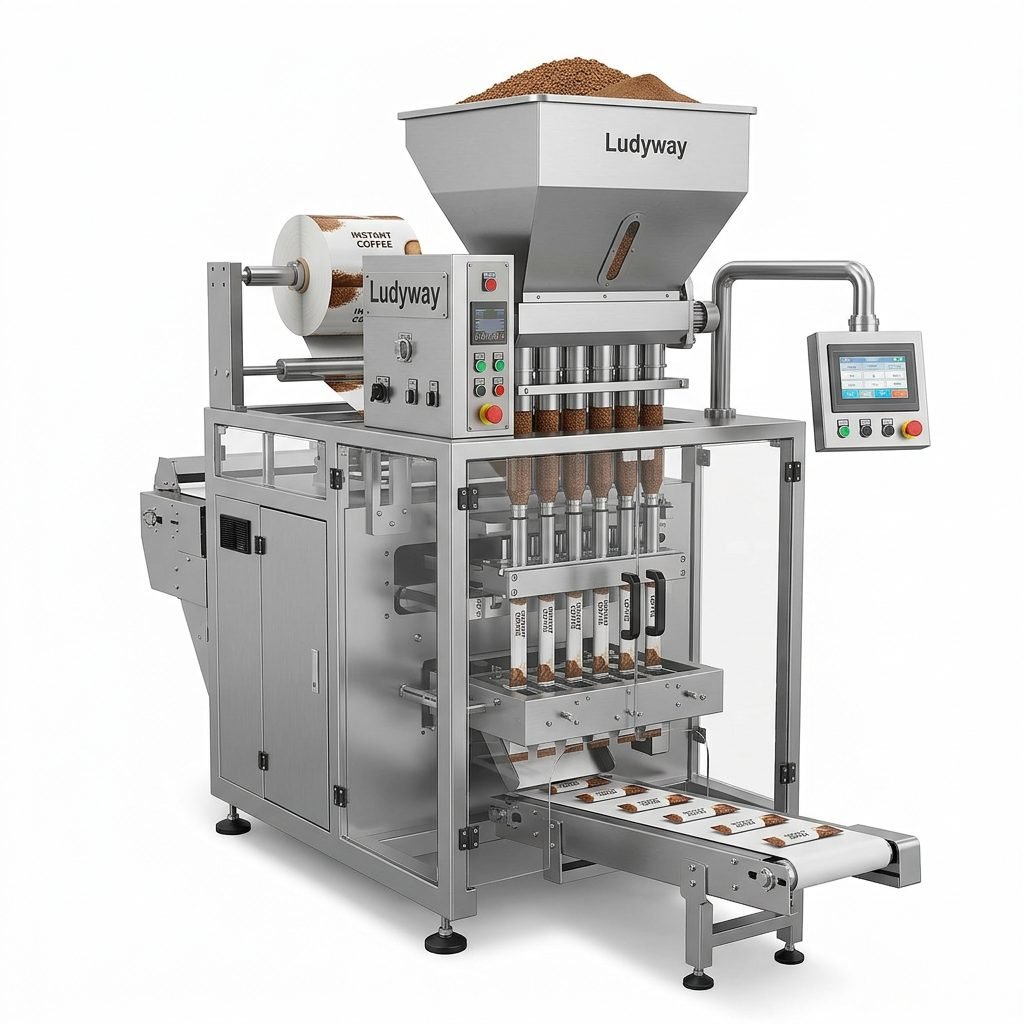
Weekly Inspection Checklist
Beyond daily cleaning, a more detailed inspection once a week helps catch early warning signs before they become serious problems. Key areas to examine include:
- Film tracking and tension: Misaligned film leads to crooked seals and wasted packaging material
- Temperature calibration: Verify that sealing temperature setpoints match actual readings using a calibrated thermometer
- Sensor cleanliness: Photoelectric sensors and proximity switches must be free of dust to function accurately
- Belt tension and wear: Loose or frayed belts cause inconsistent feeding and registration errors
- Air filters and pneumatic lines: Check for moisture buildup and clean or replace filters as needed
Monthly Deep Cleaning and Component Checks
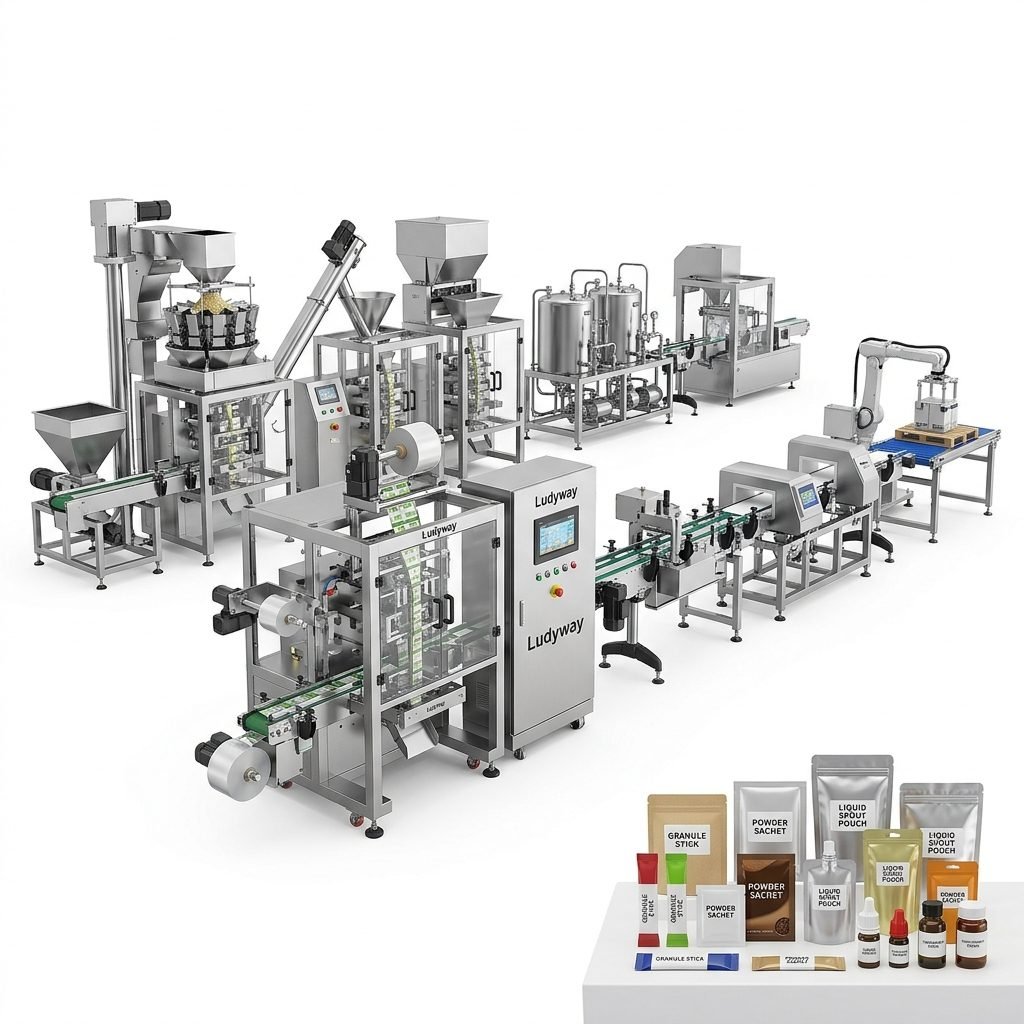
Schedule a more intensive maintenance session each month. This involves partial disassembly of product-contact parts for deep cleaning and detailed inspection. Remove the forming tube, sealing jaw assemblies, and any product guides. Soak and scrub these parts with food-safe degreasing agents, then dry them completely before reassembly.
During reassembly, check all fasteners for tightness. Vibration from high-speed operation can loosen bolts over time, particularly on multi-lane packaging systems. A loose component can cause misalignment that cascades into serious mechanical damage.
Critical Components That Demand Extra Attention
Some parts of your snack packing machine work harder than others and deserve focused monitoring:
Sealing System
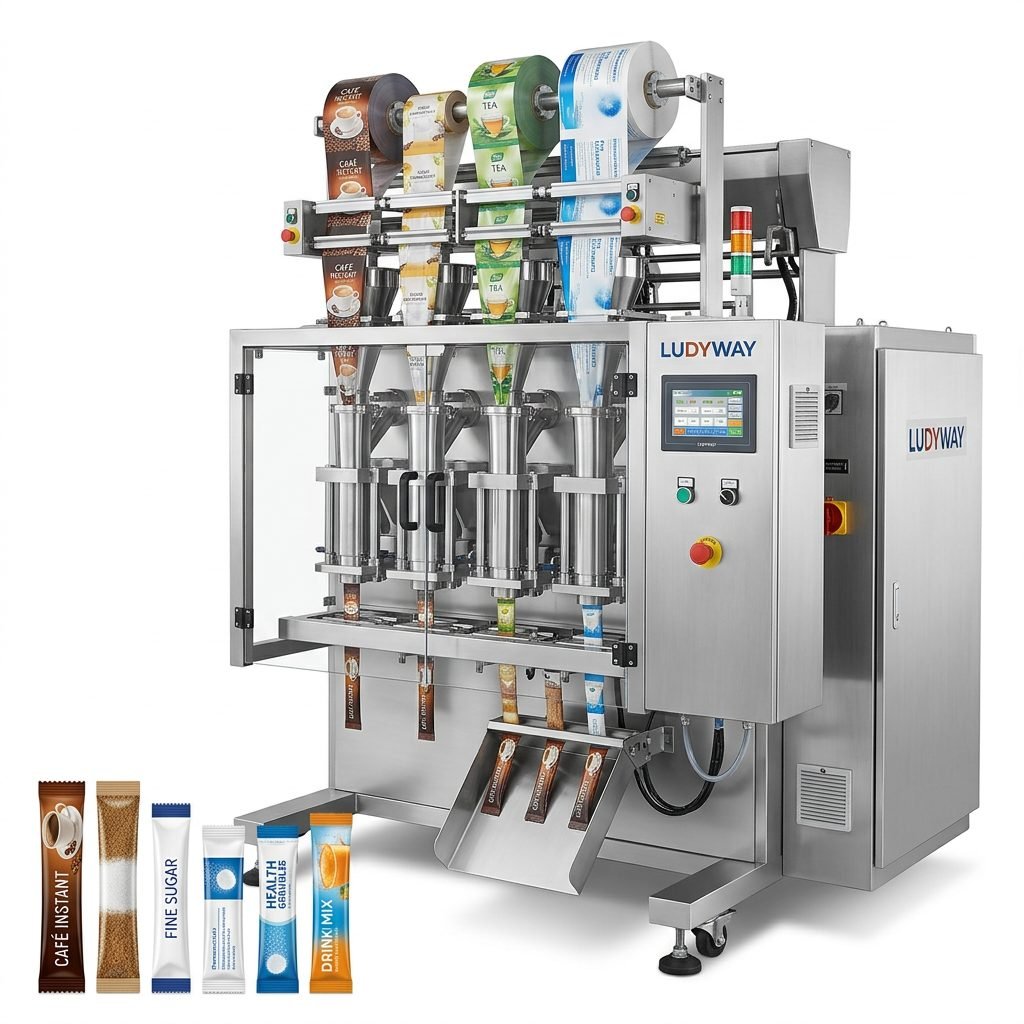
The sealing jaws and heating elements are the heart of your packaging operation. Inspect the Teflon coating on sealing surfaces for scratches or peeling. Damaged coating causes inconsistent heat transfer and poor seal quality. Replace jaw assemblies or recoating services should be scheduled based on usage hours, not just when failures occur.
Filling and Dosing Mechanism
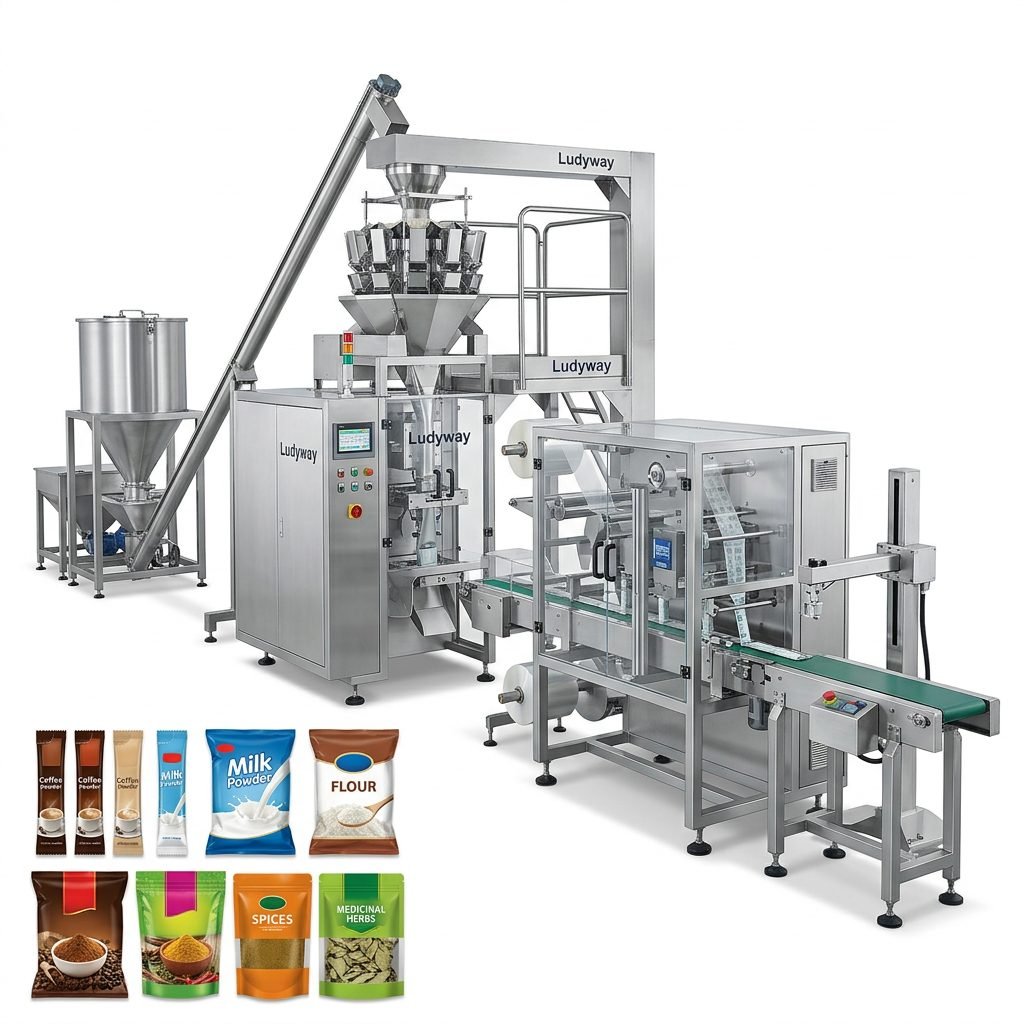
For granule packaging equipment, volumetric cups or auger fillers must be cleaned meticulously. Product residue that hardens inside dosing chambers directly affects fill weight accuracy. For multi-head weighers, calibrate load cells monthly and check that all contact surfaces are smooth and snag-free.
Film Unwinding and Registration
Erratic film feed is a common source of waste and frustration. Clean the film rollers with an approved rubber-roller cleaner to maintain grip. Check registration sensors and ensure the print mark contrast is sufficient for reliable detection. Worn bearings on unwind shafts should be replaced at the first sign of roughness.
Lubrication Best Practices
Proper lubrication is essential but must be applied with precision. Use only food-grade lubricants on any component that could potentially contact product zones. Over-lubrication attracts dust and creates a paste that accelerates wear. Follow the manufacturer’s recommended lubrication schedule for:
- Linear bearings and guide rails
- Cam followers and rotary joints
- Chain drives and gearboxes
- Pneumatic cylinder rods
Always wipe away excess lubricant immediately and document each lubrication event in your maintenance log.
Safety Precautions During Maintenance
Safety must never be compromised during cleaning and maintenance activities. Always isolate the machine from its energy sources before any intervention. Key safety protocols include:
- Lockout/Tagout (LOTO): Verify zero energy state before touching any internal component
- Personal Protective Equipment (PPE): Wear cut-resistant gloves when handling blades, and safety glasses when using compressed air
- Chemical safety: Use only cleaning agents compatible with food-contact materials; review SDS sheets before use
- Guarding replacement: Never operate the machine with safety guards removed or bypassed after maintenance
Troubleshooting Common Issues
Even well-maintained equipment can develop problems. Here are frequent issues and their typical root causes:
| Problem | Possible Cause | Solution |
|---|---|---|
| Weak or leaky seals | Contaminated sealing jaws, incorrect temperature, or worn Teflon coating | Clean jaws thoroughly; verify temperature settings; inspect and replace coating as needed |
| Inconsistent fill weights | Product buildup in dosing chamber or air pockets in powder | Deep clean the dosing system; check product flow and level in hopper |
| Film tracking off-center | Misaligned rollers, uneven tension, or worn bearings | Realign rollers; adjust tension evenly; replace worn bearings |
| Excessive noise or vibration | Loose fasteners, dry bearings, or misaligned drive components | Tighten all bolts; lubricate bearings; check drive alignment |
Recommended Maintenance Schedule
Consistency is the backbone of effective equipment care. The table below summarizes the recommended maintenance intervals for various tasks:
| Frequency | Task | Responsible |
|---|---|---|
| Daily | Wipe down all contact surfaces; clear product residue from sealing area; check film alignment | Operator |
| Weekly | Inspect sensors and belts; verify temperature calibration; clean air filters; check pneumatic lines | Maintenance Technician |
| Monthly | Deep clean disassembled parts; tighten all fasteners; calibrate load cells; inspect Teflon coating | Maintenance Team |
| Quarterly | Replace worn belts and bearings; full lubrication service; electrical connection inspection | Maintenance Team |
| Annually | Complete machine overhaul; replace major wear components; professional calibration and certification | Qualified Service Provider |
Documentation and Record Keeping
No maintenance program is complete without thorough documentation. Maintain a logbook or digital record for each machine that tracks:
- Date and time of each maintenance activity
- Parts cleaned, inspected, or replaced
- Any abnormal observations or near-misses
- Calibration results and adjustments made
- Signature of the person who performed the work
This historical data is invaluable for predictive maintenance planning and helps identify recurring issues that may indicate a need for design modifications or operator retraining.
Partnering with the Right Equipment Provider
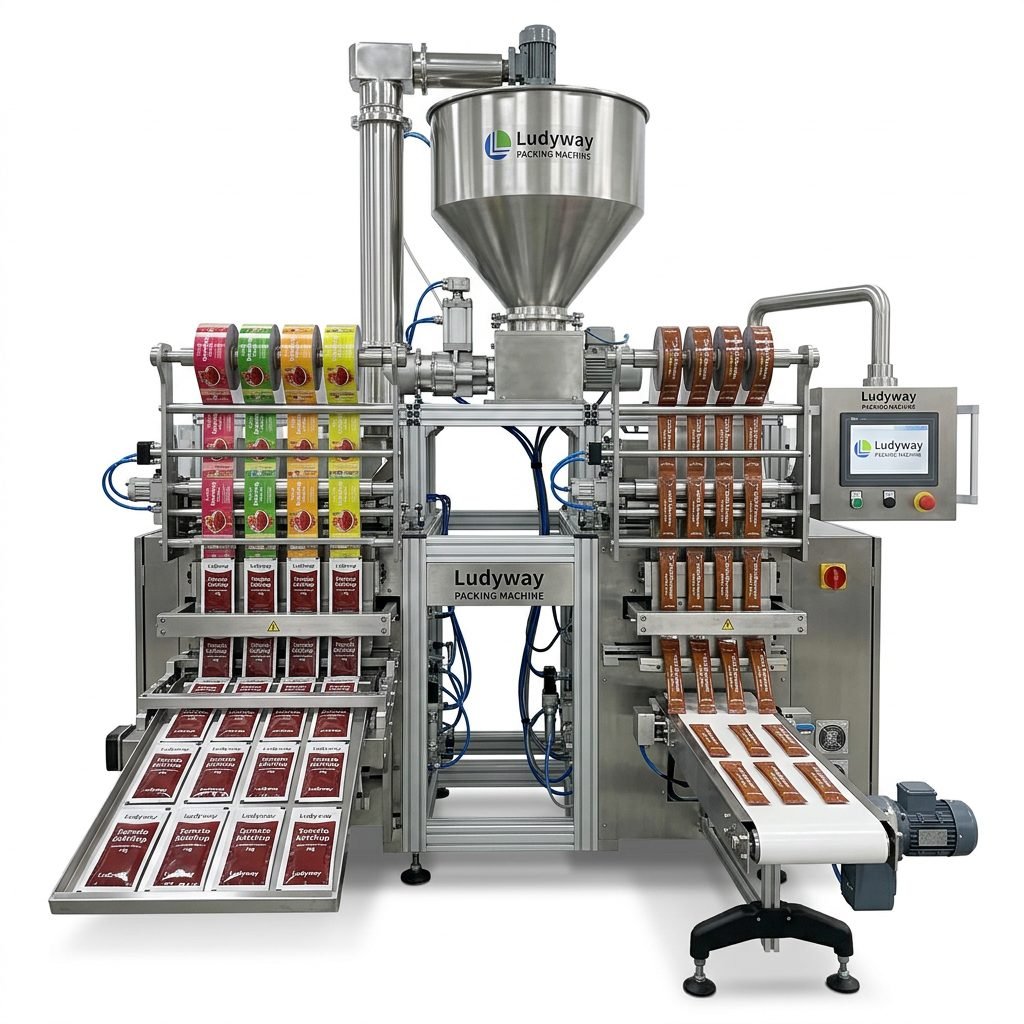
A well-designed machine is inherently easier to maintain. When selecting a packaging machine manufacturer, consider features like tool-less disassembly for cleaning access, centralized lubrication points, and intuitive HMI interfaces with built-in maintenance reminders. Ludyway designs its snack packing machines with operator-friendly maintenance in mind, offering comprehensive documentation and global technical support to keep your production lines running smoothly. Investing in high-quality equipment from the start pays dividends through reduced maintenance hours and longer operational life.
Final Thoughts
A disciplined cleaning and maintenance routine is not an optional task — it is a strategic investment in your production reliability and product quality. By following the daily, weekly, and monthly practices outlined above, you can dramatically reduce unplanned downtime, extend the life of your snack packing machine, and consistently deliver perfectly sealed products to your customers. Start building your maintenance culture today, and your equipment will reward you with years of dependable service.