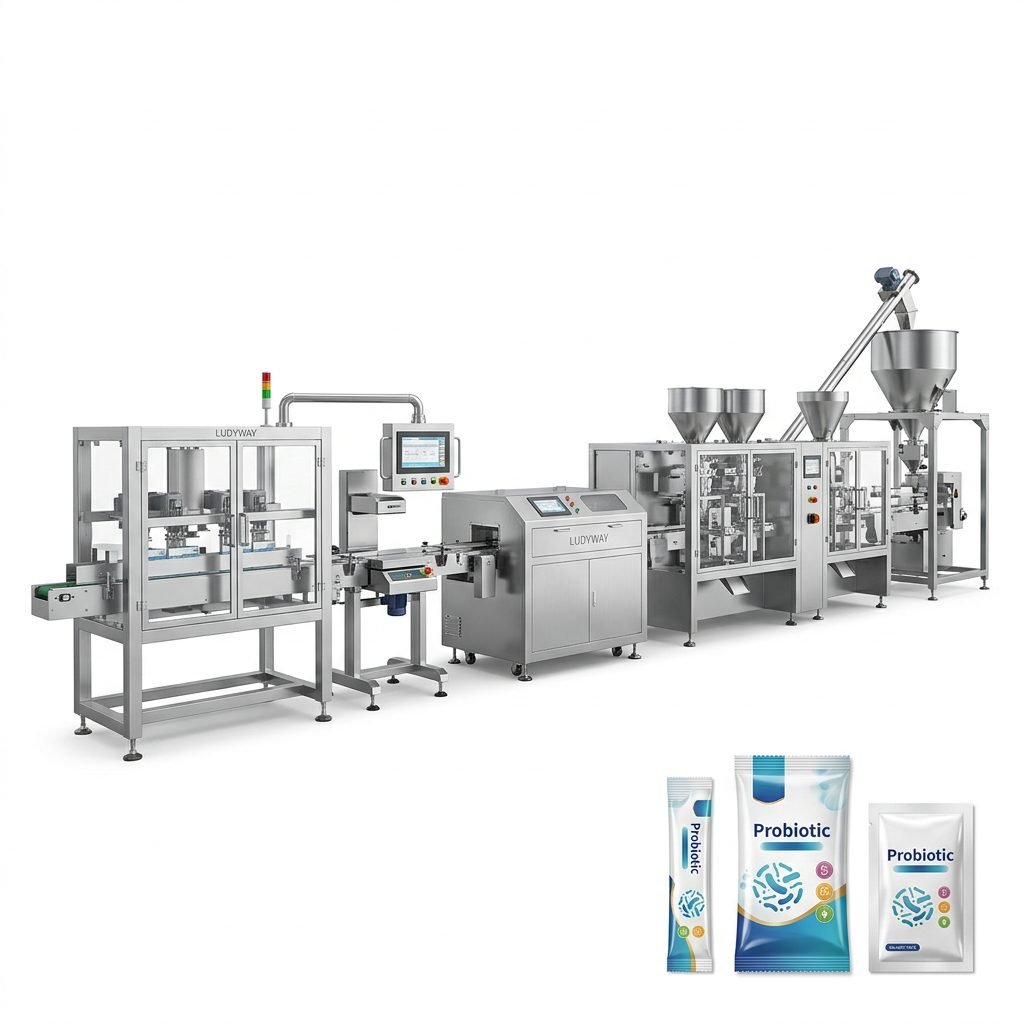
Stick pack packaging has become a preferred format for brands that want portion control, convenience, shelf efficiency, and fast filling speeds. Its slim, vertical shape works well for single-use products and travel-ready applications across food, pharmaceutical, personal care, chemical, and pet care markets.
But not every product is a good match. The best candidates are those that can be dosed accurately into narrow tubes and sealed consistently without compromising product quality, flowability, or user experience.
In this guide, you’ll learn which products are most suitable for stick pack packaging, what technical factors matter most, and how to decide whether this format fits your production goals.
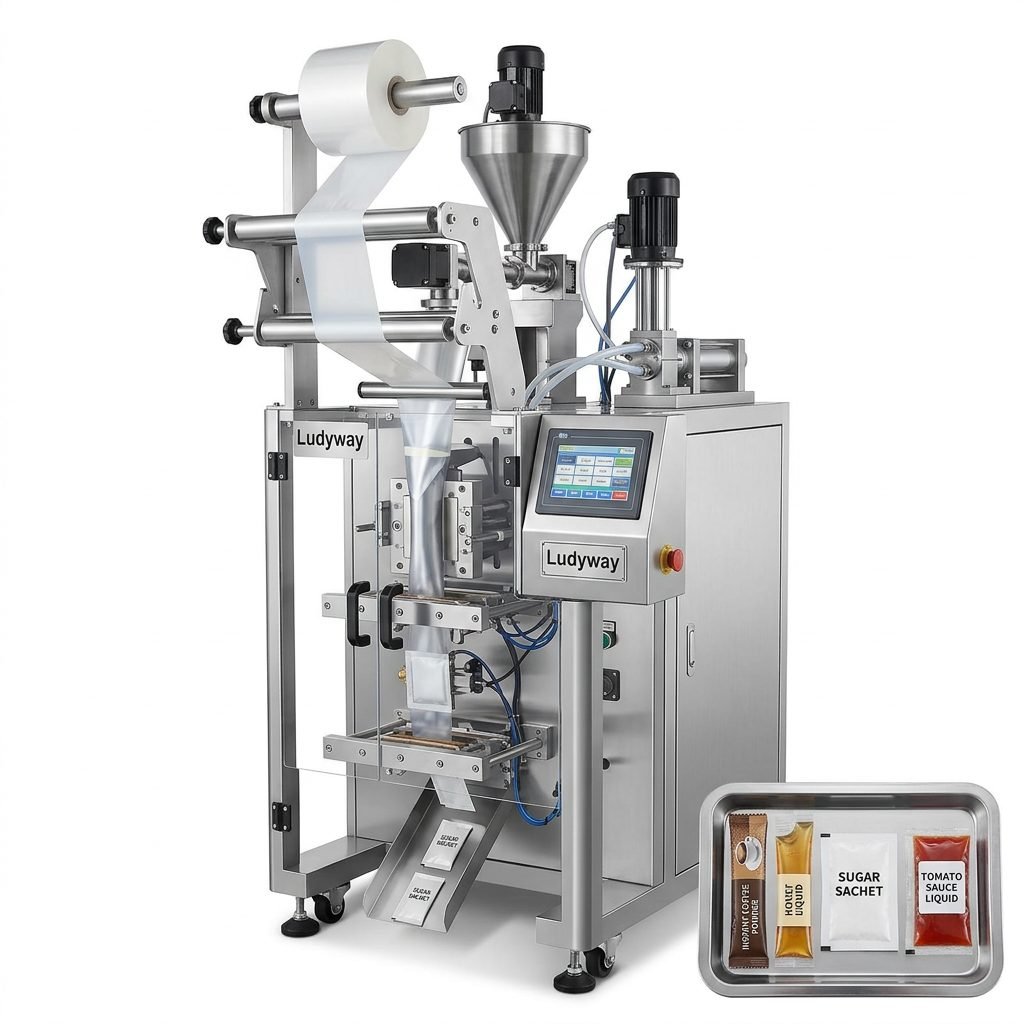
Why Stick Pack Packaging Is So Popular
Stick packs are narrow flexible pouches usually designed for single-dose or single-use packaging. They are widely used because they offer practical benefits for both brands and consumers:
- Easy-to-carry format for on-the-go use
- Accurate unit dosing
- Reduced material usage compared with larger pouches
- Good shelf presentation and retail display efficiency
- Suitable for high-speed multi-lane production
- Helpful for trial packs, sampling, and promotional kits
These advantages make stick packs especially attractive for products sold in small, measured quantities.
What Makes a Product Suitable for Stick Pack Packaging?
Before choosing this format, manufacturers should evaluate whether the product performs well in a narrow pack structure. In general, suitable products usually have one or more of the following traits:
- They are consumed in small portions
- They need precise dosing
- They are free-flowing powders, granules, liquids, gels, or pastes
- They are often used in travel, retail, clinical, or convenience settings
- They benefit from single-use hygiene and freshness protection
| Suitability Factor | Why It Matters |
|---|---|
| Small serving size | Stick packs are ideal for single doses or compact portions |
| Consistent flow behavior | Stable filling improves accuracy and sealing reliability |
| Need for convenience | Users can open, pour, squeeze, or tear easily |
| Hygiene requirement | Single-use packs reduce contamination risk |
| High-volume production demand | Multi-lane systems can achieve strong output efficiency |
Powder Products Suitable for Stick Packs
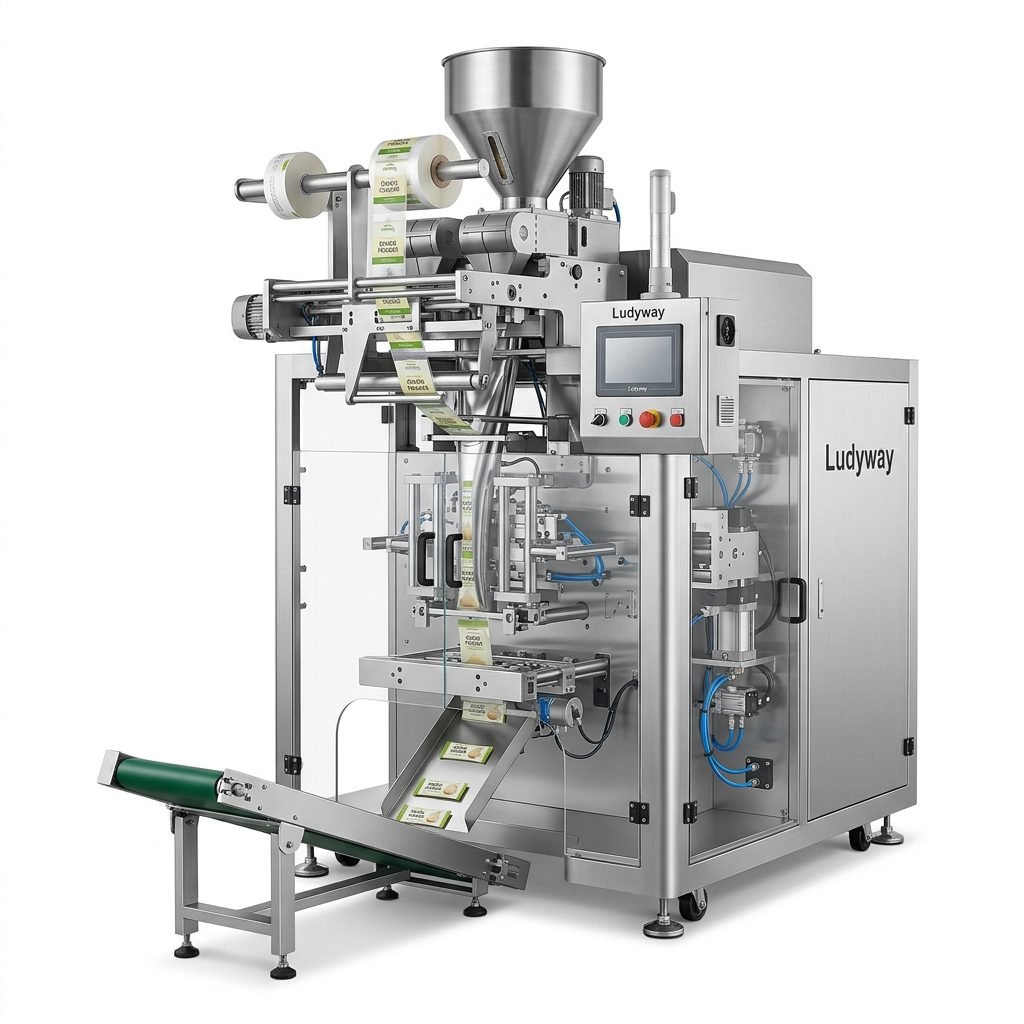
Powders are among the most common stick pack applications. When the powder has good flow characteristics and controlled particle size, stick packing can be highly efficient.
Best-fit powder categories
- Instant coffee and beverage powders
- Protein powder and sports nutrition blends
- Electrolyte drink mixes
- Milk powder and creamers
- Soup powder and seasoning mixes
- Sugar, sweeteners, and sugar substitutes
- Collagen and health supplement powders
- Pharmaceutical powders and oral rehydration salts
- Cosmetic powders such as facial masks or whitening powders
Powders work especially well when brands want clean dosing, quick dissolution, and retail-friendly portions.
Powder challenges to check
- Dust generation during filling
- Poor flowability
- Hygroscopic behavior causing clumping
- Segregation in blended formulas
- Need for nitrogen flushing or moisture barrier films
Granule Products Suitable for Stick Packs
Granules are another strong match for stick pack packaging, especially when the particles are uniform and can be metered accurately.
Common granule applications
- Instant coffee granules
- Sugar and salt
- Seeds and agricultural granules
- Functional nutrition granules
- Herbal medicine granules
- Candy pieces or mini confectionery items
- Pet supplements and feed additives in small doses
Granular products can deliver excellent performance when producers need measured volume, low waste, and good portability.
Liquid Products Suitable for Stick Packs
Many liquid products are also highly suitable for stick packs. This is particularly true for low- to medium-viscosity liquids consumed in small quantities.
Typical liquid products
- Energy gels and hydration shots
- Oral liquid supplements
- Honey and syrup portions
- Sauces, dressings, and condiments
- Shampoo, lotion, and body wash samples
- Mouthwash or oral care liquids
- Disinfectant and sanitizer solutions
Liquid stick packs are popular because they are easy to tear, squeeze, dispense, and carry. They are particularly effective for travel-size retail products and controlled single-use applications.
Important liquid considerations
- Viscosity consistency
- Seal integrity and leak prevention
- Compatibility with heat sealing conditions
- Foaming behavior during filling
- Need for anti-drip nozzles and accurate pumps
Paste and Gel Products Suitable for Stick Packs
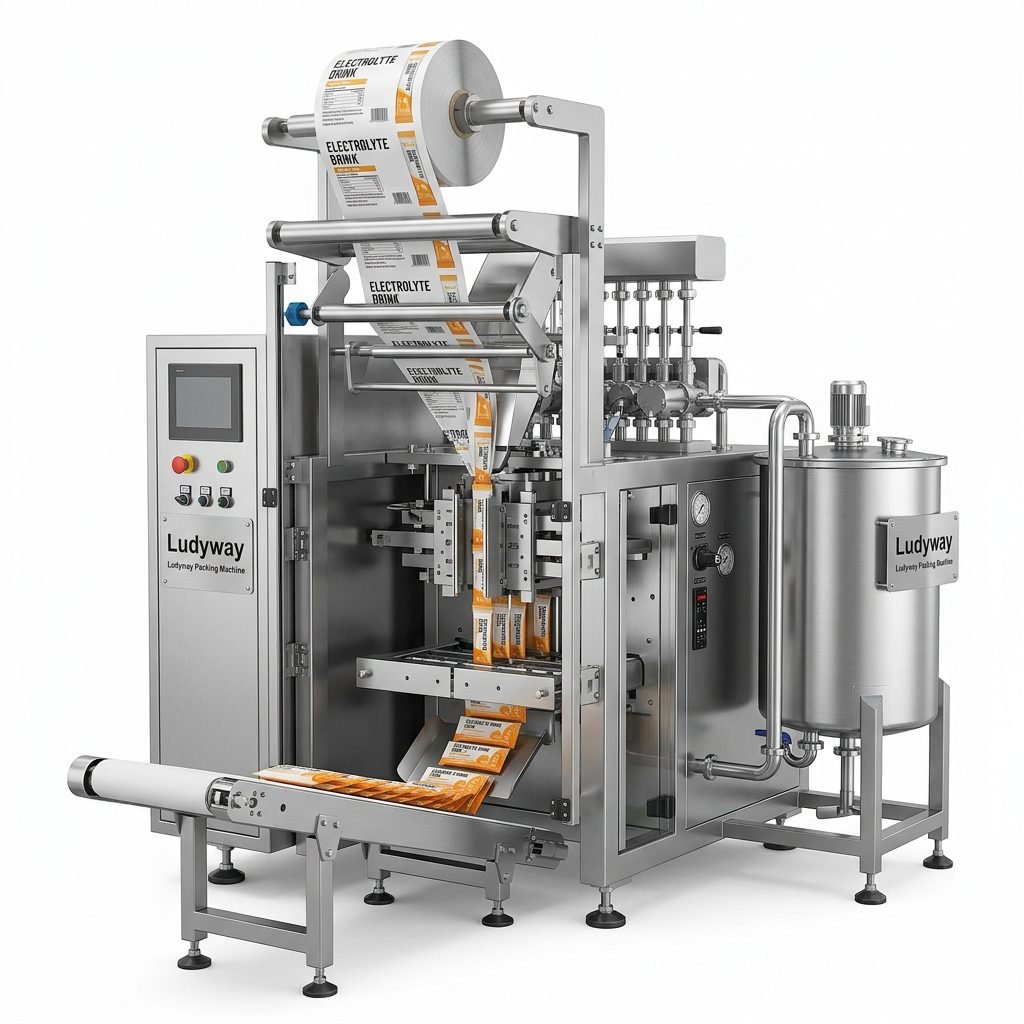
Thicker products such as gels and pastes can also be excellent candidates, provided the filling system is designed for viscous materials.
Examples of paste and gel applications
- Ketchup, mayonnaise, and chili sauce
- Cosmetic creams and serums
- Facial cleanser gel
- Medical gels and topical products
- Toothpaste-style oral care samples
- Hair treatments and conditioners
These products are suitable when the packaging line can maintain stable dosing pressure, consistent temperature, and reliable sealing.
Industries That Commonly Use Stick Pack Packaging
| Industry | Suitable Stick Pack Products |
|---|---|
| Food & Beverage | Coffee, sugar, creamer, sauce, soup mix, seasoning, drink powder |
| Pharmaceutical | Oral powders, granules, rehydration salts, liquid doses, gel products |
| Nutraceutical | Collagen, probiotics, protein, vitamins, electrolyte powders |
| Cosmetics & Personal Care | Lotion, serum, shampoo, cream, face mask essence, cleanser |
| Chemical & Household | Detergent powder, cleaning liquid, descaling powder, sanitizer |
| Pet Care & Feed | Pet supplements, treat powders, feed additives, probiotics |
Products That May Not Be Ideal for Stick Pack Packaging
Although stick packs are versatile, some products are less suitable unless the package design and machine configuration are specially adapted.
- Large chunky solids
- Products requiring high fill volumes
- Very fragile inclusions that break during filling
- Highly sticky materials without proper dosing control
- Products needing wide-mouth dispensing
- Items that consumers must access repeatedly after opening
If the product is bulky, irregular, or intended for multi-use storage, another format such as a pillow pouch, bottle, jar, or premade pouch may be a better choice.
Key Technical Questions Before Choosing Stick Packs
To determine real suitability, ask these questions during product and packaging evaluation:
1. What is the target fill weight or fill volume?
Stick packs are strongest in small-dose applications. If the pack needs to hold too much product, the long narrow shape may become impractical.
2. How does the product flow?
Free-flowing powders and granules are easier to dose. Sticky or inconsistent products may require auger fillers, piston pumps, agitation systems, or customized feeding equipment.
3. Does the product need high barrier protection?
Sensitive formulas may require film structures with strong barriers against moisture, oxygen, or light.
4. Is the product for single use?
Stick packs are ideal when the user consumes the full contents at once.
5. What opening experience is required?
Some products pour easily, while others need a wider tear, notch optimization, or peelability for better dispensing.
Benefits for Brands and Manufacturers
When the product is a good fit, stick pack packaging can support both sales growth and production efficiency.
- Consumer convenience: lightweight and portable
- Better dosage control: helps with nutrition, pharma, and premium products
- Sampling opportunities: excellent for trial-size marketing
- Production efficiency: multi-lane machines increase output
- Brand presentation: compact, modern, and retail-friendly format
- Reduced waste: single-use portions can improve usage accuracy
How to Match the Right Machine to the Product
The packaging result depends not only on the product, but also on the machine design. Different products require different dosing and sealing solutions:
| Product Type | Typical Filling Method | Packaging Focus |
|---|---|---|
| Powder | Auger filler | Dust control, accuracy, anti-clogging |
| Granule | Volumetric cup or weighing system | Uniform particle feeding, stable dosing |
| Liquid | Pump filling | Leak prevention, anti-drip, seal strength |
| Paste/Gel | Piston or servo pump | Viscosity handling, clean cut-off, accurate portioning |
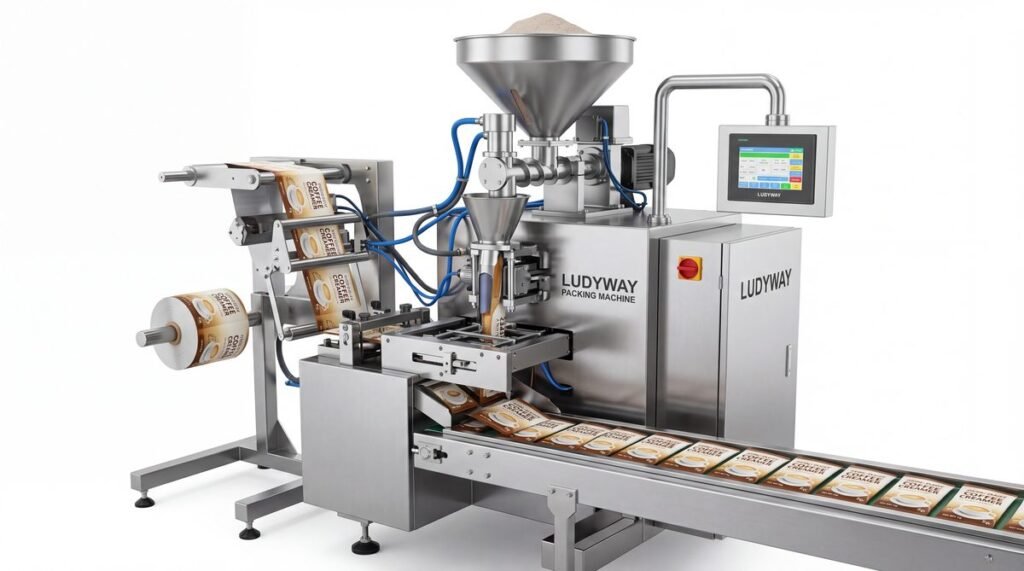
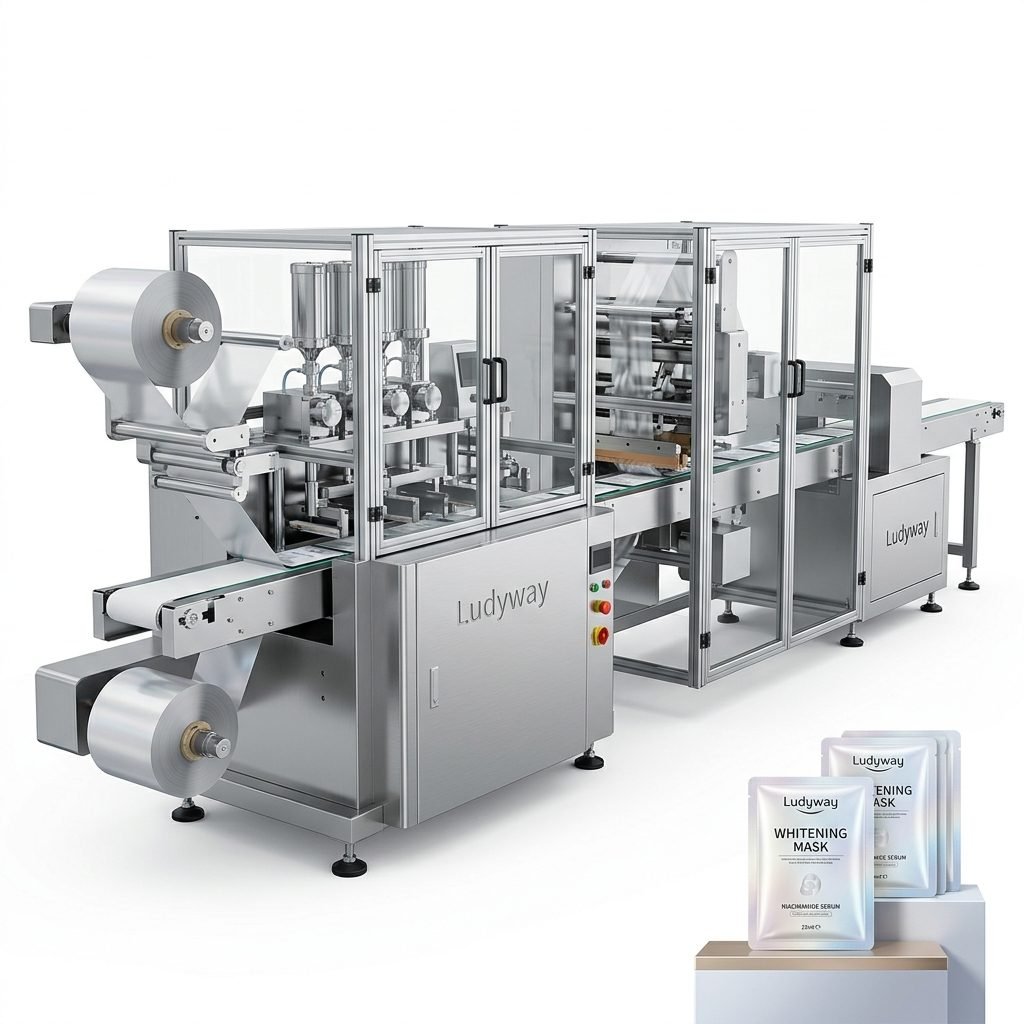
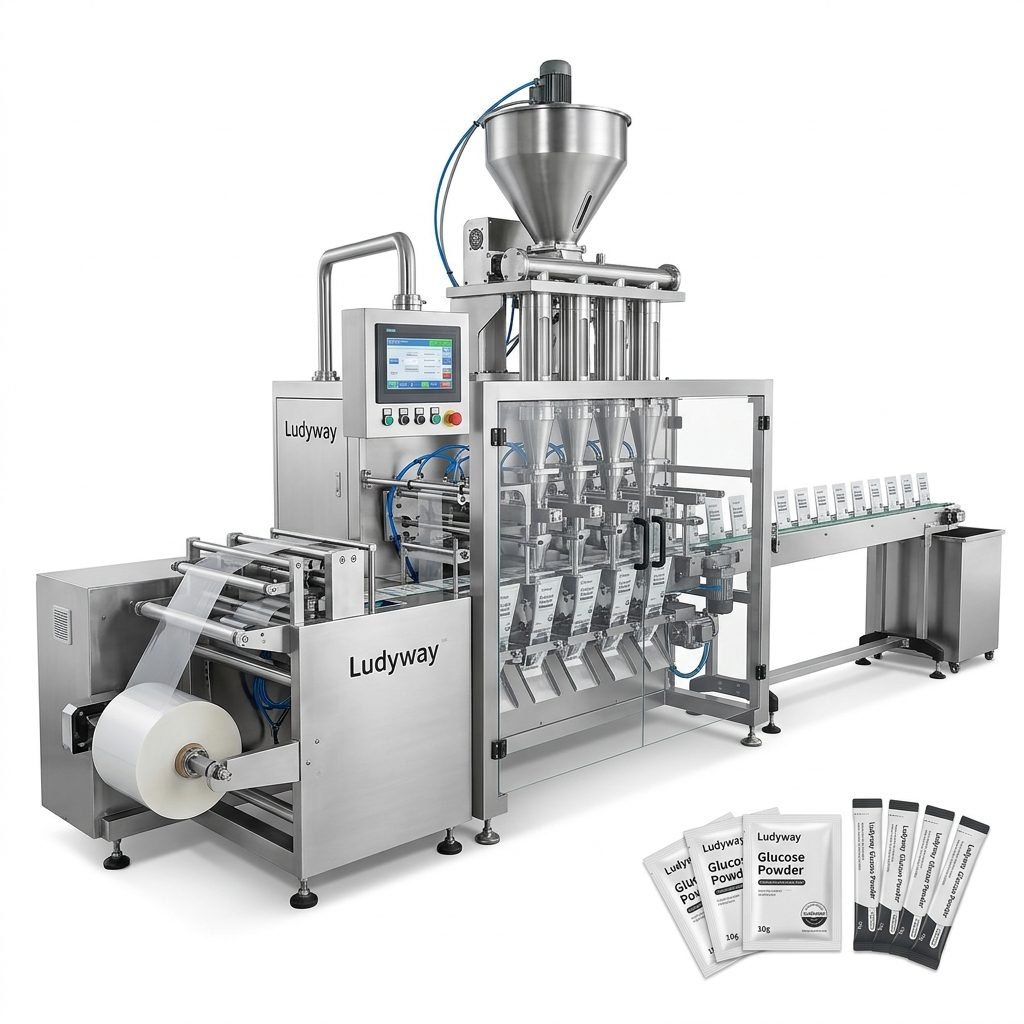
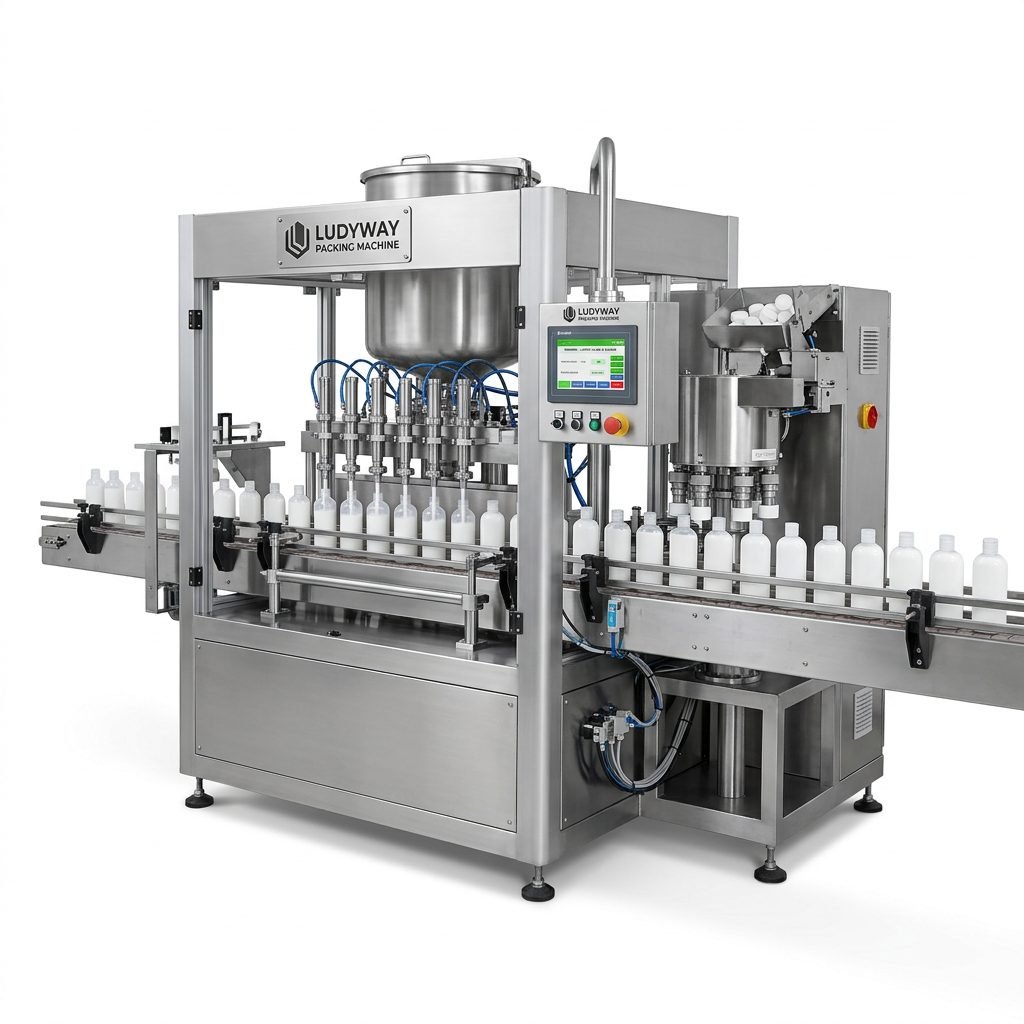
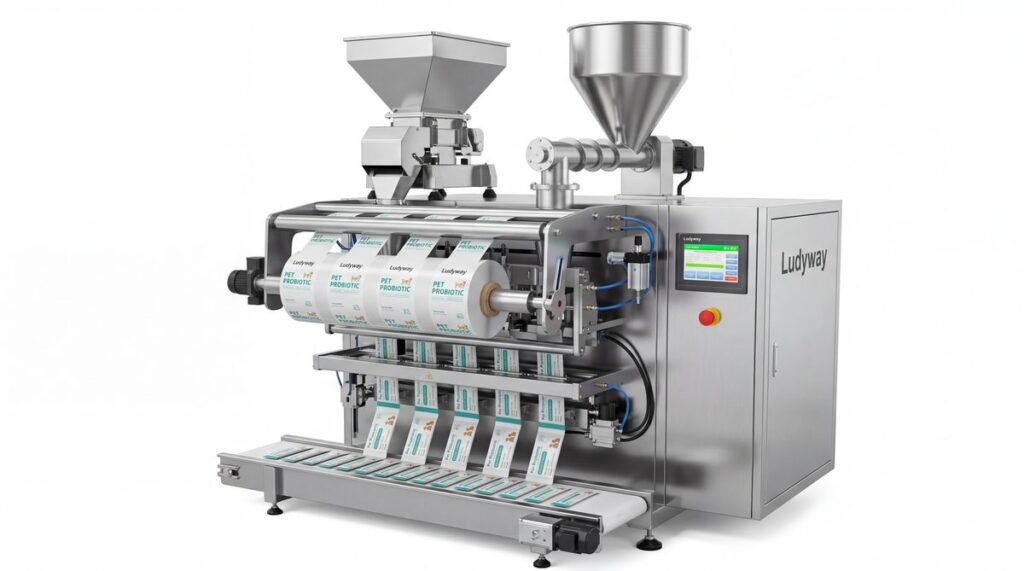
For businesses looking for scalable solutions, working with an experienced equipment supplier matters. Ludyway stick pack packaging solutions are widely used for powders, granules, liquids, and pastes in food, pharmaceutical, health supplement, and related industries.
Best Product Examples for Stick Pack Packaging
If you need a quick benchmark, these are some of the best overall product matches for stick pack packaging:
- Instant coffee
- Sugar and sweetener
- Electrolyte powder
- Protein and collagen powder
- Oral rehydration salts
- Honey and syrup
- Ketchup and mayonnaise
- Shampoo and lotion samples
- Pharmaceutical granules
- Pet supplement powders
Final Buying Tip
The most suitable products for stick pack packaging are those that combine small serving size, good filling behavior, strong convenience value, and reliable seal compatibility. Powders, granules, liquids, and gels can all work extremely well when paired with the right machine configuration and film structure.
If you are evaluating a new packaging format, the best approach is to test the real product under production conditions and confirm filling accuracy, seal performance, product stability, and final user experience before scaling up.