Selecting the right food packaging machine for the Israeli market requires a strategic approach that balances regulatory compliance, production efficiency, and local consumer expectations. Israel’s food industry is highly developed, with strict standards enforced by the Ministry of Health and growing demand for convenient, shelf-stable formats such as stick packs, sachets, and portion-controlled pouches. Whether you are packaging coffee, spices, supplements, sauces, or snack foods, the equipment you choose must deliver precision, hygiene, and adaptability to a wide range of product types — from granules and powders to liquids and pastes.
Understanding Israel’s Food Packaging Requirements
Israel maintains rigorous food safety regulations that align closely with both FDA and EU standards. The Israeli Ministry of Health oversees food contact materials, labeling requirements, and hygiene protocols for all packaging operations. When choosing a food packaging machine for this market, manufacturers must ensure equipment is constructed with food-grade stainless steel (typically SUS304 or SUS316L), features sanitary design with minimal crevices, and supports easy cleaning and maintenance protocols.
Compliance with ISO 22000 and HACCP principles is often expected by Israeli importers and distributors. Equipment that facilitates traceability, contamination prevention, and consistent seal integrity will have a distinct advantage. Additionally, kosher certification requirements may influence packaging material choices and cleaning procedures between production runs — a factor that multi-lane, quick-changeover machines handle particularly well.
Key Machine Types for the Israeli Market
Israeli food manufacturers typically require versatile equipment capable of handling multiple product categories. Below is a comparison of the most relevant machine types for this market:
| Machine Type | Best For | Key Advantage | Israeli Market Fit |
|---|---|---|---|
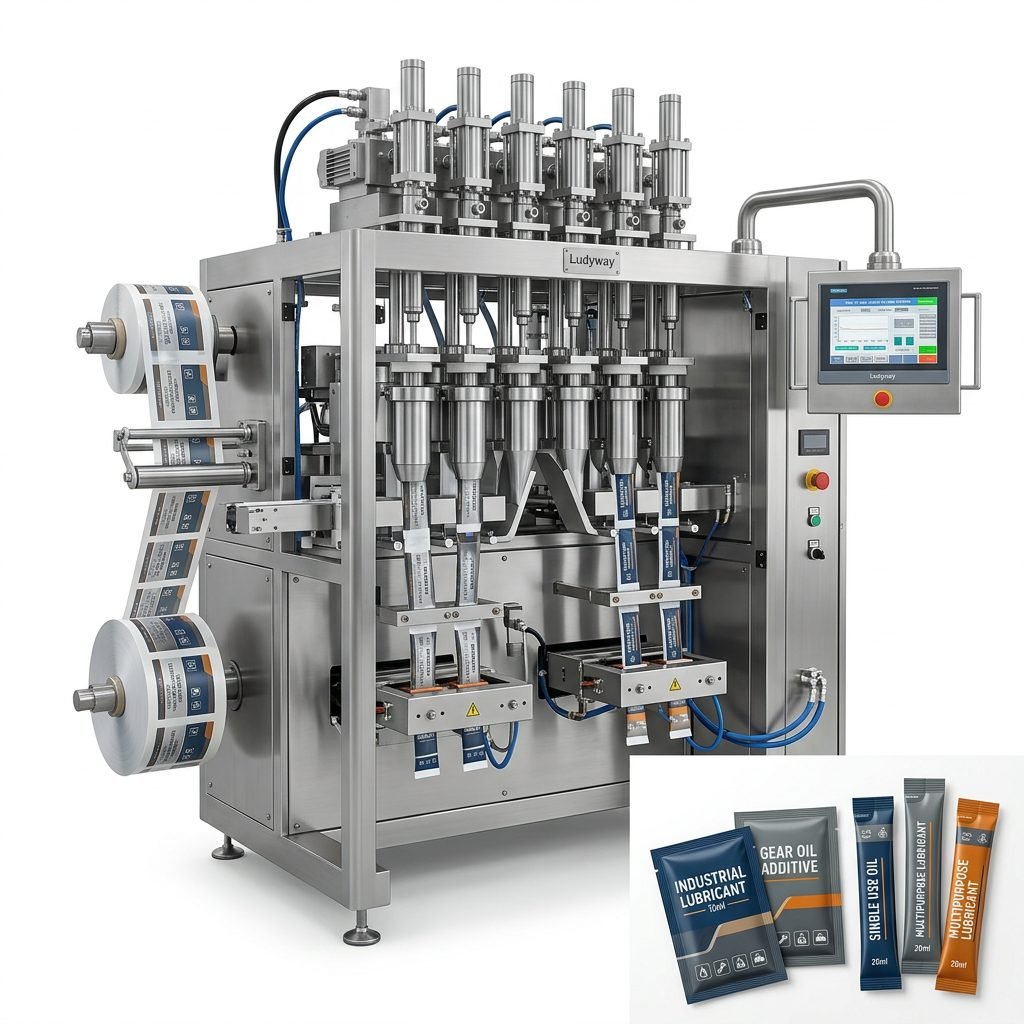
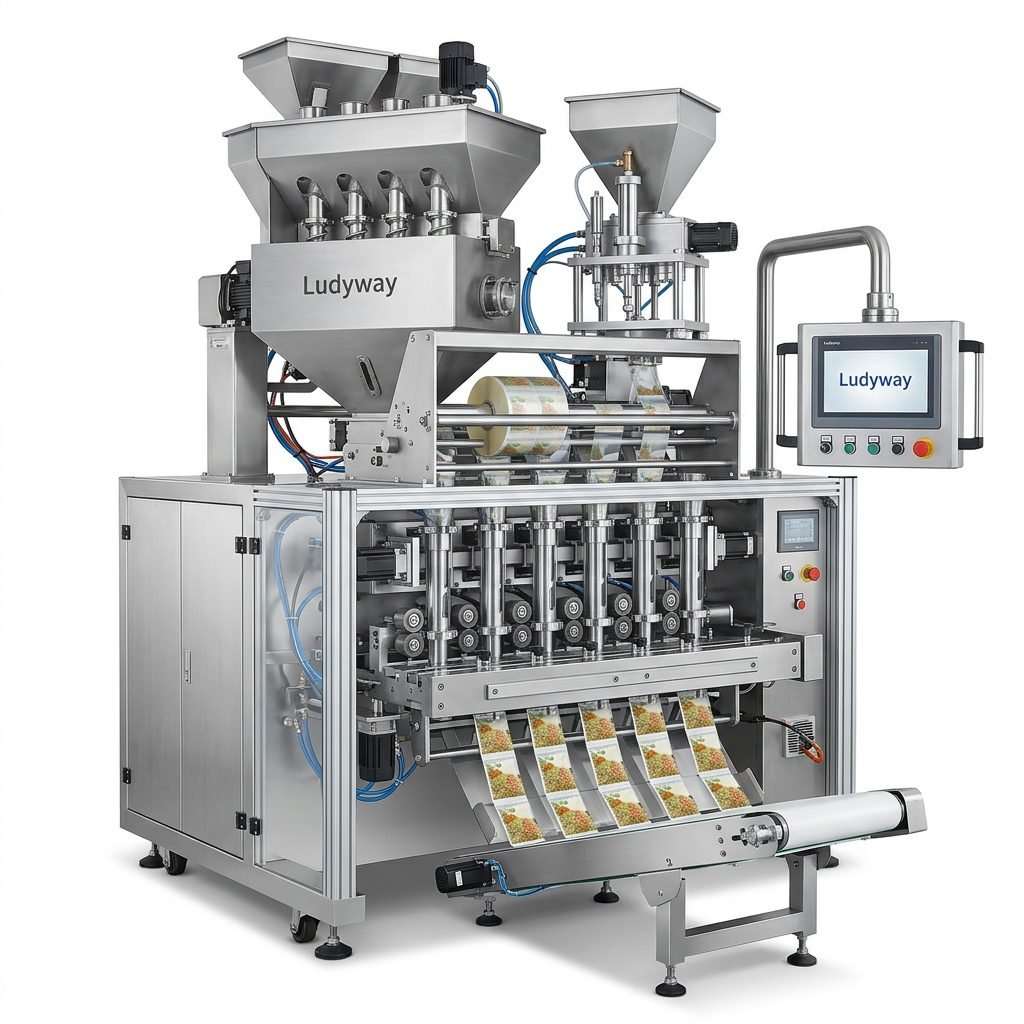
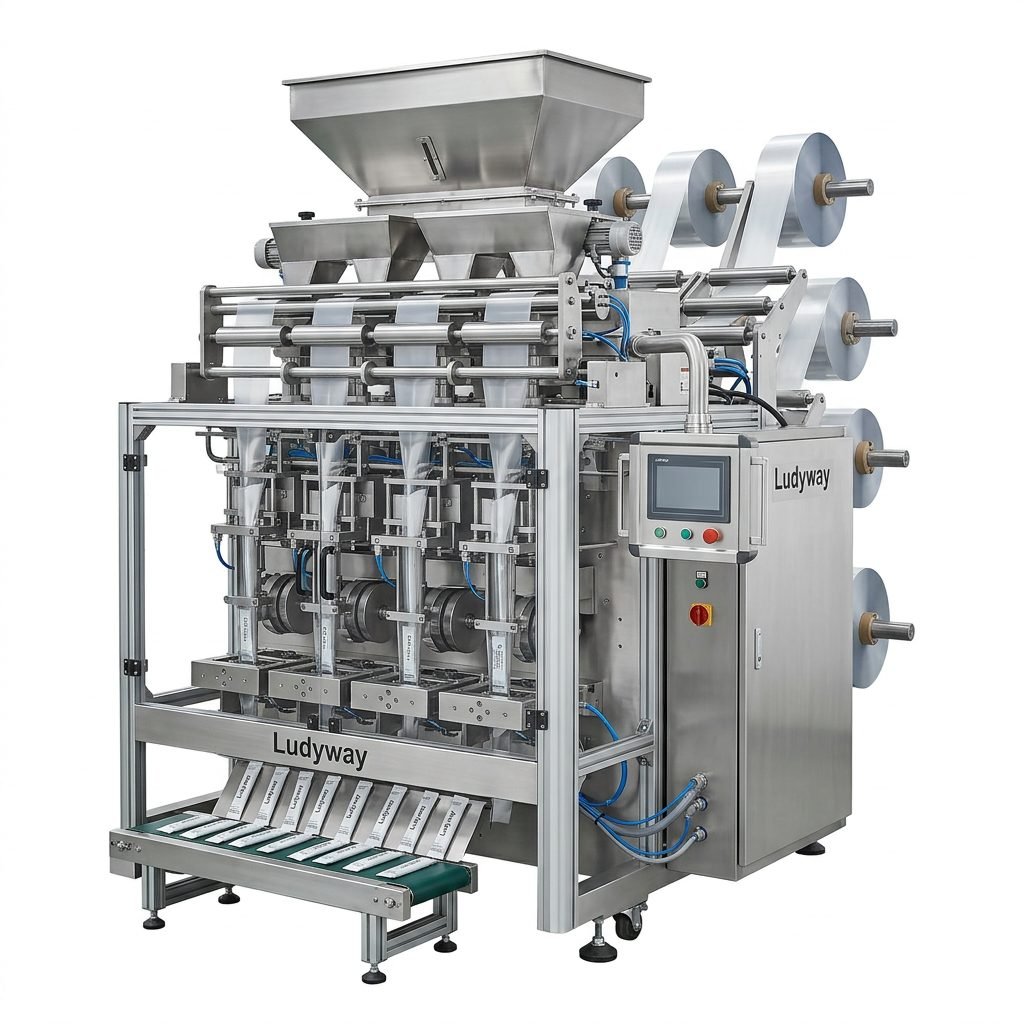
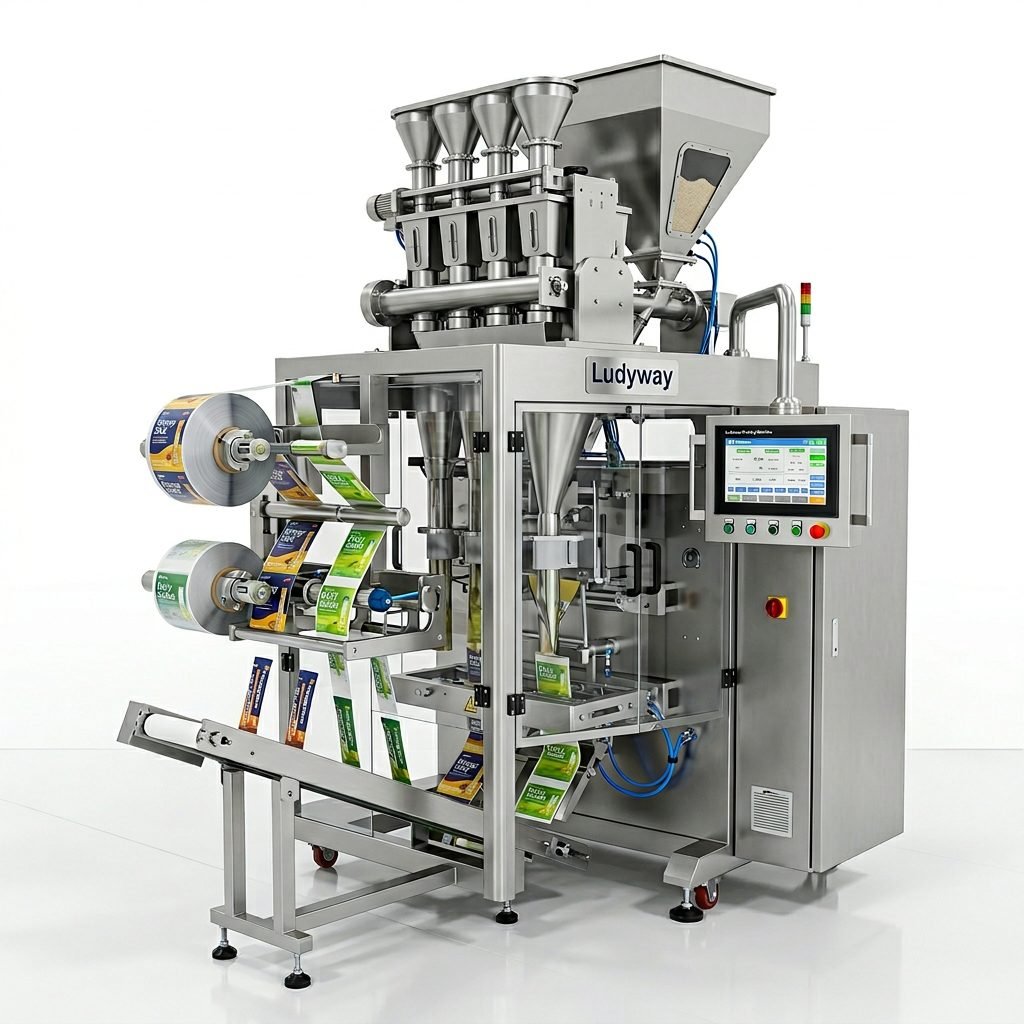
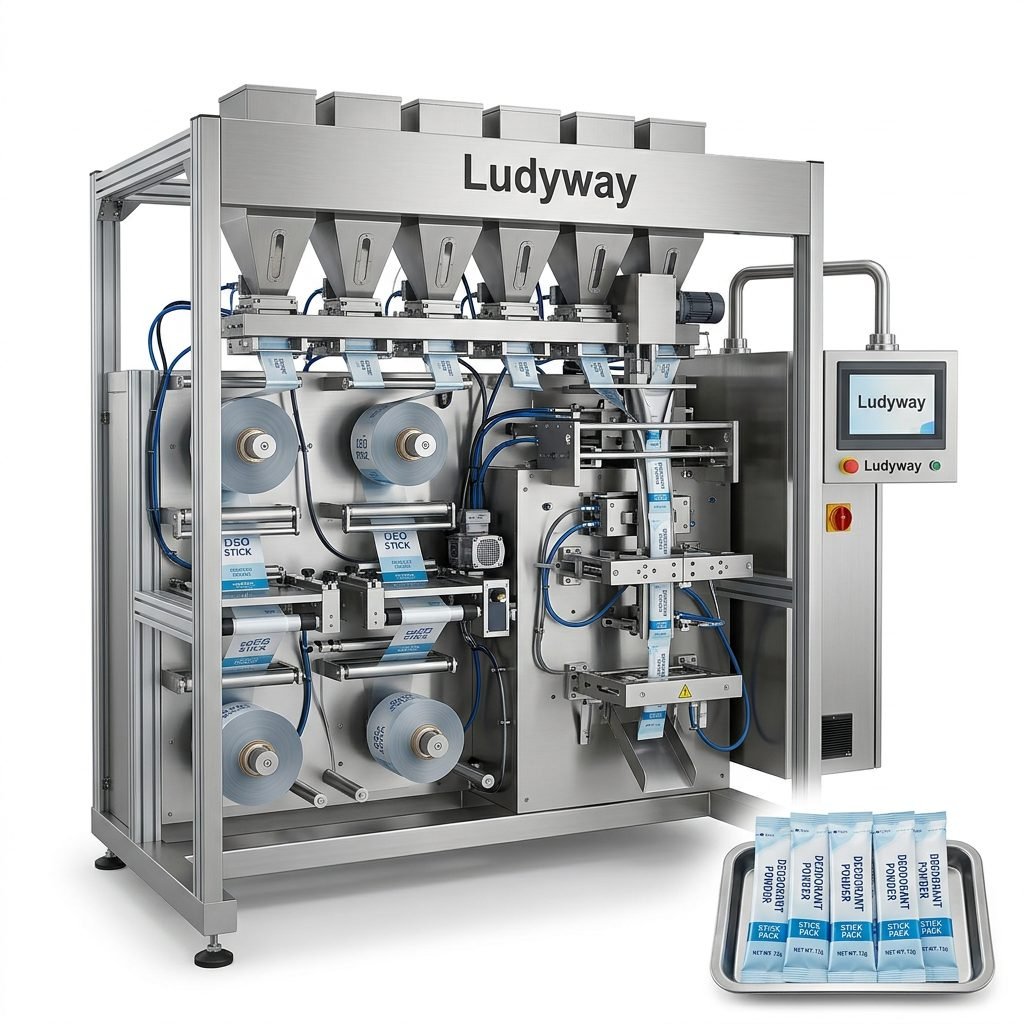
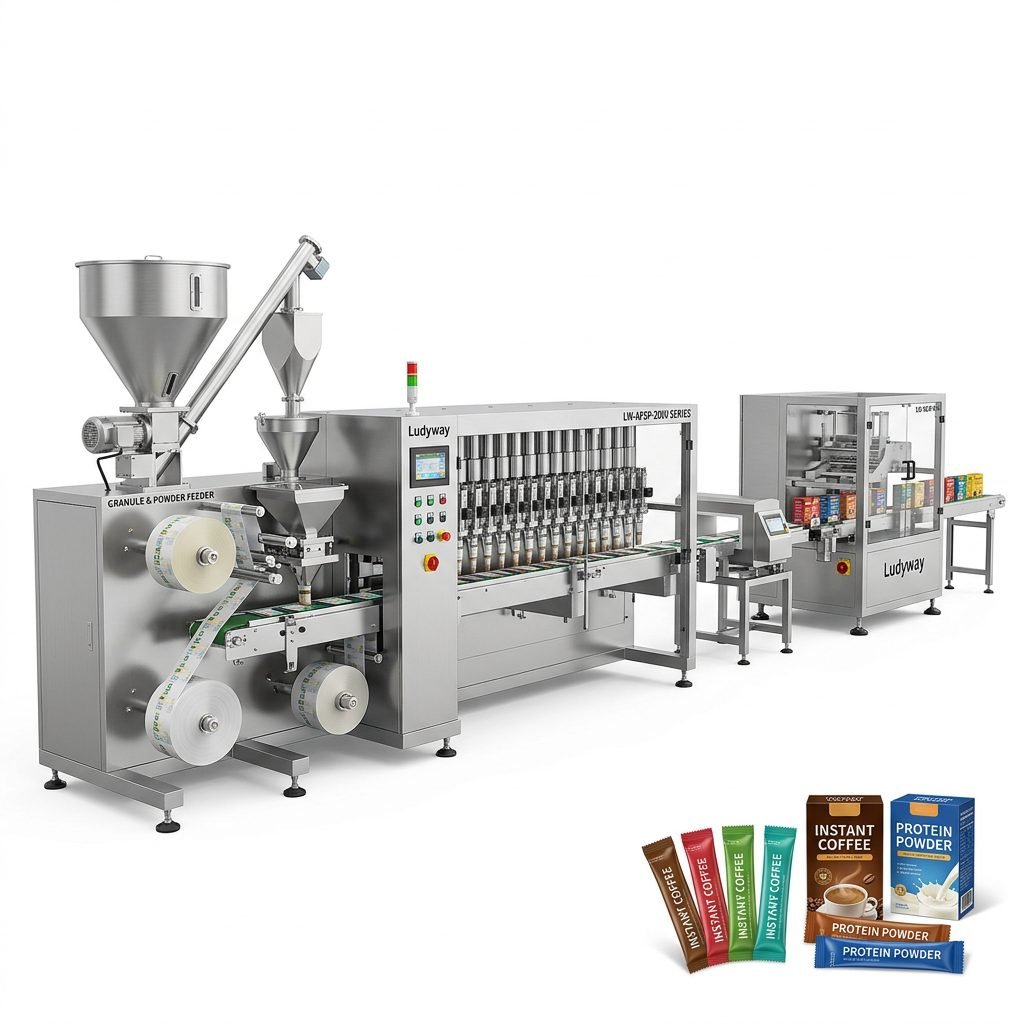
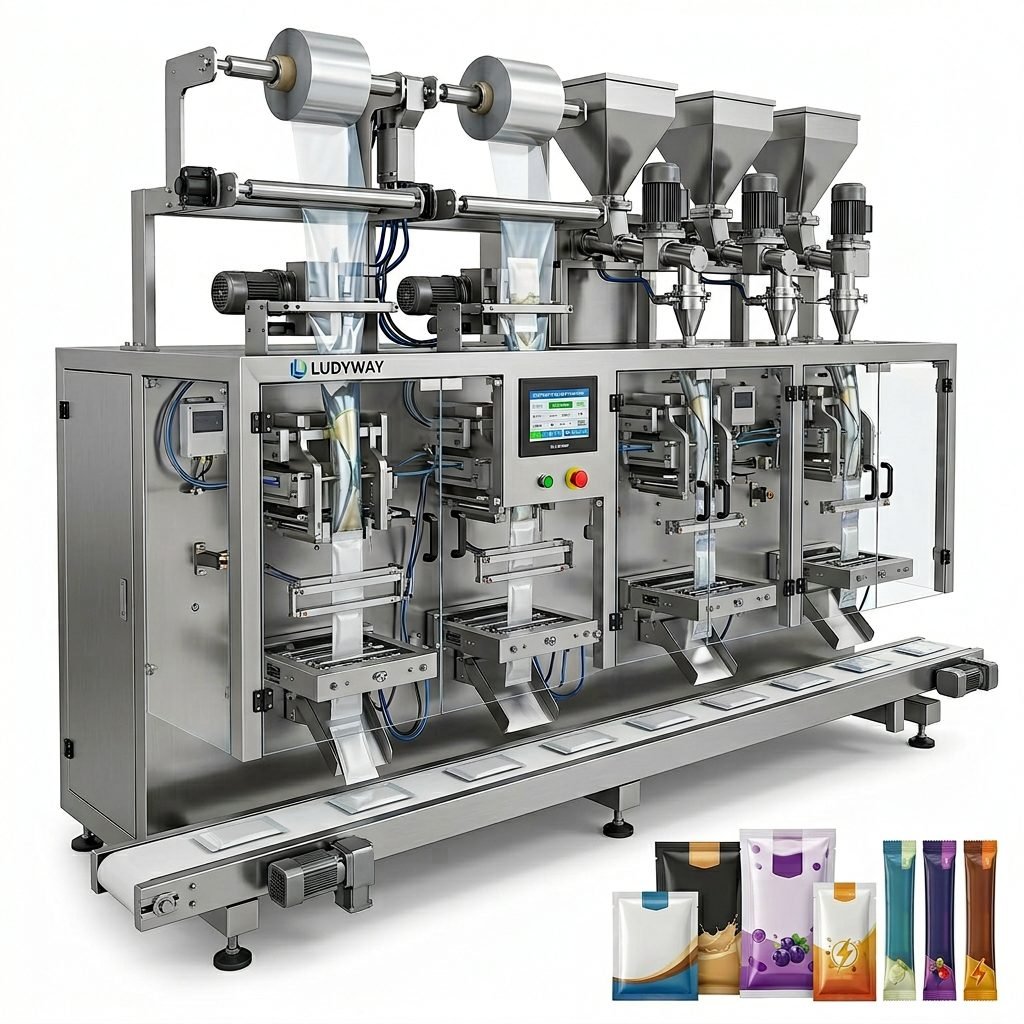
| Multi-Lane Stick Pack | Coffee, sugar, supplements, spices | High output, precise dosing, minimal material waste | Excellent — growing demand for portion packs |
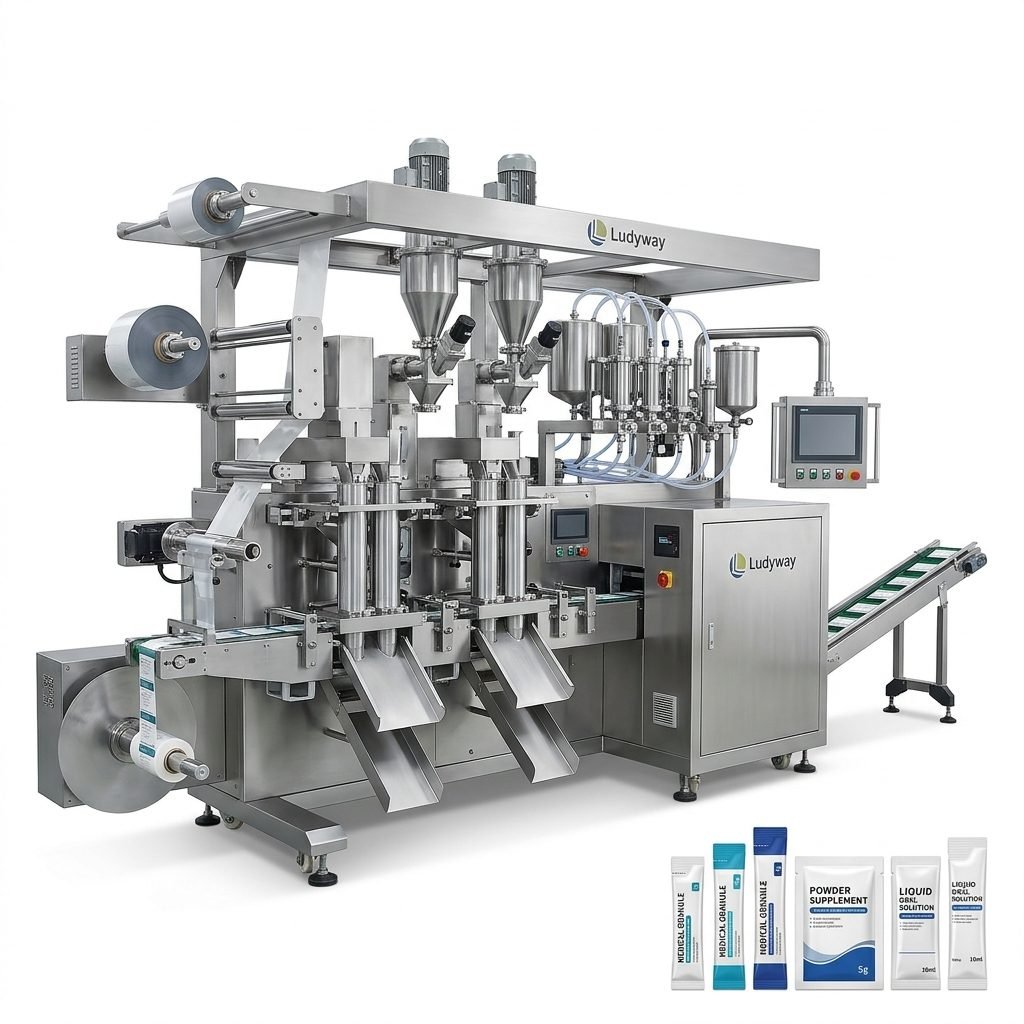
| Rotary Sachet Machine | Sauces, ketchup, mayonnaise, liquid seasonings | Versatile liquid and paste filling, reliable sealing | Very Good — foodservice and retail applications |
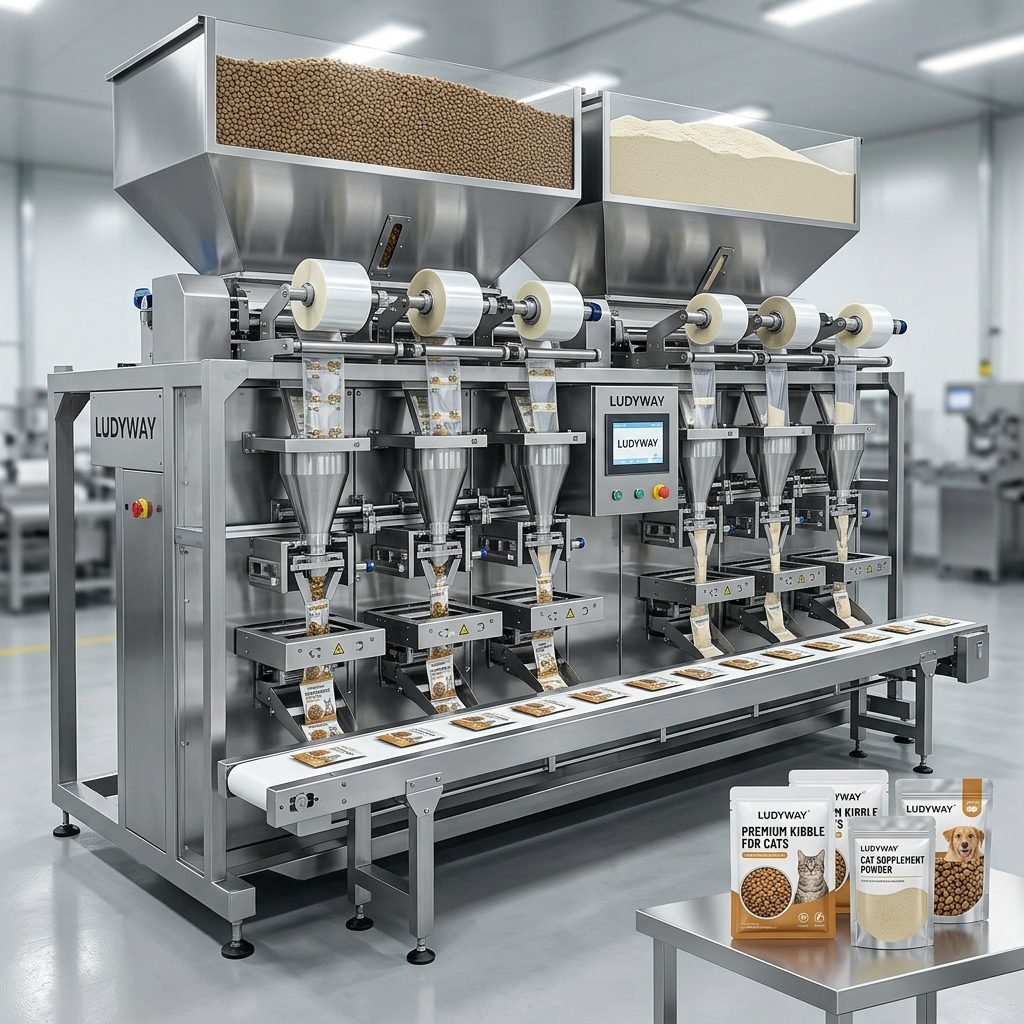
| Premade Pouch Filler-Sealer | Snacks, dried fruits, nuts, pet foods | Premium shelf appeal, resealable options | Good — premium and export-oriented products |
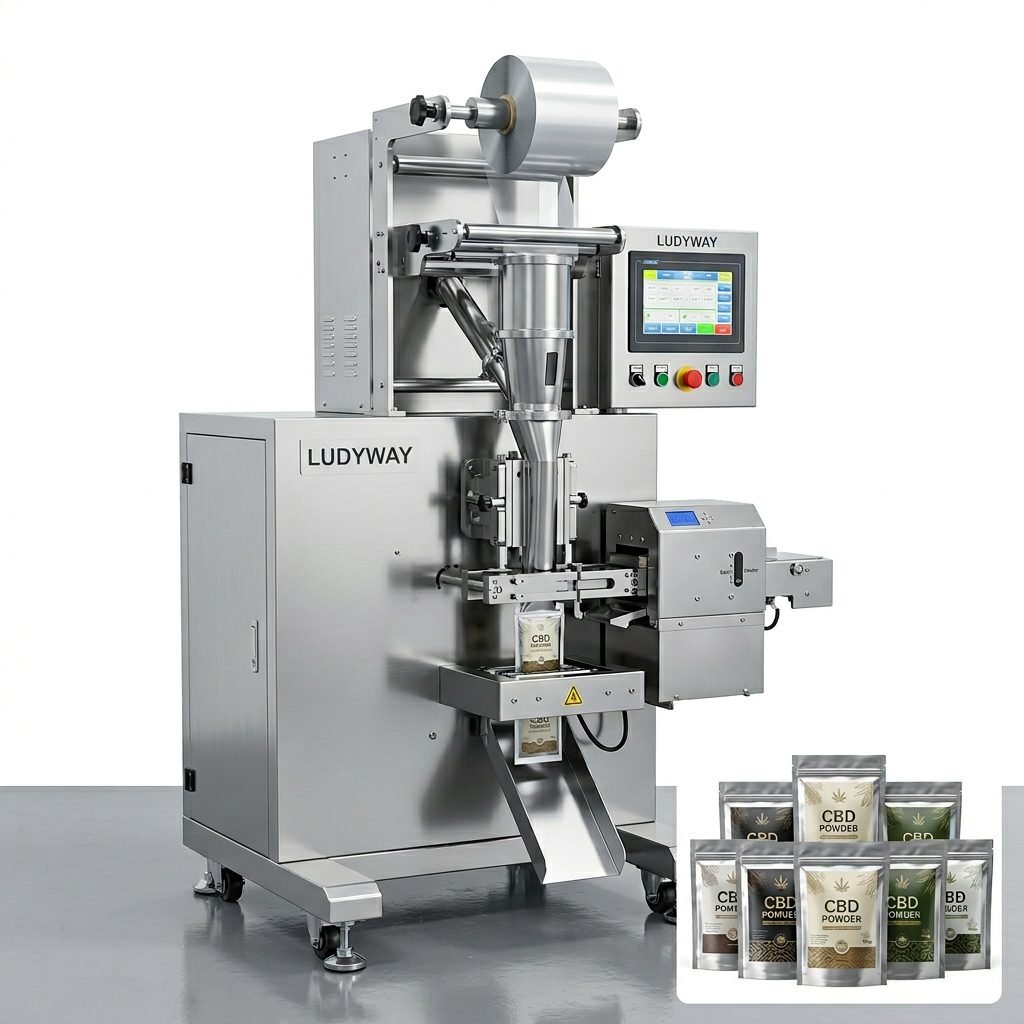
| Vertical Form Fill Seal (VFFS) | Bulk granules, powders, frozen foods | Cost-effective, high-speed, flexible bag sizes | Good — industrial and bulk packaging |
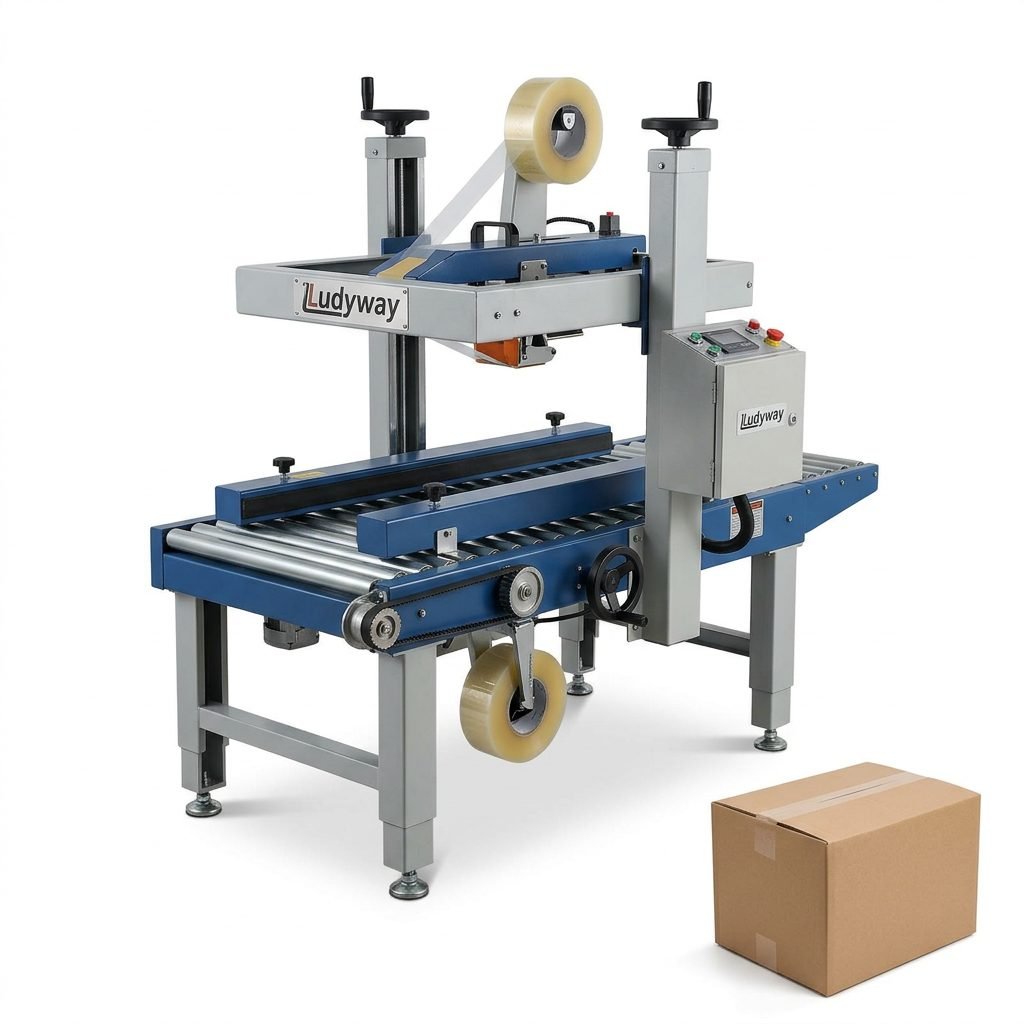
| Turnkey Integrated Line | Full production from filling to cartoning | Single-source solution, streamlined workflow | Excellent — for scaling manufacturers |
Regulatory Compliance and Certifications
Importing packaging machinery into Israel requires attention to several regulatory frameworks. The Israel Standards Institute (SII) often references international benchmarks, making CE certification and ISO packaging standards highly valuable for market entry. Equipment that already meets European machinery directives will face fewer barriers during the import approval process.
Key certifications and standards to verify include:
- CE Marking — indicates conformity with EU health, safety, and environmental requirements
- ISO 9001:2015 — quality management system certification for the manufacturer
- FDA-compliant materials — ensures food contact surfaces meet U.S. FDA food packaging regulations
- GMP compatibility — supports Good Manufacturing Practice requirements
- IP65/IP67 ratings — protects electrical components during washdown procedures
- Kosher-ready design — facilitates separation and cleaning between product batches
Technical Features to Prioritize
When evaluating multi-lane packaging machines for the Israeli market, certain technical specifications deserve extra attention. The country’s diverse food sector — spanning everything from Mediterranean spices and tahini to instant coffee and health supplements — demands flexibility and precision in equal measure.
Dosing Accuracy and Versatility
Israeli manufacturers often run multiple product SKUs on the same line. Look for machines equipped with servo-driven auger fillers for powders, volumetric cup fillers for granules, and piston or peristaltic pumps for liquids. Quick-change tooling that allows operators to switch between stick pack formats and sachet sizes in under 30 minutes significantly improves operational efficiency.
Sealing Integrity and Shelf Life
Israel’s warm climate and export-oriented food industry place a premium on robust sealing technology. Multi-lane machines with independent temperature control per lane, automatic seal pressure adjustment, and optional nitrogen flushing deliver consistently hermetic seals that extend product shelf life — a critical advantage for products destined for international markets or lengthy retail cycles.
Automation and Data Integration
Israeli food manufacturers increasingly prioritize Industry 4.0 capabilities. Machines equipped with PLC controllers, remote diagnostics, production data logging, and integration with enterprise resource planning (ERP) systems provide the visibility and control needed to optimize output and maintain rigorous quality standards.
Choosing a Reliable Supplier
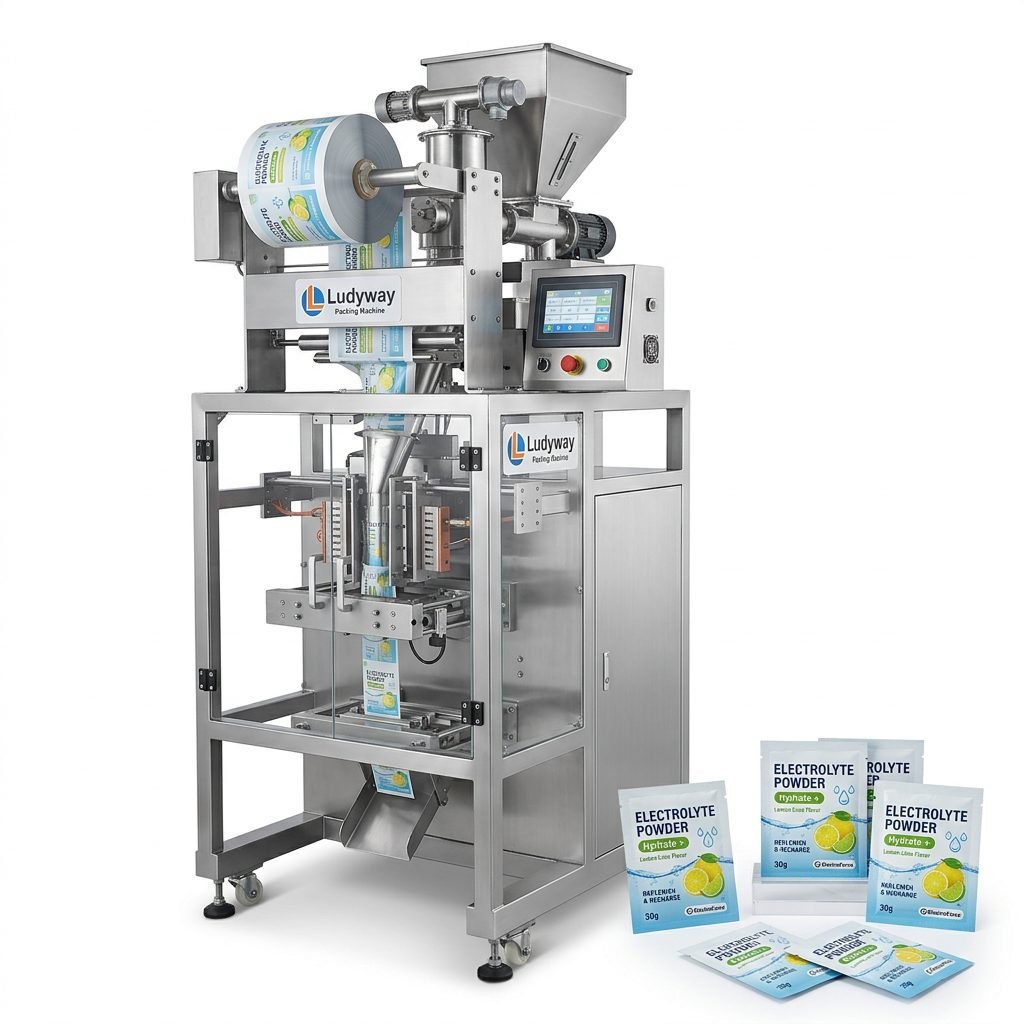
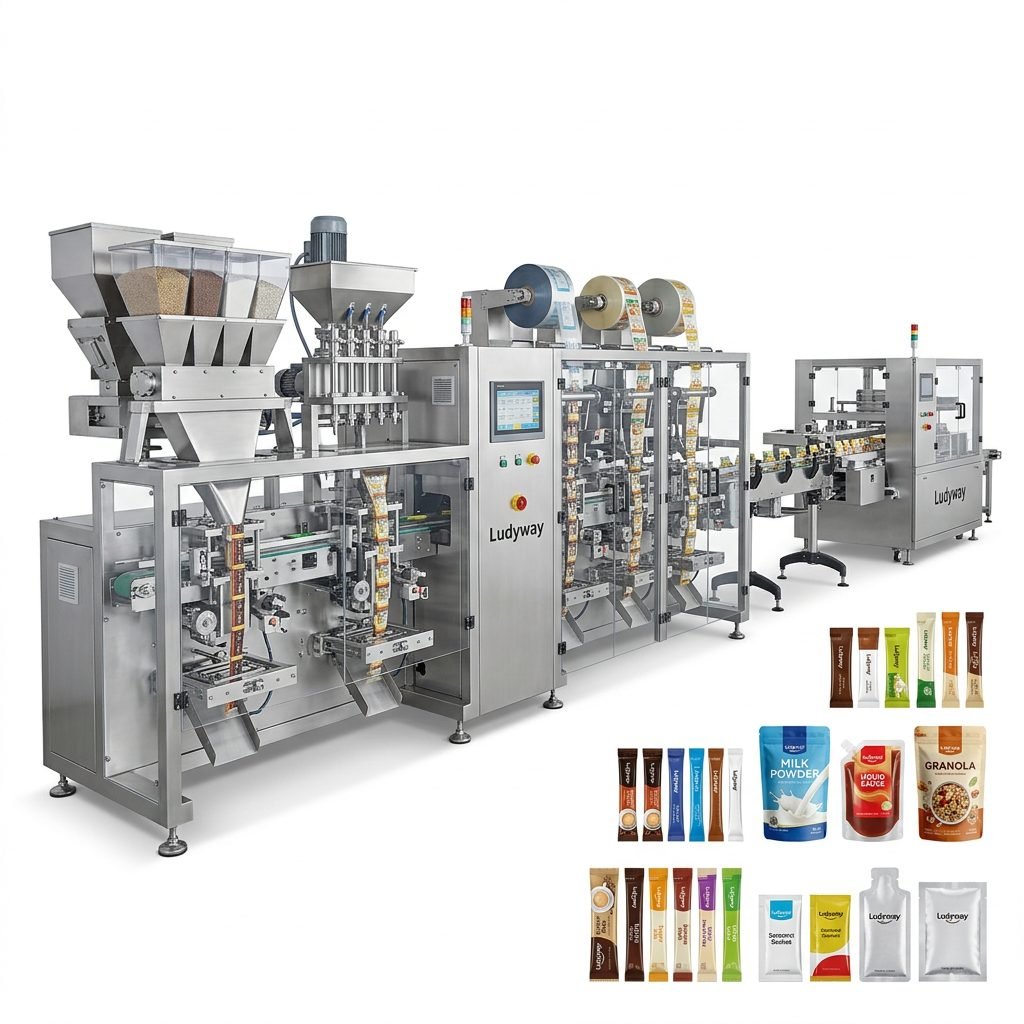
Partnering with an experienced packaging machine manufacturer is one of the most consequential decisions you will make. A supplier with deep engineering expertise, global service capabilities, and a proven track record in the food industry can dramatically reduce project risk. Companies like Ludyway, with over 30 years of industry experience and a modern 20,000㎡ manufacturing facility, offer more than 50 intelligent packaging machine models — including sachet packaging solutions, multi-lane stick pack systems, and fully automated turnkey lines — serving customers in over 100 countries. A strong supplier provides not only equipment but also installation support, operator training, and responsive after-sales service.
Questions to Ask Potential Suppliers
- Can they provide references from Israeli or Middle Eastern clients?
- Do they offer remote troubleshooting and on-site technical support?
- Are spare parts readily available with reasonable lead times?
- Can they accommodate kosher-specific production requirements?
- What warranty and service agreements do they provide?
- Do they have experience with CE certification and international shipping documentation?
Cost Considerations and ROI
While upfront equipment cost is important, Israeli food manufacturers should evaluate total cost of ownership (TCO) over the machine’s lifespan. Factors influencing long-term ROI include:
- Energy efficiency — servo-driven systems typically consume 30-50% less power than pneumatic alternatives
- Film material utilization — precision film registration systems reduce waste by up to 15%
- Labor requirements — fully automated lines can reduce operator headcount from 4-5 to 1-2 per shift
- Maintenance intervals — modular designs with accessible components minimize downtime
- Production flexibility — machines capable of running multiple formats protect against market shifts
For additional insights into packaging machinery market trends, the PMMI Business Intelligence and Flexible Packaging Association provide valuable industry data and economic reports that can inform your investment decisions.
Future-Proofing Your Investment
The Israeli food packaging landscape is evolving rapidly, driven by sustainability mandates, consumer preference for smaller portion sizes, and the rise of functional foods. The European Commission’s packaging waste regulations increasingly influence Israeli policy direction, making recyclable and lightweight packaging formats a strategic priority. Selecting machines that can process biodegradable films, mono-material laminates, and paper-based packaging positions your operation advantageously for future regulatory and market shifts. Additionally, modular machine architectures that allow for incremental upgrades — such as adding lanes, integrating weighing systems, or incorporating secondary packaging modules — protect your capital investment while enabling growth at your own pace.
By carefully evaluating machine specifications against Israeli regulatory requirements, production goals, and long-term market trends, food manufacturers can select packaging equipment that delivers consistent quality, operational efficiency, and competitive advantage in one of the Middle East’s most dynamic food markets.