Investing in reliable packaging equipment is a critical decision for tea producers aiming to balance product freshness, brand presentation, and operational efficiency. For businesses exploring options, understanding the tea kraft paper packaging machine cost involves more than just a price tag—it requires evaluating machine capabilities, automation levels, and long-term return on investment. Kraft paper packaging has gained popularity in the tea industry for its eco-friendly appeal and natural aesthetic, making these specialized machines increasingly sought after in global markets.
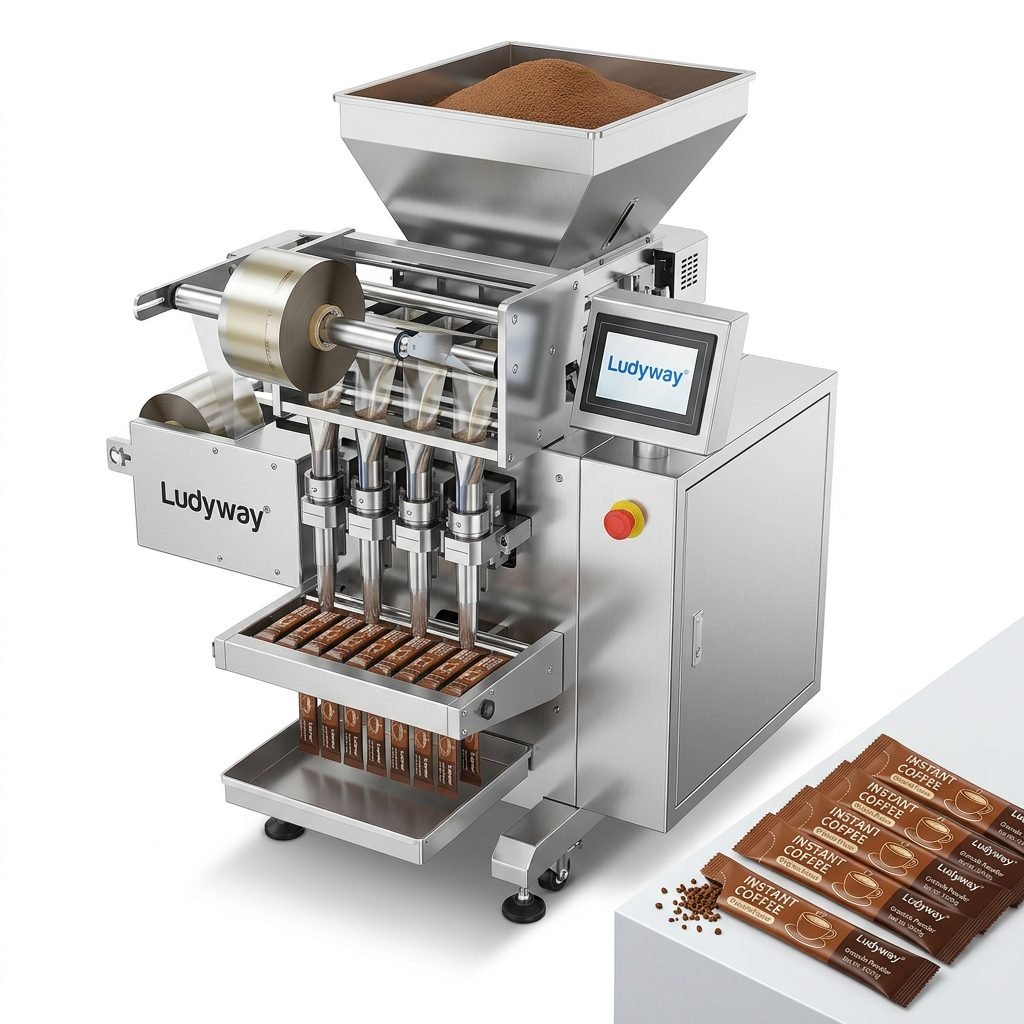
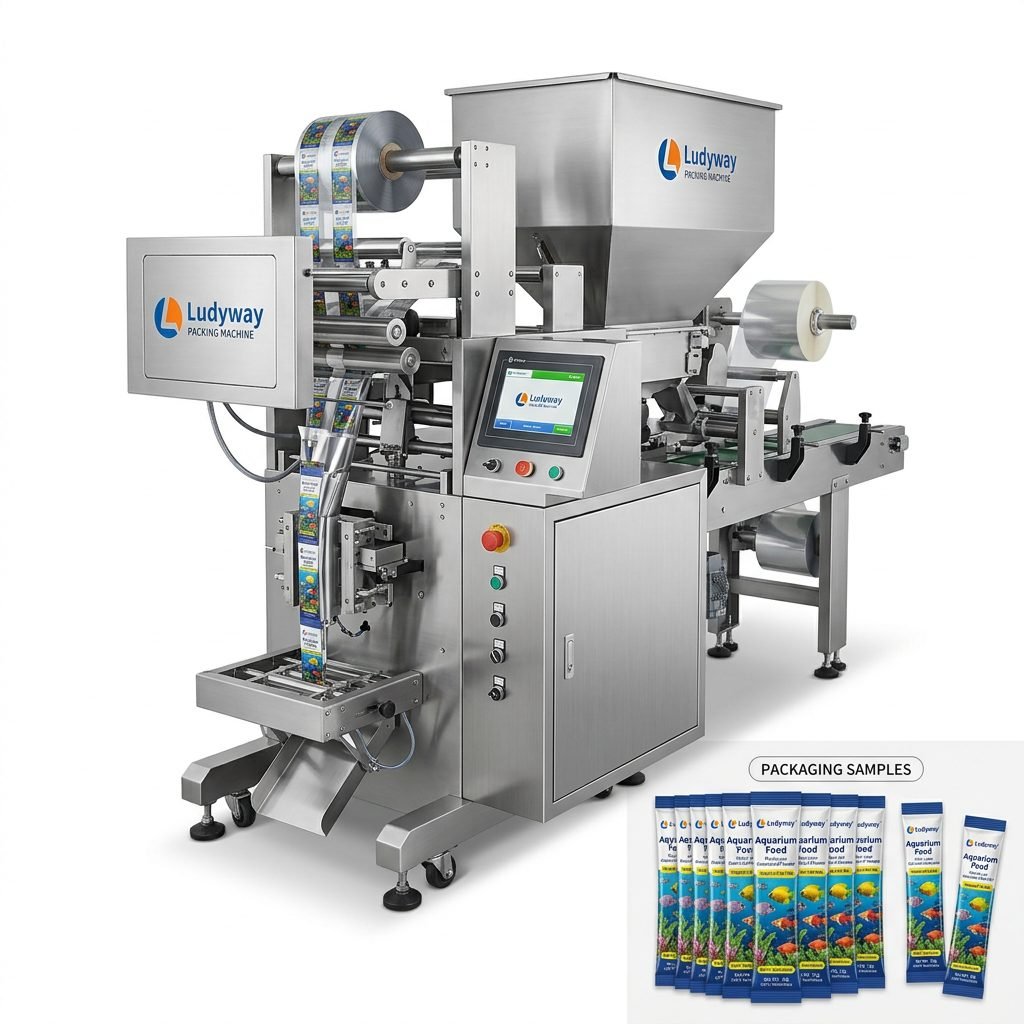
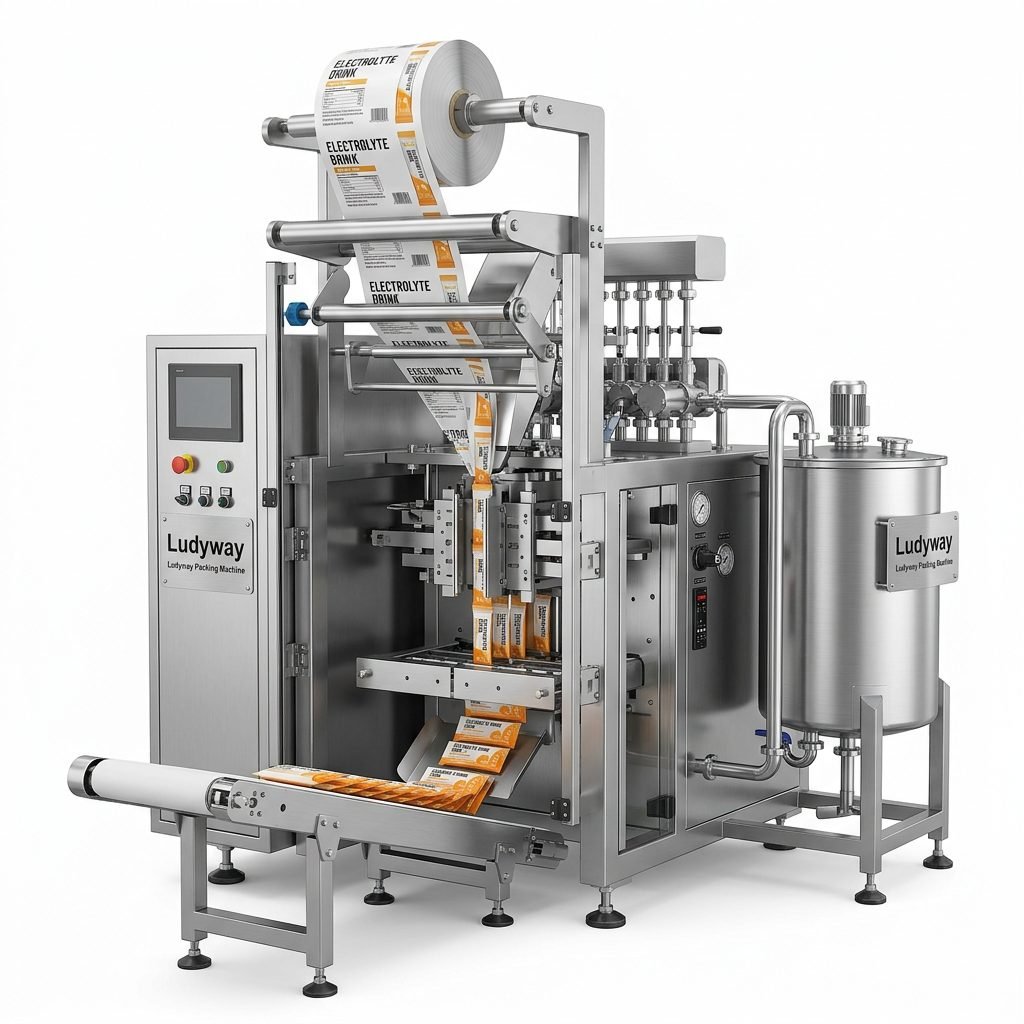
The market offers diverse solutions ranging from compact manual units to fully automated multi-lane systems. Whether you pack loose leaf tea, herbal blends, or powder-based instant tea mixes, choosing the right stick pack or sachet packaging machine significantly affects production output and product quality. Prices vary based on speed, precision, material handling capabilities, and additional features such as nitrogen flushing for extended shelf life.
Key Factors Influencing Tea Kraft Paper Packaging Machine Pricing
Several core components determine the final equipment cost. When comparing suppliers, it is essential to analyze the following technical and operational aspects rather than focusing solely on the listed price.
- Automation Level: Semi-automatic machines require manual feeding and intervention, resulting in lower upfront costs but higher labor dependency. Fully automatic systems integrate feeding, filling, sealing, and cutting processes, commanding higher prices but delivering superior consistency and throughput.
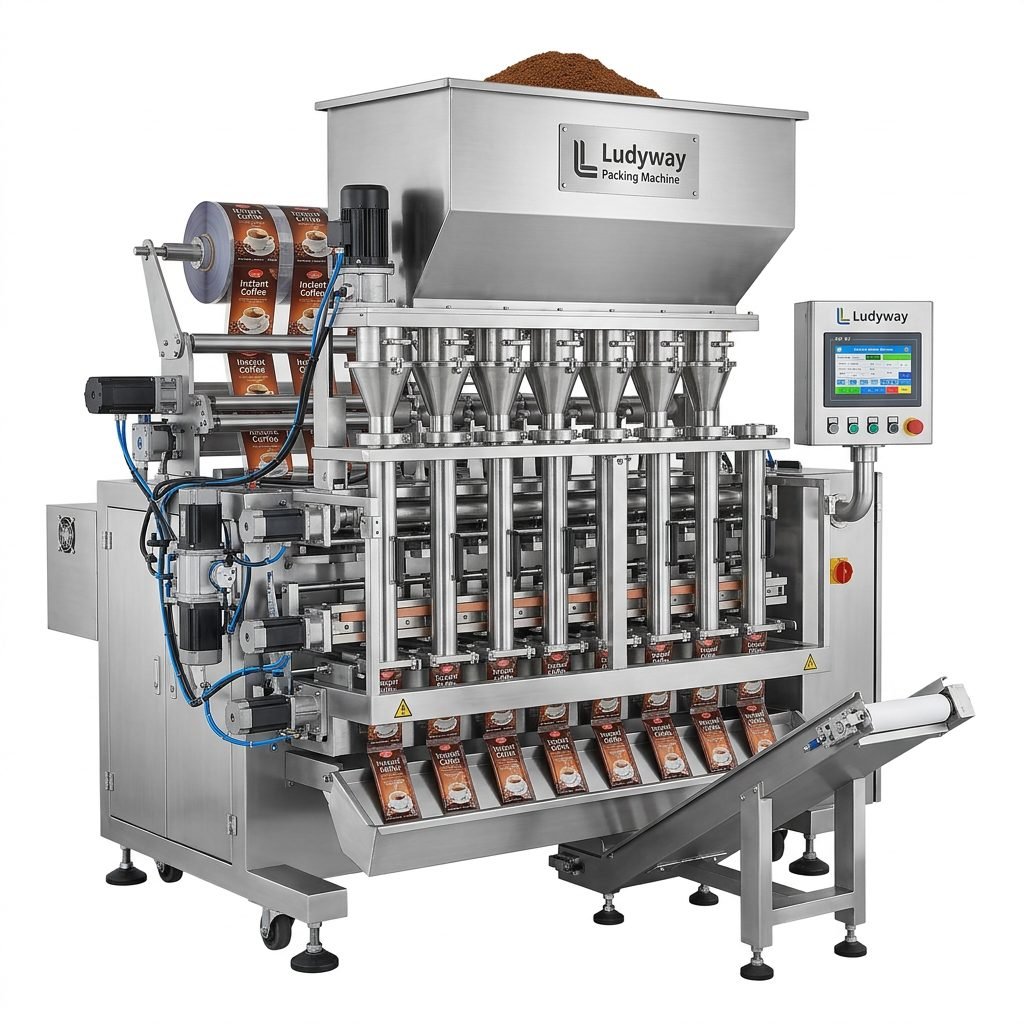
- Production Speed and Lane Configuration: Single-lane machines suit startups and small-batch producers, while multi-lane configurations can produce hundreds of sachets per minute. High-speed models with 4 to 12 lanes typically represent the upper price range due to advanced servo-driven controls.
- Material Compatibility: Tea kraft paper has unique sealing characteristics compared to standard laminates. Machines equipped with adjustable temperature control, ultrasonic sealing, or hot-bar sealing technology tailored for paper-based films tend to cost more but ensure hermetic seals without damaging the material.
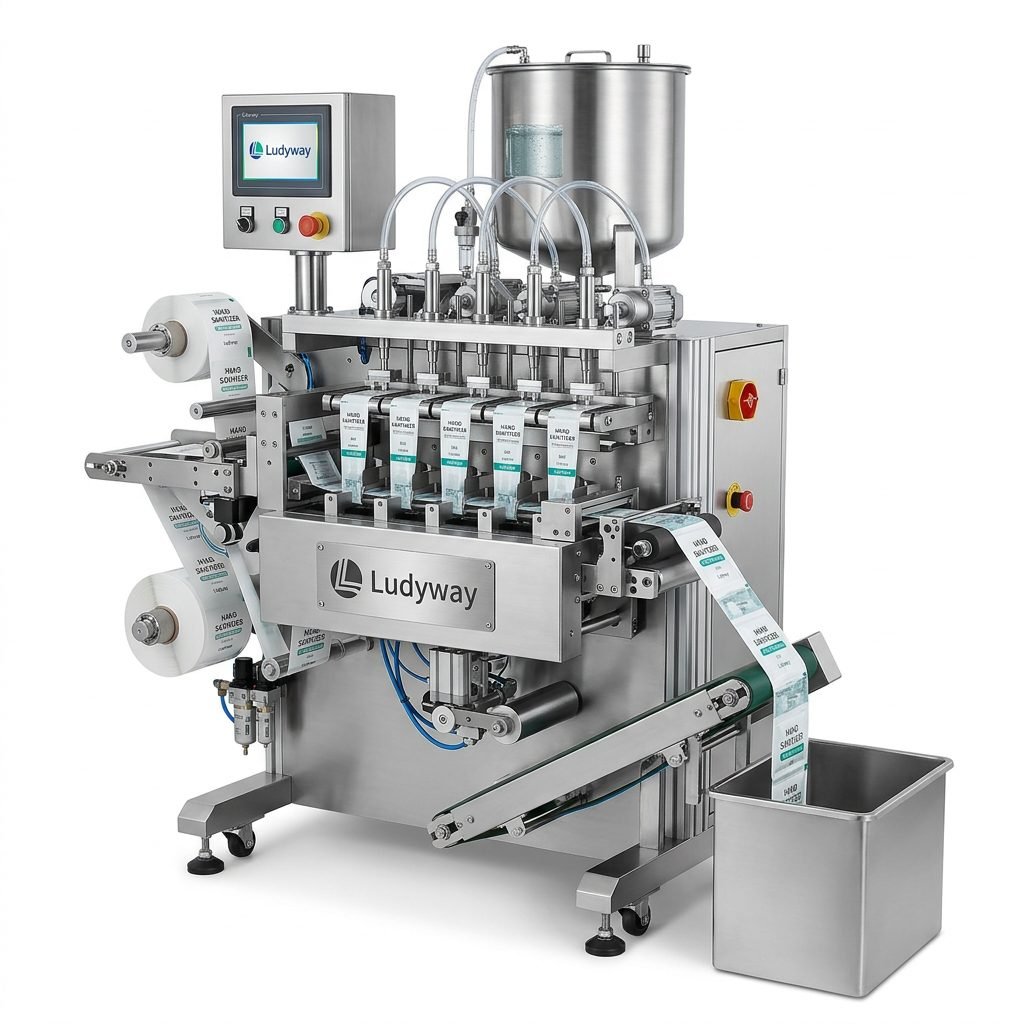
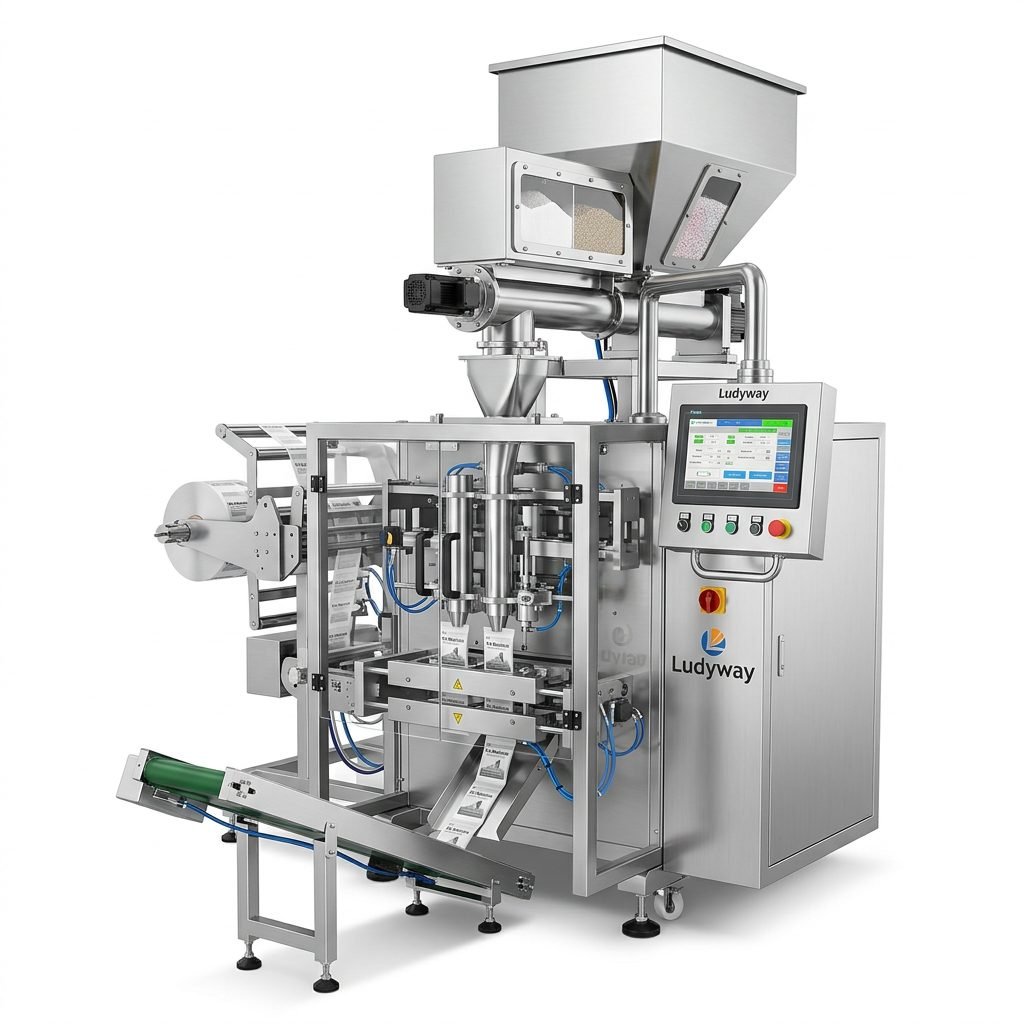
- Filling Technology: Auger fillers for powder tea, volumetric cup fillers for granule blends, and liquid dosing pumps each impact the machine’s complexity. A versatile filling system that handles multiple product types adds value but increases investment.
- Additional Features: Integrated nitrogen flushing, zipper resealable options, batch coding printers, and automatic counting and cartoning systems elevate the total cost but streamline the entire packaging line.
Tea Kraft Paper Packaging Machine Price Ranges by Category
The following table provides an overview of typical cost ranges based on machine type and production capacity. Actual pricing may vary depending on customization, regional shipping, and after-sales service agreements.
| Machine Category | Typical Speed Range | Estimated Cost (USD) | Best Suited For |
|---|---|---|---|
| Entry-Level Single Lane Sachet Machine | 30–60 packs/min | $5,000 – $12,000 | Small tea brands, artisanal producers, pilot production |
| Mid-Range Multi-Lane Stick Pack Machine | 100–250 packs/min | $18,000 – $50,000 | Growing tea businesses, contract packers, medium-scale production |
| High-Speed Fully Automated Kraft Paper Line | 300–600 packs/min | $55,000 – $120,000+ | Large tea manufacturers, international export production |
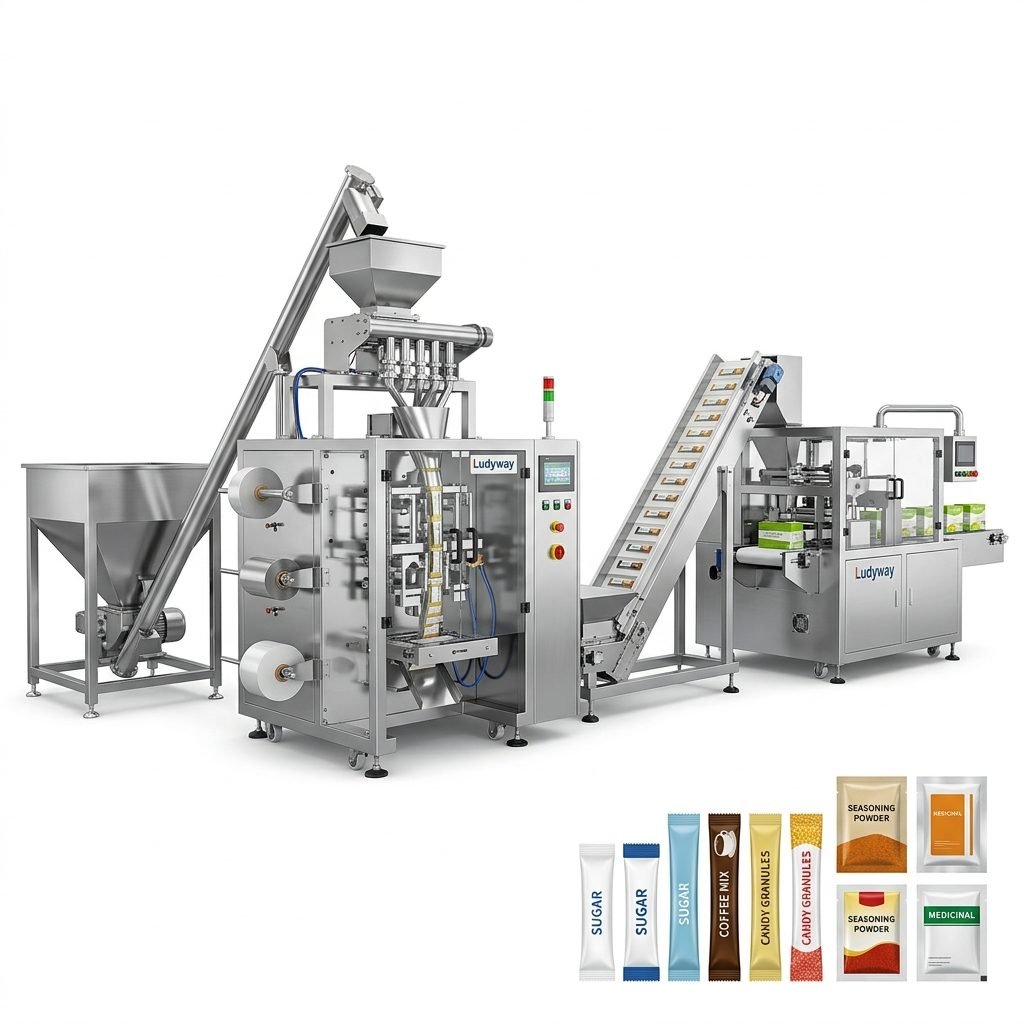
| Turnkey Packaging Line with Cartoning | 200–500 packs/min | $100,000 – $250,000+ | Full-scale automated factories requiring end-of-line integration |

Why Kraft Paper Packaging Demands Specialized Equipment
Unlike traditional plastic laminates, tea kraft paper requires precise heat regulation to prevent scorching while achieving a secure seal. Machines optimized for this material incorporate advanced temperature profiling and coated sealing jaws. Investing in equipment specifically engineered for kraft paper reduces material waste and downtime, directly impacting your bottom line.
Many producers now prefer eco-friendly packaging solutions to align with consumer demand for sustainable products. Kraft paper tea packaging offers a biodegradable alternative that enhances brand image. The right machine ensures the paper’s natural texture remains intact while delivering airtight seals that preserve tea freshness for months.
Comparing Entry-Level and Industrial Tea Packaging Systems
- Small-Scale Operations: Manual or semi-automatic machines serve businesses producing under 5,000 packs daily. These units prioritize flexibility over speed and occupy minimal floor space. While the initial cost stays low, labor costs per unit remain higher.
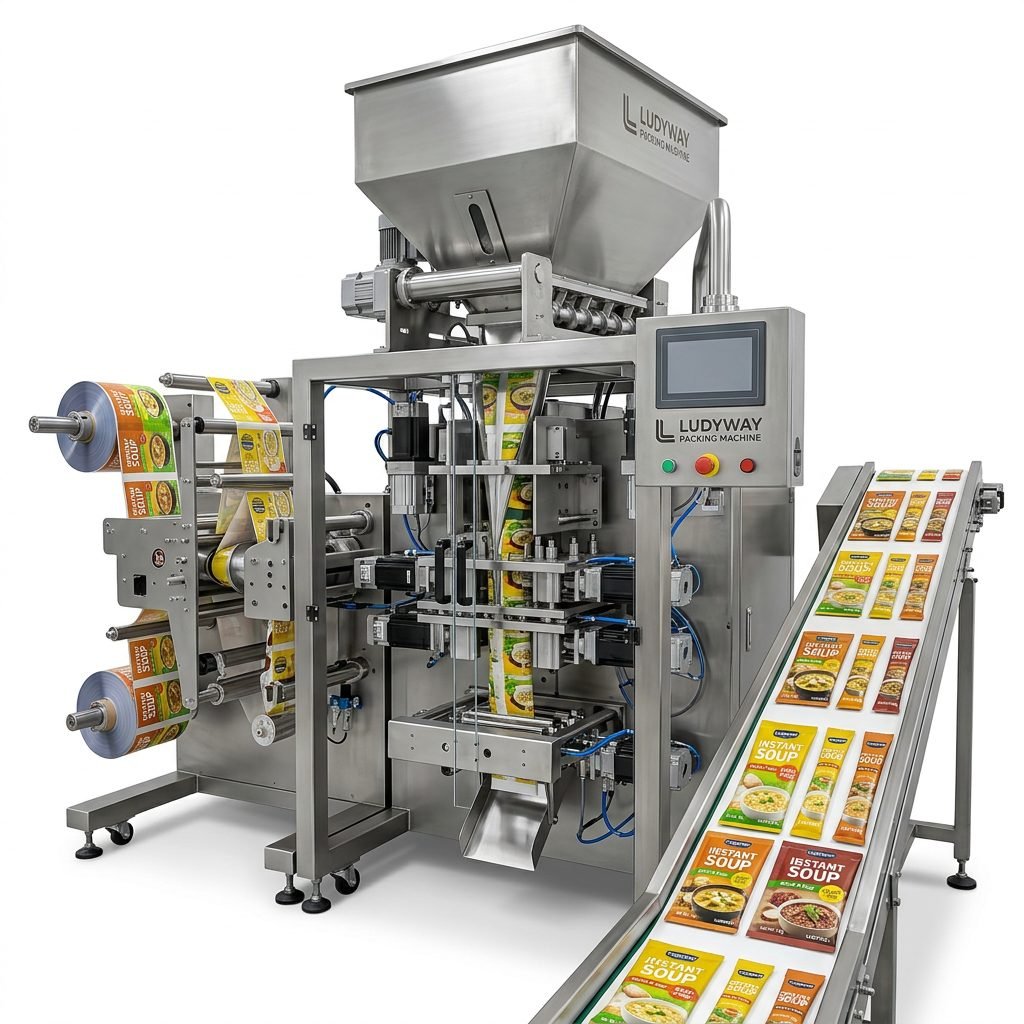
- Mid-Tier Production: Multi-lane stick pack machines offer an ideal balance for companies scaling up. With 4 to 8 lanes operating simultaneously, these systems dramatically increase output without requiring a full factory overhaul. Many include servo-driven filling accuracy for precise portion control.
- Fully Integrated Factories: Complete turnkey lines connect weighing, filling, sealing, coding, and cartoning into one continuous workflow. These systems feature centralized PLC controls, remote monitoring capabilities, and minimal operator intervention. They represent the highest capital expenditure but achieve the lowest per-pack production cost.
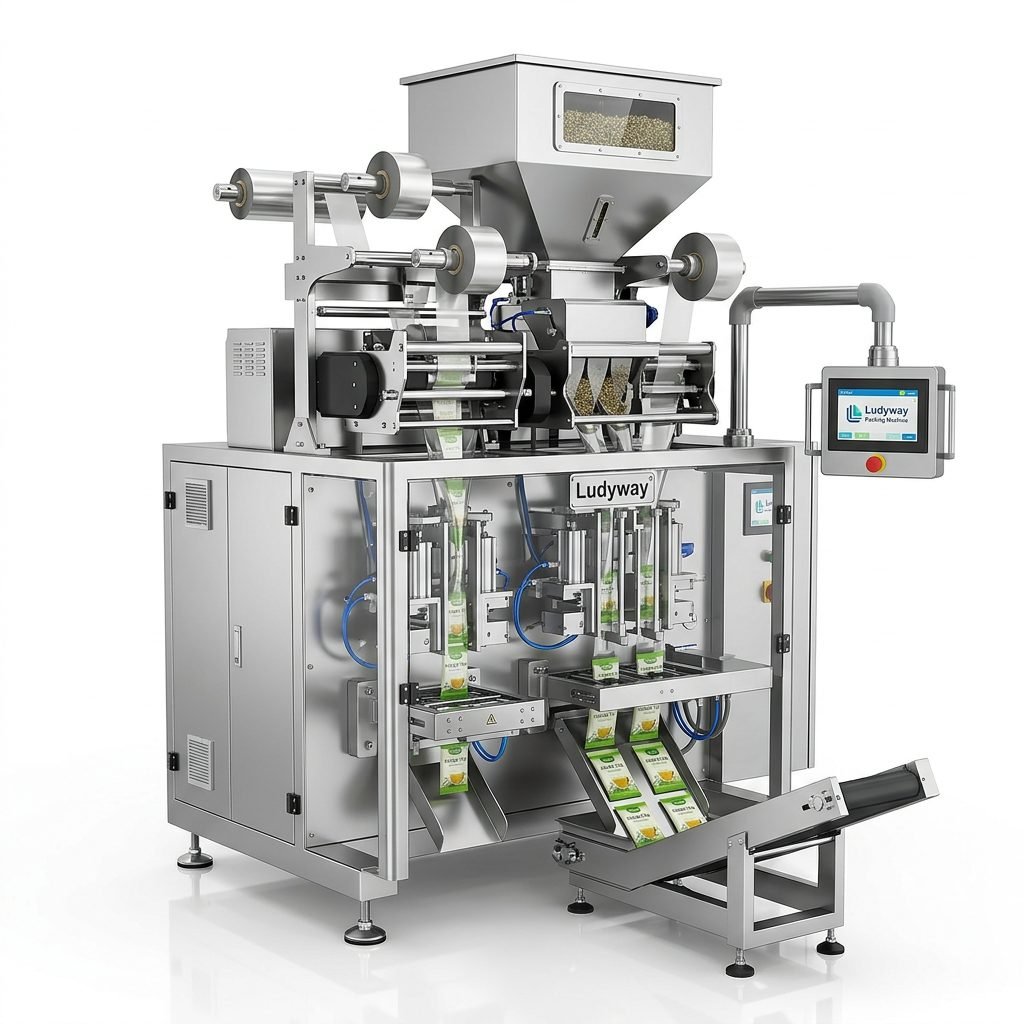
Calculating Total Cost of Ownership for Tea Packaging Equipment
The purchase price represents only one component of the overall investment. Smart buyers evaluate the total cost of ownership (TCO), which includes maintenance, spare parts availability, energy consumption, and production uptime over the machine’s lifespan.
Maintenance and Spare Parts
Machines with accessible components and standardized spare parts reduce long-term operational costs. Some suppliers offer comprehensive preventive maintenance packages that extend equipment life and minimize unexpected breakdowns. When evaluating suppliers, inquire about parts availability in your region and average response times for technical support.
Operator Training and Labor Efficiency
User-friendly interfaces and intuitive controls shorten training periods and reduce reliance on highly specialized operators. Modern machines feature touchscreen panels with recipe storage, allowing quick changeovers between different tea blends or package sizes. This flexibility directly impacts production efficiency and labor allocation.
Energy Consumption and Sustainability
Energy-efficient motors and optimized heating elements contribute to lower utility costs. Some machines incorporate regenerative drive systems that feed energy back into the power grid, reducing overall consumption. As sustainability becomes a competitive advantage, choosing energy-certified equipment supports both environmental goals and operational savings.
Customization Options That Affect Machine Cost
Tailoring a packaging machine to specific production requirements adds value but influences the final price. Common customization requests include:
- Multi-Format Capability: Machines that switch between stick packs, sachets, and pouches on the same platform offer versatility for diverse product lines. This adaptability requires modular design and additional change parts.
- Specialized Feeding Systems: Tea blends containing delicate herbs or flowers benefit from gentle handling mechanisms. Vibratory feeders, multi-head weighers, and auger systems each suit different product characteristics.
- Gas Flushing and Vacuum Integration: For premium tea products requiring extended shelf life, nitrogen flushing preserves freshness and prevents oxidation. This feature adds complexity to the sealing station but significantly enhances product quality.
- Remote Monitoring and IoT Connectivity: Industry 4.0 features enable real-time production tracking, predictive maintenance alerts, and integration with enterprise resource planning systems. These advanced capabilities represent a growing trend in smart packaging line solutions.
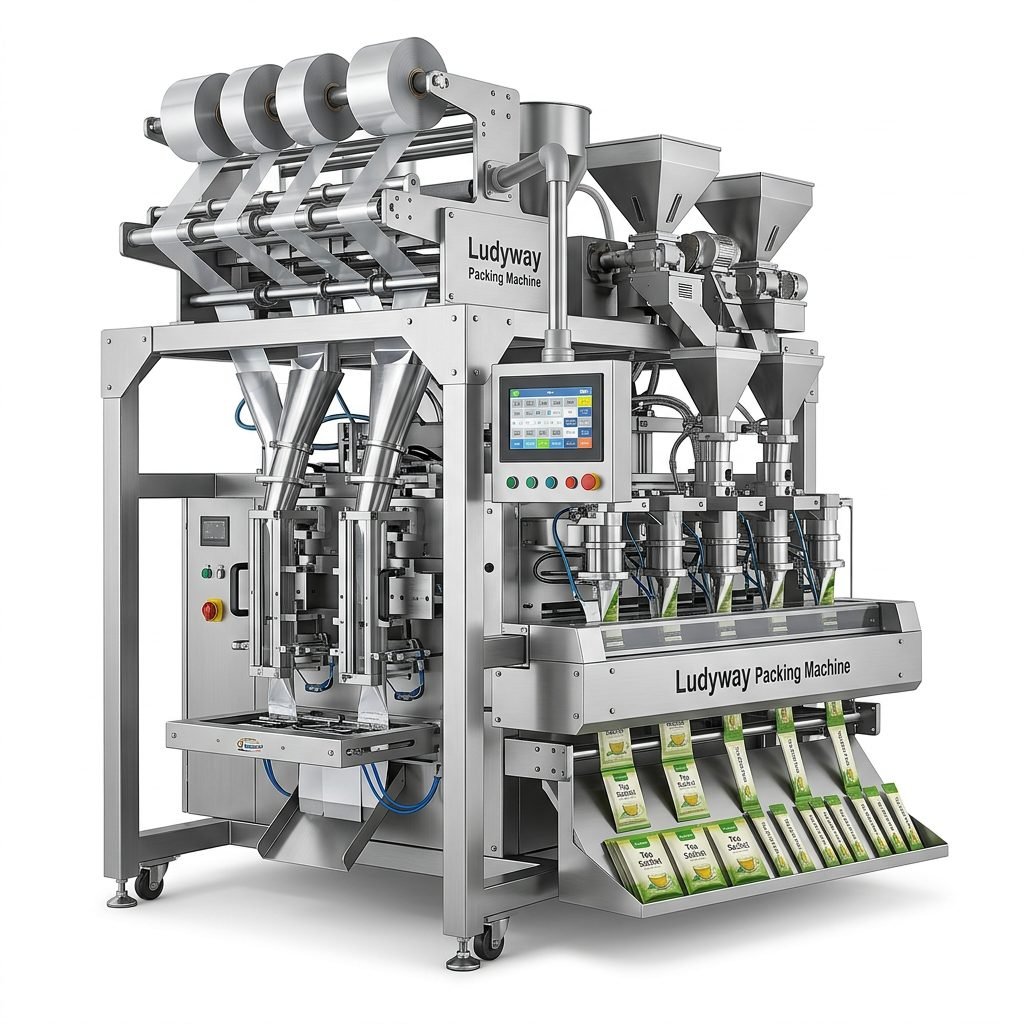
How to Source a Reliable Tea Kraft Paper Packaging Machine Supplier
Selecting the right equipment partner is as important as the machine itself. Established manufacturers offer more than just hardware—they provide technical consultation, installation support, and long-term service agreements that protect your investment.
Key Supplier Evaluation Criteria
- Industry Experience: Companies with decades of packaging machinery expertise understand the nuanced requirements of tea producers. They have refined their designs through real-world application feedback and continuous engineering improvements.
- Manufacturing Capabilities: Modern production facilities equipped with CNC machining centers, laser cutting, and automated assembly lines typically deliver higher precision and faster lead times. A supplier’s factory size and equipment investment reflect their commitment to quality.
- Global Service Network: For international buyers, local technical support and spare parts availability minimize downtime. Suppliers with established overseas service infrastructure provide peace of mind for long-term operations.
- Customization and Flexibility: The ability to modify standard machine configurations to meet specific packaging requirements indicates engineering depth. Whether adjusting lane counts, film widths, or filling methods, responsive customization shortens time to market.
Installation, Commissioning, and After-Sales Support
The relationship between buyer and supplier extends well beyond the initial purchase. Professional installation and commissioning services ensure machines operate at peak efficiency from day one. Look for suppliers that provide:
- On-site technical teams for machine setup and calibration
- Comprehensive operator training programs with documentation
- Warranty terms that cover parts and labor for a defined period
- Lifetime technical support accessible via multiple communication channels
- Remote diagnostic capabilities for rapid troubleshooting
Companies like Ludyway, one of the largest packaging machine manufacturers in China, specialize in advanced packaging equipment and turnkey production solutions for the food, pharmaceutical, and health industries. With over 30 years of industry expertise and a modern 20,000㎡ manufacturing facility, they provide reliable and efficient packaging solutions for granule, powder, and liquid applications. Serving customers in over 100 countries, they deliver high-performance equipment backed by experienced engineering teams and global service support.
Financing and Return on Investment Considerations
For many tea businesses, capital equipment financing makes high-quality machinery accessible without straining cash flow. Leasing options, installment plans, and equipment loans spread the investment over the machine’s productive lifespan. When calculating ROI on a tea kraft paper packaging machine, consider these metrics:
- Labor Reduction: Automated lines can reduce packaging labor requirements by 60-80%, translating directly to operational savings.
- Material Waste Reduction: Precision filling and accurate sealing minimize product giveaway and film waste, improving overall yield.
- Production Capacity Expansion: Higher speeds enable manufacturers to accept larger orders and enter new markets without proportionally increasing labor costs.
- Quality Consistency: Automated quality control reduces rejected batches and strengthens brand reputation, potentially supporting premium pricing.
Future Trends in Tea Packaging Machinery
The packaging machinery industry is evolving rapidly, driven by sustainability mandates, digitalization, and changing consumer preferences. Staying informed about emerging trends helps buyers make future-proof investment decisions.
Sustainable Packaging Innovations
Beyond kraft paper, manufacturers are developing machines compatible with biodegradable films, compostable laminates, and recycled content materials. Equipment flexibility to handle these evolving substrates positions tea producers to adapt as regulatory requirements and consumer expectations shift toward circular economy principles.
Smart Factory Integration
Advanced sensors, cloud-based analytics, and AI-driven predictive maintenance are transforming packaging operations. Machines that collect and transmit production data enable manufacturers to optimize efficiency, predict component wear, and reduce unplanned downtime. This connectivity supports continuous improvement initiatives and real-time decision-making.
Compact and Modular Designs
Space-efficient machines that deliver high output from smaller footprints address the challenges of urban manufacturing and expanding production within existing facilities. Modular designs allow incremental capacity additions, protecting initial investments while enabling growth.
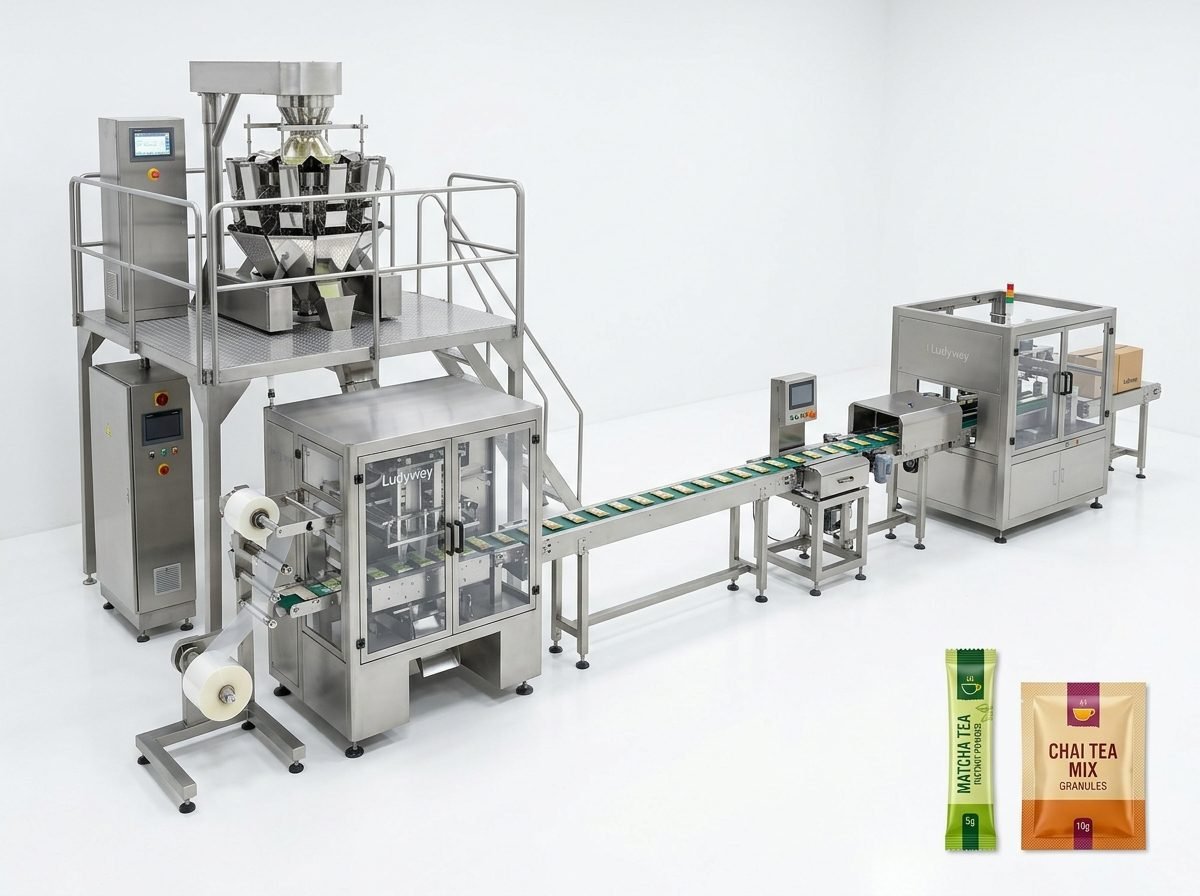
Making the Right Decision for Your Tea Business
Whether you are launching a new tea brand or upgrading an existing production line, the tea kraft paper packaging machine cost should be viewed as an investment in your brand’s quality and growth potential. Start by defining your current and projected production volumes, then evaluate machines that match those requirements while offering room for expansion.
Request detailed quotations from multiple suppliers, but prioritize those with proven track records, comprehensive service offerings, and machinery specifically engineered for kraft paper applications. Schedule factory visits or virtual demonstrations to observe machine performance with your actual packaging materials. A well-chosen packaging system for granules and powders becomes a cornerstone of operational success, delivering consistent quality and supporting brand growth for years.
Frequently Asked Questions About Tea Packaging Machine Investment
What is the typical lead time for a custom tea packaging machine?
Standard machine lead times range from 4 to 10 weeks depending on configuration complexity. Customized or turnkey lines may require 12 to 16 weeks for design, manufacturing, and pre-shipment testing.
Can one machine handle both kraft paper and standard laminates?
Yes, many modern machines feature adjustable sealing parameters and quick-change forming tubes that accommodate multiple film types. Confirm material versatility with the supplier before purchase to ensure the machine meets your full range of packaging needs.
What warranty and service terms should I expect?
Industry standards typically include a 12-month warranty covering manufacturing defects. Extended warranty options, preventive maintenance contracts, and guaranteed spare parts availability should be negotiated during the procurement process.
How do I evaluate machine build quality during a factory visit?
Observe frame rigidity, weld quality, electrical cabinet organization, and overall attention to detail. Ask about component brands—reputable manufacturers use internationally recognized servo motors, PLC controllers, and pneumatic systems that ensure long-term reliability.
For more information about tea kraft paper packaging solutions and detailed machine specifications, contact industry experts who can provide tailored recommendations based on your specific production requirements and budget parameters.